Systematic Review

Developing a Theoretical Model of Digital Content Creation to Enhance Toddlers’ Speech Formation Based on Children’s Folklore Tales
by
Saule Shunkeyeva
1,*,
Sandugash Abisheva
1,
Ainur Seilkhanova
2,
Zhanar Kaskatayeva
2 and
Meiramgul Zhetpisbayeva
3
1
Educational and Methodological Department, LLP “Astana IT University”, Astana Z05T1Y3, Kazakhstan
2
Department of Practical Foreign Language Course, Academician E.A. Buketov Karaganda University, Karaganda 100000, Kazakhstan
3
The Branch of the JSC National Center for Advanced Training «Orleu», Institute of Professional Development of Karaganda Region, Karaganda 100024, Kazakhstan
*
Author to whom correspondence should be addressed.
Educ. Sci. 2026, 16(3), 464; https://doi.org/10.3390/educsci16030464
Submission received: 21 January 2026 / Revised: 25 February 2026 / Accepted: 13 March 2026 / Published: 18 March 2026
(This article belongs to the Section Early Childhood Education)

Abstract

The primary aim of this study is to develop a comprehensive theoretical model for creating digital content that enhances speech formation in toddlers aged 1–3, based on children’s folklore. This model seeks to integrate pedagogical, psychological, and cultural elements to offer a balanced and age-appropriate digital learning experience for young children. The study employed a systematic literature review using Creswell’s seven-step process, which involved identifying relevant research, reviewing and analyzing 22 peer-reviewed studies published between 2019 and 2023, and synthesizing their findings. VOSviewer version 1.6.18, a bibliometric visualization tool, was used to conduct a keyword co-occurrence analysis, identifying key concepts and trends in digital content creation for toddlers. The systematic review adhered to the PRISMA framework to ensure rigor in the selection and analysis of the included studies, which spanned fields such as education, psychology, and pediatric development. The study identified several key dimensions necessary for developing an effective theoretical model of digital content creation for toddlers: The content must be age-appropriate and consider the unique cognitive, linguistic, and developmental needs of toddlers. Children’s folklore plays a crucial role in language development, offering culturally rich and rhythmically engaging material for young learners. The model must address the balance between screen time and real-world interactions, ensuring that digital engagement does not replace essential real-life learning experiences. Ensuring the psychological and physiological safety of digital content is paramount, requiring the exclusion of inappropriate or harmful material and the inclusion of interactive, engaging content that supports speech development. The study concludes that a well-designed model for digital content creation, rooted in children’s folklore, can significantly enhance speech development in toddlers. Such a model must not only support language acquisition but also reflect cultural heritage, promote safe digital environments, and encourage a balance between digital and real-world interactions. By integrating the findings from various disciplines, this theoretical model provides a holistic framework that can guide the development of high-quality digital content aimed at supporting early childhood language development in the digital age.

1. Introduction

To enhance speech formation in young children, creating digital content based on materials from appropriate folklore proves to be an exciting and effective method to develop language skills. Maximizing the efficacy of this approach involves considering the psycholinguistic characteristics of young children such as cognitive abilities, attention, perception, and their specific interests. Furthermore, when exploring the creation of such digital content, determining the main stages, principles, and aspects of the creation process can be expressed as a theoretical model. This study theoretically substantiates a model for creating digital content to enhance speech formation in young children based on age-appropriate folklore. The model was developed following an in-depth analysis and systematic review of scientific literature using VOSviewer. The creation of the model was based on previous research of the authors (Shunkeyeva et al., 2022; Shunkeyeva et al., 2023; Shunkeyeva & Zhetpisbayeva, 2023) on the development of digital content for the formation of speech, in the Kazakh language, among young children, based on materials from Kazakh children’s folklore in the period from 2022 to 2024, as well as the absence of such a model in scientific and specialized sources on the subject.
The research data are based on existing theories of language acquisition and aspects of cognitive and speech development in early childhood (Chomsky, 1957; Piaget, 2022; Gualtieri & Finn, 2022). This study considers the challenges of using high-tech digital environments to facilitate the development of young children, including aspects of the digital environment’s impact on the development of their speech potential and the pedagogical–educational potential of digital animated content. Regarding children’s folklore as a basis for the development of digital animated content for speech formation in young children, its linguacultural material can be viewed as a fragment of the national, linguistic picture of a child’s world (Shunkeyeva & Zhetpisbayeva, 2023). This view allows us to examine the main relevant components that can be used to create digital content for speech formation in young children and, importantly, use our understanding of those components to form the basis of a theoretical model.
Studying existing theories of early language acquisition can help identify the types of content that are most effective at promoting children’s language development. Moreover, the study of children’s folklore as a basis for developing digital content demonstrates that such materials play an integral role in language development (Tokpaeva, 2020; Malikova, 2023; Shunkeyeva et al., 2023), highlighting the significant value of traditional narratives and rhymes in nurturing linguistic skills. Therefore, works of children’s folklore in the form of children’s songs, rhymes, fairy tales, games, counting rhymes, and tongue twisters make a vital contribution to the development of speech skills. Specifically, the melody and rhythm of folk songs and rhymes contribute to the development of auditory perception in children; furthermore, onomatopoeia in nursery rhymes, tongue twisters, and counting rhymes helps the child better distinguish between sounds and words. Moreover, the lexical content of folk tales, rhymes, and counting rhymes—representing a variety of words and expressions—helps to expand children’s vocabulary. Storytelling and the discussion of stories help children to learn new words and understand their meaning in context. Further, regular repetition of rhymes and songs reinforces grammatical structures. Bright characters and the exciting plots of folk tales and poems stimulate creative thinking in young children and inspire them to express themselves through drawing, games, and developing their own poems (Shunkeyeva et al., 2022).
Thus, communication based on children’s folklore creates a favorable environment for the development of speech in young children and contributes to the formation of their cultural and linguistic identity as well as their linguistic overview of the world.
Digital animated content is a powerful educational tool to improve the educational development of young children. Therefore, when creating cartoons for young children, it is essential to not only consider the content but also pay close attention to the auditory aspects of speech and how children may interact with the finished product (Shunkeyeva et al., 2023). However, the findings of existing studies are insufficient to develop a robust theoretical model that can be used to underpin the creation of digital content to enhance speech formation in young children based on age-appropriate folklore. The current study therefore undertook a systematic review of relevant scientific literature using VOSviewer to develop a robust model based on solid theoretical foundations.

2. Methods

A systematic review is an essential aspect of developing scoping research that can describe the current research landscape (Chen, 2017). Although selecting a research design can be challenging because of the need for clarity in the academic decision-making process (Creswell, 2018), our two-fold structure addresses this issue by being transparent about the systematic review process. First, we explored the dimensions of digital content creation for toddlers aged 1–3 years. Second, we used the exploration to create a theoretical model to examine digital content creation for toddlers in this age range. Our work is grounded in Creswell’s seven-step process for literature reviews, as outlined in Table 1 (Creswell, 2018).

3. Literature Search

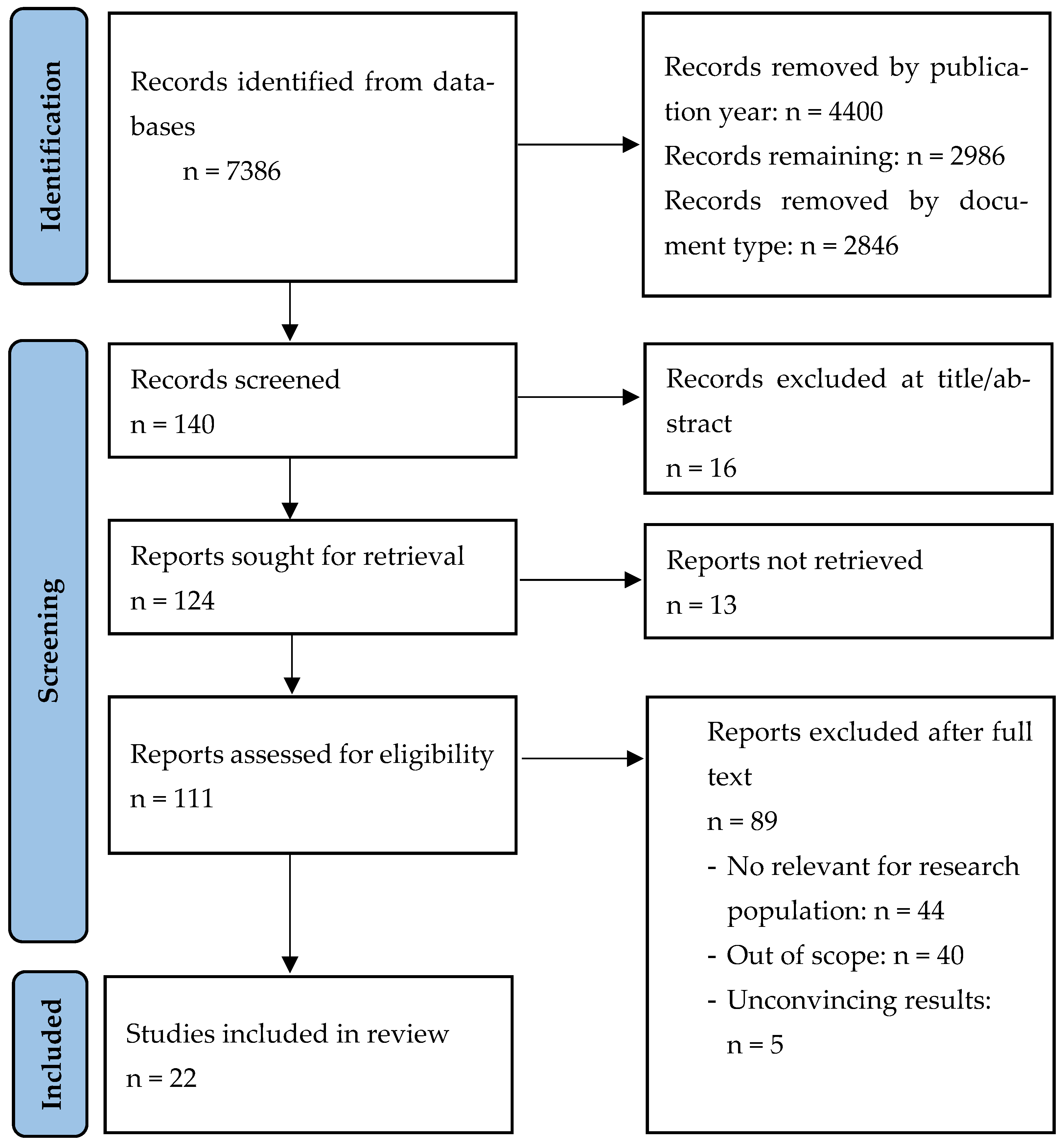
We began by identifying appropriate keywords and systematically searching various databases, including Dimensions and Google Scholar. Our Boolean operator methods were based on combinations of the following keywords: “screen media” AND “nursery rhymes,” “digital content creation,” AND “toddlers OR children.” To retrieve relevant studies, we used the Preferred Reporting Items for Systematic Reviews and Meta-Analyses (PRISMA) framework (Moher et al., 2015). Initially, the inclusion criteria ensured studies were (1) international, (2) peer-reviewed, (3) published between 2018 and 2023, (4) within the following research categories: Language, Communication, and Culture; Screen Digital Media; Education; Creative Art and Writing; Psychology; and Pediatrics, (5) related to this study’s research objectives, and (6) have empirical and theoretical underpinnings of diverse international scope. Studies were excluded if they (1) were not relevant to the study and out of scope, (2) were not available in full-text, or (3) were edited books, book chapters, monographs, or preprints. The PRISMA process (shown in Figure 1) provided 22 screening criteria, as shown in Table 2.
As shown in Figure 1, we obtained 7386 publications in the identification process and we removed 4400 studies from 2018 to 2023. Further studies were excluded due to being other typologies of publications, full-text unavailable, irrelevant, or exceeding research parameters. Finally, 22 studies remained for the bibliometric review process, which is explained below.

4. Keywords Co-Occurrence Analysis

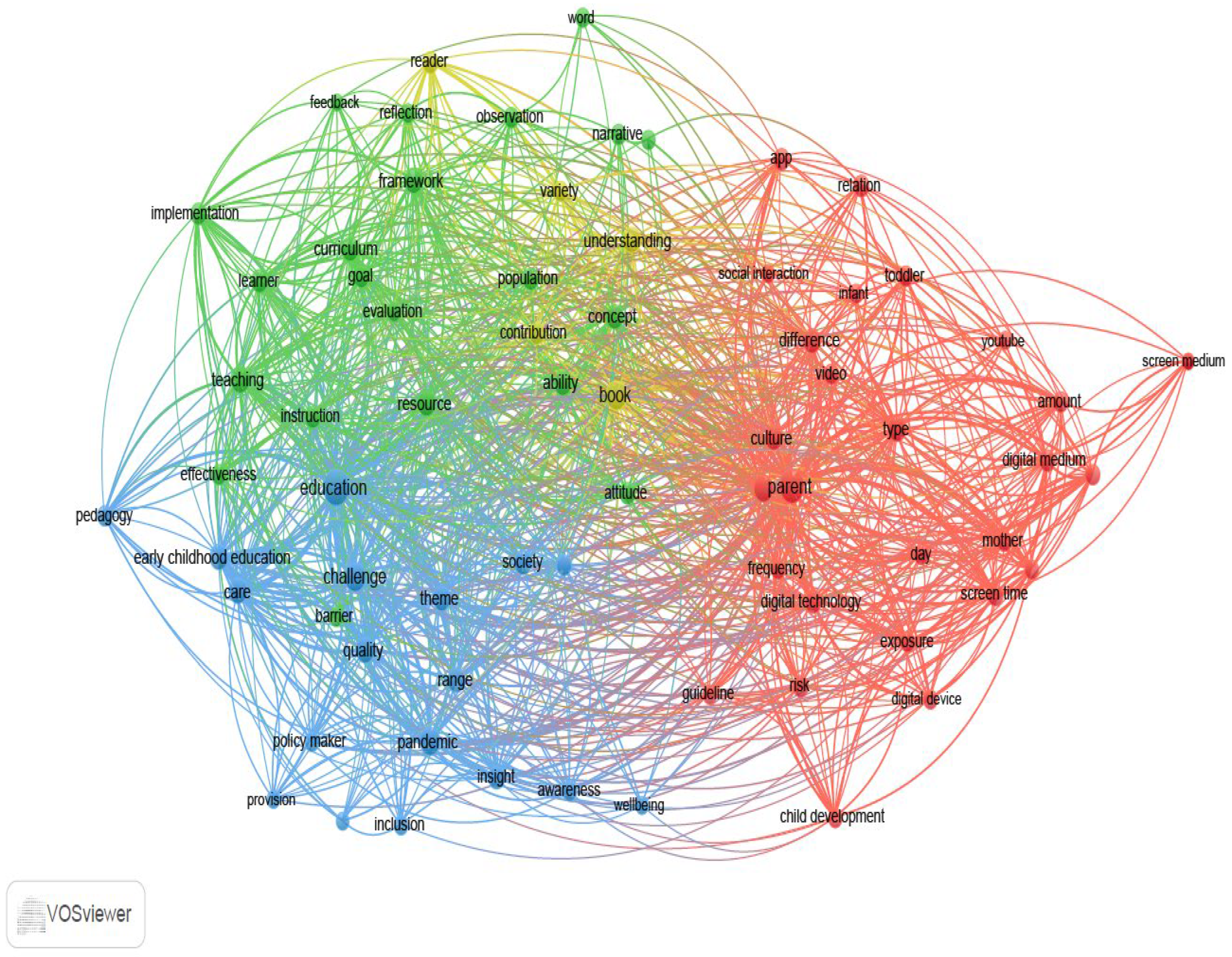
Through systematic analysis, we analyzed the 22 studies using VOSviewer, version 1.6.18, a bibliometric visualization tool created by Van Eck and Waltman (2019). VOSviewer is an AI-powered software tool that processes bibliometric data to identify key concepts and terms in a specific research topic, which enables visualization of the results by creating maps. Research trends and main topics can be identified by analyzing the co-occurrence frequencies of keywords in publications (Lu et al., 2021). Co-occurrence analysis assumes that two items are related if they appear in the same context. The outcomes of co-occurrence frequencies of the keywords were visualized using VOSviewer software and are shown in Figure 2. To identify and explore leading and emerging topics in the research area of “digital content creation for children aged 1–3 years,” a clustering solution was employed. Children aged 1–3 years old are commonly known as toddlers. Figure 2 shows four clusters of co-occurrence frequencies that reveal multiple similar research interests in the included articles. The keywords “book,” “education,” “parent,” “toddler,” “concept,” and “digital technology” have the highest frequency and are the most central. The red cluster in Figure 2 mainly relates to parental influence and digital engagement in child nurturing, while the blue cluster is related to education. The green cluster contains keywords related to framework solutions and implementation in digital content creation. The yellow cluster intersects in the center of the bibliometric map and reveals a research concern in the keyword “books” in the digital learning environment. However, this aspect, which is out of the scope of our research interest, must be excluded from our research question.
In response to the interdisciplinary nature of early childhood development, the keyword strategy was expanded to include neurodevelopmental and clinical terms such as “neurodevelopment,” “autism spectrum disorder (ASD),” “communication disorders,” “hearing impairment,” and “sensory processing.” Although the final selection focused on speech formation and digital content design, the extended search ensured that neurological and clinical perspectives were not systematically excluded during screening.

5. Results

Through the PRISMA process, 22 items that specifically addressed the research question of media screening issues for children aged 1–3 years from a nursery folklore perspective were selected. The included studies reveal key dimensions related to digital content creation, such as child development stages, joint-media engagement, media screening concerns, policy decision-making, and other educational aspects. In addition to the research gap identified in the introduction to this study, another unaddressed area of importance was uncovered. Notably, questions related to anthropological perspectives on nursery rhymes and children’s folklore in a digital learning environment have been overlooked.
Our clustering solution reveals the wide international scope of the included articles, and highlights the key aspects of our research question. To develop a theoretical model for creating digital content for toddlers, we summarized the findings of the 22 studies, as shown in Table 2. We detected a variety of research interests across different fields, including Psychology (11), Child Psychiatry (1), Speech Pathology (1), Child Neuropsychiatry (1), IT Studies (1), Pediatrics (3), Education (5), Child Language (1), Child Development (2), Health Education (1), and Health Science (2). This wide interest in this topic underscores the significance of our research. Moreover, we identified the following dimensions that were used to develop the theoretical model of digital content creation for toddlers: psychological and age-appropriateness, core development, video reliability, avoiding the distribution of inappropriate content, a theoretical grounding, and the inclusion of folklore. Our analysis of the included studies reveals some overlap between the findings because most of the studies were interdisciplinary. The findings therefore underscore the depth and breadth of our research topic.
Among the 22 studies included in the final analysis, approximately one-third emphasized cautionary or risk-mitigation perspectives regarding early screen exposure. A subset explicitly addressed potential developmental or neurological concerns, including delayed expressive language, reduced mimic-gestural development, and sedentary behavior effects. The remaining studies adopted a conditional position, suggesting that developmental outcomes depend on content quality, interactivity, duration of exposure, and caregiver mediation. This distribution indicates that the literature does not uniformly endorse digital exposure but rather frames it within a quality-dependent and context-sensitive paradigm.

6. Discussion

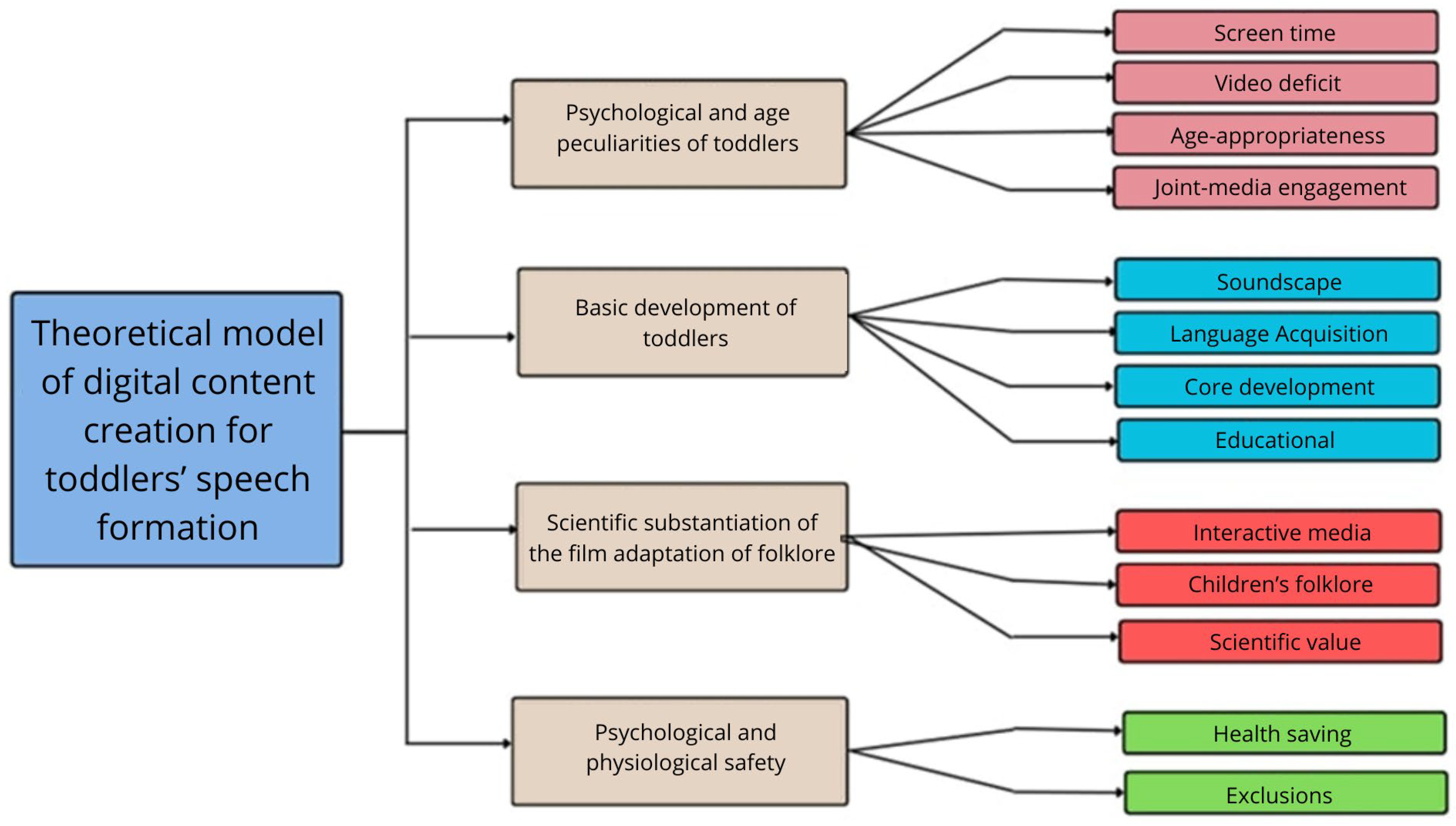
We implemented Creswell’s seven-step process (Creswell, 2018) for conducting a systematic review and utilized bibliometric analysis to develop a theoretically substantiated model of digital content creation to enhance toddlers’ speech formation based on materials from children’s folklore. The foundation of this model is based on the clustering solution for keywords co-occurrence analysis generated using VOSviewer. The software successfully identified critical dimensions for the intended model. After scrutinizing each of the 22 included articles, we concluded that our model must include several essential aspects of digital content creation for young children. The resultant model therefore emphasizes age-appropriateness, core development stages and outcomes, emotional and social moderators of transferable skills, avoidance of inappropriate or disturbing videos, child safety in the digital environment, and anthropological perspectives on digital children’s folklore. Our comprehensive model comprises four main dimensions, each consisting of several principles, as illustrated in Figure 3. The model encompasses pediatric, pedagogic, didactic, psychological, child safety issues, information technology, and folklore-based dimensions. Combined, these dimensions provide considerable benefits for speech formation in toddlers. Each section of the model intersects and serves one common purpose: to create a secure digital environment for children aged 1–3. The international scope of the included articles shows that the theoretical model is well-grounded and, therefore, highly relevant for digital content experts, policymakers, and researchers alike (Figure 3).
The first part of the model covers psychological and pediatric issues present in the included articles. Such issues include screen time, video deficit (described below), age-appropriateness, and joint-media engagement. Screen time, extensively discussed in the included studies, is defined as interactions with smartphones, tablets, computers, and televisions. It is crucial to distinguish between active and passive engagement to understand the impact of screen time. Karani et al. (2022) and Puzio et al. (2022) highlighted the risks and benefits of screen time, advocating for careful monitoring and comprehensive understanding. Heller (2021) emphasized the cognitive risks of extended screen time and proposed active caregiver mediation as a solution. Our findings underscore the importance of parents and caregivers actively managing and monitoring children’s exposure to digital media to ensure that it positively contributes to their speech development.
Our literature review shows that a critical point in early childhood digital learning is the phenomenon known as “video deficit.” The phenomenon challenges the translation of knowledge from screens to real-world applications, particularly between 15 and 30 months of age. The studies by Barr (2019) and Heimann et al. (2021) offered insights into this phenomenon, emphasizing the need for responsive learning environments and developmental subtleties. Consideration of toddlers’ cognitive challenges in transferring knowledge from digital media to real-life experiences and the creation of content supporting this transition were discussed in the studies, underscoring the necessity for digital content creators to address this aspect. The shaping of digital content creation for toddlers hinges on the crucial factor of ensuring age-appropriate content. The cognitive benefits of tailored content and the risks associated with unsuitable media were emphasized by Puzio et al. (2022), Brodsky and Sulkin (2020), and Papadamou et al. (2019). The authors advocated for caregiver education and suitable content to enhance language acquisition. The responsibility to ensure that the content available to toddlers is appropriate for their developmental stage falls upon content creators and platform providers.
Joint-media engagement involving caregivers and children was found to be a key practice in enhancing the efficacy of children’s digital learning. Barr (2019), Puzio et al. (2022), and Heimann et al. (2021) stressed the importance of joint-media engagement in boosting toddlers’ attention, comprehension, and critical thinking. The role of caregivers in facilitating meaningful interactions with digital media to support a child’s learning and development was also highlighted, underscoring their significant contribution to speech development. In summary, integrating these principles—screen time management, addressing the video deficit, ensuring age-appropriate content, and promoting joint-media engagement—can enhance early learning experiences for toddlers in a meaningful manner. This combined approach acknowledges the multifaceted nature of toddler digital-media learning and underscores the importance of caregivers in shaping positive digital experiences for young learners.
The second section of the model developed in this study tackles the crucial topic of toddlers’ development in digital media design. Based on the studies discussed below, the second section comprehensively covers essential aspects such as language acquisition, soundscapes, core development, and educational perspectives on digital content creation. Language acquisition, the process by which young children develop their linguistic skills, is a crucial facet of early childhood development. The first three years of life are a critical period for language development, and interactions with people and objects play a central role in this process. Brodsky and Sulkin (2020), Operto et al. (2020) and Arabiat et al. (2022) underscored the significance of social interactions and the impact of digital media on language acquisition. They emphasized the need for a balanced and developmentally appropriate approach to digital media use to support effective language acquisition in early childhood.
The soundscape—encompassing natural, human-made, and technological sounds—is pivotal in influencing infants’ language acquisition and auditory focus. Franco et al. (2022), Brodsky and Sulkin (2020), and Drotner (2020) shed light on the impact of early musical interactions and soundscapes on infant language development. The authors emphasized the importance of age-appropriate soundscapes in digital content for toddlers. Additionally, educational media—including television programs, apps, and e-books—are pivotal in shaping early childhood cognitive development. Barr (2019) and Meyer et al. (2021), Strouse and Samson (2021), Murcia et al. (2018), Goldstein and Alperson (2019), Edwards et al. (2020), Drotner (2020), and Arabiat et al. (2022) all explored the multifaceted nature of educational media in the early years of a child’s life. Their studies explained the need for balanced, developmentally appropriate use and the potential for fostering cognitive, social, and problem-solving skills.
Core development, encompassing various facets of a child’s physical, cognitive, and socio-emotional growth, plays a pivotal role in the formative years of toddlers. This principle emphasizes the importance of nurturing core development through digital content designed for toddlers. The studies reviewed in this review provide valuable insights into the multifaceted nature of core development in toddlers and its relationship with digital media exposure. Puzio et al. (2022) emphasized the critical periods of infancy and childhood for fundamental motor skill development, highlighting associations between motor skills, physical activity, academic achievements, and body mass. They also discussed the impact of sedentary behaviors—including screen time—on motor development, emphasizing negative correlations between sedentary activities and gross motor skills in young children. Operto et al. (2020) investigated the impact of digital device exposure on psychomotor development in toddlers, finding associations between more prolonged digital device exposure and lower mimic-gestural and language skills, emphasizing the adverse effects of excessive screen time on core development. Brodsky and Sulkin (2020) addressed the linguistic constituents in infant-directed television programming, stressing the need for age-appropriate programming and collaboration with specialists to promote language acquisition. According to Souto et al. (2020), children aged 24–42 months who had frequently used interactive tablet media had better fine-motor skills than their peers without tablet experience. Arabiat et al. (2022) discussed the impact of interactive digital devices on cognitive, language, and socio-emotional development in children aged 1–3 years old. The authors cited studies that investigated improved language skills associated with interactive device use in children with developmental delays. Courage et al. (2021) explored the cognitive knowledge and skills toddlers can acquire from digital apps. The researchers also emphasized the importance of well-designed apps and user-focused scaffolding to foster learning independence. Goldstein and Alperson (2019) examined toddlers’ understanding of reality and their ability to distinguish between real and imaginary elements in media content. Their study described the role of media creators and educators in helping children process what is real, imaginary, and possible.
It is important to acknowledge that the World Health Organization recommends minimal or no screen exposure for children under two years of age and limited exposure thereafter. These guidelines reflect precautionary principles related to physical activity, sleep patterns, and neurodevelopmental integrity. The present model does not advocate increased screen use but rather proposes quality criteria for digital content in contexts where digital exposure already occurs.
The neurological dimension of early digital exposure warrants careful consideration, particularly for children with hearing impairments, communication disorders, or Autism Spectrum Disorder (ASD). Research in developmental neurology and speech pathology suggests that excessive passive screen exposure during critical neurodevelopmental windows (0–3 years) may correlate with delayed expressive language and reduced social-communicative interaction.
For hearing-impaired children, reliance on screen-based auditory input without structured therapeutic guidance may be insufficient for phonological development. Similarly, children with ASD may experience sensory overstimulation due to rapid visual transitions, high-contrast color schemes, or excessive sound layering.
However, structured, interactive, and caregiver-mediated digital content can support children with communication difficulties by providing visual reinforcement, predictable repetition, and multimodal scaffolding. Thus, neurological vulnerability functions as a moderating factor within the proposed framework rather than as a categorical contraindication for digital content use.
The model therefore emphasizes content quality, duration regulation, and professional supervision when digital tools are used with neurologically vulnerable populations.
Incorporating the insights from the above studies into our own model of digital content creation for toddlers ensures that digital-media content not only engages but also nurtures the physical, cognitive, and socio-emotional aspects of core development. This comprehensive approach aligns with the holistic developmental needs of toddlers and supports their growth into well-rounded individuals. The third section of the model addresses the inclusion of children’s folklore in digital content design. The integration of interactive media and children’s folklore can be used to create a balanced and beneficial digital learning journey for toddlers. Hadders-Algra (2020) defined interactive media as engaging platforms driven by the prevalence of mobile devices in toddlers’ routines. However, the limited understanding of the impact of interactive media on children’s development prompts the need for further comprehensive research. Meyer et al. (2021) stressed the necessity of evaluating the educational value of children’s apps before introducing them to young learners. Drotner (2020) highlighted interactive media’s potential to foster digital literacy and empower children’s media engagement, shaping their creative expression and learning. Choi et al. (2021) examined interactive media’s attributes and their influence on learning outcomes. The authors pinpointed social interactions, cognitive demands, and focused attention as critical factors. Edwards et al. (2020) emphasized interactive media’s role in cultivating digital literacy skills, and urged educators and caregivers to guide engagement using a balanced experience. Murcia et al. (2018) advocated using interactive media like tangible programming languages to foster computational thinking. They also stressed the need for balanced technology integration. In sum, interactive media integration is a pivotal principle in digital content creation for toddlers, with the potential for empowerment, education, and engagement. Prudent evaluation and guided use are vital for a balanced and fruitful digital learning journey.
Pulimeno et al. (2020) emphasized the cultural significance of folktales, highlighting their role in promoting individual personal growth, social cohesion, and sustainable development in globalization. The authors stated that numerous societies use folktales to share experiences, customs, norms, and values, providing entertainment and new knowledge. Folktales also play a dynamic role in bringing people closer together, ensuring knowledge exchange among different cultures, and increasing respect for others in a tolerant and peaceful way. The integration of children’s folklore into the model proposed in this study is rooted in a resolute belief that such tales effectively mirror children’s linguistic understanding of the world and enhance their cognitive development. The linguistic and cultural components inherent in children’s folklore—encompassing counting-out rhymes, rhymes, and tongue twisters—can significantly shape children’s upbringing, aligning with folk traditions and customs. This process nurtures a national–cultural perspective and gains increased significance considering the language-driven struggle for information among children; moreover, it is amplified by television and the online sphere. Integrating children’s folklore into the proposed model emerges as a judicious and harmonious approach, aligning seamlessly with these principles.
The scientific value of digital content creation on the materials of children’s folklore was discussed in detail in our previous study, Scientific-Methodological Foundations of Developing Digital Animation Content for Early Childhood Speech Formation (Based on Children’s Folklore) (Shunkeyeva & Zhetpisbayeva, 2023). The current study builds on and extends the discourse by exploring the international experience of language education when leveraging new technologies. Further, the development of accessible and sought-after digital content for young children using children’s folklore, with a focus on the Kazakh language and specifically incorporating Kazakh children’s folklore, is examined herein. The current study provides a profound scientific and methodological rationale for the pedagogical–educational potential of digital animation content for early childhood, specifically regarding speech development in children’s native language. We propose a methodology for creating digital animation content for early childhood to enhance children’s speech skills. The methodology is structured around distinct stages of animation content creation to create a language-friendly environment. It includes guidelines for constructing plots based on children’s folklore, defining thematic, pedagogical, and educational components/values, and recommendations for selecting characters, color schemes, and musical accompaniment.
The fourth and final section of the theoretical model proposed here includes the umbrella term “a safe digital environment for children aged 1–3”, which must be an essential part of any well-designed digital content. Based on our findings, content such as fairy tales, adventures, characters, animals, and magical forests helps children navigate their emotions, thoughts, shyness, and inhibitions—positively influencing their emotional development and behavior. The influence of digital technology on early childhood development is increasingly significant. For instance, Singer et al. (2021) have explored the use of music, such as the popular children’s song “Baby Shark,” to improve the performance of cardiopulmonary resuscitation (CPR) in children. While the song may not directly enhance CPR performance, it can improve understanding developed during training exercises. Health experts believe that listening to music is unlikely to harm the health and psyche of babies, highlighting the potential of health-saving technologies in digital content for toddlers.
The evaluation of digital content quality for toddlers should be interdisciplinary. A multi-level assessment structure is proposed:
  • Scientific and Clinical Evaluation—developmental psychologists, speech-language pathologists, pediatric neurologists, and audiologists assess neurodevelopmental appropriateness.
  • Pedagogical Evaluation—early childhood educators evaluate educational alignment and linguistic relevance.
  • Technological and Safety Assessment—digital safety experts and IT specialists assess platform integrity, content moderation, and harmful exposure risks.
  • Parental Validation—caregivers provide contextual feedback regarding usability and cultural appropriateness.
No single stakeholder group should function as the sole evaluator. Instead, interdisciplinary governance ensures developmental, pedagogical, and safety integrity.
Papadamou et al. (2019) expressed concerns about the dangers of inappropriate and disturbing content targeted at toddlers on platforms such as YouTube. They highlight the prevalence of unsuitable videos containing sexual hints, unusual eating habits, depictions of child abuse, and scary or disturbing scenes. The authors proposed excluding inappropriate topics and content from digital media created for toddlers to address these concerns. This principle of exclusions is fundamental to the proposed model that aims to safeguard toddlers from potentially harmful or distressing digital content. Incorporating health-saving technologies and exclusions of inappropriate topics into the theoretical model of digital content creation for children aged 1–3 years ensures that toddlers’ development and speech formation can occur in a safe and nurturing digital environment.
The results of our in-depth literature review allow us to draw several key conclusions. First, the model for creating digital content for speech formation in young children should consider not only linguistic aspects but also the psychological and age characteristics of the audience. Integrating exciting and valuable content that promotes language development in young children with modern technologies such as smartphones, tablets, computers, and televisions involves active and passive involvement of children in language acquisition. The main factor in this context is that the proposed content balances digital and real-world interactions. This can be achieved using the strategic inclusion of an adult (e.g., an educator or parent) in this process. It is therefore up to the adult to create an adaptive learning environment for the child, select tailored, high-quality content appropriate to the child’s age, prioritize interactions, and thus potentially contribute to effectively improving the child’s early learning experience.
Second, digital content, developed by taking into account the characteristics of children’s folklore, has the potential to be an effective tool to enhance the formation and development of speech in young children. The use of folklore elements—such as vivid images, repetition, and rhythmic structures—contributes not only to the diversity of language skills but also to the active participation of children in the learning process. Moreover, children’s folklore effectively reflects their linguistic understanding of the world and their cognitive development, conveying the national and cultural unique heritage of the people and their traditions. This view is underscored by the need to preserve each person’s cultural and national values and identity in a globalizing world.
Third, modern technologies provide ample opportunities for integrating digital content into the educational process and thus can positively influence the essential development of young children. Visual elements, audio, and interactivity play key roles in creating engaging yet educational content for young children as they learn a language. This is especially true for young children as the first three years of life are critical for speech development. During this time, the child’s brain is highly receptive to language information, including interactions with people and objects. It is vital to consider the quality and content of the content offered, as well as a balanced and developmentally appropriate approach to the use of digital media. Moreover, sound and music are essential when creating digital content for young children because an attractive and high-quality sound design can profoundly influence speech development and attention to sound. Young children are thus exposed to an auditory environment that promotes language acquisition and cognitive development. Additionally, educational media shape the cognitive development of young children. Therefore, digital content must be entertaining and educational, offering young children opportunities to acquire cognitive, social, and problem-solving skills critical to their development. Furthermore, educational content must be developed based on the science of early child development and have real educational value.
Fourth, the design of a model for creating digital content for young children’s speech development should consider the psychological and physiological safety of young children. Support for essential child development can be achieved through digital content designed for young children. The early childhood period includes the development of fundamental motor skills, which, in turn, are related to the child’s physical activity, cognitive and academic achievements, psychomotor development, and body weight (Sutapa et al., 2021; Zeng et al., 2017; Spring et al., 2023). Therefore, health conservation should become an essential characteristic of digital content: concern for the health of young children should be reflected through the temporal duration of audiovisual content, the number of characters and objects simultaneously in frame, color gamut, saturation—as well as the number of different colors in one frame—and physical and moral actions of characters.
When creating digital content in the form of an animated film, for example, it is necessary to exclude “the characteristics of undesirable content of cartoons for children: the contradictory nature of the actions of the main characters, the incompleteness of the plot, the demonstration of forms of behavior that are dangerous to the child’s life (such as, jumping from high objects, riding on the roofs of vehicles, and breaking law), the transmission of forms of non-traditional gender-role behavior, violence, mockery of animals, lack of a unified morality, abundance of special effects that make it difficult to perceive the plot, dominance of infernal themes (monsters, vampires, witches)” (Shunkeyeva & Zhetpisbayeva, 2023). Thus, the proposed model for creating digital content for speech formation in toddlers, based on materials from children’s folklore, incorporates all the relevant characteristics that must be considered when creating digital content. These characteristics are displayed as fundamental principles in the third column of the model (Figure 3); for convenience, the principles are grouped into four main blocks. All principles presented in the model are based on significant theoretical foundations drawn from various fields of knowledge, including psychology, education, child psychiatry and neuropsychiatry, information technology, linguistics, and healthcare, confirming their relevance in the study’s context.

7. Conclusions

This study presents a comprehensive, interdisciplinary model for developing digital content aimed at supporting speech formation in toddlers aged 1–3 years. Drawing from a wide array of the literature across psychology, education, child development, linguistics, and digital media studies, the model emphasizes the importance of aligning content with the cognitive, emotional, and linguistic needs of young children. The analysis highlights four key pillars of effective digital content design: the regulation of screen time and the mitigation of video deficit; the creation of age-appropriate, linguistically rich, and culturally sensitive content; the promotion of joint-media engagement with caregivers; and the prioritization of child safety and developmental well-being within digital environments.
A key innovation of the model is the integration of children’s folklore—specifically Kazakh folklore—into digital content. Folklore emerges not only as a pedagogical tool that fosters language acquisition and cultural identity but also as a medium that encourages active participation and imaginative engagement. This approach offers a culturally grounded and developmentally appropriate foundation for digital storytelling and early language development.
Additionally, the study underscores the need for digital content creators, educators, and caregivers to collaborate in fostering a safe and nurturing digital ecosystem. This involves careful evaluation of content structure, duration, interactivity, emotional impact, and health-saving principles to ensure that digital tools contribute positively to a child’s speech, cognitive, and socio-emotional development.
In sum, a digital content-creation model based on children’s folklore materials is a promising approach to enhancing speech development in toddlers. This approach not only promotes the development of language skills but also supports cultural heritage, promoting the full development of children in the digital age. By synthesizing empirical findings and proposing a clear methodology, this research offers a robust framework for content developers and early childhood educators seeking to create meaningful, ethical, and impactful digital media. The proposed model not only enhances the speech development of young children but also contributes to the preservation of national culture and the formation of resilient, literate, and socially aware future generations.
In sum, a digital content-creation model based on children’s folklore materials is a promising approach to enhancing speech development in toddlers. This approach not only promotes the development of language skills but also supports cultural heritage, promoting the full development of children in the digital age.

Author Contributions

Conceptualization, S.S. and M.Z.; methodology, S.A.; software, A.S.; validation, Z.K., S.A. and S.S.; formal analysis, A.S.; investigation, S.S.; resources, S.A.; data curation, Z.K.; writing—original draft preparation, M.Z.; writing—review and editing, S.S.; visualization, S.S.; supervision, S.S.; project administration, S.S.; funding acquisition, S.S. All authors have read and agreed to the published version of the manuscript.

Funding

This research was funded by the Science Committee of the Ministry of Science and Higher Education of the Republic of Kazakhstan (Grant No. AP14870635).

Institutional Review Board Statement

Not applicable.

Informed Consent Statement

Not applicable.

Data Availability Statement

The original contributions presented in the study are included in the article; further inquiries can be directed to the corresponding author.

Conflicts of Interest

The authors declare that the research was conducted in the absence of any commercial or financial relationships that could be construed as a potential conflict of interest.

References

  1. Arabiat, D., Jabery, A. L. M., Robinson, S., Whitehead, L., & Mörelius, E. (2022). Interactive technology use and child development: A systematic review. Child: Care, Health and Development, 49, 13082. [Google Scholar] [CrossRef]
  2. Barr, R. (2019). Growing up in the digital age: Early learning and family media ecology. Current Directions in Psychological Science, 28(4), 341–346. [Google Scholar] [CrossRef] [PubMed]
  3. Brodsky, W., & Sulkin, I. (2020). What babies, infants, and toddlers hear on Fox/Disney BabyTV: An exploratory study. Psychology of Popular Media, 10(3), 330–339. [Google Scholar] [CrossRef]
  4. Chen, C. (2017). Science mapping: A systematic review of the literature. Journal of Data and Information Science, 2(2), 1–40. [Google Scholar] [CrossRef]
  5. Choi, K., Kirkorian, H. L., & Pempek, T. A. (2021). Touchscreens for whom? Working memory and age moderate the impact of contingency on toddlers’ transfer from video. Frontiers in Psychology, 12, 621372. [Google Scholar] [CrossRef] [PubMed]
  6. Chomsky, N. (1957). Syntactic structures. Mouton. [Google Scholar]
  7. Courage, M. L., Frizzell, L. M., Walsh, C. S., & Smith, M. (2021). Toddlers using tablets: They engage, play, and learn. Frontiers in Psychology, 12, 564479. [Google Scholar] [CrossRef]
  8. Creswell, J. (2018). Research design: Qualitative, quantitative, and mixed methods approaches. Sage Publications. [Google Scholar]
  9. Drotner, K. (2020). Children’s digital content creation: Towards a processual understanding of media production among Danish children. Journal of Children and Media, 14(2), 221–236. [Google Scholar] [CrossRef]
  10. Edwards, S., Nolan, A., Henderson, M., Grieshaber, S., Highfield, K., Salamon, A., Skouteris, H., & Straker, L. (2020). Rationale, design and methods protocol for participatory design of an online tool to support industry service provision regarding digital technology use “with, by and for” young children. International Journal of Environmental Research and Public Health, 17(23), 8819. [Google Scholar] [CrossRef]
  11. Franco, F., Suttora, C., Spinelli, M., Kozar, I., & Fasolo, M. (2022). Singing to infants matters: Early singing interactions affect musical preferences and facilitate vocabulary building. Journal of Child Language, 49(3), 552–577. [Google Scholar] [CrossRef]
  12. Goldstein, T. R., & Alperson, K. (2019). Dancing bears and talking toasters: A content analysis of supernatural elements in children’s media. Psychology of Popular Media, 9(2), 214–223. [Google Scholar] [CrossRef]
  13. Gualtieri, S., & Finn, A. S. (2022). The sweet spot: When children’s developing abilities, brains, and knowledge make them better learners than adults. Perspectives on Psychological Science, 17(5), 1322–1338. [Google Scholar] [CrossRef]
  14. Hadders-Algra, M. (2020). Interactive media use and early childhood development. Jornal de Pediatria, 96(3), 273–275. [Google Scholar] [CrossRef]
  15. Heimann, M., Hedendahl, L., Ottmer, E., Kolling, T., Koch, F. S., Birberg Thornberg, U., & Sundqvist, A. (2021). 2-year-olds learning from 2D media with and without parental support: Comparing two forms of joint media engagement with passive viewing and learning from 3D. Frontiers in Psychology, 11, 576940. [Google Scholar] [CrossRef] [PubMed]
  16. Heller, N. A. (2021). Infant media use: A harm reduction approach. Infant Behavior and Development, 64, 101610. [Google Scholar] [CrossRef] [PubMed]
  17. Karani, N. F., Sher, J., & Mophosho, M. (2022). The influence of screen time on children’s language development: A scoping review. South African Journal of Communication Disorders, 69(1), e1–e7. [Google Scholar] [CrossRef] [PubMed]
  18. Lu, W., Huang, S., Yang, J., Bu, Y., Cheng, Q., & Huang, Y. (2021). Detecting research topic trends by author-defined keyword frequency. Information Processing and Management, 58(4), 102594. [Google Scholar] [CrossRef]
  19. Malikova, U. B. (2023). The influence of children’s folklore on the development of speech in children. Educational Research in Universal Sciences, 2, 130–134. [Google Scholar] [CrossRef]
  20. Meyer, M., Zosh, J. M., McLaren, C., Robb, M., McCafferty, H., Golinkoff, R. M., Hirsh-Pasek, K., & Radesky, J. (2021). How educational are “educational” apps for young children? App store content analysis using the Four Pillars of Learning framework. Journal of Children and Media, 15(4), 526–548. [Google Scholar] [CrossRef]
  21. Moher, D., Shamseer, L., Clarke, M., Ghersi, D., Liberati, A., Petticrew, M., Shekelle, P., Stewart, L. A., & PRISMA-P Group. (2015). Preferred reporting items for systematic review and meta-analysis protocols (PRISMA-P) 2015 statement. Systematic Reviews, 4(1), 1. [Google Scholar] [CrossRef]
  22. Murcia, K., Campbell, C., & Aranda, G. (2018). Trends in early childhood education practice and professional learning with digital technologies. Pedagogika, 68(3), 249–264. [Google Scholar] [CrossRef]
  23. Operto, F. F., Pastorino, G. M. G., Marciano, J., de Simone, V., Volini, A. P., Olivieri, M., Buonaiuto, R., Vetri, L., Viggiano, A., & Coppola, G. (2020). Digital devices use and language skills in children between 8 and 36 months. Brain Sciences, 10(9), 656. [Google Scholar] [CrossRef] [PubMed]
  24. Papadamou, K., Papasavva, A., Zannettou, S., Blackburn, J., Kourtellis, N., Leontiadis, I., Stringhini, G., & Sirivianos, M. (2019). Disturbed YouTube for kids: Characterizing and detecting inappropriate videos targeting young children. Proceedings of the International AAAI Conference on Web and Social Media, 14, 522–533. [Google Scholar] [CrossRef]
  25. Piaget, J. (2022). Speech and thought of the child. Neoclassic. [Google Scholar]
  26. Pulimeno, M., Piscitelli, P., & Colazzo, S. (2020). Children’s literature to promote students’ global development and wellbeing. Health Promotion Perspectives, 10(1), 13–23. [Google Scholar] [CrossRef] [PubMed]
  27. Puzio, D., Makowska, I., & Rymarczyk, K. (2022). Raising the child—Do screen media help or hinder? The quality over quantity hypothesis. International Journal of Environmental Research and Public Health, 19(16), 9880. [Google Scholar] [CrossRef]
  28. Shunkeyeva, S., Abisheva, S., & Zhetpisbayeva, M. (2022). On the issue of scientific and methodological support of the development of digital animation content for toddlers based on the materials of Kazakh children’s folklore. Bulletin of the Karaganda University. Pedagogy Series, 3, 175–182. [Google Scholar] [CrossRef]
  29. Shunkeyeva, S., & Zhetpisbayeva, M. (2023). Scientific and methodological foundations for the development of digital animated content for speech formation in young children (based on materials from national children’s folklore) [Monograph]. Arko. [Google Scholar]
  30. Shunkeyeva, S., Zhetpisbayeva, M., & Abisheva, S. (2023). On the pedagogical educational potential of animation content for the development of toddlers. 3i Intellect Idea Innovation—Интеллект Идея Иннoвация, 2, 248–255. [Google Scholar] [CrossRef]
  31. Singer, R., Leo, G., Davis, T., Lawton, B., Goldstein, H., Tagg, A., Fisher, R., & Roland, D. (2021). The Baby Shark (Songs Heard Affecting Resuscitation Kinetics) study. BMJ Simulation and Technology Enhanced Learning, 7(4), 246–249. [Google Scholar] [CrossRef]
  32. Souto, P. H. S., Santos, J. N., Leite, H. R., Hadders-Algra, M., Guedes, S. C., Nobre, J. N. P., Santos, L. R., & Morais, R. L. S. (2020). Tablet use in young children is associated with advanced fine motor skills. Journal of Motor Behavior, 52(2), 196–203. [Google Scholar] [CrossRef]
  33. Spring, K. E., Carroll, A. V., & Wadsworth, D. D. (2023). The relationship in early childhood body composition and physical activity levels regarding fundamental motor skill development. BMC Pediatrics, 23(1), 461. [Google Scholar] [CrossRef]
  34. Strouse, G. A., & Samson, J. E. (2021). Learning from video: A meta-analysis of the video deficit in children ages 0 to 6 years. Child Development, 92(1), e20–e38. [Google Scholar] [CrossRef]
  35. Sutapa, P., Pratama, K. W., Rosly, M. M., Ali, S. K. S., & Karakauki, M. (2021). Improving motor skills in early childhood through goal-oriented play activity. Children, 8(11), 994. [Google Scholar] [CrossRef]
  36. Tokpaeva, L. S. (2020). Speech features of children’s folklore (based on Russian, Kazakh, and English languages) [Unpublished dissertation]. Bashkir State Pedagogical University Named after M. Akmulla. [Google Scholar]
  37. Van Eck, N. J., & Waltman, L. (2019). VOSviewer manual. University of Leiden. Available online: https://www.vosviewer.com/documentation/Manual_VOSviewer_1.6.13.pdf (accessed on 2 February 2024).
  38. Zeng, N., Ayyub, M., Sun, H., Wen, X., Xiang, P., & Gao, Z. (2017). Effects of physical activity on motor skills and cognitive development in early childhood: A systematic review. BioMed Research International, 2017, 2760716. [Google Scholar] [CrossRef]
Figure 1. Search strategy PRISMA flow diagram. Source: Own research.
Education 16 00464 g001
Figure 2. Visualization of generated map. Source: Own research.
Education 16 00464 g002
Figure 3. Theoretical model of digital content creation for toddlers’ speech formation. Source: Own research.
Education 16 00464 g003
Table 1. Creswell’s seven-step process.
Step NumberProcess
1Identify keywords
2Systematic search in databases
3Locate priority on related publications
4Identify useful literature
5Design a literature map
6Summarize literature
7Define concepts
Table 2. Current research hotspots.
AuthorsCountryAreaResearch DesignScope of Research
1Arabiat et al. (2022)Australia, Jordan, SwedenHealth ScienceSystematic reviewExamines the impact of interactive technology use on child development, highlighting the need for further research to understand the complex relationship between digital devices and children’s cognitive, language, and motor skills.
2Barr (2019)USAPsychologyOverviewAmeliorating the transfer deficit within well-designed digital content and joint-media engagement.
3Brodsky and Sulkin (2020)IsraelPsychologyExploratory studyUrges cooperation between digital content creators and child development experts.
4Choi et al. (2021)USAPsychologyLongitudinal
qualitative study
Extent to which working memory moderates the impact of video contingency.
5Courage et al. (2021)CanadaPsychologyLongitudinal
qualitative study
Recommendations on the logistics of digital content creation within cognitive appropriateness and transfer of skills for toddlers.
6Drotner (2020)DenmarkEducationQuantitative studyExplorations on the communal processes of digital content creation among Danish children, drawing on social constructivist theories of learning and analyzing a case study of 171 students across three age bands.
7Edwards et al. (2020)AustraliaEducationExploratory studyProtocol for the participatory design of an online tool aimed at supporting industry service provision regarding digital technology use for young children. Addresses the challenges posed by conflicting guidelines and aims to promote optimal health and educational outcomes.
8Franco et al. (2022)UK, ItalyPsychology, Child LanguageLongitudinal qualitative studyEarly singing and musical activities show better language outcomes for toddlers.
9Goldstein and Alperson (2019)USAPsychologyContent analysisAnalysis of popular media for preschool-age children finds overwhelming amounts of supernatural content, mostly in the form of anthropomorphized animals, objects, and magical explanations for everyday events. Describes implications for children’s preferences for learning and what they may be absorbing from fiction and media.
10Hadders-Algra (2020)BrazilChild developmentScoping reviewEffects of interactive media use on early childhood development and introduces a new instrument to assess interactive media use in children under 4 years old.
11Heller (2021)USAPsychology, Child developmentSystematic reviewChallenges and implications of infant media use. Proposes a harm reduction approach to address these concerns, and emphasizes the need for updated guidelines and support for families navigating the digital world with their infants.
12Heimann et al. (2021)Sweden, GermanyPsychologyLongitudinal
qualitative study
Effectiveness of two-dimensional media within joint-media engagement strategy.
13Karani et al. (2022)South AfricaSpeech PathologyScoping reviewPositive and negative effects of screen exposure on child language development in the first three years of life.
14Meyer et al. (2021)USAPediatrics, Psychology, EducationContent analysisNeed for improvement in the quality and design of interactive features in educational apps marketed to young children within Four Pillars of Learning principles.
15Murcia et al. (2018)AustraliaEducationScoping reviewKey trends, challenges, and opportunities in the integration of digital technologies in early childhood education, highlighting the importance of teacher training and play-based pedagogy for improving digital literacy outcomes for young learners.
16Operto et al. (2020)Italy, UKMedicine, Psychology,
Child Neuropsychiatry
Cross-sectional observational studyCorrelation between long daily screen time of digital devices and lower mimic-gestural skills in children from 8 to 17 months and lower language skills in children between 18 and 36 months.
17Papadamou et al. (2019)Cyprus, UK, Spain, USAIT studiesQuantitative studyDevelopment of a deep learning classifier and detector of disturbing video content that explicitly targets toddlers.
18Puzio et al. (2022)PolandPsychology,
Child psychiatry
Systematic reviewDigital use and child development outcomes are correlated, highlighting potential benefits for the pediatric population.
19Pulimeno et al. (2020)ItalyHealth EducationNarrative reviewPedagogic, didactic and psychological/therapeutic dimensions of children’s folk literature within digital stories.
20Singer et al. (2021)UKHealth ScienceQuantitative studyMusical cue of PinkFong’s ‘Baby Shark’ cardiopulmonary resuscitation (CPR) performance.
21Souto et al. (2020)Brazil, NetherlandsPediatricsCross-sectional studyAssociation between fine-motor domains in frequent tablet use.
22Strouse and Samson (2021)USAEducationMeta-analysisUnderstanding moderators associated with video deficit.
Source: Own research.
Disclaimer/Publisher’s Note: The statements, opinions and data contained in all publications are solely those of the individual author(s) and contributor(s) and not of MDPI and/or the editor(s). MDPI and/or the editor(s) disclaim responsibility for any injury to people or property resulting from any ideas, methods, instructions or products referred to in the content.