


Abstract
Graduate employability has become a central concern for higher education institutions as labour markets undergo rapid transformation driven by digitalisation, technological change, and evolving organisational practices. Universities are increasingly expected to equip graduates with a broad range of employability skills and to collaborate with industry to enhance labour market readiness. However, existing research on employability skills development and university-industry collaboration remains fragmented across disciplines, contexts, and stakeholder perspectives. This systematic review synthesises evidence on how universities prepare their graduates for the labour market through employability skills development and university-industry collaboration. Following PRISMA guidelines, 84 journal articles and conference papers published between 2015 and 2025 were identified through a systematic search of the Scopus database and analysed thematically. The findings reveal that graduate employability is conceptualised as a multidimensional and context-dependent construct encompassing discipline-specific, transversal, digital, career management, and professional disposition-related skills. Employability skills development is most strongly supported through pedagogical approaches that emphasise authentic engagement with professional contexts, including work-integrated learning, project- and challenge-based learning, and technology-mediated collaboration. Reported outcomes extend beyond immediate employment metrics to include enhanced confidence, skills acquisition, employability awareness, curriculum relevance, and organisational learning. However, the effectiveness and sustainability of these initiatives are shaped by structural and institutional conditions, including policy frameworks, resourcing, partnership coordination, and equity of access. The review contributes an integrative synthesis that connects employability skills, pedagogical design, and university-industry collaboration, and outlines implications for policy, educational practice, and future research.
1. Introduction
Graduate employability has become a central concern for higher education systems worldwide as labour markets undergo rapid transformation driven by digitalisation, technological innovation, and changing organisational practices (Suleman & Laranjeiro, 2018; Tholen, 2017; Yahui & Dagogo, 2025). Employers increasingly report persistent mismatches between the skills graduates possess and those required for effective participation in contemporary workplaces, particularly in relation to transversal skills, work readiness, and adaptability to evolving professional contexts (McGuinness et al., 2025; Rizwan et al., 2018). As a result, universities face growing pressure to demonstrate their contribution to graduate employability and to align educational provision more closely with labour market needs (Khan et al., 2025). Within this broader understanding of employability, the concept of employability skills provides a more operational lens for analysing the competencies graduates are expected to develop during their higher education experience.
In response, employability skills development has emerged as a strategic priority within higher education policy and practice (Sgobbi, 2025). Employability is no longer understood solely as the possession of discipline-specific knowledge, but rather as a multidimensional construct encompassing technical and digital skills, interpersonal and communication skills, cognitive and metacognitive abilities, and career management competencies (Abidoye et al., 2022; Vlachopoulos & Makri, 2024). Despite broad agreement on the importance of such skills, the ways in which they are conceptualised, embedded in curricula, and assessed vary considerably across institutions, disciplines, and national contexts (AlMunifi & Aleryani, 2019; Nyale et al., 2024; Pereira et al., 2019). This variation has contributed to a fragmented evidence base, limiting the ability to identify coherent and transferable approaches to employability development. While identifying the skills required for graduate employability is essential, an equally important question concerns how higher education institutions can effectively support the development of these competencies. In this context, collaboration between universities and industry has emerged as a key mechanism for aligning educational practices with labour market expectations.
University-industry collaboration is frequently positioned as a key mechanism for addressing employability gaps and enhancing graduates’ work readiness (Attah et al., 2025; Khan et al., 2025; Sjöö & Hellström, 2019). Collaborative initiatives such as internships, work-integrated learning, live industry projects, mentoring schemes, curriculum co-design, and challenge- or project-based learning are intended to expose students to authentic professional contexts while fostering skills valued by employers (Garousi et al., 2019; Guardia et al., 2021; Swain-Oropeza et al., 2025; Vlachopoulos & Makri, 2024). Empirical studies suggest that such collaborations can support the development of both technical and transversal skills, enhance student motivation, and improve perceptions of graduate readiness (Dooley et al., 2024; Okolie et al., 2020; Wimalasooriya & Wickramaarachchi, 2025). However, implementation is often uneven and resource-intensive, constrained by institutional rigidity, misaligned expectations between stakeholders, and challenges related to scalability and sustainability (Kmiotek-Meier et al., 2024; Saleh & Wahab, 2024).
Although a substantial body of research has examined graduate employability and university–industry collaboration, existing reviews tend to address these areas in isolation, focus on specific disciplines, or privilege single stakeholder perspectives, most commonly those of employers (Pitan, 2017; Tholen et al., 2016; Zeidan & Bishnoi, 2020). Consequently, there is limited integrative synthesis that examines how employability skills development and university–industry collaboration intersect across higher education contexts, or how different collaborative models contribute to employability outcomes. Furthermore, much of the existing literature is dominated by case-based or descriptive studies, with relatively limited critical comparison of evidence or systematic identification of patterns, tensions, and gaps (Kocsis & Pusztai, 2024; Mehrvarz et al., 2024).
To address these limitations, this systematic review examines how higher education institutions prepare university graduates for the labour market through employability skills development and university-industry collaboration. Through a synthesis of evidence on the above-mentioned themes, derived from journal articles and conference proceedings across disciplines and geographical contexts, the review is guided by the following research questions:
- What employability skills are most frequently emphasised in the literature on preparing university graduates for the labour market?
- What forms of university–industry collaboration are reported as mechanisms supporting the development of employability skills?
- What outcomes of employability skills development and university–industry collaboration are reported for students, higher education institutions, and employers?
- What key enablers and barriers influence the effective implementation of employability-focused university–industry collaboration in higher education?
2. Conceptual Framework
This review is anchored in three interrelated constructs: graduate employability, employability skills, and university–industry collaboration. Rather than advancing a single theoretical model, the review adopts a pragmatic conceptual framework to support the synthesis and interpretation of empirical evidence (Sih et al., 2019) across diverse higher education contexts.
Graduate employability is commonly understood as a multidimensional and dynamic construct that extends beyond immediate employment outcomes to encompass graduates’ capacity to obtain, sustain, and adapt within employment over time (Sumanasiri et al., 2015; Wahab et al., 2025). Rather than being solely an individual attribute, employability is increasingly conceptualised as the outcome of interactions between graduates’ skills and dispositions, institutional educational practices, and broader labour market conditions (Bisschoff & Massyn, 2025; Rothwell et al., 2025). This perspective recognises that employability is shaped not only by what graduates know and can do, but also by how higher education structures learning opportunities and connects students with professional contexts.
Within this broader construct, employability skills represent a central analytical focus of the review. The literature typically differentiates between several overlapping skill domains. Discipline-specific and technical skills refer to graduates’ ability to apply subject knowledge and technical expertise, including digital competencies, in professional settings (Vlachopoulos & Makri, 2024). Transversal skills, often named as soft or human skills, include communication, teamwork, problem-solving, adaptability, and leadership, and are consistently emphasised across sectors and disciplines (Vlachopoulos et al., 2024). In addition, career management and metacognitive skills, lifelong learning, and career planning, are increasingly highlighted as critical for sustaining employability in rapidly changing labour markets (Jackson & Tomlinson, 2020; Nasaruddin et al., 2024; Nimmi et al., 2021). While these categories provide a useful heuristic, the review acknowledges that the boundaries between them are fluid and that studies operationalise employability skills in diverse and sometimes inconsistent ways.
University–industry collaboration is conceptualised in this review as a mediating mechanism through which employability skills can be developed and enacted (Baleeiro Passos et al., 2023; Sjöö & Hellström, 2019). In this context, university–industry collaboration can be understood as a mediating mechanism connecting educational practices with labour market expectations. Rather than representing an outcome in itself, collaboration provides the institutional and pedagogical conditions through which employability skills are enacted in authentic professional contexts (Tucker et al., 2025). Through mechanisms such as internships, work-integrated learning, industry-based projects, mentoring, and curriculum co-design, collaboration creates structured opportunities for students to apply academic knowledge while interacting with workplace actors and practices (Naseer et al., 2025). This interaction enables the development, observation, and evaluation of employability-related competencies in real or simulated professional environments. Consequently, collaboration operates as a bridge between higher education learning processes and labour market participation (Evers & Østergaard, 2026). Collaboration between higher education institutions and industry encompasses a broad spectrum of arrangements, ranging from relatively limited or transactional activities, such as guest lectures or short-term placements (Immerstein et al., 2020), to more embedded and sustained partnerships involving curriculum co-design, long-term projects, joint supervision, and mentoring. These collaborative arrangements are frequently embedded within pedagogical approaches such as work-integrated learning, project- and challenge-based learning, and live industry projects, which seek to situate learning within authentic professional contexts (Abuelmaatti & Vinokur, 2025).
From this perspective, university–industry collaboration is not treated as an end in itself, but as a means of aligning educational practices with workplace expectations and facilitating the development of employability skills through authentic engagement. The literature highlights that the effectiveness of such collaborations is contingent upon a range of contextual and organisational factors, including institutional flexibility, clarity of roles and expectations among stakeholders, availability of resources, and the sustainability of partnerships. As a consequence, similar collaborative models may produce different outcomes across contexts.
This conceptual framework positions employability skills development as both an educational outcome and an ongoing process shaped by pedagogical design and collaborative arrangements between universities and industry. It provides an analytical lens for examining how employability skills are defined and prioritised, how university–industry collaboration is operationalised, and how outcomes, enablers, and barriers are reported across studies, thereby directly informing the structure of the review and guiding the synthesis of findings in relation to the research questions outlined above.
3. Materials and Methods
The review aimed to identify and synthesise empirical and conceptual evidence on employability skills development and university–industry collaboration in higher education. A systematic search of relevant studies, published from 2015 to 2025 was conducted using Scopus as the primary database, due to its comprehensive multidisciplinary coverage of peer-reviewed literature in education, social sciences, and talent development, as well as its inclusion of journals published by major academic publishers. Scopus is widely used in systematic reviews examining higher education and employability-related topics and was therefore deemed appropriate for capturing relevant studies aligned with the aims of this review (Bakhtiar et al., 2025). To mitigate potential database bias, reference lists of all included studies were also hand-searched to identify additional relevant publications not retrieved through the database search.
The review was guided by the research questions outlined in the Introduction, and the protocol was designed a priori to ensure methodological consistency throughout the review process. The review adopted the Preferred Reporting Items for Systematic Reviews and Meta-Analyses (PRISMA) model (Moher et al., 2015; Page et al., 2021), comprising (i) search strategy, (ii) selection, (iii) quality assessment, (iv) data extraction, and (v) data synthesis (Figure 1). The PRISMA 2020 checklist in the “Supplementary Materials” section illustrated how this model has been implemented in this study.
Figure 1.
Flow diagram illustrating the literature review selection process.
To enhance methodological rigour and transparency, the review process was conducted independently by two researchers at all stages. Prior to screening, both researchers agreed on the eligibility criteria and analytical framework as specified in the review protocol. An online collaborative environment was created using Microsoft SharePoint to support systematic data management and ensure traceability throughout the review process. All retrieved records, full texts, screening decisions, extracted data, and analytical notes were stored and organised within this shared platform. This enabled consistent version control, facilitated cross-checking of decisions, and ensured that all stages of the review were fully auditable.
During the title and abstract screening phase, each researcher independently assessed the relevance of all records against the predefined inclusion and exclusion criteria. Decisions were logged within the SharePoint system, allowing for transparent comparison of inclusion judgements. Records were retained for full-text screening if at least one reviewer deemed them potentially relevant. Any discrepancies were discussed collaboratively and resolved through consensus. A similar independent process was followed during full-text screening. Both researchers reviewed the full texts of all shortlisted studies and recorded inclusion or exclusion decisions, along with brief justifications for exclusion where applicable. Disagreements were resolved through discussion, ensuring alignment with the review protocol and research questions.
For the data extraction stage, a standardised extraction template was developed and piloted prior to full implementation. Each researcher independently extracted data from the included studies, focusing on bibliographic information, methodological characteristics, employability skills addressed, forms of university–industry collaboration, reported outcomes, and identified enablers and barriers. Extracted data enabled systematic comparison and validation by the reviewers. Following independent extraction, the researchers cross-checked entries to identify inconsistencies or omissions. Any differences in interpretation were discussed and resolved collaboratively, and agreed-upon revisions were documented within the platform.
The first phase used search engines for “graduate employability skills”, “employment”, and “labour market”. Reviewing and analysing studies with the above-mentioned keywords, and in alignment with the research questions of this review, it was determined that 6 keyword clusters and closely related concepts should be identified and explored (Table 1). The concepts are about education level, skills, education type, employment, target group, and industry involvement. Combining these keyword clusters would provide results to explore the research questions.
Table 1.
Key concepts and closely related concepts.
Three different strings have been employed to generate results that investigate the necessary employability skills and ways to cultivate them (Table 2). The first string (String 1) intends to produce results about the necessary skills that university graduates need to cultivate for successfully entering the labour market. The second string (String 2) has a similar aim but underlines the factor related to university graduates or university students. This string was important to be explored as it was noticed that the term “university graduates/students” appears instead of the term “graduate employment/employability”. The third string (String 3) plans to generate results about formal and non-formal education formats. A total of 325 records were identified from the search engines.
Table 2.
Search strings employed for the literature review.
In the selection phase, a total of 111 publications were excluded for not meeting the inclusion search criteria, such as year range, document type, and language. The merging of the 3 strings revealed 43 duplicated publications between String 1 and String 2, with no duplicates found in String 3. This means that 171 publications were screened for their titles and abstracts (Table 3). The screening process aimed to identify studies addressing the most critical employability skills required for university graduates to successfully enter the labour market. Furthermore, it explores the impact of formal and non-formal education experiences on the skill development process and the role of business involvement in the educational process.
Table 3.
Inclusion and exclusion criteria.
The inclusion and exclusion criteria were defined to ensure that the selected studies directly addressed the central themes of this review. In particular, the screening process was guided by thematic criteria derived from the research questions and the conceptual framework outlined in Section 2. Studies were therefore included only if they addressed at least one of the following dimensions: employability skills required for graduate labour market entry, approaches to addressing skills mismatch, the contribution of formal and non-formal learning experiences to employability skills development, or the role of university–industry collaboration in preparing graduates for the labour market. These themes functioned as analytical filters during the screening process, ensuring that the final sample of studies aligned with the objectives of the review.
These criteria ensured that the selected literature focused specifically on employability skills development and the relationship between higher education and labour market preparation. The research themes that define the aim of the review guided the screening process and were used as analytical criteria for determining whether studies were sufficiently aligned with the focus of this review.
In the 3rd phase, these 116 studies were assessed for quality evaluation purposes, against the following criteria: clarity of research aims, appropriateness of the research design, transparency of data collection and analysis, and coherence between evidence and conclusions. Each study was independently assessed by both researchers against these criteria, with appraisal outcomes discussed and agreed collaboratively. This quality assessment was used to inform the interpretation and weighting of findings in the synthesis rather than as the sole basis for study exclusion. After the quality evaluation 17 studies were excluded failing to meet these criteria such as a lack of sufficient references, being outside of scope of this review, or focusing on a country-level analysis. Additionally, the researchers could not access 16 studies, and they were excluded from the quality evaluation process. A total of 84 papers were included in the review.
4. Results
This section presents the results of the systematic review, structured around the four research questions. In addition, it portrays the profile of the reviewed papers, in regard to distribution by years, types of articles, geographical distribution, samples, discipline areas, and research methodology used in the selected articles. Findings are synthesised thematically to highlight patterns, convergences, and divergences across the included studies.
4.1. Profile of the Reviewed Articles
The annual distribution of publications between 2015 and 2025 reveals an upward trend beginning in 2018 (6 publications in total; 5 articles, 1 conference paper), with a peak in 2024 (17 publications in total; 9 articles, 8 conference papers) (Figure 2). By August 2025, the total percentage of publications at 12% (7 articles, 3 conference papers), confirming the gradual growth of this research area. The early-year contribution further supports the expansion of this research field, considering that conference papers are published in the later part of the year. Overall, a total of 84 publications were recorded over this 10-year period: three in 2015 (only articles), three in 2016 (1 article; 2 conference papers, three in 2017 (only articles), six in 2018 (5 articles; 1 conference paper), five in 2019 (4 articles; 1 conference paper), eight in 2020 (5 articles; 3 conference papers), eleven in 2021 (6 articles; 5 conference papers), six in 2022 (4 articles; 2 conference papers), twelve in 2023 (7 articles; 5 conference papers), seventeen in 2024 (9 articles; 8 conference papers), and ten by August 2025 (7 articles; 3 conference papers).
Figure 2.
Percentage of publications per year.
The majority of the publications use the quantitative research methodology (42.9%), as it is illustrated in Table 4. These studies are using questionnaires or databases to investigate the importance of soft skills, which soft skills are highly requested, and to analyse employers’ and students’ perceptions. Additionally, there are a few studies utilising text mining techniques, extracting data from schools’ websites and job announcements to compare the skills developed through the formal education process to the ones demanded by employers. By contrast, the qualitative research publications adopt case study methodology to present pilot programs, non-formal education initiatives that have been implemented to enhance students’ soft skills, and to prepare them for the labour market. Therefore, the majority of the publications under this category are conference papers. The third most used study design is the mixed-method (20.2%), where researchers combine questionnaires, semi-structured or problem-centred interviews, focus groups, and quasi-experiments to investigate gaps between academia and industry. Finally, 10 publications are systematic reviews, most of which follow systematic review methodologies, such as PRISMA, scoping reviews, or narrative synthesis, aiming to map the knowledge on soft skills and explore non-formal education formats, including micro-credentials or Work Integrated Learning (WIL).
Table 4.
Research methodology used in the selected articles.
Considering how complicated it is to understand how universities can prepare graduates for the labour market, it is not surprising that 25 out of the 84 (30%) of the publications, adopt a diverse sample including students, employers, teaching staff, Education Program Directors, and industry experts (Figure 3). A significant part focuses on students and graduates, followed by the publications whose sample is exclusively for employers and HR managers, who are the most suitable to list the necessary soft skills, and describe the gap. Unfortunately, an important part of the publications (27%) does not provide a detailed description of their sample and have been classified as NA for the purposes of this analysis.
Figure 3.
Sample distribution.
Equally important is to explore the sector from which study participants are drawn (Table 5), as it aids our efforts to understand where the biggest skill gaps exist. A preliminary interpretation of Table 5 indicates that skill development is a cross-disciplinary challenge, pressuring higher education institutions to respond and broaden their educational focus beyond technical skills. If we exclude the 22 publications that use a diverse discipline field (Multiple-discipline field, Dual-discipline field) and the 15 publications that do not specify, the majority of the remaining publications are focusing on graduates from engineering programs. Their formal education process is mostly focused on technical skills, omitting the cultivation of soft skills like communication, teamwork, collaboration, report writing, etc.
Table 5.
Sector background.
4.2. Employability Skills Emphasised in the Literature
A substantial body of literature emphasises the importance of discipline-specific and technical skills as foundational components of graduate employability. These skills are typically framed as the ability to apply theoretical knowledge, professional standards, and technical procedures in authentic workplace contexts (Abidoye et al., 2022; Garousi et al., 2019; Guardia et al., 2021). More studies further demonstrate that discipline-specific skill expectations are strongly shaped by sectoral norms and employer practices, with pronounced perception gaps between graduates and employers in engineering, ICT, and applied technical fields (AlMunifi & Aleryani, 2019; Aničić & Bušelić, 2020; Hakamada et al., 2023; Sá & Serpa, 2018; Vázquez-Rodríguez et al., 2025). Specifically, in technology-intensive and knowledge-driven sectors, technical competence is often positioned as a prerequisite for entry into the labour market rather than a differentiating factor among graduates (Kmiotek-Meier et al., 2024; Rizwan et al., 2018). In more recent studies, technical skills are increasingly intertwined with digital competencies, including data literacy, digital communication, problem-solving using digital tools, and adaptability to emerging technologies (Cattani & Pedrini, 2021; Mehrvarz et al., 2024; Nyale et al., 2024; Spada et al., 2022). Other studies highlight that digital skills are no longer confined to STEM disciplines but are increasingly expected across fields such as creative industries, business, education, and the social sciences (Dooley et al., 2024). However, the literature also notes persistent gaps between the digital skills taught in higher education and those required in contemporary workplaces, particularly in rapidly evolving sectors (Kocsis & Pusztai, 2024).
Transversal skills emerge as the most consistently emphasised employability skill domain across the reviewed studies, cutting across disciplines, national contexts, and labour market sectors. Human/soft skills, including communication, teamwork, problem-solving, critical thinking, adaptability, and leadership are repeatedly identified as essential for graduate employability (Okolie et al., 2020; Pereira et al., 2019; Pitan, 2017; Suleman & Laranjeiro, 2018). Employers frequently report that deficiencies in transversal skills constitute a greater barrier to graduate employability than gaps in technical knowledge (Rizwan et al., 2018; Saleh & Wahab, 2024). It is also highlighted that these skills are particularly valued because they enable graduates to function effectively in team-based, interdisciplinary, and dynamic work environments (Kmiotek-Meier et al., 2024). Other researchers conceptualise employability not only in terms of what graduates can do, but also how they perceive themselves as emerging professionals and how they enact professional norms in workplace contexts (Pita et al., 2015; Souppez, 2025; Villegas, 2024). Attributes such as work ethic, responsibility, ethical awareness, initiative, and professional behaviour are highlighted as shaping employers’ assessments of graduate readiness and long-term employability.
An increasingly prominent strand of the literature foregrounds career management and metacognitive skills as critical components of employability in uncertain and non-linear labour markets. These skills include self-reflection, self-management, lifelong learning orientation, career planning, and proactive career behaviours (Gupta & Gupta, 2024; Mohan et al., 2024; Oropeza et al., 2024). Studies emphasise that such skills enable graduates not only to secure initial employment but also to navigate career transitions, adapt to organisational change, and engage in continuous professional development (Mohan et al., 2025). The literature also highlights that career management skills are unevenly addressed within higher education curricula and are often relegated to optional or extracurricular provision (Okolie et al., 2020; Pereira et al., 2019). This raises concerns about equity, as students with greater social and cultural capital may be better positioned to develop these skills independently (Tholen et al., 2016).
A smaller but significant and recent subset of studies highlights the role of professional attitudes and identity-related attributes in employability, including work ethic, responsibility, ethical awareness, and professional behaviour (Saleh & Wahab, 2024; Zeidan & Bishnoi, 2020). These attributes are often framed as underpinning both technical and transversal skills and contributing to graduates’ credibility and trustworthiness in professional settings. While such dispositions are rarely operationalised as standalone skill categories, several studies emphasise their importance in employer evaluations of graduate readiness and long-term employability (Wimalasooriya & Wickramaarachchi, 2025). The literature suggests that professional identity formation is closely linked to authentic learning experiences and sustained engagement with industry contexts, reinforcing the relevance of university–industry collaboration for employability development.
4.3. Forms of University–Industry Collaboration Supporting Employability Skills Development
The reviewed literature reports a range of university–industry collaboration arrangements through which higher education institutions seek to foster employability skills and enhance graduates’ labour market readiness. While pedagogical approaches are often embedded within these collaborations, the literature consistently emphasises the role of structured interaction between universities and external stakeholders as the primary mechanism linking educational experiences with workplace expectations.
Work-integrated learning (WIL) emerges as the most frequently reported and institutionally embedded approach to employability skills development. This category includes internships, industrial placements, cooperative education, apprenticeships, and practicum-based models, which provide students with structured opportunities to apply academic knowledge in real workplace settings (Habets et al., 2020; Immerstein et al., 2020; Okolie et al., 2020; Pitan, 2017). Across studies, WIL is consistently associated with the development of both technical and transversal skills, including professional communication, teamwork, problem-solving, and understanding of organisational norms (Dooley et al., 2024; Kmiotek-Meier et al., 2024; Pereira et al., 2019). More authors highlighted that exposure to workplace environments enables students to develop professional identity and self-confidence, thereby strengthening perceived employability (Caballero et al., 2015; Nyale et al., 2024). However, the literature also reports significant variation in the quality and accessibility of WIL experiences. Challenges include unequal access to placements, variability in employer engagement, and limited integration between placement experiences and academic curricula (Habets et al., 2020; Immerstein et al., 2020; Okolie et al., 2021; Pitan, 2017). These findings suggest that while WIL is widely promoted as a high-impact practice, its effectiveness is contingent upon careful design, supervision, and alignment with learning outcomes.
A second cluster of studies focuses on project-based, challenge-based, and problem-based learning approaches implemented in collaboration with industry partners. These pedagogies typically involve students working on real or simulated industry problems, often provided or co-supervised by external stakeholders (Garousi et al., 2019; Guardia et al., 2021; Swain-Oropeza et al., 2025). Examples from different disciplinary contexts further reinforces the role of project-based and problem-based learning in supporting employability skills development, including communication, teamwork, problem-solving, and the application of disciplinary knowledge in authentic settings (Ashraf et al., 2018; Cattani & Pedrini, 2021; Hossain & Sormunen, 2019; Ibañez Ayuso, 2025; Jha et al., 2021; Muñoz-Escalona et al., 2024). Live industry projects and consultancy-style assignments are reported to support the development of transversal skills such as teamwork, networking, communication, critical thinking, and adaptability, while also enhancing students’ ability to apply disciplinary knowledge in complex, open-ended contexts (Aguelo et al., 2022; Dooley et al., 2024; Mehrvarz et al., 2024). Despite these benefits, the literature also highlights implementation challenges, including high coordination demands, assessment complexity, and the need for sustained commitment from industry partners (Braga & Abreu, 2023; García-García et al., 2024; Kashupi & Chikohora, 2021). Moreover, some studies caution that without explicit scaffolding and reflection, project-based learning may prioritise task completion over deeper skills development (Fonseca, 2025). More recent studies highlight the growing role of intensive formats such as bootcamps, short-cycle training programmes, and digitally mediated interventions as mechanisms for accelerating skills development, particularly in ICT- and innovation-oriented domains (Agilan, 2025; Alanazi & Benlaria, 2023; Awasthy, 2023; Seti et al., 2025).
In addition to face-to-face collaboration, current studies highlight the growing role of technology-mediated collaboration in employability skills development, especially post-COVID-19 (Al-Youbi et al., 2020). Digital platforms, virtual projects, and online industry engagement are reported as mechanisms for enabling interaction between students and external stakeholders beyond geographical and organisational boundaries (Huang et al., 2020; Liu, 2017). These approaches support the development of digital communication, collaboration, and problem-solving skills, while also offering greater flexibility and scalability compared to traditional models (Myllymäki et al., 2021; Naeem et al., 2024).
More intensive forms of university–industry collaboration are reflected in curriculum co-design and co-delivery models, where industry stakeholders contribute to defining learning outcomes, designing assessment tasks, or participating directly in teaching and mentoring (Okolie et al., 2021; Rebelo et al., 2023). Although less frequently reported than placements or projects, these models are portrayed as particularly effective in aligning curricula with labour market needs and ensuring the relevance of employability skills development (Zeidan & Bishnoi, 2020). Mentoring schemes and in-job training involving industry professionals are also highlighted as mechanisms for supporting career management skills, professional identity formation, and students’ understanding of workplace expectations (Sebastião et al., 2023; Tennakoon et al., 2023; Wimalasooriya & Wickramaarachchi, 2025). However, the literature suggests that such collaborative arrangements require substantial institutional support and are more commonly implemented in specific disciplines or pilot initiatives rather than at scale (Gupta & Gupta, 2024; Lang, 2024). Issues of sustainability and uneven participation across programmes are recurrent concerns.
Beyond formal curricula, a growing number of studies recognise the role of non-formal and informal learning initiatives in employability skills development (Cattani & Pedrini, 2021). These include practice weeks, hackathons, innovation hubs, extracurricular projects, industry competitions, and short-term training programmes often organised in partnership with external organisations (Chasanidou & Raikou, 2024; Fernandes & Amante, 2022; Maina et al., 2022; Sheppard et al., 2015). Such initiatives are described as flexible and responsive to emerging skills demands, particularly in digital and innovation-oriented sectors (Awasthy et al., 2023; Gambheer & Acharya, 2024). While participation in these activities is associated with enhanced skills development and employability perceptions, the literature also highlights concerns regarding inclusivity, recognition, and integration with formal learning pathways.
The findings above indicate that employability skills development is supported through a diverse ecosystem of pedagogical approaches and university-industry collaboration models, ranging from transactional interactions to deeply embedded partnerships. While no single approach is universally effective, studies consistently emphasise the importance of authenticity, alignment with learning outcomes, and sustained stakeholder engagement. The impact of these approaches depends not only on the form of collaboration but also on how pedagogical design integrates reflection, assessment, and support mechanisms. This reinforces the view that employability skills development through university-industry collaboration is a complex and context-dependent process rather than a one-size-fits-all solution.
4.4. Employability Skills Development and University-Industry Collaboration
The reviewed literature reports a wide range of outcomes associated with employability skills development initiatives and university-industry collaboration, although the nature and robustness of reported outcomes vary considerably across studies. Outcomes are most frequently reported at the student level, followed by institutional and employer-related outcomes, with relatively limited longitudinal evidence across all three dimensions.
At the student level, the most consistently reported outcomes relate to enhanced employability skills acquisition, increased confidence and self-efficacy, and improved perceptions of work readiness. Participation in employability-oriented learning experiences is shown to enhance students’ self-efficacy, confidence in applying skills in professional contexts, and understanding of employer expectations (Gómez & Luna, 2023; Ornellas et al., 2019). Additional evidence suggests that such initiatives contribute to students’ perceptions of improved employability and readiness for transition into the labour market, even when objective employment outcomes are not immediately measurable (Beretu & Charles, 2025; Yende & Haskins, 2023). Numerous studies report that participation in employability-focused pedagogical approaches, particularly work-integrated learning, project-based learning, and industry-engaged initiatives, supports the development of transversal skills such as communication, teamwork, problem-solving, and adaptability (Caballero et al., 2015; Nyale et al., 2024; Okolie et al., 2020; Pereira et al., 2019). In addition to skills development, other studies highlight positive effects on students’ career awareness and professional identity formation, including clearer understanding of workplace expectations, career pathways, and organisational cultures (Habets et al., 2020; Tennakoon et al., 2023; Wimalasooriya & Wickramaarachchi, 2025). These outcomes are often linked to authentic engagement with industry stakeholders and opportunities for reflection on learning experiences. A smaller subset of studies reports employment-related outcomes, such as improved employment prospects, smoother transitions into work, or reduced time to employment following graduation (Pitan, 2017; Rizwan et al., 2018; Suleman & Laranjeiro, 2018). However, the literature cautions that such outcomes are frequently based on self-reported perceptions or short-term indicators, with limited use of longitudinal or objective employment data (Tholen et al., 2016).
At the institutional level, university–industry collaboration and employability-oriented pedagogies are associated with several reported benefits. These include enhanced curriculum relevance, stronger external partnerships, and improved institutional reputation in relation to graduate employability (Zeidan & Bishnoi, 2020). Several studies note that sustained collaboration with industry can inform curriculum renewal, support the integration of real-world challenges into teaching, and foster innovation in pedagogical practice (Asgarova et al., 2023; Dooley et al., 2024; Garousi et al., 2019; Guardia et al., 2021). Institutions also report benefits related to improved stakeholder engagement and opportunities for applied research and knowledge exchange. However, these outcomes are often accompanied by increased organisational demands, including staff workload, coordination complexity, and reliance on individual champions or project-based funding (Gupta & Gupta, 2024; Kmiotek-Meier et al., 2024; Saleh & Wahab, 2024). Studies caution that without institutionalisation and adequate resourcing, employability initiatives risk remaining fragmented or unsustainable.
From the employer perspective, collaboration with higher education institutions is reported to yield benefits related to access to emerging talent, opportunities to influence graduate skill development, and contributions to organisational innovation (Lang, 2024). Employers involved in placements, projects, or mentoring schemes often report value in early identification of potential recruits and reduced onboarding time. Some studies also highlight employers’ appreciation of graduates who demonstrate strong transversal skills, adaptability, and readiness to engage with complex workplace challenges (Rizwan et al., 2018; Saleh & Wahab, 2024). Nevertheless, employers also report challenges, including variability in student preparedness, time and resource commitments, and misalignment between academic timelines and organisational needs (García-García et al., 2024; Okolie et al., 2021). From an institutional and employer perspective, university–industry collaboration is associated with enhanced curriculum relevance, opportunities for organisational learning, and improved alignment between graduate capabilities and workplace needs (Binsztok et al., 2022; Caratozzolo et al., 2023; Dieguez et al., 2021). Across all stakeholder groups, the literature reveals notable limitations in how outcomes are measured and reported. Many studies rely on self-reported perceptions, cross-sectional designs, or small-scale case studies, limiting the ability to draw causal inferences or generalise findings (Kocsis & Pusztai, 2024; Mehrvarz et al., 2024).
4.5. Enablers and Barriers Influencing the Implementation of Employability-Focused University-Industry Collaboration
Across the reviewed studies, the effective implementation of employability-focused pedagogical approaches and university–industry collaboration is shown to be highly contingent on a range of institutional, organisational, and contextual factors. A frequently cited enabler is institutional commitment to employability as a strategic priority, reflected in leadership support, clear policy frameworks, and the integration of employability objectives within curricula and quality assurance processes (Zeidan & Bishnoi, 2020). Studies suggest that when employability is embedded at the institutional level rather than treated as an add-on, collaborative initiatives are more likely to be sustained and scaled. Curricular flexibility is also identified as a key enabler, allowing programmes to incorporate work-integrated learning, project-based activities, and industry engagement without compromising academic coherence (Dooley et al., 2024; Guardia et al., 2021; Habets et al., 2020). Flexible assessment practices that recognise skills development and reflective learning further support effective implementation. Several studies highlight the importance of dedicated coordination roles or boundary-spanning actors who mediate between universities and industry partners, manage relationships, and align expectations (Gupta & Gupta, 2024; Kmiotek-Meier et al., 2024). Adequate resourcing, including staff time, administrative support, and funding, is consistently associated with higher-quality collaboration. Effective university-industry collaboration is strongly influenced by the alignment of goals, roles, and expectations among stakeholders. Studies emphasise that clear communication regarding learning outcomes, student responsibilities, and organisational constraints facilitates mutual trust and productive engagement (Lang, 2024). The depth and continuity of partnerships also matter. Long-term, relational collaborations are more likely to support meaningful skills development than short-term or transactional interactions (Zeidan & Bishnoi, 2020). However, several studies note that sustaining such partnerships requires ongoing negotiation and adaptation, particularly in contexts characterised by organisational change or resource constraints.
Despite widespread recognition of their value, employability-focused collaborations are frequently constrained by institutional rigidity, including inflexible curricula, disciplinary silos, and bureaucratic processes (Okolie et al., 2021; Pitan, 2017; Tholen et al., 2016; Yizengaw, 2018). Several researchers have highlighted structural and policy-level constraints, including rigid regulatory frameworks, inflexible curricula, and limited institutional autonomy, which restrict the integration and scaling of employability-focused university-industry collaboration (Porubän & Bačíková, 2016; Titko et al., 2016; Valeyeva et al., 2020). These structural barriers can limit the integration of authentic industry engagement into mainstream teaching and learning.Resource limitations emerge as a recurrent barrier across contexts. Staff workload, reliance on individual champions, and short-term project funding are reported to undermine sustainability and scalability (García-García et al., 2024; Kmiotek-Meier et al., 2024; Saleh & Wahab, 2024). In addition, employers—particularly small and medium-sized enterprises—often face constraints related to time, capacity, and alignment with academic calendars (Habets et al., 2020; Lang, 2024). Several studies draw attention to inequities in student access to high-quality employability experiences. Opportunities for placements, projects, and industry engagement are not always equally available across programmes or student groups, raising concerns about fairness and inclusion (Caballero et al., 2015; Nyale et al., 2024; Okolie et al., 2020). Contextual variability further shapes implementation. National policy environments, labour market conditions, and institutional missions influence both the feasibility and form of collaboration (Suleman & Laranjeiro, 2018). As a result, practices that are effective in one context may not be readily transferable to another without adaptation. Finally, empirical evidence from multiple national contexts highlights persistent perception gaps between employers and graduates regarding skill preparedness, particularly in relation to communication, adaptability, and applied problem-solving (Benhayoun & Lang, 2021; Rizwan et al., 2021; Tsitskari et al., 2017; Yepes Zuluaga, 2024).
5. Discussion
This section interprets the findings of the systematic review in relation to the four research questions and situates them within the broader literature on graduate employability and university-industry collaboration.
5.1. Reframing Graduate Employability as a Multidimensional and Contextual Construct
The findings confirm that graduate employability is conceptualised in the literature as a multidimensional construct, encompassing a combination of discipline-specific, transversal, digital, career management, and professional disposition-related skills. Rather than privileging a single category of competencies, the reviewed studies consistently portray employability as an outcome shaped by the interaction of multiple skill domains and their application within specific labour market contexts (Abidoye et al., 2022; Nyale et al., 2024; Pereira et al., 2019).
Across areas of knowledge, discipline-specific and technical skills remain foundational for labour market entry, particularly in engineering, ICT, and other applied fields. However, the literature suggests that these skills are increasingly treated as baseline requirements rather than differentiating factors, with employer expectations strongly shaped by sectoral norms and workplace practices (AlMunifi & Aleryani, 2019; Aničić & Bušelić, 2020; Hakamada et al., 2023; Sá & Serpa, 2018; Vázquez-Rodríguez et al., 2025). Persistent perception gaps between graduates and employers regarding the adequacy and relevance of technical preparation further highlight the contextual nature of employability expectations (Kmiotek-Meier et al., 2024; Rizwan et al., 2018). Such findings reinforce the argument that employability cannot be reduced to technical proficiency alone.
Transversal skills emerge as the most emphasised employability dimension across the reviewed studies, regardless of discipline or national context. Communication, teamwork, problem-solving, networking, adaptability, and leadership are repeatedly identified as critical to graduates’ effectiveness in contemporary, team-based, and dynamic work environments (Aguelo et al., 2022; Okolie et al., 2020; Pereira et al., 2019; Pitan, 2017; Suleman & Laranjeiro, 2018). Employers frequently perceive deficiencies in these skills as more problematic than gaps in technical knowledge, underscoring their central role in employability outcomes (Rizwan et al., 2018; Saleh & Wahab, 2024). This emphasis reflects a broader shift in the literature towards understanding employability as relational and behavioural, rather than purely cognitive or technical.
In parallel, the growing salience of digital competencies reflects changing labour market conditions and the increasing digitisation of work across sectors. Studies highlight that digital skills now extend beyond basic technical proficiency to include data literacy, digital communication, and the ability to adapt to emerging technologies (Cattani & Pedrini, 2021; Mehrvarz et al., 2024; Spada et al., 2022). In this context, current research suggests that digital employability skills are no longer confined to STEM fields but are increasingly expected across disciplines, reinforcing the need for institution-wide approaches to skills development (Dooley et al., 2024).
Beyond skills acquisition, several studies foreground career management, metacognitive skills, and professional dispositions as integral components of employability. Self-reflection, lifelong learning orientation, career planning, and proactive career behaviours are presented as essential for navigating non-linear and uncertain career trajectories (Gupta & Gupta, 2024; Mohan et al., 2024; Oropeza et al., 2024). At the same time, attributes such as work ethic, responsibility, ethical awareness, and professional identity are shown to influence employer perceptions of graduate readiness and long-term employability (Pita et al., 2015; Souppez, 2025; Villegas, 2024; Zeidan & Bishnoi, 2020). These findings reinforce the view that employability is not only skills-based but also identity-driven and enacted through behaviour in professional contexts.
This evidence supports a contextual and process-oriented understanding of graduate employability, shaped by disciplinary expectations, labour market conditions, and graduates’ capacity to mobilise a diverse set of skills and dispositions in practice. This reinforces the need for higher education institutions to move beyond narrow or standardised employability frameworks and instead adopt flexible, integrative approaches that recognise employability as an evolving and situated phenomenon.
5.2. University–Industry Collaboration and Authentic Engagement in Employability Development
The findings related to pedagogical approaches and university-industry collaboration suggest that, despite the diversity of formats reported in the literature, authentic engagement with professional contexts represents the central mechanism through which employability skills are developed. Across work-integrated learning, project- and challenge-based learning, technology-mediated collaboration, and curriculum co-design, the effectiveness of employability-oriented pedagogies is consistently linked to the extent to which learning activities mirror the complexity, expectations, and practices of real workplaces (Dooley et al., 2024; Garousi et al., 2019; Guardia et al., 2021).
Project-based and challenge-based learning emerge as particularly prominent approaches, reflecting their capacity to situate students within open-ended, collaborative problem spaces that resemble professional practice. The recurrence of these approaches across disciplines indicates that their value lies less in disciplinary specificity and more in their ability to foster transferable skills such as teamwork, communication, problem-solving, and the application of knowledge under conditions of uncertainty (Ashraf et al., 2018; Hossain & Sormunen, 2019; Ibañez Ayuso, 2025; Jha et al., 2021; Muñoz-Escalona et al., 2024). From a pedagogical perspective, these findings support the argument that employability development is most effective when learning tasks require students to integrate technical and transversal skills in context, rather than treating these competencies as discrete learning outcomes.
The review also highlights the growing role of technology-mediated forms of collaboration, which expand opportunities for industry engagement beyond traditional placements and face-to-face interactions. Virtual projects, online platforms, and digitally supported collaboration enable interaction with external stakeholders while offering increased flexibility and scalability (Liu, 2017; Huang et al., 2020; Myllymäki et al., 2021; Naeem et al., 2024). These approaches appear particularly relevant in contexts where access to physical placements is limited, although the literature suggests that digital collaboration is most effective when intentionally designed to support interaction, feedback, and reflection, rather than functioning as a substitute for authentic engagement.
At the same time, the findings indicate that pedagogical effectiveness is contingent on institutional design and capacity, rather than on pedagogy alone. Studies consistently note that employability-oriented approaches require careful scaffolding, alignment between learning outcomes and assessment, and sustained engagement with industry partners (Kmiotek-Meier et al., 2024). Where such conditions are absent, pedagogical innovations risk becoming fragmented or superficial, limiting their impact on employability development. In this context, the literature suggests that the effectiveness of employability-oriented pedagogies depends less on the adoption of specific instructional models and more on the quality, authenticity, and integration of learning experiences. This reinforces the argument that employability development should be understood as a design challenge that spans curriculum, pedagogy, and collaboration structures, rather than as a matter of selecting isolated teaching methods.
5.3. Interpreting Employability Outcomes Beyond Employment Metrics
The findings related to employability outcomes highlight the need to move beyond narrow or short-term employment indicators when assessing the impact of employability skills development and university–industry collaboration. Across the reviewed studies, outcomes are most frequently reported at the student level, with a strong emphasis on confidence, perceived competence, employability awareness, and readiness for transition into the labour market (Beretu & Charles, 2025; Gómez & Luna, 2023; Ornellas et al., 2019; Yende & Haskins, 2023). While these outcomes are often based on self-reported data, their consistency across contexts suggests that employability-oriented interventions play an important developmental role in shaping graduates’ self-efficacy and professional orientation.
Moreover, the prominence of perceptual and attitudinal outcomes reflects broader labour market conditions characterised by uncertainty, non-linear career pathways, and skills volatility. In such contexts, employability cannot be adequately captured through binary indicators such as immediate employment status. Instead, outcomes such as confidence, adaptability, and career awareness represent meaningful precursors to longer-term employability trajectories, particularly in early career stages (Pitan, 2017; Suleman & Laranjeiro, 2018). The reviewed literature therefore supports a more nuanced understanding of employability outcomes as processual and developmental, rather than as fixed end points.
At the institutional and employer levels, reported outcomes further reinforce this broader perspective. Institutions benefit from enhanced curriculum relevance, strengthened external partnerships, and opportunities for organisational learning, while employers gain access to emerging talent and opportunities to influence graduate skill development (Binsztok et al., 2022; Caratozzolo et al., 2023; Dieguez et al., 2021). These outcomes suggest that the value of university–industry collaboration extends beyond individual student employability to encompass mutual learning and alignment between higher education and labour market actors.
At the same time, the findings also expose significant limitations in outcome measurement across the literature. Many studies rely on cross-sectional designs, small samples, or short-term indicators, with limited use of longitudinal data or objective employment measures (Tholen et al., 2016). Moreover, outcomes are often examined from single stakeholder perspectives, most commonly those of students, which constrains understanding of how employability interventions generate shared or divergent value across stakeholders.
These findings point to a disconnect between the complexity of employability as a construct and the metrics commonly used to evaluate it. The evidence reviewed under the third research question suggests that future research and practice would benefit from adopting multi-dimensional and longitudinal approaches to outcome assessment, capable of capturing both immediate developmental effects and longer-term labour market trajectories. Such approaches are better aligned with the multidimensional and contextual understanding of employability identified in this review and provide a more robust basis for evaluating the effectiveness of employability-focused educational interventions.
5.4. Structural Conditions Shaping the Effectiveness of University–Industry Collaboration
The findings related to enablers and barriers underscore that the effectiveness of employability-focused university-industry collaboration is shaped less by the presence of collaboration per se than by the structural, organisational, and policy conditions in which such collaboration is embedded. Across the reviewed studies, institutional rigidity emerges as a recurring constraint, manifested in inflexible curricula, regulatory requirements, and governance arrangements that limit the integration and scaling of employability-oriented initiatives (Porubän & Bačíková, 2016; Titko et al., 2016; Valeyeva et al., 2020). These structural factors often restrict the capacity of higher education institutions to respond dynamically to labour market demands, even where there is strong rhetorical commitment to employability.
Resource-related challenges further condition the sustainability of collaborative arrangements. Studies consistently report reliance on short-term project funding, individual academic champions, and informal coordination mechanisms, which undermines continuity and limits long-term impact (Tomy & Pardede, 2018). Such dependency creates vulnerability to staff turnover and shifting institutional priorities, suggesting that employability-focused collaboration remains marginal rather than embedded within core institutional processes in many contexts.
Alignment among stakeholders also plays a critical role in shaping outcomes. Effective collaboration depends on shared expectations regarding learning objectives, student roles, assessment practices, and organisational constraints. Where such alignment is weak, collaborations risk becoming transactional or symbolic, with limited impact on employability development (Kmiotek-Meier et al., 2024). Conversely, sustained partnerships characterised by trust, clear communication, and mutual benefit are more likely to support meaningful skills development, although these arrangements require time and organisational investment.
Equity and access considerations further complicate the implementation of employability-focused initiatives. Several studies highlight that opportunities for high-quality industry engagement are unevenly distributed across programmes, institutions, and student groups, raising concerns about fairness and inclusion (Caballero et al., 2015; Nyale et al., 2024; Okolie et al., 2020). Without deliberate institutional strategies, employability initiatives may inadvertently reinforce existing inequalities by privileging students with greater social capital or access to well-resourced programmes.
The evidence reviewed under the fourth research question suggests that university-industry collaboration should be understood as a systemic and institutional challenge, rather than solely a pedagogical one. The effectiveness and sustainability of employability-focused collaboration depend on coherent policy frameworks, adequate resourcing, institutional flexibility, and attention to equity. These findings reinforce the need for higher education institutions and policymakers to move beyond isolated pilot projects and towards more integrated and inclusive approaches to employability development.
6. Conclusions, Limitations and Implications
This systematic review examined how higher education institutions prepare university graduates for the labour market through employability skills development and university-industry collaboration. Through the synthesis of evidence from 84 journal articles and conference proceedings across disciplines and geographical contexts, the review provides an integrative perspective on employability skills priorities, pedagogical and collaborative approaches, reported outcomes, and the structural conditions shaping implementation.
6.1. Conclusions
The findings of this review highlight that employability skills development and university–industry collaboration are best understood as interconnected and context-dependent processes, rather than as discrete or universally transferable interventions. Employability emerges as a multidimensional construct shaped by the interaction of discipline-specific knowledge, transversal and digital skills, career management capabilities, and professional dispositions. The review further demonstrates that these skills are developed most effectively through pedagogical approaches that emphasise authentic engagement with professional contexts, including project-based learning, work-integrated learning, and technology-mediated collaboration.
The synthesis reveals that the effectiveness of employability-focused initiatives is contingent upon broader institutional and structural conditions. University–industry collaboration functions not as an end in itself, but as a mediating mechanism whose impact depends on curriculum design, partnership quality, organisational capacity, and policy environments. The integration of insights from employability skills research and university-industry collaboration literature contributes to a more holistic understanding of how educational practices, labour market expectations, and institutional structures intersect in shaping graduate employability.
In doing so, the review advances the literature by moving beyond fragmented or discipline-specific accounts and offering an integrative framework that connects skills development, pedagogical design, collaborative arrangements, and contextual enablers and barriers. This synthesis provides a clearer basis for understanding why similar employability initiatives may yield different outcomes across contexts and underscores the importance of aligning educational innovation with institutional and systemic conditions.
6.2. Limitations
Despite the value of this review, several limitations should be acknowledged. First, the review was limited to studies indexed in the Scopus database. While Scopus offers broad multidisciplinary coverage and is widely used in systematic reviews, relevant studies indexed exclusively in other databases may not have been captured. To mitigate this limitation, backward reference searching was conducted; nevertheless, some relevant literature may have been omitted. While the review draws on a relatively large corpus of 84 studies, the scope of the review was necessarily bounded to enable systematic screening, in-depth analysis, and meaningful synthesis. This reflects a deliberate balance between breadth and analytical depth, rather than an attempt at exhaustive coverage of all possible employability-related literature.
Second, the reviewed studies exhibit considerable heterogeneity in terms of research design, disciplinary focus, and outcome measures. Many studies rely on self-reported data, cross-sectional designs, or small-scale case studies, which limits the ability to draw causal inferences or generalise findings. The relative scarcity of longitudinal and multi-stakeholder studies further constrains understanding of sustained employability outcomes over time.
Third, the inclusion of both journal articles and conference proceedings, while broadening the evidence base, introduces variability in methodological depth and reporting quality. Although quality appraisal procedures were applied, differences in rigour across study types should be considered when interpreting the findings.
6.3. Implications for Policy, Practice, and Future Research
Despite these limitations, the findings of this review carry several important implications. At the policy and institutional level, the evidence underscores the need to move beyond ad hoc or project-based employability initiatives towards more institutionalised and equitable approaches. This includes embedding employability objectives within curricula and quality assurance processes, providing adequate resourcing and coordination structures, and aligning regulatory frameworks with the flexibility required for sustained university–industry collaboration. In particular, policies that support long-term partnerships, recognise industry engagement as a core academic activity, and provide dedicated resources for coordination and partnership management are likely to enhance the sustainability and impact of employability-focused initiatives. The review also highlights the need for policy approaches that address equity of access to employability opportunities, ensuring that students across disciplines, institutions, and socio-economic backgrounds benefit from high-quality engagement with industry. Without such considerations, employability policies mayreinforce existing inequalities within higher education systems.
For educational practice, the findings underscore the importance of designing employability development as an integrated and developmental process, rather than as a series of discrete skills interventions. Educators are encouraged to embed employability objectives across curricula, aligning learning outcomes, pedagogical approaches, and assessment practices to support the gradual development of skills, professional identity, and career management capabilities. The review further suggests that authentic learning experiences, including project-based learning, work-integrated learning, and technology-mediated collaboration, are most effective when accompanied by intentional scaffolding, opportunities for reflection, and clear alignment with professional expectations. Simply exposing students to industry contexts is insufficient; employability learning requires structured guidance that helps students make sense of their experiences and articulate their learning in employability-relevant terms. Finally, the growing role of digital and hybrid forms of collaboration points to opportunities for expanding access to employability development, particularly in contexts where traditional placements are limited. Educators should therefore consider how digital tools and platforms can be leveraged not only to simulate professional practice, but also to facilitate meaningful interaction, feedback, and collaboration with external stakeholders.
For future research, the findings point to the need for more longitudinal, mixed-methods, and multi-stakeholder studies capable of capturing the dynamic and developmental nature of employability. Greater attention to equity, contextual variation, and the perspectives of employers and institutions alongside students would further strengthen the evidence base. Developing more robust and shared frameworks for evaluating employability outcomes beyond short-term employment metrics remains a key priority. Comparative cross-national studies would also provide valuable insights into how different policy environments, higher education systems, and labour market structures shape the implementation and effectiveness of employability-oriented collaborations. Finally, future studies could examine the effectiveness of technology-mediated forms of university–industry collaboration, such as virtual projects, digital mentoring, and online industry engagement, particularly in hybrid and digitally supported learning environments.
Supplementary Materials
The following supporting information can be downloaded at: https://www.mdpi.com/article/10.3390/educsci16030426/s1, The PRISMA 2020 CHECKLIST.
Author Contributions
Conceptualization, D.V. and O.P.T.; methodology, D.V. and O.P.T.; formal analysis, D.V. and O.P.T.; data curation, D.V. and O.P.T.; writing, original draft preparation, D.V. and O.P.T.; writing—review and editing D.V. and O.P.T.; supervision, D.V.; project administration, O.P.T.; funding acquisition, D.V. All authors have read and agreed to the published version of the manuscript.
Funding
This research was funded by Dutch National Education Institute, grant number 40.5.25945.301 and the APC was funded by this grant.
Institutional Review Board Statement
Not applicable.
Informed Consent Statement
Not applicable.
Data Availability Statement
No new data were created or analysed in this study. Data sharing is not applicable to this article.
Acknowledgments
During the preparation of this manuscript, the authors used ChatGPT (OpenAI, version 5.2 available as of February 2026) to support language refinement, clarification of academic phrasing, and improvement of coherence and readability in selected sections of the text. The tool was used solely as an assistive aid during drafting and revision and did not generate original empirical content, data, analyses, figures, or interpretations. All outputs produced by the tool were critically reviewed, edited, and integrated by the authors, who take full responsibility for the content, accuracy, and integrity of this publication. For transparency and methodological traceability, an online collaborative environment was created using Microsoft SharePoint, where all materials related to the review process, including search results, screening decisions, extracted data, and analytical notes, were systematically stored and managed based on the information reported in this paper.
Conflicts of Interest
The authors declare no conflicts of interest.
References
- Abidoye, R., Lim, B. T. H., Lin, Y. C., & Ma, J. (2022). Equipping property graduates for the digital age. Sustainability, 14(2), 640. [Google Scholar] [CrossRef] [Scilit]
- Abuelmaatti, A., & Vinokur, L. (2025). Enhancing graduate employability through interdisciplinary, work-based learning. Journal of Learning Development in Higher Education, (36). Available online: https://journal.aldinhe.ac.uk/index.php/jldhe/article/view/1494 (accessed on 4 March 2026). [CrossRef] [Scilit]
- Agilan, N. (2025). “Collaborate or perish”: Employers’ perspectives of university–industry partnership to promote business graduates’ soft skills in Sri Lanka. Higher Education, Skills and Work-Based Learning, 15(4), 853–867. [Google Scholar] [CrossRef] [Scilit]
- Aguelo, A., Coma-Roselló, T., Vicente-Sánchez, E., & Baldassarri, S. (2022). Creating a network for employability: The creation of useful networks to help university students enter the labor market. IEEE Revista Iberoamericana de Tecnologias del Aprendizaje, 17(3), 215–222. [Google Scholar] [CrossRef] [Scilit]
- Alanazi, A. S., & Benlaria, H. (2023). Bridging higher education outcomes and labour market needs: A study of Jouf university graduates in the context of vision 2030. Social Sciences, 12(6), 360. [Google Scholar] [CrossRef] [Scilit]
- AlMunifi, A., & Aleryani, A. (2019). Knowledge and skills level of graduate civil engineers employers and graduates’ perceptions. International Journal of Engineering Pedagogy, 9(1), 84–101. [Google Scholar] [CrossRef] [Scilit]
- Al-Youbi, A. O., Al-Hayani, A., Rizwan, A., & Choudhry, H. (2020). Implications of COVID-19 on the labor market of Saudi Arabia: The role of universities for a sustainable workforce. Sustainability, 12(17), 7090. [Google Scholar] [CrossRef] [Scilit]
- Aničić, K. P., & Bušelić, V. (2020). Importance of generic skills of ICT graduates—Employers, teaching staff, and students perspective. IEEE Transactions on Education, 64(3), 245–252. [Google Scholar] [CrossRef] [Scilit]
- Asgarova, V., Kan, Y., Reindl, S., & Liu, M. (2023). What changes are university students seeking? Bringing employers to classrooms to facilitate post-graduation opportunities. Irish Educational Studies, 42(4), 825–840. [Google Scholar] [CrossRef] [Scilit]
- Ashraf, R. U., Hou, F., Kirmani, S. A. A., Ilyas, M., Zaidi, S. A. H., & Ashraf, M. S. (2018). Student employability via university-industry linkages. Human Systems Management, 37(2), 219–232. [Google Scholar] [CrossRef] [Scilit]
- Attah, E. Y., Onwe, C. C., & Obi-Anike, H. O. (2025). Bridging the skills gap: Enhancing employability through university-industry collaborations in Nigeria. Industry and Higher Education, 09504222251397493. [Google Scholar] [CrossRef] [Scilit]
- Awasthy, R. (2023, December 9–10). Improving graduate skills through an innovative industry-collaboration pedagogy: Going beyond the traditional unit-delivery. 2023 AIS SIGED International Conference on Information Systems Education and Research (p. 17), Hyderabad, India. Available online: https://aisel.aisnet.org/siged2023/2 (accessed on 27 December 2025).
- Awasthy, R., Tegabala, S., John, B., Alsamarra’I, Z., Kovalev, A., & Dilnutt, R. (2023, December 9–10). Enhancing graduate skills through bootcamps. 2023 AIS SIGED International Conference on Information Systems Education and Research (p. 17), Hyderabad, India. Available online: https://aisel.aisnet.org/siged2023/17 (accessed on 27 December 2025).
- Bakhtiar, M. I., Marlina, E., Hasbahuddin, H., Mirawati, T., Yusuf, A., Lambause, H., & Alam, A. F. (2025). Systematic Literature Review Using Scopus Data. In Proceedings of the 1st international conference on educational science and teacher education (ICESTE 2025) (p. 290). Springer Nature. [Google Scholar] [CrossRef] [Scilit]
- Baleeiro Passos, J., Valle Enrique, D., Costa Dutra, C., & Schwengber ten Caten, C. (2023). University industry collaboration process: A systematic review of literature. International Journal of Innovation Science, 15(3), 479–506. [Google Scholar] [CrossRef] [Scilit]
- Benhayoun, L., & Lang, D. (2021). Does higher education properly prepare graduates for the growing artificial intelligence market? Gaps’ identification using text mining. Human Systems Management, 40(5), 639–651. [Google Scholar] [CrossRef] [Scilit]
- Beretu, T., & Charles, W. P. (2025). An assessment strategy for the employability of HRM graduates in South Africa. SA Journal of Human Resource Management, 23, 2808. Available online: https://hdl.handle.net/10520/ejc-sajhrm_v23_n1_a2808 (accessed on 4 March 2026). [CrossRef] [Scilit]
- Binsztok, A., Butryn, B., Hołowińska, K., Owoc, M. L., & Sobińska, M. (2022). Business computer simulation supporting competencies. Potential areas of application and barriers. Procedia Computer Science, 207, 3875–3883. [Google Scholar] [CrossRef] [Scilit]
- Bisschoff, Z. S., & Massyn, L. (2025). A conceptual soft skills competency framework for enhancing graduate intern employability. Higher Education, Skills and Work-Based Learning, 15(7), 66–81. [Google Scholar] [CrossRef] [Scilit]
- Braga, I., & Abreu, A. (2023). Communication skills in higher education versus the labor market: Different perceptions and valuations. In Advances in tourism, technology and systems: Selected papers from ICOTTS 2022 (Vol. 2, pp. 229–245). Springer Nature Singapore. [Google Scholar] [CrossRef] [Scilit]
- Caballero, G., Vazquez, X. H., & Quintas, M. A. (2015). Improving employability through stakeholders in European higher education: The case of Spain. Long Range Planning, 48(6), 398–411. [Google Scholar] [CrossRef] [Scilit]
- Caratozzolo, P., Azofeifa, J. D., Mejía-Manzano, L. A., Rueda-Castro, V., Noguez, J., Magana, A. J., & Benes, B. (2023, October). A matrix taxonomy of knowledge, skills, and abilities (KSA) shaping 2030 labor market. In 2023 IEEE frontiers in education conference (FIE) (pp. 1–8). IEEE. [Google Scholar] [CrossRef] [Scilit]
- Cattani, L., & Pedrini, G. (2021). Opening the black-box of graduates’ horizontal skills: Diverging labour market outcomes in Italy. Studies in Higher Education, 46(11), 2387–2404. [Google Scholar] [CrossRef] [Scilit]
- Chasanidou, D., & Raikou, N. (2024). Lego® for professional development: A systematic literature review. In International conference on human-computer interaction (pp. 3–21). Springer. [Google Scholar] [CrossRef] [Scilit]
- Dieguez, T., Loureiro, P., & Ferreira, I. (2021, November). Higher education as an engine of entrepreneurial leadership skills in a digital area transformation. In European Conference on Management, Leadership & Governance (p. 152-X). Academic Conferences International Limited. [Google Scholar] [CrossRef]
- Dooley, K., Peng, F., Neville, S., & McKibbin, J. (2024). Mind the gap: A scoping review of skills gaps for graduates in the creative industries. Arts and Humanities in Higher Education, 23(4), 330–349. [Google Scholar] [CrossRef] [Scilit]
- Evers, G., & Østergaard, C. R. (2026). Graduate hiring as a human capital outcome of university-industry innovation collaboration. Industry and Innovation, 33(2), 209–233. [Google Scholar] [CrossRef] [Scilit]
- Fernandes, R., & Amante, S. (2022). From teachers’ innovative practices to students’ co-creation: A glimpse of the project “link me up–1000 ideias”. In Proceedings of the 17th European Conference on Innovation & Entrepreneurship (ECIE) (Vol. 17, pp. 226–231). Academic Conferences and Publishing Limited. [Google Scholar] [CrossRef] [Scilit]
- Fonseca, P. (2025, April). Students development of projects: A comparison of stakeholders perspectives. In 2025 IEEE Global Engineering Education Conference (EDUCON) (pp. 1–5). IEEE. [Google Scholar] [CrossRef] [Scilit]
- Gambheer, R., & Acharya, U. S. (2024). Work integrated learning in engineering education: Bridging theory and practice. In 2024 IEEE international conference on teaching, assessment and learning for engineering (TALE) (pp. 1–8). IEEE. [Google Scholar] [CrossRef] [Scilit]
- García-García, R., Guajardo-Flores, S., Lara-Prieto, V., & Membrillo-Hernández, J. (2024). The impact of educational partners in the development of technical and soft skills in undergraduate engineering students. In 2024 IEEE global engineering education conference (EDUCON) (pp. 1–4). IEEE. [Google Scholar] [CrossRef] [Scilit]
- Garousi, V., Giray, G., Tuzun, E., Catal, C., & Felderer, M. (2019). Closing the gap between software engineering education and industrial needs. IEEE Software, 37(2), 68–77. [Google Scholar] [CrossRef] [Scilit]
- Gómez, S., & Luna, A. (2023). Competence training and employability. Journal of Educational and Social Research, 13(1). [Google Scholar] [CrossRef] [Scilit]
- Guardia, L., Mancini, F., Jacobetty, P., & Maina, M. (2021). Graduates’ employability skills in East Africa. Journal of Teaching and Learning for Graduate Employability, 12(2), 169–184. [Google Scholar] [CrossRef] [Scilit]
- Gupta, C., & Gupta, V. (2024). C4 skills in the engineering graduate: A study to align software engineering education with market-driven software industry needs. IEEE Transactions on Education, 67(1), 31–43. [Google Scholar] [CrossRef] [Scilit]
- Habets, O., Stoffers, J., Heijden, B. V. D., & Peters, P. (2020). Am I fit for tomorrow’s labor market? The effect of graduates’ skills development during higher education for the 21st century’s labor market. Sustainability, 12(18), 7746. [Google Scholar] [CrossRef] [Scilit]
- Hakamada, R., de Barros Ferraz, S. F., & Sulbaran-Rangel, B. (2023). Trends in Brazil’s forestry education—Part 2: Mismatch between training and forest sector demands. Forests, 14(9), 1805. [Google Scholar] [CrossRef] [Scilit]
- Hossain, M. A., & Sormunen, E. (2019). Does informal peer learning stimulate acquisition and development of ICT skills? Education for Information, 35(2), 129–148. [Google Scholar] [CrossRef] [Scilit]
- Huang, Y. H., Wu, H. J., Yeh, C. H., Wang, C. P., Lu, L. H., & Tsai, I. C. (2020). Innovative training model of cross-domain digital ICT talent development for training application of data analysis in medical field. In 2020 IEEE international conference on teaching, assessment, and learning for engineering (TALE) (pp. 601–605). IEEE. [Google Scholar] [CrossRef] [Scilit]
- Ibañez Ayuso, M. J. (2025). Decoding micro-credentials: Analysis of initial intentions and early implementations in the Erasmus+ framework: From theory to practise. Journal of Learning for Development, 12(1), 33–46. [Google Scholar] [CrossRef] [Scilit]
- Immerstein, R., Hasleberg, H., & Eri, G. (2020, April). Quality assurance for work placement in higher education. In 2020 IEEE Global Engineering Education Conference (EDUCON) (pp. 1096–1101). IEEE. [Google Scholar] [CrossRef] [Scilit]
- Jackson, D., & Tomlinson, M. (2020). Investigating the relationship between career planning, proactivity and employability perceptions among higher education students in uncertain labour market conditions. Higher Education, 80(3), 435–455. [Google Scholar] [CrossRef] [Scilit]
- Jha, S., Thakur, S., Rahman, S., & Jha, M. (2021). Impact of COVID 19 on work integrated learning for computing education. In 2021 IEEE Asia-Pacific conference on computer science and data engineering (CSDE) (pp. 1–6). IEEE. [Google Scholar] [CrossRef] [Scilit]
- Kashupi, T. N., & Chikohora, E. (2021, November). Using NLP to bridge data science skills gap in Namibia. A Survey. In 2021 3rd international multidisciplinary information technology and engineering conference (IMITEC) (pp. 1–6). IEEE. [Google Scholar] [CrossRef] [Scilit]
- Khan, I. M., Edwards, E., Ianicelli, B. M., Ahmed, W., Hardey, M., & Eremionkhale, G. (2025). University-industry collaboration for academic success and employability: A connectivist perspective. In Studies in higher education. Taylor & Francis. [Google Scholar] [CrossRef] [Scilit]
- Kmiotek-Meier, E., Rossié, T., & Canora, K. (2024). All good things come in threes–required skill sets in the graduate labour market in Germany. Education + Training, 66(10), 42–57. [Google Scholar] [CrossRef] [Scilit]
- Kocsis, Z., & Pusztai, G. (2024). ‘Where soft skills are (not) developing…’: A study of graduates’ skills and the role of university in preparing students for the labour market in Hungary. Journal of Teaching and Learning for Graduate Employability, 15(1), 409–429. [Google Scholar] [CrossRef] [Scilit]
- Lang, D. (2024). Is higher education adequately preparing graduates for the new data professions? AMCIS 2024 Proceedings. Available online: https://aisel.aisnet.org/amcis2024/is_education/is_education/3 (accessed on 27 December 2025).
- Liu, Y. (2017). Renovation of a mechanical engineering senior design class to an industry-tied and team-oriented course. European Journal of Engineering Education, 42(6), 800–811. [Google Scholar] [CrossRef] [Scilit]
- Maina, M. F., Guàrdia Ortiz, L., Mancini, F., & Martinez Melo, M. (2022). A micro-credentialing methodology for improved recognition of HE employability skills. International Journal of Educational Technology in Higher Education, 19(10). [Google Scholar] [CrossRef] [Scilit] [PubMed]
- McGuinness, S., Redmond, P., Staffa, E., Devlin, A., & Whelan, A. (2025). Skills mismatch: What do we already know and what do we need to know? In Handbook of education and work (pp. 318–339). Edward Elgar Publishing. [Google Scholar]
- Mehrvarz, M., Keshavarzi, F., Heidari, E., & McLaren, B. M. (2024). Improving computational thinking: The role of students’ networking skills and digital informal learning. Interactive Learning Environments, 32(10), 6081–6095. [Google Scholar] [CrossRef] [Scilit]
- Mohan, M., Sharma, P., Arora, S., Badesra, S., Dhankhar, G., & Gaur, R. (2024). Evaluating education’s impact on workplace readiness: A meta-analytical examination. Revista de Gestão Social e Ambiental, 18(6), 1–24. [Google Scholar] [CrossRef] [Scilit]
- Mohan, M., Sharma, P., & Dana, L. P. (2025). Cultivating socially sustainable employability in industry 5.0: Exploring the impact of specific skills on the employability of management graduates. Education + Training, 67(7–8), 701–720. [Google Scholar] [CrossRef] [Scilit]
- Moher, D., Shamseer, L., Clarke, M., Ghersi, D., Liberati, A., Petticrew, M., Shekelle, P., & Stewart, L. A. (2015). Preferred reporting items for systematic review and meta-analysis protocols (PRISMA-P) 2015 statement. Systematic Reviews, 4(1), 1. [Google Scholar] [CrossRef]
- Muñoz-Escalona, P., Gomez-Puente, S., & Caratozzolo, P. (2024). Flexible learning in higher education: Driving future skills development and employment opportunities. In 52nd annual conference of the European society for engineering education (SEFI). European Society for Engineering Education (SEFI). [Google Scholar] [CrossRef]
- Myllymäki, M., Määttälä, J., & Hakala, I. (2021). Business cooperation-improving the working life relevance of higher education. In 2021 30th annual conference of the European association for education in electrical and information engineering (EAEEIE) (pp. 1–6). IEEE. [Google Scholar] [CrossRef] [Scilit]
- Naeem, U., Bosman, L., Revell, C., & Alhirsi, A. (2024, May). mySkills–A curriculum integrated employability framework. In 2024 IEEE global engineering education conference (EDUCON) (pp. 1–6). IEEE. [Google Scholar] [CrossRef] [Scilit]
- Nasaruddin, N. S. A., Nordin, M. S., Sahrir, M. S., & Ali, A. M. (2024). Development of metacognitive strategies framework through education 4.0 for graduate employability and learning sustainability. IIUM Journal of Educational Studies, 12(2), 76–101. [Google Scholar] [CrossRef] [Scilit]
- Naseer, F., Tariq, R., Alshahrani, H. M., Alruwais, N., & Al-Wesabi, F. N. (2025). Project based learning framework integrating industry collaboration to enhance student future readiness in higher education. Scientific Reports, 15(1), 24985. [Google Scholar] [CrossRef] [Scilit]
- Nimmi, P. M., Zakkariya, K. A., & Rahul, P. R. (2021). Channelling employability perceptions through lifelong learning: An empirical investigation. Education + Training, 63(5), 763–776. [Google Scholar] [CrossRef] [Scilit]
- Nyale, D., Karume, S., & Kipkebut, A. (2024). A comprehensive analysis of the role of artificial intelligence in aligning tertiary institutions academic programs to the emerging digital enterprise. Education and Information Technologies, 29(17), 22407–22426. [Google Scholar] [CrossRef] [Scilit]
- Okolie, U. C., Igwe, P. A., Nwosu, H. E., Eneje, B. C., & Mlanga, S. (2020). Enhancing graduate employability: Why do higher education institutions have problems with teaching generic skills? Policy Futures in Education, 18(2), 294–313. [Google Scholar] [CrossRef] [Scilit]
- Okolie, U. C., Nwajiuba, C. A., Eneje, B., Binuomote, M. O., Ehiobuche, C., & Hack-Polay, D. (2021). A critical perspective on industry involvement in higher education learning: Enhancing graduates’ knowledge and skills for job creation in Nigeria. Industry and Higher Education, 35(1), 61–72. [Google Scholar] [CrossRef] [Scilit]
- Ornellas, A., Falkner, K., & Edman Stålbrandt, E. (2019). Enhancing graduates’ employability skills through authentic learning approaches. Higher Education, Skills and Work-Based Learning, 9(1), 107–120. [Google Scholar] [CrossRef] [Scilit]
- Oropeza, R. S., Robles, L. E. R., Galván, J. A. G., & Abularach, M. D. L. M. (2024). Comparing learning outcomes among undergraduate students. In 2024 IEEE global engineering education conference (EDUCON) (pp. 1–7). IEEE. [Google Scholar] [CrossRef] [Scilit]
- Page, M. J., McKenzie, J. E., Bossuyt, P. M., Boutron, I., Hoffmann, T. C., Mulrow, C. D., Shamseer, L., Tetzlaff, J. M., Akl, E. A., Brennan, S. E., Chou, R., Glanville, J., Grimshaw, J. M., Hróbjartsson, A., Lalu, M. M., Li, T., Loder, E. W., Mayo-Wilson, E., McDonald, S., … Moher, D. (2021). The PRISMA 2020 statement: An updated guideline for reporting systematic reviews. BMJ, 372, n71. [Google Scholar] [CrossRef] [Scilit]
- Pereira, E. T., Vilas-Boas, M., & Rebelo, C. C. (2019). Graduates’ skills and employability: The view of students from different European countries. Higher Education, Skills and Work-Based Learning, 9(4), 758–774. [Google Scholar] [CrossRef] [Scilit]
- Pita, C., Eleftheriou, M., Fernández-Borrás, J., Gonçalves, S., Mente, E., Santos, M. B., Seixas, S., & Pierce, G. J. (2015). Generic skills needs for graduate employment in the aquaculture, fisheries and related sectors in Europe. Aquaculture International, 23(3), 767–786. [Google Scholar] [CrossRef] [Scilit]
- Pitan, O. S. (2017). Graduate employees’ generic skills and training needs. Higher Education, Skills and Work-Based Learning, 7(3), 290–303. [Google Scholar] [CrossRef] [Scilit]
- Porubän, J., & Bačíková, M. (2016). Live IT projects at a university in large-scale. In 2016 international conference on emerging elearning technologies and applications (ICETA) (pp. 275–281). IEEE. [Google Scholar]
- Rebelo, H., Christodoulou, P., Payan-Carreira, R., Dumitru, D., Mäkiö, E., Mäkiö, J., & Pnevmatikos, D. (2023). University–business collaboration for the design, development, and delivery of critical thinking blended apprenticeships curricula: Lessons learned from a three-year project. Education Sciences, 13(10), 1041. [Google Scholar] [CrossRef] [Scilit]
- Rizwan, A., Alsulami, H., Shahzad, A., Elnahas, N., Almalki, S., Alshehri, R., Alamoudi, M., & Alshoaibi, H. (2021). Perception gap of Employability skills between Employers’ and female Engineering graduates in Saudi Arabia. International Journal of Engineering Education, 37(2), 341–350. [Google Scholar]
- Rizwan, A., Demirbas, A., Hafiz, N. A. S., & Manzoor, U. (2018). Analysis of perception gap between employers and fresh engineering graduates about employability skills: A case study of Pakistan. International Journal of Engineering Education, 34(1), 248–255. [Google Scholar]
- Rothwell, A., Domagała–Zyśk, E., Mamcarz, P., Parra, A., Sánchez-Queija, M. I., De Rosa, A., & Lo Presti, A. (2025). Employability: An umbrella review. Australian Journal of Career Development, 34(3), 236–248. [Google Scholar] [CrossRef] [Scilit]
- Saleh, H., & Wahab, N. A. A. (2024). Employers’ perspectives on skills falling short, HEIs’ education system, and graduates’ attributes: A proposed framework. International Journal of Academic Research in Business and Social Sciences, 14(8), 93–107. [Google Scholar] [CrossRef] [Scilit] [PubMed]
- Sá, M. J., & Serpa, S. (2018). Transversal competences: Their importance and learning processes by higher education students. Education Sciences, 8(3), 126. [Google Scholar] [CrossRef] [Scilit]
- Sebastião, L., Tirapicos, F., Payan-Carreira, R., & Rebelo, H. (2023). Skill profiles for employability: (Mis) understandings between higher education institutions and employers. Education Sciences, 13(9), 905. [Google Scholar] [CrossRef] [Scilit]
- Seti, T. M., Ngqulana, A., & Sindesi, O. A. (2025). Industry perceptions of employability skills for agricultural graduates in the fourth industrial revolution. SA Journal of Industrial Psychology, 51(1), 2214. [Google Scholar] [CrossRef] [Scilit]
- Sgobbi, F. (2025). In search for employability strategy: Emergent approaches by higher education institutions. Higher Education, 90, 1257–1272. [Google Scholar] [CrossRef] [Scilit]
- Sheppard, E., Minocha, S., & Hristov, D. (2015). Practice Weeks@ Bedfordshire: An innovative response to criticisms of management education. The International Journal of Management Education, 13(1), 106–117. [Google Scholar] [CrossRef] [Scilit]
- Sih, A., Pollack, L., & Zepeda, E. (2019). On using conceptual frameworks to guide a systematic review: A comment on Berger-Tal et al. Behavioral Ecology, 30(1), 12–13. [Google Scholar] [CrossRef] [Scilit]
- Sjöö, K., & Hellström, T. (2019). University–industry collaboration: A literature review and synthesis. Industry and higher education, 33(4), 275–285. [Google Scholar] [CrossRef] [Scilit]
- Souppez, J. B. R. (2025). Engineering employability skills: Students, academics, and industry professionals perception. International Journal of Mechanical Engineering Education, 53(1), 125–142. [Google Scholar] [CrossRef] [Scilit]
- Spada, I., Chiarello, F., Barandoni, S., Ruggi, G., Martini, A., & Fantoni, G. (2022). Are universities ready to deliver digital skills and competences? A text mining-based case study of marketing courses in Italy. Technological Forecasting and Social Change, 182, 121869. [Google Scholar] [CrossRef] [Scilit]
- Suleman, F., & Laranjeiro, A. M. C. (2018). The employability skills of graduates and employers’ options in Portugal: An explorative study of anticipative and remedial strategies. Education + Training, 60(9), 1097–1111. [Google Scholar] [CrossRef] [Scilit]
- Sumanasiri, E. G. T., Yajid, M. S. A., & Khatibi, A. (2015). Review of literature on graduate employability. Journal of Studies in Education, 5(3), 75–88. [Google Scholar] [CrossRef] [Scilit]
- Swain-Oropeza, R., Robles, L. E. R., Galvan-Galvan, J. A., & Macario-Abularach, M. D. L. (2025). Industry collaboration and comprehensive mentorship for future-oriented competency development. In 2025 IEEE global engineering education conference (EDUCON) (pp. 1–7). IEEE. [Google Scholar] [CrossRef] [Scilit]
- Tennakoon, S., Islam, R., Wijerathna, D., Deen, R., Sumathipala, P., & Abeywardhana, L. (2023). An interactive application for university students to reduce the industry-academia skill gap in the software engineering field. In 2023 4th international conference for emerging technology (INCET) (pp. 1–6). IEEE. Available online: https://ieeexplore.ieee.org/abstract/document/10170591 (accessed on 4 March 2026).
- Tholen, G. (2017). Symbolic closure: Towards a renewed sociological perspective on the relationship between higher education, credentials and the graduate labour market. Sociology, 51(5), 1067–1083. [Google Scholar] [CrossRef] [Scilit]
- Tholen, G., Relly, S. J., Warhurst, C., & Commander, J. (2016). Higher education, graduate skills and the skills of graduates: The case of graduates as residential sales estate agents. British Educational Research Journal, 42(3), 508–523. [Google Scholar] [CrossRef] [Scilit]
- Titko, J., Smatkova, I., & Cerkovskis, E. (2016, November 9–10). Demand for IT students in Latvian labour market: Viewpoint of employers. 28th International Business Information Management Association Conference-Vision, Seville, Spain. [Google Scholar]
- Tomy, S., & Pardede, E. (2018). Map my career: Connecting University curriculum with employment. ISD2018 Proceedings. Available online: http://aisel.aisnet.org/isd2014/proceedings2018/Education/7 (accessed on 29 December 2025).
- Tsitskari, E., Goudas, M., Tsalouchou, E., & Michalopoulou, M. (2017). Employers’ expectations of the employability skills needed in the sport and recreation environment. Journal of Hospitality, Leisure, Sport & Tourism Education, 20, 1–9. [Google Scholar] [CrossRef] [Scilit]
- Tucker, R. C., Robinson, S. J., Liyanage, C. L., Fernandez, P. L., Jr., Cortez, L. A., Montebon, D. R., Cabrera, A. J., & Dissanayake, R. (2025). Bridging academia and enterprise: A framework for collaborative success. Journal of the Knowledge Economy, 16(4), 14241–14298. [Google Scholar] [CrossRef] [Scilit]
- Valeyeva, N. S., Kupriyanov, R. V., Valeeva, E., & Kraysman, N. V. (2020, September). Influence of the fourth industrial revolution (Industry 4.0) on the system of the engineering education. In International conference on interactive collaborative learning (pp. 316–325). Springer International Publishing. [Google Scholar] [CrossRef] [Scilit]
- Vázquez-Rodríguez, A., Quiroga-Carrillo, A., García-Álvarez, J., & Sáez-Gambín, D. (2025). Soft skills and the corporate social dimension: The perspective of university graduate employers. Educational Research for Policy and Practice, 24, 361–389. [Google Scholar] [CrossRef] [Scilit]
- Villegas, C. (2024). A systematic review of research on soft skills for employability. Advanced Education, 25, 200–212. [Google Scholar] [CrossRef] [Scilit]
- Vlachopoulos, D., Eleftheriou, O., Elek, D., Haratau, A., Hulicki, S., Uhma, P., Milovidov, E., & Bosma, W. (2024). Enhancing youth workers’ capacity for human and digital skills development of disadvantaged youth through the Metaverse Learning Hub. In ICERI2024 proceedings (pp. 475–483). IATED. [Google Scholar] [CrossRef] [Scilit]
- Vlachopoulos, D., & Makri, A. (2024). A systematic literature review on authentic assessment in higher education: Best practices for the development of 21st century skills, and policy considerations. Studies in Educational Evaluation, 83, 101425. [Google Scholar] [CrossRef] [Scilit]
- Wahab, M. H. S., Hosen, M., Islam, M. A., Chowdhury, M. A. M., Jantan, A. H., & Wahab, S. A. (2025). Graduate employability: A bibliometric analysis. Global Business and Organizational Excellence, 44(2), 38–57. [Google Scholar] [CrossRef] [Scilit]
- Wimalasooriya, C., & Wickramaarachchi, D. (2025). Co-creating industry-ready software engineering graduates: Bridging the academia-industry gap through agile and prosumer-based learning. In 2025 international research conference on smart computing and systems engineering (SCSE) (pp. 1–6). IEEE. [Google Scholar] [CrossRef] [Scilit]
- Yahui, S., & Dagogo, B. H. (2025). University graduates and employment challenges: Causes, impacts, and countermeasures. Peta International Journal of Social Science and Humanity, 4(3), 63–78. [Google Scholar] [CrossRef] [Scilit]
- Yende, S. J., & Haskins, N. L. (2023). Fostering university-creative industry collaboration: A case of Tshwane university of technology 2018 and 2019 arts festivals. Journal of African Films and Diaspora Studies, 6(2), 7. Available online: https://hdl.handle.net/10520/ejc-aa_jafdis_v6_n2_a2 (accessed on 28 December 2025). [CrossRef] [Scilit]
- Yepes Zuluaga, S. M. (2024). Employability skills in engineering from the perspective of three interest groups. Industry and Higher Education, 38(5), 485–496. [Google Scholar] [CrossRef] [Scilit]
- Yizengaw, J. Y. (2018). Skills gaps and mismatches: Private sector expectations of engineering graduates in Ethiopia. IDS Bulletin, 49(5), 5–24. [Google Scholar] [CrossRef] [Scilit]
- Zeidan, S., & Bishnoi, M. M. (2020). An effective framework for bridging the gap between industry and academia. International Journal on Emerging Technologies, 11(3), 454–461. [Google Scholar]
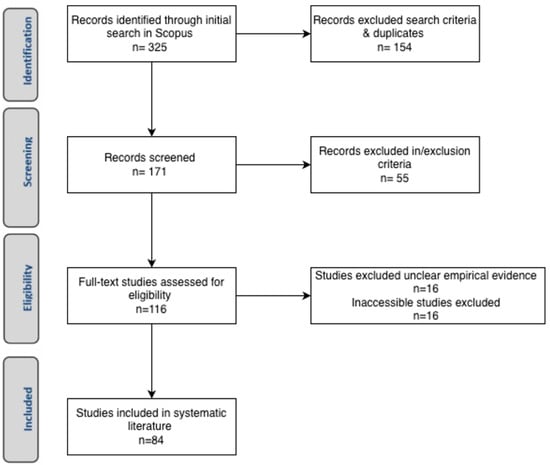
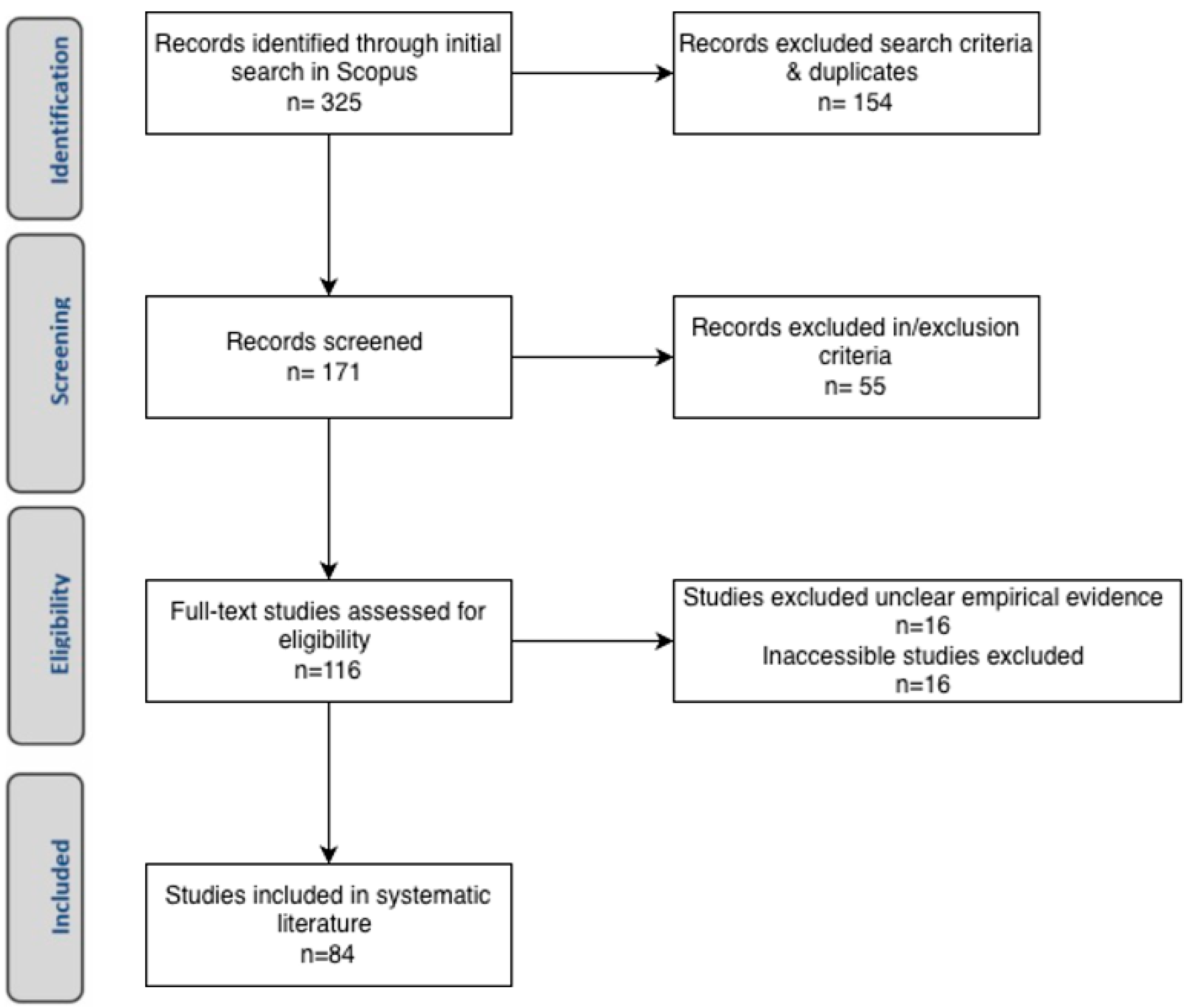
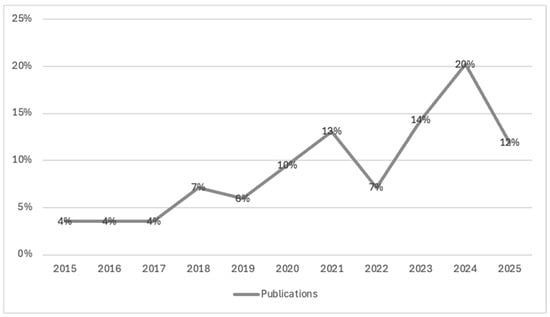
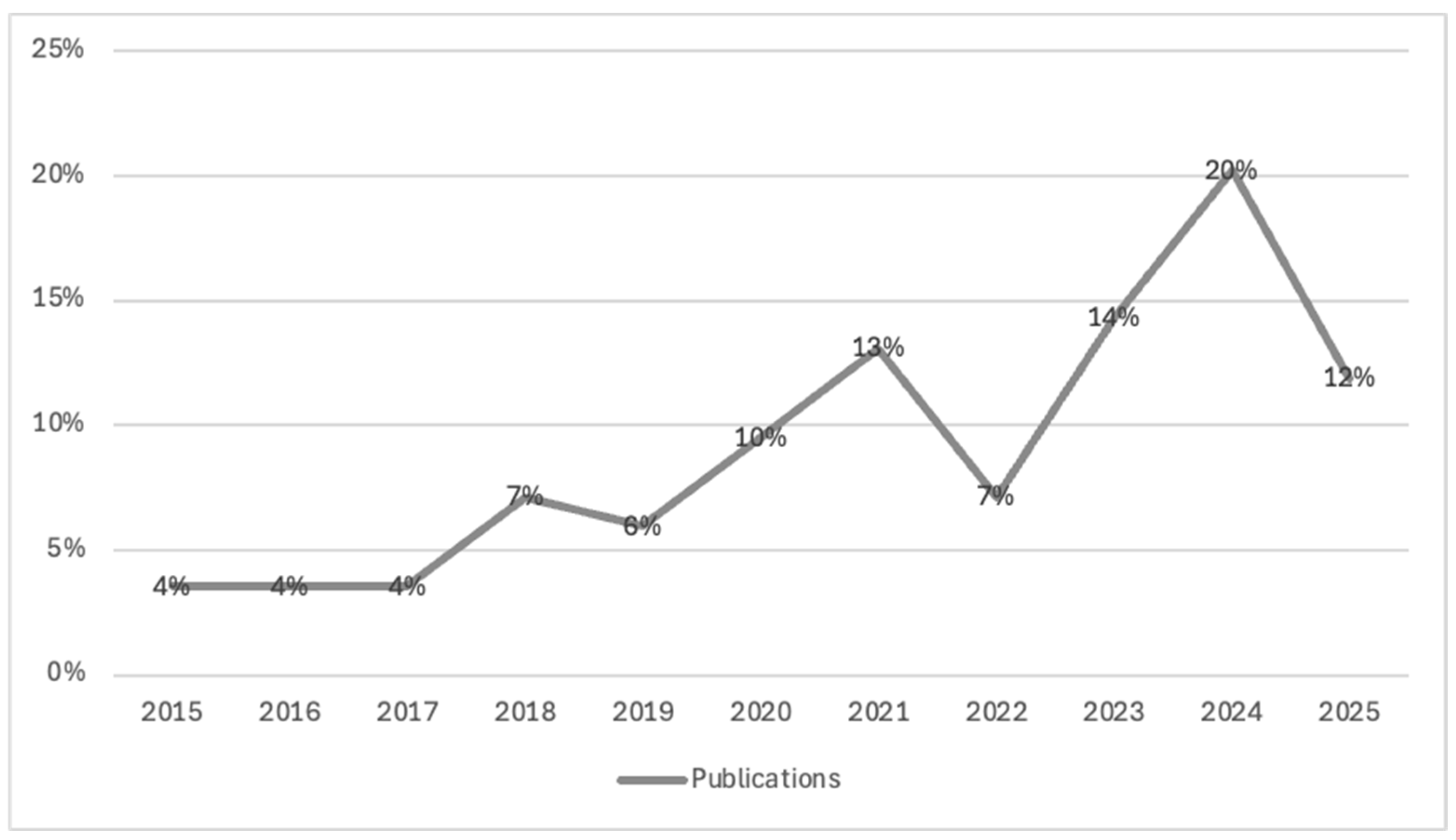
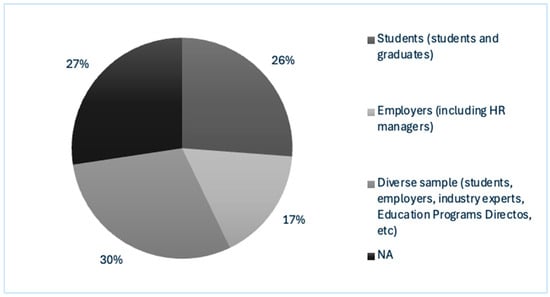
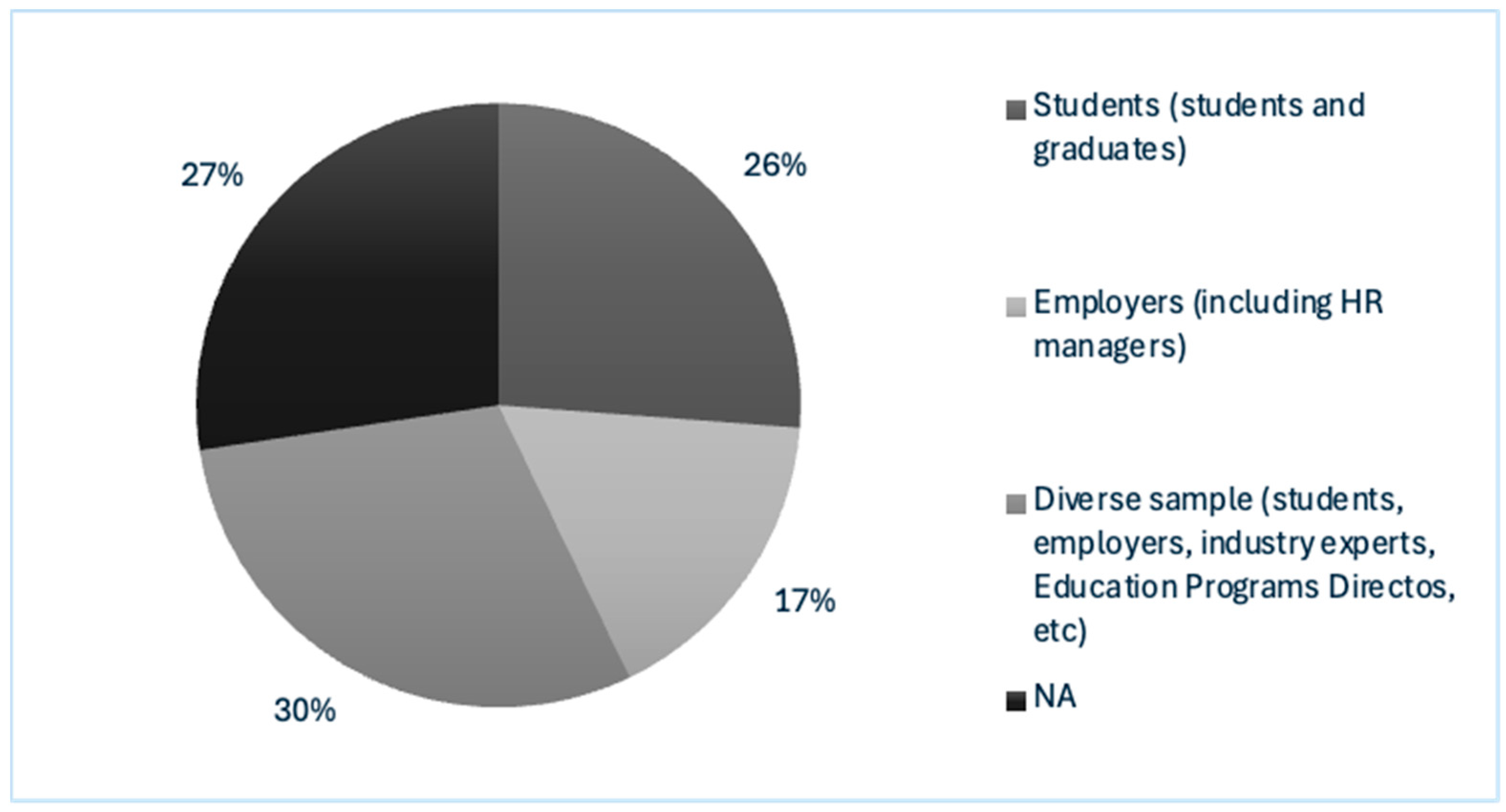

Disclaimer/Publisher’s Note: The statements, opinions and data contained in all publications are solely those of the individual author(s) and contributor(s) and not of MDPI and/or the editor(s). MDPI and/or the editor(s) disclaim responsibility for any injury to people or property resulting from any ideas, methods, instructions or products referred to in the content. |
© 2026 by the authors. Licensee MDPI, Basel, Switzerland. This article is an open access article distributed under the terms and conditions of the Creative Commons Attribution (CC BY) license.