


Abstract
Feeling a low sense of belonging is a key reason for women leaving science, technology, engineering, and mathematics (STEM) majors. Calculus is a common dropout point at which women leave their STEM major. In order to support women’s sense of belonging in this critical course, we need a deeper understanding of what contributes to women’s sense of belonging. In this report, I present a preliminary theoretical framework linking sense of belonging and factors described in the literature as contributors to sense of belonging: social connectedness, perceived competence, and features of the learning environment. I then report on a study in which women were asked to rank order these contributors from most to least impactful on their sense of belonging, and explain their rankings. Based on their rankings and explanations, initial hypothesized links were confirmed and new links emerged, which are summarized in a revised theoretical framework. Results showcase ways the contributors work together rather than separately to support women’s sense of belonging. Further, explanations of rankings highlight the notable and dynamic impact that social connectedness has on sense of belonging and suggest ways instructors can support women’s sense of belonging in Calculus by incorporating opportunities to interact into their pedagogies.
1. Introduction
Over the last 35 years or so, there have been efforts to support the general student population in persisting in undergraduate STEM majors, citing low performance and high dropout rates as catalysts for reform (Chickering & Gamson, 1987; S. Freeman et al., 2014; Mesa et al., 2015; President’s Council of Advisors on Science and Technology [PCAST], 2012). Much focus has been placed on introductory Calculus, as it is a required course for most STEM majors and it is often taken early in students’ STEM education (Bressoud, 2020). Scholars have found that Calculus is a common dropout point for many STEM-leavers, and disproportionately so for student groups historically underrepresented in STEM such as women (Bressoud, 2023; Chen, 2013; Ellis et al., 2016; Rasmussen et al., 2019; Seymour & Hunter, 2019). In fact, one report found that women were 1.5 times as likely as men to leave their STEM major after taking Calculus (Ellis et al., 2016). Moreover, fewer women than men even choose a STEM major to begin with (Eagan et al., 2016; Speer, 2023). This trend leads to results such as those reported by the National Center for Science and Engineering Statistics [NCSES] (2023) that women only account for 26% of bachelor’s degrees in mathematics and computer sciences and 24% in engineering. Historically, women have encountered challenges in undergraduate STEM, especially math-intensive STEM courses, even when they found success in earlier STEM coursework (e.g., elementary, secondary levels)—at times even outperforming their male peers (Bui, 2014; Kogan & Laursen, 2014; Maries et al., 2022; Wang & Degol, 2017). Research indicates that women’s underrepresentation in STEM majors is not for lack of interest or ability; rather, their low sense of belonging in STEM drives them to leave (Seymour & Hunter, 2019; Shapiro & Sax, 2011).
One major call for reform has been to adjust the pedagogical approach for introductory STEM courses such as Calculus. For example, Chickering and Gamson (1987) proposed seven principles for good practices in undergraduate teaching, which included encouraging instructor–student and student–student interactions and providing students with opportunities to engage in active learning. Similarly, the President’s Council of Advisors on Science and Technology [PCAST] (2012) recommended incorporating instruction that supports active learning based on evidence of its effectiveness in improving student engagement and achievement. While there have been many interpretations and enactments of “active learning”, the consensus in the literature is that active learning gets students involved in doing and talking about mathematics during class rather than listening to an expert and taking notes (S. Freeman et al., 2014). Further, while some research suggests that active learning can support students’ sense of belonging, engagement, performance, and retention (C. Griffin, 2025; Aji & Khan, 2019; S. Freeman et al., 2014; Fuchs & Sahmbi, 2024; Lahdenperä et al., 2019; Rasmussen et al., 2019; Theobald et al., 2020), other reports have found negative effects of active learning on underrepresented groups (E. Johnson et al., 2020). In this report, I share women’s perspectives on factors that were most impactful on their sense of belonging in an active learning Calculus course with the intention of learning from these perspectives to deepen the field’s understanding of women’s sense of belonging in STEM and inform professional development on enacting active learning pedagogies in equitable and inclusive ways.
2. Literature Review & Theoretical Framing
In this section, I review the literature on sense of belonging and key factors that can influence students’ sense of belonging. I also present a theoretical framework linking sense of belonging and its related factors.
2.1. Sense of Belonging
One feels a sense of belonging when they feel connected to a particular environment or feel accepted and appreciated by others in that environment (Rosenberg & McCullough, 1981). Without a sense of belonging, one is vulnerable to feelings of isolation or marginality (Hagerty et al., 2002; Y. Solomon & Croft, 2016). Good et al. (2012) conceptualized sense of belonging to an academic domain as “one’s personal belief that one is an accepted member of an academic community whose presence and contributions are valued” (p. 701). In their study, they developed the Mathematical Sense of Belonging (MSoB) scale to measure students’ sense of belonging in the mathematics community and administered it to 997 undergraduate Calculus students. A factor analysis revealed five distinct components that make up students’ sense of belonging: acceptance, affect, desire to fade, trust, and membership, each defined in Table 1.
Table 1.
Definitions of Components of Sense of Belonging from Good et al.’s (2012) Factor Analysis on their Mathematical Sense of Belonging Scale.
The extent to which students feel a sense of belonging in a domain can impact their classroom behaviors, achievement outcomes, and persistence in that domain (T. Freeman & Anderman, 2002; Martin & Dowson, 2009; D. Solomon et al., 1997; Strayhorn, 2019). For example, without feeling a sense of belonging, students might have trouble attending class or paying attention during a lesson. These behaviors, in turn, have negative effects on students’ performance and persistence. Students with a higher sense of belonging in STEM are more likely to persist in STEM (Seymour & Hunter, 2019; Shapiro & Sax, 2011); however, studies have shown that women are less likely to develop a strong sense of belonging than men (Good et al., 2012; Rainey et al., 2018; Seymour & Hunter, 2019; Shapiro & Sax, 2011). Thus, to support women’s persistence in STEM, further investigation into the factors and conditions that might influence women’s sense of belonging in mathematics is warranted.
2.2. Factors Contributing to Sense of Belonging
While Good et al. (2012) identified components that make up one’s sense of belonging, others have identified other factors that influence one’s sense of belonging such as social connectedness with others, perceived competence of the course material, and aspects of the learning environment (Anderman, 2003; Hoffman et al., 2003; Lahdenperä & Nieminen, 2020; Rainey et al., 2018). Figure 1 presents clarification between “contributing factors” and “components of” sense of belonging. In the following sections, I describe each of the contributing factors in further detail.
Figure 1.
Theoretical framework distinguishing contributing factors from components of sense of belonging.
2.2.1. Social Connectedness
One factor that can influence one’s sense of belonging to an academic domain is the extent to which they feel like they have made connections or relationships with others in the domain (Rainey et al., 2018; Thacker et al., 2022; Tinto, 1975). While social connectedness shares some overlap with sense of belonging (e.g., both involve notions of acceptance and trust with others), I argue that these are different constructs. A sense of belonging requires one to feel accepted into a larger group, while social connectedness can be felt with just one person. Further, one could imagine a more introverted student who has historically excelled in math classes might feel a strong sense of belonging without feeling socially connected to others in the class. Conversely, a very social student who has always struggled in math may not feel a strong sense of belonging in math.
Providing students with opportunities to interact with their classmates and instructor increases the likelihood that students will develop social connections (Hoffman et al., 2003). Scholars have found varying outcomes depending on who students form relationships with—their classmates or their instructor (Frisby & Martin, 2010; Hausmann et al., 2007; Pascarella & Terenzini, 1980; Wanders et al., 2019). For example, Frisby and Martin (2010) found that instructor–student and student–student relationships played different roles in building a positive classroom environment. Specifically, they found that perceived instructor rapport predicted learning outcomes and participation, while perceived student rapport only predicted participation. Thus, for this study, I consider social connectedness with classmates and social connectedness with the instructor separately.
2.2.2. Perceived Competence
Another contributor to sense of belonging is perceived competence, defined as one’s perception of their own knowledge and understanding of scientific content (Carlone & Johnson, 2007), or one’s perception of their own performance and understanding of course material (Rainey et al., 2018). Perceived competence is felt internally rather than made publicly visible, distinguishing it from performance (Cribbs et al., 2015; Carlone & Johnson, 2007). For example, one might feel competent but perform poorly on an exam due to other factors such as testing anxiety. Though performance may influence perceived competence, these two constructs are not equivalent.
2.2.3. Learning Environment
One can think about the learning environment as the space in which learning takes place, including the physical space, the ambience or climate, and the pedagogy employed by the instructor (Evans et al., 2009). Adelman and Taylor (2002) explain that the classroom climate is shaped by the values, belief systems, and norms established by the people within the environment, and one’s perception of classroom climate can range from hostile and toxic to welcoming and supportive. Positive perceptions of the classroom climate (e.g., welcoming, supportive) stem from consistent positive emotional experiences such as those that promote feelings of mutual respect, safety, and support (Brand et al., 2003; Evans et al., 2009; Meyer & Turner, 2006).
Regarding the pedagogical aspects of the learning environment, over the last 35 years or so, there have been efforts to reform traditional pedagogical methods of undergraduate STEM instruction, particularly Calculus, to support the general student population in persisting in undergraduate STEM majors (Chickering & Gamson, 1987; S. Freeman et al., 2014; Mesa et al., 2015; President’s Council of Advisors on Science and Technology [PCAST], 2012). Research indicates that engaging in active learning (i.e., involving students in doing and talking about mathematics during class rather than listening to an expert and taking notes) can support student engagement, performance, and retention (Aji & Khan, 2019; S. Freeman et al., 2014; Lahdenperä et al., 2019; President’s Council of Advisors on Science and Technology [PCAST], 2012; Rasmussen et al., 2019). In practice, active learning might look like students working on math problems individually or in groups during class, responding to clicker polls, or participating in whole-class discussion. Students, especially women, tend to prefer instruction that is interactive and gets them involved in the learning process (Rainey et al., 2019; Seymour & Hunter, 2019). For example, Rainey et al. (2019) found that women in their study who had left STEM reported experiencing more traditional pedagogy (e.g., lecture) and preferring more active learning pedagogy. Further, students who reported experiencing more active learning opportunities were more likely to feel cared for by their instructor.
2.3. Hypothesized Theoretical Framework
Research shows that students’ social connectedness, perceived competence, and the learning environment are all related to students’ sense of belonging, and in some ways may be related to each other as well. In this section, I describe how each factor is related to sense of belonging and conclude with a hypothesized theoretical framework based on prior literature.
Social connectedness can impact students’ sense of belonging (Hoffman et al., 2003; D. R. Johnson, 2012; Lewis & Hodges, 2015; Rainey et al., 2018; Thacker et al., 2022; Tinto, 1975). Social interactions can be critical in developing familiarity and trust (Gillen-O’Neel & Fuligni, 2013). Thacker et al. (2022) found that students’ feelings of belonging stemmed from opportunities to interact, which impacted their connections with peers and the instructor. They explain that social interactions can result in friendships, interpersonal relationships, and feelings of inclusion within a group, thereby integrating students into the classroom community. Additionally, in their interview study, Rainey et al. (2018) found that most students, particularly women, attributed their sense of belonging to their social connectedness. Further, those who had left their STEM major reported a low sense of belonging, attributing it primarily to a lack of interpersonal relationships with people in their major.
Research indicates that students’ perceived competence is another important contributor to their sense of belonging (Lewis & Hodges, 2015; Rainey et al., 2018). For example, in Rainey et al.’s (2018) interview study, perceived competence was the second most frequently cited contributor to students’ sense of belonging. Students reported that feeling like they understood the material made them feel like they belonged in their major. Further, many students who left their STEM major attributed their low sense of belonging to their low perceived competence. Similarly, Lewis and Hodges (2015) found that ability uncertainty, or a lack of perceived competence, was negatively correlated with sense of belonging. In other words, students who reported feeling more certain in their ability reported a higher sense of belonging than those who reported less certainty in their ability.
Based on their analysis of students’ descriptions of positive and negative contributors to their sense of belonging in mathematics, Lahdenperä and Nieminen (2020) reported that students’ perceptions of the learning environment, specifically the classroom climate (e.g., tense atmosphere, an unsupportive teacher), contributed to their sense of belonging. Feminist scholars have explored the influence of the gendered “chilly climate” of STEM on women’s persistence (Hall & Sandler, 1982, 1984; Hottinger, 2016; Mendick, 2006; Seymour & Hewitt, 1997; Seymour & Hunter, 2019). Thoman et al. (2013) argue that a chilly climate not only hinders women’s persistence in STEM but also undermines their sense of belonging. Good et al. (2012) found that women’s sense of belonging significantly predicted their intent to pursue math in the future, and that messaging that reinforced stereotypes (e.g., math ability is a fixed trait, women have less math ability than men) negatively affected women’s ability to develop a sense of belonging. Further, Thoman et al. (2014) explored the push–pull dynamic between chilly STEM climates and more welcoming climates found elsewhere (e.g., arts, humanities). These findings suggest that classroom climate can influence women’s sense of belonging in STEM, and that positive perceptions of classroom climate might support their sense of belonging.
Pedagogically, active learning opportunities have potential to support women’s sense of belonging by providing opportunities for enhancing their social connectedness and perceived competence. Learning opportunities that involve student–student interaction, like group work, provide opportunities for students to form social connections with their classmates (Hoffman et al., 2003; MacMahon et al., 2020). Further, research suggests that learning opportunities that go beyond traditional lecture (i.e., where the students’ role is to listen and take notes) benefit students’, especially women’s, performance and self-efficacy (Boaler, 1997; Kogan & Laursen, 2014; Lahdenperä et al., 2019), and thus could support their perceived competence. However, the benefits of active learning may depend on its enactment. E. Johnson et al. (2020) found that the instructors in an active learning class posed conceptual questions to women at lower rates than men and highlighted women’s contributions less frequently than men’s contributions, which they suggest may have contributed to men outperforming women in the course. Meanwhile, participants in Rainey et al.’s (2019) study reported feeling cared for by their instructor in an active learning environment. Therefore, given their potential to influence students’ performance, retention, and sense of belonging, active learning Calculus classrooms provide a rich context in which to explore students’ experiences.
In summary, I present a hypothesized theoretical framework in Figure 2 that accounts for the ways in which types of social connectedness, perceived competence, and different aspects of the learning environment may influence women’s sense of belonging. I use the current study to refine this framework.
Figure 2.
Theoretical framework linking sense of belonging and its contributing factors.
3. Goals of the Current Study
Given its varying components and contributing factors, understanding women’s sense of belonging requires understanding its relationship to a range of factors. In this report, I explore women’s sense of belonging and its contributing factors within the context of an undergraduate Calculus course designed to provide frequent opportunities for active learning. Specifically, I address the research question:
My goal with this work is to share women’s perspectives with the hope of informing transformations in tertiary mathematics programs.How do women enrolled in a year-long active learning Calculus course rank and describe the impact of social connectedness, perceived competence, and the learning environment on their sense of belonging?
4. Methods
Feminist underpinnings have guided my use of a transformative (feminist) mixed-methods research design (Creswell & Plano Clark, 2011). The goal of using a transformative-based theoretical framework is to address the needs of underrepresented populations. This study focuses on women’s experiences without comparing them to men’s experiences because women’s experiences are worthy of examination in their own right (Du Bois, 1983; Kitzinger & Wilkinson, 1997) and comparisons implicitly position men’s perspectives as “norm” and women’s as “other” or “less than” men’s (Gilligan, 1982). Further, with the qualitative strand of this study, I aim to both add nuance and context to the quantitative results and amplify women’s voices so that they can contribute to changes they wish to see. I administered surveys to collect both quantitative and qualitative data on women’s perceptions of the influence of social connectedness, perceived competence, and their Calculus learning environment on their sense of belonging in Calculus. The quantitative and qualitative strands of this study are of equal priority and interact in the results and discussion sections.
4.1. Setting and Participants
This study was conducted at a midsized mid-Atlantic R1 public university during the 2022–2023 academic year. The same course and sample are described in C. R. Griffin (2023) but the current study presents results from different data and analyses. The university offers a two-semester Integrated Calculus course as an alternative to the university’s standard one-semester Calculus course for STEM majors that was designed for students who place into Pre-calculus but need Calculus for their STEM major. Integrated Calculus covers all the same content as the standard Calculus course, plus necessary Pre-calculus concepts which are presented in a just-in-time fashion. The first semester focuses on differential Calculus and the second semester focuses on integral Calculus.
The Integrated Calculus course is highly coordinated (e.g., shared curriculum with recommended activities for each lesson) to ensure a common experience for students across sections. Additionally, the instructors incorporate frequent opportunities for students to engage in active learning—instructors typically engage in an instructional cycle beginning with a brief mini-lecture, followed by students working on problems individually or in groups, followed by whole-class discussion. Faculty teaching the course are committed to enacting the shared curriculum, especially the suggested active learning opportunities, creating a consistent student experience across sections of the course. For more information about the Integrated Calculus course, see C. R. Griffin (2023) and C. Griffin and Berk (2023).
During the year of study, two sections of the course were offered, taught by two different instructors—one woman and one man. All students in the course were invited to complete an initial online survey. Participation was entirely voluntary, and all pupils and teachers provided informed consent. All data were collected, stored, and reported anonymously to ensure confidentiality and protect participants’ identities. Subsequent surveys were only sent to those who remained enrolled in the course at each time point and completed the initial survey. The initial pool of participants were 49 students who had completed the initial survey and had self-identified their gender identity as at least “woman” (i.e., including participants who may have selected other options as well, such as “transgender” and “woman”). Demographic information for the sample can be found in Table 2.
Table 2.
Self-reported Socio-demographic Characteristics of Participants.
4.2. Data Collection
I administered an online survey five times over the year-long course—three times in the fall (Weeks 1, 7, 14) and twice in the spring (Weeks 21, 28). The initial survey collected baseline information on participants’ incoming sense of belonging, social connectedness, and perceived competence and helped narrow the participant pool. For the current study, I focus on one item that was included on the Week 7, 14, 21, and 28 surveys asking participants to rank order five factors from most impactful to least impactful on their sense of belonging and explain their ranking. The Week 7 and Week 21 surveys were sent the day after students completed an exam and were due before students received their exam grades, and the Week 14 and 28 surveys were administered during the final week of classes before finals. Quantitative (i.e., rankings) and qualitative (i.e., explanations) data were collected concurrently. The quantitative data was used to explore women’s perspectives on the weight of influence each of five contributing factors had on their sense of belonging. The qualitative data was used to explore the ways in which women describe the influence of particular factors on their sense of belonging. The two types of data taken together tell a story that could not be told with only one or the other.
Prior research has identified social connectedness, perceived competence, and particular features of the learning environment (i.e., classroom climate and pedagogical style) as factors that can influence students’ sense of belonging in an academic setting. Participants were asked to rank order the following five factors from most impactful to least impactful on their sense of belonging: (1) social connectedness with classmates, (2) social connectedness with instructor, (3) perceived competence, (4) classroom climate, and (5) classroom activities. I chose the phrase “classroom activities” to represent “pedagogical style” and I provided examples of them (e.g., group work, interactive lecture, individual work, traditional lecture) within each survey. After ranking the five factors, participants were asked to explain their ranking, at a minimum why they chose their top two most impactful factors. I asked participants to explain at least their top two rankings rather than their number one ranking because this can provide a more comprehensive understanding of their preferences and reduce the impact of order-effect bias (Serenko & Bontis, 2013). Note that participants had the option to explain all their rankings, though I directed them to at least explain their top two because this was one item in a much larger survey and I thought directing them to explain all five would have been too arduous. These items (i.e., ranking and explanation of rankings) were included on all of the surveys except the Week 1 survey (i.e., Weeks 7, 14, 21, and 28). To verify the reliability of participants’ rankings, each ranking was cross-referenced with its explanation to see that they did not mistakenly rank the factors in reverse order and that the participant had in fact described the impact of the factors they ranked as most impactful and that their descriptions portrayed those factors as impactful to their sense of belonging.
4.3. Data Analysis
To investigate my research question, I analyzed the ranking item by first computing frequencies and percentages for each of the five contributing factors to capture how many times that factor was ranked in participants’ top two most impactful on each survey. To analyze participants’ explanations of their rankings, I first read the responses to identify overarching themes. Responses there then clustered by factor to identify what students valued about each factor, which led to the development of codes associated with each factor. Using theory-guided content analysis, a priori codes of social connectedness and perceived competence were applied, while allowing for other themes to emerge. The a priori codes were not applied when analyzing explanations of that factor. For example, the code perceived competence was used when women described the impact of another factor such as social connectedness or classroom activities—if a student ranked classroom activities in their top two and explained that activities like group work impacted their sense of belonging because explaining the material to someone else made them feel like they understood the content, this response would have been coded as perceived competence. However, perceived competence was not employed as a code to describe explanations of why perceived competence was impactful because this would have been redundant.
During the analysis of women’s explanations of their top two rankings, it became evident that participants tended to do one of two things. First, participants described how the factor they chose impacted their sense of belonging directly. Some of these responses were coded as generic if the participant simply paraphrased or defined the factor and said it impacted their sense of belonging (e.g., “Perceived competence impacted my sense of belonging because when I feel like I understand the content, I feel like I belong.”).
Other times, participants invoked specific components of sense of belonging (i.e., acceptance, affect, desire to fade, trust, membership; Good et al., 2012). For example, one participant said, “The welcoming classroom climate makes me feel comfortable and calm during class, which makes me feel like I belong.” This would be an instance of classroom climate impacting the affect component (i.e., feeling comfortable and calm) of sense of belonging. The only component not used as a code was membership because it refers generally to feelings of belonging and was thus too vague of a code.
Some described a particular factor influencing their engagement in the class. For example, one woman reported, “The climate of the room is also important because feeling engaged is key so that I am able to keep up with the material in the class and focus on practicing material rather than learning outside of class.” These responses align with the opposite of the desire to fade component of sense of belonging, which distinguishes between whether a student feels like an active participant or more of a wallflower. Thus, responses about students’ engagement in the course were coded as engagement but reflect the desire to fade component of sense of belonging.
Second, some participants described how the factor they chose impacted their sense of belonging indirectly via another factor. For example, one woman explained that feeling socially connected with her classmates helped her learning of the material (i.e., her perceived competence): “Knowing who I work with and getting to know them makes it a lot easier to learn.” So, social connectedness with classmates indirectly impacted her sense of belonging via her perceived competence. In these cases, the intermediate factor was always either perceived competence or social connectedness. Table 3 provides each of the codes used to categorize the descriptions with a definition.
Table 3.
Codebook with Definitions Used to Categorize Responses by the Type of Impact (Indirect or Direct) Each Contributing Factor had on Women’s Sense of Belonging.
Responses were double-coded if the participant expressed more than one way in which the factor impacted their sense of belonging. To achieve reliability, 10% of the responses were coded with three colleagues not involved in the study. Together, 82% interrater reliability was achieved. Once reliability was achieved, I coded the remaining responses a final time. Frequencies and percentages for each code were calculated to determine which were most salient among participants’ explanations of how the factors impacted their sense of belonging.
5. Results
In this section, I describe the quantitative and qualitative results which explored how women ranked and described the impact of five contributing factors on their sense of belonging in an active learning Calculus course. During Weeks 7, 14, 21, and 28, participants were asked to rank order five factors from most impactful to least impactful on their sense of belonging (SB): (1) social connectedness with classmates (SC-C), (2) social connectedness with instructor (SC-I), (3) perceived competence (PC), (4) classroom climate, and classroom activities. After ordering the factors from most to least impactful on their sense of belonging, participants were asked to explain at least their top two rankings (although they were not prohibited from explaining all their rankings). Only participants who had completed all four surveys were considered for analysis, resulting in N = 29 participants. Together, the rankings and explanations created a more comprehensive account of how the factors influence women’s SB than if I had utilized only quantitative or qualitative data. The rankings allowed me to see which factors were most impactful for participants, and the explanations provided insight into how and why the factors influenced women’s SB and each other.
5.1. Quantitative Results: Ranking of Contributing Factors’ Impact on Sense of Belonging
Figure 3 shows the percentage of women who selected each factor as one of their top two most impactful on their sense of belonging. Note that the bar representations within each week add to 200%. This is because each participant is counted twice—once for each factor they chose. At each time point, there were at least a few women who chose each of the factors within their top two most impactful on their SB, suggesting that these factors were all salient to women. However, some factors were more popular than others at each time point. SC-C was almost always the most likely to be ranked in participants’ top two, as it was chosen by at least 50% of women at each time point. At Week 7, SC-C and PC were chosen by the most women as top two contributors to their SB, while SC-I was chosen by the fewest women. However, it appears that SC-I was chosen in participants’ top two more frequently over time—it was only chosen by 14% of participants at Week 7, but then 28% at Week 14, 41% at Week 21, and 45% at Week 28. On the other hand, PC was chosen by 59% of women at Week 7, but was chosen less frequently over time. The classroom climate factor was consistently not one of the most popular factors, but was still chosen by 21–31% of women as a top-two contributor to their SB. Selection of classroom activities remained relatively consistent over time.
Figure 3.
Percent of women who chose each contributing factor as one of their top two most impactful on their sense of belonging at Weeks 7, 14, 21, and 28.
5.2. Qualitative Results: Explanations of Rankings of Factors Influencing Sense of Belonging
In the following sections, I present results on how women described the impact of each factor on their SB with examples to capture the broad range of themes that emerged from women’s descriptions across the four surveys. The following sections indicate counts of distinct women who responded in each way with percentages based on the total 29 participants. In addition, participant identification numbers are provided for each quote shared below.
5.2.1. Social Connectedness with Classmates
Some women (n = 14, 48%) who at some point described ways in which feeling SC-C impacted their SB directly provided generic explanations that did not connect to specific components of SB. For example, one woman (#86) explained, “Social connectedness with classmates creates an overall sense of belonging to a classroom community.” A different woman (#27) described:
She later reported, “Feeling connected to the people in the classroom setting is the most important to my sense of belonging because it is beneficial to know that they are sharing the experience with me.” Here, women expressed feeling like members of some larger group, and a sense of solidarity came with that. While not referring to a particular component of SB, these examples show how SC-C impacted participants’ SB more generally.Engaging with classmates makes me feel like I can relate to them and understand that everyone makes mistakes and that my classmates are also having the same experiences that I am. Having the opportunity to connect with them helps me feel like I am a part of the group and that we’re in it together.
Other women described ways that SC-C directly impacted one of the components of SB. Some women (n = 6, 21%) described feelings of acceptance that results from SC-C. This was reflected in their reports of feeling valued, appreciated, and included, and not isolated or lonely. One woman (#106) wrote, “The more I connect with other people, the more I feel like I belonging and don’t feel lonely.” Similarly, another woman (#87) reported, “If I don’t talk to anybody, I will feel isolated.” Another (#74) noted, “I feel like peers are the greatest way to feel like you belong. Knowing there are people that like you and want you to be there help with that.” One woman’s (#63) response echoes this idea of feeling valued: “Having a connection to my classmates helps me to feel important as I am able to offer them any help they need.” These examples demonstrate women’s feelings of acceptance that arose from feeling SC-C.
Other participants (n = 12, 41%) described how their SC-C positively impacted their affect, a component of SB. Women mostly described feeling comfortable when they felt SC-C. For example, one woman (#3) wrote, “Having friends in the class…makes me feel comfortable where I am and it keeps me not stressed.” Another (#22) reported, “I like being able to talk to my classmates and it makes me feel more comfortable in class.” One woman (#106) explained:
These examples demonstrate the way that feeling SC-C helped participants feel comfortable and not stressed or discouraged, thus positively influencing the affect component of their SB.I feel like I am more comfortable being a math student when I am surrounded by people who struggle and learn math with me. No matter if I am doing well or poorly, if I am surrounded by people that have shared experiences I don’t feel discouraged.
Participants (n = 14, 48%) also mentioned ways in which feeling (or not feeling) socially connected with their classmates affected their engagement in the course. For example, one woman (#7) shared, “In this course, I’ve met a lot of friends, and by getting to interact with them, it makes me want to come and feel like I belong in the room.” Later she added, “Feeling connected with my classmates has helped me the most as it makes me look forward to math class which also makes me more eager to come to class and learn.” These responses suggest that the extent to which they felt socially connected with their classmates determined the extent to which they actively participated. When they felt SC-C, women described wanting to go to class and get involved. Conversely, a lack of SC-C could lead to a lack of engagement. One participant (#20) said, “If you do not feel a social connection with people, you may be nervous to participate.” Other women commented that feeling SC-C made them more likely to engage specifically in the act of seeking help. One woman (#7) wrote, “I think connecting with the people has helped me the most to feel like I belonged as it is the people I see a lot and help me learn the material.” Similarly, another (#43) shared, “Social connectedness with classmates is important because they are easier to reach out to for help and if you have a good relationship with them you will struggle less.” Rather than disengaging when they get stuck on something, they feel like they can go to their classmates for help. Thus, women linked feeling SC-C with a willingness to engage (or not) in the class.
Finally, a few participants (n = 5, 17%) described ways in which SC-C indirectly supported their SB, via their PC. For example, one woman (#22) noted, “Knowing who I work with and getting to know them makes it a lot easier to learn.” Another (#73) shared, “Discussing ideas with peers is easier and can help me understand the material when someone has the same issue and we both can see someone else perform the example right next to us.” Interestingly, neither of these women selected PC as one of their top two most impactful contributors. However, their descriptions of the impact of SC-C suggests that feeling SC-C supported their PC, and in turn their SB, because the social interactions helped them learn better or helped them understand the material.
5.2.2. Social Connectedness with the Instructor
Some women (n = 6, 21%) who described the impact of SC-I on their SB gave generic descriptions of the impact. In some cases (n = 3, 10%), women described the combined impact of feeling both SC-I and SC-C. For example, one woman (#49) noted, “I chose SC-C as #1 and SC-I as #2 because I think that being connected with the people in my class helps me belong more within the class.” Another (#39) stated, “Feeling connected with my classmates and teacher makes me feel connected and like I belong.”
Other women who described how their SC-I directly impacted their SB referred to specific components of SB. A few women (n = 4, 14%) explained that feeling SC-I impacted their feelings of acceptance, with three of them describing the combined impact of both SC-I and SC-C helping them feel accepted, included, and less alone. For example, one woman (#18) explained, “Connecting with my instructor and my classmates is more important to me because it makes me feel less alone in the class, and having a support system is the key to success.” Another (#94) reported, “Making connections with people in math has allowed me to feel like I’m not alone when I don’t understand something… It makes me feel like I do belong in this class.” These women communicated the importance of feeling connected with both the instructor and classmates, as this support system made them feel accepted and like they belong. A few women (n = 5, 17%) described ways in which feeling SC-I impacted their affect. One woman (#41) noted feeling “comfortable in the classroom” and that feeling socially connected with the instructor “relaxes me.” Another (#19) reported, “For me, an important part of learning is being comfortable in your environment and for me being comfortable means feeling like I can reach out to another student or the professor if I need help,” again, noting a dual impact of SC-I and SC-C on her affect.
Several women (n = 10, 34%) mentioned ways in which feeling SC-I impacted their engagement in the course. One woman (#71) wrote, “When I connect with the teacher, it makes me more comfortable asking questions or reaching out about stuff which makes me feel like I belong more.” Another woman (#27) echoed this idea: “I do not hesitate to ask [my instructor] questions about my problems.” Others described the impact of feeling socially connected to both the instructor and classmates. For example, one woman (#7) explained, “By feeling connected with them I am able to feel good about asking for help and using resources they provide.” These responses suggest that feeling SC-I helped women feel comfortable asking questions and engaging with the instructor, sometimes especially when coupled with SC-C.
A few women (n = 3, 10%) noted ways in which their SC-I impacted their trust in the instructor. One woman (#86) shared, “A connection with your instructor allows you to trust their process in teaching you.” Another (#41) said, “Being connected in some way to my instructor also gives reassurance in their capability to teach and help me succeed.” These women expressed that feeling SC-I helped them trust that the instructor would help them learn.
Finally, some participants (n = 5, 17%) described ways in which SC-I indirectly supported their SB, via their PC. For example, one woman (#71) stated, “Connecting with the professor helps me understand the content more and makes me feel more comfortable with the content.” Another (#87) reported, “Being connected with my instructor is extremely helpful because when I understand the person that is teaching me I feel that I learn the course better.” One woman (#43) described how SC-I and PC worked together to impact her SB:
These women all happened to choose both SC-I and PC as their top two factors influencing their SB. These responses express that SC-I contributed to their PC, which then impacted their SB.Connectedness with your instructor impacts your perceived competence. When your professor teaches you well, you will do better in the class. Also, when you feel good about what you know and feel confident in it, you have a better time in class.
5.2.3. Perceived Competence
Some women (n = 12, 41%) who described the impact of PC on their SB provided generic explanations of its impact. For example, one woman (#12) wrote, “If I feel that I understand the material, I feel like I belong,” and another (#106) wrote, “If I don’t understand what is going on then I will not feel like I belong.” In essence, when women felt competent, they felt like they belonged, and vice versa.
Other women who described the impact of PC on their SB highlighted particular components of SB in their explanations. A few participants (n = 3, 10%) described feelings of acceptance when they felt their PC was high. One woman (#74) explained, “Perceived competence can be very important, people may feel very left out or not valuable when they don’t think they understand the material.” Another woman (#50) described feeling out of place when she has low PC: “If I don’t understand the content, then I will feel out of place.” These examples demonstrate that women’s PC tied to their feelings of belonging, specifically from feeling accepted.
Many women (n = 15, 51%), when explaining the impact of PC on their SB, mentioned things related to their affect. For example, one woman (#92) noted, “The more I understand something, the more I feel comfortable.” On the other hand, another woman (#50) reported, “If I feel lost or behind in a class, I cannot feel comfortable in the classroom.” While some participants described feeling more comfortable and less anxious when they felt like they understood the material, others reported feeling inadequate, or not good enough, when they did not feel like they understood the material. One woman (#79) said, “I think when you feel like…you can’t understand the material in the class, you feel like you’re not intelligent enough to be there or that you don’t belong. I think that shuts you out first.” Another woman (#13) echoed this idea: “Understanding the material eases my nerves and overall makes math more enjoyable.” These examples show some of the ways in which PC influenced the affect component of participants’ SB.
Other participants (n = 6, 21%) mentioned ways that their PC impacted their engagement in the course. For example, one woman (#40) explained, “When I feel like I’m understanding the material, it gives me confidence and encourages me to complete more.” Another (#79) reported:
Another (#92) reported feeling “less involved in the room” when she did not understand the content. When their PC was strong, participants reported wanting to engage and feeling like active participants. For at least some women, they need to feel competent in order to engage in the class at all. Thus, for some women, the extent to which they engaged and participated in class seemed to depend in part on their PC.If you feel like you don’t belong in the class based on not understanding the material, I feel like it doesn’t matter as much what your peers, professor, or class activities look like because you yourself give up in a way.
Interestingly, no participants indicated their PC having an indirect impact on their SB via another construct.
5.2.4. Classroom Climate
A few women (n = 9, 31%) who described the impact of the classroom climate on their SB provided generic descriptions of its impact. For example, one woman (#68) responded, “The classroom climate being so welcoming and supportive makes me feel like I belong more than anything.” Another (#20) reported, “I feel like I belong especially when the classroom climate is friendly and open.” Thus, when the climate was friendly, engaging, welcoming, or supportive, they were more likely to feel like they belonged.
Other women referred to components of SB when describing the impact of the classroom climate on their SB. One woman (#94) described the influence the classroom climate had on her feelings of acceptance. She said, “The classroom [climate] is really important. The class feels like they are accepting and don’t laugh when people make mistakes.” In explaining how the classroom climate affected their SB, several women (n = 8, 28%) described issues of affect arising. For example, one woman (#43) reported, “If the classroom is engaging as opposed to boring, and the people are friendly, then everybody feels comfortable and like they belong in that class.” Another (#59) noted, “If I do not feel as though the classroom climate is friendly, the whole time I am in class I am just worried.”
Other participants (n = 11, 38%) mentioned that the classroom climate had some impact on their engagement, specifically their willingness to engage in class. One woman (#7) reported, “It is important for the climate to be right as having a friendly and engaging classroom also pushes me to show up and learn.” Another woman (#37) wrote, “Classroom climate affects the mood of everyone so if there is a bad class climate, then people will not enjoy it as much and therefore probably not get involved that much in the class.” One woman (#40) even mentioned that she would not seek support if the classroom climate was not friendly: “If the environment were not friendly, I would not ask for help and I would not receive the support that I need.” Two women described needing a positive classroom climate in order to focus. According to one (#49), “I ranked classroom climate first because in order to be focused in math I need a nice environment.” These examples show how the classroom climate can influence women’s sense of belonging, particularly their willingness to engage.
Finally, in their descriptions of how the classroom climate impacts their SB, some women (n = 5, 17%) described how the classroom climate impacted their SB indirectly via their PC. Some explained that it is easier to learn in a positive classroom climate. One woman (#86) noted, “A welcoming classroom setting…allows me to better comprehend the material being taught.” Interestingly, she did not choose PC as one of her top two most impactful factors. Another woman (#50), who rated classroom climate and PC as her top two, reported, “You need an engaging environment to be able to retain the information you are learning, and feeling like you understand the material makes you more confident in your mathematical abilities.” Another woman (#79) made the comparison, “a friendly climate is easier to learn in than a hostile one.” These examples highlight the connections women made between the classroom climate and their ability to learn and feel competent, which in turn impacted their SB.
5.2.5. Classroom Activities
In reporting on the impact of the classroom activities on their SB, a few women (n = 2, 7%) provided generic descriptions of its impact. Other women referenced components of SB in their descriptions. A few women (n = 2, 7%) described ways the classroom activities impacted their feelings of acceptance. One (#79) said, “I think incorporating group work and interactive lecture can help a student feel included more than traditional lecture.” The other (#7) wrote, “By getting to work with others and engage, I feel like I matter more in the classroom.” Note that these two women spontaneously cited classroom activities that involve interaction, such as group work and interactive lecture, as activities that supported feelings of acceptance. Two other women noted how the classroom activities influenced their affect. One (#47) reported that the activities made her feel happy, especially when she also felt socially connected with her classmates.
When women described the direct impact of the classroom activities on their SB, they most often described the impact on their engagement (n = 8, 28%). For example, one woman (#7) reported that the classroom activities “are what keep me wanting to come to class and learn. I would rather go to a math class in which there is active engagement than just sit in a lecture hall for an hour to hear one person talk.” Another woman (#40) noted, “During group work and individual work, I’m always asking questions or helping other people in my group.” Yet another (#41) stated, “The classroom activities keep my attention in the classroom.” These examples illustrate connections women drew between the classroom activities and their SB, particularly their desire to be active participants in class.
A few women (n = 3, 10%) described ways in which the classroom activities impacted their SB indirectly via their SC. For example, one woman (#79) reported, “The activities sort of drive the connecting with classmates and the instructor… If we didn’t do interactive lecture or group work, we wouldn’t be connected with the instructor or classmates.” Another (#3) shared, “I enjoy talking with my classmates, it helped with being connected.” Participants valued opportunities to work on math with their classmates and interact with their instructor, as these types of interactions helped them feel as if they were “all in this together.” Note that it was classroom activities like group work and interactive lecture than enabled interaction among students and supported participants’ feelings of SC.
Many women (n = 10, 34%) who chose classroom activities as one of their top two most impactful factors on their SB described the indirect impact of the activities on their SB via their PC. For example, in explaining why she chose classroom activities as a top contributor to her SB, one woman (#32) noted, “Interactive lecture helps me understand the material we are learning better.” Another (#6) referenced opportunities to work individually, explaining, “I understand the material which makes me feel like I belong in the class and individual work helps with this.” At times, participants referenced particular activities rather than talking about the activities as a whole—specifically, group work, interactive lecture, individual work, and traditional lecture were each mentioned at least once. It should be noted that these activities were presented to participants elsewhere in the survey, so they could have been top of mind for participants. Even so, they chose to discuss particular activities in this portion of the survey without explicitly being asked. Another woman (#73) referred to both group work and traditional lecture, explaining, “discussing the ideas with peers is easier and can help me understand…Being able to watch the lecture can also further understanding.” This idea that multiple classroom activities supported students’ PC was echoed by another participant (#40): “Getting a mixture of all different types of learning helps me reach my fullest potential of my overall math education, this is why classroom activities impacted me so positively.” Similarly, another woman (#7) wrote, “I think the classroom activities matter the most because the different incorporated styles allow for me to learn while also [allowing] many others who learn differently to be able to learn in the same course.” Whether they described the classroom activities together or particular activities that were impactful, these examples show that women linked their SB with the classroom activities, particularly in the ways the activities impacted their PC, and in turn their SB.
6. Discussion
This study addressed the following research question: How do women enrolled in a year-long active learning Calculus course rank and describe the impact of social connectedness, perceived competence, and the learning environment on their sense of belonging? Women enrolled in the Calculus course were given a list of five factors and asked to rank them from most to least impactful on their SB and describe their ranking four times over the year—middle and end of fall, and middle and end of spring. The five factors were social connectedness with classmates, social connectedness with the instructor, perceived competence, classroom climate, and classroom activities. Analyses revealed that each of the five factors were chosen as one of the top two contributors by at least some women. In their explanations of their rankings, participants tended to either describe the factors as having a direct impact on their SB by highlighting one of the five core components of SB (e.g., acceptance, affect, engagement/desire to fade, trust) in their description, or they described the factors as having an indirect impact on their SB by highlighting one of the other contributing factors in their description.
These results support my hypothesized framework linking SB with its contributing factors (See Figure 2). The rankings supported my hypothesis based on the literature that SB could be impacted by SC, PC, and classroom climate. Qualitative analyses of women’s explanations of their rankings also confirmed the initial relationships highlighted in my hypothesized framework. Specifically, some women reported the direct impact of SC, PC and classroom climate on their SB. The only indirect impact that was initially hypothesized was from the classroom activities. I had hypothesized that the classroom activities could influence women’s SB indirectly via their SC and PC. This relationship was also supported by participating women, as they reported on ways that the classroom activities influenced their SC and PC, and in turn, their SB. For example, some women reported that the interactive classroom activities (e.g., group work, interactive lecture) in particular supported their SB because they enabled them to develop connections with their classmates, thus impacting their SB via their SC. Other women reported that the classroom activities supported their SB because they helped them learn, thus impacting their SB via their PC.
There were three new relationships that emerged from this study, as shown in Figure 4 with dotted arrows. Women reported on ways that their SC-C, SC-I, and the classroom climate influenced their SB indirectly via their PC. For example, women reported that feeling socially connected with their classmates and instructor supported their SB because they could go to them for help, thus improving their understanding or PC. Other women explained that the classroom climate impacted their SB because a welcoming classroom climate is easier to learn in and enables them to better understand the content. Additionally, women reported ways in which the classroom activities impacted their SB directly, specifically when highlighting components of SB such as acceptance, affect, and engagement (i.e., anti-desire to fade). Importantly, these conclusions could not have been drawn using only the rankings or the descriptions alone. For example, only direct impacts on SB could be identified from participants’ rankings. The qualitative explanations allowed for indirect links to emerge. Analyzing both types of data together allowed me to capture a more comprehensive account of factors that contribute to women’s SB and, more specifically, how those factors influence not only their SB but also each other.
Figure 4.
Revised theoretical framework linking sense of belonging and its contributing factors. Solid arrows represent links hypothesized based on literature. Dotted arrows represent new links that emerged from the current study.
In addition to confirming existence of links between SB and its contributors, these results speak to the salience of the contributors. Except for Week 7, SC-C was the factor chosen most frequently by women as a top-two contributor to their SB. In Week 7, PC was the most chosen factor, though interestingly, the percentage of women who chose PC as one of the top two contributors decreased over time. Meanwhile, the percentage of women who chose SC-I increased over time, and even surpassed the percentage of women who chose PC by Week 28. The percentage of women who chose classroom activities and classroom climate as top-two contributors was relatively consistent over time.
7. Conclusions
This study confirms that we have a lot to learn from women’s perspectives on their SB and factors influencing it. Participating women clearly articulated how a range of factors contributed to their SB in Calculus. By amplifying and listening to women’s voices, we can better understand their experiences and perspectives and learn ways to support their persistence in undergraduate STEM through supporting their SB. In this section, I situate my findings in the literature.
My findings align with and extend what is known about women’s sense of belonging and its contributing factors. All hypothesized links between contributors and SB based on prior literature (See Figure 2) were evident in the data, confirming relationships identified in prior studies (Hoffman et al., 2003; D. R. Johnson, 2012; Lahdenperä et al., 2019; Lewis & Hodges, 2015; Rainey et al., 2018, 2019; Thacker et al., 2022; Thoman et al., 2013; Tinto, 1975). Specifically, participants were most likely to choose SC-C, SC-I, and PC as one of their top two most impactful factors on their SB, which aligns with findings from Rainey et al. (2018) that suggested women were most likely to attribute their SB to their interpersonal relationships and then to their perceived competence. In addition, new links emerged from the data, suggesting that SC and classroom climate can impact SB indirectly via PC. While other literature has framed SC, PC, and classroom climate as distinct contributors working separately to support SB, my findings show how these factors may instead work together to support SB. Another new link suggests that the classroom activities can impact SB directly, specifically in regard to students’ engagement, feelings of acceptance, and affect. Few studies have explored direct links between engaging in active learning and feeling a sense of belonging, and so my findings contribute to this gap in the literature.
When women described the direct impact of one of the factors on their SB, their responses often reflected various components of SB identified by Good et al. (2012), specifically the acceptance, affect, engagement/desire to fade, and (rarely) trust components. Of the five components of SB, engagement emerged as an important component of women’s sense of belonging in this study, as women’s descriptions were most likely to reflect the engagement/desire to fade component. In their descriptions, women noted ways in which their SC-C, SC-I, PC, the classroom climate, and the classroom activities affected if and how they engaged in the course. Women reported that feeling comfortable with and connected to the people in their class made them want to go to class and more likely to engage during the classroom activities. Others described needing to feel like they understand the content in order to be willing to engage, aligning with Strayhorn’s (2019) notion that feeling a sense of belonging to a space is a necessary prerequisite to participating in that space. Aspects of the learning environment also influenced women’s engagement. When they felt like the classroom climate was friendly, they reported feeling more likely to participate and seek out help when needed. Women also reported that the classroom activities made them want to come to class and participate, which aligns with considerable work linking active learning and student engagement and motivation (S. Freeman et al., 2014; Nguyen et al., 2021; Watson et al., 2023).
Increasing students’ engagement can have several benefits such as supporting their achievement (Kogan & Laursen, 2014; Kuh et al., 2008; Seymour & Hewitt, 1997) and their persistence in STEM (Kuh et al., 2008; President’s Council of Advisors on Science and Technology [PCAST], 2012; Rasmussen & Ellis, 2013a, 2013b; Seymour & Hewitt, 1997). Ellis et al. (2013) argue that students’ engagement in Calculus plays a role in their decisions to persist in their STEM major and onto graduation. Further, Kuh et al. (2008) found that student engagement affected students’ grades in their first year of college when most STEM students take Calculus. They also found that engagement led to students’ persistence into the second year of college. Therefore, the findings in this study suggest that women’s engagement in Calculus, and perhaps in turn, their achievement and persistence in STEM, can be influenced by their SC-C, SC-I, and PC, as well as by the classroom climate and the classroom activities.
7.1. Recommendations
The choice and implementation of activities are more directly and immediately under the instructors’ control than their students’ feelings of SC and PC. Thus, for instructors interested in supporting women’s SB, one place to start might be in the instructional choices they make about the types of learning opportunities they provide. The classroom activities factor was among the least likely to be ranked highly by women in terms of its impact on their SB. When women did rank classroom activities highly, they were most likely to describe an indirect impact on SB via PC or a direct impact on their engagement. This finding aligns with the hypothesized theoretical framework of factors influencing SB in that classroom activities might influence SB indirectly via students’ PC, and also extends it to suggest that the classroom activities can directly impact SB. Although “classroom activities” was presented as a singular factor in the survey, many women chose to discuss the impact of specific activities they experienced in class (e.g., group work, interactive lecture) on their SB without any prompting.
Finally, findings from this study highlight the dynamic impact that social connectedness can have on women’s sense of belonging. Not only can social connectedness support students’ feelings of acceptance, their affect, and their engagement, but it can also support their perceived competence, which in turn further supports their sense of belonging. Furthermore, participants suggested interactive classroom activities such as group work and interactive lecture impacted their sense of belonging via both their social connectedness and their perceived competence. These results align with those from Danielson and Björkman (2025) that suggest sense of belonging can be shaped by classroom interactions around a common goal.
Findings from this study suggest tangible takeaways for instructors reading this report—presenting opportunities for students to interact with each other and with the instructor during class can support their sense of belonging. However, the enactment matters, and this is where the classroom climate may come into play. Participants in this study described the classroom climate as friendly, comfortable, and not judgmental, which supported their feelings of acceptance and their engagement. Other studies have shown that interactions within a climate that allowed for negative stereotypes had negative impacts on women’s experiences (Good et al., 2012; E. Johnson et al., 2020). Thus, it is important to promote an environment in which all students feel comfortable engaging with others and contributing their ideas.
7.2. Areas for Future Research
Through conducting this study, I have identified areas where more work is needed. First, this study took place within the context of a non-standard Calculus course. Specifically, the course was an Integrated Calculus course, meaning the content fluctuated throughout the year between Pre-calculus topics and Calculus topics. For students who had previously taken Pre-calculus in high school, as many of the participating women had, fluctuating between previously learning Pre-calculus content and new Calculus content could have played a role in bolstering their PC and possibly their SB. Future research should explore women’s SB in other types of non-integrated Calculus courses, as well as Pre-calculus and Calculus II, as these are other common entry points for women majoring in STEM.
Second, this study explored the experience of women in general without considering the experiences of subgroups of women. Research indicates that subgroups of women may have different experiences and the degree to which different factors influence their experiences may vary (Rainey et al., 2018, 2019; Seymour & Hunter, 2019). For example, in Rainey et al.’s (2018) study, women of color were more likely to report feeling like they did not belong in STEM than White women. Given the demographic background of the small sample size, I was unable to run reliable comparisons across subgroups. Future studies should allow for large enough sample sizes and examine more diverse populations to consider subgroup analyses. Additionally, this study does not compare outcomes between the man and woman instructor, though comparing across sections could provide insight into women’s experiences with a same-gender instructor versus a different-gender instructor.
Third, this study focused on factors that impacted women’s SB. Survey items asked women to describe ways that factors impacted their SB without providing as much of a platform for women to explain why certain factors did not impact their SB. Future studies might distinguish between factors that do and do not impact women’s SB by asking them to state whether the factor has had an impact on their SB, and then to explain why or why not. More work should be done to provide more opportunities for women to articulate what types of things have a negative or neutral impact on their SB.
Finally, for this study, I grouped all the classroom activities together as one factor, but one can imagine that sense of belonging could be impacted differently by group work than by traditional lecture. Participants in this study identified group work and interactive lecture as particularly supportive of their sense of belonging and perceived competence. Future work should analyze ways in which specific activities might impact sense of belonging differently than others.
Funding
This research was funded by the University of Delaware Graduate College’s Dissertation Fellowship for Excellence, 2023–2024.
Institutional Review Board Statement
The study was conducted in accordance with the Declaration of Helsinki, and approved by the University of Delaware’s Institutional Review Board on 24 August 2022 (Protocol # 1946489-1).
Informed Consent Statement
Informed consent was obtained from all subjects involved in the study.
Data Availability Statement
The data presented in this study are available on request from the corresponding author due to reasons of privacy.
Conflicts of Interest
The author declares no conflicts of interest.
Abbreviations
The following abbreviations are used in this manuscript:
| STEM | Science, technology, engineering, and mathematics |
| SB | Sense of belonging |
| SC | Social connectedness |
| SC-C | Social connectedness with classmates |
| SC-I | Social connectedness with instructor |
| PC | Perceived competence |
References
- Adelman, H. S., & Taylor, L. (2002). Classroom climate. In S. W. Lee, P. A. Lowe, & E. Robinson (Eds.), Encyclopedia of school psychology (pp. 304–312). SAGE Publishing. [Google Scholar]
- Aji, C. A., & Khan, M. J. (2019). The impact of active learning on students’ academic performance. Open Journal of Social Sciences, 7, 204–211. [Google Scholar] [CrossRef]
- Anderman, L. H. (2003). Academic and social perceptions as predictors of change in middle school students’ sense of school belonging. The Journal of Experimental Education, 72(1), 5–22. [Google Scholar] [CrossRef] [Scilit]
- Boaler, J. (1997). Reclaiming school mathematics: The girls fight back. Gender and Education, 9(3), 285–305. [Google Scholar] [CrossRef] [Scilit]
- Brand, S., Felner, R., Shim, M., Seitsinger, A., & Dumas, T. (2003). Middle school improvement and reform: Development and validation of a school-level assessment of climate, cultural pluralism, and school safety. Journal of Educational Psychology, 95, 570–588. [Google Scholar] [CrossRef] [Scilit]
- Bressoud, D. M. (2020). Opportunities for change in the first two years of college mathematics. Bulletin of Mathematical Biology, 82(5), 61. [Google Scholar] [CrossRef] [Scilit]
- Bressoud, D. M. (2023). Trends in math degrees. Available online: https://www.mathvalues.org/masterblog/trends-in-math-degrees (accessed on 15 July 2025).
- Bui, Q. (2014). Who studies what? Men, women and college majors. Available online: https://www.npr.org/sections/money/2014/10/28/359419934/who-studies-what-men-women-and-college-majors (accessed on 15 July 2025).
- Carlone, H. B., & Johnson, A. (2007). Understanding the science experiences of successful women of color: Science identity as an analytic lens. Journal of Research in Science Teaching, 44(8), 1187–1218. [Google Scholar] [CrossRef] [Scilit]
- Chen, X. (2013). STEM attrition: College students’ paths into and out of STEM fields (NCES 2014-001). National Center for Education Statistics, Institute of Education Sciences, U.S. Department of Education. [Google Scholar]
- Chickering, A. W., & Gamson, Z. F. (1987). Seven principles for good practice in undergraduate education. New Directions for Teaching and Learning, 47, 63–71. [Google Scholar]
- Creswell, J. W., & Plano Clark, V. L. (2011). Designing and conducting mixed methods research (2nd ed.). SAGE Publications. [Google Scholar]
- Cribbs, J. D., Hazari, Z., Sonnert, G., & Sadler, P. M. (2015). Establishing an explanatory model for mathematics identity. Child Development, 86(4), 1048–1062. [Google Scholar] [CrossRef] [Scilit] [PubMed]
- Danielson, M., & Björkman, I. (2025). Project-based learning in social innovation—Developing a sense of belonging in online contexts. Education Sciences, 15(7), 907. [Google Scholar] [CrossRef] [Scilit]
- Du Bois, B. (1983). Passionate scholarship: Notes on values, knowing, and method in feminist social science. In G. Bowles, & R. D. Klein (Eds.), Theories of women’s studies. Routledge and Kegan Paul. [Google Scholar]
- Eagan, K., Stolzenberg, E. B., Bates, A. K., Aragon, M. C., Suchard, M. R., & Rios-Aguilar, C. (2016). The American freshman: National norms fall 2015. Higher Education Research Institute, UCLA. [Google Scholar]
- Ellis, J., Fosdick, B. K., & Rasmussen, C. (2016). Women 1.5 times more likely to leave stem pipeline after calculus compared to men: Lack of mathematical confidence a potential culprit. PLoS ONE, 11(7), e0157447. [Google Scholar] [CrossRef] [Scilit]
- Ellis, J., Kelton, M. L., & Rasmussen, C. (2013). Student perceptions of pedagogy and associated persistence in calculus. ZDM Mathematics Education, 46, 661–673. [Google Scholar] [CrossRef] [Scilit]
- Evans, I. M., Harvey, S. T., Buckley, L., & Yan, E. (2009). Differentiating classroom climate concepts: Academic, management, and emotional environments. Kōtuitui: New Zealand Journal of Social Sciences Online, 4(2), 131–146. [Google Scholar] [CrossRef] [Scilit]
- Freeman, S., Eddy, S. L., McDonough, M., Smith, M. K., Okoroafor, N., Jordt, H., & Wenderoth, M. P. (2014). Active learning increases student performance in science, engineering, and mathematics. Proceedings of the National Academy of Sciences of the United States of America, 111(23), 8410–8415. [Google Scholar] [CrossRef] [Scilit]
- Freeman, T., & Anderman, L. (2002, August 22–25). College freshmen’s classroom belonging: Relations to motivation and instructor practices [Poster session]. Annual Conference of the American Psychological Association, Chicago, IL, USA. [Google Scholar]
- Frisby, B. N., & Martin, M. M. (2010). Instructor-student and student-student rapport in the classroom. Communication Education, 59(2), 146–164. [Google Scholar] [CrossRef] [Scilit]
- Fuchs, S., & Sahmbi, G. (2024). Investigating the impact of active learning in large coordinated calculus courses. International Journal of Research in Undergraduate Mathematics Education, 11, 217–240. [Google Scholar] [CrossRef] [Scilit]
- Gillen-O’Neel, C., & Fuligni, A. (2013). A longitudinal study of school belonging and academic motivation across high school. Child Development, 84(2), 678–692. [Google Scholar]
- Gilligan, C. (1982). In a different voice: Psychological theory and women’s development. Harvard University Press. [Google Scholar]
- Good, C., Rattan, A., & Dweck, C. S. (2012). Why do women opt out? Sense of belonging and women’s representation in mathematics. Journal of Personality and Social Psychology, 102(4), 700–717. [Google Scholar] [CrossRef] [Scilit]
- Griffin, C. (2025). Direct and indirect influence of active learning on women’s sense of belonging in calculus. In S. Cook, B. Katz, & K. Melhuish (Eds.), Proceedings of the 27th annual conference on research in undergraduate mathematics education. SIGMAA on RUME. Available online: http://sigmaa.maa.org/rume/RUME27_Proceedings.pdf (accessed on 23 January 2026).
- Griffin, C., & Berk, D. (2023). What women want: Pedagogical approaches for promoting female students’ sense of belonging in undergraduate calculus. In E. Rueda, & C. Lowe-Swift (Eds.), Creating academic belonging for underrepresented students: Models and strategies for faculty success. Routledge. [Google Scholar]
- Griffin, C. R. (2023). Women’s sense of belonging in undergraduate calculus and the influence of (inter)active learning opportunities. Journal of Research in Science, Mathematics, and Technology Education, 6(2), 65–82. [Google Scholar] [CrossRef] [Scilit]
- Hagerty, B. M., Williams, R. A., & Oe, H. (2002). Childhood antecedents of adult sense of belonging. Journal of Clinical Psychology, 58(7), 793–801. [Google Scholar] [CrossRef] [Scilit]
- Hall, R. M., & Sandler, B. R. (1982). The classroom climate: A chilly one for women? Association of American Colleges. [Google Scholar]
- Hall, R. M., & Sandler, B. R. (1984). Out of the classroom: A chilly campus climate for women? Association of American Colleges. [Google Scholar]
- Hausmann, L. R. M., Schofield, J. W., & Woods, R. L. (2007). Sense of belonging as a predictor of intentions to persist among African American and white first-year college students. Research in Higher Education, 48(7), 803–839. [Google Scholar] [CrossRef] [Scilit]
- Hoffman, M., Richmond, J., Morrow, J., & Salomone, K. (2003). Investigating “sense of belonging” in first-year college students. Journal of College Student Retention, 4, 227–256. [Google Scholar]
- Hottinger, S. N. (2016). Inventing the mathematician. State University of New York Press. [Google Scholar]
- Johnson, D. R. (2012). Campus racial climate perceptions and overall sense of belonging among racially diverse women in STEM majors. Journal of College Student Development, 53(2), 336–346. [Google Scholar] [CrossRef] [Scilit]
- Johnson, E., Andrews-Larson, C., Keene, K., Melhuish, K., Keller, R., & Fortune, N. (2020). Inquiry and gender inequity in the undergraduate mathematics classroom. Journal for Research in Mathematics Education, 51(4), 504–516. [Google Scholar] [CrossRef] [Scilit]
- Kitzinger, C., & Wilkinson, S. (1997). Validating women’s experience? Dilemmas in feminist research. Feminism and Psychology, 7(4), 566–574. [Google Scholar] [CrossRef] [Scilit]
- Kogan, M., & Laursen, S. L. (2014). Assessing long-term effects of inquiry-based learning: A case study from college mathematics. Innovative Higher Education, 39(3), 183–199. [Google Scholar] [CrossRef] [Scilit]
- Kuh, G., Cruce, T., Shoup, R., Kinzie, J., & Gonyea, R. (2008). Unmasking the effects of student engagement on first-year college grades and persistence. The Journal of Higher Education, 79(5), 540–563. [Google Scholar]
- Lahdenperä, J., & Nieminen, J. H. (2020). How does a mathematician fit in? A mixed-methods analysis of university students’ sense of belonging in mathematics. International Journal of Research in Undergraduate Mathematics Education, 6(3), 475–494. [Google Scholar] [CrossRef] [Scilit]
- Lahdenperä, J., Postareff, L., & Rämö, J. (2019). Supporting quality of learning in university mathematics: A comparison of two instructional designs. International Journal of Research in Undergraduate Mathematics Education, 5(1), 75–96. [Google Scholar] [CrossRef] [Scilit]
- Lewis, K. L., & Hodges, S. D. (2015). Expanding the concept of belonging in academic domains: Development and validation of the ability uncertainty scale. Learning and Individual Differences, 37, 197–202. [Google Scholar] [CrossRef] [Scilit]
- MacMahon, S., Carroll, A., & Gillies, R. M. (2020). Capturing the ‘vibe’: An exploration of the conditions underpinning connected learning environments. Learning Environments Research, 23, 379–393. [Google Scholar] [CrossRef] [Scilit]
- Maries, A., Whitcomb, K., & Singh, C. (2022). Gender inequities throughout STEM: Compared to men, women with significantly higher grades drop STEM majors. Journal of College Science Teaching, 51(3), 27–36. [Google Scholar] [CrossRef] [Scilit]
- Martin, A. J., & Dowson, M. (2009). Interpersonal relationships, motivation, engagement, and achievement: Yields for theory, current issues, and educational practice. Review of Educational Research, 79(1), 327–365. [Google Scholar] [CrossRef] [Scilit]
- Mendick, H. (2006). Masculinities in mathematics. Open University Press. [Google Scholar]
- Mesa, V., Burn, H., & White, N. J. (2015). Good teaching of calculus I. In D. M. Bressoud, V. Mesa, & C. L. Rasmussen (Eds.), Insights and recommendations from the MAA national study of college calculus (pp. 83–91). MAA Press. [Google Scholar]
- Meyer, D. K., & Turner, J. C. (2006). Re-conceptualizing emotion and motivation to learn in classroom contexts. Educational Psychology Review, 18, 377–390. [Google Scholar] [CrossRef] [Scilit]
- National Center for Science and Engineering Statistics (NCSES). (2023). Diversity and STEM: Women, minorities, and persons with disabilities 2023 (Special Report NSF 23-315). National Science Foundation. Available online: https://nsf-gov-resources.nsf.gov/doc_library/nsf23315-report.pdf?VersionId=OfErRcu.MTEp_KCzcuAfyfIkh0cU_XQO (accessed on 15 July 2025).
- Nguyen, K. A., Borrego, M., Finelli, C. J., DeMonbrun, M., Crockett, C., Tharayil, S., Shekhar, P., Waters, C., & Rosenberg, R. (2021). Instructor strategies to aid implementation of active learning: A systemic literature review. International Journal of STEM Education, 8, 9. [Google Scholar] [CrossRef] [Scilit]
- Pascarella, E. T., & Terenzini, P. T. (1980). Predicting freshman persistence and voluntary dropout decisions from a theoretical model. The Journal of Higher Education, 51(1), 60–75. [Google Scholar] [CrossRef] [Scilit]
- President’s Council of Advisors on Science and Technology (PCAST). (2012). Engage to excel: Producing one million additional college graduates with degrees in Science, technology, engineering, and mathematics. The White House. [Google Scholar]
- Rainey, K., Dancy, M., Mickelson, R., Stearns, E., & Moller, S. (2018). Race and gender differences in how sense of belonging influences decisions to major in STEM. International Journal of STEM Education, 5(1), 10. [Google Scholar] [CrossRef] [Scilit]
- Rainey, K., Dancy, M., Mickelson, R., Stearns, E., & Moller, S. (2019). A descriptive study of race and gender differences in how instructional style and perceived professor care influence decisions to major in STEM. International Journal of STEM Education, 6(1), 6. [Google Scholar] [CrossRef] [Scilit]
- Rasmussen, C., Apkarian, N., Hagman, J. E., Johnson, E., Larsen, S., & Bressoud, D. (2019). Characteristics of precalculus through calculus 2 programs: Insights from a national census survey. Journal for Research in Mathematics Education, 50(1), 98–111. [Google Scholar] [CrossRef] [Scilit]
- Rasmussen, C., & Ellis, J. (2013a). Students who switch out of calculus and the reasons they leave. In M. Martinex, & A. Castro Superfine (Eds.), Proceedings of the 35th annual meeting of the North American chapter of the international group for the psychology of mathematics education (pp. 457–464). University of Illinois at Chicago. [Google Scholar]
- Rasmussen, C., & Ellis, J. (2013b). Who is switching out of calculus and why? In A. M. Lindmeier, & A. Heinze (Eds.), Proceedings of the 37th conference of the international group for the psychology of mathematics education (Vol. 4, pp. 73–80). PME. [Google Scholar]
- Rosenberg, M., & McCullough, B. C. (1981). Mattering: Inferred significance and mental health among adolescents. Research in Community & Mental Health, 2, 163–182. [Google Scholar]
- Serenko, A., & Bontis, N. (2013). First in, best dressed: The presence of order-effect bias in journal ranking surveys. Journal of Infometrics, 7(1), 138–144. [Google Scholar] [CrossRef] [Scilit]
- Seymour, E., & Hewitt, N. M. (Eds.). (1997). Talking about leaving: Why undergraduates leave the sciences. Westview Press. [Google Scholar]
- Seymour, E., & Hunter, A.-B. (Eds.). (2019). Talking about leaving revisited: Persistence, relocation, and loss in undergraduate STEM education. Center for STEM Learning. [Google Scholar]
- Shapiro, C. A., & Sax, L. J. (2011). Major selection and persistence for women in STEM. New Directions for Institutional Research, 14(7), 5–18. [Google Scholar] [CrossRef] [Scilit]
- Solomon, D., Battishtich, V., Kim, D., & Watson, M. (1997). Teacher practices associated with students’ sense of the classroom as a community. Social Psychology of Education, 1, 235–267. [Google Scholar] [CrossRef] [Scilit]
- Solomon, Y., & Croft, T. (2016). Understanding undergraduate disengagement from mathematics: Addressing alienation. International Journal of Educational Research, 79, 267–276. [Google Scholar] [CrossRef] [Scilit]
- Speer, J. D. (2023). Bye bye Ms. American Sci: Women and the leaky STEM pipeline. Economics of Education Review, 93, 102371. [Google Scholar] [CrossRef] [Scilit]
- Strayhorn, T. L. (2019). College students’ sense of belonging: A key to educational success for all students (2nd ed.). Routledge. [Google Scholar]
- Thacker, I., Seyranian, V., Madva, A., Duong, N. T., & Beardsley, P. (2022). Social connectedness in physical isolation: Online teaching practices that support under-represented undergraduate students’ feelings of belonging and engagement in STEM. Education Sciences, 12, 61. [Google Scholar] [CrossRef] [Scilit]
- Theobald, E. J., Hill, M. J., Tran, E., Agrawal, S., Arroyo, E. N., Behling, S., Chambwe, N., Cintrón, D. L., Cooper, J. D., Dunster, G., Grummer, J. A., Hennessey, K., Hsiao, J., Iranon, N., Jones, L., 2nd, Jordt, H., Keller, M., Lacey, M. E., Littlefield, C. E., … Freeman, S. (2020). Active learning narrows achievement gaps for underrepresented students in undergraduate science, technology, engineering, and math. Proceedings of the National Academy of Sciences of the United States of America, 117(12), 6476–6483. [Google Scholar] [CrossRef] [Scilit] [PubMed]
- Thoman, D. B., Arizaga, J. A., Smith, J. L., Story, T. S., & Soncuya, G. (2014). The grass is greener in non-science technology, engineering, and math classes: Examining the role of competing belonging to undergraduate women’s vulnerability to being pulled away from science. Psychology of Women Quarterly, 38(2), 246–258. [Google Scholar] [CrossRef] [Scilit]
- Thoman, D. B., Smith, J. L., Brown, E. R., Chase, J., & Lee, J. K. (2013). Beyond performance: A motivational experience model of stereotype threat. Educational Psychology Review, 25, 211–243. [Google Scholar] [CrossRef] [Scilit]
- Tinto, V. (1975). Dropout from higher education: A theoretical synthesis of recent research. Review of Educational Research, 45(1), 89–125. [Google Scholar] [CrossRef]
- Wanders, F. H. K., van der Veen, I., Dijkstra, A. B., & Maslowski, R. (2019). The influence of teacher-student and student-student relationships on societal involvement in Dutch primary and secondary schools. Theory and Research in Social Education, 48(1), 101–119. [Google Scholar] [CrossRef] [Scilit]
- Wang, M. T., & Degol, J. L. (2017). Gender gap in science, technology, engineering, and mathematics (STEM): Current knowledge, implications for practice, policy, and future directions. Educational Psychology Review, 29, 119–140. [Google Scholar] [CrossRef] [Scilit] [PubMed]
- Watson, C. N., Duran, P., Castillo, A., Fuller, E., Potvin, G., & Kramer, L. (2023). The supportive role of active learning in a calculus course on low precalculus proficiency students. International Journal of Mathematical Education in Science and Technology, 56(4), 561–582. [Google Scholar] [CrossRef] [Scilit]
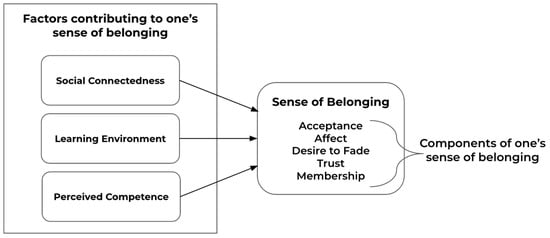
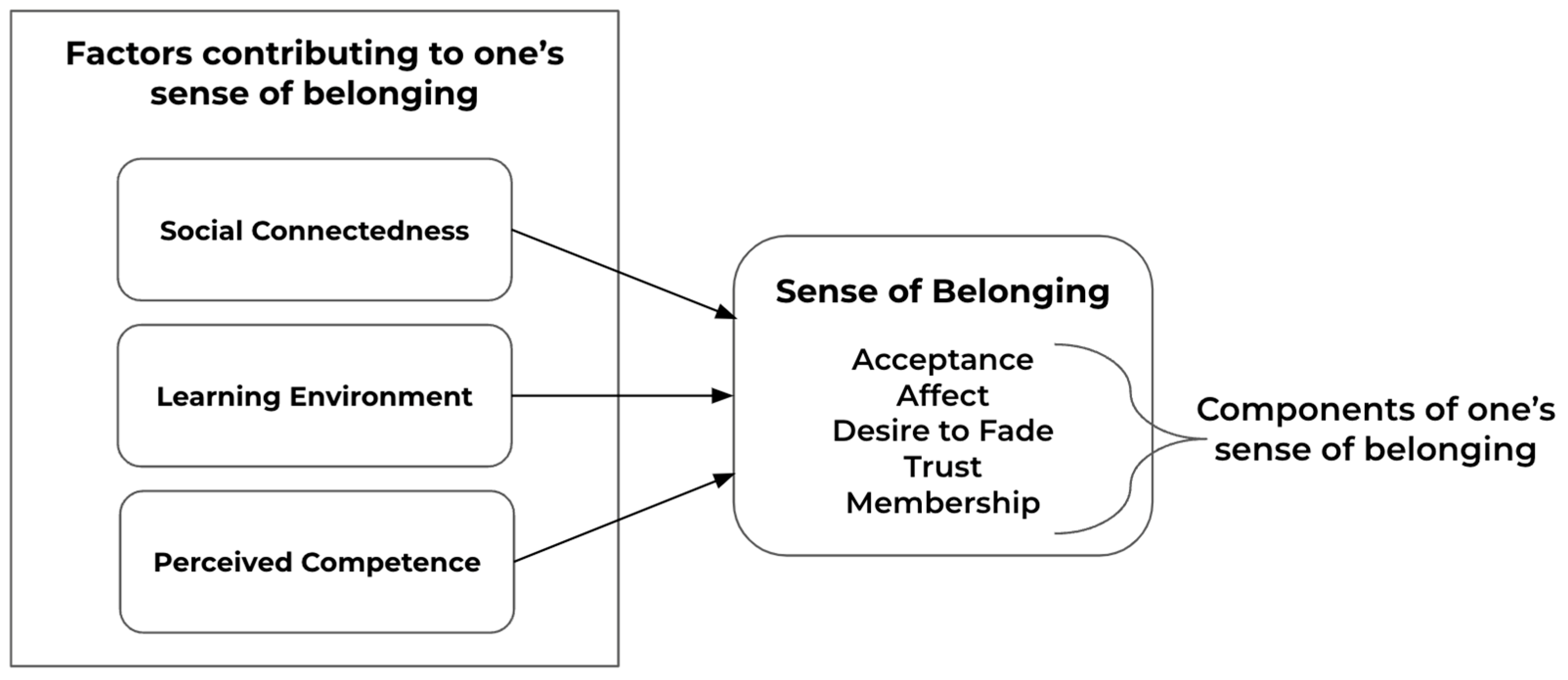
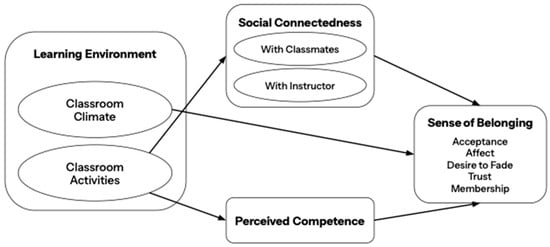
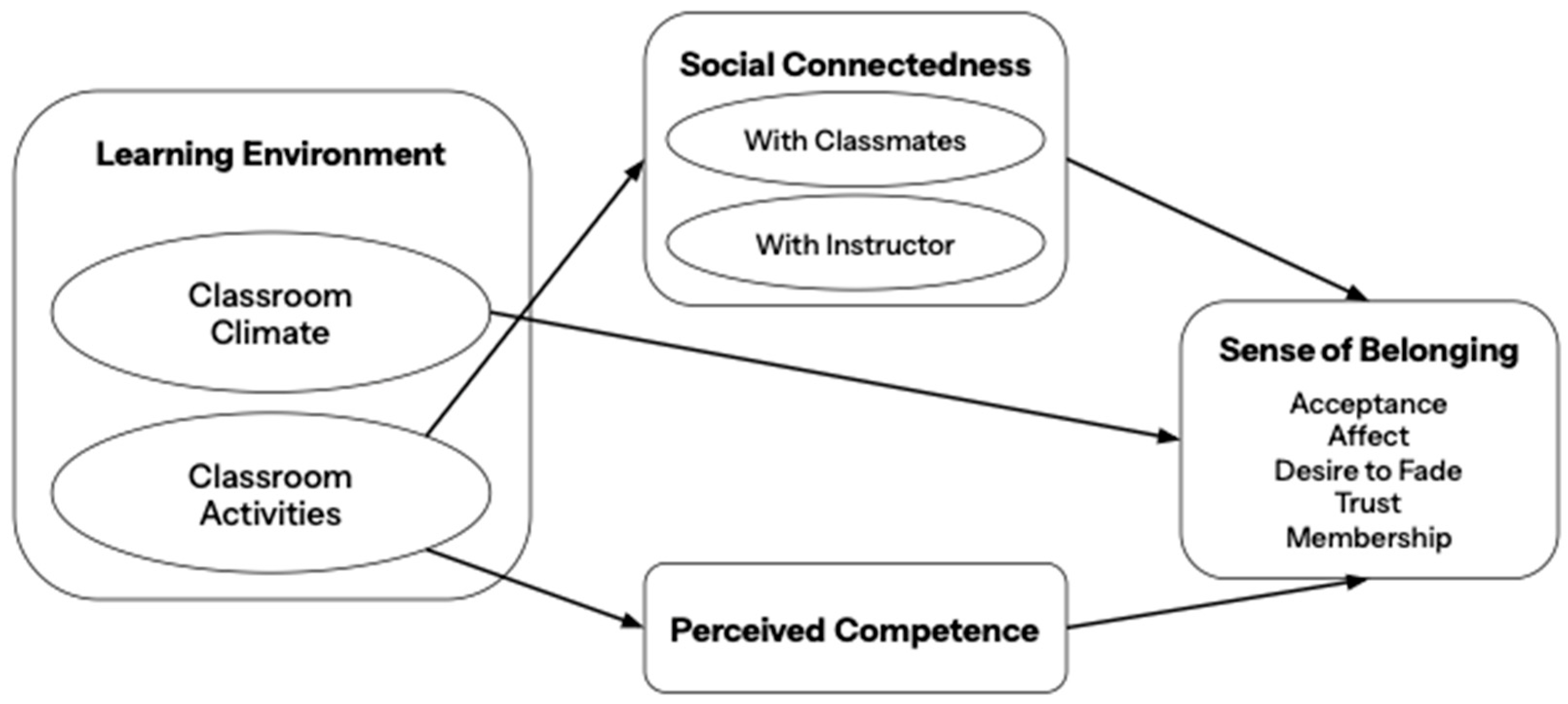
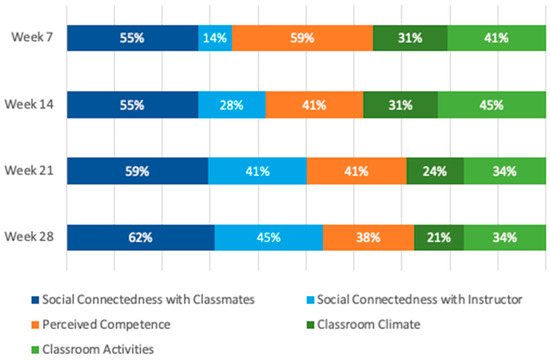
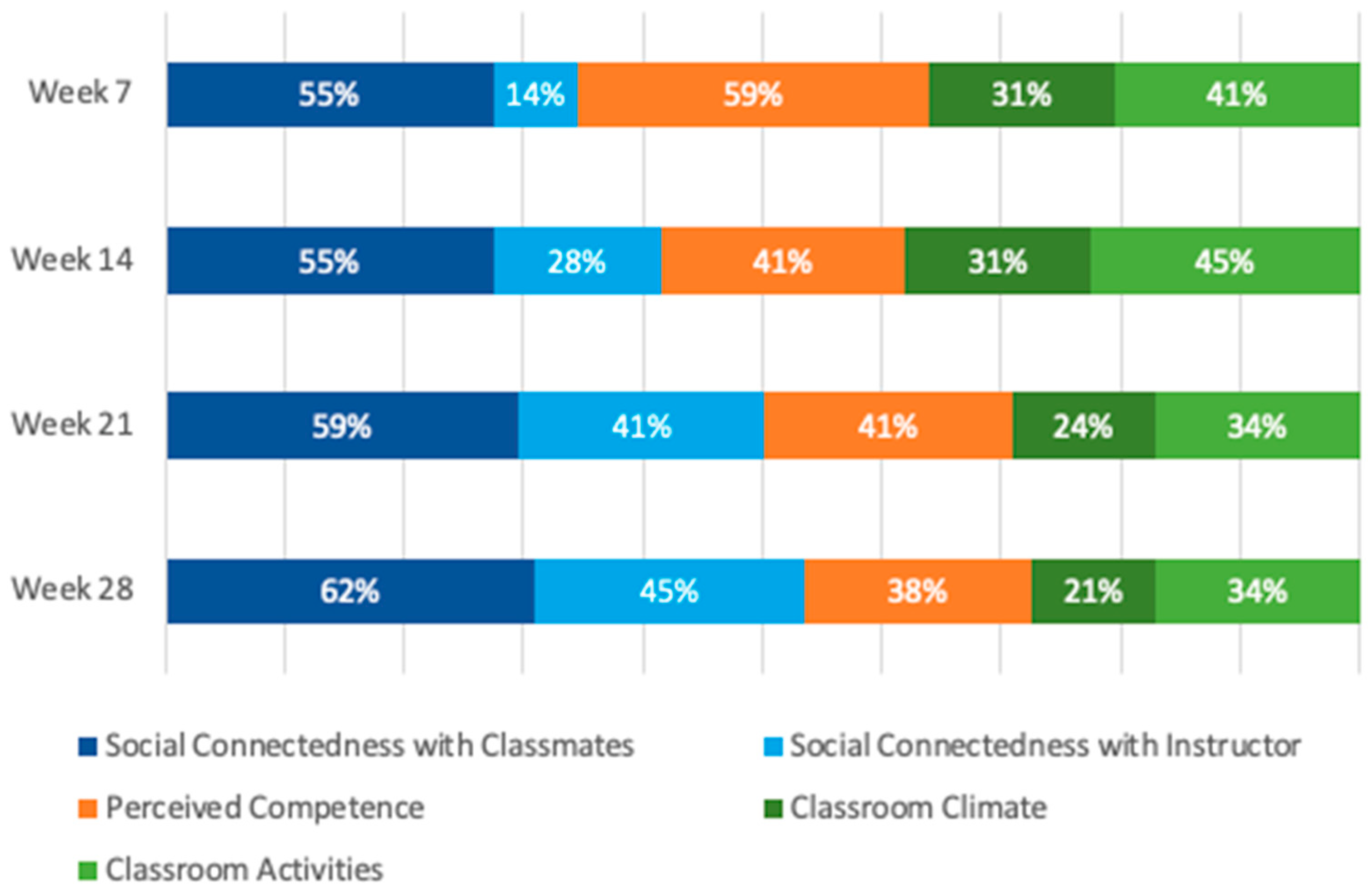
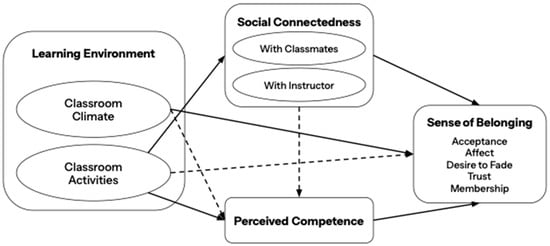
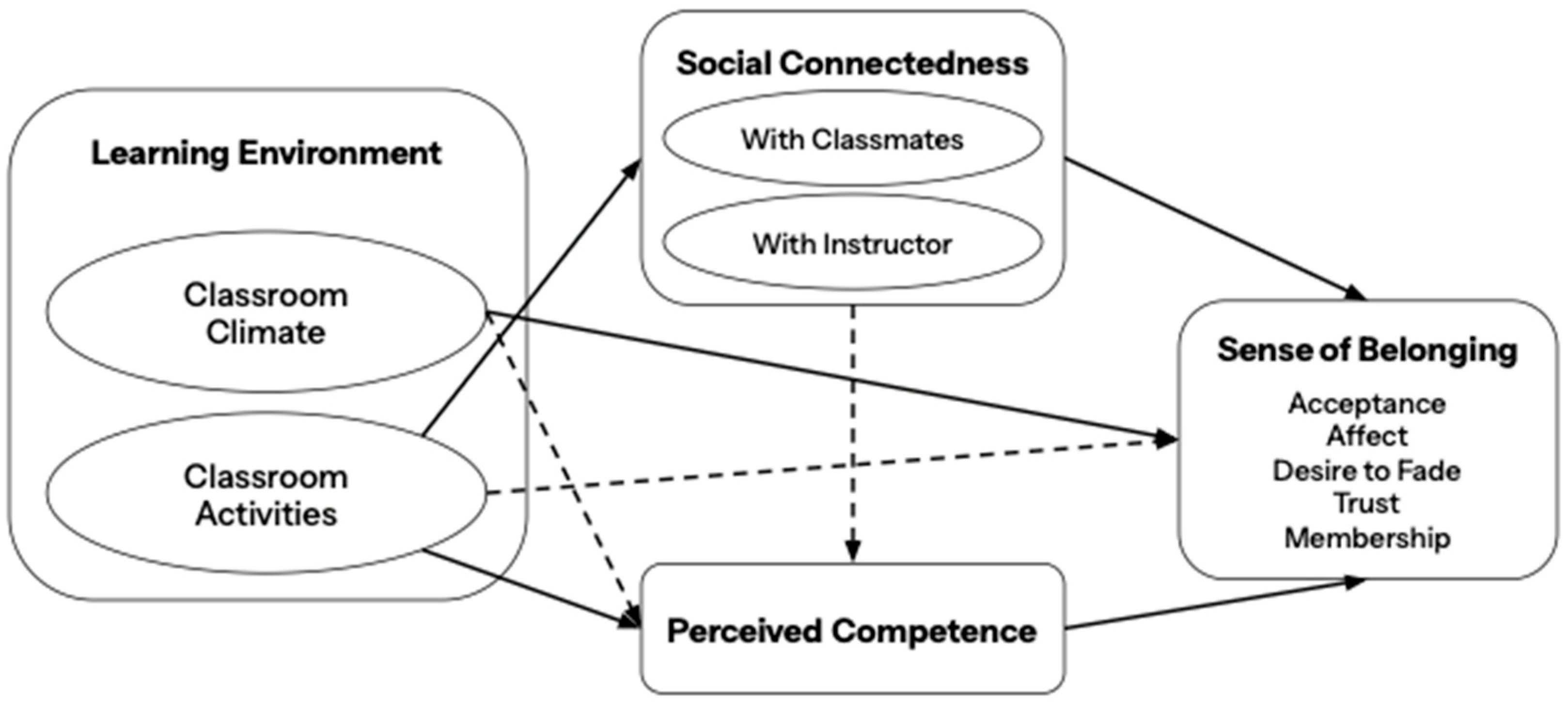

Disclaimer/Publisher’s Note: The statements, opinions and data contained in all publications are solely those of the individual author(s) and contributor(s) and not of MDPI and/or the editor(s). MDPI and/or the editor(s) disclaim responsibility for any injury to people or property resulting from any ideas, methods, instructions or products referred to in the content. |
© 2026 by the author. Licensee MDPI, Basel, Switzerland. This article is an open access article distributed under the terms and conditions of the Creative Commons Attribution (CC BY) license.