


Article

Promoting Student Flourishing and Enhancing Staff Capability: “You Matter”—A Co-Designed Approach to Embedding Wellbeing in University Curriculum


1
Counselling and Wellbeing, Student Wellbeing and Accessibility, Griffith University, Brisbane South (Nathan), Brisbane, QLD 4111, Australia
2
School of Medicine and Dentistry, Griffith University, Gold Coast, QLD 4222, Australia
*
Author to whom correspondence should be addressed.
Educ. Sci. 2026, 16(1), 80; https://doi.org/10.3390/educsci16010080
Submission received: 26 September 2025 / Revised: 14 November 2025 / Accepted: 5 December 2025 / Published: 6 January 2026

Abstract

Universities face a dual challenge: supporting student mental health while equipping staff to respond effectively. To address this, we co-designed and embedded the “You Matter, Prioritize Your Wellbeing” intervention within the university curriculum using a participatory action research framework. The program was developed through co-design workshops and a student needs survey, piloted across six undergraduate courses, and refined into a scalable Facilitator’s Toolkit. Data were collected from co-design workshop participants (n = 23 staff, n = 7 students), student survey respondents (n = 109), academic facilitators’ interview (n = 5), and student post-pilot feedback (n = 61). Purposive sampling was used for co-design workshops, and convenience sampling for both surveys. A mixed-methods approach was employed: qualitative data were analysed using reflexive thematic analysis, and quantitative data using descriptive statistics. Evaluation showed strong student engagement, with 82% planning proactive self-care. Academic facilitators reported enhanced confidence and competence in facilitating wellbeing conversations, valuing the structured approach for normalizing the topic while maintaining professional boundaries. Synchronous delivery and authentic facilitator sharing were perceived as especially impactful. Despite systemic barriers, all facilitators expressed commitment to continued use. This study presents a practical, scalable model for a whole-of-university approach to wellbeing, moving beyond siloed support services to foster a proactive culture of care in higher education.

1. Introduction

The mental wellbeing of university students has become a critical public health concern, with numerous international studies confirming a significant increase in psychological distress within this population, a trend exacerbated by the COVID-19 pandemic (Campbell et al., 2022; Hernández-Torrano et al., 2020; Paton et al., 2023). Described as an emerging crisis in higher education, this issue demands immediate and effective action from institutions globally (Orygen, 2020). However, a focus solely on mitigating negative symptoms overlooks a more ambitious goal: to proactively cultivate student flourishing (Sofija et al., 2020). Defined as a state of optimal wellbeing, flourishing encompasses both hedonic (feeling good) and eudaimonic (functioning well) dimensions of wellbeing (C. L. Keyes, 2007). This holistic wellbeing is associated with numerous benefits, including reduced engagement in risky health behaviours (Kimiecik, 2011; Sofija et al., 2020; Sofija et al., 2021). Critically, it also serves as a protective buffer; longitudinal research demonstrates that flourishing significantly reduces the future risk of developing mental illnesses like depression and anxiety (C. L. M. Keyes et al., 2010; Wood & Joseph, 2010). Of particular relevance to higher education is the link between wellbeing and academic achievement. While this relationship has often produced ambiguous findings, in a recent, comprehensive meta-analysis synthesising findings from over 54,000 students, Kaya and Erdem (2021) established a significant positive association between general wellbeing and academic success.
In Australia, young people aged 18–25 are a major risk group, with the onset of mental health challenges significantly impeding flourishing, contributing to overall burden of disease (Australian Institute of Health and Welfare, 2024). This period, conceived as emerging adulthood, is a distinct and often turbulent developmental state characterized by rapid and frequent changes in areas such as living arrangements, jobs, relationships, and study (Arnett et al., 2014; Sofija et al., 2021). The university environment itself, while a place of growth and opportunity, presents a unique confluence of stressors, including academic pressure, social adjustments, and financial concerns that can significantly strain students’ mental health during this critical transition (Olivera et al., 2023; Slimmen et al., 2022). This strain is compounded by the fact that many emerging adults are still developing the cognitive and emotional coping skills needed to effectively manage these new demands (Freire et al., 2020; Morales-Rodríguez & Pérez-Mármol, 2019).
The consequences of unaddressed student mental distress are severe and far-reaching. Mental disorders such as anxiety and depression and other impairing conditions have become highly prevalent among university students, directly impacting core institutional objectives through poor performance, reduced engagement, and increased attrition rates (Hernández-Torrano et al., 2020; King et al., 2021). Moreover, these challenges are not confined to the duration of a student’s enrolment. The long-term adverse outcomes can include significant social and economic impacts that potentially affect future employability and financial stability. Flourishing significantly reduces the future risk of developing mental illnesses like depression and anxiety (Winzer et al., 2018). Critically, the impact is not limited to students. Academic staff are increasingly at the front line of this crisis, often finding themselves providing primary emotional support without adequate training and institutional resources. This creates a significant emotional and workload burden, placing their own wellbeing at risk and contributing to burnout within the sector (Urbina-Garcia, 2020).
Despite the clear need, a significant gap exists between the prevalence of student distress and the utilization of traditional university support services. Research indicates that a large proportion of students experiencing psychological distress do not access professional help, a phenomenon often attributed to barriers such as stigma, lack of awareness of services, and time constraints (Cage et al., 2018; Duraku et al., 2023). In response to this gap, several institutional frameworks have been developed to support student mental health and wellbeing. Notably, the Uni Student Wellbeing Framework (Baik et al., 2016), the Australian University Mental Health Framework (Orygen, 2020), and the Okanagan Charter (2015) advocate for whole-of-university approaches that include staff training, inclusive environments, and accessible services. While these models offer valuable strategic guidance, they primarily focus on service-level or policy actions and provide limited direction for embedding wellbeing into everyday curriculum and pedagogy.
With the scale of student distress, embedding wellbeing into the curriculum not only normalizes wellbeing conversations within learning environments but also ensures that support reaches all students through a proactive and inclusive approach. Crucially, such embedded strategies are uniquely positioned to build the social connectedness and sense of belonging that are known drivers of emerging adult flourishing (Sofija et al., 2021). However, previous interventions that have been implemented have demonstrated minimal effectiveness often due to poor study design, inconsistent reporting, and lack of contextual tailoring (Upsher et al., 2022). This highlights the need for rigorously developed, co-designed approaches that are both scalable and responsive to the lived realities of students and staff. While embedding wellbeing into the curriculum offers potential benefits, it also requires careful attention to ethical boundaries between academic or assessor and pastoral care roles. J. M. Martin (2010) highlights that students may fear stigma or being labelled when wellbeing is discussed in academic settings. Meyer et al. (2017) and Jones et al. (2021) caution that the dual roles of educators, as both mentors and assessors, further complicate trust and disclosure. An ideal intervention, therefore, would not only be supportive to students but also supports academic staff in a way that avoids placing them in therapeutic roles, thereby addressing both sides of the wellbeing challenge while maintaining professional boundaries.
In response, the “You Matter, Prioritise your wellbeing” program was developed using an established co-design methodology described by Sofija et al. (2024). This structured framework for participatory program development empowers end-users, in this case, both students and staff, to become active partners in creating solutions that are directly responsive to their needs and context (Lipton et al., 2025).
This paper described the systematic, multi-phase framework used to create, pilot, and refine the “You Matter” program. It presented findings on the program’s feasibility, reception, and creation of a scalable facilitation toolkit, offering a practical and evidence-informed model that addresses the dual need for promoting student flourishing and enhancing staff capability. Overall, this study aimed to develop, implement, and evaluate an embedded mental health and wellbeing literacy program for university students guided by three research questions.

Research Questions

  • What should an embedded mental health and wellbeing literacy program look like from the perspectives of key stakeholders, students and staff?
  • What are the key factors that influence successful implementation of a curriculum-embedded wellbeing program in university settings?
  • What insights can be drawn from the pilot intervention to inform future refinement and broader application of the program?

2. Methods

2.1. Study Design

This study utilized a participatory action research (PAR) framework, employing research design methodology to systematically develop, pilot and refine the “You Matter” program. The PAR approach was chosen for its cyclical process of planning, acting, observing, and reflecting, which is critical for driving practical change within a community setting (McTaggart et al., 2017).
The methodology was guided by the seven-step synthesized operational co-design framework by Sofija et al. (2024), which provides a replicable structure for developing health promotion programs with and for specific communities. The research was organized into three distinct, sequential phases that operationalized this framework:
  • Phase 1: Co-Design and Needs Analysis. This initial phase encompassed the foundational steps of the framework, including (1) Examining background knowledge, (2) Planning and coordination, (3) Shaping focus through interactive, participant engaged co-design workshops encompassing sharing and collaboration and (4) Assessing the collected data from workshops and a student survey to analyse key wellbeing needs.
  • Phase 2: Pilot Program Implementation and Evaluation. This action-oriented phase initiated the PAR cycle’s core loop. The work included (5) Designing the program prototype based on Phase 1 data. (6) Presentation of the prototype to academic facilitators, followed by (7) Pilot testing in real-world settings. The evaluation of the program’s feasibility and reception represented a secondary cycle of data assessment, providing the essential information for subsequent refinement.
  • Phase 3: Program Refinement and Toolkit Development. This final phase completed the iterative cycle by applying pilot evaluation findings to refine program materials and develop the final Facilitator’s Toolkit, aligning with the modification and implementation steps of the co-design framework.
Ethical approval was obtained from the Griffith University Human Research Ethics Committee. Due to the project’s phased nature, separate approvals were granted for Phase 1 (GU Ref No: 2023/267) and Phases 2 and 3 (GU Ref No: 2025/003). All participants provided informed consent prior to data collection.

2.2. Phase 1: Co-Design and Needs Analysis

2.2.1. Participants and Recruitment

Participants for the initial co-design workshops were recruited through purposive sampling (Nyimbili & Nyimbili, 2024). Student eligibility criteria required participants to be over 18 years of age and currently enrolled in an undergraduate or postgraduate program at the university. Staff eligibility required active participation or support of teaching activities. The 23 staff participants comprised 20 females and 3 males. Fifteen were academic staff from the University’s four academic groups including representation from information technology, health, law, education, science, social sciences, criminology, arts and business; and eight professional staff from educational design and student services roles. The seven student participants included six females, one male. Three undergraduate, four postgraduate from health, law, education, science and political sciences studies. Participation in all phases of the study was voluntary, which may have introduced a degree of self-selection bias toward individuals already interested in wellbeing. Invitations were distributed via internal university announcements, course websites, and emails. Student participants received a $20AUD gift voucher as reimbursement for their time.
For the students’ needs survey, a separate convenience sample of 109 students was recruited from the broader student population. The survey was primarily distributed through internal networks, including postgraduate health student groups and peer contacts, which facilitated rapid and voluntary participation. Demographically, the survey respondents were predominantly female (80%), postgraduate students (78%), and domestic students (73%). The majority studied on campus (66%) and were enrolled in the health and social work field (77%). The mean age of participants was 31.6 years (SD = 9.4 years), with an age range from 18 to 56 years.

2.2.2. Co-Design Workshops Approach

Six 2 h co-design workshops were facilitated, three with staff and three with students to collaboratively identify key student wellbeing challenges, including barriers to accessing support, and to generate foundational ideas for the program’s content and delivery.
The workshops utilized a semi-structured guide with open-ended questions and interactive activities designed to elicit participants’ experiences with students’ mental health and wellbeing, barriers to support, and ideas for a curriculum-embedded program. Example activity questions included: “What skills and strategies on mental health and wellbeing do you wish students to have?” and “What skills and knowledge would assist staff in supporting students’ mental health and wellbeing?”
To encourage open discussion, separate workshops were conducted for staff and students in small groups of up to 10 participants and facilitated either in person or online (via Microsoft Teams) to maximize accessibility. All workshops were audio-recorded, transcribed verbatim, and de-identified for analysis. In addition, activities were documented using butcher’s paper during in-person sessions and collaborative online tools during virtual workshops.

2.2.3. Student Needs Survey

To complement the qualitative workshop data, a cross-sectional online survey was designed to quantify student perceptions of wellbeing, their awareness of existing support services, and interest in a curriculum-integrated program. Example items included: “Should strategies to support mental health and wellbeing be included in learning activities?” and “Do you know how to access support regarding mental health and wellbeing at Griffith?” The survey was designed to rapidly identify wellbeing needs to inform program development, rather than to provide a representative sample of the entire student population. The 19-item survey, administered via LimeSurvey, comprised multiple-choice and open-ended questions and yielded 109 complete responses.

2.3. Phase 2: Pilot Program Implementation and Evaluation

2.3.1. Pilot Implementation

A pilot version of the “You Matter, Prioritize your Wellbeing” program was implemented as a flexible, curriculum-embedded intervention. It was designed for delivery within a 30–45 min module and included supporting materials such as PowerPoint slides, a student worksheet, and an optional pre-recorded video.
To recruit academic facilitators, a university-wide call for expressions of interest was advertised alongside direct invitations to Phase 1 academic participants. All 10 academics who expressed interest became pilot facilitators. These academic facilitators were primarily from the 23 academic staff who participated in the co-design workshops. A few additional facilitators were academic colleagues of these staff members who expressed interest in supporting the pilot delivery. The “You Matter” program was designed to be flexible and adaptable to different teaching contexts. It was implemented across six diverse courses, reaching up to 665 undergraduate students, using one of four delivery modes. These delivery modes, listed below, were collaboratively selected with each facilitator to ensure optimal alignment with the existing course structure and pedagogical approach:
(1)
In-person Synchronous Workshop: Facilitated by an academic with a counsellor co-facilitator.
(2)
Online Synchronous Workshop: A live, online session facilitated by an academic with a counsellor co-facilitator.
(3)
Embedded Asynchronous: Pre-recorded video with an in-class activity.
(4)
Fully Asynchronous: Online module including pre-recorded video and self-paced activity shared with students via email.

2.3.2. Data Collection for Pilot Evaluation

Data were collected using two primary instruments: (1) an online student feedback survey comprising Likert-scale and open-ended questions, and (2) semi-structured interviews with academic facilitators. Example student survey questions included: “How useful did you find the following in providing a foundation to proactively taking care of your wellbeing?” and “Do you plan on proactively taking care of your wellbeing?” Example interview questions included: “What was your personal experience of sharing and creating your own self-care strategies?” and “What are the perceived benefits of these workshops for students?” The survey assessed perceived usefulness, engagement, and intended behavioural outcomes, while the interviews explored facilitator experiences and recommendations. Following program delivery, evaluation data were collected from both students and academic facilitators.
  • Student Feedback Survey: A post-pilot online survey was distributed to all participating students to assess the program’s perceived usefulness and reception. A total of 61 undergraduate students completed the survey.
  • Staff Interviews: Semi-structured interviews were conducted with five of the 10 academic facilitators to explore their experiences, perceptions of student engagement, and recommendations for improvement. Interviews were audio-recorded and transcribed verbatim.

2.3.3. Overview of Participant Flow and Numbers (Phases 1 and 2)

Figure 1 below provides a visual summary of participant involvement across Phases 1 and 2 of the study, illustrating the number of staff and students engaged at each step and the linkage between the phases. Phase 3 focused on program refinement and did not involve new participant recruitment.

2.4. Data Analysis

A mixed-methods approach was used to integrate quantitative and qualitative findings (Creswell & Plano Clark, 2018). Quantitative data from the two separate student surveys (n = 109 and n = 61) were analysed using descriptive statistics in SPSS (Version 28). Qualitative data from the co-design workshops and staff interviews were analysed using a reflexive thematic analysis, following the six-phase process outlined by Braun and Clarke (2021). This process involved two researchers independently coding the transcripts, then meeting to develop and refine themes in collaboration with other research team members to ensure analytical rigor (Braun & Clarke, 2019).

2.5. Phase 3: Program Refinement and Toolkit Development

Findings from the Phase 2 evaluation directly informed the final program iteration. In collaboration with a university Learning and Teaching Designer, the research team refined the program resources based on staff and student feedback. This process focused on enhancing clarity, engagement, and ease of use. The primary output of this phase was a Facilitator’s Toolkit, which included a delivery guide, customizable slides, a student worksheet, and facilitation tips. To ensure scalability and sustainability, the final toolkit was uploaded to the university’s Learning Management System (LMS), making it easily accessible for adoption by any academic.

3. Results

3.1. Findings from Phase 1: Co-Design Workshops and Needs Analysis Survey

3.1.1. Co-Design Workshops

In response to Research Question 1, Phase 1 of the study aimed to identify key wellbeing challenges and foundational program requirements. Thematic analysis of the co-design workshops with 23 staff and 7 students revealed four overarching themes: (1) the multi-faceted nature of student stress, (2) systemic barriers to help-seeking, (3) the hidden curriculum of care falling on academic staff, and (4) strategies for curriculum-embedded wellbeing support.
Theme 1: The Multi-Faceted Nature of Student Stress
The workshops revealed that student distress stemmed from a complex interplay of pressures, comprising three key sub-themes: the pressure to perform academically, the double bind of work and study with increasing financial pressures, and the impact of life beyond the campus. A major source of this stress was the immense academic pressure to perform. Students described being overwhelmed by assessment demands, which often forced them to sacrifice deep learning in favour of strategic, grade-focused study. As one student explained, “I feel like… it’s more emphasis on assessment and less on knowledge, so I actually feel like at times I have to sacrifice my understanding of a subject.” This academic pressure was compounded by the double bind of balancing work and study amidst significant financial stress, as one student participant articulated: “and suddenly all of my coursework, is now, way more behind and it’s just, you can’t. It doesn’t fit into your life.” Staff, in particular, noted that the challenging financial landscape meant students were under immense pressure, with one academic observing that some were “at risk for homelessness.”
Furthermore, participants emphasized how life beyond the campus directly permeated students’ academic experience, with pre-existing mental health issues often exacerbated by academic demands. One undergraduate powerfully captured this struggle: “I’m trying to just like ‘human’ and then like I’m a full-time student as well, but it feels like a part time thing because I pick it up when I can in between like mental crises.”
Theme 2: Systemic Barriers to Help-Seeking
Compounding these stressors were significant systemic barriers that hindered help-seeking, characterized by two main sub-themes: difficulty finding resources and a relational disconnect between students and staff. The most significant barrier identified was that existing support services were challenging to find, and when found, contained too much information that was overwhelming to those who needed it most. Both students and staff consistently reported the support system as difficult to find and navigate, with one student lamenting, “And it’s like there are things that could be really beneficial for you, but you just don’t know about them.”
This lack of awareness was exacerbated by a relational disconnect between students and academic staff. Students expressed significant discomfort about disclosing personal struggles to lecturers, viewing it as a necessary but intimidating step to justify needing academic support. One student shared, “It can be really uncomfortable… to disclose personal information. But also, it feels like you have to do that in order to justify that you need help.” For some cohorts, this reluctance was potentially further exacerbated by cultural factors. As one academic staff member observed:
“I think amongst international students like mental health is sometimes considered a bit taboo within their culture, so they do feel a little scared to bring it up and they don’t sometimes recognize the severity of their mental health concerns.”
This perceived relational disconnect was particularly acute within the online learning environment, which has significantly increased during the pandemic. Online students reported that the lack of face-to-face interaction made it even harder to build the rapport needed to approach lecturers for support. As one postgraduate student explained, “You know, it’s hard to reach out. I mean, even with your lecturers, you never feel like you are actually engaged with them. Or that they are easy to approach.” This sense of disconnection was corroborated by academic staff, with one observing that the online format created a profound sense of isolation for students: “I’ve noticed, particularly with the online students, is loneliness and feeling like they’re disconnected… in terms of their sense of belonging at the university.”
Theme 3: The Hidden Curriculum of Care: The Unseen Burden on Academic Staff
The workshops uncovered that the burden of supporting distressed students was falling heavily and unsustainably on academic staff. This “hidden curriculum of care” meant some academics were acting as frontline responders, many without formal training or institutional support. Staff deliberated the struggle of finding that fine line between forming connections with students and maintaining a professional boundary: “When you say to a student the appropriate thing which is you know there are counselling services available to you. But the student’s like why can’t I just talk to you about it because we have a relationship here.” Staff reported feeling overworked and emotionally burdened, with some experiencing significant psychological distress from difficult student interactions, as one academic expressed: “I still feel anxious when students come and see me.” One academic, recounting a traumatic incident where they were investigated after supporting a student, stated, “the resolution I got was, we can’t prove you did the wrong thing.” This perceived lack of institutional backing and clarity of role in supporting student issues left staff feeling unsure and unsupported. This powerfully underscores the urgent need for a program that not only supports students but also equips academic staff in managing student wellbeing matters, while clearly defining appropriate boundaries and expectations around academic staff responsibilities.
Theme 4: Strategies for Curriculum-Embedded Wellbeing Support
Finally, the co-design workshops generated a range of strategies for embedding mental health and wellbeing into curriculum. These strategies reflected both pedagogical intent and practical implementation considerations. A prominent theme was the importance of mental health literacy and emotional regulation as foundational skills. Staff emphasized the need to normalize mental wellbeing as part of professional development, with one noting, “Mental health is just like physical health… every single profession I would suggest has contextualized experiences that might affect one’s mental health and wellbeing.” Another staff member added, “We talk about lifelong learning… and yet mental health is just this other thing.”
Reflective practice was widely supported as a curriculum-embedded strategy. Staff described using reflection to build professional identity and resilience, with one sharing, “Reflection is the way that you do what they now call ‘career management skills’… and also reflecting on the arc of your reflections.… what kind of lawyer are you going to be?” Students echoed this, suggesting that reflection could help normalize stress and promote self-awareness: “I think it needs to be an assignment… monitor your habit… critically reflect on your life.” The use of technology-enabled tools was proposed to improve access and tailor support. Students responded positively to the idea of a decision tree embedded in the LMS, with one stating, “Decision tree… choose your own adventure… prompts you to identify what’s impacting your wellbeing.” Another added, “I actually really like the decision tree… you can really focus in on what you need.” Peer connection and student-led initiatives were also identified as valuable. Students advocated for mentoring programs and peer support embedded into learning environments, noting, “Student-led program within the wellbeing center… greater connection, engagement, leadership.”
Finally, staff highlighted the importance of clarity around their role in supporting student wellbeing. One staff member reflected, “…mental health first aid is really good… it sets your mind around not being a counsellor but being someone who can identify someone in distress.” These strategies offer practical, scalable options for embedding wellbeing into curriculum and reflect a shared commitment to fostering a proactive and inclusive culture of care.

3.1.2. Student Survey Corroboration

Quantitative results from the needs analysis student survey (n = 109) strongly corroborated the themes from the workshops. Validating the “difficult-to-locate resources” sub-theme, a majority of students (57%) reported being unaware of the mental health and wellbeing services available at the university, with 21% indicating they had no idea how to access them. Furthermore, a majority of students (73%) believed mental health strategies should be integrated into their learning.

3.2. Translating Phase 1 Findings into Pilot Program Design

While the challenge of navigating university support services emerged as a prominent theme in Phase 1, it was not directly addressed in the pilot. This decision was made in light of a concurrent, large-scale institutional initiative focused on improving the visibility and accessibility of university resources. The “You Matter, Prioritize your Wellbeing” pilot program was developed based on Phase 1 findings and drew on literature to form the theoretical foundation for the program, addressing Research Question 2. The module was structured around four core components: (1) academic facilitators sharing their personal wellbeing strategies to model self-awareness and normalize wellbeing conversations; (2) a guided self-care plan activity to help students identify stress signals and develop personalized coping strategies; (3) psychoeducational content on stress management and emotional awareness; and (4) clear signposting to university support services. Crucially, academic facilitators were coached by the project manager to safely and productively share their wellbeing strategies as part of the program. The four delivery modes described in the methods were used to ensure alignment with diverse course structures and teaching contexts, and to accommodate varying levels of facilitator confidence and student accessibility.

3.3. Findings from Phase 2: Pilot Program Evaluation

3.3.1. Student Reception and Feedback

Overall, student feedback from the post-pilot survey (n = 61) indicated a highly positive reception to the “You Matter” program’s content, delivery, and perceived usefulness. All students were from undergraduate cohorts enrolled in medical sciences, education, criminal justice, social work, visual arts, and midwifery, with the majority of students in the 18–25 age range. No further demographic data were collected as the feedback form was embedded for easy completion to improve the pilot prior to formalizing the research focus.
Students found the program’s practical and human-centred components to be particularly valuable. As shown in Table 1, all program components were well-received by a majority of participants, with mean and standard deviation included to indicate variability in student responses. The sharing of personal wellbeing strategies by both the academic facilitator (77% positive reception) and the program’s counsellor (71%) was the most highly rated components, underscoring the importance of the human element and modelling self-awareness in normalizing wellbeing conversations. Furthermore, in sharing their wellbeing narrative, facilitators linked the importance of these strategies to career resilience based on their lived experience as practitioners. The core workshop content (66%) and practical tools like the Self-Care Plan worksheet (59%) were also viewed as useful. Notably, no students ranked any of the program components as “not useful at all,” indicating a baseline level of perceived value across all elements.
Regarding delivery mode, students expressed a clear preference for synchronous and interactive formats. When asked to rank delivery modes, the in-person workshop was overwhelmingly considered the most effective, followed by the online synchronous workshop. The asynchronous options which included the academic informing the students about the resource and sharing a link to the pre-recorded video and worksheet, were ranked last. This preference for live delivery was reflected in qualitative feedback, where one student praised the facilitator’s role in creating a safe environment: “[The facilitator] was very friendly and nice and made everyone feel welcome. No one was pressured to answer and we were all relaxed.”
Critically, the program was effective in encouraging students to translate awareness into action. A significant majority of students (82%) indicated they planned on proactively taking care of their wellbeing after participating, with the remaining 18% responding that they might. The practical, action-oriented nature of the program was praised in the open-ended feedback, with another student stating, “the self-care plan is good to take some accountability and push myself to do more for myself.”

3.3.2. Academic Facilitator Experience: The ‘Dual Benefit’ of an Embedded Program

Thematic analysis of the interviews with five academic facilitators revealed four key themes that encapsulate their perceptions of the program’s value, their experience delivering it, and its impact on both students and themselves.
Theme 1: A Necessary Initiative to Normalize Mental Wellbeing
Overwhelmingly, facilitators perceived the program as a crucial and valuable initiative. They emphasized that it served a vital function in normalizing conversations about mental wellbeing and managing stress, particularly for first-year students. They valued that the program moved beyond a crisis-driven model to one that was proactive, reframing wellbeing as integral to academic life. As one facilitator stated:
“Yes, academics are important… However, your mental health is just as important, and it’s not a weakness or it’s not a distraction to talk about mental health.”
Theme 2: Enhancing Staff Capability and Connection Through Practical Tools
Confirming the program’s ‘dual benefit’, a powerful theme emerged detailing how the intervention enhanced staff capability. Facilitators reported an increased sense of self-efficacy in supporting students, welcoming the program’s tangible resources “anything that can help support the students”. That gave them confidence and a clear framework to act. This structure was seen to build competence, moving abstract concepts into what one facilitator called “practical, implementable things.” Furthermore, engaging with the content prompted personal reflection that staff identified as crucial for their ability to authentically model wellbeing strategies. This was powerfully illustrated by one academic’s “epiphany” after struggling to identify her own stress signals and asking colleagues for insight: “So getting that information from someone else made me suddenly cognizant of the fact that that’s what I do.” One facilitator described how this sharing humanized them and strengthened their connection with students, stating: “Not only did I build rapport with my cohort but also showed them that I am as human as they are.”
Theme 3: Implementation Challenges and the Need for Systemic Support
The final theme captures facilitator feedback on both the practical challenges of implementation at the individual level and the broader need for systemic, institutional support. At the individual level, facilitators identified several key implementation challenges, beginning with the personal and professional demands of delivery. Staff acknowledged that addressing wellbeing, stress, and strategies could be demanding and require a certain level of confidence. They noted that while the personal sharing of wellbeing strategies component was highly valued by students, it carried a risk of unintentionally crossing professional boundaries without adequate training. Additionally, facilitators cited the significant logistical challenge of academic workload, which they felt was a barrier for wider staff adoption. One facilitator explained this dual barrier of confidence and capacity: “…no confidence in… leading something like that, but also workload… has only gone up.”
Moving from individual to systemic challenges, academic facilitators identified the lack of a cohesive, university-wide strategy to formally embed wellbeing in the curriculum. They cautioned that without strategic mapping, the program’s value could be diluted by ad hoc duplication, with one academic pointing out that students “wouldn’t take it seriously if they did it in every class.” This sentiment was reinforced by the observation that wellbeing is still largely treated as an add-on rather than an integral part of university studies: “…it’s not actually as part of curriculum… so it is still treated as separate… it’s the students’ responsibility to maintain their wellbeing.”
Facilitators highlighted the challenge of fostering sustainable behaviour change in students already overwhelmed by information, questioning whether a single touchpoint could truly create lasting impact. As one academic put it, “You want them to engage in something new that they haven’t engaged in before and you want them to build a habit out of it. It is really challenging.”
Critically, in response to these multi-level challenges, facilitators offered a range of concrete recommendations for both program refinement and strategic integration. These suggestions, which focused on elements such as a scaffolded curriculum, enhanced cultural tailoring, and improved facilitator support, are analysed in the Discussion section as key implications for practice.
Despite the articulated challenges, the most definitive finding was a unanimous and enthusiastic commitment to the program’s future. All five facilitators who participated in the pilot expressed a strong desire to continue delivering the “You Matter” program in their courses, a finding that stands as the strongest testament to the program’s perceived value and feasibility.

3.4. Phase 3: Program Refinement and Toolkit Development

Phase 3 did not involve new data collection and is described in the Methods. It completed the co-design cycle by translating pilot evaluation insights into a refined program and Facilitator’s Toolkit. This phase addressed Research Question 3 by operationalizing feedback into a scalable, curriculum-embedded wellbeing resource.

4. Discussion

This study detailed the systematic, co-design process used to develop, pilot, and refine the “You Matter” program, an embedded curriculum intervention aimed at promoting student flourishing and enhancing staff capability. Further to the findings from the co-design and needs survey, the program is grounded in theoretical frameworks that directly inform its content and structure. The intervention centres Keyes’ Flourishing Theory, which positions mental health along a continuum with both hedonic and eudaimonic dimensions of wellbeing (C. L. Keyes, 2007). This theory directly informed the program’s dual focus on emotional awareness and proactive self-care. Building on this, the program incorporated elements consistent with cognitive restructuring, a core principle of Cognitive Behavioural Therapy (CBT) to help students recognize stress signals and plan adaptive coping strategies (Morales-Rodríguez & Pérez-Mármol, 2019). These strategies were complemented by the Queensland Government’s “Your Mental Wellbeing” resource, which promotes everyday self-care practices for mental wellbeing (Queensland Health, 2025).
The findings make several important contributions to the literature on student and staff wellbeing. By identifying a ‘hidden curriculum of care’, the research empirically validates the significant emotional labour carried by academic staff, who by proximity are often the first point of contact for students in distress. Academics are frequently exposed to and respond to students’ complex emotional and psychological needs with inconsistent institutional support. This extends the literature on academic burnout (Urbina-Garcia, 2020), illustrating how structural pressures within universities and the rise in student mental health issues (Campbell et al., 2022; Hernández-Torrano et al., 2020; Paton et al., 2023) increase the emotional burden on academic staff. The “You Matter” program directly addresses this by reframing academic staff not as mental health supports, but as key agents in proactively fostering student wellbeing through modelling and facilitation. Importantly, the program was designed to avoid placing staff in therapeutic roles or encouraging personal disclosures, thereby maintaining professional boundaries and mitigating the ethical tensions identified in the literature (Jones et al., 2021; J. M. Martin, 2010; Meyer et al., 2017). It provides clear, easily contactable information on support services, enabling staff to guide students toward appropriate help without assuming a counselling role. This ‘dual benefit’ model, which builds staff capability, presents a novel approach that counters deficit models and aligns with a whole-of-university approach to mental health (Brewster et al., 2021; Priestley et al., 2021).
Based on the qualitative data from facilitators, we propose an operational definition of “staff capability” in the context of this curriculum-embedded wellbeing program. This capability is not the development of therapeutic skills, but a multi-faceted pedagogical construct comprising: (1) increased confidence and self-efficacy in facilitating wellbeing conversations (as evidenced by their unanimous commitment to continue); (2) competence in using the program’s tools, which they described as making abstract concepts “practical” and “doable”; (3) the ability to model self-awareness and self-care appropriately; and (4) improved awareness of professional boundaries, moving from anxiety about student disclosures to having a clear pathway for referral.
While this study did not directly investigate the mechanisms behind the program’s overall effectiveness, the findings, particularly students’ preference for synchronous delivery and facilitator sharing, align with existing literature on relational pedagogy and stigma reduction. The program operationalized these principles through authentic educator-student interactions, co-created learning experiences, and intentional storytelling that demonstrated self-awareness and professional resilience to cultivate trust, connection, and a shared sense of humanity in the learning environment. This aligns with research highlighting the critical role of relational pedagogy, which prioritizes mutual trust, empathy, collaboration, inclusion and the co-creation of knowledge in fostering student belonging (Bonehill & Iordan, 2025; Dulfer et al., 2024). The success of components like facilitator sharing underscores that for wellbeing topics, the human element, which fosters authentic connection and models self-awareness, is not an optional extra but the core active ingredient. This approach is further supported by a recent study where students identified instructor modelling of conversations about mental health as a crucial factor in reducing stigma and alleviating the fear of failure (Boman et al., 2025). Furthermore, the act of sharing added another benefit by enabling students to make links between the importance of building their skills in self-care to their future career, which is shown to decrease burnout (DeMarchis et al., 2021). This was not just casual sharing but framed as a pedagogical tool to model resilience and professional competence. They were consciously framing self-care as a necessary skill for managing the vocational pressures students would face in their future careers. Taken together, these findings offer a timely counter-narrative to the push for purely scalable, digital-only solutions.
The role of academics in supporting students’ mental health and wellbeing is both complex and nuanced. While academics are not trained counsellors and should not be expected to provide therapeutic support, students, particularly those in distress, often turn to them for help. This tendency is especially pronounced among female academics, as highlighted in our study through their greater willingness to volunteer for wellbeing-related roles, reflecting ongoing gendered expectations in pastoral care (Gaudet et al., 2021). Emotionally charged interactions, such as academic warnings, are an inherent part of academic responsibilities. Recent research by P. Martin and Barraclough (2025) demonstrates that solution-focused techniques in these conversations can lead to more positive outcomes. Striking an appropriate balance in the academic role requires equipping staff with the tools and training necessary to respond effectively and appropriately to student wellbeing concerns.

4.1. Implications for Practice and Future Directions

While the program’s effectiveness is supported by strong alignment between participant feedback and existing literature, the mechanisms driving this impact remain theoretically inferred. To strengthen the evidence base, future research should explore these pathways more systematically. Nonetheless, the co-design process yielded a set of clear, data-driven recommendations that provide a roadmap for the program’s future. A primary recommendation is the need to move beyond a single-point delivery towards a scaffolded, longitudinal model. This directly addresses the facilitator’s insight that students “wouldn’t take it seriously if they did it in every class”, suggesting that a strategic, developmental approach is more effective than simple repetition. Future iterations should therefore focus on embedding modules at key transition points, such as first year and final year, to ensure content is relevant and cumulative. Currently the project team is developing wellbeing interventions for students on placements or internships and is also focusing on linking wellbeing to career readiness.
Similarly, our findings demand an enhancement of the program’s cultural tailoring. This recommendation moves beyond simply acknowledging the stigma identified in Phase 1; it builds directly on the proactive solution offered by a facilitator who already practices this by explicitly telling international students: “while you’re here in Australia, we want to know about your mental health. We want you to use our support services”. This powerful quote provides a clear model for what an inclusive, explicitly invitational stance looks like in practice, shifting the program from a generic model to one that actively dismantles cultural barriers.
To ensure sustainability and truly deliver the program’s ‘dual benefit’, institutions must address the challenges of emotional labour and confidence reported by facilitators. The proposal to leverage academics with additional training in mental health support such as accreditation as Mental Health First Aid trainers to “spread the load” offers a practical solution. Implementing this peer-support model would not only mitigate the risk of burden but also build a distributed network of capable staff, making the embedded model scalable and sustainable.
Finally, to increase relevance, the program must forge an explicit link to career readiness and employability. This is the strategic move required to solve the problem that wellbeing is still seen as separate, as one participant noted, “…it’s not actually as part of curriculum… so it is still treated as separate”. Framing competencies like resilience as core professional attributes will position the program as an integral component of professional development.

4.2. Strengths and Limitations

The study has several strengths, including its PAR framework, which ensured the intervention was grounded in the lived experiences of students and staff. The use of a mixed-methods design allowed for both rich qualitative insights and quantitative validation of key findings.
Despite these strengths, the study has limitations that should be noted. A notable limitation is the demographic profile of the initial needs analysis survey sample (n = 109), which was predominantly composed of postgraduate students (78%) with a mean age of 31.6 years. This presents a mismatch with our introduction’s theoretical focus on emerging adulthood (ages 18–25). Consequently, the findings from this initial survey may more accurately reflect the specific wellbeing needs of a mature-age and postgraduate cohort. However, as noted, the core themes that emerged, such as academic pressure and financial stress, are challenges known to be relevant across the entire student lifecycle. Furthermore, the pilot program itself was implemented across diverse undergraduate courses reaching students mostly in the 18–25 age group, which enhances the applicability of the program’s final design.
Further limitations relate to the study’s scope and participants. The findings are based on a single university context, which may limit the direct transferability of the program model without local adaptation. However, the development process of the program and its core elements offers a flexible foundation that can be adapted to diverse institutional contexts, complementing rather than replacing existing university wellbeing initiatives and frameworks. The sample of five facilitators who participated in the interviews, while appropriate for generating rich qualitative data, were early adopters of the program. Their enthusiastic perspectives may not fully capture the potential challenges that might be held by the facilitators who chose not to participate. Finally, as participation across all phases of the study was voluntary, a degree of self-selection bias toward individuals already invested in the topic of wellbeing is likely present.
Lastly, the finding of enhanced staff capability is based on qualitative evidence. Future work could build on these findings by incorporating quantitative pre- and post-intervention scales to formally measure changes in facilitator confidence and self-efficacy.

5. Conclusions

The “You Matter” program demonstrates that it is possible to systematically co-design and successfully embed a scalable wellbeing intervention within university curriculum. Key findings demonstrated that the program was highly valued by both students and the academic facilitators who delivered it. This co-designed, human-centred approach is effective in engaging students to proactively prioritize their wellbeing, while also delivering a critical ‘dual benefit’—enhancing student flourishing and simultaneously building staff capability and confidence. The unanimous commitment from facilitators to continue delivering the program, despite implementation challenges, underscores its feasibility, perceived value, and enhanced staff capability within the complex ecosystem of higher education. By empowering staff as key partners and grounding the program in student needs, this study provides a validated model for a whole-of-university approach to wellbeing, demonstrating a clear pathway for universities to move beyond siloed, reactive support services towards a proactive culture of care.

Author Contributions

Conceptualization, L.C., R.C.C. and E.S.; Methodology, L.C. and E.S.; Formal analysis, L.C. and E.S.; Investigation, L.C., K.H. and H.M.N.; Resources, L.C.; Data curation, L.C.; Writing—original draft, L.C., R.C.C. and E.S.; Writing—review and editing, L.C., R.C.C. and E.S.; Supervision, L.C. and E.S.; Project administration, L.C. All authors have read and agreed to the published version of the manuscript.

Funding

This research received no external funding.

Institutional Review Board Statement

The study was conducted in accordance with the Declaration of Helsinki and approved by the Griffith University Human Research Ethics Committee, GU Ref No: 2023/267—21 April 2023. Due to the project’s phased nature, separate approvals were granted for Phase 1 GU Ref No: 2023/267—21 April 2023 and Phases 2 and 3 GU Ref No: 2025/003—3 February 2025.

Informed Consent Statement

Informed consent was obtained from all subjects involved in the study.

Data Availability Statement

The data presented in this study are available on request from the corresponding author due to ethical reasons.

Acknowledgments

The authors gratefully acknowledge Renee Denham and Mark Lawson for their valuable contributions to the revision of the Facilitator’s Toolkit. Special thanks to Abdul Rahman Imran and Greg Angiating for their assistance with staff interviews during the pilot evaluation. The project was supported by Emma Morgan and Shaun Ewen. We also extend our sincere appreciation to all students and academic staff who generously shared their insights through surveys, workshops, and interviews. Finally, sincere and heartfelt gratitude to the 10 academics who facilitated the pilot implementation of the “You Matter”.

Conflicts of Interest

The authors declare no conflicts of interest.

Abbreviations

The following abbreviations are used in this manuscript:
COVIDCoronavirus Disease
PARParticipatory Action Research
SDStandard Deviation
SPSSStatistical Package for the Social Sciences

References

  1. Arnett, J. J., Žukauskienė, R., & Sugimura, K. (2014). The new life stage of emerging adulthood at ages 18 & 29 years: Implications for mental health. The Lancet Psychiatry, 1(7), 569–576. [Google Scholar] [CrossRef]
  2. Australian Institute of Health and Welfare. (2024). Health of young people. Australian Institute of Health and Welfare. Available online: https://www.aihw.gov.au/reports/children-youth/health-of-young-people (accessed on 6 March 2023).
  3. Baik, C., Larcombe, W., & Brooker, A. (2016). A framework for promoting student mental wellbeing in universities. Available online: https://unistudentwellbeing.edu.au/wp-content/uploads/2016/11/MCSHE-Student-Wellbeing-Framework_FINAL.pdf (accessed on 6 March 2023).
  4. Boman, J., Lindsay, B., Bernier, E., & Boyce, M. A. (2025). Fostering student wellbeing in the postsecondary teaching and learning environment. Journal of Further and Higher Education, 49(2), 230–242. [Google Scholar] [CrossRef]
  5. Bonehill, A., & Iordan, M. F. (2025). Relational pedagogy and inclusion in higher education. International Relations, Political Science and Journalism, 1, 39–44. [Google Scholar] [CrossRef]
  6. Braun, V., & Clarke, V. (2019). Reflecting on reflexive thematic analysis. Qualitative Research in Sport, Exercise and Health, 11(4), 589–597. [Google Scholar] [CrossRef]
  7. Braun, V., & Clarke, V. (2021). Thematic analysis: A practical guide. SAGE Publications Ltd. Available online: https://uk.sagepub.com/en-gb/eur/thematic-analysis/book248481 (accessed on 10 March 2023).
  8. Brewster, L., Jones, E., Priestley, M., Wilbraham, S., Spanner, L., & Hughes, G. (2021). ‘Look after the staff and they would look after the students’ cultures of wellbeing and mental health in the university setting. Journal of Further and Higher Education, 46, 548–560. [Google Scholar] [CrossRef]
  9. Cage, E., Stock, M., Sharpington, A., Pitman, E., & Batchelor, R. (2018). Barriers to accessing support for mental health issues at university. Studies in Higher Education, 45, 1637–1649. [Google Scholar] [CrossRef]
  10. Campbell, F., Blank, L., Cantrell, A., Baxter, S., Blackmore, C., Dixon, J., & Goyder, E. (2022). Factors that influence mental health of university and college students in the UK: A systematic review. BMC Public Health, 22(1), 1778. [Google Scholar] [CrossRef]
  11. Creswell, J. W., & Plano Clark, V. L. (2018). Designing and conducting mixed methods research (3rd ed.). SAGE Publications. [Google Scholar]
  12. DeMarchis, J., Friedman, L., & Garg, K. E. (2021). An ethical responsibility to instill, cultivate, and reinforce self-care skills. Journal of Social Work Education, 58, 308–316. [Google Scholar] [CrossRef]
  13. Dulfer, N., Gowing, A., & Mitchell, J. (2024). Building belonging in online classrooms: Relationships at the core. Teaching in Higher Education, 30, 1024–1040. [Google Scholar] [CrossRef]
  14. Duraku, Z. H., Davis, H., & Hamiti, E. (2023). Mental health, study skills, social support, and barriers to seeking psychological help among university students: A call for mental health support in higher education. Frontiers in Public Health, 11, 1220614. [Google Scholar] [CrossRef]
  15. Freire, C., Ferradás, M.-D.-M., Regueiro, B., Rodríguez, S., Valle, A., & Núñez, J. (2020). Coping strategies and self-efficacy in university students: A person-centered approach. Frontiers in Psychology, 11, 841. [Google Scholar] [CrossRef]
  16. Gaudet, S., Marchand, I., Bujaki, M., & Bourgeault, I. (2021). Women and gender equity in academia through the conceptual lens of care. Journal of Gender Studies, 31, 74–86. [Google Scholar] [CrossRef]
  17. Hernández-Torrano, D., Ibrayeva, L., Sparks, J., Lim, N., Clementi, A., Almukhambetova, A., Nurtayev, Y., & Muratkyzy, A. (2020). Mental health and well-being of university students: A bibliometric mapping of the literature. Frontiers in Psychology, 11, 1226. [Google Scholar] [CrossRef]
  18. Jones, E., Priestley, M., Brewster, L., Wilbraham, S. J., Hughes, G., & Spanner, L. (2021). Student wellbeing and assessment in higher education: The balancing act. Assessment & Evaluation in Higher Education, 46(3), 438–450. [Google Scholar] [CrossRef]
  19. Kaya, M., & Erdem, C. (2021). Students’ well-being and academic achievement: A meta-analysis study. Child Indicators Research, 14, 1743–1767. [Google Scholar] [CrossRef]
  20. Keyes, C. L. (2007). Promoting and protecting mental health as flourishing. American Psychologist, 62(2), 95–108. [Google Scholar] [CrossRef]
  21. Keyes, C. L. M., Dhingra, S. S., & Simoes, E. J. (2010). Change in level of positive mental health as a predictor of future risk of mental illness. American Journal of Public Health, 100(12), 2366–2371. [Google Scholar] [CrossRef]
  22. Kimiecik, J. (2011). Exploring the promise of eudaimonic well-being within the practice of health promotion: The “How” is as Important as the “What”. Journal of Happiness Studies, 12(5), 769–792. [Google Scholar] [CrossRef]
  23. King, N., Pickett, W., McNevin, S. H., Bowie, C. R., Rivera, D., Keown-Stoneman, C., Harkness, K., Cunningham, S., Milanovic, M., Saunders, K. E. A., Goodday, S., Duffy, A., & U-Flourish Student Well-Being and Academic Success Research Group. (2021). Mental health need of students at entry to university: Baseline findings from the U-flourish student well-being and academic success study. Early interveNTIOn in Psychiatry, 15(2), 286–295. [Google Scholar] [CrossRef]
  24. Lipton, B., Bailie, J., Dickinson, H., Hewitt, B., Cooper, E., Kavanagh, A., Aitken, Z., & Shields, M. (2025). Codesign is the zeitgeist of our time, but what do we mean by this? A scoping review of the concept of codesign in collaborative research with young people. Health Research Policy and Systems, 23, 54. [Google Scholar] [CrossRef]
  25. Martin, J. M. (2010). Stigma and student mental health in higher education. Higher Education Research & Development, 29(3), 259–274. [Google Scholar] [CrossRef]
  26. Martin, P., & Barraclough, S. (2025). Redesigning academic warning conversations with first-year engineering students: Experiences of an Academic Dean. European Journal of Engineering Education, 50, 1033–1051. [Google Scholar] [CrossRef]
  27. McTaggart, R., Nixon, R., & Kemmis, S. (2017). Critical participatory action research. In L. L. Rowell, C. D. Bruce, J. M. Shosh, & M. M. Riel (Eds.), The palgrave international handbook of action research (pp. 21–35). Palgrave Macmillan US. [Google Scholar] [CrossRef]
  28. Meyer, I. S., Louw, A., & Ernstzen, D. (2017). Physiotherapy students’ perceptions of the dual role of the clinical educator as mentor and assessor: Influence on the teaching–learning relationship. South African Journal of Physiotherapy, 73(1), 349. [Google Scholar] [CrossRef]
  29. Morales-Rodríguez, F., & Pérez-Mármol, J. (2019). The role of anxiety, coping strategies, and emotional intelligence on general perceived self-efficacy in university students. Frontiers in Psychology, 10, 1689. [Google Scholar] [CrossRef]
  30. Nyimbili, F., & Nyimbili, L. (2024). Types of purposive sampling techniques with their examples and application in qualitative research studies. British Journal of Multidisciplinary and Advanced Studies, 5(1), 90–99. [Google Scholar] [CrossRef]
  31. Okanagan Charter. (2015). Okanagan charter: An international charter for health promoting universities & colleges. Available online: https://www.chpcn.ca/okanagan-charter (accessed on 6 March 2023).
  32. Olivera, P. C., Gordillo, P. G., Mejía, H. N., La Fuente Taborga, I., Chacón, A. G., & Unzueta, A. S. (2023). Academic stress as a predictor of mental health in university students. Cogent Education, 10, 2232686. [Google Scholar] [CrossRef]
  33. Orygen. (2020). Australian university mental health framework. Orygen. Available online: https://www.orygen.org.au/Orygen-Institute/University-Mental-Health-Framework/Framework/University-Mental-Health-Framework-full-report (accessed on 10 March 2023).
  34. Paton, L. W., Tiffin, P. A., Barkham, M., Bewick, B. M., Broglia, E., Edwards, L., Knowles, L., McMillan, D., & Heron, P. N. (2023). Mental health trajectories in university students across the COVID-19 pandemic: Findings from the Student Wellbeing at Northern England Universities prospective cohort study. Frontiers in Public Health, 11, 1188690. [Google Scholar] [CrossRef]
  35. Priestley, M., Broglia, E., Hughes, G., & Spanner, L. (2021). Student perspectives on improving mental health support services at university. Counselling and Psychotherapy Research, 22(1), 197–206. [Google Scholar] [CrossRef]
  36. Queensland Health. (2025). Your mental wellbeing. Available online: https://www.qld.gov.au/health (accessed on 16 June 2025).
  37. Slimmen, S., Timmermans, O., Mikołajczak-Degrauwe, K., & Oenema, A. (2022). How stress-related factors affect mental wellbeing of university students A cross-sectional study to explore the associations between stressors, perceived stress, and mental wellbeing. PLoS ONE, 17(11), e0275925. [Google Scholar] [CrossRef]
  38. Sofija, E., Harris, N., Phung, D., Sav, A., & Sebar, B. (2020). Does flourishing reduce engagement in unhealthy and risky lifestyle behaviours in emerging adults? International Journal of Environmental Research and Public Health, 17(24), 9472. [Google Scholar] [CrossRef]
  39. Sofija, E., Harris, N., Sebar, B., & Phung, D. (2021). Who are the flourishing emerging adults on the urban east coast of Australia? International Journal of Environmental Research and Public Health, 18(3), 1125. [Google Scholar] [CrossRef]
  40. Sofija, E., Reyes Bernard, N., Wiseman, N., & Harris, N. (2024). Co-designing a nature play program for culturally and linguistically diverse children and primary carers: Implications for practice. Wellbeing, Space and Society, 6, 100197. [Google Scholar] [CrossRef]
  41. Upsher, R., Nobili, A., Hughes, G., & Byrom, N. (2022). A systematic review of interventions embedded in curriculum to improve university student wellbeing. Educational Research Review, 37, 100464. [Google Scholar] [CrossRef]
  42. Urbina-Garcia, A. (2020). What do we know about university academics’ mental health? A systematic literature review. Stress and Health: Journal of the International Society for the Investigation of Stress, 36(5), 563–585. [Google Scholar] [CrossRef]
  43. Winzer, R., Lindberg, L., Guldbrandsson, K., Sidorchuk, A., & Patton, B. (2018). Effects of mental health interventions for students in higher education are sustainable over time: A systematic review and meta-analysis of randomized controlled trials. PeerJ, 6, e4598. [Google Scholar] [CrossRef]
  44. Wood, A. M., & Joseph, S. (2010). The absence of positive psychological (eudemonic) well-being as a risk factor for depression: A ten year cohort study. Journal of Affective Disorders, 122(3), 213–217. [Google Scholar] [CrossRef]
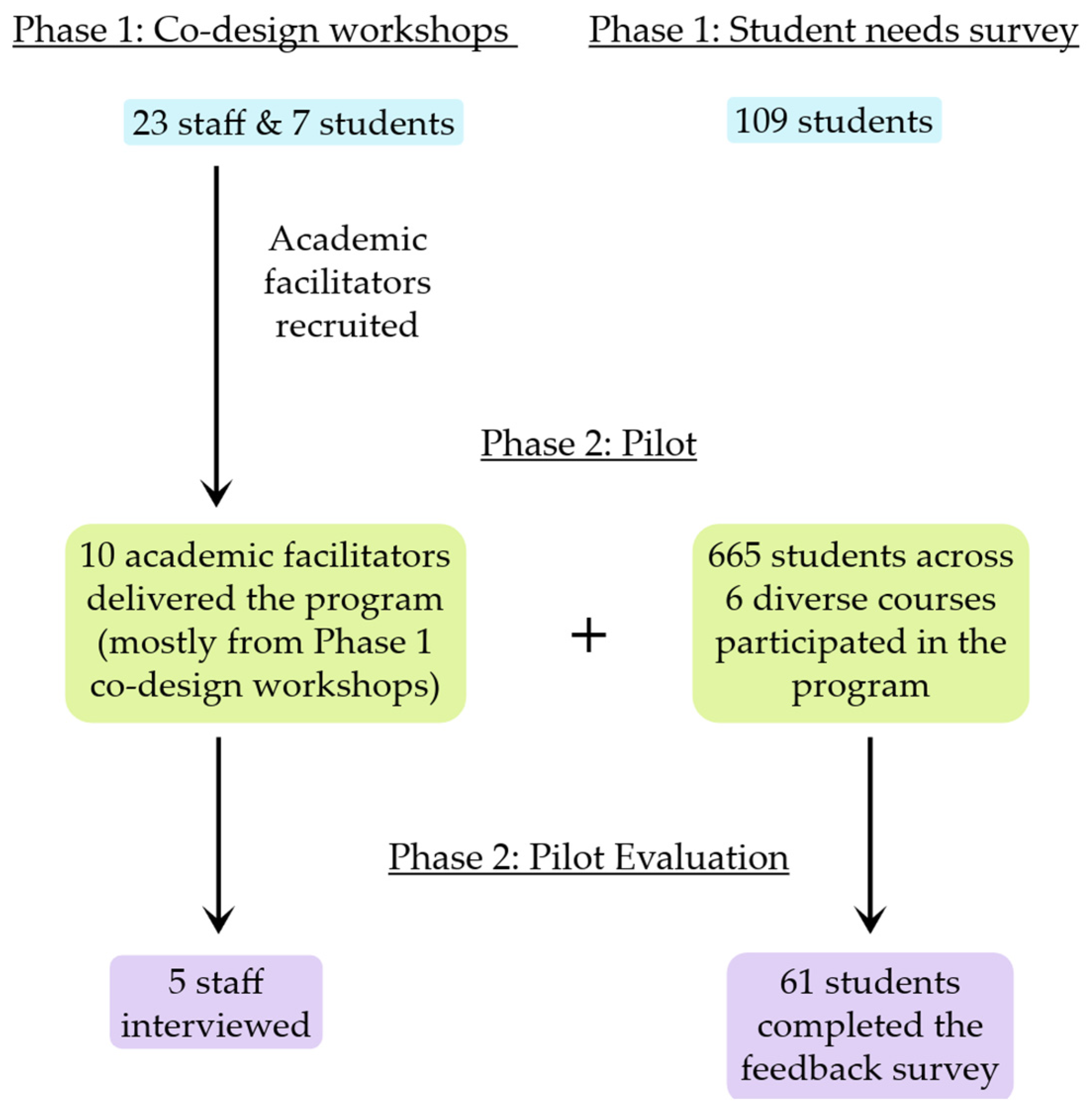
Figure 1. Participant flow and numbers across study phases.
Education 16 00080 g001
Table 1. Student-Perceived Usefulness of Program Components (n=61).
Program ComponentMean (SD)Positive Reception (% Rated
“Extremely” = 5 or “Very” = 4 Useful)
Academic facilitator’s sharing of personal wellbeing strategies4.07 (0.77)77%
University Counsellor’s sharing of personal wellbeing strategies (face-to-face or video)4.03 (0.91)71%
Content of the workshop3.80 (0.73)66%
Support resources provided *3.93 (0.87)66%
Self-Care Plan Worksheet3.77 (0.90)59%
* “Support resources provided” refers to curated university mental health and wellbeing services, Queensland Government wellbeing initiatives, and community-based support options.
Disclaimer/Publisher’s Note: The statements, opinions and data contained in all publications are solely those of the individual author(s) and contributor(s) and not of MDPI and/or the editor(s). MDPI and/or the editor(s) disclaim responsibility for any injury to people or property resulting from any ideas, methods, instructions or products referred to in the content.


