Evaluating a Virtual Learning Environment for Secondary English in a Public School: Usability, Motivation, and Engagement


Abstract
1. Introduction
2. Literature Review
2.1. School VLEs: Equity and Learning
2.2. Access and Devices
2.3. At-Home Practice for Secondary English Learning
2.4. Motivation and Engagement in Technology-Supported VLE Use
2.5. Conceptual and Theoretical Lenses
2.6. Prior Research Under Constraint
3. Materials and Methods
3.1. Research Method
3.2. Research Design
3.3. Participants
3.4. Ethical Considerations
3.5. Description of VLEPIC
3.6. Data Collection Tools
3.7. Data Analysis
4. Results
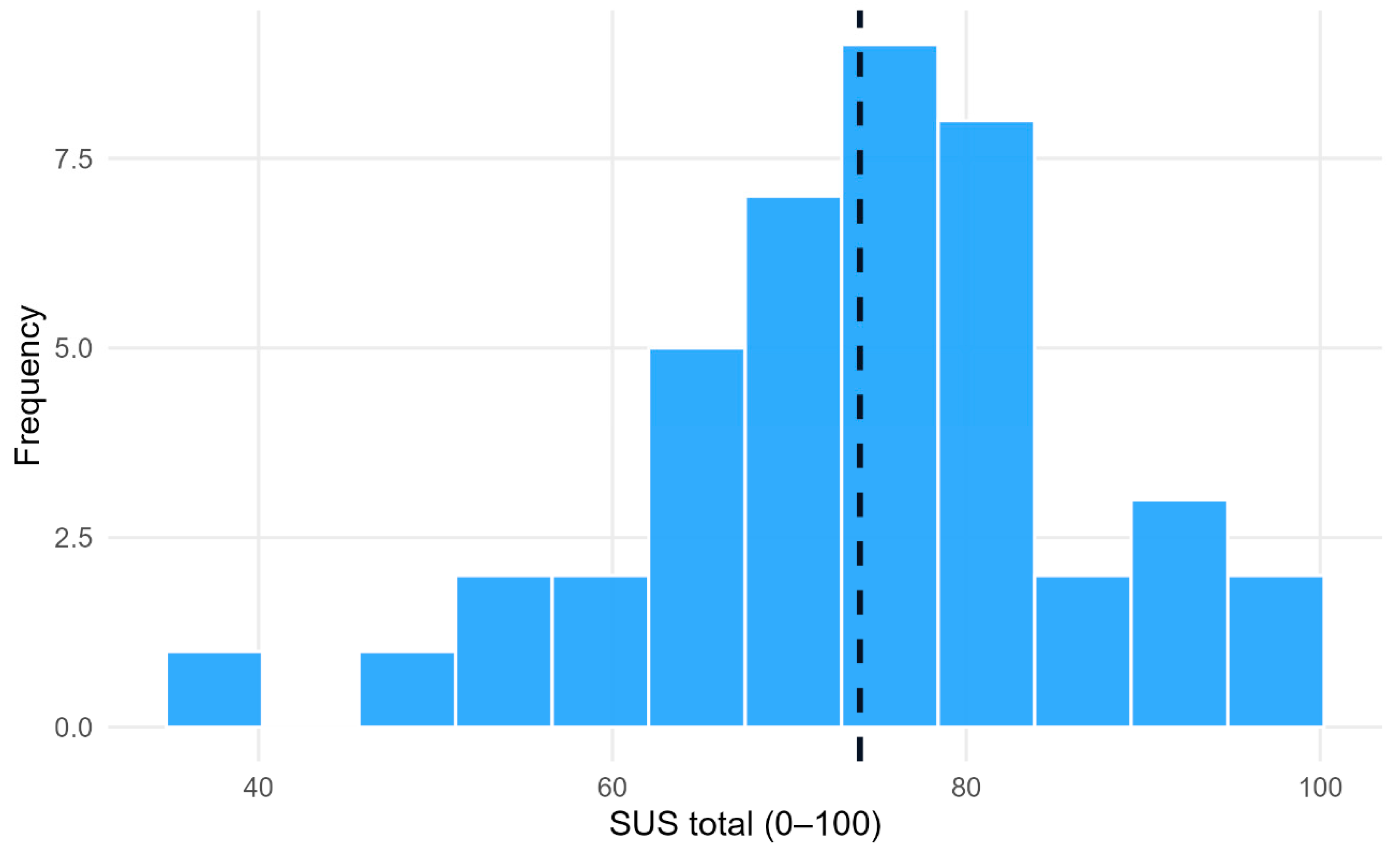
4.1. RQ1. Perceived Usability
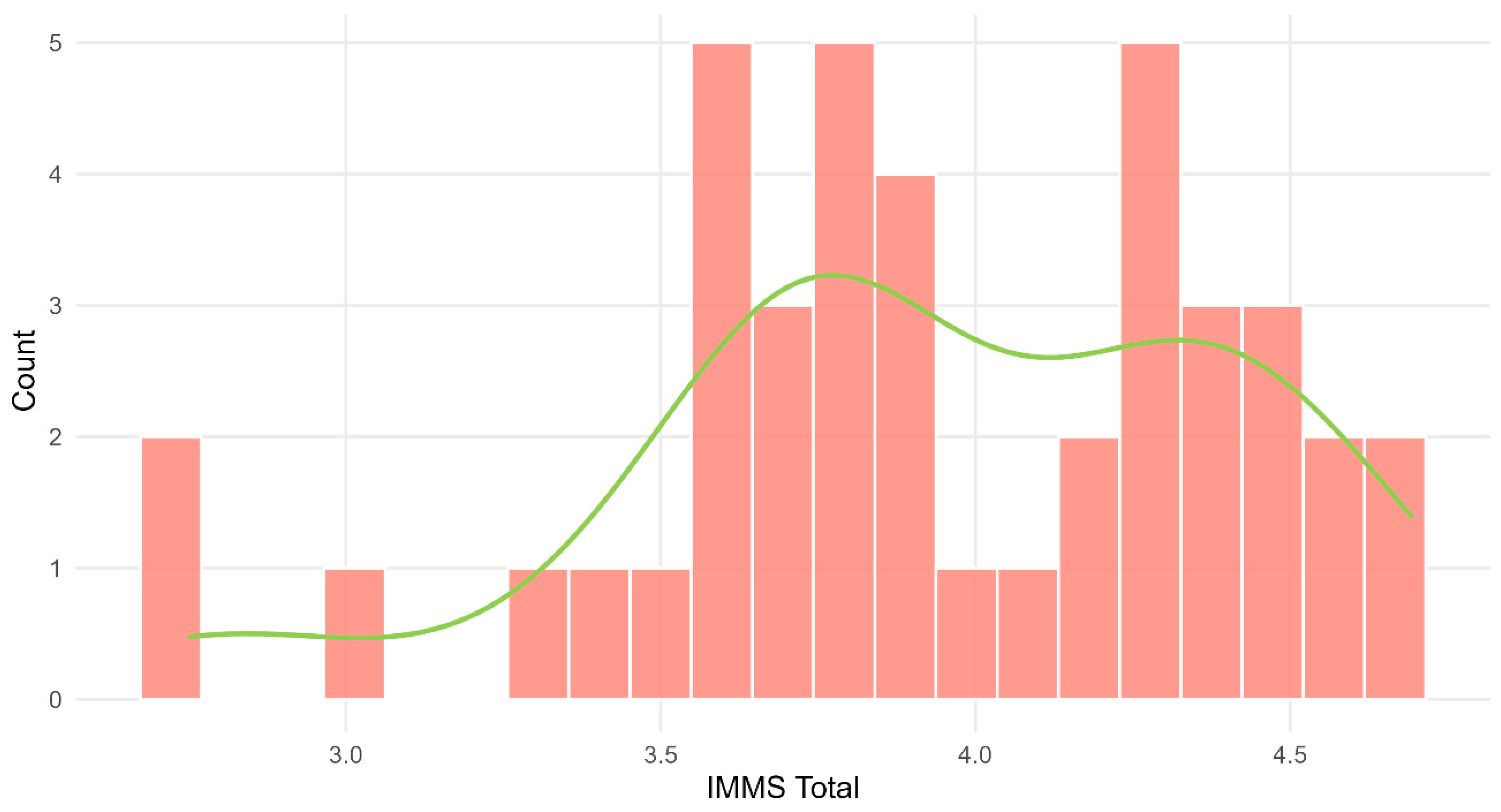
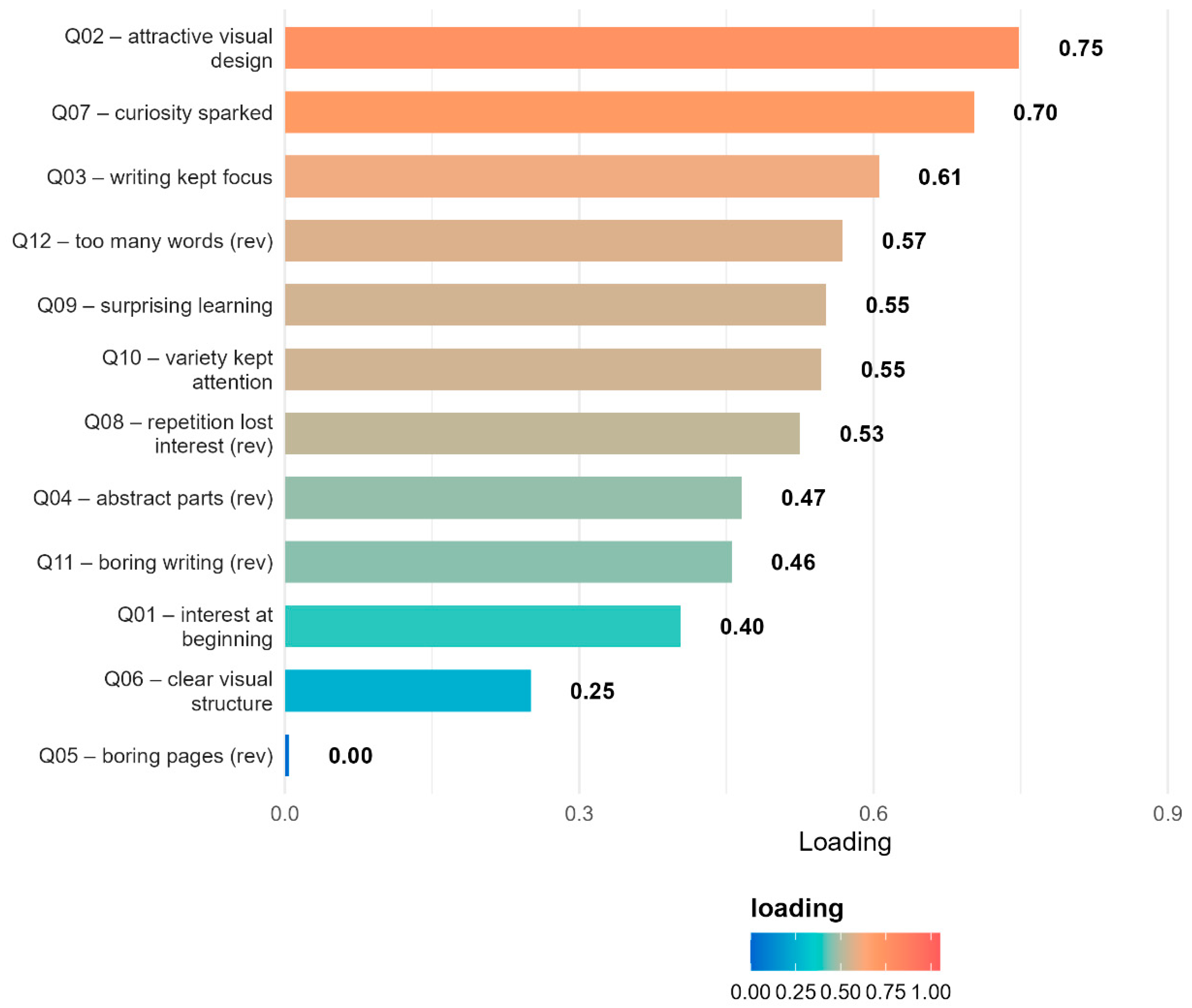
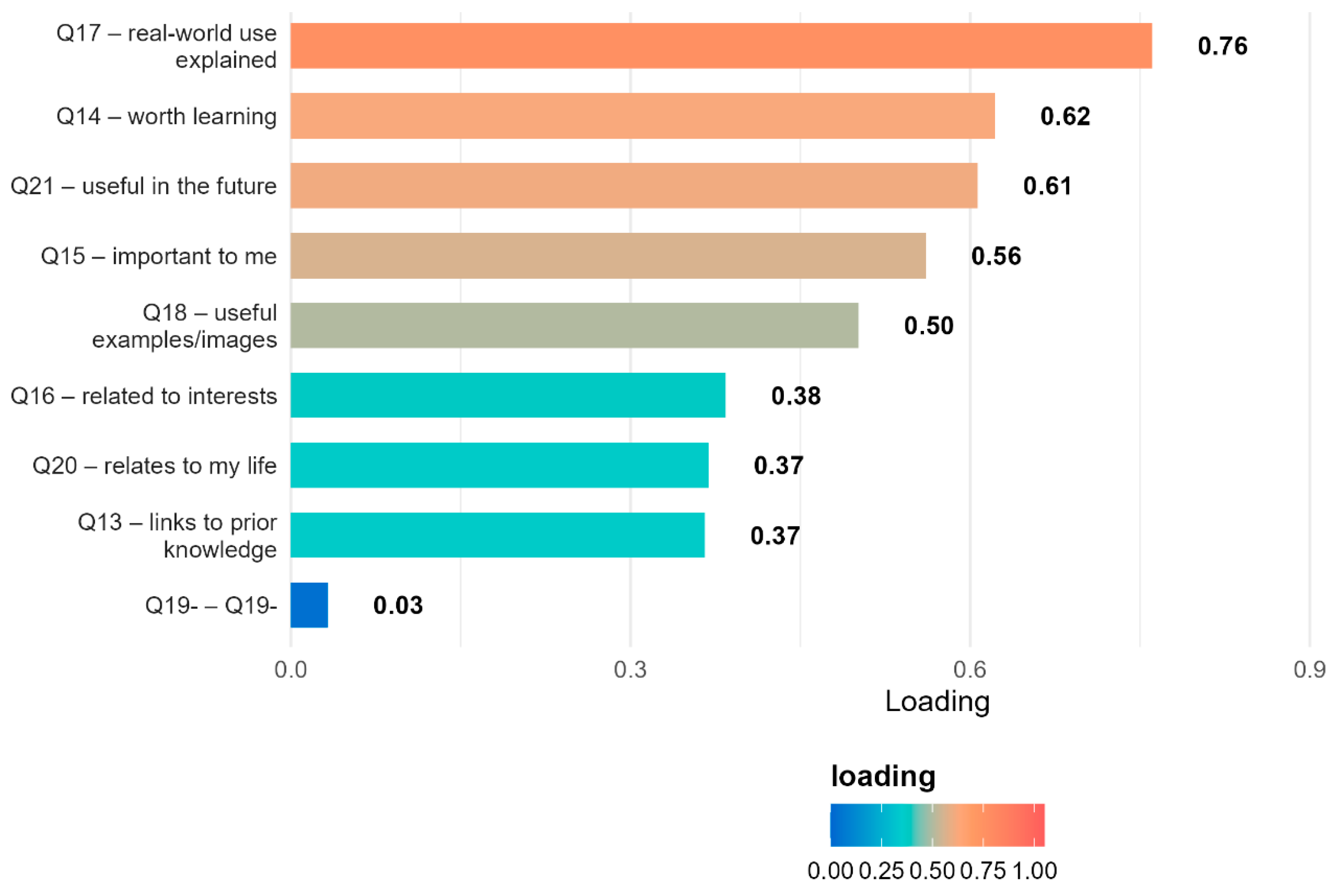
4.2. RQ2. Motivational Profile
4.3. RQ3. Usage Patterns
4.4. RQ4. Design Integration: From Empirical Findings to Design Principles
5. Discussion
5.1. Usability and Learning Feasibility
5.2. Motivation and the Gamified Experience
5.3. Engagement Patterns and Self-Regulation
5.4. Integrating Pedagogical, Technical, and Contextual Design Principles
5.5. Implications
5.6. Limitations
5.7. Future Research
6. Conclusions
Supplementary Materials
Author Contributions
Funding
Institutional Review Board Statement
Informed Consent Statement
Data Availability Statement
Acknowledgments
Conflicts of Interest
Abbreviations
| VLE | Virtual Learning Environment |
| EFL | English as a Foreign Language |
| ELT | English-Language Teaching |
| MALL | Mobile-Assisted Language Learning |
| VLEPIC | Virtual Learning Environment for Personalised and Interactive Communication |
| RQ | Research Question |
| DBR | Design-Based Research |
| WP | WordPress |
| GP | GamiPress |
| SRL | Self-Regulated Learning |
| SUS | System Usability Scale |
| IMMS | Instructional Materials Motivation Survey |
| IQR | Interquartile Range |
| SD | Standard Deviation |
| CI | Confidence Interval |
References
- Abramenka-Lachheb, V. (2022). Improving the design of learning interaction: A designerly theoretical approach. EdTech Books. Available online: https://edtechbooks.org/theory_comp_2022/improving_interaction (accessed on 19 November 2025).
- Alé, J., & Arancibia, M. L. (2025). Emerging technology-based motivational strategies: A systematic review with meta-analysis. Education Sciences, 15(2), 197. [Google Scholar] [CrossRef]
- Bai, S., Hew, K. F., & Huang, B. (2020). Does gamification improve student learning outcomes? Evidence from a meta-analysis and synthesis of qualitative evidence. Educational Research Review, 30, 100322. [Google Scholar] [CrossRef]
- Bangor, A., Kortum, P. T., & Miller, J. T. (2009). Determining what individual SUS scores mean: Adding an adjective rating scale. Journal of Usability Studies, 4(3), 114–123. [Google Scholar]
- Bellhäuser, H., Liborius, P., Schmitz, B., & Karbach, J. (2023). Daily automated feedback enhances self-regulated learning: A longitudinal randomized field experiment. Frontiers in Psychology, 14, 1125873. [Google Scholar] [CrossRef]
- Bozkurt, A., & Sharma, R. C. (2020). Emergency remote teaching in a time of global crisis due to CoronaVirus pandemic. Asian Journal of Distance Education, 15(1), 1–6. [Google Scholar]
- British Educational Research Association. (2024). Ethical guidelines for educational research (5th ed.). BERA. Available online: https://www.bera.ac.uk/publication/ethical-guidelines-for-educational-research-fifth-edition-2024 (accessed on 1 December 2025).
- Brooke, J. (1996). SUS: A “quick and dirty” usability scale. In P. W. Jordan, B. Thomas, I. L. McClelland, & B. Weerdmeester (Eds.), Usability evaluation in industry (pp. 189–194). Taylor & Francis. [Google Scholar] [CrossRef]
- Brown, A. L. (1992). Design experiments: Theoretical and methodological challenges in creating complex interventions in classroom settings. Journal of the Learning Sciences, 2(2), 141–178. [Google Scholar] [CrossRef]
- Cen, Y., & Zheng, Y. (2024). The motivational aspect of feedback: A meta-analysis on the effect of different feedback practices on L2 learners’ writing motivation. Assessing Writing, 59, 100802. [Google Scholar] [CrossRef]
- Chen, Y. (2024). Eye-tracking insights into usability challenges of mobile-assisted language learning (MALL) applications [Master’s thesis, University of Helsinki]. Available online: https://www.doria.fi/bitstream/handle/10024/192638/chen_yixin.pdf?sequence=4 (accessed on 20 November 2025).
- Chen, Z., Chen, W., Jia, J., & An, H. (2020). The effects of using mobile devices on language learning: A meta-analysis. Educational Technology Research and Development, 68(4), 1769–1789. [Google Scholar] [CrossRef]
- Collins, A. (1992). Toward a design science of education. In E. Scanlon, & T. O’Shea (Eds.), New directions in educational technology (pp. 15–22). Springer. [Google Scholar] [CrossRef]
- Creswell, J. W., & Plano Clark, V. L. (2018). Designing and conducting mixed methods research (3rd ed.). SAGE Publications. [Google Scholar]
- Çakmak, F., Namaziandost, E., & Kumar, T. (2021). CALL-enhanced L2 vocabulary learning: Using spaced exposure through CALL to enhance L2 vocabulary retention. Education Research International, 2021, 5848525. [Google Scholar] [CrossRef]
- Dai, W., Li, Z., & Jia, N. (2022). Self-regulated learning, online mathematics learning engagement, and perceived academic control among Chinese junior high school students during the COVID-19 pandemic: A latent profile analysis and mediation analysis. Frontiers in Psychology, 13, 1042843. [Google Scholar] [CrossRef]
- Dan, C., Ismail, L., Razali, A. B., & Dandan, L. (2025). A meta-analysis of the existing studies on effects of mobile learning on vocabulary acquisition. International Journal of Instruction, 18(3), 765–784. [Google Scholar] [CrossRef]
- Denzin, N. K. (1978). The research act: A theoretical introduction to sociological methods (2nd ed.). McGraw–Hill. [Google Scholar]
- Design-Based Research Collective. (2003). Design-based research: An emerging paradigm for educational inquiry. Educational Researcher, 32(1), 5–8. [Google Scholar] [CrossRef]
- Diaz, A. F., & Estoque-Loñez, H. (2024). A meta-analysis on the effectiveness of gamification on student learning achievement. International Journal of Education in Mathematics, Science and Technology, 12(5), 1236–1253. [Google Scholar] [CrossRef]
- Dizbay, M., & Alacapınar, F. G. (2024). Effects of using mobile-assisted digital context in classroom on student achievement. Journal of Educators Online, 21(4), n4. [Google Scholar] [CrossRef]
- Dunn, T. J., Baguley, T., & Brunsden, V. (2014). From alpha to omega: A practical solution to the pervasive problem of internal consistency estimation. British Journal of Psychology, 105(3), 399–412. [Google Scholar] [CrossRef]
- Ellis, R. (2016). Focus on form: A critical review. Language Teaching Research, 20(3), 405–428. [Google Scholar] [CrossRef]
- Eppmann, R., Bekk, M., & Klein, K. (2018). Gameful experience in gamification: Construction and validation of a Gameful Experience Scale (GAMEX). Journal of Interactive Marketing, 43, 98–115. [Google Scholar] [CrossRef]
- Fereday, J., & Muir-Cochrane, E. (2006). Demonstrating rigor using thematic analysis: A hybrid approach of inductive and deductive coding and theme development. International Journal of Qualitative Methods, 5(1), 80–92. [Google Scholar] [CrossRef]
- Fidan, M. (2023). The effects of microlearning-supported flipped classroom on pre-service teachers’ learning performance, motivation and engagement. Education and Information Technologies, 28(1), 12687–12714. [Google Scholar] [CrossRef]
- García-Martín, J., & García-Sánchez, J.-N. (2022). The digital divide of know-how and use of digital technologies in higher education: The case of a college in Latin America in the COVID-19 era. International Journal of Environmental Research and Public Health, 19(6), 3358. [Google Scholar] [CrossRef]
- Gkintoni, E., Antonopoulou, H., Sortwell, A., & Halkiopoulos, C. (2025). Challenging cognitive load theory: The role of educational neuroscience and artificial intelligence in redefining learning efficacy. Brain Sciences, 15(2), 203. [Google Scholar] [CrossRef]
- Greene, J. C., Caracelli, V. J., & Graham, W. F. (1989). Toward a conceptual framework for mixed-method evaluation designs. Educational Evaluation and Policy Analysis, 11(3), 255–274. [Google Scholar] [CrossRef]
- GSMA. (2023). The state of mobile internet connectivity 2023. GSMA. Available online: https://www.gsmaintelligence.com/research/the-state-of-mobile-internet-connectivity-2023 (accessed on 18 November 2025).
- GSMA. (2024). The state of mobile internet connectivity 2024. GSMA. Available online: https://www.gsmaintelligence.com/research/the-state-of-mobile-internet-connectivity-2024 (accessed on 18 November 2025).
- Guest, G., MacQueen, K. M., & Namey, E. E. (2012). Applied thematic analysis. SAGE Publications. [Google Scholar]
- Hair, J. F., Black, W. C., Babin, B. J., & Anderson, R. E. (2019). Multivariate data analysis (8th ed.). Cengage. [Google Scholar]
- Hayes, A. F., & Coutts, J. J. (2020). Use omega rather than Cronbach’s alpha for estimating reliability. But…. Communication Methods and Measures, 14(1), 1–24. [Google Scholar] [CrossRef]
- Hennessy, S., D’Angelo, S., McIntyre, N., Koomar, S., Kreimeia, A., Cao, L., Brugha, M., & Zubairi, A. (2022). Technology use for teacher professional development in low- and middle-income countries: A systematic review. Computers and Education Open, 3, 100080. [Google Scholar] [CrossRef]
- Herrera Nieves, L., Crisol Moya, E., & Montes Soldado, R. (2025). Moodle usability assessment methodology using the universal design for learning perspective. Turkish Online Journal of Distance Education, 26(3), 238–255. [Google Scholar] [CrossRef]
- Hoadley, C. (2022). Design-based research: What it is and why it matters to studying online learning. Educational Psychologist, 57(3), 207–220. [Google Scholar] [CrossRef]
- Högberg, J., Hamari, J., & Wästlund, E. (2019). Gameful Experience Questionnaire (GAMEFULQUEST): An instrument for measuring the perceived gamefulness of system use. User Modeling and User-Adapted Interaction, 29(3), 619–660. [Google Scholar] [CrossRef]
- Inter-American Development Bank. (2024). The state of education in Latin America and the Caribbean 2024 (E. Vegas, M. Chinen, & R. Segura, Eds.). IDB. [Google Scholar] [CrossRef]
- International Organization for Standardization. (2019). Ergonomics of human-system interaction—Part 210: Human-centred design for interactive systems (ISO Standard No. 9241-210:2019). ISO. Available online: https://www.iso.org/standard/77520.html (accessed on 23 November 2025).
- Ishaq, K., Rosdi, F., Zin, N. A. M., & Abid, A. (2020). Usability and design issues of mobile assisted language learning application. International Journal of Advanced Computer Science and Applications, 11(6), 86–94. [Google Scholar] [CrossRef]
- Kacetl, J., & Rets, I. (2025). Artificial intelligence in language learning: Biometric feedback and adaptive reading for improved comprehension and reduced anxiety. Humanities and Social Sciences Communications, 12, 4878. [Google Scholar] [CrossRef]
- Karataş, N. B., Özemir, O., Lovelett, J. T., Demir, B., Erkol, K., Veríssimo, J., Erçetin, G., & Ullman, M. T. (2025). Improving second language vocabulary learning and retention by leveraging memory enhancement techniques: A multidomain pedagogical approach. Language Teaching Research, 29(1), 112–149. [Google Scholar] [CrossRef]
- Kearns, L. R., Frey, B. A., & McMorland, G. (2013). Designing online courses for screen reader users. Journal of Asynchronous Learning Networks, 17(3), 73–86. [Google Scholar] [CrossRef]
- Keller, J. M. (2010). Motivational design for learning and performance: The ARCS model approach. Springer. [Google Scholar] [CrossRef]
- Khoshnoodifar, M., Ashouri, A., & Taheri, M. (2023). Effectiveness of gamification in enhancing learning and attitudes: A study of statistics education for health school students. Journal of Advances in Medical Education & Professionalism, 11(4), 230–239. [Google Scholar] [CrossRef]
- Kim, S. K., & Webb, S. (2022). The effects of spaced practice on second language learning: A meta-analysis. Language Learning, 72(1), 269–319. [Google Scholar] [CrossRef]
- Kim, S. K., & Webb, S. (2023). Does spaced practice have the same effects on different second language vocabulary learning activities? Fill-in-the-blanks versus flashcards. The Modern Language Journal, 107(4), 944–964. [Google Scholar] [CrossRef]
- Ko, C.-M., & Lim, J.-S. (2022). Promoting English learning in secondary schools: Design-based research to develop a mobile application for collaborative learning. The Asia-Pacific Education Researcher, 31, 307–319. [Google Scholar] [CrossRef]
- Kreuder, A., Frick, U., Rakoczy, K., & Schlittmeier, S. J. (2024). Digital competence in adolescents and young adults: A critical analysis of concomitant variables, methodologies and intervention strategies. Humanities and Social Sciences Communications, 11(1), 48. [Google Scholar] [CrossRef]
- Lewis, J. R. (2018). Item benchmarks for the System Usability Scale. Journal of Usability Studies, 13(3), 158–167. Available online: https://uxpajournal.org/item-benchmarks-system-usability-scale-sus/ (accessed on 1 December 2025).
- Lichand, G., Doria, C. A., Leal-Neto, O., & Fernandes, J. P. C. (2022). The impacts of remote learning in secondary education during the pandemic in Brazil. Nature Human Behaviour, 6(8), 1079–1086. [Google Scholar] [CrossRef]
- Lincoln, Y. S., & Guba, E. G. (1985). Naturalistic inquiry. SAGE Publications. [Google Scholar]
- Loewen, S., Crowther, D., Isbell, D. R., Kim, K. M., Maloney, J., Miller, Z. F., & Rawal, H. (2019). Mobile-assisted language learning: A comprehensive review. ReCALL, 31(3), 293–311. [Google Scholar] [CrossRef]
- Martínez-Domínguez, M., & Fierros-González, I. (2022). Determinants of internet use by school-age children: The challenges for Mexico during the COVID-19 pandemic. Telecommunications Policy, 46(1), 102241. [Google Scholar] [CrossRef] [PubMed]
- Mayer, R. E. (2021). Multimedia learning (3rd ed.). Cambridge University Press. [Google Scholar] [CrossRef]
- McKenney, S., & Reeves, T. C. (2019). Conducting educational design research (2nd ed.). Routledge. [Google Scholar] [CrossRef]
- McNeish, D. (2018). Thanks coefficient alpha, we’ll take it from here. Psychological Methods, 23(3), 412–433. [Google Scholar] [CrossRef]
- Means, B., Bakia, M., & Murphy, R. (2014). Learning online: What research tells us about whether, when and how. Routledge. [Google Scholar] [CrossRef]
- Meng, Y., Xu, W., Liu, Z., & Yu, Z.-G. (2024). Scientometric analyses of digital inequity in education: Problems and solutions. Humanities and Social Sciences Communications, 11, 1052. [Google Scholar] [CrossRef]
- Mihaylova, M., Gorin, S., Reber, T. P., & Rothen, N. (2022). A meta-analysis on mobile-assisted language learning applications: Benefits and risks. Psychologica Belgica, 62(1), 252–271. [Google Scholar] [CrossRef]
- Mohammed, G. S., Wakil, K., & Nawroly, S. S. (2018). The effectiveness of microlearning to improve students’ learning ability. International Journal of Educational Research Review, 3(3), 32–38. [Google Scholar] [CrossRef]
- Moreira, J. R., & Villao, M. B. (2023). La adaptabilidad en el uso de las TIC en América Latina durante la pandemia causada por la COVID-19. Estudios de la Gestión, 13, 101–121. [Google Scholar] [CrossRef]
- Muralidharan, K., Singh, A., & Ganimian, A. J. (2019). Disrupting education? Experimental evidence on technology-aided instruction in India. American Economic Review, 109(4), 1426–1460. [Google Scholar] [CrossRef]
- Nakata, T., & Elgort, I. (2021). Effects of spacing on contextual vocabulary learning: Spacing facilitates the acquisition of explicit, but not tacit, vocabulary knowledge. Second Language Research, 37(2), 233–260. [Google Scholar] [CrossRef]
- Nasir, A. A. A., Baharuddin, R. B., & Wan, R. Y. (2025). Effectiveness of e-learning platforms in higher education: A comparative literature review (2020–2025). International Journal of Mechanical, Electrical and Civil Engineering, 2(4), 48–51. [Google Scholar] [CrossRef]
- Navas-Bonilla, C. R., Guerra-Arango, J. A., Oviedo-Guado, D. A., & Murillo-Noriega, D. E. (2025). Inclusive education through technology: A systematic review of types, tools and characteristics. Frontiers in Education, 10, 1527851. [Google Scholar] [CrossRef]
- Nevedal, A. L., Reardon, C. M., Opra Widerquist, M. A., Miller, S. C., Jackson, G. L., Moss, M. A., & Gifford, A. L. (2021). Rapid versus traditional qualitative analysis using the Consolidated Framework for Implementation Research (CFIR). Implementation Science, 16, 67. [Google Scholar] [CrossRef]
- Nielsen, J. (1993). Usability engineering. Morgan Kaufmann. [Google Scholar] [CrossRef]
- Norman, D. A. (2013). The design of everyday things (revised ed.). Basic Books. [Google Scholar]
- Organisation for Economic Co-operation and Development. (2021). Digital education outlook 2021: Pushing the frontiers with AI, blockchain and robots. OECD Publishing. [Google Scholar] [CrossRef]
- Panadero, E. (2017). A review of self-regulated learning: Six models and four directions for research. Frontiers in Psychology, 8, 422. [Google Scholar] [CrossRef]
- Paz-Maldonado, E., Flores-Girón, H., & Silva-Peña, I. (2021). Education and social inequality: The impact of COVID-19 pandemic on the public education system in Honduras. Education Policy Analysis Archives, 29(133), 133. [Google Scholar] [CrossRef]
- Pibaque Tigua, D. D., & Larreal Bracho, A. J. (2023). Entornos virtuales de aprendizaje: Una mirada teórica hacia el aprendizaje. Ciencia Latina Revista Científica Multidisciplinar, 7(1), 9262–9278. [Google Scholar] [CrossRef]
- Sailer, M., & Homner, L. (2020). The gamification of learning: A meta-analysis. Educational Psychology Review, 32, 77–112. [Google Scholar] [CrossRef]
- Saldaña, J., & Omasta, M. (2024). The coding manual for qualitative researchers (4th ed.). SAGE Publications. [Google Scholar]
- Salinas-Ibáñez, J., & De-Benito, B. (2020). Construction of personalized learning pathways through mixed methods [Construcción de itinerarios personalizados de aprendizaje mediante métodos mixtos]. Comunicar, 65, 31–42. [Google Scholar] [CrossRef]
- Sauro, J., & Lewis, J. R. (2016). Quantifying the user experience: Practical statistics for user research (2nd ed.). Morgan Kaufmann. [Google Scholar]
- Shadish, W. R., Cook, T. D., & Campbell, D. T. (2002). Experimental and quasi-experimental designs for generalized causal inference. Houghton Mifflin. [Google Scholar]
- Shank, E., Tang, H., & Morris, W. (2025). Motivation in online course design using self-determination theory: An action research study in a secondary mathematics course. Educational Technology Research and Development, 73(1), 415–441. [Google Scholar] [CrossRef]
- Sharma, R. C., Kawachi, P., & Bozkurt, A. (2019). Exploring changing perspectives in distance education. Asian Journal of Distance Education, 14(1), 1–6. Available online: https://www.asianjde.com/ojs/index (accessed on 1 December 2025).
- Shen, Z., Lai, M., & Wang, F. (2024). Investigating the influence of gamification on motivation and learning outcomes in online language learning. Frontiers in Psychology, 15, 1295709. [Google Scholar] [CrossRef]
- Sirkemaa, S. J. (2014). Analysing e-learning and modern learning environments. International Journal of Information and Education Technology, 4(2), 176–180. [Google Scholar] [CrossRef][Green Version]
- Suh, Y. M., & Huh, S. (2023). An EFL model of critical literacies: Adapted and reshaped from previous studies. English Teaching, 78(4), 323–345. [Google Scholar] [CrossRef]
- Swain, M. (1985). Communicative competence: Some roles of comprehensible input and comprehensible output in its development. In S. Gass, & C. Madden (Eds.), Input in second language acquisition (pp. 235–253). Newbury House. [Google Scholar]
- Sweller, J., Ayres, P., & Kalyuga, S. (2011). Cognitive load theory. Springer. [Google Scholar] [CrossRef]
- Taylor, A. D., & Hung, W. (2022). The effects of microlearning: A scoping review. Educational Technology Research and Development, 70(2), 363–395. [Google Scholar] [CrossRef]
- Thomann, H., & Deutscher, V. (2025). Scaffolding through prompts in digital learning: A systematic review and meta-analysis of effectiveness on learning achievement. Educational Research Review, 47, 100686. [Google Scholar] [CrossRef]
- UNESCO. (2023). Global education monitoring report: Technology in education: A tool on whose terms? UNESCO. [Google Scholar] [CrossRef]
- University of Bristol Digital Education Office. (n.d.). Low-bandwidth online teaching. University of Bristol. Available online: http://bristol.ac.uk/digital-education/guides/low-bandwidth/ (accessed on 24 November 2025).
- Valle, N., Zhao, P., Freed, D., Gorton, K., Chapman, A. B., Shea, A. L., & Bazarova, N. N. (2024). Towards a critical framework of social media literacy: A systematic literature review. Review of Educational Research, 95(4), 701–746. [Google Scholar] [CrossRef]
- Vindrola-Padros, C. (2021). Doing rapid qualitative research. SAGE Publications. [Google Scholar]
- Wang, F., & Hannafin, M. J. (2005). Design-based research and technology-enhanced learning environments. Educational Technology Research and Development, 53(4), 5–23. [Google Scholar] [CrossRef]
- Wang, Y., Wang, H., Wang, S., Wind, S. A., & Gill, C. (2024). A systematic review and meta-analysis of self-determination-theory-based interventions in the education context. Learning and Motivation, 87, 102015. [Google Scholar] [CrossRef]
- Winne, P. H. (2011). A cognitive and metacognitive analysis of self-regulated learning. In B. J. Zimmerman, & D. H. Schunk (Eds.), Handbook of self-regulation of learning and performance (pp. 15–32). Routledge. [Google Scholar] [CrossRef]
- World Bank. (2021a). Remote learning during COVID-19: Lessons from today, principles for tomorrow. Available online: https://www.worldbank.org/en/topic/edutech/brief/how-countries-are-using-edtech-to-support-remote-learning-during-the-covid-19-pandemic (accessed on 18 November 2025).
- World Bank. (2021b). The state of global learning poverty: 2021 update. Available online: https://www.worldbank.org/en/topic/education/publication/state-of-global-learning-poverty (accessed on 18 November 2025).
- Yeomans Cabrera, M. M., & Silva Fuentes, A. (2022). Propuesta sin costo para reducir la inequidad educativo-tecnológica durante el confinamiento en Chile. Revista de Estudios y Experiencias en Educación, 21(45), 70–86. [Google Scholar] [CrossRef]
- Yin, R. K. (2018). Case study research and applications: Design and methods (6th ed.). SAGE Publications. [Google Scholar]
- Zimmerman, B. J. (2002). Becoming a self-regulated learner: An overview. Theory into Practice, 41(2), 64–70. [Google Scholar] [CrossRef]



| Element | How It Worked in the Pilot | Purpose in This Study | Data/Trace (If Applicable) |
|---|---|---|---|
| Platform stack | WP-based VLE; user accounts managed through Ultimate Member; progress, points, badges, and activity logging via GP. | Lightweight deployment and auditable usage evidence. | GP activity logs; aggregate cross-check with Google Analytics. |
| Access mode | Browser-based access with a responsive layout across devices. | Feasible participation under heterogeneous devices and uneven connectivity. | Visits/events (aggregate); actions/points (student-level). |
| User roles | Students (Explorer role) completed missions; the teacher (Mentor role) introduced the platform in class and received speaking and writing submissions by email. | Teacher-guided implementation with autonomous at-home completion. | Teacher implementation log; contextual notes. |
| Overall structure | One quest unit with five missions using Ecuadorian-context communicative prompts plus short, structured practice. | Short, resumable task flow aligned with brief study windows. | Time-stamped actions/events in logs. |
| Sequencing and unlocking | Sequential unlocking: access to the next mission required completing the end-of-mission check and unlocking the corresponding badge. | Clear progression and gating to support completion and interpretable usage patterns. | Badge unlocks; mission completion events (time-stamped). |
| Learning resources | Text-first explanations optionally complemented by lightweight media (infographics and short videos). | Maintain feasibility while supporting multimodal input. | Page/task events (where logged). |
| Structured practice tasks | Multiple choice; true–false; matching; fill-in-the-blank; drag-and-drop; autocorrected short answers. | Retrieval practice and quick checks aligned with classroom content. | Task completion events; points; action counts. |
| Open-ended writing | Selected tasks required short paragraphs (approx. 6–8 sentences), alongside shorter text responses in other steps, emailed to the teacher via the platform form. | Limited production beyond closed tasks within feasibility constraints. | No in-platform submission logs available. |
| Speaking tasks | Communicative prompts answered via short videos, recorded in a lightweight format and emailed to the teacher via the platform form. | Speaking practice within a lightweight workflow. | No in-platform submission logs available. |
| Feedback | Immediate confirmation feedback for structured tasks; open-ended tasks were intended for teacher review, but the pilot build did not include a dedicated module for delivering teacher feedback within the system. | Distinguish automated confirmation from teacher-reviewed responses. | N/A for teacher feedback (module not implemented). |
| Gamification (active in pilot) | Basic progress cues, points, sequential unlocking, and a small badge set. | Support engagement and generate interpretable behavioural traces. | Points, badges, actions in logs. |
| Personalisation (pilot) | Optional Spanish guidance (non-algorithmic). Learning preferences (Visual, Auditory, Read/Write, Kinaesthetic, Self-paced); brief study tips shown accordingly (no adaptive engine). | User-controlled, lightweight personalisation: optional tips without altering missions, tasks, or assessment. | N/A |
| Item | Label | Mean | SD |
|---|---|---|---|
| sus_freq_use | I would use this system frequently. (+) | 3.86 | 1.05 |
| sus_complexity | I found the system unnecessarily complex. (−) | 2.10 | 1.16 |
| sus_easy_use | I thought the system was easy to use. (+) | 3.74 | 1.08 |
| sus_need_support | I think I would need the support of a technical person to use this system. (−) | 2.00 | 1.21 |
| sus_integration | I found the various functions in this system were well integrated. (+) | 4.29 | 0.77 |
| sus_inconsistency | I thought there was too much inconsistency in this system. (−) | 1.86 | 0.93 |
| sus_quick_learn | I would imagine that most people would learn to use this system very quickly. (+) | 4.24 | 0.96 |
| sus_cumbersome | I found the system very cumbersome to use. (−) | 2.45 | 1.23 |
| sus_confidence | I felt very confident using the system. (+) | 4.12 | 0.97 |
| sus_learn_a_lot | I needed to learn a lot of things before I could get going with this system. (−) | 2.24 | 1.19 |
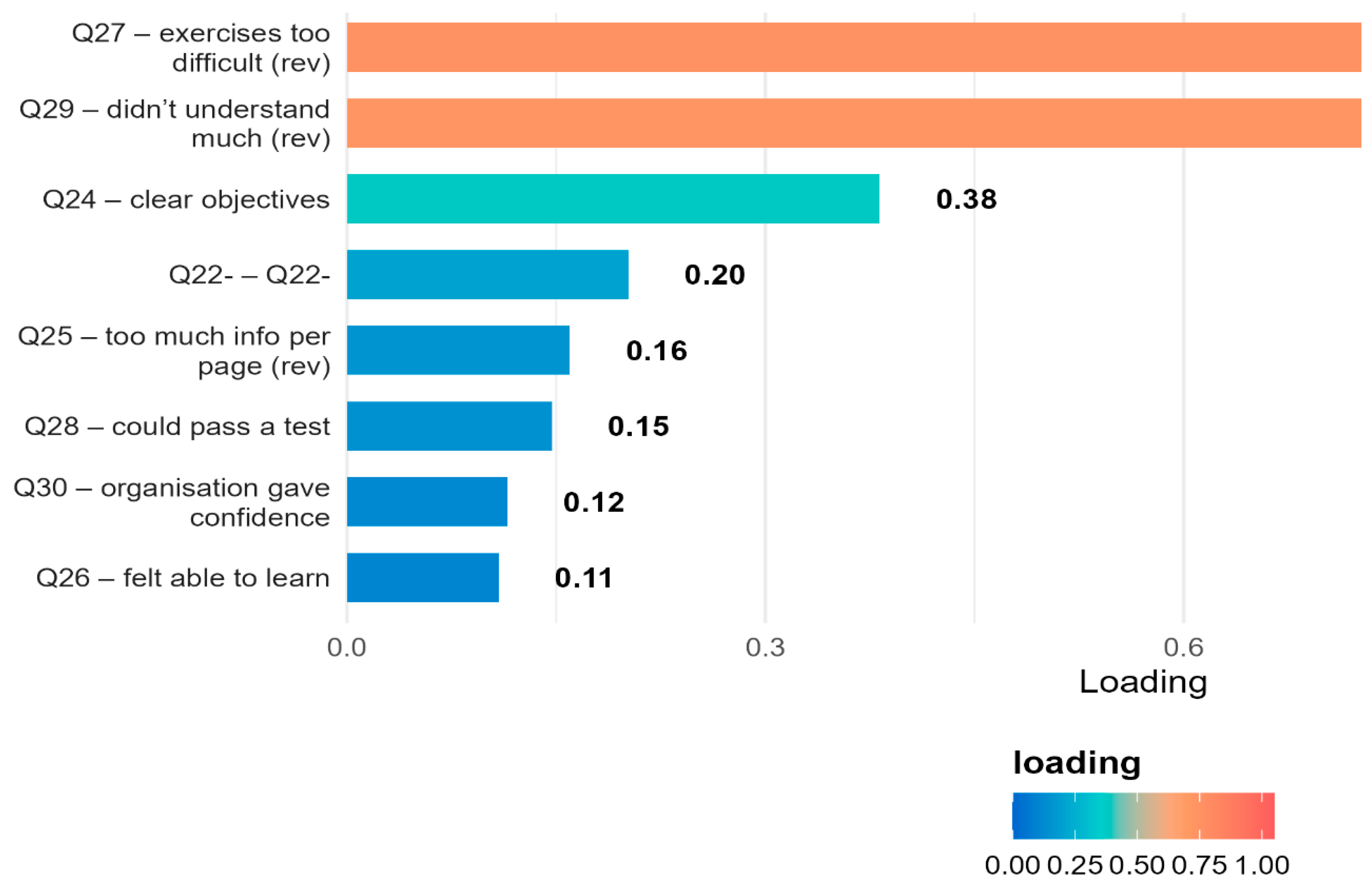
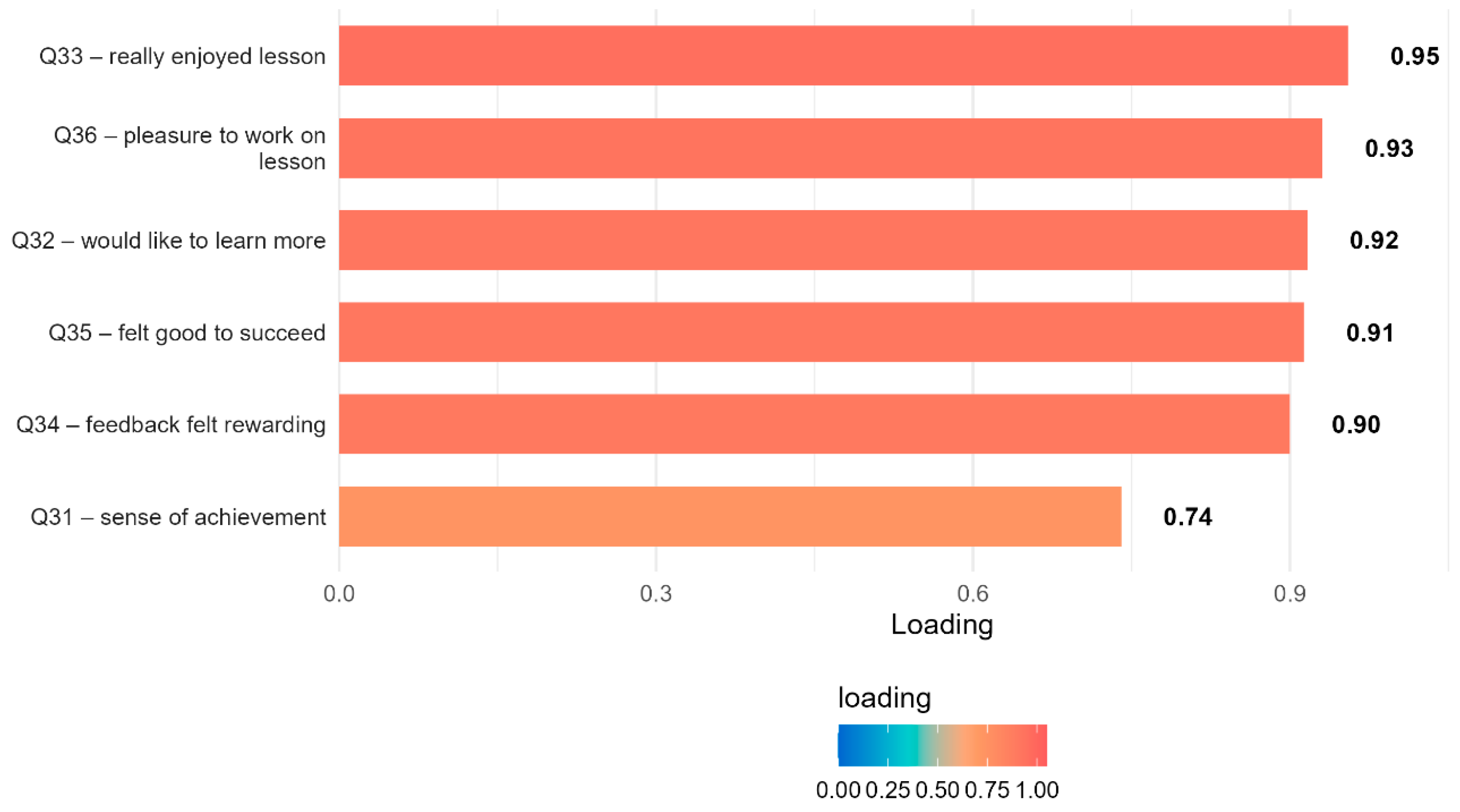
| Scale | Mean | SD | α | ω |
|---|---|---|---|---|
| Attention | 4.09 | 0.53 | 0.77 | 0.80 |
| Relevance | 4.02 | 0.52 | 0.68 | 0.72 |
| Confidence | 3.48 | 0.55 | 0.55 | 0.63 |
| Satisfaction | 4.24 | 0.87 | 0.96 | 0.96 |
| IMMS total | 3.94 | 0.48 | 0.90 | 0.91 |
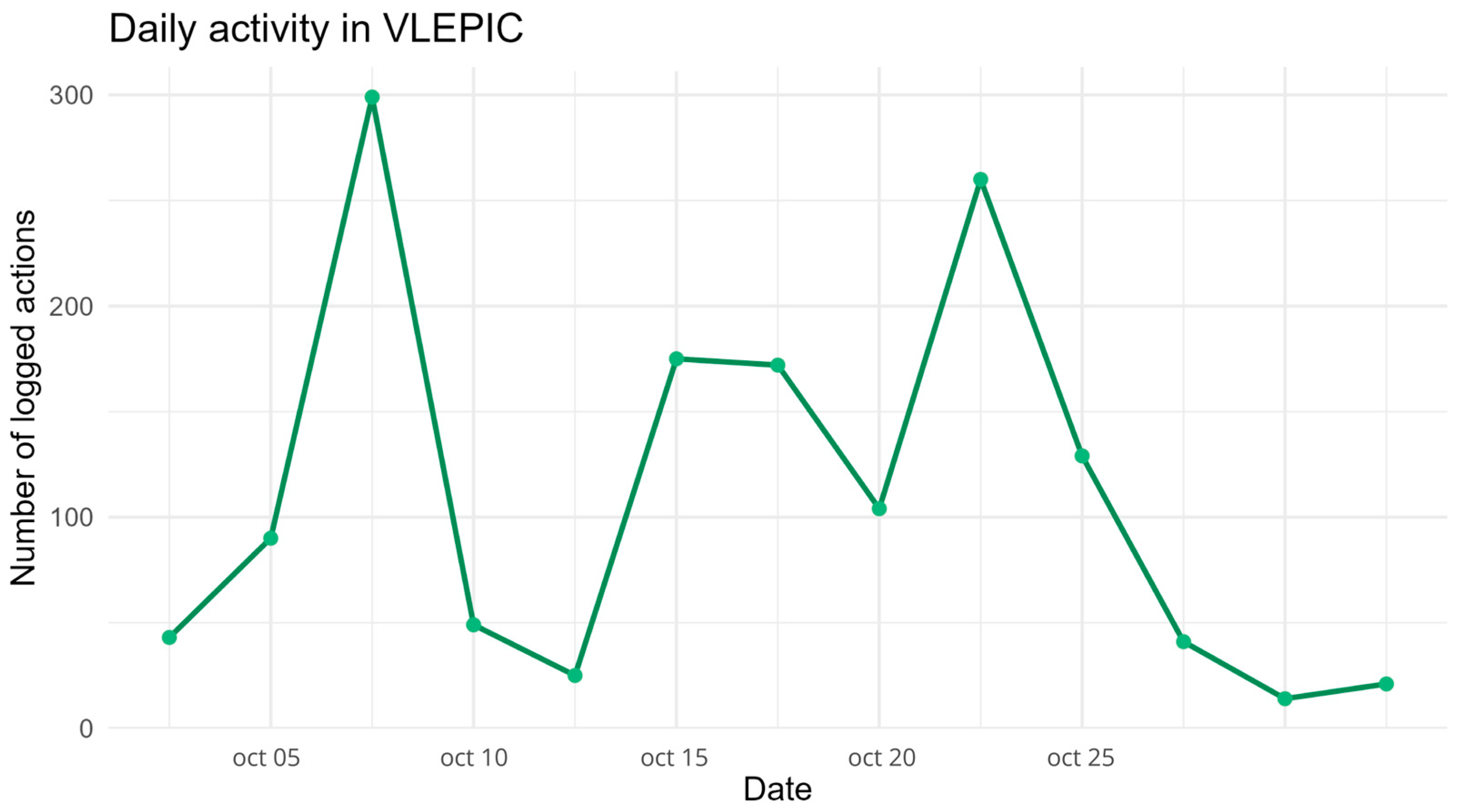
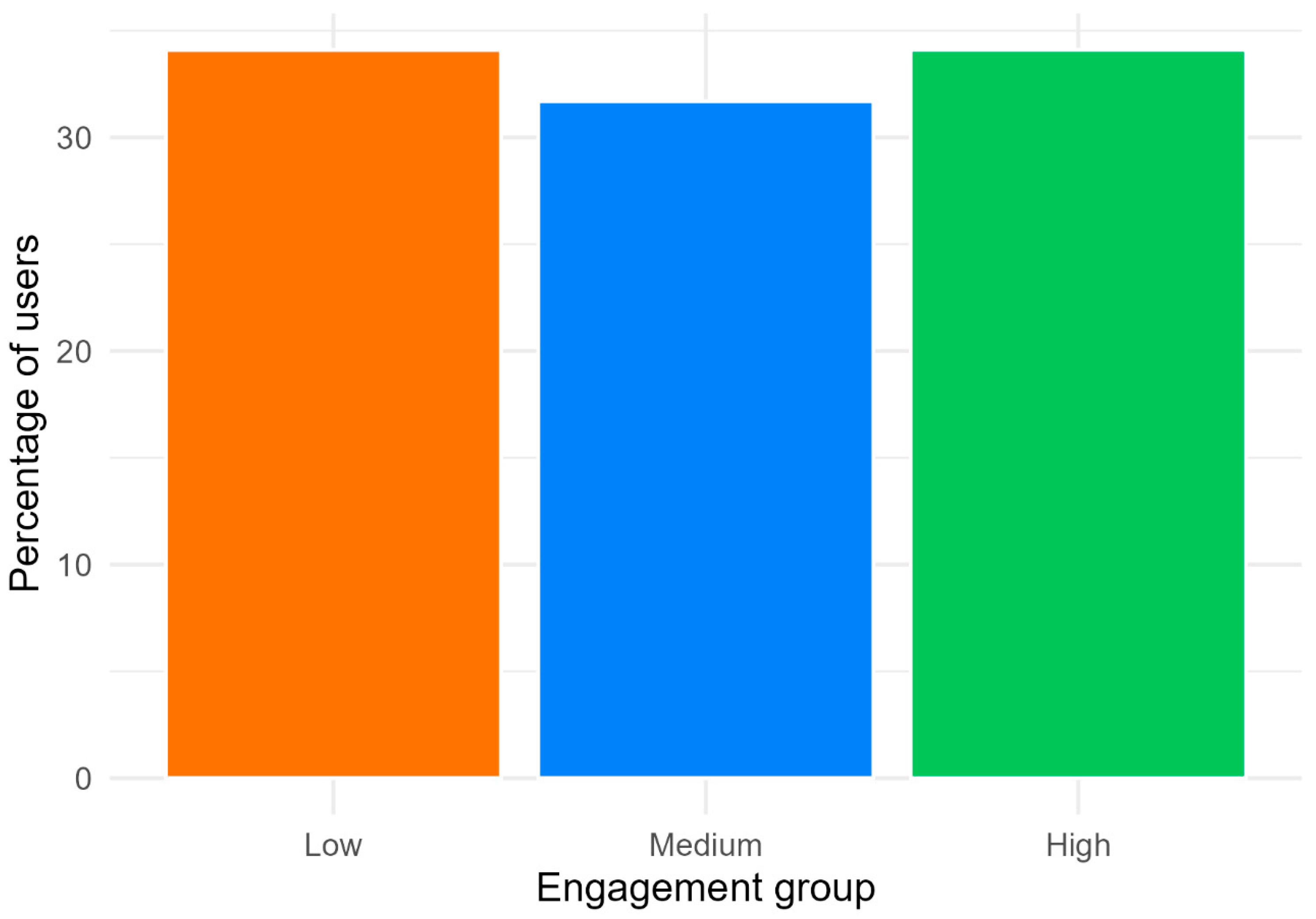
| Period | N | Median Actions | IQR Actions | Median Points | IQR Points |
|---|---|---|---|---|---|
| October 2025 (autonomous use) | 42 | 27 | 29 | 80 | 50 |
| Evidence Source | Observed Pattern | Emerging Design Principles |
|---|---|---|
| Usability (RQ1) | Relatively high SUS scores reflecting clarity, consistency, and navigability. | Maintain structural and visual coherence across missions to reinforce autonomy and reduce cognitive load. |
| Motivation (RQ2) | High Relevance and Satisfaction subscales; students valued meaningful tasks and feedback. | Design missions that connect gamified challenges with personally meaningful goals and provide immediate, positive feedback. |
| Usage (RQ3) | Recurrent but varied access patterns, indicating flexible engagement. | Support different participation rhythms by offering adaptable mission pacing and differentiated scaffolding. |
| Qualitative feedback (students) | Navigation challenges, difficulty tracking progress, and minor technical issues were recurrent. However, students valued the gamified structure and enjoyed using VLEPIC. | Strengthen navigation feedback (progress indicators, checkpoints, and easier mission transitions), optimise mobile usability, and ensure task submission reliability. |
| Teacher reflections and observations | Students perceived data loss after exiting, faced errors in task submission, and were unsure about progress continuity. They also wanted to see their total points, badges, and grades, and requested advice for completing activities. The teacher identified the need for a dashboard to monitor and give feedback directly within the platform. | Ensure session persistence and reliable submission processes; develop visible dashboards for both students and teachers to track progress, points, and badges; clarify the purpose of rewards and provide in-platform guidance to sustain motivation and learning autonomy. |
Disclaimer/Publisher’s Note: The statements, opinions and data contained in all publications are solely those of the individual author(s) and contributor(s) and not of MDPI and/or the editor(s). MDPI and/or the editor(s) disclaim responsibility for any injury to people or property resulting from any ideas, methods, instructions or products referred to in the content. |
© 2026 by the authors. Licensee MDPI, Basel, Switzerland. This article is an open access article distributed under the terms and conditions of the Creative Commons Attribution (CC BY) license.
Share and Cite
Velarde Orozco, M.T.; de Benito Crosetti, B.L. Evaluating a Virtual Learning Environment for Secondary English in a Public School: Usability, Motivation, and Engagement. Educ. Sci. 2026, 16, 169. https://doi.org/10.3390/educsci16010169
Velarde Orozco MT, de Benito Crosetti BL. Evaluating a Virtual Learning Environment for Secondary English in a Public School: Usability, Motivation, and Engagement. Education Sciences. 2026; 16(1):169. https://doi.org/10.3390/educsci16010169
Chicago/Turabian StyleVelarde Orozco, Myriam Tatiana, and Bárbara Luisa de Benito Crosetti. 2026. "Evaluating a Virtual Learning Environment for Secondary English in a Public School: Usability, Motivation, and Engagement" Education Sciences 16, no. 1: 169. https://doi.org/10.3390/educsci16010169
APA StyleVelarde Orozco, M. T., & de Benito Crosetti, B. L. (2026). Evaluating a Virtual Learning Environment for Secondary English in a Public School: Usability, Motivation, and Engagement. Education Sciences, 16(1), 169. https://doi.org/10.3390/educsci16010169