


Abstract
Public schools often operate with shared devices, unstable connectivity, and limited support for digital tools, which can make feature-heavy platforms difficult to adopt and sustain. This study reports the first formal design iteration and formative evaluation of VLEPIC, a school-centred virtual learning environment (VLE) developed to support secondary English as a Foreign Language in a low-resource Ecuadorian public school. Using a design-based research approach with a convergent mixed-methods design, one Grade 10 cohort (n = 42; two intact classes) used VLEPIC for one month as a complement to regular lessons. Data were collected through questionnaires on perceived usability and motivation, platform usage logs, and open-ended feedback from students and the teacher; results were analysed descriptively and thematically and then integrated to inform design decisions. Students reported high perceived usability and strong motivational responses in attention, relevance, and satisfaction, while confidence was more heterogeneous. Usage logs indicated recurrent but uneven engagement, with distinct low-, medium-, and high-activity profiles. Qualitative feedback highlighted enjoyment and clarity alongside issues with progress tracking between missions, navigation on mobile devices, and task submission reliability. The main contribution is a set of empirically grounded, context-sensitive design principles linking concrete interface and task-design decisions to perceived usability, motivation, and real-world usage patterns in constrained school settings.
1. Introduction
Virtual learning environments (VLEs) have become foundational to how schools organise resources, tasks, and interactions (Pibaque Tigua & Larreal Bracho, 2023). At the same time, teachers and school leaders are concerned about understanding when digital tools truly improve learning processes and when they merely introduce another technological requirement (UNESCO, 2023).
These debates meet the stubborn asymmetries of access and usage. In many systems, especially throughout the Global South, smartphones are a common on-ramp; however, affordability, coverage, and digital skills shape what students can do at home (GSMA, 2023, 2024). Under such limitations, responsive, lightweight designs with short, clear task flows, lean media, and predictable navigation travel better across households and devices than feature-heavy systems that presume stable bandwidth or long sessions (GSMA, 2024; OECD, 2021). Teachers also need solutions that fit daily routines rather than expand orchestration burdens (Means et al., 2014; OECD, 2021). In secondary English as a Foreign Language (EFL) contexts, these constraints often favour short, completion-friendly activities that can be carried out on mobile devices, combining brief form-focused checks with compact communicative prompts.
Since 2020, school-sector reviews have converged on a workable pattern: online components tend to sustain engagement when tasks are brief, well-structured, and closely connected to classroom goals, with timely feedback (Bozkurt & Sharma, 2020; UNESCO, 2023). In the English-language teaching (ELT) literature, this aligns with spaced practice and retrieval practice delivered little and often with quick checks (Karataş et al., 2025; Kim & Webb, 2022).
In Latin American settings, uneven household conditions and connectivity during and after the pandemic reinforced this lesson: poorly matched remote arrangements could widen gaps, whereas small realistic steps tended to secure participation (Lichand et al., 2022; World Bank, 2021a, 2021b). In practical terms, responsive, low-friction VLEs that make progress visible and resumption easy are more likely to become part of everyday study at home (International Organization for Standardization, 2019; Nielsen, 1993; Norman, 2013).
A design-based research (DBR) stance fits these realities by coupling design rationales with evidence from authentic contexts and iterating accordingly (Hoadley, 2022; McKenney & Reeves, 2019). Rather than chasing maximal functionality, early iterations privilege fitness-for-use: reduce extraneous load, protect attention in short home sessions, and keep pathways feasible for teachers (Mayer, 2021; Sweller et al., 2011).
This study presents the first formal design iteration of a bespoke, school-centred VLE, Virtual Learning Environment for Personalised and Interactive Communication (VLEPIC), implemented in an Ecuadorian public secondary school and used at home as a complement to classroom instruction. The minimally viable design emphasises responsiveness across devices and concise mission-based tasks, with progression managed through mission unlocking (access to the next mission). For this pilot, only a limited set of gamification features was activated because the platform was still being built (points and badges); personalisation was lightweight and non-algorithmic. Over one month, students used VLEPIC at home for short grammar/vocabulary practice, brief reading/listening checks, writing prompts, and video-recorded speaking responses. Given the feasibility focus of this first iteration, activities were kept short; longer tasks targeting critical literacy and wider intercultural or pragmatic aims are reserved for the next iteration. Our aim was to characterise the perceived qualities and actual usage of VLEPIC in this resource-constrained setting and to derive actionable implications for future design cycles. To guide this study, we addressed the following research questions (RQs):
RQ1: What is the perceived usability of VLEPIC during at-home use in the public secondary school context?
RQ2: What motivational profile does VLEPIC elicit for at-home practice?
RQ3: What are the real-world usage patterns during the iteration?
RQ4: How do usability, motivation, and usage findings inform the emerging design principles of the first formal iteration of VLEPIC?
2. Literature Review
2.1. School VLEs: Equity and Learning
VLEs are now embedded in routine school provision; however, recent syntheses stress that value should be judged by who participates, who learns, and under what conditions, not by the number of features (Navas-Bonilla et al., 2025; UNESCO, 2023). In public systems, feasibility constraints are not abstract: teachers juggle heavy timetables and large classes, learners’ home conditions vary, and technical support is limited. Technology helps when platform design and classroom practice are coherent, teacher workflows remain sustainable, and the solution absorbs everyday disruptions rather than amplifying them (OECD, 2021; UNESCO, 2023). For secondary schooling, this points away from maximal functionality and towards context-sensitive, low-friction designs that preserve curricular alignment and reduce orchestration costs.
2.2. Access and Devices
Across many education systems in Latin America and other low- and middle-income regions, students’ participation in technology-mediated learning is strongly shaped by household resources, device availability, and connectivity conditions, rather than by formal enrolment alone (García-Martín & García-Sánchez, 2022; Moreira & Villao, 2023; Paz-Maldonado et al., 2021). Empirical studies during COVID-19 show that learners in public and low-income settings often depend on limited or shared devices and unstable access to online services, which constrains the kinds of activities they can sustain at home (Paz-Maldonado et al., 2021; Yeomans Cabrera & Silva Fuentes, 2022). At a broader level, recent scientometric work on digital inequity in education confirms that access to devices, quality of connectivity, and the overall digital experience remain core dimensions of educational inequality worldwide (Meng et al., 2024). Under these conditions, assuming long, continuous, and frictionless online sessions is unrealistic; instead, VLEs need to accommodate intermittent connections, short study windows, and heterogeneous devices.
For school-centred VLEs, these findings translate into concrete design guidelines. Interfaces that minimise interaction costs (few steps to complete a task), offer clear and visible indicators of progress, avoid horizontal scrolling, and present text-first content that can be optionally enriched with media are more compatible with constrained home environments and diverse devices (Kearns et al., 2013; Nasir et al., 2025; University of Bristol Digital Education Office, n.d.). In addition, tolerance for variability in browsers and screen sizes helps ensure that activities remain accessible, even when students rely on older or shared equipment (Nasir et al., 2025; Sirkemaa, 2014). This evidence supports the case for adaptable school VLEs that can travel across households.
2.3. At-Home Practice for Secondary English Learning
Evidence from 2020 converges on a workable pattern: online components sustain engagement when tasks are brief, well-structured, and tightly connected to classroom goals with timely feedback and clear expectations (Bozkurt & Sharma, 2020; OECD, 2021; UNESCO, 2023). For secondary EFL, this dovetails with recent findings on spaced practice and retrieval-based learning, emphasising frequent, short activities reinforced by quick assessments to enhance vocabulary, grammar, and fluency (Çakmak et al., 2021; Karataş et al., 2025). A school VLE used at home can operationalise these mechanisms by chunking activities into small, repeatable units and allowing fast restarts after everyday interruptions without inflating teacher workload (Kim & Webb, 2022; Kim & Webb, 2023). This logic is consistent with microlearning-oriented approaches in which short, focused activities are used to sustain attention and feasibility over time (Fidan, 2023). In practice, “brief” does not imply “text-only”: under constrained access, text-first design can still be complemented by lightweight infographics, short audio, and short video when these formats remain optional and do not create dependence on stable bandwidth (GSMA, 2024; Mayer, 2021; UNESCO, 2023).
At the same time, while spacing and retrieval practice offer substantial benefits for EFL learning, the at-home micro-practice approach can carry risks if it narrows the learning experience to only decontextualised drills (Kim & Webb, 2022; Nakata & Elgort, 2021). For secondary English learning, this makes it important to treat short tasks as a feasibility strategy, not as a ceiling for pedagogy: lightweight delivery can still support meaning-focused language use and carefully scoped critical or media literacy activities through short, curated texts and prompts (Suh & Huh, 2023; Valle et al., 2024). In a first iteration, however, these broader literacy aims may be only partially addressed if the primary design goal is to establish reliable access, completion, and feedback loops under real constraints (McKenney & Reeves, 2019).
2.4. Motivation and Engagement in Technology-Supported VLE Use
Because at-home use depends on persistence without immediate teacher presence, motivation is a key mechanism linking design features to sustained engagement (Alé & Arancibia, 2025; Shank et al., 2025; Y. Wang et al., 2024). In technology-supported learning environments, motivation is shaped by how clearly tasks communicate purpose, how feasible they feel to complete independently, and whether feedback helps learners experience progress (Alé & Arancibia, 2025; Cen & Zheng, 2024; Y. Wang et al., 2024). In constrained settings, this makes motivational support a practical design concern: clear goals, visible progress indicators, and concise feedback can reduce uncertainty and help learners sustain autonomous practice over short and fragmented study windows, rather than relying on novelty or decorative rewards alone (Alé & Arancibia, 2025; Shank et al., 2025).
For school-based VLE use, this aligns with motivational design perspectives that operationalise motivation through attention, relevance, confidence, and satisfaction, and can be measured at the level of learner experience with instructional materials (Keller, 2010). In addition, gamification research suggests that motivational benefits are not automatic: synthesis evidence indicates that gamification can support learning and motivation when mechanics are meaningfully tied to learning goals and competence development, rather than functioning as decorative rewards (Bai et al., 2020; Shen et al., 2024). When included, it is therefore useful to distinguish between “gameful experience” perceptions and learning-oriented motivational mechanisms, and to interpret points, badges, and progress indicators as forms of feedback and goal-visibility that may or may not translate into confidence for independent work (Eppmann et al., 2018; Högberg et al., 2019).
2.5. Conceptual and Theoretical Lenses
This iteration is framed by four complementary lenses that translate the constraints into a concrete design logic. First, an open and flexible learning perspective prioritises widening access and continuity through pathways that are genuinely feasible for teachers and students; robustness and simplicity take precedence over maximal functionality so that online activity complements, rather than competes with, classroom priorities (OECD, 2021; UNESCO, 2023). Second, self-regulated learning (SRL) is central because at-home micro-practice requires learners to plan, monitor, and regulate their studies. A VLE can facilitate SRL by making goals explicit, displaying progress transparently, and signalling the next steps. Features such as structured checkpoints, pending-task alerts, and clear completion markers correspond closely to core SRL mechanisms (Winne, 2011; Zimmerman, 2002). Third, cognitive load and multimedia learning considerations matter on small screens and variable bandwidth: reducing extraneous load (unnecessary navigation, dense layouts, superfluous media) while supporting germane load (worked examples, signalling) protects attention during short home sessions; in practice, this means text-first content with media as needed, progressive disclosure, and consistent visual patterns (Mayer, 2021; Sweller et al., 2011). Fourth, usability-by-design emphasises clear affordances, predictable flows, and immediate feedback to keep interaction costs low, which is critical for low-end devices and brief usage windows; long-standing principles such as visibility of system status, matching with real-world tasks, user control, and error prevention remain effective under these constraints (International Organization for Standardization, 2019; Nielsen, 1993; Norman, 2013). In contemporary VLE evaluation, usability is also commonly operationalised through standardised instruments and benchmarks that support interpretable design iteration (Lewis, 2018; Sauro & Lewis, 2016).
2.6. Prior Research Under Constraint
Under constrained implementation conditions, design decisions translate directly into participation costs for learners and orchestration costs for teachers. Implementation choices also carry equity consequences: low interaction cost and flexible scheduling are not cosmetic user experience decisions but practical enablers of participation (IDB, 2024; UNESCO, 2023).
Beyond reports, peer-reviewed studies have echoed these patterns in secondary English education contexts. Iterative, school-based design work shows that lightweight flows and timely feedback can increase engagement without overburdening teachers. For instance, a design-based study in secondary English iteratively refined a collaborative mobile tool, linking specific design decisions (flow, feedback, task granularity) to improvements in participation and outcomes (Ko & Lim, 2022). The implementation of school VLEs also underlines feasibility constraints; a large secondary school study of Moodle in English classes reported that acceptance and perceived value depend on clarity of navigation, alignment with lessons, and manageable task size (Herrera Nieves et al., 2025). Quasi-experimental evidence from secondary English also suggests that virtual classroom or mobile content can outperform business-as-usual when tasks are brief, structured, and connected to what happens in class (Dizbay & Alacapınar, 2024).
Findings on learning outside the class further support this micro-practice premise. Usage-analytics studies have linked time-on-task in out-of-class language apps with learning gains, reinforcing the value of small and frequent practice (Loewen et al., 2019). Meta-analyses of MALL report positive but variable effects that hinge on task design, duration, and curricular alignment, precisely the levers a school-centred VLE can control (Dan et al., 2025; Mihaylova et al., 2022). Evidence from low- and middle-income settings outside EFL also indicates that after-school lightweight digital practice can be effective and cost-efficient when kept simple and robust (Muralidharan et al., 2019).
In Latin America and the Caribbean, improvements in connectivity have not eliminated disparities; participation remains uneven in device access, data affordability, and household conditions (IDB, 2024; World Bank, 2021b). This study addresses this gap by reporting a first iteration under authentic conditions and distilling design implications for subsequent cycles.
3. Materials and Methods
3.1. Research Method
We conducted an exploratory, descriptive study using a convergent mixed-methods design within a design-based research (DBR) framework (Salinas-Ibáñez & De-Benito, 2020), with a lightweight qualitative component. This choice fits studies that aim to refine an intervention while explaining how and why it works in real settings through theory-guided iterative cycles (Brown, 1992; Collins, 1992; Design-Based Research Collective, 2003; Hoadley, 2022; McKenney & Reeves, 2019; F. Wang & Hannafin, 2005). Our unit of enquiry was the design in action: how decisions in the pilot build of a school-centred, responsive VLE, used at home to supplement secondary English lessons, played out under everyday constraints in a public school.
We combined a quantitative core with a light qualitative layer and then integrated both strands at interpretation to enhance completeness and triangulation (Creswell & Plano Clark, 2018; Denzin, 1978; Greene et al., 1989). The study was non-experimental and naturalistic. We added no control group and made no mid-cycle feature changes. Such a setup is suitable when the aim is to test feasibility and sharpen design logic rather than claim causal effects (Lincoln & Guba, 1985; Shadish et al., 2002). Consequently, the inference is analytic, not causal. We sought analytic generalisation, drawing context-sensitive design principles from this iteration without attempting to estimate population parameters (McKenney & Reeves, 2019; Yin, 2018).
3.2. Research Design
We conducted a one-group, single-site evaluation during the first DBR cycle. This study allowed us to observe the pilot version of VLEPIC in real public-school conditions and decide what to change next. The build we tested acted as a brief at-home practice directly linked to ongoing English lessons. It was responsive and offered short missions, instant feedback for structured tasks, simple navigation, sequential flow, lightweight media for uneven bandwidth, and some progress cues. Considering that the system was still being built, gamification was modest (basic progress cues, sequential unlocking, points and a small badge set), while personalisation was deliberately light, giving learners a few choices and optional scaffolds but no adaptive engines.
A prior co-design phase with teachers and students at the same school had already identified the need for simple, mobile-friendly navigation, text-first resources, immediate feedback, and visible progress. These requirements guided the initial VLEPIC build, which was evaluated during the first formal iteration.
We exposed students to VLEPIC for one month, aligning the missions with the class syllabus. The teacher introduced VLEPIC in class and provided initial guidance for at-home use. Classroom implementation was led by the regular English teacher, while the research team designed the study, coordinated data collection, and conducted the analyses; the teacher and the researchers were different individuals. To preserve interpretability, we kept the platform features stable during the trial and added only pre-planned content, so that observed patterns reflected a consistent build rather than shifting functionality. Overall, the pilot assessed feasibility and practical fit, using the findings to inform design directions for the next iteration.
3.3. Participants
We carried out the study at Escuela de Educación Básica “San Felipe Neri”, a public secondary school located in Riobamba, Ecuador. Participants were recruited through intact classes to preserve ecological validity. Two Grade 10 groups taught by the same teacher were selected for the planned one-month implementation window because they matched the timing of the first iteration and the curriculum-aligned content sequence. They were treated as a single cohort in the analysis.
A total of 42 students participated in this iteration. One English teacher with seven years of experience and basic digital skills taught both groups. The school mainly educates students from predominantly rural, low-income households, including indigenous and migrant families, and most learners rely on basic or shared mobile phones to access the Internet.
3.4. Ethical Considerations
The study was conducted in accordance with the Declaration of Helsinki and approved by the Research Ethics Committee of the University of the Balearic Islands (protocol code 051CER25; approval date 18 September 2025). Written informed consent was obtained from students’ legal guardians, and students provided assent prior to participation. Participation was voluntary, and all data were anonymised before analysis. The study followed international ethical guidelines for educational research involving human participants, ensuring confidentiality, non-discrimination, and respect for participants’ rights (British Educational Research Association, 2024).
3.5. Description of VLEPIC
VLEPIC is a lightweight, responsive, school-centred, web-based VLE built from scratch by the research team in WordPress (WP), without relying on education-specific plugins. Student accounts and roles were managed through Ultimate Member, while progress mechanics and activity logging were handled through GamiPress (GP). The pilot ran in the browser, was accessible across devices, and was used asynchronously at home. It comprised five sequential missions, with progression contingent on completing each end-of-mission check and unlocking its badge. The unit was framed as a communicative, culturally situated “quest” aligned with students’ everyday realities, using Ecuadorian themes and prompts to elicit meaning-focused language use. Table 1 summarises the pilot build’s core components and implementation. Examples of the pilot tasks are provided in Supplementary File S1 (Figures S1–S6).
Table 1.
VLEPIC pilot features and operationalisation.
3.6. Data Collection Tools
Quantitative and qualitative data were collected from four complementary sources. Usability perceptions were measured using the ten-item System Usability Scale (SUS; Brooke, 1996), rated on a 1–5 Likert scale and aggregated to a total score out of 100. This instrument provides an overall measure of perceived ease of use, consistency, and learnability. In addition to the numerical ratings, the SUS form included an open-ended field in which students could share further comments about their experience with VLEPIC. These qualitative remarks were later examined thematically to identify navigation and accessibility challenges, technical issues, and positive perceptions of the gamified and engaging nature of the VLE.
Motivational responses were obtained through the Instructional Materials Motivation Survey (IMMS; Keller, 2010), which was adapted to the VLEPIC context. The 36 items, rated on a 1–5 Likert scale, covered the dimensions of Attention, Relevance, Confidence, and Satisfaction. Subscale and total means were calculated to characterise students’ motivational profiles during autonomous use of the environment.
Behavioural data were derived from the GP activity logs integrated into the WP version of VLEPIC. These records captured students’ actions, points, and achievements, providing behavioural evidence of their engagement over time. Aggregated logs were used to compute the total number of actions and points earned per student, the median and interquartile range (IQR) of participation, and the overall distribution of activities across the implementation period. Cross-checks with Google Analytics were used to corroborate overall traffic trends at an aggregate level.
Finally, the teacher maintained an implementation log documenting classroom observations, technical incidents, and contextual factors, which was complemented by a reflective debriefing at the end of the study. These sources enabled a convergent analysis of usability, motivation, and usage data, integrating self-reported perceptions with behavioural and qualitative evidence. This combination of instruments supported a comprehensive understanding of the first formal iteration of VLEPIC and aligned with the methodological principles of DBR.
3.7. Data Analysis
We kept the analysis descriptive and exploratory, working with n = 42 and a convergent mixed-methods lens. The quantitative strand was conducted in R (version 4.5.2) and addressed each research question. For RQ1 (perceived usability), we computed the total SUS scores and reported the means, standard deviations (SD), observed range, and 95% confidence intervals (95% CIs), together with the medians and IQRs when useful. Item-level descriptive statistics on the original 1–5 scale were also generated. The internal consistency of the SUS was examined using Cronbach’s α and McDonald’s ω, which were reported as part of the reliability evidence.
For RQ2 (motivational profile), we derived the IMMS total score and four subscales (Attention, Relevance, Confidence, Satisfaction) as the means of their constituent items. For each scale, we summarised the mean and standard deviation. Reliability was examined using Cronbach’s (α) and McDonald’s (ω) to characterise the internal consistency of the total and subscale scores. Item loadings (λ) were estimated using a one-factor model for each IMMS subscale and visualised to support interpretation.
For RQ3 (usage patterns), the data previously described in the GP logs were analysed descriptively. At the student level, we calculated the total number of logged actions (GP-recorded events) and points earned during the autonomous-use period in October 2025, reporting the medians and IQRs for both indicators. At the temporal level, actions were aggregated daily to produce a time series of activities. Students were grouped into low, medium, and high usage-intensity profiles based on the total number of logged actions. Profiles were defined using tertiles (bottom, middle, and top third), and the proportion of students in each profile was summarised.
Alongside the quantitative analysis, a structured qualitative procedure was conducted to ensure balanced integration of both strands. The qualitative component drew on students’ open-ended comments in the SUS questionnaire, teacher debriefing, and implementation log. We conducted a rapid thematic pass (Nevedal et al., 2021; Vindrola-Padros, 2021) using deductive codes aligned with the design lenses: wayfinding and clarity, access and connectivity, workload and orchestration, and feedback and progress, while remaining open to salient inductive themes, consistent with hybrid deductive–inductive coding approaches (Fereday & Muir-Cochrane, 2006; Guest et al., 2012), particularly those related to mobile usability, technical reliability, and affective responses. Short analytic memos captured recurring issues and illustrative anonymised quotes, following established qualitative practices for analytic memoing (Saldaña & Omasta, 2024).
Finally, for RQ4 (design integration), we triangulated the quantitative and qualitative strands to derive a set of candidate design principles for the next iteration of VLEPIC. SUS and IMMS scores were used to characterise perceived usability and motivation, GP logs were used to describe engagement patterns over time, and qualitative feedback was used to clarify how students experienced navigation, feedback, and task flow in practice. Where strands converged, we treated the pattern as a strong design signal; where they diverged, we prioritised behavioural traces for factual use while reading self-reports and comments as interpretive context. Rather than estimating statistical associations between individual-level measures, the analysis sought analytic generalisation by synthesising these sources into a small set of context-sensitive design principles to guide subsequent iterations of the VLE.
4. Results
This section reports the quantitative and qualitative findings addressing the four research questions: perceived usability (RQ1), motivational profile (RQ2), usage patterns (RQ3), and their synthesis into emerging design principles (RQ4).
4.1. RQ1. Perceived Usability
Forty-two students completed the SUS after using VLEPIC for one month. The total SUS scores ranged from 37.5 to 97.5, with a mean of 73.99 (SD = 12.42, 95% CI [70.12, 77.86]) and a median of 75.0 (Q1–Q3 = 68.1–80.0; IQR = 11.9). As shown in Figure 1, the distribution was concentrated in the upper range of the scale: 31 out of 42 students (74%) scored at or above the usability benchmark of 68, commonly reported as an average reference point for SUS interpretation (Lewis, 2018; Sauro & Lewis, 2016), and 15 students (36%) reached scores of 80 or higher, corresponding to the excellent usability range according to established adjective-rating interpretations of SUS scores (Bangor et al., 2009).
Figure 1.
Distribution of total SUS scores (0–100).
Item-level descriptives, based on the original 1–5 response scale, are presented in Table 2. The means ranged from 1.86 to 4.29. The highest ratings corresponded to items stating that the system was well integrated (M = 4.29), quick to learn (M = 4.24), and that students felt confident when using VLEPIC (M = 4.12). Lower means were observed for items referring to unnecessary complexity (M = 2.10), need for technical support (M = 2.00), the system being very cumbersome (M = 2.45), and needing to learn a lot before getting started (M = 2.24), indicating that these concerns were present but not strongly endorsed by the participants.
Table 2.
Item-level descriptive statistics for the SUS (1–5 scale).
Internal consistency was modest, with Cronbach’s α = 0.60 and McDonald’s ωtotal = 0.66, with ωtotal reported alongside α as a recommended alternative estimate of internal consistency (Dunn et al., 2014; Hayes & Coutts, 2020; McNeish, 2018). Although α remains below the conventional 0.70 threshold, these coefficients suggest moderate but coherent internal consistency in this dataset. Accordingly, the SUS is interpreted primarily at the total-score level rather than by individual items (Brooke, 1996; Sauro & Lewis, 2016).
Students’ written remarks complemented these quantitative results, reinforcing the generally positive perception of the platform. Many described VLEPIC as easy to use, enjoyable, and motivating. For example, they stated: “It was very easy to use, and I had no difficulties,” “It’s fun to work in VLEPIC,” and “This app is great because it helps teenagers learn in a fun way.” However, several comments pointed to navigation challenges on mobile devices, such as excessive scrolling (“On the phone it feels endless; you have to scroll a lot”) or difficulty moving between missions (“I would like a faster way to move from one mission to another”). A smaller number of students mentioned uncertainty about task progress or completion (“Sometimes I get lost and don’t remember which activities I’ve done”), while a few referred to technical issues, including video uploads, submission errors, or log-in behaviour (“When I enter the wrong password, it takes me to another page and I don’t know if I’m still in VLEPIC or not”).
Overall, these quantitative and qualitative results indicate that students perceived VLEPIC as highly usable and engaging, with minor usability issues primarily associated with mobile navigation and task-tracking. The findings suggest that the platform successfully balances functionality and motivation, offering an accessible and appealing experience, even under real classroom constraints.
4.2. RQ2. Motivational Profile
The motivational results revealed generally high perceptions of the students’ learning experience. The IMMS total mean was 3.94 (SD = 0.48) on a five-point scale, indicating a high level of motivation with limited dispersion. The distribution of the IMMS total scores (Figure 2) was concentrated between about 3.0 and 4.6, with the most frequent values around 3.6–3.8 and a smaller concentration around 4.2–4.5. Although a main peak appeared around 3.7, the overall pattern remained centred near the mean, suggesting generally consistent motivational levels across participants.
Figure 2.
Distribution of the IMMS total scores (mean item score). The solid line shows the kernel density estimate.
The descriptive and reliability indices for the total and subscales of the IMMS are presented in Table 3. Internal consistency varied across the scales, with Cronbach’s α ranging from 0.55 to 0.96, and McDonald’s ω ranging from 0.63 to 0.96. Specifically, Attention (α = 0.77, ω = 0.80) and Relevance (α = 0.68, ω = 0.72) demonstrated acceptable internal consistency, while Satisfaction showed excellent reliability (α = 0.96, ω = 0.96). The Confidence subscale (α = 0.55, ω = 0.63) displayed lower consistency, which may reflect heterogeneity in perceived task difficulty and guidance during autonomous work. Finally, the total IMMS (α = 0.90, ω = 0.91) demonstrated strong overall reliability, supporting its interpretation at the global motivation level.
Table 3.
Descriptive statistics and reliability indices (α, ω) for the IMMS total and subscales.
In the Attention dimension (Figure 3), the mean was 4.09 (SD = 0.53), indicating a consistently high level of focus during autonomous work with VLEPIC. Item loadings showed that attention was primarily driven by visually appealing design (λ = 0.75), curiosity-inducing elements (λ = 0.70), and clear and engaging text (λ = 0.61). Several items displayed moderate contributions, particularly those related to variety, surprising elements, and perceptions of text length (λ = 0.53–0.57). In contrast, most reverse-scored items exhibited weaker associations with the latent factor (λ = 0.40–0.47), and one item (‘boring pages’) showed a null loading (λ = 0.00). This value is attributed to a ceiling effect (Hair et al., 2019), where a high consensus among students, who consistently rejected the notion that the pages were boring, resulted in a lack of statistical variance, aligning with the high overall mean for Attention (M = 4.09). Overall, the results suggest that visual design, curiosity, and concise writing were the strongest drivers of attention, whereas reverse-worded items contributed minimally to the construct measurement.
Figure 3.
IMMS—Attention: loadings (λ).
In the Relevance dimension (Figure 4), the mean was 4.02 (SD = 0.52), indicating that students generally perceived the materials as meaningful and aligned with their learning needs. The highest loadings were observed for items highlighting real-world usefulness and perceived value (λ = 0.61–0.76), suggesting that students recognised both the practical applications of the activities and their importance for future learning. Medium-level associations (λ = 0.50–0.56) reflected the supportive role of clear examples, images, and meaningful content. In contrast, items related to personal interests, life relevance, and prior knowledge showed weaker contributions (λ = 0.37–0.38), and the reverse-scored item loaded minimally on the factor (λ = 0.03), as is commonly observed for negatively keyed items. Overall, the pattern suggests that perceived usefulness, both immediate and future-oriented, is the strongest driver of relevance.
Figure 4.
IMMS—Relevance: loadings (λ).
In the Confidence dimension (Figure 5), the mean was 3.48 (SD = 0.55), reflecting more varied perceptions of students’ ability to manage the activities independently. The strongest loadings corresponded to the reverse-scored items related to excessive difficulty or limited understanding (λ = 0.73–0.75), indicating that perceptions of challenge were central to students’ confidence judgments. Clear objectives contributed only modestly (λ = 0.38), while the remaining items, covering guidance, organisation, test readiness, and perceived ability to learn, showed very low associations with the latent factor (λ = 0.11–0.20). This pattern suggests a heterogeneous confidence profile, in which feelings of difficulty outweighed supportive elements such as clarity, structure, and step-by-step guidance.
Figure 5.
IMMS—Confidence: loadings (λ).
In the Satisfaction dimension (Figure 6), the mean was 4.24 (SD = 0.87), the highest among the subscales. Item loadings revealed a very strong and consistent pattern, with five items showing high associations with the latent factor (λ = 0.90–0.95). These items reflected enjoyment, pleasure in working on the lesson, the desire to continue learning, the feeling of success, and the rewarding nature of the immediate feedback, all of which played a central role in shaping students’ satisfaction with the lesson. The item related to sense of achievement exhibited a lower, although still acceptable, loading (λ = 0.74). Overall, this pattern suggests that satisfaction was primarily driven by positive affect, perceived progress, and motivation to keep learning rather than by achievement alone.
Figure 6.
IMMS—Satisfaction: loadings (λ).
These findings outline a motivational profile characterised by consistently high levels of attention, relevance, and satisfaction, in contrast to more heterogeneous perceptions of confidence. Learners were particularly motivated by VLEPIC’s visual design, stimulating content, and clear alignment with real-world usefulness and future learning goals. Overall, satisfaction emerged as the strongest ARCS dimension, indicating a consistently positive experience despite variability in confidence. In contrast, confidence depended more strongly on how difficult students perceived the activities to be and the degree of guidance provided, indicating that independent work required clearer support structures for some learners. This pattern may also reflect differences in students’ prior experience using mobile devices for structured academic tasks.
4.3. RQ3. Usage Patterns
The usage data for this iteration were extracted from the GP activity logs within the VLEPIC WP environment, complemented by cross-checks with Google Analytics for triangulation. The analysis focused on the actions and points generated by the 42 students during their autonomous use in October 2025.
As summarised in Table 4, students registered a median of 27 logged actions (IQR = 29) and earned a median of 80 points (IQR = 50), suggesting moderate but regular engagement with the environment. Daily activity fluctuated across the period, as shown in Figure 7, with two pronounced peaks coinciding with the release and completion of missions. Between these peaks, the interaction levels dipped but never dropped to zero, indicating that several students continued to revisit the environment to complete or review tasks.
Table 4.
Descriptive statistics for usage patterns based on GP activity logs, cross-checked with Google Analytics.
Figure 7.
Daily number of logged actions in VLEPIC for 42 participating students (October 2025).
To explore individual variation, Figure 8 illustrates three engagement profiles. The three profiles were roughly balanced, reflecting heterogeneous participation patterns: while some students interacted intensively with VLEPIC, others engaged more sporadically, and a middle group maintained moderate and sustained use. Overall, these data show that VLEPIC was accessed repeatedly and autonomously by most students, with engagement levels varying according to individual learning rhythms.
Figure 8.
Distribution of students across low-, medium-, and high-engagement groups based on logged actions.
4.4. RQ4. Design Integration: From Empirical Findings to Design Principles
When considered together, the usability, motivation, and usage findings revealed complementary tendencies that informed a set of emerging design principles for this formal iteration of VLEPIC. At a high level, students perceived the environment as usable and coherent, valued contextualised tasks and feedback, and yet experienced gaps in progress visibility, submission reliability, and guidance. Table 5 summarises how these patterns translate into concrete design principles.
Table 5.
Emerging design principles from the first formal iteration of VLEPIC.
Qualitative feedback complemented the quantitative results and translated into concrete directions for refinement. Students welcomed VLEPIC’s gamified and interactive design, describing it as enjoyable and motivating, but they also reported difficulties with mobile navigation, visibility of progress and the reliability of task submission. Their comments, together with the teacher’s reflective notes and post-implementation debriefs, converged on three issues: uncertainty about whether work and points were saved, confusion about where to resume after a break, and frustration when uploads seemed to fail or disappear. Both students and the teacher requested clearer guidance and in-platform ways to see accumulated points, badges and completed missions, rather than relying on memory or email-based submissions. These observations highlighted gaps in feedback visibility, goal communication and tracking tools, which informed the design principles for the next iteration of VLEPIC.
These principles will guide three key refinements in the second iteration. First, a student dashboard will aggregate missions, progress indicators and accumulated points and badges, making trajectories more visible and easier to resume on mobile devices. Second, task submission flows will be reduced to fewer, clearer steps with explicit confirmation messages, reducing the risk of perceived data loss and upload errors. Third, an instructor dashboard will allow teachers to monitor progress, review submissions and provide feedback directly within VLEPIC instead of relying on email attachments. In general, these changes address the identified gaps in navigation, progress visibility and reliability while preserving the lightweight, school-centred nature of VLEPIC.
5. Discussion
5.1. Usability and Learning Feasibility
The high usability scores and generally positive comments confirm that a lean, coherent design is decisive for effective technology integration in public school settings. Students’ perception of VLEPIC as intuitive and visually clear aligns with recent work on low-friction interaction design in education (Abramenka-Lachheb, 2022; Norman, 2013). Across studies, systems that minimise cognitive load, employ consistent layouts, and provide instant feedback tend to outperform more feature-dense platforms when bandwidth or teacher support is limited (OECD, 2021; UNESCO, 2023). The minor navigation frictions noted, such as scrolling on small screens and difficulty tracking mission progress, mirror findings in MALL, where excessive vertical navigation interrupts flow (Y. Chen, 2024; Ishaq et al., 2020).
These results strengthen the argument that technical simplicity is a pedagogical enabler (Means et al., 2014). When learners can focus on content rather than interface mechanics, attention and satisfaction increase, which in turn sustains engagement during autonomous work. In contexts such as Ecuador’s public secondary education, where students often rely on shared or prepaid devices, designing for continuity, error prevention, and visible progress is not a matter of convenience but of equity (GSMA, 2024; World Bank, 2021a, 2021b).
5.2. Motivation and the Gamified Experience
The motivational profile observed supports Keller’s (2010) ARCS model: sustained attention, perceived relevance, and satisfaction were the motivational anchors of persistence in this study. Students valued VLEPIC’s visual appeal and the sense of achievement derived from completing missions. This echoes meta-analytic evidence that goal clarity and feedback immediacy enhance motivation in gamified learning (Diaz & Estoque-Loñez, 2024; Khoshnoodifar et al., 2023).
However, the moderate variability in confidence suggests that motivation is unevenly distributed across learners’ self-regulatory capabilities. This is not inconsistent, as SUS confidence reflects confidence in using the interface, whereas IMMS Confidence reflects confidence in completing the learning tasks independently. In this setting, some learners may be comfortable using smartphones for messaging and entertainment yet feel less confident when the same device is used for sustained, goal-directed academic work, which can depress IMMS-Confidence even when interface usability is rated positively (OECD, 2021; UNESCO, 2023).
Scaffolds such as prompts, guidance, or feedback dashboards are pivotal for transferring curiosity into autonomous learning. Thomann and Deutscher (2025) demonstrated through a meta-analysis that prompts significantly enhance learning achievement by providing timely scaffolding in digital environments. Similarly, Bellhäuser et al. (2023) found that daily automated feedback boosted SRL behaviours in longitudinal studies. Students’ curiosity about points and badges demonstrates incipient motivational awareness but also indicates the need for clearer communication of what rewards represent (Eppmann et al., 2018; Högberg et al., 2019).
In this sense, VLEPIC’s early gamification operated more as symbolic feedback than as a motivational system grounded in mastery. Current research stresses that gamification benefits learning only when its mechanics are explicitly connected to learning goals and competence development (Bai et al., 2020; Shen et al., 2024). Therefore, a future iteration should make the pedagogical function of missions, badges, and scores transparent, transforming them from extrinsic motivators into instruments of self-evaluation and progress awareness.
5.3. Engagement Patterns and Self-Regulation
Usage analytics revealed steady but heterogeneous engagement, which is an expected pattern in autonomous out-of-class learning (Bozkurt & Sharma, 2020; Loewen et al., 2019). Peaks coinciding with mission releases confirm that structured task cycles can sustain participation without the need for constant supervision or reinforcement. This reflects the micro-learning principle: short, frequent, and goal-aligned activities facilitate retention and reduce attrition (Fidan, 2023; Mohammed et al., 2018; Taylor & Hung, 2022).
Uneven engagement in the usage logs can be interpreted as an adoption constraint and not as a motivation signal alone. In public-school contexts, out-of-class participation often depends on household conditions that the school cannot stabilise, such as shared devices, intermittent connectivity, and limited data, which can reduce the feasibility of sustained at-home use even when learners report generally positive perceptions (Paz-Maldonado et al., 2021; Yeomans Cabrera & Silva Fuentes, 2022). Evidence on school-age internet use during the COVID-19 period also shows that structural factors such as access conditions and digital skills are strongly associated with whether children can use the internet in more productive and education-oriented ways, beyond mere access (Martínez-Domínguez & Fierros-González, 2022). In this iteration, we did not directly measure data plans, device-sharing, or connectivity quality at home, so these factors remain plausible explanations beyond tested predictors of individual usage.
A complementary explanation concerns students’ readiness and confidence to use mobile devices for structured academic work. Adolescents may be very fluent in phones for communication and entertainment yet have more uneven competence for sustained, goal-directed academic tasks that require careful reading, form completion, and persistence across steps. A recent synthesis of digital competence research in adolescents and young adults highlights that digital competence varies substantially and is shaped by concomitant variables and measurement approaches, which supports treating “digital readiness” as a potential driver of engagement rather than assuming it from everyday device use (Kreuder et al., 2024). In addition, evidence from junior-high online learning links SRL and perceived academic control to behavioural engagement, suggesting that when learners feel less in control of learning demands, persistence and engagement tend to be weaker (Dai et al., 2022). This interpretation is also consistent with the mobile usability comments observed in this study and suggests that later DBR cycles could include brief measures of at-home access and digital academic readiness to better explain individual differences in usage (OECD, 2021; UNESCO, 2023).
These engagement profiles reflect varying degrees of self-regulation among learners. Zimmerman’s (2002) framework, extended by Panadero (2017), highlights that autonomy requires forethought, monitoring, and reflection, processes that digital environments can support through visible progress, reminder, and adaptive self-pacing. The evidence from this iteration indicates that VLEPIC supports monitoring (via progress cues) but requires stronger mechanisms for reflection and planning. Integrating adaptive feedback or a simple progress dashboard can reinforce these phases without increasing the cognitive or technical load (Gkintoni et al., 2025; Kacetl & Rets, 2025).
5.4. Integrating Pedagogical, Technical, and Contextual Design Principles
Evidence from this iteration demonstrates how pedagogical, technical, and contextual logics can converge into a coherent, school-centred design. Usability and motivation are not independent variables but mutually reinforcing conditions: clarity reduces frustration, whereas meaningful feedback sustains persistence (Mayer, 2021; Sweller et al., 2011). The behavioural data confirm that a responsive, mission-based structure can extend classroom learning into the home without demanding synchronous supervision (Sharma et al., 2019).
From a broader DBR perspective, these findings validate the decision to prioritise fitness for use over the functional breadth. A systematic review of interventions in low- and middle-income countries found that technology-mediated teacher professional development programmes are more likely to be effective when they are contextually designed and supported by local actors rather than being simply implemented from the outside (Hennessy et al., 2022). The emerging design principles from this iteration, clarity of navigation, meaningful task–reward alignment, and differentiated pacing, thus, represent both empirical insights and theoretical contributions to the discourse on equitable digital learning.
Ultimately, this first iteration illustrates that alignment between pedagogical purpose, technical design, and learner context is decisive. This is a general principle in educational technology, but under constrained conditions, it becomes a prerequisite because reliability and low interaction cost determine whether learners can participate at all. A clear indicator of this successful alignment was the lack of variance in the ‘boring pages’ item; in psychometric terms, the observed ceiling effect suggests that the visual design and curiosity-inducing elements were perceived so positively that individual differences were minimised, effectively protecting student attention during at-home sessions. Strengthening learners’ confidence through embedded guidance and clarifying the pedagogical meaning of gamified rewards will therefore be decisive in the next iteration of VLEPIC, so that usability and motivation translate more consistently into genuine learner autonomy.
Finally, regarding whether prioritising alignment over added complexity is context-specific, the principle is arguably general, but the stakes increase under constraint. When time, connectivity, or data are scarce, learners have less tolerance for features that add friction without a clear instructional payoff, and misalignment may suppress adoption faster than in well-resourced contexts (Martínez-Domínguez & Fierros-González, 2022; UNESCO, 2023). This helps interpret why, in this first iteration, low interaction cost and clear curricular linkage functioned as enabling conditions for use, while also framing the need for caution when adding richer media or more complex interaction types in subsequent cycles (OECD, 2021; UNESCO, 2023).
VLEPIC’s technological simplicity likely favoured a form-focused, accuracy-oriented approach (short noticing–practice cycles) rather than an interaction-rich communicative approach that relies on extended exchange and “pushed output” (Ellis, 2016; Swain, 1985). This is consistent with MALL evidence showing that effects depend more on task type and feedback than on feature richness, while also explaining why high usability/motivation can coexist with uneven confidence and usage if richer output is not deliberately built in (Z. Chen et al., 2020; Mihaylova et al., 2022; Sailer & Homner, 2020; Shen et al., 2024).
5.5. Implications
Three implications emerge for designers, educators, and researchers. First, alignment should be prioritised over technological sophistication. While alignment is a general principle, in low-resource contexts, usability and reliability are prerequisites for meaningful engagement; digital tools that operate smoothly across devices and provide transparent feedback empower teachers and learners. Second, gamification must be pedagogically explicit. Points, badges, and missions should be clearly connected to competence development, and not be used as decorative rewards. When gamified elements are framed as formative feedback, they can reinforce learners’ sense of mastery and purpose in their learning. Finally, adaptive and social scaffolding should be embedded in future versions of this environment. Incorporating in-platform guidance, progress dashboards, and teacher-facing tools for monitoring and personalised encouragement can strengthen the confidence component of motivation without increasing cognitive load. For researchers, the study highlights the value of combining usability scales, motivational measures and usage logs to document how specific design decisions shape engagement and can be transferred to comparable low-resource settings.
Beyond the immediate context, these findings hold value for policymakers and practitioners aiming to advance equitable digital transformation. They suggest that the most effective innovations prioritise pedagogical coherence, technical sustainability, and contextual responsiveness rather than replicating complex commercial platforms. When designed with these principles, digital environments can strengthen motivation, self-regulation, and learning continuity in under-resourced settings.
5.6. Limitations
This study presents several limitations that should be considered when interpreting the findings. First, it was conducted within a single authentic school environment, which provides ecological validity but limits generalisation to other settings. Accordingly, the findings are best interpreted as first-iteration DBR evidence intended for analytic generalisation and design refinement. The evidence represents a short-term exploratory phase within the DBR process, focusing on design refinement rather than causal inferences. The goal was to understand how VLEPIC functions in real use, not to compare groups or treatments. Further iterations in other school contexts are needed to assess transferability and strengthen the evidence base.
Second, regarding the psychometric properties of the instruments, the internal consistency for the SUS (α = 0.60) and IMMS-Confidence (α = 0.55) fell below the conventional 0.70 threshold, so their subscale interpretations should be read cautiously. These values likely reflect the heterogeneous nature of learners’ digital familiarity and self-regulation in this specific context.
Third, the detected ceiling effect in the Attention scale, while indicative of high engagement, limits the interpretability of item-level patterns, particularly in reverse-scored items. Future iterations will employ longitudinal tracking to better capture how these factors evolve over time.
5.7. Future Research
Over an academic trimester, a subsequent iteration should prioritise longitudinal analysis and greater iterative depth to clarify how sustained use influences motivation, engagement, and design evolution. Planned enhancements include integrating a teacher dashboard and an adaptive recommendation module to enable timely feedback and task tracking. Expanding the study across grade levels will permit a more robust mixed-methods approach to explore persistence and learning outcomes over time.
6. Conclusions
This first formal iteration of VLEPIC suggests that, in a low-resource Ecuadorian secondary school, a responsive, pedagogically grounded VLE can sustain participation and motivational responses even under infrastructure and time constraints. By prioritising usability, visual clarity, and mission-based sequencing, the design supported regular at-home use without constant teacher supervision or high-speed connectivity. The combination of usability, motivation, and behavioural log data indicates a workable alignment between technical simplicity and pedagogical intent, while also flagging the need for clearer progress tracking, more robust submission flows, and tools that make learning trajectories visible for both students and teachers.
The main advantage of this iteration is its adaptability to context. The system was designed to operate smoothly on mobile devices and under limited connectivity, requiring no high-speed data; however, submission confirmation and progress visibility require strengthening. These features promote accessibility and continuity between in-class and autonomous learning. Pedagogically, VLEPIC fosters learner autonomy and sustained attention, confirming that a coherent, visually guided design can support motivation when goals are explicit and effort is manageable. This reinforces evidence that low-bandwidth but high-relevance designs contribute to educational equity in public schools.
Supplementary Materials
The following supporting information can be downloaded at: https://www.mdpi.com/article/10.3390/educsci16010169/s1, Figure S1: Speaking task submission page with guided prompts (video recording); Figure S2: Listening task with sequencing activity (Wordwall embed); Figure S3: Micro-check activity: “Past or Present?” (binary classification with tip); Figure S4: Grammar practice: sentence transformation (Past Simple negative form); Figure S5: Reading comprehension activity: “My favourite celebration”; Figure S6: Writing production task: “My week in 6 sentences” (past–present contrast).
Author Contributions
Conceptualisation, M.T.V.O. and B.L.d.B.C.; methodology, M.T.V.O. and B.L.d.B.C.; software, M.T.V.O.; validation, M.T.V.O. and B.L.d.B.C.; formal analysis, M.T.V.O.; investigation, M.T.V.O.; data curation, M.T.V.O.; writing—original draft preparation, M.T.V.O.; writing—review and editing, B.L.d.B.C.; visualisation, M.T.V.O.; supervision, B.L.d.B.C.; project administration, M.T.V.O. All authors have read and agreed to the published version of the manuscript.
Funding
This research received no external funding.
Institutional Review Board Statement
The study was conducted in accordance with the Declaration of Helsinki and approved by the Research Ethics Committee of the University of the Balearic Islands (protocol code 051CER25 and date of approval 18 September 2025).
Informed Consent Statement
Informed consent was obtained from students’ legal guardians, and students provided assent.
Data Availability Statement
The data presented in this study are available on request from the corresponding author due to participant privacy and ethical restrictions associated with school-based research. Shared data will be anonymised/de-identified.
Acknowledgments
During the preparation of this manuscript, the authors used ChatGPT–5 and Paperpal Prime for the purpose of supporting grammar and readability during the writing process. The authors have reviewed and edited the output and take full responsibility for the content of this publication.
Conflicts of Interest
The authors declare no conflicts of interest.
Abbreviations
The following abbreviations are used in this manuscript:
| VLE | Virtual Learning Environment |
| EFL | English as a Foreign Language |
| ELT | English-Language Teaching |
| MALL | Mobile-Assisted Language Learning |
| VLEPIC | Virtual Learning Environment for Personalised and Interactive Communication |
| RQ | Research Question |
| DBR | Design-Based Research |
| WP | WordPress |
| GP | GamiPress |
| SRL | Self-Regulated Learning |
| SUS | System Usability Scale |
| IMMS | Instructional Materials Motivation Survey |
| IQR | Interquartile Range |
| SD | Standard Deviation |
| CI | Confidence Interval |
References
- Abramenka-Lachheb, V. (2022). Improving the design of learning interaction: A designerly theoretical approach. EdTech Books. Available online: https://edtechbooks.org/theory_comp_2022/improving_interaction (accessed on 19 November 2025).
- Alé, J., & Arancibia, M. L. (2025). Emerging technology-based motivational strategies: A systematic review with meta-analysis. Education Sciences, 15(2), 197. [Google Scholar] [CrossRef] [Scilit]
- Bai, S., Hew, K. F., & Huang, B. (2020). Does gamification improve student learning outcomes? Evidence from a meta-analysis and synthesis of qualitative evidence. Educational Research Review, 30, 100322. [Google Scholar] [CrossRef] [Scilit]
- Bangor, A., Kortum, P. T., & Miller, J. T. (2009). Determining what individual SUS scores mean: Adding an adjective rating scale. Journal of Usability Studies, 4(3), 114–123. [Google Scholar]
- Bellhäuser, H., Liborius, P., Schmitz, B., & Karbach, J. (2023). Daily automated feedback enhances self-regulated learning: A longitudinal randomized field experiment. Frontiers in Psychology, 14, 1125873. [Google Scholar] [CrossRef] [Scilit]
- Bozkurt, A., & Sharma, R. C. (2020). Emergency remote teaching in a time of global crisis due to CoronaVirus pandemic. Asian Journal of Distance Education, 15(1), 1–6. [Google Scholar]
- British Educational Research Association. (2024). Ethical guidelines for educational research (5th ed.). BERA. Available online: https://www.bera.ac.uk/publication/ethical-guidelines-for-educational-research-fifth-edition-2024 (accessed on 1 December 2025).
- Brooke, J. (1996). SUS: A “quick and dirty” usability scale. In P. W. Jordan, B. Thomas, I. L. McClelland, & B. Weerdmeester (Eds.), Usability evaluation in industry (pp. 189–194). Taylor & Francis. [Google Scholar] [CrossRef] [Scilit]
- Brown, A. L. (1992). Design experiments: Theoretical and methodological challenges in creating complex interventions in classroom settings. Journal of the Learning Sciences, 2(2), 141–178. [Google Scholar] [CrossRef] [Scilit]
- Cen, Y., & Zheng, Y. (2024). The motivational aspect of feedback: A meta-analysis on the effect of different feedback practices on L2 learners’ writing motivation. Assessing Writing, 59, 100802. [Google Scholar] [CrossRef] [Scilit]
- Chen, Y. (2024). Eye-tracking insights into usability challenges of mobile-assisted language learning (MALL) applications [Master’s thesis, University of Helsinki]. Available online: https://www.doria.fi/bitstream/handle/10024/192638/chen_yixin.pdf?sequence=4 (accessed on 20 November 2025).
- Chen, Z., Chen, W., Jia, J., & An, H. (2020). The effects of using mobile devices on language learning: A meta-analysis. Educational Technology Research and Development, 68(4), 1769–1789. [Google Scholar] [CrossRef] [Scilit]
- Collins, A. (1992). Toward a design science of education. In E. Scanlon, & T. O’Shea (Eds.), New directions in educational technology (pp. 15–22). Springer. [Google Scholar] [CrossRef] [Scilit]
- Creswell, J. W., & Plano Clark, V. L. (2018). Designing and conducting mixed methods research (3rd ed.). SAGE Publications. [Google Scholar]
- Çakmak, F., Namaziandost, E., & Kumar, T. (2021). CALL-enhanced L2 vocabulary learning: Using spaced exposure through CALL to enhance L2 vocabulary retention. Education Research International, 2021, 5848525. [Google Scholar] [CrossRef] [Scilit]
- Dai, W., Li, Z., & Jia, N. (2022). Self-regulated learning, online mathematics learning engagement, and perceived academic control among Chinese junior high school students during the COVID-19 pandemic: A latent profile analysis and mediation analysis. Frontiers in Psychology, 13, 1042843. [Google Scholar] [CrossRef] [Scilit]
- Dan, C., Ismail, L., Razali, A. B., & Dandan, L. (2025). A meta-analysis of the existing studies on effects of mobile learning on vocabulary acquisition. International Journal of Instruction, 18(3), 765–784. [Google Scholar] [CrossRef] [Scilit]
- Denzin, N. K. (1978). The research act: A theoretical introduction to sociological methods (2nd ed.). McGraw–Hill. [Google Scholar]
- Design-Based Research Collective. (2003). Design-based research: An emerging paradigm for educational inquiry. Educational Researcher, 32(1), 5–8. [Google Scholar] [CrossRef] [Scilit]
- Diaz, A. F., & Estoque-Loñez, H. (2024). A meta-analysis on the effectiveness of gamification on student learning achievement. International Journal of Education in Mathematics, Science and Technology, 12(5), 1236–1253. [Google Scholar] [CrossRef] [Scilit]
- Dizbay, M., & Alacapınar, F. G. (2024). Effects of using mobile-assisted digital context in classroom on student achievement. Journal of Educators Online, 21(4), n4. [Google Scholar] [CrossRef] [Scilit]
- Dunn, T. J., Baguley, T., & Brunsden, V. (2014). From alpha to omega: A practical solution to the pervasive problem of internal consistency estimation. British Journal of Psychology, 105(3), 399–412. [Google Scholar] [CrossRef] [Scilit]
- Ellis, R. (2016). Focus on form: A critical review. Language Teaching Research, 20(3), 405–428. [Google Scholar] [CrossRef] [Scilit]
- Eppmann, R., Bekk, M., & Klein, K. (2018). Gameful experience in gamification: Construction and validation of a Gameful Experience Scale (GAMEX). Journal of Interactive Marketing, 43, 98–115. [Google Scholar] [CrossRef] [Scilit]
- Fereday, J., & Muir-Cochrane, E. (2006). Demonstrating rigor using thematic analysis: A hybrid approach of inductive and deductive coding and theme development. International Journal of Qualitative Methods, 5(1), 80–92. [Google Scholar] [CrossRef] [Scilit]
- Fidan, M. (2023). The effects of microlearning-supported flipped classroom on pre-service teachers’ learning performance, motivation and engagement. Education and Information Technologies, 28(1), 12687–12714. [Google Scholar] [CrossRef] [Scilit]
- García-Martín, J., & García-Sánchez, J.-N. (2022). The digital divide of know-how and use of digital technologies in higher education: The case of a college in Latin America in the COVID-19 era. International Journal of Environmental Research and Public Health, 19(6), 3358. [Google Scholar] [CrossRef] [Scilit]
- Gkintoni, E., Antonopoulou, H., Sortwell, A., & Halkiopoulos, C. (2025). Challenging cognitive load theory: The role of educational neuroscience and artificial intelligence in redefining learning efficacy. Brain Sciences, 15(2), 203. [Google Scholar] [CrossRef] [Scilit]
- Greene, J. C., Caracelli, V. J., & Graham, W. F. (1989). Toward a conceptual framework for mixed-method evaluation designs. Educational Evaluation and Policy Analysis, 11(3), 255–274. [Google Scholar] [CrossRef]
- GSMA. (2023). The state of mobile internet connectivity 2023. GSMA. Available online: https://www.gsmaintelligence.com/research/the-state-of-mobile-internet-connectivity-2023 (accessed on 18 November 2025).
- GSMA. (2024). The state of mobile internet connectivity 2024. GSMA. Available online: https://www.gsmaintelligence.com/research/the-state-of-mobile-internet-connectivity-2024 (accessed on 18 November 2025).
- Guest, G., MacQueen, K. M., & Namey, E. E. (2012). Applied thematic analysis. SAGE Publications. [Google Scholar]
- Hair, J. F., Black, W. C., Babin, B. J., & Anderson, R. E. (2019). Multivariate data analysis (8th ed.). Cengage. [Google Scholar]
- Hayes, A. F., & Coutts, J. J. (2020). Use omega rather than Cronbach’s alpha for estimating reliability. But…. Communication Methods and Measures, 14(1), 1–24. [Google Scholar] [CrossRef] [Scilit]
- Hennessy, S., D’Angelo, S., McIntyre, N., Koomar, S., Kreimeia, A., Cao, L., Brugha, M., & Zubairi, A. (2022). Technology use for teacher professional development in low- and middle-income countries: A systematic review. Computers and Education Open, 3, 100080. [Google Scholar] [CrossRef] [Scilit]
- Herrera Nieves, L., Crisol Moya, E., & Montes Soldado, R. (2025). Moodle usability assessment methodology using the universal design for learning perspective. Turkish Online Journal of Distance Education, 26(3), 238–255. [Google Scholar] [CrossRef] [Scilit]
- Hoadley, C. (2022). Design-based research: What it is and why it matters to studying online learning. Educational Psychologist, 57(3), 207–220. [Google Scholar] [CrossRef] [Scilit]
- Högberg, J., Hamari, J., & Wästlund, E. (2019). Gameful Experience Questionnaire (GAMEFULQUEST): An instrument for measuring the perceived gamefulness of system use. User Modeling and User-Adapted Interaction, 29(3), 619–660. [Google Scholar] [CrossRef] [Scilit]
- Inter-American Development Bank. (2024). The state of education in Latin America and the Caribbean 2024 (E. Vegas, M. Chinen, & R. Segura, Eds.). IDB. [Google Scholar] [CrossRef] [Scilit]
- International Organization for Standardization. (2019). Ergonomics of human-system interaction—Part 210: Human-centred design for interactive systems (ISO Standard No. 9241-210:2019). ISO. Available online: https://www.iso.org/standard/77520.html (accessed on 23 November 2025).
- Ishaq, K., Rosdi, F., Zin, N. A. M., & Abid, A. (2020). Usability and design issues of mobile assisted language learning application. International Journal of Advanced Computer Science and Applications, 11(6), 86–94. [Google Scholar] [CrossRef] [Scilit]
- Kacetl, J., & Rets, I. (2025). Artificial intelligence in language learning: Biometric feedback and adaptive reading for improved comprehension and reduced anxiety. Humanities and Social Sciences Communications, 12, 4878. [Google Scholar] [CrossRef] [Scilit]
- Karataş, N. B., Özemir, O., Lovelett, J. T., Demir, B., Erkol, K., Veríssimo, J., Erçetin, G., & Ullman, M. T. (2025). Improving second language vocabulary learning and retention by leveraging memory enhancement techniques: A multidomain pedagogical approach. Language Teaching Research, 29(1), 112–149. [Google Scholar] [CrossRef] [Scilit]
- Kearns, L. R., Frey, B. A., & McMorland, G. (2013). Designing online courses for screen reader users. Journal of Asynchronous Learning Networks, 17(3), 73–86. [Google Scholar] [CrossRef] [Scilit]
- Keller, J. M. (2010). Motivational design for learning and performance: The ARCS model approach. Springer. [Google Scholar] [CrossRef] [Scilit]
- Khoshnoodifar, M., Ashouri, A., & Taheri, M. (2023). Effectiveness of gamification in enhancing learning and attitudes: A study of statistics education for health school students. Journal of Advances in Medical Education & Professionalism, 11(4), 230–239. [Google Scholar] [CrossRef] [Scilit]
- Kim, S. K., & Webb, S. (2022). The effects of spaced practice on second language learning: A meta-analysis. Language Learning, 72(1), 269–319. [Google Scholar] [CrossRef] [Scilit]
- Kim, S. K., & Webb, S. (2023). Does spaced practice have the same effects on different second language vocabulary learning activities? Fill-in-the-blanks versus flashcards. The Modern Language Journal, 107(4), 944–964. [Google Scholar] [CrossRef] [Scilit]
- Ko, C.-M., & Lim, J.-S. (2022). Promoting English learning in secondary schools: Design-based research to develop a mobile application for collaborative learning. The Asia-Pacific Education Researcher, 31, 307–319. [Google Scholar] [CrossRef] [Scilit]
- Kreuder, A., Frick, U., Rakoczy, K., & Schlittmeier, S. J. (2024). Digital competence in adolescents and young adults: A critical analysis of concomitant variables, methodologies and intervention strategies. Humanities and Social Sciences Communications, 11(1), 48. [Google Scholar] [CrossRef] [Scilit]
- Lewis, J. R. (2018). Item benchmarks for the System Usability Scale. Journal of Usability Studies, 13(3), 158–167. Available online: https://uxpajournal.org/item-benchmarks-system-usability-scale-sus/ (accessed on 1 December 2025).
- Lichand, G., Doria, C. A., Leal-Neto, O., & Fernandes, J. P. C. (2022). The impacts of remote learning in secondary education during the pandemic in Brazil. Nature Human Behaviour, 6(8), 1079–1086. [Google Scholar] [CrossRef] [Scilit]
- Lincoln, Y. S., & Guba, E. G. (1985). Naturalistic inquiry. SAGE Publications. [Google Scholar]
- Loewen, S., Crowther, D., Isbell, D. R., Kim, K. M., Maloney, J., Miller, Z. F., & Rawal, H. (2019). Mobile-assisted language learning: A comprehensive review. ReCALL, 31(3), 293–311. [Google Scholar] [CrossRef] [Scilit]
- Martínez-Domínguez, M., & Fierros-González, I. (2022). Determinants of internet use by school-age children: The challenges for Mexico during the COVID-19 pandemic. Telecommunications Policy, 46(1), 102241. [Google Scholar] [CrossRef] [Scilit] [PubMed]
- Mayer, R. E. (2021). Multimedia learning (3rd ed.). Cambridge University Press. [Google Scholar] [CrossRef] [Scilit]
- McKenney, S., & Reeves, T. C. (2019). Conducting educational design research (2nd ed.). Routledge. [Google Scholar] [CrossRef] [Scilit]
- McNeish, D. (2018). Thanks coefficient alpha, we’ll take it from here. Psychological Methods, 23(3), 412–433. [Google Scholar] [CrossRef] [Scilit]
- Means, B., Bakia, M., & Murphy, R. (2014). Learning online: What research tells us about whether, when and how. Routledge. [Google Scholar] [CrossRef] [Scilit]
- Meng, Y., Xu, W., Liu, Z., & Yu, Z.-G. (2024). Scientometric analyses of digital inequity in education: Problems and solutions. Humanities and Social Sciences Communications, 11, 1052. [Google Scholar] [CrossRef] [Scilit]
- Mihaylova, M., Gorin, S., Reber, T. P., & Rothen, N. (2022). A meta-analysis on mobile-assisted language learning applications: Benefits and risks. Psychologica Belgica, 62(1), 252–271. [Google Scholar] [CrossRef] [Scilit]
- Mohammed, G. S., Wakil, K., & Nawroly, S. S. (2018). The effectiveness of microlearning to improve students’ learning ability. International Journal of Educational Research Review, 3(3), 32–38. [Google Scholar] [CrossRef] [Scilit]
- Moreira, J. R., & Villao, M. B. (2023). La adaptabilidad en el uso de las TIC en América Latina durante la pandemia causada por la COVID-19. Estudios de la Gestión, 13, 101–121. [Google Scholar] [CrossRef] [Scilit]
- Muralidharan, K., Singh, A., & Ganimian, A. J. (2019). Disrupting education? Experimental evidence on technology-aided instruction in India. American Economic Review, 109(4), 1426–1460. [Google Scholar] [CrossRef] [Scilit]
- Nakata, T., & Elgort, I. (2021). Effects of spacing on contextual vocabulary learning: Spacing facilitates the acquisition of explicit, but not tacit, vocabulary knowledge. Second Language Research, 37(2), 233–260. [Google Scholar] [CrossRef] [Scilit]
- Nasir, A. A. A., Baharuddin, R. B., & Wan, R. Y. (2025). Effectiveness of e-learning platforms in higher education: A comparative literature review (2020–2025). International Journal of Mechanical, Electrical and Civil Engineering, 2(4), 48–51. [Google Scholar] [CrossRef] [Scilit]
- Navas-Bonilla, C. R., Guerra-Arango, J. A., Oviedo-Guado, D. A., & Murillo-Noriega, D. E. (2025). Inclusive education through technology: A systematic review of types, tools and characteristics. Frontiers in Education, 10, 1527851. [Google Scholar] [CrossRef] [Scilit]
- Nevedal, A. L., Reardon, C. M., Opra Widerquist, M. A., Miller, S. C., Jackson, G. L., Moss, M. A., & Gifford, A. L. (2021). Rapid versus traditional qualitative analysis using the Consolidated Framework for Implementation Research (CFIR). Implementation Science, 16, 67. [Google Scholar] [CrossRef] [Scilit]
- Nielsen, J. (1993). Usability engineering. Morgan Kaufmann. [Google Scholar] [CrossRef] [Scilit]
- Norman, D. A. (2013). The design of everyday things (revised ed.). Basic Books. [Google Scholar]
- Organisation for Economic Co-operation and Development. (2021). Digital education outlook 2021: Pushing the frontiers with AI, blockchain and robots. OECD Publishing. [Google Scholar] [CrossRef] [Scilit]
- Panadero, E. (2017). A review of self-regulated learning: Six models and four directions for research. Frontiers in Psychology, 8, 422. [Google Scholar] [CrossRef] [Scilit]
- Paz-Maldonado, E., Flores-Girón, H., & Silva-Peña, I. (2021). Education and social inequality: The impact of COVID-19 pandemic on the public education system in Honduras. Education Policy Analysis Archives, 29(133), 133. [Google Scholar] [CrossRef] [Scilit]
- Pibaque Tigua, D. D., & Larreal Bracho, A. J. (2023). Entornos virtuales de aprendizaje: Una mirada teórica hacia el aprendizaje. Ciencia Latina Revista Científica Multidisciplinar, 7(1), 9262–9278. [Google Scholar] [CrossRef] [Scilit]
- Sailer, M., & Homner, L. (2020). The gamification of learning: A meta-analysis. Educational Psychology Review, 32, 77–112. [Google Scholar] [CrossRef] [Scilit]
- Saldaña, J., & Omasta, M. (2024). The coding manual for qualitative researchers (4th ed.). SAGE Publications. [Google Scholar]
- Salinas-Ibáñez, J., & De-Benito, B. (2020). Construction of personalized learning pathways through mixed methods [Construcción de itinerarios personalizados de aprendizaje mediante métodos mixtos]. Comunicar, 65, 31–42. [Google Scholar] [CrossRef] [Scilit]
- Sauro, J., & Lewis, J. R. (2016). Quantifying the user experience: Practical statistics for user research (2nd ed.). Morgan Kaufmann. [Google Scholar]
- Shadish, W. R., Cook, T. D., & Campbell, D. T. (2002). Experimental and quasi-experimental designs for generalized causal inference. Houghton Mifflin. [Google Scholar]
- Shank, E., Tang, H., & Morris, W. (2025). Motivation in online course design using self-determination theory: An action research study in a secondary mathematics course. Educational Technology Research and Development, 73(1), 415–441. [Google Scholar] [CrossRef] [Scilit]
- Sharma, R. C., Kawachi, P., & Bozkurt, A. (2019). Exploring changing perspectives in distance education. Asian Journal of Distance Education, 14(1), 1–6. Available online: https://www.asianjde.com/ojs/index (accessed on 1 December 2025).
- Shen, Z., Lai, M., & Wang, F. (2024). Investigating the influence of gamification on motivation and learning outcomes in online language learning. Frontiers in Psychology, 15, 1295709. [Google Scholar] [CrossRef] [Scilit]
- Sirkemaa, S. J. (2014). Analysing e-learning and modern learning environments. International Journal of Information and Education Technology, 4(2), 176–180. [Google Scholar] [CrossRef] [Scilit]
- Suh, Y. M., & Huh, S. (2023). An EFL model of critical literacies: Adapted and reshaped from previous studies. English Teaching, 78(4), 323–345. [Google Scholar] [CrossRef] [Scilit]
- Swain, M. (1985). Communicative competence: Some roles of comprehensible input and comprehensible output in its development. In S. Gass, & C. Madden (Eds.), Input in second language acquisition (pp. 235–253). Newbury House. [Google Scholar]
- Sweller, J., Ayres, P., & Kalyuga, S. (2011). Cognitive load theory. Springer. [Google Scholar] [CrossRef] [Scilit]
- Taylor, A. D., & Hung, W. (2022). The effects of microlearning: A scoping review. Educational Technology Research and Development, 70(2), 363–395. [Google Scholar] [CrossRef] [Scilit]
- Thomann, H., & Deutscher, V. (2025). Scaffolding through prompts in digital learning: A systematic review and meta-analysis of effectiveness on learning achievement. Educational Research Review, 47, 100686. [Google Scholar] [CrossRef] [Scilit]
- UNESCO. (2023). Global education monitoring report: Technology in education: A tool on whose terms? UNESCO. [Google Scholar] [CrossRef] [Scilit]
- University of Bristol Digital Education Office. (n.d.). Low-bandwidth online teaching. University of Bristol. Available online: http://bristol.ac.uk/digital-education/guides/low-bandwidth/ (accessed on 24 November 2025).
- Valle, N., Zhao, P., Freed, D., Gorton, K., Chapman, A. B., Shea, A. L., & Bazarova, N. N. (2024). Towards a critical framework of social media literacy: A systematic literature review. Review of Educational Research, 95(4), 701–746. [Google Scholar] [CrossRef] [Scilit]
- Vindrola-Padros, C. (2021). Doing rapid qualitative research. SAGE Publications. [Google Scholar]
- Wang, F., & Hannafin, M. J. (2005). Design-based research and technology-enhanced learning environments. Educational Technology Research and Development, 53(4), 5–23. [Google Scholar] [CrossRef] [Scilit]
- Wang, Y., Wang, H., Wang, S., Wind, S. A., & Gill, C. (2024). A systematic review and meta-analysis of self-determination-theory-based interventions in the education context. Learning and Motivation, 87, 102015. [Google Scholar] [CrossRef] [Scilit]
- Winne, P. H. (2011). A cognitive and metacognitive analysis of self-regulated learning. In B. J. Zimmerman, & D. H. Schunk (Eds.), Handbook of self-regulation of learning and performance (pp. 15–32). Routledge. [Google Scholar] [CrossRef] [Scilit]
- World Bank. (2021a). Remote learning during COVID-19: Lessons from today, principles for tomorrow. Available online: https://www.worldbank.org/en/topic/edutech/brief/how-countries-are-using-edtech-to-support-remote-learning-during-the-covid-19-pandemic (accessed on 18 November 2025).
- World Bank. (2021b). The state of global learning poverty: 2021 update. Available online: https://www.worldbank.org/en/topic/education/publication/state-of-global-learning-poverty (accessed on 18 November 2025).
- Yeomans Cabrera, M. M., & Silva Fuentes, A. (2022). Propuesta sin costo para reducir la inequidad educativo-tecnológica durante el confinamiento en Chile. Revista de Estudios y Experiencias en Educación, 21(45), 70–86. [Google Scholar] [CrossRef] [Scilit]
- Yin, R. K. (2018). Case study research and applications: Design and methods (6th ed.). SAGE Publications. [Google Scholar]
- Zimmerman, B. J. (2002). Becoming a self-regulated learner: An overview. Theory into Practice, 41(2), 64–70. [Google Scholar] [CrossRef] [Scilit]
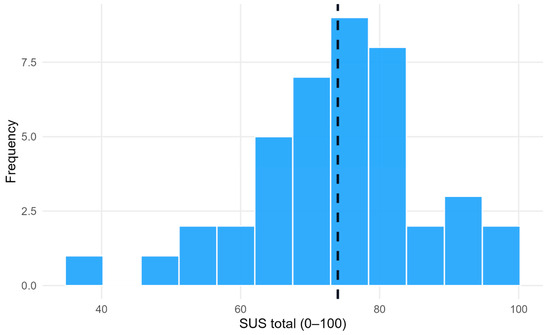
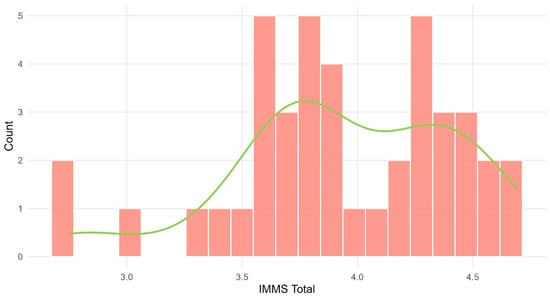
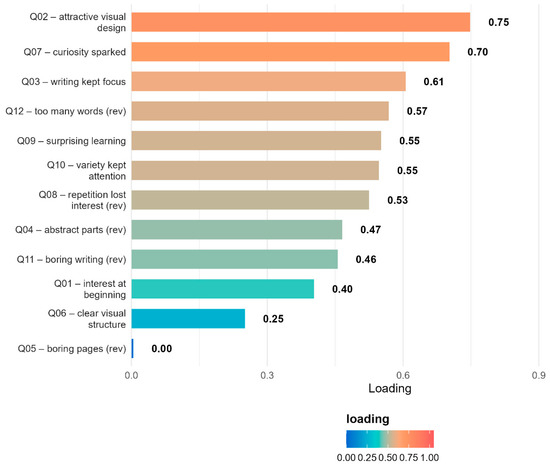
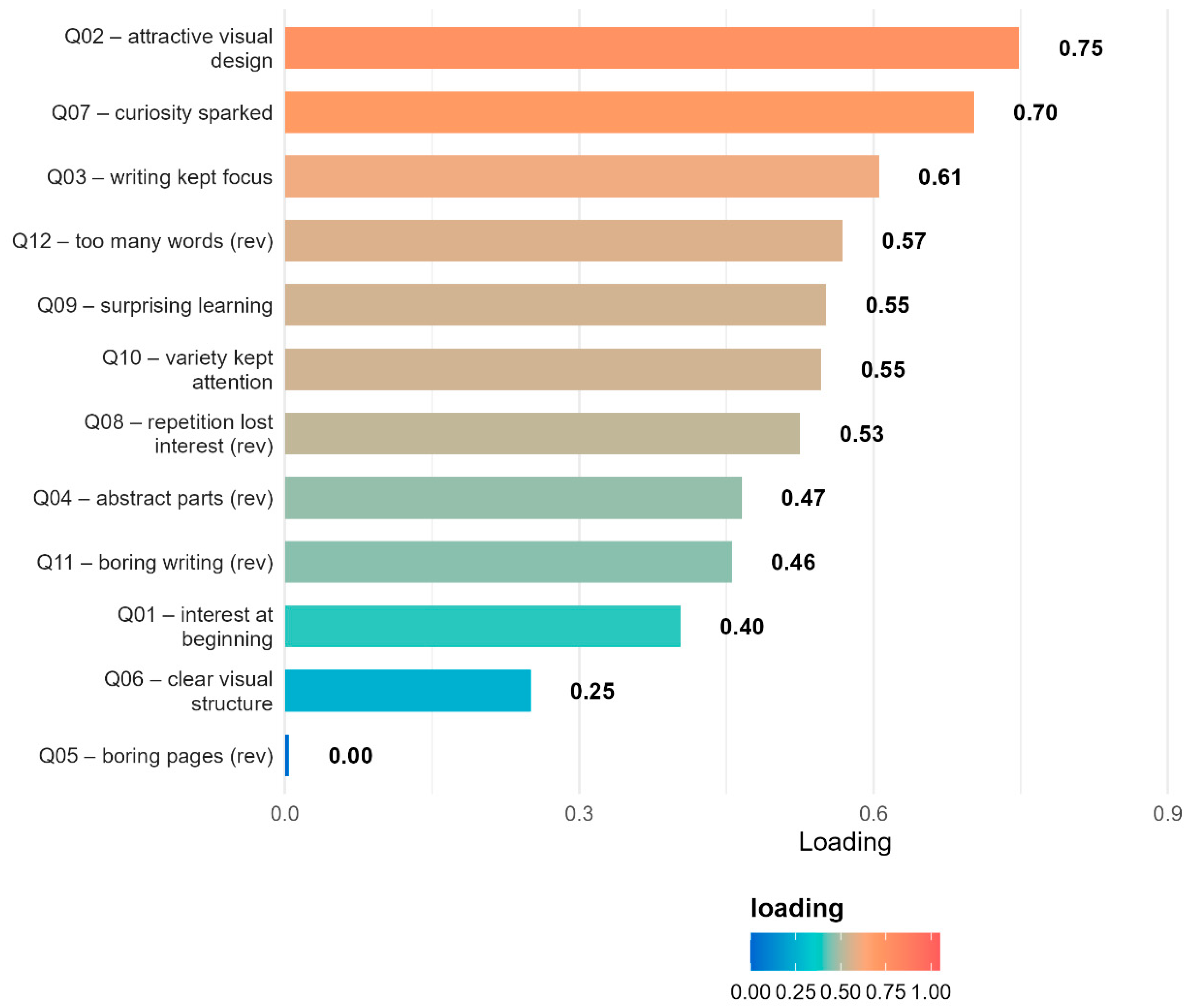
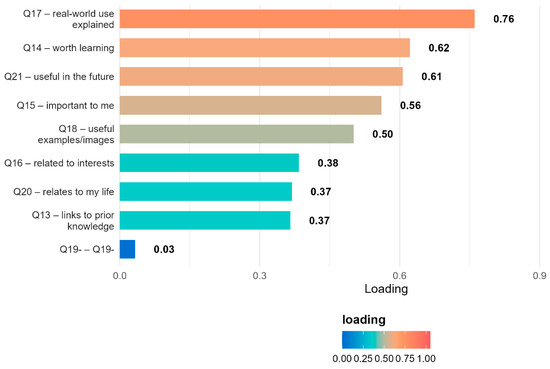
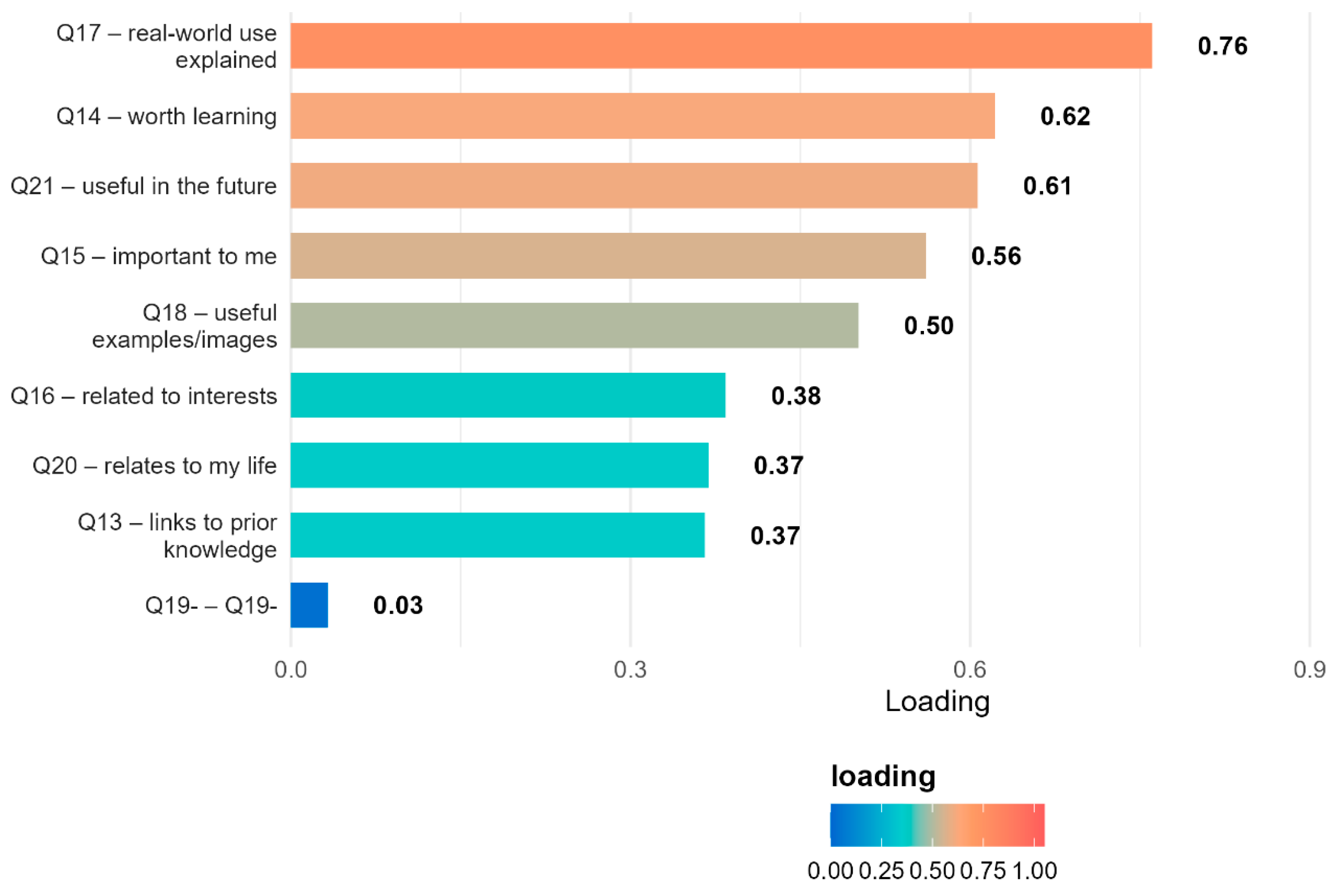
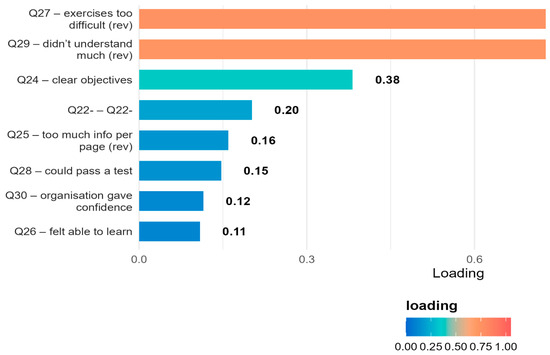
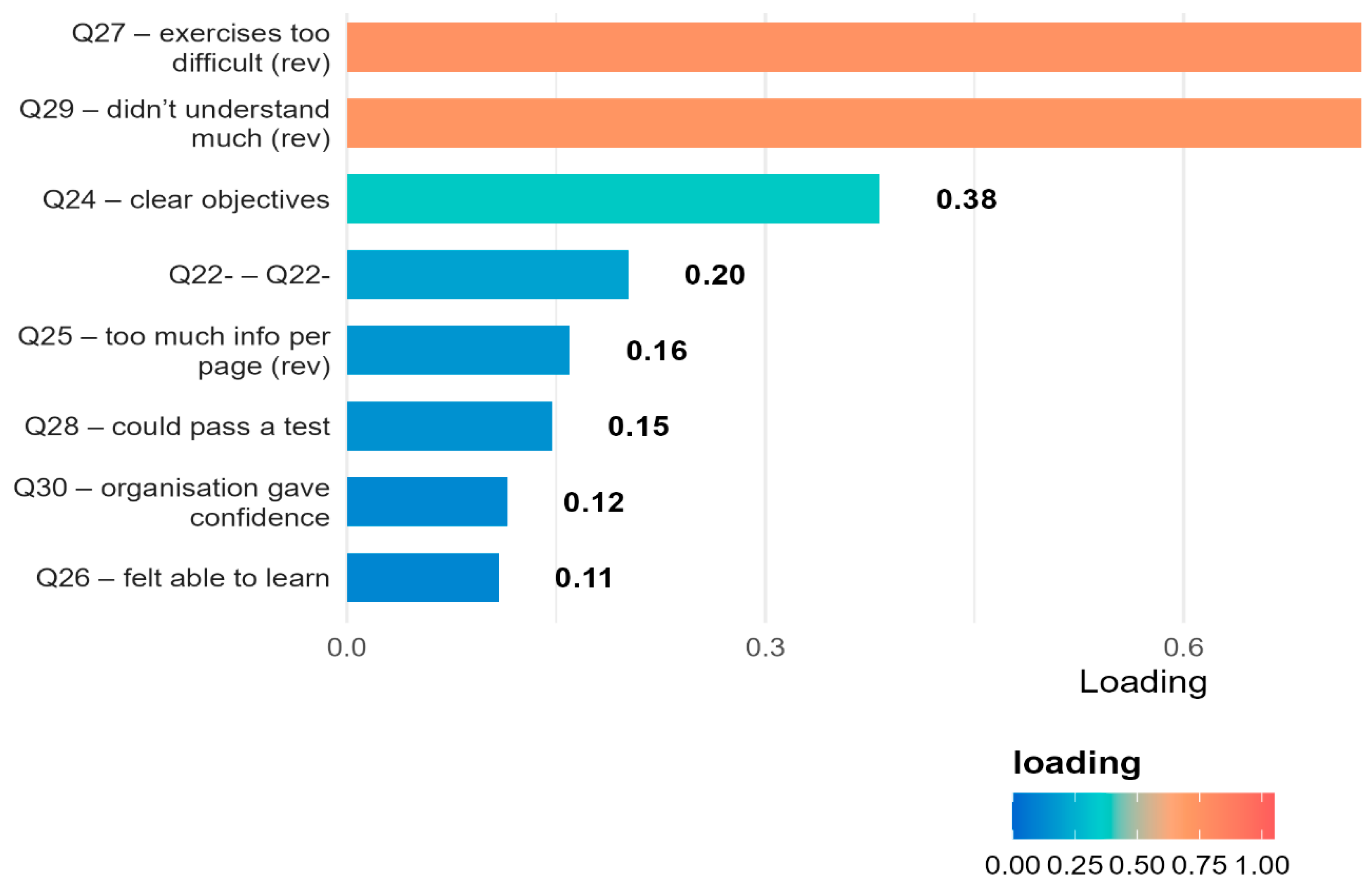
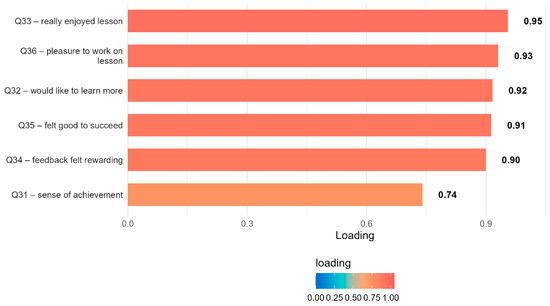
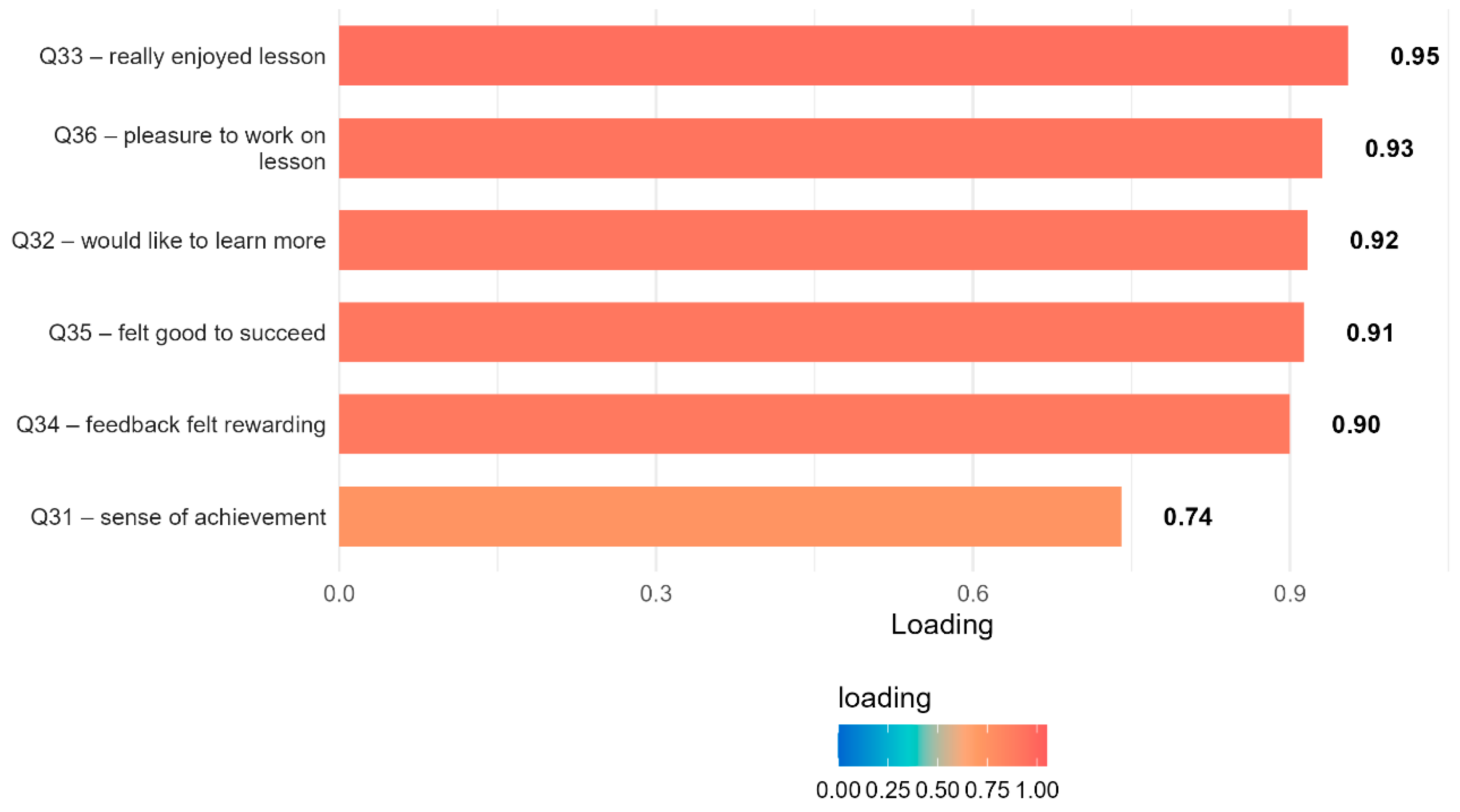
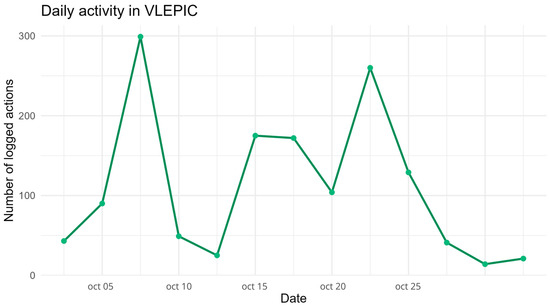
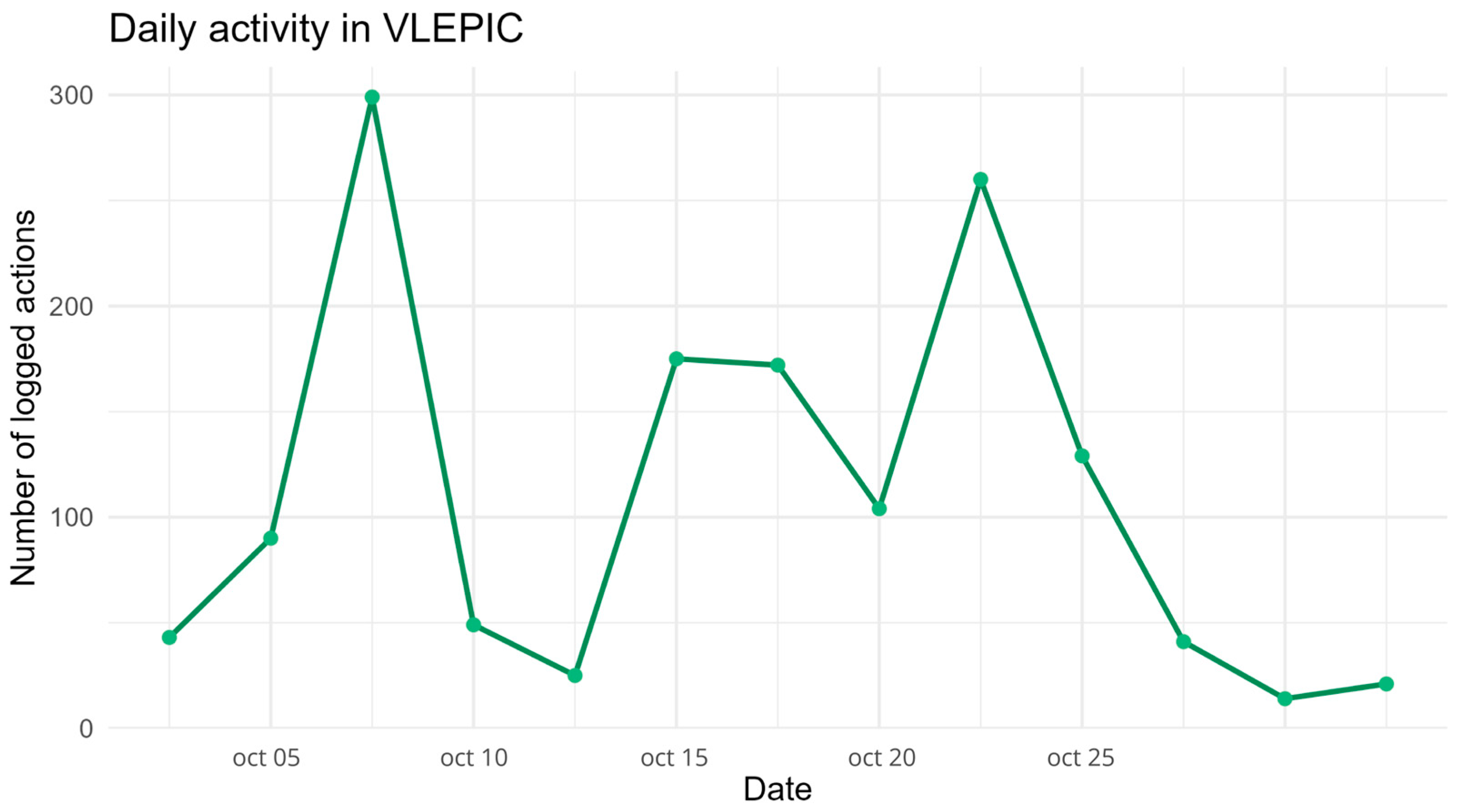
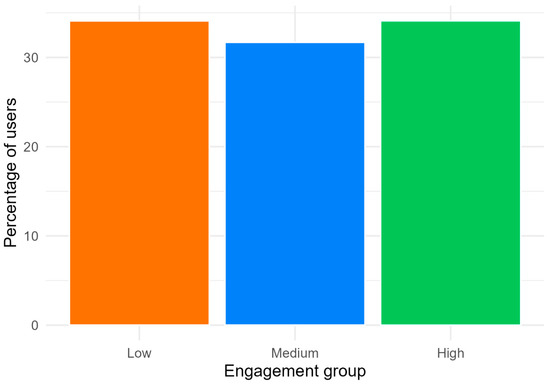
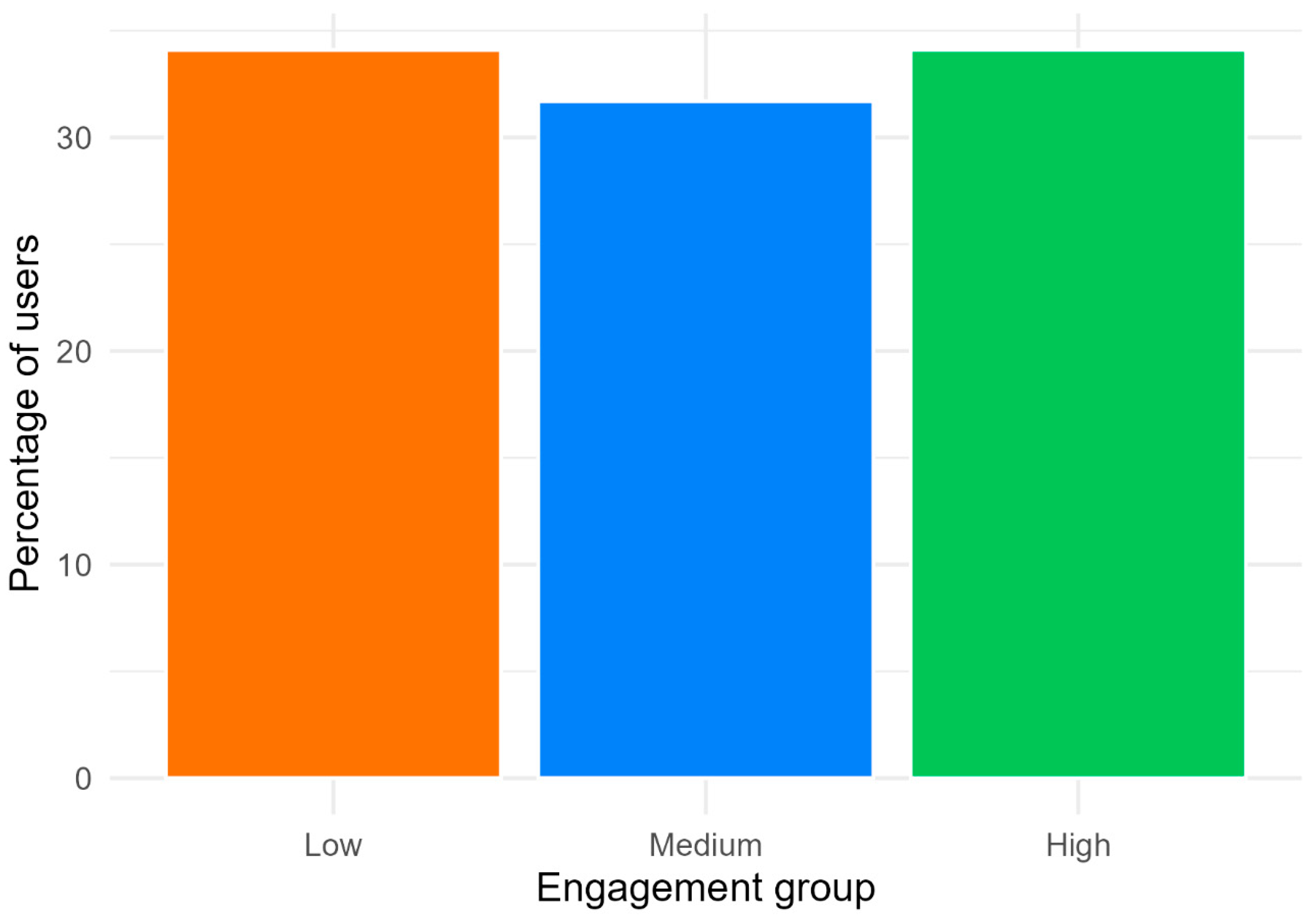

Disclaimer/Publisher’s Note: The statements, opinions and data contained in all publications are solely those of the individual author(s) and contributor(s) and not of MDPI and/or the editor(s). MDPI and/or the editor(s) disclaim responsibility for any injury to people or property resulting from any ideas, methods, instructions or products referred to in the content. |
© 2026 by the authors. Licensee MDPI, Basel, Switzerland. This article is an open access article distributed under the terms and conditions of the Creative Commons Attribution (CC BY) license.