Next Article in Journal
Moving Beyond Eurocentric Notions of Intellectual Safety: Insights from an Anti-Racist Mathematics Institute
Previous Article in Journal
A Quasi-Experimental Study of the Achievement Impacts of a Replicable Summer Reading Program
 
 
Correction published on 8 December 2025, see Educ. Sci. 2025, 15(12), 1654.
Review

Knowledge Mapping of Geography Examinations in Chinese National Entrance Examination to Universities: Insights from Four Decades of Research


1
Key Laboratory for Climate Risk and Urban-Rural Smart Governance, School of Geography, Jiangsu Second Normal University, Nanjing 210013, China
2
Department of Geography and Environmental Science, University of Reading, Reading RG6 6AB, UK
3
Dainan Middle School, Taizhou 225721, China
4
School of Business, Jiangsu Second Normal University, Nanjing 210013, China
5
School of Geography and Ocean Science, Nanjing University, Nanjing 210023, China
*
Authors to whom correspondence should be addressed.
Educ. Sci. 2025, 15(11), 1423; https://doi.org/10.3390/educsci15111423
Submission received: 11 July 2025 / Revised: 10 October 2025 / Accepted: 11 October 2025 / Published: 23 October 2025 / Corrected: 8 December 2025
(This article belongs to the Section Curriculum and Instruction)

Abstract

Reforms in the Chinese National Entrance Examination to Universities (CNEEU) and curriculum standards have significantly influenced national education. This study investigates the evolutionary stages, research trends, and emerging topics in the study of geography examinations for the CNEEU, commonly known as the Gaokao in China. Utilizing CiteSpace software, we analyzed academic journal articles indexed in the China National Knowledge Infrastructure (CNKI) database from 1980 to 2023. The analysis focuses on publication volume, regional distribution, core authors, emergent terms, and keyword trends related to geography examinations. The results reveal the following: (1) Research on geography in the CNEEU has experienced three distinct phases since the 1980s—incipient stage, fluctuating growth period, and adjustment period—each characterized by unique emergent keywords reflecting evolving research priorities. (2) The principal research institutions include middle schools, higher normal colleges, and examination research institutes, with scholars from higher normal universities more likely to establish collaborative research groups. (3) Key research topics focus on the content and characteristics of geography examination questions, teaching guidance, test preparation strategies, and the development of simulation questions. (4) Ongoing reforms in the CNEEU and curriculum have significantly influenced the scope, focus, and format of geography examinations, directly impacting geography teaching and learning practice. (5) Emerging trends, including literacy and value-oriented assessment, interdisciplinary integration, and inquiry-based innovation, are expected to shape future research in this field. This study offers valuable insights to support both theoretical research and practical advancement in the design of geography examinations for CNEEU.

1. Introduction

Reforms in the Chinese National Entrance Examination to Universities (CNEEU) and curriculum standards have profoundly impacted national education, including geography education. From 1994 to 2014, the CNEEU adopted the “3 + X” format across all provinces. The “3” refers to three compulsory subjects (Mathematics, Chinese, and a foreign language, predominantly English) required for all college applicants. The “X” component encompasses subject tests that vary depending on whether students pursued liberal arts or science and engineering majors. For liberal art students, “X” incudes History, Politics, and Geography, while for those in science and engineering, it comprises Physics, Chemistry, and Biology (Davey et al., 2007; X. B. Wang, 2006). In 2014, a new pilot reform of the CNEEU was introduced, establishing a diversified admission mechanism based on unified exams, high school academic performance, and comprehensive quality evaluations. This reform abolished the distinction between liberal arts and sciences, and adopted a “3 + 3” model. The first “3” remained unchanged, requiring exams in Chinese, Mathematics, and a foreign language, while the second “3” allowed students to choose three subjects from Politics, History, Geography, Physics, Chemistry, and Biology, according to their interests and strengths (State Council of the People’s Republic of China, 2014; Zhu et al., 2024). The core philosophy of this reform is student-centered, emphasizing quality education and personalized development. Under this system, students can choose exam subjects based on their interests and strengths, resulting in more diversified and comprehensive geography exam questions. The comprehensive high school curriculum reform, initiated in 2004 and revised in 2017, further emphasized the cultivation of core disciplinary competencies. Central to this reform is the concept of “core literacy”, defined as the comprehensive embodiment of correct values, essential character, and key abilities that students gradually develop through subject-based learning. In the “Geography Curriculum Standards for Ordinary Senior High Schools (2017 Edition)”, core literacy is articulated through four aspects: harmony between humans and the environment, regional cognition, integrative thinking, and geographical practice. It serves as the guiding principle for all teaching and assessment activities. The reform requires that geography teaching be closely linked to real-life contexts, with an emphasis on regional relevance, practical application, and holistic understanding. Consequently, the content and format of Geography exam questions have been substantially transformed, with a strong focus on evaluating students’ comprehensive abilities and diving deeper pedagogical shifts in geography education.
Assessment exerts a considerable influence on teaching and learning, shaping both content and pedagogical style (Baird et al., 2017). The methods used to assess student knowledge are crucial in determining what content is taught (Virranmäki et al., 2020). Geography exam questions are a critical component of geography education, serving as key indicators of student learning outcomes and teaching effectiveness. The compilation of geography questions across different historical periods, regions, and authors reflects the evolution of exam content and assessment practices. In recent years, Chinese geography educators have increasingly focused on the characteristics and changes in CNEEU geography, seeking alignment with university admissions requirements and national curriculum standards to optimize educational practices and talent development strategies (Bi, 2023). However, most existing studies have primarily conducted descriptive analyses of exam question characteristics, with limited attention to comprehensive reviews of research themes and the evolution of key hotspots. Investigation into the thematic development and the logical relationships among research topics remain relatively scarce (F. Guo et al., 2022; H. Wang, 2013; J. Zhang et al., 2022). In response to this gap, the present study aims to identify the main themes and research hotspots concerning geography exam questions in CNEEU. How have these evolving research themes reflected changes in the CNEEU system and curriculum standards over time? In the context of the new CNEEU and curriculum reform, what potential directions should future research pursue?
To address these questions, this study analyzes the literature on CNEEU geography exam questions collected from the China National Knowledge Infrastructure (CNKI) database and conducts a systematic analysis using knowledge graph methods. Knowledge graph analysis has been widely applied across academic fields, including education (M. Wang et al., 2023; Mothibi, 2015). International scholars have employed this approach to perform in-depth analyses of exam design, question characteristics, and educational assessment frameworks. For example, meta-analysis has been extensively applied in educational testing to evaluate the effectiveness of practice tests, compare the equivalence of computer-based and paper-based tests, and assess the impact of cognitive testing on academic interventions (Adesope et al., 2017; S. Wang et al., 2008). In addition, meta-analyses have evaluated the effectiveness of educational technologies in language teaching, simulation-based learning in higher education, and digital educational games in the STEM education, thereby offering evidence-based insights to inform pedagogical practice (Rahmati et al., 2021; Gui et al., 2023). Compared to traditional literature review methods, knowledge graph analysis is particularly effective in uncovering the dynamic connections between research themes and educational policy reforms, providing a more intuitive structural framework for future studies. This study employs CiteSpace software to analyze four decades of research on CNEEU geography, aiming to map its developmental trajectory and identify key research hotspots. Furthermore, it explores how research themes have shifted in response to the new CNEEU system and curriculum reforms related to geography exams, and provides preliminary insights and recommendations to guide future research.

2. Materials and Methods

2.1. Data Collection

The data for this study were sourced from the CNKI, which provides comprehensive and high-quality literature and data from both domestic and international sources (Figure 1). The search terms employed were “Geography Test” and (“College Entrance Examination in Geography” or “Geography for College Entrance Examination”). The search covered the period from 1 January 1980 to 31 December 2023, with a focus on academic journals and articles published in magazines related to the college entrance examination and teaching evaluation with basic education databases. A total of 2152 relevant articles were initially identified. To ensure the accuracy and validity of the dataset, new reports and conference proceedings were excluded, and duplicate records were removed. This process resulted in 1603 valid documents for analysis.

2.2. Data Analysis

The knowledge map provides visual presentation of the developmental processes and structural relationships within the field. CiteSpace 6.3.R1 software was employed to convert the large volume of literature data into a visual knowledge map by analyzing keyword co-occurrence, literature co-citation, and research collaboration networks (C. Chen, 2006; C. Chen et al., 2012). The valid documents were first processed using RefWorks and then converted into formats compatible with CiteSpace through its format converter, enabling further analysis of keyword distribution, institutional distribution, and core authorship. This analysis facilitated an in-depth exploration of hotspots and emerging trends in geography education related to China’s CNEEU geography over the past four decades, particularly considering the impacts of policies such as the new CNEEU reform and the new curriculum reform.

2.3. Background: Restructuring Geography Examination Content and Evaluation in Response to the New CNEEU Reform

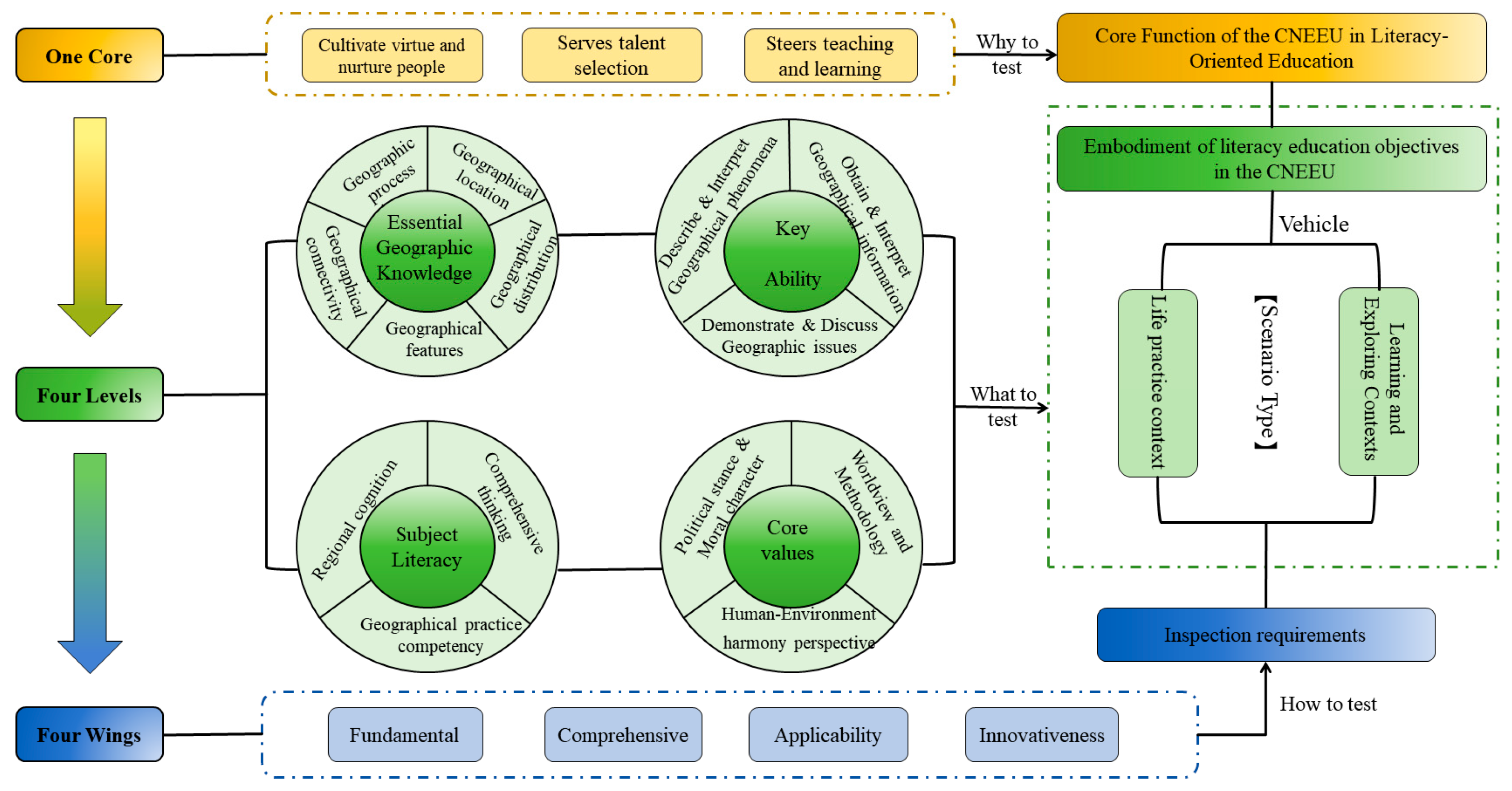
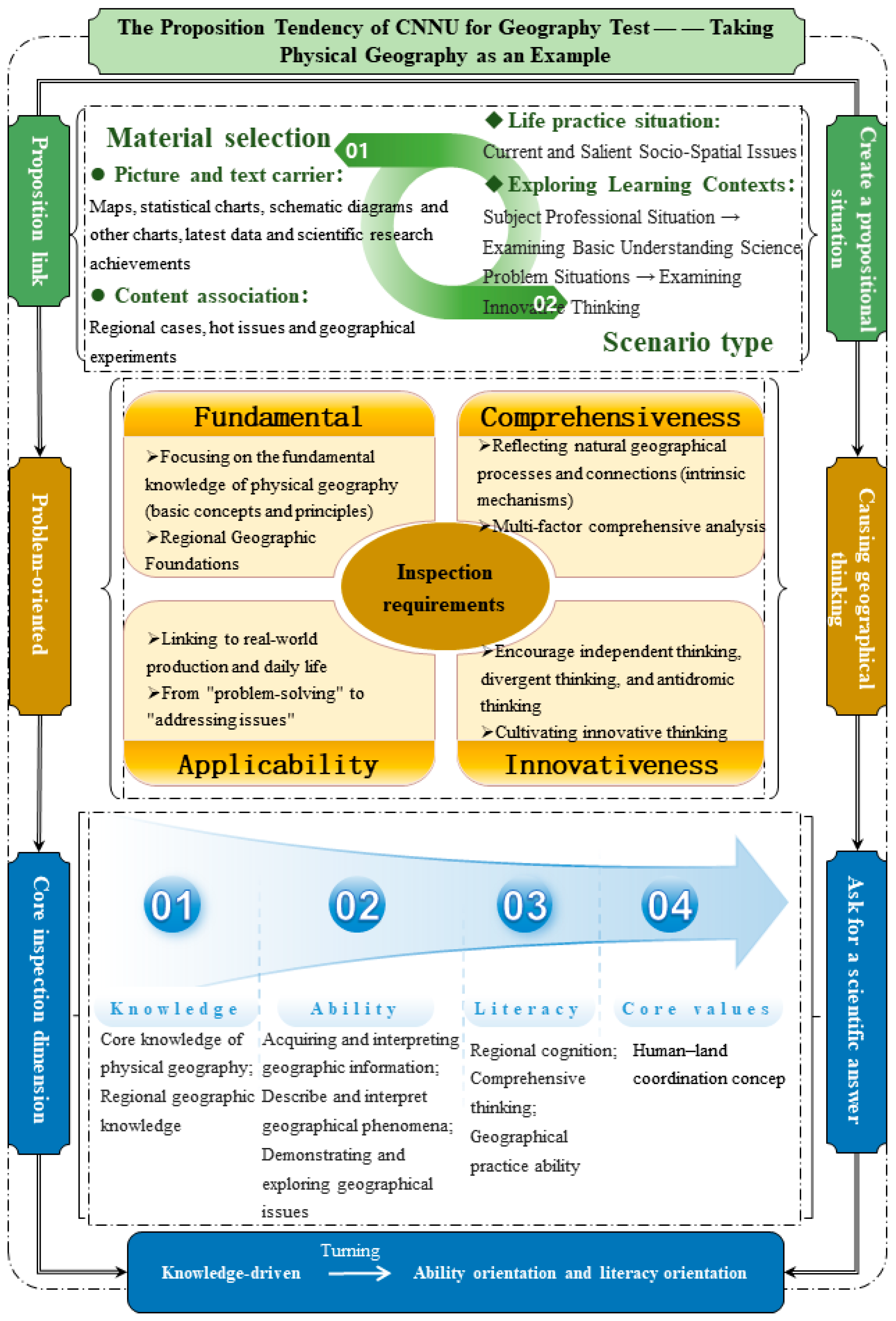
To implement the Implementation Opinions on Deepening the Reform of the Examination and Enrollment System issued by the State Council in 2014, the National Education Examinations Authority of the Ministry of Education introduced the “One Core, Four Levels, and Four Wings” evaluation system for the CNEEU. This represents a fundamental shift in the guiding philosophy of CNEEU question design (Figure 2): from a traditional knowledge-oriented approach”, which emphasized isolated and fragmented knowledge points, to a comprehensive evaluation model that is value-led, literacy-oriented, ability-focused, and knowledge-based (State Council of the People’s Republic of China, 2014; Shi, 2019; Ministry of Education of the People’s Republic of China, 2018).
Among them (Figure 2), the “One Core” refers to the principle of “fostering virtue through education, serving talent selection, and guiding teaching,” which summarize the core functions of the CNEEU in promoting quality-oriented education and address the fundamental question of “why to test.” The “Four Levels” pertain to the examination content, including “core values, disciplinary literacy, key abilities, and essential knowledge,” which systematically articulate the objectives of quality-oriented education in the CNEEU and answer the question of “what to test.” The “Four Wings” denote the examination requirements, namely, “fundamentality, comprehensiveness, applicability, and innovativeness,” which embody the evaluation dimensions of quality-oriented education in the CNEEU and respond to the practical question of “how to test” (Yu, 2019). In the context of geography, this system is implemented through two types of problem contexts—daily life practice and learning exploration—thereby effectively assessing students’ overall competencies (Shi, 2019; Ding & Shi, 2020).
Specifically, within the geography discipline, the “Four Levels” are reflected as follows (Figure 2): (1) “Core values” refer to the essential political awareness, moral integrity, and scientific thinking methods that learners should develop, with a particular focus on understanding the “harmony between humans and the environment” as central to geography inquiry; (2) “Disciplinary literacy” is demonstrated through learners’ ability to apply geographical knowledge, modes of thinking, and value system to real-world problem-solving, with a focus on regional awareness, integrative thinking, and practical geographical skills; (3) “Key abilities” in geography refer to the capacities to obtain and interpret geographical information, describe and explain geographical phenomena, and investigate and reflect on geographical issues; (4) “Essential knowledge” refers to the systematic foundational understanding that underpins all abilities and literacy, encompassing core facts, concepts, principles, and methodologies within the geographical knowledge system (Ministry of Education of the People’s Republic of China, 2018; Shi, 2019).

3. Results

3.1. Essential Features of Geography Exam Research

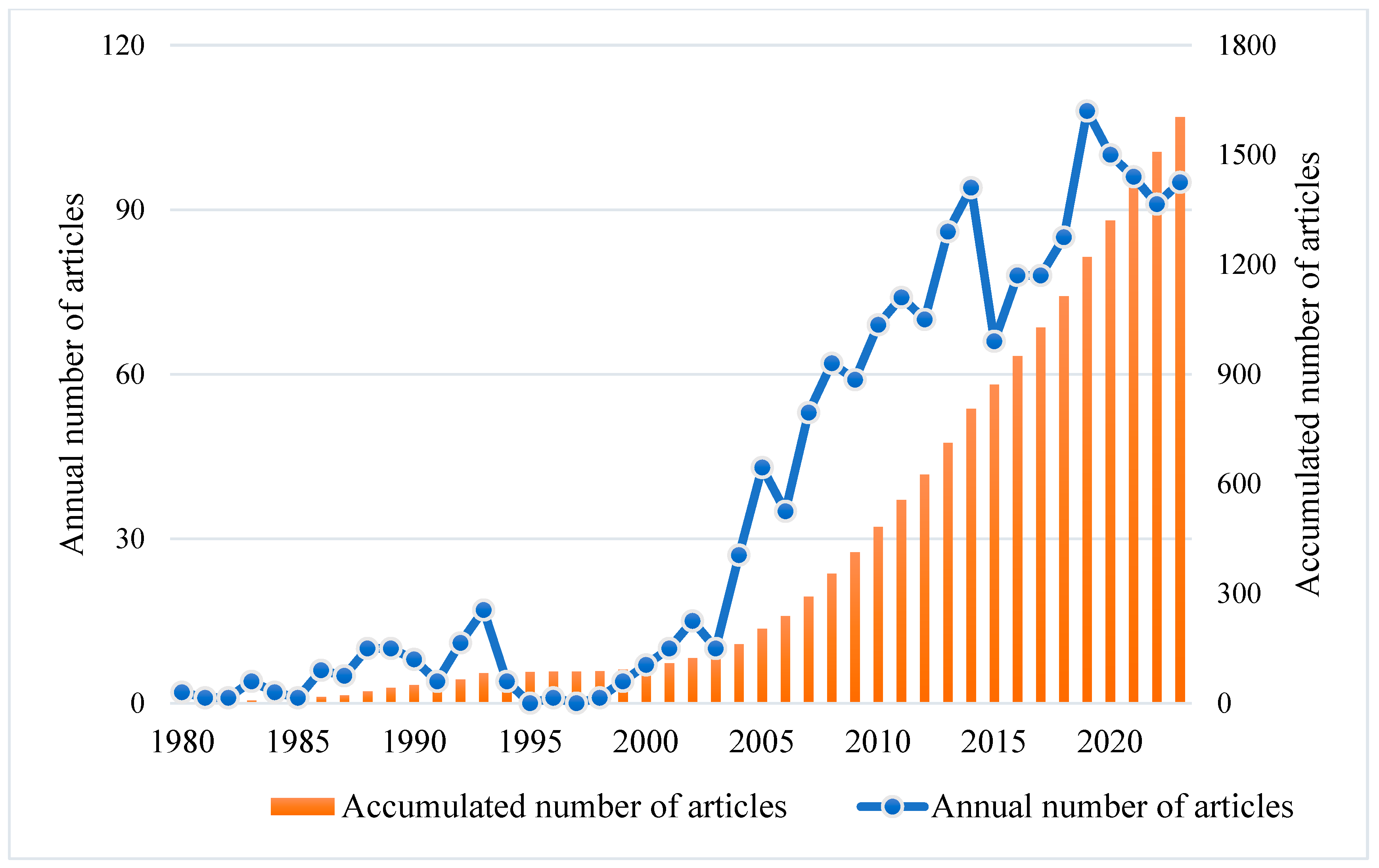
This study examines the attention devoted to CNEEU geography research by analyzing publication trends from 1980 to 2023 (Figure 3). The development of China’s CNEEU geography research follows a trajectory described as “slow development followed by a period of fluctuating growth.” This trend can be divided into three stages:
Incipient Stage (1980–1999): Fewer than 90 papers were published during this period, reflecting the nascent state of research on Geography exam questions.
Fluctuating Growth Stage (2000–2014): Growing recognition of the importance of CNEEU geography research led to a marked increase in publications. A modest rise in research output was observed from 2001 to 2003, coinciding with the exploratory phase following the introduction of the new curriculum reform in 2001. By 2004, pilot programs for the new curriculum had commenced in general high schools. The full implementation of the reform in 2005 promoted a rapid increase in publication volume.
Adjustment Stage (post-2015): This period is characterized by a marked upward trend with significant fluctuations in publications, reflecting dynamic shifts and ongoing adjustments in research focus, due to the continued curriculum reforms and enhancements to the college entrance examination system. The year 2015 marked a transitional phase, with policy changes and the introduction of new CNEEU reforms. During this period, academic research priorities shifted substantially, as researchers required time to understand and adapt to the evolving policies and reform directions.

3.2. Regional Distribution Characteristics

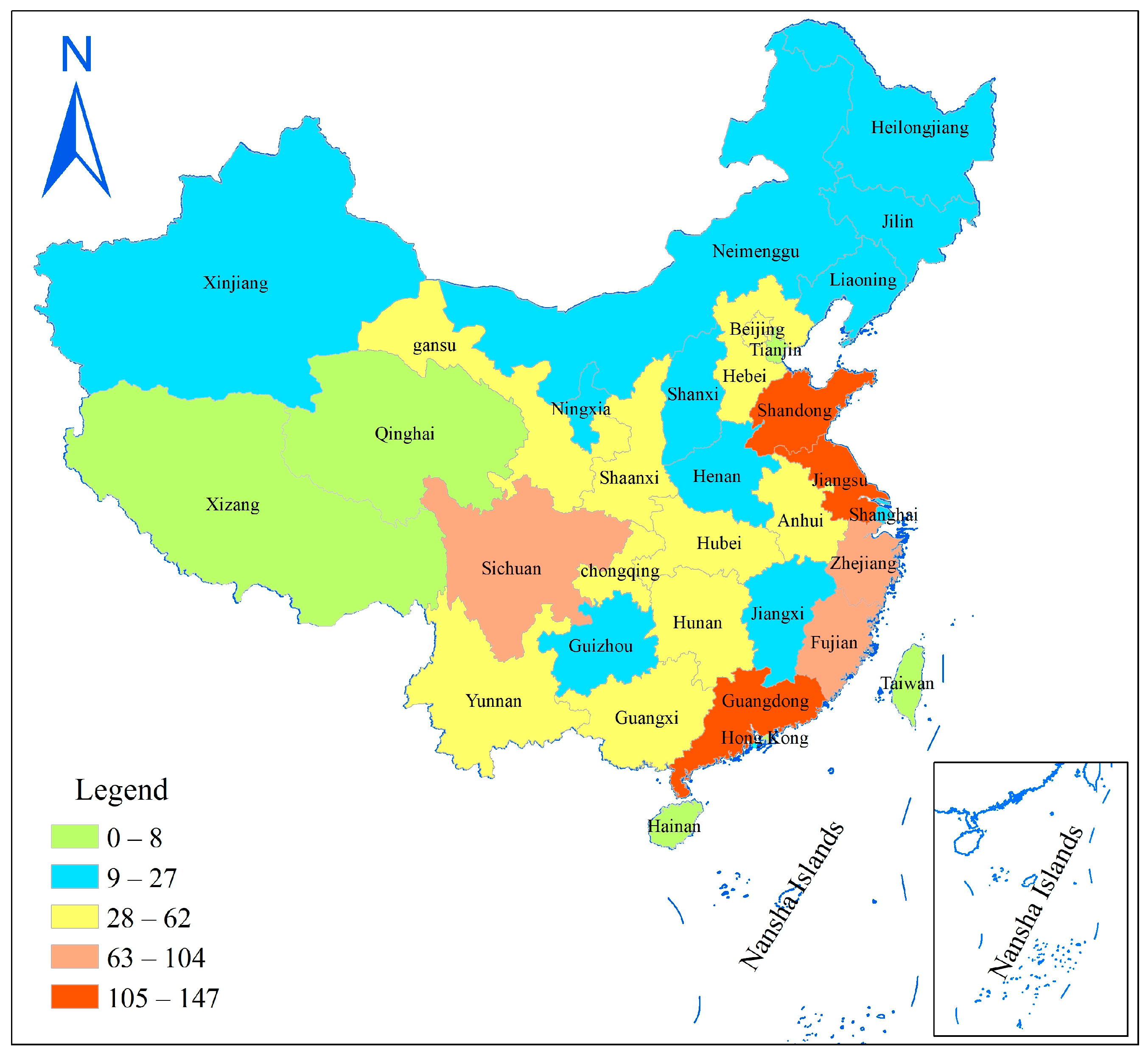
An analysis of the institutions publishing relevant literature, as illustrated in Figure 4, indicates that secondary schools across all provinces and municipalities are the primary contributors to CNEEU geography research, with a word frequency of 855. These are followed by teacher training universities (word frequency: 164) and examination institutes such as Education Bureau, Institute of Educational Research and Teaching, Center for Educational Science Research and Development, and the Ministry of Education Examination Center, with a combined word frequency of 129. These institutions also play significant roles in advancing this field. The geographical distribution of CNEEU geography research demonstrates a notable imbalance, with a higher concentration of studies originating from the eastern coastal regions, where colleges, universities, secondary schools, and examination institutes are more actively engaged in research.
Specifically, the eastern coastal provinces of Shandong (131), Jiangsu (138), Guangdong (147), Zhejiang (104), and Fujian (97) emerge as principal hubs for geography examination studies. Additionally, notable research activity is observed in Sichuan Province (79), located in the western region of China, reflecting a broader national interest in CNEEU geography research that extends beyond the coastal areas.

3.3. Core Authors and Research Institutions

The analysis of core authors and their collaborative relationships within the relevant literature highlights the key contributors and research teams in the field of CNEEU geography. Table 1 illustrates that the primary researchers engaged in CNEEU geography studies are predominantly in-service secondary school teachers. They are followed by staff from educational research centers or examination management centers affiliated with educational authorities, as well as geography education researchers from colleges and universities. A review of articles authored by these core contributors on the Knowledge Network reveals that most CNEEU geography-related articles by secondary school teachers are individual efforts. CiteSpace’s mapping of the author collaboration network in high school geography research identified a total of 571 nodes and 259 connections. This analysis indicates that, although some collaboration exists, the overall research network lacks close cooperation. Research activities remain largely independent and fragmented, with relatively few academic linkages. Detailed affiliation information from CNKI further demonstrates that authors who collaborate are often based in the same province, reflecting a regional cooperation pattern. For example, Shenzhong Li, Xiang Wei, Zhenfeng Liu are all from Shandong Province.

3.4. Emergent Words

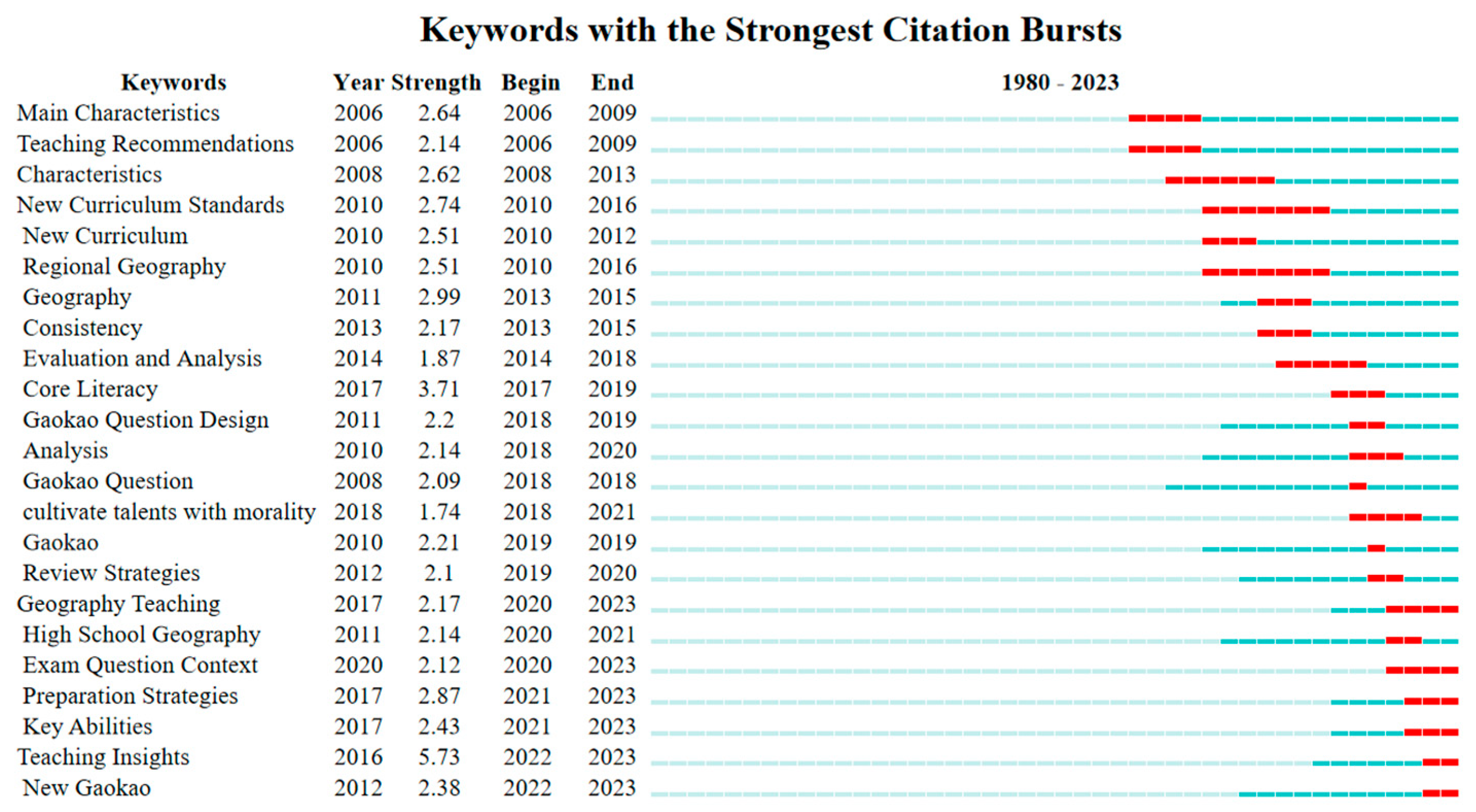
The emergent words graph is a tool used to highlight the phenomenon of sudden increases in the frequency of specific terms over a defined period. By applying keyword emergence analysis, it is possible to examine the temporal distribution and dynamic evolution of these emergent words. In this study, the settings in the hotspot toolbar were adjusted to a γ value of 0.4 and a minimum duration value of 1, resulting in the identification of 23 emergent words. The keyword emergence map, sorted by the initial year of appearance (Figure 5), illustrates the diversity and iterative nature of emergent keywords in CNEEU geography research, which exhibit significant variation across different periods.
Incipient Stage (1980–1999): During this period, there were no notable emergent keywords, and the research output and influence of geography within the context of the college entrance examination remained relatively limited.
Fluctuating Growth Period (2000–2014): Influenced by the new curriculum reform, this period saw the emergence of multiple notable keywords, primarily centered on the new curriculum standards. Prior to 2010, research mainly focused on the characteristics of geography questions in the college entrance examination and case analyses of specific questions. In 2013, the Ministry of Education issued the “General High School Curriculum Standards (Experimental),” which introduced comprehensive reforms of subject syllabi and textbooks, emphasizing the development of subject-specific competencies. In 2014, the pilot reform of the new college entrance examination was launched. This period is characterized by increased research on the analysis of geography exam questions, which became more diverse in focus. Key areas of attention included: (1) exam questions, such as “exam questions,” “question analysis,” “analysis,” and “regional geography”; (2) the alignment between geography curriculum standards and exam content, with keywords such as “new curriculum standards,” “new curriculum,” and “consistency”; and (3) problem-solving strategies for geography exam questions.
Adjustment Period (Post-2015): With the gradual advancement of the new college entrance examination reform, the Ministry of Education issued the “General High School Curriculum Plan (Experimental)” in 2017. This plan clearly defined the content and requirements for high school curricula and academic level exams, placing greater emphasis on cultivating students’ core literacy and innovative abilities. Since then, core literacy has become the focus of geography exam research. Exam questions shifted from an exclusive emphasis on knowledge assessment to a broader evaluation of students’ literacy, abilities, and values (key ability, comprehensive thinking, moral education, and subject value). These competencies were assessed through geographic diagrams, processes, regional cognition, and contextualized questions. There has also been a notable increase in research addressing the characteristics of exam questions and corresponding preparation strategies. This includes guidance on student exam preparation and response strategies, as well as instructional approaches and pedagogical suggestions for teachers.
The timeline of keyword emergence—spanning from the year of publication to the identified “Begin” and “End” years—illustrates how reforms in the college entrance examination have significantly influenced the focus of CNEEU geography research (Figure 5). The period from 2015 to 2018 represented a pivotal stage, during which terms such as “core literacy,” “regional cognition,” “comprehensive thinking,” “new college entrance examination,” and “test question analysis” emerged as prominent research hotspots. Over the past six years, keywords including “core literacy,” “academic context,” “test question context,” and “key abilities” have not only remained central topics within CNEEU geography research but have also aligned closely with national policies and educational frameworks. As a result, the sustained emphasis on assessing literacy and comprehensive thinking skills in diverse contexts is likely to continue shaping the development of CNEEU geography research.

3.5. Hot Research Areas of CNEEU Geography

Using CiteSpace 6.3.R1 software, the Log-Likelihood Ratio (LLR) algorithm was applied to extract the most representative keywords from each cluster. As shown in Table 2, the clusters are ranked in in descending order based on LLR values, with higher LLRs indicating that the corresponding keywords are more characteristic and statistically significant within their respective clusters. To interpret and label these research themes appropriately, the keyword clustering generated by CiteSpace 6.3.R1 should be complemented by a focused review of relevant literature.

3.5.1. Proposition Analysis Led by College Entrance Examination Questions

Analysis based on clustering (Table 2: #0, #1, #2, #4, #6, #7) and hotspot contribution charts reveals that the proposition analysis of CNEEU geography test questions is a central research focus in the field, primarily centered on the study of national examination papers. The distinctive features of CNEEU geography propositions, identified through co-occurrence word analysis, are summarized as follows:
(1)
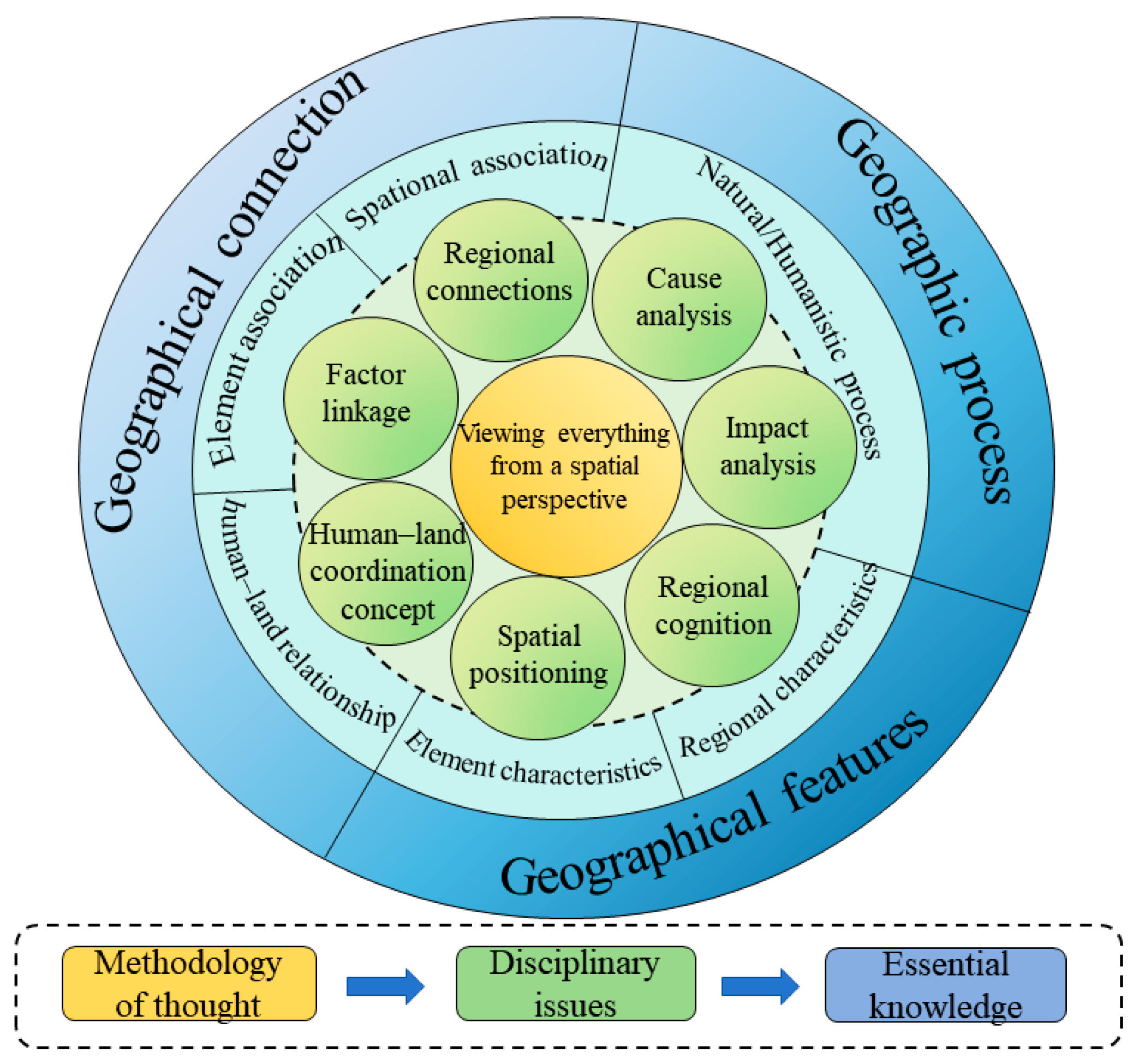
Essential knowledge focus: The assessments primarily target fundamental knowledge, which forms the foundation for the development of skills and competencies (Figure 6). Core content areas include key concepts, geographic laws, principles, and related knowledge. Frequently tested topics comprise atmospheric circulation, ridges, atmosphere, valleys, Earth’s motion, geological features, and geographic location.
(2)
Regional Geographical Cognition: As indicated by cluster tags #6 and #7 (Table 2), this area employs the regions as a medium to integrate social issues and practical problems. This focus is on the regional characteristics and locational elements of geographical entities. The exams assess candidates’ abilities in spatial positioning, analysis and synthesis of regional features, comparison of regional differences, evaluation of regional issues, and the formulation of strategic responses.
(3)
Skill-based assessment objectives: The comprehensive implementation of the new curriculum reforms has shifted the focus of geography examinations towards skill-based assessment. The questions emphasize candidates’ abilities to interpret and synthesis geographic information presented through text, regional maps, statistical charts, diagrams, landscape images, tables, and related data. They also evaluate candidates’ understanding and application of geographic features, principles, processes, and interconnections. Moreover, the questions assess candidates’ ability to apply geographic thinking to explain and substantiate geographic problems and phenomena within contextual scenarios.
(4)
Assessment of Situational Test Questions: Guided by core literacies and values, this component employs real-life scenarios and inquiry-based learning contexts to assess students’ ability to establish values aligned with sustainable development, particularly within the framework of human-environment interactions. The focus is on issues concerning population, resources, environment, and development. Candidates are expected to apply an integrated approach, combining factor synthesis, spatiotemporal synthesis, and local synthesis, along with geographical thinking, to analyze and resolve geographical problems in a comprehensive, systematical, and dynamical manner. These assessment areas underscore the evolving focus of CNEEU geography research towards more dynamic and integrated approaches in understanding and applying geographic knowledge to real-world scenarios.

3.5.2. Research on Teaching Guidance and Exam Preparation Strategies

An analysis based on clustering (Table 2: #0, #2, #4, #5, #6, #7) and the hotspot contribution chart reveals that research on CNEEU questions significantly shapes both middle school teaching practices and examinees’ preparation strategies. This body of research primarily investigates methods for achieving high scores on CNEEU geography exam questions, examining pedagogical strategies, learning approaches, and response techniques from multiple perspectives. The main areas of focus are as follows:
(1)
Alignment with curriculum standards: Curriculum standards serve as the basis for textbook development, classroom instruction, assessment design, and examination question formulation. During China’s eighth educational curriculum reform, it was emphasized that textbook compilation, teaching content, curriculum evaluation, and examination scopes should all adhere to these standards (Ministry of Education of the People’s Republic of China, 2001). Consequently, the degree of alignment between CNEEU papers and curriculum standards has become a key focal point in geography teaching and exam evaluation, particularly within the context of the new college entrance examination system and curriculum reform.
(2)
Targeted Preparation Strategies: Researchers systematically analyze score distributions, content coverage, question types, key features, question-setting trends, typical items, and material selection in national college entrance examination papers. Based on this analysis, they provide targeted preparation suggestions, review recommendations, and teaching advice for educators and students. For instance, regarding Question 37 in the 2021 National Comprehensive Liberal Arts Examination Paper B, researchers analyzed the assessment path for core literacy, identified shortcomings in conventional teaching practices, and proposed unit-based geography teaching (Y. Wang et al., 2022).
(3)
Question-Solving Techniques: Researchers proposed various strategies for addressing different types of exam questions, including regional comparisons, comprehensive evaluations, feature descriptions, impact assessments, and graphic interpretations. For instance, when responding to “impact” questions in geography exams, Ms. Xu from Wuxi City recommended the following approach: “transform and summarize—connect and mobilize—organize and refine” (L. J. Xu & Xie, 2016).
(4)
Answering Techniques and Norms: Educational research institutes across multiple provinces and cities analyzed students’ answering performance based on high school exam grading criteria, offering guidelines and techniques to enhance response quality (Y. L. Cai, 2003). Additionally, frontline teachers analyze common mistakes and recurring issues observed in students’ answers to simulated geography exam questions, providing targeted strategies to improve their response (X. F. Zhang, 2018).
(5)
These research directions play a crucial role in refining teaching methods and exam preparation strategies, thereby supporting both educators and students in effectively navigating the complexities of the CNEEU geography.

3.5.3. Design of Simulated and Original Test Questions

Analysis of clustering results and the hotspot contribution chart, particularly within cluster tags #2, #3, and #4, indicates that the development of the CNEEU geography question bank remains a significant focus in the field (Table 2). Research shows that various examination research institutions, frontline middle school teachers, and educators from normal universities frequently compile comprehensive sets of high school geography test papers. Historically, prior to 2014, many of these test questions were primarily adapted from existing resources. These included materials such as national geography college entrance examination simulations, new curriculum outlines, and regional geography simulation test papers from provinces including Sichuan, Jiangsu, and Anhui. Such test questions were predominantly published in educational journals, including “Geography Teaching,” “Geography Education,” “Reference for Middle School Geography Teaching,” and “Test Questions and Research.” With the ongoing deepening of CNEEU reforms and curriculum updates, there has been a dynamic shift in examination content and requirement. This shift has necessitated a continuous evolution of test question design. In this changing academic context, there is an increasing demand for original test questions that align with specific educational objectives.
The design of geography questions in the CNEEU has increasingly emphasized current social and political issues, reinforcing the exam’s educational role while focusing on core literacy such as human–environment interactions, integrative thinking, and regional awareness. For example, in support of the “dual carbon” goals, certain questions are designed based on the theoretical framework of atmospheric heating process. Beginning with the pressing issue of global warming, these questions gradually extend to topics such as carbon trading, encouraging students to examine the evolution of China’s energy structure and to consider the spatial distribution and sustainability challenges of China’s automobile industry. Such designs assess students’ regional awareness, integrative thinking, and understanding of human–environment interaction (S. Cai et al., 2024). For example, using the “National Alpine Skiing Center” as a case study, questions address topics such as the choice of locational conditions, the project’s impact on regional development, and ecological protection during construction. This approach foster students’ capacity for regional awareness, integrative thinking, and coordination between human activities and the environment (L. X. Guo, 2020). Similarly, by comparing the urban integration of the Guangdong–Hong Kong–Macao Greater Bay Area with the Shanghai–Hangzhou–Ningbo Bay Area, questions assess students’ geographic knowledge related to location and industrial development (Y. H. Qin, 2023). These exam questions consistently align with national strategic priorities, incorporating multidisciplinary perspectives, emphasize real-world contexts, and promote value-oriented guidance. Additionally, numerous synchronized practice questions have been developed based on analyses of both mock and original exam questions. Among these, practice questions aligned with the People’s Education Press (PEP) textbooks are particularly prevalent, with related research being especially prominent in Anhui Province and Jiangsu Province.

4. Discussion

From a historical perspective, the college entrance examination system and curriculum reforms have maintained a closely interrelated and interactive relationship. The new round of CNEEU reform, initiated in 2014, positioned curriculum standards as the fundamental basis for exam question design, thereby discontinuing the issuance of examination syllabi (State Council of the People’s Republic of China, 2014; State Council General Office, 2019). The 2017 edition of the General Senior High School Geography Curriculum Standards further reinforced the educational emphasis of “core literacy” and the principle of “fostering virtue through education.” (Ding & Shi, 2020). In line with the 2017 edition of the curriculum standards, the Ministry of Education of the People’s Republic of China commissioned experts to revise the 2004 edition of the senior high school geography textbook, resulting in the approval of a new edition of the senior high school geography textbook in 2019. This shift has positioned curriculum standards as the primary foundation for question design under the new CNEEU. Concurrently, the National Education Examinations Authority developed the “One Core, Four Levels, Four Wings” evaluation framework, systematically addressing the core objectives, assessment content, and evaluation criteria of the CNEEU across the three dimensions: “why to test,” “what to test,” and “how to test” (Yu et al., 2019; Yu, 2019). Within this context, the new CNEEU and ongoing curriculum reform have jointly shaped the geography discipline, providing explicit guidance for both geography test design and teaching reform.

4.1. Policy Impact on CNEEU Examination Proposition

Based on our synthesis of the literature and policy documents, the new CNEEU and the reform of the geography curriculum standards have significantly influenced the scope, focus, and format of geography exam questions.
Regarding scope, the content of the new CNEEU strictly adheres to the high school curriculum standards, shifting from the previous model of “exam based on outline” to a model that “integrates exam with teaching” (Yu, 2019). This alignment encouraged secondary schools to structure their teaching in accordance with the established curriculum standards, underscoring the prescriptive and guiding role of policy in shaping instructional content.
In terms of focus, the new CNEEU evaluation system places greater emphasis on assessing students’ key ability and core literacy, transitioning from a traditional emphasis on “knowledge orientation” to an “ability orientation” and “ literacy orientation” approach. For example, physical geography can be applied to illustrate the question-setting trends of the new CNEEU geography examination (Figure 7). This shift is part of a broader curriculum reform aimed at instilling moral values and cultivating talents in alignment with contemporary societal needs. The examination content closely reflects current social issues and real-life societal engagement, thereby enhancing the educational function of the college entrance examination by prioritizing ideological education and value-orientated guidance.
Regarding question format, real-life contexts and exploratory learning scenarios serve as the mediums for task design, facilitating the application of fundamental knowledge and skills. This mode of exam design not only assesses students’ mastery of fundamental knowledge and their ability to transfer and apply it, but also strengthens their capacity to tackle complex real-world problems.
Through a combination of policy text analysis and co-occurrence analysis of the studies, this study reveals that the evolution of geography exam questions—in terms of scope, literacy orientation, and contextual design—closely aligns with the core literacy orientation emphasized in policy documents. By integrating both quantitative and qualitative methods, this study systematically uncovers the transmission mechanism linking policy orientation to exam practices, offering a more comprehensive explanation of how the new CNEEU influences geography exam design.

4.2. The Influence of CNEEU Reforms and New Curriculum Reform on Geography Teaching

Based on our synthesis of the literature and policy documents, both the new curriculum reform and the new CNEEU reform have played a significant guiding role in high school geography teaching. Jiang (2018), in his review of the evolution and key developments in CNEEU research in China over the past 20 years, highlighted that initiatives introduced in the new reform—such as classified evaluation, diversified admissions, and changes to the evaluation system—have exerted multifaceted influences on secondary education and teaching. Drawing on existing studies and policy documents, this study analyzes these impacts across three dimensions: teaching objectives, teaching content, and teaching practice.
At the level of teaching objectives, the new curriculum reform has shifted the educational focus from “knowledge transmission” to the development of “core literacy.” In response, CNEEU question design has increasingly emphasized the assessment of students’ autonomous learning, research-based inquiry, and map-reading and analytical skills. This shift has encouraged teachers to adopt a range of pedagogical strategies, including situational teaching, problem-based learning, inquiry-based learning, and project-based learning (Yang, 2021). As a result, integrated design across teaching, learning, and assessment has been effectively promoted (Liu, 2018; C. Qin, 2022).
At the level of teaching content, the new curriculum reform emphasizes the integration of disciplinary knowledge with real-world contexts, highlighting both practicality and comprehensiveness. To meet these requirements, high school geography teaching has increasingly incorporated map drawing, geographic experiments, and hands-on activities. Simultaneously, interdisciplinary integration, the design of authentic situational tasks, and value-oriented education have become key components of teaching evaluation. These developments collectively support the emergence of a new teaching model that integrates knowledge, competence, and values (Pan, 2017; Z. H. Xu et al., 2025).
At the level of teaching practice and teacher development, national teaching competitions and evaluation activities—such as the “Xingyuan Cup” Geography Practical Skills Orienteering Contest, the “Jiuzhou Cup” Geography Field Study Design Competition, the “Zhongjiao Qixing Cup” National Geography Teaching Mapping Contest, and the “Kaitu Cup” Teaching Achievement Evaluation—demonstrate the thorough implementation of the new CNEEU and new curriculum concepts (Lu et al., 2025). Guided by core literacy, these competitions emphasize knowledge transfer and the application of skills in authentic contexts, illustrating how the curriculum reform has reshaped geography teaching practice.

4.3. Limitations and Future Research

4.3.1. Limitations

As with most studies, there are some limitations in the current research. First, the data were collected exclusively from the CNKI database, which, despite its comprehensive coverage, may exclude relevant studies published in other databases or grey literature, potentially limiting the scope of the analysis. Second, while CiteSpace provides valuable visual insights into research trends and networks, its reliance on co-occurrence and co-citation analyses may not fully capture the qualitative depth or contextual nuances present in the literature. Furthermore, this study primarily uses bibliometric and knowledge graph analyses to identify trends and the evolution of research themes; however, the specific impacts of the new CNEEU and the revised curriculum standards on teachers’ classroom instruction and students’ learning require further verification through future empirical studies.

4.3.2. Future Research

With the advancement of the “double new” and “double reduction” policies, senior high school geography education in China is experiencing new directions, emphasizing interdisciplinary integration, inquiry-based learning, and the incorporation of ideological and political education into the curriculum (General Office of the State Council, 2019; Liao, 2025). The “Double New” policy refers to the introduction of new curricula and textbooks in the education sector, aimed at meeting the evolving needs of educational development in the new era and fostering students’ core literacy and overall quality. The “Double Reduction” policy seeks to alleviate the excessive burden of homework and off-campus tutoring for students in compulsory education (The General Office of the Communist Party of China Central Committee and the General Office of the State Council of People’s Republic of China, 2021; Song, 2022; Dai, 2023). It promotes educational equity and restores the fundamental purpose of education through measures such as regulating private tutoring institutions and improving the quality of in-school teaching. These developments suggest several key areas for future research on geography assessment in CNEEU:
(1)
Interdisciplinary Curriculum Integration: Recent reforms in the basic education curriculum underscore the development of comprehensive thinking skills and the cultivation of well-rounded, high-quality talents. Strengthening cross-disciplinary learning has become a critical focus of basic education (Yang, 2022). Current research increasingly explores curriculum design, pedagogical approaches, and strategies that foster interdisciplinary integration. This involves applying interdisciplinary thinking to analyze and address subject-specific challenges, setting higher standards for educators’ knowledge and teaching methods. Future studies are expected to examine the feature and trajectories of geography test questions within integrated interdisciplinary curricula.
(2)
Value and Quality Assessment in Test Questions: Future research will also focus on the development of new test items that incorporate traditional Chinese culture and address contemporary real-life contexts. Geography assessments are uniquely positioned to connect academic content with students’ everyday experiences, enhancing the relevance and applicability of the subject (Shao & Shi, 2018). This approach seeks to design questions that foster critical thinking and minimize reliance on rote memorization. The aim is to strengthen the assessment of core values and disciplinary literacy, embed geographical thinking and values into teaching and learning, and examine geographical issues through the lens of Chinese cultural heritage.
(3)
Assessment of Knowledge and Inquiry Abilities: Aligned with national strategies to cultivate innovative talent, the new college entrance examination system is designed not only to assess fundamental geographical knowledge but also to promote creativity and flexible thinking (S. J. Chen et al., 2018). There is growing focus on evaluating students’ abilities to integrate knowledge and develop innovative solutions within the context of geography. Future research will likely investigate ways to diversify question sources, refine assessment methods, and enhance the validity of measures that evaluate scientific inquiry and innovative capacity, particularly considering the impact of generative AI tools, such as ChatGPT and DeepSeek (Yang, 2023, 2024). This includes designing test questions grounded in academic research methods, incorporating disciplinary thinking, and encouraging students to generate novel solutions to geographical challenges.
These emerging trends signify a shift towards more dynamic, relevant, and integrative approaches to teaching and assessing geography, aimed at preparing students not only for exams but also for thoughtful engagement with the world.

5. Conclusions

This study highlights the growth and complexities of research on CNEEU geography, reflecting the field’s response to educational reforms and evolving academic standards. Since 1980, research has expanded through distinct developmental stages, marked by shifts in focus, methodologies, and key themes. While the field demonstrates dynamic progress, collaboration among institutions and scholars remains limited, with research often regionally concentrated. Current studies primarily focus on test content analysis, teaching strategies, and exam design in response to new curriculum reforms. These reforms have broadened the scope and direction of geography assessments; promoted the integration of knowledge, abilities, and values; and aligned evaluation with practical applications. Despite these advancements, the field would benefit from more collaborative, interdisciplinary research and greater exploration of the impacts of exam reforms on student learning outcomes. Future studies should also consider the balance between regional geographical knowledge and global perspectives in test design and curriculum development.

Author Contributions

Conceptualization, X.M.; methodology, F.Y. and L.M.; software, F.Y. and X.M.; investigation, X.M. and L.S.; resources, X.M.; writing—original draft preparation, X.M. and F.Y.; writing—review and editing, X.M. and H.Y.; visualization, X.M. and M.X.; supervision, L.M. and H.Y.; funding acquisition, X.M. and L.M. All authors have read and agreed to the published version of the manuscript.

Funding

This work was funded by Humanities and Social Science Research Youth Fund Project of Ministry of Education (Project No. 21YJCZH106), Key Project of Jiangsu Provincial Education Science Planning (Project No. B/2023/01/27), Outstanding Young Backbone Teacher of the Qinglan Project of Jiangsu Province, the Nanjing University Undergraduate Education Reform Project in 2025, the Nanjing University Digital Teaching Research and Practice Project in 2024, University of Reading PLant and Teaching and Learning Enhancement Projects.

Institutional Review Board Statement

Not applicable.

Informed Consent Statement

Not applicable.

Data Availability Statement

The data analyzed in this study were obtained from the CNKI (China National Knowledge Infrastructure) database. Due to the licensing agreements and copyright restrictions of CNKI, the raw data cannot be made publicly available. However, detailed information about the search strategy, inclusion and exclusion criteria, and data extraction methods used in this study are provided in the Methods section to enable replication of the study.

Conflicts of Interest

The authors have no competing interests to declare that are relevant to the content of this article.

References

  1. Adesope, O. O., Trevisan, D. A., & Sundararajan, N. (2017). Rethinking the use of tests: A meta-analysis of practice testing. Review of Educational Research, 87(3), 659–701. [Google Scholar] [CrossRef]
  2. Baird, J.-A., Andrich, D., Hopfenbeck, T. N., & Stobart, G. (2017). Assessment and learning: Fields apart? Assessment in Education: Principles, Policy & Practice, 24(3), 317–350. [Google Scholar] [CrossRef]
  3. Bi, Y. (2023). The study plan design of geography research based on reinforcement learning. In I. Ahmad, J. Ye, & W. Liu (Eds.), The 2021 international conference on smart technologies and systems for internet of things (Vol. 122). STSIoT 2021; Lecture Notes on Data Engineering and Communications Technologies. Springer. [Google Scholar] [CrossRef]
  4. Cai, S., Zhang, X. L., & Yao, Q. J. (2024). Research on layered question design oriented toward cultivating geography core literacy—Taking “the development of China’s automobile industry under the background of global warming” as an example. Reference for Middle School Geography Teaching, (16), 42–45. (In Chinese). [Google Scholar]
  5. Cai, Y. L. (2003). Analysis of the answers to the geography questions in the second part of the 2003 college entrance examination for liberal arts and teaching strategies. Fujian Geography, (03), 54–56+36. (In Chinese). [Google Scholar]
  6. Chen, C. (2006). CiteSpace II: Detecting and visualizing emerging trends and transient patterns in scientific literature. Journal of the American Society for information Science and Technology, 57(3), 359–377. [Google Scholar] [CrossRef]
  7. Chen, C., Hu, Z., Liu, S., & Tseng, H. (2012). Emerging trends in regenerative medicine: A scientometric analysis in CiteSpace. Expert Opinion on Biological Therapy, 12(5), 593–608. [Google Scholar] [CrossRef]
  8. Chen, S. J., Yao, P. T., & Zhang, Y. M. (2018). Methods for constructing high school geography questions that assess innovative ability. Geography Teaching, (24), 46–49+27. (In Chinese). [Google Scholar]
  9. Dai, K. (2023). “Double reduction” policy in education industry and firm values: Evidence from China. Finance Research Letters, 54(1), 103696. [Google Scholar] [CrossRef]
  10. Davey, G., De Lian, C., & Higgins, L. (2007). The university entrance examination system in China. Journal of Further and Higher Education, 31(4), 385–396. [Google Scholar] [CrossRef]
  11. Ding, J. Z., & Shi, C. X. (2020). Testing ways of geography subject necessary knowledge based on the CNEEU assessment framework. China Examinations, (6), 14–18. (In Chinese) [Google Scholar] [CrossRef]
  12. General Office of the State Council. (2019). Guiding opinions on promoting the reform of education methods in ordinary high schools in the new era (state council general office document No. 29). Available online: https://www.gov.cn/zhengce/content/2019-06/19/content_5401568.htm (accessed on 19 June 2019).
  13. Gui, Y., Cai, Z., Yang, Y., Kong, L., Fan, X., & Tai, R. H. (2023). Effectiveness of digital educational game and game design in STEM learning: A meta-analytic review. International Journal of STEM Education, 10(1), 36. [Google Scholar] [CrossRef]
  14. Guo, F., Duan, Y., He, S., Gong, Q., & Yao, Z. (2022). Analysis of sustainable development questions of college entrance examination geography papers in China: 2010–2020. Sustainability, 14(3), 1526. [Google Scholar] [CrossRef]
  15. Guo, L. X. (2020). Test design of the “National Alpine Skiing Center” for the Winter Olympics. Reference for Middle School Geography Teaching, (09), 73. (In Chinese). [Google Scholar]
  16. Jiang, S. F. (2018). Twenty years of research on the college entrance examination: Topics’ evolution and discussion of the frontier. China Higher Education Research, (11), 91–95+108. (In Chinese) [Google Scholar] [CrossRef]
  17. Liao, Y. H. (2025). Deep teaching strategies for the first round of high school geography review under the “Double New” perspective: Taking “External forces and landforms” as an example. Geography Education, (1), 55–59. (In Chinese). [Google Scholar]
  18. Liu, X. (2018). A case study of “teaching, learning, and assessment integration” in junior high school geography based on core literacy. Reference for Middle School Geography Teaching, (23), 42–44. (In Chinese). [Google Scholar]
  19. Lu, L. Y., Huang, X. X., Zhao, Y. Z., & Chen, X. (2025). Design of a geography practical orienteering program aimed at cultivating practical competence—Reflections based on the first “Xingyuan Cup” National Geography Practical Skills Orienteering Contest. Reference for Middle School Geography Teaching, (25), 69–71+75. (In Chinese). [Google Scholar]
  20. Ministry of Education of the People’s Republic of China. (2001). Guidelines for basic education curriculum reform (Trial). Ministry of Education of the People’s Republic of China.
  21. Ministry of Education of the People’s Republic of China. (2018). Geography curriculum standards for ordinary senior high schools (2017th ed.). People’s Education Press. (In Chinese) [Google Scholar]
  22. Mothibi, G. (2015). A meta-analysis of the relationship between E-Learning and Students’ academic achievement in higher education. Journal of Education and Practice, 6(9), 6–9. [Google Scholar]
  23. Pan, H. B. (2017). Real-world problems, geographical literacy, and educational value—Analysis and teaching suggestions on the 2017 CNEEU geography (national paper). Basic Education Curriculum, (16), 68–73. (In Chinese). [Google Scholar]
  24. Qin, C. (2022). Research on geography core competency teaching under the integration of “teaching, learning, and assessment” with PAE flipped classroom—Taking “Natural Features and Agriculture of the Qinghai-Tibet Region” as an example. Teaching Research, 45(06), 86–92. (In Chinese). [Google Scholar]
  25. Qin, Y. H. (2023). Test design of “Comparison between urban integration of the Guangdong–Hong Kong–Macao Greater Bay Area and the Shanghai–Hangzhou–Ningbo Bay Area”. Reference for Middle School Geography Teaching, (27), 65–66+68. (In Chinese). [Google Scholar]
  26. Rahmati, J., Izadpanah, S., & Shahnavaz, A. (2021). A meta-analysis on educational technology in English language teaching. Language Testing in Asia, 11(1), 7. [Google Scholar] [CrossRef]
  27. Shao, Y., & Shi, W. Y. (2018). Analysis of college entrance examination geography questions based on core subject literacy. China Examination, (1), 39–45. (In Chinese) [Google Scholar] [CrossRef]
  28. Shi, C. X. (2019). The implementation path of geography examination content reform based on the college entrance examination evaluation system. China Examination, (12), 65–70. (In Chinese) [Google Scholar] [CrossRef]
  29. Song, M. (2022, November 26–28). Under the implementation of double reduction policy, relationships between teachers and parents. 2021 International Conference on Education (pp. 800–804), virtual conference. [Google Scholar] [CrossRef]
  30. State Council General Office. (2019, June 11). Guiding opinions on promoting the reform of education in ordinary high schools in the new era [EB/OL]. Available online: http://www.moe.gov.cn/jyb_xxgk/moe_1777/moe_1778/201906/t20190619_386539.html (accessed on 16 September 2025). (In Chinese)
  31. State Council of the People’s Republic of China. (2014, September 4). Implementation opinions on deepening the reform of the examination and enrollment system [EB/OL]. Available online: http://www.gov.cn/zhengce/content/2014-09/04/content_9065.htm (accessed on 16 September 2025). (In Chinese)
  32. The General Office of the Communist Party of China Central Committee and the General Office of the State Council of People’s Republic of China. (2021). Opinions on further reducing the burden of homework and off-campus training on students in compulsory education. Available online: http://www.moe.gov.cn/jyb_xxgk/moe_1777/moe_1778/202107/t20210724_546576.html (accessed on 10 August 2021).
  33. Virranmäki, E., Valta-Hulkkonen, K., & Pellikka, A. (2020). Geography tests in the Finnish Matriculation Examination in paper and digital forms—An analysis of questions based on revised Bloom’s taxonomy. Studies in Educational Evaluation, 66, 100896. [Google Scholar] [CrossRef]
  34. Wang, H. (2013). A commentary on China’s new curriculum and the programs to design subjects for the college entrance examination. Chinese Education & Society, 46(1), 32–40. [Google Scholar] [CrossRef]
  35. Wang, M., Chen, X., Zhu, K., & Dai, J. (2023). Research hotspots and development trends of education digital transformation: A bibliometric study. Journal of Innovation and Social Science Research, 10(05), 23–29. [Google Scholar] [CrossRef]
  36. Wang, S., Jiao, H., Young, M. J., & Olson, J. (2008). Comparability of computer-based and paper-and-pencil testing in K–12 reading assessments: A meta-analysis of testing mode effects. Educational and Psychological Measurement, 68(1), 5–24. [Google Scholar] [CrossRef]
  37. Wang, X. B. (2006, November). An introduction to the system and culture of the college entrance examination of China (Research Notes RN-28). College Board. [Google Scholar]
  38. Wang, Y., Qin, W. S., & Tan, H. M. (2022). Analysis of college entrance examination questions and unit teaching strategies based on geographical core literacy: Taking question 37 of the 2021 national comprehensive humanities paper B as an example. Middle School Geography Teaching Reference, (22), 60–63. (In Chinese). [Google Scholar]
  39. Xu, L. J., & Xie, Y. (2016). Clarify the thinking and write with spirit: Discussing the solution strategies for “impact” questions in geography college entrance examination in Jiangsu Province. Geography Teaching, (09), 56–60. (In Chinese). [Google Scholar]
  40. Xu, Z. H., Pang, X. H., Zhao, L. F., Zhang, J. Q., Wang, L. L., & Hou, H. Y. (2025). Value guidance highlights the essence of education, problem orientation enhances core competence—Analysis of geography test questions in the 2024 junior high school academic proficiency examination in Shanxi Province. Theory and Practice of Education, 45(20), 11–15. (In Chinese). [Google Scholar]
  41. Yang, H. (2021). Application of project based learning in an environmental engineering programme. In Proceedings of educate for the future: PBL, sustainability and digitalisation (pp. 195–205). Aalborg University Press. [Google Scholar] [CrossRef]
  42. Yang, H. (2022). Team-based learning to improve diversity and inclusion of environmental engineering students: A mixed methods case study. International Journal of Engineering Education, 38(3), 684–694. [Google Scholar]
  43. Yang, H. (2023). How I use ChatGPT responsibly in my teaching. Nature. [Google Scholar] [CrossRef]
  44. Yang, H. (2024, October 24–25). Towards responsible use: Student perspectives on ChatGPT in higher education. 23rd European Conference on e-Learning (ECEL) (pp. 415–422), Porto, Portugal. [Google Scholar] [CrossRef]
  45. Yu, H. (2019). The positioning of the CNEEU in the new era and implementation path of content reform. China Examinations, (1), 1–9. (In Chinese) [Google Scholar] [CrossRef]
  46. Yu, H., Zheng, Y. H., Cheng, L., & Ren, Z. Z. (2019). Analysis of the practical functions of the CNEEU evaluation system. China Examinations, (12), 1–6. (In Chinese) [Google Scholar] [CrossRef]
  47. Zhang, J., Tang, Z., & Fu, R. (2022). Main changes in the content of compulsory education geography curriculum and teachers’ coping. Journal of Tianjin Normal University (Elementary Education Edition), 23(03), 13–18. (In Chinese) [Google Scholar] [CrossRef]
  48. Zhang, X. F. (2018). Strategies for breaking through the geography additional questions in Zhejiang’s new college entrance examination and analysis of common answering mistakes. Geography Teaching, (06), 63–64+55. (In Chinese). [Google Scholar]
  49. Zhu, P., Li, M., & Zhu, Z. (2024). Diversification of subject combinations in the National College Entrance Examination and educational reforms in senior secondary schools: Findings from China’s policies on college admissions. Asia Pacific Education Review, 1–12. [Google Scholar] [CrossRef]
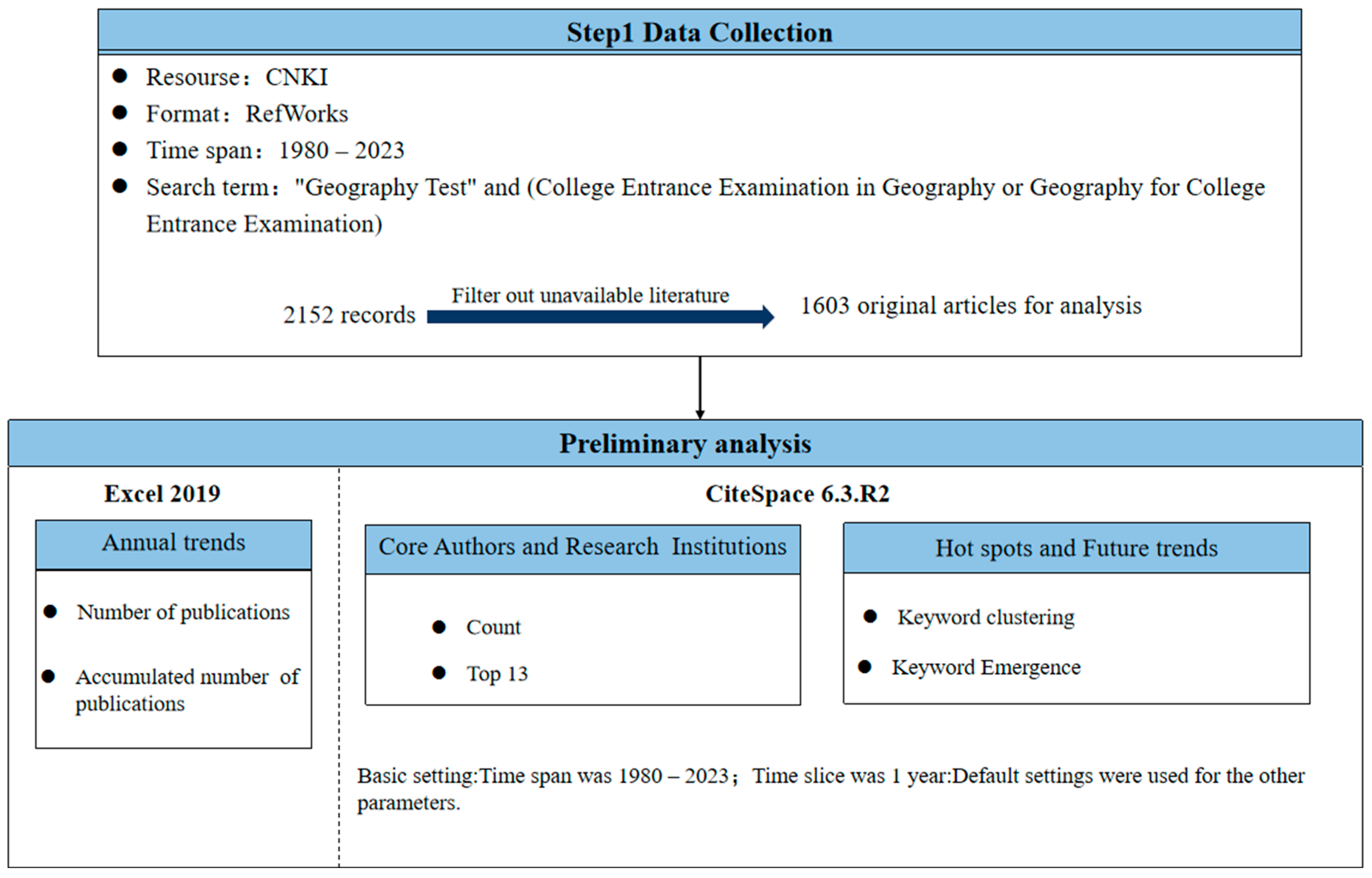
Figure 1. Working framework of this study.
Education 15 01423 g001
Figure 2. Geography assessment framework under the New CNEEU system.
Education 15 01423 g002
Figure 3. Annual and cumulative numbers of articles published from 1980 to 2023.
Education 15 01423 g003
Figure 4. The number of institutions publishing relevant literature in each province across China.
Education 15 01423 g004
Figure 5. Keywords with the strongest citation bursts (Gaokao = National Entrance Exam to Universities; Gaokao Geography = Geography for the National Entrance Exam to Universities).
Education 15 01423 g005
Figure 6. Key Assessment Points of Essential Knowledge in Geography.
Education 15 01423 g006
Figure 7. Question trends in Geography exams: a case study of Physical Geography.
Education 15 01423 g007
Table 1. List of the top contributing researchers and research institutions.
Number of PublicationsAuthorsInstitution
29Aihua LuLulong County High School, Hebei Province
17Shenzhong LiLinyi No.1 High School, Shandong Province
13Xiang WeiLinyi Education Science Research Center, Shandong Province
13Zhenfeng LiuYinan No. 2 High School, Shandong Province
11Ying ShaoEducation Bureau of Tangshan City, Hebei Province
11Wenyin ShiEducational Research Office of Tangshan City, Hebei Province
10Xiangqun KongFuning High School, Jiangsu Province
9Lixin ChenLiancheng No.2 High School, Fujian Province
9Heming DaiLiangyang High School, Yangjiang City, Guangdong Province
7Mingang RenSuixi High School, Anhui Province
7Yanan ZhangNational Education Examination Authority
7Guorong TangEducation and Teaching Research and Training Center, Nanxun District, Huzhou City, Zhejiang Province
7Baofang XuGeography Teaching Research Laboratory, Inner Mongolia Normal University
Table 2. List of classifications of research hotspots and core clusters.
Research AreaLog-Likelihood Ratio (LLR)Labels
#0Curriculum ReformGeography, College Entrance Examination, Test Questions, Curriculum Standards, ConsistencyAbility (Ability Intention, Ability Issues, Ability Structure, Learning Ability), Highlight Main Points, Content System, Textbooks, Connect Life, Classroom Teaching, Review, Preparation, Research, Atmospheric Movement, Geographical Perspective
#1College Entrance GeographyCollege Entrance Exam Geography, Analysis, Question Characteristics, Geographical Information, InfluenceExamination Content Reform, Test Questions (Comprehensive Test Questions, Test Evaluation, Original Test Questions, Question Setting, Comprehensive Questions), Review Method, Skills, Reflection, Teaching Guidance, Teachers, Scale, Ability Training, Value Pursuit
#2Geography Test QuestionsGeography Test Questions, Teaching Suggestions, National Papers, Main Characteristics, National PapersNew Curriculum Standards, Core Values, Thinking Levels, Dynamic Characteristics, Knowledge (Traditional Culture, Map Ability, International Understanding, Local Geography, Big Concepts, Earth Movement, Core Concepts), Question Setting (National Papers, College Entrance Exam Real Questions, Case Analysis, Content Selection, Question Setting Characteristics), Inspiration
#3Geography TeachingGeography Teaching, College Entrance Exam Questions, Strategies, Changes, High SchoolProblem-Solving Ability, Score, Content, Question Types, Comprehensive Review (Systematic Review), Ridge, Atmosphere, Valley, Development Process, Legend Analysis
#4New College Entrance ExaminationNew College Entrance Examination, Core Literacy, Key Abilities, Test Question Situations, College Entrance ExaminationPreparation (Inspiration, Preparation Strategies), Teaching Situations, Thinking (Geographical Thinking, Thinking Patterns, Three-Dimensional Goals), Question Setting Reform And Principles, Innovative Abilities, Subject Value, Application Strategies
#5Test Question AnalysisTest Question Analysis, Geography College Entrance Exam, Preparation Suggestions, Moral Education, Review SuggestionsMoral Education, Humanistic Care, Training Strategies, Basic Knowledge (Legend, Geological Landforms), Basic Skills, Test Paper Analysis (National Papers, Beijing Papers, Guangdong College Entrance Exam, Comprehensive College Entrance Exam, Inner Mongolia, Analysis and Evaluation), Suggestions (Preparation Suggestions, Review Suggestions, Teaching Guidance)
#6Review StrategiesStrategies, New Curriculum, Regional Geography, Geographical Location, SpaceGeographical Literacy, Tourism Geography, Innovative Thinking, Information Interpretation, Space (Geographical Location, Space Analysis), Review (Review Efficiency, Review Strategies, Effective Review, Review Preparation), New Curriculum, Existing Problems
#7Teaching InspirationsTeaching Inspirations, Academic Situations, Geographical Phenomena, Geographical Abilities, College Entrance Exam Geography Test QuestionsSituations (Academic Situations, Practical Situations, Situational Reconstruction), Rural Revitalization, Knowledge (Main Knowledge, Geographical Principles, Geographical Laws), Question Setting Characteristics, Change Laws (Explanation, Description, Problem Discussion, Ideas)
#8Geographical Core LiteracyComprehensive Thinking, Preparation Strategies, Regional Cognition, Geographical Practice Ability, Regional SelectionGeographical Process, Scale Thinking or Perspective, Human-Land (Human-Land Coordination, Human-Land Relationship, Human-Land Concept), Geographical Connection, Geographical Situations, Review Guidance, Local Comprehensive, Common Question Types
#9Key AbilitiesHigh School Geography, Micro-topic Geography Review, Interpretation MethodsMaps (Landscape Maps, Map Reading, Geographical Charts), Evidence-Based Thinking, Interpretation Methods, Subjective Questions, Question Setting Thinking, Geographical Review, Problem-Solving Skills, Sprint Stage, Geographical Flow, Effectiveness, Micro-Topic
#10InnovationInnovation, Transitional, Transfer, Geographical Problems, Geographical Boundaries
#14ValueIdeological Value, Aesthetic Taste, Educational Examination, Geographical education
Disclaimer/Publisher’s Note: The statements, opinions and data contained in all publications are solely those of the individual author(s) and contributor(s) and not of MDPI and/or the editor(s). MDPI and/or the editor(s) disclaim responsibility for any injury to people or property resulting from any ideas, methods, instructions or products referred to in the content.