Article

Inquiring in the Science Classroom by PBL: A Design-Based Research Study

by
Jorge Pozuelo-Muñoz
,
Ana de Echave Sanz
and
Esther Cascarosa Salillas
*
IUCA Research Institute and Beagle Research Group, Department of Specific Didactics, Faculty of Education, Universidad de Zaragoza, 50009 Zaragoza, Spain
*
Author to whom correspondence should be addressed.
Educ. Sci. 2025, 15(1), 53; https://doi.org/10.3390/educsci15010053

Submission received: 30 November 2024 / Revised: 30 December 2024 / Accepted: 2 January 2025 / Published: 8 January 2025

Abstract

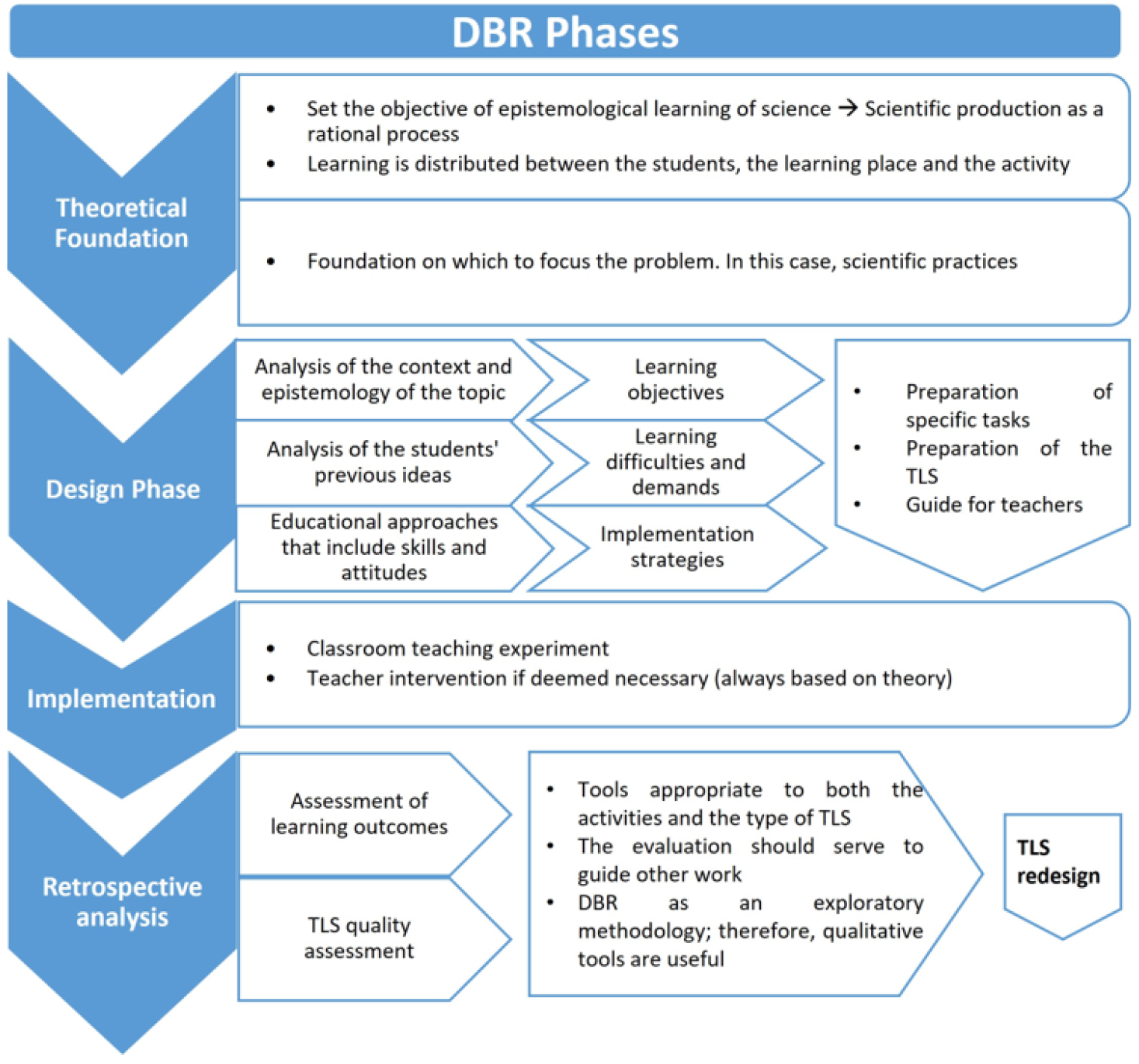
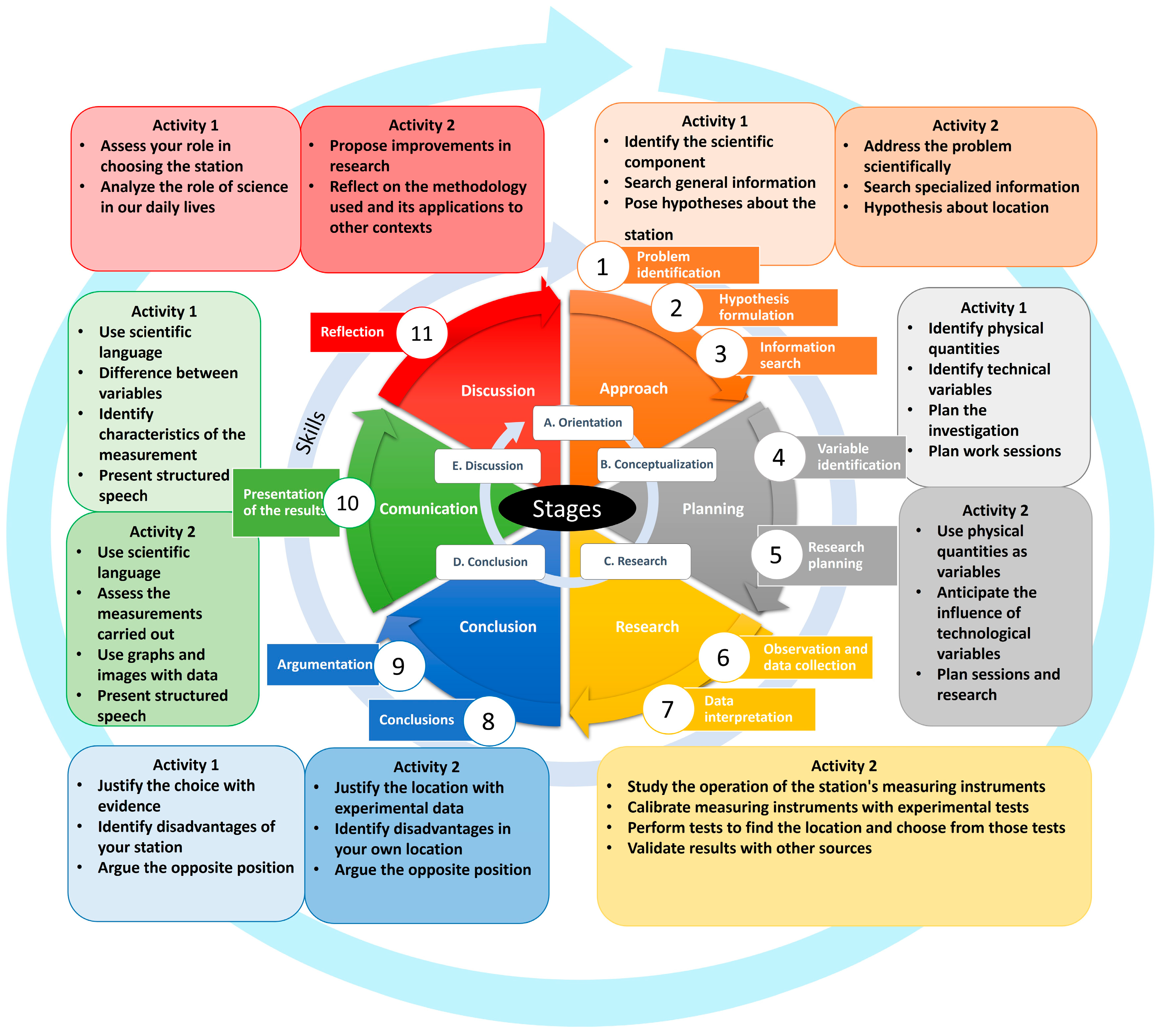
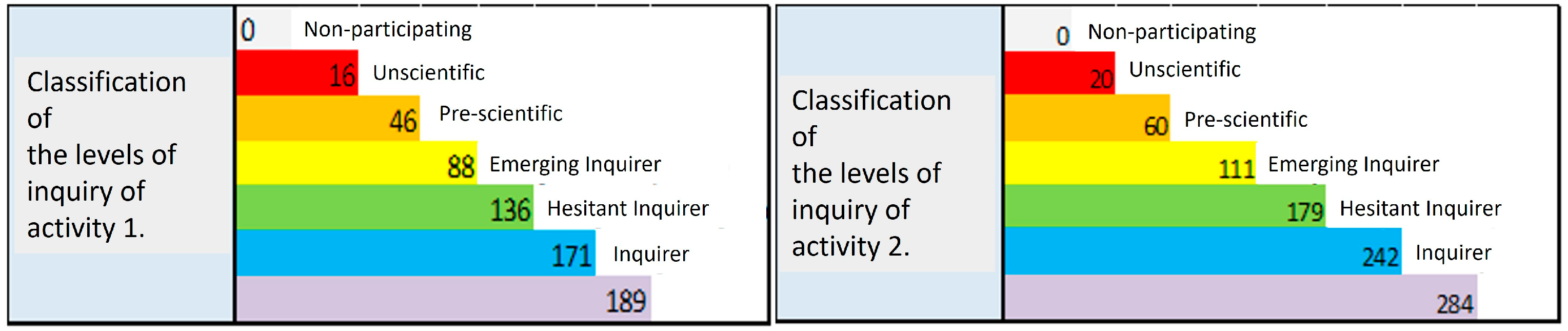
The aim of this study has been the design and evaluation of a sequence of activities that promotes the development of scientific skills in secondary school. For this purpose, design-based research was conducted using a problem-solving methodology to learn as a tool to engage in scientific inquiry practice. The research was structured around the design, implementation, and evaluation phases, with specific tools created to assess both student learning outcomes and the validity of the TLS. These tools helped identify the performance levels achieved by students in the various stages of scientific inquiry, from formulating hypotheses to interpreting data, and also allowed for the evaluation of the teaching methodology’s effectiveness. The results indicated that the TLS significantly enhanced students’ scientific competence by promoting skills related to scientific inquiry, such as hypothesis formulation, variable identification, observation, data collection, and interpretation. Additionally, the use of a weather station as the central topic provided a context closely tied to the students’ local environment, which facilitated deeper engagement and understanding. The evaluation revealed that students progressed in their scientific inquiry skills, moving from “pre-scientific” to “uncertain inquirer” performance levels. While challenges such as initial disorientation and difficulties in representing experimental data were observed, the overall performance of students demonstrated the success of the TLS. Furthermore, the students worked collaboratively, contributing their individual skills and experiences to achieve group goals. This study provides valuable insights into the potential of TLS as an alternative to traditional teaching methods, offering an innovative way to assess and enhance students’ scientific skills. It also highlights the importance of teacher guidance in inquiry-based activities and suggests that future projects could benefit from allowing students to choose the topic, further enhancing their motivation and engagement.
Keywords: PBL; DBR; sequence of activities; inquiry; assessment; secondary education PBL; DBR; sequence of activities; inquiry; assessment; secondary education