Review

VR Gaming for Meta-Skills Training in Special Education: The Role of Metacognition, Motivations, and Emotional Intelligence


by
Eleni Mitsea
1,2,
Athanasios Drigas
1,* and
Charalabos Skianis
2
1
Net Media Lab & Mind & Brain R&D, Institute of Informatics & Telecommunications, National Centre of Scientific Research ‘Demokritos’ Athens, 15341 Agia Paraskevi, Greece
2
Department of Information and Communication Systems Engineering, University of Aegean, 82300 Mytilene, Greece
*
Author to whom correspondence should be addressed.
Educ. Sci. 2023, 13(7), 639; https://doi.org/10.3390/educsci13070639

Submission received: 20 April 2023 / Revised: 11 June 2023 / Accepted: 20 June 2023 / Published: 22 June 2023

Abstract

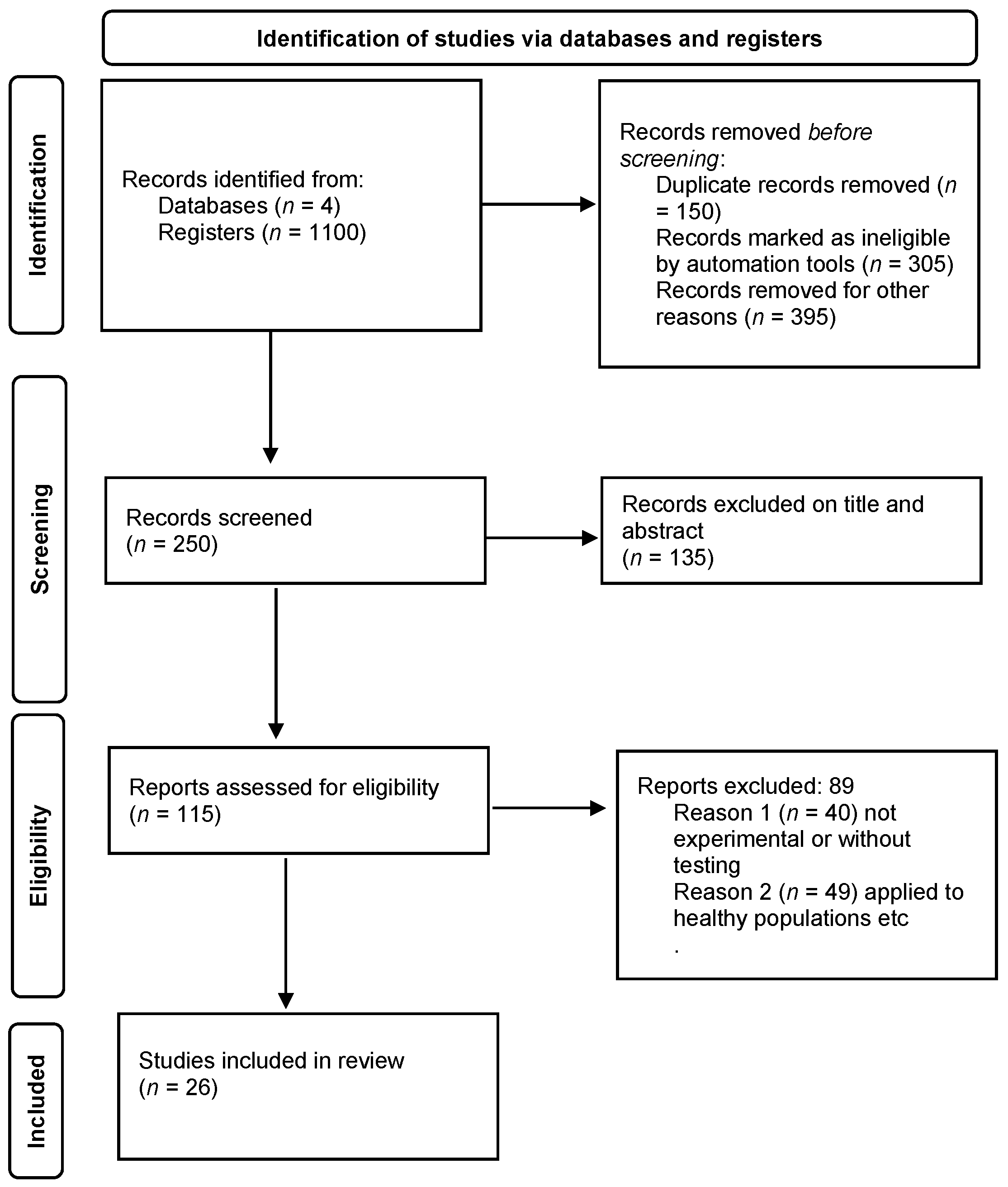
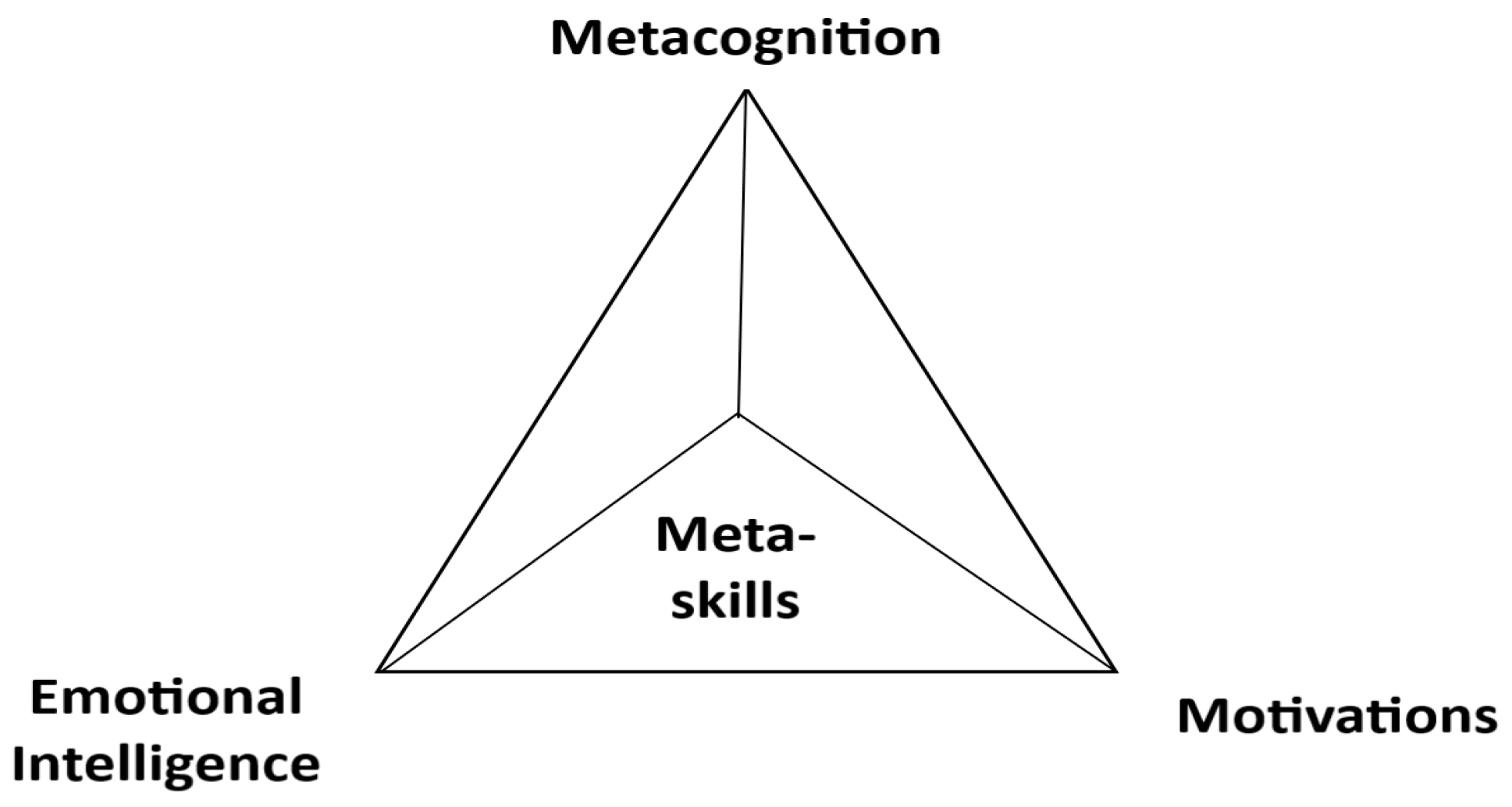
Inclusion, equality, and well-being for all, especially for people with special needs and disabilities, is globally recognized as a priority. At the same time, there is an urgent need to create digital training environments for people with special educational needs and disabilities (SEND). Virtual reality (VR) and gaming technologies have entered the race at full speed for skills training. Despite significant research on each of these technologies, there is still limited knowledge about the effectiveness of virtual reality games (VRGs) in targeted groups such as those with SEND. Thus, the current systematic review paper aims to investigate the effectiveness of gaming in virtual reality as an intervention strategy for meta-skills training among people with neurodevelopmental, cognitive disorders, and learning difficulties. The PRISMA 2020 methodology was used to respond to the objective and research questions. This study also emphasizes the mediating role of motivations, metacognition, and emotional intelligence as important assets for meta-skills development. The database search generated 1100 records, and 26 studies met the inclusion criteria. This study concludes that VRGs have the potential to support people with SEND in terms of raising motivation and developing metacognitive skills, as well as in developing the emotional intelligence skills needed for inclusion, accomplishment, an independent life, and personal well-being. As was observed, VRGs provided the subjects with positive experiences, allowing them to internalize motivations and—with less effort—develop self-motivated, self-regulated, and flexible behaviors.
Keywords: virtual reality gaming; special educational needs and disabilities; meta-skills training; behavioral adaptability; metacognition; motivations; emotional intelligence; self-regulation; adaptation; self-awareness; empathy; autonomy; well-being virtual reality gaming; special educational needs and disabilities; meta-skills training; behavioral adaptability; metacognition; motivations; emotional intelligence; self-regulation; adaptation; self-awareness; empathy; autonomy; well-being