Article

Talking Together: The Effects of Traditional Māori Pedagogy on Children’s Early Literacy Development

School of Education, University of Waikato, Tauranga 3110, New Zealand
Educ. Sci. 2023, 13(2), 207; https://doi.org/10.3390/educsci13020207

Submission received: 26 October 2022 / Revised: 2 February 2023 / Accepted: 8 February 2023 / Published: 15 February 2023
(This article belongs to the Special Issue The Role of the Arts in Early Language and Literacy Development)

Abstract

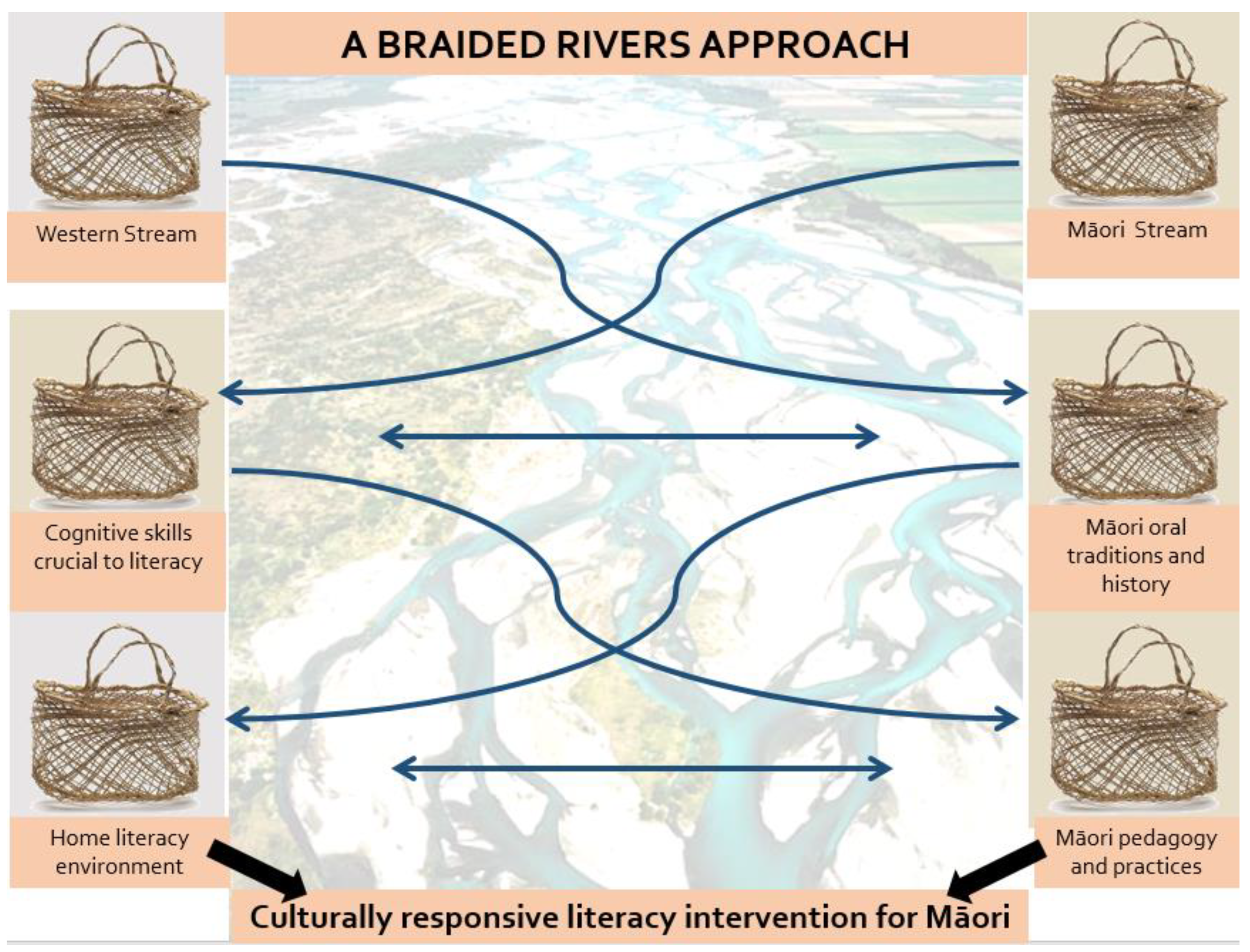
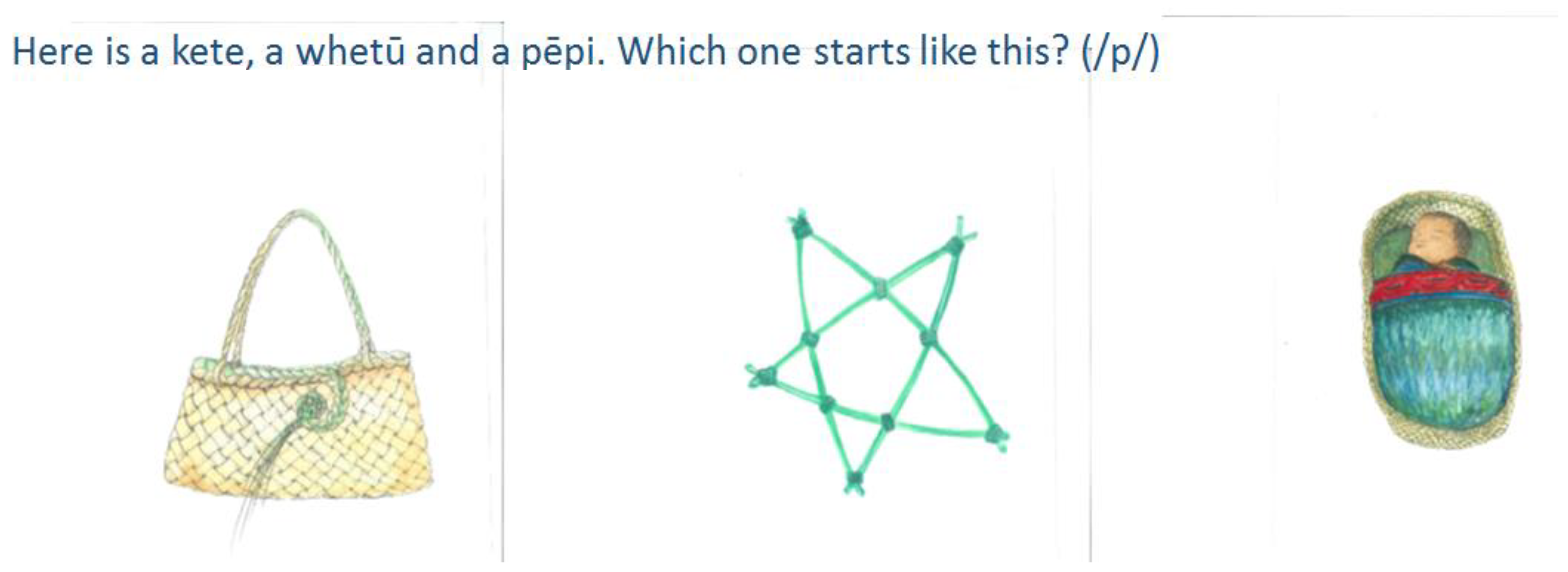
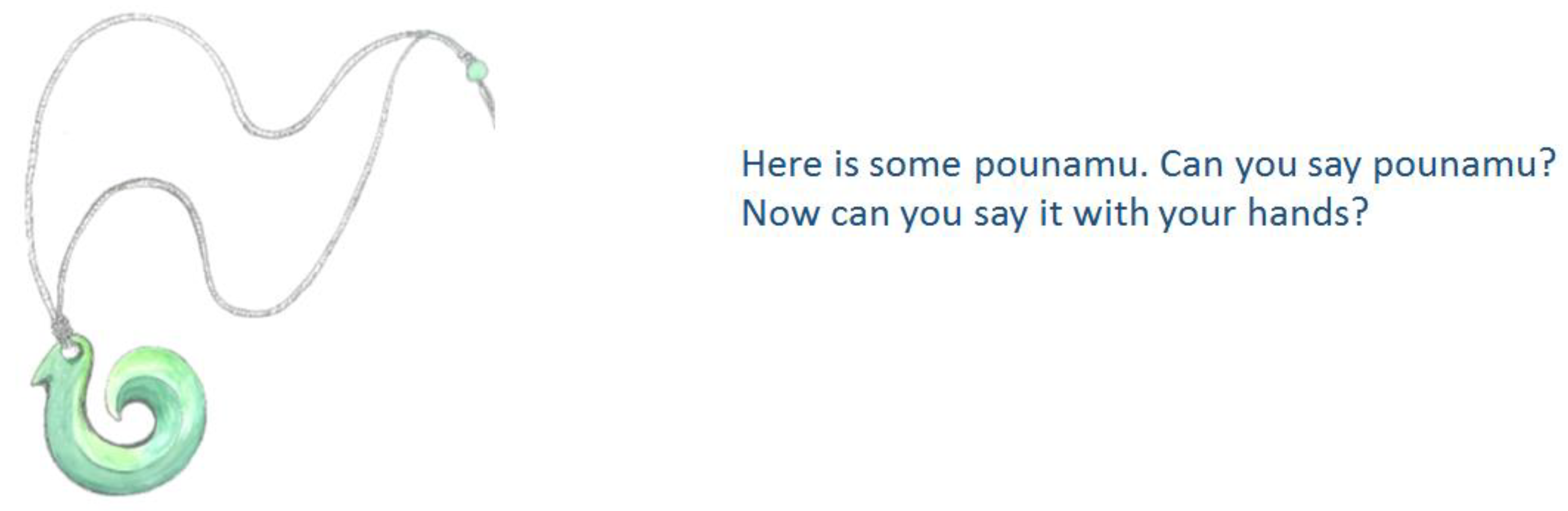
This article presents findings from a project that sought to determine the effects of a home-based literacy intervention on bilingual (English and Te Reo Māori) preschool children’s early literacy skills. The culturally responsive intervention, which was adapted from Tender Shoots, incorporated traditional Māori teaching and learning approaches, such as the use of storytelling, songs, games, and reminiscing about the past, as practices for supporting key cognitive skills crucial to foundational literacy, specifically phonological awareness and vocabulary knowledge. Over a 12-week period, during which the intervention was conducted, data were gathered from eight Māori preschool children and their families. The study utilised a crossover design. Four children and their families participated in the Rich Reading and Reminiscing (RRR) component of the intervention, which ran for six weeks, followed by the Strengthening Sound Sensitivity (SSS) portion of the intervention. The remaining four children completed the intervention in the reverse order of delivery. The crossover approach established a control in the study and allowed the effects of each part of the intervention on the aforementioned cognitive skills to be more clearly revealed. Overall, the data indicate that traditional Māori pedagogical practices helped to strengthen the early literacy skills of the children participating in the study.
Keywords: literacy; early years; Māori; oral traditions; Indigenous pedagogy; phonological awareness; vocabulary knowledge literacy; early years; Māori; oral traditions; Indigenous pedagogy; phonological awareness; vocabulary knowledge