Article

Many-Dimensional Model of Adolescent School Enjoyment: A Test Using Machine Learning from Behavioral and Social-Emotional Problems


1
Learning Sciences and Assessment Academic Group, National Institute of Education, Nanyang Technological University, Singapore 637616, Singapore
2
Psychology and Child & Human Development Academic Group, National Institute of Education, Nanyang Technological University, Singapore 637616, Singapore
*
Author to whom correspondence should be addressed.
Educ. Sci. 2023, 13(11), 1103; https://doi.org/10.3390/educsci13111103

Submission received: 28 September 2023 / Revised: 27 October 2023 / Accepted: 31 October 2023 / Published: 1 November 2023

Abstract

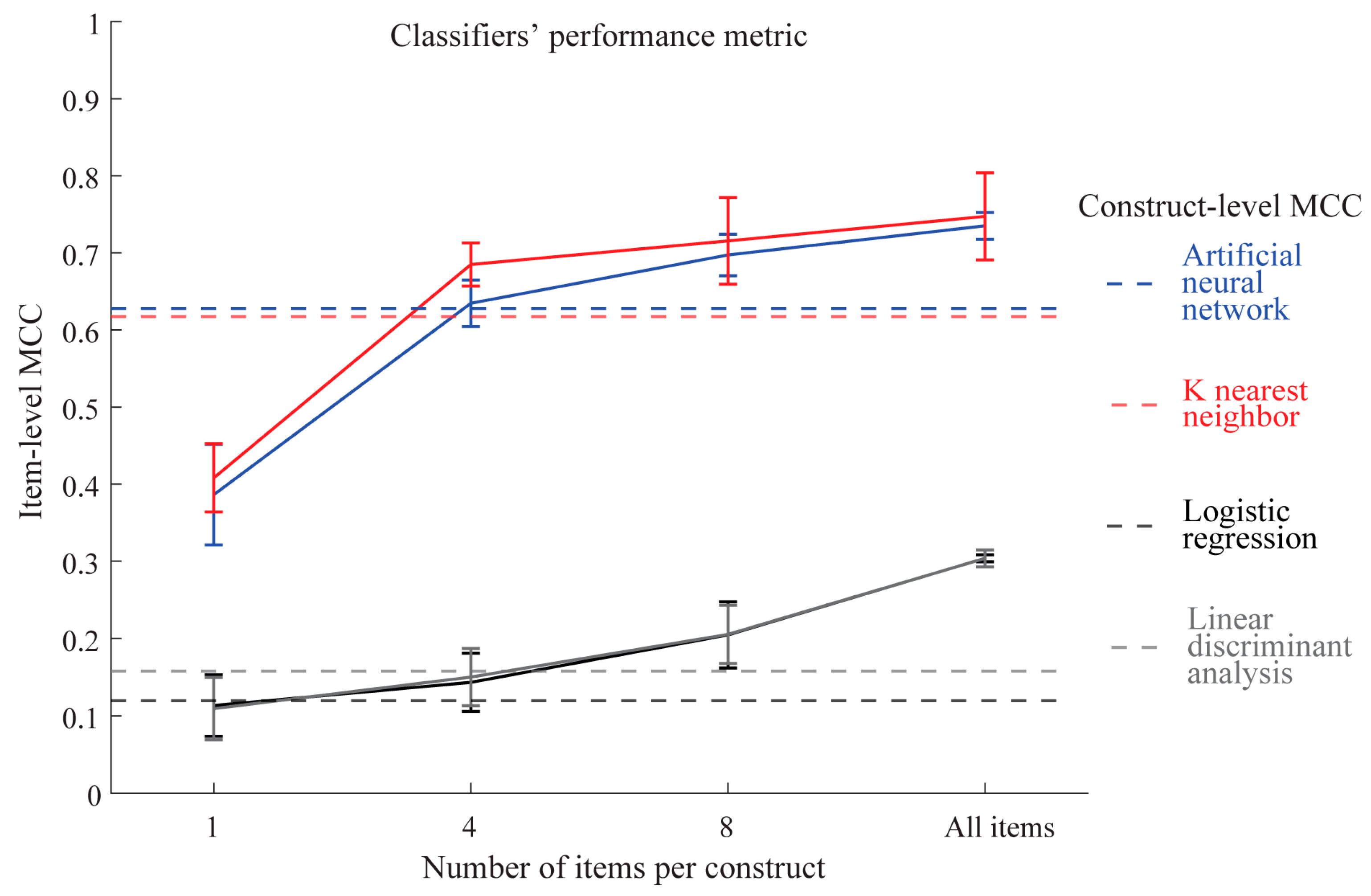
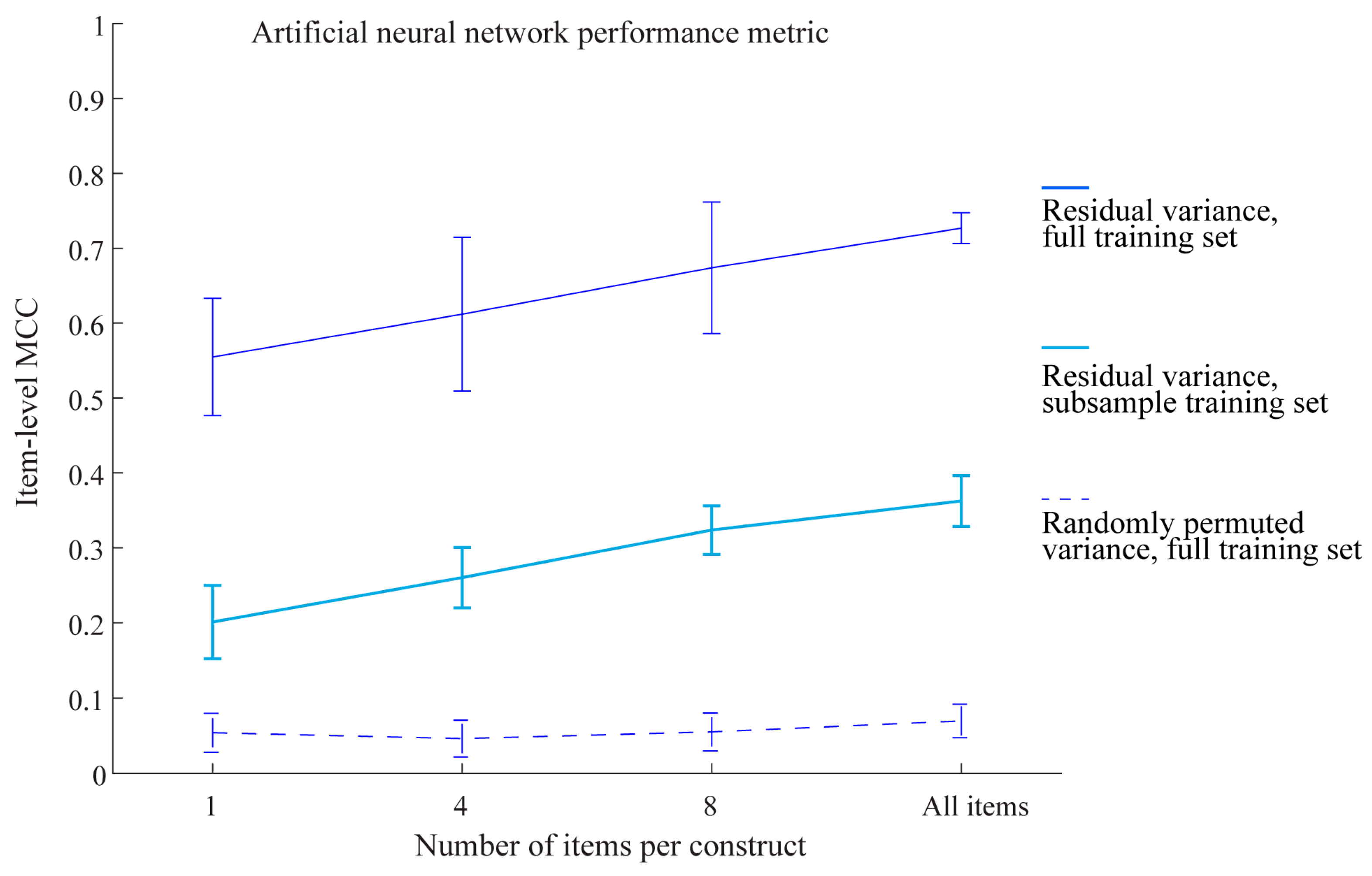
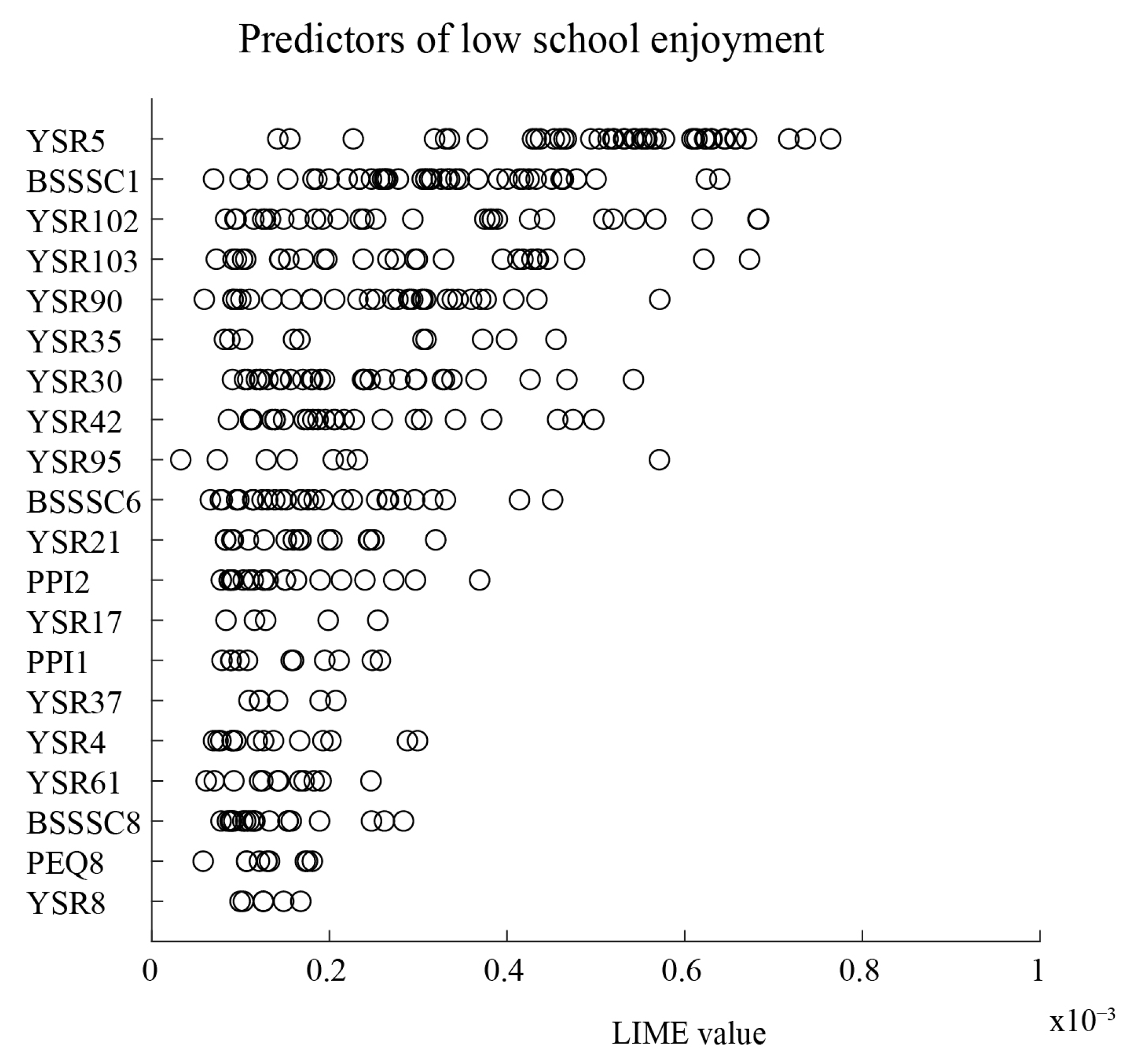
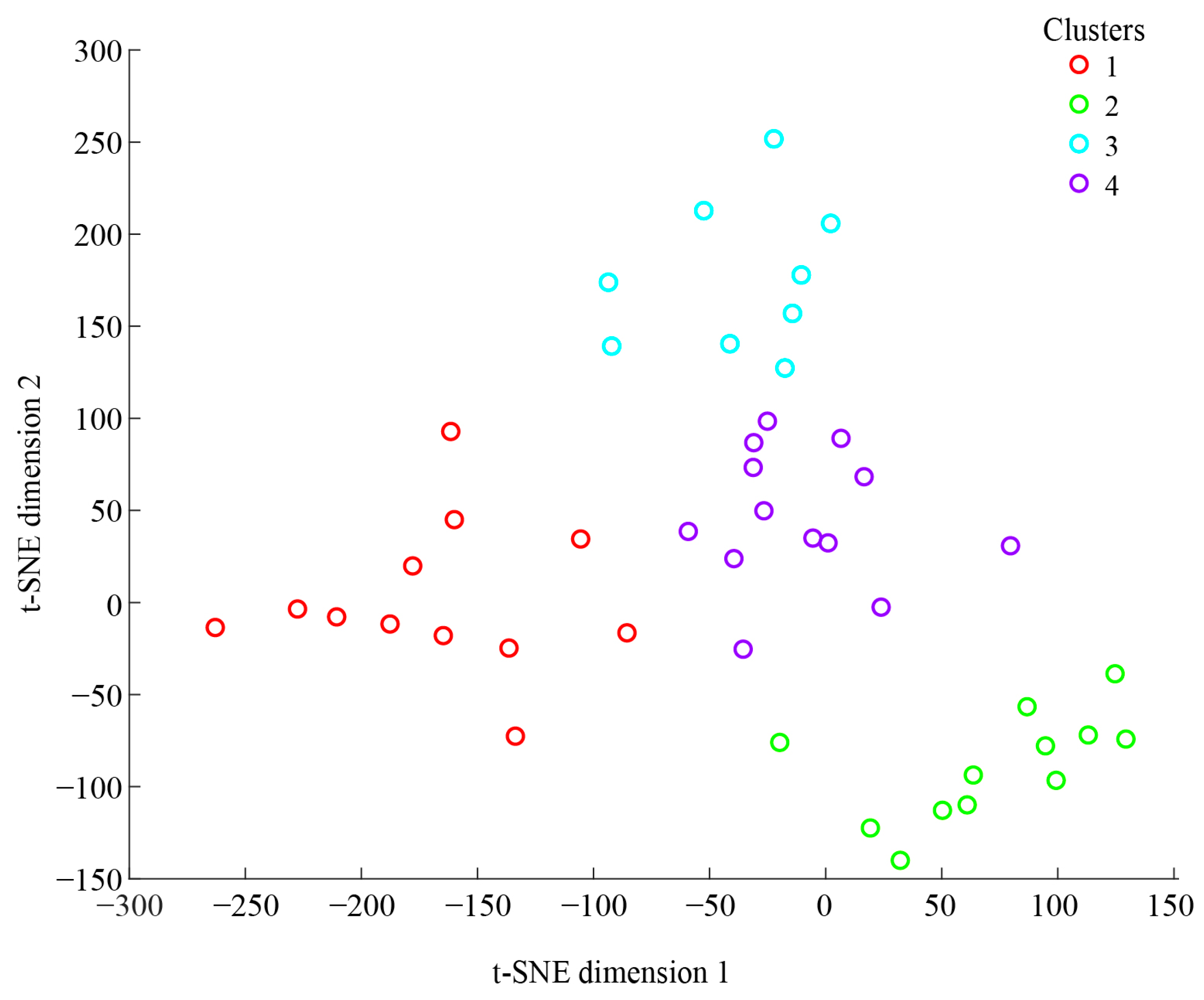
There is an emerging, many-dimensional model of human functioning that has yet to be rigorously tested in adolescent psychopathology. The model is based, in part, on research suggesting stronger predictive power at the level of single items compared to the commonly used smaller number of higher-level constructs represented by scores or factors. Here, the model is tested in research relevant for the understanding how psychopathology relates to adolescent school enjoyment. We compared, explained, and clustered machine learning model results from a set of 99 self-reported items from different instruments that measured the behavioral and social-emotional problems of adolescents to predict school enjoyment. There is support for a many-dimensional model. Individual items had unique variances beyond noise that incrementally added out-of-sample predictive power above construct-level prediction, particularly for nonlinear machine learning classifiers. Explainable machine learning uncovered important predictors of low school enjoyment, and these were specific nuances of withdrawn/depressive behaviors, elevated fears and anxieties, lowered sensation-seeking, and some conduct problems—what we term risk nuances (cf. risk factors). Clustering further identified shared risk nuances among different groups of individuals with low school enjoyment. Our results suggest that item nuances are important in revealing many ways in which adolescents’ behavioral and social-emotional problems relate to school enjoyment at the individual and group levels. A many-dimensional model can complement current descriptive, predictive, and intervention efforts in adolescent psychopathology.
Keywords: adolescents; behavioral problems; machine learning; psychopathology; school enjoyment; social-emotional problems adolescents; behavioral problems; machine learning; psychopathology; school enjoyment; social-emotional problems