


Abstract
In Morocco, the increasing public expenditure on essential sectors, such as education, does not always lead to improved outcomes, highlighting a significant gap between resource allocation and quality enhancement. This study examines the efficiency of public expenditure in education, health, and infrastructure from 1990 to 2022, employing a robust Data Envelopment Analysis (DEA) approach supplemented by bootstrap regression techniques. Our analysis reveals considerable inefficiencies, particularly in education, where higher expenditures have not consistently resulted in greater efficiency. This underscores the importance of prioritising quality, effective management, and optimal resource utilisation alongside budget increases. By integrating DEA with bootstrap methods, we provide more reliable efficiency estimates and identify key economic factors, such as inflation, urbanisation, corruption, and political stability that influence the performance of public expenditure. These findings offer valuable insights for policymakers aiming to optimise resource use and enhance the effectiveness of public expenditure within Morocco’s broader development strategy.
JEL Classification:
H50; I10; I20; C14; O10
1. Introduction
One of the primary responsibilities of governments is to ensure that their citizens have access to a variety of essential public goods and services through public expenditure. However, budgetary constraints often limit the potential for increasing social spending. The level of public expenditure is undoubtedly linked to a country’s available resources, as fluctuations in fiscal revenues directly impact the amount of funding allocated for these purposes (Barr, 2012).
In this regard, it is anticipated that more efficient public interventions will alleviate budgetary constraints by delivering the same results with fewer resources or enhancing the outcomes of existing investments (Gupta et al., 2001).
An effective use of resources guarantees equitable access to quality education and plays a vital role in driving economic growth, reducing poverty, and fostering the development of more just and equitable societies. When it comes to health, efficient social spending ensures that everyone has access to high-quality medical care, aids in disease prevention, and enhances the overall health of the population. A healthier population is not only more productive but also possesses greater potential for social and economic development.
In the literature, efficiency is commonly defined as the ability to achieve greater outcomes with fewer resources. Farrell (1957) conceptualizes efficiency as a process of maximizing outputs, while minimizing inputs, without compromising the quality. Similarly, Afonso et al. (2005) describe efficiency as a way of “doing more with less,” emphasizing the optimization of public service provision through the effective use of limited resources. Despite this conceptual clarity, achieving efficiency in public spending remains a complex challenge. Governments often face constraints such as limited financial resources, corruption, bureaucratic inefficiencies, and weak coordination between institutions and levels of government, all of which hinder the optimal allocation of resources and the effective implementation of social policies and programs.
In Morocco, public spending plays a pivotal role in shaping the nation’s socioeconomic development and addressing regional and social disparities. As a lower-middle-income country undergoing demographic transition and urbanisation, Morocco allocates a significant portion of its budget to crucial sectors such as education, health, and infrastructure areas that are essential for fostering human capital and promoting inclusive growth.1 Over the past two decades, the government has initiated several ambitious public programs, including the National Initiative for Human Development (INDH), the Generalisation of Social Protection, and various sectoral strategies in education and health—efforts that require substantial financial resources. However, despite these initiatives, structural challenges persist, including limited quality of public services, spatial inequalities, and relatively weak outcomes in relation to expenditure levels. This situation raises important questions regarding the efficiency and effectiveness of public expenditure in transforming allocated resources into measurable social outcomes.
Morocco serves as a highly pertinent case study, particularly in light of its ongoing fiscal reforms and institutional modernisation. In recent years, the government has made significant commitments to enhance public finance management through the implementation of the Organic Law on the Finance Act (LOF), the expansion of results-based budgeting, and an increasing focus on performance evaluation (Ministry of Economy and Finance Morocco, 2024). These reforms are occurring amid fiscal pressures, rising debt, and heightened social demands, particularly in the aftermath of the COVID-19 pandemic. Furthermore, the New Development Model (2021) offers a strategic framework that explicitly advocates for a more efficient and equitable allocation of public resources to foster structural transformation and social cohesion (Cardarelli & Koranchelian, 2023). Consequently, assessing the efficiency of Moroccan public spending is not only timely but also crucial for guiding evidence-based policymaking and ensuring that public expenditure achieves the maximum impact within the budget constraints.
The non-parametric approach known as Data Envelopment Analysis (DEA) is widely used to estimate the efficiency score of public expenditure. Several empirical studies such as Afonso et al. (2024), Gunnarsson et al. (2007) and Sikayena et al. (2022) examined the relationship between public spending efficiency and its determinants. Yet, the literature presents divergent perspectives on this relationship. These discrepancies may be explained by multiple factors, including the use of different covariates, countries, and econometric methodologies. Despite the growing body of research, studies that comprehensively analyse the efficiency of the three key sectors of education, health, and infrastructure remain limited. To our knowledge, only Ouertani et al. (2018) have examined these three sectors simultaneously for Saudi Arabia. In Morocco, although public expenditure in education, health, and infrastructure has expanded over time, its internal composition reveals important constraints on efficiency performance.
Figure 1 shows that education and health expenditures are consistently dominated by current spending, largely reflecting wages and recurrent operating costs, which tend to generate slow and diffuse returns in efficiency indicators (Gupta et al., 2001; Herrera & Pang, 2005). In contrast, infrastructure spending is concentrated on capital spending, consistent with Moroccan investment politics for this sector. However, the persistence of efficiency gaps suggests that capital accumulation alone is insufficient without adequate project selection, institutional capacity, and governance quality (Estache, 2010). These structural patterns help explain that public expenditure efficiency depends not only on expenditure levels, but also on the balance between current and capital allocations and their interaction with institutional conditions.
Figure 1.
Breakdown of public expenditure current and capital spending by sector. Source: Authors’ calculations.
Figure 2 shows that public expenditure favours education for long-term human capital, but disproportionately lower funding for health and infrastructure hinders overall economic efficiency, as these sectors are interdependent, say studies like Baldacci et al. (2008). To maximize development outcomes, budget strategies must tend to balance more these sectors, not just increase public expenditure.
Figure 2.
Morocco public expenditure by sector in % of total public expenditure. Source: Authors’ calculations.
This study contributes to the literature on public spending efficiency along both conceptual and empirical dimensions. Conceptually, it advances efficiency analysis by adopting an integrated framework that jointly examines three: sectors, education, health, and infrastructure, whose interactions are central to long-term development outcomes but are rarely analysed simultaneously. Empirically, it provides a country-specific and long-run assessment of public expenditure efficiency in Morocco over the period 1990–2022. This allows the capture of sectoral dynamics and adopted reforms’ impacts. Beyond the estimation of efficiency scores, the study investigates the sources of technical inefficiency through a two-stage DEA–bootstrap approach, which enables the identification of institutional, macroeconomic, and demographic factors shaping performance.
The remainder of this study is structured as follows: The next section provides a review of the existing literature. This is followed by an introduction to the DEA model, which is utilised to assess the efficiency of public spending. Subsequently, we identify the input and output factors necessary for the model and discuss the findings of sectoral efficiency scores as well as the determinants of public expenditure efficiency. Finally, we present the conclusions and managerial implications of our study.
2. Literature Review
Since the beginning of the 1980s, efficiency analysis has been a key tool in assessing different public expenditures in different sectors such as health, education, and infrastructure. The amount of research has increased during the last two decades.
The framework of public expenditure efficiency is based on the Keynes (1937) economic thought, especially in the context of African economies, where both theoretical and empirical literature suggest a positive relationship between government expenditure and the population’s well-being. Wagner’s law (Wagner, 1890) also states that there is an endogenous relationship between economic growth and public expenditure, and we can have social progress with both.
To improve population well-being, education, health, and infrastructure are crucial sectors at all levels; these sectors are also important for the economy and development in all countries. There is evidence that these sectors are positively related to economic growth (Barro, 1991). Many governments allocate significant budgets to these sectors to stimulate short and long-term economic growth. Hence, it is important to study their efficiency.
The literature has studied and evaluated public expenditure efficiency, using and applying parametric and non-parametric methods. The wide and common parametric approach is the stochastic frontier analysis (SFA), whereas Free Disposal Hull (FDH) and Data Envelopment Analysis (DEA) are the non-parametric approaches mostly employed by researchers to study efficiency.
One of the most important articles on efficiency was published by Afonso and Aubyn (2005). The authors studied the efficiency of public expenditure on education and health in OECD countries; they used both non-parametric FDH and DEA methodologies. The results showed that there are efficient countries regardless of the method used and the sector studied, health or education. The study also proved that efficiency scores indicate potential resource savings in less efficient countries.
In another article, Afonso et al. (2024) demonstrate that higher public sector efficiency measured via Data Envelopment Analysis (DEA) across OECD countries is positively associated with greater citizen trust in government. This highlights the importance of efficiency for both fiscal sustainability and institutional trust. In a related context, Mercadier et al. (2024) studied the long-term care (LTC) spending efficiency, a major fiscal challenge for OECD nations. Their study, used DEA and Tobit regression, revealing an average efficiency of 94% with modest growth. They also stated that technical inefficiencies are more persistent in unitary states, whereas federal systems show greater improvement over time. The authors recommend decentralization reforms that strengthen accountability and competition within the LTC sector.
Previous studies have examined the efficiency of public spending in the education and health sectors across different country groups. Gunnarsson et al. (2007), analysing G7 countries relative to an OECD benchmark, show that several advanced economies including France, Germany, the UK, and the US rank in the lower quartiles of efficiency, mainly due to ineffective resource use rather than insufficient spending. Their findings highlight sectoral heterogeneity, with education efficiency declining as functional expenditures rise, while health efficiency improves with increased medical staffing, highlighting the role of institutional and allocation factors. Extending the analysis to middle-income countries, Khan et al. (2019) find that none of the 42 countries studied achieved full efficiency in meeting MDG targets, reflecting a dual challenge of limited funding and suboptimal resource use. Using a DEA–bootstrap approach, Ouertani et al. (2018) report similar inefficiencies in Saudi Arabia, showing that performance gains in education, health, and infrastructure could be achieved without additional spending, while unemployment and monetary conditions negatively affect efficiency. Likewise, Mohanty and Bhanumurthy (2021) document higher efficiency in education than in health across Indian regions and emphasize the dominant role of governance quality over economic growth. Collectively, these studies suggest that public spending efficiency is driven less by expenditure levels than by institutional quality, governance, and resource allocation mechanisms.
Recent studies highlight persistent inefficiencies in public spending across African countries. Using DEA and DEA bootstrapping, Sikayena et al. (2022) find that public expenditures on education and health are generally inefficient, with health spending outperforming education, and identify institutional quality, economic growth, government size, foreign direct investment, and trade openness as key drivers of efficiency. Complementing this evidence, (Adegboye & Akinyele, 2022), applying stochastic frontier analysis and a true fixed effects model for 40 African countries over 2000–2020, show that despite substantial public spending and natural resource endowments, efficiency remains low due to weak institutional and resource management frameworks, while well-managed natural resources and stronger institutions can significantly enhance spending efficiency.
The efficiency of infrastructure expenditures is a key determinant of economic growth. Schaffer and Siegele (2009) compared Austrian and German regions, and stated that despite investments across all regions, efficiency varies considerably. Their findings suggest that while infrastructure investment is necessary to expand regional production capacity, it does not automatically translate into higher economic growth. Similarly, Lesik et al. (2020) employed the same method to assess infrastructure development efficiency in Ukraine, incorporating both production capacity and social dimensions. Their results reveal regional disparities, with 21 out of 24 regions identified as inefficient, often due to outdated technology and low demand. In the African context, Adedeji et al. (2024) analysed service delivery efficiency across South African municipalities using a partial frontier efficiency approach and found significant efficiency differences, with smaller municipalities outperforming larger ones. These studies highlighted the fact that infrastructure efficiency is influenced by resource allocation and system performance, and that infrastructure investment alone does not guarantee improved economic growth or societal well-being (Calderón & Servén, 2010).
Most of the empirical research on efficiency focuses mainly on education and health. However, there are only few studies that focus on public expenditure efficiency in the case of developing countries. Furthermore, most efficiency studies focused principally on measuring public expenditures in the case of cross-country-level and/or panel data, with a limited number of studies conducting long time series analysis.
Several studies assessed the efficiency of public expenditures; there are some discrepancies regarding the signs and magnitude of the DEA environmental variable, and this is mainly due to the number of variables, periods, and timespans used in the modelling process (panel data or cross-section data). Beyond measuring efficiency, some studies have employed a second-stage analytical framework to examine the factors influencing the determinants of public expenditure efficiency across the world (for this section’s studies synthesis, see Appendix A, Table A1).
A few authors worked on Africa—Fonchamnyo and Sama (2016), Akinyele et al. (2025), Sikayena et al. (2022), and Adegboye and Akinyele (2022). Due to the limited availability of data for Morocco, the country has not been included in panel studies analysing African countries, especially in the two-stage analysis article. Therefore, in this study, we decided to focus on Morocco, applying a two-stage analysis. In the first stage we evaluate the efficiency of Morocco’s public expenditure in the sectors of education, health, and infrastructure from 1990 to 2022, employing a non-parametric Data Envelopment Analysis (DEA) approach. Then, in the second stage, we investigate the determinants of technical inefficiency using a truncated regression model.
3. Methodology
3.1. Data Envelopment Analysis (DEA)
Efficiency is understood as achieving the greatest possible outcome using a given number of resources. To empirically measure this concept, several methodologies have been developed, oriented towards estimating or calculating production frontiers. These techniques can be classified into stochastic and deterministic approaches. The literature on evaluating the efficiency of public spending frequently employs the deterministic method known as Data Envelopment Analysis (DEA), which is also utilized in this document and explained below.
The Data Envelopment Analysis (DEA) methodology, developed by Charnes et al. (1978), is designed to evaluate the performance of public and non-profit institutions. It has since been widely applied in fields such as Business Administration and Economics. This technique fundamentally analyses the relationship between the outputs produced and the inputs (or resources) utilized by various units to determine which ones demonstrate optimal performance. It also assesses the relative efficiency of the remaining units by solving a linear programming problem (Figure 1). Moreover, DEA identifies the ideal combination of efficient inputs that each evaluated unit should utilize, thereby highlighting potential resource savings that could be achieved through this revised allocation.
In this study, we employ the Data Envelopment Analysis (DEA) method to evaluate input and output efficiency scores, in conjunction with the Production Frontier Technique (Afonso et al., 2005).
Furthermore, this concept is articulated as the highest attainable performance in the provision of social goods (such as health and education), corresponding to a specific level of relevant public expenditure, and it is expressed through the following function (Tanzi & Schuknecht, 2000):
where is a composite of social indicators measurement (output); Xi is the relevant expenditure measurement (input). If then we conclude that inputs are efficiently used, and vice versa: if then it is a case of inefficiencies in the use of inputs.
Although efficiency scores are computed annually, they reflect cumulative outcomes of past public investment rather than short-term fluctuations. The outputs considered evolve slowly over time, implying that the estimated efficiency levels capture long-term structural performance.
Following the methodology applied by Sikayena et al. (2022), we consider two mathematical approaches for the compilation of DEA methodology, the input-oriented approach and the output-oriented approach (Charnes et al., 1978). Kazemi (2016) states that, to specify the input- and output-oriented approach, it is assumed that there are comparative units. Each comparative unit uses inputs to produce outputs. If is the input matrix and Y is the output matrix for all comparative units, then is a vector input column and is a vector output column for all comparative units.
| Data Envelopment Analysis (DEA) | |
| Output-oriented | Input-oriented |
In Equations (2) and (3) is scalar, while explicitly implies the efficiency of the outcome and complies with the assumption . According to Farrell (1957), calculates the distance between the units of comparison along the efficiency frontier. If then the comparison unit is efficient; in contrast, if , the comparison unit is inefficient. On the other hand, is defined as a vector of constants that calculates the weight used to compile the location of an inefficient comparative unit. While the constraint enforces the convexity frontier by accounting for variable returns (VRS) in DEA analysis (Figure 3), removing this constraint allows for the assumption of constant returns (CRS; Afonso et al., 2005).
Figure 3.
DEA Production Frontier Technique. Source: (adapted from Kazemi, 2016).
3.2. Simar and Wilson DEA Bootstrapping Method
Our aim extended beyond simply estimating the efficiency scores of sectoral public expenditures; we also sought to explore the factors potentially influencing these outcomes. To that end, we carried out a second-stage analysis, treating the previously derived efficiency scores as dependent variables within a regression framework. Given that these scores are not directly observable and are bounded at one, we adopted a bootstrap truncated regression approach, following the methodology proposed by Simar and Wilson (2007) and applied in prior research by Ouertani et al. (2018). This method ensures statistically reliable coefficient estimates and valid confidence intervals. In order to provide quantitative evidence on the direction and strength of the links between the technical efficiency, obtained earlier, and the set of possible determinants, we fit the following equation, which corresponds to Equation (4):
where t denotes the time period, is a matrix of potential determinants of efficiency scores (), and is an error term. The basic specification (Equation (4)), when enriched by other covariates, has the following form:
where is the government expenditure reported to GDP is used to proxy for the size of the public sector in this study. Economic growth (GDP_pcg) shows the annual percentage growth rate of GDP per capita based on constant local currency. Inflation, as measured by the annual GDP deflator in percentage, reflects the annual percentage change in the overall price level of all final goods and services produced within an economy. Total natural resources rents are in percentage of GDP (Rent). Additive governance indicators (control of corruption, political stability, and rule of law) are considered to control for the institutional quality variable. These variables measure the extent to which a country’s policy and institutional frameworks can ensure efficient allocation of resources. Urbanization rate is expressed as the proportion of population living in urban areas (Urban), to check for the effect of agents clustering on efficiency (Herrera & Ouedraogo, 2018). Trade openness (Openness) shows exports and imports as a share of GDP. Foreign Direct Investment (FDI) reflects the net inflows of investment to acquire a lasting management interest of 10% or more of voting stock in an enterprise operating in an economy other than that of the investor. Labour productivity (LAB) is expressed as labour force participation rate for ages 15+.
The selection of independent variables was primarily guided by our broader interest in identifying factors that may influence sectoral public expenditure technical efficiency, as well as by the availability of relevant data.
Several robustness checks were performed to verify the stability of the efficiency estimates. First, efficiency scores were calculated under both CRS and VRS assumptions to distinguish scale inefficiency from pure technical inefficiency. Second, sectoral DEA results were compared with an overall multi-output DEA model to evaluate sensitivity to model specification and aggregation. Third, efficiency scores were bias-corrected using the Simar and Wilson (2007) bootstrap procedure.
3.3. Data
- ▪
- Source of data and period selection
The period between 1990 and 20222 was selected to analyse the long-run evolution of public expenditure efficiency. This timespan was chosen because it covers major structural reforms, including fiscal consolidation efforts in the 1990s, the introduction of sectoral strategies in education, health, and infrastructure in the 2000s, and the progressive adoption of results-based management and medium-term budgeting frameworks. This long horizon is particularly relevant given the long-term nature of public expenditure impacts.
- ▪
- Input and output definitions
In frontier efficiency studies, it is widely recognised that the way inputs and outputs are defined and specified forms a critical foundation for analysis. Our study primarily relies on data obtained from the Moroccan Ministry of Economy and Finance, representing the actual expenditures across various sectors.
Drawing on recent contributions in the literature (Dutu & Sicari, 2020, Herrera & Ouedraogo, 2018, among others), we consider public expenditure on education, health, and infrastructure as inputs. The corresponding outputs include primary and secondary school enrolment for education, infant mortality, and life expectancy for health, and for infrastructure, access to electricity, per capita energy use, and fixed and mobile telephone subscriptions per 100 inhabitants. In the first stage of our analysis, we estimate technical efficiency (TE) separately for each spending category education, health, and infrastructure. In the second stage, we incorporate all inputs and outputs into the DEA model to compute an aggregate TE score reflecting overall government efficiency across the three sectors. Consistent with Afonso et al. (2010), Afonso and Kazemi (2017), and Fonchamnyo and Sama (2016), we employ an output-oriented DEA model, as the central aim of government policy is to enhance educational outcomes, increase life expectancy, and develop infrastructure that collectively contributes to higher levels of social welfare.
This time span covers major structural reforms, including fiscal consolidation efforts in the 1990s, the introduction of sectoral strategies in education, health, and infrastructure in the 2000s, the adoption of results-based management and medium-term budgeting frameworks, as well as recent reforms related to social protection and public investment governance. Moreover, data availability and consistency for the selected inputs and outputs across the three sectors impose a natural lower bound starting in 1990, while 2022 represents the most recent year with complete and comparable information. This long horizon is particularly relevant given the long-term nature of public spending impacts.
- ▪
- Input and output statistics
The three main inputs under consideration are public expenditures on education, health, and infrastructure. These inputs are utilised in the production process to produce a variety of outputs, such as primary and secondary school enrolment rates, infant mortality rates, life expectancy, electricity transmission capacity, energy consumption per capita, and telephone access per 100 inhabitants.
Table 1 presents the key statistics describing the structure of the various inputs and resulting outputs over the period from 1990 to 2022. This provides a straightforward yet valuable overview of the core inputs and outputs used in constructing the frontier efficiency model, which will subsequently support the analysis of technical efficiency in public expenditure across education, health, and infrastructure sectors.
Table 1.
Summary statistics on inputs and outputs.
Table 2 shows the expected signs for inefficiency determinants that will be analysed through the second stage analyses (See Appendix B Table A2 for more information about the variables).
Table 2.
Data source and expected signs for inefficiency determinants.
For this study, public expenditure on education, health, and infrastructure constitutes long-term investment whose impacts on productivity, growth, and competitiveness emerge with significant time lags. Education spending influences human capital only gradually through investments in schools and teacher training (Hanushek & Woessmann, 2008), while health expenditure improves economic outcomes over time via cumulative gains in population health and labour productivity (Bloom & Canning, 2004). Similarly, infrastructure investments yield delayed productivity effects as complementarities of the sector adjust Calderón and Servén (2010). Accordingly, this study assesses efficiency using sector-specific outputs rather than short-term macroeconomic indicators, ensuring a more appropriate evaluation of expenditure performance over time.
4. Results and Discussions
This section outlines the various technical efficiency scores derived from assessing the effectiveness of public spending in education, healthcare, and infrastructure.
4.1. Public Spending Efficiency in Education, Health, and Infrastructure
This section presents separate efficiency estimates3 for each sector. Table 3 presents the DEA technical efficiency scores pertaining to public expenditures on education, health, and infrastructure for the period spanning 1990 to 2022. Figure 4 provides a graphical synthesis of these results by illustrating the long-term evolution of sectoral VRS efficiency scores. As shown in Figure 4, education remains persistently less efficient than health and infrastructure, while efficiency improvements occur gradually over time, reflecting the cumulative impact of public investment and structural reforms rather than short-term variation. The findings show that Morocco’s public expenditure on education was deemed efficient only in 2011 and 2022. This indicates that, in that year, the allocated funds were effectively utilized at the primary and secondary school levels. Throughout the rest of the period, however, the technical efficiency scores remained close to the overall average of 0.849, suggesting an inefficiency rate of about 0.151. Furthermore, we can infer that policymakers in Morocco could enhance the education sector’s performance by saving up to 15.1% of the resources currently used—namely, public spending on education. It is also worth noting that efficiency levels demonstrated a gradual improvement across the entire period, particularly between 2004 and 2022.
Table 3.
Output-oriented efficiency scores for public spending on education, health, and infrastructure for the period 1990–2022, under CRS and VRS hypotheses.
Figure 4.
Long-term evolution of output-oriented VRS efficiency scores in education, health, and infrastructure (1990–2022). Source: authors’ calculations based on DEA efficiency estimates reported in Table 3.
On the other hand, the lowest technical efficiency scores were recorded in 1991. Overall, we deduce that Morocco’s public expenditure on education was relatively weak and inefficient. However, it has shown an upward trend, with notable improvements in efficiency, particularly between 2004 and 2022.
Regarding the technical efficiency scores for public spending on health between 1990 and 2022, our findings indicate that health expenditures were generally inefficient in the period. The average efficiency level stands at approximately 0.895, suggesting that Morocco could increase output by about 10.5% using the same level of inputs. This notable result implies that improvements in health sector performance are possible without raising spending. Alternatively, Morocco could maintain current output levels while reducing expenditure by roughly 10.5%. A similar finding was reported by Hsu (2013), who investigated government health spending performance in Europe and Central Asia. This alignment may stem from the choice of output indicators, which likely accounts for the more robust efficiency scores observed in health compared to education and infrastructure. We believe that the inclusion of additional outputs such as the number of patients treated, first-time visits, hospital beds, and admissions could impact the efficiency results and potentially lower the scores. Consequently, a more comprehensive analysis that encompasses a wider range of outputs is crucial to accurately represent the sector’s true productivity.
The assessment further indicates that public health spending was efficient in 1991, 2011, and 2022. This suggests that Moroccan authorities managed to enhance life expectancy and reduce infant mortality between 2011 and 2022. However, the technical efficiency scores for the years 2011–2022 remained close to 0.95, indicating that, on average, the health sector was operating at 95% of best-practice levels. The lowest level of efficiency, approximately 0.786, was recorded in 2006. Overall, we observe that government health expenditures were inefficient in most years within the sample period.
Comparing health technical efficiency scores to those of the education sector reveals interesting findings. Over the 1990–2000 period, the health sector’s mean technical efficiency (≈0.909) exceeded that of education (≈0.654). In contrast, over the 2001–2022 period, the reverse holds: education’s average efficiency (≈0.945) slightly surpassed health’s (≈0.888). This education’s catch-up reflects sustained improvements, principally due to the series of educational reforms undertaken since the late 80s.4
Concerning infrastructure, our results indicate that, on average, public expenditure in this sector was inefficient, with Morocco potentially able to increase infrastructure outputs by approximately 16% without additional resources. However, we observe two-stage development periods: a prolonged “build-out” era in the 1990s, followed by a “frontier” era, between 2008 and 2022, where the focus shifts from expanding capacity to maintaining and shifting the frontier itself.
In the first period, infrastructure TE rises steadily from 0.507 to 0.732, averaging 0.605, reflecting gradual improvements in project execution and resource allocation. In the second period, scores jump immediately to the frontier in 2001 (TE = 1.0) and remain at or very near 1.0 thereafter, giving a high mean of 0.959 but no further net gain. This period coincided with robust economic growth in Morocco, driven largely by increased public investment in infrastructure. The country’s previously limited highway network expanded significantly, reaching 1800 km, with projections aiming for 3000 km by 2030. A key milestone was the opening of the Tanger Med deep-water port in 2007, followed by the 2019 expansion with Tanger Med II, establishing it as the largest container port in the Mediterranean. Morocco also became the first African nation to introduce high-speed rail. Today, its transport infrastructure including roads, ports, and air travel meets the standards set by the Organization for Economic Cooperation and Development (OECD).
When CRS, VRS, and scale efficiency scores are analysed together, a clear pattern appears across different sectors. Education and health typically combine pure technical inefficiency with scale inefficiency, indicating that both internal resource use and system size contribute to performance. Infrastructure, on the other hand, often operates efficiently at the project level (VRS ≈ 1) while remaining scale-inefficient, implying that strategic decisions about network size, spatial coverage, and capacity are more important than daily management. Overall, these findings highlight the need for tailored policy responses: organizational and quality improvements in education and health, and long-term planning in infrastructure.
To complete the overall picture, we assessed technical efficiency using all outputs and a single aggregated input, combining all expenditures into one consolidated measure.
4.2. Multi-Output, One-Input Analysis
When the three sectors are pooled and treated as a single “public services bundle,” the picture shifts a bit. Instead of asking whether education, health or infrastructure are efficient on their own, the question becomes whether the combined use of public money across them is close to what a best-performing government would do. Quite often it is, but the system drifts on and off the frontier over time. Table 4 displays the output and input technical efficiency scores of public spending when education, health, and infrastructure are assessed together. In this analysis, we utilise a singular aggregated input total government expenditure across the three sectors alongside eight outputs: primary and secondary school enrolment, infant mortality rate, life expectancy, access to electricity, per capita energy consumption, fixed phone subscriptions per capita, and mobile phone subscriptions per capita.
Table 4.
TE of public spending over the period 1990–2022 under CRS and VRS hypotheses.
The table shows a mean efficiency score that is relatively high compared to those obtained when each sector is analysed separately. This outcome may be linked to the sample selection, as suggested by Staat (2001), and/or the way inputs and outputs are defined (Boďa & Piklová, 2021). Moreover, DEA’s freedom to choose weights independently for each DMU means that, the more outputs you include, the greater the ability to assign near-zero weights to “weak” outputs and large weights to “strong” ones, leading to an outward-bulging frontier and inflated average efficiency (Dyson et al., 2001). Under constant returns to scale (CRS), inefficiency comes from two sources, namely “pure” technical (VRSTE) and scale mis-sizing. The pooled VRSTE reflects how effectively the government converts aggregate spending into all eight outputs. This score tends to be higher, as DEA can assign more weight to outputs where the country performs better. In contrast, the pooled CRSTE removes any benefit from operating at an optimal scale and is usually closer to the lowest sector-specific VRSTE. This is because constant returns to scale require a fixed output mix, meaning overall efficiency is constrained by the weakest sector’s pure technical efficiency—in this case, infrastructure, with a VRSTE of 0.8413.
The general pattern shows that some years behave almost like textbook examples. In 1990, 1994, 2000, 2001, 2011, 2012, and 2022, the aggregate producer is fully efficient in both output- and input-oriented models, with CRS = VRS = 1 and scale efficiency also equal to 1. In those periods, given the joint outcomes of education, health, and infrastructure, total spending sits exactly where the DEA frontier would place it: there is no sign of technical waste and no sign that the overall budget is “too big” or “too small” relative to what is produced.
Most other years are a bit messier. Efficiency drops below 1, and the way it drops changes from one phase to another. For a sizeable group of years, VRS remains at 1 while CRS falls below 1, which means the combined system is technically efficient but scale inefficient. This pattern appears in 1993, 1998, 2002–2004, 2006, 2009–2010, 2013–2014, 2017, and 2020. In those cases, reallocating the overall level of social spending relative to the scale of outcomes could bring gains, even if the internal mix across the three sectors is already used in a reasonably smart way.
There are also tougher periods. In years such as 1991, 1995–1997, 1999, 2005, 2007–2008, 2015–2016, 2018–2019, and, on the input-oriented side, 2021, both VRS and CRS are below 1 and CRS is strictly smaller. Here the diagnosis is double: the state could save resources by improving how spending is turned into outcomes, and the aggregate level of spending itself is off the most productive scale.
One slightly odd case is 1992 in the input-oriented model, where CRS and VRS coincide below 1. That configuration points to pure technical inefficiency at the aggregate level: the overall size of the public budget is broadly appropriate, but a better internal allocation or management across education, health and infrastructure could have reduced total inputs for the same results.
Taken together, this “whole-of-government” view is mildly reassuring and mildly troubling at the same time. On the reassuring side, the composite public sector does hit full efficiency in several distinct periods, which means that the observed combination of spending and outcomes is, at least sometimes, consistent with best-practice performance. On the troubling side, long stretches of time show scale problems, technical problems, or both, suggesting that the coordination of budgets across education, health, and infrastructure is not systematically aligned with the most efficient overall configuration. Put differently, even if each sector looks reasonable when analysed on its own, it is still worth asking whether the portfolio of social spending is the right size and is being pushed with the right intensity. The results here suggest that such alignment is episodic rather than stable, and that efficiency at the macro level can be quite a delicate equilibrium.
Overall, this “whole-of-government” perspective delivers a mixed message. On the one hand, the public sector occasionally reaches full efficiency, demonstrating that the observed combination of spending and outcomes can align with best-practice performance. On the other hand, efficiency appears episodic rather than stable, with frequent deviations driven by scale misalignment, technical inefficiencies, or both. This instability suggests that coordination across education, health, and infrastructure spending is not systematically aligned with the most efficient aggregate configuration.
Those fluctuating efficiency patterns across sectors and models make a compelling case for a second-stage analysis on the determinants of public spending efficiency. The DEA scores alone map out what happened year by year, but they leave the “why” hanging, and pinning down drivers like governance quality or urbanisation would turn description into explanation.
4.3. Determinants of Public Expenditure Efficiency
Table 5 presents the second-stage Simar and Wilson (2007) estimates for the education sector. The “Urban” variable is negative and statistically significant in three of the four education models (approximately −0.144 in the CRS input- and output-oriented specifications and −0.060 in the output-oriented VRS model), while it is not significant in the input VRS case. Since the dependent variable measures inefficiency (distance), these coefficients suggest that higher urbanisation correlates with a smaller distance to the frontier and thus slightly higher efficiency in education spending. This supports the idea that providing services tends to be cheaper in dense areas compared to spread-out rural regions, suggesting possible “economies of density” (Herrera & Ouedraogo, 2018; Sikayena et al., 2022; Loikkanen et al., 2011). It also echoes Ouertani et al. (2018), who documented a significant positive relationship between urbanisation and government spending efficiency in education, health, and infrastructure in Saudi Arabia. Although this may seem inconsistent with arguments highlighting increasing complexity and costs in urban areas (Da Cruz & Marques, 2014), a plausible explanation is that, in Morocco, density-related benefits (such as shorter travel distances, larger school sizes, and easier deployment of teachers and support services) outweigh congestion-related issues in the education sector.
Table 5.
Main specific models: DEA–bootstrap approach, output-oriented.
In Table 5 and Table 6, in contrast to the education results, the “Urban” variable in the health sector comes out with a positive and statistically significant coefficient in all four models: about +0.245 in the CRS input- and output-oriented specifications, +0.219 in the input-VRS model, and +0.041 in the output-VRS model. Given that the dependent variable is an inefficiency (distance) measure, these positive coefficients mean that higher urbanisation is associated with a larger distance to the frontier, hence lower efficiency of health spending. In more urban years, Morocco could in principle obtain proportionally larger gains in health outcomes from the same level of health expenditure, which implies that the current mix of services and organisation is not exploiting the full potential of available resources.
Table 6.
Main specific models: DEA–bootstrap approach, input-oriented.
This pattern actually cuts against the usual “economies of density” hypothesis documented for some countries, where urbanisation tends to support government efficiency (for example Loikkanen et al. (2011) for Finnish municipalities and Ouertani et al. (2018) for Saudia Arbia). In the Moroccan case, the positive Urban coefficients suggest that the stresses of rapid urban growth dominate the benefits of proximity: congestion in hospitals, higher input prices, more complex case mixes, and sharp inequalities between formal neighbourhoods and informal settlements may all blunt the effectiveness of health spending. Rather than making it cheaper to deliver care, additional urbanisation creates organisational and cost pressures that push the health system further away from best-practice performance.
In the infrastructure sector the role of urbanisation is more mixed than in education or health. In the output-oriented CRS model the urban coefficient is statistically insignificant, so there is no clear link between urbanisation and overall infrastructure efficiency under constant returns. By contrast, in the output-oriented VRS model the coefficient is positive and highly significant (about +0.0270 at the 1 per cent level). This implies that higher urbanisation increases the distance to the VRS frontier, so pure technical output efficiency falls in more urban years. Put simply, for a given level of infrastructure spending, urban periods leave more unrealised potential in terms of access and quality, which is consistent with congestion, rapid demand growth and high construction costs, making it harder to keep up with needs in cities.
On the input side the picture is slightly different. In the input-oriented CRS specification, Urban has a negative coefficient of about −0.3035 that is marginally significant (10 per cent level). This suggests that, under CRS, more urban years are associated with a smaller required proportional reduction in infrastructure inputs to reach the frontier that is slightly higher overall input efficiency. Taken together, these results hint that urbanisation may help tighten the overall use of infrastructure budgets at a given scale, while at the same time intensifying output-side pressures that make it harder to fully translate those budgets into realised service levels.
Across sectors, “RENT” (natural resource rents as a share of GDP) generally acts as an efficiency-enhancing factor, although infrastructure under VRS adds an important nuance. In education, RENT is negative and statistically significant in all input-oriented models (≈−0.040 under CRS at 5% and ≈−0.048 under VRS at 1%), weakly negative in the output-oriented CRS model (≈−0.040 at 10%), and insignificant in output-oriented VRS. This indicates that higher rents are associated with lower inefficiency, meaning education spending is closer to the frontier. The effect is even more evident in health, where RENT is negative and significant across all four specifications (approximately −0.083 in CRS input and output models at 1%, −0.073 in input VRS at 5%, and −0.0068 in output VRS at 10%), suggesting improved health efficiency in rent-rich years, likely through increased fiscal space and additional inputs. In infrastructure, RENT is negative and significant under CRS (around −0.295 in output CRS at 1% and around −0.30 in input CRS at 5%) but becomes positive and significant in output-oriented VRS (about +0.019 at 1%), while it turns insignificant in input VRS.
This change in sign suggests that windfalls may support efficient overall scaling-up (CRS), while they are also associated with lower pure technical output efficiency once scale effects are deducted, aligning with certain project choices or implementation slippages. This mixed picture partly contrasts with broader African evidence, indicating resource abundance can undermine spending efficiency due to rent-seeking and weaker links between spending and development (Adegboye & Akinyele, 2022; Akinyele et al., 2025), and aligns with earlier findings where density and population variables sometimes decrease efficiency (De Borger & Kerstens, 1996; Tu et al., 2017). Morocco appears more positive in education and health, but the infrastructure VRS results suggest that the efficiency of rent-financed projects might still lag behind best practices.
Inflation is generally associated with lower spending efficiency in education and health, while the infrastructure relationship is weaker and specification dependent. In education, “Inflation” enters positively and significantly in both CRS orientations (≈+0.024 at 5%) and in input VRS (≈+0.017 at 1%) but is insignificant in Akinyele VRS, implying higher inefficiency during inflationary years. This is broadly consistent with Fonchamnyo and Sama (2016), who report a negative (though sometimes statistically weak) relationship between inflation and education efficiency, while Sikayena et al. (2022) find no significant link, suggesting the inflation–efficiency relationship can be fragile. Health shows a similar pattern, with inflation positive and strongly significant under CRS (≈+0.035 at 1%) and positive in input VRS (≈+0.032 at 5%), again pointing to higher inefficiency when inflation rises. This matches Fonchamnyo and Sama (2016) and is compatible with the idea that inflation erodes the real value of budgets and introduces procurement and wage rigidities that limit the translation of nominal outlays into outcomes (Afonso et al., 2005). For infrastructure, inflation is insignificant in three specifications; only the input-oriented VRS model shows a negative and significant coefficient (≈−0.159 at 1%), suggesting higher pure technical input efficiency in inflationary episodes, possibly reflecting tighter cost control and stricter project prioritisation.
Youth labour force participation (LAB) is strongly informative for health and infrastructure but weak for education. In health, LAB enters with positive and highly significant coefficients across specifications, indicating lower efficiency (higher distance) in years of stronger youth participation. This is consistent with evidence that labour market conditions are linked to health system efficiency (Manavgat & Audibert, 2024). For infrastructure, LAB is negative and significant under CRS in both orientations (higher overall efficiency) but becomes positive and significant in the output-oriented VRS model (lower pure technical output efficiency). This nuanced pattern is broadly consistent with cross-country evidence that macroeconomic variables and labour productivity are key correlates of spending efficiency (Adegboye & Akinyele, 2022): a stronger labour market may support infrastructure performance at scale while simultaneously increasing congestion and demand pressures that complicate frontier-level output delivery. In education, LAB is weakly significant in only one specification and otherwise statistically unimportant, suggesting that short-run changes in youth participation are not a major driver of education spending efficiency once other controls are included.
Trade openness is more robustly associated with higher efficiency in health than in education or infrastructure. In health, openness carries negative and significant coefficients across all models (≈−0.0182 in CRS input and output at 5%, ≈−0.0044 in output VRS at 1%, and ≈−0.0127 in input VRS at 10%), implying a systematic reduction in distance to the frontier as openness rises. This is consistent with the mechanism that openness facilitates access to imported medicines, equipment, and know-how, and may support outcome improvements per unit of public spending. The broader literature is mixed: Fonchamnyo and Sama (2016) find openness negatively related to efficiency (often insignificantly) and highlight fiscal vulnerability concerns also raised by Hauner and Kyobe (2008), whereas Sikayena et al. (2022) report a positive association for health (1%) and education (5%). Morocco’s health results align more clearly with this latter view.
FDI shows no clear association with education efficiency, a modest favourable association with health, and a small positive effect on pure technical infrastructure efficiency under VRS. In health, FDI is negative and marginally significant under CRS (≈−0.0464 at 10%) and remains negative and weakly significant in input VRS (≈−0.051 at 10%), indicating slightly higher efficiency when FDI rises. This is consistent with the idea that foreign capital can bring complementary technology, managerial know-how, and private-sector capacity that indirectly enhance the productivity of public health spending. This finding contrasts with Sikayena et al. (2022), who report a negative and significant effect of FDI on health expenditure efficiency in their African sample.
Finally, the governance indicators provide a cautious and somewhat ambiguous signal. Control of corruption often enters positively on the inefficiency term, mechanically implying lower efficiency when the index improves an unintuitive sign that should be interpreted carefully. A similarly mixed pattern appears in Adegboye and Akinyele (2022), where the sign and significance of corruption control are sensitive to specification and econometric corrections. Political stability and rule of law behave more in line with theory: stability typically reduces distance in education and health (higher efficiency), while rule of law exerts a weaker but broadly favourable effect, especially in education. This nuanced pattern resonates with Sikayena et al. (2022), who suggest non-linear institutional effects, and is consistent with frontier-based studies where institutional variables may become insignificant once income, demographics, and spending composition are controlled (Herrera & Pang, 2005; Afonso et al., 2010). Overall, institutional quality appears relevant, but the signal is noisy in a single-country time series and is best interpreted as association rather than causal effect.
Both GDP per capita growth (Gdp_pcg) and public expenditure (Gov) are insignificant in all models. Therefore, their incremental explanatory power for technical efficiency is limited in the current sample and with the set of other controls. This is also highlighted by Coelli et al. (2005), who stated that variables like overall government size or broad-money growth often explain little of the variation in DEA scores once more immediate cost- and scale-factors are controlled for.
The findings indicate that inefficiency in Morocco is driven by institutional and structural factors rather than funding levels, underscoring the need for macroeconomic stability and stronger anti-corruption and regulatory frameworks. Moreover, the presence of scale inefficiencies highlights the importance of better expenditure planning, labour allocation, and coordination with urbanization dynamics to improve service delivery without expanding public budgets.
4.4. International Context and External Validation of the Results
The empirical findings of this study align with diagnostic assessments from several international organizations regarding Morocco’s public sector performance. In the education sector, the consistently lower efficiency scores identified through DEA analysis correspond with international evidence highlighting challenges related to learning outcomes, governance, and service quality. Despite relatively high public expenditure on education, international assessments indicate weak learning outcomes and structural inefficiencies. Notably, World Bank education diagnostics point out gaps between expenditure levels and student performance, while OECD and PISA results reveal ongoing issues with foundational skills, regional disparities, and teacher deployment (World Bank, 2019; Organisation for Economic Co-Operation and Development [OECD], 2019, 2023). These findings support our conclusion that increasing expenditure alone has not led to proportional efficiency gains, emphasizing the need for reforms focused on quality and governance.
In the health sector, the relatively higher efficiency scores observed in our analysis are broadly consistent with international evaluations recognizing Morocco’s progress in expanding access to basic healthcare services and improving key health outcomes. Reports by the World Health Organization and the World Bank note sustained improvements in life expectancy and reductions in infant mortality, while also identifying inefficiencies in governance, urban–rural disparities, and cost pressures (World Health Organization, 2025 and World Bank, 2025). This dual assessment mirrors our findings of moderate efficiency levels combined with sensitivity to macroeconomic conditions such as inflation and unemployment. In a policy context, education and health sectors require a gradual rebalancing of public spending toward capital investment in order to strengthen structural capacity and improve long-term efficiency.
Regarding infrastructure, the efficiency patterns identified in this study align with international assessments that acknowledge Morocco’s significant achievements in large-scale infrastructure development. The World Economic Forum consistently ranks Morocco among the leading African countries in terms of transport and logistics infrastructure quality, while World Bank public investment management reviews highlight strengths in project execution alongside challenges related to project selection, coordination, and long-term maintenance (World Economic Forum, 2019; World Bank, 2024). The presence of scale inefficiencies in our DEA results, therefore, reflects concerns also emphasized in international policy evaluations. In this regard, policy efforts should focus on optimising projects size, coordination, and execution rather than further expanding investment volumes.
Taken together, the close alignment between our empirical results and international diagnostic reports enhances the study’s external validity. It suggests that the efficiency gaps identified through the DEA framework are not merely methodological artefacts, but rather reflect structural features of Morocco’s public investment model that have been widely documented by international institutions.
The negative impact of macroeconomic instability variables, such as inflation and weak fiscal space, highlights the importance of maintaining macroeconomic discipline to preserve spending efficiency. The IMF notes that inflationary pressures and fiscal rigidities can weaken expenditure effectiveness by reducing budget predictability and constraining capital investment planning, particularly in social sectors (IMF, 2023). Coordinating sectoral spending strategies with medium-term fiscal frameworks can mitigate efficiency losses.
Finally, the positive role of openness, FDI, and urbanization suggests that public spending efficiency can be enhanced by better coordination with private investment and local development dynamics. Strengthening public–private partnerships, particularly in infrastructure and health services, and improving intergovernmental coordination in urban areas would help leverage external resources while improving service outcomes.
5. Conclusions and Study Limitations
Addressing the challenge of delivering more effective public services amid limited public spending remains a critical concern for Morocco, particularly considering ongoing fiscal pressures and the ambitious goals outlined in national development frameworks like the New Development Model (2021). This paper is based on two-stage analysis. In the first stage we evaluate the efficiency of Morocco’s public expenditure in the sectors of education, health, and infrastructure from 1990 to 2022, employing a non-parametric Data Envelopment Analysis (DEA) approach. Then, in the second stage, we investigate the determinants of technical inefficiency.
The empirical findings indicate that government expenditure across the three sectors demonstrates varying levels of inefficiency. While the health and infrastructure sectors show relatively higher technical efficiency scores in comparison to education, the overall efficiency of spending remains below optimal levels. It is worth noting that the DEA method, although robust, can be sensitive to outliers or potential misspecifications of inputs and outputs. To mitigate this issue, we conducted a supplementary bootstrap DEA analysis to re-evaluate efficiency and examine the environmental factors influencing performance.
Our analysis reveals that the average inefficiency scores in education, health, and infrastructure are approximately 0.849, 0.895, and 0.841, respectively. These findings suggest that Morocco has the potential to enhance social outcomes by reallocating resources more effectively, particularly by focusing on improving efficiency in education. Notably, despite the increased expenses in education over the years, efficiency gains have been limited, which indicates that merely increasing budgets does not ensure better results. Therefore, it is essential to emphasize enhancing quality factors such as teacher effectiveness, administrative capacity, and the learning environment, potentially without requiring additional expenditure.
The second-stage DEA–bootstrap regression analysis reveals important macroeconomic variables that affect efficiency. Government expenditure positively correlates with efficiency, whereas factors such as inflation and urbanization negatively impact efficiency, especially in the health and infrastructure sectors. Additionally, unemployment adversely influences efficiency in the health sector. These findings highlight the need for integrated policy strategies that address both sector-specific reforms and broader economic stability.
Beyond these empirical findings, this study makes several original contributions to the literature. It provides the first comprehensive efficiency assessment of public expenditure in Morocco that simultaneously examines education, health, and infrastructure over a long period (1990–2022). By focusing on outcomes that develop gradually, the analysis takes a long-term perspective consistent with the nature of public expenditure, rather than a short-term view of budgetary fluctuations. The study also combines sectoral and aggregate DEA models under both CRS and VRS assumptions, using a Simar and Wilson (2007) bootstrap procedure to ensure robust, statistically valid results. Finally, the findings offer a comprehensive government-wide view of efficiency, highlighting coordination and scale issues across sectors, and providing policy-relevant insights aligned with Morocco’s ongoing public finance reforms and development strategy.
Our findings offer valuable insights for Moroccan policymakers aiming to improve the effectiveness of public spending without the need for increased budgets. Strategies that align with Morocco’s national development vision should focus on enhancing public financial management, controlling inflation, and tackling the challenges presented by rapid urbanization. While robust, DEA’s sensitivity to specifications warrants SFA/FDH validation; future work could assess regional variations and post-2022 reforms.
In conclusion, enhancing the efficiency of public investment is not merely a technical necessity but a strategic imperative for Morocco’s inclusive growth and social development. By prioritizing improvements in quality, maintaining macroeconomic stability, and utilizing evidence-based resource allocation, Morocco can derive greater value from its public expenditures and more effectively serve its citizens.
While this study offers valuable insights into the efficiency of public spending in Morocco, some limitations should be acknowledged. The analysis is based on a single-country time-series framework, which is well suited to capturing long-term structural dynamics and policy trajectories. Panel data approaches could complement this perspective, but their use is constrained by data availability and consistency over extended periods. Moreover, the long time span covered may smooth short-term structural changes associated with major reforms or external shocks. Future research could build on these findings by integrating more detailed sectoral indicators, and richer measures of infrastructure quality.5
Author Contributions
Conceptualization, Y.L. and M.B.; methodology, Y.L. and M.B.; software, Y.L. and M.B.; validation, R.H., M.B. and Y.L.; formal analysis, Y.L. and M.B.; investigation, R.H. and M.B.; resources, R.H. and M.B.; data curation, Y.L. and M.B.; writing—original draft preparation, Y.L., M.B. and R.H.; writing—review and editing, Y.L. and M.B.; visualization, Y.L. and M.B.; supervision, R.H. and M.B.; project administration, R.H. and M.B.; funding acquisition. All authors have read and agreed to the published version of the manuscript.
Funding
This research received no external funding.
Institutional Review Board Statement
Not applicable.
Informed Consent Statement
Not applicable.
Data Availability Statement
The original data presented in the study are openly available at https://databank.worldbank.org/source/world-development-indicators/, accessed on 15 January 2025.
Conflicts of Interest
The authors declare no conflict of interest.
Appendix A. Literature Review
Table A1.
Literature review synthesis.
Appendix B. Methodology: Role and Rationale of Variables
Table A2.
Category, role, and rationale of inputs, outputs, and efficiency determinants.
The selection of inputs and outputs is grounded in the public sector production framework, where public expenditures represent the resources mobilized by the government, and social and infrastructure indicators reflect the outcomes delivered to the population. Education outputs capture both access and progression within the schooling system, health outputs reflect survival and longevity, while infrastructure outputs measure access, connectivity, and energy availability. Together, these indicators provide a multidimensional assessment of sectoral performance.
The second-stage variables were introduced to identify the macroeconomic, institutional, and structural factors influencing efficiency outcomes. Government size (GOV) captures scale effects in public intervention, GDP per capita growth reflects economic capacity, while inflation acts as a proxy for macroeconomic instability. Institutional quality variables (corruption, political stability, rule of law) reflect governance conditions under which public spending is executed. Demographic and openness variables account for structural constraints and external integration, allowing a comprehensive explanation of efficiency differentials.
According to some recent studies (Afonso et al., 2005; Afonso & Aubyn, 2005 Afonso et al., 2010), we adopt the quantity of public expenditure on education, health, and infrastructure as inputs, whereas the amount of output produced is primary school and secondary school enrolment, infant mortality and life expectancy, electricity power transmission, energy consumption per capita, and telephone per 100 habits (TelPer100Habit) for infrastructure.
Appendix C. Results and Discussions
Table A3.
Input-oriented efficiency scores for public spending on education, health, and infrastructure for the period 1990–2022.
Appendix C: The input-oriented DEA results (Table A3) indicate persistent inefficiencies in education and infrastructure, particularly under CRS, suggesting significant potential for input savings while maintaining current output levels. Health displays relatively higher efficiency over time, with several years’ operating on or near the efficiency frontier under both CRS and VRS. The gap between CRS and VRS scores across sectors points to the presence of scale inefficiencies, especially in education and infrastructure.
Notes
| 1 | According to World Bank data, Morocco spent approximately 6.02% of its GDP on education in 2023, significantly above the global average of around 4.4%. In the health sector, total expenditures (public and private) represented 5.74% of the GDP in 2021, while public health spending alone accounted for approximately 5.2% of the GDP in 2017. |
| 2 | Methodologically speaking, the truncated regression model in the second stage analysis requires long-time series. |
| 3 | Appendix C: Table A3, presents inputs-oriented efficiency scores for public spending on education, health and infrastructure for the period 1990–2022 under CRS and VRS hypothesis. |
| 4 | Since the 1990s, Morocco has undertaken significant educational reforms to modernise its system. In 1999, the National Charter for Education and Training was introduced, aiming to improve access and quality. The 2000s saw the extension of compulsory education and the introduction of the Amazigh language into the curriculum. In 2009, the Emergency Plan for Education was launched to address educational challenges. |
| 5 | A comprehensive and harmonised indicator for infrastructure, as the African Infrastructure Development Index (AIDI), could be considered for future research. |
| 6 | Institutional Factors as institutional quality, economic growth, government expenditure, foreign direct investment, and trade openness. |
References
- Adedeji, A. A., Oyinlola, M. A., & Adeniyi, O. (2024). Public debt, tax and economic growth in Sub-Saharan African countries. Journal of Social and Economic Development, 26(3), 992–1058. [Google Scholar] [CrossRef] [Scilit]
- Adegboye, A., & Akinyele, O. D. (2022). Assessing the determinants of government spending efficiency in Africa. Future Business Journal, 8, 47. [Google Scholar] [CrossRef] [Scilit]
- Afonso, A., Alves, J., & Bazah, N. (2024). Public sector efficiency and the functions of the government. Available online: http://www.repec.org/ (accessed on 15 June 2025).
- Afonso, A., & Aubyn, M. S. (2005). Non-parametric approaches to education and health efficiency in OECD countries. Journal of Applied Economics, 8(2), 227–246. [Google Scholar] [CrossRef] [Scilit]
- Afonso, A., & Kazemi, M. (2017). Assessing public spending efficiency in 20 OECD countries. In B. Bökemeier, & A. Greiner (Eds.), Inequality and finance in macrodynamics. Dynamic modeling and econometrics in economics and finance (Vol. 23). Springer. [Google Scholar]
- Afonso, A., Schuknecht, L., & Tanzi, V. (2005). Public sector efficiency: Fan international comparison. Public Choice, 123(3/4), 321–347. [Google Scholar] [CrossRef] [Scilit]
- Afonso, A., Schuknecht, L., & Tanzi, V. (2010). Public sector efficiency: Evidence for the new EU member states and emerging markets. Applied Economics, 42(17), 2147–2164. [Google Scholar] [CrossRef] [Scilit]
- Akinyele, O. D., Adegboye, A. A., & Dada, J. T. (2025). How does government spending efficiency affect human development in Africa? Journal of Public Affairs, 25(1), e70012. [Google Scholar] [CrossRef] [Scilit]
- Baldacci, E., Clements, B., Gupta, S., & Cui, Q. (2008). Social spending, human capital, and growth in developing countries. World Development, 36(8), 1317–1341. [Google Scholar] [CrossRef] [Scilit]
- Barr, N. (2012). The economics of the welfare state (5th ed.). Oxford University Press. [Google Scholar]
- Barro, R. J. (1991). Economic growth in a cross section of countries. Quarterly Journal of Economics, 106(2), 407–443. [Google Scholar] [CrossRef] [Scilit]
- Bloom, D. E., & Canning, D. (2004). Global demographic change: Dimensions and economic significance. Population and Development Review, 34, 17–51. Available online: http://www.jstor.org/stable/25434758 (accessed on 20 December 2025).
- Boďa, M., & Piklová, Z. (2021). Impact of an input–output specification on efficiency scores in data envelopment analysis: A banking case study. RAIRO Operations Research, 55, S1551–S1583. [Google Scholar] [CrossRef] [Scilit]
- Calderón, C., & Servén, L. (2010). Infrastructure and economic development in Sub-Saharan Africa. Journal of African Economies, 19, i13–i87. [Google Scholar] [CrossRef] [Scilit]
- Cardarelli, R., & Koranchelian, T. (Eds.). (2023). CHAPTER 2: Morocco’s new development model: Charting the course for a human-capital–led development. In Morocco’s quest for stronger and inclusive growth. International Monetary Fund. [Google Scholar] [CrossRef] [Scilit]
- Charnes, A., Cooper, W. W., & Rhodes, E. (1978). Measuring the efficiency of decision making units. European Journal of Operational Research, 2(6), 429–444. [Google Scholar] [CrossRef] [Scilit]
- Coelli, T. J., Rao, D. S. P., O’Donnell, C. J., & Battese, G. E. (2005). An introduction to efficiency and productivity analysis. Springer Science & Business Media. [Google Scholar]
- Da Cruz, N. F., & Marques, R. C. (2014). Revisiting the determinants of local government performance. Omega, 44, 91–103. [Google Scholar] [CrossRef] [Scilit]
- De Borger, B., & Kerstens, K. (1996). Cost efficiency of belgian local governments: A comparative analysis of FDH, DEA, and econometric approaches. Regional Science and Urban Economics, 26, 145–170. [Google Scholar] [CrossRef] [Scilit]
- Dutu, R., & Sicari, P. (2020). Public spending efficiency in the OECD: Benchmarking health care, education, and general administration. Review of Economic Perspectives, 20(3), 253–280. [Google Scholar] [CrossRef] [Scilit]
- Dyson, R. G., Allen, R., Camanho, A. S., Podinovski, V. V., Sarrico, C. S., & Shale, E. A. (2001). Pitfalls and protocols in data envelopment analysis. European Journal of Operational Research, 132(2), 245–259. [Google Scholar] [CrossRef] [Scilit]
- Estache, A. (2010). Infrastructure finance in developing countries: An overview. EIB Papers, 15(2), 60–88. [Google Scholar]
- Farrell, M. J. (1957). The measurement of productive efficiency. Journal of the Royal Statistical Society: Series A (General), 120(3), 253–290. [Google Scholar] [CrossRef] [Scilit]
- Fonchamnyo, D. C., & Sama, M. C. (2016). Determinants of public spending efficiency in education and health: Evidence from selected CEMAC countries. Journal of Economics and Finance, 40(1), 199–210. [Google Scholar] [CrossRef] [Scilit]
- Gunnarsson, V., Carcillo, S., & Verhoeven, M. (2007). Education and health in G7 countries: Achieving better outcomes with less spending. International Monetary Fund. [Google Scholar] [CrossRef] [Scilit]
- Gupta, S., Verhoeven, M., & Tiongson, E. R. (2001). Public spending on health care and the poor. Health Economics, 11(6), 555–566. [Google Scholar] [CrossRef] [Scilit]
- Hanushek, E. A., & Woessmann, L. (2008). The role of cognitive skills in economic development. Journal of Economic Literature, 46(3), 607–668. [Google Scholar] [CrossRef] [Scilit]
- Hauner, D., & Kyobe, A. (2008). Determinants of government efficiency. International Monetary Fund. [Google Scholar] [CrossRef] [Scilit]
- Herrera, S., & Ouedraogo, A. (2018). Efficiency of public spending in education, health, and infrastructure: An international benchmarking exercise (World Bank Policy Research Working Paper, (8586)). World Bank.
- Herrera, S., & Pang, G. (2005). Efficiency of public spending in developing countries: An efficiency frontier approach (Policy Research Working Paper, No. 3645). World Bank.
- Hsu, Y.-C. (2013). The efficiency of government spending on health: Evidence from Europe and central Asia. The Social Science Journal, 50, 665–673. [Google Scholar] [CrossRef] [Scilit]
- IMF. (2023). Morocco: 2022 article iv consultation-press release and staff report; IMF country report No. 23/42. Available online: http://www.imf.org (accessed on 16 December 2022).
- Kazemi, M. (2016). Assessing public spending efficiency in 20 OECD country. Lisboa, School of Economics & Management. [Google Scholar]
- Keynes, J. M. (1937). The general theory of employment. The Quarterly Journal of Economics, 51(2), 209–223. [Google Scholar] [CrossRef] [Scilit]
- Khan, S. U., Khan, Z., & Hameed, G. (2019). Efficiency assessment of public education & health sector in selected middle-income countries with special reference to millennium development goals (MDGs). Journal of Applied Economics and Business Studies, 3(1), 41–60. [Google Scholar]
- Lesik, I., Bobrovska, N., Bilichenko, O., Dranus, L., Lykhach, V., Dranus, V., Stoian, O., Kolevatova, A., & Nazarenko, I. (2020). Assessment of management efficiency and infrastructure development of Ukraine. Management Science Letters, 10(13), 3071–3080. [Google Scholar] [CrossRef] [Scilit]
- Loikkanen, H. A., Susiluoto, I., & Funk, M. (2011). Issue discussion paper 312. Available online: https://hecer.fi/ (accessed on 16 October 2025).
- Manavgat, G., & Audibert, M. (2024). Healthcare system efficiency and drivers: Re-evaluation of OECD countries for COVID-19. SSM-Health Systems, 2, 100003. [Google Scholar] [CrossRef] [Scilit]
- Mercadier, A. C., Belmonte-Martín, I., & Ortiz, L. (2024). Falling short on long-term care efficiency change? A non-parametric approach. Economies, 12(12), 341. [Google Scholar] [CrossRef] [Scilit]
- Ministry of Economy and Finance Morocco. (2024). The reform of the Organic Law relating to finance strengthens public finance transparency and enhances parliamentary oversight (Retrieved from: Contexte|LOF—Loi Organique relative à la loi de Finances—Maroc). Ministry of Economy and Finance.
- Mohanty, R. K., & Bhanumurthy, N. R. (2021). Assessing public expenditure efficiency at the subnational level in India: Does governance matter? Journal of Public Affairs, 21(2), e2173. [Google Scholar] [CrossRef] [Scilit]
- Organisation for Economic Co-Operation and Development [OECD]. (2019). PISA 2018 results (Volume I): What students know and can do. OECD Publishing. [Google Scholar] [CrossRef] [Scilit]
- Organisation for Economic Co-Operation and Development [OECD]. (2023). Education at a glance 2023: OECD indicators. OECD Publishing. [Google Scholar] [CrossRef] [Scilit]
- Ouertani, M. N., Naifar, N., & Ben Haddad, H. (2018). Assessing government spending efficiency and explaining inefficiency scores: DEA-bootstrap analysis in the case of Saudi Arabia. Cogent Economics & Finance, 6(1), 1493666. [Google Scholar] [CrossRef] [Scilit]
- Schaffer, A., & Siegele, J. (2009). Efficient use of regional transport infrastructure, communication networks, and human capital. Journal of Infrastructure Systems, 15(4), 263–272. [Google Scholar] [CrossRef] [Scilit]
- Sikayena, I., Bentum-Ennin, I., Andoh, F. K., & Asravor, R. (2022). Efficiency of public spending on human capital in Africa. Cogent Economics and Finance, 10(1), 2140905. [Google Scholar] [CrossRef] [Scilit]
- Simar, L., & Wilson, P. W. (2007). Estimation and inference in two-stage, semi-parametric models of production processes. Journal of Econometrics, 136, 31–64. [Google Scholar] [CrossRef] [Scilit]
- Staat, M. (2001). The effect of sample size on the mean efficiency in DEA: Comment. Journal of Productivity Analysis, 15(2), 129–137. [Google Scholar] [CrossRef] [Scilit]
- Tanzi, V., & Schuknecht, L. (2000). Public spending in the 20th century: A global perspective. Cambridge University Press. [Google Scholar]
- Tu, B., Tao, X., & Guo, N. (2017). Governmental spending on public cultural services: Efficiency and influencing factors analysis based on dea-tobit. Journal of Service Science and Management, 10, 216–229. [Google Scholar] [CrossRef]
- Wagner, A. (1890). Finanzwissenschaft. Winter C.F. [Google Scholar]
- World Bank. (2019). Morocco: Education support program project. The World Bank. Available online: https://documents1.worldbank.org/curated/en/908441561140203130/pdf/Morocco-Education-Support-Program-Project.pdf (accessed on 20 December 2025).
- World Bank. (2024). Morocco country climate and development report (CCDR). The World Bank. Available online: https://openknowledge.worldbank.org/entities/publication/620e4ee9-e683-5821-b097-7c48062b42cf (accessed on 21 December 2025).
- World Bank. (2025). World development indicators [GDP, GDP growth, inflation…]. World Bank. Available online: https://databank.worldbank.org/source/world-development-indicators (accessed on 25 December 2025).
- World Economic Forum. (2019). The global competitiveness report 2019. World Economic Forum. [Google Scholar]
- World Health Organization. (2025). WHO data—Morocco profile. WHO. Available online: https://data.who.int/countries/504 (accessed on 21 December 2025).
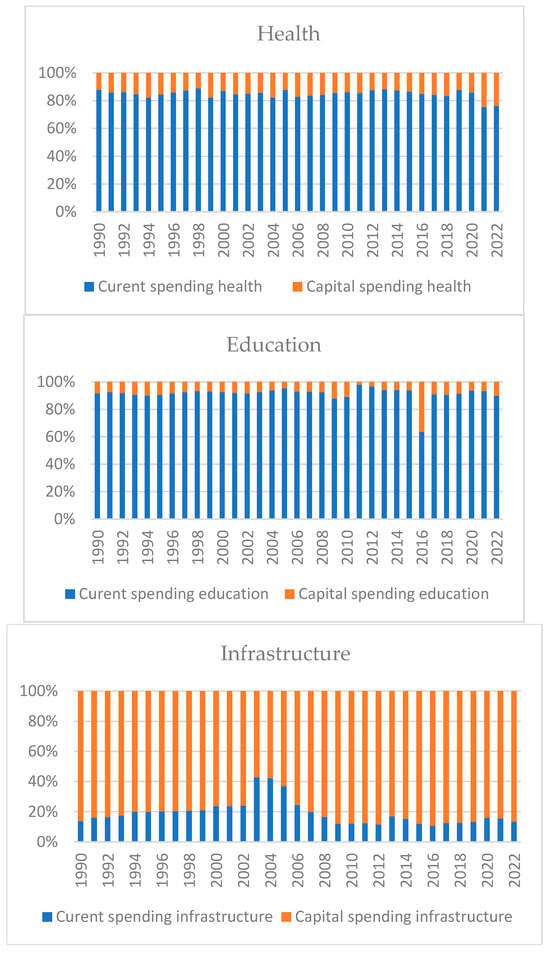
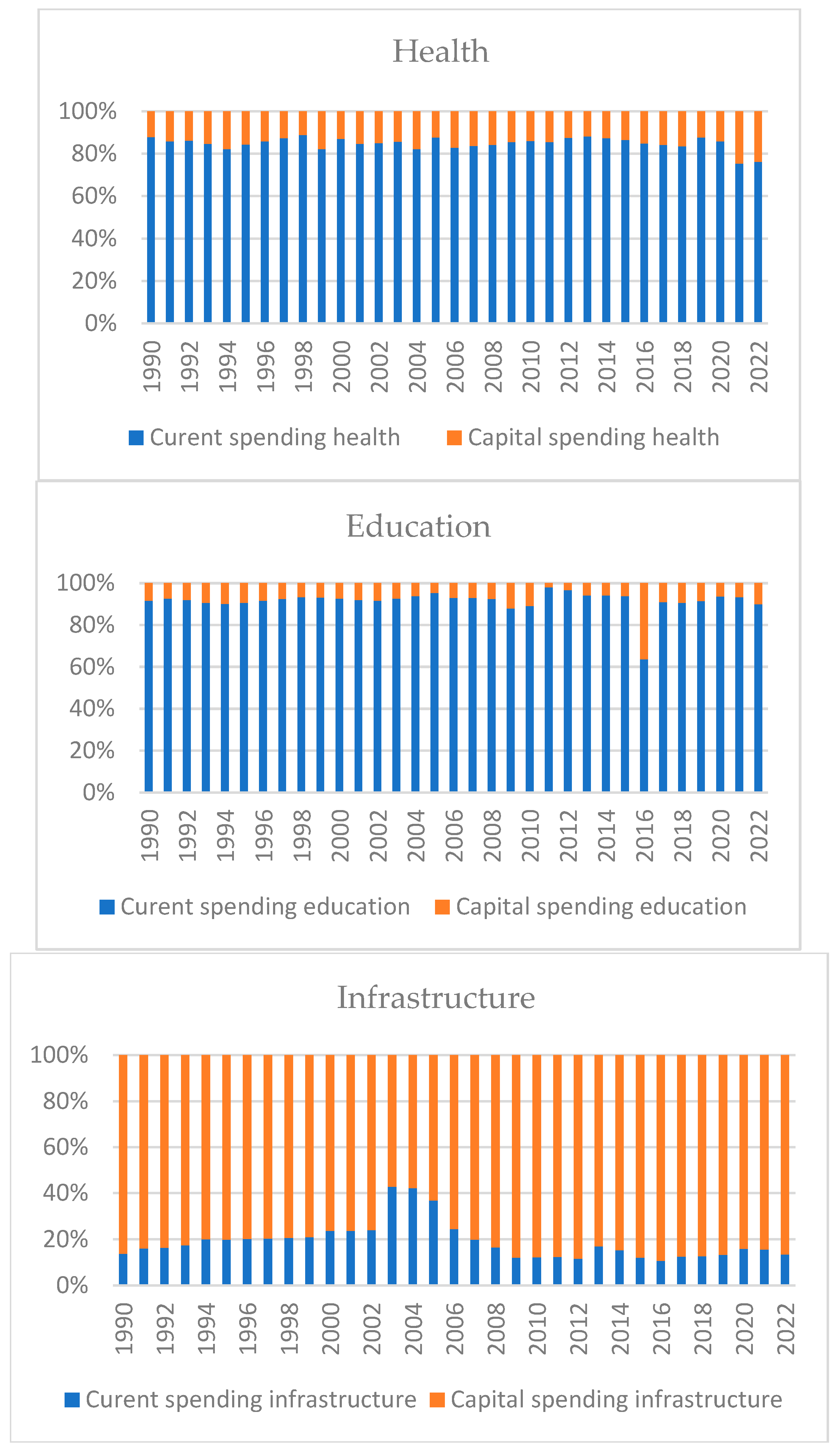
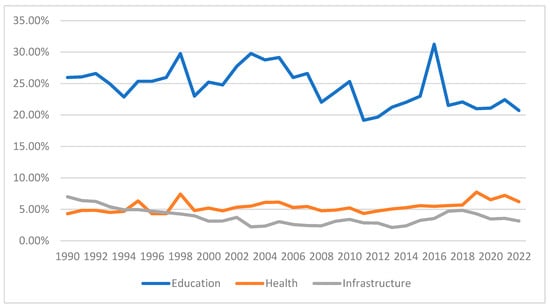
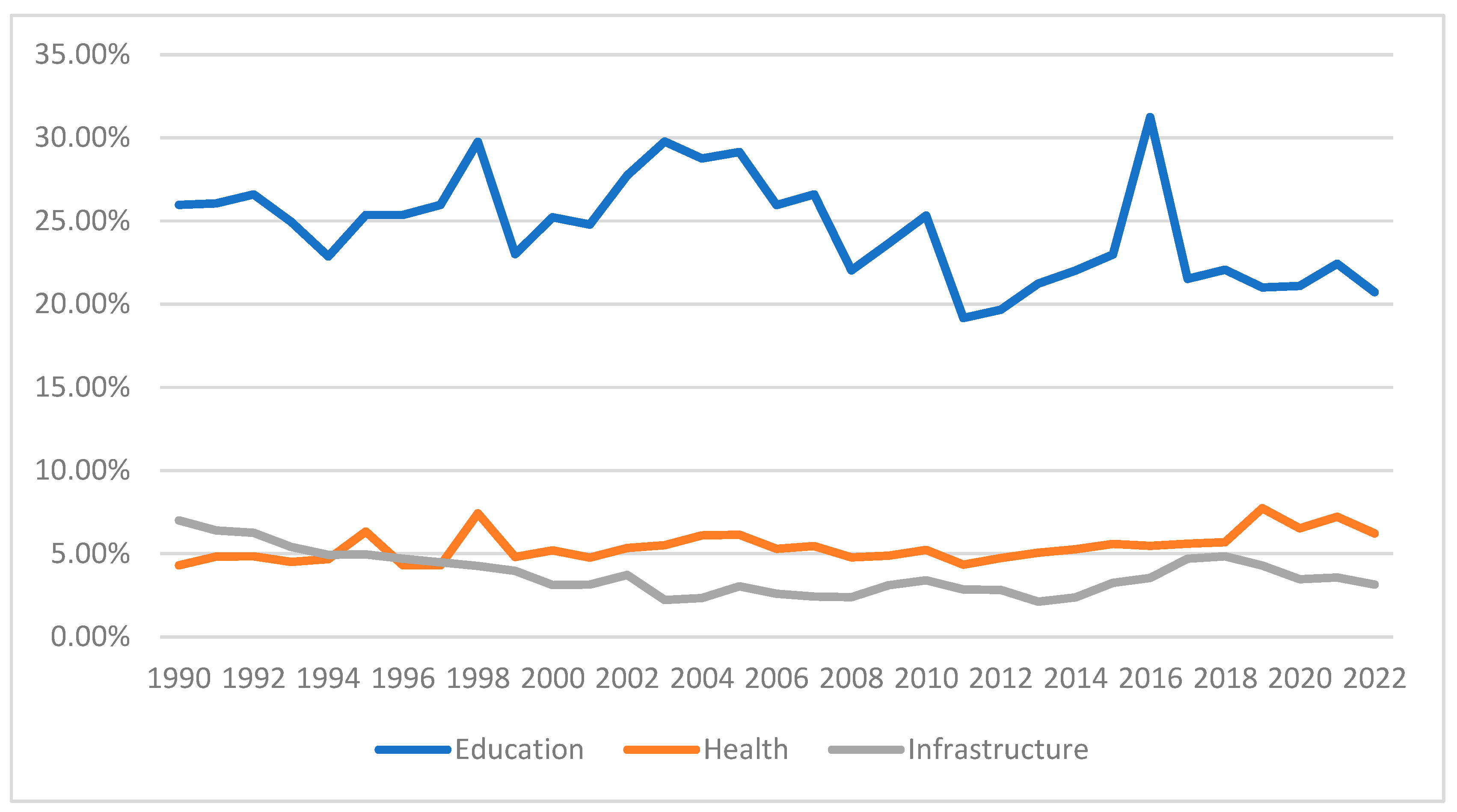
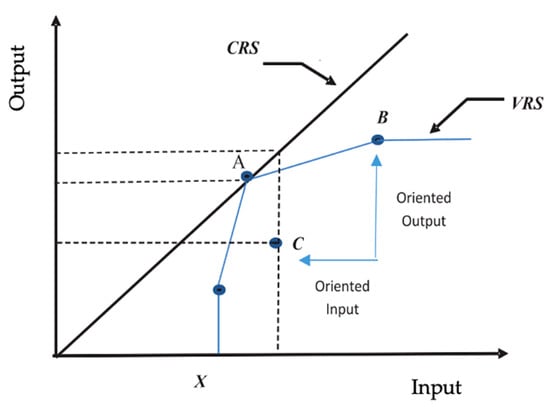
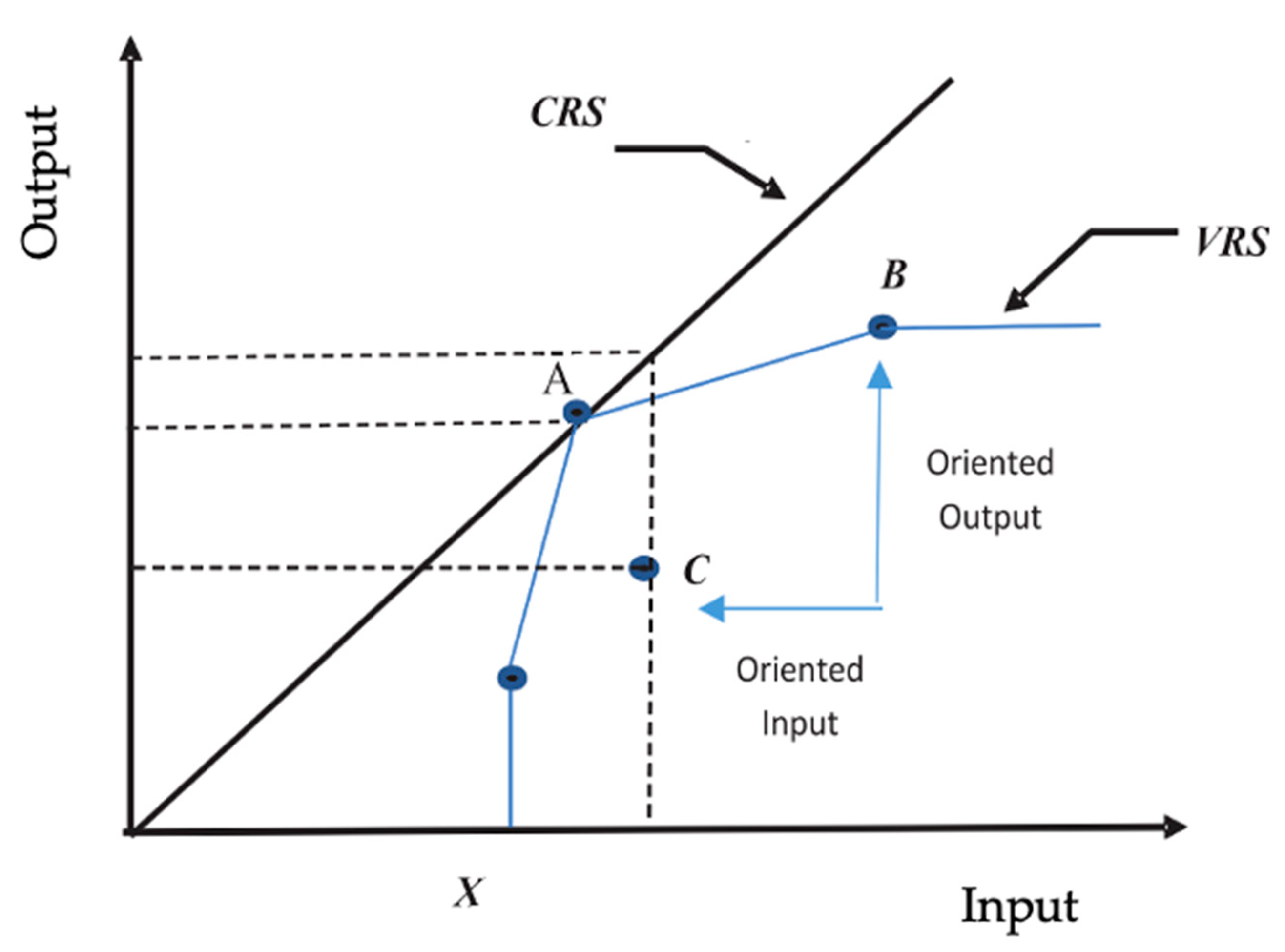
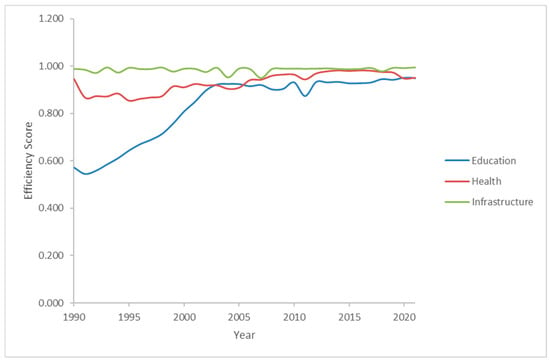
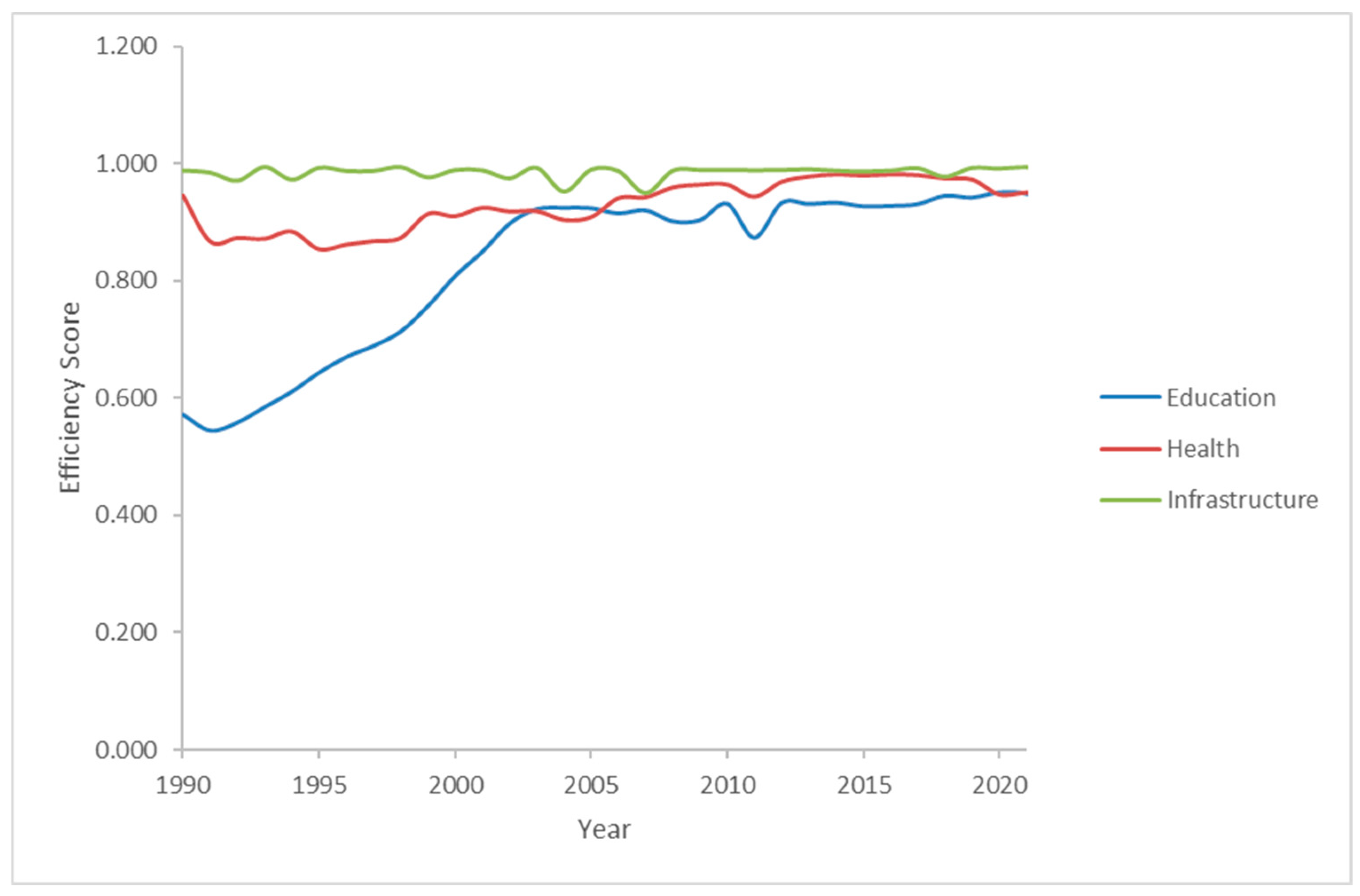

Disclaimer/Publisher’s Note: The statements, opinions and data contained in all publications are solely those of the individual author(s) and contributor(s) and not of MDPI and/or the editor(s). MDPI and/or the editor(s) disclaim responsibility for any injury to people or property resulting from any ideas, methods, instructions or products referred to in the content. |
© 2026 by the authors. Licensee MDPI, Basel, Switzerland. This article is an open access article distributed under the terms and conditions of the Creative Commons Attribution (CC BY) license.