A key observation is that Industry 5.0 is no longer confined to a predominantly conceptual or policy-driven discourse; instead, it is progressively consolidating as a sociotechnical framework with empirical support. However, this transition should not be interpreted as uniform or fully mature. Its acceleration appears to be determined by the interaction of at least three structural factors.
First, the post-pandemic context has revealed systemic vulnerabilities in highly automated, human-exclusionary production models, driving a reconfiguration toward more adaptable and resilient systems. Second, the increasing maturity of enabling technologies, particularly artificial intelligence, collaborative robotics, digital twins, and the Internet of Things, has moved human-centered configurations from theoretical aspiration to operational feasibility, albeit unevenly across sectors. Third, the growing institutional emphasis on the Sustainable Development Goals (SDGs) has introduced a normative layer that redefines industrial transformation in terms of social value rather than mere efficiency.
Taken together, these dynamics suggest not only an expansion of the research landscape but also a gradual reorientation of its underlying priorities. The observed growth in high-impact publications and empirical implementations reflects this shift, though significant gaps remain in integration, scalability, and real-world adoption.
4.1. RQ1 and RQ2: Publication Sources and Temporal Evolution of Industry 5.0 Research
It is important to note that publication counts for 2026 reflect only the first quarter (up to March), which may explain lower observed frequencies compared to previous full years.
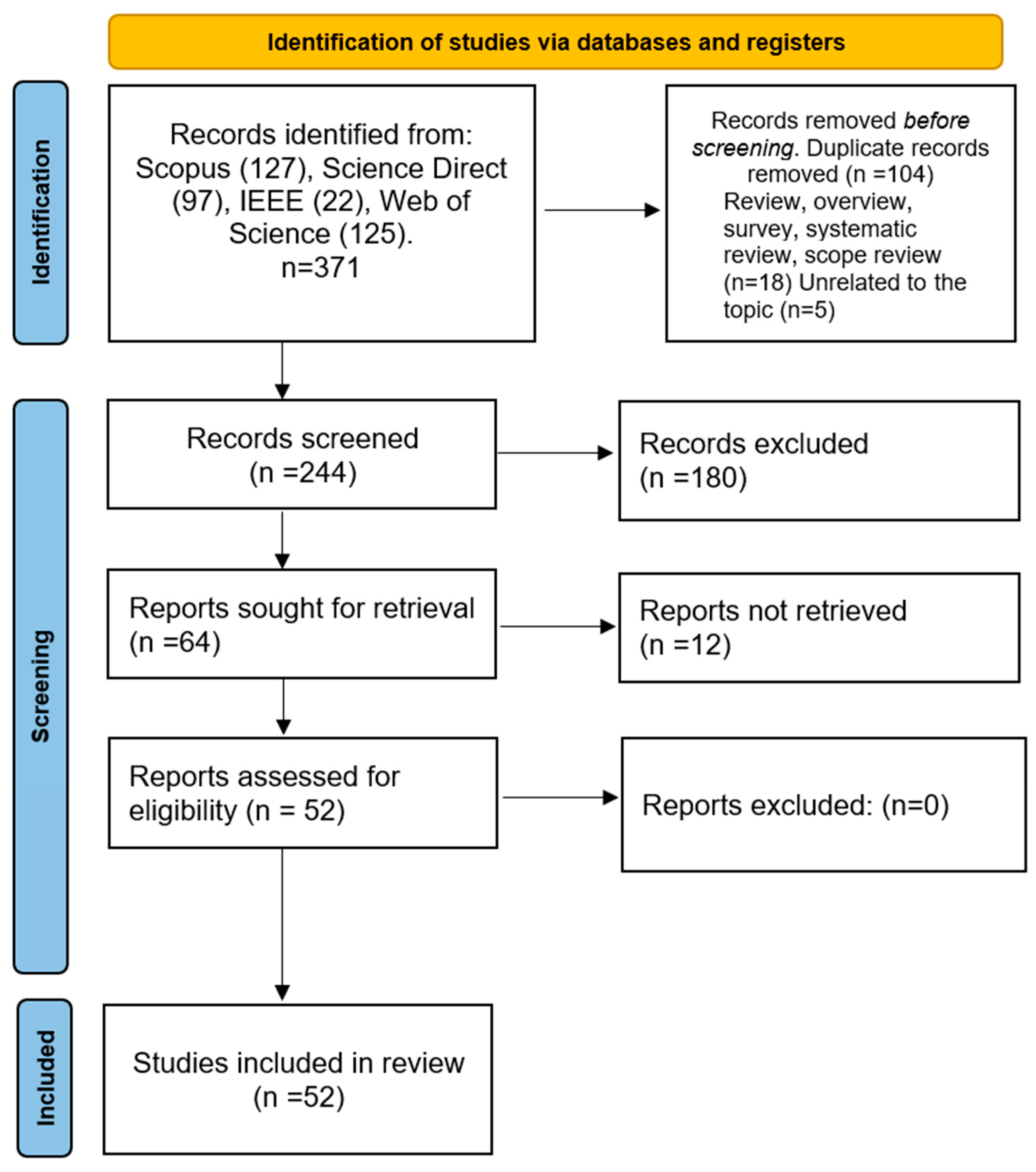
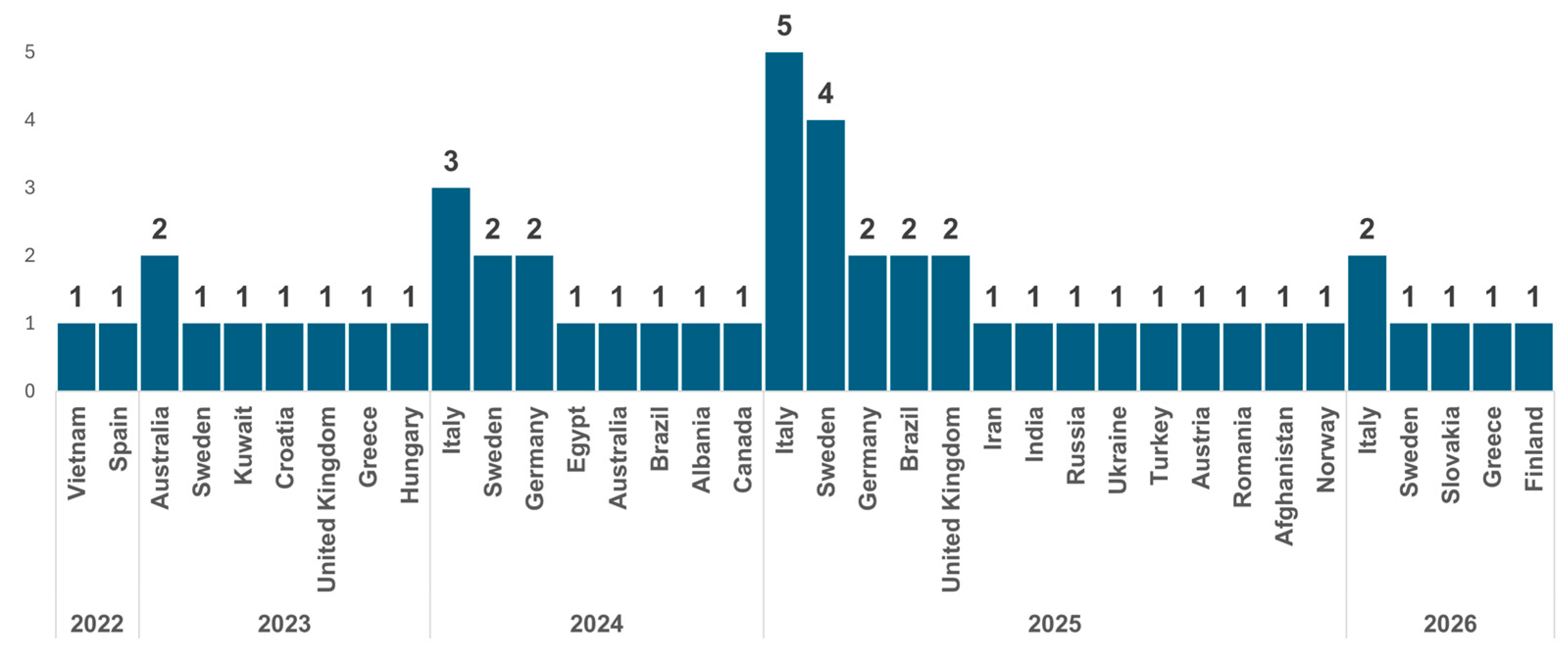
Figure 2 shows the geographical and temporal distribution of the 52 publications included in the review, grouped by year and country of affiliation of the first author.
The analysis reveals that Italy has the highest cumulative scientific output, leading in 2024 (n = 3), 2025 (n = 5), and 2026 (n = 2), thus consolidating its position as the main European leader in Industry 5.0 research. Sweden ranks second, with sustained contributions in 2024 (n = 2), 2025 (n = 4), and 2026 (n = 1), reflecting a strong Scandinavian commitment to the paradigm. Germany and Brazil each contributed two publications in 2025, while Australia stands out with two publications in 2023. From a temporal perspective, a progressive increase in the number of participating countries is observed, from 2 in 2022 to more than 15 in 2025, demonstrating the field’s global expansion. The year 2025 shows the greatest geographical diversity, with contributions from Europe (Sweden, Germany, the United Kingdom, Ukraine, Austria, Romania, Norway), Asia (Iran, India, Russia, Turkey, Afghanistan), and South America (Brazil).
Taken together, these data confirm that, while Industry 5.0 research has internationally diverse participation, there is a predominant concentration in European countries, consistent with the European Commission’s leading role in defining the paradigm [
23] and a still limited representation from regions such as Latin America, Africa, and the Middle East, which constitutes a relevant geographical gap for future research.
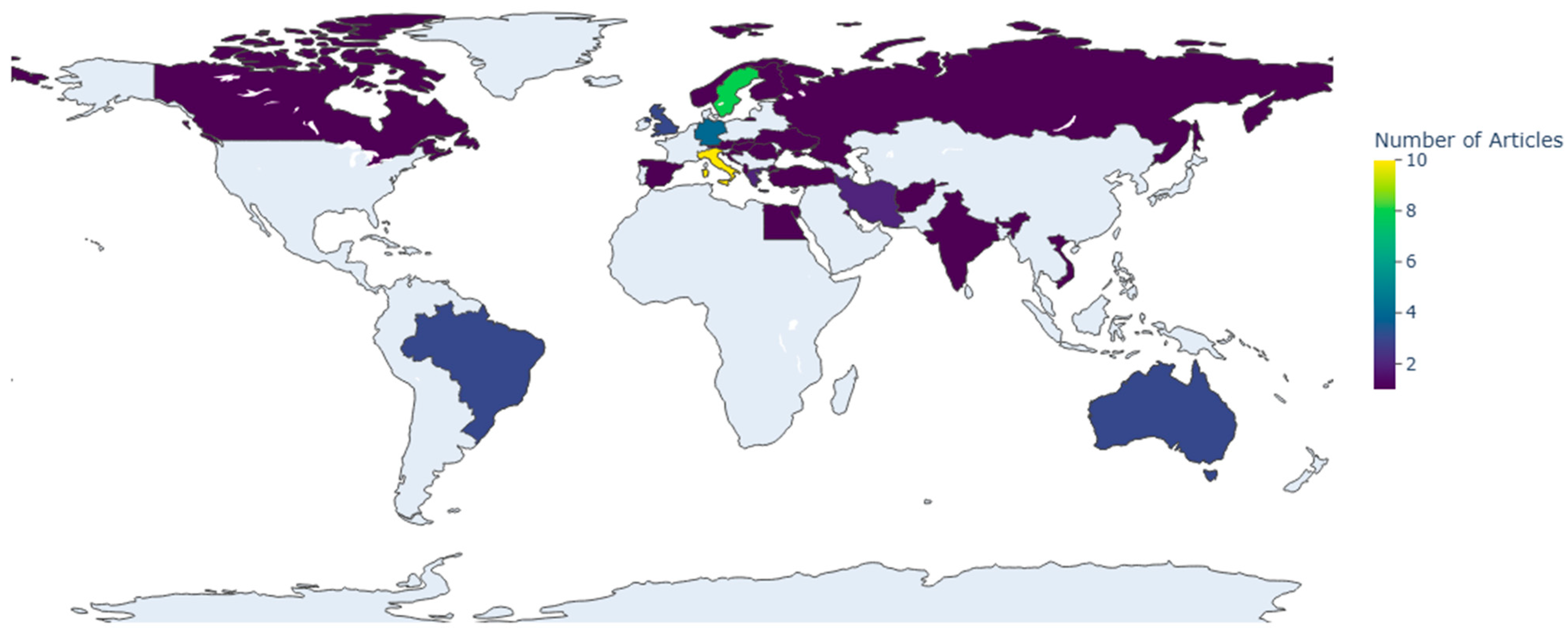
Figure 3 shows the predominance of European countries and underscores the role of institutional and political frameworks in shaping research trajectories, especially after the European Commission formalized Industry 5.0. However, the limited participation of developing regions suggests potential inequalities in access to emerging technologies and research ecosystems.
Furthermore, the relatively low number of publications in most countries (generally ≤3) indicates that, despite its growing relevance, Industry 5.0 research is still in a consolidation phase, with opportunities for broader international collaboration and interdisciplinary expansion.
Overall, the figure demonstrates that Industry 5.0 is evolving into a globally relevant paradigm, although it is regionally concentrated, with Europe leading the transition while other regions are gradually integrating into the research landscape.
To complement the bibliometric analysis and explore whether scholarly trends are reflected in broader public and industrial interest, an exploratory digital trend analysis was conducted. This analysis examined online search interest related to key Industry 5.0 concepts, including human-centricity, collaborative robots (cobots), digital twins, and sustainability, between 2018 and 2026, using the Grok AI platform to monitor temporal patterns in search activity.
The temporal segmentation of these indicators, presented in
Table 5, enables a comparative assessment of how academic research and broader technological discourse surrounding Industry 5.0 have co-evolved, helping triangulate the findings of this scoping review.
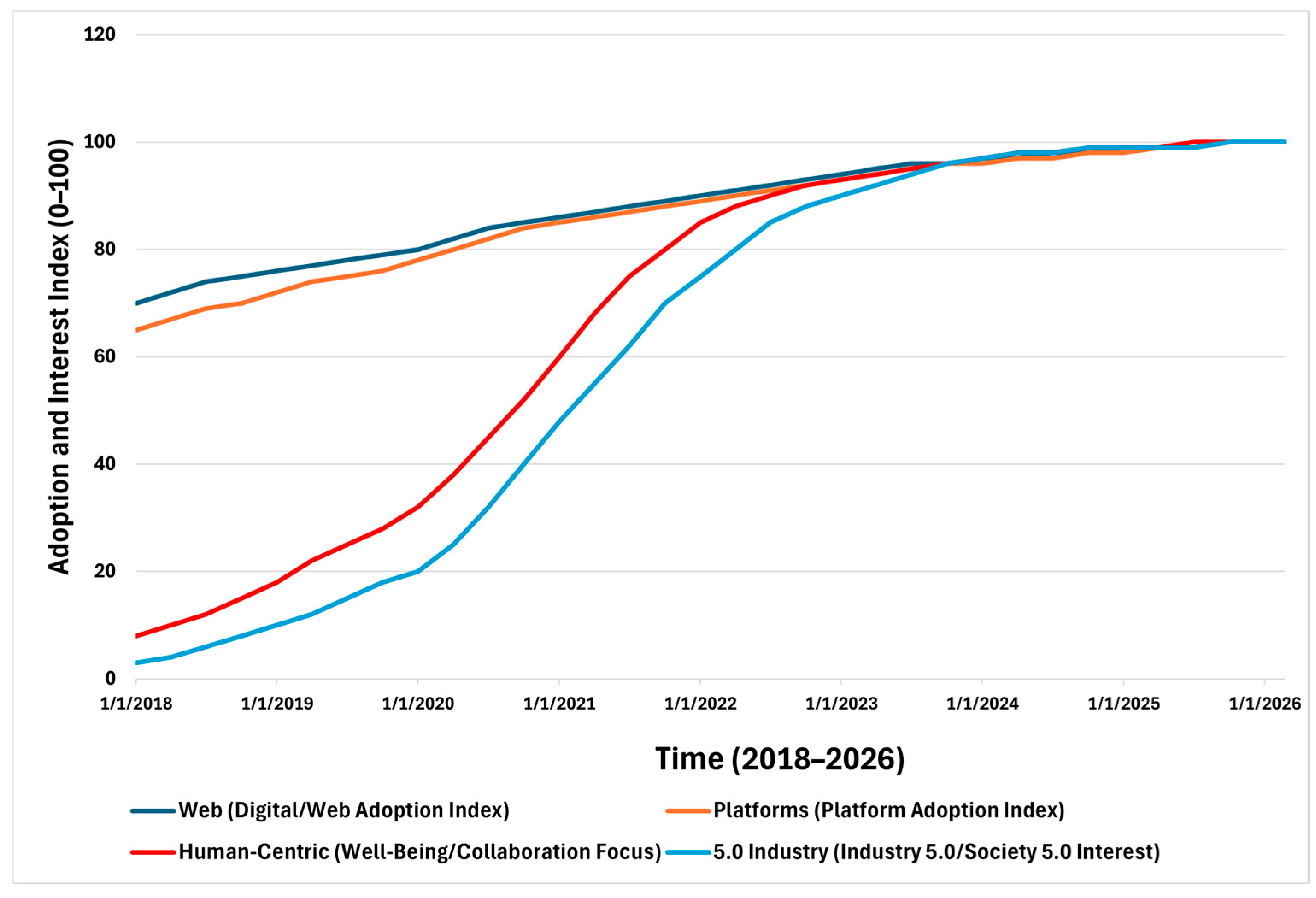
The results reveal three distinct phases of evolution. Between 2018 and 2020, online discourse was dominated by themes of web connectivity, platform adoption, and automation, concepts firmly rooted in the Industry 4.0 lexicon (index = 75). The 2021–2023 period marks a clear inflection point (index = 82), coinciding with the European Commission’s Industry 5.0 report and the proliferation of academic and policy discussions on post-pandemic resilience. Most strikingly, the 2024–2026 window records the highest interest index (94) for ‘Human-Centricity and Well-being,’ signaling that global industrial discourse has moved decisively beyond the question of how to automate toward protecting and empowering the human worker within automated environments.
Figure 4 illustrates this evolution across four colored series (blue, orange, red, and yellow) from 2018 to 2026. The blue and orange series begin at relatively high values (60–70) and show gradual growth, reaching values close to 100 by 2025–2026. In contrast, the red and yellow series start at lower levels, but exhibit accelerated growth from 2020 onward, particularly between 2020 and 2022. From 2023 onward, all four series progressively converge toward the maximum indicator value, suggesting an initial phase of disparity followed by stabilization.
This convergence of scholarly literature and digital interest patterns provides robust external validation for the central findings of this review.
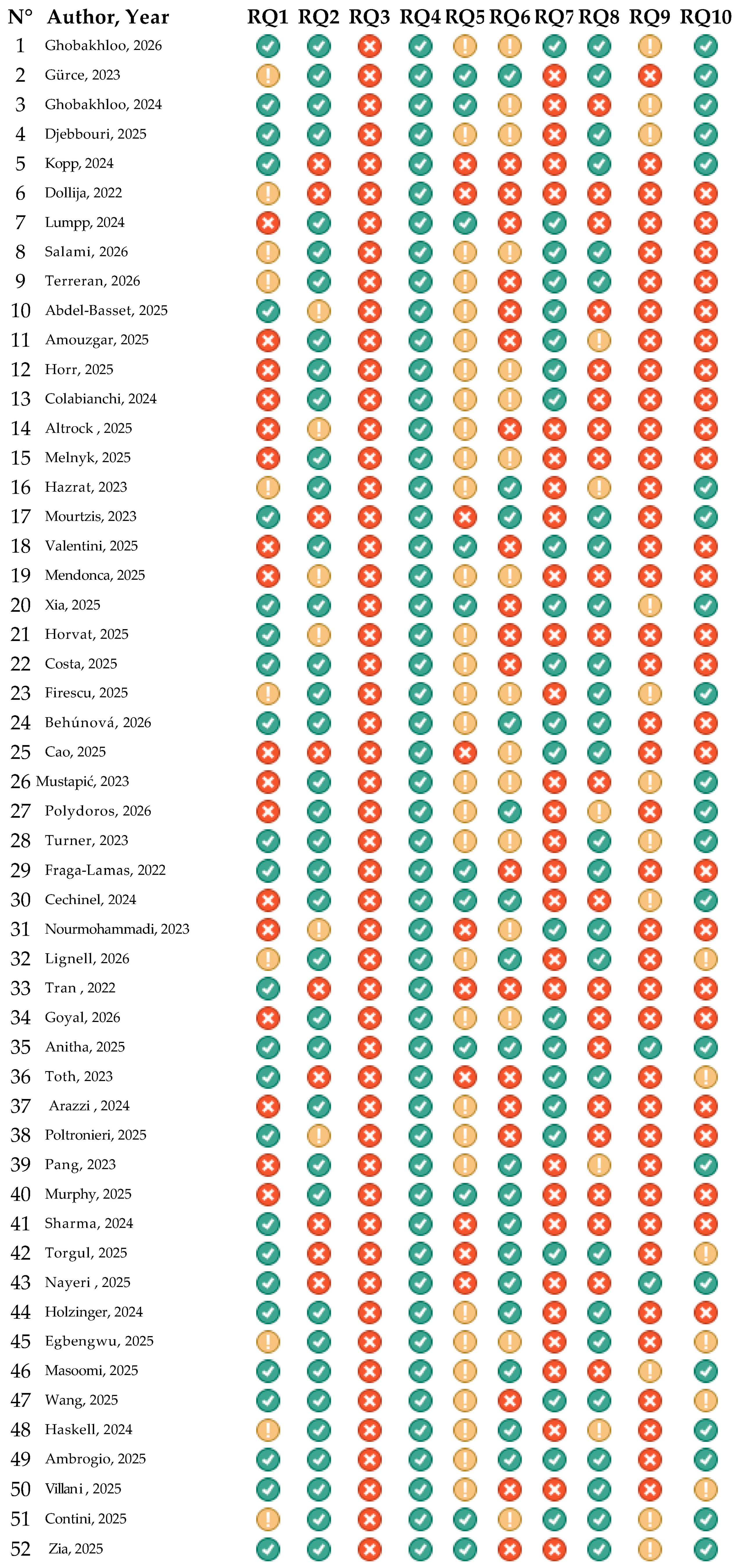
The graphed data were organized into structured tables and analyzed using descriptive statistics, thematic synthesis, and comparative analysis. Frequencies and distributions were calculated, and patterns in technologies, sectors, and methodologies were identified. The results were linked to the research questions (RQ1–RQ10) to ensure analytical coherence.
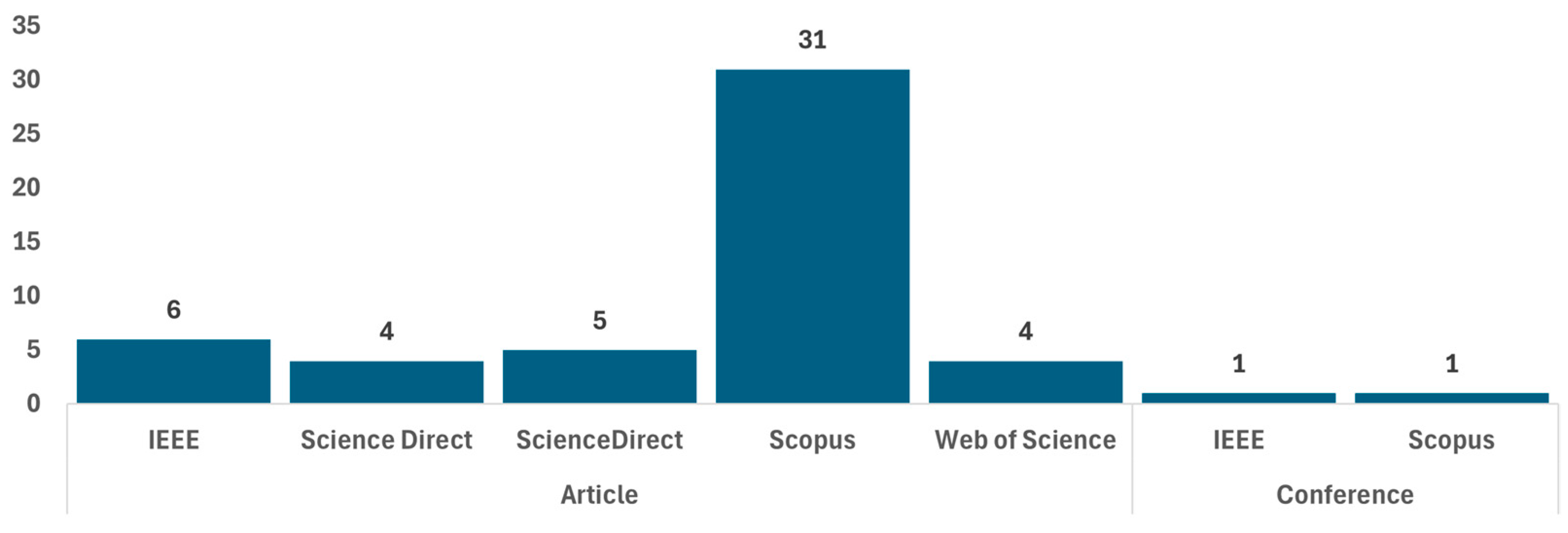
Figure 5 shows the distribution of the 52 publications included in the review across indexing databases and document types (journal articles or conference papers). Scopus overwhelmingly dominates the corpus, accounting for 31 journal articles (59.6% of the total), solidifying its position as the primary indexing source for Industry 5.0 research. It is followed by IEEE with 6 articles (11.5%), Science Direct with 5 (9.6%), and Web of Science and Science Direct with 4 publications each (7.7% each). Conference papers are marginal, with only one entry in IEEE and one in Scopus, representing together less than 4% of the corpus.
These results highlight three key findings. First, the predominance of journal articles over conference papers (96% vs. 4%) reflects the field’s growing maturity and consolidation in higher-impact publications with rigorous peer-review processes. Second, the concentration in Scopus, the dominant database, is consistent with its broad interdisciplinary coverage across engineering, the social sciences, and sustainability—core areas of Industry 5.0. Third, the presence of IEEE as the second-most-relevant source underscores the paradigm’s strong technological and engineering orientation, particularly in collaborative robotics, cyber-physical systems, and artificial intelligence.
Overall, the distribution confirms that Industry 5.0 is primarily consolidating in high-impact scientific journals indexed in Scopus, which supports the quality and academic traceability of the corpus analyzed in this review.
4.2. RQ3: Enabling Technologies of Industry 5.0
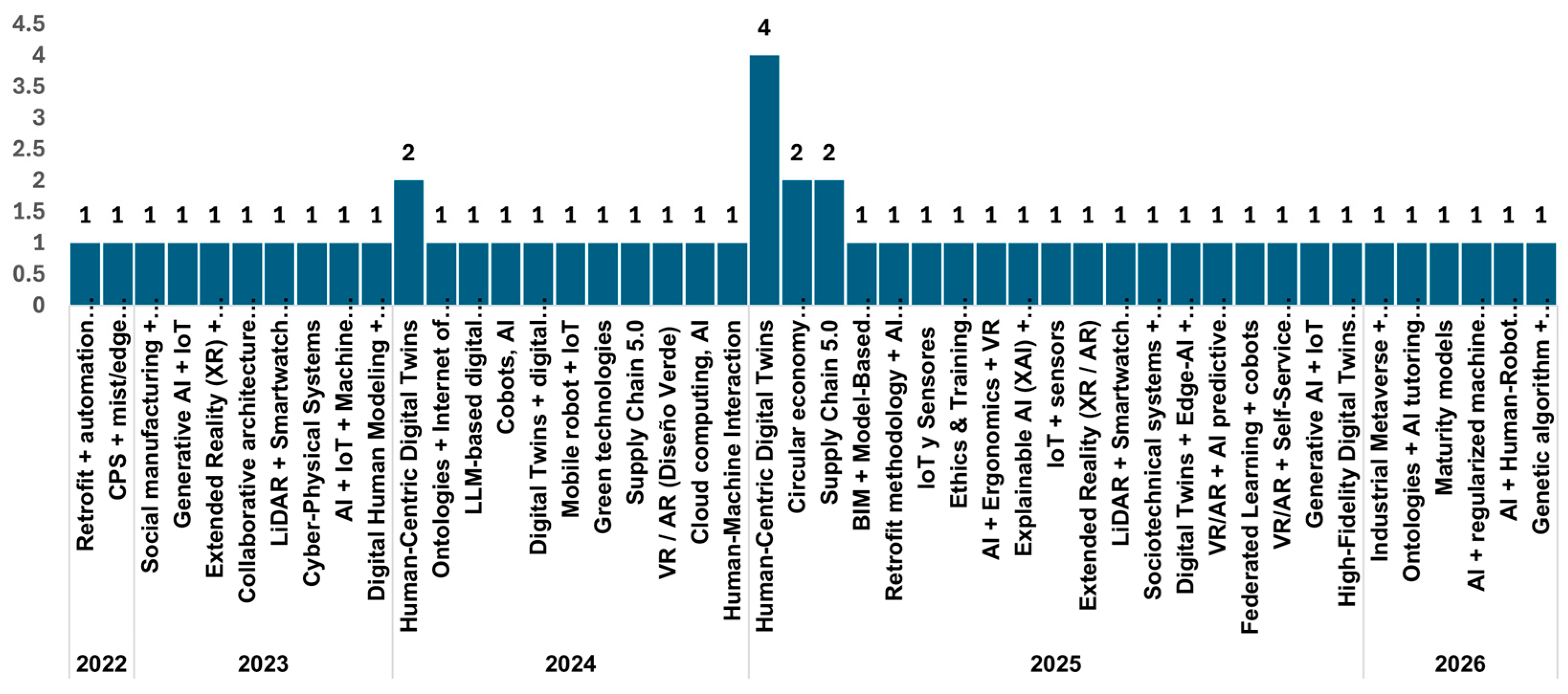
Figure 6 illustrates the chronological distribution of the enabling technologies identified in the 52 studies (2022–2026), revealing not only which technologies predominate but also how the Industry 5.0 technology landscape has evolved.
The two studies published in 2022 focus on modernization technologies and cyber-physical systems (CPS) combined with edge/cloud computing and IoT. This case reflects an early stage in which research primarily emphasized adapting existing Industry 4.0 infrastructures to Industry 5.0 principles. This finding is consistent with the literature, which highlights that Industry 5.0 builds on Industry 4.0 technologies, reorienting them toward sustainable, human-centered goals [
19,
26].
In 2023, a notable diversification is observed, with studies addressing social manufacturing, green technologies, Extended Reality (XR) in digital health, digital human modeling, and the integration of AI and IoT. This diversification reflects a transitional phase in which the field begins to systematically explore the intersection of advanced technologies, human well-being, and sustainability, transcending purely efficiency-oriented approaches [
32,
35].
The year 2024 marks a clear turning point with the emergence of Human-Centric Digital Twins as a recurring technology, along with machine learning-based assistants, IoT ontologies, AI-powered cobots, and human–machine interaction systems. This shift indicates the growing importance of digital twins as integrating platforms that enhance collaboration and decision-making between humans and machines in Industry 5.0 environments [
29,
31].
The year 2025 represents the peak in both publication volume (46.2% of the corpus) and technological diversity. Human-centric [
68,
99] digital twins reach their highest frequency (
n = 4), while circular economy technologies and Supply Chain 5.0 [
51,
100] gain relevance (
n = 2 each). Furthermore, the proliferation of advanced technologies, such as explainable AI (XAI), federated learning, edge AI, XR/AR [
86,
101] for ergonomics and sustainable design, and ethical frameworks, demonstrates the consolidation of Industry 5.0 as a mature socio-technical ecosystem that integrates technological, human, and sustainability dimensions. This case aligns with recent studies highlighting digital twins, AI, and IoT as key enablers of a sustainable, human-centric industrial transformation [
60,
86,
102].
While the data collection period is limited, studies from 2026 point to emerging trends, such as the industrial metaverse combined with digital twins and augmented/virtual reality, AI-based mentoring systems, maturity models, and advanced human–robot collaboration algorithms [
78,
92,
93]. These advances suggest a shift toward greater autonomy, scalability, and intelligent orchestration of industrial systems.
The timeline analysis reveals a coherent technological trajectory characterized by three key stages: emergence (2022–2023), expansion and convergence (2024–2025), and initial consolidation (2026).
Throughout this evolution, human-centric digital twins [
103,
104,
105] emerge as the most representative and dominant enabling technology (
n = 6 cumulative), confirming their role as the central integrating axis of Industry 5.0. Their importance lies in their ability to synchronize physical and digital environments, incorporating human factors such as ergonomics, safety, and decision-making [
79,
106].
Furthermore, the growing presence of advanced AI paradigms (generative, explainable, and federated), along with IoT, XR, and sustainability-oriented technologies, demonstrates that Industry 5.0 is not based on isolated innovations, but rather on the progressive convergence of heterogeneous technologies within a unified, human-centered ecosystem [
93,
107].
In short, these findings confirm that Industry 5.0 represents a paradigm shift from technology-centric automation to integrated, human-centered, and sustainable sociotechnical systems, where technological value is measured not only by efficiency but also by its contribution to human well-being and resilience [
108].
4.3. RQ4 Which Sectors Predominate?
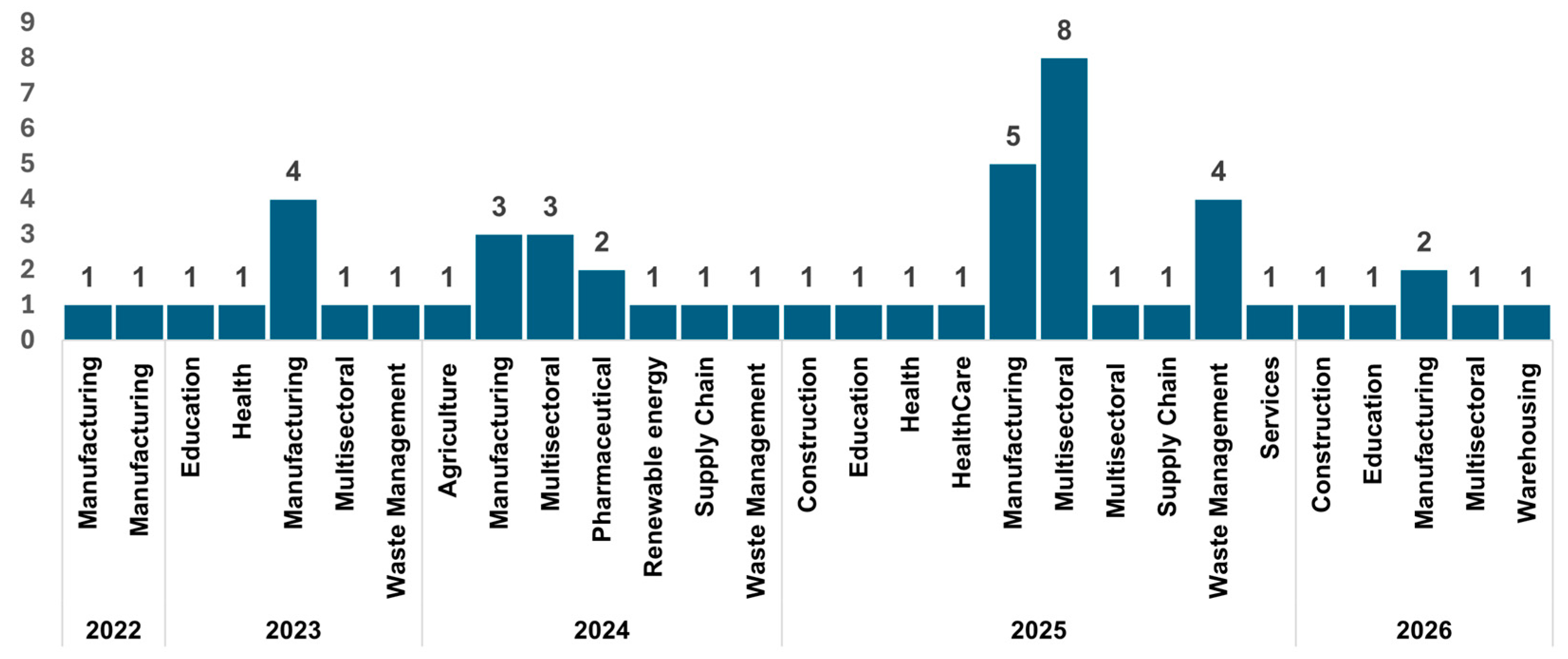
The sectoral distribution of Industry 5.0 applications reveals a clear predominance of the manufacturing sector, which consistently appears most frequently throughout the analyzed period (2022–2026). As shown in
Figure 7, manufacturing accounts for the largest number of studies, with a particularly notable peak in recent years, confirming its central role as the primary domain for Industry 5.0 implementation. This predominance aligns with previous studies that highlight manufacturing as the key environment for integrating artificial intelligence, digital twins, and human–robot collaboration in human–robot interaction (HITL) architectures [
32,
44].
Beyond manufacturing, multi-sectoral approaches represent the second most prominent category, especially from 2024 onward. These studies conceptualize Industry 5.0 as an inter-domain paradigm that integrates multiple sectors such as healthcare, logistics, and smart environments. This trend reflects a shift from isolated industrial applications to holistic socio-technical ecosystems, in line with broader Industry 5.0 frameworks that emphasize human-centeredness, resilience, and sustainability [
43].
Additional relevant contributions are identified in logistics and supply chain management, as well as in waste management, where Industry 5.0 technologies are leveraged to optimize material flows, improve operational efficiency, and support circular economy strategies [
49,
50,
51]. These findings are consistent with the increasing integration of sustainability principles into Industry 5.0 systems, particularly in resource-intensive sectors.
The healthcare sector, while less frequently represented, remains a strategically significant area due to its high social impact. Applications such as AI-assisted diagnosis, telemedicine, and robotic support systems contribute to improved patient outcomes and system resilience, in line with the human-centered goals of Industry 5.0 [
31,
45].
Other sectors, such as education, construction, and agriculture, are less represented, suggesting the presence of emerging areas that are largely unexplored. Their limited presence suggests opportunities for future research, particularly to extend Industry 5.0 principles beyond traditional industrial settings.
Overall, the results confirm that Industry 5.0 remains firmly rooted in manufacturing while progressively expanding into a multi-sectoral, sustainability-oriented ecosystem. This diversification reinforces its role as a scalable socio-technical paradigm capable of addressing complex industrial and societal challenges.
Table 6 provides a comparative overview of the dominant enabling technologies, their socio-human benefits, and their alignment with the Sustainable Development Goals (SDGs) [
9] in key Industry 5.0 sectors. The findings highlight that AI, IoT, and digital twins [
102,
109].
The manufacturing sector emerges as the most mature and influential, demonstrating quantifiable improvements, including reductions in physical workload, increased workplace safety, and higher productivity. In contrast, the healthcare sector emphasizes improvements in diagnostic accuracy, patient care, and system resilience, reflecting its strong alignment with human-centered outcomes [
31,
59,
110].
In logistics and supply chain management [
48,
49], the integration of AI and data-driven systems optimizes delivery processes and resource efficiency, while waste management highlights the role of circular-economy technologies in promoting environmental sustainability. Similarly, the construction sector benefits from improved safety and risk management through AI and cyber-physical systems. The education and training sector leverages immersive technologies such as extended reality (XR) and digital twins [
56,
104,
105,
111] to enhance learning experiences and skills development, while agriculture focuses on productivity and sustainable resource use through the Internet of Things (IoT) and smart sensor technologies. Notably, cross-sector applications demonstrate the highest level of integration, enabling cross-domain optimization, system interoperability, and greater resilience.
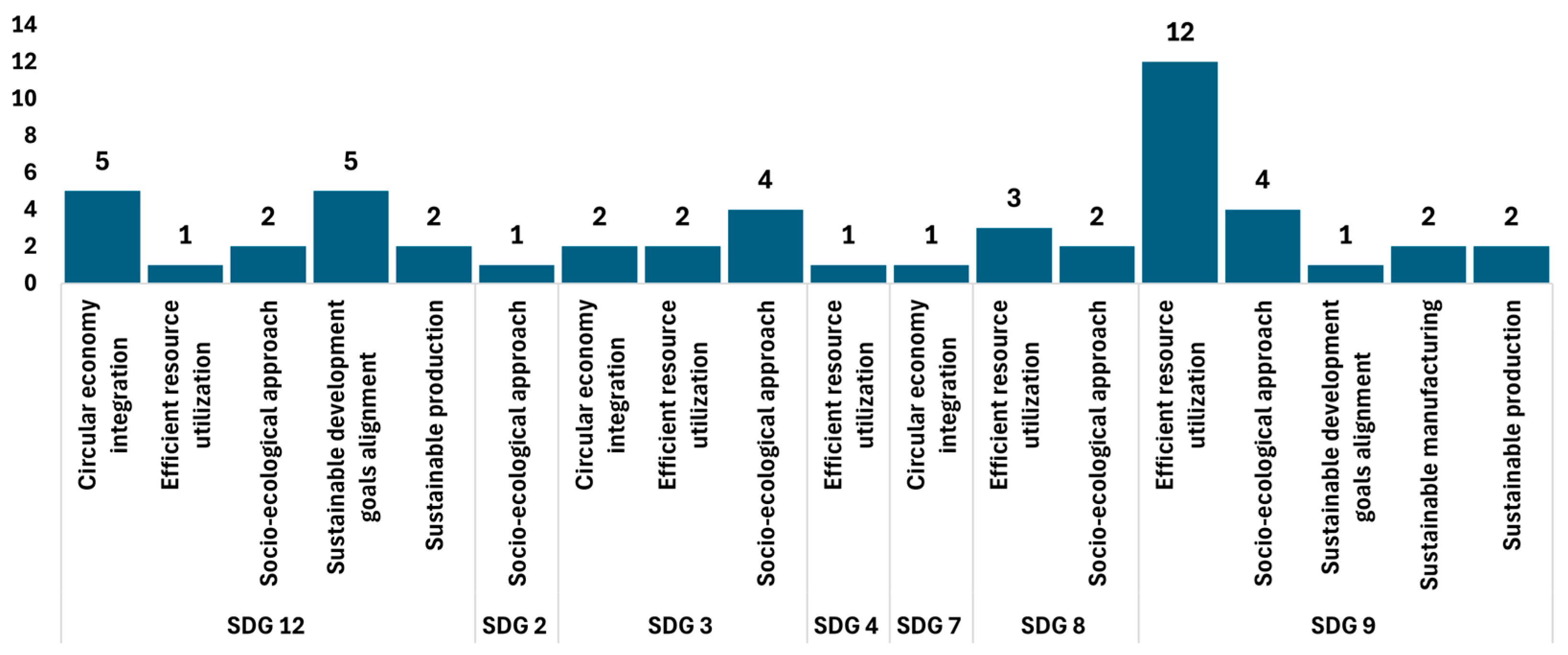
Overall, the results confirm that Industry 5.0 technologies generate quantifiable improvements in both human well-being and operational performance, while aligning with key SDGs, particularly SDG 3 (health), SDG 8 (decent work), SDG 9 (innovation), and SDG 12 (responsible consumption). This case reinforces the conceptualization of Industry 5.0 as a people-centered, sustainability-driven, and technologically integrated sociotechnical paradigm [
30,
112].
4.4. RQ5 and RQ6: Research Methods and Human-Centered Approaches
The results presented in
Table 7 provide an overview of the research methods employed in Industry 5.0 studies (RQ5) and their implicit contribution to human-centered approaches (RQ6).
Regarding RQ5, the findings reveal a clear predominance of technical and implementation-oriented methodologies, with technical frameworks (23.10%) and simulation-validated optimization (15.40%) being the most frequently used approaches. This distribution indicates that current research focuses primarily on systems design, performance optimization, and pre-deployment validation, reflecting the engineering nature of Industry 5.0 [
85,
105]. Experimental studies (9.60%) and applied engineering prototypes (7.70%) further reinforce this trend by enabling validation in real-world environments and the development of functional systems, while methodological reviews and conceptual frameworks contribute to the theoretical consolidation of the field.
From the perspective of RQ6, human-centeredness [
59,
92] is explicitly treated as a separate methodological category. For example, systematic modernization methodologies (7.70%) explicitly support the transition from Industry 4.0 to human-centered systems [
113,
114], while technical experimental studies and applied prototypes validate human–robot interaction, improve safety, and optimize ergonomics. Similarly, optimization-based methods and decision support models contribute to improving human decision-making and operational efficiency, in line with paradigms of human participation in the process.
However, the table also reveals a crucial observation: explicitly human-centered methodologies remain underrepresented compared to purely technical approaches [
114]. Most methods focus on system performance and integration, with human-centeredness emerging as a secondary outcome rather than a design determinant. This case suggests a gap in the literature and underscores the need for future research to incorporate specific human-centered evaluation frameworks, including usability, accessibility, and cognitive load assessment.
Overall, the results demonstrate that Industry 5.0 research is characterized by a strong methodological foundation oriented toward technology and validation, with the progressive integration of human-centeredness throughout the system design, optimization, and implementation processes, rather than through explicitly human-centered methodologies [
47,
110,
115].
4.6. RQ9: Challenges and Barriers to Implementation
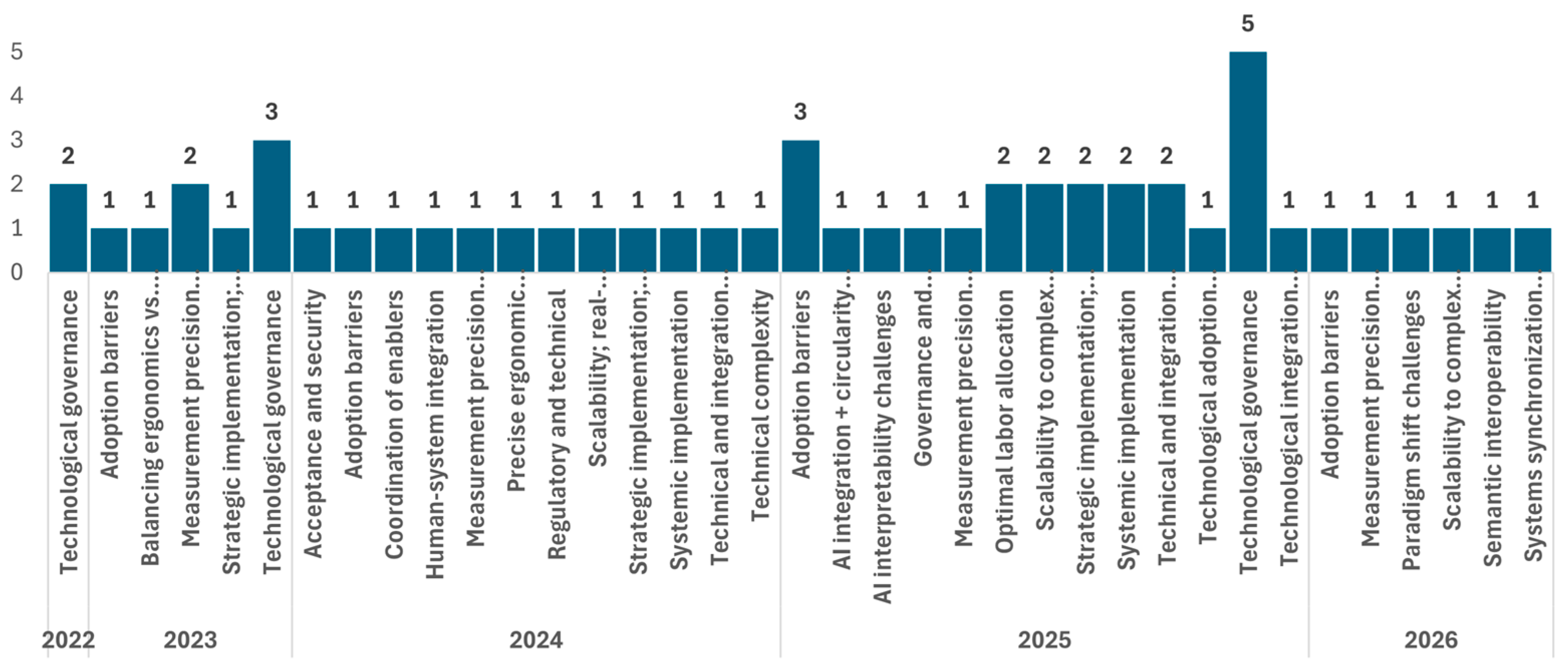
The analysis of the 52 selected studies reveals that Industry 5.0 implementation is limited by a complex set of multidimensional challenges spanning technological, organizational, human, and regulatory domains. These barriers evolve as Industry 5.0 systems mature and become more complex. As shown in
Figure 9, the initial challenges are primarily related to adoption and implementation, whereas more recent studies emphasize integration, governance, and scalability.
One of the most prominent challenges identified in the literature is technology governance, which has become increasingly relevant in recent years. This challenge reflects concerns about the ethical management, control, and transparency of advanced technologies such as artificial intelligence (AI), digital twins, and cyber-physical systems (CPS). The increasing reliance on AI-based decision-making systems also introduces problems related to interpretability, accountability, and trust, which are fundamental to the successful deployment of human-centered systems [
4,
16,
22].
Closely related to governance, challenges persist in technological integration and interoperability, including semantic interoperability and system synchronization. These barriers limit seamless interaction between heterogeneous systems and hinder the development of fully integrated Industry 5.0 ecosystems. Several studies highlight that the lack of standardized frameworks and protocols remains a key obstacle, especially in complex industrial environments [
60,
61,
62,
63].
Another significant set of challenges relates to barriers to adoption and implementation. Early studies (2022–2023) emphasize issues such as resistance to adoption, limited organizational preparedness, and difficulties in strategic implementation. These challenges are often linked to insufficient infrastructure, a lack of technical expertise, and uncertainty about return on investment. As Industry 5.0 evolves, these barriers are shifting toward more advanced areas, such as scalability, system integration, and optimal resource allocation, as evidenced by studies published since 2024.
From a human-centered perspective, several studies identify challenges related to ergonomics, human–machine interaction, and user acceptance. These challenges include balancing technological efficiency with human well-being, ensuring trust in AI-assisted systems, and supporting workforce adaptation to collaborative environments such as Human Interaction Technology (HITL) architectures [
32,
38]. Furthermore, measuring human-centered outcomes—such as usability, cognitive load, and well-being—remains a persistent limitation due to the lack of standardized assessment methodologies.
Regulatory and organizational challenges also play a critical role. Problems related to regulatory frameworks, governance structures, and stakeholder coordination are frequently reported, particularly in the context of emerging technologies that lack clear legal and ethical guidelines. These challenges are exacerbated by fragmented policies and inconsistent standards across regions, hindering large-scale adoption and cross-sector integration [
62,
63].
More recent studies (2025–2026) highlight emerging challenges associated with AI integration and interpretability, as well as broader barriers to paradigm shifts. These challenges include resistance to organizational change, the need for new skills and competencies, and the complexity of transitioning from Industry 4.0 to Industry 5.0 models. Furthermore, integrating sustainability, a human-centered approach, and advanced technologies into a unified framework introduces greater implementation complexity, underscoring the need for holistic, interdisciplinary approaches [
57,
58,
59,
60].
Overall, the findings indicate that the challenges of implementing Industry 5.0 are highly interconnected, forming a multi-layered system of barriers encompassing technical, human, and institutional dimensions. While initial challenges primarily relate to adoption and infrastructure, recent research highlights a shift toward more complex issues such as governance, interoperability, and scalability.
The results suggest that the successful implementation of Industry 5.0 requires a holistic approach that integrates technological innovation with organizational transformation, regulatory harmonization, and human-centered design. Future research should focus on developing standardized interoperability frameworks, governance models for ethical and transparent AI deployment, and robust methodologies for evaluating human-centered outcomes. Addressing these challenges will be essential for achieving scalable, sustainable, and inclusive Industry 5.0 ecosystems.
4.7. RQ10: Benefits and Practical Outcomes of Industry 5.0 Adoption
The analysis of the 52 selected studies demonstrates that adopting Industry 5.0 yields a wide range of quantifiable benefits and practical outcomes across the industrial, organizational, and social dimensions. These results reflect the fundamental principles of the paradigm—human-centeredness, sustainability, and resilience—which translate into tangible improvements in operational performance, worker well-being, and resource efficiency.
One of the most consistently reported benefits is the reduction in physical workload and the improvement of workplace safety. Several studies show that integrating collaborative robots (cobots), AI-based monitoring systems, and ergonomic optimization tools results in significant reductions in repetitive strain injuries and occupational hazards. In particular, reductions in physical workload of 29–45%, as well as decreases of up to 60% in proactive safety incidents, have been reported in industrial environments that adopt human-centered technologies. These findings underscore the effectiveness of human intervention technologies (HITLs) in improving both safety and productivity [
36,
38].
Another key benefit relates to increased operational efficiency and productivity. The integration of AI, IoT, and digital twins enables real-time monitoring, predictive maintenance, and process optimization, resulting in better decision-making and reduced downtime. These technologies allow organizations to anticipate system failures, optimize workflows, and allocate resources more efficiently, thereby increasing overall system performance [
28,
29,
30,
43]. Furthermore, digital twins facilitate simulation-based optimization, allowing organizations to test and refine processes before implementation, reducing costs and operational risks.
From a sustainability perspective, Industry 5.0 contributes significantly to resource efficiency and a reduced environmental impact. The adoption of circular economy principles, supported by AI and IoT technologies, enables more efficient use of materials, waste reduction, and improved energy management. These practices align closely with SDG 12 (Responsible Consumption and Production) and demonstrate the potential of Industry 5.0 to support sustainable industrial ecosystems [
45,
51].
Furthermore, Industry 5.0 promotes better collaboration between humans and machines and empowers workers. Human-centric systems enhance the user experience, facilitate decision-making, and allow workers to focus on higher-value tasks. Technologies such as extended reality (XR), intelligent assistants, and explainable AI contribute to skills development, cognitive support, and increased job satisfaction [
32,
40]. This shift reflects a transition from automation-driven replacement to augmenting human capabilities, reinforcing the central role of workers in industrial systems [
4].
Another important outcome is the increased resilience and adaptability of industrial systems. Industry 5.0 technologies enable organizations to respond more effectively to disruptions, such as supply chain disruptions or changing market conditions. Real-time data analytics, decentralized decision-making, and flexible production systems enhance adaptability to dynamic environments, especially in post-pandemic contexts [
2,
3].
Furthermore, adopting Industry 5.0 facilitates alignment with the Sustainable Development Goals (SDGs), particularly SDGs 3, 8, 9, and 12. By integrating sustainability, innovation, and human well-being, Industry 5.0 contributes to broader societal goals, such as improved health and safety, inclusive economic growth, and sustainable industrial development [
9,
10,
11].
Despite these benefits, the literature also indicates that achieving practical results is not uniform across all sectors. Variability in technological maturity, organizational readiness, and regulatory frameworks influences the degree of benefit realization. Furthermore, some studies indicate that initial investment costs and implementation complexity can delay the realization of benefits, especially for small and medium-sized enterprises (SMEs) [
60,
61,
62,
63].