
Review

Modern Trends and Recent Applications of Hyperspectral Imaging: A Review
by
Ming-Fang Cheng
1,
Arvind Mukundan
2,3,
Riya Karmakar
3,
Muhamed Adil Edavana Valappil
4,
Jumana Jouhar
4 and
Hsiang-Chen Wang
2,5,6,*
1
Department of Internal Medicine, Zuoying Armed Forces General Hospital, No. 553, Junxiao Rd., Zuoying Dist., Kaohsiung City 813204, Taiwan
2
Department of Chemistry, Saveetha School of Engineering, Saveetha Institute of Medical and Technical Sciences, Saveetha University, Chennai 601105, Tamil Nadu, India
3
Department of Mechanical Engineering, National Chung Cheng University, 168, University Rd., Min Hsiung, Chiayi 62102, Taiwan
4
Department of Computer Science and Engineering, Saintgits College of Engineering (Autonomous), Kottukulam Hills Pathamuttam P.O, Kottayam 686532, Kerala, India
5
Department of Medical Research, Dalin Tzu Chi Hospital, Buddhist Tzu Chi Medical Foundation, No. 2, Minsheng Road, Dalin 62247, Taiwan
6
Hitspectra Intelligent Technology Co., Ltd., Kaohsiung 80661, Taiwan
*
Author to whom correspondence should be addressed.
Technologies 2025, 13(5), 170; https://doi.org/10.3390/technologies13050170

Submission received: 27 March 2025 / Revised: 19 April 2025 / Accepted: 19 April 2025 / Published: 23 April 2025

Abstract

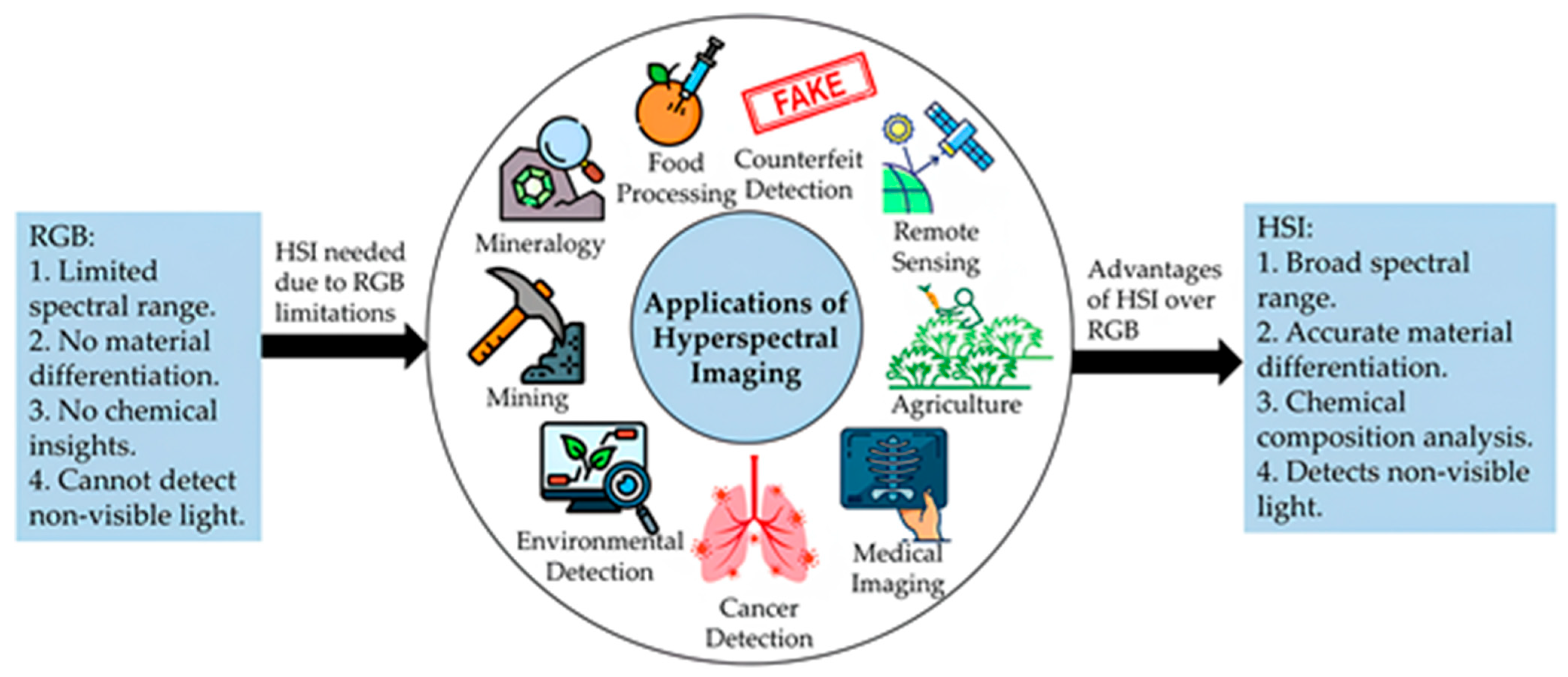
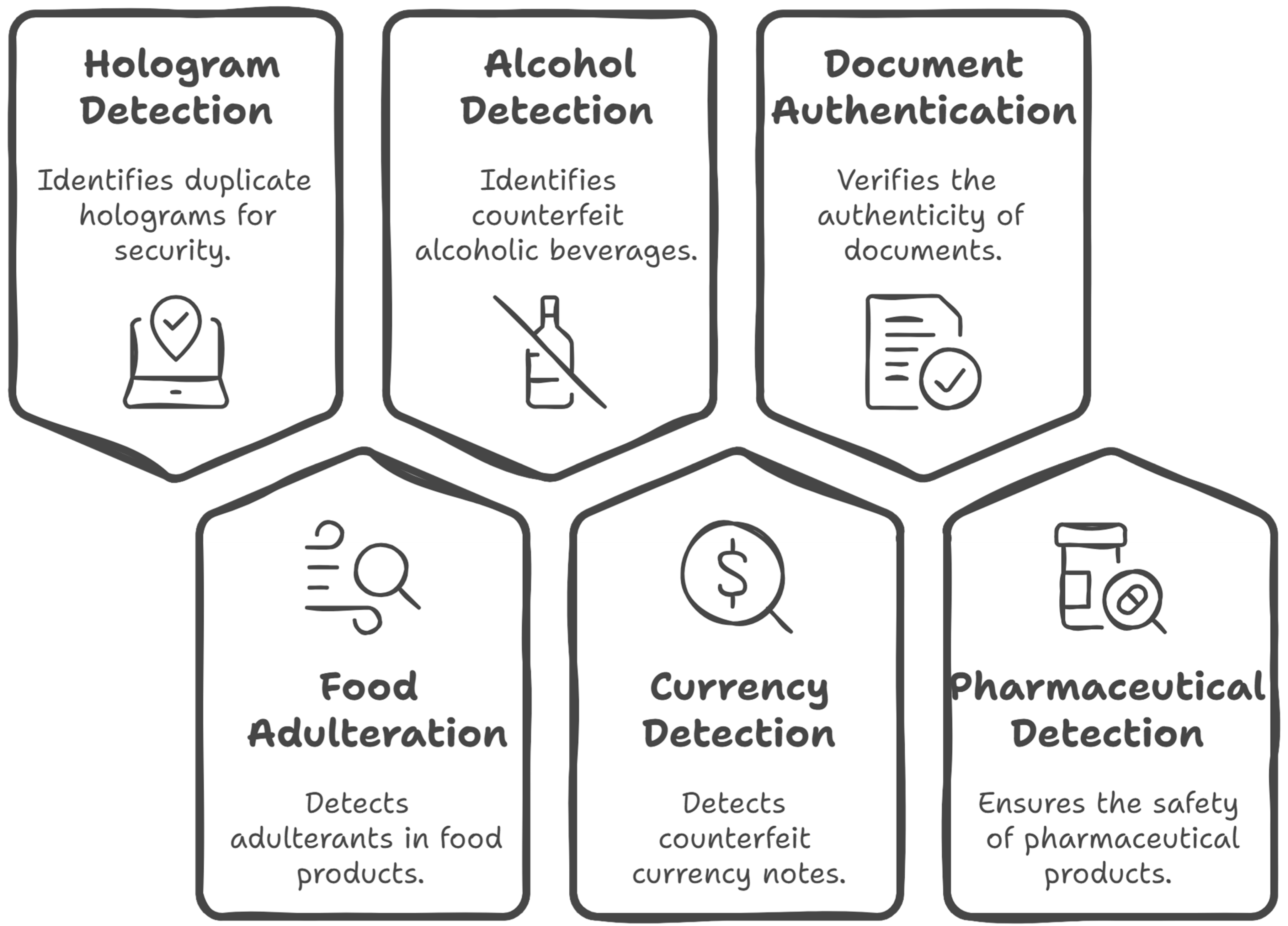
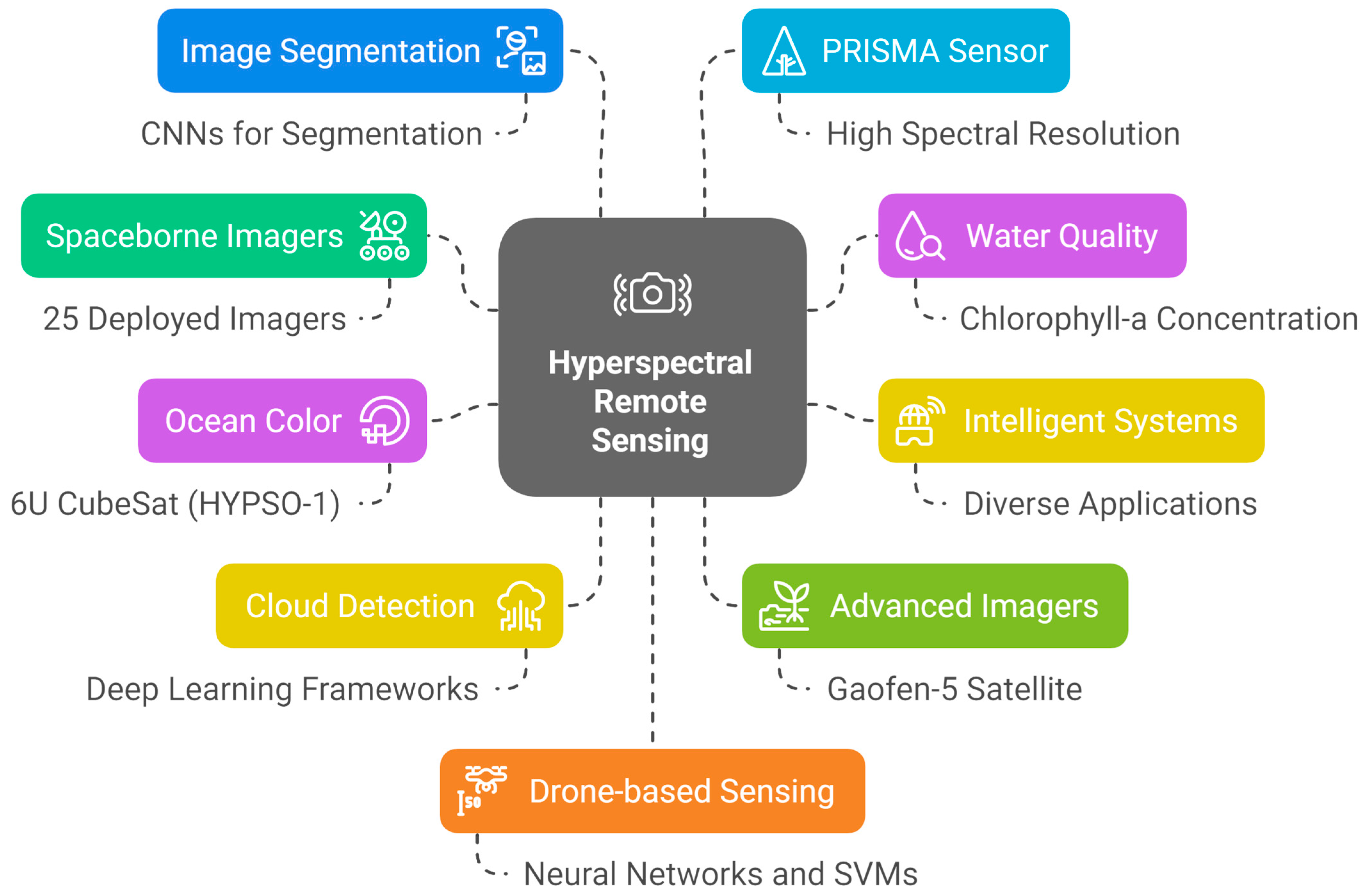
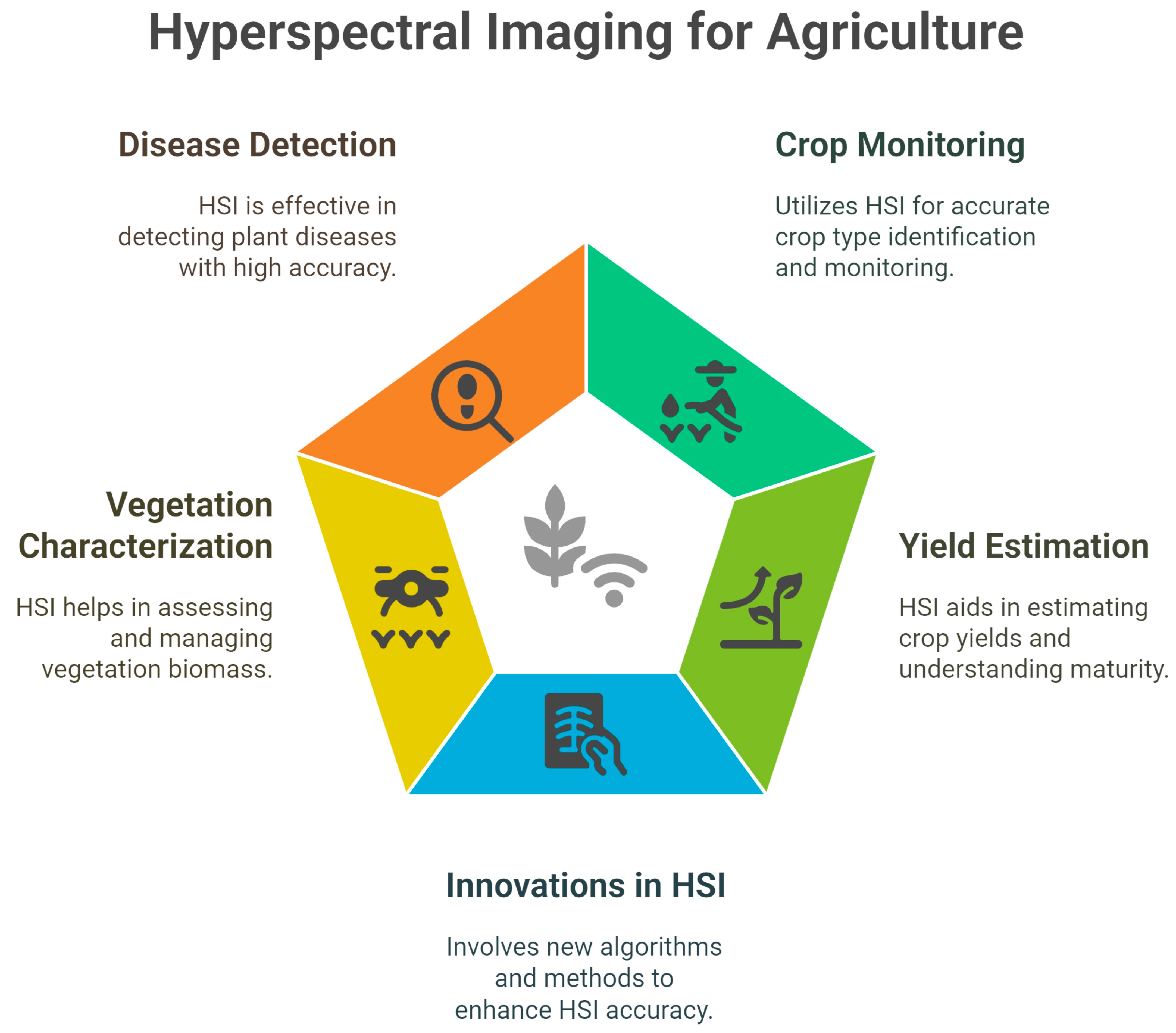
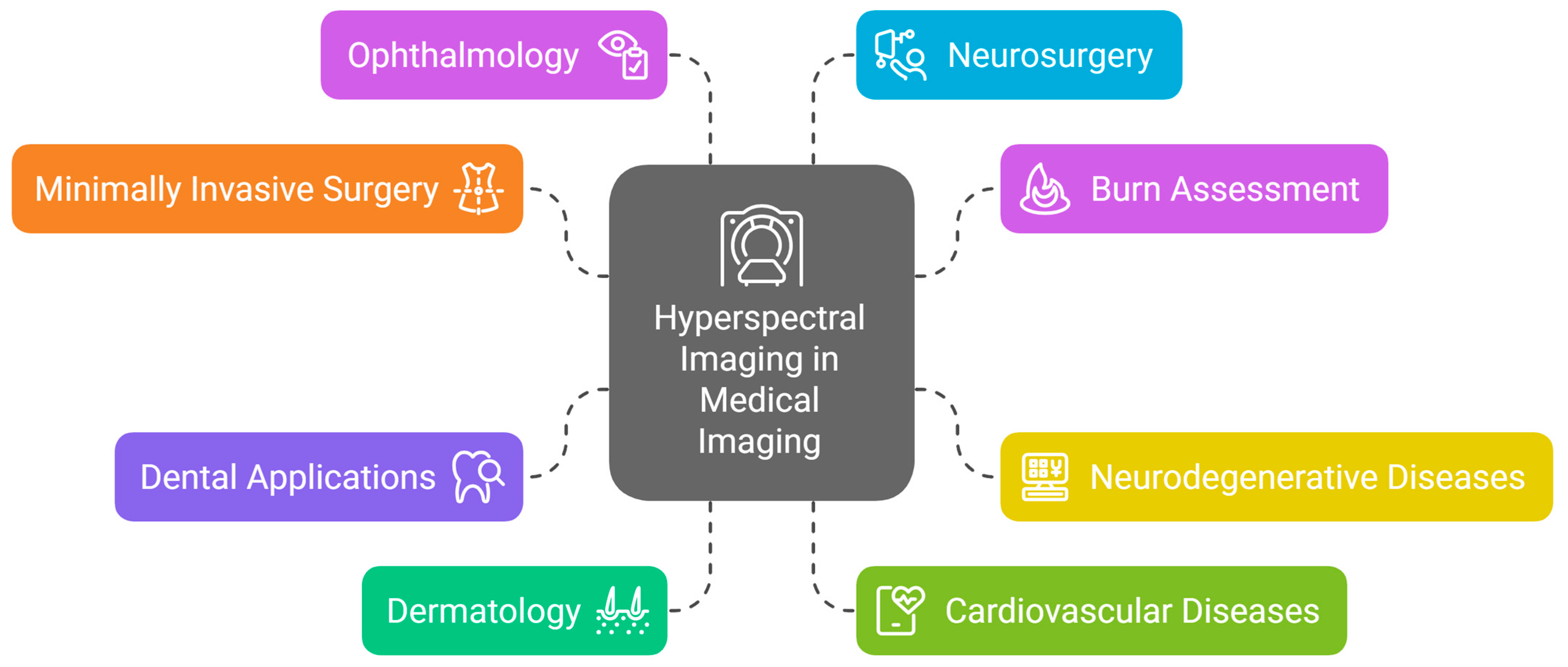
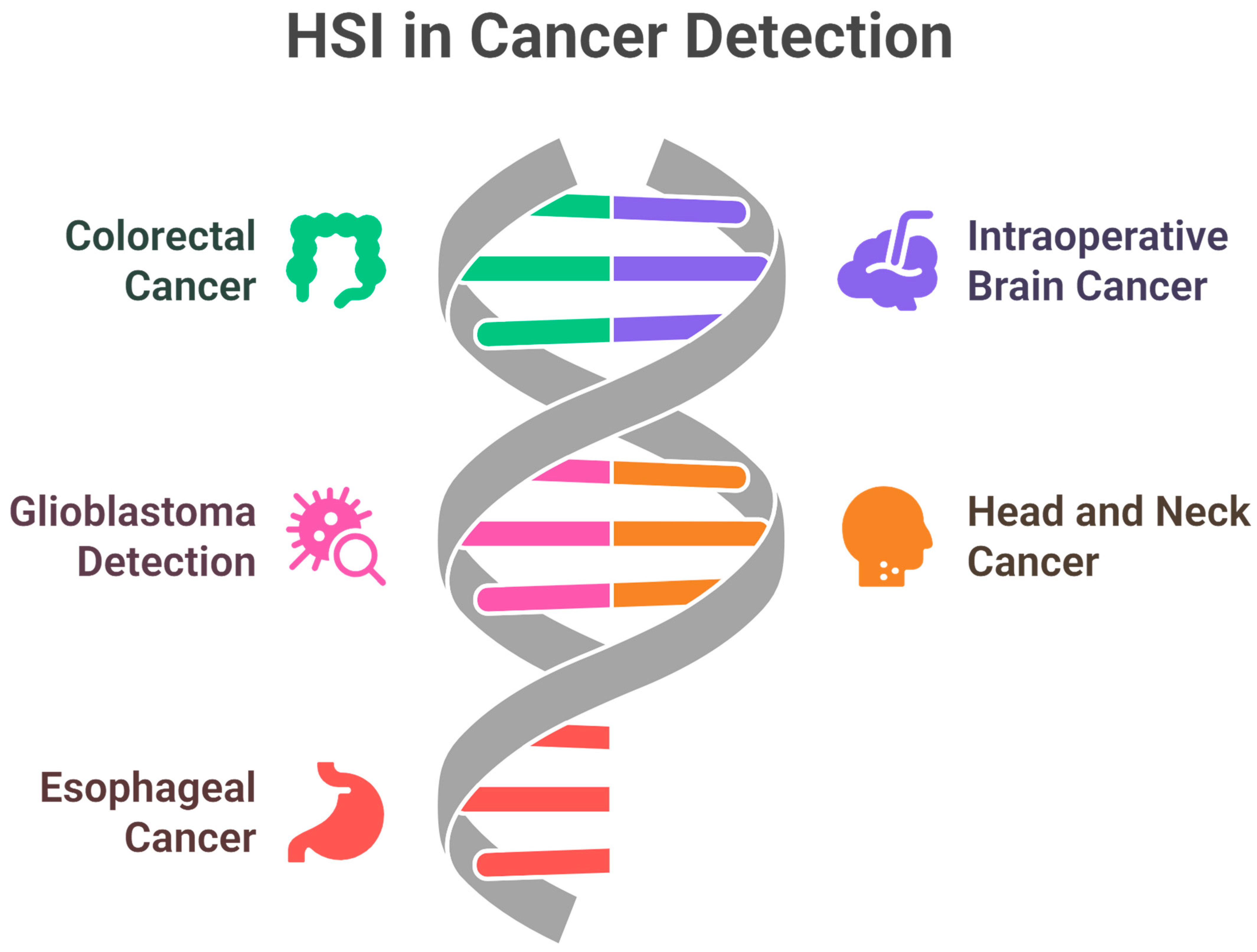
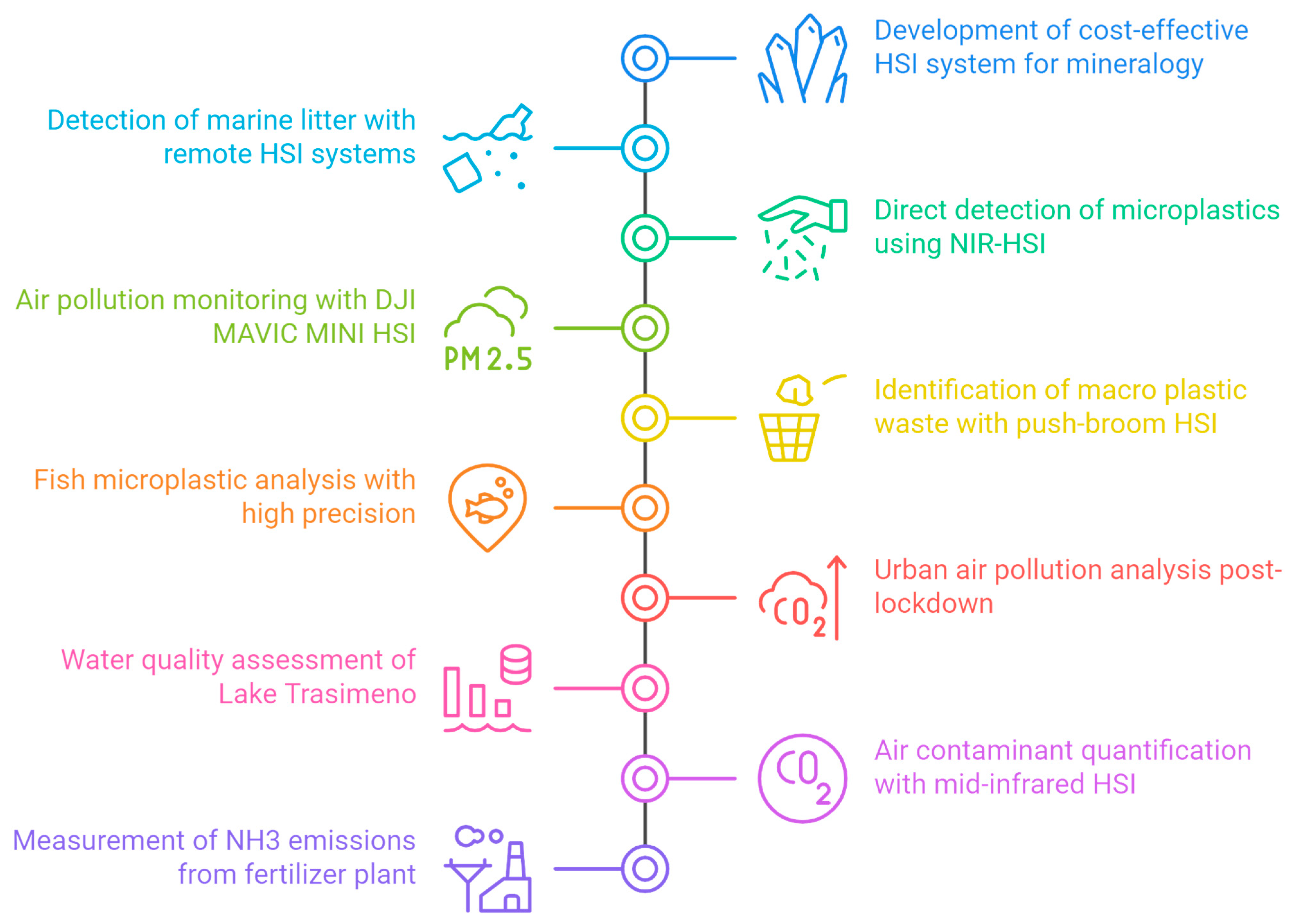
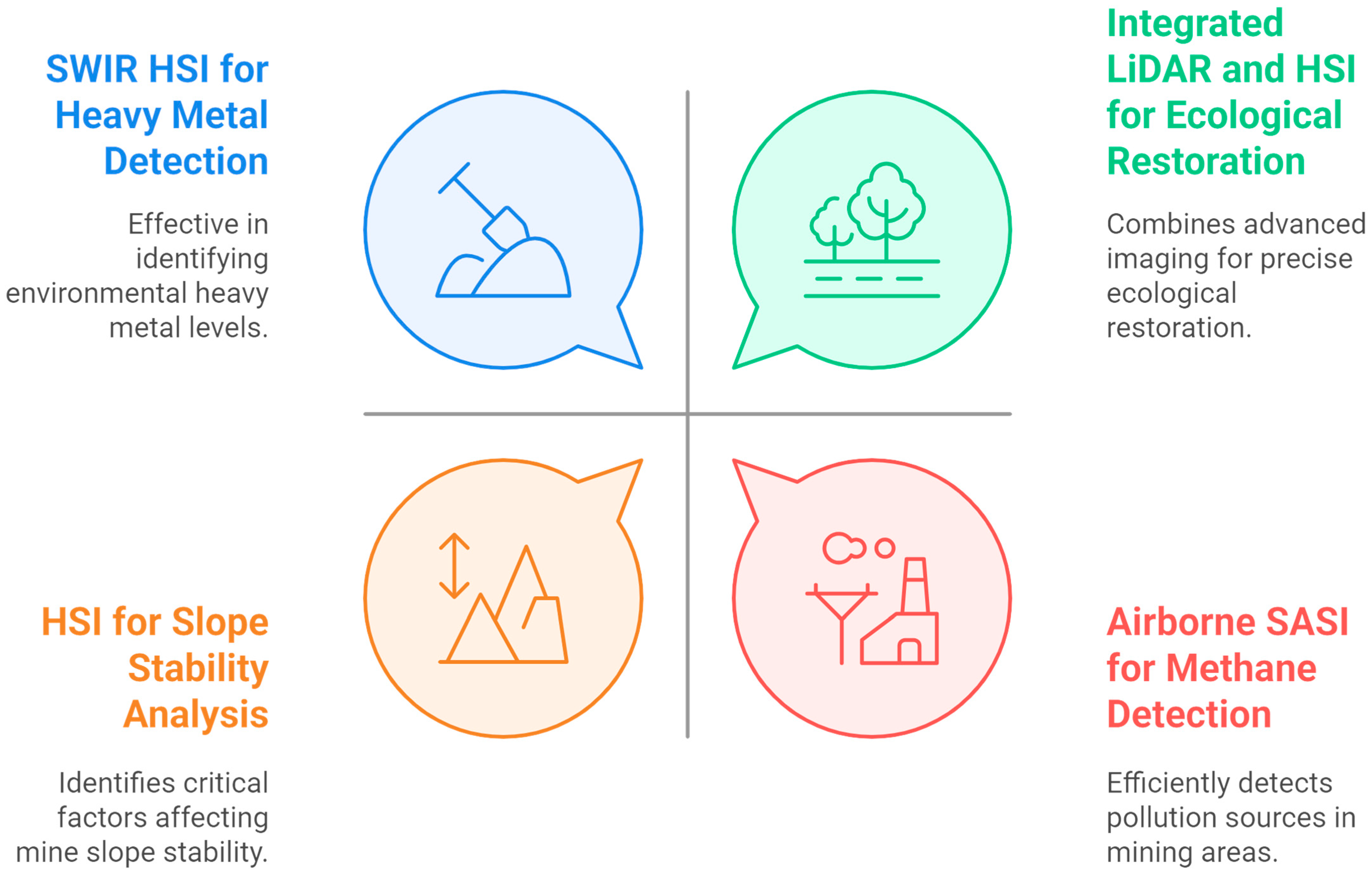
Hyperspectral imaging (HSI) is an advanced imaging technique that captures detailed spectral information across multiple fields. This review explores its applications in counterfeit detection, remote sensing, agriculture, medical imaging, cancer detection, environmental monitoring, mining, mineralogy, and food processing, specifically highlighting significant achievements from the past five years, providing a timely update across several fields. It also presents a cross-disciplinary classification framework to systematically categorize applications in medical, agriculture, environment, and industry. In counterfeit detection, HSI identified fake currency with high accuracy in the 400–500 nm range and achieved a 99.03% F1-score for counterfeit alcohol detection. Remote sensing applications include hyperspectral satellites, which improve forest classification accuracy by 50%, and soil organic matter, with the prediction reaching R2 = 0.6. In agriculture, the HSI-TransUNet model achieved 86.05% accuracy for crop classification, and disease detection reached 98.09% accuracy. Medical imaging benefits from HSI’s non-invasive diagnostics, distinguishing skin cancer with 87% sensitivity and 88% specificity. In cancer detection, colorectal cancer identification reached 86% sensitivity and 95% specificity. Environmental applications include PM2.5 pollution detection with 85.93% accuracy and marine plastic waste detection with 70–80% accuracy. In food processing, egg freshness prediction achieved R2 = 91%, and pine nut classification reached 100% accuracy. Despite its advantages, HSI faces challenges like high costs and complex data processing. Advances in artificial intelligence and miniaturization are expected to improve accessibility and real-time applications. Future advancements are anticipated to concentrate on the integration of deep learning models for automated feature extraction and decision-making in hyperspectral imaging analysis. The development of lightweight, portable HSI devices will enable more on-site applications in agriculture, healthcare, and environmental monitoring. Moreover, real-time processing methods will enhance efficiency for field deployment. These improvements seek to enhance the accessibility, practicality, and efficacy of HSI in both industrial and clinical environments.
Keywords: cancer detection; counterfeit detection; environmental monitoring; food processing; hyperspectral imaging; medical imaging; remote sensing cancer detection; counterfeit detection; environmental monitoring; food processing; hyperspectral imaging; medical imaging; remote sensing