
Article

Design and Validation of a Walking Exoskeleton for Gait Rehabilitation Using a Dual Eight-Bar Mechanism

1
Faculty of Mechanical and Electrical Engineering, Colima University, Manzanillo 28806, Mexico
2
Institute for Mechatronics Engineering and Cyber-Physical Systems (IMECH.UMA), University of Malaga, 29071 Malaga, Spain
3
Mechanical Engineering Department, University of Malaga, 29071 Malaga, Spain
*
Author to whom correspondence should be addressed.
Technologies 2025, 13(10), 463; https://doi.org/10.3390/technologies13100463

Submission received: 2 September 2025 / Revised: 30 September 2025 / Accepted: 11 October 2025 / Published: 13 October 2025
(This article belongs to the Special Issue Advanced Technologies for Enhancing Safety, Health, and Well-Being)

Abstract

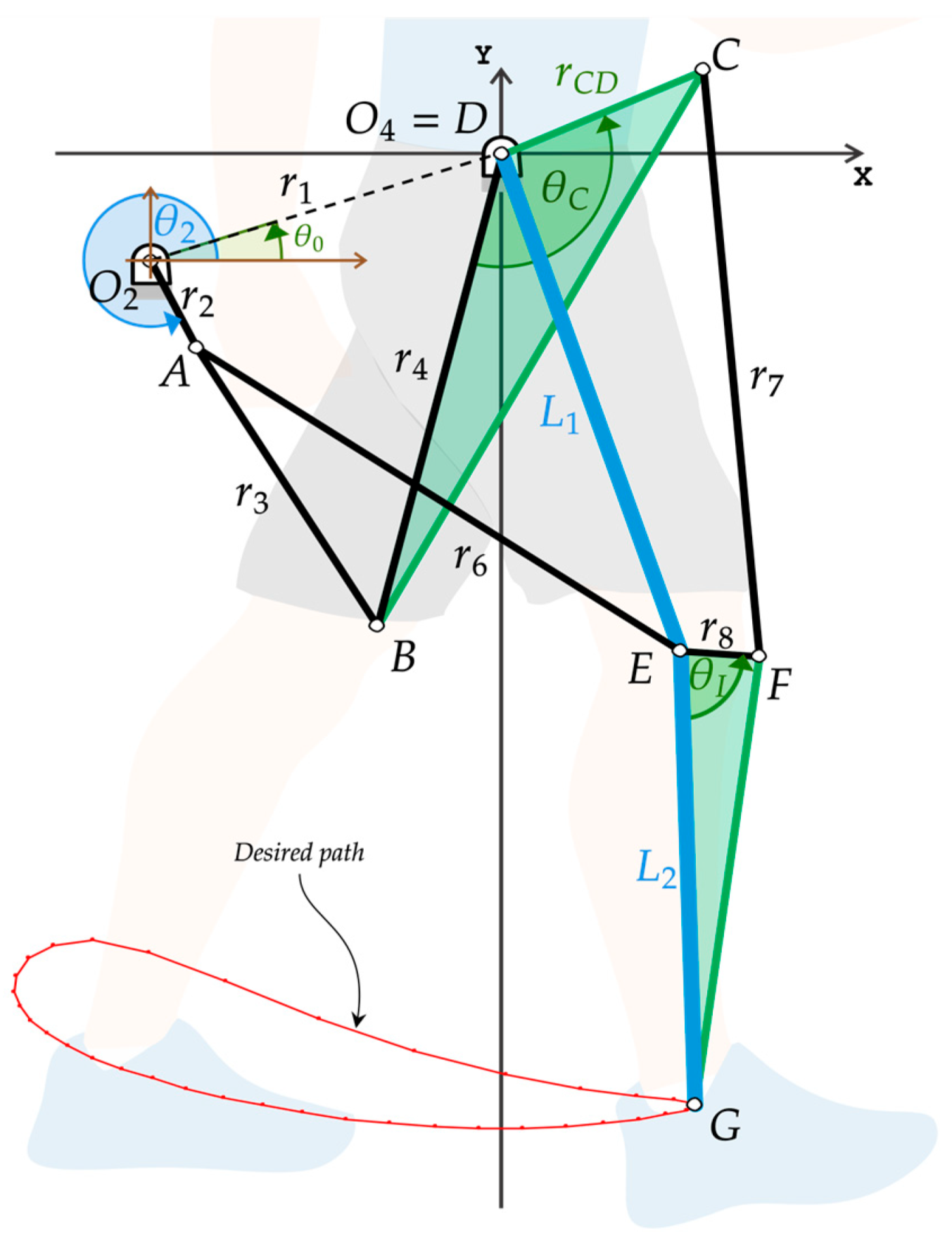
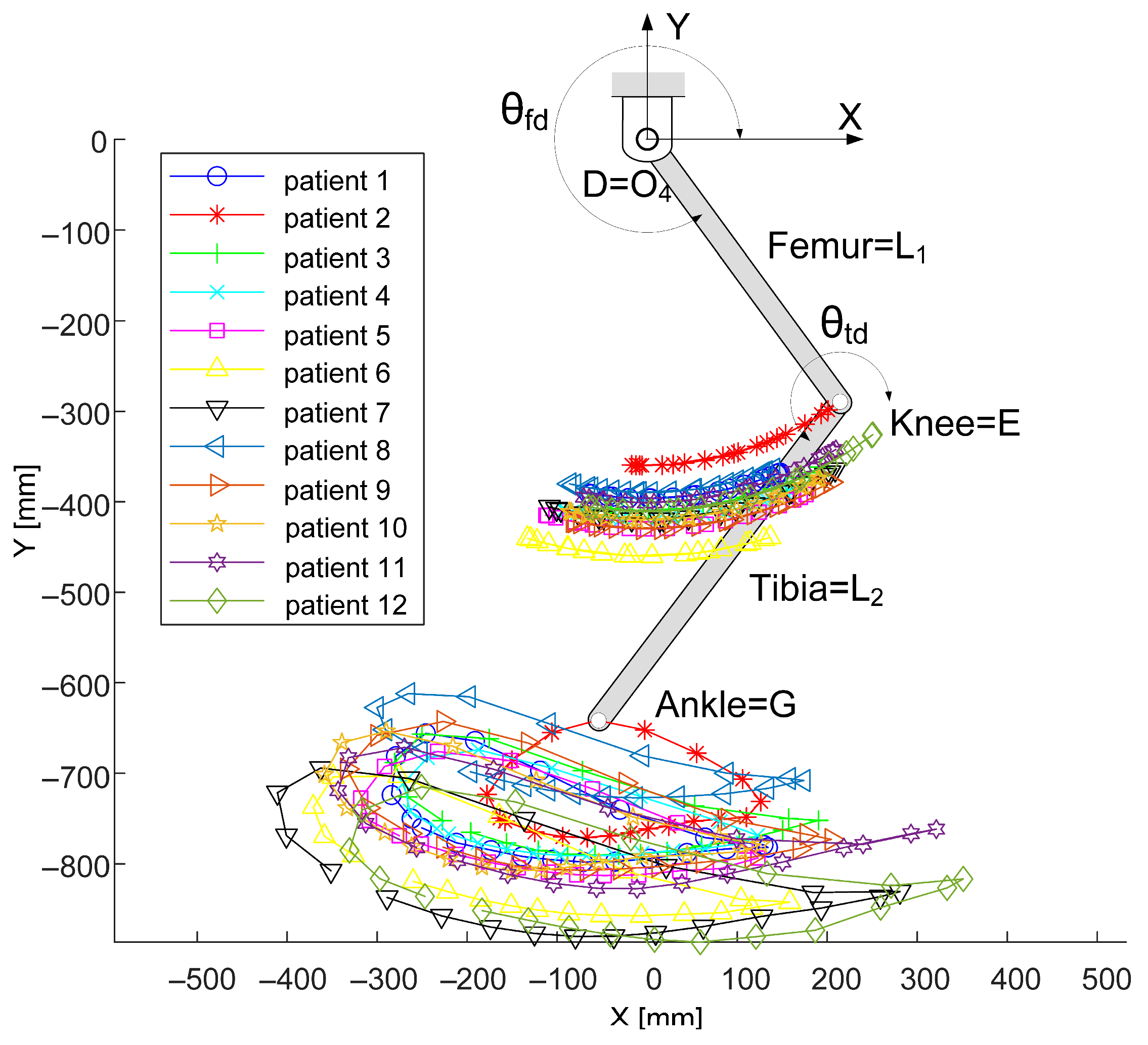
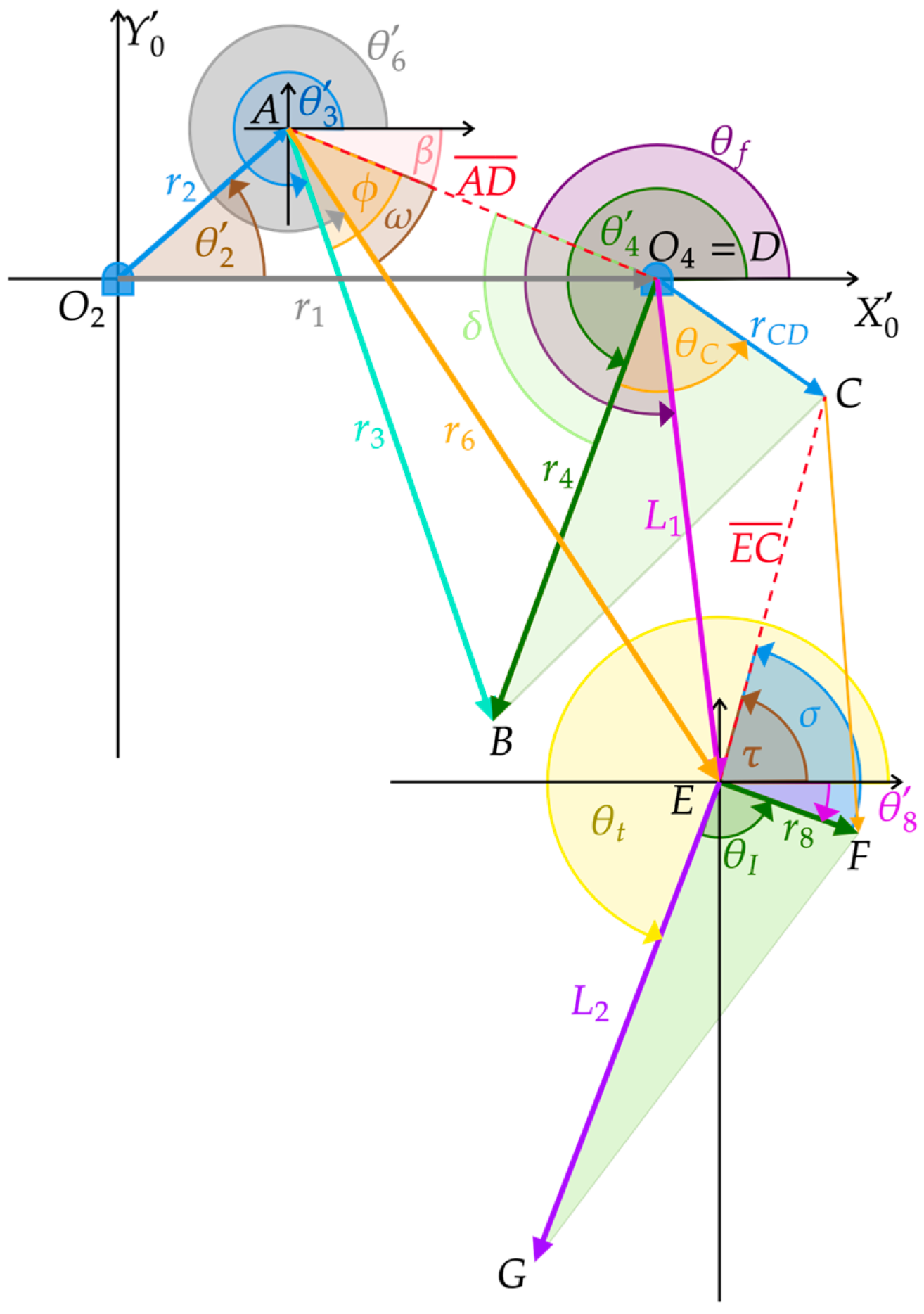
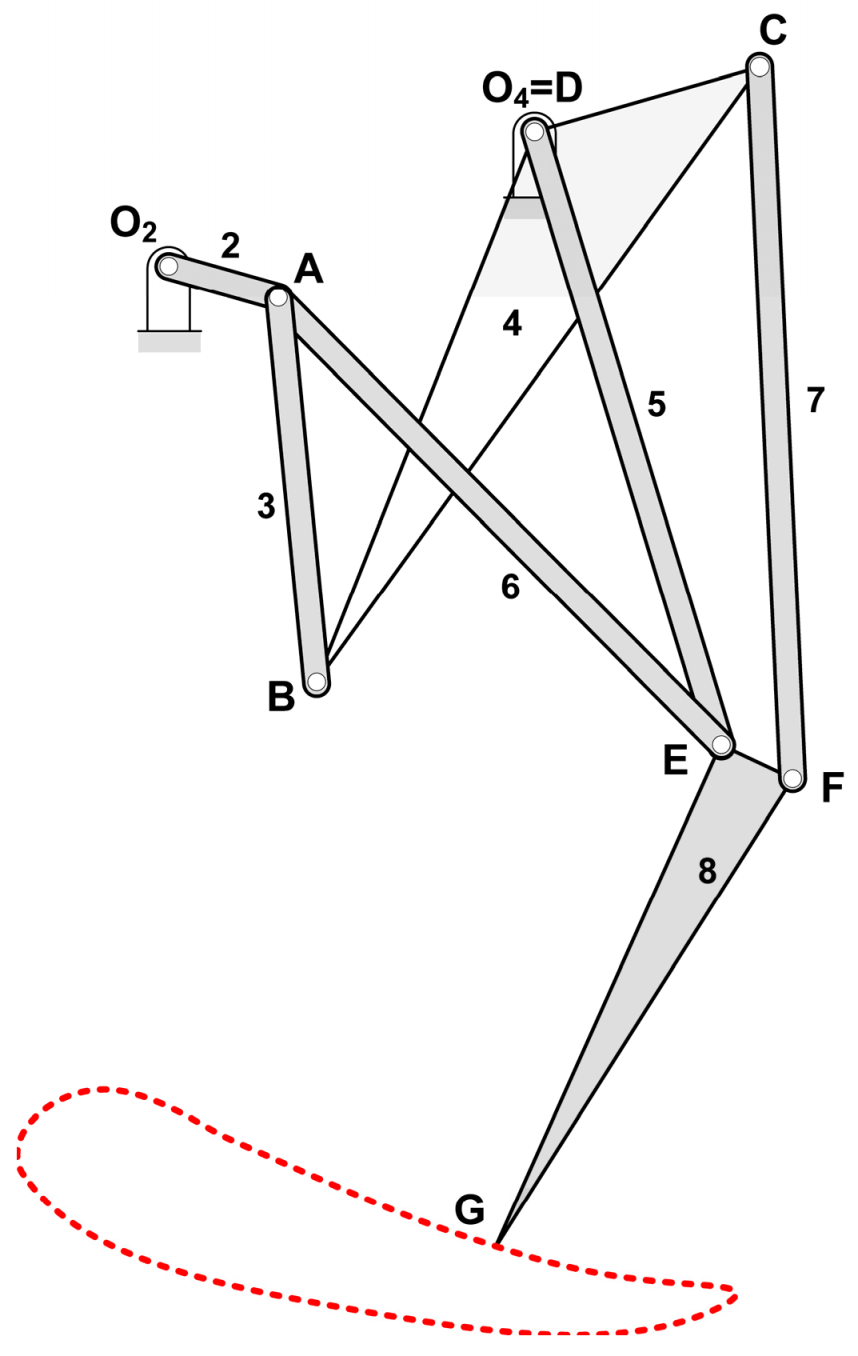
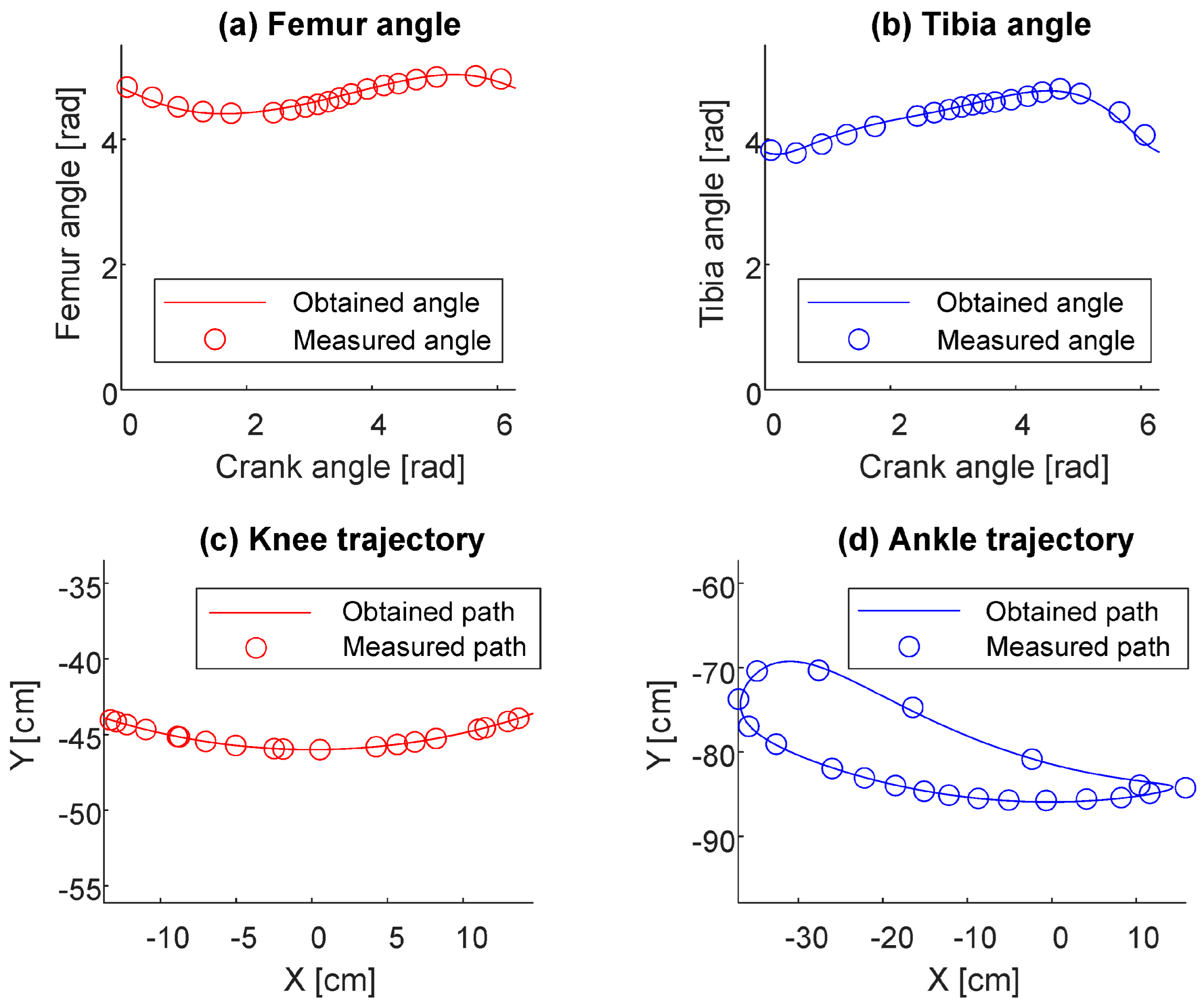
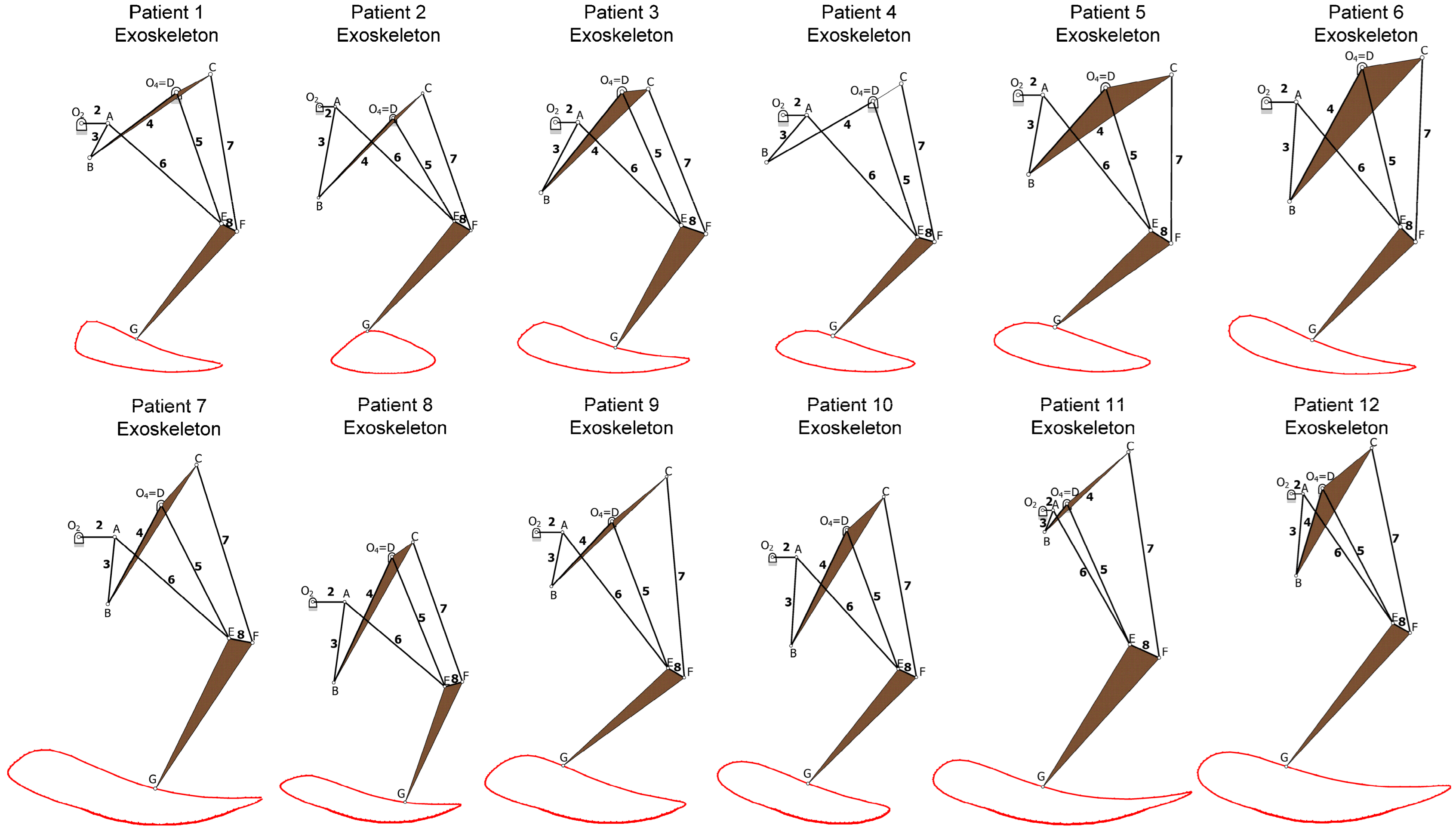
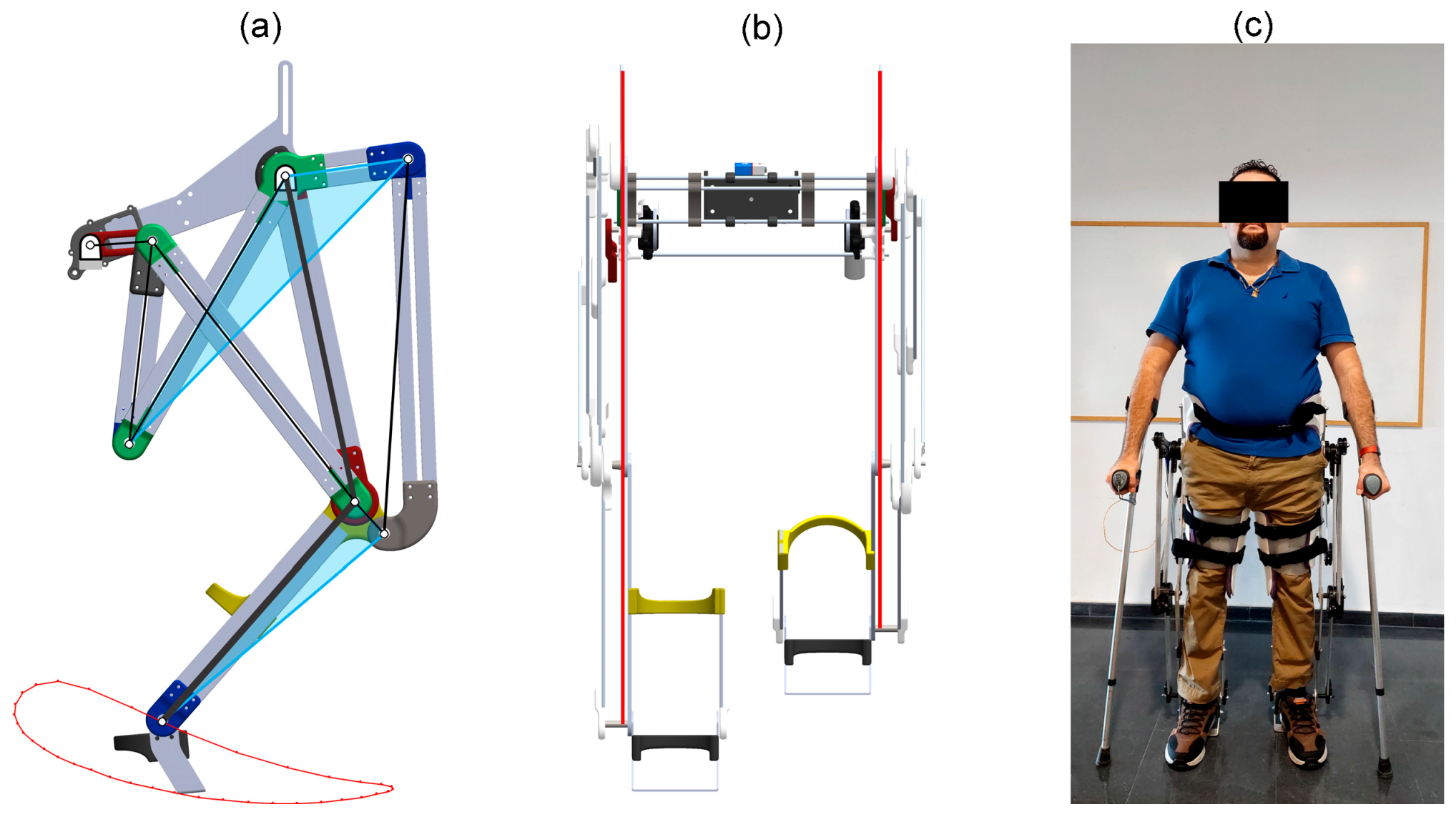
Improvements in exoskeletons and robotic systems are gaining increasing attention because of their potential to improve neuromuscular rehabilitation and assist people in their daily activities, significantly improving their quality of life. However, the high cost and complexity of current devices limit their accessibility to many patients and rehabilitation centers. This work presents the design and development of a low-cost walking exoskeleton, conceived to offer an affordable and simple alternative. The system uses a compact eight-bar mechanism with only one degree of freedom per leg, drastically simplifying motorization and control. The exoskeleton is customized for each patient using a synthesis process based on evolutionary algorithms to replicate a predefined gait. Despite the reduced number of degrees of freedom, the resulting mechanism perfectly matches the desired ankle and knee trajectories. The device is designed to be lightweight and affordable, with components fabricated using 3D printing, standard aluminum bars, and one actuator per leg. A working prototype was fabricated, and its functionality and gait accuracy were confirmed. Although limited to a predefined gait pattern and requiring crutches for balance and steering, this exoskeleton represents a promising solution for rehabilitation centers with limited resources, offering accessible and effective gait assistance to a wider population.
Keywords: exoskeleton for walking; synthesis of mechanisms; dynamics of exoskeleton exoskeleton for walking; synthesis of mechanisms; dynamics of exoskeleton