Article

Reading Between the Lines: Digital Annotation Insights from Heritage and L2 Learners

World Languages and Cultures Department, College of Humanities and Social Sciences, Sam Houston State University, Huntsville, TX 77341, USA
Languages 2025, 10(9), 207; https://doi.org/10.3390/languages10090207

Submission received: 23 April 2025 / Revised: 14 August 2025 / Accepted: 18 August 2025 / Published: 26 August 2025
(This article belongs to the Special Issue Language Processing in Spanish Heritage Speakers)

Abstract

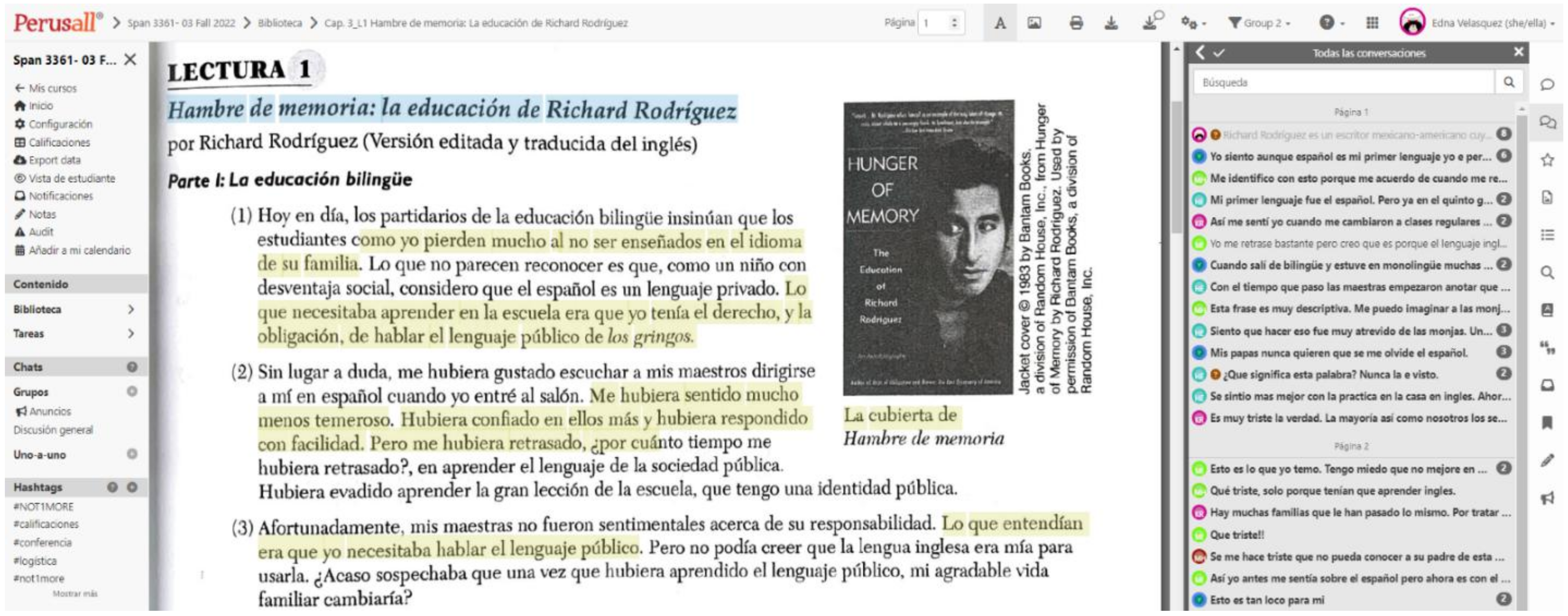
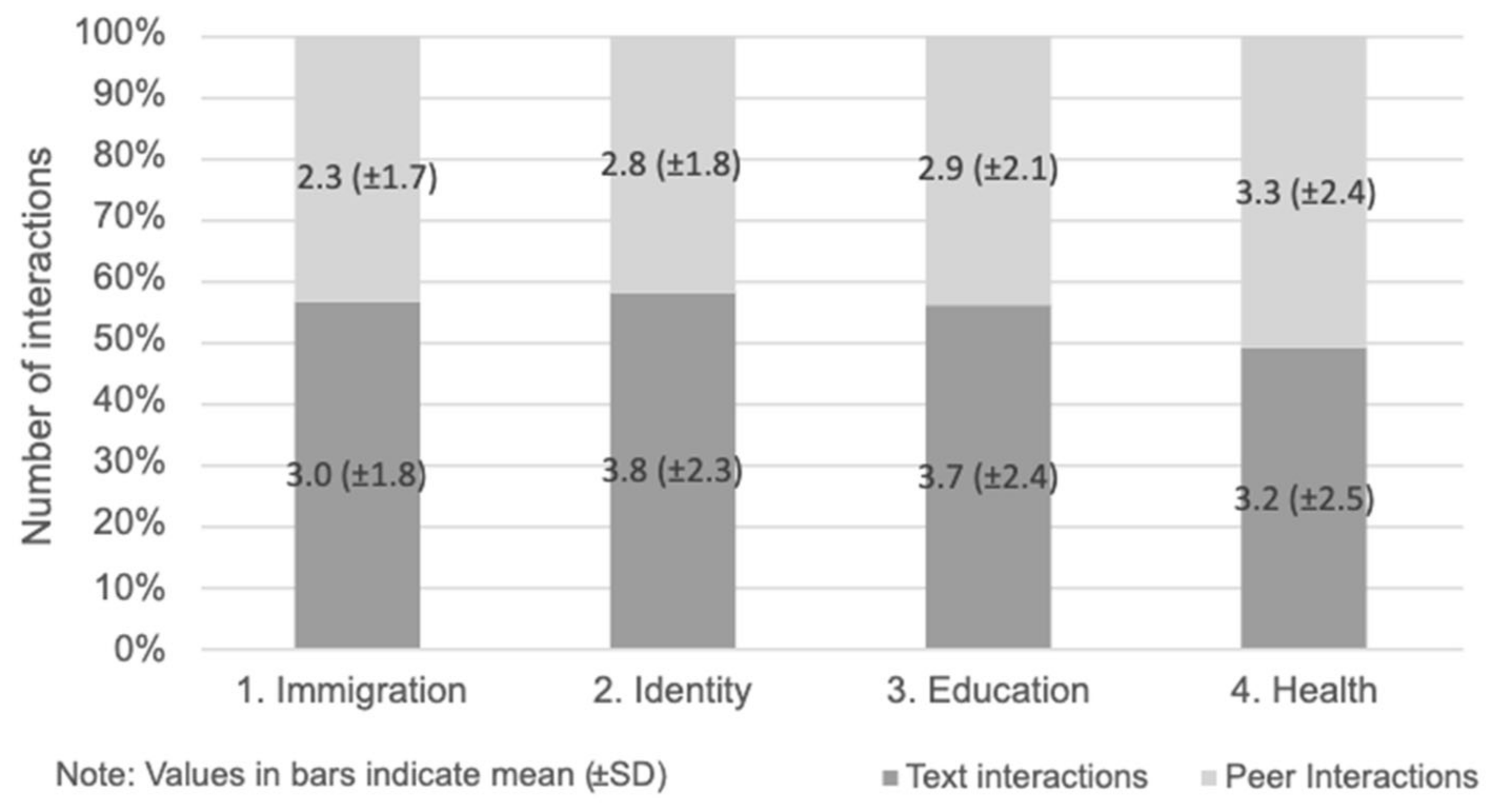
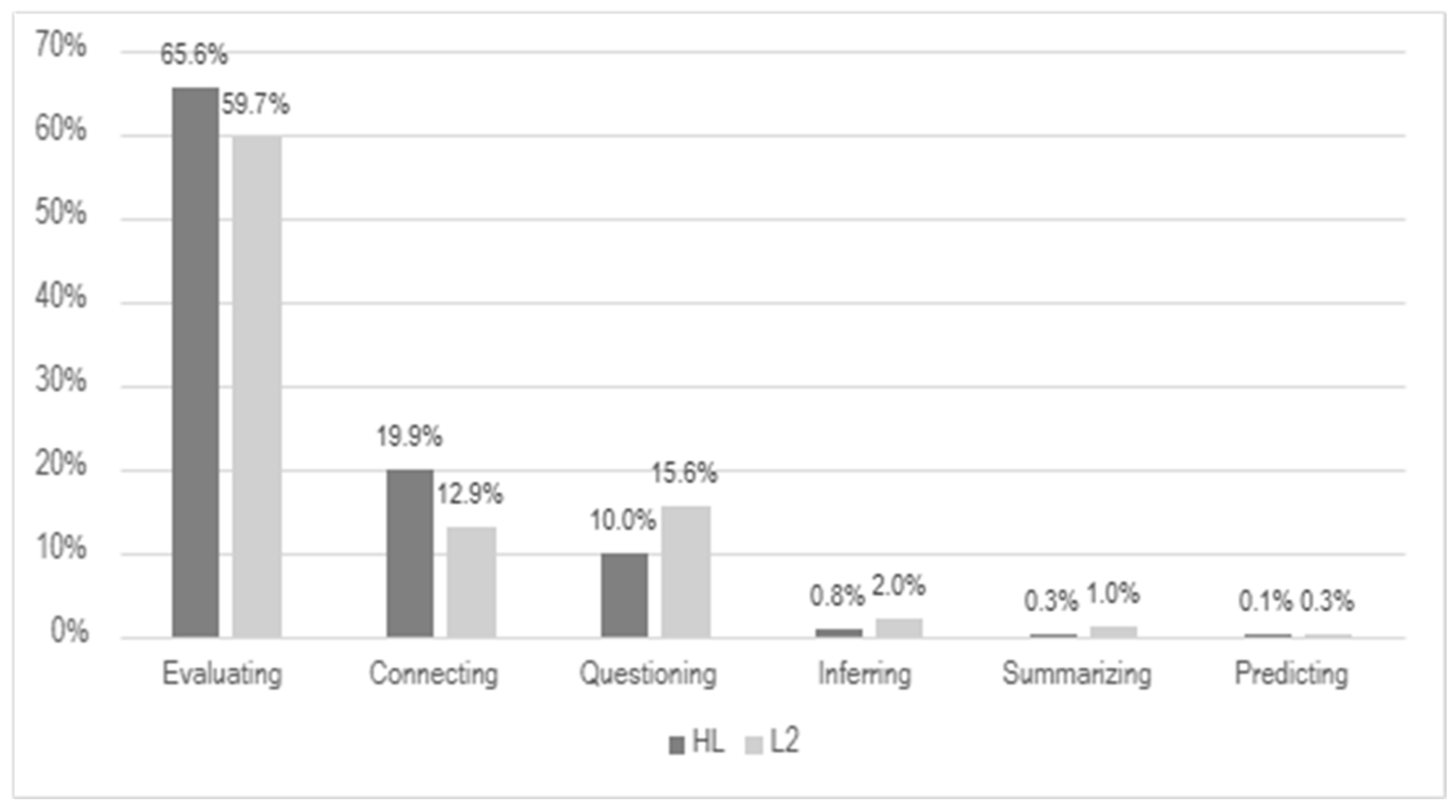
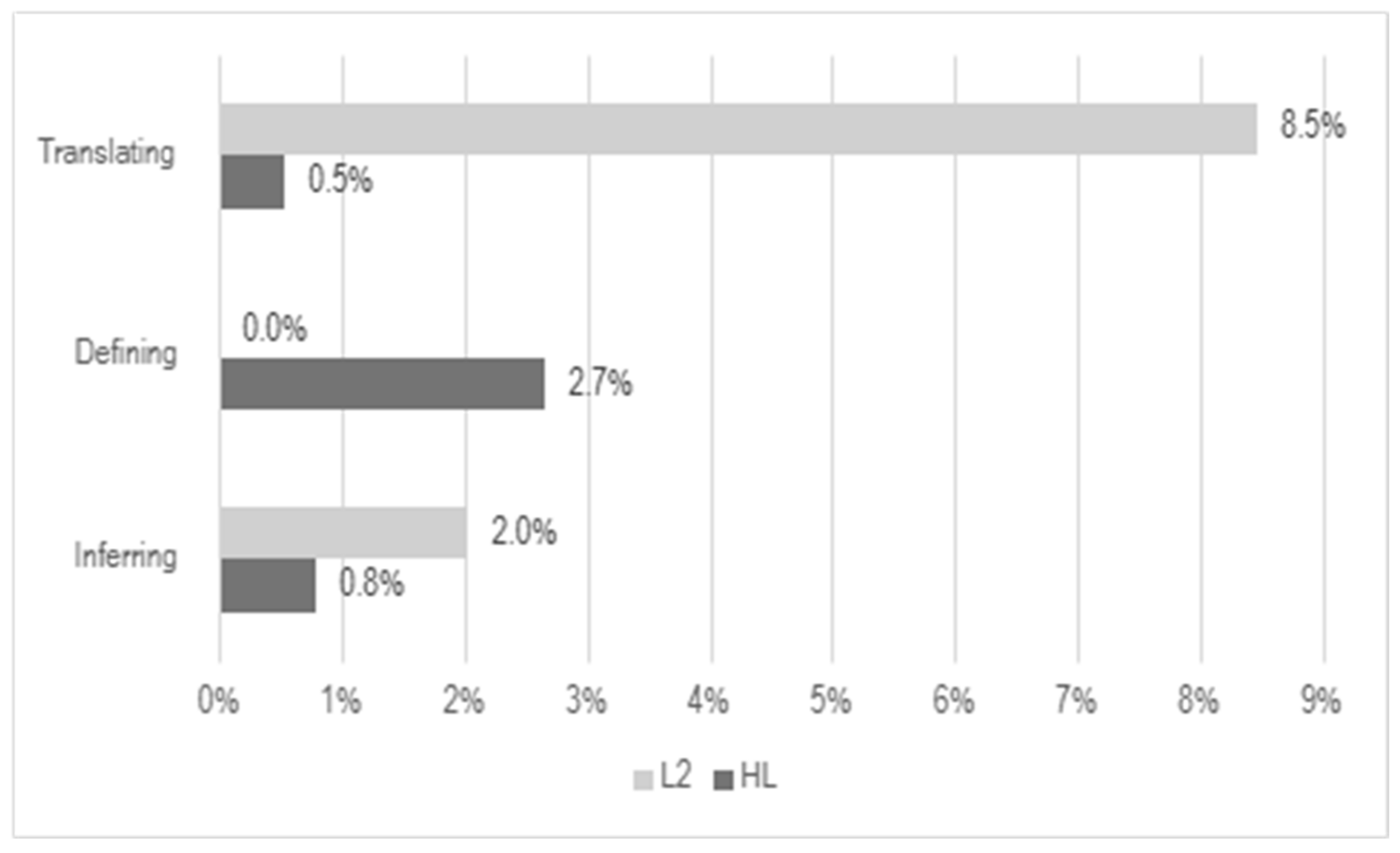
This study investigates how Spanish heritage language (SHL) learners, and second language (L2) learners cognitively and socially engage with texts through collaborative digital annotations. Conducted in two advanced online writing courses with forty students, the study employed Perusall, a social annotation platform, to examine reading behaviors and peer interactions. Quantitative analysis revealed both similarities and differences in strategy use: while both groups demonstrated equal levels of interaction, SHL learners favored Evaluating and Connecting strategies, suggesting reflective, experience-based engagement, whereas L2 learners more frequently used Questioning and Translating strategies, indicating a more analytical approach. Survey responses further highlighted perceived gains in vocabulary, motivation, grammar, and academic language awareness. These findings challenge deficit-based assumptions about SHL literacy and underscore the value of integrating culturally relevant, digitally mediated tasks in language instruction. The study affirms that collaborative annotation not only fosters cognitive engagement but also promotes social presence and academic identity development. It offers practical recommendations for grouping, scaffolding, and platform use, and contributes to a broader understanding of how digital tools can support inclusive, meaningful reading experiences for diverse learners in the twenty-first-century classroom.
Keywords: collaborative reading; digital annotation; cognitive engagement; Spanish heritage learners; culturally relevant pedagogy collaborative reading; digital annotation; cognitive engagement; Spanish heritage learners; culturally relevant pedagogy