
Article

The Flying and Adhesion Robot Based on Approach and Vacuum
1
School of Computer Science and Engineering, Nanjing University of Science and Technology, Nanjing 210094, China
2
School of Mechanical Engineering, Nanjing University of Science and Technology, Nanjing 210094, China
*
Author to whom correspondence should be addressed.
Aerospace 2022, 9(5), 228; https://doi.org/10.3390/aerospace9050228

Submission received: 6 March 2022 / Revised: 13 April 2022 / Accepted: 19 April 2022 / Published: 21 April 2022
(This article belongs to the Special Issue Applications of Drones)

Abstract

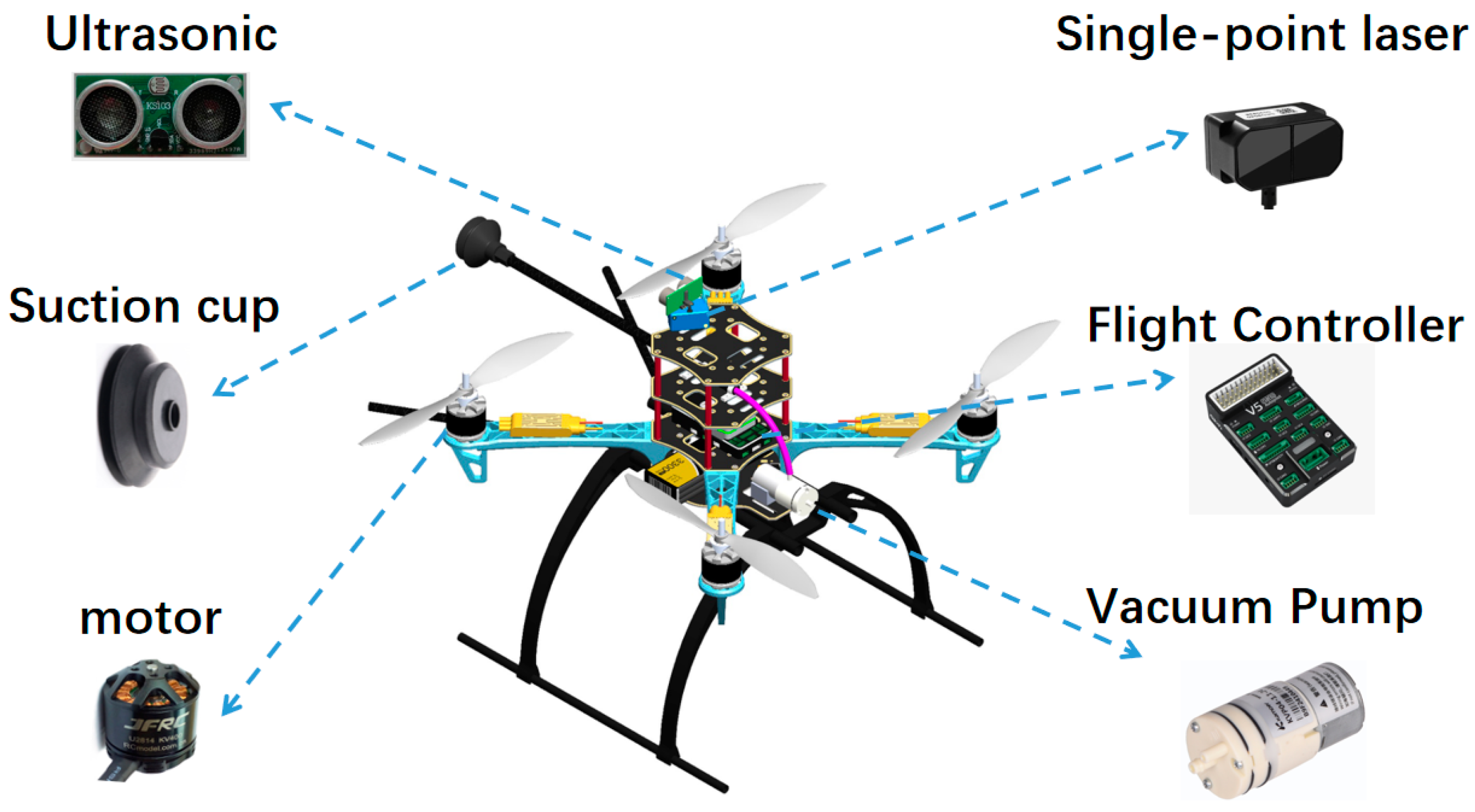
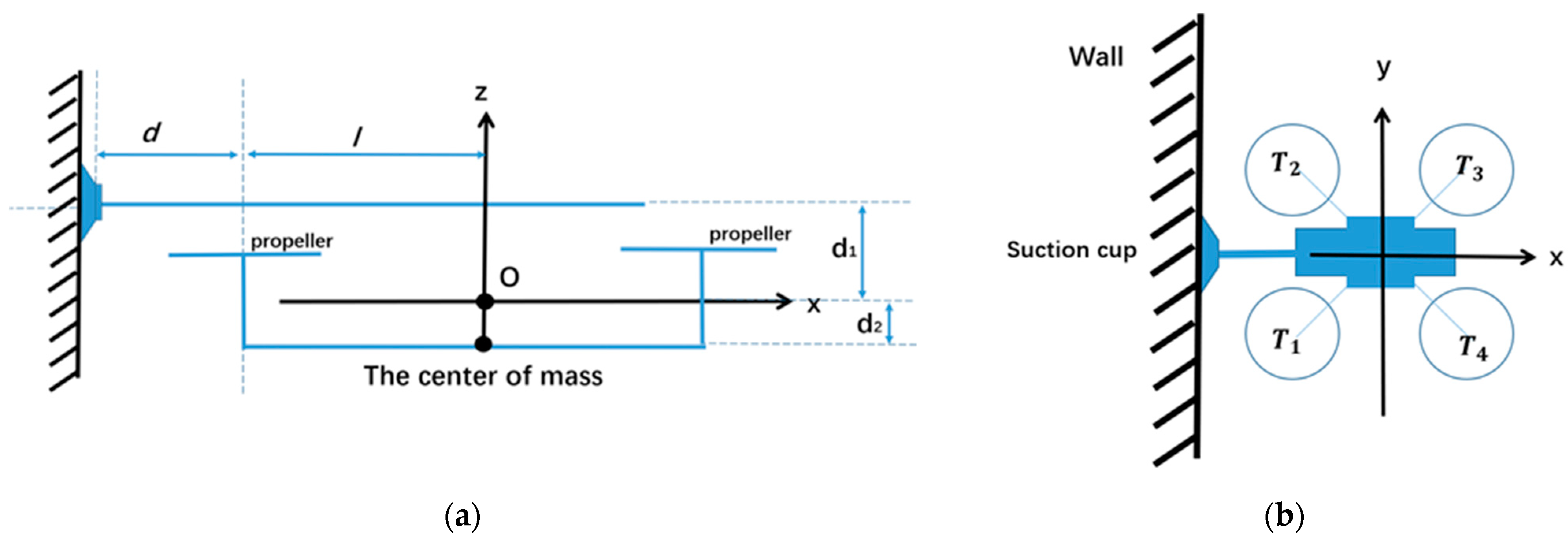
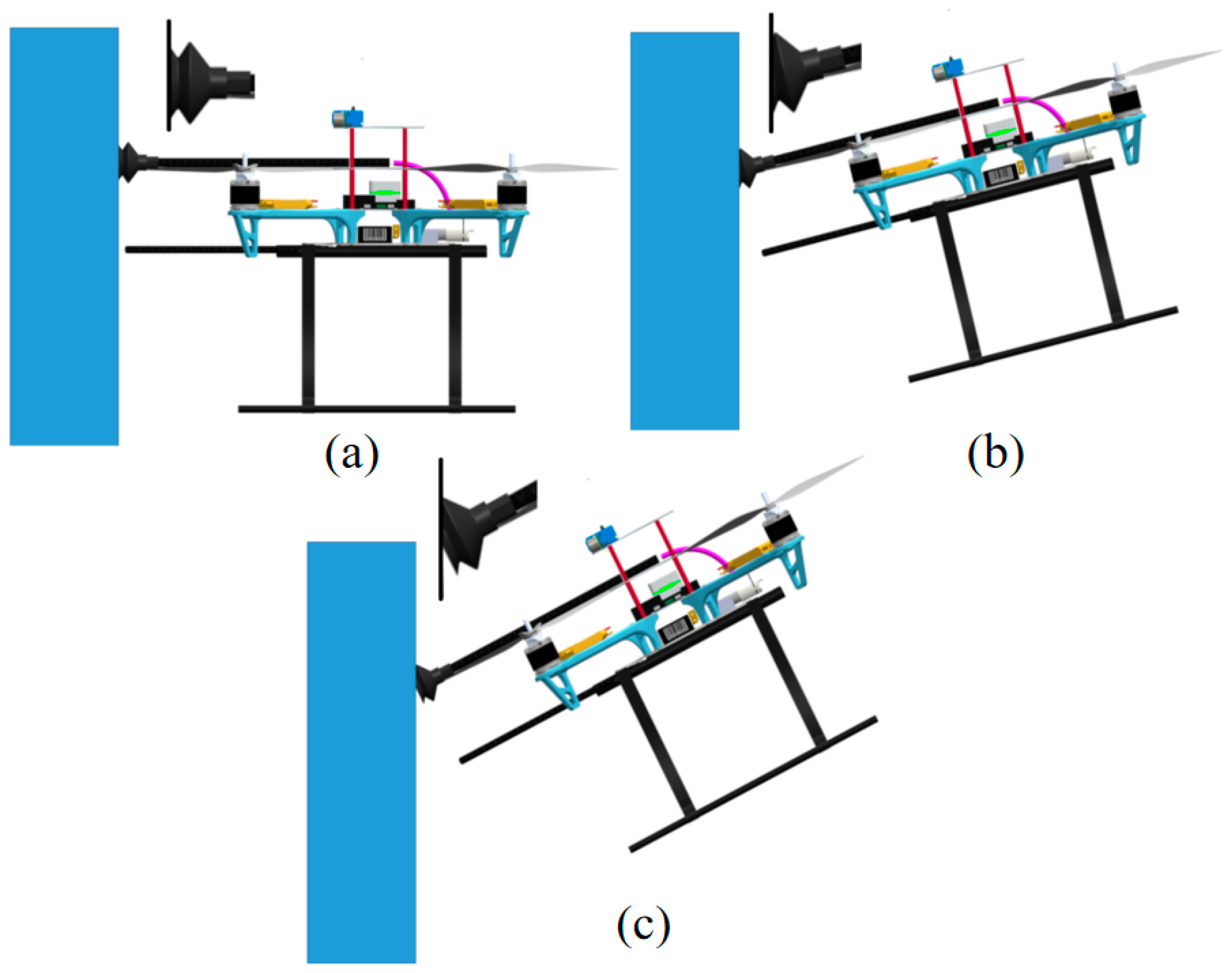
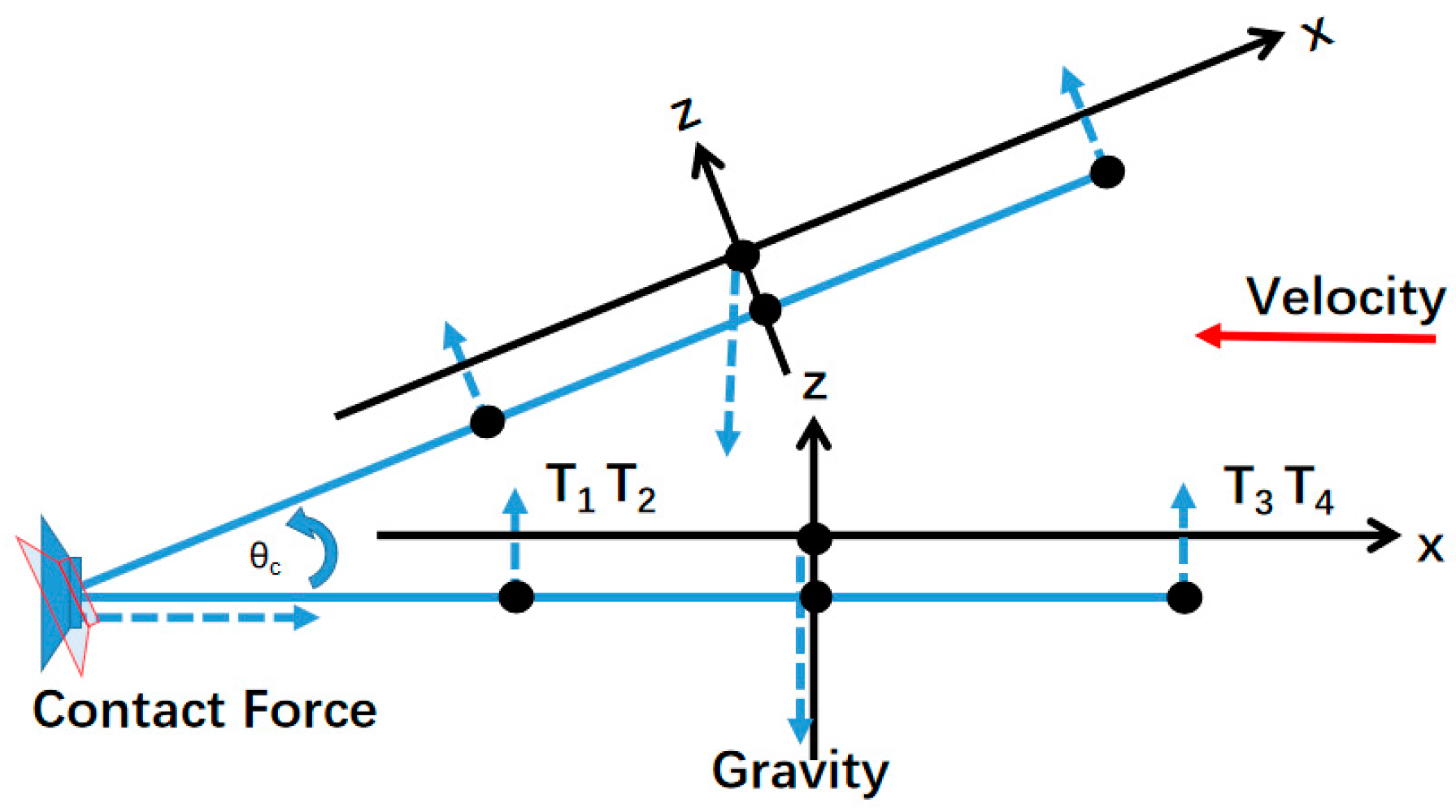
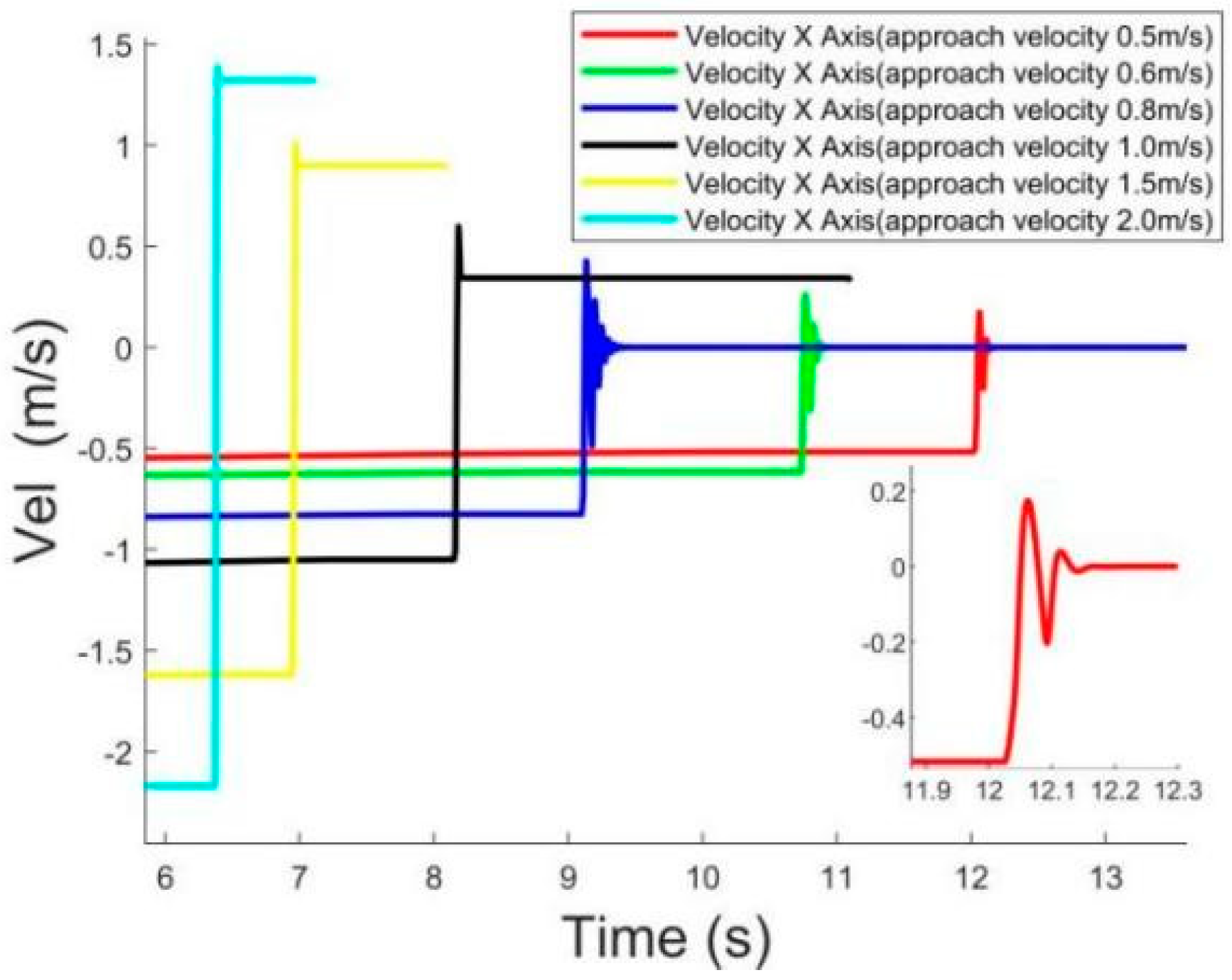
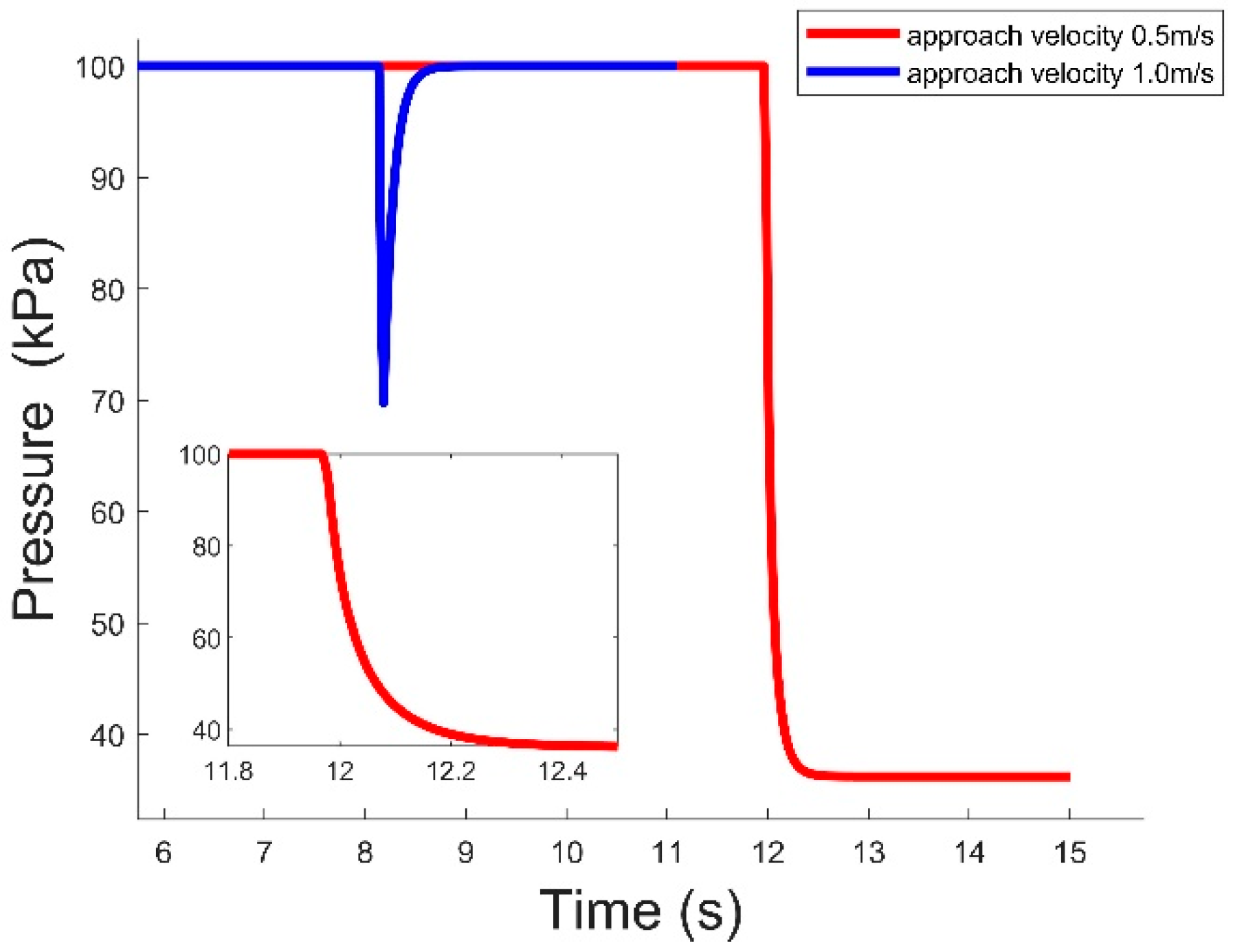
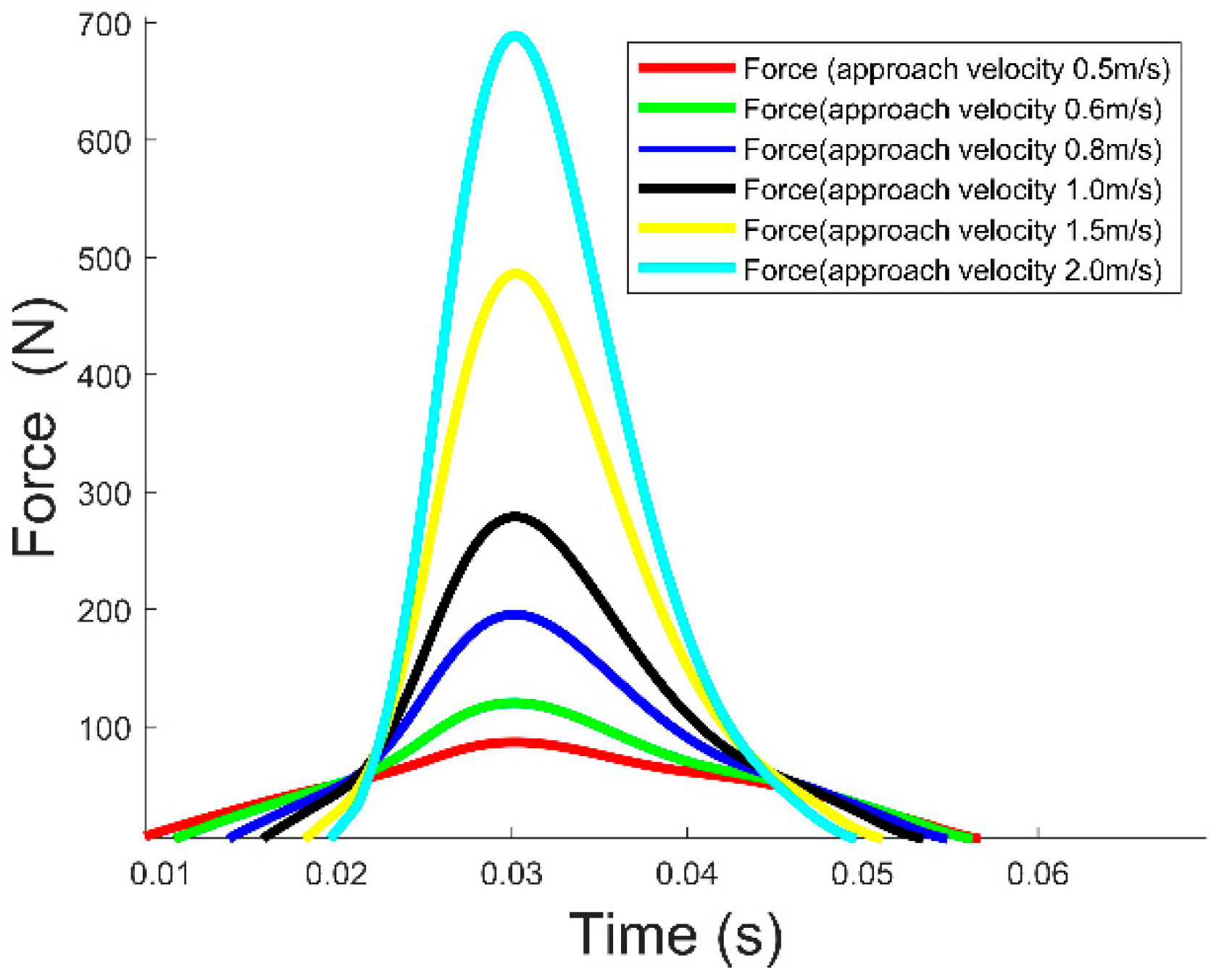
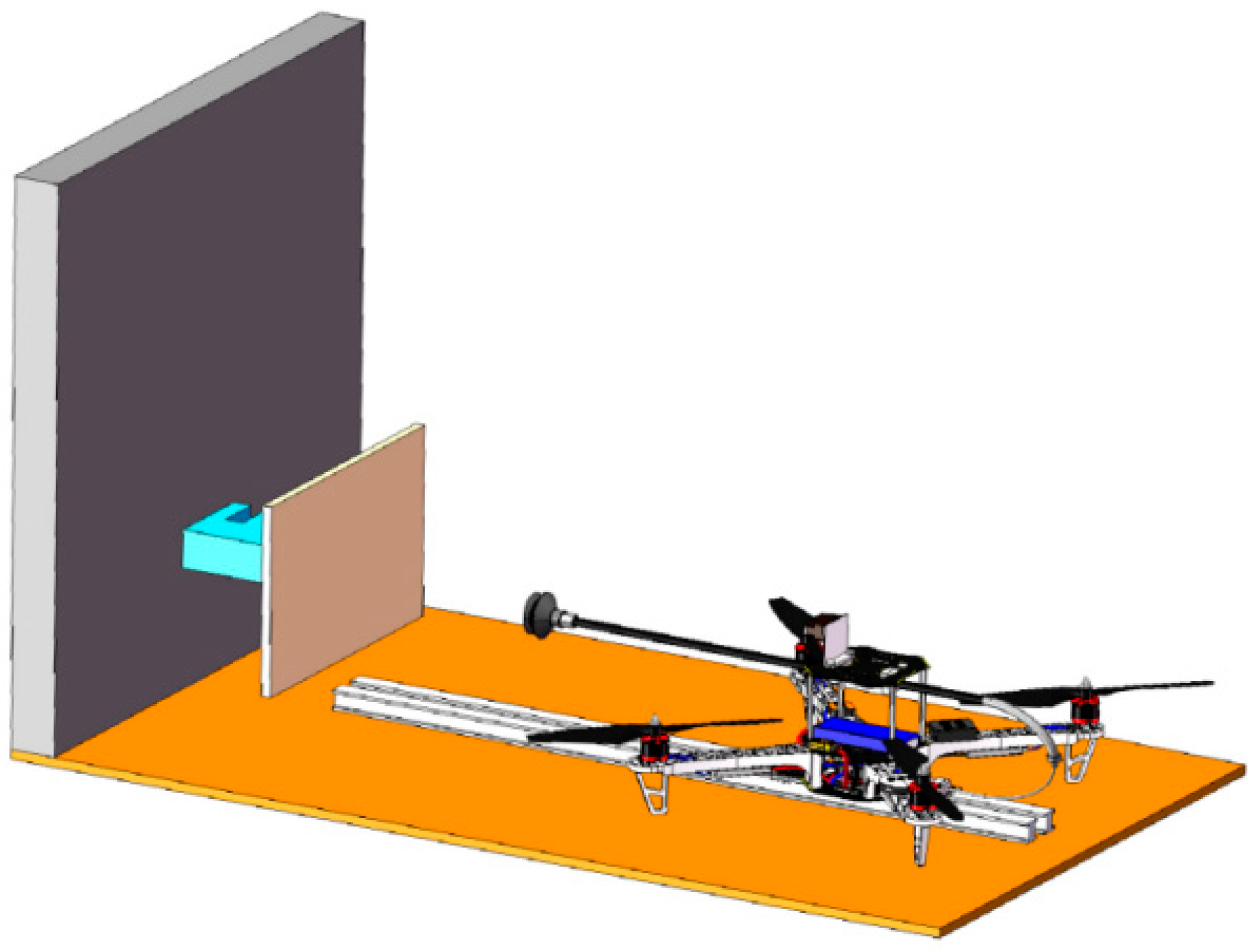
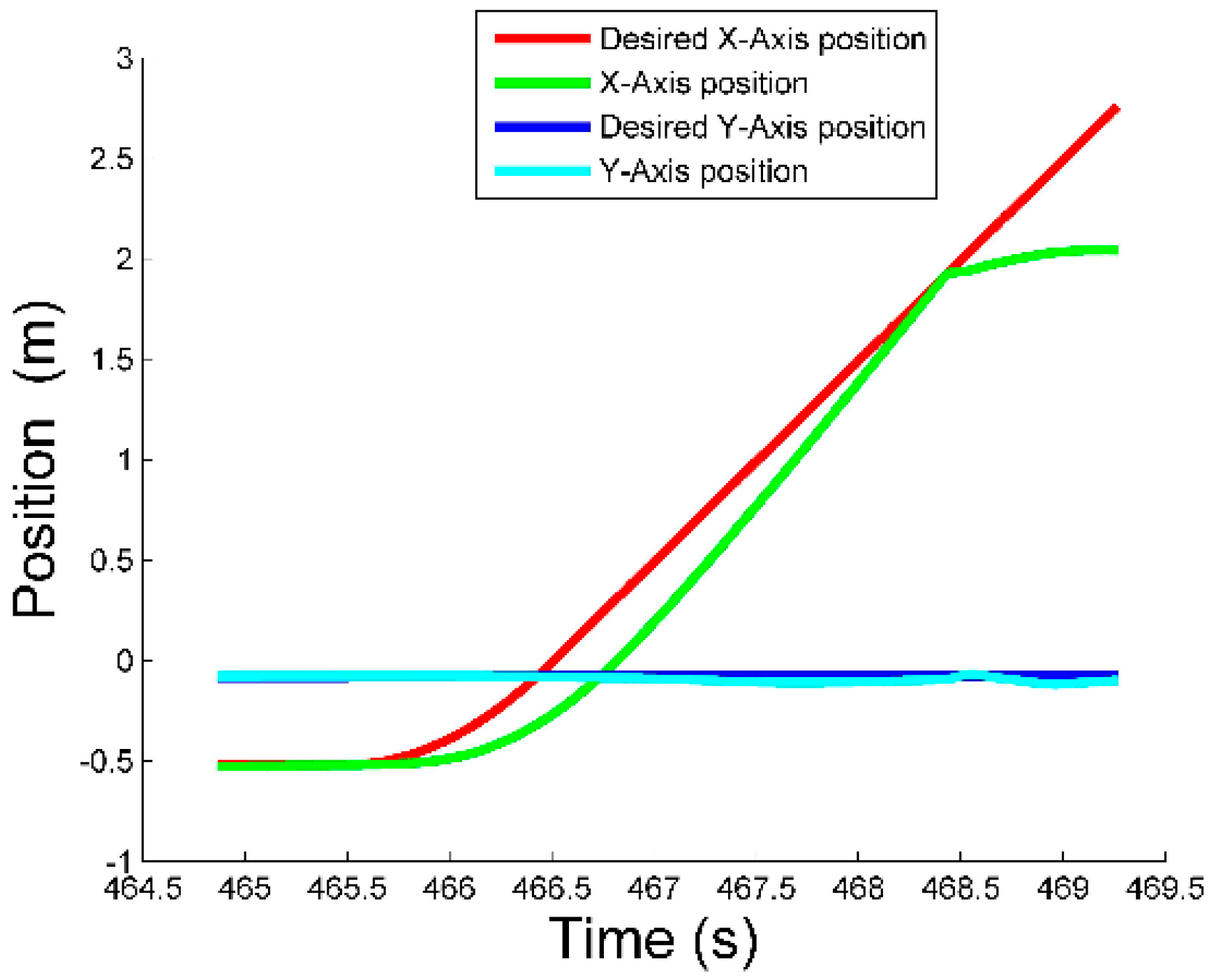
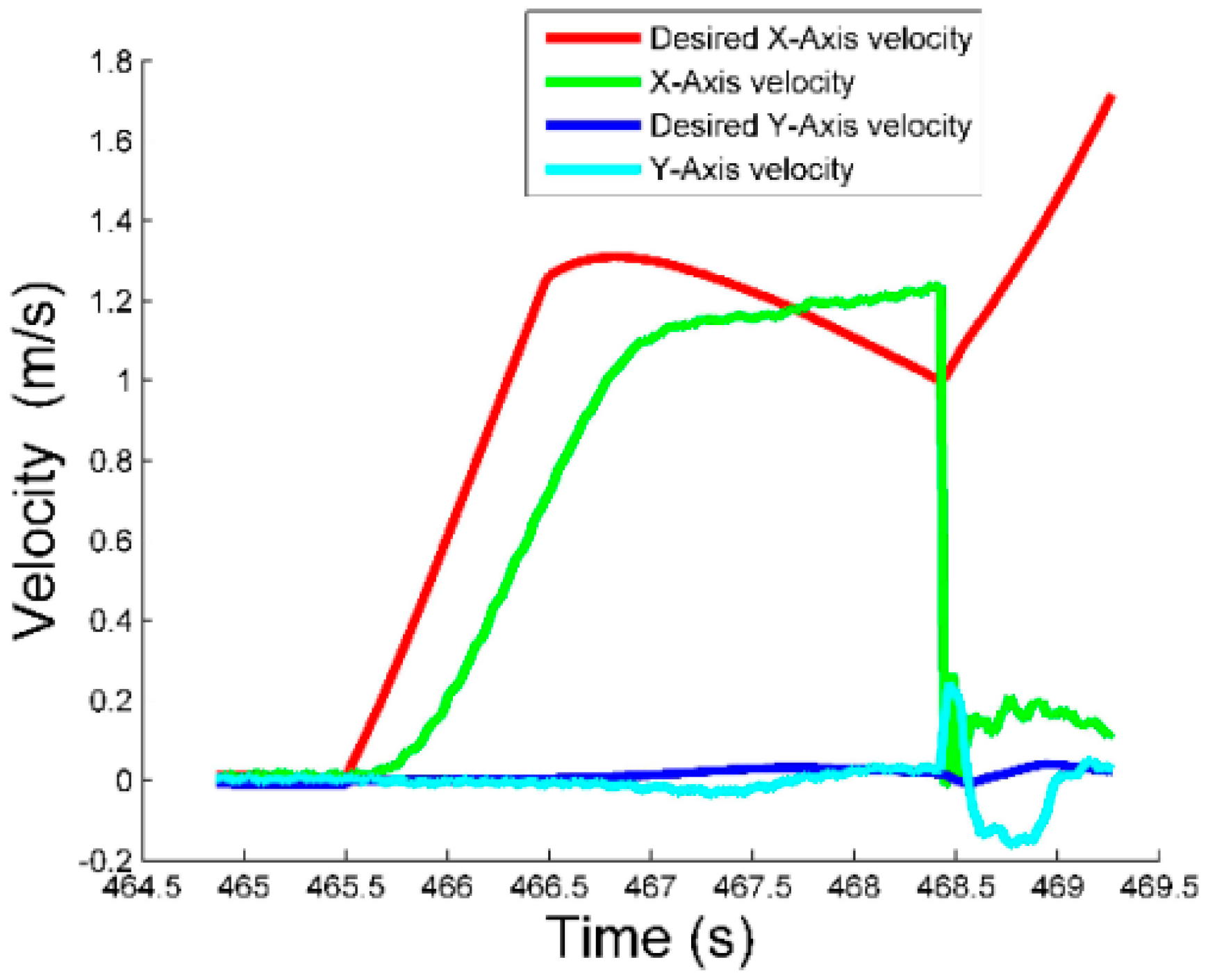
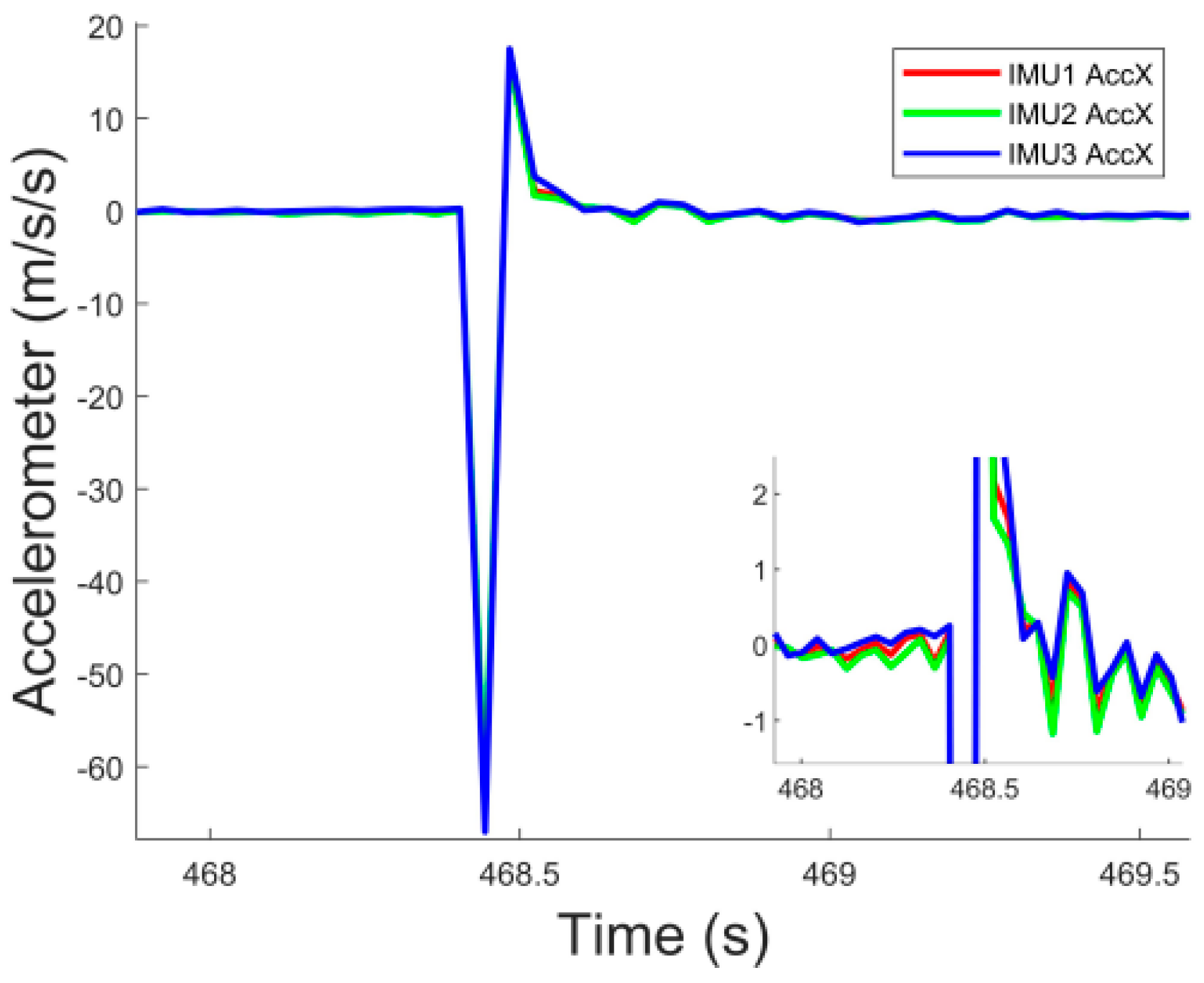
The conventional flying and adhesion robot adsorbs on the wall by controlling the attitude angle to generate a horizontal-direction force combined with the negative-pressure device at the target position. However, when the robot is in contact with the wall, the wall will generate reaction forces and tilting moments on the robot, which increases the complexity of modeling and controlling the adsorption process. Therefore, inspired by perching mechanisms that geckos and tree frogs can use to jump and adsorb to vertical surfaces such as tree trunks, we propose a natural method based on approach adsorption. The method uses a suitable approaching velocity to achieve stable adsorption at the desired position. We investigate the effects of approach velocity, vacuum-pump flow rate and wall material on the adsorption performance. Furthermore, we design a unidirectional-approach-adsorption system and heading controller and establish a contact and negative-pressure model. The relevant parameters of the adsorption system are identified, and the ground-collision experiments and flight experiments for the flying and adhesion robot were carried out to validate the proposed method.
Keywords: flying and adhesion robot; approach; vacuum flying and adhesion robot; approach; vacuum