Article

Reynolds Number Effect of a Supercritical Wing Based on Cryogenic and High Reynolds Number Pressure Test


1
High Speed Aerodynamics Institute, China Aerodynamics Research and Development Center, Mianyang 621000, China
2
School of Aeronautics, Northwestern Polytechnical University, Xi’an 710000, China
*
Author to whom correspondence should be addressed.
Aerospace 2026, 13(3), 265; https://doi.org/10.3390/aerospace13030265
Submission received: 17 January 2026 / Revised: 24 February 2026 / Accepted: 9 March 2026 / Published: 11 March 2026
(This article belongs to the Section Aeronautics)

Abstract

Supercritical wings are widely used in large aircraft due to their excellent transonic performance, but their aerodynamic characteristics are highly sensitive to Reynolds number. To systematically study the influence of Reynolds number on the aerodynamic characteristics of a supercritical wing, cryogenic high Reynolds number pressure measurement tests were conducted in the European Transonic Wind Tunnel (ETW). A 1:17.87 scale wing-body combination model of a typical supercritical wing was employed. The Reynolds number was increased via the pressure increase and cooling technique, covering a test Reynolds number range from 2.3 × 10⁶ to 3.5 × 10⁷. Model deformation effects were isolated to obtain pressure data reflecting pure Reynolds number effects. The variation patterns of pressure distribution, lift characteristics, and pitching moment characteristics with Reynolds number were analyzed. The results indicate that, at lower speeds (Ma = 0.4 and 0.6), the supercritical wing is less affected by Reynolds number; the upper surface is more significantly influenced by Reynolds number than the lower surface; the Reynolds number effect primarily manifests in the transonic regime by delaying the onset position of the shock wave on the upper wing surface, thereby affecting aerodynamic force characteristics; several aerodynamic characteristic parameters such as ΔCL, α0, and Cm exhibit a linear relationship with the logarithm of Reynolds number. Experimental results obtained at low Reynolds numbers cannot be directly extrapolated to actual flight conditions, necessitating the consideration of Reynolds number effect in the aerodynamic design optimization of large aircraft.

1. Introduction

Against the backdrop of global climate governance and sustainable development, green aviation has become an irreversible strategic direction for the aviation industry. The International Air Transport Association’s commitment to achieving net-zero carbon emissions by 2050 necessitates that civil aircraft enhance aerodynamic efficiency to reduce fuel consumption and carbon emissions. The profile of supercritical wings grants them exceptional transonic cruise performance; the well-rounded leading edge helps eliminate the leading-edge suction peak; the relatively flat upper surface maintains uniform supersonic flow at higher Mach numbers, weakening shock wave strength and increasing the drag divergence Mach number; the concave lower surface near the trailing edge compensates for the lift deficiency on the upper surface. Supercritical wings have been widely adopted in modern large aircraft, representing a signature aerodynamic design for achieving efficient and economical long-range flight. However, the aerodynamic characteristics of supercritical wings are highly sensitive to variations in Reynolds number. Haines [1] categorized the influence of Reynolds number into direct and indirect Reynolds number effects. When the Reynolds number difference is substantial, it exerts a cumulative impact on the long-range development of the wing surface boundary layer. Changes in the boundary layer are equivalent to changes in external geometry (via boundary layer displacement thickness), directly leading to the generation and coalescence of weak wave systems, thereby affecting surface pressure distribution and consequently causing significant changes in lift-drag characteristics, particularly pitching moment characteristics. Cook [2], studying the RAE 2822 airfoil, found that, at high Reynolds numbers, the shock wave on the airfoil surface moves aft. If Reynolds number effect corrections are not considered during design, the prediction error for cruise drag coefficient can reach several tens of drag counts. In long-range flight, this corresponds to hundreds of kilograms or even tons of additional fuel consumption. Therefore, studying the Reynolds number effects on supercritical wings and understanding their influence patterns on aerodynamic characteristics holds significant guiding importance for the design and optimization of large aircraft, ultimately contributing to reduced aircraft fuel consumption and carbon emissions and achieving the goals of green aviation.
The foundational research on supercritical wings commenced in the 1970s and 1980s. Constrained by the capabilities of wind tunnel facilities at the time, experiments were predominantly conducted at medium Reynolds numbers (1 × 10⁶ to 5 × 10⁶). Although this range differs by orders of magnitude from the actual flight Reynolds numbers of modern large transport aircraft at cruise conditions, it preliminarily revealed the influence of Reynolds number on shock wave/boundary layer interaction (SBLI). Studies based on benchmark models such as the RAE 2822 airfoil [2] and NASA series supercritical airfoils [3], through both wind tunnel experiments and early-stage numerical simulations, consistently demonstrated that an increase in Reynolds number thins the boundary layer and enhances its resistance to adverse pressure gradients. Consequently, this leads to an aft movement of the shock wave, a reduction in shock strength, and a decrease in the shock-induced separation region, ultimately improving the cruise lift-to-drag ratio of the airfoil [4,5,6]. The key contribution of this phase was establishing the fundamental physical mechanism whereby Reynolds number governs transonic flow-field structure primarily by altering the state of the boundary layer, thereby laying the groundwork for subsequent research. However, the limitations of this era were significant. Firstly, constrained by conventional wind tunnel size and power, experimental Reynolds numbers were substantially lower—typically only 1/10th to 1/5th—than full-scale flight conditions, presenting a severe scaling problem [3] and introducing uncertainty in data extrapolation. Secondly, numerical simulations heavily relied on Reynolds-Averaged Navier–Stokes (RANS) methods. The turbulence models available at the time (e.g., the standard k-ε model) lacked sufficient predictive accuracy for transonic SBLI flows involving strong adverse pressure gradients and separation [7]. Furthermore, there was a widespread lack of high Reynolds number experimental data for the systematic validation of CFD methodologies. Finally, the research focus was predominantly on time-averaged flow-field characteristics, with little attention paid to key unsteady phenomena, such as low-frequency shock oscillations, which may become prominent at high Reynolds numbers.
To overcome these experimental bottlenecks, since the 1990s, cryogenic high Reynolds number wind tunnels, represented by the U.S. National Transonic Facility (NTF) and the European Transonic Wind Tunnel (ETW, shown in Figure 1), have been operational. These facilities elevated test Reynolds numbers to levels approaching flight conditions, propelling research into a stage focused on mechanistic deepening and high-fidelity validation. Experimental data obtained from these facilities (e.g., the work of Jacquin et al. [8]) not only quantitatively verified the patterns discovered earlier but also revealed the nonlinear and complex nature of Reynolds number effects. Studies found that, at high Reynolds numbers approaching flight conditions, boundary layer transition location, turbulent scale structures, and their interaction with shock waves become highly sensitive and complex [9]. The characteristics of shock oscillation and the structure of separation bubbles do not vary monotonically with Reynolds number [10]. The highlight of this phase was that high-precision experiments provided a “ground truth” for understanding complex physical mechanisms and spurred more advanced CFD validation efforts. For instance, improved RANS methods like Menter’s SST turbulence model and methods such as Large Eddy Simulation (LES) were applied and evaluated [11].
Nevertheless, limitations persisted. On one hand, the extremely high cost of NTF/ETW testing resulted in limited data points, making it difficult to cover the entire flight envelope. On the other hand, despite significant advances in CFD capabilities, major challenges remained, including transition prediction, the applicability of turbulence models under extreme conditions, and especially the Verification & Validation (V&V) framework for computational results, particularly for high Reynolds number complex flows [12,13,14].
With the exponential growth in computational power, research on the Reynolds number effects of supercritical airfoils has entered a phase where multi-scale experimentation and high-fidelity numerical simulation are equally emphasized. As numerical methods become increasingly sophisticated, research frontiers also exhibit new trends towards multidisciplinary integration and active flow control. While continuing to leverage high-fidelity simulations to deepen mechanistic understanding [15], the research focus has shifted towards how to utilize or control Reynolds number effects for performance optimization. This includes investigating the effectiveness of passive/active control devices—such as micro vortex generators [16], mini trailing-edge devices [13], and dynamically deformable trailing edges [10]—in regulating flow separation and shock characteristics at specific Reynolds numbers, as well as applying artificial intelligence methods like deep learning and reinforcement learning for aerodynamic shape optimization [17] or real-time flow control strategy optimization [18]. However, the reliability of CFD predictions remains entirely dependent on the accuracy of the employed turbulence and transition models, which are themselves highly sensitive to Reynolds number. Therefore, numerical computation results invariably require validation against high-precision, high-Reynolds-number experimental data. But now, https://github.com/ROUNDschemes/libROUNDSchemes (accessed on 24 November 2024) gives a more efficient and accurate CFD tool for compressible high-speed flows. This tool gives researchers a more convenient way to study on the Reynolds number effect.
To obtain the influence patterns of Reynolds number over a wide range on the aerodynamic characteristics of a supercritical wing, low-temperature high-Reynolds-number pressure measurement tests were conducted on a typical supercritical wing in the European Transonic Wind Tunnel (ETW). Under the premise of good repeatability test indicators, the pressure increase and cooling method were used to separate deformation effects from Reynolds number effects, obtaining pressure results influenced purely by Reynolds number effects. Based on the pressure results, the influence patterns of Reynolds number effects on lift characteristics and pitching moment characteristics were further analyzed. The results show that the primary influence of Reynolds number effects is manifested in the delaying of the shock wave position on the upper wing surface in the transonic regime, consequently affecting aerodynamic characteristic coefficients such as lift coefficient, lift curve slope, and pitching moment coefficient. Reynolds number has a minor influence on the pressure distribution of the lower surface of the supercritical wing but a significant influence on the pressure distribution of the upper surface where shock-induced separation occurs. Several aerodynamic characteristic parameters, such as ΔCL, α0, and Cm, exhibit a linear relationship with the logarithm of Reynolds number.

2. Test Equipment and Model

2.1. Wind Tunnel

The tests were conducted in the ETW. This tunnel is a closed-circuit continuous-flow wind tunnel with a test section size of 2 m × 2.4 m × 9 m. It uses nitrogen as the test medium and achieves large variations in Reynolds number by lowering total temperature and increasing total pressure. For this test campaign, the standard subsonic slotted-wall test section configuration was used, featuring solid sidewalls and slotted top/bottom walls, with an open/close ratio of 6.25% for the top and bottom wall panels.
The parameter range for this test is listed in Table 1.

2.2. Model and Support

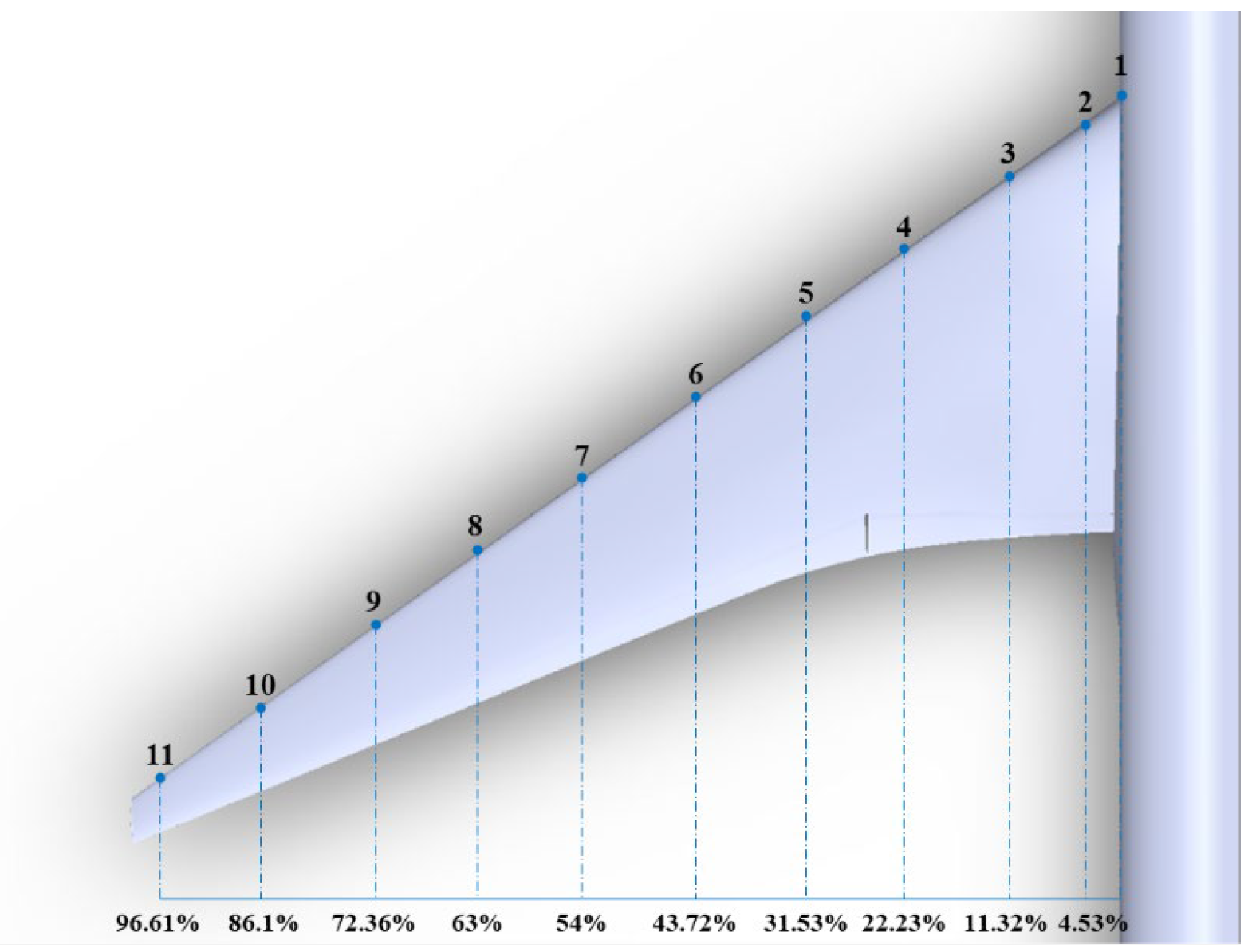
The test model was a typical wing-body configuration with a supercritical wing, featuring a leading-edge sweep angle of 35°. Maraging steel (200 grade) possesses high tensile strength, remains free from brittle fracture risk even at 77 K, and exhibits good ductility. To mitigate elastic deformation effects, the test model was fabricated from this material. The model scale was 1:17.87 to meet ETW’s size requirements, resulting in a model span of 1.561 m after scaling. The test model was equipped with a total of 495 pressure taps. Each wing (left and right) had 11 pressure measurement sections. Pressure taps on the left wing were located on the upper surface, while those on the right wing were on the lower surface. Figure 2 shows a schematic of the spanwise distribution of pressure measurement sections on the left wing; the distribution is identical for the right wing.
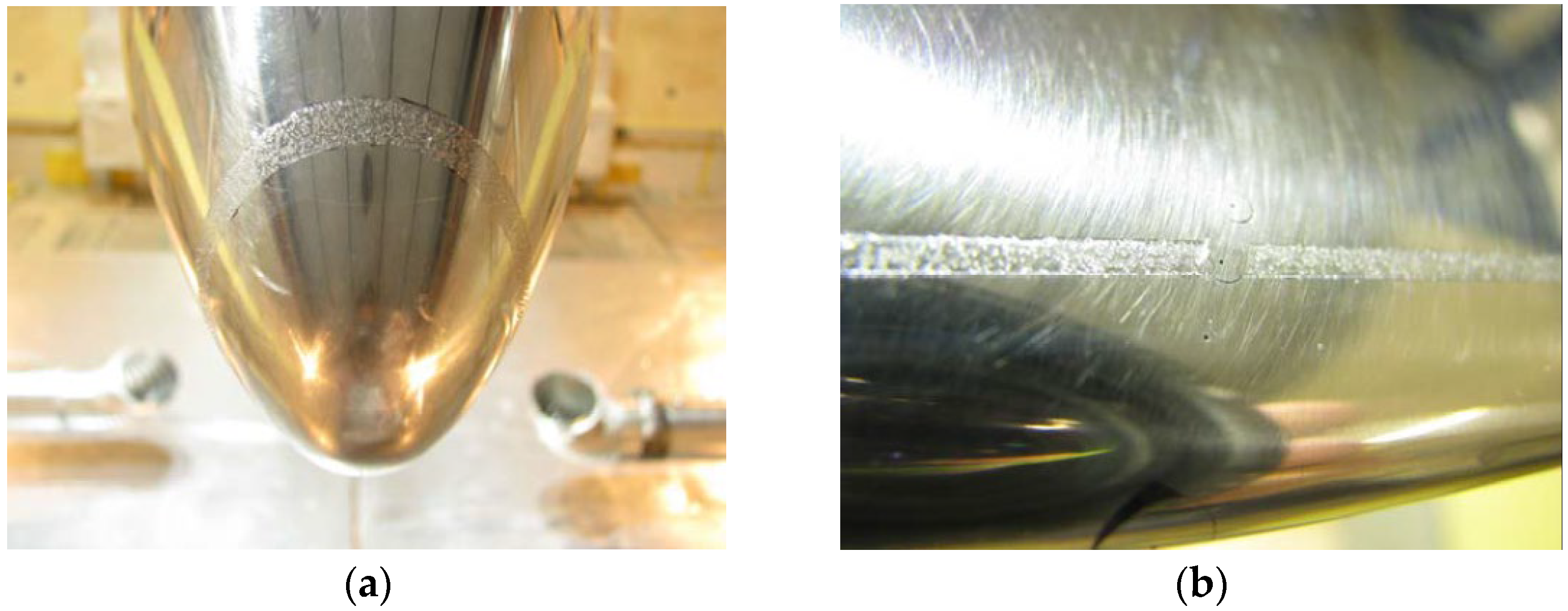
During testing, transition fixings were used for Re ≤ 1.5 × 10⁷, and free transition was used for Re ≥ 1.5 × 10⁷. Transition fixings were achieved by attaching transition strips to the fuselage nose and wing leading edges. The wing transition strips were removed for free transition tests, while the nose transition strip was used throughout the entire test. Transition strips were prepared on the ground before testing: first, a glue layer of uniform thickness was applied to the selected locations; then glass beads of similar diameter were evenly distributed and attached to the glue layer. The nose transition strip was 6 mm wide, located 25 mm from the nose tip, with distributed glass bead diameters ranging from 0.100 to 0.125 mm. The wing transition strip was 2 mm wide, located at 7% local chord from the wing leading edge, with distributed glass bead diameters ranging from 0.075 to 0.090 mm. The completed transition fixing strips are shown in Figure 3. To minimize interference during pressure data acquisition, transition strips were removed in the vicinity of pressure taps.
Re = 1.5 × 10⁷ is taken as the threshold for distinguishing transition methods. During the test, comparative experiments between free and fixed transition were carried out at every Mach number. The test results show that there is no significant difference between the two transition methods at Re = 1.5 × 10⁷, and it can be considered that different transition methods are continuous at this point.
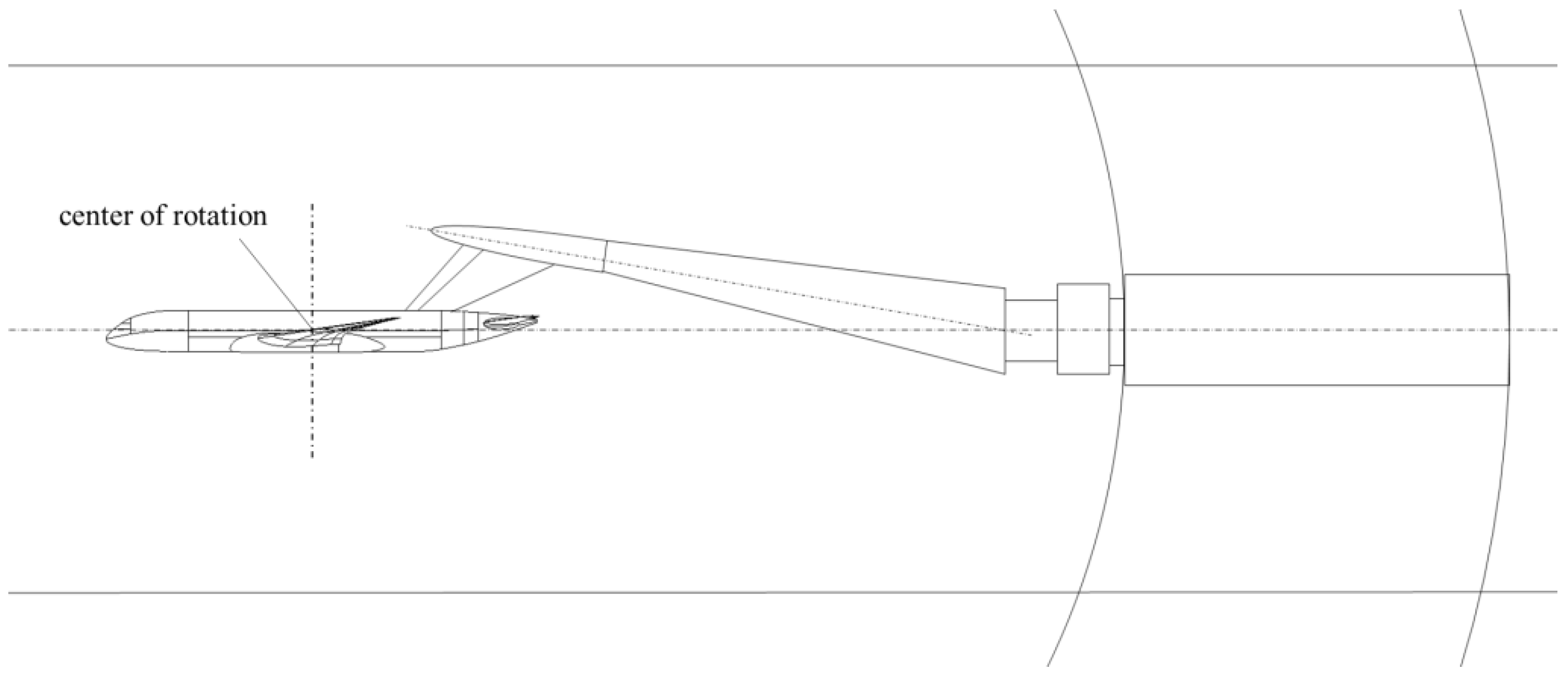
To maintain the integrity of fuselage, the fuselage was connected to the centerline support via the ETW’s fin sting and a Z-strut. The support configuration is shown in Figure 4.

2.3. Measuring Instrumentation

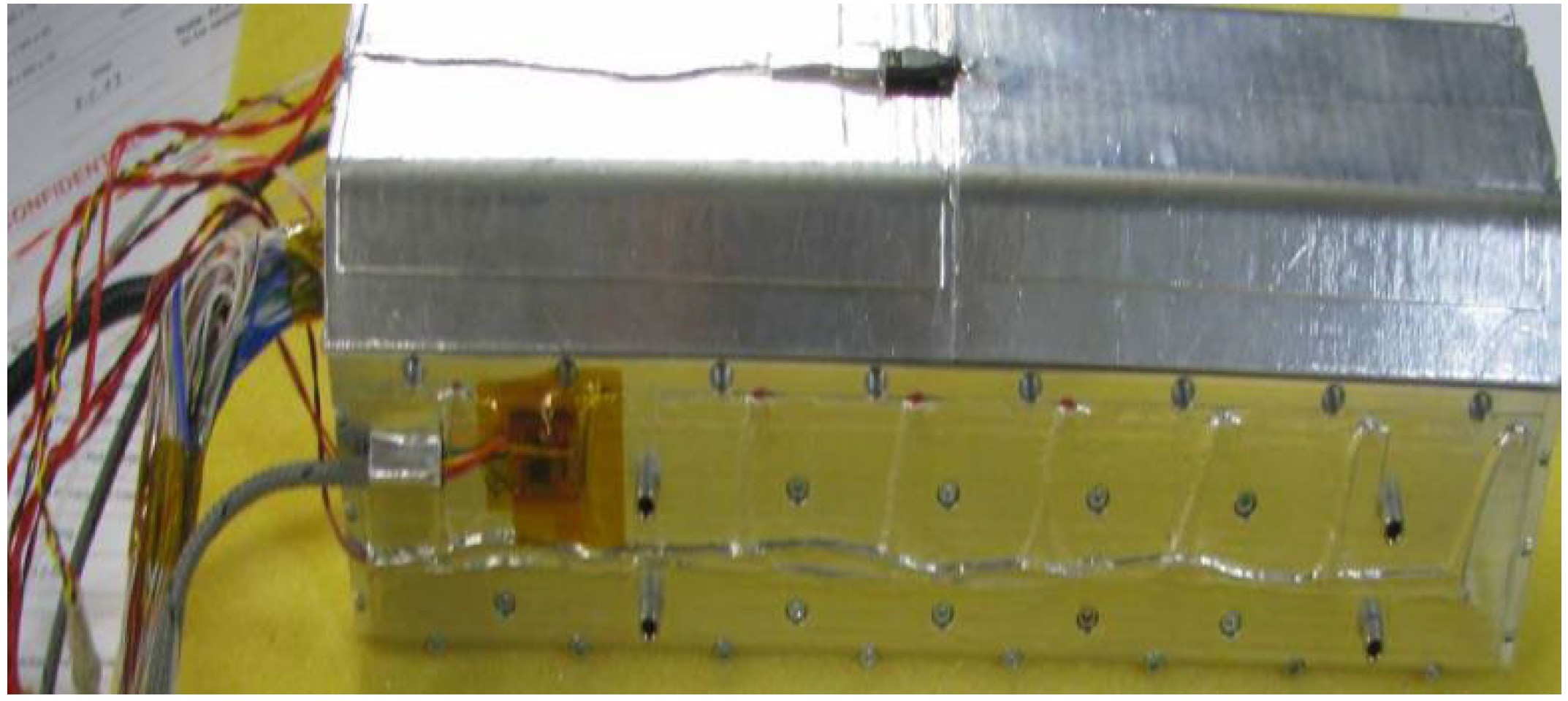
A standard PSI 8400 scanning valve system was used to measure fuselage surface pressures. Eight temperature-compensated Electronic Scanned Pressure (ESP) sensor modules were employed. Their range specifications are listed in Table 2. The ESP modules were housed inside the model fuselage cavity, installed in a specially designed heated enclosure (Figure 5). The internal temperature of this enclosure was maintained at 303 K during testing to eliminate the influence of the low-temperature environment. The PSI 8400 system had a sampling rate of 20 kHz, and the output pressure data was averaged over 24 sample points.
Table 2. ESP module range specifications.
QuantityRange (Psi)
245
330
130/15
215
The AOA of fuselage was measured by an AOA sensor installed at the fuselage nose. The sensor was a single-axis Sundstrand Q-Flex QA 3000-030 inclinometer. Three Pt-100 temperature sensors were installed inside the model to monitor internal temperatures, located at the nose, mid-fuselage, and aft-fuselage positions, respectively. Except for the model deformation measurement tests, all tests employed a continuous pitch sweep mode with an AOA variation rate of 0.15°/s.

2.4. SPT Model Deformation Measurement System

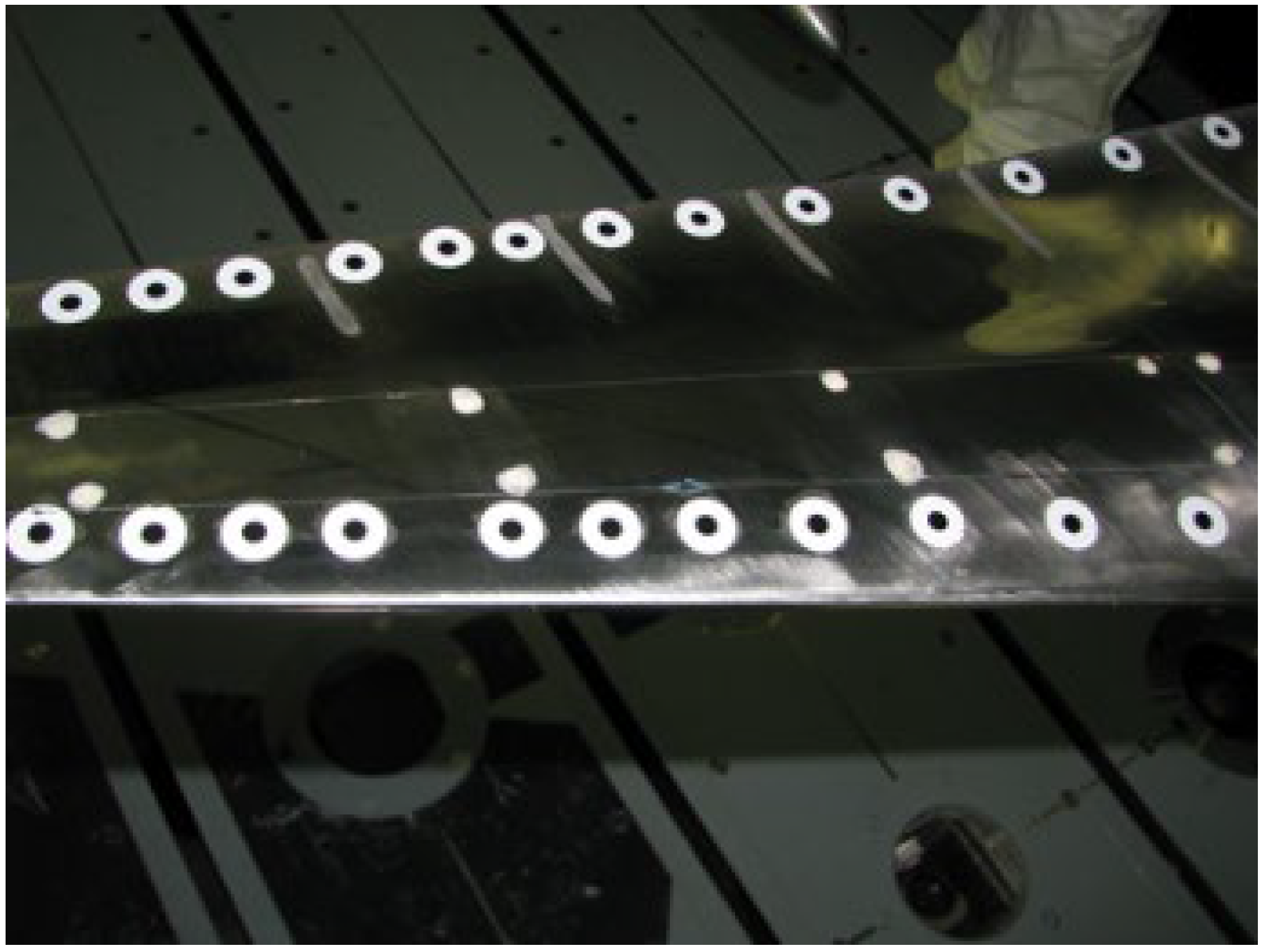
The ETW’s Stereo Pattern Tracking (SPT) system can measure model deformation during tests. It requires SPT markers to be placed on the wing surface. The standard SPT markers are of the Letraset type, 4 μm thick, consisting of a 6 mm diameter black center with a 16 mm diameter white background. As shown in Figure 6, for this test campaign, measurement markers were placed near the leading and trailing edges of the right wing. The density of markers increased along the spanwise direction, with a total of 40 markers.
The SPT system was installed on the top wall of the wind tunnel test section. During model AOA variation, two cameras with different viewing angles tracked the 40 markers on the wing surface. LED light sources were positioned at designated locations within the test section to obtain complete, clear images showing the markers. The SPT system captured several images at each AOA. After appropriate processing of these images, the displacement at each marker point could be obtained. Using the positions of the markers at various AOA under no-flow conditions as a reference, the displacements measured during wind-on conditions could be converted into model bending and twisting deformation. The no-flow reference positions were recorded for each AOA.
To accommodate the SPT system, model deformation measurement tests employed a stepwise pitch sweep mode. A single wind-on run could measure up to 15 different AOA states. To achieve the desired accuracy, the SPT system image sampling rate was 5 Hz, with the model held at each AOA for 6–8 s.

3. Test Process and Data Correction

3.1. Test Process

This test primarily completed repeatability tests, Reynolds number effect tests over a wide range (including pure Reynolds number effects), and pure fuselage deformation effect tests (including fuselage deformation measurements). The specific implementation process was as follows:
  • After ground preparations were completed, a final inspection and confirmation of the model were performed. The model was cleaned and then transported to the test section.
  • SPT system set-ups were checked within the test section. With flow velocity near zero, the wind tunnel total pressure was adjusted, and pressure measurements at all taps were verified to be correct.
  • Fixed transition tests: at a temperature of 300 K, pressure was increased to achieve a Reynolds number of 6.6 × 10⁶. Subsequently, the temperature was lowered to 203 K to achieve Reynolds numbers of 1.5 × 10⁷, and testing was conducted.
  • The model was transferred to the temperature transition chamber. After warming, the fixed transition strips on the wings were removed. The model was cleaned and then transported back to the test section.
  • Free transition tests: after cooling to 115 K, followed by warming, free transition pressure measurement tests were successively performed at 115 K, 143 K, 161 K, and 203 K.
  • Upon test completion, nitrogen was purged from the tunnel circuit, and the temperature was raised to ambient.

3.2. Data Correction

As this was a pressure measurement test, support interference correction tests were not conducted. Corrections were primarily applied for Mach number, wall interference, and thermal contraction.
  • The Mach number at the model moment reference center was obtained through empty-tunnel Mach number calibration (under the same tunnel conditions as the test). This calibration mainly used test section wall pressures and pressures on the support strut for Mach number correction; this correction amount is generally very small. The actual increase in blockage caused by the model and support required Mach number compensation.
  • Wall interference corrections primarily included corrections for Mach number and AOA. The former depends on both Mach number and Reynolds number, while the latter depends only on lift coefficient.
  • The model’s thermal contraction characteristics were considered during data processing. They affect the model reference area and reference length. The thermal contraction coefficient was taken as 9 × 10⁻⁶ K−1 (at 293 K).

3.3. Deformation Correction

Deformation correction is accomplished via a CFD method based on a mesh deformation technique. A spring-based mesh deformation technique is adopted to generate the computational mesh that reflects model deformation, and its principle is as follows: the surface mesh nodes are moved to new positions, and then the displacement between the original and deformed positions of the surface mesh is gradually transmitted to the outer regions like a “spring”. During the transmission process, the displacement of each mesh node is adjusted proportionally according to the node’s position to ensure that the outer boundary of the computational domain remains unchanged. The operations are as follows:
  • Generate a structured mesh ( x j ) for the test model, which is used as the baseline mesh.
  • Based on the model deformation data measured in the test, determine several deformation control surfaces of the model, which is ensured to be consistent with the airfoil profile measured in the test.
  • The deformation of each control surface measured in the test is superimposed on the initial position of the model’s control surfaces to obtain the new positions of the control surfaces.
  • The new surface mesh ( x s u r f a c e ) is obtained by linearly connecting the deformed control surfaces (this method is only applicable to smooth parts such as wings).
  • Based on the deformation of the new surface mesh, the deformed computational mesh ( x j ) is generated. Equation (1) represents the relationship between the mesh nodes of Mesh0 and Mesh1:
x j = x j + [ 1 tan 1 ( j ) ] ( x s u r f a c e x s u r f a c e ) ,
where x s u r f a c e denotes the baseline surface mesh,
tan 1 ( j ) = l = 2 j L l l = 2 j n L l ,
L l = ( x l x l 1 ) 2 + ( y l y l 1 ) 2 + ( z l z l 1 ) 2
The aerodynamic characteristics of the model before and after deformation are obtained separately via the CFD method, and the difference between them is the influence quantity of model deformation. The computational results of x j are in good agreement with the test results (without model deformation correction).
Subsequent data related to the Reynolds number effect are all processed using the method described in this section to eliminate the influence of model deformation.

4. Results and Discussion

4.1. Repeatability Test

During testing, the accuracy of model surface pressure measurements depended on the ESP modules and the reference pressure measurement accuracy. Based on the analysis of ranges (40, 30, and 15 Psi) and accuracy (±0.05%), the measurement accuracy of the ESP modules was between 100 and 200 Pa. The reference pressure port was located at the base of the support strut, connected to another port of the electronic scanning valve, with a measurement accuracy of ±100 Pa. Overall, the model surface pressure measurement accuracy was better than ±250 Pa. Under a typical condition of Ma = 0.76, Re = 3.3 × 10⁶, converting the absolute accuracy value of 250 Pa to pressure coefficient yields Cp = 0.007. Therefore, an error range of ±0.007 in pressure coefficient Cp is acceptable.
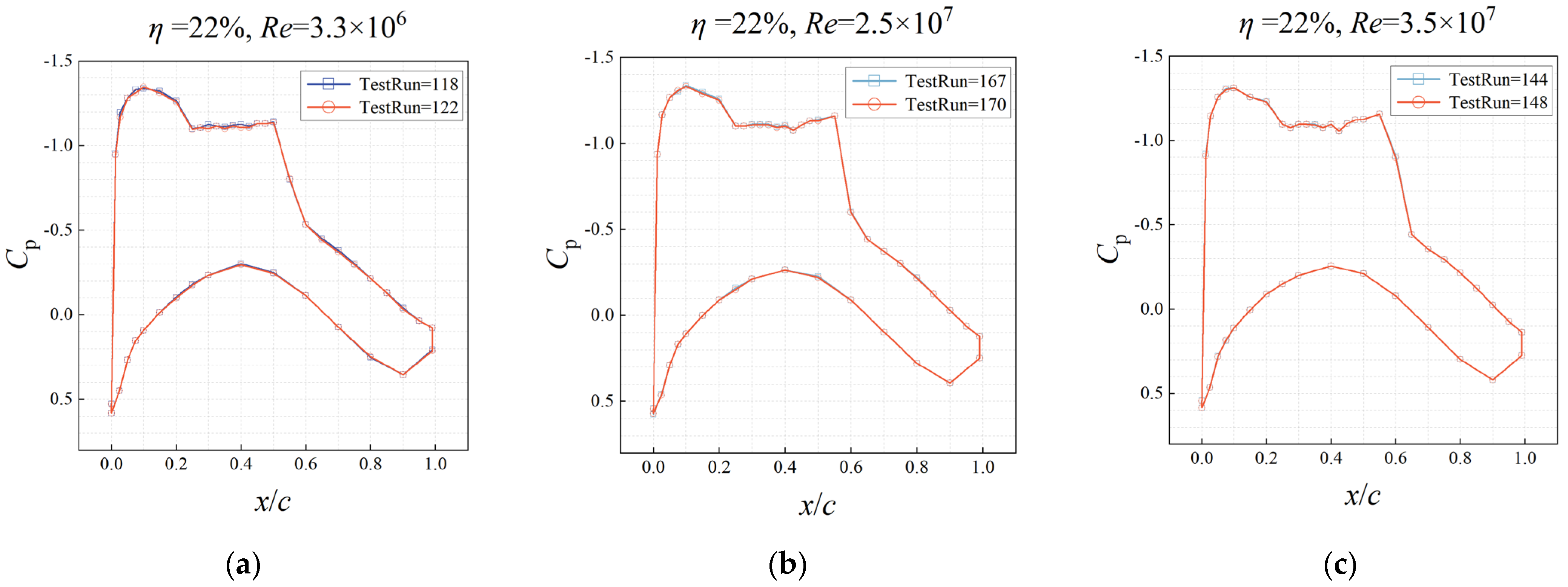
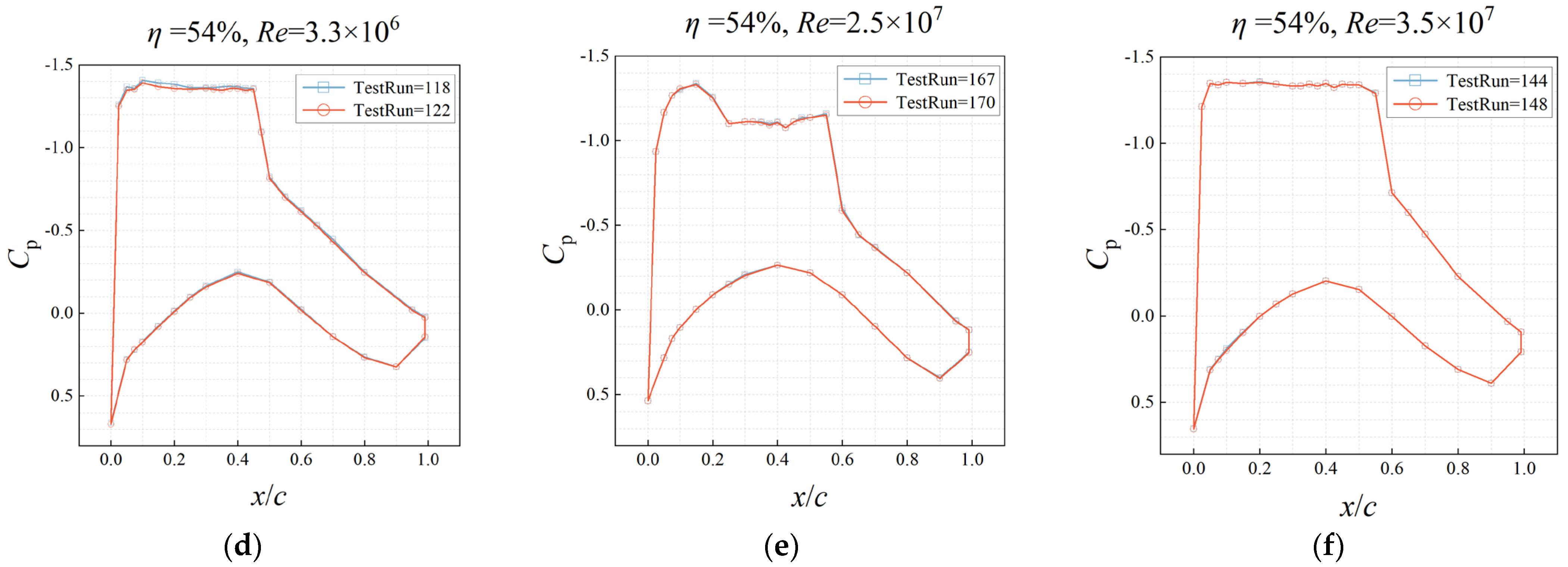
Repeatability tests were conducted for different Reynolds number conditions at Ma = 0.76, with Reynolds numbers of 3.3 × 10⁶, 2.5 × 10⁷, and 3.5 × 10⁷. Figure 7 shows the repeatability test results at different wing sections. It can be seen that test repeatability is positive, with no significant difference in shock wave position. The pressure coefficient differences for most measurement points are within ±0.005, indicating credible test results. Furthermore, compared to a few pressure taps on the upper wing surface where Cp differences reached ±0.015, the Cp differences for all pressure taps on the lower wing surface were less than ±0.005, demonstrating good repeatability.

4.2. Reynolds Number Effect on Pressure Distribution

Reynolds number was varied by changing total pressure to obtain the pressure distribution characteristics of the test model at different Reynolds numbers.
For a typical cruise angle of attack α = 4 °, the wing section at the mid-span location (η = 54%) was selected to analyze pressure distribution at different Mach numbers.
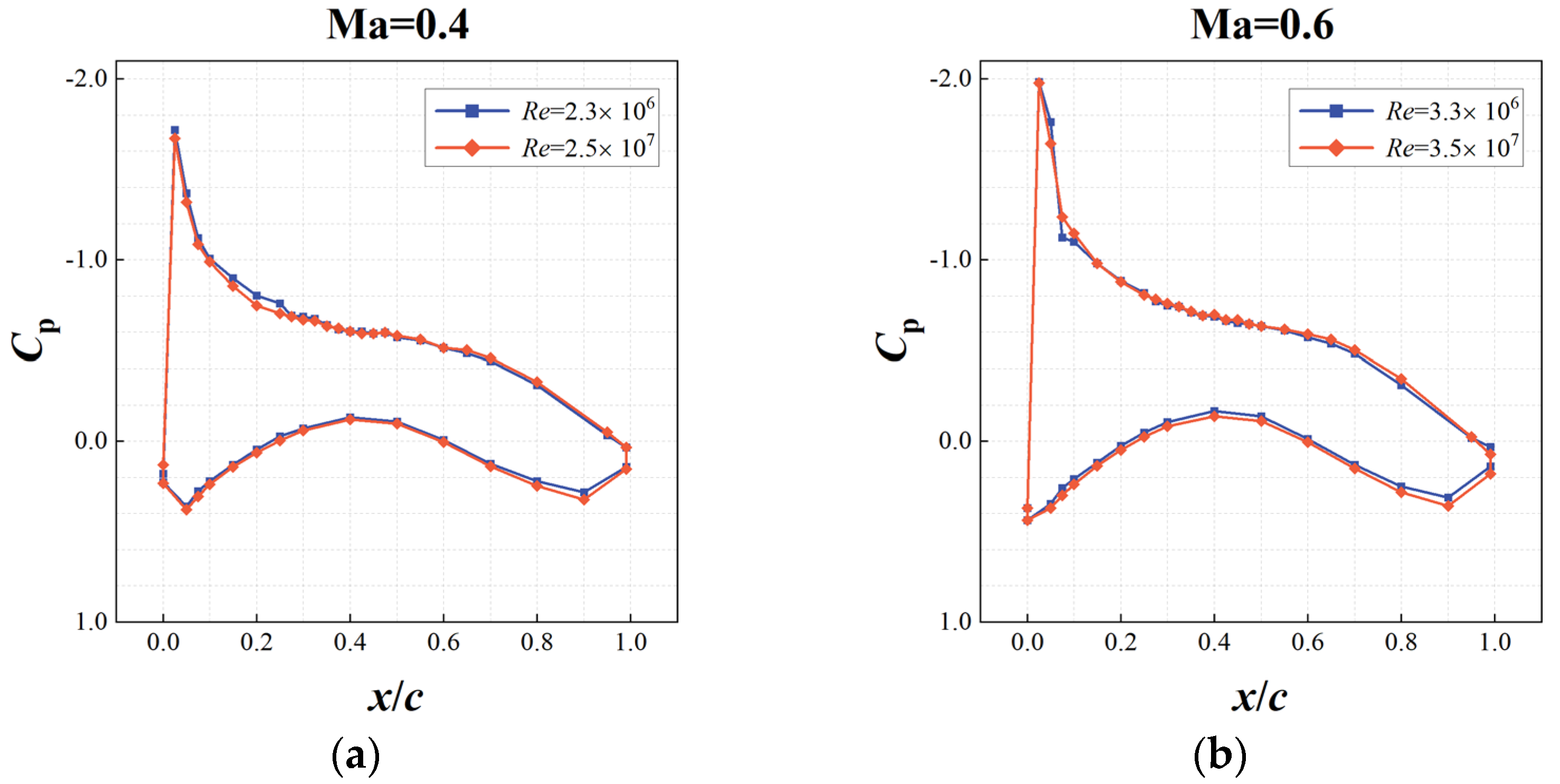
Figure 8 shows the pressure distribution at the wing section for Ma = 0.4 and Ma = 0.6. At lower Mach numbers, no shock wave appears on the upper wing surface. As Reynolds number increases, the pressure coefficients on both the upper and lower surfaces change only slightly. However, near the wingtip, the lower surface Cp is higher at high Reynolds numbers compared to low Reynolds numbers, with the maximum increase occurring at approximately 0.9 local chord length.
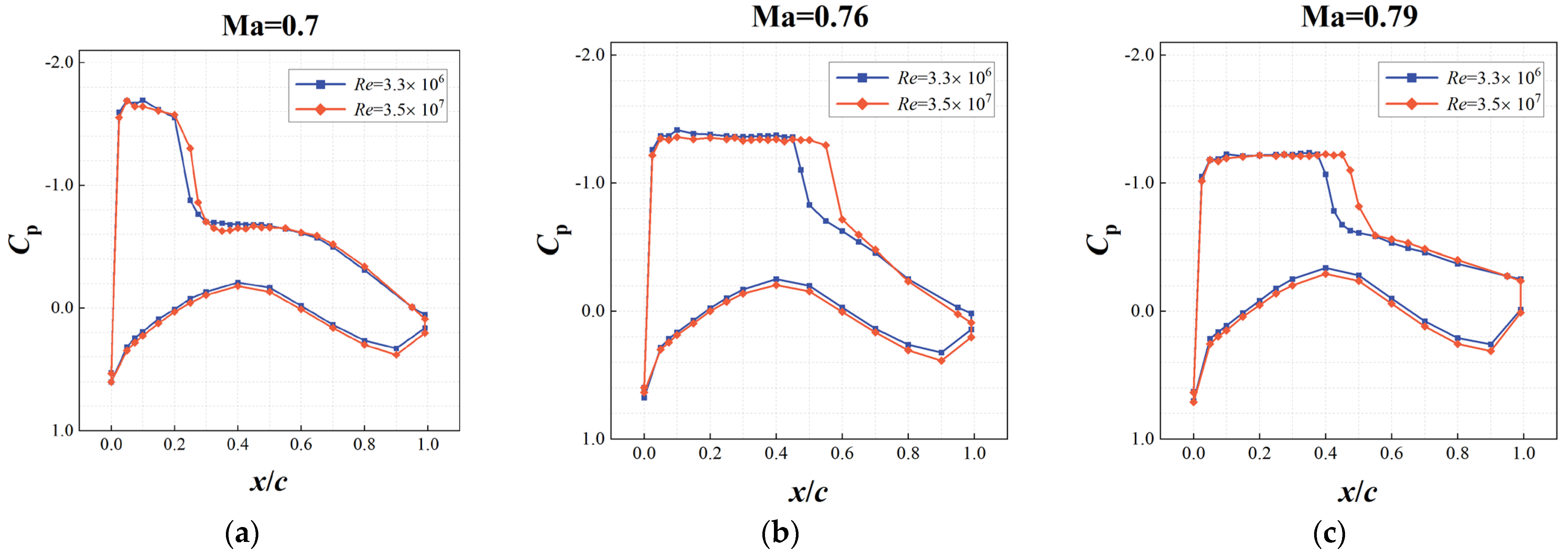
Figure 9 shows the pressure distribution at the wing section for Mach numbers Ma = 0.7, 0.76, and 0.79. When Mach number reaches 0.7, a weak shock wave has already appeared near the leading edge on the upper surface. However, the influence of Reynolds number on shock position is relatively small, only causing a slight increase in Cp behind the shock. The lower surface Cp shows obvious differences, with a maximum difference of 0.061 near the wingtip. Under transonic conditions (Ma = 0.76, 0.79), the maximum Cp on the upper surface decreases significantly, by approximately 0.319 and 0.507 compared to Ma = 0.7. Furthermore, a distinct shock wave forms at the mid-wing section. As Reynolds number increases, the shock wave position shifts significantly aft by about 0.15 and 0.10 local chord lengths. Unlike the flat pressure region behind the shock at Ma = 0.7, under transonic conditions, the pressure distribution behind the shock on the upper surface decreases linearly. At high Reynolds numbers, the lower surface Cp is generally higher than at low Reynolds numbers, with a maximum difference of 0.063 at 0.9 local chord length for Ma = 0.76. The influence of Reynolds number on pressure distribution is mainly manifested as, at higher Mach numbers, the shock wave on the upper wing surface moves aft, and the pressure coefficient on the lower surface increases overall.
Further focusing on the Reynolds number effect at a typical cruise Mach number:
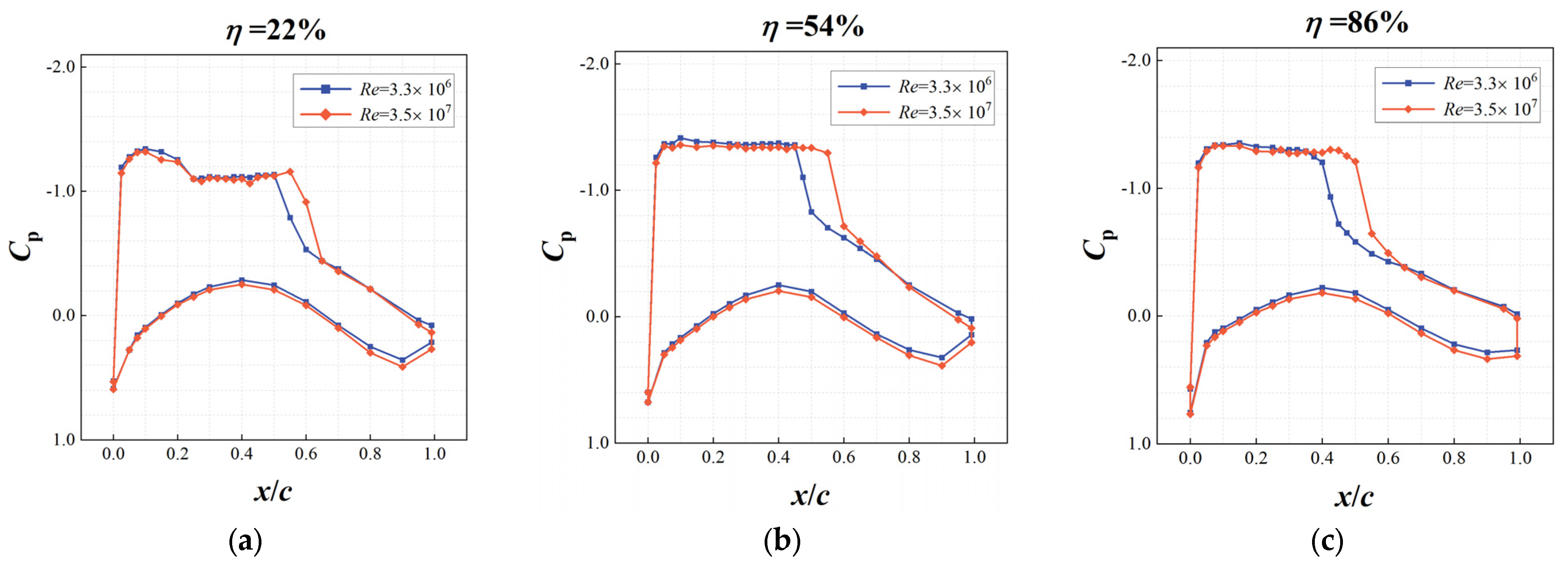
Figure 10 shows the pressure distribution at different wing sections for Ma = 0.76. Under transonic conditions, the Reynolds number effect manifests as an aft shift of the shock wave position. At the wing root (η = 22%), the shock wave shifts aft by about 0.05 local chord length. At the mid-wing section (η = 54%), the shift is about 0.1 local chord length. At the wingtip (η = 86%), the shift reaches 0.15 local chord length. This indicates that, from wing root to wingtip, the aft shift of the shock wave position at each section gradually increases. The wingtip region, more noticeably affected by separated flow, exhibits a larger shock aft shift compared to the root and mid-wing sections. Due to wing-body interference, the pressure distribution at the wing root differs from that at the mid-wing and tip. A pressure peak appears between 0.05 and 0.25 local chord length, and its peak Cp value is the same as the pre-shock peak Cp at the mid-wing and tip sections.
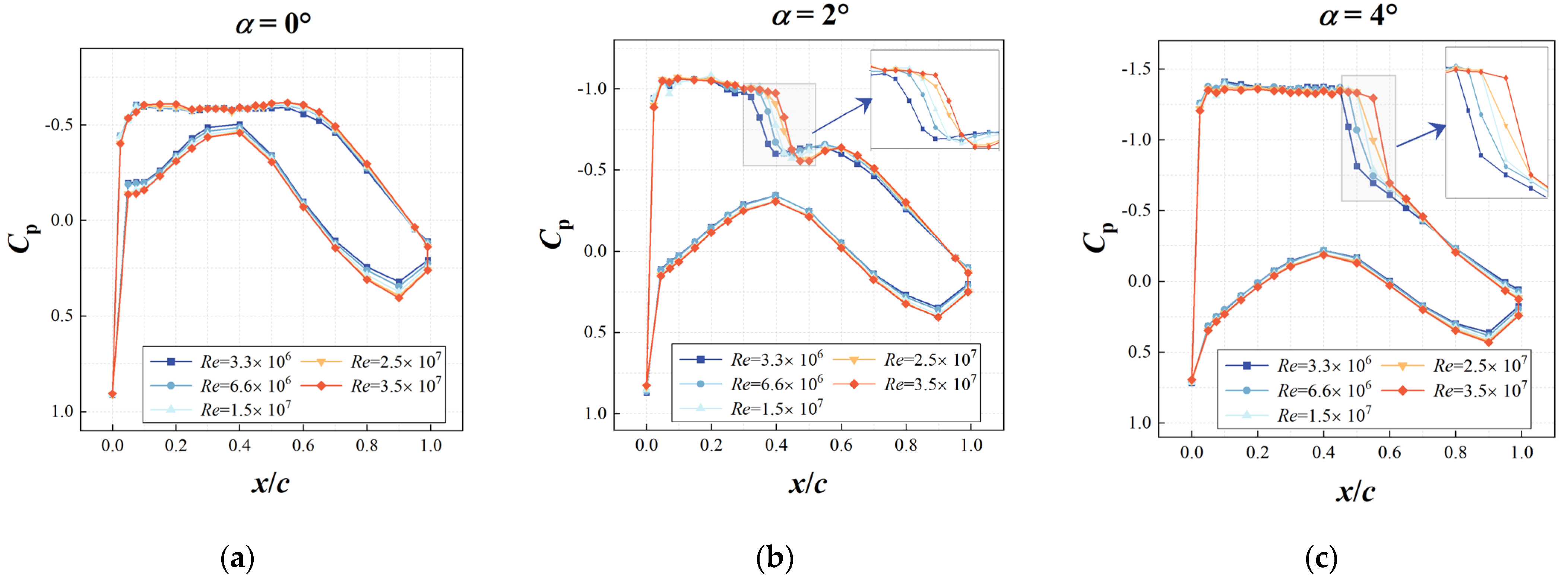
Taking the mid-wing section, the pressure distribution and its Reynolds number influence at different angles of attack for Ma = 0.76 are analyzed. The results are shown in Figure 11. At α = 0°, the Reynolds number influence is weak. As Reynolds number increases, the overall pressure distribution shows no significant change. More noticeable Reynolds number effects—pressure coefficient increase—are observed in the mid-region of the upper surface around 0.6 local chord length, the front region of the lower surface from 0.1 to 0.4 local chord length, and the tip region from 0.8 to 1.0 local chord length. At α = 2°, when Reynolds number increases from 3.3 × 10⁶ to 6.6 × 10⁶, the shock wave appears to shift from 0.3 to 0.35 local chord length, an aft shift of 0.05 local chord length. When Reynolds number increases from 6.6 × 10⁶ to 3.5 × 10⁷, the aft shift is also about 0.05 local chord length. At = 4°, at low Reynolds number the shock appears at 0.45 local chord length. The two aft shift increments are 0.05 and 0.10 local chord length, respectively. At both angles of attack, at 0.9 local chord length, the pressure coefficient is higher at high Reynolds numbers. At high Reynolds number (Re = 3.5 × 10⁷), as AOA increases from 0° to 4°, the maximum pressure coefficient on the upper wing surface increases by about 121.79%, the shock position shifts aft by 0.2 local chord length, and the maximum (negative) pressure coefficient in the suction region on the lower surface decreases by 59.79%. The degree of Reynolds number influence on the entire wing also gradually intensifies.

4.3. Reynolds Number Effect on Force Characteristics

4.3.1. Lift Characteristics

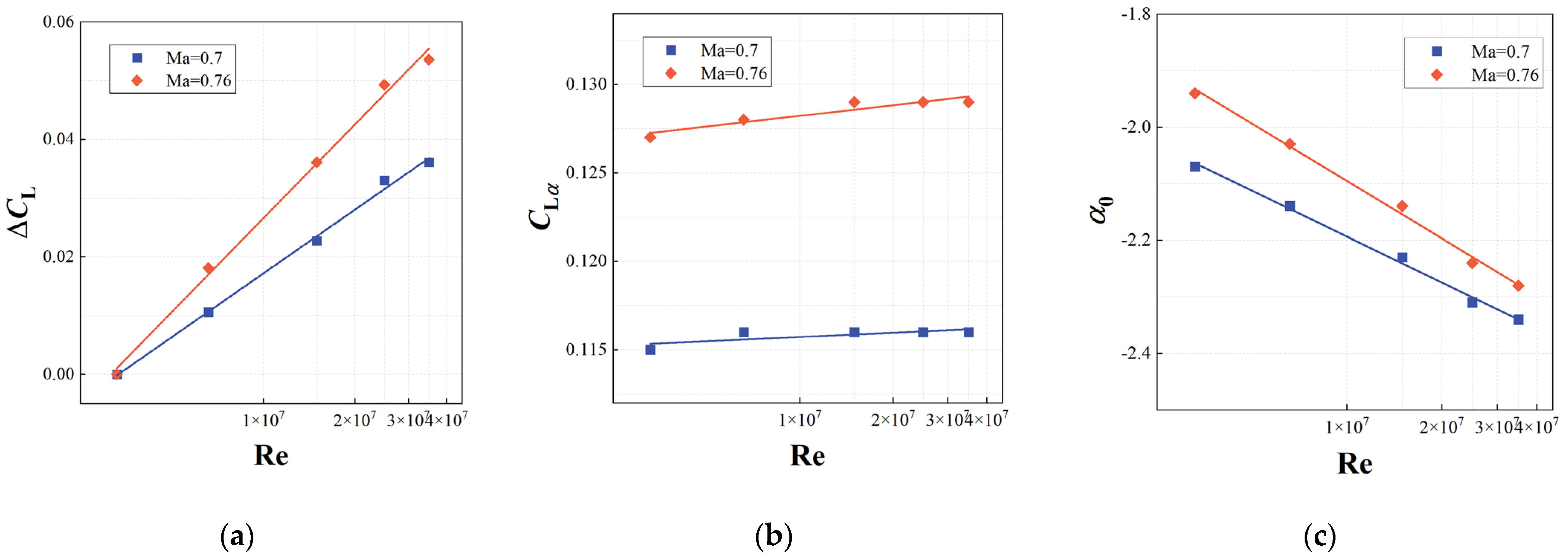
Figure 12 shows the influence of Reynolds number variation on the lift characteristics of the wing model at α = 2° for Ma = 0.7, 0.76. Table 3 lists the lift slope and coefficients of the wing model at different Reynolds numbers. Here, the lift coefficient influence ΔCL refers to the lift coefficient at each Reynolds number minus the lift coefficient at Re = 3.3 × 10⁶; αs refers to the AOA where the lift curve becomes nonlinear—stall angle of attack. The results show that the lift characteristic parameters—lift coefficient influence ΔCL, linear lift curve slope CLα, and zero-lift AOA α0—all exhibit a positive linear relationship with the logarithm of Reynolds number. Furthermore, the influence is more significant for Ma = 0.76 compared to Ma = 0.7. From Ma = 0.4 to Ma = 0.79, Δα increases by 90.48%, indicating that the influence of Reynolds number on α0 intensifies. At a fixed Mach number, increasing Reynolds number causes α0 to shift forward.
Table 3. Lift slopes and coefficients at different Reynolds numbers.
MaReCLaa0 (°)as (°)
0.42.3 M0.0966−2.178.26
25 M0.0964−2.388.76
Δ−0.0002−0.210.50
0.763.3 M0.1270−1.943.58
35 M0.1292−2.273.98
Δ0.0022−0.330.40
0.793.3 M0.1361−1.852.32
35 M0.1398−2.252.69
Δ0.0037−0.400.37
From Figure 8a,b and Figure 10, it can be seen that increasing Reynolds number increases the area under the pressure coefficient distribution curve for each section at a given Mach number. Compared to Ma = 0.7, the area increment at the same section location is larger for Ma = 0.76. The increase in the area under the pressure coefficient distribution curve for each section corresponds to an increase in lift coefficient for that condition, and the lift coefficient increment is larger for Ma = 0.76. This is consistent with what is shown in Figure 12b. Figure 11 shows that, under Reynolds number influence, the lift coefficient increment varies more noticeably with AOA, manifested as an increase in the linear lift curve slope CLα in the lift curve. Moreover, due to the increase in lift coefficient, the entire lift curve shifts upward with Reynolds number, causing the zero-lift AOA α0 to shift in the negative direction. This aligns with what is shown in Figure 11b,c and Table 2.

4.3.2. Pitching Moment Characteristics

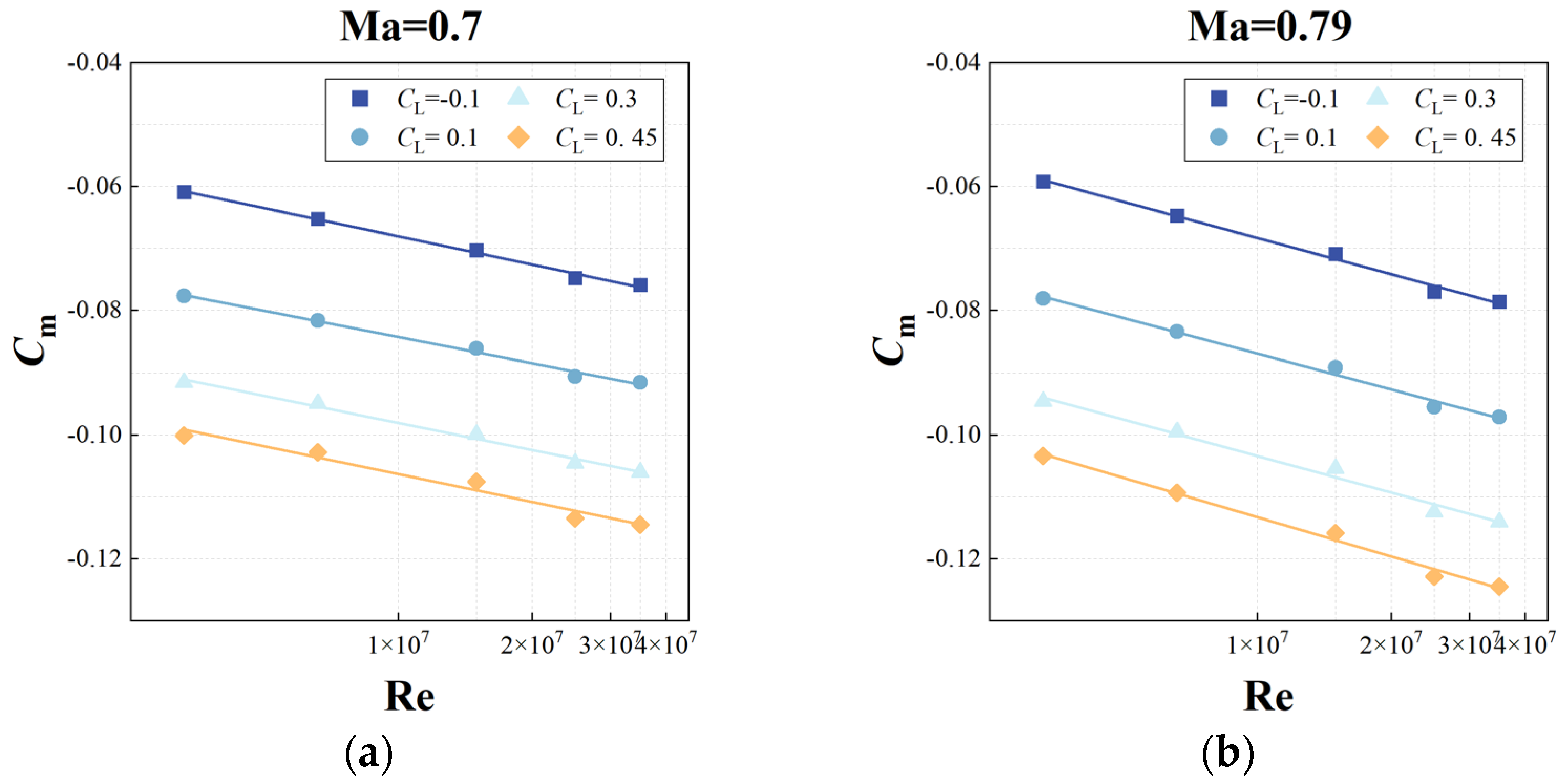
Figure 13 shows the variation pattern of pitching moment coefficient with the logarithm of Reynolds number for the test model at different lift coefficients CL for Ma = 0.7 and Ma = 0.76. For the same Mach number and CL, the pitching moment coefficient Cm exhibits a positive linear relationship with the logarithm of Reynolds number. When CL increases, the Cm–Re curve shifts downward.
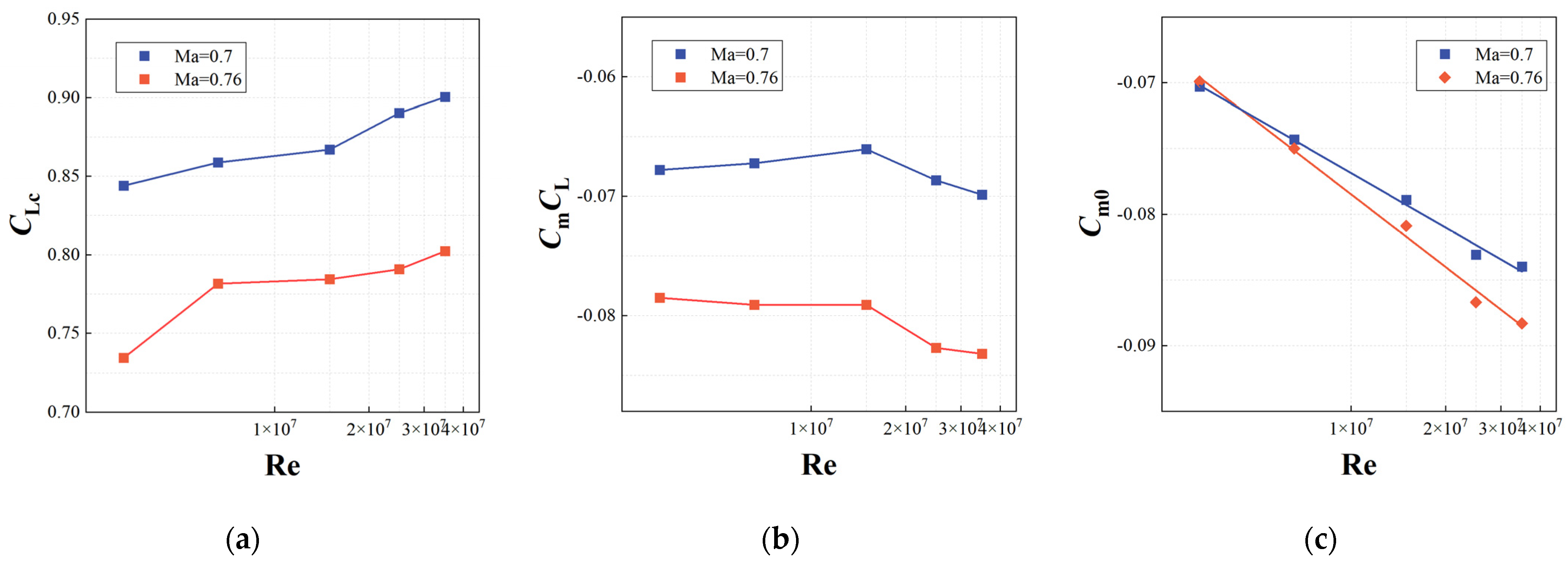
Figure 14 shows the influence of Reynolds number variation on the pitching moment characteristics of the wing model at α = 2° for Ma = 0.7 and Ma = 0.76. Table 4 lists the pitching moment slopes and coefficients of the wing model at different Reynolds numbers. The results show that the lift coefficient at which pitch instability begins (CLc) increases with Reynolds number. For Ma = 0.76, when Reynolds number increases from 3.3 × 10⁶ to 3.5 × 10⁷, the CLc value increases by 0.068. The model’s aerodynamic center (CmCL) shows no obvious change with Reynolds number. When Mach number increases to 0.79 and Reynolds number increases from 3.3 × 10⁶ to 3.5 × 10⁷, the aft shift of the aerodynamic center is only 0.61%. The zero-lift pitching moment coefficient Cm0 exhibits a relatively positive linear relationship with the logarithm of Reynolds number, decreasing as Reynolds number increases. The influence is more pronounced at higher Mach numbers.
Table 4. Pitching moment slopes and coefficients at different Reynolds numbers.
MaReCLcCmCLCm0
0.42.3 M0.797−0.0429−0.0662
25 M0.976−0.046−0.074
Δ0.179−0.0031−0.0078
0.763.3 M0.734−0.0786−0.0699
35 M0.802−0.0833−0.0884
Δ0.068−0.0047−0.0185
0.793.3 M0.557−0.1061−0.0648
35 M0.65−0.1122−0.0876
Δ0.093−0.0876−0.0228

5. Conclusions

  • Within the test range, Reynolds number has little influence on the pressure coefficient distribution of the lower surface of the supercritical airfoil. Its influence is significant on the pressure coefficient distribution of the upper surface where shock-induced separation occurs. As Reynolds number increases, the shock wave position shifts aft, the trailing-edge pressure coefficient increases, and the pressure distribution from the leading edge to just ahead of the shock wave is unaffected by Reynolds number.
  • Reynolds number has a considerable influence on the lift and pitching moment characteristics of the supercritical airfoil. As Reynolds number increases, the lift curve slope increases, the lift curve shifts upward, and the zero-lift angle of attack shifts forward. The CmCL curve shifts downward, generating a nose-down pitching moment. The characteristic parameters of both show noticeable changes with increasing Reynolds number.
  • The design and optimization of large aircraft employing supercritical wings must consider Reynolds number effects. The pressure distribution and aerodynamic force characteristics of supercritical wings are significantly influenced by Reynolds number. Moreover, not all characteristic parameters vary predictably with Reynolds number. The aerodynamic characteristic patterns at low Reynolds numbers cannot be fully used to interpolate or predict behavior at high Reynolds numbers.

Author Contributions

Conceptualization, B.H. and D.L.; Methodology, B.H., X.P., X.X. and D.L.; Software, B.H., Y.C. and J.C.; Validation, B.H., X.P., X.X. and D.L.; Formal analysis, B.H., Y.C. and J.C.; Investigation, B.H., Y.C. and J.C.; Data curation, X.P. and X.X.; Writing—original draft, B.H. and Y.C.; Writing—review and editing, J.C. and D.L.; Project administration, X.P., X.X. and D.L.; Funding acquisition, D.L. All authors have read and agreed to the published version of the manuscript.

Funding

This research received no external funding.

Data Availability Statement

All data supporting this research are included in the article.

Conflicts of Interest

The authors declare no conflicts of interest.

Abbreviations

The following abbreviations are used in this manuscript:
ETWEuropean Transonic Wind Tunnel
NTFNational Transonic Facility
SPTStereo Pattern Tracking
CFDComputational Fluid Dynamics
RANSReynolds-Averaged Navier–Stokes
MaMach Number
ReReynolds Number
P0Total Pressure
T0Stagnation Temperature
AOA, αAngle of Attack
CLLift coefficient
CpPressure coefficient
CmPitching moment coefficient
CLαSlope of the linear segment of the lift line
α0Zero angle of attack for lift generation
αsStall Angle of Attack
CLcStability lift coefficient
CmCLModel’s aerodynamic center 
Cm0Zero-lift pitching moment coefficient

References

  1. Haines, A.B. Scale Effects on Aircraft and Weapon Aerodynamics [Les Effets d’Echelle et l’Aerodynamique des Aeronefs et des Systemes d’Armes]; AGARD: Neuilly, France, 1994. [Google Scholar]
  2. Cook, P.H.; Firmin, M.C.P.; McDonald, M.A. Aerofoil RAE 2822: Pressure Distributions, and Boundary Layer and Wake Measurements. In Experimental Data Base for Computer Program Assessment; AGARD Report AR No. 138; Technical Editing and Reproduction Ltd: London, UK, 1979. [Google Scholar]
  3. Harris, C.D. NASA Supercritical Airfoils: A Matrix of Family-Related Airfoils; NASA: Washington, DC, USA, 1990. [Google Scholar]
  4. Shen, K. The Re number effect of supercritical wings in transonic flow. Civ. Aircr. Des. Res. 1999, 3–13. [Google Scholar]
  5. Shen, K. Research on the Mechanism of Re Number Effects in Supercritical Wings. Civ. Aircr. Des. Res. 1998, 7–16. [Google Scholar]
  6. Anderson, J. EBOOK: Fundamentals of Aerodynamics (SI Units); McGraw Hill: Columbus, OH, USA, 2011. [Google Scholar]
  7. Jiang, G. Numerical calculation and analysis of the influence of supercritical wing Reynolds number. Civ. Aircr. Des. Res. 1998, 27–32. [Google Scholar]
  8. Jacquin, L.; Molton, P.; Deck, S.; Maury, B.; Soulevant, D. Experimental study of shock oscillation over a transonic supercritical profile. AIAA J. 2009, 47, 1985–1994. [Google Scholar] [CrossRef]
  9. Szubert, D.; Grossi, F.; Garcia, A.J.; Hoarau, Y.; Hunt, J.C.; Braza, M. Shock-vortex shear-layer interaction in the transonic flow around a supercritical airfoil at high Reynolds number in buffet conditions. J. Fluids Struct. 2015, 55, 276–302. [Google Scholar] [CrossRef]
  10. Simiriotis, N.; Jodin, G.; Marouf, A.; Elyakime, P.; Hoarau, Y.; Hunt, J.; Rouchon, J.; Braza, M. Morphing of a supercritical wing by means of trailing edge deformation and vibration at high Reynolds numbers: Experimental and numerical investigation. J. Fluids Struct. 2019, 91, 102676. [Google Scholar] [CrossRef]
  11. Menter, F.R.; Kuntz, M.; Langtry, R. Ten years of industrial experience with the SST turbulence model. Turbul. Heat Mass Transf. 2003, 4, 625–632. [Google Scholar]
  12. Tinoco, E.N.; Brodersen, O.P.; Keye, S.; Laflin, K.R.; Feltrop, E.; Vassberg, J.C.; Mani, M.; Rider, B.; Wahls, R.; Morrison, J.; et al. Summary data from the sixth AIAA CFD drag prediction workshop: CRM cases. J. Aircr. 2018, 55, 1352–1379. [Google Scholar] [CrossRef]
  13. Xu, X. Research on Supercritical Airfoil Shock-Induced Separation and Its Influence by Reynolds Number; CARDC: Mianyang, China, 2013. [Google Scholar]
  14. Li, L.; Ji, L.; Luo, S.; Fang, M.; Zhang, H.; Zhang, Y. The influence of Reynolds number on the aerodynamic performance of supercritical airfoils. Hongdu Sci. Technol. 2017, 39–45. [Google Scholar]
  15. Tô, J.B.; Simiriotis, N.; Marouf, A.; Szubert, D.; Asproulias, I.; Zilli, D.M.; Hoarau, Y.; Hunt, J.; Braza, M. Effects of vibrating and deformed trailing edge of a morphing supercritical airfoil in transonic regime by numerical simulation at high Reynolds number. J. Fluids Struct. 2019, 91, 102595. [Google Scholar] [CrossRef]
  16. Shi, Q.; Li, H. Numerical Simulation of Micro Vortices Generator for Controlling Boundary Layer Separation of Supercritical Airfoil. J. Aerodyn. 2011, 29, 508–511. [Google Scholar]
  17. Li, Y.C.; Wang, J.-J.; Hua, J. Experimental investigations on the effects of divergent trailing edge and Gurney flaps on a supercritical airfoil. Aerosp. Sci. Technol. 2007, 11, 91–99. [Google Scholar] [CrossRef]
  18. Han, F.; Wang, J.; Li, M.; Lee, C. Strategy tuning of synthetic jet control over supercritical airfoil based on deep reinforcement learning. Eng. Appl. Artif. Intell. 2025, 160, 111873. [Google Scholar] [CrossRef]
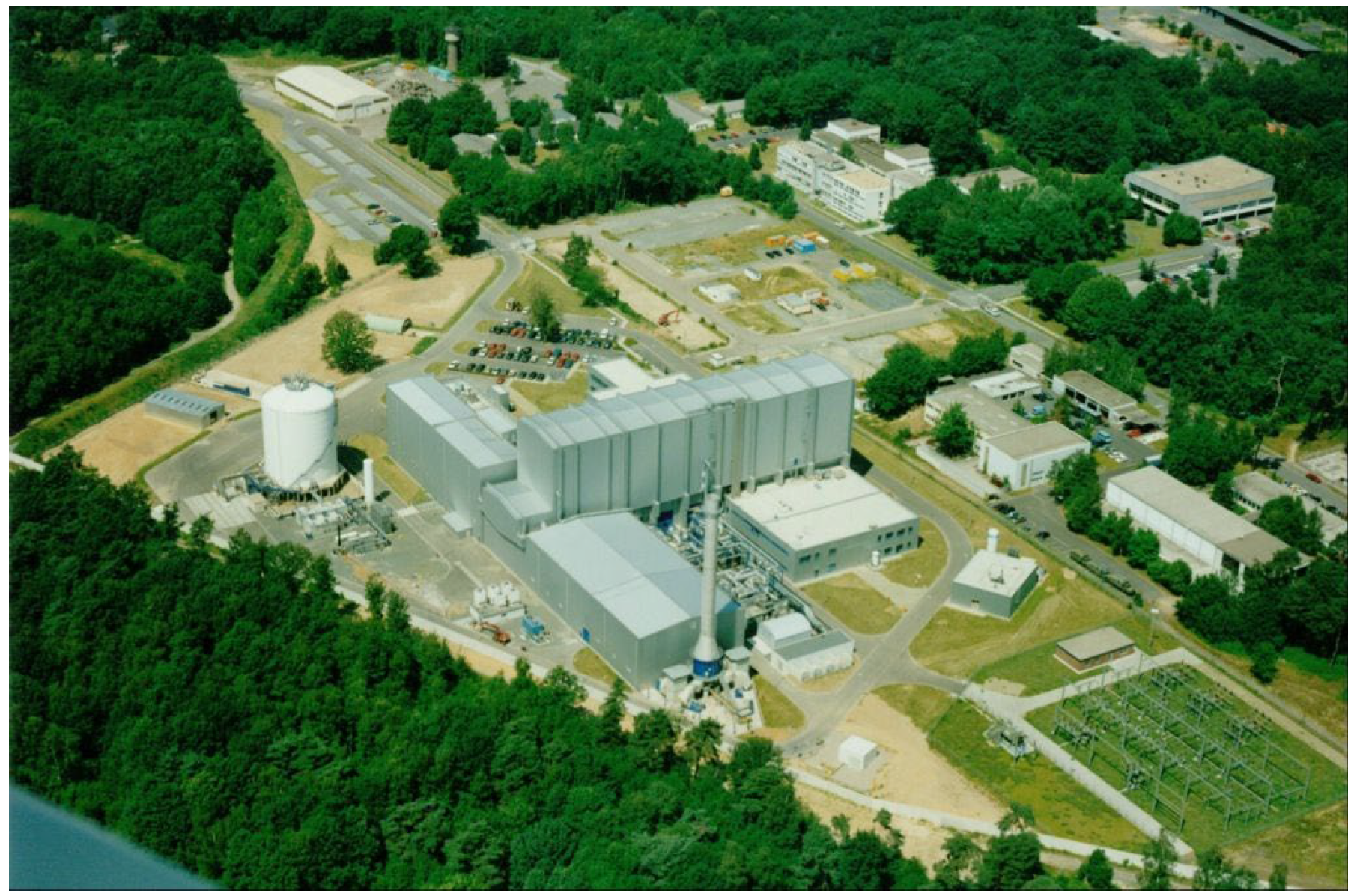
Figure 1. The aerial view of ETW.
Aerospace 13 00265 g001
Figure 2. Spanwise distribution of pressure measurement sections on the left wing.
Aerospace 13 00265 g002
Figure 3. Details on the transition fixing: (a) transition fixing on the fuselage nose; (b) transition fixing on the wing leading edge.
Aerospace 13 00265 g003
Figure 4. Support configuration in ETW.
Aerospace 13 00265 g004
Figure 5. The specially designed heating enclosure for housing the ESP module.
Aerospace 13 00265 g005
Figure 6. SPT markers distributed on the model wing.
Aerospace 13 00265 g006
Figure 7. Typical repeatability test results: (a) η = 22%, Re = 3.3 × 10⁶; (b) η = 22%, Re = 2.5 × 10⁷; (c) η = 22%, Re = 3.5 × 10⁷; (d) η = 54%, Re = 3.3 × 10⁶; (e) η = 54%, Re = 2.5 × 10⁷; (f) η = 54%, Re = 3.5 × 10⁷.
Aerospace 13 00265 g007aAerospace 13 00265 g007b
Figure 8. Pressure distribution at different Mach numbers: (a) Ma = 0.4; (b) Ma = 0.6.
Aerospace 13 00265 g008
Figure 9. Pressure distribution at different Mach numbers: (a) Ma = 0.7; (b) Ma = 0.76; (c) Ma = 0.79.
Aerospace 13 00265 g009
Figure 10. Pressure distribution at different wing sections at Ma = 0.76: (a) η = 22%; (b) η = 54%; (c) η = 86%.
Aerospace 13 00265 g010
Figure 11. Pressure distribution and Reynolds number effect at different AOA at Ma = 0.76: (a) α = 0°; (b) α = 2°; (c) α = 4°.
Aerospace 13 00265 g011
Figure 12. Lift characteristics varying with Reynolds number: (a) ∆CL vs. Re; (b) CLα vs. Re; (c) a0 vs. Re.
Aerospace 13 00265 g012
Figure 13. Pitching moment varying with Reynolds number at different CL: (a) Ma = 0.7; (b) Ma = 0.76.
Aerospace 13 00265 g013
Figure 14. Pitching moment characteristics varying with Reynolds number: (a) CLc vs. Re; (b) CmCL vs. Re; (c) Cm0 vs. Re.
Aerospace 13 00265 g014
Table 1. Parameters’ ranges for the test.
ParameterRange
Ma0.15~1.35
P0115~450 kPa
T0110~313 K
Re2.3 × 106~3.5 × 10⁷
Disclaimer/Publisher’s Note: The statements, opinions and data contained in all publications are solely those of the individual author(s) and contributor(s) and not of MDPI and/or the editor(s). MDPI and/or the editor(s) disclaim responsibility for any injury to people or property resulting from any ideas, methods, instructions or products referred to in the content.