1. Introduction
In recent years, a new generation of Reusable Launch Vehicles (RLVs) and Aerospace Planes has developed rapidly, among which liquid fuel-propelled lifting-body RLVs with a high lift-to-drag ratio and horizontal landing capability are supposed to have potential performance benefits and hence have attracted close attention [
1]. Compared with solid fuel, liquid propellant provides a higher specific impulse and easily adjustable thrust for vehicles, and has been widely applied in recent RLV research. However, the sloshing of liquid propellants may lead to adverse impacts, such as inducing coupled oscillation or even structural damage [
2,
3]. At the reentry terminal area, as the vehicle decelerates from supersonic to low-subsonic flight, it encounters highly complex aerodynamics. If the remaining liquid propellant is not insignificant, its sloshing exerts extra force effects on the vehicle, reducing the safety margin of RLV reentry flights and causing unexpected motion, such as undamped or even divergent oscillations.
There has been considerable research on liquid propellant sloshing in spacecrafts. For sloshing modeling, Abramson [
4] provided equivalent mechanical models of a pendulum or spring-mass for small-amplitude liquid sloshing in special shaped tanks, such as a rectangle or cylinder. Later on, numerical methods for equivalent mechanical model calculations were developed for a wider range of fuel tanks [
5]. More recently, new models to describe liquid sloshing in the form of transfer functions or state space were developed. For instance, the sloshing force and moment of a spacecraft rotating in low-gravity conditions were represented by transfer functions [
6]. Saltari et al. [
7] developed a reduced-order state space model for arbitrarily shaped three-dimensional flexible tanks with sloshing liquid, based on the Linear Frequency Domain (LFD) method. When liquid sloshing exhibits strong nonlinear effects, such as large-amplitude sloshing, the linear description model is not applicable, and the large-amplitude sloshing problem has also been studied [
8]. With the transfer function method, Julakha et al. [
9] identified a nonlinear liquid sloshing system using experimental data with a Continuous-Time Hammerstein model for a remote-controlled vehicle. In addition, numerical and experimental studies are also thriving [
10].
In terms of the tracking performance affected by liquid sloshing, Xia [
11] used the concept of the total angle of attack to measure ballistic stability, indicating that the distance between the liquid centroid and the vehicle centroid, as well as the liquid mass, is closely related to the vehicle stability. Yue et al. [
12] proposed a rigid–liquid coupling dynamic numerical model for spacecrafts and described the impact of sloshing by analyzing the time response of the displacement of the tank.
On the other hand, system analysis methods for exploring the influence of stability parameters, stability criterion, and equilibrium conditions have been utilized since the end of 20th century. For example, Yue and Yan [
13] derived stable region of stability parameters for liquid-filled spacecraft using the energy-Casimir method. Meanwhile, system stability analysis has been used for liquid-filled spacecraft control design, such as the adaptive pole configuration control scheme [
14,
15] and an analytical control strategy proposed using the Lyapunov stability theory for rigid–fluid coupling based on the momentum wheel theory [
16,
17].
With the development of RLVs, research on propellant sloshing has been expanded into atmospheric flight. On early pioneer space shuttles, studies identified significant coupled moment and liquid centroid displacement when the liquid level is long and shallow, and NASA developed ad hoc computer programs to analyze these effects [
18,
19]. Later on, coupled modeling and stability analysis for typical launch vehicles in planar atmospheric flight were studied by Nichkawde et al. [
20] and Shekhawat et al. [
21], where sloshing was modeled using an equivalent pendulum and integrated into a multibody formulation. For the recent vertical takeoff and landing RLVs, numerical simulations and experimental studies were conducted on the nonlinear propellant sloshing effect [
22,
23,
24,
25,
26]. Noorian et al. [
24] developed a numerical model of elastic launch vehicles and found that the slosh–aeroelastic coupling occurs for low tank-filling ratios and might lead to system damping decreasing. Ga et al. [
25] found that significant lateral interference might intensify the propellant sloshing, resulting in a more adverse coupling flight.
To suppress the adverse impact of liquid sloshing, passive suppression is usually introduced through a damping structure mounted on the tank to change the liquid sloshing characteristics [
27], but this increases the structural load and the complexity of control design. On the other hand, active suppression improves the control system to suppress the liquid impact by actively applying a force effect.
For active suppression, feedback control was applied, including a sliding mode control based on the pendulum equivalent mechanics model [
28] and gain scheduling hybrid control based on the hybrid shape controller [
29]. However, feedback control-based liquid suppression methods may require additional measurement systems and actuators, which will increase system complexity and bring more unreliable factors to the vehicle system. In addition, feedforward control has been investigated, with typical applications such as input shaping [
30,
31].
On the basis of active suppression methods, rigid–liquid control coupling models for spacecraft have been developed in recent years, in which the stability analysis and control design can be expected to prevent the complex coupling effect between the rigid fuselage, propellant liquid, and control system from causing system instability and other nonlinear impacts [
32,
33]. Spacecraft with propellant sloshing can be regarded as unactuated systems for rigid–liquid control coupling modeling, for example, with nonlinear feedback control [
34] and sliding mode control [
35] designed for it. In addition, typical modeling techniques include the Moving Pulsating Ball Model (MPBM) for large-amplitude sloshing with analytical attitude control [
36,
37] and an analytical coupled dynamic model with a hybrid controller combining the sliding mode and input shaping [
33]. Recently, more studies have been conducted with advanced control methods on rigid–liquid control coupling models [
38,
39,
40,
41].
The existing studies have proposed various description models and suppression concepts for liquid coupled sloshing. For a lifting-body RLV propelled by liquid fuel, adverse flight oscillations were observed in flight tests during reentry when the propellant remains, highlighting the coupling issue between propellant sloshing and flight dynamics under complex aerodynamic effects. For these issues, the small-amplitude sloshing in the initial phase of flight oscillations was taken as a flight stability problem, and the sloshing force and moment were represented by transfer functions in a previous work [
42], which are easily included into the dynamics and control equations, facilitating frequency domain stability analysis and flight control design improvement. This paper is dedicated to identifying the root cause of rigid–liquid control coupling oscillations and providing active suppression solutions. The innovative contributions include:
- (1)
Providing a rigid–liquid control coupled flight dynamics model based on a transfer function description of liquid sloshing.
- (2)
Predicting the flight states facing adverse sloshing-induced oscillations through mechanical explanations and a quantitative analysis of the sloshing effect through transfer-function-based frequency domain analysis.
- (3)
Ascertaining the benefits of three flight oscillation suppression concepts and using them for applications, including Damping Enhancement to improve stability, Frequency Separation to avoid excitation, and Frequency Shaping Compensation.
The remaining structure of this paper is organized as follows:
Section 2 introduces the flight dynamic model with the liquid sloshing effect described using the transfer function model.
Section 3 shows the sloshing effect in a terminal flight and conducts a frequency domain analysis of the mechanism of the sloshing effect for adverse flight oscillations prediction.
Section 4 proposes and verifies three active control methods for sloshing effect suppression based on a flight case with a less damped trajectory control.
Section 5 summarizes the work and draws conclusions.
4. Suppression Control of the Sloshing Effect
For sloshing coupling suppression control, two concepts are proposed for enhancing the flight stability and mitigating or offsetting the sloshing effect, referred to its frequency characteristic.
Section 4 takes the less damped control case as an example, providing three methods for enhancing attitude control as follows: Damping Enhancement (DE) and Frequency Separation (FS) by adjusting control gains, and Frequency Shaping Compensation (FSC) by adding a compensation control loop.
4.1. By Improvement on the Control Gains
According to the findings from the frequency analysis, improving damping and separating the relative frequencies will be useful. In this section, the Damping Enhancement (DE) and Frequency Separation (FS) schemes are analyzed, which are only based on the nominal model without further information needed, with improved gains and better mode parameters for trajectory tracking in the low-subsonic stage (
H = 5000 m/
Ma = 0.60 or below).
Table 6 gives the control gains of the improved concept and the high-frequency mode parameters in the trajectory control loop compared with the original design (the final two columns in
Table 6 list the modes with sloshing compensation proposed in the following
Section 4.2).
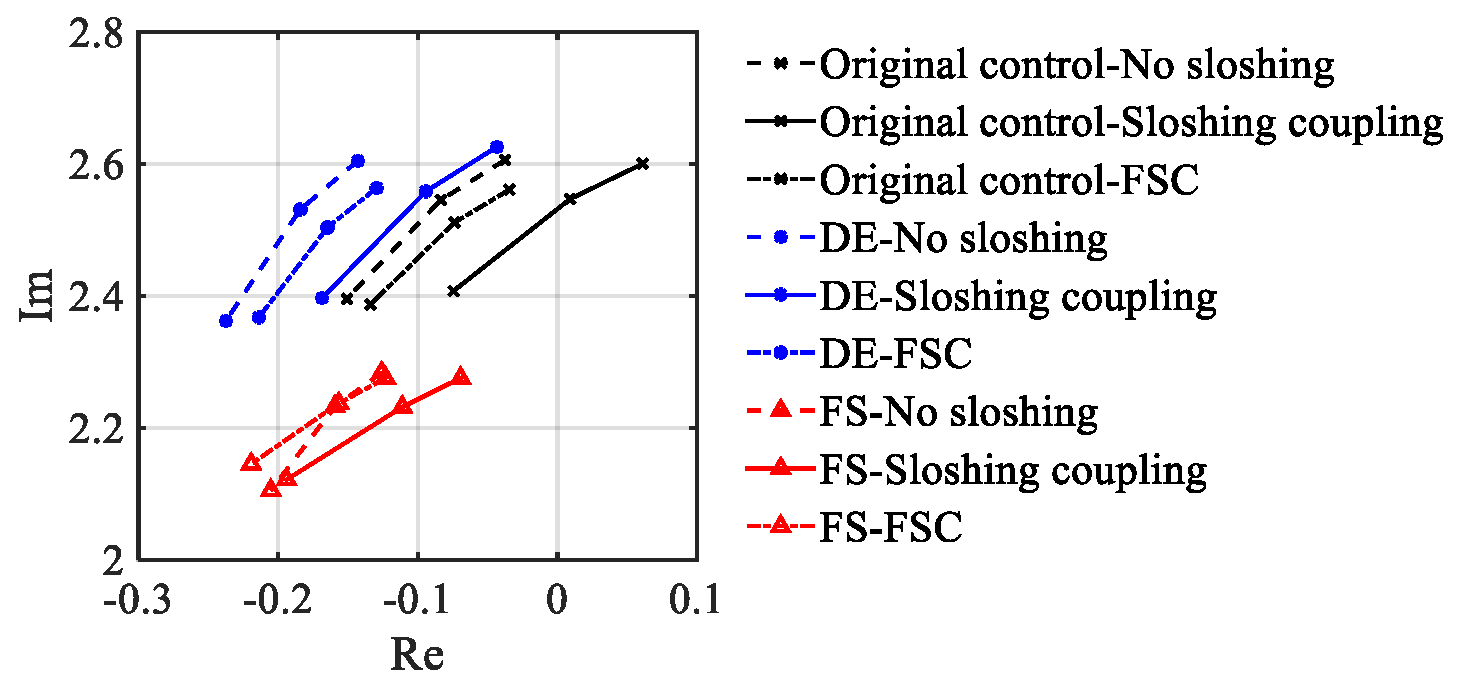
Figure 14 illustrates the changes in the dominant eigenvalues along a low-subsonic trajectory. As the Mach number decreases across three states from
H = 5000 m/
Ma = 0.60 to
H = 2000 m/
Ma = 0.49, the poles move from the bottom left to the top right, into a less damped state.
The DE enhances the damping of the dominant mode by adjusting control gains and . Compared with the original scheme, DE achieves a higher damping ratio in the no-sloshing condition, while the frequency ranges of both are close. Under the sloshing coupling, the damping ratios of the two schemes decrease synchronously, with the system becoming unstable first in the original scheme control. Thus, DE achieves a better resistance to sloshing at a higher damping ratio, though overall the sloshing effects on both schemes are not significantly different.
In
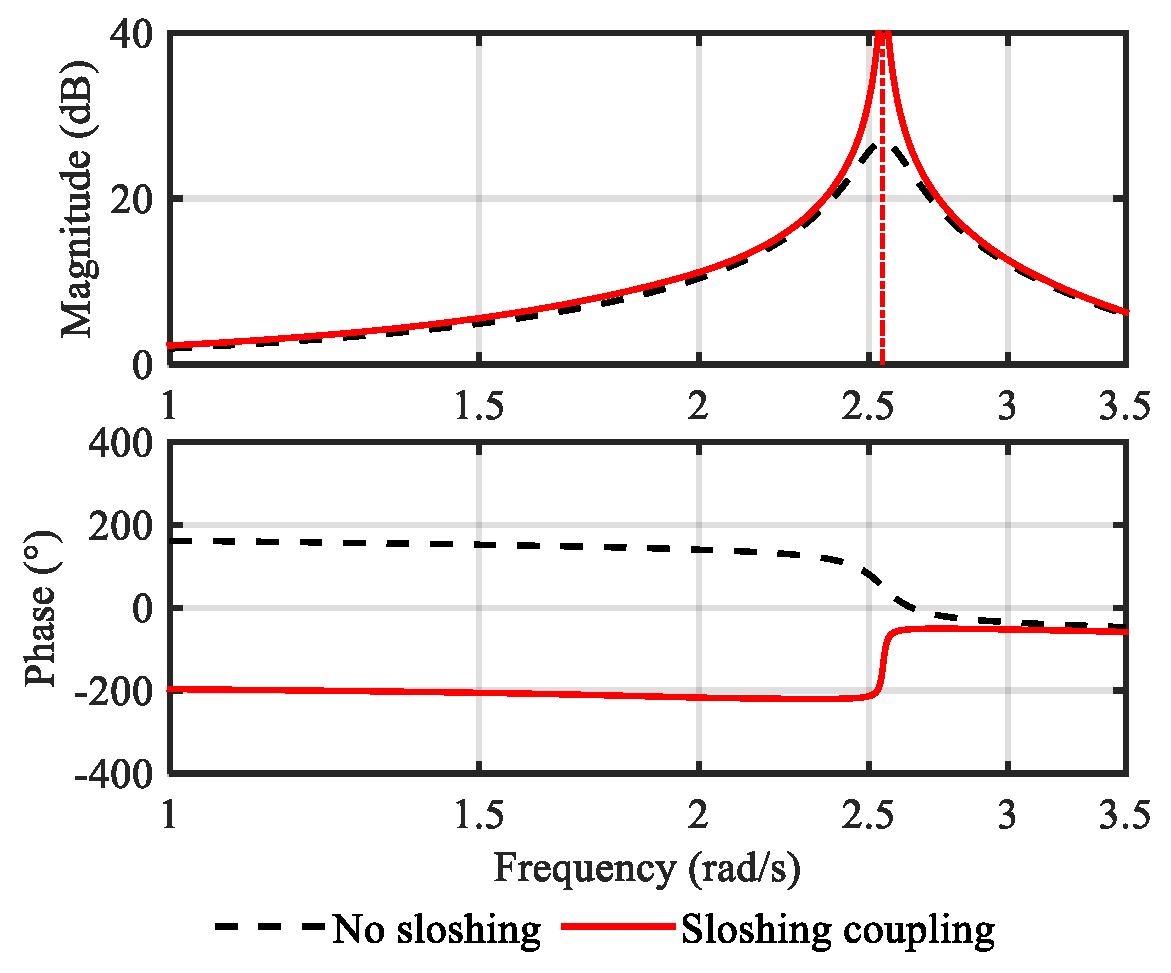
Section 3.1.3, it has already been proven that the frequency of the dominant mode is the SSF. In the improved scheme of FS, based on damping augmentation, the frequencies of the dominant modes are deviated away from the frequency range with a strong sloshing force effect by adjusting the control gains
and
(mainly by decreasing
to lower the frequency in
Table 6). Compared with DE, FS control has a lower frequency in the no-sloshing condition, while maintaining similar damping ratios. Under the sloshing coupling, the damping ratio of FS is significantly higher than that of DE. For the frequency of the dominant mode corresponding to a lower sloshing force effect, FS mitigates the sloshing coupling.
4.2. Compensation Based on Sloshing Frequency Characteristics
In the previous
Section 4.1, the deteriorated flight stability was improved by adjusting the control gains in Equation (8) to Equation (10). However, increasing the damping gain may not fully counteract the negative damping of sloshing, or may introduce overly conservative designs that compromise the tracking performance. Likewise, adjusting the tracking gain may also degrade the tracking capability. It may conflict with the higher control performance requirements by simply adjusting the control gains for sloshing suppression.
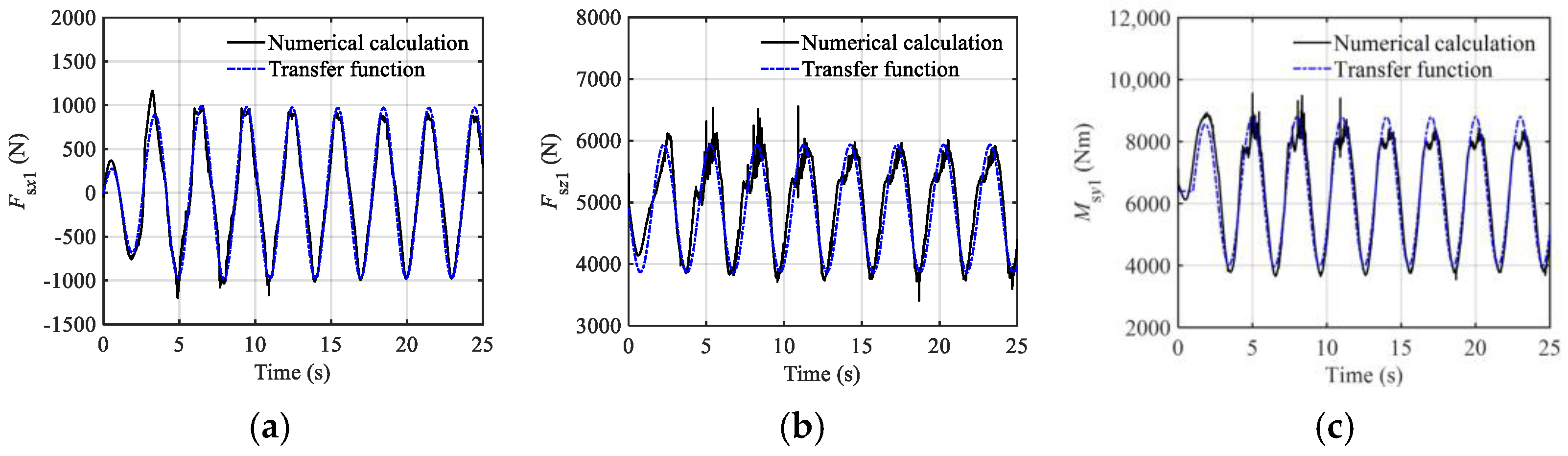
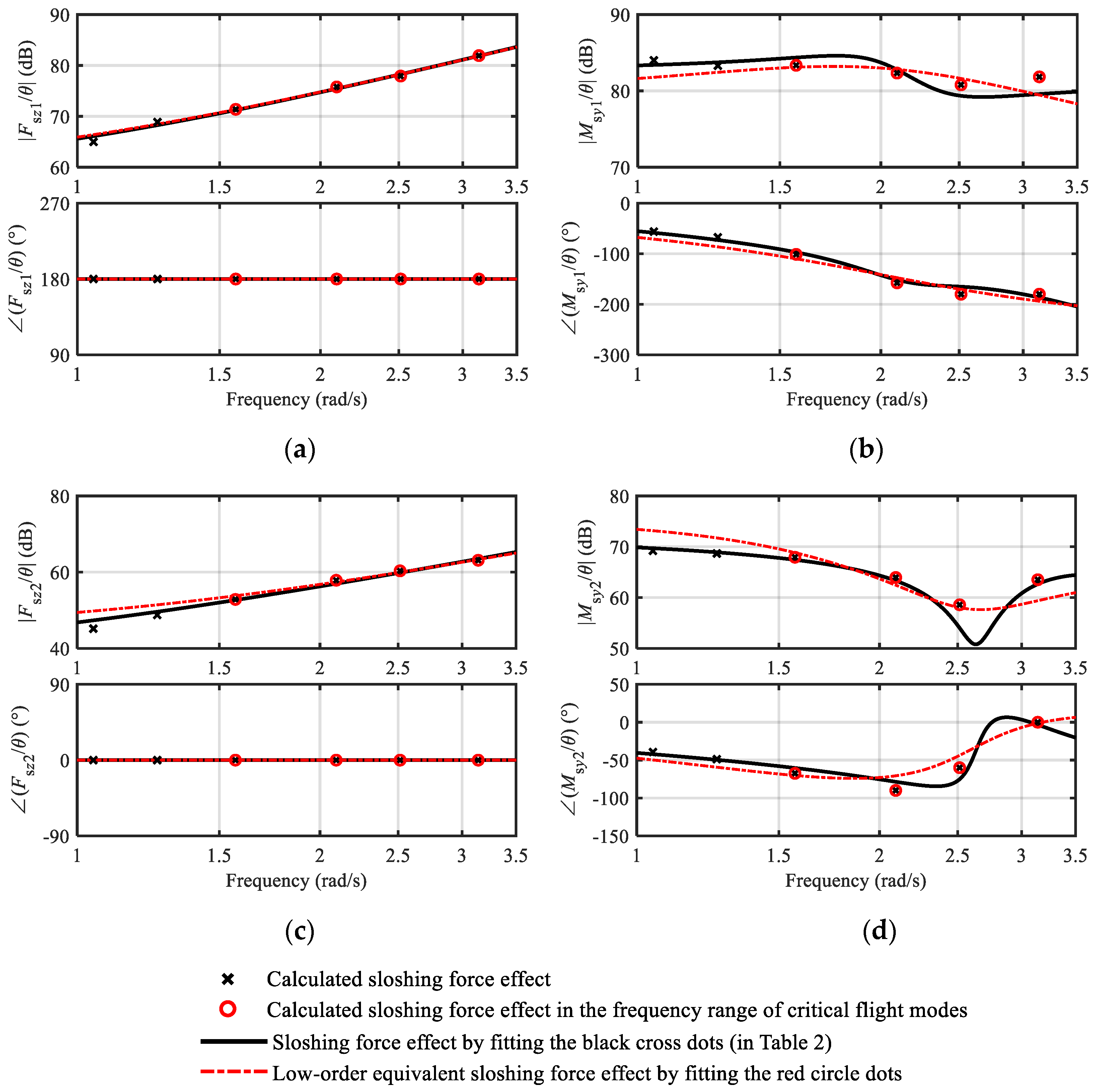
A targeted Frequency Shaping Compensation (FSC) control is designed by introducing the frequency characteristics of the sloshing force effect as transfer functions, which help suppress liquid sloshing coupling through frequency shaping and improve flight stability. A total of 3~4 frequency points are taken around the typical short-period flight modes to obtain the frequency characteristics of the sloshing force effect through numerical calculations (or experimental methods). By fitting these points with a transfer function of second order or below, namely a sloshing compensation model, the frequency information in the significant range is captured. Examples of the low-order transfer functions are shown in
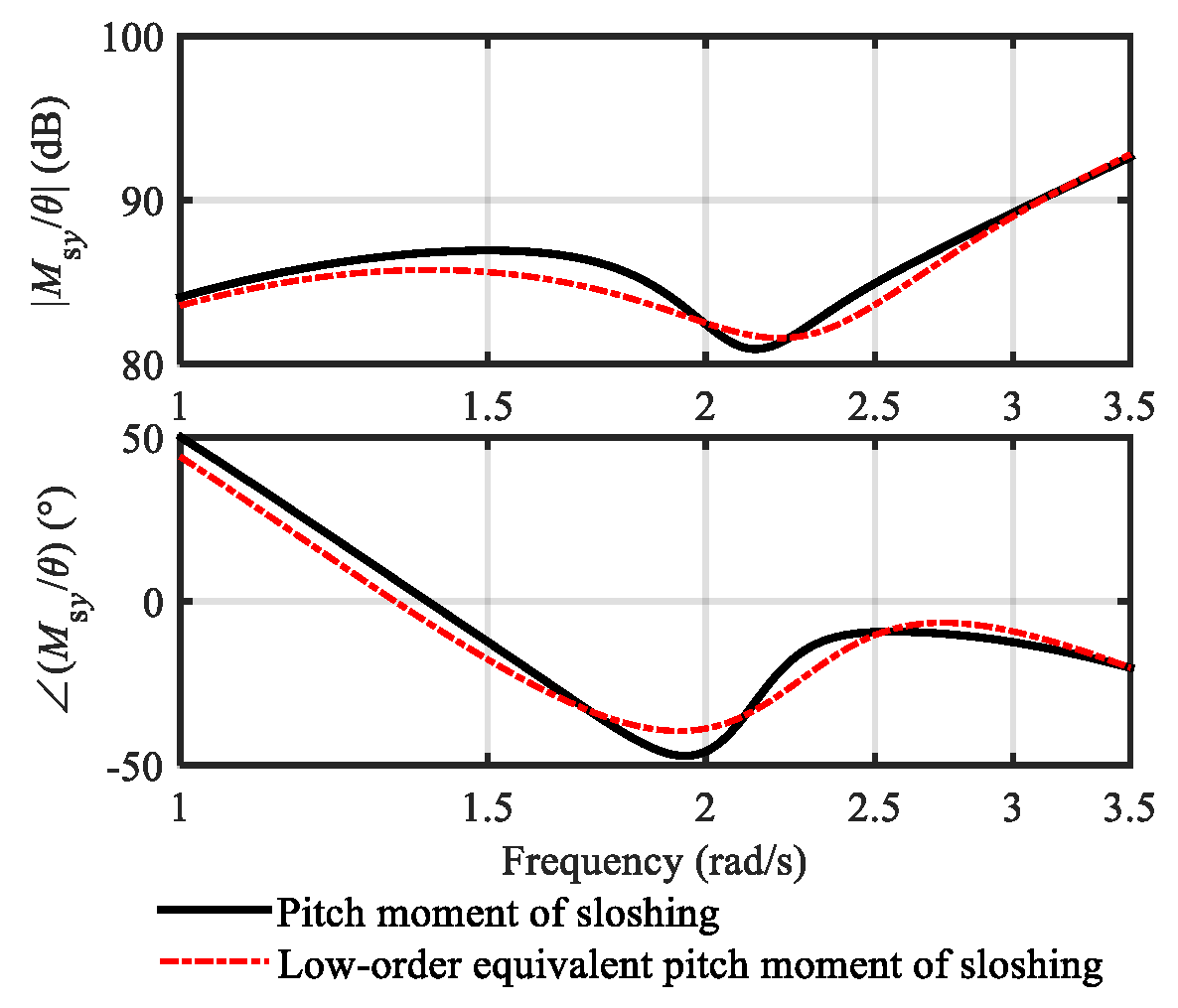
Figure 4, and the resultant moment model is shown in
Figure 5, with an adequate fitting accuracy for effective suppression.
The control laws with sloshing compensation are as follows:
Furthermore, if it is necessary to make the frequency characteristic of the compensation system more in line with the no-sloshing state, other control surfaces are used for fine-tuning. In the longitudinal channel, the linked deflection of an elevon is introduced as
where
is the transfer function to describe the total pitch moment generated by two tanks,
is the transfer function to describe the total roll moment, and
,
and
are compensation gains.
The suppression effect of compensation control in the low-subsonic stage has been presented in the final two columns of
Table 6 in
Section 4.1. The results show that the compensation based on sloshing frequency characteristics shifts the dominant modes back toward the no-sloshing state and improves the system stability to a higher level when combined with other enhanced control schemes.
FSC control compensates for the extra rotational moments of liquid sloshing through the additional deflection of the control surface based on frequency characteristic details, making the compensated system closer to a no-sloshing condition and achieving a control performance level similar to the nominal system. The compensation structure is simple and effective, without extra sensors and actuators.
4.3. Sloshing Effect Suppression Along the Flight Trajectory
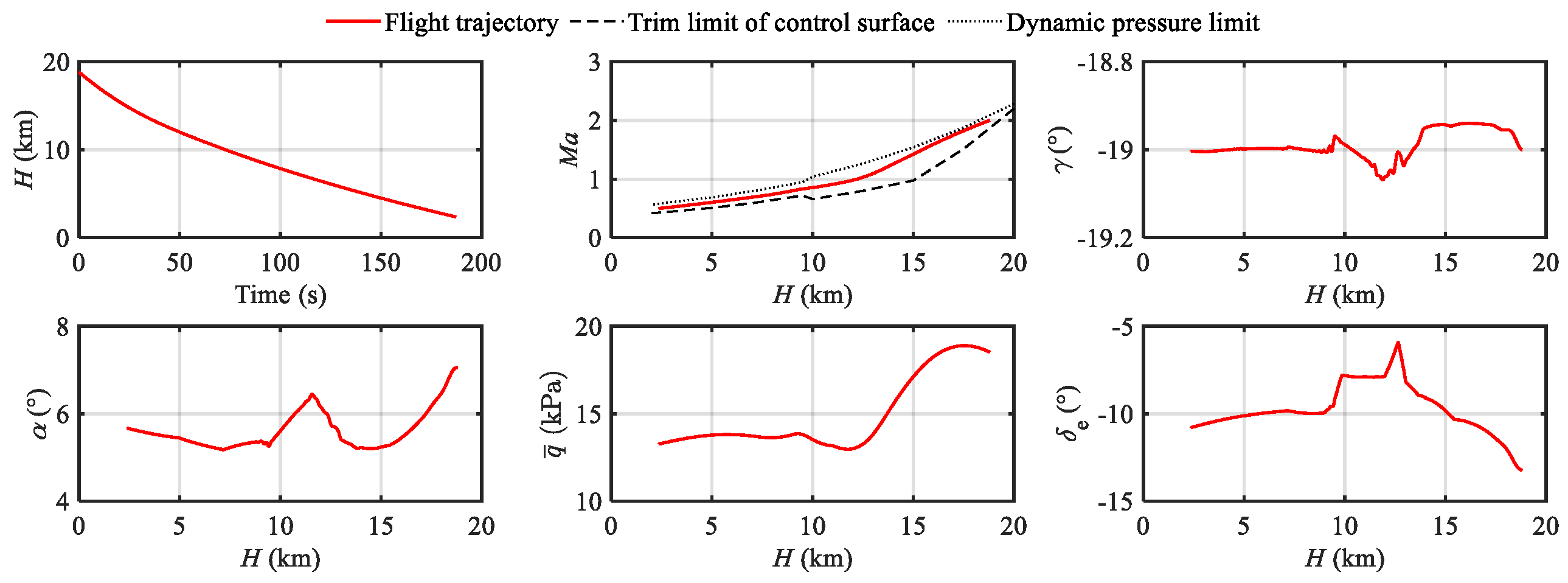
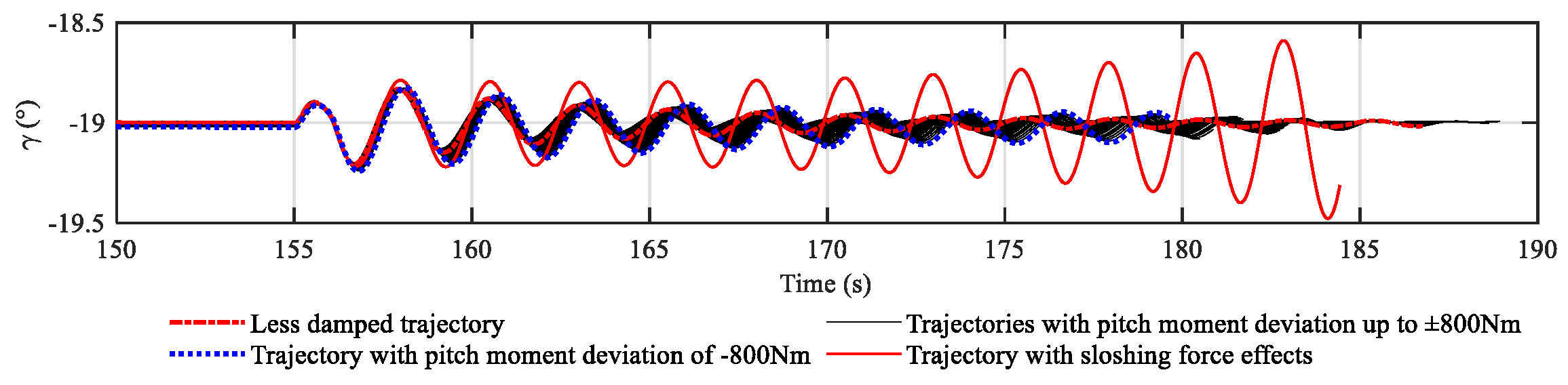
This section conducts flight simulations for different improved control schemes with sloshing compensation control included to suppress the trajectory divergence under the sloshing effect in
Figure 8 in
Section 3.1.2.
During the simulations from
Ma = 2 to
Ma = 0.5, a 1°/s pitch rate pulse disturbance is introduced at the simulation time of 155~156 s (about
H = 4200 m/
Ma = 0.57).
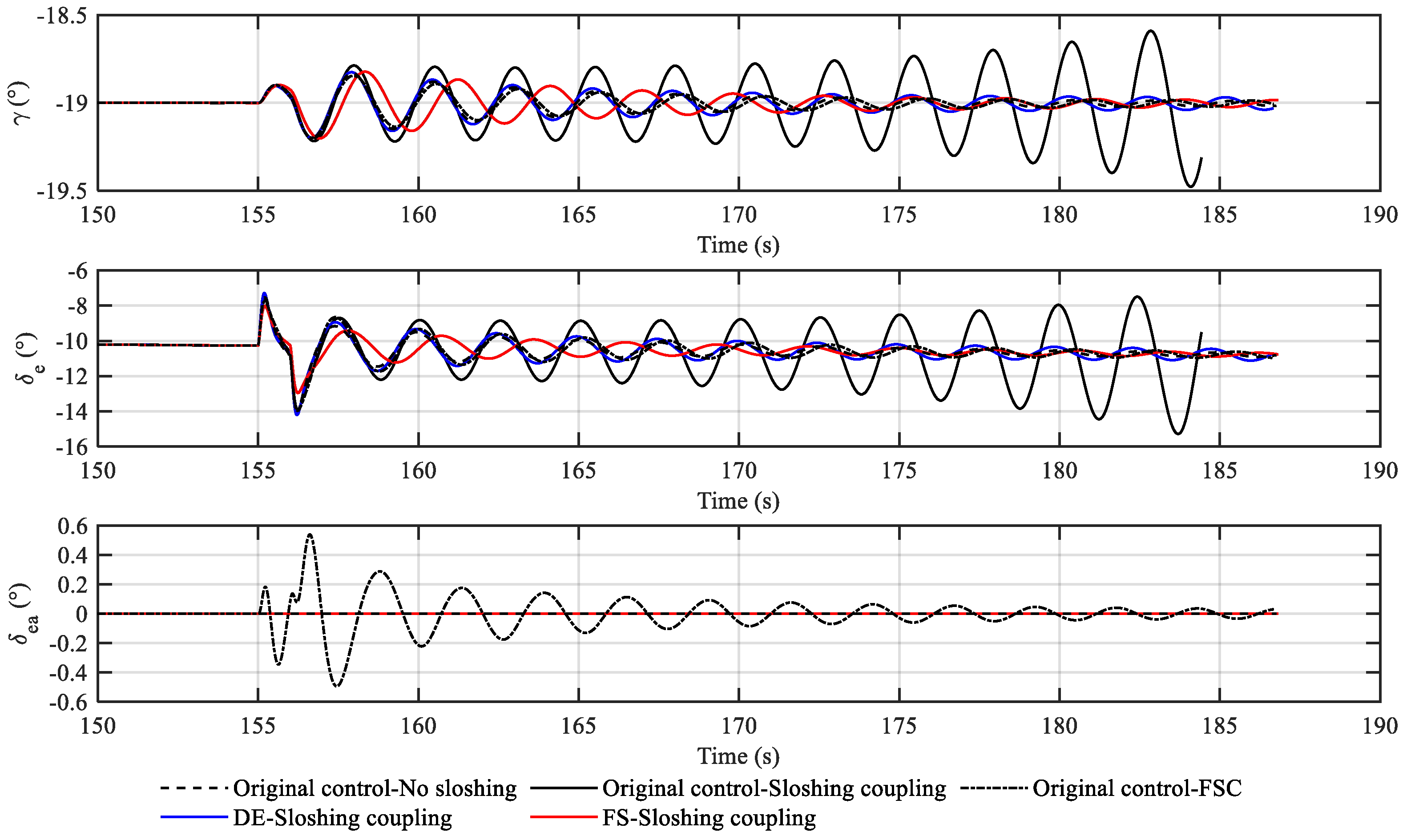
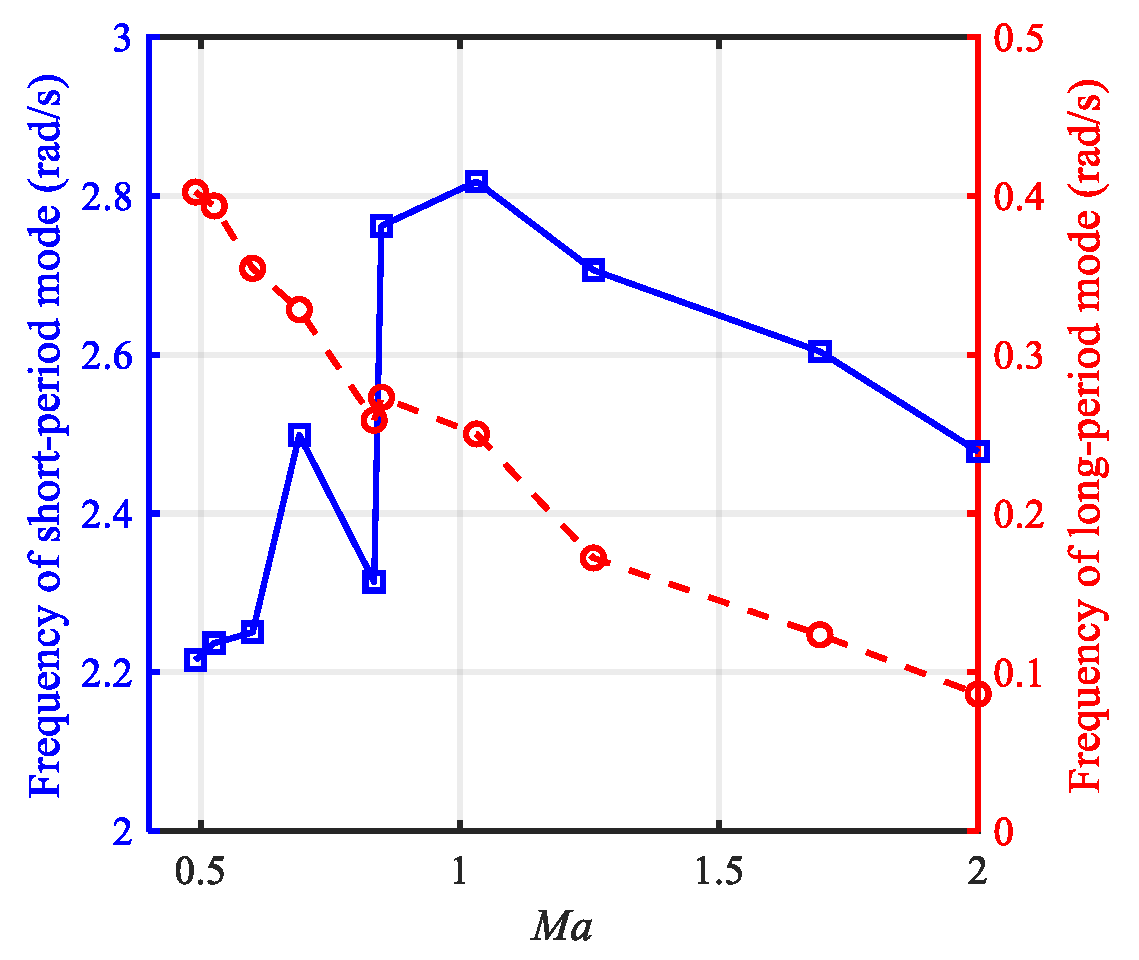
Figure 15 shows the path angle and the deflection of control surfaces along the trajectory of different control scenarios. After the disturbance at 155~156 s, flight trajectories oscillate at the frequency of dominant modes (ranges from 2.1 to 2.6 rad/s). In the trajectory of the original control under the sloshing effect, an obvious divergence starts around 165 s at
H = 3600 m/
Ma = 0.55 when there is an unattenuated oscillation, reaching the amplitude of about ±0.5° in path angle and ±4° in elevator deflection at
Ma = 0.5. The flight oscillations are effectively suppressed to convergence by DE, FS, and FSC. DE provides higher damping to maintain stability, and the flight oscillations are attenuated better at a lower frequency by taking FS. FSC helps the trajectory restore to its nominal state without the sloshing effect, with an extra linked elevon deflection.
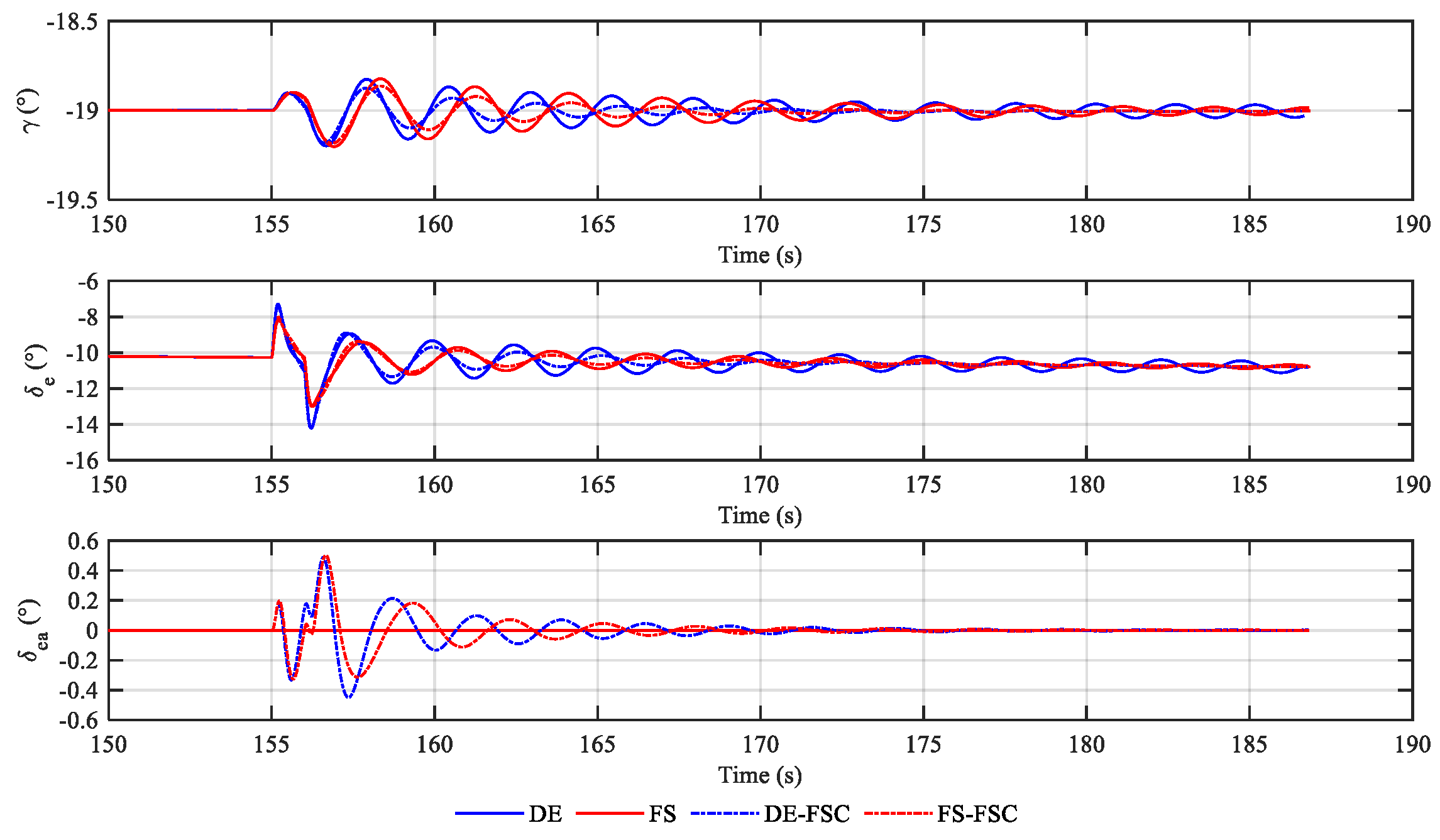
Furthermore, for better control performance, the DE and FS are combined with the FSC control.
Figure 16 shows the improved tracking performance. With FSC included, the trajectory oscillations attenuate faster under DE and FS control, respectively. It should also be noted that there is a small linked deflection of an elevon within about
for subtle compensation adjustment, while the elevator deflection is within about
. In comparison, both DE-FSC and FS-FSC control reach a similar fastest oscillation attenuation, while FS-FSC results in a smaller elevator deflection because of the lower tracking gains in this case. In conclusion, different suppression schemes improve flight stability respectively, and the combined control scheme of enhancing damping at an appropriate frequency with compensation has the best control performance, with its fastest oscillation attenuation and acceptable control cost.
The modeling uncertainties of sloshing frequency characteristics are further considered in the simulation for FSC with low-order transfer function compensation models for evaluating the anti-interference ability to the deviation between the sloshing transfer function model and the actual sloshing force effect.
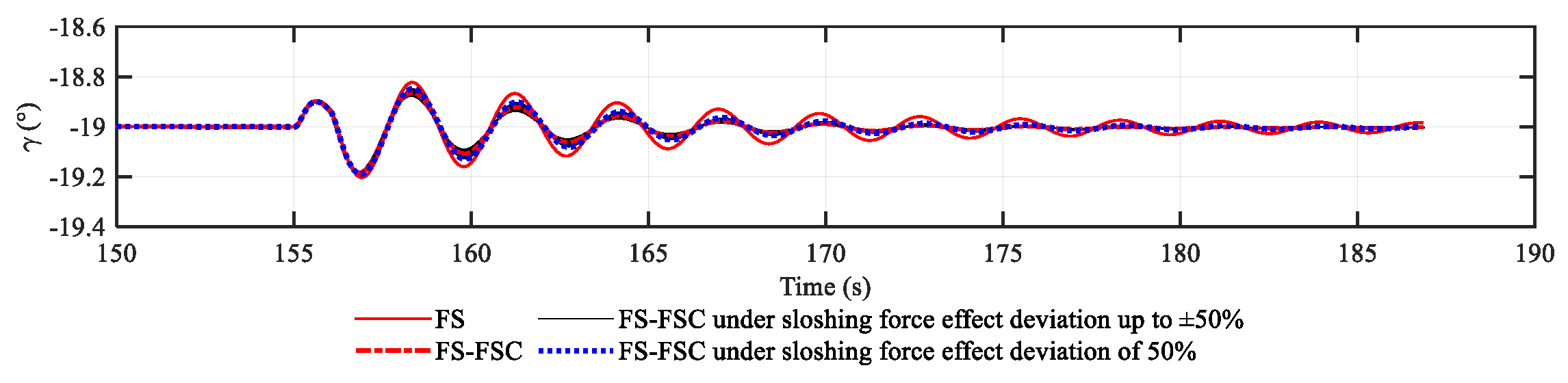
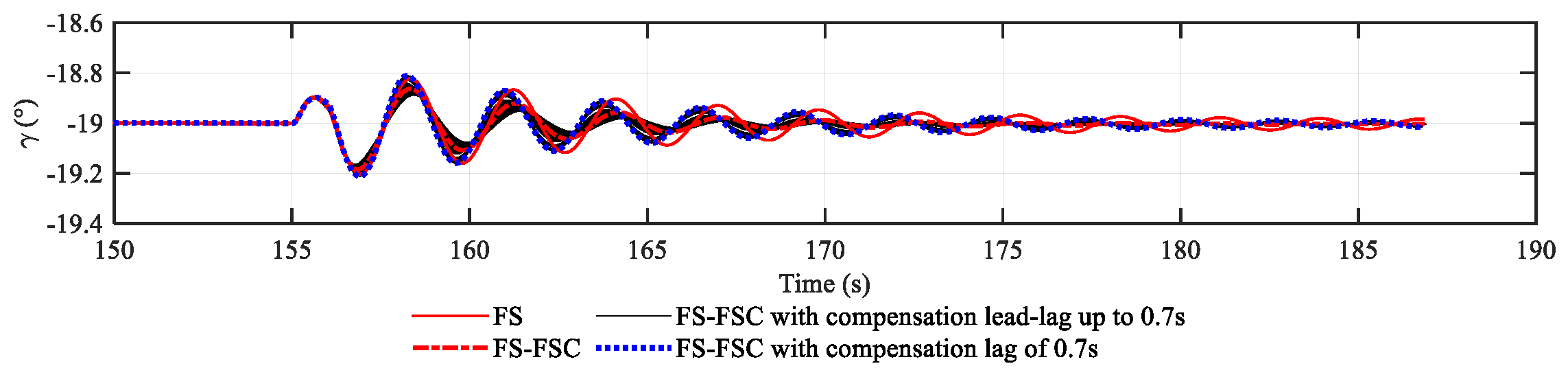
A Monte Carlo uncertainty analysis is performed on the amplitude and phase deviations of the predicted sloshing force effect. For the flight simulation with a 1°/s pitch rate pulse disturbance at 155~156 s added to the vehicle under FS-FSC control, the transfer functions with sloshing force effect amplitude deviation and phase lead–lag are shown separately in Equations (15) and (16), where the phase lead–lag deviations are described by the sloshing force effect lag or compensation lag:
The amplitude deviation and phase lead–lag of the sloshing force effect are randomly sampled, according to the normal distribution within ±50% and 0.7 s, as amplitude deviation
and phase deviation
. The flight simulations are performed with random deviations for 200 times. In addition, simulations with an extreme deviation of
and
are performed, which cause the worst oscillation. The flight trajectories shown in
Figure 17 and
Figure 18 indicate that the FSC control remains effective in oscillation suppression, and improves flight stability. This demonstrates that the FSC method can adapt to relatively larger sloshing force effects and significant delays.
With the flight oscillation period of about 2.8 s, the low-order compensation model tolerates a phase prediction deviation of about ±90°, while providing effective oscillation suppression. For a sloshing transfer function, accurately capturing the phase frequency characteristics is more crucial for damping effect analysis, and a compensation model can be quickly built by obtaining the frequency characteristics around the phase-changing regions (amplitude peaks or valleys).
4.4. Discussion on the Three Suppression Methods
According to the previous
Section 4.1,
Section 4.2 and
Section 4.3, three improved control measures are taken to enhance the flight stability and avoid severe sloshing coupling. In this section, three aspects of control strategies for sloshing suppression are concluded, with the comparisons of their advantages and applicability shown as follows for their wide application.
- (1)
Da mping Enhancement (DE)
By taking higher damping gains to increase the damping ratios of the oscillation modes, the system achieves a sufficient stability margin to counteract the negative damping introduced by sloshing. For the margin design of the nominal trajectory control, the additional damping ratio of the oscillation modes to resist the sloshing effect should exceed 0.05.
Without sloshing data, increasing the damping of trajectory control is conducive to improving the overall stability of the flight control system and helping resist the decrease in stability caused by sloshing. This method is suitable for situations with unknown sloshing characteristics. However, when it is used for completely resisting the sloshing negative damping effect, an excessive feedback gain and overly conservative control design may be introduced, reducing the dynamic tracking performance of the control system. In specific applications, to ensure the flying damping, the requirements of the stability margin and damping ratio should be appropriately increased by taking sloshing into consideration.
- (2)
Frequency Separation (FS)
The frequencies of closed-loop modes are adjustable with tracking gains for separating the flight motion from the sloshing effect and mitigating the sloshing coupling. Based on the frequency characteristics of sloshing, the frequencies of all closed-loop flight modes should first avoid becoming the SSF. If so, it would be even better for them to move further away from the SSF. Otherwise, if the closed-loop modes inevitably fall into the SSF, deviating from the frequency ranges with a strong sloshing force effect is helpful.
When the influence law of liquid sloshing is obtained through transfer function analysis in the frequency domain, it is possible to avoid the closed-loop oscillation frequencies from frequency bands with severe sloshing coupling. Detailed sloshing information is not required in the separation of frequency, which rather mitigates the impact of sloshing on flight motion modes based on the frequency resonance theory. This method is limited by the natural frequency characteristics and the dynamic tracking performance requirements. In specific applications, the key is to monitor the frequencies of closed-loop flight modes in order to avoid severe sloshing frequency excitation based on the frequency characteristics of sloshing, which is not used as the main strategy for control enhancement.
- (3)
Frequency Shaping Compensation (FSC)
By adding a sloshing compensation loop to offset the sloshing effect through frequency shaping, the closed-loop poles are shifted towards the nominal state without sloshing.
With the frequency characteristics of the sloshing force effect presented using a transfer function, sloshing compensation with an extra control loop specifically offsets for the sloshing effect within the corresponding frequency bands. This method compensates for the stability reduction caused by sloshing while maintaining the other performance of the control system and achieves a higher performance while combined with other methods. But it brings extra control costs and requires detailed sloshing frequency characteristics through numerical calculations or other ways, for constructing transfer functions. Therefore, FSC is suitable for the targeted suppression of specific sloshing behaviors.
The above three methods are recommended to be used in combination while meeting the other design requirements of the control system, and the combined control scheme of enhancing damping at an appropriate frequency with compensation has the best control performance. For practical applications, tracking requirements, control costs, and available sloshing data should be comprehensively considered. The stability margin should be ensured first; then, using compensation or not can be determined on a case-by-case basis, while always monitoring the closed-loop mode frequencies to avoid severe sloshing excitation.
5. Conclusions
This paper focuses on the flight oscillation caused by liquid propellant sloshing at the reentry terminal of an example lifting-body RLV. A rigid–liquid control coupled flight dynamics model is proposed with a transfer function description of the liquid sloshing force effect, based on which the mechanism of the sloshing effect was easily obtained, enabling prediction of the flight stages with severe coupling. Furthermore, active control methods for sloshing effect suppression are provided.
- (1)
With frequency analysis, the sloshing effect is essentially a negative damping effect within a specific frequency band, where the closed-loop frequency characteristic is influenced integrally.
- (2)
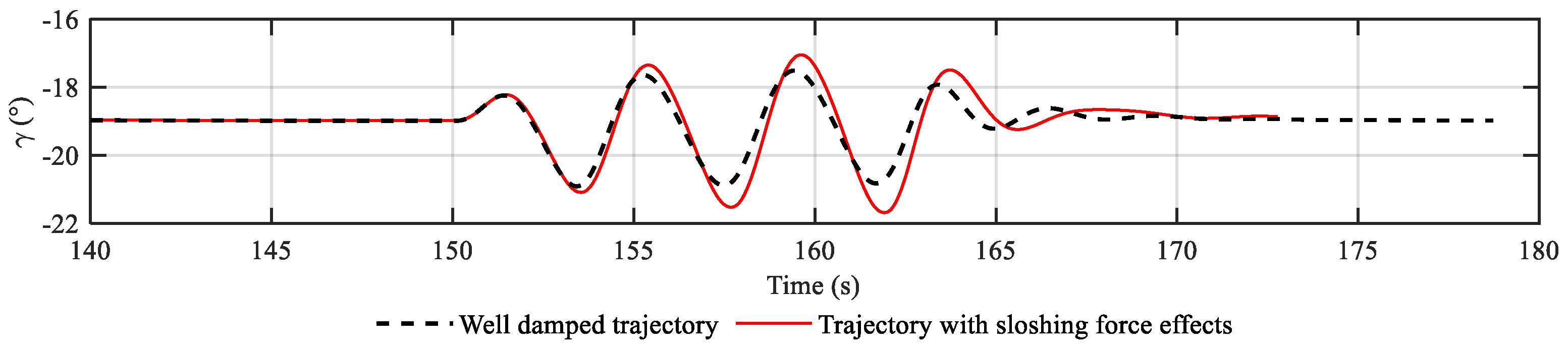
Within the frequency range with a significant sloshing effect, there exists the “Sloshing-Susceptible Frequency (SSF)” at which the flight motion is most severely affected by sloshing. The SSF is determined by the frequency characteristics of the sloshing force effect and the frequencies of the closed-loop flight modes. When there is an unfavorable high-frequency dominant mode under less damped trajectory control, the frequency of the dominant mode is the SSF. If under well-damped trajectory control, the SSF corresponds to the frequency of a strong sloshing force effect, appearing at a moderate frequency between the inherent short-period and long-period modes in this case.
- (3)
Under less damped trajectory control with a high-frequency dominant mode, the sloshing effect is easily reflected in the deterioration of the dominant modes, which is positively correlated with the magnitude of the sloshing force effect at the dominant mode frequency, reducing flight stability or even causing instability. It is necessary to consider the sloshing effect as an additional negative damping and take into account the reduction in the high-frequency mode damping ratio.
- (4)
Under well-damped trajectory control, the sloshing effect is suppressed to a certain extent. Nevertheless, under the excitation at SSF, the sloshing effect will manifest as larger or even gradually expanded flight oscillations. The sloshing effect becomes more severe at the flight state where the frequencies of flight closed-loop modes approach the SSF.
- (5)
Three active control methods for sloshing suppression are provided, including Damping Enhancement (DE), Frequency Separation (FS), and Frequency Shaping Compensation (FSC). These are recommended to be used in combination to achieve a better suppression effect. The stability margin should be ensured first; then, using compensation or not can be determined, while always monitoring the closed-loop mode frequencies to avoid severe sloshing excitation.
Active control methods represent a critical approach to liquid sloshing effect suppression, especially in the later stages of vehicle development. If numerical or experimental methods can be used to quickly capture the sloshing frequency characteristics described, for example, by transfer functions, it would facilitate the application of FS, FSC, and other advanced control strategies for coupling suppression. Additionally, it should be noted that the transfer function model is limited to liquid sloshing with primarily linear characteristics; on the other hand, an analysis of specific large-amplitude nonlinear scenarios is also important for flight safety.