


Abstract
Growing demand for small satellite launches has increased the need for low-cost and environmentally sustainable propulsion systems. Hybrid rockets have garnered attention as a promising alternative, but most solid fuels are petroleum-derived, contributing to resource depletion and greenhouse gas emissions. This study evaluated the potential of polyethylene recovered from marine plastic waste (Marine Plastics) as a solid fuel for hybrid rockets. For thermal and elemental analyses, commercial high-density polyethylene pellets (Standard HDPEs) were used as a reference, while commercial HDPE cylindrical material (Combustion-grade HDPE) was used for combustion tests. Differential scanning calorimetry and thermogravimetric analyses revealed that Marine Plastics exhibited a melting point of approximately 403 K, comparable to Standard HDPE, with slightly lower thermal stability. Elemental analysis indicated the absence of oxygen atoms, suggesting minimal UV-induced degradation. Combustion tests demonstrated that both Marine Plastics and Combustion-grade HDPE achieved about 60% of the theoretical characteristic velocity, with Marine Plastics exhibiting a slightly higher regression rate. Furthermore, Marine Plastics contained a small amount of sodium chloride, suggesting the potential formation of hydrogen chloride during combustion. These results experimentally confirm that Marine Plastics possess thermal and combustion properties comparable to commercial HDPE, indicating their potential as an alternative solid fuel for hybrid rockets.
1. Introduction
Space development is expanding rapidly in areas such as communication, Earth observation, and scientific exploration, with demand for small satellite launches increasing considerably in recent years [1]. This growing demand necessitates the development of propulsion systems that offer both low cost and high reliability. Hybrid rockets, which combine the stability and simple structure of solid fuels with the flexible combustion control enabled by liquid oxidizers, possess intermediate characteristics between conventional liquid and solid propulsion systems, making them particularly attractive for small-scale rockets.
Conventional solid fuels such as acrylonitrile-butadiene-styrene (ABS), hydroxyl-terminated polybutadiene (HTPB), polyethylene (PE), and polypropylene (PP) are petroleum-based. All such fuels present shortcomings including greenhouse gas emissions during manufacturing and depletion of natural resources. At the same time, the global marine plastic problem offers a new perspective for space development from the viewpoints of environmental engineering and resource recycling. Approximately 8 million tons of plastic enter the oceans annually, much of which does not degrade. It becomes microplastics that affect ecosystems [2,3]. Among these, PE constitutes a large fraction of marine debris: unfortunately, its recycling rate is low, with most being incinerated [4,5]. By contrast, PE exhibits excellent processability, storage stability, chemical compatibility, and commercial availability [6]. Its potential as a solid fuel has been reported in the literature. It is noteworthy that CAMUI-type hybrid rockets using PE fuel have achieved multiple successful launches, demonstrating their effectiveness as a solid fuel [7,8]. Therefore, using recovered marine plastics as solid fuel is promising from the perspectives of waste reduction, decreased petroleum dependence, and reduced greenhouse gas emissions. However, prior studies on PE hybrid fuels have primarily focused on virgin, standardized polyethylene. Marine plastics present unique challenges not addressed in the existing literature: specifically, material degradation due to prolonged UV exposure, the presence of residual salt and impurities, and significant sample-to-sample heterogeneity. The impact of these factors on combustion characteristics and safety remains unelucidated.
Against this background, this study specifically examines PE, a major marine plastic component, and evaluates PE feasibility and combustion characteristics as a solid fuel by experimentation. The results of this study are expected to contribute to resource recycling and to space propulsion technology, offering a novel approach toward sustainable space development.
2. Materials and Methods
2.1. Materials
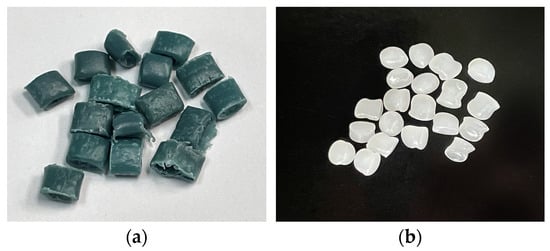
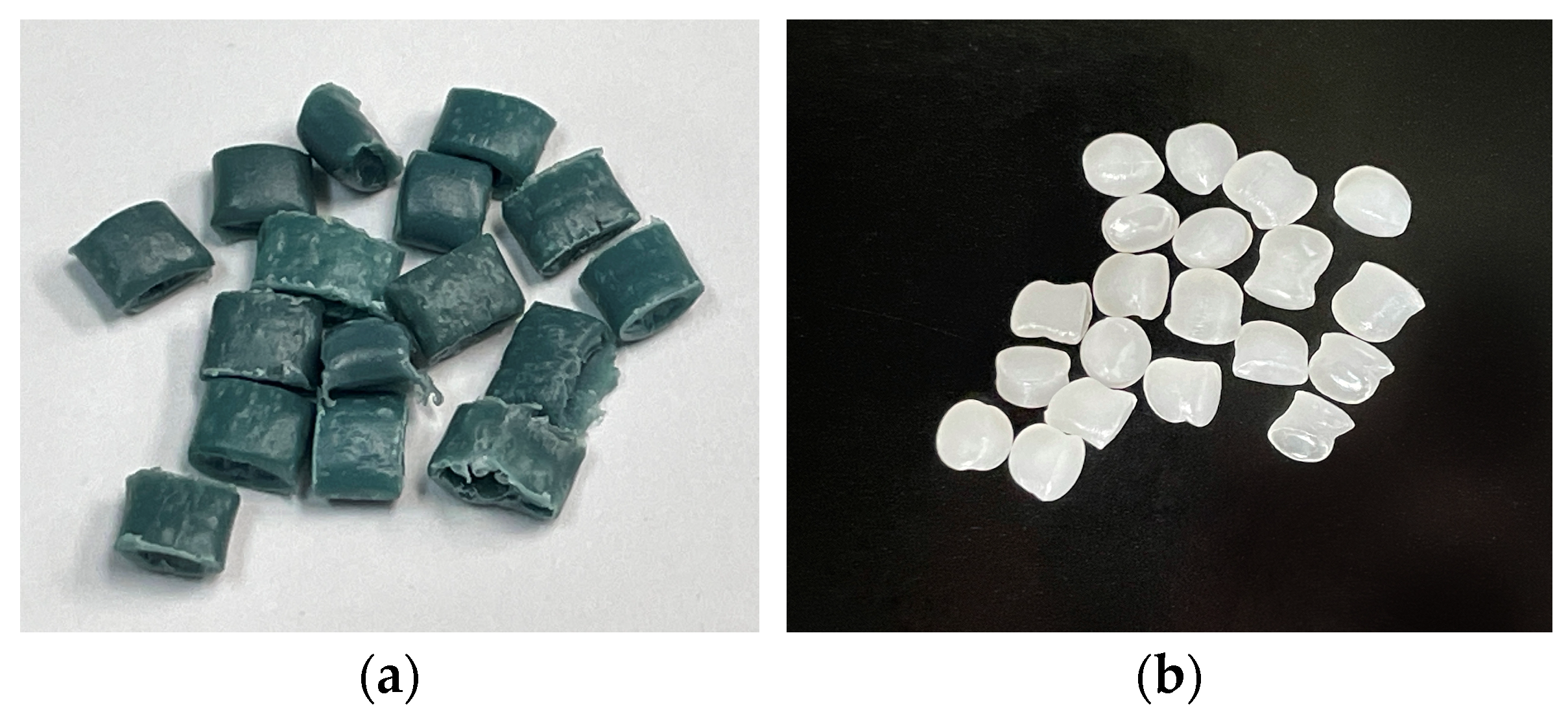
For this study, marine plastic–derived polyethylene (Marine Plastic) pellets and standard high-density polyethylene (Standard HDPE) pellets were used as test samples. The Marine Plastic pellets provided by Mitsubishi Chemical Corp. (Tokyo, Japan) were produced by crushing, washing, and molding polyethylene selected from marine debris collected along coastlines into pellets with approximately 10 mm diameter. Impurities could not be removed completely during the sorting process. For that reason, the pellets contained small amounts of non-polyethylene components. Their composition was 86.2 wt% polyethylene, 6.8 wt% polypropylene, 4.7 wt% natural rubber, 0.4 wt% EVA (ethylene-vinyl acetate), and 1.8 wt% inorganic matter. According to data provided by Mitsubishi Chemical Corp., ion chromatography of the combustion residue of the Marine Plastic pellets reported a chlorine content of approximately 995 ppm. The Standard HDPE pellets used for comparison were commercially available high-density polyethylene with a highly uniform composition. The average mass of pellets of both types was 18 mg. The appearances and shapes of the two types of pellets are shown respectively in panels (a) and (b) of Figure 1.
Figure 1.
(a) Marine Plastic pellets and (b) Standard HDPE pellets.
2.2. Ignition Tests Procedure
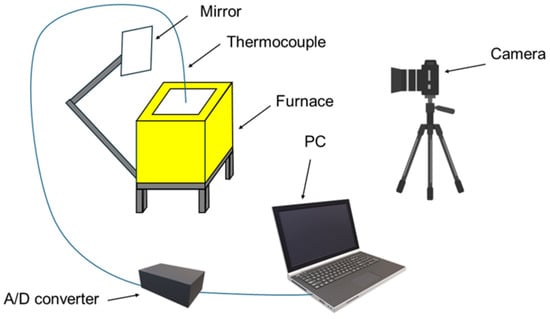
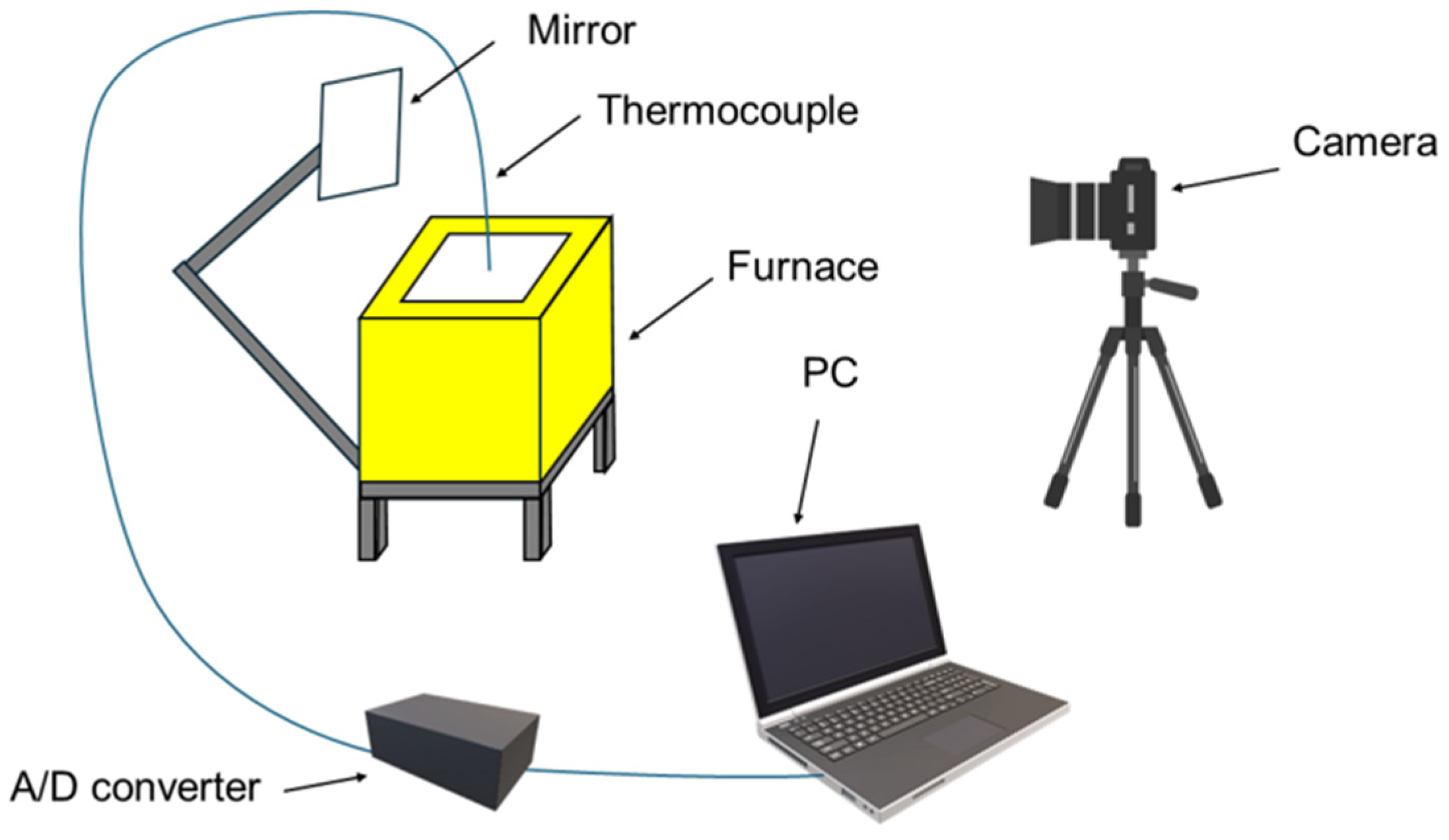
Ignition tests were conducted using an electric furnace. First, a K-type thermocouple was placed inside a stainless steel cup installed in the furnace. The furnace temperature was controlled to be stabilized at approximately 723.15 K or 973.15 K. The furnace interior was recorded using a camera positioned above a mirror. After the temperature reached the set point and stabilized, the test sample was placed into the cup. Its combustion behavior was observed. Any residue remaining in the cup after combustion was collected. From the recorded footage, ignition delay time, and burning time of the samples were measured. The ignition delay time was defined as the duration from the moment the sample contacted the bottom of the heated cup to the first appearance of a continuous visible flame. The burning time was defined as the duration from the onset of ignition until the complete disappearance of the visible flame. Some tests were conducted at 723.15 K to enable comparison with earlier studies, whereas tests conducted at 973.15 K were performed to evaluate the combustion behavior under the maximum heating conditions of the furnace. A schematic diagram of the experiment setup is portrayed in Figure 2.
Figure 2.
Schematic diagram of the experiment apparatus for the ignition tests.
2.3. Differential Scanning Calorimetry (DSC) Measurements
The thermal behaviors of the Marine Plastics and Standard HDPE samples were investigated using a high-pressure differential scanning calorimeter (HP DSC 2+; Mettler Toledo International Inc., Columbus, OH, USA). Aluminum crucibles with 40 μL capacity were used. The sample mass was adjusted to 5.0–5.5 mg by shaving the pellets. Samples were heated from 298.15 K to 443.15 K at a heating rate of 10 K/min under an air atmosphere, followed by cooling at 10 K/min. Thermal properties such as melting temperature and heat flow were determined from the second heating cycle.
2.4. Thermogravimetric Analysis (TGA) Measurements
Thermogravimetric analysis was conducted (Thermoplus TG 8120; Rigaku Corporation, Tokyo, Japan) using alumina crucibles. The sample mass was adjusted to 1.8–3.3 mg by shaving the pellets. Measurements were taken under both nitrogen and air atmospheres, with a 50 mL/min gas flow rate used for each. The temperature range was 303.15–973.15 K. The heating rate was 10 K/min.
2.5. Elemental Analysis Procedure
Using an elemental analyzer (Micro Corder JM10; J-Science Lab Co., Ltd., Kyoto, Japan), CHN analysis of the Marine Plastics and Standard HDPE samples was performed. The analytical range of the instrument was C: 3–2600 μg, H: 0.5–400 μg, and N: 1–100 μg. The detection method was the thermal conductivity method. The analytical accuracy was ±0.3%. The samples were prepared by shaving the pellets and adjusting the mass to 2.0–3.5 mg.
2.6. Combustion Tests
2.6.1. Solid Fuel
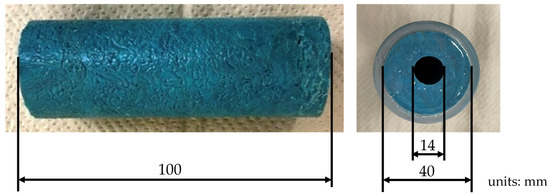
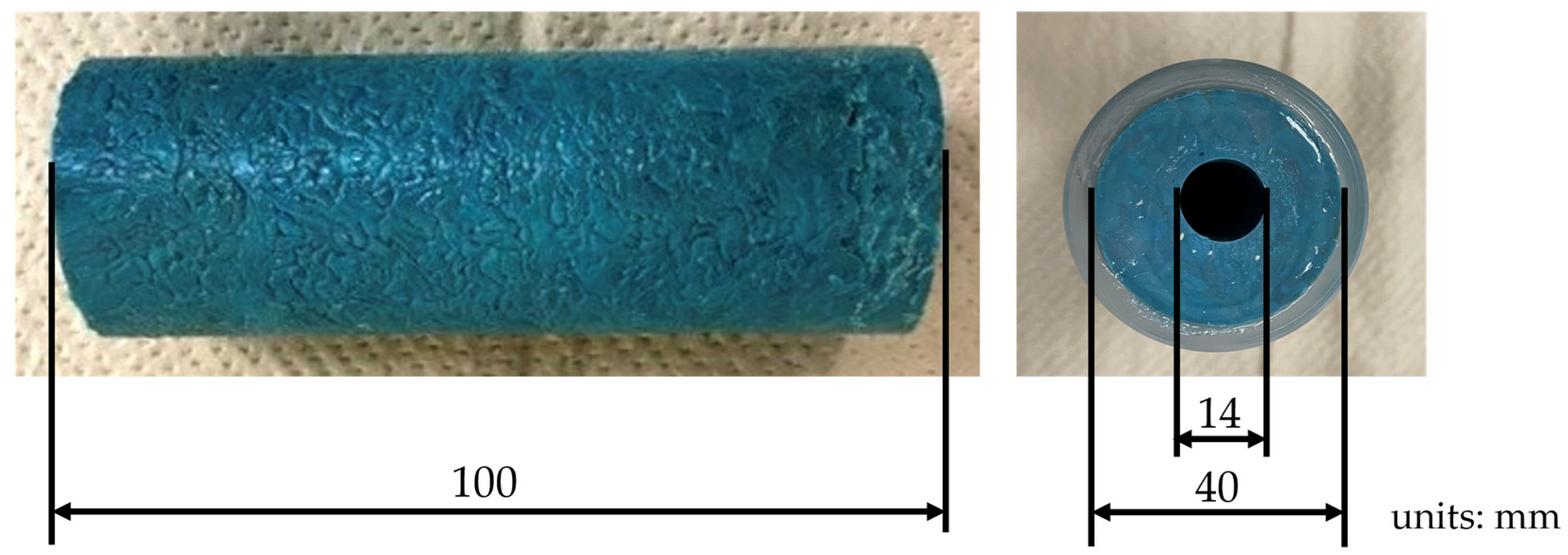
The solid fuel used for the combustion tests was fabricated as described hereinafter. First, Marine Plastic pellets were weighed to a specified amount and placed in a beaker. The beaker was then heated with a mantle heater to 453.15 K. After the pellets had melted completely, the molten material was poured into a metal mold and was compression-molded using a hydraulic press at 60 MPa pressure to form cylindrical fuel grains with 40 mm outer diameter and 100 mm length. After allowing the molded samples to solidify for 60 min, they were removed from the mold. A through-hole with 14 mm inner diameter was machined using a lathe. The fabricated Marine Plastic fuel grain is shown in Figure 3. For comparison, after commercially available HDPE rods (Combustion-grade-HDPE) were machined to the same dimensions, they were used for combustion tests. This fabrication method was selected to simulate a practical recycling process for waste plastics, whereas the Combustion-grade-HDPE grains were machined from commercially available extruded rods to serve as a reference for conventional fuels. Quality control of the fabricated fuel grains was performed by measuring the mass and dimensions of each sample to calculate the bulk density. The results confirmed that the density of Marine Plastics was comparable to that of Combustion-grade HDPE. Additionally, visual inspections were conducted to ensure that there were no significant surface defects or cracks prior to the combustion tests. The fabricated fuel grains were affixed to acrylic cartridges using adhesive for mounting in the hybrid rocket engine.
Figure 3.
Marine Plastic Solid fuel.
2.6.2. Test Conditions
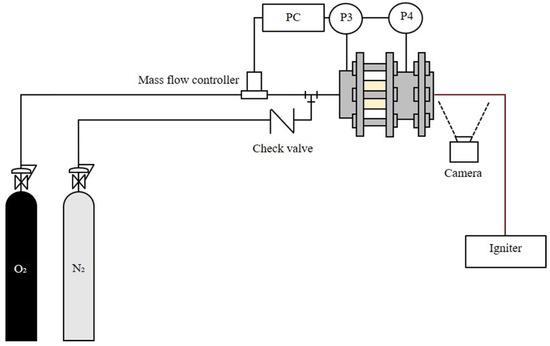
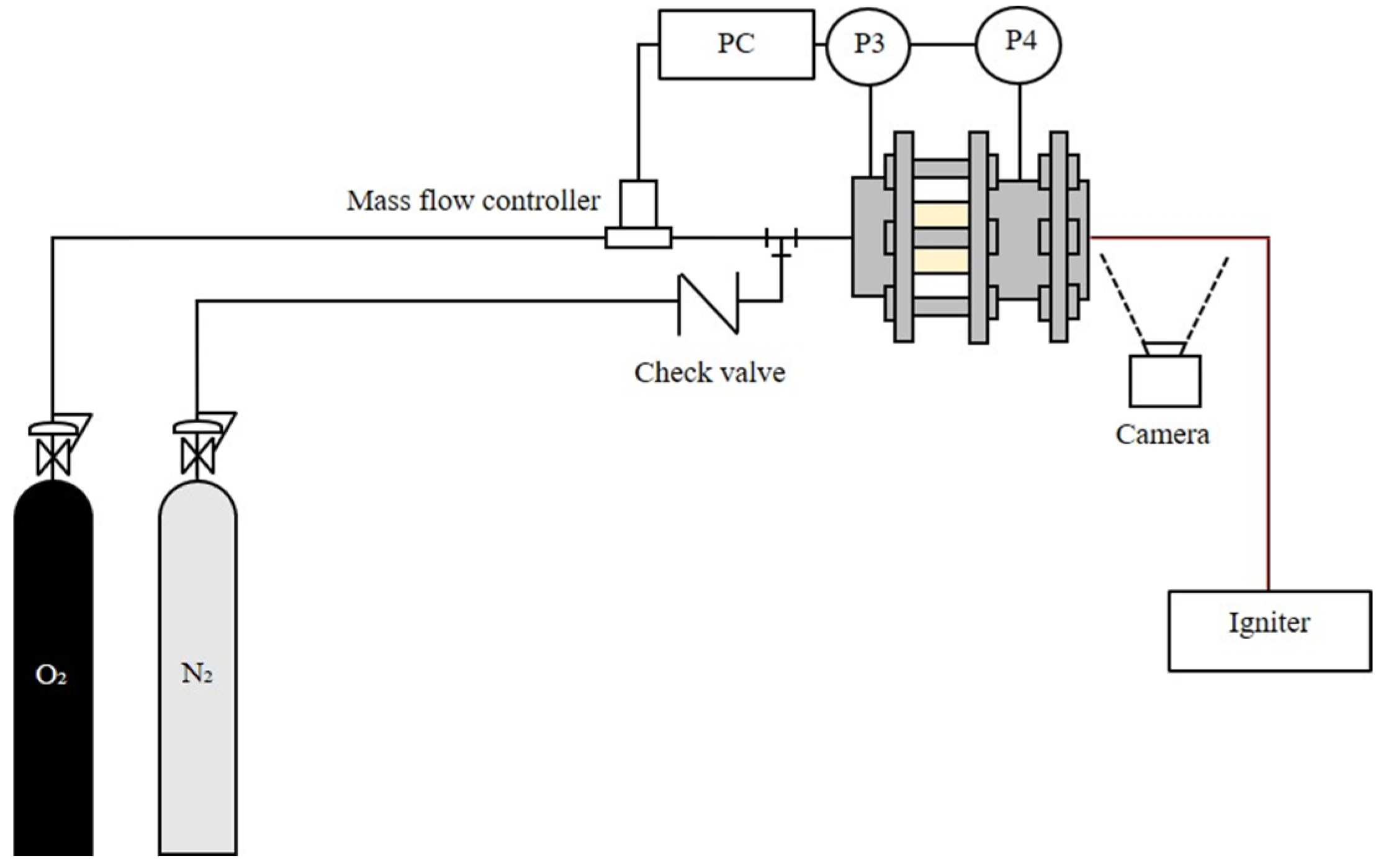
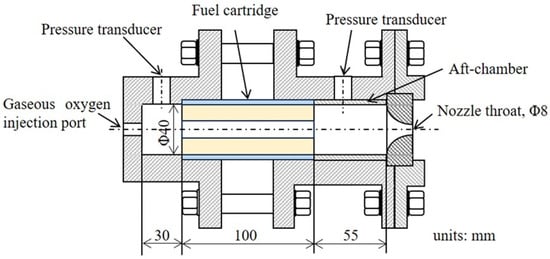
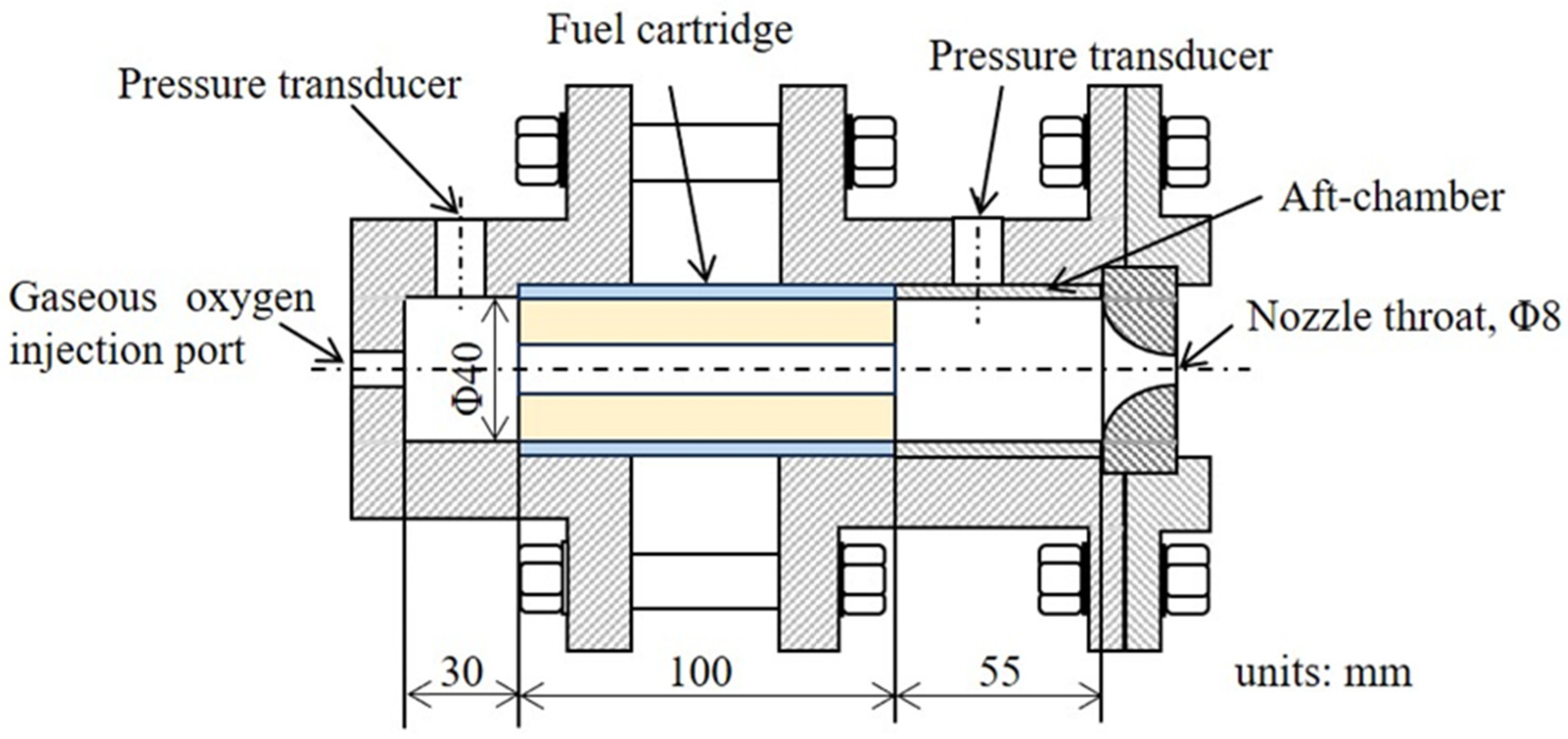
Schematic diagrams of the experiment setup and the engine used for the combustion tests are shown respectively in Figure 4 and Figure 5. Gaseous oxygen (GOX) was used as the oxidizer. The oxidizer supply pressure was set to 0.5 MPa. The oxidizer mass flow rate was 15 g/s. The combustion duration was 4 s. The combustion chamber pressure was measured at both the upstream and downstream locations using pressure transducers (PHL-A-5MP-B, KYOWA ELECTRONIC INSTRUMENTS, Tokyo, Japan). A mass flow controller (MCR-1000SLPM-D, Alicat Scientific, Tucson, AZ, USA) was installed between the oxygen cylinder and the engine to regulate the oxidizer flow rate via a PC. The pressure and flow rate data were recorded on a PC at a sampling rate of 100 Hz.
Figure 4.
Schematic diagram of experiment apparatus for the combustion tests.
Figure 5.
Schematic drawing of hybrid rocket engine.
Experimentally obtained regression rate, characteristic velocity and efficiency of characteristic velocity are calculable using the following equations.
The consumed fuel mass, , was determined by measuring the mass difference in the fuel grain before and after combustion. The time-averaged fuel mass flow rate, , was calculated by dividing by the burning time, .
3. Results
3.1. Ignition Tests Results
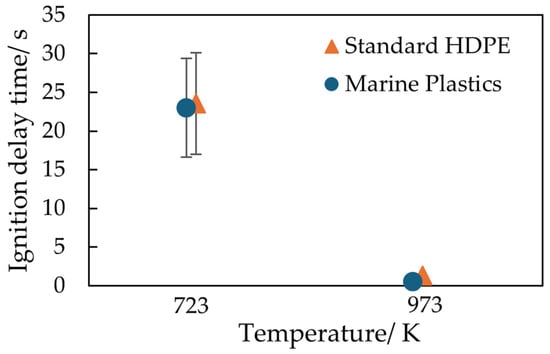
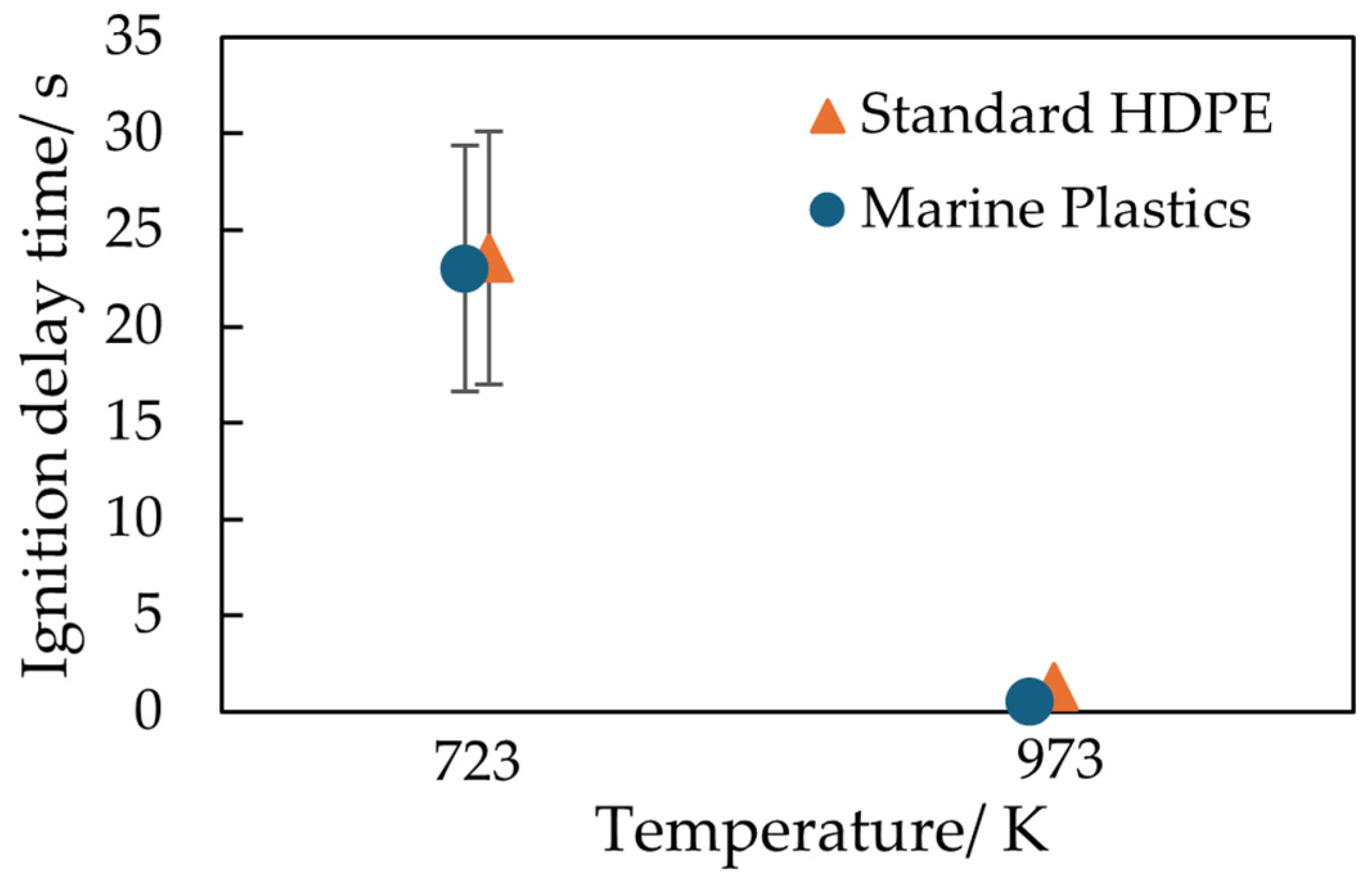
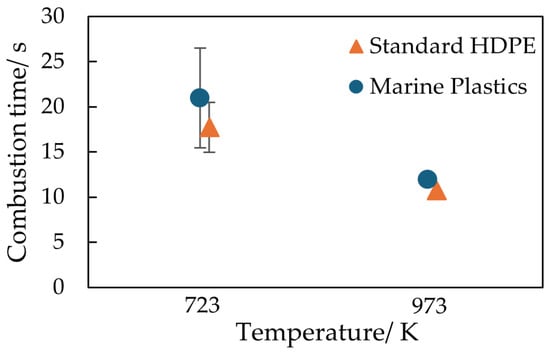
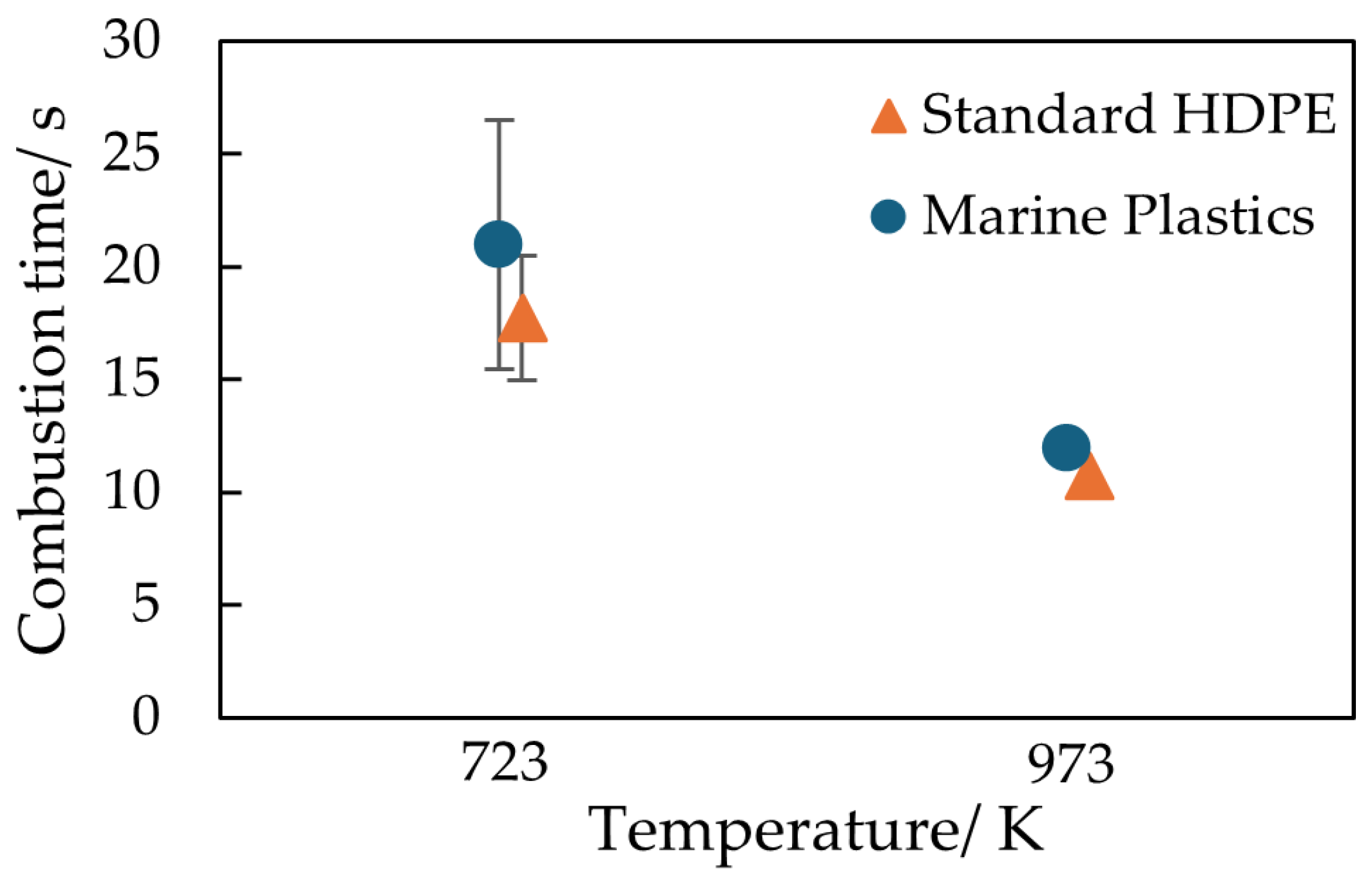
The average ignition delay times and average burning times of the Marine Plastics and Standard HDPE samples are summarized respectively in Figure 6 and Figure 7. Statistical analyses (Welch’s t-test) were performed to compare the means.
Figure 6.
Results of ignition delay time (n = 10).
Figure 7.
Results of combustion time (n = 10).
As shown in Figure 6, the ignition delay times at 723.15 K were almost identical for Marine Plastics and Standard HDPE, with no statistically significant differences found in their variation (p = 0.85). However, at 973.15 K, Marine Plastics exhibited a significantly shorter ignition delay time compared to Standard HDPE (p < 0.001).
Regarding the burning times shown in Figure 7, although the mean value for Marine Plastics at 723.15 K appeared slightly longer, no statistically significant difference was found (p = 0.12). Similarly, no significant difference in burning time was found between the two samples at 973.15 K (p = 0.22).
These results indicate that, at 723.15 K, since no significant differences were observed in either ignition delay or burning time, the observed variation in Marine Plastics cannot be conclusively attributed to individual differences caused by impurity contamination or molecular weight degradation. In contrast, the significantly shorter ignition delay at 973.15 K suggests that the influence of degradation and molecular weight reduction in Marine Plastics became apparent under high heat flux.
3.2. DSC Analysis
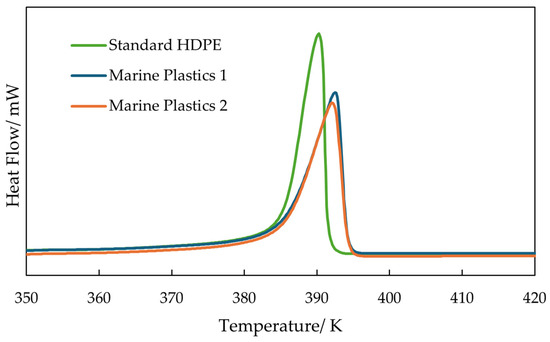
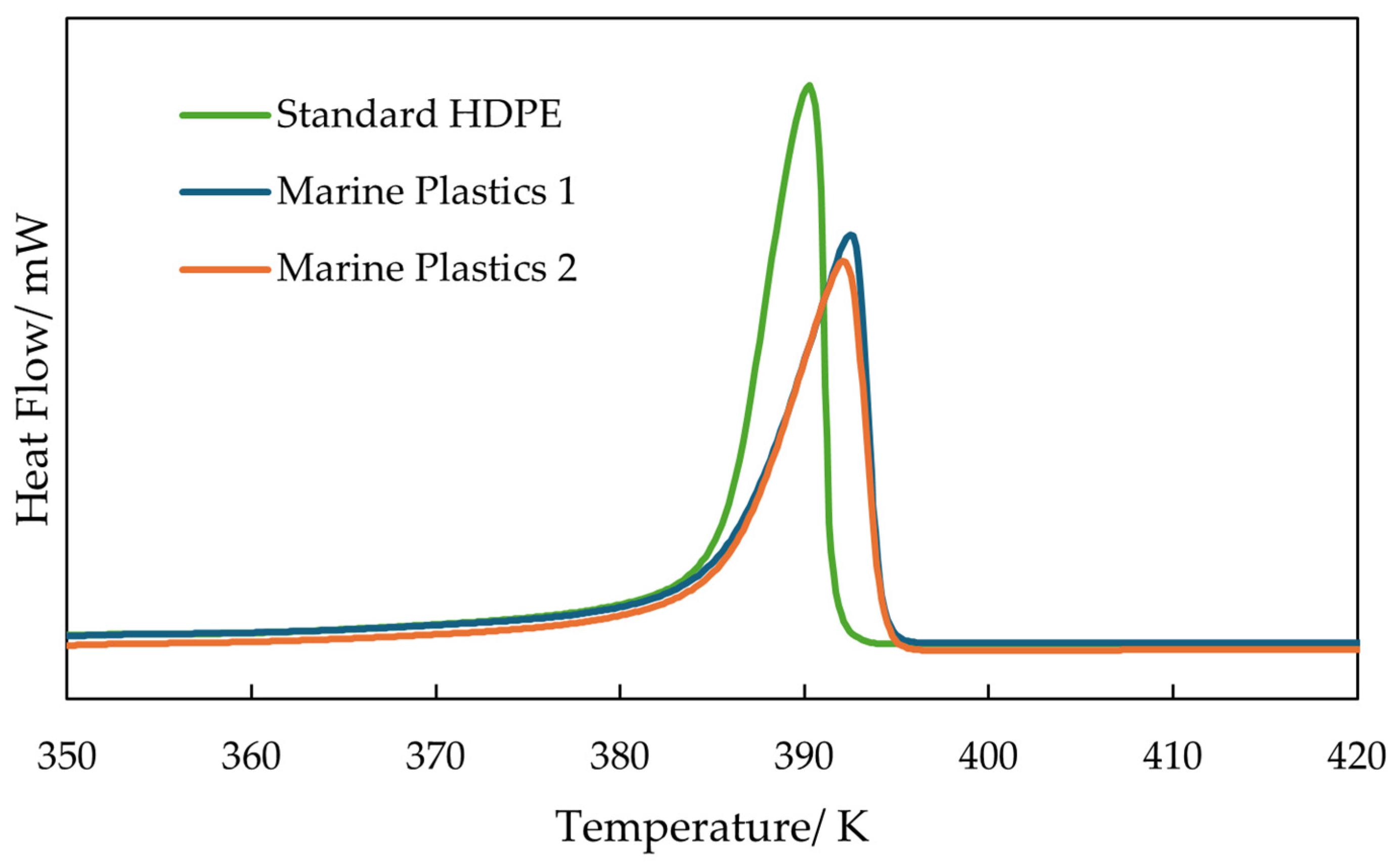
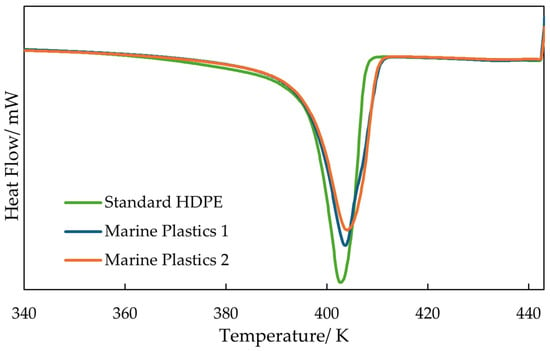
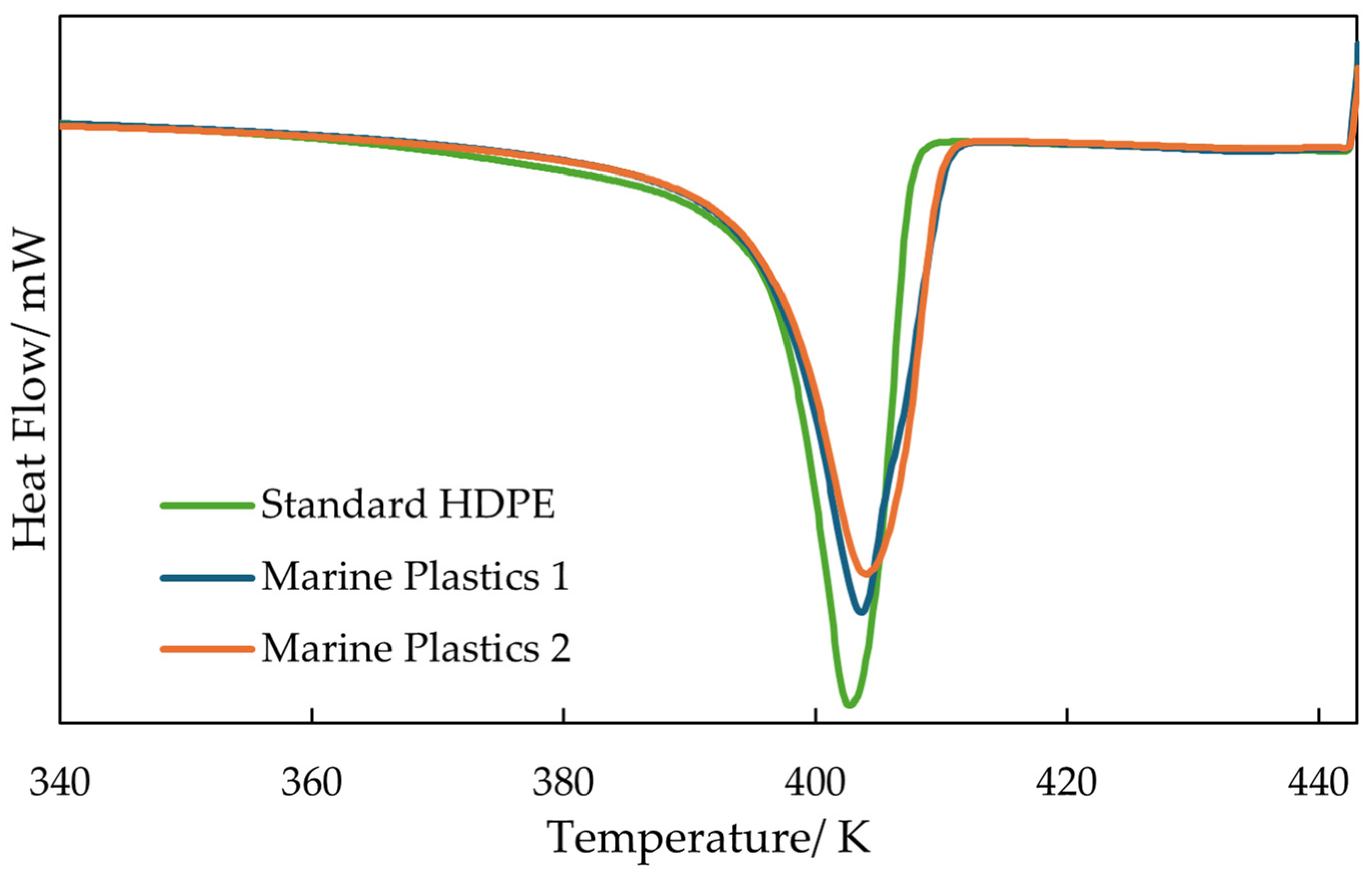
To evaluate the potential heterogeneity of the recycled material, two distinct Marine Plastic samples (Marine Plastics 1 and Marine Plastics 2) were analyzed. Figure 8 portrays the DSC heating curves of Marine Plastics and Standard HDPE samples. Figure 9 shows the cooling curves. From these heat flow curves, the thermal behaviors of Marine Plastics 1, Marine Plastics 2, and Standard HDPE were generally consistent. Furthermore, no distinctive peaks different from those of Standard HDPE were observed in the Marine Plastic samples. Typical melting temperatures of HDPE are well known to be 393.15–413.15 K, whereas those of PP are approximately 433.15–443.15 K. Therefore, PE–PP mixtures generally exhibit two endothermic peaks. However, as shown in Figure 9, no peak corresponding to PP was observed, indicating that the influence of PP contained in the Marine Plastic samples on their thermal properties is negligible.
Figure 8.
DSC heating curves of Marine Plastics (Samples 1 & 2) and Standard HDPE.
Figure 9.
DSC cooling curves of Marine Plastics (Samples 1 & 2) and Standard HDPE.
Furthermore, the endothermic peak of Standard HDPE appeared at a slightly lower temperature and exhibited higher peak intensity than that of Marine Plastics, although no marked difference in melting temperature was found between the two. Reportedly PE degradation engenders peak broadening and a decrease in melting temperature because of a reduction in molecular weight and an increase in the fraction of short-chain molecules caused by factors such as UV irradiation, which leads to a less uniform molecular arrangement [9]. Earlier studies have also demonstrated that UV-induced degradation causes notable changes in the thermal properties of PE [10].
Based on these results, it can be inferred that the Marine Plastics samples had not undergone any marked degradation. In addition, the fact that the endothermic peak of Marine Plastics coincided with that of Standard HDPE suggests that Marine Plastics possess a composition and structure resembling those of HDPE.
3.3. Thermogravimetric Analysis
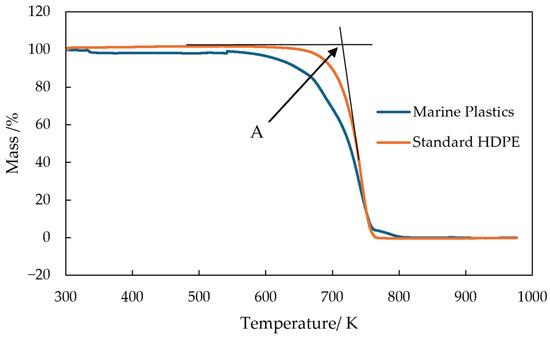
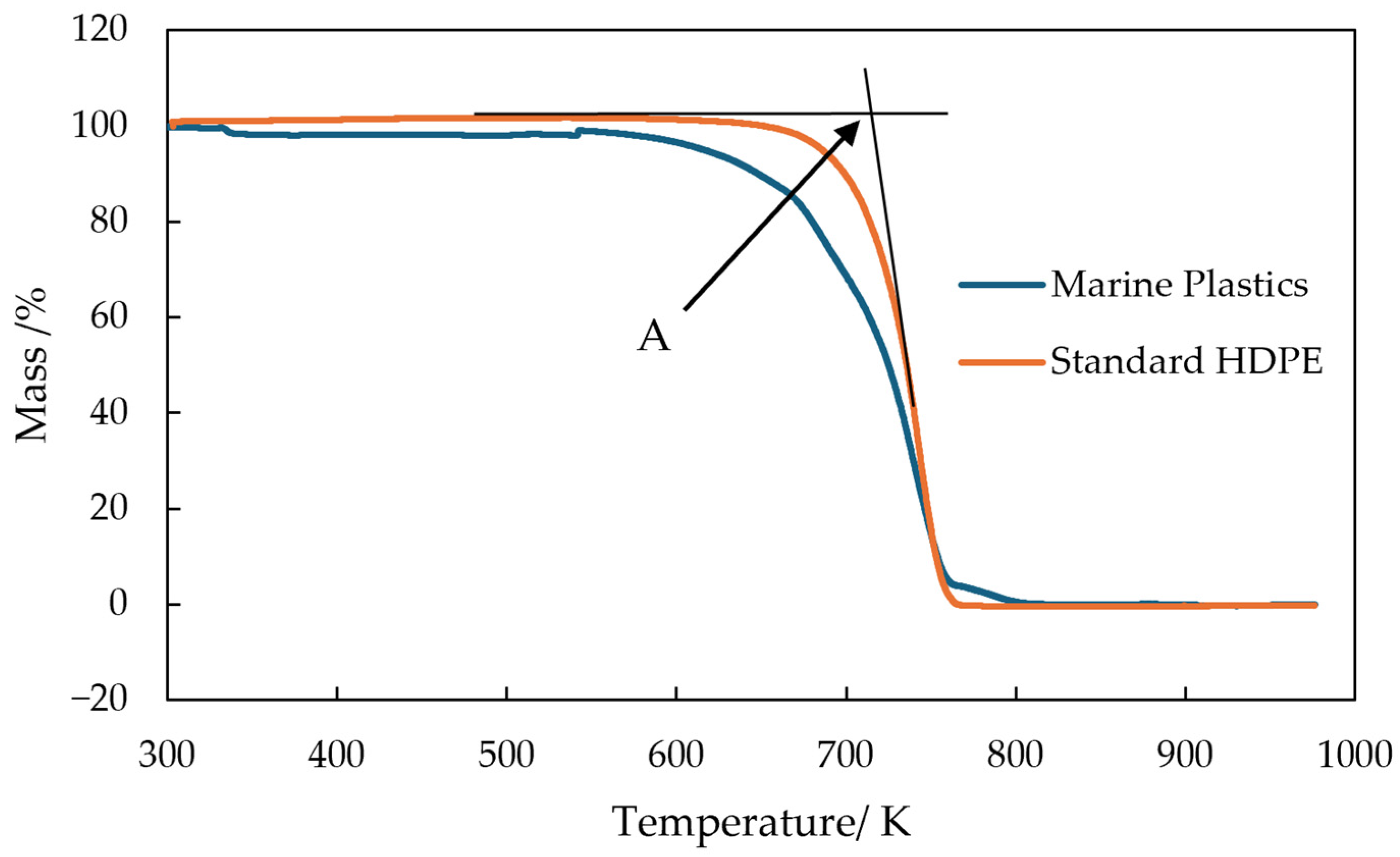
Figure 10 shows the thermogravimetric (TG) results obtained under a nitrogen atmosphere. Both samples exhibited similar behavior up to approximately 550 K, indicating good thermal stability within this temperature range. The onset decomposition temperature was determined as the intersection of two tangential lines drawn on the TG curve (indicated by arrow A in Figure 10) [11]. The decomposition temperature of Marine Plastics was 694 K, whereas that of Standard HDPE was 715 K. These results indicate that the thermal stability of Marine Plastics is lower than that of Standard HDPE.
Figure 10.
TG curves (N2).
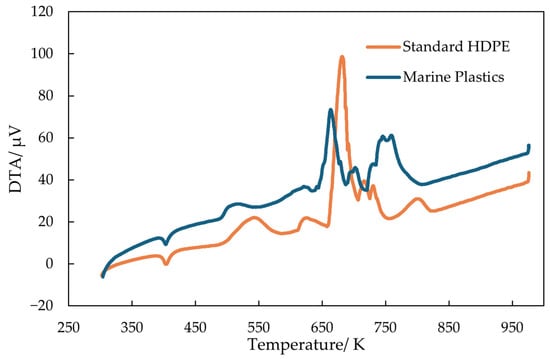
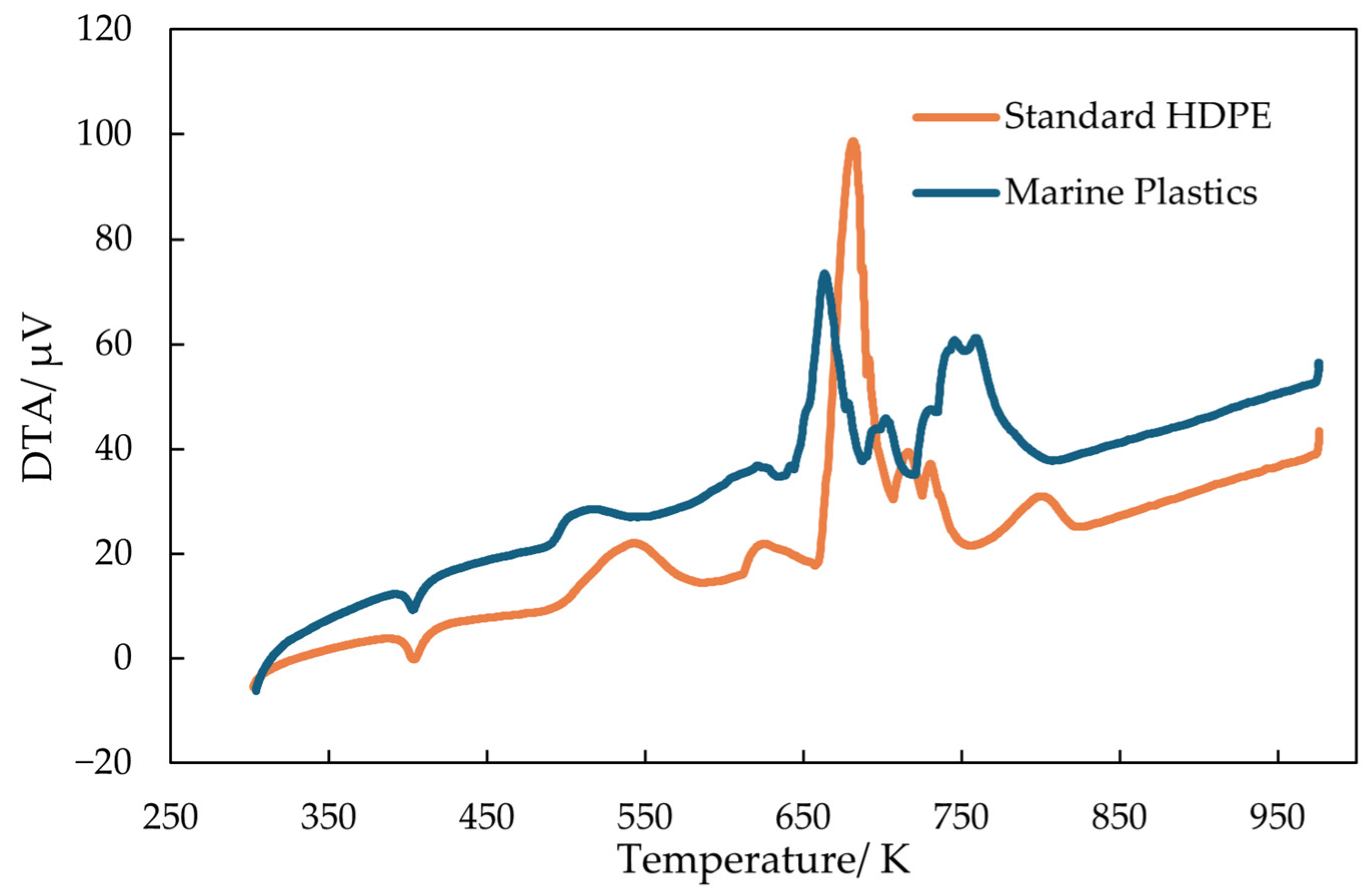
Figure 11 presents differential thermal analysis (DTA) results obtained under an air atmosphere. The exothermic peak of Standard HDPE was sharper than that of Marine Plastics, whereas Marine Plastics exhibited two distinct peaks. This difference is considered to be attributable to the broader molecular weight distribution of Marine Plastics. By contrast, Standard HDPE has a uniform polyethylene structure, leading to a single, sharp peak because oxidative degradation occurs in a single step.
Figure 11.
DTA curves (Air).
The observed lower decomposition onset temperature of Marine Plastics compared to Standard HDPE suggests that the recycled fuel gasifies more readily upon heating. In practical propulsion systems, this characteristic is expected to shorten the ignition delay time and improve overall ignition reliability. On the other hand, the dual peaks and broader melting range observed in the DTA results indicate a wide molecular weight distribution and material heterogeneity. Since this variation could lead to inconsistent combustion performance between batches, establishing a homogenization process—such as melt-blending large quantities of pellets—will be essential to ensure consistent fuel quality for practical applications.
3.4. Elemental Analysis Results
The elemental analysis results are presented in Table 1. Marine Plastics exhibited a higher ash content than Standard HDPE, indicating that Marine Plastics contain a greater proportion of inorganic components. In general, PE is known to undergo degradation accompanied by the formation of oxygen-containing functional groups, such as carbonyl and hydroxyl groups, because of the incorporation of oxygen [12]. However, this analysis showed that the combined weight percentages of C, H, and ash accounted for nearly 100%, indicating the presence of oxygen as negligible. Therefore, it can be inferred that Marine Plastics did not undergo any great degradation because of factors such as UV irradiation.
Table 1.
CHN and ash content of the samples.
3.5. Combustion Test Results
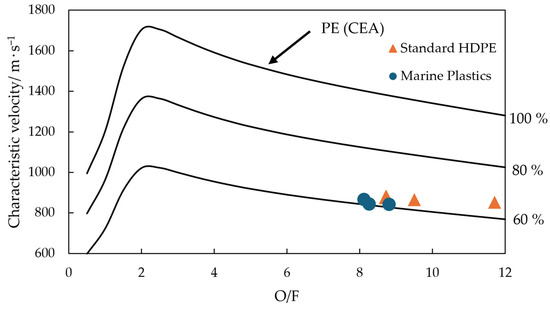
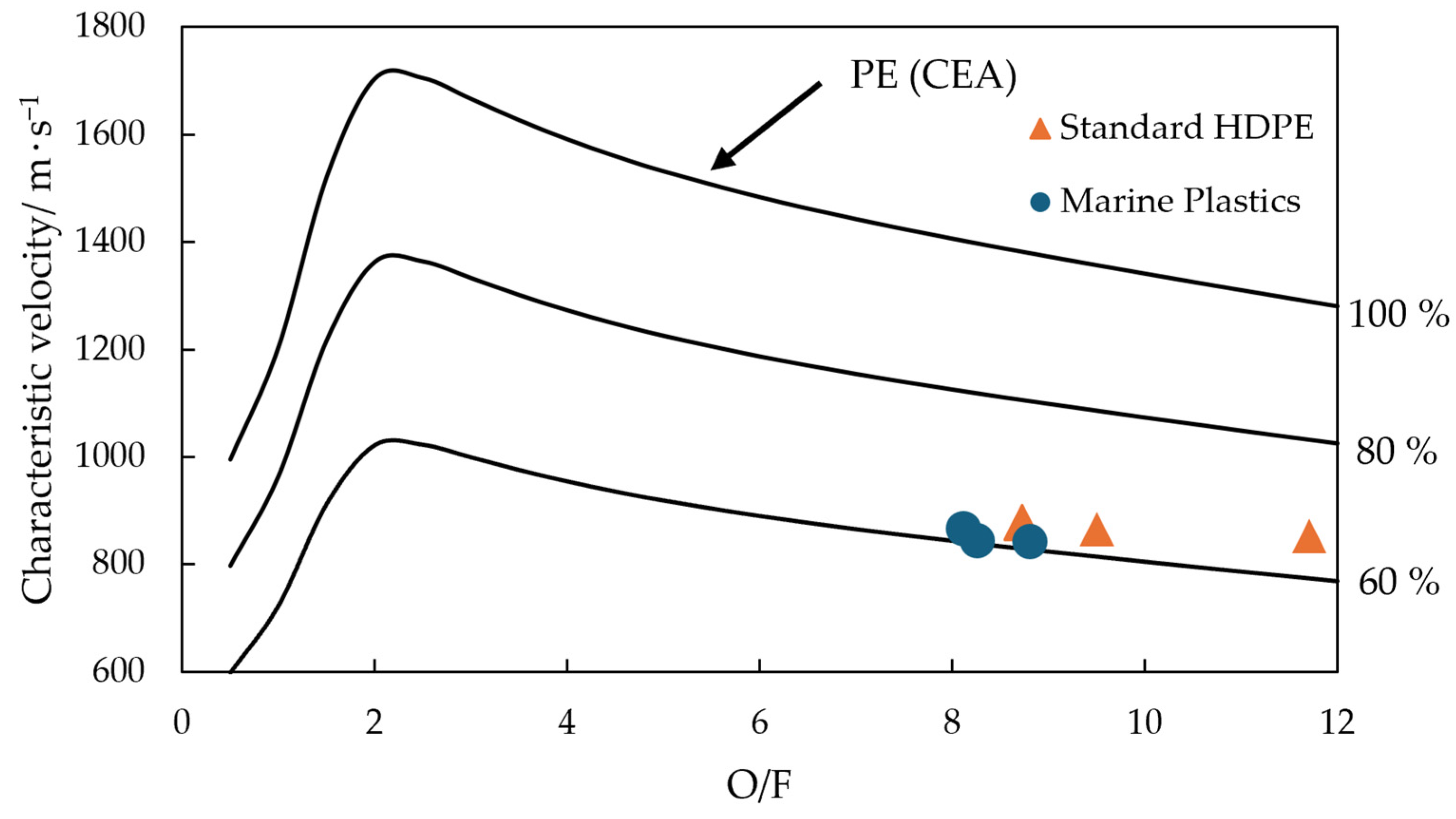
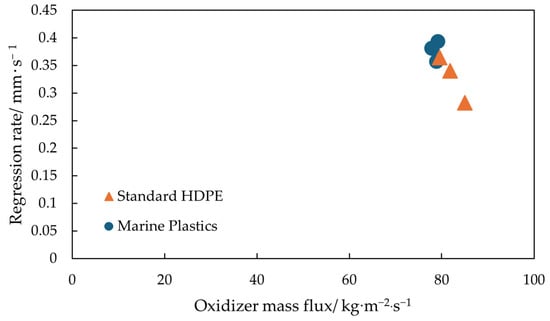
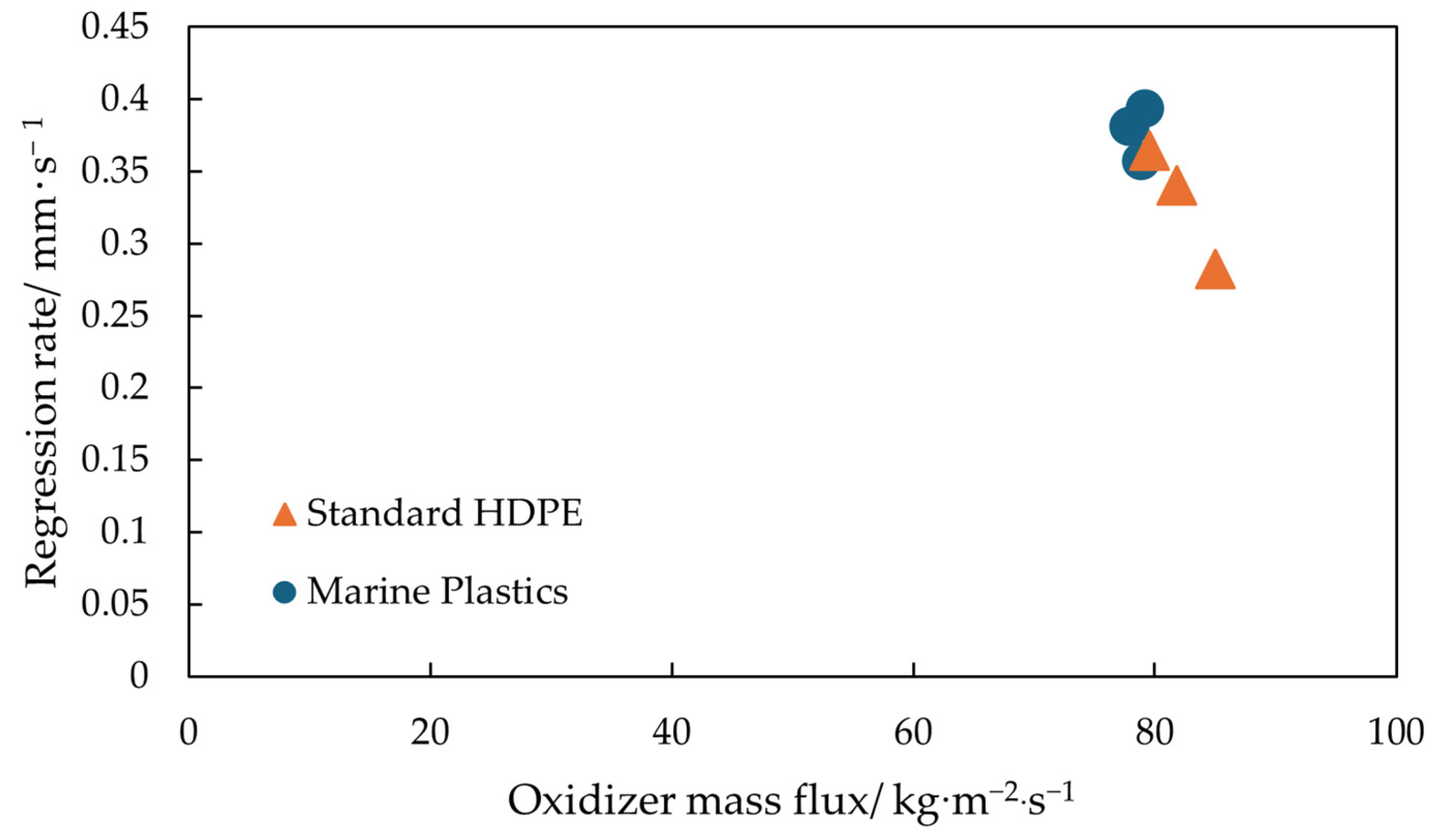
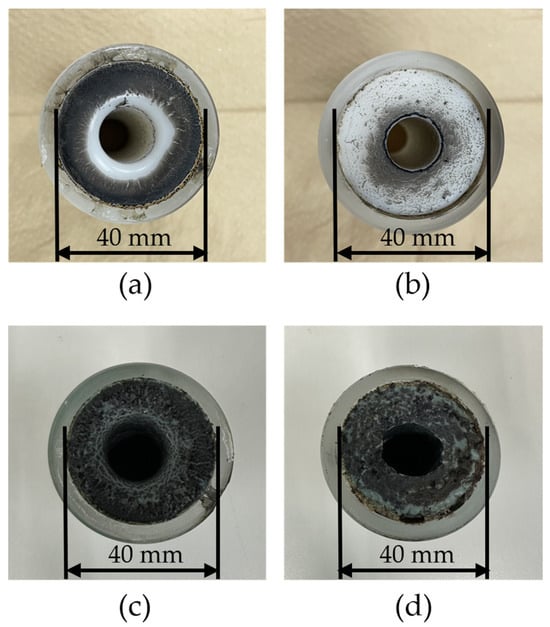
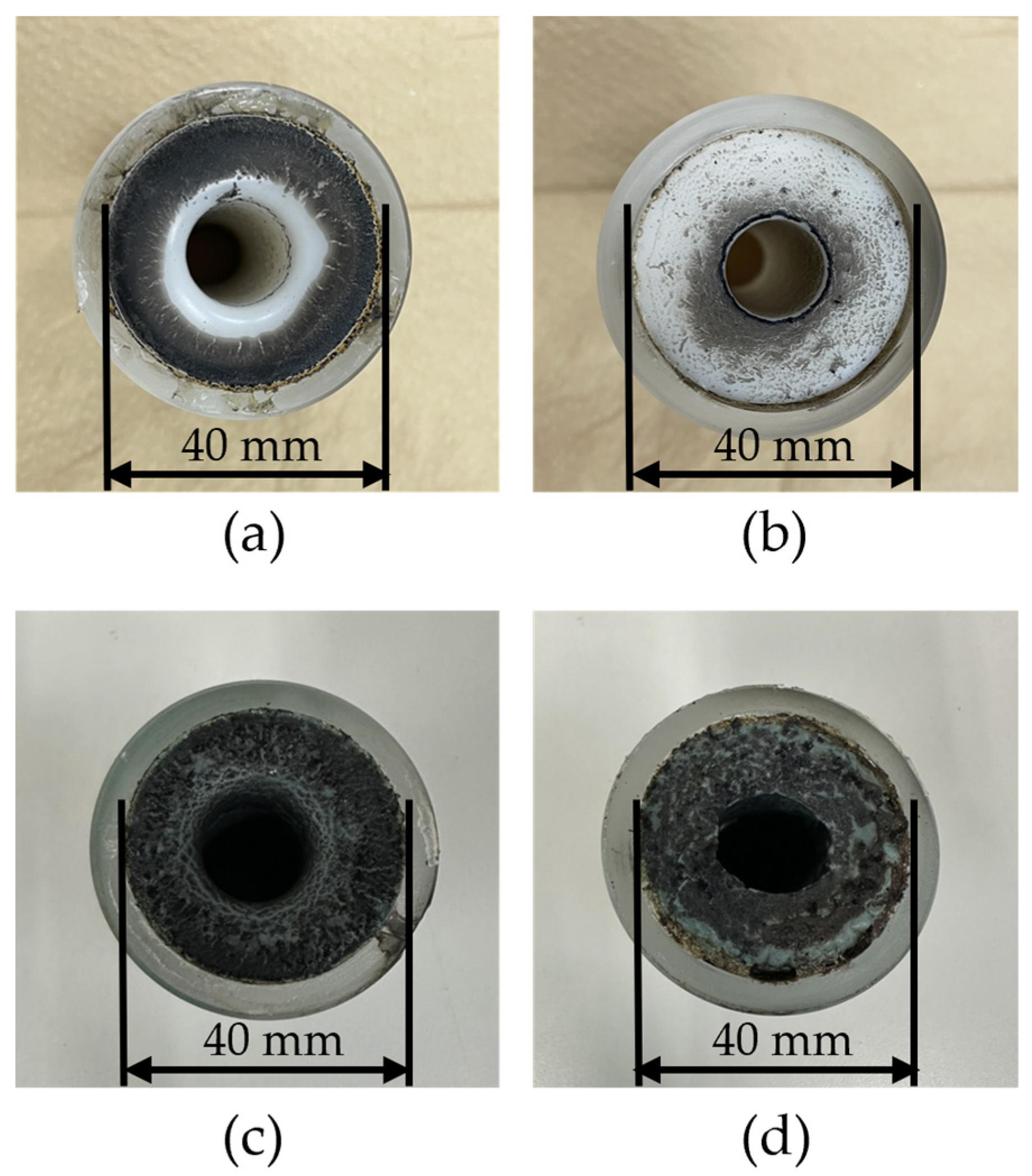
Characteristic velocity and regression rate were used to evaluate the performances of various fuels. The theoretical characteristic velocity was calculated using CEA [13]. Figure 12 shows the characteristic velocity as a function of the oxidizer-to-fuel ratio (O/F). Figure 13 shows the fuel regression rate as a function of the oxidizer mass flux. As presented in Figure 12, the experimentally obtained characteristic velocities of Marine Plastics and Combustion-grade HDPE were approximately 60% of the theoretical values. No significant difference was found between the two. Therefore, it can be inferred that Marine Plastics exhibit combustion performance comparable to that of Combustion-grade HDPE. Furthermore, as shown in Figure 13, Marine Plastics exhibited a slightly higher fuel regression rate than that of Combustion-grade HDPE. This difference is considered to result from a combination of factors. First, regarding the material properties, the TGA results for the raw pellets indicated a lower onset decomposition temperature and a broader DTA peak for Marine Plastics. These results suggest the presence of thermally less stable fractions, which likely lower the effective heat of gasification and facilitate pyrolysis at the fuel surface. This material characteristic is considered to be a contributing factor to the increased regression rate. Second, the difference in thermo-mechanical history must be considered. It should be noted that the Marine Plastic fuel grains were fabricated via melting and compression molding, whereas the Combustion-grade HDPE was machined from an extruded rod. These different fabrication processes may alter crystallinity and physical structure. Specifically, variations in density or micro-voids within the compression-molded grains could promote a penetrative combustion mechanism, similar to phenomena reported in 3D-printed fuel grains, thereby enhancing the regression rate [14]. Additionally, the appearance of the fuel grains after combustion was observed and is shown in Figure 14. Differences in the degree of charring and surface unevenness on the downstream side were noted between the Combustion-grade HDPE and Marine Plastic fuel grains. To evaluate whether these differences are due to pore structure or the fabrication process, further investigation using X-ray CT or cross-sectional observation is required. From an operational perspective, the detachment of char fragments from the downstream section could partially block the nozzle throat, potentially leading to performance degradation.
Figure 12.
Characteristic velocity vs. O/F (n = 3).
Figure 13.
Regression rate vs. Oxidizer mass flux (n = 3).
Figure 14.
Post-combustion appearance of fuel grains: (a) Upstream side of Combustion-grade HDPE; (b) Downstream side of Combustion-grade HDPE; (c) Upstream side of Marine Plastic; (d) Downstream side of Marine Plastic.
Next, the safety and environmental impact of Marine Plastic are discussed. The Marine Plastic pellets contained a small amount of chloride ions; however, infrared spectroscopy confirmed the absence of covalently bonded chlorine-containing compounds (e.g., PVC). Therefore, the detected chloride ions are presumed to originate from sodium chloride remaining from seawater. Regarding the chloride content, the analysis indicated approximately 1000 ppm (0.1 wt%) in the Marine Plastic pellets. A quantitative estimation assuming a typical O/F of 2.5 suggests that, even if all chloride converts to hydrogen chloride (HCl), the concentration in the exhaust gas would be diluted to approximately 0.03 wt%. This concentration is nearly three orders of magnitude lower than the exhaust of conventional ammonium perchlorate-based solid rockets, which typically contain 15–20 wt% HCl, indicating a significantly lower environmental impact. Nevertheless, the potential for hardware corrosion during extended operation cannot be ignored.
These findings clarified that Marine Plastics show combustion characteristics equivalent to those of Combustion-grade HDPE, indicating its potential applicability as an alternative fuel to conventional HDPE; however, further investigation is required to ensure their reliability and environmental safety.
4. Conclusions
This study demonstrated experimentally that Marine Plastics possess thermal and combustion properties comparable to commercial HDPE, within the scope of the limited number of tests conducted. Findings from DSC and elemental analyses revealed that Marine Plastics showed minimal degradation and indicated that the influence of impurities was slight. Combustion tests indicated that the characteristic velocity efficiency of Marine Plastics reached approximately 60% of the theoretical value: comparable to that of Combustion-grade HDPE. In addition, a slightly higher regression rate was observed for Marine Plastics. It was attributed to differences in the molecular weight distribution suggested by TGA. However, Marine Plastics are considered to contain a small amount of adhered sodium chloride, and the generation of hydrogen chloride during combustion cannot be ruled out. These results indicate that Marine Plastics show promise as a potential alternative to conventional petroleum-based solid fuels that merits further investigation, including environmental life-cycle assessment. This study provides fundamental insights into the resource recycling of waste plastics. Importantly, the study results highlight the potential for developing low-cost, environmentally sustainable hybrid rocket fuels. Future work should specifically examine an increase in the number of combustion tests to improve reproducibility, as well as conducting further investigations into safety and environmental impacts for practical applications. Specifically, the potential generation of hydrogen chloride and other chlorine-containing species must be investigated through detailed exhaust gas analysis. In addition, performance evaluation through scaling-up and actual system tests is expected to establish more practical combustion characteristics.
Author Contributions
Conceptualization, M.O. and Y.T.; methodology, M.O. and Y.T.; validation, M.O. and K.T.; formal analysis, M.O.; investigation, M.O. and Y.T.; resources, T.S.; writing—original draft preparation, M.O.; writing—review and editing, K.T. and T.S.; visualization, M.O.; supervision, K.T.; project administration, K.T.; All authors have read and agreed to the published version of the manuscript.
Funding
This research received no external funding. The APC was waived by the publisher.
Data Availability Statement
The data presented in this study are available on request from the corresponding author.
Conflicts of Interest
Author Toshifumi Sakata is an employee of Mitsubishi Chemical Group Corporation. The other authors declare no conflict of interest.
Abbreviations
The following abbreviations are used in this manuscript:
| HDPE | High-density polyethylene |
| DSC | Differential scanning calorimetry |
| TGA | Thermogravimetric analysis |
| TG | Thermogravimetric |
| DTA | Differential thermal analysis |
| O/F | Oxidizer-to-fuel ratio |
References
- Bryce Tech. Smallsats by the Numbers 2023. 2023. Available online: https://brycetech.com/reports/report-documents/Bryce_Smallsats_2023.pdf (accessed on 20 October 2025).
- Jambeck, J.R.; Geyer, R.; Wilcox, C.; Siegler, T.R.; Perryman, M.; Andrady, A.; Narayan, R.; Law, K.L. Plastic waste inputs from land into the ocean. Science 2015, 347, 768–771. [Google Scholar] [CrossRef] [Scilit] [PubMed]
- World Economic Forum. The New Plastics Economy Rethinking the Future of Plastics. 2016. Available online: https://www3.weforum.org/docs/WEF_The_New_Plastics_Economy.pdf (accessed on 14 December 2025).
- Ministry of the Environment, Government of Japan. Results of the FY2022 Survey on the Composition of Washed-Ashore Waste. 2024. Available online: https://www.env.go.jp/content/000224793.pdf (accessed on 14 December 2025).
- Tokyo University of Marine Science and Technology. Report on the FY2022 Survey on the Distribution of Drifting and Seabed Litter in Offshore Sea Areas. 2024. Available online: https://www.env.go.jp/content/000228032.pdf (accessed on 14 December 2025).
- Wei, S.-S.; Li, M.-C.; Lai, A.; Chou, T.-H.; Wu, J.-S. A Review of Recent Developments in Hybrid Rocket Propulsion and Its Applications. Aerospace 2024, 11, 739. [Google Scholar] [CrossRef] [Scilit]
- Isochi, H.; Maeda, H.; Hashimoto, Y.; Uematsu, T.; Nagata, H. Development of propulsion system and airframe structure of CAMUI-type hybrid rocket with 5000 N thrust. In Proceedings of the Space Transportation Symposium FY2012, Sagamihara, Kanagawa, Japan, 17–18 January 2013. [Google Scholar]
- Nagata, H. Ten years of the CAMUI-type hybrid rocket. J. Jpn. Soc. Mech. Eng. 2013, 116, 323–326. [Google Scholar] [CrossRef] [Scilit]
- Ter Halle, A.; Ladirat, L.; Martignac, M.; Mingotaud, A.F.; Boyron, O.; Perez, E. To what extent are microplastics from the open ocean weathered? Environ. Pollut. 2017, 227, 167–174. [Google Scholar] [CrossRef] [Scilit] [PubMed]
- Ainali, N.M.; Bikiaris, D.N.; Lambropoulou, D.A. Aging effects on low- and high-density polyethylene, polypropylene and polystyrene under UV irradiation: An insight into decomposition mechanism by PyGC/MS for microplastic analysis. J. Anal. Appl. Pyrolysis 2021, 158, 105207. [Google Scholar] [CrossRef] [Scilit]
- Kim, S.; Moon, H.; Kim, J. Thermal characterizations of the paraffin wax/low density polyethylene blends as a solid fuel. Thermochim. Acta 2015, 613, 9–16. [Google Scholar] [CrossRef] [Scilit]
- Tsunooka, M. Mechanisms of Polymer Degradation. J. Jpn. Rubber Assoc. 1995, 68, 274–283. [Google Scholar] [CrossRef] [Scilit]
- Gordon, S.; McBride, B.J. Computer Program for Calculation of Complex Chemical Equilibrium Compositions, Rocket Performance, Incident and Reflected Shocks, and Chapman-Jouguet Detonations; NASA SP-273; National Aeronautics and Space Administration: Washington, DC, USA, 1976.
- Xiaodong, Y.; Hongsheng, Y.; Wei, Z.; Luigi, T.D.; Ruiqi, S. Effect of Penetrative Combustion on Regression Rate of 3D Printed Hybrid Rocket Fuel. Aerospace 2022, 9, 696. [Google Scholar] [CrossRef] [Scilit]

Disclaimer/Publisher’s Note: The statements, opinions and data contained in all publications are solely those of the individual author(s) and contributor(s) and not of MDPI and/or the editor(s). MDPI and/or the editor(s) disclaim responsibility for any injury to people or property resulting from any ideas, methods, instructions or products referred to in the content. |
© 2025 by the authors. Licensee MDPI, Basel, Switzerland. This article is an open access article distributed under the terms and conditions of the Creative Commons Attribution (CC BY) license.