1. Introduction
Impact craters are among the most fundamental landforms on planetary surfaces, serving as key indicators of geological history, surface age, and impact processes [
1,
2]. On the Moon in particular, crater distributions provide critical insights into the chronology of resurfacing events and the evolution of the lunar crust [
3,
4]. Crater identification also plays a crucial role in selecting suitable landing sites [
5] and enables automated crater detection systems for hazard avoidance [
6]. This is particularly important during autonomous planetary landing (e.g., for missions like the proposed polar ice drilling of CP-22). Accurate crater detection is also key to understanding lunar chronology in challenging environments, including the unique identification of features inside Permanently Shadowed Regions (PSRs), where illumination is absent [
7].
With the availability of high-resolution orbital imagery from missions such as the Lunar Reconnaissance Orbiter (LRO), automated crater detection has become an essential task for planetary science, enabling large-scale and reproducible mapping of crater populations [
8,
9]. However, this task remains challenging due to the variability in crater morphology, degradation states, overlapping structures, and the influence of illumination and shadowing [
10,
11]. Crucially, crater analysis in polar regions is also linked to the presence and quantification of polar ice [
12] and associated volatiles.
Early approaches to automated crater detection were primarily based on image thresholding, morphological filters, and template matching techniques [
13]. While effective in specific settings, these methods often struggled in heterogeneous terrains and were highly sensitive to illumination differences. While Kim et al. (2005) [
14] demonstrated robust automated crater detection across multiple Martian datasets, the algorithm’s performance can be adversely affected by variable illumination, confusion with non-crater features such as valleys and volcanic constructs, and difficulties in handling overlapping or multi-ring craters. Sawabe et al. (2006) [
15] developed an automated method for detecting and classifying lunar craters by integrating multiple image processing approaches, though the accuracy of the results was still sensitive to image resolution and illumination conditions.
In recent years, deep learning and machine learning have become the dominant approaches for automated crater detection, offering significant improvements over traditional image processing methods. Silburt et al. (2019) [
16] introduced DeepMoon, one of the first CNN-based frameworks for crater detection from LROC DEM data. Their model performed pixel-wise segmentation of crater rims and demonstrated robustness to illumination changes, although it remained dependent on DEM availability and sometimes produced false positives. Building on this, Wang et al. (2020) [
17] proposed an effective residual U-Net (ERU-Net) architecture, achieving high precision and recall (84.8% and 83.6%) and successfully handling overlapping craters, though performance was limited when rims were eroded.
Subsequent studies explored ways to reduce reliance on large labeled datasets. Wang et al. (2023) [
18] developed an active machine learning strategy that automatically generated training samples from optical and DEM data, reducing manual labeling requirements and improving robustness. Similarly, Ma et al. (2025) [
19] demonstrated that integrating optical imagery with DEMs in a U-Net framework significantly improved detection accuracy, particularly for small and degraded craters, though at the cost of increased preprocessing complexity. Efforts have also been made to adapt models across planetary datasets. Lee (2019) [
20] showed that transfer learning could effectively adapt CNNs trained on Mars HiRISE images to lunar data, saving training resources, though performance still depended on dataset quality.
More recently, Karandikar et al. (2025) [
21] applied YOLOv8 to Chandrayaan-2 imagery, achieving 90% accuracy and demonstrating the scalability of single-stage detectors to large LROC-like datasets. Ghilardi and Furfaro (2023) [
22] extended this work using Vision Transformers (ViTs) trained on LROC images and synthetic data, improving crater detection in shadowed or low-illumination areas relevant to landing site analysis. Wang et al. (2024) [
23] proposed an unsupervised method optimized for small sub-kilometer craters in LROC NAC images, combining statistical morphology with discriminative correlation filters. While well-suited for small features, it performed less effectively on large or complex craters.
While the presented deep learning approaches have improved crater detection, many remain limited by their reliance on DEMs and large labeled datasets, and their sensitivity to illumination and sensor conditions. Specialized methods for small or degraded craters also lack generality, underscoring the need for techniques that are both robust and transferable across diverse datasets. This is an important factor in extracting craters as crater maturity and degradation significantly influence detection performance. Fresh craters with sharp, well-defined rims produce distinct edge responses that are readily captured by the Canny operator, whereas older or infilled craters often exhibit weakened gradients and discontinuous rims, increasing the likelihood of omission or partial detection. The proposed framework mitigates these effects through edge-based and geometric refinement; however, highly degraded features remain more challenging to identify reliably. Our proposed method is a geometry-driven approach that combines edge detection, a modified Hough transform, and robust refinement to achieve accurate crater detection without the heavy data requirements of deep learning. While classical Hough methods are effective for simple circular features under ideal conditions, they become computationally expensive and perform poorly when applied to elliptical, degraded, or overlapping craters [
24]. Building on this, a modified Hough techniques [
25,
26,
27] is introduced in this research to improve efficiency and robustness.
In this work, we propose a crater detection methodology that combines the strengths of edge-based feature extraction, a modified Hough transform, and a two-stage refinement strategy. The method begins with region-of-interest (ROI) selection and Canny edge detection to highlight potential crater rims. A modified Hough transform is then applied to localize elliptical structures while reducing computational complexity through selective voting. Candidate ellipses are refined using an L1-norm fitting stage, which provides robustness against noise and spurious detections, followed by a least-squares adjustment to achieve higher geometric precision. By integrating these components, the proposed approach is designed to achieve robust, accurate, and computationally efficient crater detection suitable for both local and global lunar datasets.
2. Methodology
2.1. Initialization
To initialize the crater detection process, the algorithm first generates Regions of Interest (ROIs) that limit the search space to areas most likely to contain craters. The purpose of this step is to improve computational efficiency and reduce false detections by focusing subsequent processing on crater-like regions rather than the entire image. It operates in two main stages. First, it applies a multi-radius radial symmetry transform on the edge and gradient maps of the image [
28]. This transform highlights points in the image that exhibit circular or elliptical symmetry, which are typical of crater rims. For each radius in a defined range, the algorithm casts votes along the gradient direction and its opposite, producing an accumulator map where strong peaks correspond to crater-like structures. Second, the function uses these peaks as markers for watershed segmentation, applied to a symmetry-based topographic surface [
29]. This ensures that each detected peak grows into a closed region that approximates the extent of a crater. Each surviving region is then summarized as a bounding box, with its centroid recorded as the crater center, a radius estimated from the symmetry map, a confidence score based on peak strength, and a binary mask describing the region. The ROIs generated in this stage are not used for final crater detection directly because they provide only approximate crater locations based on image symmetry, without precise geometric characterization.
2.2. Canny Edge Detection
We initialize candidate crater locations by first applying the Canny edge detector to enhance rim boundaries [
30]. Canny edge detection algorithm [
31] relies on three main parameters to fine-tune its output: the Gaussian filter size (and its standard deviation, σ), which determines the level of initial image smoothing and noise reduction. Then it applies a hysteresis thresholding [
32]. The high threshold (Val
max), used to identify strong, definite edges in the final hysteresis step; and the low threshold (Val
min), which decides which weak edges are preserved by connecting them to strong edges. The choice of these thresholds was empirically optimized to achieve a balance between rim continuity and noise suppression. A series of tests were conducted across representative WAC images with varying illumination and terrain conditions. For each test, combinations of σ ∈ [0.8–2.0], Val
max ∈ [0.7–0.9] of the normalized gradient magnitude, and Val
min = 0.4 × Val
max were evaluated. The resulting edge maps were visually assessed. Lower thresholds produced more continuous edges but increased false responses, while higher thresholds improved edge clarity but missed degraded rims. The adopted parameters (σ = 1.2, Val
max = 0.8, Val
min = 0.32) provided the most stable and complete rim representations, forming the basis for subsequent Hough-based ellipse localization. The result is a thin, binary edge map that highlights crater rims while suppressing spurious texture. The edge maps serve as the input for subsequent feature extraction, where we apply modified Hough-based methods to localize the elliptical crater rims. This was followed by a thinning morphological operation [
33] to produce cleaner, one-pixel wide rims that are more suitable for subsequent Hough-based shape extraction.
2.3. Modified Hough Transform for Linear Features (MHT-L)
On the resulting edge maps, we use a modified Hough-based voting algorithm to localize circular and elliptical structures. The classical Hough transformation is a widely used technique for the detection of straight lines in digital images [
34,
35]. In its standard form, each edge pixel contributes votes in a parameter space—commonly defined by the line parameters ρ and θ (Equation (1)), and global peaks in this space are interpreted as strong, continuous lines within the image. While effective for detecting dominant linear structures, the conventional approach operates on all edge pixels indiscriminately and does not account for connectivity or localized border characteristics. Hence, it requires exhaustive searches of the parameter space, making it computationally intensive [
36].
x and y: Cartesian coordinates of any points on the line.
: the perpendicular distance from the origin to the line.
: the angle of that perpendicular vector measured from the +x axis.
On the other hand, Elaksher (2016) [
37] proposed a modified version of the Hough transformation to extract straight lines. Unlike the standard Hough transform, which requires exhaustive voting (where every edge pixel casts votes for all possible ellipse centers within a defined search range) from all edge pixels across the full parameter space, the modified approach (MHT-L) restricts searching and voting to candidate points that are more likely to belong to linear features. These points are selected through a fast least-squares adjustment that evaluates each point and its neighboring pixels, retaining only those that can be reliably approximated by a local linear fit. This selective voting process significantly reduces the number of operations compared to the standard Hough transform, which requires every edge pixel to contribute, thereby improving computational efficiency while maintaining accuracy in parameter estimation [
38,
39]. Building on this linear framework, i.e., MHT-L, we extend the modified Hough approach from straight lines (MHT-L) to ellipses (MHT-E), since elliptical structures (Equation (2)) provide a more accurate representation of crater rims and are therefore more suitable for capturing crater geometry.
x and y: local ellipse-aligned coordinates of any point on the ellipse circumference rotated by θ from global Cartesian coordinates around cx and cy.
a and b: semi-major and semi-minor axes a ≥ b > 0.
cx and cy: x and y coordinates of the center of the ellipse.
θ: rotation of the ellipse local coordinates, measured from the +x axis.
2.4. Modified Hough Transform for Ellipses Features (MHT-E)
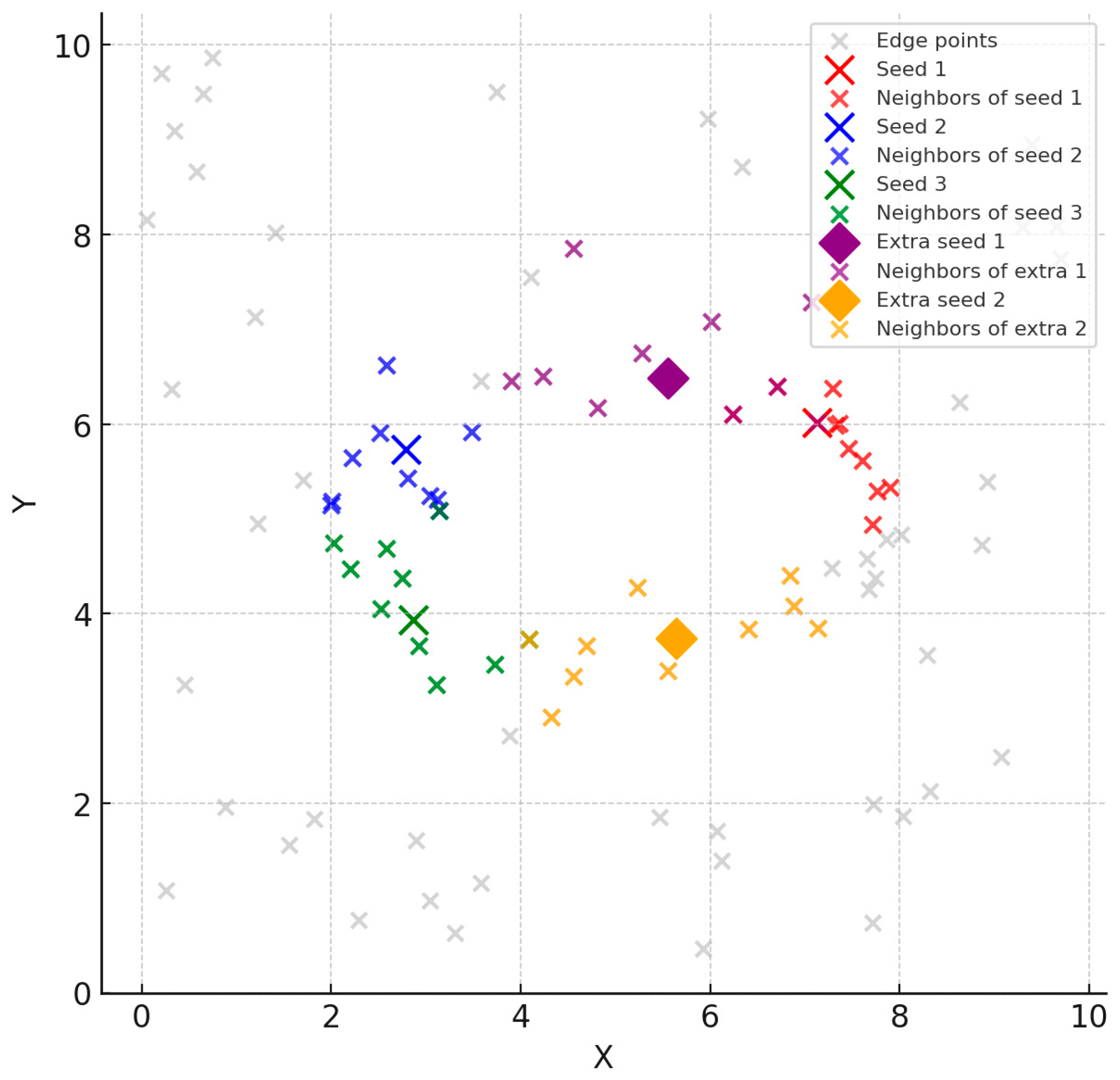
In this work, we extend the modified Hough transformation framework (MHT-L) to ellipses (MHT-E). The procedure begins with a local search around each point, detected by the Canny operator, to identify its neighboring edge points. For each point and its surrounding set, an ellipse is fitted using a least-squares adjustment (
Figure 1). If the residuals from this adjustment satisfy a predefined selection criterion, the point is accepted as a valid candidate, and it is allowed to vote in the modified Hough parameter space. To further enhance robustness, each voting point is assigned a weight inversely proportional to its residual value, thereby giving greater influence to well-fitted candidates and reducing the impact of poorly fitted ones. This selective, weighted voting mechanism significantly reduces computational complexity while enhancing robustness, making it a novel and efficient alternative for ellipse detection.
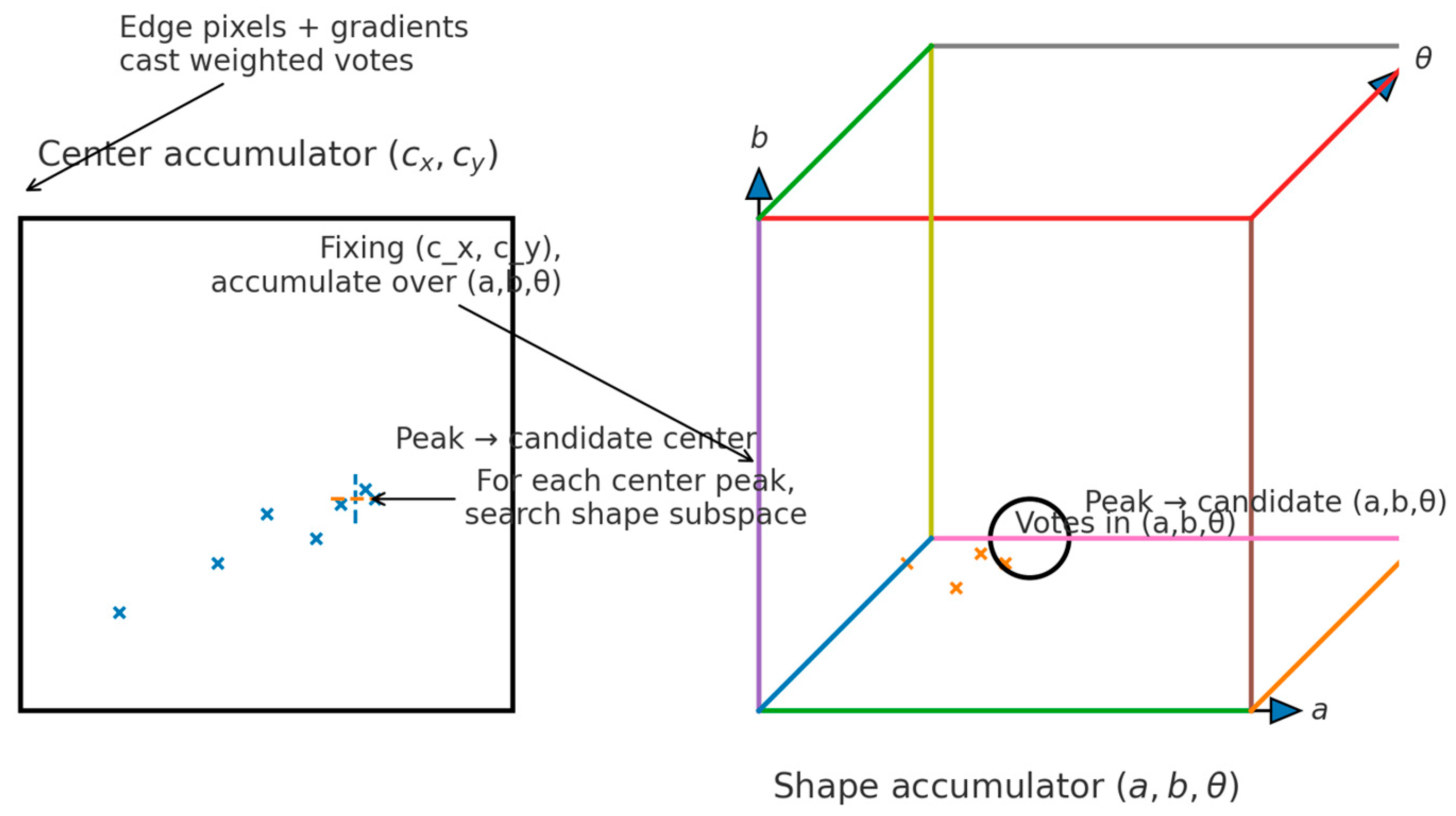
Once the voting process is complete, the Hough accumulator (
Figure 2) is scanned to locate significant peaks, which represent clusters of parameter values with strong support from the edge data. These peaks correspond to potential ellipses present in the image. Next a maximum suppression search strategy combined with a threshold on vote is applied to ensure that only distinct, well-supported candidates are retained. The parameters associated with each selected peak provide an initial estimate of ellipse location, orientation, and size. Traditional Hough-based ellipse detection has long been recognized as computationally demanding due to its high-dimensional parameter space and exhaustive voting requirements; by restricting votes to locally fitted candidates and applying weighted selection, our method substantially alleviates this bottleneck while retaining robustness.
2.5. Ellipse Parameter Estimation with L1-Norm and Least-Squares
In this step, the initial ellipse parameters are further refined through least-squares adjustment to reduce the influence of noise and spurious detections. We begin with the edge pixels that contributed to the Hough peaks along with those from neighboring cells (3 cells in each direction), since these are most likely to belong to the true ellipse. The search radius of three neighboring cells in each direction was determined to balance precision and stability during parameter refinement. A smaller neighborhood (fewer than three cells) can exclude valid edge pixels close to the accumulator peak, resulting in fragmented or incomplete ellipse fits. Conversely, expanding the neighborhood beyond three cells increases computational cost and may incorporate spurious edge responses from nearby features, which can distort the fitted ellipse. Through preliminary testing on multiple WAC sites, a ±3-cell neighborhood consistently produced the most stable and accurate refinements, providing an optimal trade-off between robustness and efficiency.
The parameters are then estimated by minimizing the
L1-norm of the errors [
40], which minimizes the sum of the absolute distances between the ellipse boundary and the selected pixels (Equation (3)). Although robust estimators such as RANSAC are widely used in image analysis, they can be sensitive to parameter tuning, may discard valuable inliers during random sampling, and often require many iterations to achieve stable results [
41,
42]. In contrast, the L1-norm achieves robustness without random sampling by directly minimizing absolute deviations, making it more efficient and better suited for dense edge data such as crater rims [
40,
43]
N: number of data points used in the fitting.
Unlike the traditional L2-norm (least-squares), which squares the errors and can be heavily influenced by even a single noisy outlier, the L1-norm penalizes errors linearly (unlike the quadratic penalization of least-squares, which makes it less sensitive to large outlier errors, such as those from fragmented edges) (Suraci et al. (2023) [
44] and Hu et al. (2021) [
45]), making it much more robust to noise and spurious pixels. As the optimization iterates, the ellipse parameters—center, axes lengths, and orientation—are progressively adjusted until they converge to a refined solution that closely aligns with the actual structure in the image.
The ellipse parameters obtained from the L1-norm fitting are then optimized through least-squares minimization to achieve higher precision (Equation (4)). While least-squares can be sensitive to outliers if applied directly, using it after the L1 stage allows the optimization to focus on fine adjustments rather than global robustness. In this stage, the least-squares adjustment leverages the squared-error formulation to evenly distribute small deviations across all supporting pixels, producing a smooth and stable solution. This two-step process ensures that the final ellipse parameters are both robust to noise and statistically optimal under Gaussian error assumptions. By first suppressing outliers through the L1 stage and then refining with least-squares, the method produces reliable, high-confidence ellipses. These refined parameters can then serve as accurate inputs for a wide range of applications, including crater morphology studies, automated mapping, and planetary surface analysis.
N: number of data points used in the fitting.
4. Results and Discussion
4.1. Implementation
In this section, we present the detailed results of each step for four individual crater cases. These examples highlight the full progression of the algorithm, from the initial edge extraction and Hough accumulator formation to the refinement stages that yield the final ellipses. The presented cases differ in size, shape, and surrounding surface context. The full processing sequences for all cases are shown in
Table 1. The first column shows the original WAC image of the crater, followed by the Canny edge map used as input for Hough voting. The next three columns present the accumulator visualizations: the semi-major and semi-minor axis space (a–b), the center coordinate space (c
x–c
y), and the orientation distribution (θ). Together, these examples highlight how the algorithm organizes edge information into distinct peaks in parameter space, which serve as reliable indicators of crater rims across varying crater morphologies.
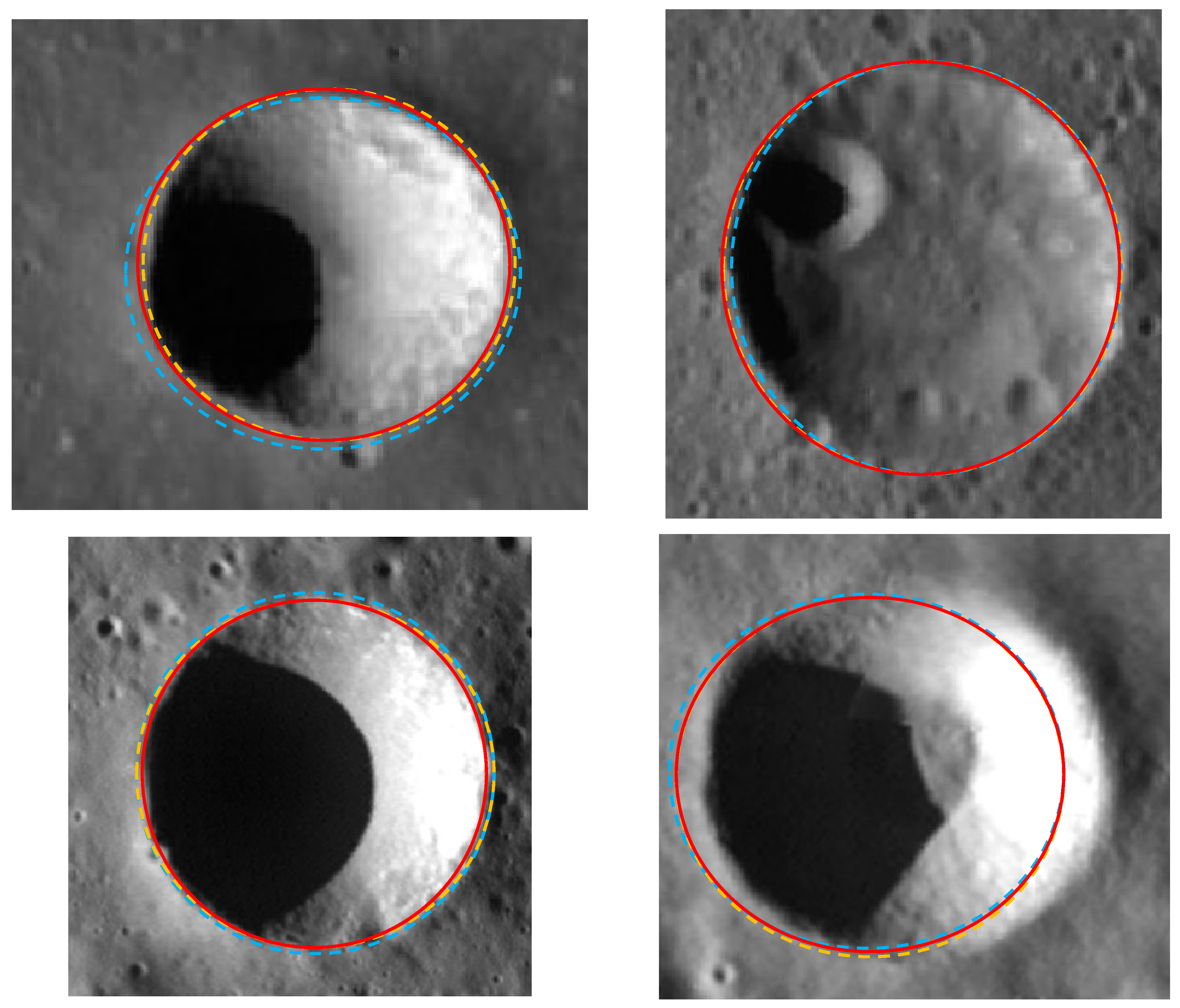
The accumulator cell sizes were determined hierarchically from the ROI dimensions, with center and axis ranges subdivided in proportion to crater size, and orientation discretized in fixed angular bins. The accumulator plots consistently exhibited sharp, well-defined peaks at parameter values corresponding to the visible rims, confirming that the randomized Hough voting step is effective in consolidating noisy edge evidence into meaningful crater parameters. Across the four test cases, the accumulator peaks were on average 6.7 times stronger than their local neighborhoods, indicating a high signal-to-noise ratio in parameter space. For each crater, the ellipse corresponding to the peak cell in the accumulator space (a multi-dimensional array used by the Hough Transform to record votes for potential ellipse centers and parameters) was selected as the initial seed ellipse. The seed ellipse was then optimized in two successive steps: first through an L1-norm fitting procedure then through a least-squares (L2) adjustment.
Figure 3 illustrates the seed ellipse, the intermediate L1 fit, and the final L2 ellipse for each crater.
In practice, the L1 stage consistently reduced the effect of fragmented edges and spurious detections, while the L2 refinement improved geometric accuracy and stability. This was confirmed from the covariance matrix as the standard deviations of the four estimated parameters decreased after refinement. For instance, the standard deviation for the coordinates of the center of the ellipse improved from ±1.42 pixels (L1) to ±0.37 pixels (L2). Shape parameters also benefited as the standard deviation was reduced from ±1.31 pixels to ±0.18 pixels. The same trend was observed for the standard deviation of the ellipse orientation parameter that went from ±0.26° to ±0.03°. These results highlight the increased geometric accuracy and stability of the estimated parameters.
4.2. Performance and Detection Rate
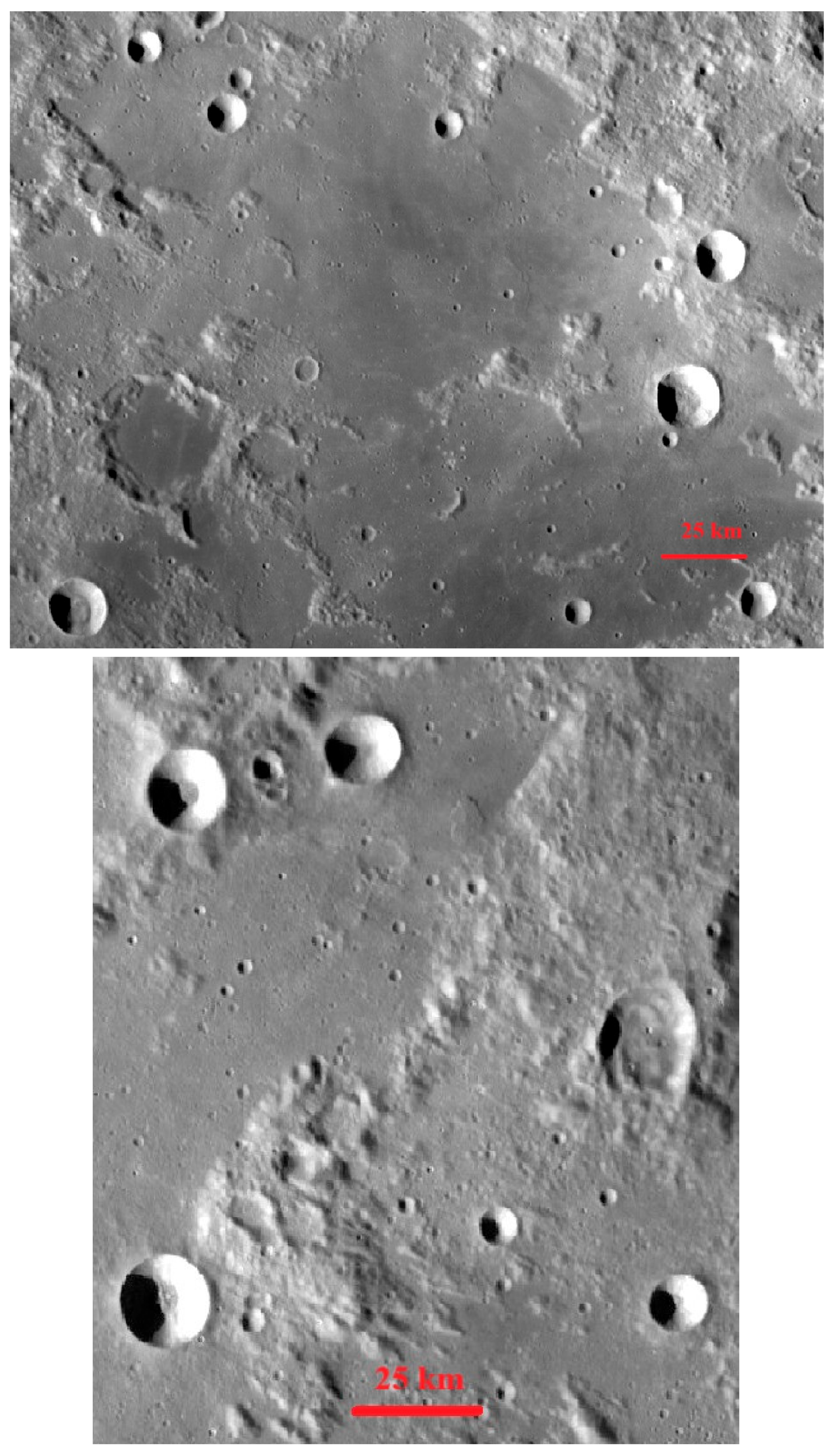
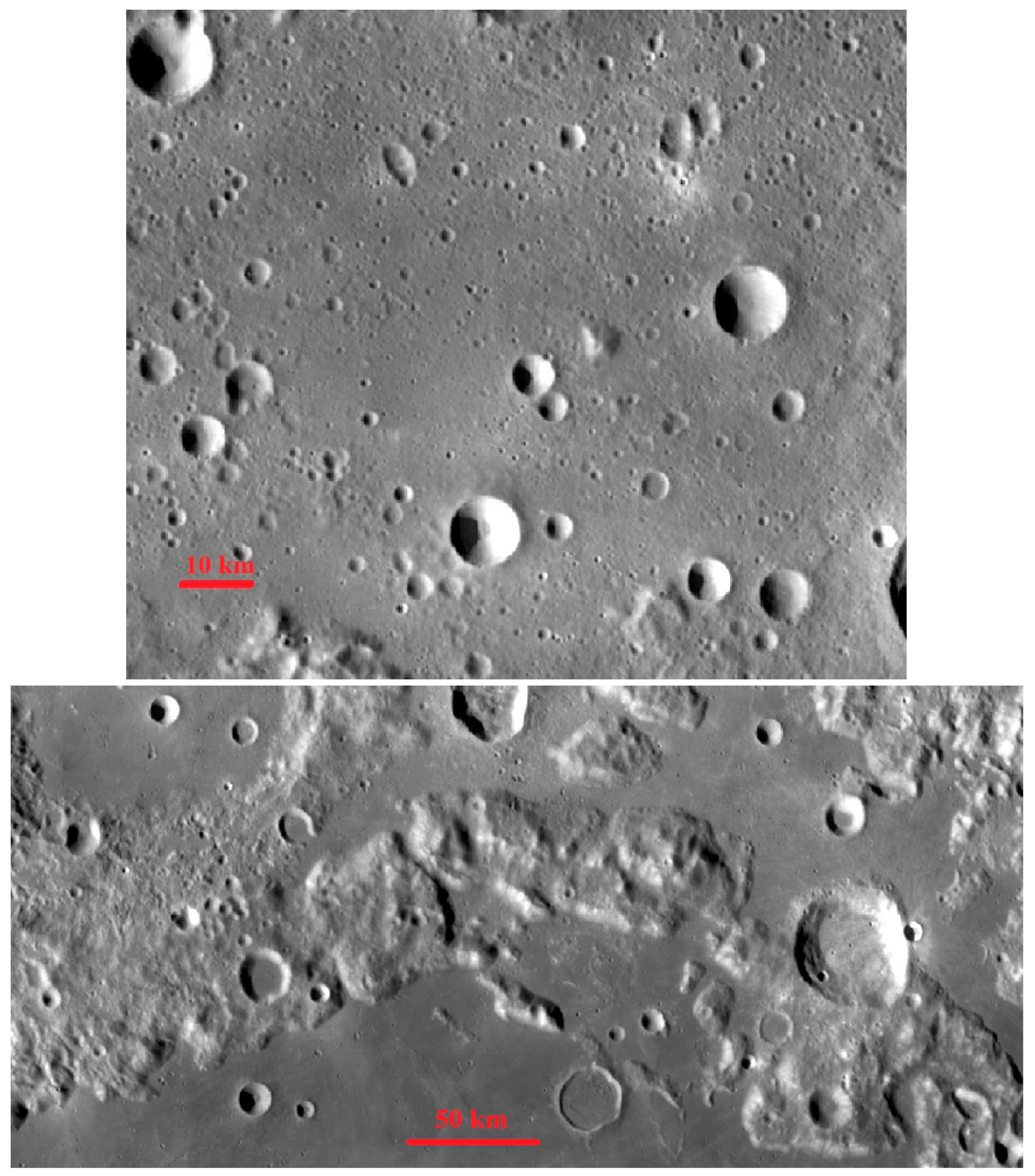
To evaluate the performance of the proposed methodology, we selected four representative sites from the WAC global dataset, each chosen to capture a range of crater characteristics and geological settings (
Figure 4). The selected sites vary in shape, size, and surface context, ensuring a comprehensive test of the algorithm’s adaptability. The images provide a balanced dataset that reflects the variability of lunar morphology and allows for a rigorous assessment of crater detection accuracy under different geological and imaging conditions. Moreover, the solar elevation angle ranges from 15° to 55°, to ensure our evaluation dataset is representative of the full range of illumination conditions found in the LROC WAC global mosaic. This includes areas near the terminator (low solar elevation, maximizing shadows for morphological features) and areas near the subsolar point (high solar elevation, minimizing shadows and emphasizing albedo contrast), thereby providing an intrinsic evaluation of the method’s robustness to solar geometry variations.
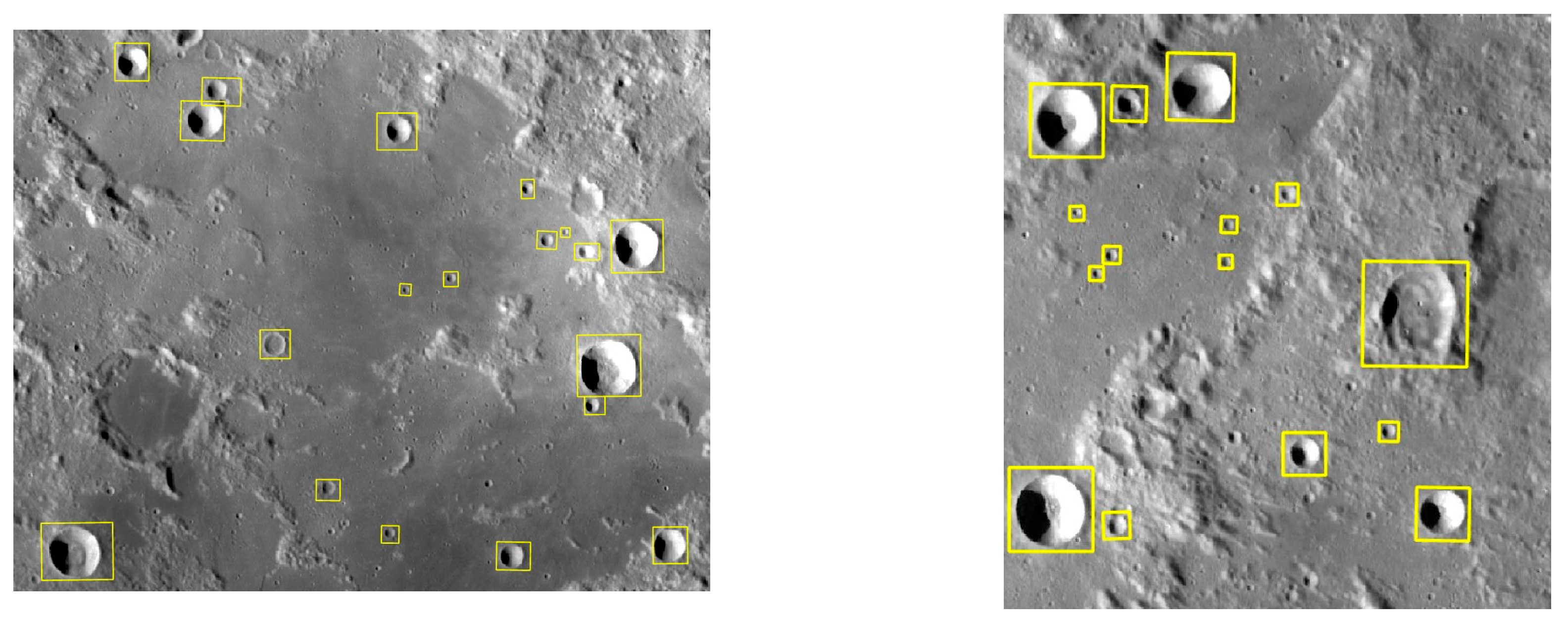
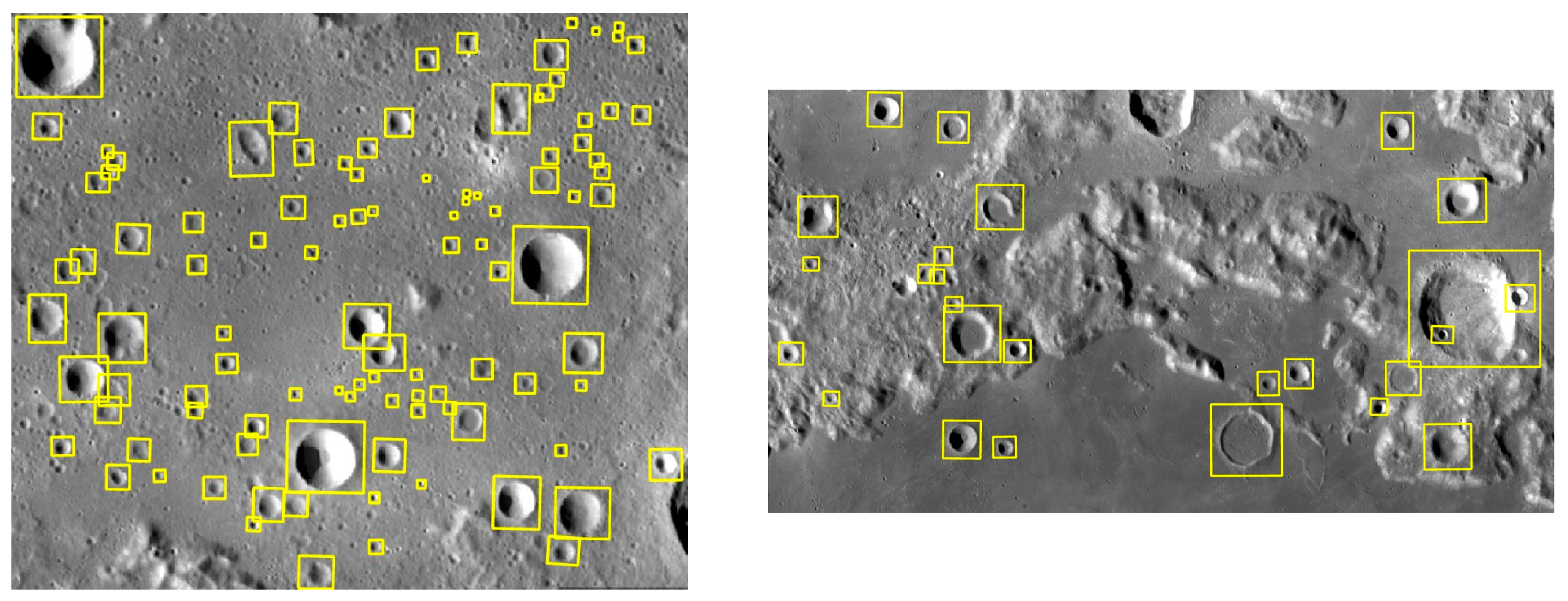
Figure 5 illustrates the regions of interest (ROIs) defined within each site, highlighting the areas selected for detailed analysis.
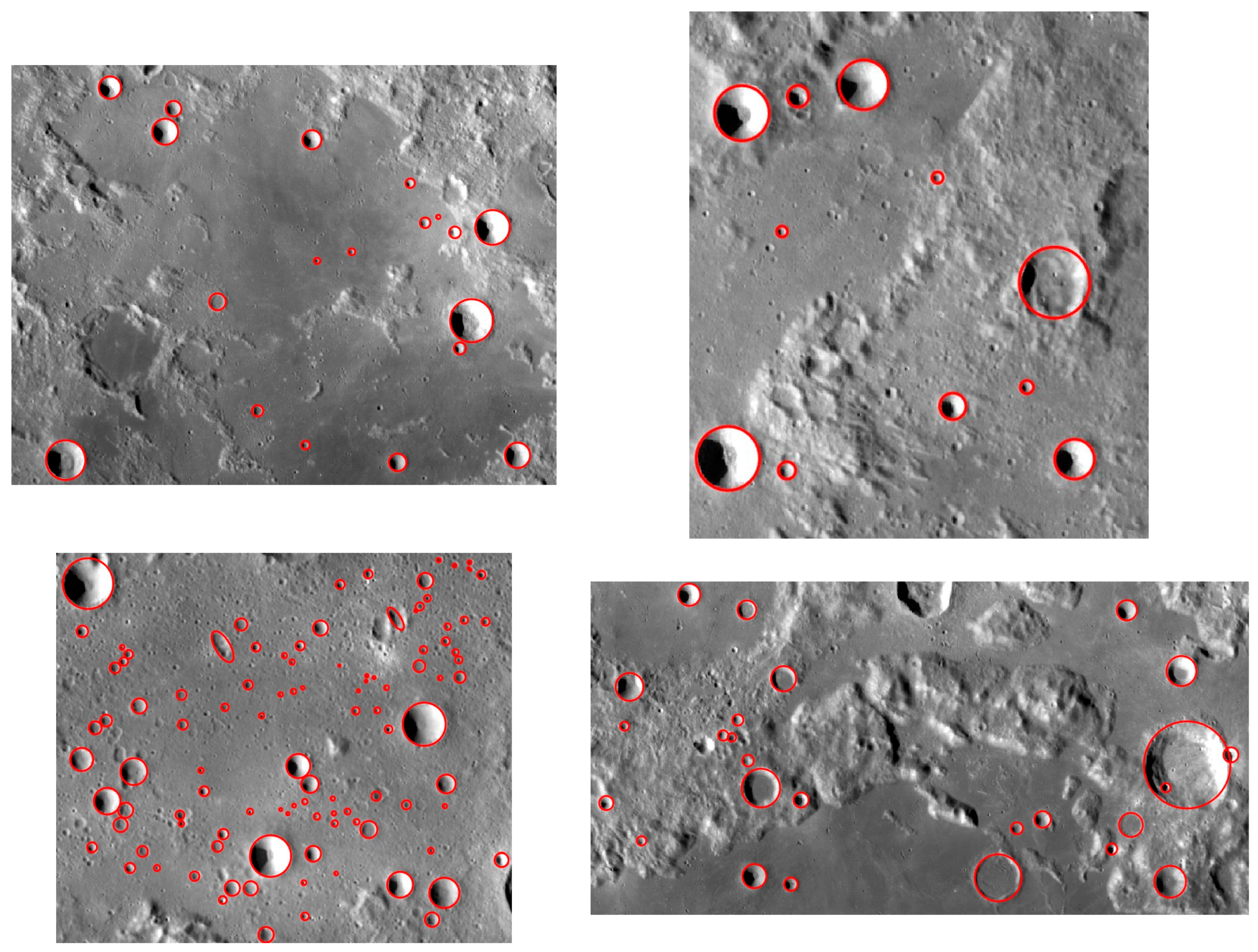
Figure 6 then presents the final extracted crater ellipses after the least-squares refinement, demonstrating the effectiveness of the proposed methodology in delineating crater boundaries across the diverse test sites.
The results illustrate that the algorithm is reliable in capturing crater rims of different sizes, shapes, and geological settings within the broader context of global crater detection. The minimum reliably detected crater corresponds to approximately 6 × 6 pixels, equivalent to about 0.6 km in diameter at the WAC spatial resolution. This threshold is consistent with previously reported limits for automated crater identification in similar datasets. The algorithm successfully detected craters up to approximately 50 km in diameter, demonstrating its capability to handle both small and large features within a single framework. This range confirms that the proposed method maintains stable performance across variable crater sizes and morphological contexts.
Across the four representative sites, and using a size threshold selected according to the image resolution and the characteristic crater dimensions, the algorithm detected between 82% and 91% of the manually identified craters, with an overall mean detection rate of 87%. The manually identified craters serve as reference data for accuracy assessment because expert visual interpretation remains the most reliable method for recognizing true crater structures, particularly in shadowed or eroded regions. This manual catalog provides an objective benchmark against which the automated detection results can be quantitatively evaluated. Results demonstrate that the method is effective at capturing the majority of visible craters, even in regions with complex geological backgrounds and variable illumination conditions (solar elevation angles between approximately 15° and 55° above the local horizon). Those craters that appear in the images but were not detected are primarily below the selected size threshold, and are thus excluded by design. In addition, some missed craters are attributed to image-related limitations, such as low contrast, shadowing effects, or degraded rims that obscure the boundary. In regions with highly complex terrain, overlapping or partially eroded craters also posed challenges, reducing the algorithm’s ability to reliably delineate their rims.
For the global WAC mosaic, the accumulator peaks remained well defined, with average strengths approximately 5.6 times higher than their surrounding neighborhoods (defined as the local region within a ±5-cell window around each peak in the accumulator space). This neighborhood represents the immediate background level in parameter space, excluding the peak cell itself, and provides a quantitative measure of peak contrast and detection confidence. This indicates a strong signal-to-noise ratio in parameter space and confirms that the algorithm maintains its robustness and stability when applied from localized test sites to the global lunar dataset.
Table 2 summarizes the standard deviations of the estimated ellipse parameters from the covariance matrix for the analysis of the four WAC images. The results show that the refinement stage (L2) consistently reduced the parameter uncertainties, with improvements for the center coordinates, shape parameters, and orientation, confirming the increased accuracy and stability of the global analysis. This highlights the improvement in precision from the L1 to the L2 stage.
The influence of solar elevation angle on detection performance was also examined using the selected WAC sites, which span illumination geometries from approximately 15° to 55° above the horizon. Within this range, no significant correlation was observed between solar elevation and either the overall detection rate or the geometric accuracy of the detected craters. Sites imaged under lower solar angles, where shadows are more pronounced, yielded detection rates within ±2–3% of those obtained under higher-angle illumination.
Overall, the results confirm that each stage of the framework contributed to robust and accurate crater detection. ROI selection effectively narrowed the search space, Canny edge detection enhanced rim boundaries, and the modified Hough transform provided reliable initial ellipse estimates. The subsequent two-step refinement consistently improved geometric accuracy and stability, as demonstrated by covariance analysis. Together, these components enabled the algorithm to perform reliably across both site-level tests and the global WAC mosaic. These findings provide a strong foundation for the application of the proposed algorithm with other datasets and on other celestial bodies.
It is important to note that although the selected WAC sites capture a variety of geological and moderate illumination conditions, the current analysis does not include multi-temporal NAC observations acquired under substantially different solar elevation angles. As such, while the method demonstrated stability across typical illumination variations present in WAC imagery, future validation should explicitly incorporate datasets from equatorial, mid-latitude, and polar regions obtained under diverse solar geometries. This broader testing will help quantify performance under more extreme shadowing and reflectance differences, which remain a key factor for operational landing-site assessments.
5. Conclusions
This study introduced a novel crater detection methodology that combines edge-based feature extraction with a modified Hough transform and a two-stage parameter refinement strategy. The framework integrates several complementary components: ROI selection to constrain the search space, Canny edge detection to enhance crater rims, modified Hough voting to identify robust initial ellipse candidates, and a sequential L1-norm and least-squares refinement to achieve both robustness and precision. By combining these elements, the method effectively captures crater rims of varying sizes and shapes across diverse lunar terrains and imaging conditions.
Experiments conducted on representative WAC sites achieved a detection rate of 87% when compared against the manually collected (ground truth) craters. This demonstrates that the algorithm is able to capture the majority of visible craters even in geologically complex areas with variable illumination. Covariance analysis further confirmed significant improvements in parameter accuracy and stability, with reductions in standard deviations for ellipse center (location of ellipse center), shape (semi-major axis, semi-minor axis), and orientation parameters (rotation angle). These results underscore the importance of the two-step refinement, where the L1 stage suppresses the influence of fragmented edges and spurious detections, and the L2 stage enhances geometric accuracy.
Overall, the proposed algorithm is both accurate and computationally efficient, offering a valuable tool for automated crater detection and planetary surface analysis. Beyond crater detection, the framework may also be adapted for other planetary mapping tasks that require robust identification of circular and elliptical features. Future work could focus on integrating the method with machine learning-based classifiers, extending its application to other planetary bodies, or combining it with topographic datasets to enhance three-dimensional crater morphology analysis.
The present study focused on evaluating algorithm performance using WAC data characterized by moderate illumination variability. Although the method performed consistently across these conditions, a more comprehensive analysis involving multi-temporal NAC imagery and regions spanning wider latitude ranges is planned for future work. Such testing will further assess the algorithm’s robustness to illumination geometry, shadow effects, and resolution differences.