1. Introduction
Climate change poses a significant and growing threat to the global economy, with both foreseeable and unforeseen consequences. For instance, it causes global temperatures to rise, which negatively affects the economic activity of countries. A clear example of this effect is the decline in agricultural production, which leads to higher food prices. This case, along with many others, illustrates the potential impacts that climate change can have on important macroeconomic variables.
A substantial body of research confirms the economic ramifications of climate change. For instance, studies such as [
1,
2] provide evidence that climatic shifts adversely affect economic growth. However, one of the gaps in the literature is the lack of analysis regarding the economic channels that connect temperature or weather anomalies to reduced production. Nevertheless, potential channels have been identified. Refs. [
3,
4] indicated that climate change causes disruptions in credit markets; Ref. [
5] found links between climate change and exchange rates; Ref. [
6] argued that temperature shocks reduce investment; and Ref. [
7] documented that temperature anomalies affect food markets.
An important gap that is yet to be fully addressed is the integration of these separate channels into a cohesive analytical framework that is able to connect all potential transmission channels of temperature anomalies. While previous studies have identified individual channels, they typically examine them in isolation. This study contributes to the field by evaluating four major transmission channels in a unified, cross-country context, offering a more comprehensive understanding of how temperature shocks affect global economic systems.
This research is also driven by the imperative to inform policy strategies aimed at mitigating the adverse consequences of rising temperatures on the United Nations’ Sustainable Development Goals (SDGs). As outlined by the United Nations, these goals include ending poverty, achieving zero hunger, promoting decent work and economic growth, and taking climate action. However, as discussed in this paper, higher temperatures may threaten progress on all these fronts. Temperature anomalies are associated with reduced economic activity and higher food prices. Elevated food prices disproportionately affect vulnerable populations, potentially increasing poverty and hunger. In turn, lower economic activity leads to fewer job opportunities, stagnant or declining wages, and reduced government revenues—further limiting the ability to fund public programs that are essential for achieving the SDGs.
The research problem is to analyze the impact of temperature anomalies on industrial production, focusing on financial markets, food markets, and investment as potential links between climate change and production changes. Additionally, we aim to offer policy recommendations to help countries to achieve the SDGs, drawing on evidence from both the theoretical and empirical models.
The study examines the effects of temperature anomalies on industrial production through four plausible transmission mechanisms: investment, exchange rates, food prices, and credit costs. A possible consequence of rising temperature anomalies is financial market stress, manifested in domestic currency depreciation. This can adversely affect investment through several channels: lower purchasing power among consumers, capital flight to new disaster-prone areas, and increased debt burden for firms with hard currency liabilities, such as the U.S. dollar. Another impact is higher food prices, partly driven by domestic currency devaluation, as well as higher production costs for agricultural products. Furthermore, central banks may adopt a restrictive monetary policy to contain inflationary pressures. Money markets may react to this scenario, with higher risk aversion leading to higher interest rates. The combination of these factors could ultimately lower industrial production.
In short, we propose four testable transmission channels:
- (i)
Food prices.
- (ii)
Credit markets.
- (iii)
Exchange rates.
- (iv)
Investment.
These four channels could link higher temperatures to industrial production.
First, we develop a theoretical model that shows how temperature anomalies negatively impact agricultural production, resulting in higher food prices and lower real wages. This reduces labor employment, income, savings, and equilibrium investment. A decline in investment then causes a drop in industrial production. The advantage of this approach is that food production also depends on the credit costs and exchange rate through exports and imports; consequently, it incorporates all four channels of transmission (food prices, credit costs, exchange rates, and investment) into a single framework without unnecessary complexity.
Empirically, we utilize a Global Vector Autoregression (GVAR) model to study 17 countries within a system of interconnected open economies. GVAR links economies through bilateral trade and simulates the world economy by constructing foreign variables. Therefore, global shocks spread over the system and affect all economies. Since GVAR accounts for the domestic dynamics of each economy, we can examine how each region responds to the same shock by capturing the spillover effects. In other words, GVAR enables us to investigate how a shock on a temperature anomaly impacts all 17 economies.
It should be noted that the GVAR does not provide a causal analysis; the goal of the model is to indicate the potential transmission channels of higher temperatures, informing us of how their effects may reach economies.
Our findings indicate that temperature anomalies exert a negative influence on industrial production. Among the four channels studied, declines in investment and currency depreciation emerge as the most significant pathways. Further, variance decomposition analysis supports these results, revealing that temperature anomalies explain between 5% and 11% of industrial production variability in both advanced and developing economies by the end of the study period.
Our estimates help policymakers and governments to detect and act to counterbalance the possible negative effects of higher temperatures.
The novelty of the paper lies in two points: i) we use a GVAR with four transmission channels to connect temperature anomalies with industrial production at a monthly frequency, and ii) contrary to panel data and other methods that combine several countries and do not provide individual responses, we provide individual responses for each economy, resulting in heterogeneity in the results.
This paper consists of seven sections. After a brief review of the relevant literature in
Section 2, we present our theoretical model in
Section 3. We describe our methodology and data in
Section 4. We report and analyze our empirical findings in
Section 5. The results are discussed in
Section 6. We conclude the paper with some implications and limitations in
Section 7.
2. Literature Review
This study contributes to the growing empirical literature examining the macroeconomic and financial implications of climate shocks. In asset pricing, Ref. [
8] demonstrate that global temperature shocks negatively affect equity valuations and aggregate wealth. Ref. [
9] find significant and heterogeneous exchange rate responses to global temperature variations. Ref. [
10] identifies inefficiencies in how stock markets incorporate information on prolonged droughts. Similarly, Ref. [
11] show that temperature anomalies influence agricultural futures, with negative impacts on soybean, corn, cotton, and coffee during bearish markets, and positive effects on soybean, corn, and cocoa during bullish markets.
Other studies have examined the effects of climate events on real estate and individual behavior. Ref. [
12] report the negative impacts of weather variability on agricultural land values, while Ref. [
13] find that homes that are at risk from sea-level rise are discounted by approximately 7%. Ref. [
14] provide evidence that local temperature anomalies shape individual beliefs about climate change, with warmer-than-average conditions prompting upward revisions in climate risk perceptions.
The literature on macroeconomic outcomes presents mixed findings. In the U.S., temperature increases disproportionately affect sectors that are exposed to outdoor conditions [
15,
16,
17,
18]. Ref. [
19] estimate that a 1 °F increase in average summer temperature reduces state-level production growth by 0.15 to 0.25 percentage points, particularly in industries such as finance, services, retail, and construction, while utilities and mining may benefit. Ref. [
20] highlight regional disparities in production responses, with losses concentrated in the poorer southern U.S., exacerbating the existing inequalities.
Cross-country analyses further reveal non-linear and asymmetric effects. Ref. [
21] identify an inverted U-shaped relationship between temperature and economic growth, peaking at 13 °C. Ref. [
22], in line with [
23], show that higher temperatures reduce the total factor productivity (TFP) growth, primarily in low-income countries. Ref. [
24] corroborate these results, documenting adverse impacts on TFP, capital accumulation, and employment in poorer economies. In contrast, Ref. [
25] argue that persistent temperature deviations impair per capita production growth in both rich and poor countries, though with varying magnitudes.
Several studies also explore the developmental consequences of climate shocks. Ref. [
26] show that temperature and precipitation extremes elevate the risk of childhood stunting in South Asia, especially among disadvantaged households. Ref. [
27] document increased permanent urban migration and rising urban unemployment in 11 African countries, particularly among women and youth. Ref. [
28] link higher temperatures to increased armed conflict in Africa and the Middle East. In China, Ref. [
29] find an inverted U-shaped relationship between temperature and firm-level wages, with extreme heat and cold reducing labor earnings via labor supply constraints and adaptation challenges.
Methodologically, various econometric approaches have been used to explore the climate–economy nexus. Panel data models are widely employed for cross-country analyses and causal inference ([
30,
31,
32]), while Panel VARs (e.g., [
9,
33]) allow for shock transmission analysis across groups of countries. Time series models like SVAR are more suitable for single-country analyses and capturing sectoral spillovers ([
34]). Panel approaches have also been applied to sectoral and firm-level data ([
35]), offering greater granularity but limited capacity to model intersectoral dynamics.
Using a PVAR framework, Ref. [
36] show that temperature anomalies have reduced the GDP and investment in EU countries from 1996 to 2018. We extend this analysis by employing a Global Vector Autoregression (GVAR) framework, which captures country-specific responses to a common shock, allowing for heterogeneity and spillover effects that PVAR and SVAR approaches cannot fully accommodate.
Our GVAR approach offers three key contributions. First, it integrates multiple economies within an interconnected system, capturing both domestic and international responses to global temperature shocks. Unlike PVAR, which yields only aggregate effects, or SVAR, which is restricted to single-country analysis, GVAR allows us to trace both dimensions simultaneously.
Second, while prior studies ([
9,
10,
11,
13,
19]) analyze specific variables or sectors, our model jointly examines the responses of financial markets (exchange rates and credit), the real sector (industrial production and investment), and inflation. This enables us to uncover transmission channels and feedback effects that are often missed in more narrowly focused studies.
Third, we model economies as open systems linked by bilateral trade, explicitly accounting for feedback loops and dynamic interdependencies. This structure improves the realism of our simulations by reflecting how domestic adjustments to climate shocks generate additional rounds of global effects.
In extending the work of [
11], who focused on agricultural commodity futures, we incorporate broader financial and real-sector variables in a framework of interconnected economies. Our contribution also advances the GVAR literature on the international spillovers of global shocks. Previous applications include commodity prices ([
37]), geopolitical developments ([
38]), carbon emissions and monetary policy ([
39]), and energy prices ([
40]). We add to this line of inquiry by quantifying the cross-border transmission of temperature anomaly shocks.
Compared to previous GVAR and PVAR studies, our investigation advances the literature by indicating four potential transmission channels through which temperature anomalies impact industrial production.
Our findings have implications for the Sustainable Development Goals (SDGs). As highlighted by [
25,
41,
42,
43], climate-related disruptions threaten the attainment of these goals by destabilizing economies and increasing social vulnerabilities. Our results provide a basis for policy strategies aimed at mitigating the economic risks associated with rising global temperatures.
Recently, Ref. [
44] showed that an increase of 1 °C corresponds to a 20% decline in GDP in a panel data set. Ref. [
45] used an ARDL model to show that higher temperatures reduce production. The main limitation of these studies is that they do not provide explicit channels linking temperature to the economic impact. Ref. [
46] complement the literature by arguing that capital accumulation and labor productivity are potential channels. Our paper contributes to this effort by analyzing four channels linking temperature to production. Contrary to these studies, which used panel data, we adopt a GVAR framework: a time-series approach that captures the international spillover effects from global shocks, such as temperature shocks.
We hypothesize that temperature shocks spread to the global economy through four channels: food prices, exchange rates, credit markets, and investment, ultimately impacting industrial production. In this sense, our marginal contribution is to provide: (i) transmission channels, (ii) international spillover effects, and (iii) heterogeneities, since the GVAR delivers individual responses for each economy, rather than a single response for the entire sample, as in panel data models.
3. Theoretical Model
In this section, we propose a simple model to link temperature anomalies with industrial production. There are several possible channels of transmission, food prices, credit costs, exchange rates and investment. The one we emphasize is the channel through which temperature anomalies negatively influence agricultural production, leading to higher food prices and affecting real wages. This approach has the advantage of allowing us to consider the other channels as well, namely exchange rates and credit costs, in the way that temperature anomalies affect investment.
Assume a well-behaved production function
, which is a function of existing capital stock
and the level of employment
, derived from profit maximization conditioned on
:
Employment is an increasing function of real wages
(e.g., [
47], p. 96):
Temperature anomalies, given by the growth rate of temperature
T,
, impact negatively agricultural production, which increases food prices and reduces real wages. In addition, food production depends on the credit available to farmers, so the real interest rate,
r, impacts it; an interest rate increase reduces the credit available to farmers and causes less production, increasing food prices and reducing the real wage. Moreover, food is imported and exported, so the exchange rate also matters; an exchange rate depreciation, an increase in
e, leads to an increase in food prices for countries that import food, reducing real wages. Therefore, real wages can be written as follows:
Using Equations (1)–(3), we can see that the effect of temperature anomalies on production is therefore negative:
Savings
is a share 0 <
s < 1 of production:
In equilibrium, investment
equals savings:
Consequently, temperature anomalies affect investments negatively through the reduction in real wages related to lower agricultural production and higher food prices:
4. Data and Methodology
4.1. Data Source and Sample
To test our theoretical model, we gather data from a variety of sources. We report the definitions and data sources for each variable in
Table 1 and report the summary statistics of the variables by country in
Table 2.
As shown in
Table 2, the mean of the temperature anomaly is positive, indicating that during the period under examination, temperatures were rising. This reinforces the view that climate change is intensifying, since temperature anomalies are used as a proxy for climate change.
Our dependent variable is a vector of several domestic variables. First, we collected CPI measures for food (food) from the Food and Agriculture Organization (FAO) of the United Nations. This variable measures the change over time in the general level of prices of food and non-alcoholic beverage items that households acquire, use, or pay for to consume. Second, we use the real exchange rate (e), defined as domestic currencies per U.S. dollar, and it is taken from the International Financial Statistics (IFS). In addition, we deflated the exchange rate using domestic and U.S. consumer price indexes (CPI, 2015 = 100), which are taken from the FAO. Third, we used the interest rates (r), either the interbank rate or the interest rates of public securities, when the interbank rate was not available. These variables were taken from the Federal Reserve Bank of St. Louis (FRED) Economic Data. Fourth, we gathered the real gross capital formation, formerly gross domestic investment (gcf), from the World Development Indicators. We used the Denton method to change the frequency of gcf from annual to monthly, since all the variables we use are monthly. Finally, we extracted industrial production (ind) from the Organization for Economic Cooperation and Development (OECD) Main Economic Indicators. This variable is defined as the production of industrial establishments and covers sectors such as mining, manufacturing, electricity, gas and steam and air-conditioning. This indicator is measured in an index based on a reference period that expresses a change in the volume of production. Contrary to the studies we discussed in the literature review, we use industrial production instead of GDP because of the frequency of the data. In general, panel data articles use annual data. On the other hand, time series use higher frequencies, such as quarterly and monthly data. Another complication in our study is that we use emerging market economies, which the data are more problematic to collect from than the ones from advanced economies.
Our key variable is temperature anomalies (
temp) and we use the same measure as [
11], which is taken from the Met Office Hadley Centre and the Climatic Research Unit at the University of East Anglia. This variable is defined as the monthly average near-surface temperature anomalies, relative to the 1961–1990 period, on a regular 5° latitude by 5° longitude grid from 1850 to 2018. Temperature anomalies are a combination of sea-surface temperature measurements over the ocean from ships and buoys and near-surface air temperature measurements from weather stations over the land surface. Because temperature anomalies show seasonal variation, we seasonally adjusted them in the econometric model (
Section 5), following the methodology of [
9]. We also tested the results without the seasonal adjustment on temperature anomalies as a robustness check (
Section 5.3). This variable represents a global measure of temperature; we do not use local (country-specific) temperature anomalies.
Our temperature variable is global and common to all countries; we do not use national-level temperatures. The justification follows [
44], who argue that the main effects of higher temperatures are driven by global, rather than local, dynamics. The rationale is that global temperatures incorporate ocean temperatures and atmospheric humidity, making them more suitable for capturing the impacts of climate change than local measures.
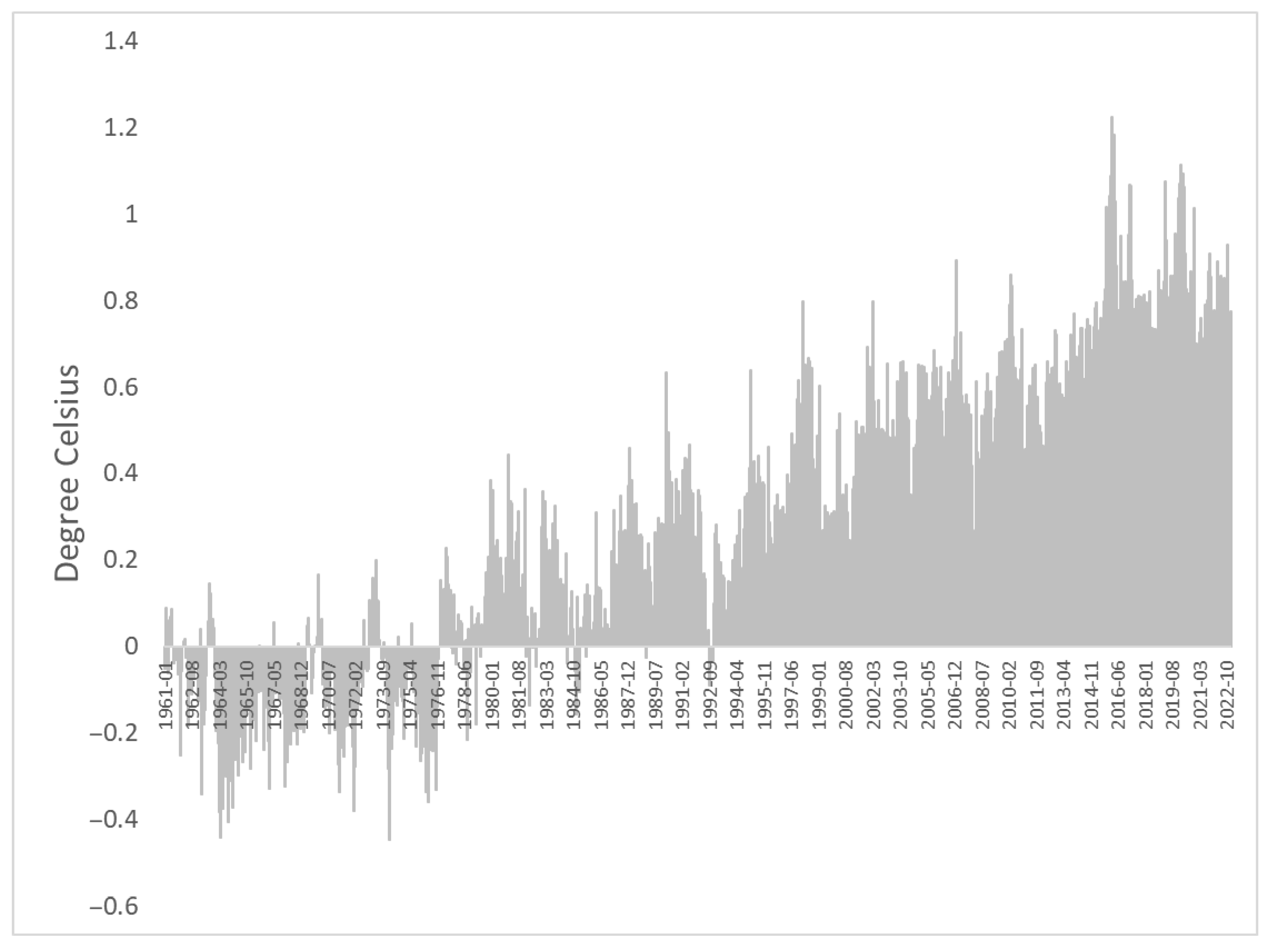
As
Figure 1 illustrates, there is a clear trend of rising temperature over time. Compared to the period 1961–1990, the temperature moved to higher levels. Given that the base period for temperature anomalies is 1961–1990, the increasing deviation from the average of this period indicates that the temperature is moving away from its historical norm, reflecting an anomaly relative to the baseline scenario. This figure corroborates the findings of [
48,
49], who argue that climate change is a serious threat to the planet.
These variables illustrate links between temperature anomalies and production. Increasing temperature anomalies can slow down economic activity by harming investment. Temperature anomalies can affect food prices, exchange rates, credit markets, and investment. The fluctuations of these variables could impact industrial production.
Like other time series models, the GVAR treats all variables as endogenous. This is particularly suitable in the case of temperature anomalies, as one could argue for a bidirectional relationship: economic activity may influence temperature anomalies, while temperature anomalies also affect economic outcomes. By modeling all variables as endogenous, the GVAR helps to mitigate concerns related to endogeneity. However, this approach comes with a trade-off: the GVAR does not allow for formal causality analysis. Instead, it detects potential transmission channels and spillover effects resulting from temperature anomaly shocks, but remains silent on the direction of causality.
Since COVID-19, the world economy has faced increasing inflation. Other global events contributed to this inflation, such as the war between Russia and Ukraine and the production cut in oil by the Organization of the Petroleum Exporting Countries (OPEC). Regarding the former event, both countries are net exporters of commodities; in the latter event, oil prices can increase to cuts. We incorporated both shocks in our model, including oil and agricultural commodity prices. Thus, we increase the realism in our modeling and address current global events in our investigation.
Other variables are a vector of global variables. We used IMF Primary Commodity Prices to collect oil and agricultural prices. Our measure of oil prices is an index (2016 = 100) that averages the spot prices of Dated Brent, West Texas Intermediate, and Dubai Fateh. Agricultural prices refer to the Agricultural Raw Materials Index (2016 = 100), which includes key commodities such as timber, cotton, and wool—representing the principal raw materials used in agricultural production and related industries.
The inclusion of the selected variables is grounded in both theoretical foundations and empirical evidence. Ref. [
50] demonstrated that climate shocks influence food prices, while [
51] highlighted the implications of climate change for central banks and financial stability, potentially affecting the exchange rates and interest rates. Refs. [
52,
53] found that climate change impacts economic growth, production, and investment. Ref. [
54] identified links between climate change, oil prices, and agricultural prices. Collectively, these studies support the hypothesis that all variables in our model may be significantly related to temperature anomalies. Our empirical model extends the literature by integrating these variables within a unified framework to examine their interactions with temperature anomalies and industrial production.
Our period of analysis is from January 2001 to December 2021, with 253 observations per country. Our sample consists of 17 emerging and advanced economies: Brazil (BRA), Canada (CAN), China (CHN), Colombia (COL), France (FRA), Germany (GER), India (IND), Indonesia (IDN), Italy (ITA), Mexico (MEX), Poland (POL), Russia (RUS), South Africa (SOU), Spain (SPA), Turkey (TUR), United Kingdom (U.K.), and the United States (U.S.).
The country sample was determined by data availability, with nations lacking complete data series excluded from the analysis. The period (2001–2021) was similarly constrained by data considerations; extending the temporal coverage would have resulted in sample reduction, thereby reducing the cross-country heterogeneity for our empirical strategy. That is why the temperature anomaly variable, despite being available for longer periods, was restricted to 2001–2021.
We used bilateral trade in the years 2019–2021 to build the foreign variables and estimate the model. We collected this data from the Direction of Trade Statistics of the IMF. We seasonally adjusted and deflated the variables when necessary.
4.2. Methodology
We use the Global Vector Autoregressive (GVAR) method to examine the impact of global temperature anomaly on various domestic variables. GVAR is a suitable method for this purpose, because it allows us to model the interdependence of economies through bilateral trade linkages, to account for the domestic dynamics of each economy, and to capture the spillover effects of global shocks. Unlike panel data and PVAR models, GVAR can reveal the heterogeneous responses of different economies to the same shock. We exploit this feature to analyze how global temperature anomaly affects each economy in our sample. Equation (8) shows a VARX (p,q) for the region i in time t. For presentation purposes, we adopt one lag for domestic (p) and foreign (q) variables. However, in the empirical analysis, the optimal number of lags was selected using the Akaike Information Criterion (AIC), as reported in
Table A4 of the
Appendix A. Thus, we present a VARX (1,1).
In Equation (8), the term denotes the domestic variables; is the constant; is the trend; is the vector of domestic variables lagged in one period; represents the foreign variables; is the vector of foreign variables lagged in one period; and is the vector of idiosyncratic shocks.
We construct the foreign variables according to Equation (9). We use
, the bilateral trade between regions i and j, to connect the economies. We simulate the world economy using foreign variables. Another implication of foreign variables is that they connect the economies, elucidating one channel of shock transmission.
Our vectors of domestic and foreign variables are as follows:
In Equation (10), food denotes the food price; e is the real exchange rate; r is the interest rate; gcf is gross capital formation; ind is industrial production; temp is temperature anomalies; oil is the oil price; and agri is the agricultural price. We use * to denote the foreign variables.
Our U.S. model in Equation (10) was based on the approach of [
39,
55,
56], who incorporated all global variables in their equation. We also followed their convention of treating the exchange rate as a foreign variable in the U.S. model.
To analyze the dynamic interactions among the variables of interest, we employ the Generalized Impulse Response Function (GIRF) and the Generalized Forecast Error Variance Decomposition (GFEVD) methods. These methods allow us to capture the effects of shocks without imposing any restrictions on the underlying structural model; GIRFs are a useful tool to analyze how a system responds to one standard deviation, either local or global, in one of its variables. They can capture the dynamic interactions and feedback effects among the variables in the system, without imposing any restrictions on the causal structure. Consequently, the GIRFs show the potential transmission channels of this shock. Instead of identifying shocks, GIRFs portray how they spread in the system. In our case, we analyzed the impact of one standard deviation increase in temperature anomalies on 17 economies.
In addition, we use the GFEVD to measure how much domestic and external factors influence a specific variable. In
Section 5, we examine the impact of domestic variables and temperature anomalies on each economy’s industrial production.
According to [
55], there are three channels through which a shock in one country can affect others via the GIRF. The first channel is the influence of domestic variables on foreign variables. Since foreign variables are constructed using bilateral trade (Equation (9)), they capture mutual vulnerability between countries. The second channel is the impact of global variables on domestic variables. Because global variables are included in all individual country models, changes in these variables can influence domestic outcomes. The third channel is the use of cross-country covariances in the GVAR framework, which captures how a shock in one country affects others through interconnected residuals.
Similarly, the GFEVD relies on these channels to quantify the extent to which foreign and global variables influence the domestic variables of a given country.
Finally, we verify our main findings using the Structural GIRF (SGIRF), which identifies shocks in one economy. Given that the variable temperature anomaly is in the U.S. model, we identify this model in the following order: temp, agri, oil, food, r, gcf, ind. In other words, increasing temperature anomalies influence both domestic and international prices (food, agricultural, and oil prices), triggering reactions in financial markets (interest rates), which, in turn, impact investment and subsequently affect industrial production. Consequently, SGIRF provides an economic explanation for our results.
This order is based on the assumptions from the theoretical model presented in
Section 3, where higher temperatures lead to changes in food prices and real wages, subsequently affecting investment. In this setup, temperature anomalies are treated as the most exogenous variable. One limitation of this order is that it assumes that economic variables do not influence temperatures—it implies that climate change (proxied by temperature anomalies) affects economic variables, but not the other way around.
We address this limitation by testing an alternative order, where temperature anomalies are the least exogenous variable in the shock identification. In this case, the order is: agri, oil, food, r, gcf, ind, temp. Here, climate change (temperature anomalies) is influenced by all economic variables. These two identification strategies capture both sides of the climate–economy relationship—climate change drives economic shifts, but it is also shaped by them.
In the
Appendix A,
Table A1,
Table A2 and
Table A3 show the unit-root tests for the domestic, foreign, and global variables, respectively. We used the Weighted Symmetric (WS) test, where the null hypothesis states that the time series is not stationary. Rejection of this hypothesis indicates that the series is stationary. While some time series are not stationary in levels, all of them are stationary in first differences.
Table A4 shows the lags of the VARXs for each economy and the number of cointegrating relationships. Because we found unit roots in some time series (
Table A1,
Table A2 and
Table A3) and cointegrating relationships (
Table A4), we use the GVAR in the error correction form.
In the
Appendix A,
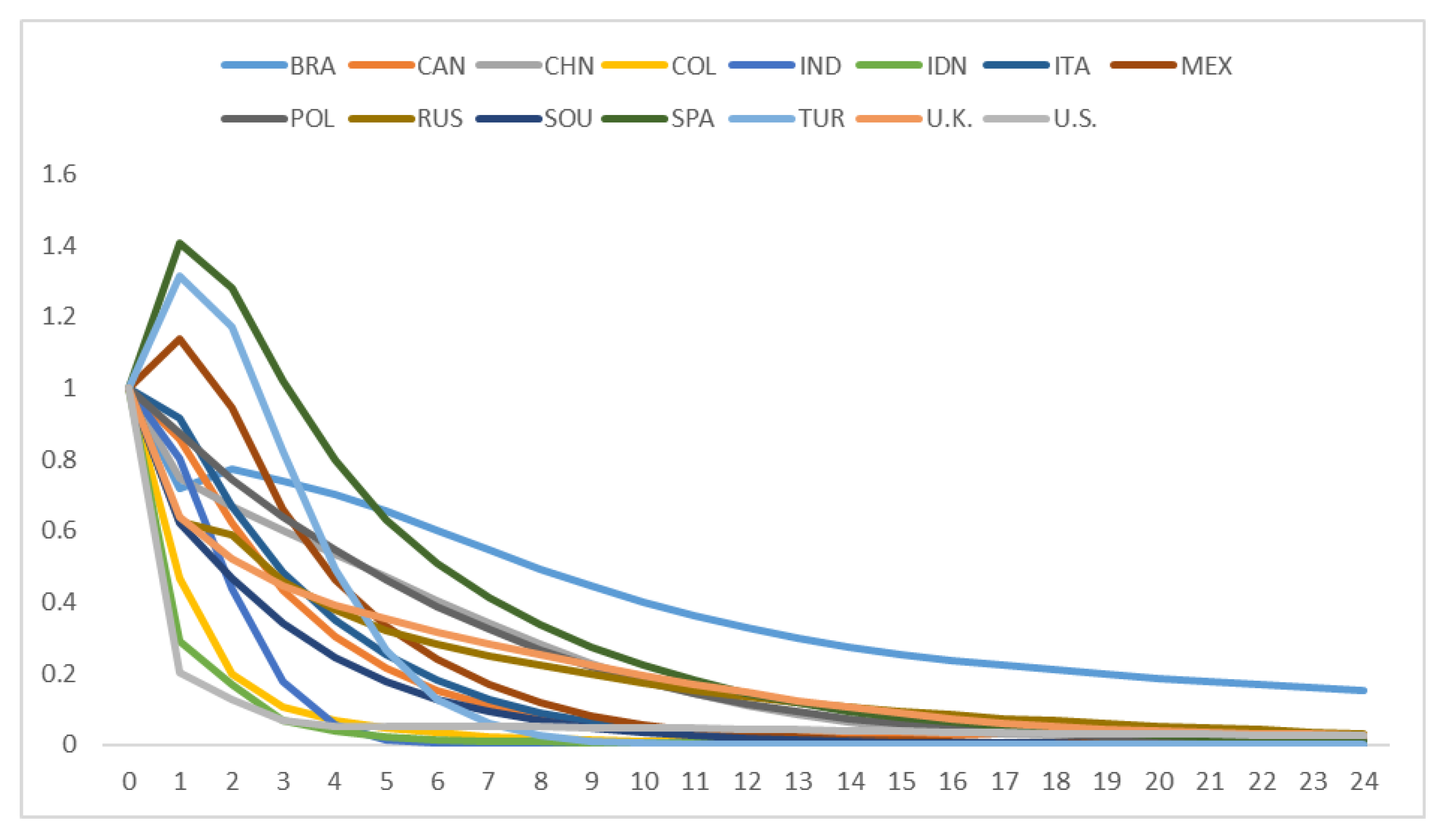
Figure A1 presents the profile persistence. This test implements a general shock within the system and evaluates how long the cointegrating vectors take to return to equilibrium. When the vectors take a long time or show instability, it indicates that the model is not very well adjusted. As observed in
Figure A1, all cointegrating vectors show a trend to return to zero, indicating that the model is stable.
5. Results and Robustness Checks
5.1. Temperature Anomaly Shock
To assess how temperature anomalies affect the 17 economies, we apply GIRFs and GFEVD to the data. We construct 90% confidence intervals for the GIRFs, using bootstraps.
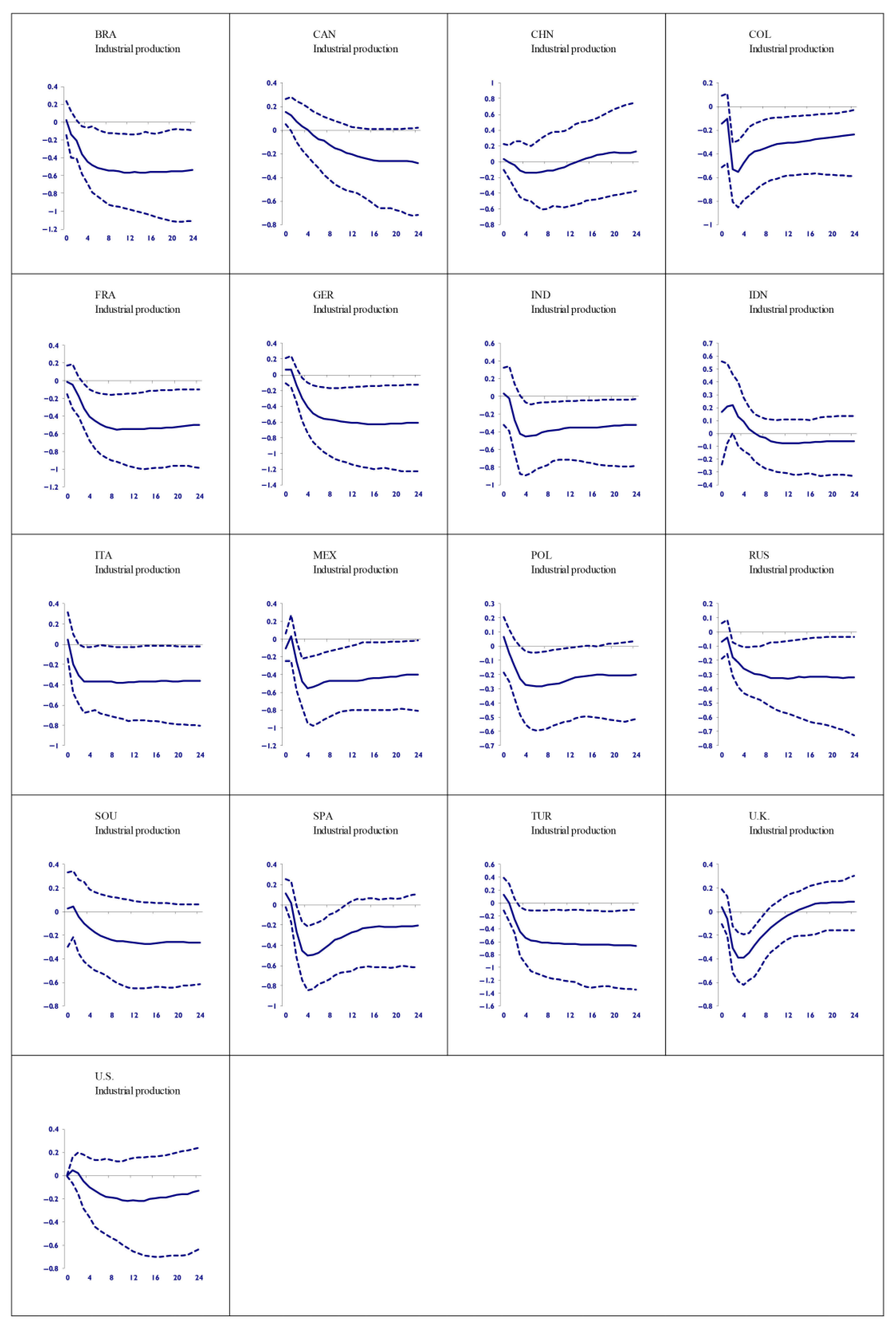
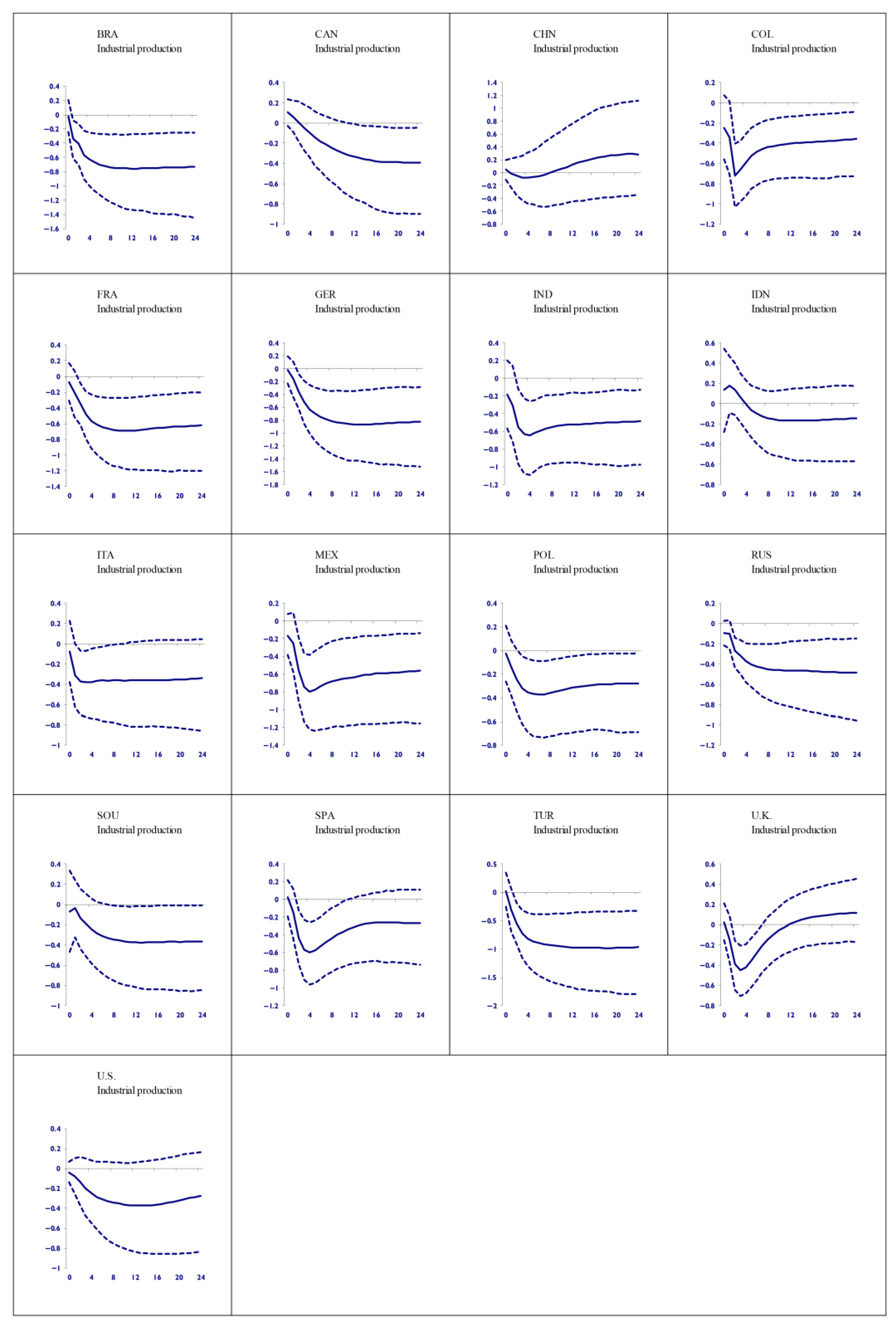
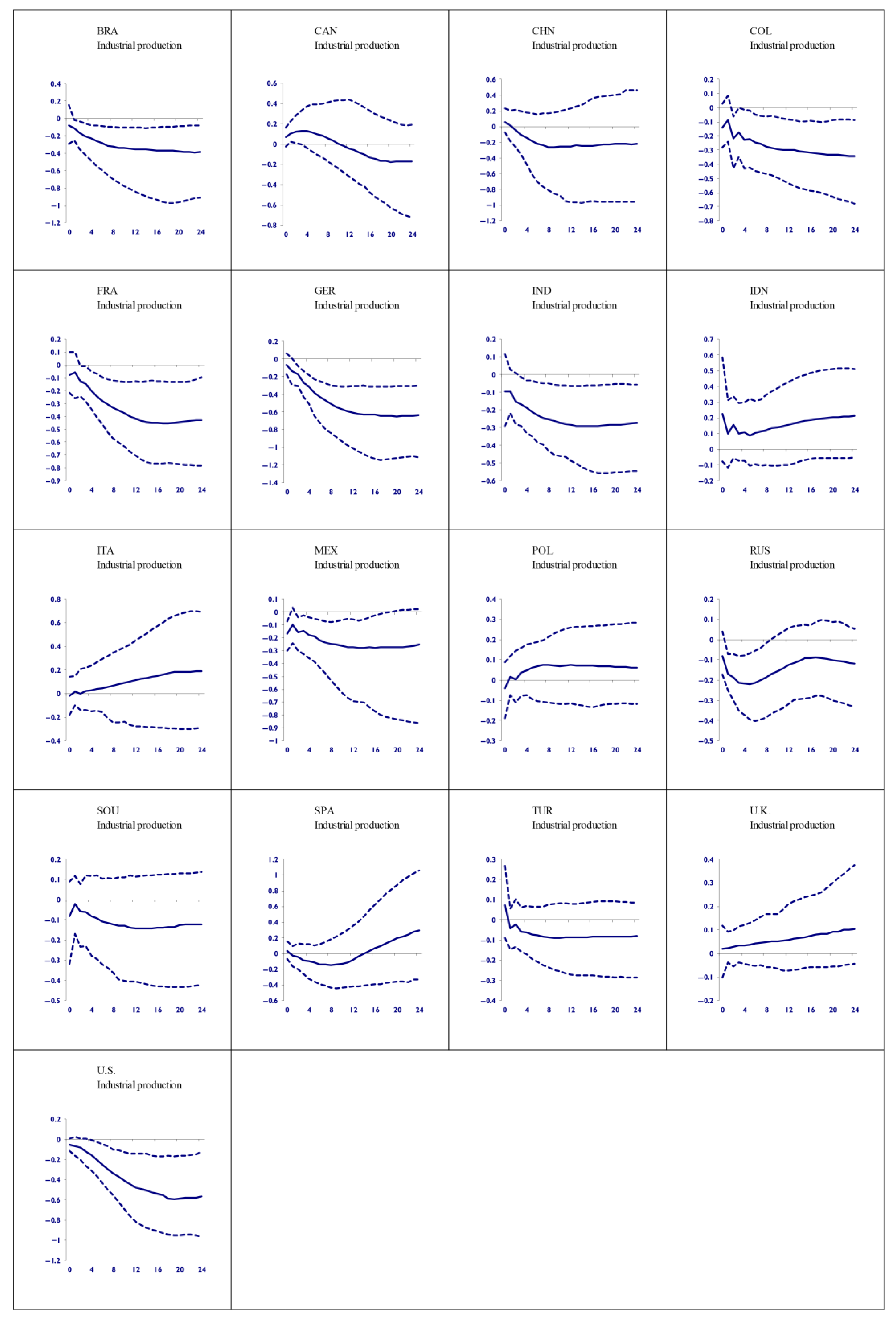
Figure 2 shows how industrial production responds to a positive shock of one standard deviation on temperature anomaly.
Our model shows that temperature anomaly causes a decline in all economies except China, Indonesia, and the U.S., where the estimates were not statistically significant. The impact persisted throughout the period in most regions, with values ranging from 0.2 to 0.6%. In Italy, Spain, and the U.K., however, the effect diminished over time, indicating some recovery in industrial production after the initial months.
We examined how temperature anomalies affect the business cycle through four channels: food price, exchange rates, interest rates, and investment. Higher temperatures could lead to higher food prices, which would lower the real income of individuals. This could reduce their ability to save and invest in new businesses. The outcome would be a decline in investment. A weaker domestic currency would have similar effects to higher food prices: it would lower the real income and wealth of individuals, as well as increase the cost of imported capital goods. We anticipate that a higher cost of capital would deter investment, as inputs become more costly under a depreciated currency. Interest rates reflect the conditions of the credit market: higher interest rates increase the cost of borrowing capital. The final channel combines the impact of all these factors; as higher temperatures can worsen macroeconomic variables (higher food prices, weaker domestic currency, and higher interest rates), the total investment would decrease in this scenario, adversely affecting industrial production.
We have seen how temperature anomalies affect industrial production in
Figure 2. Next, we examine the possible transmission mechanisms between these two variables.
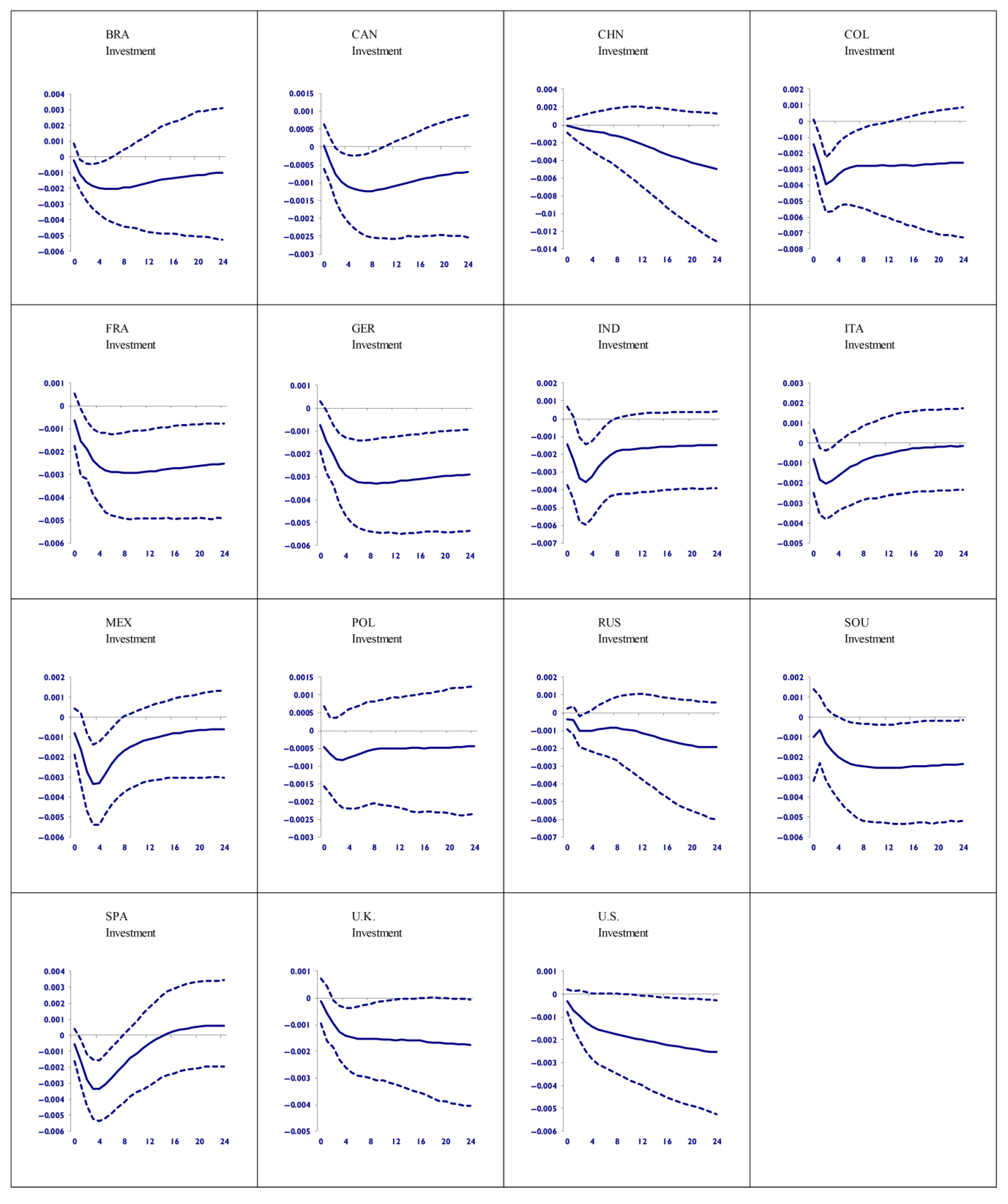
Figure 3,
Figure 4,
Figure 5 and
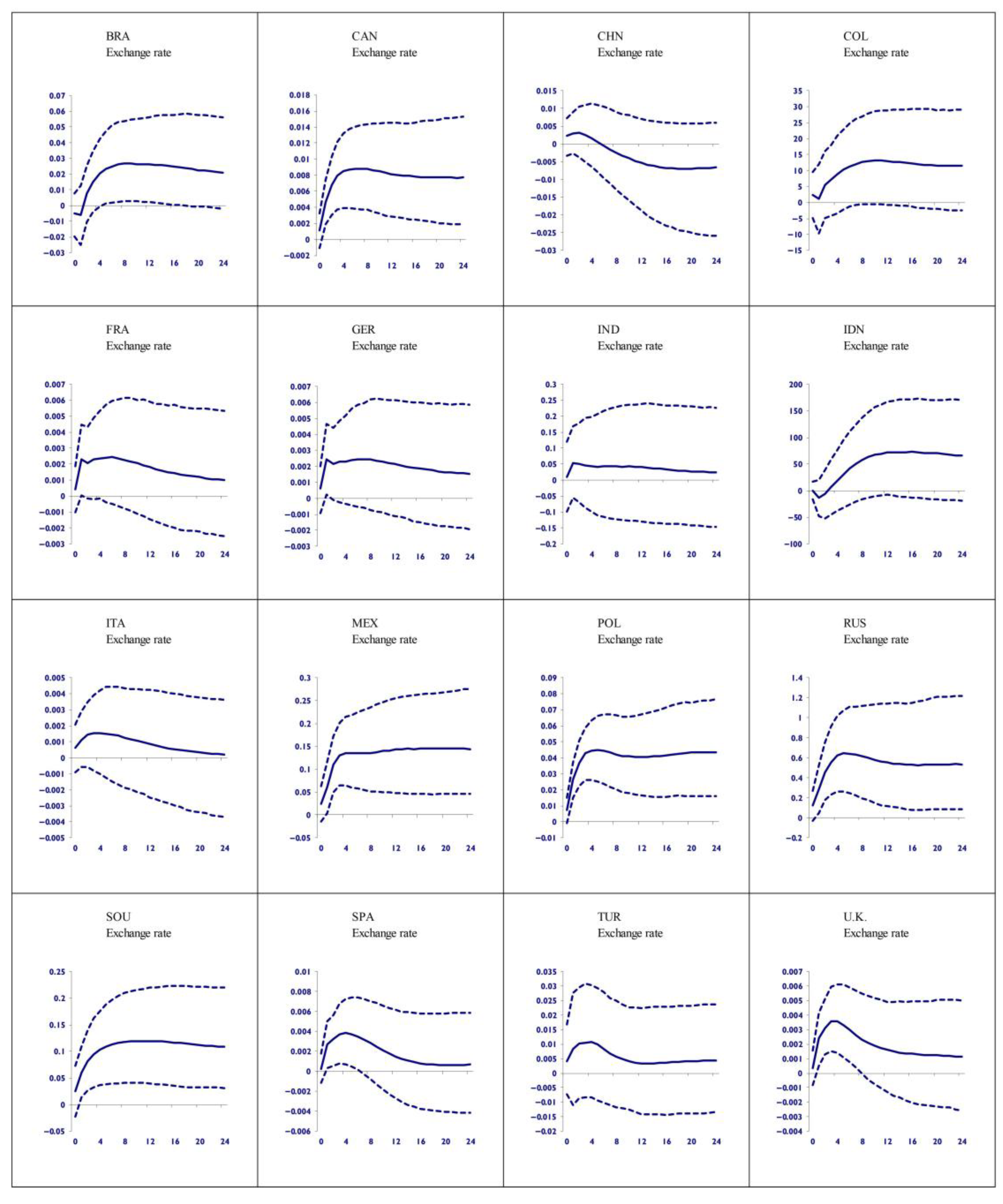
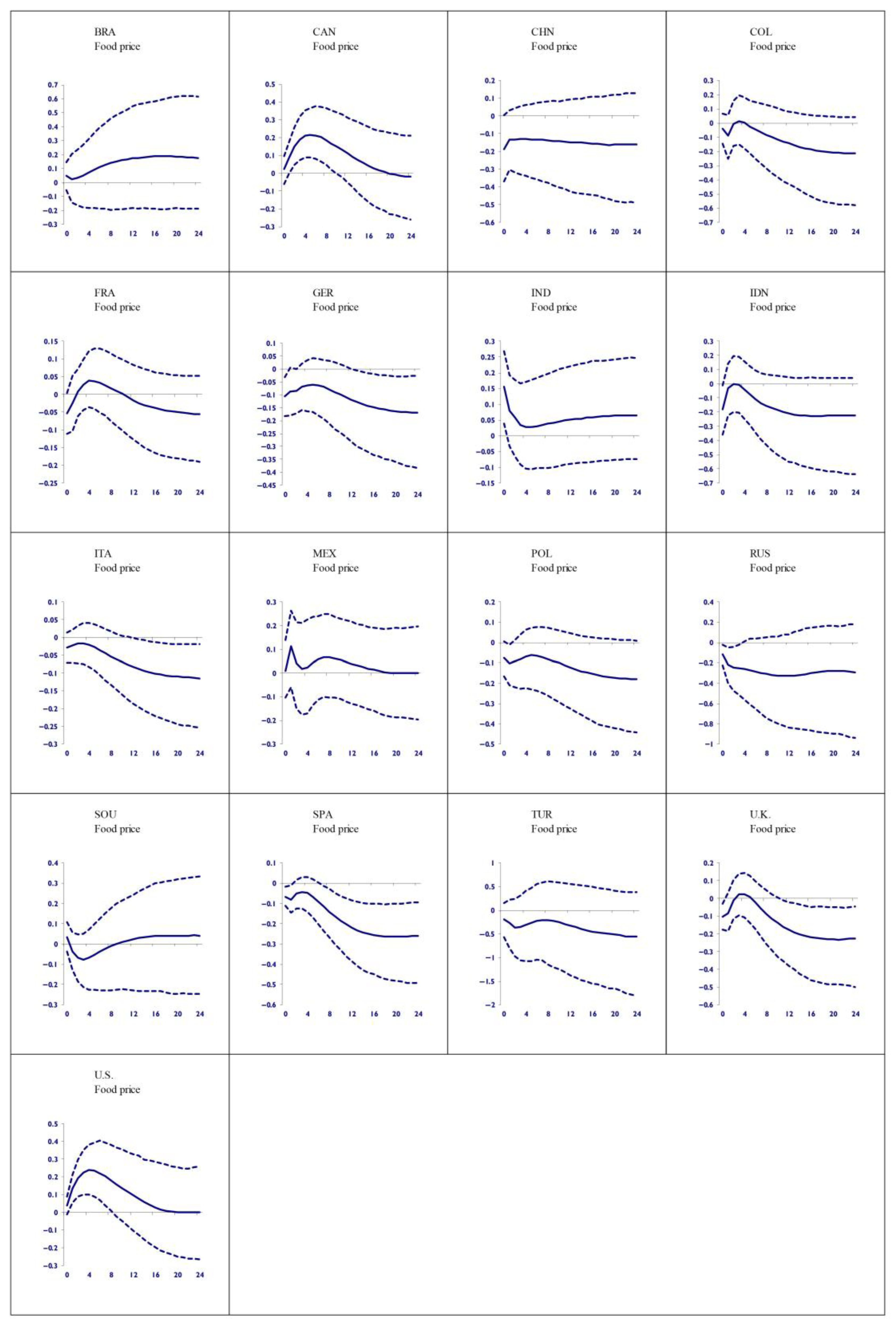
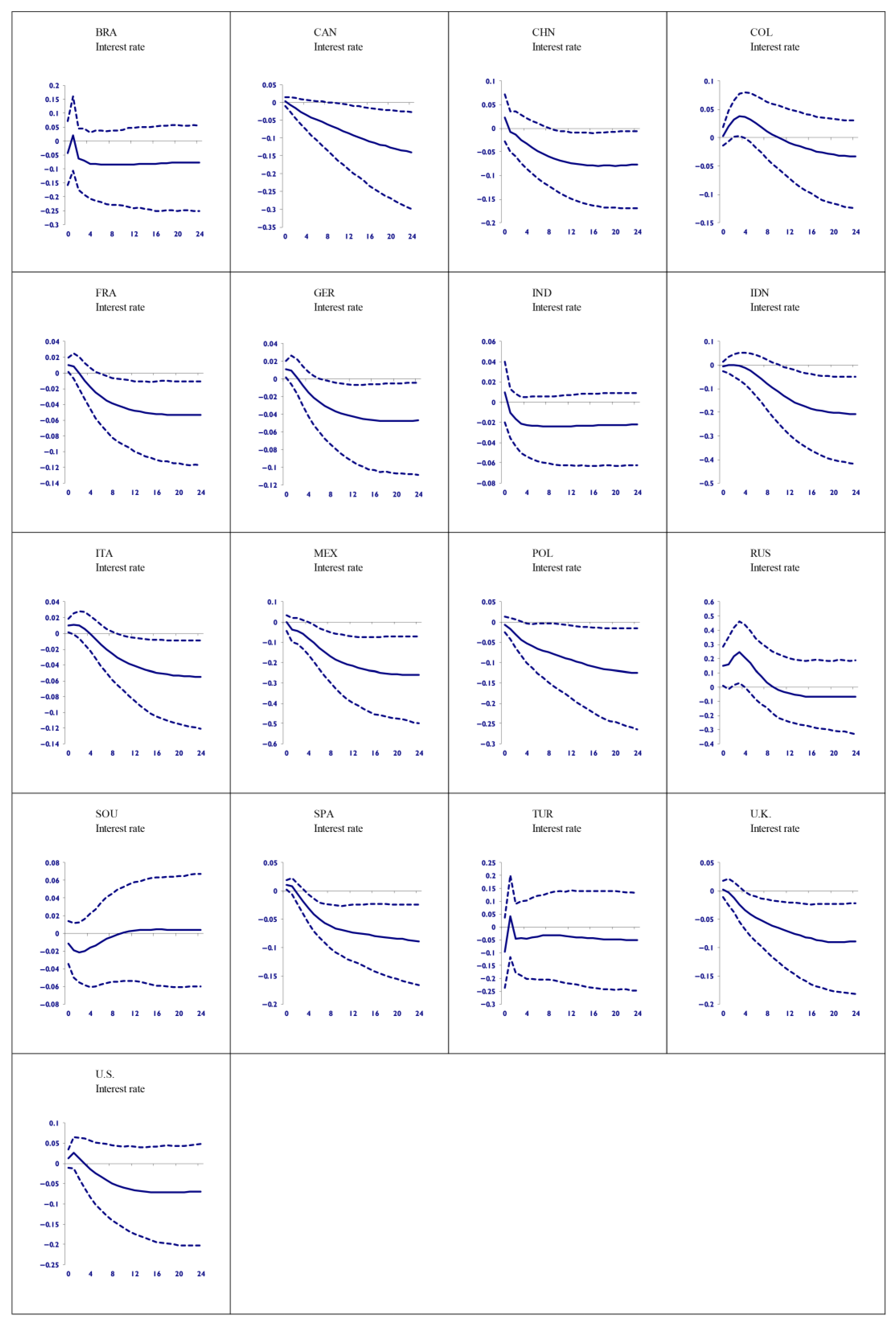
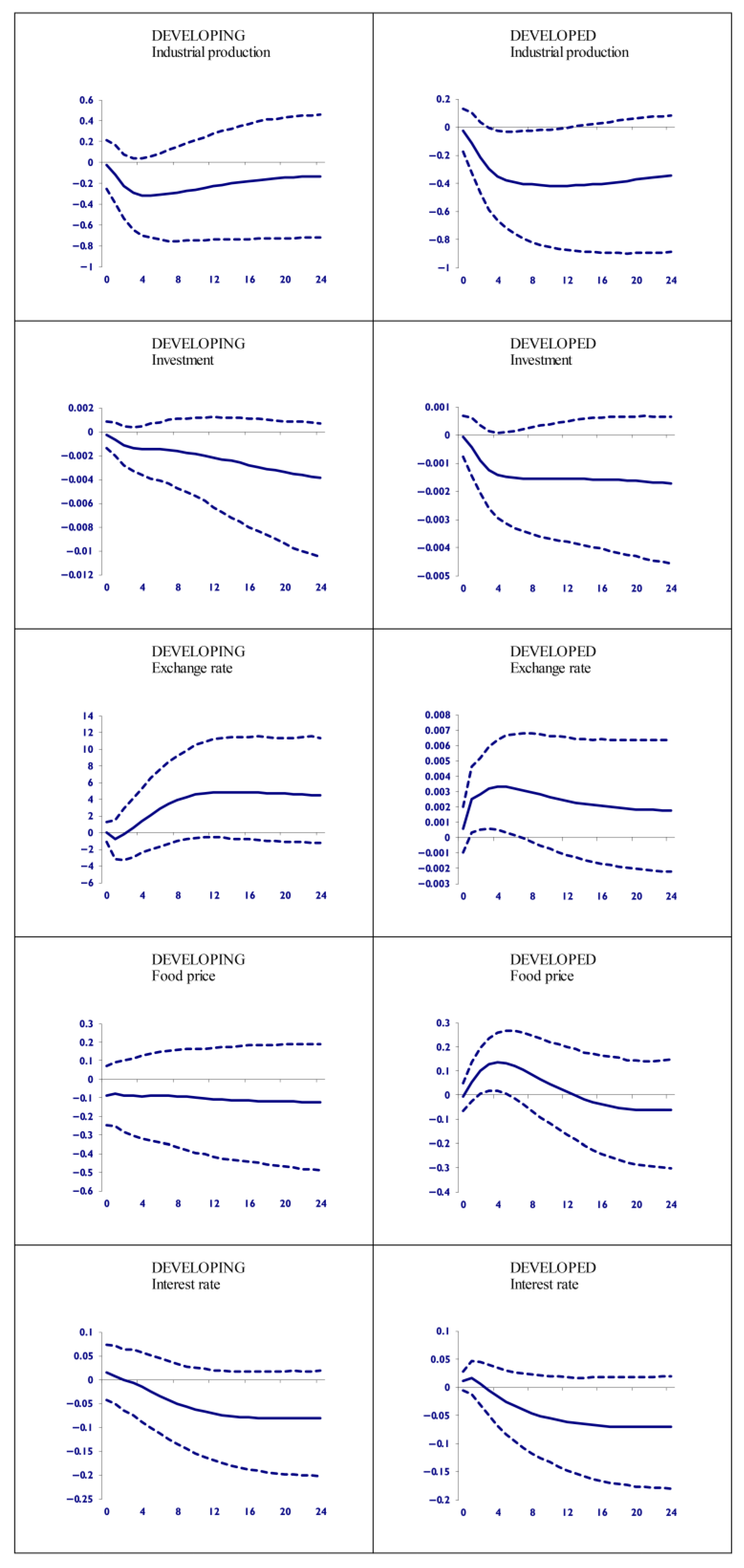
Figure 6 display the impacts of the temperature anomaly shock on investment, exchange rates, food prices, and interest rates. The mechanisms we proposed earlier are the only plausible explanation for the observed responses. The GIRFs do not identify the sources of the shocks; they only illustrate how the shocks propagate through the system.
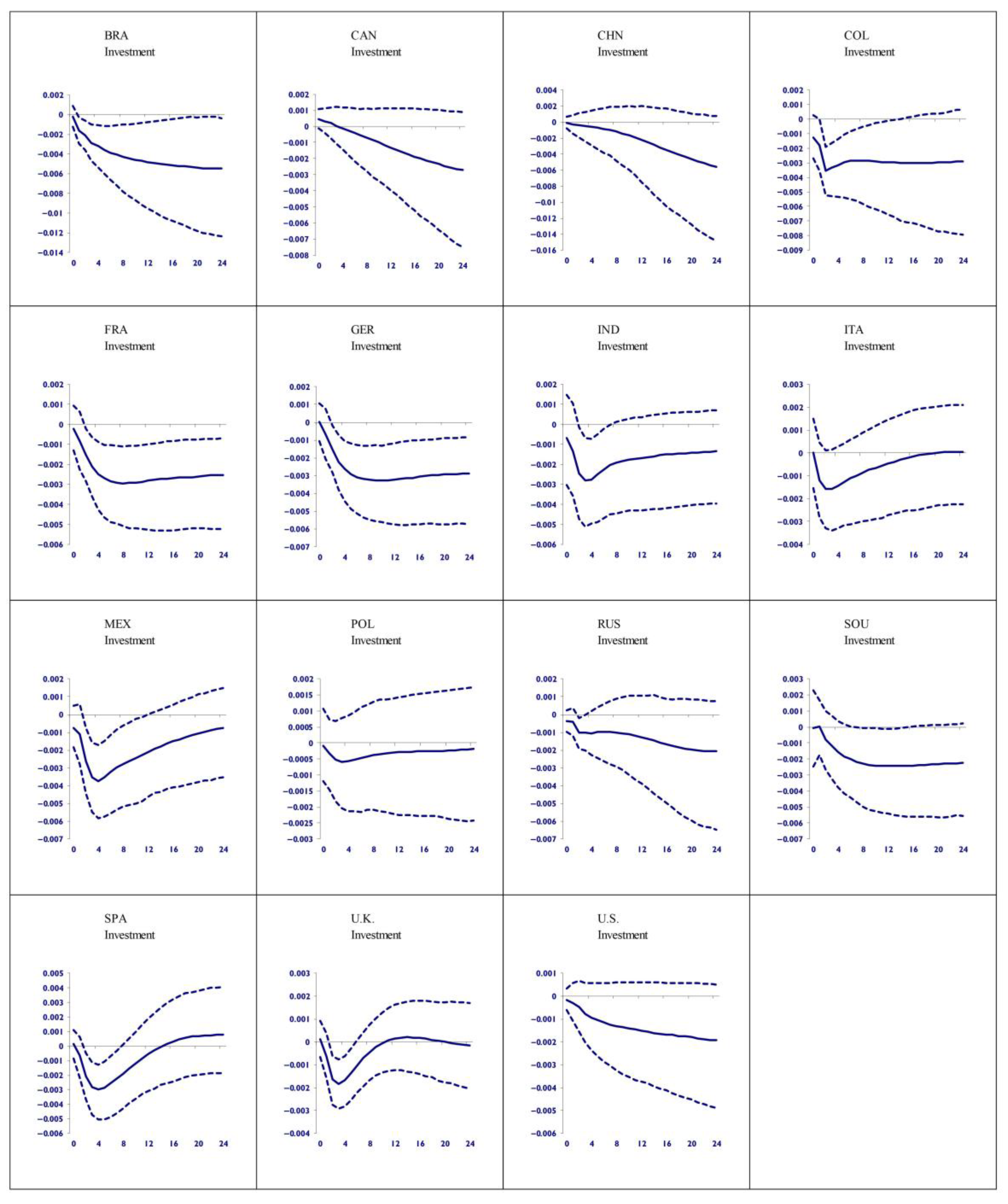
Our results indicate that temperature anomalies affect industrial production through investment and exchange rates.
Figure 3 shows that investment declined in most economies, except for Canada, China, Poland, and the U.S.
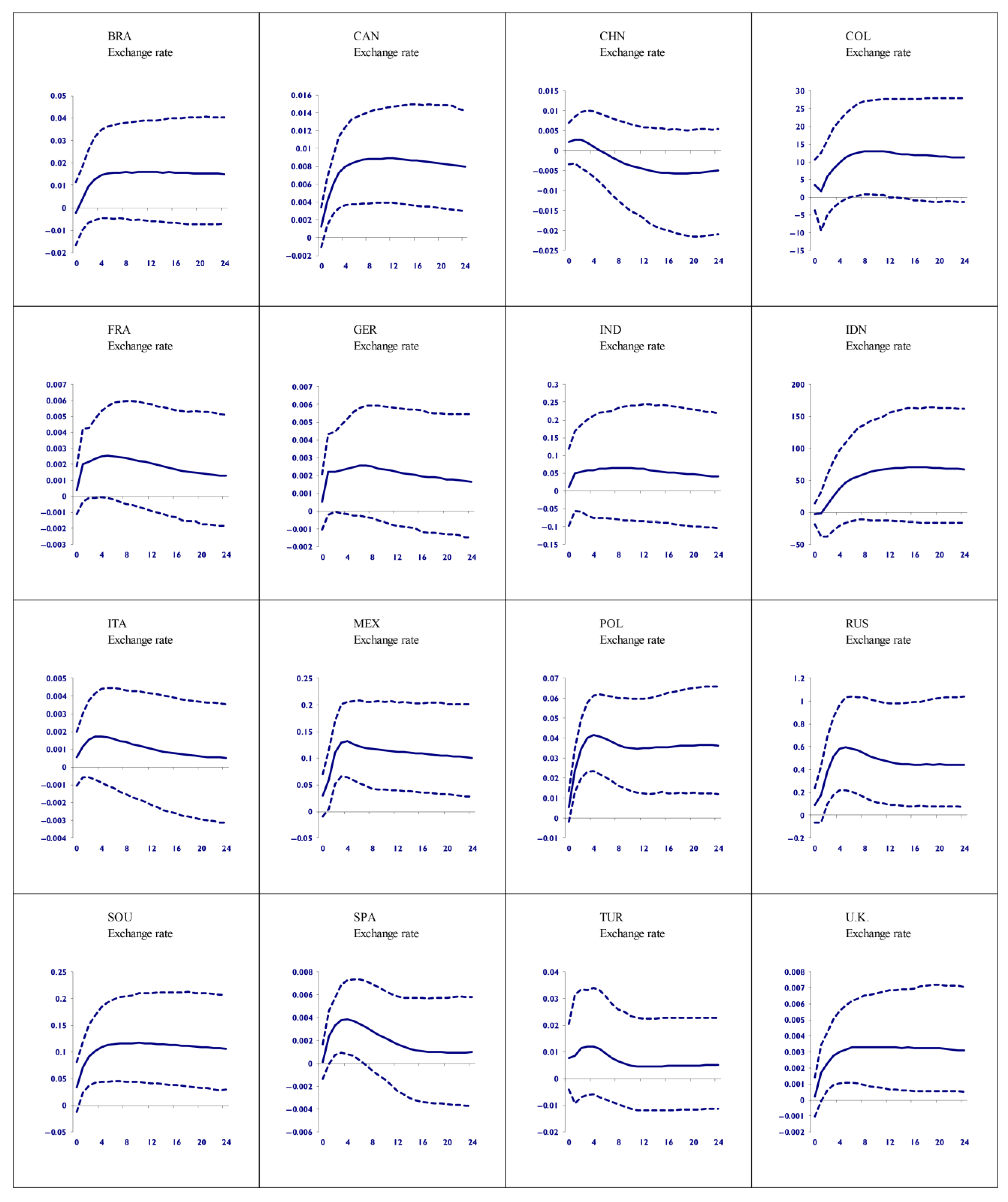
Figure 4 reveals that the domestic currencies depreciated against the U.S. dollar in 11 economies. The other variables did not show significant effects.
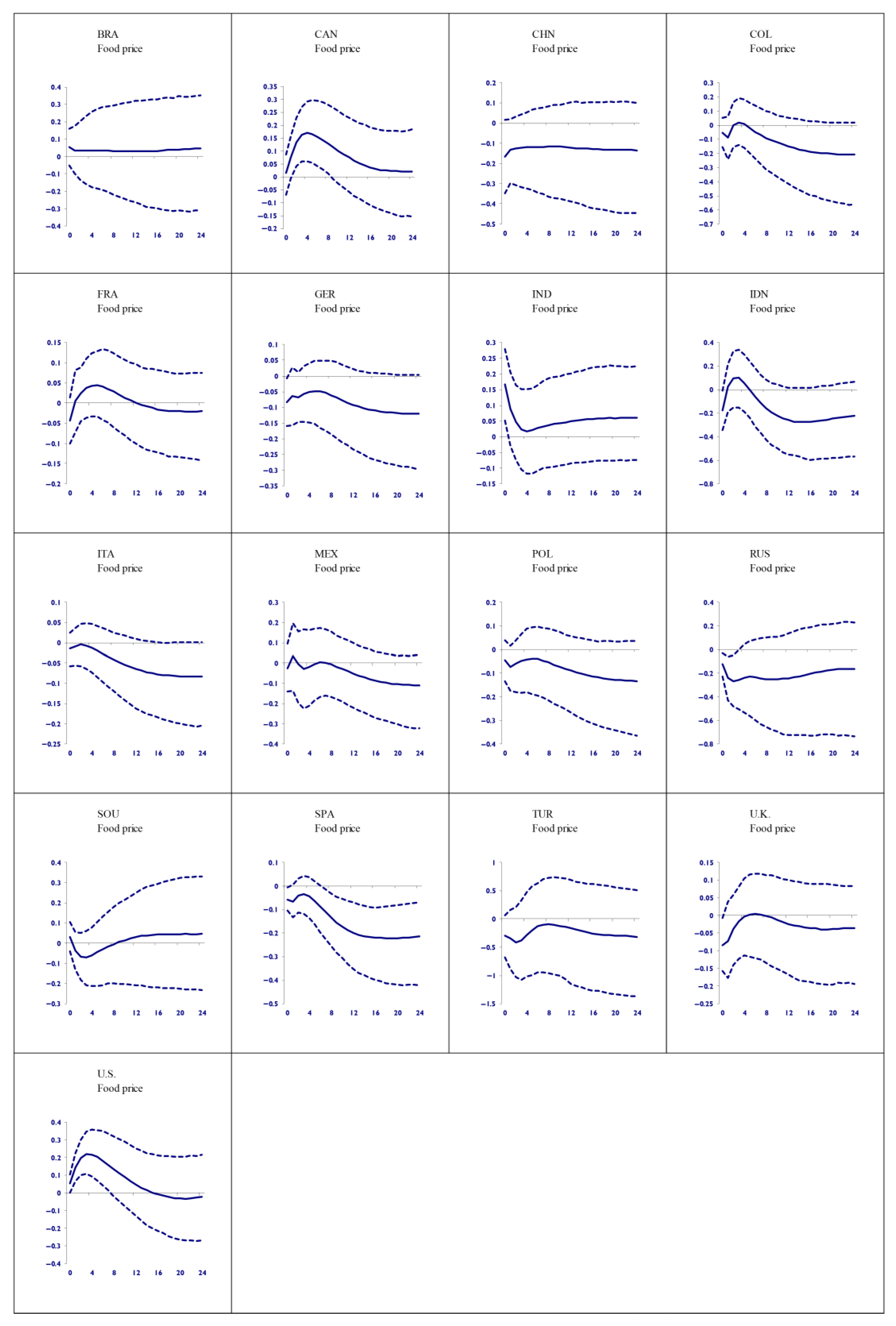
Figure 5 displays an increase in food prices in Canada, India (in the first month), and the U.S.;
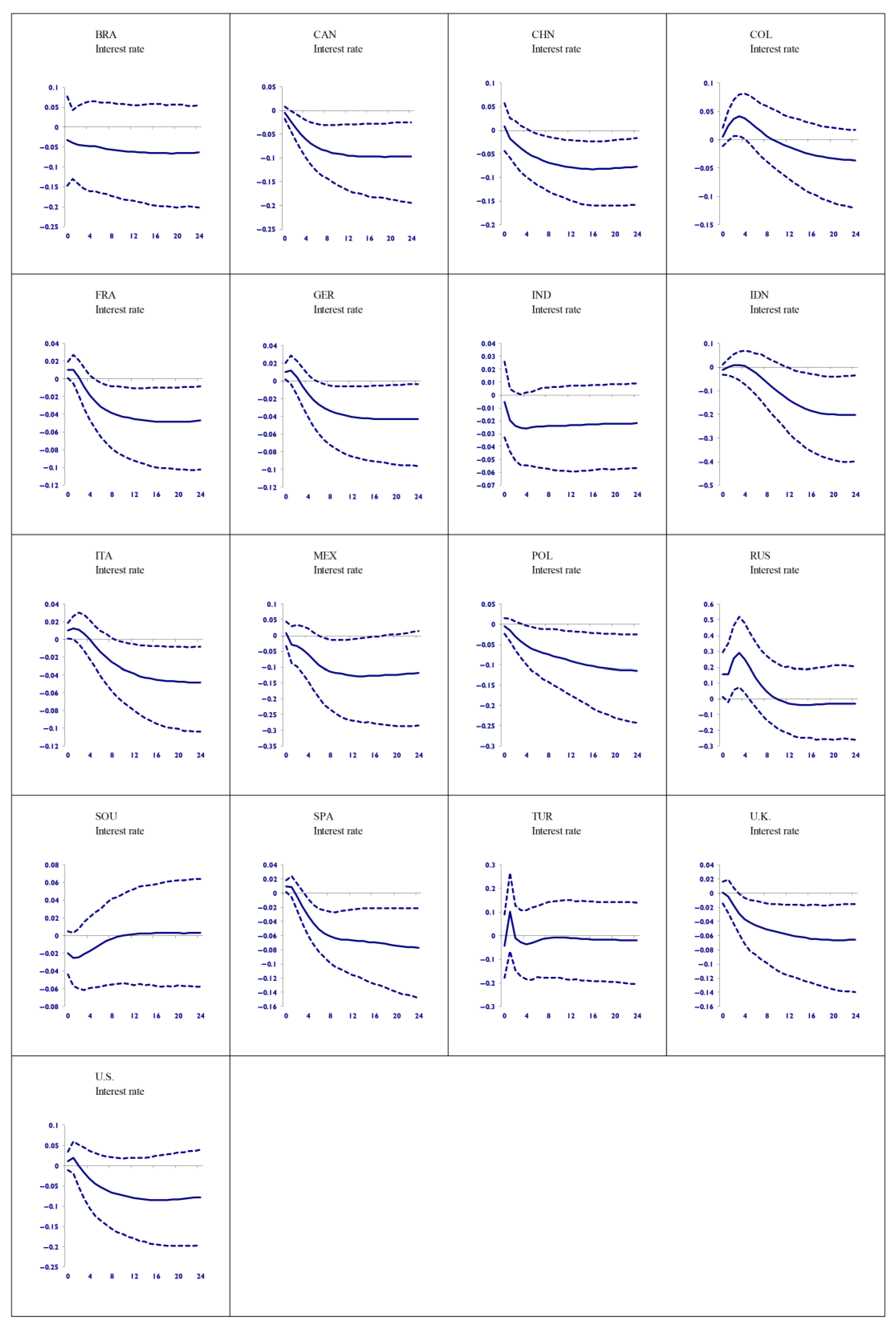
Figure 6 illustrates a temporary rise in interest rates in Colombia, France, Germany, Italy, Russia, and Spain, followed by a negative trend. In summary, we observed isolated responses in food prices and interest rates and widespread responses in investment and exchange rates.
Using the GIRFs, we examined how the business cycle responds to temperature anomalies. Our results indicated that a shock in the temperature anomaly leads to a decline in investment. Moreover, we found that temperature anomalies trigger widespread drops in industrial production.
The depreciation of domestic currencies could occur due to the higher uncertainty and risk imposed by rising temperatures. In this case, countries could experience capital outflows and higher risk premiums. Following the definition of exchange rates, these capital outflows would move toward safer assets, such as U.S. bonds. However, it should be noted that our model does not provide this information. This is a possible hypothesis for the depreciation of domestic currencies.
Regarding the decline in investment, it is possible that increased uncertainty resulting from the intensification of climate change could make investors more risk-averse and lead them to postpone investment plans. This could reduce future production, helping to explain the links between higher temperatures, lower investment, and lower industrial production. Another possibility is that climate change has direct impacts on infrastructure, such as the breakdown of bridges and roads, disrupting market functioning. This could also slow down and reduce investment.
Table 3 shows the GFEVD of industrial production for the 17 economies. We distinguished between domestic and external factors. The domestic factors include the contributions of gross capital formation, food prices, exchange rate, interest rate and industrial production itself to the fluctuations of industrial production. The external factor is the impact of temperature anomaly on industrial production fluctuations. We normalized the values in each row to a sum of 100%.
We found that temperature anomalies affect industrial production across different types of economies, with no clear distinction between emerging and advanced ones. For example, we estimate that temperature anomalies account for about 5–10% of industrial production variation in Brazil, Colombia, India, Mexico, Russia, and Turkey, and 6–11% in France, Germany, and the U.S. However, some economies show lower values of this effect. We also find that domestic factors had a significant effect in some cases, such as interest rates (in Canada, Colombia, Italy, and Spain), exchange rates (in Mexico, Russia, and South Africa), and food prices (in India, Indonesia, Mexico, Spain, and the U.K.). These results suggest heterogeneity in the impact of temperature anomalies on industrial production. Moreover, we observe a strong positive association between investment and industrial production in all economies, implying complementarities between these variables and confirming the findings in
Figure 2 and
Figure 3.
5.2. Robustness Check
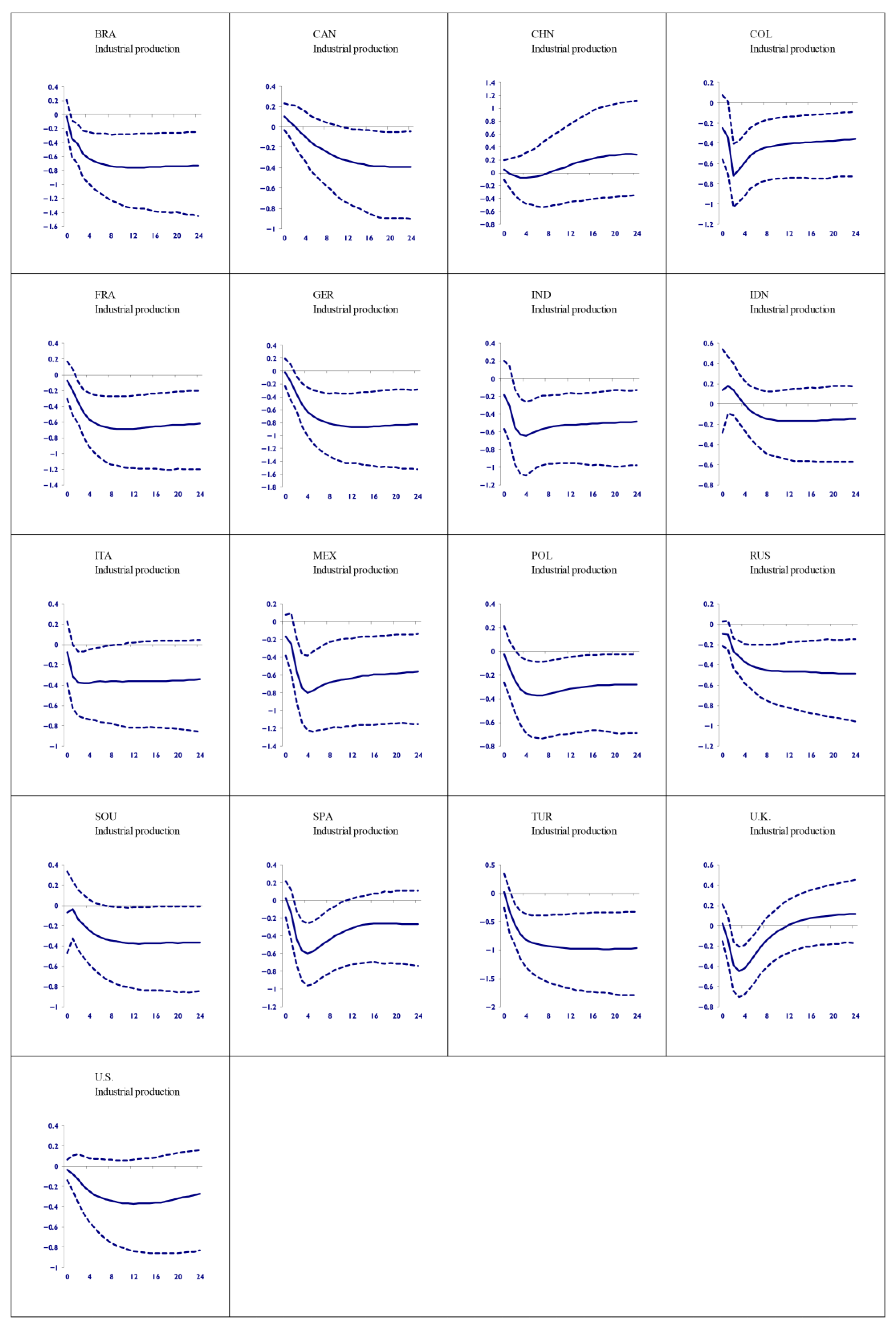
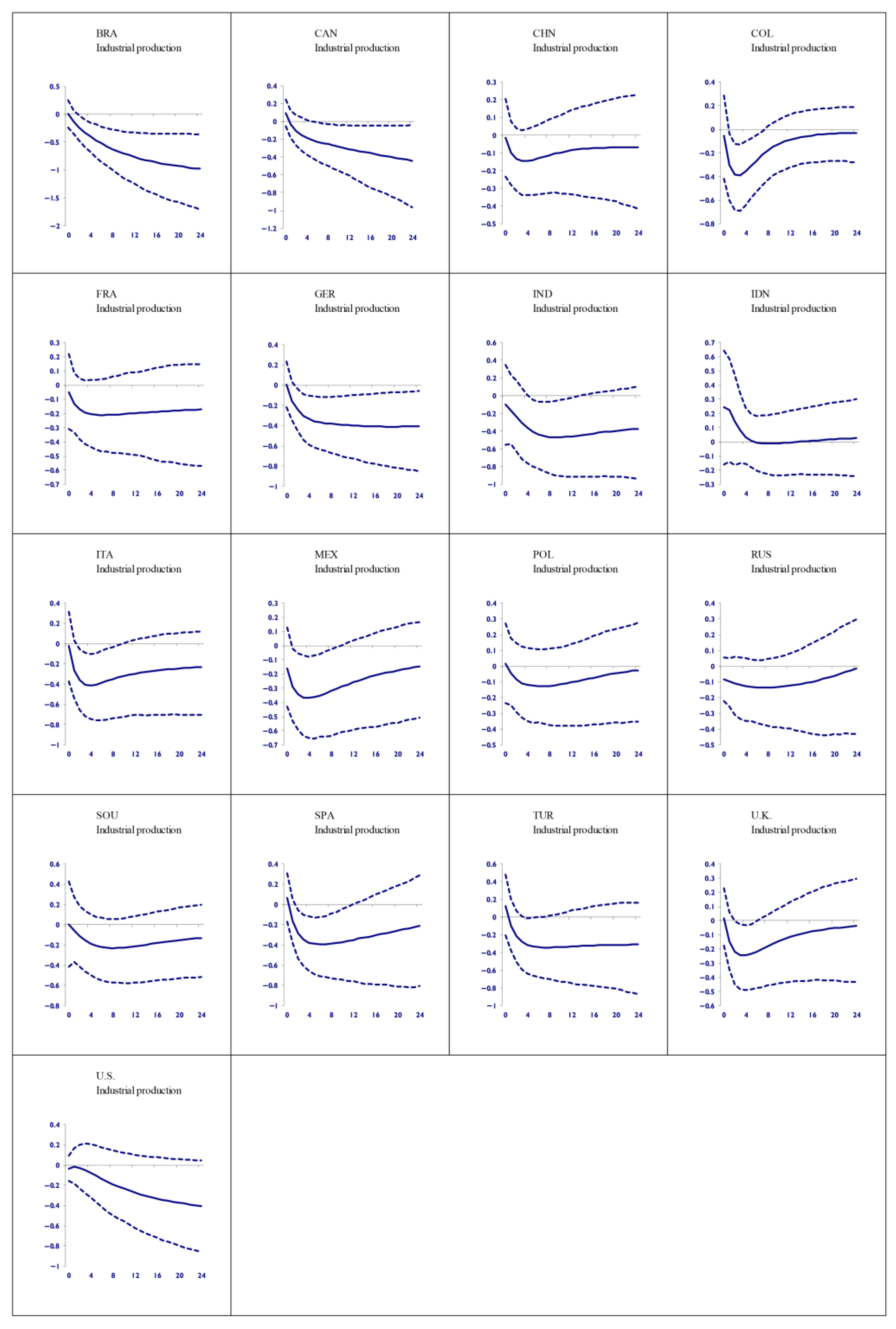
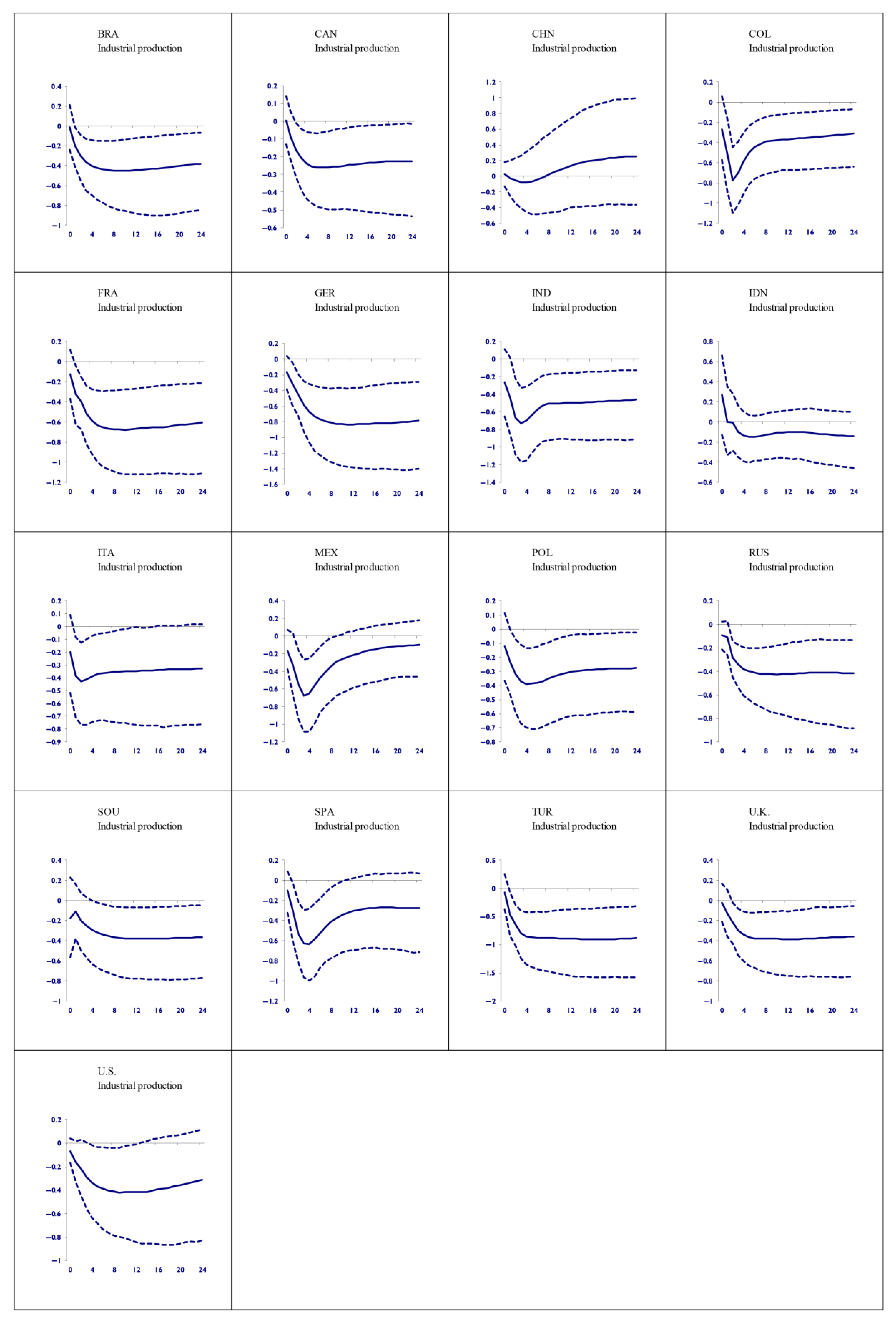
As a robustness check, we regressed the model again without seasonally adjusting the temperature anomalies. The appendices show the effects of a positive one-standard-deviation shock in temperature anomalies on industrial production, investment, exchange rates, food prices, and interest rates in
Figure A2,
Figure A3,
Figure A4,
Figure A5 and
Figure A6. The most noticeable result is that, for the U.S., industrial production and investment decreased significantly, while in
Figure 2 and
Figure 3, they were not statistically significant. Apart from this, the effects are similar to those in
Figure 2,
Figure 3,
Figure 4,
Figure 5 and
Figure 6, indicating that the treatment of temperature anomalies does not affect the results substantially.
We also replicated
Table 3, omitting the seasonal adjustment in the temperature anomalies, and reported the results in
Table A5 in the appendices. The estimates are consistent with those in
Table 2, except for Indonesia. In
Table 3, food prices had a significant impact on industrial production (40% in the last period), but in
Table A5, this effect was reduced to 5% (the exchange rate became more significant). For the other countries, the temperature anomaly estimates remained consistent across
Table 3 and
Table A5.
5.3. Hot, Cold, Developing, and Developed Regions
To examine how different regions cope with rising global temperatures, we followed the classification of [
9], who distinguished between hot and cold countries based on their proximity to the equator. Hot countries, such as Brazil, Colombia, India, Indonesia, India, Mexico, and South Africa, are more vulnerable to the adverse effects of climate change on their agricultural production. These six countries all have predominantly hot climates, with annual average temperatures near 20 °C and seasonal highs frequently surpassing 30 °C.
Cold countries, on the other hand, are less affected by temperature fluctuations.
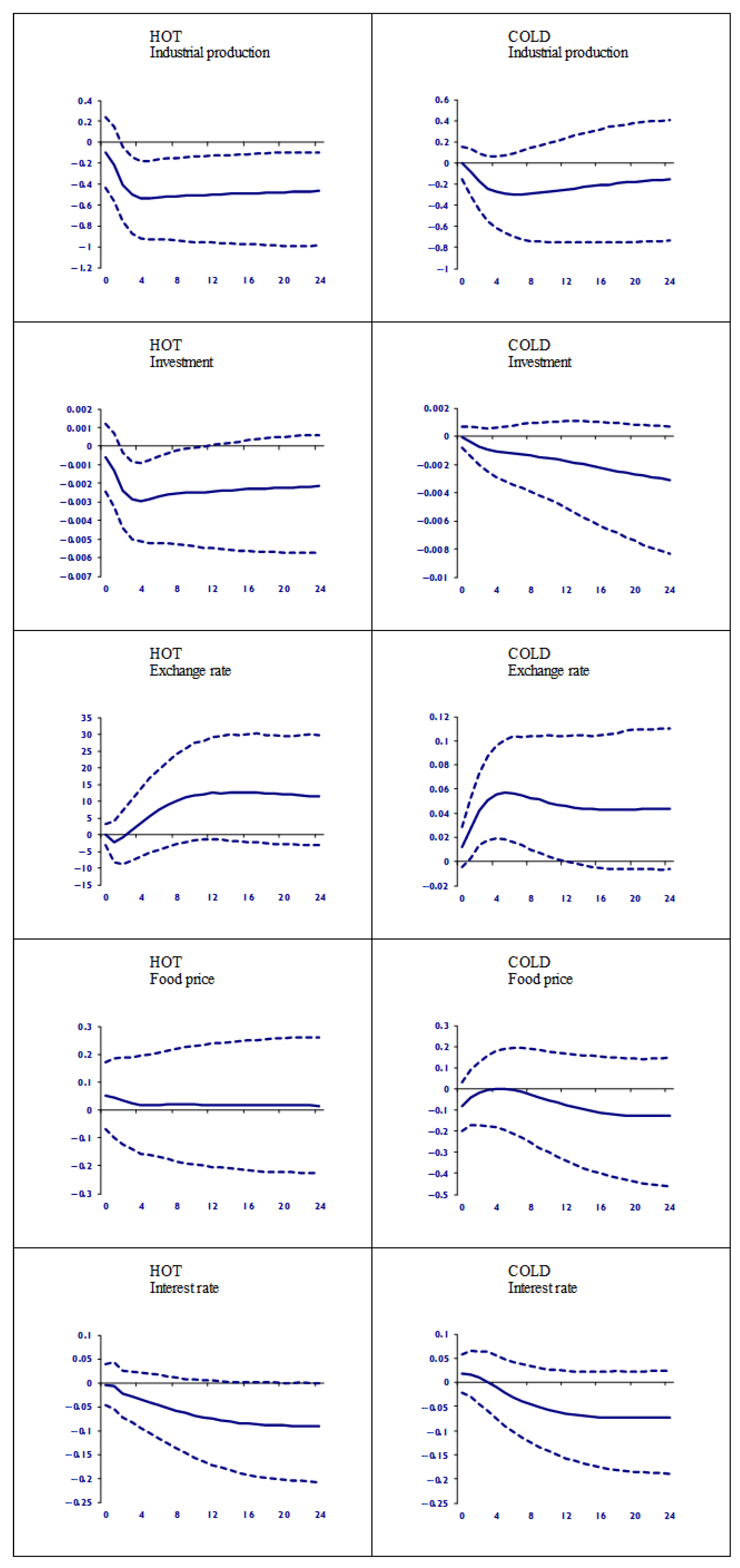
Figure 7 shows how the two groups react to a positive shock of one standard deviation on temperature anomalies.
The results indicate that temperature anomalies affect the industrial production in hot regions, while they are not statistically significant for cold regions. As for the mechanisms, investment declined in hot regions, while the domestic currencies in the cold regions depreciated. The other possible mechanisms of transmission (food price and interest rate) were not statistically significant. Therefore,
Figure 7 shows statistically significant differences between hot and cold regions. In other words, geography is statistically significant in climate change.
Refs. [
35,
57,
58] demonstrate that temperature anomalies significantly influence macroeconomic variables, with effects varying based on local climatic conditions (i.e., whether a region is inherently hotter or colder). Consistent with these findings, our results indicate that hotter countries exhibit greater sensitivity to temperature anomaly shocks.
To examine the impact of temperature anomalies across income levels, we classified countries into two groups, based on their per capita GDP. We considered Brazil, China, Colombia, India, Indonesia, Mexico, Poland, Russia, South Africa, and Turkey as developing economies, and the remaining countries as developed economies.
Figure 8 illustrates how these groups respond to a one standard deviation increase in temperature anomaly.
The results showed a statistically significant effect of temperature anomalies on industrial production, only in developed countries. These economies also experienced exchange rate depreciation and food price inflation. These findings indicate distinct transmission mechanisms of how temperature anomalies affect developed countries. In contrast to
Section 5.1, where we attributed the effect of temperature anomalies on industrial production to investment and exchange rates, here we observed that food prices had an effect instead of investment.
Developing countries are more vulnerable to the impacts of temperature anomaly than developed countries, as they rely heavily on agricultural production and exports. Temperature anomaly can affect developed countries through trade and finance, and also reduce their investment and industrialization rates in developing countries.
To summarize, our estimates indicated that geography and economic development are relevant to detect the impact of an increasing temperature anomaly on economies.
5.4. SGIRF
Figure 2,
Figure 3,
Figure 4,
Figure 5 and
Figure 6 display the impact of a positive shock of one standard deviation on temperature anomalies. However, the GIRFs failed to identify this shock. We overcome this limitation by employing the SGIRF. As discussed in
Section 4, we identify a temperature anomaly shock by considering that increasing temperature anomalies affect commodity prices (specifically agricultural and oil prices). Consequently, domestic prices react, triggering responses in the financial markets, such as rising interest rates. These movements transmit the shock to the real sector (investment and production), leading to changes in investment and GDP.
Figure 9 presents the SGIRF of a positive shock of one standard deviation on temperature anomalies and the responses of industrial production (we do not present the responses of other variables due to space constraints; the results are available upon request).
5.5. Contemporaneous Effects
This section presents the contemporaneous effect analysis, which examines how a domestic variable—specifically, food prices—responds to a 1% change in the corresponding foreign variable, foreign food prices.
Table 4 reports the results. The estimated coefficients are statistically significant at 5% for Canada, France, Germany, Italy, Poland, Spain, and Turkey (in bold). In these countries, increases in foreign food prices are associated with increases in domestic food prices. For instance, in Canada, a 1% rise in foreign food prices is associated with a 0.6% increase in domestic food prices. All significant coefficients are positive, indicating a consistent transmission channel from international to domestic food prices.
These findings support the existence of a food price transmission mechanism, which had a statistically significant effect on how temperature anomaly shocks affect economic variables. Given that temperature anomaly shocks may affect industrial production through changes in economic variables—such as food prices—this section, by establishing links between international and domestic food prices, suggests that temperature anomalies could influence industrial production indirectly via their influence on international food prices.
Higher food prices may reduce the purchasing power of consumers, negatively impacting aggregate demand, which would probably result in lower sales for companies. On the supply side, higher food prices may reduce agricultural production and lower sales, compromising farmers’ profits. Lower profits could reverberate into lower investment. Due to these supply and demand movements, industrial production could be affected.
Finally, the contemporaneous analysis focuses only on food prices, because this is the only foreign variable used in all economies, except the U.S.
5.6. Additional Test
This section tests the robustness of the results by altering the lag structure. The baseline model uses the number of lags selected by the Akaike Information Criterion. Here, we impose a uniform structure of one lag for all domestic and foreign variables, so all individual models become VARX (1,1).
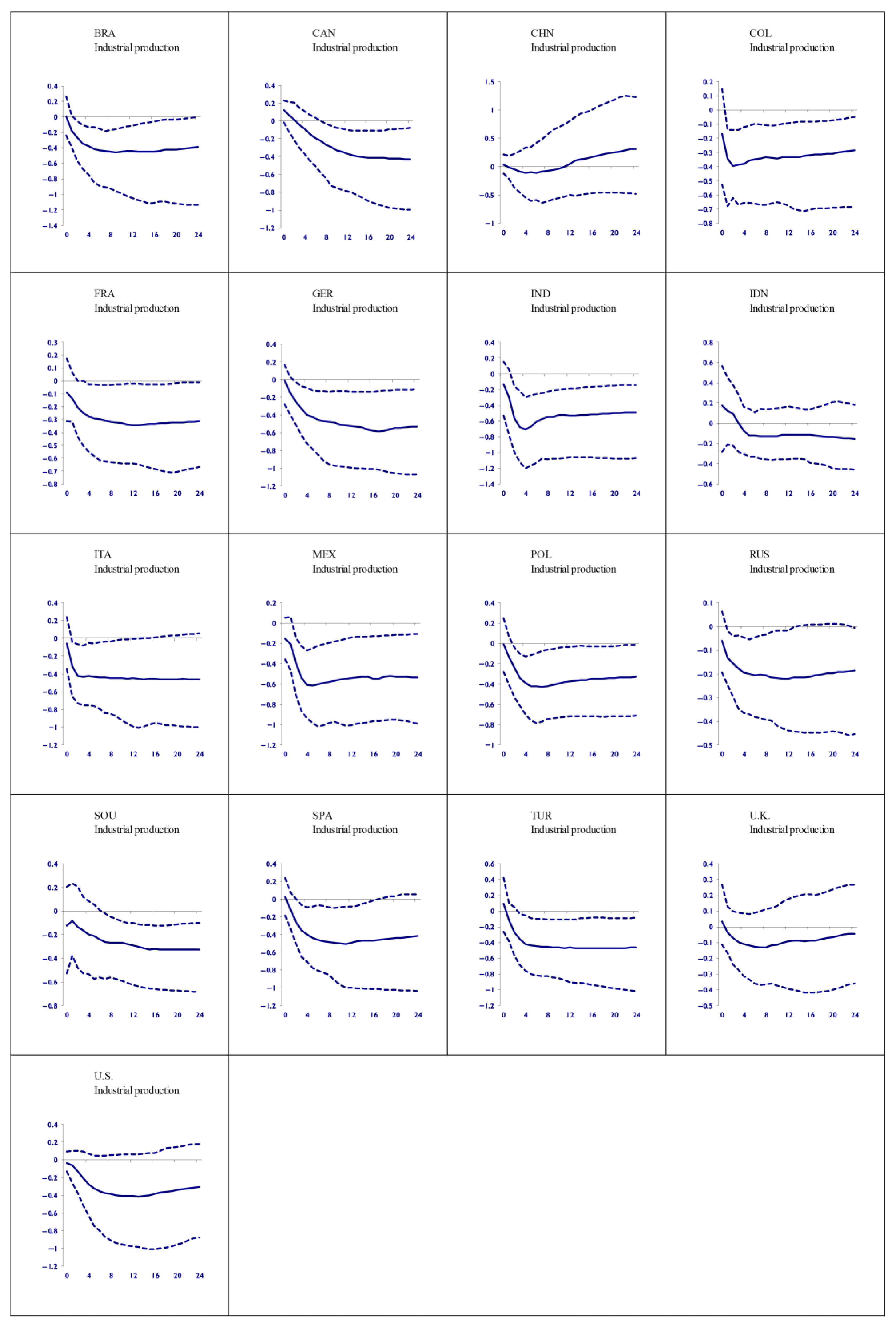
Figure 10 displays the response of industrial production to a temperature anomaly shock.
As in the baseline model, industrial production declines in most countries: Brazil, Canada, Colombia, Germany, India, Italy, Mexico, Spain, and the United Kingdom. In the remaining countries, the responses are statistically insignificant. There is no case where industrial production increases. Therefore, the main results are robust to changes in the lag structure.
5.7. Alternative Shock Identification
When using the SGIRF, we identified the shock by treating the temperature anomaly as the most exogenous variable. One caveat of this identification is that it assumes that economic variables do not affect temperature anomalies. We changed the order of the variables to address this limitation. Thus, the new shock identification treats the temperature anomaly as the least exogenous variable. In other words, we consider that temperature anomalies are affected by economic variables.
By treating temperature as the least exogenous variable, we test whether human action, through changes in economic variables, could drive fluctuations in temperature. It is well known that endogeneity is an issue in climate change: human actions promote climate change, but climate change also affects human actions.
Figure 11 presents the impact of a temperature anomaly shock on industrial production. As observed, the results remain consistent, indicating that the shock identification does not bias the results.
5.8. Time-Varying Bilateral Trade
This section implements two changes in the base model. The first is the use of another information criterion to determine the lag length. The criterion adopted is the Bayesian Information Criterion (BIC). In this case, all models selected 2 lags for domestic variables and 1 lag for foreign variables. Another modification is the use of time-varying bilateral trade instead of fixed bilateral trade weights. The results for a temperature anomaly shock and the responses of industrial production are presented in
Figure 12.
Consistent with the previous results, industrial production declines for most economies. Thus, the results are not sensitive to these changes.
5.9. Before COVID-19
Given that COVID-19 may introduce bias and distortions in the results, we shorten the sample period to exclude the pandemic. Thus, the model is estimated over the period 2001M1–2019M12.
Figure 13 presents the results for a temperature anomaly shock.
As observed previously, industrial production decreases in most economies. One additional qualitative improvement is the decline in U.S. industrial production, which in previous estimations had statistically nonsignificant results. This suggests that COVID-19 may have affected the U.S. estimates.
6. Discussion of the Results
We found that temperature anomalies likely impact production through changes in at least four economic channels. However, since we use a time series model for the analysis, establishing causality remains a challenge. In other words, it is possible that the four channels influence one another, thereby amplifying their collective effect on production.
For example, areas that are more vulnerable to climate change may experience stronger capital outflows compared to other regions. Investors might seek to minimize financial losses, while entrepreneurs could postpone or cancel investment plans. In both cases, changes in variables such as exchange rates, interest rates, and investment are likely. Capital outflows could exert pressure on the domestic currency against hard currencies, leading to depreciation of the national currency. Subsequently, reduced production due to declining investment could explain a decrease in interest rates.
The literature has examined the impact of temperature on production ([
59,
60]). However, as discussed in the introduction, the mechanisms through which temperature affects production have been largely overlooked. Our results fill this gap by identifying the specific transmission channels through which temperature anomalies affect production, both directly and indirectly.
Ref. [
59] found that climate change impacts GDP.
Figure 2 supports this conclusion by highlighting the spillover effects of global temperature anomalies on 17 economies. Ref. [
61] linked climate change to changes in investment, and
Figure 3 reinforces this finding. Refs. [
62,
63] identified relationships between climate change, exchange rates, and food prices. Our estimates align with these results, illustrating changes in the financial and food markets that are driven by temperature anomalies.
These dynamics could propagate to other sectors of the economy, amplifying their effects. Since production depends on macroeconomic fundamentals, expectations, and uncertainties, a vicious cycle could emerge, placing additional pressure on production. Although our model does not include variables explicitly representing uncertainty, fluctuations in investment reflect their influence. Another indicator of heightened uncertainty in economies is the depreciation of domestic currencies, which is generally viewed as a market signal of economic uncertainty and increased risk aversion among investors. In this context, temperature anomalies may negatively affect investor sentiment.
Uncertainty is an inherent feature of climate change debate ([
64,
65]). Ref. [
66] shows that climate policy uncertainty can negatively affect green innovation. One key factor linking climate uncertainty to innovation is geopolitical risk. Our findings reinforce these connections: the depreciation of domestic currencies reflects heightened uncertainty. Since economies tend to underperform in high-uncertainty environments, climate change—by amplifying global uncertainty—can have adverse effects on production. Our results support this interpretation.
Temperature anomalies often correspond to environmental changes such as wildfires, heavy precipitation, floods, and heat waves. These events can impact agricultural production, leading to changes in food prices. Persistent floods, for instance, may raise production costs. Financial markets are likely to incorporate the occurrence of these events into asset prices, adjusting for their probabilities. Since financial markets price the future, more vulnerable areas may face greater negative impacts due to their heightened susceptibility to the economic consequences of climate change. Evidence supports this, showing that the cost of financing houses in areas that are more prone to environmental catastrophes is higher than in less vulnerable areas ([
67]).
Ref. [
68] found evidence that climate change leads to shifts in financial markets. We extend these findings by showing that climate change affects not only stock markets but also credit and currency markets. Our research takes an additional step by linking these financial market responses to changes in investment and production. One of the enduring challenges in economics is to demonstrate how financial shocks propagate and influence real economic variables. Our results address this issue by examining how a non-economic shock—temperature anomalies—transmits through financial markets to affect the real economy.
A global economy interconnected through financial and trade links is highly vulnerable to both local and external shocks. These shocks can reverberate and amplify due to domestic dynamics. The empirical model takes this into account, showing that temperature anomalies affecting domestic markets provoke the changes under discussion. However, as highlighted in the literature on business cycles, these effects often spread to other economies. For instance, the U.S. stock market, one of the primary financial markets in the global economy, can generate significant impacts on other economies. Thus, spillover effects may arise either directly from temperature anomalies (as previously described) or through domestic changes driven by climate change. In both cases, financial and trade integration act as conduits, transmitting the shocks to other countries. Consequently, temperature anomalies function as a global shock.
In this regard, unlike most studies that examine the impacts of climate change within specific countries or regions ([
69,
70]), our results indicate that the effects are global, affecting countries across different continents and with diverse economic structures. This broader perspective is made possible by the econometric model employed, which incorporates multiple countries within a unified system, thereby capturing the international spillover effects.
The theoretical model argued that higher temperature anomalies could negatively impact investment/production through changes in real wages, which are promoted by food prices. The econometric model addressed part of this chain reaction. The results showed that the potential transmission channels (judging by the GIRFs) are the depreciation of the exchange rate and the fall in investment.
Ref. [
9] demonstrate that temperature shocks induce fluctuations in exchange rates. Our findings support this result, with estimates revealing a depreciation of domestic currencies against the U.S. dollar following temperature anomaly shocks. This pattern suggests potential capital outflows in response to climatic disturbances.
The depreciation of the exchange rate reduces the real wage by increasing the cost of living. Although the theoretical model suggested that food prices would generate this result, the econometric model indicated another variable: the exchange rate. Perhaps the depreciation of the exchange rate and the implied fall in real wages could explain the fall in investment.
Thus, there are connections between the theoretical and empirical models, although they are not perfectly established. We found that food prices and interest rates are less sensitive to higher temperatures. However, our study is not the last word. Refs. [
71,
72] argued that climate change impacts food prices.
Perhaps our model did not capture this effect because it is imbued in the depreciation of the exchange rate (given the relationship between higher inflation and the depreciation of currencies). Another explanation is that our model uses multiple variables and a relatively small number of observations. More parsimonious models, with fewer variables, fewer countries, and more observations, could provide statistically significant relationships.
In this case, we faced a trade-off: if we had reduced the number of variables and countries, we would lose information about potential transmission channels, lose representativeness of the global economy, and lose heterogeneity. This is an area where future research could complement and extend our investigation.
7. Conclusions
Our study examined the macroeconomic effects of rising temperature anomalies in an open economy framework. We characterized climate change through the increasing disparities between historical temperatures and their deviations. The results showed that temperature anomalies affect domestic and foreign prices, financial markets, investment, and industrial production. Consequently, temperature anomalies cause spillover effects.
We contributed to the literature by employing a method that integrates multiple economies, creates a global scenario, considers explicit linkages (such as bilateral trade) among economies, and generates individual responses to a global shock.
8. Limitations
This study has some limitations. First, our empirical framework does not account for potential adaptation mechanisms, such as production adjustments or technological innovations that could mitigate the economic impacts of climate change. Second, although the GVAR approach provides insights into the international spillover effects, its linear specification prevents the analysis of potentially important nonlinearities in the relationship between temperature and economic activity.
As is common in time series empirical studies, while the GVAR accounts for endogeneity, captures spillover effects, and models chained reactions to shocks, it remains silent on causal inference. Panel data models offer an alternative for conducting causality analysis. Ideally, future research could complement our investigation by employing such approaches.
Our investigation relies on aggregate data, reflecting a macroeconomic approach to climate change. However, this perspective overlooks the microeconomic dimension, which focuses on the behavior of individual agents, such as households and firms. Macroeconomic models are useful for identifying the broad patterns and potential outcomes of climate shocks, but they may omit important micro-level dynamics. Future research could challenge or reinforce our findings by testing them through a microeconomic lens.
Other limitations concern the proxy used for climate change. We rely on temperature anomalies, which, while widely recognized, do not fully capture the multidimensional nature of climate change. Other indicators—such as carbon emissions, precipitation patterns, and deforestation—can also serve as relevant proxies. Although temperature anomalies are undoubtedly a key feature of climate change, there is room for future research to explore alternative measures to capture its broader dimensions.
The additional limitations are: (i) we used the global temperature instead of local temperatures. Although the literature indicates that global temperature is a more appropriate indicator of climate change, future studies could test the results using local temperatures; (ii) we used interpolation to obtain monthly investment, which could bias the results—future studies could adopt quarterly investment to mitigate this issue; and (iii) we do not provide a causal analysis of the impacts. Models such as panel data could help to provide causal analysis, although they would lose the international spillover effects captured in our framework.
9. Policy Implication
Climate change represents a global challenge with demonstrable macroeconomic consequences, as evidenced by our findings. We propose a multi-pronged policy response to mitigate domestic economic volatility and safeguard welfare.
Fiscal stabilization measures:
(i) Targeted income transfers to vulnerable populations to maintain purchasing power amid commodity price increases, rather than implementing price controls (which distort market signals and allocation efficiency).
(ii) Creation of contingency funds invested in liquid assets (e.g., U.S./European bonds) to finance such programs during climate shocks, with automatic phase-out mechanisms as shocks dissipate.
Given the heterogeneity in the results, mainly regarding cold and hot countries, where hot countries are more vulnerable to declines in industrial production and investment, governments could counterbalance these effects by adopting expansionary demand policies, such as providing subsidized credit to companies to increase investment.
The results show that cold countries observe the depreciation of their currencies. If this depreciation increases the cost of food, putting pressure on the population, governments could reduce this pressure by transferring income to target groups. Once the pressure subsides, these programs could be phased out.
Finally, our results show that industrial production in most economies decreases by around 0.5%, due to temperature anomalies. Additionally, temperature anomalies explain around 5–11% of the variation in industrial production. Thus, macroeconomic stabilization policies are warranted: as the planet gets warmer and industries suffer the effects, governments could provide subsidized credit to companies to reduce the negative influence of climate change. Another policy is to encourage industrial sectors to adopt renewable and clean technologies to mitigate the negative effects of temperature anomalies.
10. Labor Market Adaptation
Public retraining programs to address employment losses from climate-induced industrial restructuring, focusing on sectors that are less exposed to temperature volatility.
11. Production Support Policies
Subsidized credit facilities for affected firms, designed as countercyclical measures with clear sunset clauses to avoid market distortions.
12. Exchange Rate Management
Flexible exchange rate regimes should be maintained to allow for shock absorption. Central bank interventions using reserves are discouraged, as they may delay necessary adjustments.
This approach balances short-term stabilization with long-term market efficiency, respecting price signals while protecting vulnerable economic agents during climate shocks.
The results have important implications for policymakers committed to achieving the SDGs. Since temperature anomalies can hinder economic activity and drive up food prices, goals such as no poverty, zero hunger, and decent job and economic growth become increasingly difficult to attain. In this context, climate-induced economic fluctuations call for coordinated policy responses. Fiscal and monetary tools can play a key role in mitigating these adverse effects. For instance, fiscal measures such as income transfers to vulnerable populations and subsidized credit for small firms can provide targeted support during periods of stress. On the monetary side, central banks may consider adjusting interest rates to contain inflationary pressures and help to stabilize the cost of living.
Our study also underscores the need for urgent climate action. The evidence indicates that climate change reduces economic activity, which in turn limits government resources, as tax revenues typically rise with stronger economic performance. While a large body of literature discusses various measures to combat climate change, our contribution lies in reinforcing the evidence on the adverse economic effects of rising temperature anomalies.
In this paper, we do not propose any solutions to reverse climate change. Rather, we show the macroeconomic implications of climate change through several channels of transmission. While policies can mitigate the adverse economic effects of climate change, we assert that governments must also coordinate efforts to combat climate change itself. Since our proxy for climate change is temperature anomalies, governments should work to reduce rising temperatures: for example, by curbing CO2 emissions. A further direction for future research is to examine the micro-level factors that explain our main results. However, these topics are beyond the scope of our study. Our main goal is to highlight that ignoring climate change can have serious economic consequences.