2. Materials and Methods
This study employs a mixed-methods approach, combining a narrative literature review with key informant interviews to explore the nexus of water stress, migration, gender inequality, and health outcomes in Sub-Saharan Africa. The literature review was conducted prior to the interviews, which were designed as a small, exploratory qualita-tive component intended to complement the review. The integration of literature-based and qualitative insights allowed for a robust, contextually grounded analysis.
A narrative literature review was employed to synthesize evidence across diverse disciplines relevant to the topic. Narrative reviews are particularly well suited to exploring complex, multi-dimensional phenomena where heterogeneous study designs may limit the applicability of systematic synthesis methods [
26]. This approach enabled thematic integration of empirical and gray literature to generate contextual insights and policy-relevant interpretations.
Relevant peer-reviewed and gray literature were identified through systematic searches of electronic databases and institutional repositories, including PubMed, Scopus, Web of Science, Google Scholar, the WHO Global Health Observatory, IOM data portals, UN Women and UNICEF reports, and African Journals Online (AJOL). The search utilized keywords that reflected the four domains of the study, along with Boolean operators where applicable. The following search terms were used for PubMed and adapted for other databases as needed:
(“water scarcity” OR “drought” OR “water supply”) AND (“migration” OR “displacement” OR “refugees” OR “mobility”) AND (“health” OR “mental health” OR “public health”) AND (“Africa South of the Sahara” [Mesh] OR “Sub-Saharan Africa” OR “SSA”), as well as (“gender” OR “sex differences” OR “women”) AND (“water scarcity” OR “drought”) AND (“health” OR “mental health” OR “public health”) AND (“Africa South of the Sahara” [Mesh] OR “Sub-Saharan Africa” OR “SSA”).
To minimize potential language bias, targeted supplementary searches were conducted in French and Portuguese using equivalent keywords. Among some sources that were identified, very few met the inclusion criteria due to limited analytical integration of the domains or absence of explicit health-related outcomes. Consequently, the final synthesis remained largely based on English-language peer-reviewed literature, complemented by selected multilingual gray literature and policy reports where relevant. Specialist databases, including UNHCR, IOM, WHO, and other humanitarian and migration-focused repositories were also searched to capture evidence not indexed in conventional bibliographic databases. Gray literature was included to provide context, policy insights and region-specific evidence from non-peer-reviewed studies.
2.1. Inclusion/Exclusion Criteria and Selection
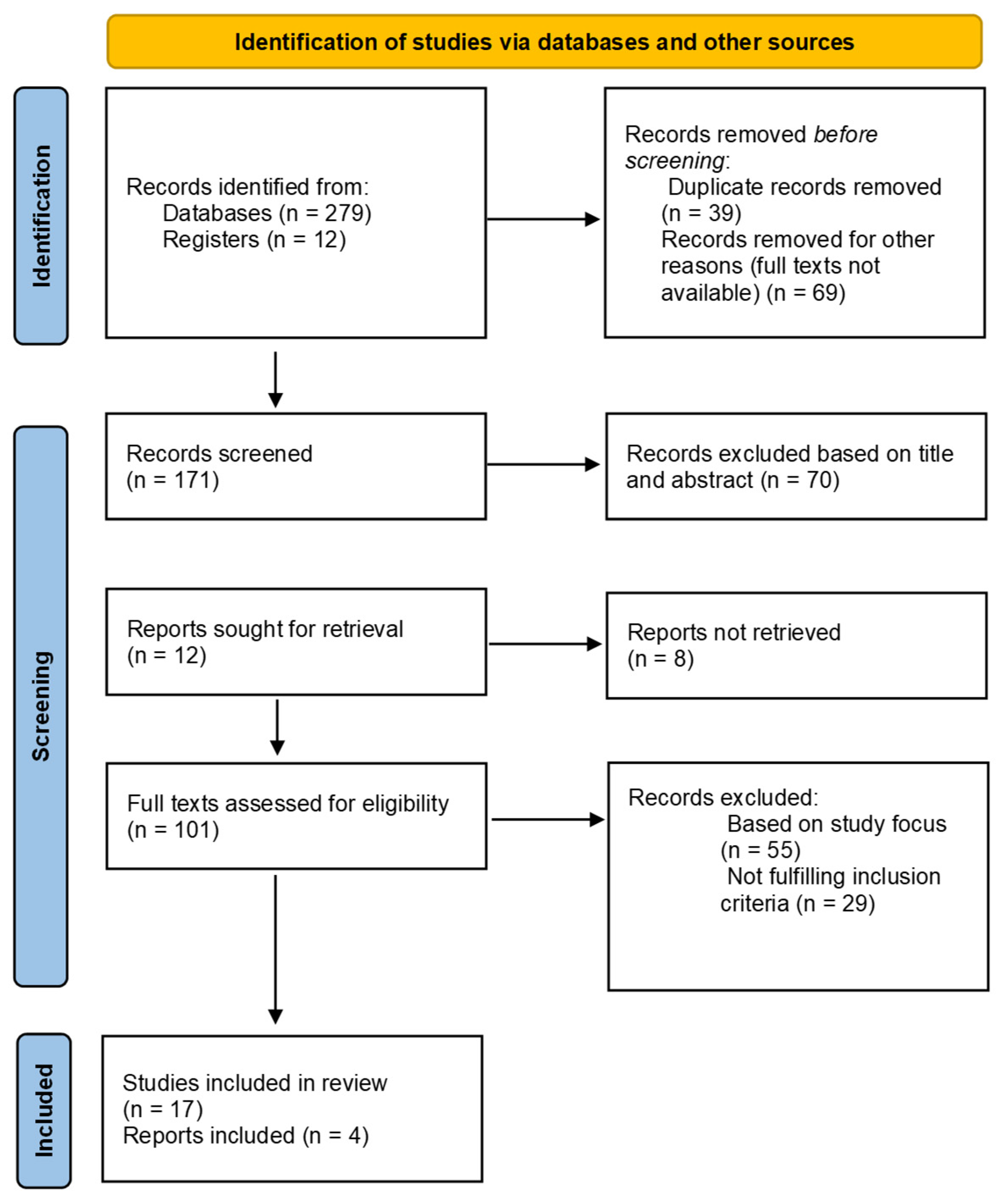
The search was limited to articles and reports published within the last 10 years in English, with full text available. Studies/reports focused on Sub-Saharan Africa that addressed at least three of the four domains were included. Studies outside the geographical context of interest, not addressing the intersecting nexus components, and inaccessible full texts were excluded. Following the initial search, the results underwent relevance screening and duplicate removal based on their titles and abstracts. Potentially eligible articles were subjected to an additional full-text review to assess their alignment with the study objectives. Only studies that directly addressed the research question and met all predefined criteria were included in the final synthesis. The selection process is systematically outlined in the PRISMA flow diagram, which details each stage of the screening and inclusion pathways. The limited number of eligible publications reflect the scarcity of studies that analytically integrate water stress, migration, gender inequality and health outcomes following the application of inclusion criteria.
Using purposive sampling, three individual stakeholders were selected and invited for private in-depth interviews. Efforts were made to ensure diversity by including one representative from each of the following sectors: non-governmental organizations (NGOs) working in water, migration, or health; government health officials; migration officials; academic researchers; and community representatives from high-migration and water-stressed regions in Sub-Saharan Africa. However, it was not possible to reach government officials and community representatives. Semi-structured interviews were conducted using guiding questions that explored key themes, including drivers of migration linked to water scarcity, gender-specific health impacts (both physical and psychosocial), and perceptions of institutional responses and policy gaps. All interviews were audio-recorded with informed consent and subsequently transcribed. All participants remained anonymous to maintain confidentiality. Inductive thematic content analysis was then employed to extract data from the transcripts.
2.2. Data Synthesis and Analysis
The synthesis of data for this study integrated findings from the narrative component with primary qualitative data from the semi-structured interviews. For the narrative part, a data extraction form was developed to systematically extract key information from the selected studies. Here, Microsoft Excel was used for data organization. No additional evidence management software was employed, as the scope and volume of studies were manageable. This included publication details, study design, geographic coverage, key thematic focus, and main findings. The selected studies were thematically categorized into key domains: water stress, migration patterns, gender dynamics, and health outcomes. The intersections and patterns in these themes were mapped deductively, guided by the conceptual focus of the review, highlighting both commonalities and gaps across the reviewed literature. Gray literature and policy reports were also included to contextualize empirical findings and extrapolate the analysis to practical frameworks and governmental or institutional responses. Triangulation was used to cross-validate findings from the literature and interview data, strengthening the internal validity and contextual depth of the analysis. Due consideration was given to highlighting lived experiences and sector-specific insights that enriched the broader thematic domains formed during the literature synthesis. The overall thematic analysis was a hybrid approach, combining the deductive component of the narrative review with the inductive analysis of the interviews.
Regarding ethical considerations, all participants provided informed consent, and their anonymity and confidentiality were strictly maintained. The interview data were stored securely and used solely for academic purposes. The outlined methodological approach ensures that the conclusions drawn are robust, actionable, and policy-relevant, offering evidence that can inform integrated strategies for resilience and sustainable development.
3. Results
Section 1: Overview, nexus, and how the systems interconnect
A total of 279 articles were identified across the selected databases (PubMed, Google Scholar, Scopus, Web of Science, and African Journals Online—AJOL) and 12 reports from the WHO Global Health Observatory, IOM, UN Women, and UNICEF. Duplicates and studies with unavailable full texts were removed, leaving 171 records that underwent title and abstract screening. This resulted in 101 studies eligible for full-text review. Following application of the inclusion and exclusion criteria, 17 studies and four reports were retained for analysis. The remaining literature was excluded based on research focus and study settings. The final retained studies included peer-reviewed journal articles, regional reports, and gray literature, with publication dates ranging from 2015 to 2025. The process of study identification, screening and selection is summarized in the PRISMA flow diagram (See
Figure 4).
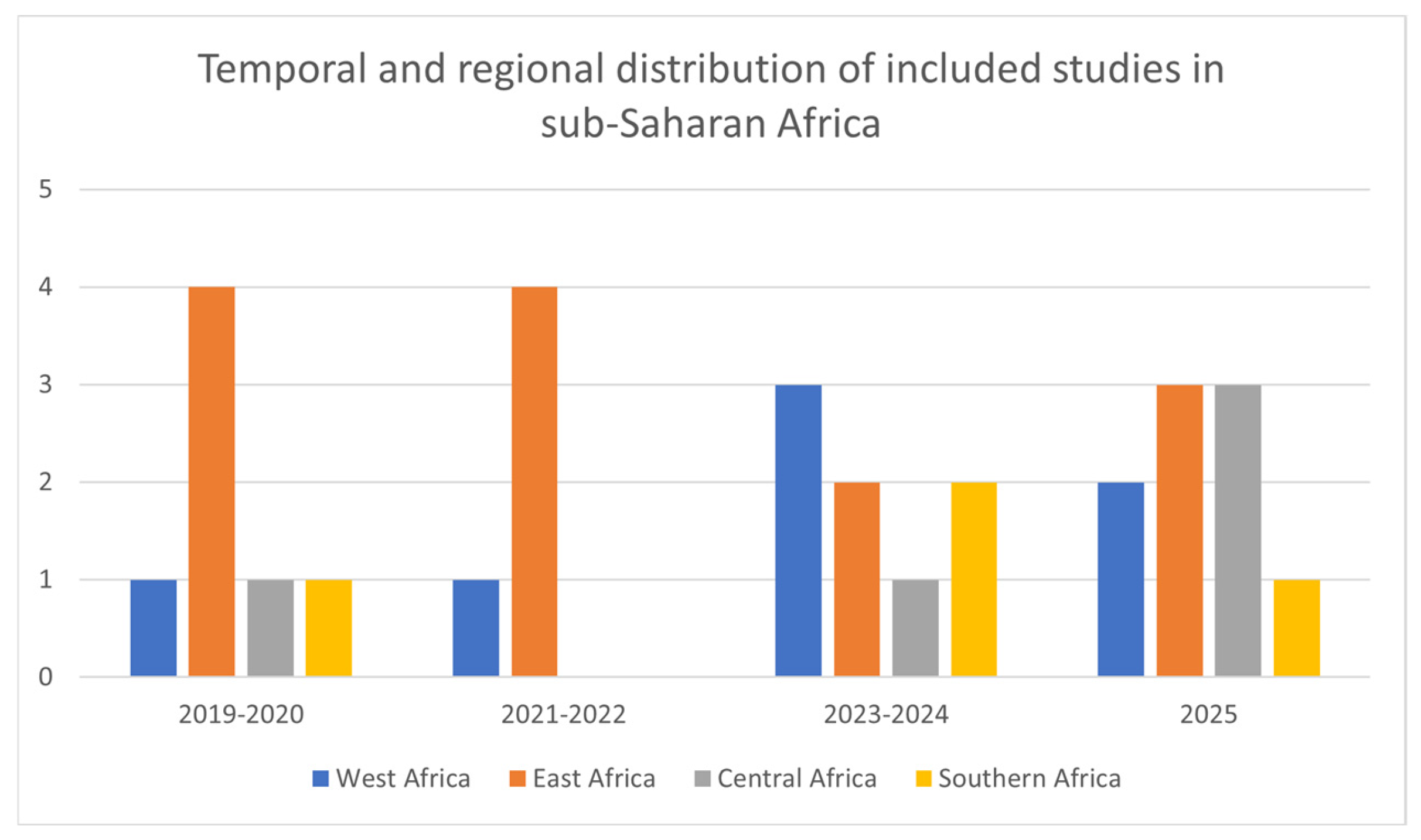
The included studies covered a wide geographical scope across Sub-Saharan Africa with representation from countries such as Kenya, Uganda, Nigeria, Zimbabwe, Zambia, Malawi, Lesotho, and Sierra Leone, as well as a few multi-country analyses. They ranged from 2019 to 2025 (See
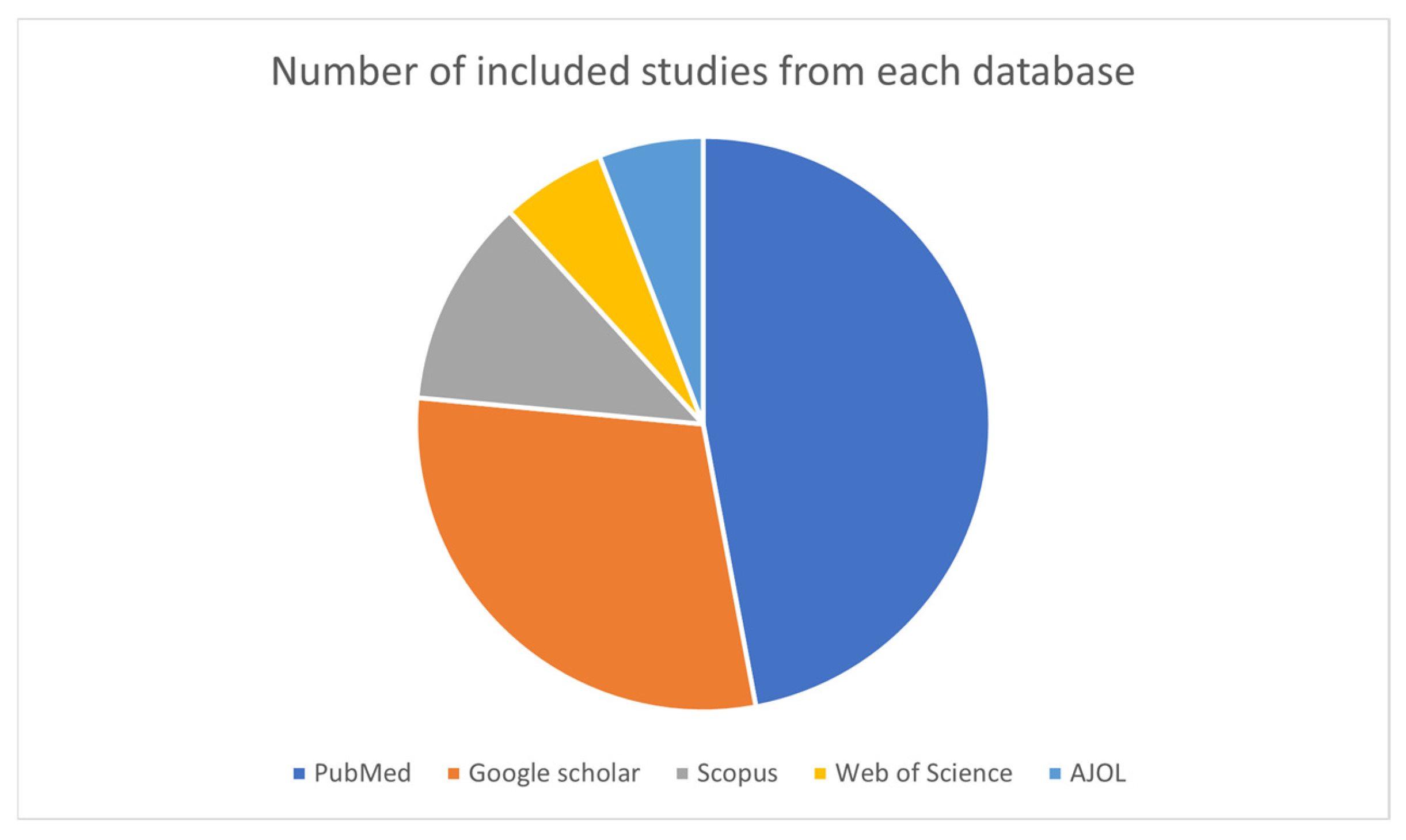
Figure 5 below). Most studies were conducted in East Africa, with fewer studies from Central and Southern Africa. The majority of studies were identified through PubMed (8/17) and Google Scholar (5/17), supplemented by other sources (See
Figure 6 below).
The studies employed diverse methodological approaches, ranging from qualitative research and cross-sectional studies (such as KAP surveys) to cohort studies and other observational designs, as well as evidence syntheses (including systematic and scoping reviews).
Table 1 provides a summary of the included studies, detailing the year of publication, geographical coverage, study design, and key thematic focus.
Key Observations
The findings from the reviewed studies encompassed four interrelated themes: the links between water insecurity and migration patterns, gendered vulnerabilities and inequalities, health impacts, and institutional and policy responses to these dynamics. Each of these is discussed in detail below.
3.1. Water Stress and Migration Patterns
Water stress was observed in the studies to be a result of climatic stressors or extreme weather events, specifically drought and floods. However, some studies have specifically focused on chronic water scarcity and water insecurity [
27,
28,
29,
30,
31]. Water stress was examined not only in rural settlements but also in refugee camps. For instance, one study, conducted in refugee camps in Kenya, Uganda, South Sudan, and Zimbabwe, specifically examined access to water, sanitation, and hygiene, with a focus on women [
32]. The migration patterns described in the studies ranged from internal displacement (rural-to-urban) to cross-border migration, which could be temporary or permanent. Most studies demonstrate how drought and water stress drive migration, while others explain the water stress issues experienced by people once they have migrated, particularly in settings such as refugee camps and shelters [
24,
27,
29,
30]. The pathways through which water stress, particularly drought, leads to migration are depicted as loss of livelihood, food insecurity, poverty, and economic shock [
33,
34]. These studies described the lived experiences of those affected by providing narratives from interviews describing water scarcity as push factor.
Regarding the differences across gender, a study from Zambia explicitly identified males to be the ones migrating, leaving the females behind with the added burdens of heading the households [
35]. This made women among the “trapped population” unable to migrate due to social constraints and gender roles. Poverty also exacerbates this situation, adding to their vulnerabilities. Few studies did not address migration as their core theme, focusing on rural women in general [
28,
36,
37].
3.2. Gender Inequality and Vulnerability
Some of the studies were mainly focused on the increasing burdens of gender roles and domestic work experiences as a result of water scarcity [
28,
38,
39,
40]. On the other hand, a study from Zambia indicated that the economic impact of drought had pushed women into physically demanding jobs and men into roles traditionally ascribed to women, shifting the traditional gendered roles [
35]. As the water-fetching roles become more difficult and demanding, they take away women’s and girls’ precious time for personal and professional development. In a survey done in Nigeria, women ranked water fetching and carriage tasks as the most difficult among domestic work [
28].
Regarding women’s exposure to sexual and gender-based violence, many of the studies linked the exacerbation of these risks to water insecurity [
30,
33,
41,
42]. These studies also highlight the implications of violence on women’s health. A study in multiple Sub-Saharan African countries revealed how water scarcity in drought can exacerbate intimate partner violence. It indicated that the association with this risk was greater in adolescent girls and unemployed women, further showing the link to socioeconomic factors as intermediate variables [
34].
Women’s specific health needs, such as menstrual hygiene and sexual and reproductive health access, were explored in depth in some of the studies [
27,
32,
41]. These studies highlighted the lack of sufficient water to meet hygiene requirements, especially during menstruation, which led women to refrain from engaging in public activities, thereby limiting their access to educational and career opportunities [
31,
41]. Another study explained the increased risk of unplanned and unwanted pregnancies as a result of drought-triggered gender-based violence and transactional sex engagement and compounded by the lack of access to sexual and reproductive health services, including family planning [
41].
3.3. Health Outcomes
Physical, psychosocial, and sexual and reproductive health outcomes were described in the studies. Among physical health concerns, waterborne diseases were the primary elements discussed in almost all the studies, resulting from the use of lower-quality water sources. Vector-borne diseases, such as malaria from flooding, and nutritional diseases as a result of drought, were also mentioned [
35,
38]. In addition to these diseases, in migration settings, refugees are exposed to respiratory illnesses due to overcrowding, skin diseases like scabies, and eye infections [
27].
Female-specific health outcomes, musculoskeletal, sexual, and reproductive as well as heightened risk for HIV and STIs, have been described to be exacerbated by water stress issues [
29,
42]. A scoping review of twenty articles on Sub-Saharan Africa detailed the implications of water fetching in water-insecure settings, both at an individual level on women and in society as a whole, affecting their well-being [
29]. It grouped those affected by age into children, adult women, and the elderly to describe specific outcomes. Women, in particular, had suffered from associated lower-back pains and were prone to injuries due to these roles [
29]. Another study found an association between living in a drought-affected area and greater HIV prevalence in young women [
42]. This is mediated by a cascade of events such as economic shocks, labor migration, exposure to GBV and transactional sex, as well as lack of access to healthcare.
The psychosocial component of health outcomes was explored in several studies [
25,
28,
34,
35]. A study in Nigeria highlights the psychosocial stress women face as a result of the interaction between household roles and their internal cognitive appraisal or their ability to cope with the demands [
28]. Another study from Zimbabwe also explained the psychological stress faced by both men and women in the setting of drought and water stress [
37]. Depressive symptoms and suicidal ideation were studied among women in informal settlements in Kenya comparing to those in decent rural homes. The study concluded the greater risk of mental health challenges faced by women in informal settlements [
36]. All these indicate severe psychosocial risks perceived as a result of stress, trauma and loss of livelihoods.
3.4. Institutional and Policy Responses
The reviewed literature highlighted the presence of institutional and policy responses to the interconnected challenges of water stress, migration, gender inequality and health in Sub-Saharan Africa. Several regional and national adaptation frameworks have been established to mitigate the adverse consequences of these challenges. However, the issues of resource scarcity and underfunding have significantly hindered their implementation in several African countries. In addition, as described by most of the analyzed studies, current responses tend to target only an isolated component of the interconnected issues, lacking integration [
33,
38,
42].
Climate mitigation strategies of Sub-Saharan African countries were criticized for lacking sufficient gender inclusion, as exemplified in a study from Nigeria [
38]. Inclusion of HIV prevention interventions, climate change policies, as well as HIV programs to assist young women in drought-affected areas was called for by one of the studies [
42]. With respect to the displaced population, restrictive national policies that do not allow engagement with host communities, poor coordination across NGOs, government, and service sectors, and short duration of projects were among the institutional and policy issues described in improving their health outcomes [
27]. Relatively limited funding of mental health systems due to the economic vulnerability of the country was mentioned in a study from Kenya [
36]. The same is true in most Sub-Saharan countries, as they face similar economic challenges.
Several promising policy solutions and implementations were forwarded by the studies. In Zambia, for instance, increasing the supply of long-acting reversible contraceptives, task-shifting to community-based health workers, and constructing additional rural health posts were proposed as possible solutions to the sexual and reproductive health challenges in drought-affected communities [
35]. Better planning of camp sites in order to promote integration with the host community, strengthening fundraising efforts to reduce the financial insufficiency, and educating and raising awareness in refugees were some of the solutions forwarded to solve WASH-related challenges in another study [
27].
The incorporation of gender aspects into policies is called for as a way forward in several studies. One of the studies advocates making policies addressing water insecurity gender-sensitive, equitable, and human rights-based [
31]. It calls for prioritizing gender, tailoring programs to women’s needs, and equitable distribution and management of water resources, empowering the community and challenging gender norms [
31]. It is also suggested that climate mitigation strategies include gender-responsive approaches, gender-transformative interventions, and raising awareness among women. This ensures that the issues are addressed with success and equitability [
38,
39,
41].
Section 2: Key trends and patterns on this nexus from the empirical dimension
The empirical approach employed in this study enables a systematic identification of key trends and patterns across the water–migration–gender–health nexus, grounding the analysis in lived experiences collected through interviews. This method helps to move beyond theoretical framing and ensures that the results are both context-specific and evidence-based. Through the use of mixed methods, combining narrative review with empirical investigation, the study captures both quantitative trends (e.g., frequency, scale, and distribution of nexus challenges) and qualitative insights (e.g., perceptions, coping mechanisms, and institutional responses). This dual lens provides a more holistic understanding of how vulnerabilities are shaped, compounded, and distributed across populations. The empirical dimension also enables the validation of conceptual linkages by demonstrating how they are realized in practice. For instance, patterns of gendered vulnerability, health impacts, and migration pressures become clearer when examined through data collected directly from affected communities. This not only strengthens the credibility of the findings but also highlights emerging dynamics, overlooked synergies, and trade-offs that might not be apparent in purely theoretical analysis.
Qualitative Interview Findings
Key experts from non-governmental organizations (NGOs) working in the water–migration–health nexus, as well as academic researchers from high-migration and water-stressed regions in Sub-Saharan Africa, were interviewed. It was not possible to reach government health officials, migration officials, and community representatives in the region. Their responses are summarized into four themes, which are outlined below.
Water stress as a driver of migration
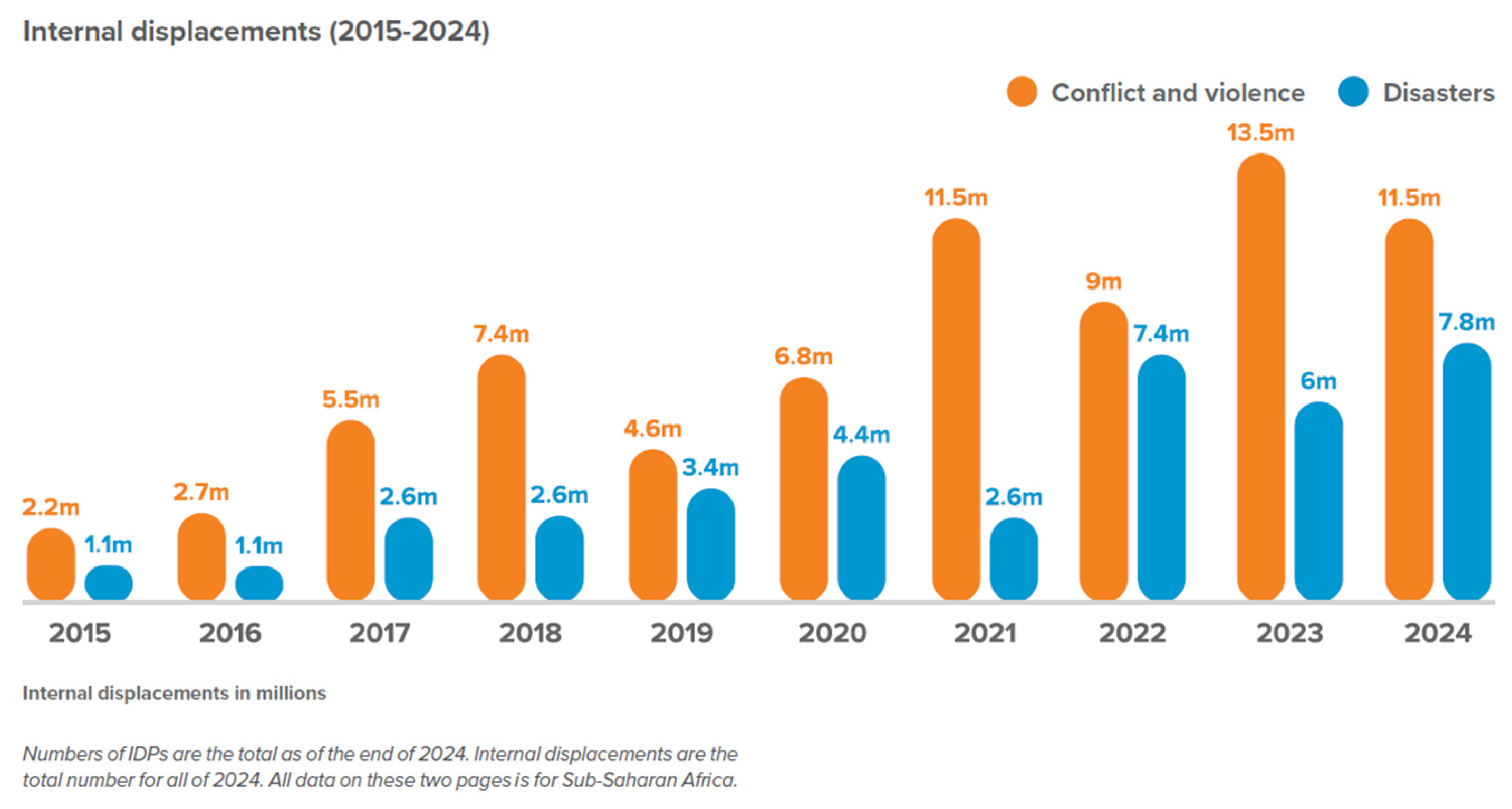
Water insecurity significantly impacts rural-to-urban and cross-border migration, according to insights from key stakeholders. The dependence of rural communities on rainfed agriculture and the high number of children per household exacerbate their vulnerability to climate-induced water stress. They mentioned the cyclic nature of droughts, which are recently becoming more frequent due to climate change. These risks result in disruptions of livelihoods, famine, conflicts over scarce resources, and migration. People migrate in search of income and basic services, usually first to the nearby cities and then to neighboring countries when local opportunities are exhausted.
In most cases, migration occurs individually or in small groups. However, one of the experts mentioned the government-led resettlement movement program as a strategy to address famine in Ethiopia. This program relocated those affected from the dry water-scarce region where they were residing to relatively more water-abundant and sparsely populated regions of the country. The multi-year drought in East Africa (2020–2023) was also mentioned as an example, which was the worst in the last four decades. It has displaced millions across Kenya, Ethiopia, and Somalia, with many moving into cities or across borders toward areas with better access to water and income, with crop failures, livestock deaths, and severe water shortages being the push factors. The most vulnerable groups to water stress-driven migration are rural households, as their livelihood is dependent on rainfall. In terms of age and sex, the youth and males are more affected. This was explained by the high number of youths in Sub-Saharan African countries with limited opportunities to maintain their livelihoods, and the fact that males often bear the responsibility of income generation in the household. In addition, the poor and illiterate were also considered more vulnerable.
Gendered Dimensions of Health Impacts
Women are socially disadvantaged, bearing household responsibilities, having no income, and being illiterate. In water scarcity, due to being responsible for water-fetching roles, they are required to travel for hours and are exposed to sexual and gender-based violence on their journeys. When men migrate, they will be forced to bear the added burden of generating income. They will be under stress and face mental and psychosocial challenges in addition to their endangered physical health. Experience from one of the experts suggests that a number of women end up with depression, self-loathing, and even serious mental disorders.
In migration settings, access to healthcare is limited. As countries of Sub-Saharan Africa are economically disadvantaged to start with, most health services are not available in governmental health facilities, and private set-ups are inaccessible to the poor due to being very expensive. Even those services that are available lack sufficiently skilled human resources and support. All these factors reduce accessibility of healthcare in the general population, but even more in those displaced from rural to urban areas, preventing the fulfilment of their health needs, particularly in sexual and reproductive health.
From the women’s side, rural-to-urban migration predisposes them to transactional sex and prostitution for the fulfilment of their basic needs, which further increases their need for sexual and reproductive health services. They also lack adequate information on where and how to access these services, predisposing them to unplanned pregnancies, unsafe deliveries, and exposure to gender-based violence without the necessary medical or psychosocial care.
Institutional and Policy Responses and Gaps
Climate change initiatives in various countries are monitoring water stress issues. This is being done through conducting research, developing response strategies, and integrating water insecurity into broader humanitarian and resilience programming. Local and international organizations are also aligning migration and health interventions with climate adaptation efforts to better respond to the needs of affected populations. Local interventions, such as small-scale irrigation schemes in rural areas at the household level, are being undertaken to reduce dependence on rainfall for agriculture.
Governmental efforts to create awareness about safe migration and combat human trafficking, as well as the Ethiopian government’s community-based health insurance scheme, are worth mentioning. Gender dynamics are well-integrated into policies and programs, as mentioned by the experts. Governments are making strong efforts, and the issue is receiving much attention; however, much more effort is still needed. Non-governmental organizations (NGOs) have also been responding with broader poverty-reduction programs.
A few gaps were identified by the experts. They noted the limited integration of migration dynamics into water and climate policies, often viewing these as separate issues rather than interconnected challenges. Significant implementation challenges were also noted, including weak coordination between government agencies, NGOs, and local actors, which leads to fragmented interventions. Access to services, particularly for displaced populations, is inadequate. In addition, while there is growing recognition of gendered impacts, policies and programs still struggle to adequately address the specific needs of women, youth, and other vulnerable groups, resulting in gaps in protection, health services, and livelihood support.
Not addressing the root causes, such as climate-induced water scarcity, and making superficial attempts for the sake of media coverage are pointed out as the main gap by one of the experts. Interventions usually have their focus on short-term goals rather than solving the underlying triggers. Despite the governments’ strong will to address the interconnected challenges, another gap is the issue of poverty, evident from a lack of resources and skilled human power. Most countries face a wide range of economic, political, social, and health challenges, which prevent them from prioritizing the water–migration–health nexus.
Promising Interventions and Future Directions
To address drought as the root cause of these interconnected challenges, the small-scale irrigation schemes in rural households were considered promising, and it was recommended to broaden them to reach a wider community. Many non-governmental organizations working in Sub-Saharan Africa focus on sexual and reproductive health as their primary topic, and this has also been identified as promising. In the Ethiopian health system, this topic is dealt with at the directorate level under the Maternal, Adolescent, and Child Health Directorate. The community-based health insurance scheme was also considered a promising initiative. Other ministries are also in place to address gender issues, including the Ministry of Women and Social Affairs, the Ministry of Sport, Culture, and Tourism, and others.
Countries that sign several international agreements and conventions to protect migrants are also seen as a positive step forward. Efforts to better connect migration and water governance, ensuring policies recognize the relationship, are also essential. Gender-sensitive approaches, which show the particular vulnerabilities of women, youth, and rural households in times of water scarcity, were recommended. Integrating health support into migration programs has proven important, as it allows displaced and mobile populations to maintain access to primary healthcare and disease prevention, even in crisis situations. These cross-sectoral and evidence-based approaches stand out as effective ways to build resilience and address the complex challenges, as suggested by the interviews.
4. Discussion
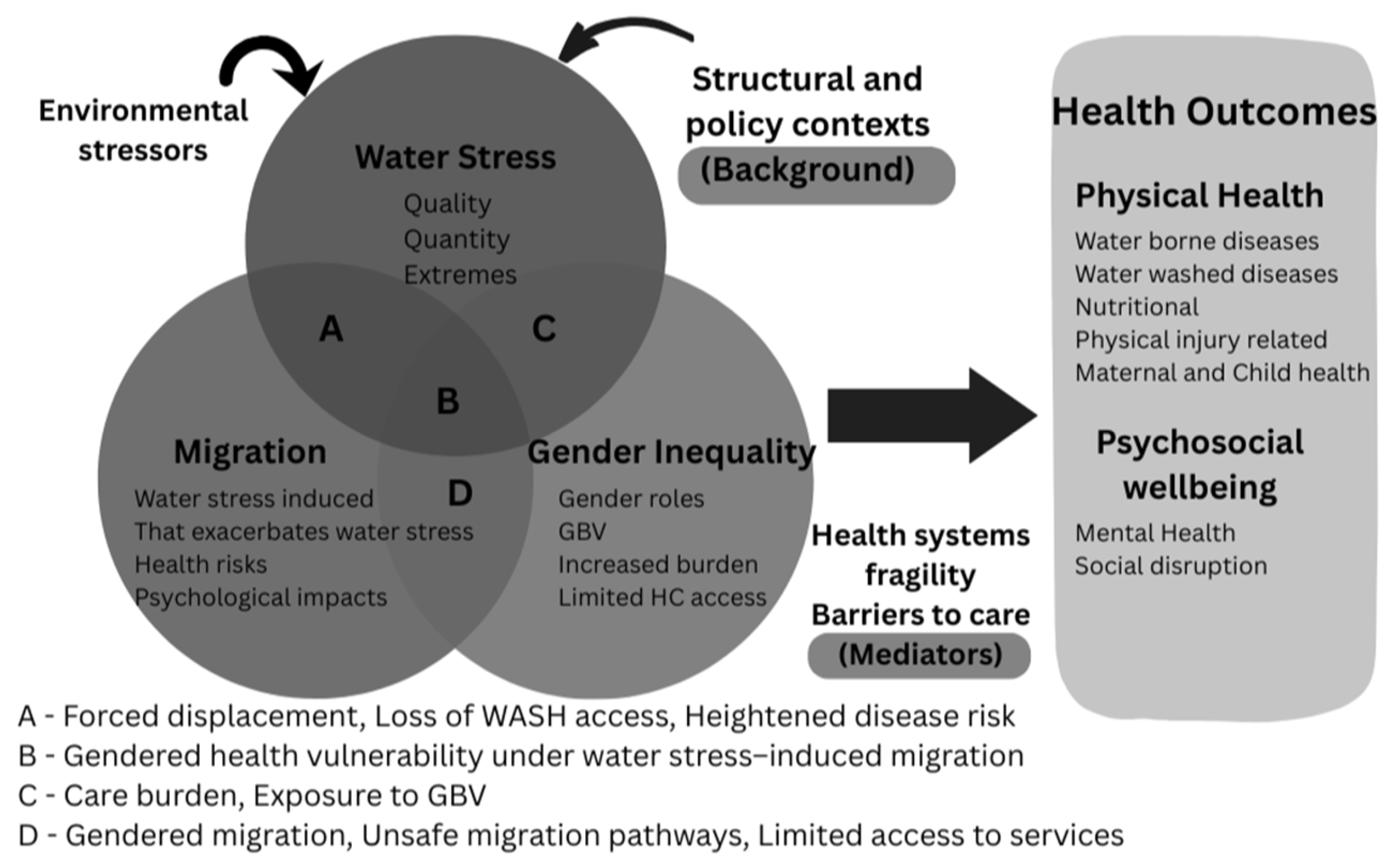
Guided by the conceptual framework presented in
Section 1.4, the following discussion synthesizes findings from the narrative review and stakeholder interviews. The analysis of reviewed literature and qualitative data found that significant interlinkages exist between climate change, water insecurity, migration, gender inequality, and health outcomes in Sub-Saharan Africa. Climate change influences human mobility in Sub-Saharan Africa primarily through its effects on water availability and reliability. Increasing climatic variability, recurrent droughts and prolonged water stress undermine water-dependent livelihoods leading to food insecurity. These pressures contribute to both temporary and longer-term migration as households adopt mobility as a coping strategy. Migration in turn reshapes health risks through disrupted water and sanitation services and reduced healthcare access. These effects are not evenly distributed as women and girls experience disproportionate burdens due to gendered responsibilities of water collection and caregiving under these stressful conditions.
Across the region, gendered impacts manifest through multiple pathways, including limited access to sexual and reproductive health services, heightened exposure to gender-based violence, and increased psychosocial stress during droughts. The existing socio-cultural norms and inequalities exacerbate these vulnerabilities, particularly among displaced populations. A recent study found that water scarcity adds to gender roles and restricts opportunities for development [
29]. This emphasizes the need for integrated, gender-sensitive responses.
An illustrative example of the water–climate–migration nexus can be provided by qualitative research from Nigeria examining the influence of climate change on women’s migration decisions. The study documents how recurrent droughts, declining rainfall, and water scarcity undermine agricultural productivity and household water security compelling women to migrate [
38]. These migration processes are closely linked to health outcomes as women reported increased physical strain, psychosocial stress, and heightened exposure to health risks both during migration and at destination, often in contexts of limited access to healthcare and safe water [
38]. And gender norms further shaped these experiences. This example demonstrates how climate-induced water insecurity can drive migration pathways with direct and indirect implications for health.
The following discussion interprets the findings through a systems lens and nexus approach to uncover deeper insights and policy implications.
- (a)
Key dimensions applied in the study to understand interlinked challenges and solutions
First, when applying a systems thinking perspective, it is clearly noted how the interlinkages between water stress, migration, and gender inequality operate in Sub-Saharan Africa. The cause-and-effect interactions of the components are not linear but rather hyperconnected. Although climate change leads to migration by exacerbating water insecurity, it can also directly trigger migration or indirectly through other mechanisms. Not only should the visible elements of the interconnected challenges be addressed, but deeply rooted problems and underlying issues, such as poverty and the social status of women in society, have to be transformed for these efforts to be successful in addressing the complex challenges faced by women in Sub-Saharan Africa.
Second, the nexus approach, particularly in the context of Sub-Saharan Africa, where water scarcity, population mobility, and gender dynamics are deeply intertwined with health, has served a valuable purpose. This perspective exposes synergies and trade-offs that are often overlooked when sectors act independently.
Third, the water–migration nexus reveals a bidirectional relationship that extends beyond a simple cause-and-effect pattern. While water stress is the primary driver of out-migration, particularly from rural areas, migration itself creates new water challenges in destination areas. Urban informal settlements and refugee camps experience intensified water stress due to large population influx, lack of infrastructure and inadequate service provision capacity. This creates a feedback loop in which water scarcity continues to worsen the vulnerability of both origin and destination communities.
In Sub-Saharan Africa, migration is tied to seasons of reduced rainfall as people are dependent on agricultural practices [
43]. Mobility occurs in search of livelihood yet disrupts social networks and basic services that they normally had access to. Furthermore, rural-to-urban migration leads to increased demand at the peri-urban areas with limited WASH infrastructure, while cross-border migration often results in continued displacement in water-scarce border regions. The nexus approach demonstrates how this diverse migration pattern necessitates tailored water governance responses, thereby challenging one-size-fits-all policy frameworks.
- (b)
Gender–Health and Migration–Gender Nexus within Water-stressed contexts
Gender and health intersect within the other nexus components, showing how structural inequalities amplify health vulnerabilities. Women are predisposed to physical injuries, sexual violence, and time limitation to access healthcare and income-generating activities as a result of their traditional gender roles of water fetching [
21]. Gender norms also interact with migration patterns, resulting in distinct health outcomes for women. Men’s migration exposes women to stacked burdens that lead to physical exhaustion and delayed healthcare seeking. On the other hand, when women migrate, they encounter health risks due to limited access to sexual and reproductive health services, increased vulnerability to gender-based violence, and exposure to exploitative working conditions.
The health implications extend beyond individual outcomes to affect community resilience. Compromised health status of women reduces their capacity to adapt to environmental stressors adding to vulnerabilities, also impacting their children [
44]. Thus, we can see that working on women’s health positively reinforces migration outcomes through their improved household decision-making capacity and economic participation.
- (c)
Synergies and Trade-offs in the Water–Migration–Gender–Health Nexus
Critical synergies exist where interventions in one sector can generate positive outcomes across multiple domains. Rural water access improvement, for instance, may reduce migration pressures, decrease women’s water-fetching burden and also at the same time improve their health outcomes through better hygiene and reduced physical strain [
45]. Another synergistic intervention can be strengthening sexual and reproductive health services which improves women’s health and reduces unplanned pregnancies that, in the long term, may trigger migration. This will also enhance women’s capacity to become involved in water governance.
Important trade-offs that require careful consideration in policy design have also been uncovered. The small-scale irrigation projects mentioned in the interviews may reduce water-related migration but possibly exacerbate gender inequalities unless women are involved in decision-making. Migration can serve as both an opportunity and a source of vulnerability as for some women; it may enhance economic independence and decision-making power, helping them escape situations of being among a “trapped population.” At the same time, migration exposes them and their households to heightened risks of exploitation, violence, social isolation, and increased burdens for those left behind. This duality illustrates how migration generates uneven benefits and costs across interconnected social systems, and how sectoral interventions can produce unintended consequences. Recognizing these gendered dynamics is therefore essential for designing climate adaptation and migration policies that support positive gender transformation while avoiding the reinforcement of existing inequalities or the creation of new vulnerabilities [
46].
Feedback loops, both positive and negative, also emerge in this nexus. Water stress leads to male out-migration, increases women’s burdens and health risks, and reduces their adaptive capacity, trapping them in persistent vulnerability. Conversely, negative feedback loops can build system resilience. These include investing in women’s education and health, which can enhance adaptive capacity with better water management practices and reduced migration pressures. These interventions can generate system-wide improvements. While some of these effects manifest immediately—for example, health impacts—others emerge over a longer time period, indicating the need for policy frameworks that address both immediate needs and long-term system transformation.
- (d)
Health Implications: Physical and Psychosocial Health Outcomes
Our study reveals how water stress impacts physical health through multiple pathways. In water-scarce environments, communities are forced to rely on unsafe water sources, leading to increased incidence of waterborne diseases. Migration amplifies these risks as displaced populations often lack access to improved water sources and sanitation facilities, and healthcare services, delaying treatment and increasing the likelihood of complications. In addition, overcrowding in refugee camps and informal settlements enhance the transmission of respiratory illnesses, skin diseases, and eye infections [
27]. Therefore, the intersection of migration and water stress further worsens the risks.
The musculoskeletal health impact emanates from the gendered division of labor in water fetching that burdens women with carrying heavier loads over long distances and has long-term implications. Chronic musculoskeletal conditions can limit women’s mobility and economic productivity, resulting in continued poverty. This reveals how these individual health impacts aggregate to influence the community’s resilience.
Water stress also directly impacts nutritional health as it affects agricultural productivity and food security. Women and children traditionally eat last, making them the most affected by malnutrition in this context. Women also prioritize other family members at the cost of their own health when managing household food. This will have long-term health consequences, potentially limiting their ability to cope with future stressors. Migration can exacerbate or potentially alleviate these challenges depending on the circumstances. Displacement reduces access to familiar and culturally appropriate foods, but may also provide better economic opportunities that can improve household food security. It is, therefore, imperative to consider these contextual factors when designing future interventions.
Water stress, migration and gender inequality also intersect in creating vulnerabilities for women’s sexual and reproductive health. Insufficient water for menstrual hygiene management leads to reproductive tract infections, forcing women to restrict their activities during menstruation, limiting educational and economic opportunities [
31,
41]. Migration further complicates this through a lack of access to sexual and reproductive health services, leading to further risks such as unintended pregnancies, unsafe deliveries, and HIV infection [
42]. Addressing SRH needs can have a positive effect across the entire system by improving women’s health status, economic productivity and decision-making capacity.
The psychosocial health implications of the nexus are profound and multifaceted. Water stress creates a chronic psychological burden through livelihood insecurity and future uncertainty. On top of this, migration adds additional layers of stress as it needs significant adjustments, leads to loss of homes and new ways of life. Women, in particular, face mental health challenges due to loss of social networks, safety concerns, and basic service access after migration. This disruption of social networks and support systems that are critical for psychological well-being is evident by social isolation in destination communities, sometimes with cultural and linguistic barriers that prevent new connections from forming. Traditionally, women are supported by social networks in childcare, in accessing health information, and emotionally [
31]. Therefore, isolated women may have reduced access to information about water sources, health services and livelihood opportunities which makes them more vulnerable to exploitation and abuse due to lack of social protection mechanisms.
In water stress and migration, women may experience traumatic events that in the long-term significantly impact their mental health [
36]. Sexual violence and physical assault and violence during water collection journeys as well as additional traumatic experiences such as exploitation during transit may all predispose them to post traumatic stress disorders [
30,
41].
Migration also results in disruption of the traditionally ascribed gender roles, forcing women take on new economic responsibilities [
47]. Although younger women may adapt easily, it will be particularly challenging for older women, and they may face psychological stress. This shows that changes in roles may create opportunities as well as risks. While this can promote women’s empowerment, it may also result in psychological stress. Taking this into consideration, interventions should include support for psychological adjustment.
- (e)
Interconnected Health Vulnerabilities
With the nexus approach, it is easier to see the intersection of physical and psychosocial health impacts, creating long-term vulnerabilities that affect their lives. Poor physical health can exacerbate mental health, while psychological stress can also affect physical health outcomes through its impact on health-seeking behavior and self-care practices. Women facing these multiple health challenges will also not be able to access appropriate healthcare services.
The health implications of this nexus go beyond the women themselves to affect their children and the future generation. As maternal nutritional status and stress can impact fetal development and child health, the mother should be both physically and mentally fit to carry and raise her children. This creates transmission of vulnerability through generations, thereby affecting community resilience. Interventions that improve women’s health status can, thus, have a positive impact on the next generation and enhance overall resilience.
With regard to health systems in Sub-Saharan Africa, this nexus adds to the already prevalent health system challenges. The health systems in this region have several limitations such as inadequate skilled workforce and infrastructure. Furthermore, most low-level health facilities usually treat isolated common disease conditions, not being well accustomed to providing holistic care.
- (f)
Health Equity and Social determinants
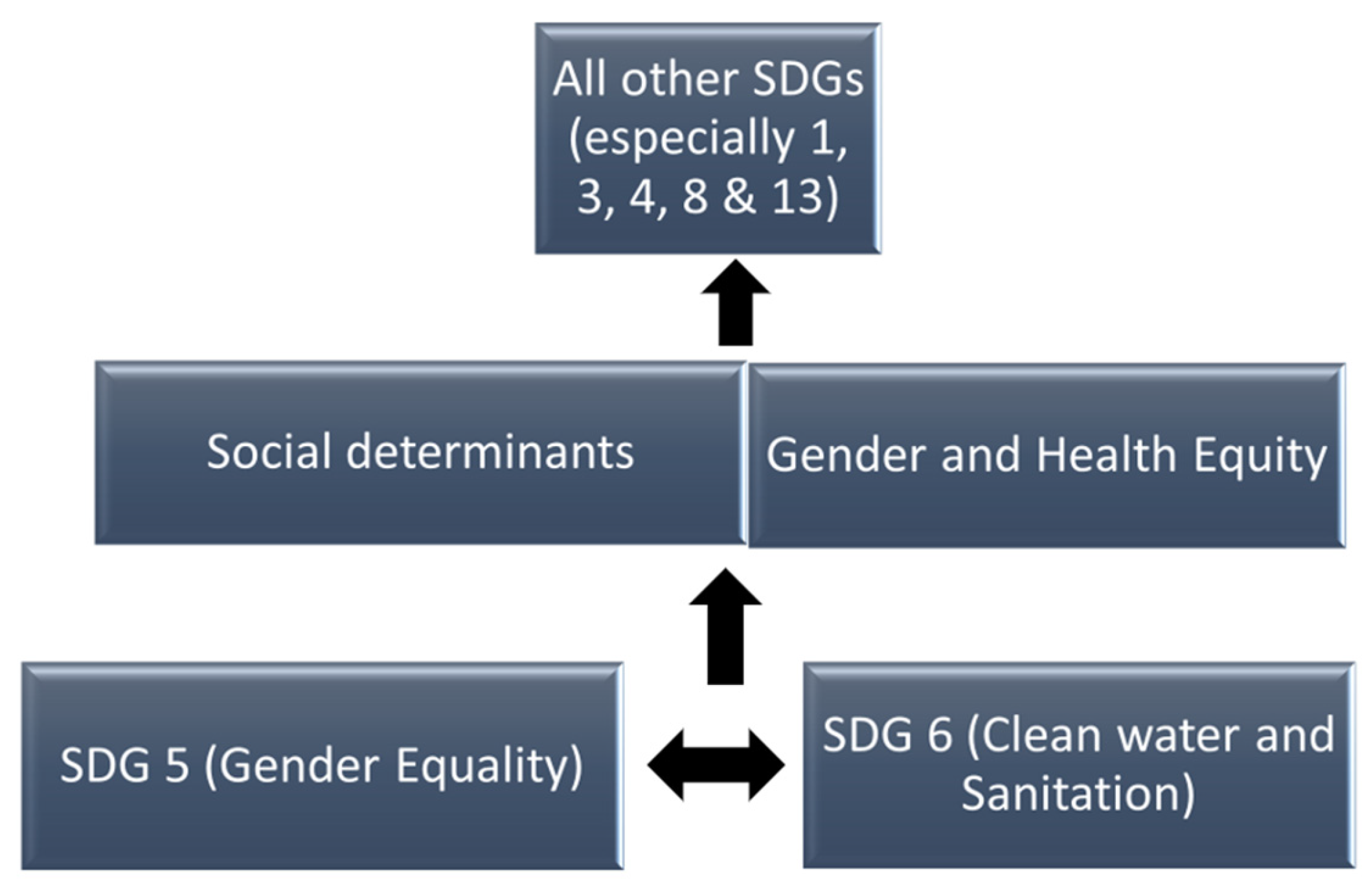
This study also exposes how the health implications of water stress and migration are shaped by broader social determinants, including poverty, gender inequality, and social norms. These underlying vulnerabilities add to the impact of water stress and migration on health. Hence, we need to focus on the root causes to develop effective interventions.
Identities of individuals also have implications for their health. Factors such as age, ethnicity, and disability interact with gender to make matters worse. Younger women, those from ethnic minorities, and those with disability may face additional barriers to accessing healthcare. This also highlights serious health inequities. Health intervention design should take into account all these intersectional vulnerabilities and require understanding how multiple forms of disadvantage interact to shape health outcomes in specific contexts.
- (g)
Policy aspects pertaining to this study
The findings of this study underscore the need for policy frameworks that integrate water stress, migration, gender inequality, and health into a coherent response. Several frameworks, both globally and regionally, provide a normative basis for addressing these interconnected challenges. At the global level, in addition to the SDGs (3, 5, 6, and 13), the Paris Agreement and Sendai framework’s emphasis on protection of vulnerable populations from climate-related shocks and displacement is relevant for these challenges.
Regionally, the African Union Climate Change and Resilient Development Strategy and Action Plan (2022–2032) stresses the need for climate-resilient water governance and gender-responsive adaptation, and the IGAD Regional Migration Policy Framework (2020) acknowledges the role of climate stressors in shaping migration. Despite this, there is a varying degree of progress by countries in aligning climate, gender, and health as objectives with their National Adaptation Plans (NAPs). While some countries in Sub-Saharan Africa, like Kenya, included gender-sensitive adaptation, others lack NAPs altogether, and practical implementations also differ. This indicates there are opportunities and gaps in the policies.
The findings, additionally, note the fragmented interventions that may create new vulnerabilities or missed opportunities for solutions that can work in synergy. Therefore, it calls for policy frameworks that recognize and address the interlinkages across the domains. These frameworks also require cross-sectoral coordination, joint-planning as well as creating shared indicators and monitoring systems to track outcomes across multiple sectors. This ensures a system-level measure of changes in vulnerability and resilience.
Addressing these interlinked issues requires gender-transformative interventions. This means designing interventions that not only provide services to women but also challenge the social norms that assign water-fetching roles exclusively to women, limit women’s mobility, and restrict their participation in water governance. This can be accomplished by men also engaging in water collection activities, supporting and encouraging women’s participation in decision-making and leadership.
A multi-scale governance approach that embeds local interventions within supportive national policy frameworks and regional cooperation is essential to address migration and water management [
48]. Creating mechanisms for vertical coordination that ensure local experiences inform policy development alongside national frameworks which also support local implementation capacity, is also necessary.
Table 2 shows key findings regarding the most relevant policy domains and actors, highlighting potential pathways for intervention.
- (h)
Specific Nexus-based interventions for Sub-Saharan Africa
Nexus-based interventions that address multiple elements of a nexus prove to be effective strategies for addressing the current complex, interconnected challenges. One such intervention in this context can be the promotion of small solar irrigation pumps targeting women farmers in small-scale agriculture, which was implemented in South Asia (Bangladesh, India, Nepal, and Pakistan) in recent years in partnership with government agencies [
49]. It can be adapted for Sub-Saharan African countries, as the region faces similar challenges. Attention should also be given to gender barriers, improving access, and financing models. This intervention enhances local water security for productive uses, increases income and food availability, and reduces the push factors for migration. At the same time, it reduces women’s labor burden and can be designed to strengthen their control over income, and also impact nutrition and health.
Another promising intervention that can be applied in this nexus is a comprehensive gender-transformative WASH program, which combines improved water and sanitation infrastructure, menstrual hygiene management in schools, women’s leadership in water governance committees, and behavioral change efforts. This intervention has been applied in India, Nepal, and Bangladesh with positive outcomes [
50].
When adapting it to SSA, the menstrual hygiene management and gender-transformative modules can be integrated into existing WASH school and community programs in pastoral or peri-urban sites, encouraging women’s involvement in water governance and capacity building, as well as undertaking local health promotion activities such as diarrhea prevention and maternal hygiene. This intervention lowers the disease burden through improved water and sanitation, reduces the time spent on water collection, increases productivity, and thereby lessens the economic push for migration. Additionally, it improves girls’ school attendance and women’s leadership in water governance, leading to their empowerment. This will have a positive impact on health, gender equality, and the economic drivers of migration.
These interventions demonstrate that solutions addressing water stress, migration, gender inequality, and health cannot be pursued in isolation. The region’s specific socio-ecological context can help adapt the core principles of the interventions mentioned, even though they originated outside the region. Other similar multi-pathway interventions should be designed to effectively address the complex interconnected challenges of this nexus. By adopting integrated approaches in Sub-Saharan Africa, we can simultaneously strengthen resilience, reduce vulnerabilities, and generate co-benefits across multiple sectors. This not only helps to address the nexus elements but also creates opportunities for more sustainable development of the region.
Limitations and Future Research Directions
The study has some limitations that should be acknowledged. In the narrative review component, although additional targeted searches were undertaken in French and Portuguese, the synthesis remains predominantly based on English-language peer-reviewed literature reflecting the limited availability of analytically integrated studies addressing the topic in other languages. As a result, regionally grounded perspectives published outside English may be underrepresented. This gap highlights an important area for future research, rather than a limitation.
Furthermore, the qualitative interviews were conducted with a small number of stakeholders and did not include government officials or community representatives whose insights may have been useful, contributing additional perspectives on policy implementation and community-level work. Future research should also prioritize the need for intervention-focused studies that assess the effectiveness of integrated, multi-sectoral responses across the nexus in Sub-Saharan Africa.