

Article

Regulatory Mechanisms of Salinity-Induced Triterpenoid Saponin Biosynthesis in Cyclocarya paliurus Seedling Revealed by Integrated Multi-Omics Analysis and Molecular Docking

1
State Key Laboratory for Development and Utilization of Forest Food Resources, Nanjing Forestry University, Nanjing 210037, China
2
College of Forestry and Grassland, Co-Innovation Center for the Sustainable Forestry in Southern China, Nanjing Forestry University, Nanjing 210037, China
*
Author to whom correspondence should be addressed.
Plants 2026, 15(10), 1535; https://doi.org/10.3390/plants15101535
Submission received: 27 March 2026 / Revised: 27 April 2026 / Accepted: 6 May 2026 / Published: 18 May 2026
(This article belongs to the Special Issue Insights and Regulation of Plant Growth and Metabolism)

Abstract

Soil salinity is a major environmental constraint limiting plant productivity and modulating secondary metabolism. Triterpenoid saponins play crucial roles in plant stress adaptation, yet their biosynthetic regulation in Cyclocarya paliurus under salt stress remains poorly understood. This research integrated transcriptomic and metabolomic analyses to investigate triterpenoid saponin metabolism in C. paliurus leaves at four NaCl concentrations and two sampling times. Salt stress altered ion homeostasis, suppressed growth, and induced distinct triterpenoid saponins accumulation patterns, with cyclocaric acid B and oleanolic acid showing significant increases. Weighted gene co-expression network analysis identified two modules significantly correlated with triterpenoid saponin accumulation and highlighted transcription factors including WRKY18, bHLH121, ERF4, and ERF1 as regulators of key biosynthetic genes (DXS, SQS, and HMGR). Molecular docking further validated these regulatory interactions, demonstrating that bHLH35, MYC2, ERF113, and MED26B form stable complexes with target gene promoters through extensive hydrogen-bond networks. These findings elucidate the regulatory framework of triterpenoid saponin metabolism under salinity and provide a foundation for molecular breeding and cultivation of C. paliurus in saline regions.

1. Introduction

Triterpenoid saponins are glycosides formed by the combination of sapogenins and sugars. Among the triterpenoid compounds discovered to date, tetracyclic and pentacyclic structures are the most common [1]. They are widely distributed in plants as secondary metabolites. Triterpenoid saponins not only play a role in plant signal transduction and stress regulation, but also exert various biological functions in the human body such as anti-inflammatory, anti-tumor, antiviral, antibacterial, antioxidant, and hepatoprotective effects [2,3]. For example, lupeol alleviates oxidative stress in Brassica nigra under salt stress [4]. Oleanolic acid and maslinic acid demonstrate potent antitumor efficacy against lung carcinoma by inducing apoptosis [5]. Similarly, asiatic acid ameliorates ischemia/reperfusion-induced liver injury through attenuation of oxidative stress and restoration of mitochondrial function [6]. Given these pharmacological properties, triterpenoid saponins hold substantial potential for applications in human health and represent a growing area of commercial interest [7].
Soil salinity poses a significant constraint to global plant productivity. In Jiangsu Province, China, the salt content of coastal saline surface soil ranges from 0.20% to 0.50% [8]. Prolonged salt stress leads to Na+ accumulation, nutrient imbalance, and ion toxicity in plants, which can severely reduce yield and even cause plant mortality. Correspondingly, plants implement physiological and biochemical adjustments to maintain ionic and osmotic homeostasis [9]. Secondary metabolites play key roles in such adaptive responses. For example, triterpenoids are important to maintain membrane integrity and improve performance in saline environments [10]. Flavonoids act as scavengers of reactive oxygen species (ROS) under salt stress [11]. Given the dual importance of triterpenoids as high-value pharmaceutical compounds and essential stress-tolerance factors, investigating their biosynthetic pathways and regulatory networks under salt stress is of paramount importance.
Cyclocarya paliurus (Batal) IIjinskaja, commonly referred to as “sweet tea tree”, is the sole extant species of the genus Cyclocarya in the Juglandaceae family. It is predominantly distributed in mountainous areas of southern and eastern China [12]. The leaves of C. paliurus are rich in triterpenoid saponins, flavonoids and other bioactive components, which have been associated with hypoglycemic, hypotensive, and hypolipidemic effects [13]. Under 0.4% (m/v) salt concentration, the salt injury index of C. paliurus increased while seedling height and chlorophyll fluorescence parameters decreased, indicating that C. paliurus is a salt-sensitive plant [14]. To meet growing demand for medicinal C. paliurus leaves, cultivation in coastal saline soils has been proposed as a potential land-use strategy. However, the transcriptional regulatory network underlying triterpenoid saponin metabolism in this species under salt stress remains uncharacterized.
Integrated transcriptomic and metabolomic approaches have become valuable tools for elucidating gene regulatory networks and metabolite profiles in plants under environmental stress [15,16]. For instance, combined transcriptomic and metabolomic analysis has been used to uncover regulatory mechanisms of flavonoid metabolism in salt-stressed C. paliurus seedlings, offering insights for molecular breeding of salt-tolerant genotypes [17]. The present study aims to (1) investigate the effects of sampling time and salt concentration gradients on content and composition of triterpenoid saponins; (2) identify key structural genes and transcription factors (TFs) related to triterpenoid saponin metabolism under salt stress; and (3) construct a regulatory network for triterpenoid saponin metabolism and related gene expression. The findings in this study are anticipated to advance our understanding of molecular regulatory mechanisms underlying enhanced environmental adaptation in plants, while providing theoretical foundations for the sustainable utilization of saline-affected soils in silvicultural practices.

2. Results

2.1. Variations in Ion Content and Growth Parameters

Salt stress significantly altered the ion content in C. paliurus leaves (Table 1). Relative to the control, K+ accumulation was significantly elevated in all salt treatments except LS at T1. At HS, K+ concentrations increased by 13.1% at T1 and 15.9% at T2 compared to the corresponding CK. In contrast, Ca2+ content in the leaves of the salt treatments was significantly lower than that of corresponding CK at both sampling times. The most pronounced reductions were observed under HS, where Ca2+ decreased by 27.4% at T1 and 32.3% at T2 relative to CK. Meanwhile, Na+ contents were significantly increased under salt treatments. Under HS, Na+ content exhibited a dramatic increase, reaching more than 47-fold that of CK at T1 and approximately 15-fold at T2. It is noteworthy that Na+ content in leaves increased with increasing treatment time, with LS, MS and HS of T2 increasing by 89.2%, 238.7% and 152.0%, respectively, compared to T1. In a similar fashion to the changes in Ca2+ content, the Mg2+ content of the plant leaves decreased significantly with increasing salt concentration. Compared to CK, Mg2+ was reduced by 28.8% and 37.4% in HS of T1 and T2, respectively (p < 0.05).
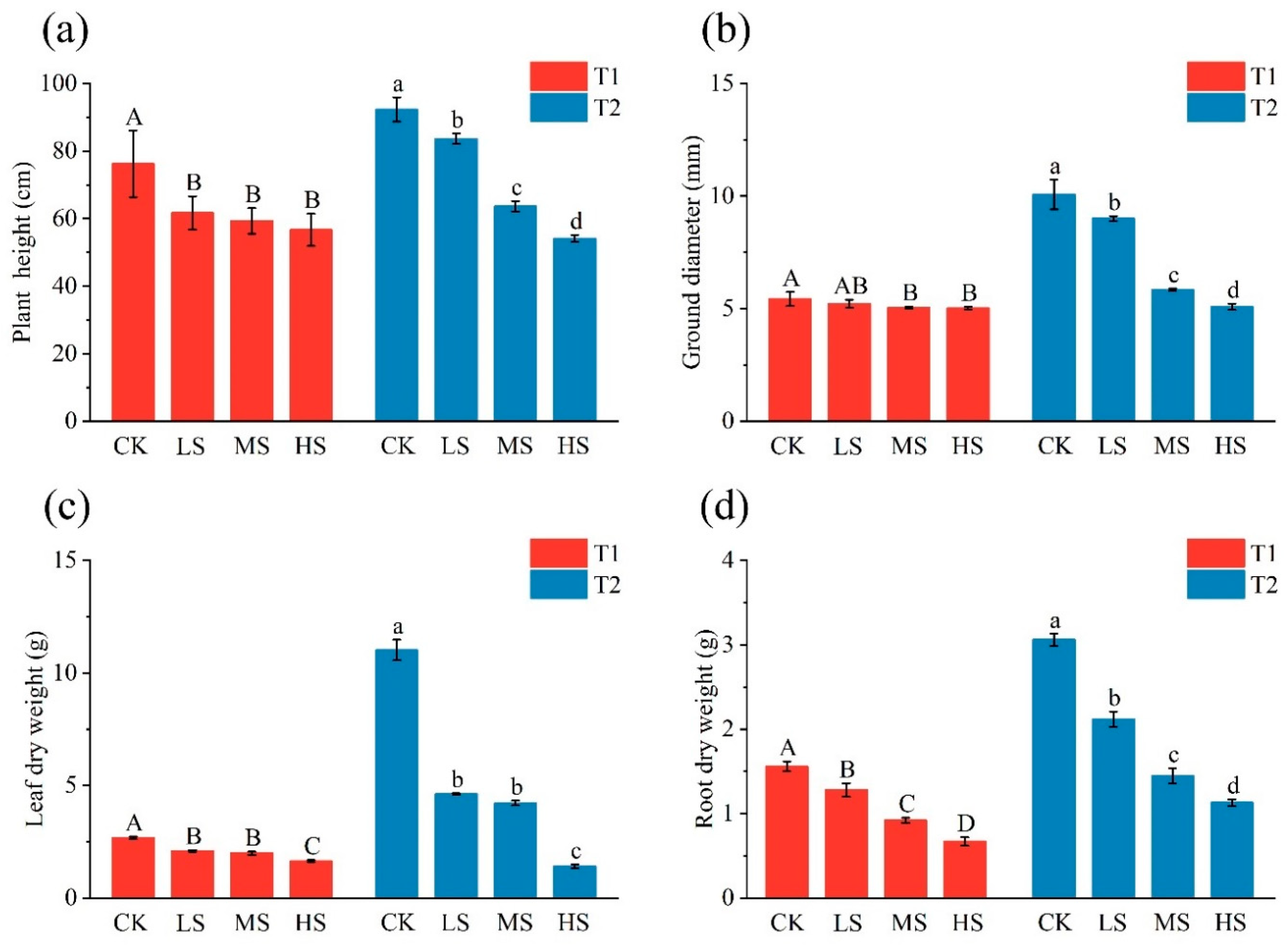
Compared to CK, salt treatment significantly reduced (p < 0.05) the growth parameters of C. paliurus (Figure 1). Plant height and root dry weight under salt treatment gradually decreased with increasing salt concentration (Figure 1a,d). On the other hand, the ground diameter and leaf dry weight exhibited a decline in response to increasing salt concentration, albeit this decline was only observed at T2 (Figure 1b,c). Interestingly, ground diameter and root dry weight were lower in all groups at T1 than at the corresponding T2 (Figure 1b,d).

2.2. Triterpenoid Saponin Accumulation in C. paliurus Leaves

As shown in Table 2, salt treatment at T1 significantly increased the total triterpenoid saponin and major monomer content in C. paliurus leaves, while no significant effect was observed at T2. Specifically, the levels of cyclocaric acid B and oleanolic acid were significantly elevated under salt stress. Compared with CK, cyclocaric acid B in HS increased by 12.5% and 53.3% at T1 and T2, respectively, while oleanolic acid increased by 200.0% and 196.0%. In contrast, the content of arjunolic acid exhibited a significant decrease in proportion with increasing salt concentration; at T1 and T2, its levels in HS were reduced by 23.2% and 75.0% compared to LS, respectively (p < 0.05).

2.3. Transcriptome Profiles of C. paliurus Under Salt Stress

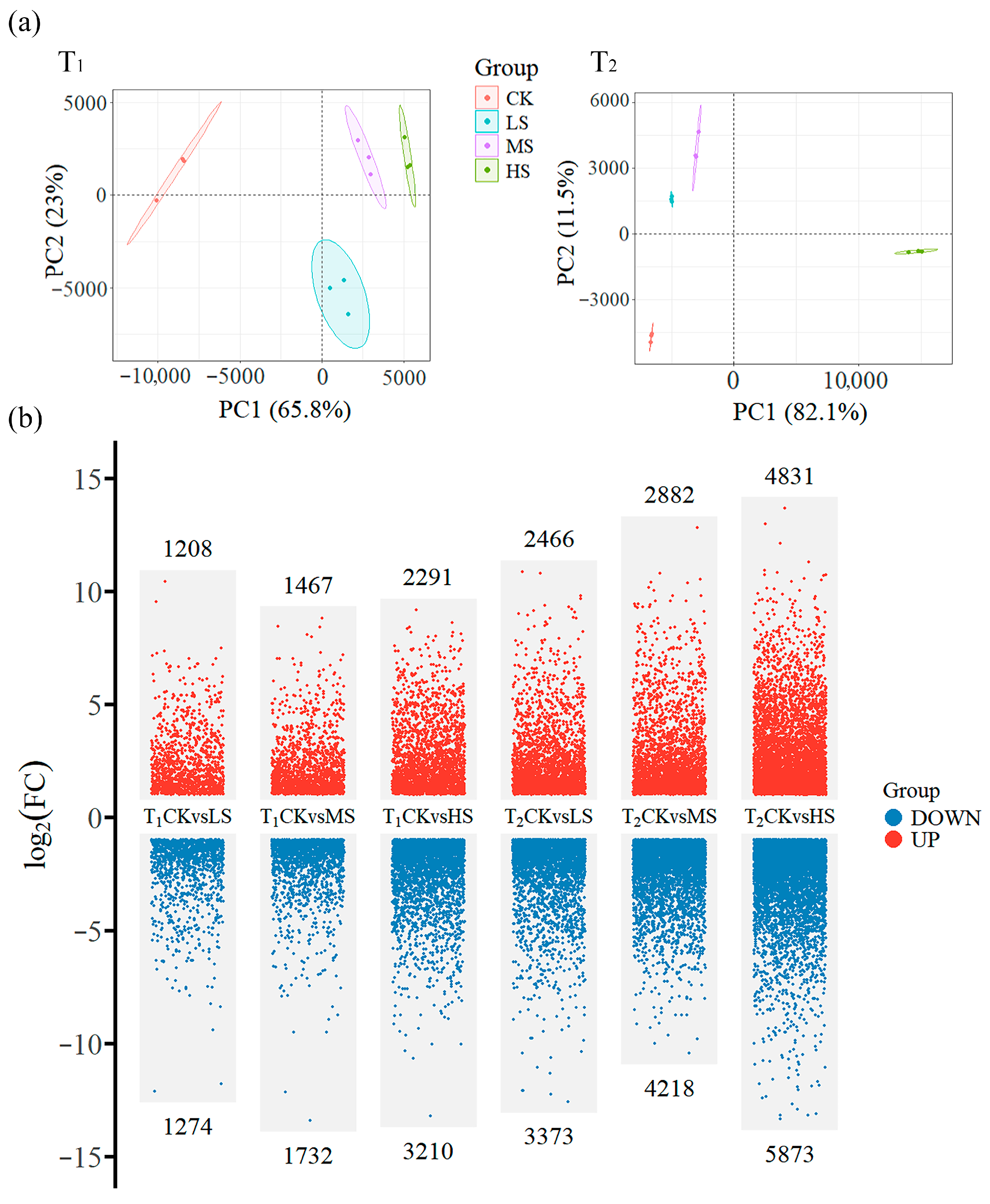
PCA analyses were performed on the obtained gene expression files in order to elucidate the interrelationships between the different treatments (Figure 2a). The PCA plots for both sampling time showed a clear separation between samples from different treatments, with PC1 explaining 65.8% of the variation between samples for T1 and 82.1% for T2. This finding suggests that significant transcriptional reprogramming occurs in the leaves of C. paliurus in response to salt stress. A further comparison of gene expression between CK and different salt treatments revealed that the number of DEGs increased gradually with increasing salt concentration (Figure 2b). Notably, a greater number of DEGs were identified between CK and the various salt treatments at T2 compared to T1. The highest number of DEGs was observed between CK and HS at T2, with 10,704 DEGs (4831 upregulated genes and 5873 downregulated genes), whereas the number of DEGs at T1 (2291 upregulated genes and 3210 downregulated genes) was only 5501 (Figure 2b). Log2 (FC) values were obtained for the 39 structural genes associated with the triterpenoid biosynthesis pathway. The majority of the structural genes exhibited log2 (FC) values less than −1 at T2, with the CK and MS. Up to 36 genes were identified as being downregulated between CK and MS (Table A1).

2.4. Analysis of Gene Expression Trend

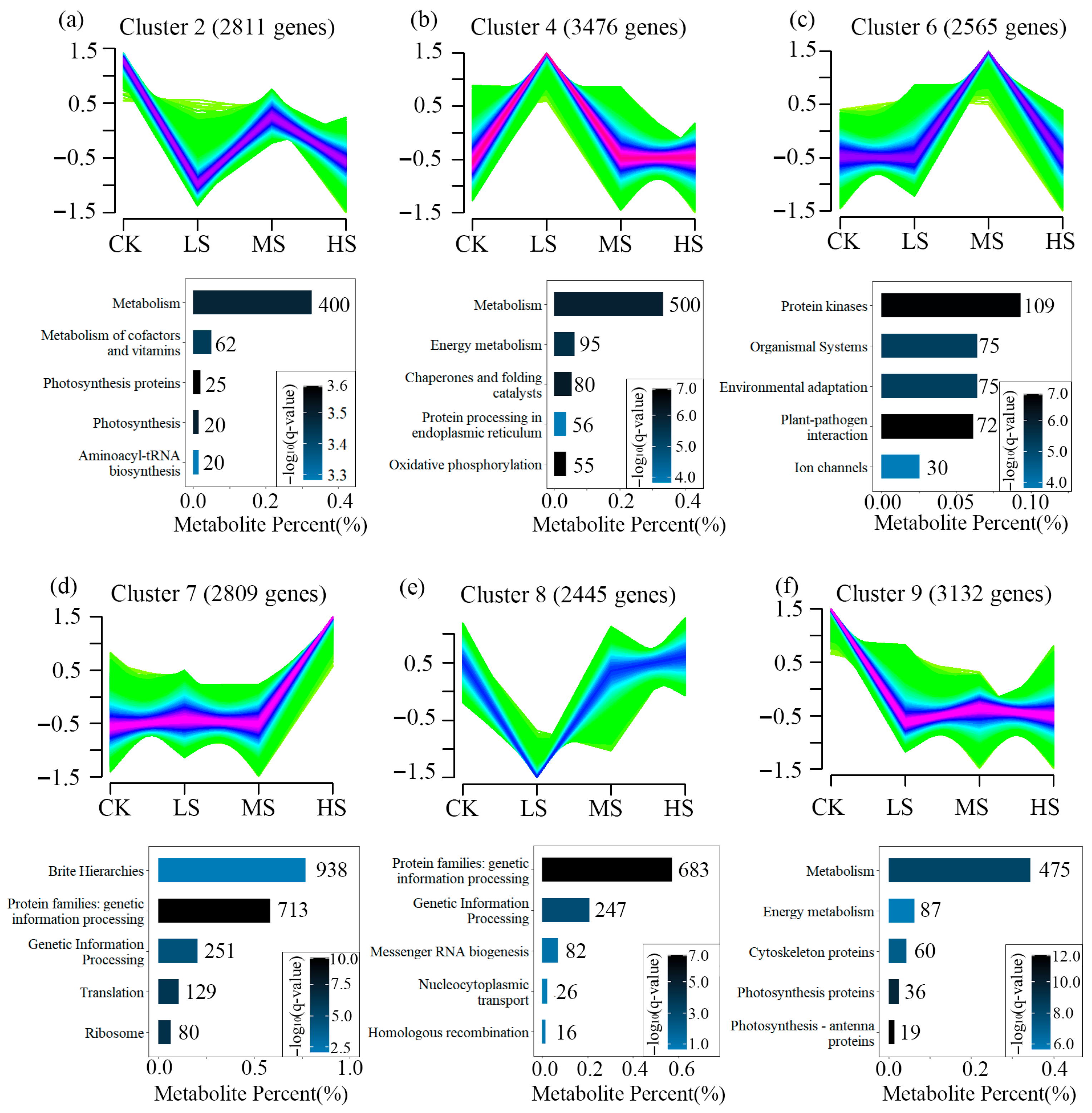
Co-expression profiles of genes co-expressed at four different salt concentrations in T2 showed that thousands of genes were categorized into nine different oscillatory patterns, identifying the six most significant salt concentration expression patterns (Figure 3). For each pattern, the five most significantly enriched KEGG pathways were highlighted. A total of 9419 genes from clusters 2, 4, and 9 exhibited a decreasing expression trend with increasing salt concentrations (Figure 3a,b,f), and were primarily associated with photosynthesis and energy metabolism. In contrast, 7819 genes from clusters 6, 7, and 8 showed the opposite trend, with low expression in CK and elevated expression under HS conditions (Figure 3c–e), and were mainly enriched in pathways related to protein metabolism, signal transduction, environmental adaptation, and ion channels.

2.5. Metabolomic Response to Salt Stress

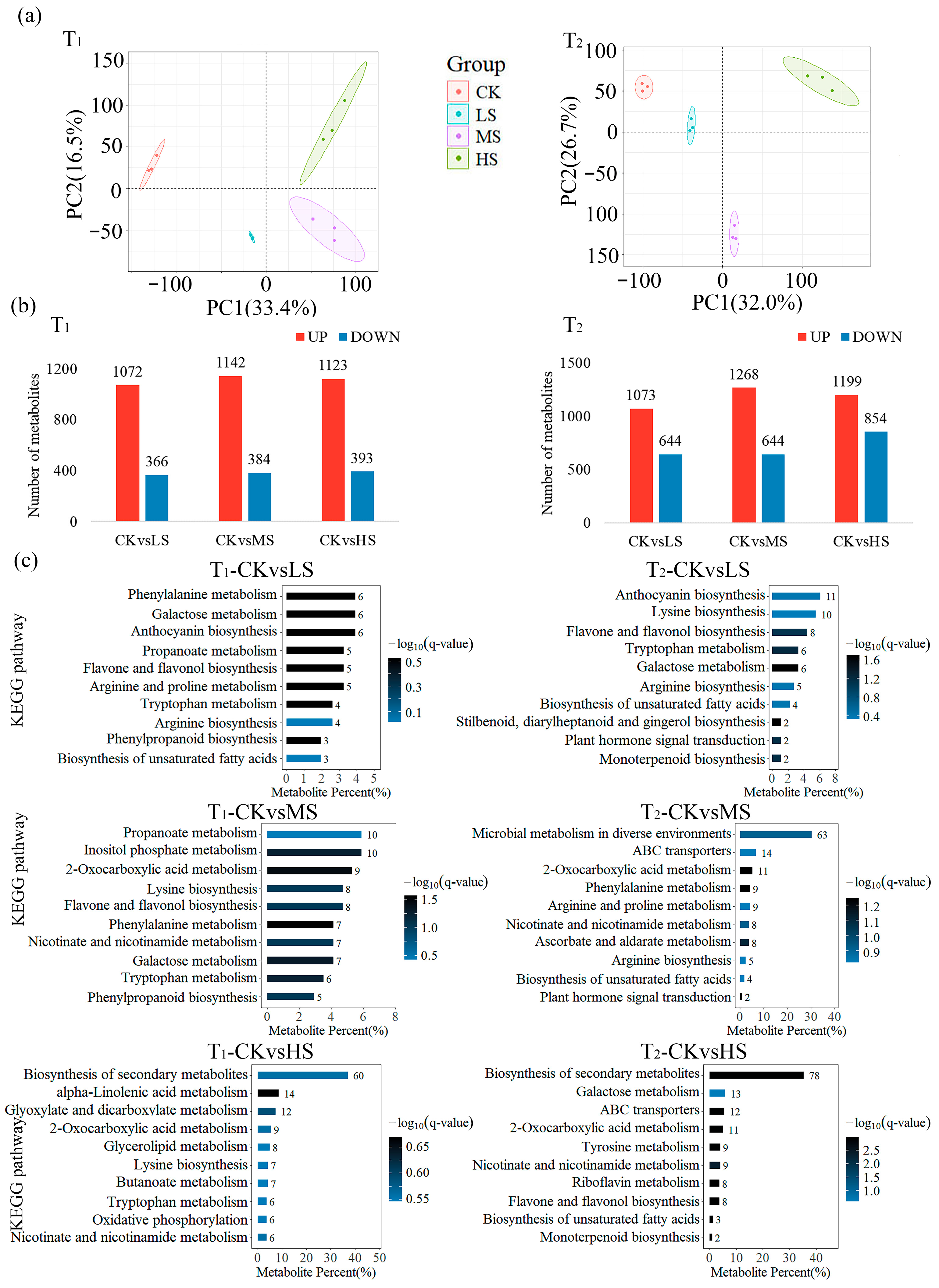
PCA analysis of metabolome data from two sampling times under different treatments demonstrated a significant separation between samples from different salt treatments, thereby suggesting that the accumulation of substances at the metabolome level responded significantly to the level of salt stress (Figure 4a). Comparative analysis of metabolome data led to the identification of 24 metabolites belonging to the triterpenoid pathway, the majority of which exhibited significant variations in response to the salt treatments (Table A2). Further comparison of DAMs between CK and different salt treatments at both sampling times revealed that there were more DAMs in T2 than in T1 (Figure 4b).
In order to enhance the comprehension of the potential functional mechanisms of diverse metabolites in the context of salt stress, KEGG pathway enrichment analysis was conducted in this study (Figure 4c). DAMs were enriched in the biosynthesis of the secondary metabolite pathway between HS and CK at both sampling times, with 60 and 78 metabolites detected, respectively. Furthermore, two metabolites were identified in the monoterpenoid biosynthesis pathway between HS and CK at T2.

2.6. Screening of Key Genes and Metabolites and Physiological Correlations

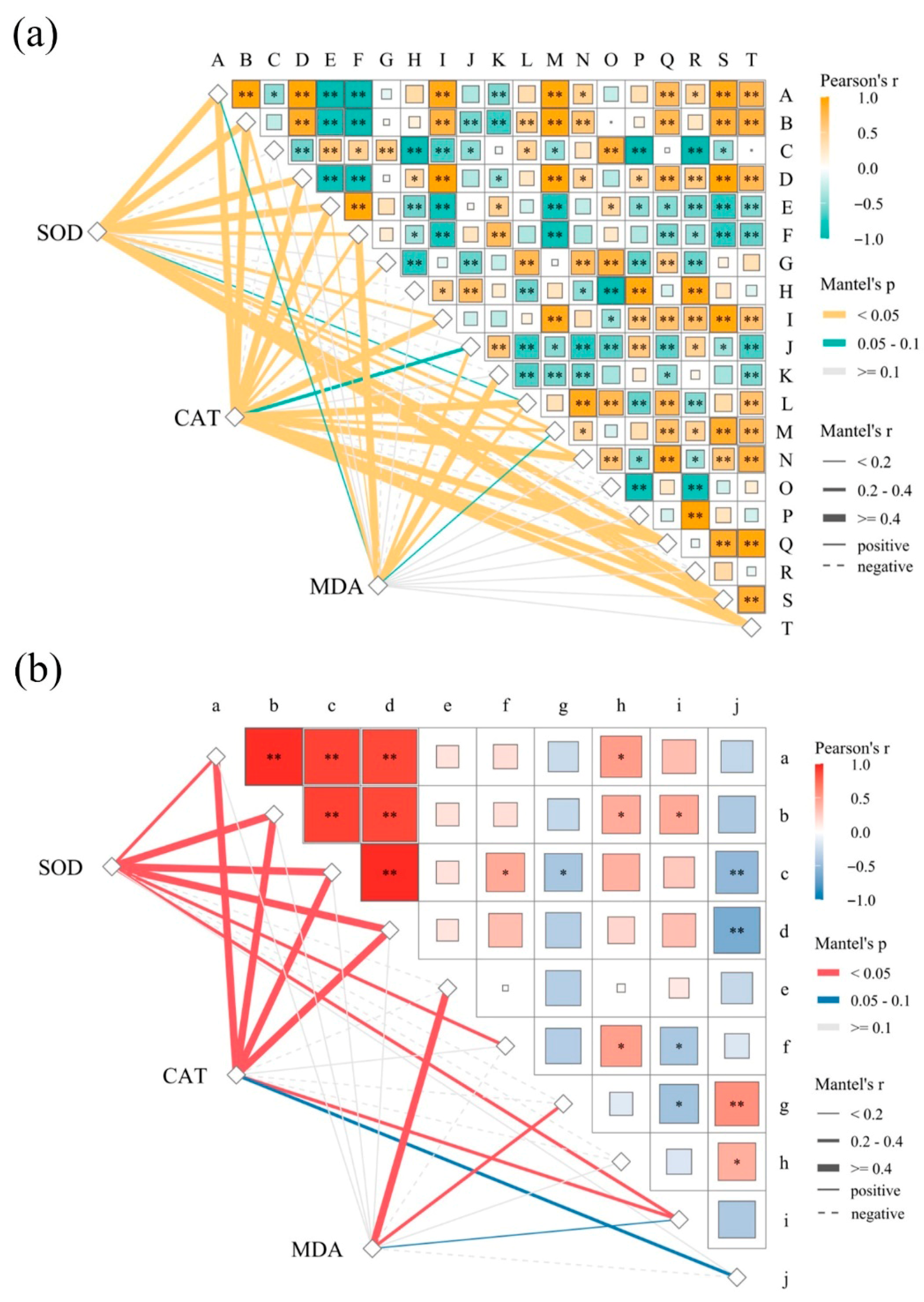
The physiological status of C. paliurus under salt stress was assessed by measuring the activities of superoxide dismutase (SOD), catalase (CAT), and the concentration of malondialdehyde (MDA). Based on statistical significance and descriptions, we selected the top 20 key regulatory genes from the DEGs between CK and HS, including 13 upregulated and 7 downregulated genes (Table A3). The upregulated genes were mainly involved in the regulation of plant defense–related metabolic pathways, phenylpropanoid metabolism, and synthesis of secondary metabolites, such as triterpenoid saponin biosynthesis. In contrast, the downregulated genes were primarily associated with photosynthesis, ATP synthesis, and abscisic acid degradation. A Mantel test heatmap (Figure 5a) showed that genes highly correlated with MDA content were predominantly downregulated, including F (transketolase), J (lycopene epsilon cyclase), and K (caffeic acid 3-O-methyltransferase). Conversely, genes highly correlated with SOD and CAT activities were mostly upregulated, including D (hydroxycinnamoyl transferase), M (β-amyrin synthase), and S (crocetin glucosyltransferase).
Similarly, we identified the top 10 key DAMs between CK and HS, comprising eight upregulated and two downregulated metabolites (Table A4). The upregulated metabolites were mainly involved in phenylpropanoid metabolism, as well as the biosynthesis of various alkaloids and other secondary metabolites, including phenylglyoxylic acid, gallic acid, and benzoic acid. The downregulated metabolites were associated with C5-branched dibasic acid metabolism and galactose metabolism, represented by itaconic acid and galactinol. The Mantel test (Figure 5b) further revealed that high correlation with MDA activity was observed for e (benzoic acid), which was upregulated, whereas g (itaconic acid) was downregulated. Metabolites strongly correlated with SOD and CAT activities, including a (phenylglyoxylic acid), b (gallic acid), c (secoisolariciresinol), and d (D-proline), exhibited significant upregulation. Notably, phenylglyoxylic acid, gallic acid, and secoisolariciresinol were all closely associated with phenylpropanoid metabolism.

2.7. Co-Expression Network Analysis of Weighted Genes

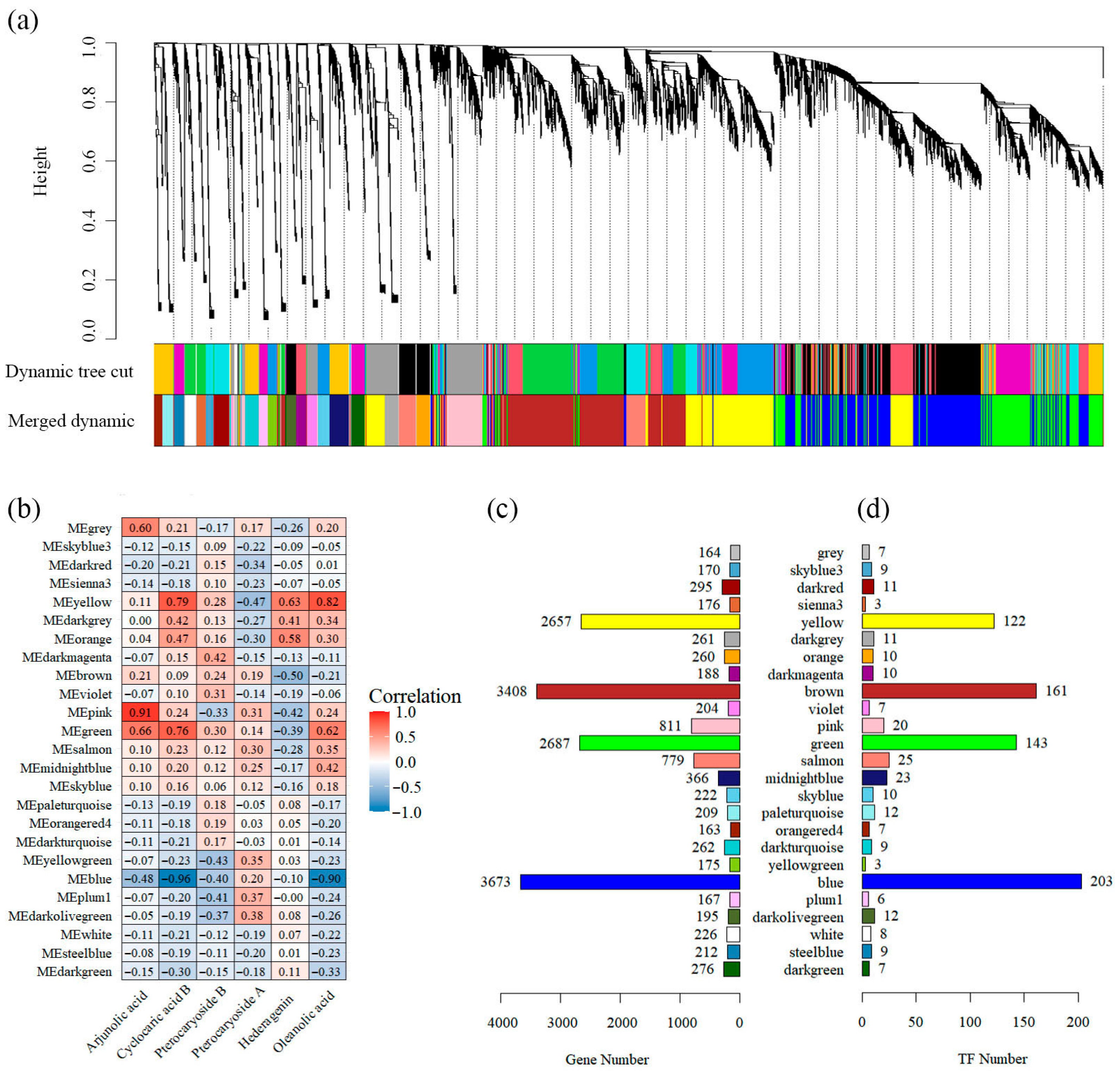
To investigate triterpenoid metabolism in C. paliurus leaves, a weighted gene co-expression network analysis (WGCNA) was performed on 18,206 genes (after the filtration of deletion and outlier values), which were clustered into 25 modules (Figure 6a). The modules of six compounds (arjunolic acid, cyclocaric acid B, pterocaryoside B, pterocaryoside A, hederagenin and oleanolic acid) related to triterpenoid metabolism of C. paliurus and contents were found to be strongly correlated with the content of most compounds (Figure 6b). The green module, comprising 2687 genes, exhibited a positive correlation with all compounds except hederagenin. In contrast, the blue module, which contains 3673 genes, demonstrated a negative correlation with all compounds, with the exception of pterocaryoside A (Figure 6b,c). The number of TFs in each module ranged from 3 to 203, and four modules (blue, brown, green and yellow) contained more than 100 TFs. The green and blue modules contained 122 and 203 TFs, respectively (Figure 6d).
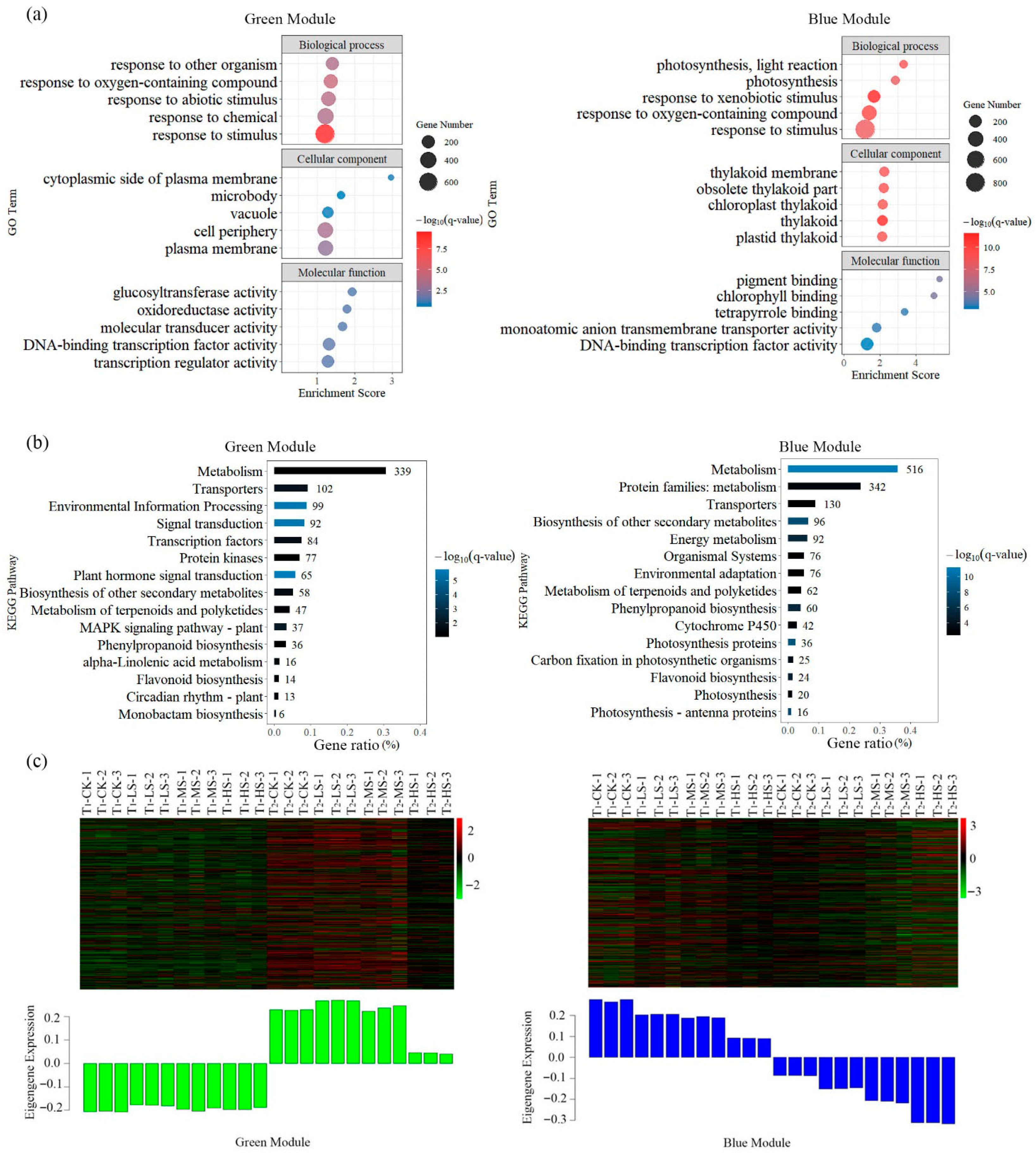
To further explore the functional roles of genes in the green and blue modules, GO and KEGG enrichment analyses were conducted (Figure A1a,b). GO results revealed that genes in the green module were enriched in response to abiotic stimulus, while genes in the blue module were enriched in photosynthesis. KEGG results showed that genes in the green module were mainly enriched in signal pathways (such as environmental information processing, signal transduction and plant hormone signal transduction) and secondary metabolism (biosynthesis of other secondary metabolites, flavonoid and metabolism). Conversely, the genes in the blue module exhibited enrichment in carbon metabolism (photosynthesis, photosynthesis proteins and metabolism of terpenoids and polyketides) and secondary metabolism (metabolism of terpenoids and polyketides and biosynthesis of other secondary metabolites). Notably, the expression of eigengenes in the blue module decreased with increasing salt concentration, whereas those in the green module remained relatively unchanged (Figure A1b).
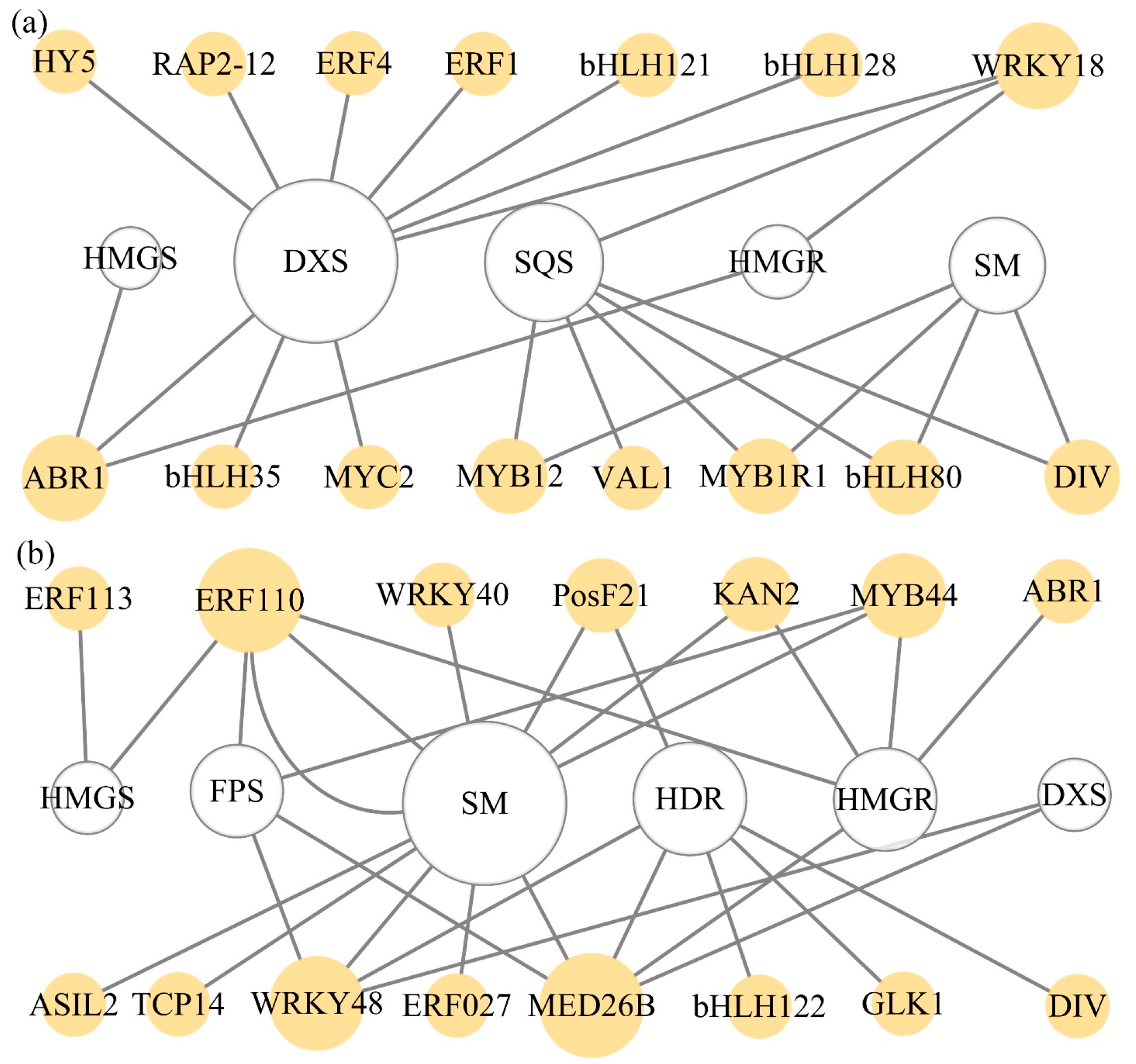
In order to obtain the key regulatory genes, the 15 TFs with the highest weight value and the structural genes associated with them were screened from the green and blue modules, respectively, to construct relative association networks (Figure A2a,b). Five key structural genes were identified in the green module: HMGS (CpaF1st19994), DXS (CpaF1st31202), SQS (CpaF1st03088), HMGR (CpaF1st31841) and SM (CpaF1st43482), which were found to be regulated by these TFs (Figure A2a). In the blue module, seven key structural genes were identified: in addition to the three aforementioned genes HMGS (CpaF1st28191), HMGR (CpaF1st12554) and DXS (CpaF1st05443), four distinct genes including FPS (CpaF1st07789), SM (CpaF1st31394 and CpaF1st33485) and HDR (CpaF1st12271) were identified (Figure A2b).

2.8. Variation in Gene Expression and Metabolite Accumulation for Triterpenoid Metabolism

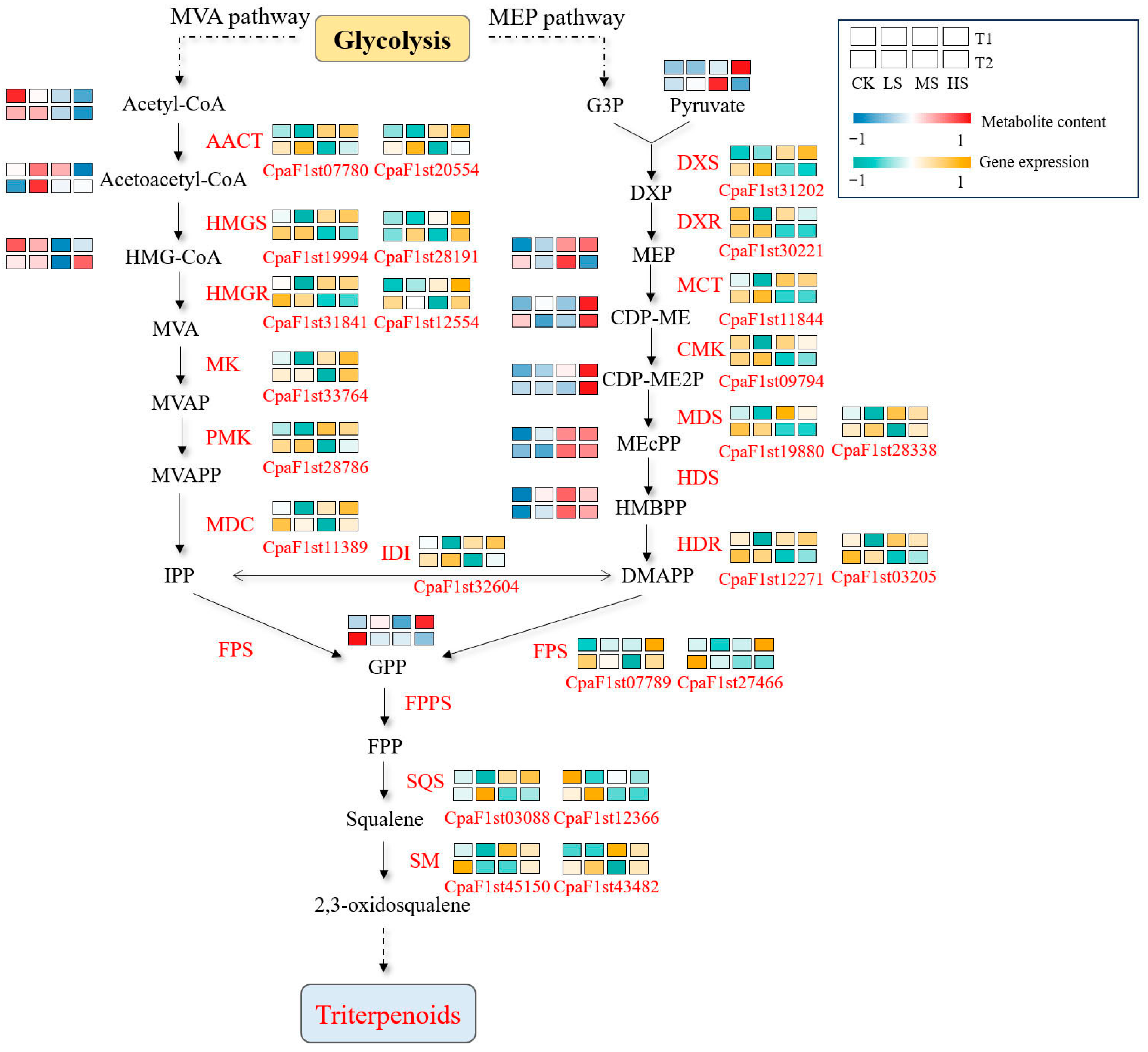
Based on the WGCNA results, a selection of structural genes associated with triterpenoid metabolism were identified within the green and blue modules. The abundance of metabolites and expression of genes in the pathway was mapped based on metabolomic data (Figure 7). The expression of several MVA pathway-related enzymes was found to be upregulated under salt stress, including those encoding AACT (CpaF1st20554), HMGS (CpaF1st28191), and MK (CpaF1st33764), which resulted in an increased accumulation of acetoacetyl-CoA under salt stress. Conversely, acetyl-CoA and HMG-CoA levels increased more significantly in CK. The content of MEP, CDP-ME and CDP-ME2P in the MEP pathway increased with salt concentration, reaching the highest levels in HS. Furthermore, the expression of the encoding genes DXS (CpaF1st31202) and MCT (CpaF1st11844) was found to be upregulated under salt stress. These results suggest that salt stress may affect the accumulation of triterpenoid metabolites and the activities of related enzymes.

2.9. Molecular Docking Analysis of Key TFs and Structural Genes

To further explore the potential reliability of the gene regulatory network constructed by WGCNA, this study employed molecular docking technology to simulate the putative binding conformations and affinities between selected key TFs and their target structural genes involved in triterpenoid biosynthesis. Based on the co-expression network, docking simulations were performed using four TFs with the highest confidence scores predicted by AlphaFold3 and their corresponding structural genes: bHLH35 and MYC2 targeting DXS, ERF113 targeting HMGS, and MED26B targeting HDR.
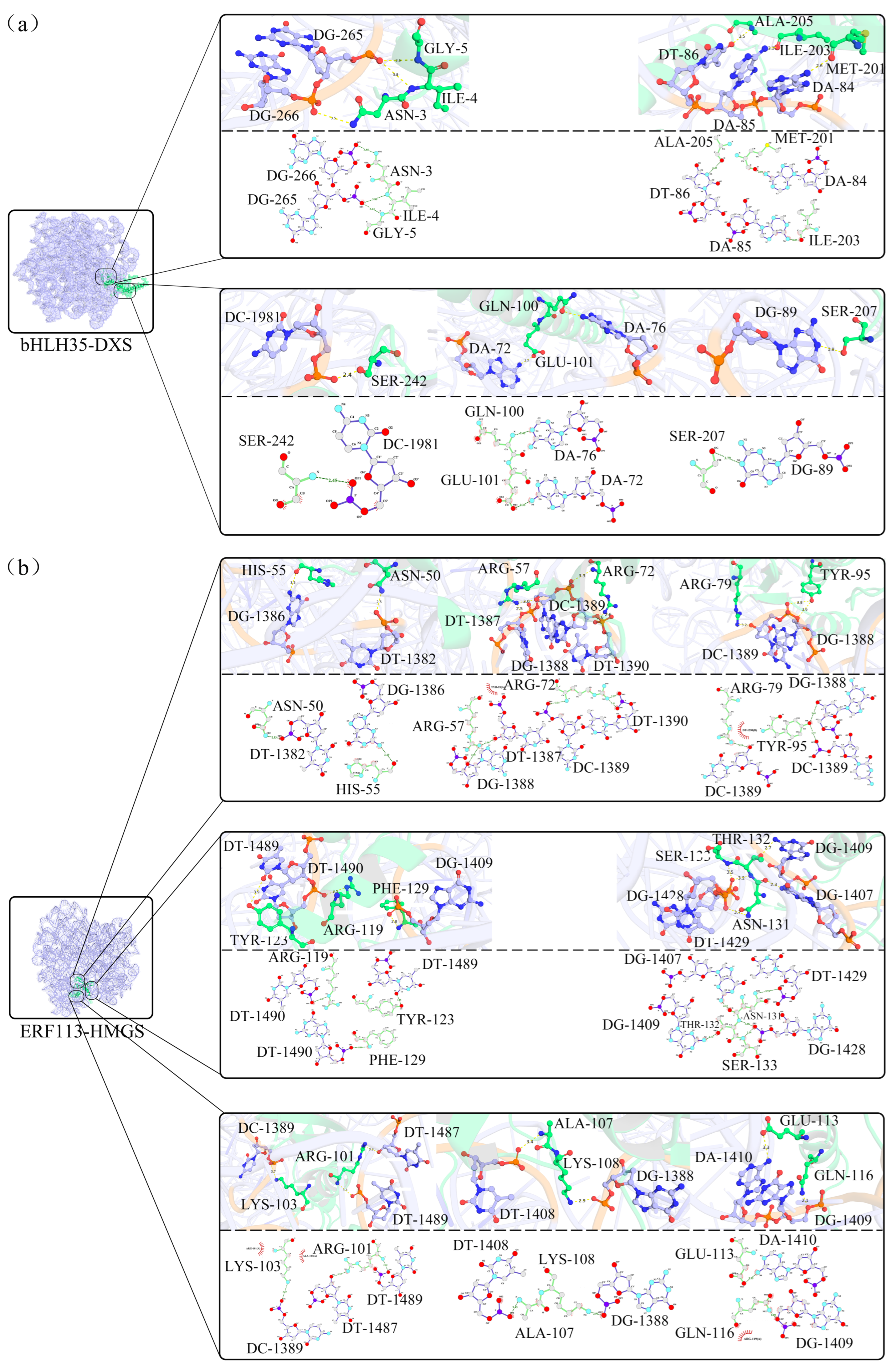
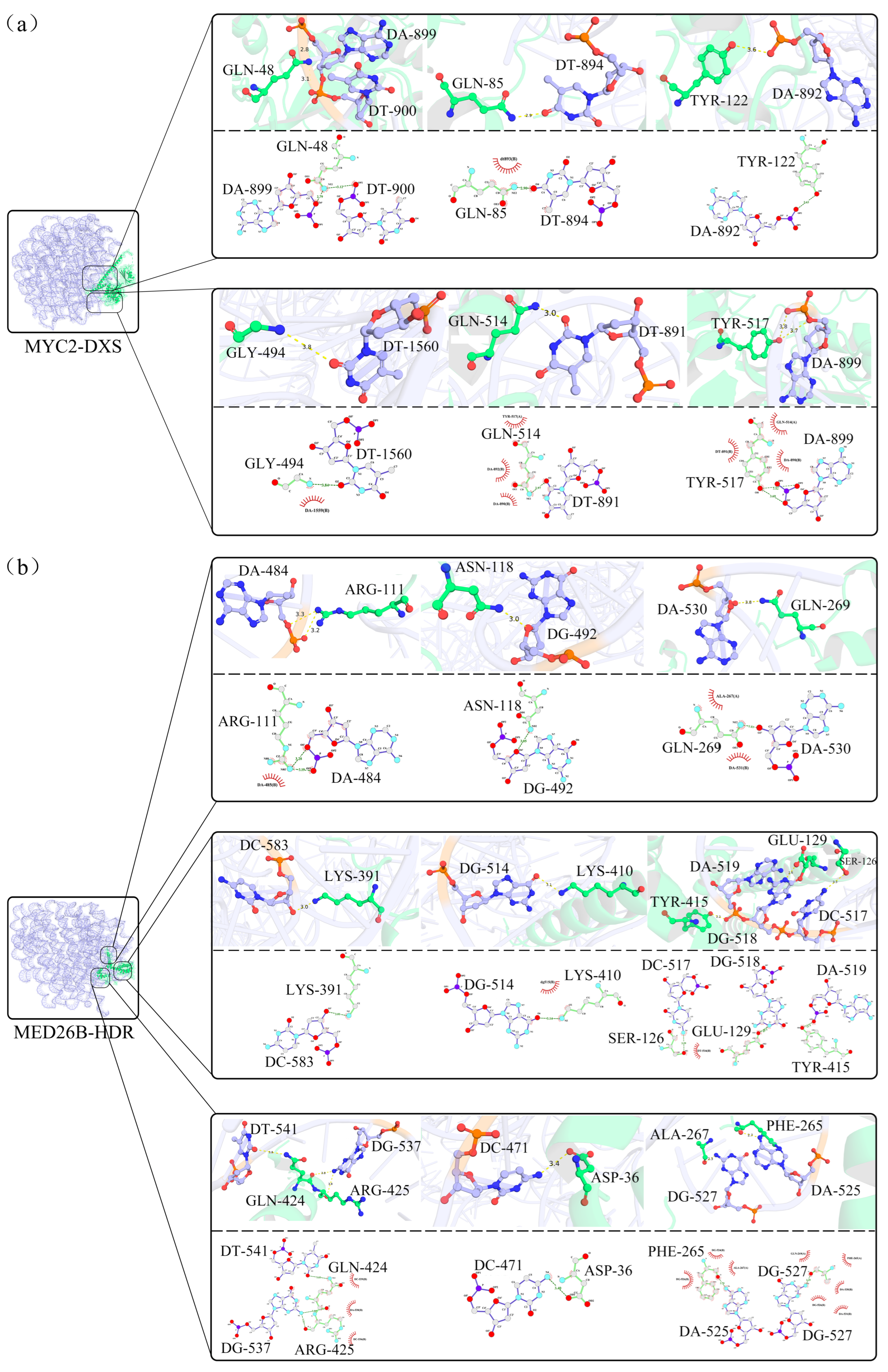
The docking results suggested that all four TFs could potentially form stable complexes with the promoter sequences of their respective target genes, a stability that appears to be primarily maintained by dense hydrogen-bond networks (Figure 8 and Figure A3; Table A5). For the key rate-limiting enzyme gene DXS, both bHLH35 and MYC2 exhibited predicted specific binding capabilities, albeit through different interaction modes. bHLH35 was predicted to form approximately 10 hydrogen bonds with DXS nucleotides, relying mainly on residues such as Asn 3, Ile 4, and Ser 242 (Figure 8a). In contrast, the binding of MYC2 to DXS was stabilized by eight putative hydrogen bonds involving glutamine (Gln 48, Gln 85) and tyrosine (Tyr 122, Tyr 517) residues (Figure A3a), suggesting that DXS may be subject to a complex synergistic regulatory mechanism involving multiple TFs.
Notably, the interaction between ERF113 and HMGS exhibited the highest binding density among the tested combinations in silico, forming a predicted network of 25 hydrogen bonds (Figure 8b). The binding interface was enriched with positively charged arginine residues (e.g., Arg 57, Arg 72, Arg 79), which likely promoted strong electrostatic interactions with the DNA backbone. Similarly, MED26B showed high theoretical affinity for HDR, establishing 15 potential hydrogen bonds through key residues such as Arg 111, Lys 391, and Gln 269 (Figure A3b).

3. Discussion

Salinity is an undisputed constraint on plant productivity and a potent modulator of secondary metabolism [18,19]. Among metabolic adjustments, triterpenoid accumulation under salt stress has been documented, yet the underlying regulatory circuitry in most woody species remains largely unexplored [20,21]. As a medicinal species, C. paliurus is highly valued for abundant triterpenoid compounds in leaves, providing a convincing system to address this gap. The present study aims to elucidate the triterpenoid saponin accumulation pattern in response to salinity and the molecular regulatory network involved.

3.1. Salinity Effects on Triterpenoid Accumulation

The optimal defense hypothesis posits that under nitrogen-limiting conditions, plants allocate greater resources to secondary metabolism as a strategy to enhance ecological fitness [22]. As a major class of specialized metabolites, triterpenoid saponins contribute not only to pharmacological applications, but also to stress adaptation. Emerging evidence suggests that certain triterpenoid saponins may actively participate in abiotic stress signaling, thereby reinforcing plant tolerance mechanisms [23,24]. In the present study, salt treatment at T1 elicited a significant increase (p < 0.05) in total triterpenoid content in C. paliurus leaves (Table 2), a pattern consistent with observations in Glycyrrhiza glabra under similar conditions [24,25]. At T2, although the total triterpenoid content in HS-treated plants was similar to that of the control, the composition changed markedly. For instance, the contents of oleanolic acid, hederagenin, and cyclocaric acid B increased by 196%, 292%, and 53%, respectively, whereas pterocaryoside A and B decreased by 52% and 30%, respectively. This suggests that under prolonged salt stress, the triterpenoid saponins biosynthetic pathway is reprogrammed at specific branch points, leading to a redistribution of metabolic flux toward certain oleanane-type triterpenoids that may play more critical roles in stress adaptation. The unchanged total content likely reflects a dynamic equilibrium between anabolism and catabolism, or between different biosynthetic branches.
Oleanolic acid is widely acknowledged for its multifaceted pharmacological activities, including hepatoprotective, antibacterial and antioxidant properties [26,27]. Notably, oleanolic acid may exhibit analogous biological functions in plants, such as antioxidant properties or a reduction in water loss. Here, a significant increase (p < 0.05) in oleanolic acid content was observed under salt treatment at both sampling times in comparison to CK, which is consistent with the findings in Lantana camara [28]. Cyclocaric acid, a triterpenoid reportedly unique to C. paliurus [29], also exhibited pronounced accumulation in response to salt stress, suggesting a potential adaptive role in osmotic or ionic adjustment. However, not all triterpenoid saponins followed this pattern. Arjunolic acid, for instance, showed no consistent induction, a result that may reflect its inherently low basal abundance in C. paliurus leaves and consequent measurement sensitivity constraints, rather than a lack of biological responsiveness. The observations point to compound-specific regulatory mechanisms underlying triterpenoid metabolism under salt stress.

3.2. Gene Expression and Metabolite Accumulation in Response to Salt Stress

PCA of the transcriptomic data revealed marked and time-dependent shifts in global gene expression profiles under salt treatments (Figure 2a). Plants exposed to salt stress undergo extensive transcriptional reprogramming, the magnitude and dynamics of which were shaped by stress intensity, duration, and additional interacting factors [13]. Here, the number of DEGs between CK and salt-treated samples increased progressively with rising NaCl concentration (Figure 2b), indicating that high salinity elicited the most pronounced transcriptional restructuring in C. paliurus.
Metabolomic PCA similarly demonstrated that both salt concentration and sampling interval significantly influenced metabolite accumulation patterns (Figure 4a). As stress duration extended, the number of DAMs between CK and treatments increased correspondingly (Figure 4b), a trend consistent with observations in other woody perennials under prolonged stress [30]. KEGG enrichment analysis further showed that metabolites differentially accumulated under high salinity, at both time points, were primarily mapped to pathways associated with secondary metabolite biosynthesis (Figure 4c). This enrichment points to a coordinated metabolic defense strategy activated under salt stress, which was also observed in Cucumis melo [31].
The Mantel test combined with heatmap analysis of key genes and metabolites revealed that the upregulated genes and metabolites were primarily associated with phenylpropanoid metabolism and the synthesis of secondary metabolites (Figure 5). Furthermore, SOD and CAT activities were strongly correlated with these genes and metabolites, a finding consistent with previous studies on Eleutherococcus senticosus [32]. These results suggest that salt-induced accumulation of phenylpropanoids, coupled with enhanced antioxidant enzyme activity, may contribute to improved salt tolerance in C. paliurus through more effective scavenging of reactive oxygen species.

3.3. Gene Regulatory Networks for Triterpenoid Metabolism

WGCNA is a high-throughput data analysis algorithm based on systems biology principles. It clusters genes with highly similar expression patterns into functional modules and systematically explores biological associations between these modules and phenotypic traits or experimental conditions [33]. This approach is widely adopted to identify transcriptional networks linked to stress tolerance by integrating physiological and transcriptomic datasets [34]. In the present study, two modules (green and blue) exhibiting significant correlations with triterpenoid accumulation were retained for further analysis (Figure 6).
It was reported that WRKY [35,36], bHLH [37,38] and ERF [39,40] play dual roles in modulating triterpenoid biosynthesis and enhancing abiotic stress tolerance Functional characterization of WsWRKY1 in Withania somnifera confirmed its positive regulatory effect on triterpenoid accumulation [41]. In apple (Malus domestica), overexpression of MdWRKY18 enhances salt tolerance, while its suppression leads to increased stress sensitivity [42]. Our results showed that, under salt stress, WRKY18 promoted the expression of genes encoding key enzymes in triterpenoid biosynthesis, including DXS, SQS, and HMGR (Figure A2a). Notably, HMGR and DXS function as rate-limiting enzymes in the mevalonate and methylerythritol phosphate pathways, respectively, while SQS catalyzes the condensation of two farnesyl diphosphate molecules to form squalene [43,44]. Squalene is subsequently converted by squalene monooxygenase into 2,3-oxidosqualene (Figure 7), the pivotal precursor for triterpenoid biosynthesis [45]. These observations suggest a putative role for WRKY18 in contributing to triterpenoid accumulation in C. paliurus through the potential transcriptional activation of pathway enzymes.
Similarly, bHLH family members have been implicated in stress responses. Overexpression of AhbHLH121 from peanut (Arachis hypogaea L.) enhances salt tolerance by upregulating antioxidant enzyme activities [46]. In our dataset, bHLH121 was found to promote the expression of DXS, suggesting a potential role in promoting triterpenoid accumulation. Other bHLH members, including bHLH128 and bHLH35, exhibited similar regulatory patterns (Figure A2a). Likewise, ERF TFs contribute to terpenoid metabolism. Overexpression of GbERF4 isolated from Ginkgo biloba and transferred to tobacco (Nicotiana tabacum) significantly increased terpenoid content [47]. In this study, ERF1 and ERF4 also showed positive correlation with DXS expression, thereby increasing triterpenoid accumulation (Figure A2a). Collectively, our findings reinforce the central role of bHLH, WRKY, and ERF TFs in coordinating triterpenoid biosynthesis and salt stress responses in C. paliurus.
Despite the identification of MYB12, HY5, GLK1, and several other transcription factors in our co-expression network (Figure A2), their specific roles in regulating triterpenoid metabolism remain largely uncharacterized. Nevertheless, accumulating evidence supports their involvement in the regulation of other secondary metabolites. For instance, ectopic expression of AtMYB12 from Arabidopsis thaliana in Salvia miltiorrhiza improved salt tolerance and promoted phenolic acid biosynthesis [48]. HY5 functions as a positive regulator of anthocyanin biosynthesis, and its thermal instability led to reduced anthocyanin accumulation under high temperatures in A. thaliana [49]. In addition, GLK1 enhanced the transcriptional activity of MYB75, MYB90, and MYB113, thereby upregulating anthocyanin-specific biosynthetic gene expression in A. thaliana [48]. These observations suggest that MYB12, HY5, and GLK1 may similarly participate in triterpenoid regulation in C. paliurus, although direct experimental evidence is currently lacking.
Nevertheless, it is important to emphasize that the TFs identified in this study were primarily selected through statistical analyses and in silico molecular docking. While these methods provide a valuable foundation for identifying candidate regulators, they represent computational predictions, rather than direct biochemical evidence. The binding affinities and regulatory interactions inferred here remain predictive in nature. Therefore, further experimental validation is required to gain a more profound understanding of their actual functional roles. Future research should incorporate functional genomics approaches (such as dual-luciferase assays, EMSA, gene overexpression, or CRISPR-based knockout) to verify the regulatory roles of the screened TFs in triterpenoid biosynthesis and stress adaptation in C. paliurus.

4. Materials and Methods

4.1. Plant Materials and Treatments

The experimental material comprised one-year-old, non-flowering seedlings derived from C. paliurus seeds (Jinzhongshan No. 11 family, sourced from Guangxi, China) (Figure A1). Seeds were stratified and treated with GA3 to break dormancy [50]. Germinated seeds were transferred to nonwoven containers and grown in a perlite: topsoil: manure: peat mixture (2:2:2:4). After three months, uniform seedlings were transplanted to 50 L containers with half-strength Hoagland’s solution (pH 6.0) in a greenhouse at Nanjing Forestry University (31°35′ N, 119°09′ E). Following a two-week acclimatization, four salinity treatments were applied: control (CK, 0 mM NaCl), low (LS, 0.15%), medium (MS, 0.30%), and high (HS, 0.45% m/v), based on a previous study by Zhang and the salt content of coastal saline surface soil in Jiangsu Province [8,13]. For each treatment, 24 seedlings (50–55 cm height, 3.7–4.2 mm diameter) were used in a completely randomized block design with three biological replicates (n = 8). Greenhouse conditions were maintained at 25–32 °C (day) and 17–22 °C (night), with 65–80% relative humidity.

4.2. Sample Collection and Measurement of Physiological Indices

Leaf samples were collected at 15 d (T1) and 30 d (T2) after salt treatment. For each treatment, three seedlings were randomly selected, and six fully expanded leaves per plant were sampled, frozen in liquid nitrogen, and stored at −80 °C.
Plant height and ground diameter were measured for each individual seedling at T1 and T2. At T1 and T2, three seedlings were randomly selected from each treatment, and all fresh leaves and roots were collected. The samples were then placed in an oven at 105 °C for 30 min to deactivate enzymes, after which they were dried at 80 °C to constant weight, to obtain the dry weight of leaves and roots.
For biochemical analysis, fresh leaf tissue (0.3 g) was homogenized in phosphate buffer (50 mM, pH 7.0–7.4) containing EDTA and dithiothreitol. After centrifugation (10,000 rpm, 20 min, 4 °C), the supernatant was used to assay superoxide dismutase (SOD), catalase (CAT), and malondialdehyde (MDA) with commercial kits (Nanjing Jiancheng Bioengineering Institute, Nanjing, China) following the manufacturer’s protocols [17].
For ion determination, 2.0 g of dry leaf powder was digested with HNO3:HClO4 (5:1, v/v) until clear, diluted to 50 mL with deionized water, and analyzed for K+, Ca2+, Na+, and Mg2+ by atomic absorption spectrophotometry (AA-7000, Shimadzu, Kyoto, Japan) [51].
For triterpenoid analysis, 0.8 g of dry leaf powder was ultrasonically extracted with 10 mL of 70% ethanol at 70 °C. Total triterpenoid content was measured colorimetrically. Briefly, the absorbance of the reaction mixture was measured at 540 nm using oleanolic acid as a standard [52]. Individual triterpenoid saponins were analyzed by HPLC (Waters). For the analysis of C. paliurus leaves, a binary mobile phase was employed: (A) 0.01% (v/v) formic acid in water and (B) 0.01% (v/v) formic acid in acetonitrile. Under a constant flow of 1.0 mL/min and a column temperature of 45 °C, 10.0 μL of sample was injected and monitored at 205 nm. The gradient elution was executed over 100 min: 8–19% B (0–13 min), 19–21% B (13–28 min), 21–50% B (28–42 min), 50% B (42–46 min), 50–55% B (46–60 min), 55–56% B (60–64 min), 56–66% B (64–74 min), 66–85% B (74–90 min), 85–100% B (90–95 min), and 100% B (95–100 min). The system was equilibrated for an additional 15 min after each analysis [53].

4.3. Transcriptomic Analysis

Total RNA was isolated using Trizol reagent (Invitrogen, Carlsbad, CA, USA) following Guo [54]. A total of 24 cDNA libraries (four treatments × two time points × three replicates) were constructed and sequenced on an Illumina HiSeq2500 platform (Palo Alto, CA, USA). Clean reads were aligned to the C. paliurus reference genome (https://ngdc.cncb.ac.cn/gwh/Assembly/26380/show(accessed on 26 September 2024)) using Hisat2. Transcript abundances were calculated as fragments per kilobase of transcript per million (FPKM). Differentially expressed genes (DEGs) were identified with a false discovery rate (FDR) < 0.05 and |log2(fold change)| > 1. All transcriptomic visualizations were produced using R packages implemented in R software (Version 4.4.1) [55]. Principal component analysis (PCA) was conducted using the factoextra package (Version 1.0.7). Volcano plots of DEGs were generated using ggplot2 (Version 3.5.1). A Mantel test combination heatmap was made by linkET package (Version 0.1.0). The trend chart was visualized by Mfuzz (Version 2.64.0).

4.4. Metabolomic Analysis

Metabolites were extracted following Guo [54]. Freeze-dried leaf powder (50 mg) was mixed with 1 mL of acetonitrile:methanol:water (2:2:1, v/v/v) containing 0.1 mg/L lidocaine as an internal standard. The mixture was homogenized, sonicated (three cycles), incubated at 20 °C for 1 h, and centrifuged (10,000× g, 10 min, 4 °C). The supernatant was filtered and analyzed by UHPLC (1290 Infinity, Agilent, Santa Clara, CA, USA) coupled to a Q Exactive Orbitrap mass spectrometer (Thermo Fisher, Waltham, MA, USA) with a UPLC HSS T3 column. Detection was performed using electrospray ionization (ESI) in both positive- and negative-ion modes. The raw data were converted to mzXML format using ProteoWizard, followed by peak detection, extraction, and alignment using XCMS software (Version 3.2). Metabolite identification was achieved by matching against an in-house database as well as public databases (METLIN). Data were processed against an in-house MS/MS database using OSI-SMMS software (version 1.0). The identified metabolites were subsequently annotated and mapped to the Kyoto Encyclopedia of Genes and Genomes (KEGG) metabolic pathways for functional interpretation. Differentially abundant metabolites (DAMs) were also identified with a FDR < 0.05 and |log2(fold change)| > 1.

4.5. Weighted Gene Co-Expressed Network Analysis (WGCNA)

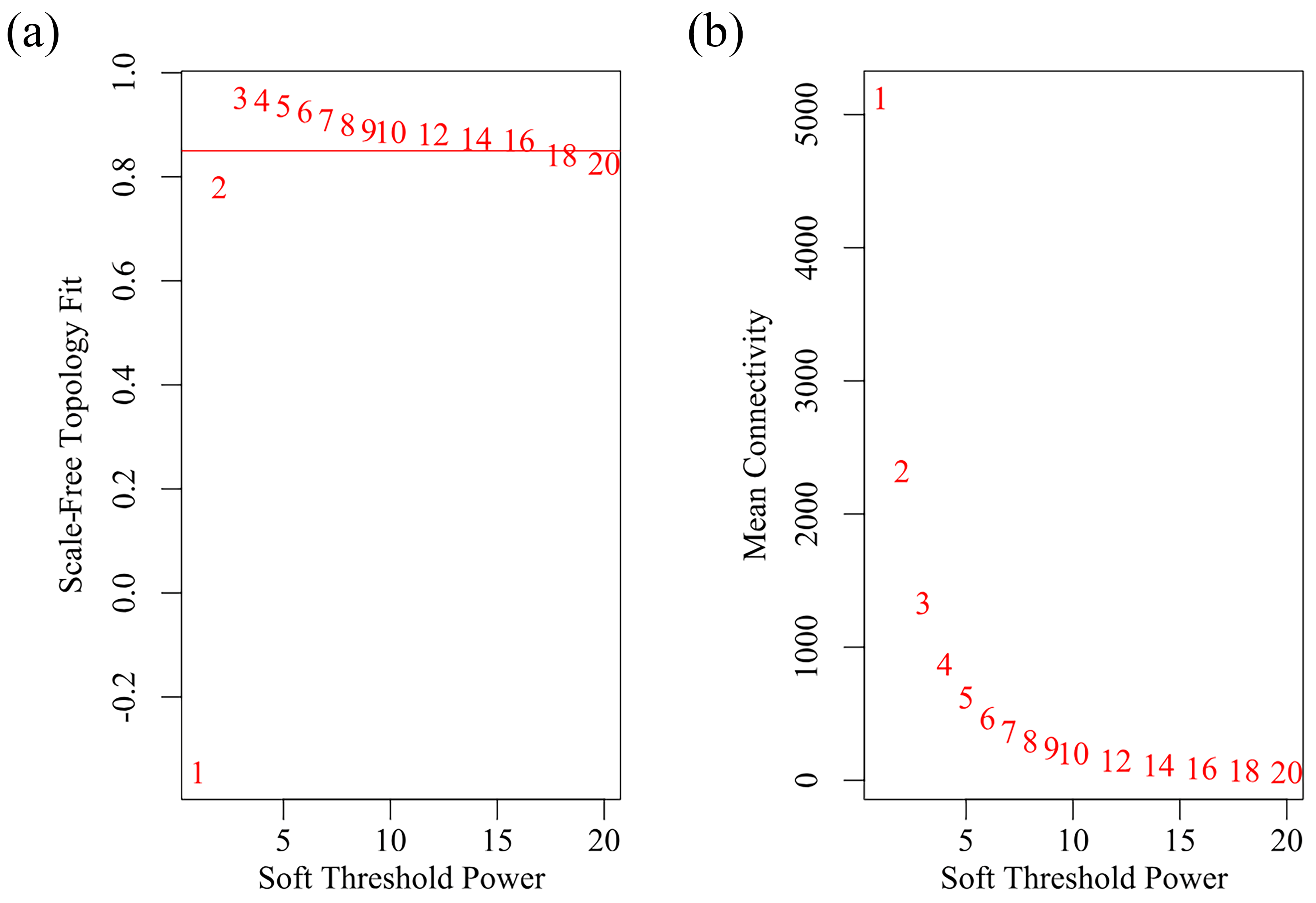
Gene expression data from 24 samples were filtered to retain genes with a coefficient of variation (CV) > 0.5. A weighted gene co-expression network was constructed using the WGCNA package (Version 1.73). To ensure the network conformed to scale-free topology, a soft-thresholding power of 9 was selected, based on the criterion that the scale-free topology fit index (R2) reached a threshold of 0.85, combined with the plateauing trend of mean connectivity (Figure A5). Co-expression modules were identified using a dynamic tree-cut algorithm (merge cut height = 0.4, minimum module size = 150). For each module, the module eigengene was calculated and correlated with the concentrations of six triterpenoid saponins. To account for multiple comparisons, p-values were adjusted using the Benjamini–Hochberg (FDR) method, and modules with adjusted p < 0.05 were retained as significantly trait-associated. Within these modules, transcription factors were ranked by their intramodular connectivity (IC), which quantifies their central role in the module’s regulatory architecture. Genes in these modules were subjected to Gene Ontology (GO) and KEGG enrichment analyses. The top 15 transcription factors with the highest IC and their co-expressed structural genes were identified for further analysis. Regulatory networks were visualized using Cytoscape (Version 3.10.0) [56].

4.6. Molecular Docking

Protein structures were predicted using AlphaFold 3 (https://alphafoldserver.com/ (accessed on 15 October 2025)), and protein–DNA docking was performed via the HDOCK server (http://hdock.phys.hust.edu.cn/ (accessed on 23 October 2025)). The resulting complexes were analyzed for interface stability using PDBePISA (https://www.ebi.ac.uk/pdbe/pisa/ (accessed on 8 November 2025)), while 3D conformations and 2D interaction maps were visualized using PyMOL (Version 3.1) and LigPlot+ (Version 2.3), respectively.

4.7. Statistical Analysis and Visualisations

All statistical analyses and visualizations were performed using OriginPro 2021 (Version 9.8.0.200), SPSS (Version 27.0.1.0), and R software (Version 4.4.1) [55]. GO and KEGG enrichment were analyzed by TBtools software (Version 2.142) [57]. A one-way analysis of variance (ANOVA) was employed to ascertain the disparities between the samples, with significant differences being calculated using the least significant difference (LSD) test at p < 0.05. All data in the text are presented as mean ± standard deviation (SD).

5. Conclusions

In this study, we employed an integrated transcriptomic and metabolomic approach to investigate the molecular mechanisms underlying triterpenoid biosynthesis in C. paliurus leaves under salt stress. Salt treatments significantly altered foliar ion homeostasis, suppressed growth parameters, and induced distinct accumulation patterns of both total and individual triterpenoid saponins. The content of cyclocaric acid B and oleanolic acid exhibited a tendency to increase with increasing salt concentration. Transcriptomic profiling revealed extensive transcriptional reprogramming, with the number of DEGs increasing progressively with stress intensity. WGCNA identified three modules significantly correlated with triterpenoid accumulation, and highlighted several TFs, including WRKY18, bHLH121, ERF4, and ERF1, as potential regulators of key biosynthetic genes such as DXS, SQS, and HMGR. Additional candidates, including MYB12, HY5, and GLK1, were also identified and warrant further functional characterization. The uniqueness of C. paliurus lies in its dual properties as both a medicinal and edible plant, as well as a cosmetic and edible resource. Triterpenoid saponins are key active components responsible for its pharmacological functions. Collectively, this work advances the understanding of stress-induced secondary metabolism and offers a theoretical basis for future molecular breeding and genetic improvement of C. paliurus, with a view to enhancing triterpenoid saponin production in saline regions.

Author Contributions

Conceptualization, data curation, investigation, visualization, writing—original draft, K.H.; investigation, visualization, H.C.; investigation, methodology, J.Q.; conceptualization, funding acquisition, S.F.; methodology, project administration, X.S.; supervision, writing—review and editing, conceptualization, L.Z. All authors have read and agreed to the published version of the manuscript.

Funding

This research was funded by the National Natural Science Foundation of China (32301570).

Data Availability Statement

The Illumina raw sequencing profiles were submitted to the NCBI BioProject database under number PRJNA700136.

Conflicts of Interest

The authors declare no conflicts of interest.

Appendix A

Table A1. The 39 structural genes related to triterpenoid biosynthesis pathway.
Gene IDSymbolLog2(FC)
T1T2
LS vs. CKMS vs. CKHS vs. CKLS vs. CKMS vs. CKHS vs. CK
CpaF1st07780AACT−0.880.750.810.35−1.63 *−0.47
CpaF1st20554AACT−0.570.821.080.55 *−1.50−0.10
CpaF1st19994HMGS−0.630.220.320.03−2.55 *−1.63 *
CpaF1st28191HMGS−0.750.571.321.17 *−0.831.30
CpaF1st02836HMGR−0.981.09−0.12−1.08 *−4.02 *−3.17 *
CpaF1st12554HMGR0.991.592.17−0.44 *−2.56 *0.06
CpaF1st31841HMGR−1.120.320.32−0.32−2.77 *−2.40 *
CpaF1st33764MK−0.990.320.57−0.04−1.64 *0.34
CpaF1st28786PMK−0.810.790.630.08−1.04−0.33
CpaF1st11389MDC−1.060.210.49−0.51 *−2.54 *−0.43
CpaF1st16083MDC−1.00−0.240.311.78 *−0.950.19
CpaF1st05443DXS−1.500.200.38−1.73 *−1.81 *−2.07 *
CpaF1st30813DXS−1.310.20−0.19−0.64 *−1.6 *−1.68 *
CpaF1st31202DXS0.210.700.860.41 *−1.71 *−2.27 *
CpaF1st33309DXS−1.76−0.31−0.480.32−1.07−1.37 *
CpaF1st43029DXS−1.78−0.04−0.43−0.36−2.28 *−1.97 *
CpaF1st47684DXS−0.911.240.97−0.76 *−2.34 *−2.38 *
CpaF1st30221DXR−1.74−0.18−0.650.12−2.49 *−2.63 *
CpaF1st11844MCT−1.210.570.470.31−1.84 *−1.72 *
CpaF1st09794CMK−1.630.04−0.220.20−2.48 *−1.38 *
CpaF1st19880MDS−1.020.870.33−0.18−1.96 *−2.02 *
CpaF1st28338MDS−0.960.540.330.23 *−1.58 *0.02
CpaF1st03205HDR−1.580.340.12−0.41−2.99 *−1.40 *
CpaF1st12271HDR−1.530.080.22−0.18−1.97 *−1.17 *
CpaF1st32604IDI−1.120.280.480.24−1.56−0.32
CpaF1st07789FPS0.600.571.40−0.34−1.63 *−0.11
CpaF1st27465FPS−1.75−0.34−0.24−1.92 *−3.70 *−1.52 *
CpaF1st27466FPS−0.80−0.041.00−1.31 *−2.01−2.15 *
CpaF1st38876FPS−0.89−0.18−0.32−0.28−2.20 *−1.60 *
CpaF1st03088SQS−0.870.400.591.10 *−0.85−0.33
CpaF1st12366SQS−1.52−0.74−1.150.82 *−1.46−1.65 *
CpaF1st31394SM−0.460.821.85−1.03 *−2.16 *−0.48
CpaF1st33485SM−1.77−0.09−0.29−1.29 *−4.02 *−2.74 *
CpaF1st33487SM−2.45−0.22−0.450.19−3.52 *−2.64 *
CpaF1st43482SM−0.382.572.000.34−1.47 *0.09
CpaF1st45140SM−2.021.602.04−4.44 *−3.47 *0.61
CpaF1st45147SM−1.290.710.75−0.43 *−2.35 *−0.31
CpaF1st45148SM−2.050.050.88−2.73 *−3.00 *0.57
CpaF1st45150SM−3.551.040.54−4.35 *−4.42 *−0.89
Log2(FC) > 1 or <1 indicate significant expression difference between different treatments, * indicates significant differences (p < 0.05). Refer to Table 1 for CK, LS, MS, HS, T1 and T2.
Table A2. The 24 metabolites related to triterpenoid biosynthesis pathway.
Metabolite IDNameLog2(FC)
T1T2
LS vs. CKMS vs. CKHS vs. CKLS vs. CKMS vs. CKHS vs. CK
POS12635Acetyl-CoA0.440.78−1.55 *///
POS12873Acetyl-CoA−0.52−0.20−1.91 *−0.39−4.96 *−4.29 *
POS13858Acetyl-CoA−0.04−0.520.390.50 *−0.96 *0.14
POS19173Acetyl-CoA−0.46−0.64 *−0.95 *−0.25−0.84−1.43 *
POS12864Acetoacetyl-CoA0.380.24−0.96 *5.67 *4.45 *4.52
POS11156HMG-CoA−0.11−0.59−0.310.10−2.130.50
POS20574HMG-CoA///3.34 */7.12 *
POS16674GPP0.39−0.481.01 *−1.69 *−2.56 *−2.95 *
NEG00039Pyruvate1.160.111.20−0.83−1.11 *−0.81
POS02238Pyruvate−0.14−0.080.150.280.01−0.06
POS04898Pyruvate−0.40−0.87−0.530.110.19−0.06
POS17935Pyruvate−0.010.060.280.100.49 *−0.25
POS17565MEP0.110.260.29−0.240.29−0.58
NEG06690CDP-ME0.370.62−0.122.26 *−1.290.80
NEG08732CDP-ME0.140.040.37−1.88 *−0.89 *0.59 *
NEG17267CDP-ME−0.010.46−0.20///
POS06080CDP-ME2P///1.4−0.794.79 *
POS09998CDP-ME2P2.73 *2.42 *2.36 *1.235.20 *5.29 *
POS11735CDP-ME2P0.400.601.33///
POS17907CDP-ME2P−1.72 *−3.77 *−2.54 *−0.43−1.99−3.79
POS18286CDP-ME2P−0.100.221.27−0.451.40 *−1.28 *
POS04392MEcPP1.24 *1.84 *1.84 */3.16 *3.00 *
POS06995HMBPP0.75 *1.10 *0.671.43 *1.34 *1.42 *
POS10272HMBPP0.440.650.490.370.75 *0.62
Log2(FC) > 1 or <−1 indicate significant expression difference between different treatments, * indicates significant differences (p < 0.05). Refer to Table 1 for CK, LS, MS, HS, T1 and T2. Metabolite abbreviations: HMG-CoA, (S)-3-Hydroxy-3-methylglutaryl-CoA; GPP, Geranyl diphosphate; MEP, 2-C-Methyl-D-erythritol 4-phosphate; CDP-ME, 4-(Cytidine 5′-diphospho)-2-C-methyl-D-erythritol; CDP-ME2P, 2-Phospho-4-(cytidine 5′-diphospho)-2-C-methyl-D-erythritol; MEcPP, 2-C-Methyl-D-erythritol 2,4-cyclodiphosphate; HMBPP, 1-Hydroxy-2-methyl-2-butenyl 4-diphosphate.
Table A3. The 20 key genes affecting the growth and development of C. paliurus.
NumberGene IDProtein CategoryDescriptionGroupPadj
ACpaF1st12957F-box/kelch-repeat protein SKIP11Regulates plant defense metabolic pathwaysUP7.3 × 10305
BCpaF1st35181Aspartate–prephenate aminotransferaseParticipates in the tricarboxylic acid cycle and the biosynthesis of aromatic amino acidsUP1.2 × 10−292
CCpaF1st00042β-carotene hydroxylaseCatalyzes a key step in chloroplast xanthophyll biosynthesisUP1.1 × 10−282
DCpaF1st46329Hydroxycinnamoyl
-transferase
Plays a role in the synthesis and modification of secondary metabolitesUP8.0 × 10−271
ECpaF1st29183Carotenoid cleavage dioxygenaseRegulates carotenoid metabolism and influences plant developmentDOWN5.1 × 10−260
FCpaF1st04301TransketolaseEssential for photosynthesisDOWN1.2 × 10−243
GCpaF1st152914-coumarate-coa ligaseFunctions in phenylpropanoid metabolismUP7.4 × 10−241
HCpaF1st04909ATP sulfurylaseA key enzyme in the sulfate assimilation pathwayDOWN1.3 × 10−236
ICpaF1st11918Caffeoyl-coa O-methyltransferaseRegulates the biosynthesis of phenylpropenoids and ligninUP4.2 × 10−234
JCpaF1st36188Lycopene epsilon cyclaseCatalyzes cyclization reactions in carotenoid biosynthesisDOWN2.4 × 10−228
KCpaF1st13801Caffeic acid 3-O-methyltransferaseContributes to plant secondary metabolic pathwaysDOWN2.2 × 10−216
LCpaF1st18688Cytochrome P450Involved in the synthesis of secondary metabolitesUP2.6 × 10−209
MCpaF1st41336β-amyrin synthaseResponsible for oleanane-type triterpenoid saponin biosynthesisUP3.4 × 10−208
NCpaF1st24392Leucoanthocyanidin reductaseCatalyzes a step in proanthocyanidin biosynthesisUP1.4 × 10−206
OCpaF1st36377HexokinaseFunctions in glycolytic metabolismUP3.5 × 10−205
PCpaF1st38292(3S,6E)-nerolidol synthaseParticipates in terpenoid biosynthesisDOWN4.2 × 10−204
QCpaF1st38420Cannabidiolic acid synthaseActs in secondary metabolic pathwaysUP5.6 × 10−201
RCpaF1st29147Abscisic acid 8′-hydroxylaseNegatively regulates abscisic acid levels by catalyzing its oxidative degradationDOWN6.4 × 10−198
SCpaF1st40792Crocetin glucosyltransferaseImportant for secondary metabolic pathways, regulating pigment biosynthesisUP7.9 × 10−187
TCpaF1st05320Primary amine oxidaseCrucial to stress responseUP3.4 × 10−186
Table A4. The 10 key metabolites affecting the growth and development of C. paliurus.
NumberMetabolite IDMetabolite NameDescriptionGroupPadj
aNEG00165Phenylglyoxylic acidInvolved in phenylalanine metabolismUP5.4 × 104
bNEG00111Gallic acidEssential to the biosynthesis of various plant secondary metabolites and phenylpropanoidsUP1.1 × 10−3
cNEG00102SecoisolariciresinolImportant for the biosynthesis of various plant secondary metabolites and phenylpropanoidsUP1.2 × 10−3
dNEG00068D-ProlineCrucial to arginine and proline metabolismUP1.5 × 10−3
eNEG00020Benzoic acidInvolved in biosynthesis of various alkaloids and secondary metabolitesUP1.7 × 10−3
fNEG001691,3,7-Trimethyluric acidInvolvement in caffeine metabolismUP1.7 × 10−3
gNEG00137Itaconic acidEssential to C5-Branched dibasic acid metabolismDOWN1.9 × 10−3
hNEG00055PhloretinParticipates in flavonoid biosynthesisUP2.1 × 10−3
iNEG00073LuteolinImportant for flavone and flavonol biosynthesisUP2.2 × 10−3
jNEG00074GalactinolInvolved in galactose metabolismDOWN2.2 × 10−3
Table A5. Information regarding hydrogen bonds between TFs and structural genes.
GroupNumberTFsDistance (Å)Structural Genes
bHLH35-DXS1Asn 3 (ND2)3.55DG 266 (OP1)
2Ile 4 (N)3.8DG 265 (OP1)
3Gly 5 (N)3.63DG 265 (OP1)
4Ala 205 (N)3.49DT 86 (O4)
5Ser 242 (OG)2.45DC 1981 (OP1)
6Glu 101 (OE1)2.33DA 72 (N6)
7Gln 100 (OE1)2.42DA 76 (N6)
8Met 201 (O)2.59DA 84 (N6)
9Ile 203 (O)2.25DA 85 (N6)
10Ser 207 (OG)3.79DG 89 (N1)
MYC2-DXS1Gln 48 (NE2)2.79DA 899 (O5′)
2Gln 48 (NE2)3.12DT 900 (OP2)
3Gln 85 (NE2)2.9DT 894 (O4)
4Tyr 122 (OH)3.63DA 892 (OP2)
5Gly 494 (N)3.84DT 1560 (O2)
6Gln 514 (NE2)2.97DT 891 (O2)
7Tyr 517 (OH)3.69DA 889 (O5′)
8Tyr 517 (OH)3.82DA 889 (OP2)
ERF113-HMGS1Asn 50 (ND2)2.53DT 1382 (OP2)
2Arg 57 (NH1)2.99DG 1388 (O4′)
3Arg 57 (NH1)2.5DT 1387 (O3′)
4Arg 72 (N)3.31DC 1389 (OP1)
5Arg 72 (NH1)2.61DT 1390 (OP1)
6Arg 72 (NH1)2.57DT 1390 (OP2)
7Arg 79 (NH2)3.25DC 1389 (O3′)
8Tyr 95 (OH)3.61DG 1388 (O3′)
9Tyr 95 (OH)3.77DC 1389 (OP1)
10Arg 101 (N)3.32DT 1489 (OP1)
11Arg 101 (NH1)3.35DT 1487 (O3′)
12Lys 103 (NZ)3.69DC 1389 (OP2)
13Ala 107 (N)3.43DT 1408 (OP1)
14Lys 108 (NZ)2.91DG 1388 (OP1)
15Gln 116 (NE2)2.09DG 1409 (O5′)
16Arg 119 (NE)3.5DT 1490 (OP1)
17Tyr 123 (OH)3.86DT 1489 (O2)
18Phe 129 (N)3.8DG 1409 (OP1)
19Asn 131 (ND2)3.73DT 1429 (OP2)
20Thr 132 (N)3.18DG 1428 (OP1)
21Ser 133 (N)3.54DG 1428 (OP1)
22His 55 (O)3.49DG 1386 (N2)
23Asn 131 (O)2.34DG 1407 (N2)
24Thr 132 (OG1)2.73DG 1409 (N2)
25Glu 113 (OE1)3.33DA 1410 (N6)
MED26B-HDR1Arg 111 (NH2)3.28DA 484 (O5′)
2Arg 111 (NH2)3.19DA 484 (OP1)
3Asn 118 (ND2)3.05DG 492 (O4′)
4Gln 269 (NE2)3.81DA 530 (O3′)
5Lys 391 (NZ)3.01DC 583 (O3′)
6Lys 410 (NZ)3.14DG 514 (O6)
7Tyr 415 (OH)2.21DA 519 (OP1)
8Gln 424 (NE2)3.83DT 541 (O2)
9Asp 36 (OD1)3.4DC 471 (N4)
10Ser 126 (OG)3.29DC 517 (N4)
11Glu 129 (OE1)2.6DG 518 (N1)
12Phe 265 (O)2.7DA 525 (N6)
13Ala 267 (O)2.25DG 527 (N2)
14Gln 424 (O)3.8DG 537 (N2)
15Arg 425 (O)3.85DG 537 (N2)
The number following the amino acid residue indicates the position of the amino acid in the protein. The content in brackets represents atoms of amino acid residues.
Figure A1. GO (a) and KEGG (b) enrichment analysis of genes in green and blue modules. (c) Eigengene expression profiles of green module and blue module.
Plants 15 01535 g0a1
Figure A2. Construction of gene co-expression networks by structural genes with the strongest correlation of TFs. The networks constructed by green (a) and blue (b) module genes, which were highly correlated on the accumulation of triterpenoid. The white circles represent key structural genes; the yellow circles represent TFs in the module, which become larger as the connection degree increases.
Plants 15 01535 g0a2
Figure A3. The 3D and 2D structures of molecular docking models of key TFs and their target genes. (a) MYC2 binding to DXS; (b) MED26B binding to HDR. Refer to Figure 8 for legend details.
Plants 15 01535 g0a3
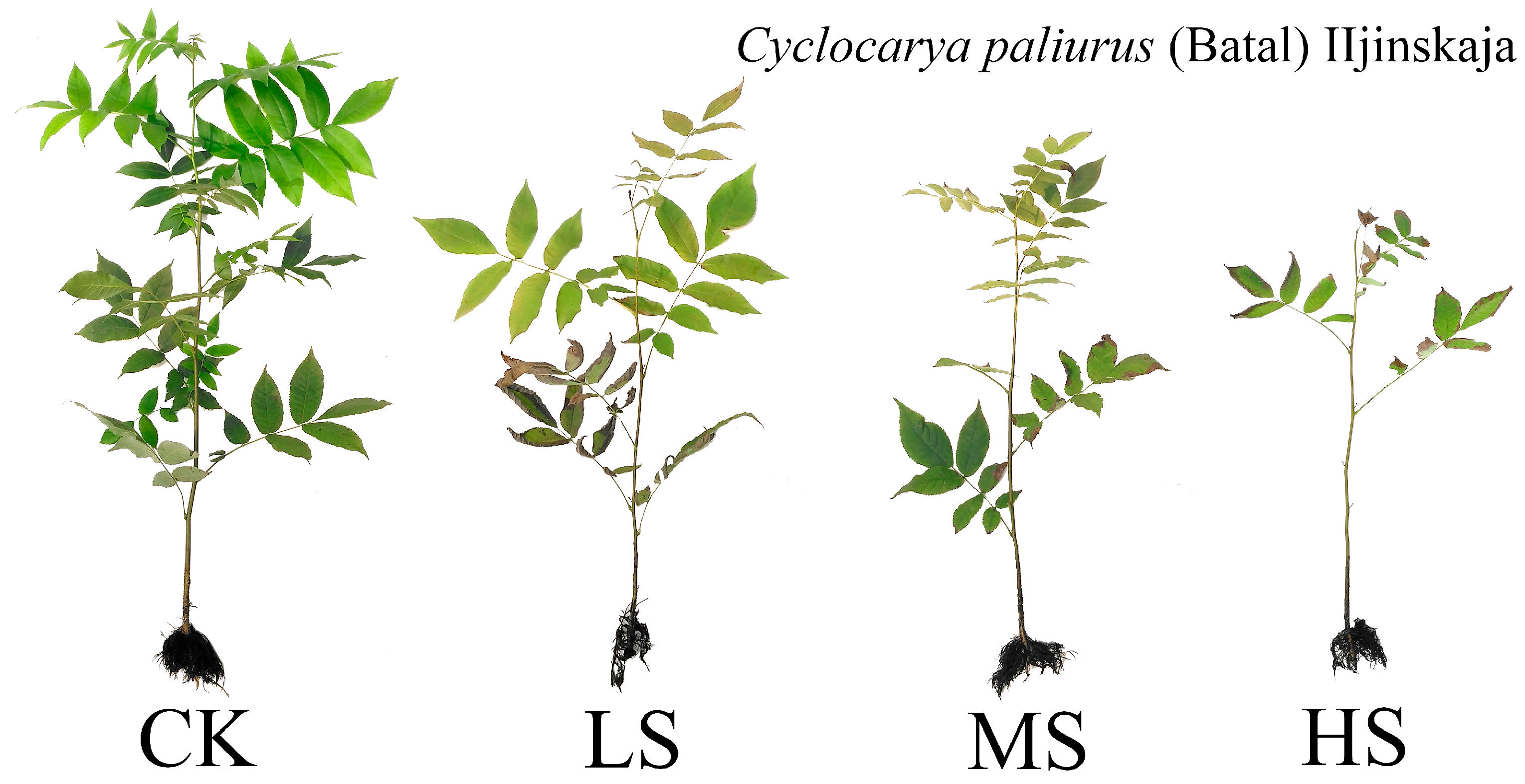
Figure A4. Phenotypes of C. paliurus seedlings under different concentrations of salt at T2.
Plants 15 01535 g0a4
Figure A5. Selection of soft threshold power. (a) Plot of scale-free topology fit; (b) plot of mean connectivity.
Plants 15 01535 g0a5

References

  1. Zhang, W.; Iqbal, J.; Hou, Z.; Fan, Y.; Dong, J.; Liu, C.; Yang, T.; Che, D.; Zhang, J.; Xin, D. Genome-wide identification of the CYP716 gene family in Platycodon grandiflorus (Jacq.) A. DC. and its role in the regulation of triterpenoid saponin biosynthesis. Plants 2024, 13, 1946. [Google Scholar] [CrossRef] [PubMed]
  2. Wei, L.; Zhang, W.; Yin, L.; Yan, F.; Xu, Y.; Chen, F. Extraction optimization of total triterpenoids from Jatropha curcas leaves using response surface methodology and evaluations of their antimicrobial and antioxidant capacities. Electron. J. Biotechnol. 2015, 18, 88–95. [Google Scholar] [CrossRef]
  3. Wang, G.; Wan, X.; Li, X.; Ou, J.; Li, G.; Deng, H. Transcriptome-based analysis of key functional genes in the triterpenoid saponin synthesis pathway of Platycodon grandiflorum. BMC Genom. Data 2024, 25, 83. [Google Scholar] [CrossRef]
  4. Muhammad, Z.; Sarfraz, A.J.; Saad, H.; Anila, S.; Haider, A.B. Lupeol, a plant triterpenoid mitigates salt induced stress: Growth and antioxidative response of Brassica nigra under in vitro condition. Plant Cell Tissue Organ Cult. (PCTOC) 2022, 154, 327–335. [Google Scholar]
  5. Afacan, C.; Karagoz, I.D.; Cakir, A. Antitumor mechanisms of olive fruit metabolites, maslinic, and oleanolic acids on lung cancer cells. Russ. J. Bioorg. Chem. 2025, 51, 79–92. [Google Scholar] [CrossRef]
  6. Lu, Y.; Kan, H.; Wang, Y.; Wang, D.; Wang, X.; Gao, J.; Zhu, L. Asiatic acid ameliorates hepatic ischemia/reperfusion injury in rats via mitochondria-targeted protective mechanism. Toxicol. Appl. Pharmacol. 2018, 338, 214–223. [Google Scholar] [CrossRef]
  7. Zhao, Z.; Zou, Q.; Ma, Y.; Natschke, S.L.M.; Li, X.Y.; Shi, L.C.; Ma, G.X.; Xu, X.D.; Yang, M.H.; Zhao, Z.J.; et al. Recent progress on triterpenoid derivatives and their anticancer potential. Phytochemistry 2024, 229, 114257. [Google Scholar] [CrossRef]
  8. Zhang, L.; Hong, K.; Zhang, Z.; Shang, X.; Fang, S. Multi-Omics analysis reveals the regulation of amino acid biosynthesis in Cyclocarya paliurus leaves under salt stress. Int. J. Mol. Sci. 2025, 26, 10444. [Google Scholar] [CrossRef]
  9. Lou, Y.; Wu, C.; Wang, X.; Shi, M.; Li, Z.; Su, X.; Ye, W.; Dai, C.; Tian, Y.; Liu, Y. Pseudomonas fluorescens G3 enhances the salt stress tolerance of maize and modulates soil microbial community composition in the rhizosphere. Plants 2026, 15, 1281. [Google Scholar] [CrossRef]
  10. Ganesan, G.; Prakash, H.; Vinoth, A.; Madasamy, P. From swamp to field: How genes from mangroves and its associates can enhance crop salinity tolerance. Mol. Biol. Rep. 2024, 51, 598. [Google Scholar] [CrossRef]
  11. Akhtar, M.T.; Noor, M.; Lin, X.; Lu, Z.; Jin, B. Flavonoids in plant salt stress responses: Biosynthesis, regulation, functions, and signaling networks. Plants 2026, 15, 171. [Google Scholar] [CrossRef]
  12. Pan, Y.; Fei, C.; Liu, X.; He, F.; Zhu, J.; Yu, H.; Zhao, F.; Yang, Z. Identification of the p24 gene family related to vesicular transport in Cyclocarya paliurus and their expression analysis under salt stress. Forests 2024, 15, 2081. [Google Scholar] [CrossRef]
  13. Zhang, L.; Zhang, Z.; Fang, S.; Liu, Y.; Shang, X. Metabolome and transcriptome analyses unravel the molecular regulatory mechanisms involved in photosynthesis of Cyclocarya paliurus under salt stress. Int. J. Mol. Sci. 2022, 23, 1161. [Google Scholar] [CrossRef]
  14. Zhang, Z.; Fang, J.; Jin, H.; Zhang, L.; Fang, S. Application of oxide nanoparticles mitigates the salt-induced effects on photosynthesis and reduces salt injury in Cyclocarya paliurus. Sci. Total Environ. 2024, 954, 176333. [Google Scholar] [CrossRef]
  15. Zha, Y.; Zhao, B.; Qiu, J.; Li, X. Integrated transcriptomic and metabolomic analyses of pak choi [Brassica pekinensis (Lour.) Rupr] response to combined stress of acid rain and cadmium-containing atmospheric fine particulate matter. Front. Environ. Sci. 2022, 10, 1020308. [Google Scholar] [CrossRef]
  16. Lv, C.; He, Y.; Jiang, Z.; Hu, W.; Zhang, M. Integrated transcriptomic and metabolomic analyses reveal critical gene regulatory network in response to drought stress in Dendrobium nobile Lindl. BMC Plant Biol. 2025, 25, 145. [Google Scholar] [CrossRef]
  17. Zhang, L.; Zhang, Z.; Fang, S.; Liu, Y.; Shang, X. Integrative analysis of metabolome and transcriptome reveals molecular regulatory mechanism of flavonoid biosynthesis in Cyclocarya paliurus under salt stress. Ind. Crops Prod. 2021, 170, 113823. [Google Scholar] [CrossRef]
  18. Huang, G.; Ma, S.; Bai, L.; Zhang, L.; Ma, H.; Jia, P.; Liu, J.; Zhong, M.; Guo, Z.F. Signal transduction during cold, salt, and drought stresses in plants. Mol. Biol. Rep. 2012, 39, 969–987. [Google Scholar] [CrossRef]
  19. Gajendramurthy, G.H.; Brijesh, S.S.; Natarajamurthy, S.; Mohammed, A.; Kalegowda, N.; Chunchegowda, U.A.; Nagaraj, A.K.; Mahadevamurthy, M.; Peter, P.; Abdul, G.; et al. Insight into recent progress and perspectives in improvement of antioxidant machinery upon PGPR augmentation in plants under drought stress: A review. Antioxidants 2022, 11, 1763. [Google Scholar] [CrossRef] [PubMed]
  20. Erb, M.; Kliebenstein, D.J. Plant secondary metabolites as defenses, regulators, and primary metabolites: The blurred functional trichotomy. Plant Physiol. 2020, 184, 39–52. [Google Scholar] [CrossRef] [PubMed]
  21. Zhou, J.; Li, J.; Liang, E.; Qi, M.; Huang, Y.; Zhang, L. Transcriptomic analysis under drought and salt stress provides insight into genes putatively involved in ginsenoside biosynthesis in Panax japonicus Meyer. Biochem. Genet. 2025, 63, 2698–2715. [Google Scholar] [CrossRef]
  22. Huang, W.; Xue, A.; Niu, H.; Jia, Z.; Wang, J. Optimised ultrasonic-assisted extraction of flavonoids from Folium eucommiae and evaluation of antioxidant activity in multi-test systems in vitro. Food Chem. 2008, 114, 1147–1154. [Google Scholar] [CrossRef]
  23. Augustin, J.M.; Kuzina, V.; Andersen, S.B.; Bak, S. Molecular activities, biosynthesis and evolution of triterpenoid saponins. Phytochemistry 2011, 72, 435–457. [Google Scholar] [CrossRef]
  24. Behdad, A.; Mohsenzadeh, S.; Azizi, M.; Moshtaghi, N. Salinity effects on physiological and phytochemical characteristics and gene expression of two Glycyrrhiza glabra L. populations. Phytochemistry 2020, 171, 112236. [Google Scholar] [CrossRef]
  25. Shirazi, Z.; Aalami, A.; Tohidfar, M.; Sohani, M.M. Triterpenoid gene expression and phytochemical content in Iranian licorice under salinity stress. Protoplasma 2019, 256, 827–837. [Google Scholar] [CrossRef]
  26. Ayeleso, T.B.; Matumba, M.G.; Mukwevho, E. Oleanolic acid and its derivatives: Biological activities and therapeutic potential in chronic diseases. Molecules 2017, 22, 1915. [Google Scholar] [CrossRef] [PubMed]
  27. Verma, N.; Raghuvanshi, D.S.; Singh, R.V. Recent advances in the chemistry and biology of oleanolic acid and its derivatives. Eur. J. Med. Chem. 2023, 276, 116619. [Google Scholar] [CrossRef] [PubMed]
  28. AL-Ashoush, A.M.; Shibli, R.A.; Tahtamouni, R.W.; Al-Qudah, T.S.; Abu-Irarmaileh, B.B. Enhancement of pentacyclic triterpenoids (betulinic and oleanolic acids) production from callus cultures of Lantana camara L. Adv. Hortic. Sci. 2020, 34, 255–264. [Google Scholar] [CrossRef]
  29. Deng, B.; Fang, S.; Shang, X.; Fu, X.; Yang, W. Influence of genotypes and environmental factors on leaf triterpenoid content and growth of Cyclocarya paliurus. J. For. Res. 2019, 30, 789–798. [Google Scholar] [CrossRef]
  30. Liu, Y.; Zhang, W.; Elango, D.; Liu, H.; Jin, D.; Wang, X.; Wu, Y. Metabolome and transcriptome analysis reveals molecular mechanisms of watermelon under salt stress. Environ. Exp. Bot. 2023, 206, 105200. [Google Scholar] [CrossRef]
  31. Fu, L.; Tian, X.; Wang, W.; Wu, C. Metabolome and transcriptome analysis reveals molecular mechanisms of soil amendment (volcanic ash) alleviating salt–alkali stress in melons (Cucumis melo L.). Agronomy 2024, 14, 2478. [Google Scholar] [CrossRef]
  32. Zhu, M.L.; Chen, Y.J.; Xu, J.Y.; Zhang, Y.H. Exogenous melatonin alleviates salt stress by promoting plant growth, photosynthesis, antioxidant defenses, and secondary metabolites in Eleutherococcus senticosus. Russ. J. Plant Physiol. 2025, 72, 216. [Google Scholar] [CrossRef]
  33. Tian, Z.; He, W.; Tang, J.; Liao, X.; Yang, Q.; Wu, Y.; Wu, G. Identification of important modules and biomarkers in breast cancer based on WGCNA. OncoTargets Ther. 2020, 13, 6805–6817. [Google Scholar] [CrossRef] [PubMed]
  34. Pang, B.; Li, J.; Zhang, R.; Luo, P.; Wang, Z.; Shi, S.; Gao, W.; Li, S. RNA-Seq and WGCNA analyses reveal key regulatory modules and genes for salt tolerance in cotton. Genes 2024, 15, 1176. [Google Scholar] [CrossRef]
  35. Li, J.; Yu, H.; Liu, M.; Chen, B.; Dong, N.; Chang, X.; Wang, J.; Xing, S.; Peng, H.; Zha, L.; et al. Transcriptome-wide identification of WRKY transcription factors and their expression profiles in response to methyl jasmonate in Platycodon grandiflorus. Plant Signal. Behav. 2022, 17, 2089473. [Google Scholar] [CrossRef]
  36. Gu, X.; Zhou, L.; Pu, Y.; Jiang, F.; Yang, L.; Zhang, T.; Zhou, T.; Wang, X. Genome-wide identification and transcriptional expression profiles of the transcription factor WRKY in Gentiana macrophylla. Mol. Biol. Rep. 2025, 52, 344. [Google Scholar] [CrossRef] [PubMed]
  37. Ribeiro, B.; Lacchini, E.; Bicalho, K.U.; Mertens, J.; Arendt, P.; Bossche, R.V.; Calegario, G.; Gryffroy, L.; Ceulemans, E.; Buitink, J.; et al. A seed-specific regulator of triterpene saponin biosynthesis in Medicago truncatula. Plant Cell 2020, 32, 2020–2042. [Google Scholar] [CrossRef]
  38. Liu, D.; Zhang, P.; Zhou, T.; Wu, Y.; Yuan, M.; Zhang, X.; Liu, Y. Genome-wide characterization and expression analysis of the bHLH gene family in response to abiotic stresses in Zingiber officinale Roscoe. BMC Genom. 2025, 26, 143. [Google Scholar] [CrossRef]
  39. Musa, K.; Gökhan, G.; Zafer, S.; Allah, B. Ectopic expression of common bean ERF transcription factor PvERF35 promotes salt stress tolerance in tobacco. Plant Biol. 2020, 22, 1102–1112. [Google Scholar] [CrossRef]
  40. Zhu, H.; Chen, R.; Xu, Y.; Gong, W.; Miao, M.; Sun, Y.; Mei, J. An ERF gene DcERF3 of Dendrobium catenatum improves salt tolerance in Arabidopsis. Mol. Biotechnol. 2025, 68, 896–906. [Google Scholar] [CrossRef]
  41. Singh, A.K.; Kumar, S.R.; Dwivedi, V.; Rai, A.; Pal, S.; Shasany, A.K.; Nagegowda, D.A. A WRKY transcription factor from Withania somnifera regulates triterpenoid withanolide accumulation and biotic stress tolerance through modulation of phytosterol and defense pathways. New Phytol. 2017, 215, 1115–1131. [Google Scholar] [CrossRef] [PubMed]
  42. Fan, Z.; Zhu, Y.; Kuang, W.; Leng, J.; Wang, X.; Qiu, L.; Nie, J.; Yuan, Y.; Zhang, R.; Wang, Y.; et al. The 14-3-3 protein GRF8 modulates salt stress tolerance in apple via the WRKY18-SOS pathway. Plant Physiol. 2024, 194, 1906–1922. [Google Scholar] [CrossRef] [PubMed]
  43. Newman, J.D.; Chappell, J. Isoprenoid biosynthesis in plants: Carbon partitioning within the cytoplasmic pathway. Crit. Rev. Biochem. Mol. Biol. 1999, 34, 95–106. [Google Scholar] [CrossRef]
  44. Ramesha, T.; Katrin, G.; Thomas, L.; Paul, O.M.; Anne, O. Triterpene biosynthesis in plants. Annu. Rev. Plant Biol. 2014, 65, 225–257. [Google Scholar] [CrossRef] [PubMed]
  45. Zhao, Y.J.; Li, C. Biosynthesis of plant triterpenoid saponins in microbial cell factories. J. Agric. Food Chem. 2018, 66, 12155–12165. [Google Scholar] [CrossRef] [PubMed]
  46. Zhao, X.; Wang, Q.; Yan, C.; Sun, Q.; Wang, J.; Li, C.; Yuan, C.; Mou, Y.; Shan, S. The bHLH transcription factor AhbHLH121 improves salt tolerance in peanut. Int. J. Biol. Macromol. 2023, 256, 128492. [Google Scholar] [CrossRef]
  47. Zheng, J.; He, X.; Zhou, X.; Liu, X.; Yi, Y.; Su, D.; Zhang, W.; Liao, Y.; Ye, J.; Xu, F. The Ginkgo biloba microRNA160-ERF4 module participates in terpene trilactone biosynthesis. Plant Physiol. 2024, 195, 1446–1460. [Google Scholar] [CrossRef]
  48. Li, Y.; Lei, W.; Zhou, Z.; Li, Y.; Zhang, D.; Lin, H. Transcription factor GLK1 promotes anthocyanin biosynthesis via an MBW complex-dependent pathway in Arabidopsis thaliana. J. Integr. Plant Biol. 2023, 65, 1521–1535. [Google Scholar] [CrossRef]
  49. Kim, S.; Hwang, G.; Lee, S.; Zhu, J.-Y.; Paik, I.; Nguyen, T.T.; Kim, J.; Oh, E. High ambient temperature represses anthocyanin biosynthesis through degradationof HY5. Front. Plant Sci. 2017, 8, 1787. [Google Scholar] [CrossRef]
  50. Fang, S.; Wang, J.; Wei, Z.; Zhu, Z. Methods to break seed dormancy in Cyclocarya paliurus (Batal)Iljinskaja. Sci. Hortic. 2006, 110, 305–309. [Google Scholar] [CrossRef]
  51. Eom, Y.; Kim, D.-Y.; Han, S.H.; Lee, T.G. Preparation of quality control materials for the determination of mercury in rice. Food Chem. 2014, 147, 361–366. [Google Scholar] [CrossRef] [PubMed]
  52. Fan, J.; He, C. Simultaneous quantification of three major bioactive triterpene acids in the leaves of Diospyros kaki by high-performance liquid chromatography method. J. Pharm. Biomed. Anal. 2006, 41, 950–956. [Google Scholar] [CrossRef]
  53. Cao, Y.; Fang, S.; Yin, Z.; Fu, X.; Shang, X.; Yang, W.; Yang, H. Chemical fingerprint and multicomponent quantitative analysis for the quality evaluation of Cyclocarya paliurus leaves by HPLC–Q–TOF–MS. Molecules 2017, 22, 1927. [Google Scholar] [CrossRef]
  54. Guo, Y.; Gao, C.; Wang, M.; Fu, F.-F.; El-Kassaby, Y.A.; Wang, T.; Wang, G. Metabolome and transcriptome analyses reveal flavonoids biosynthesis differences in Ginkgo biloba associated with environmental conditions. Ind. Crops Prod. 2020, 158, 112963. [Google Scholar] [CrossRef]
  55. R Core Team. R: A Language and Environment for Statistical Computing; R Foundation for Statistical Computing: Vienna, Austria, 2018. [Google Scholar]
  56. Michael, K.; Sebastian, W.; Bettina, W. Cytoscape: Software for visualization and analysis of biological networks. Methods Mol. Biol. 2011, 696, 291–303. [Google Scholar]
  57. Chen, C.; Wu, Y.; Li, J.; Wang, X.; Zeng, Z.; Xu, J.; Liu, Y.; Feng, J.; Chen, H.; He, Y.; et al. TBtools-II: A “One for All, All for One” bioinformatics platform for biological big-data mining. Mol. Plant 2023, 16, 1733–1742. [Google Scholar] [CrossRef] [PubMed]
Figure 1. Growth parameters of C. paliurus seedlings: (a) plant height, (b) ground diameter, (c) leaf dry weight and (d) root dry weight. Capital and lowercase letters indicate significant differences (p < 0.05) among treatments at T1 and T2, respectively. Refer to Table 1 for CK, LS, MS, HS, T1 and T2.
Plants 15 01535 g001
Figure 2. PCA and differential expression analysis of transcripts under various salt treatments. (a) PCA score plots of gene expression. Each data point represents an independent biological replicate, with colors (red, blue, purple, and green) denoting CK, LS, MS, and HS groups, respectively. (b) Volcano plots of DEGs between the CK and salt-treated groups at T1 and T2. Differentially expressed genes (DEGs) were identified based on |log2FC| > 1 and FDR < 0.05. The numerical values in the figure indicate the total count of DEGs between treatment pairs. Refer to Table 1 for definitions of CK, LS, MS, HS, T1, and T2.
Plants 15 01535 g002
Figure 3. The dynamic expression patterns of genes, which were grouped into six clusters based on the similarity of their abundance profiles (af). Below each cluster, the top five most significantly enriched KEGG pathways; the number on the right side of the bar represents the count of metabolites.
Plants 15 01535 g003
Figure 4. Multivariate and functional enrichment analysis of metabolites and genes in C. paliurus. (a) PCA score plots of gene expression profiles. Each point represents an independent biological replicate, with colors (red, blue, purple, and green) denoting CK, LS, MS, and HS, respectively. (b) Total number of differentially expressed genes (DEGs) and differentially accumulated metabolites (DAMs) identified between treatment pairs at each sampling time. (c) KEGG pathway enrichment bar chart of the DAMs between CK and salt-treatment groups. Refer to Table 1 for definitions of CK, LS, MS, HS, T1, and T2.
Plants 15 01535 g004
Figure 5. Mantel test visualization showing the correlations between physiological indicators and molecular profiles. (a) Relationships between antioxidant enzymes (SOD and CAT), MDA content, and 20 key candidate genes. (b) Correlations between physiological indicators and 10 major metabolites. The color scale represents Pearson’s correlation coefficients ranging from −1 to 1; warmer tones indicate positive correlations, while colder tones indicate negative correlations. The overlaying lines (or shaded areas) represent Mantel’s r and p-values, where line width and shade intensity reflect the statistical significance (Mantel’s * p < 0.05 or ** p < 0.01). Refer to Table 1 for treatment details.
Plants 15 01535 g005
Figure 6. WGCNA identification of co-expression modules associated with amino acid accumulation. (a) Hierarchical clustering dendrogram of expressed genes, with identified modules assigned distinct colors. (b) Heatmap illustrating the correlations between amino acid contents and module eigengenes (MEs). The color scale represents the correlation coefficient, where red and blue indicate positive and negative correlations, respectively. The number of genes (c) and TFs (d) contained in each module are shown, with each module represented by rectangles of different colors.
Plants 15 01535 g006
Figure 7. Integrated analysis of the triterpenoid biosynthetic pathway in C. paliurus. The green and yellow rectangles represent the heatmap of gene expression. A change from green to yellow indicates gene expression from low to high. The blue and red rectangles represent the heatmap of metabolite abundance. A change from blue to red indicates a change from low to high metabolite content. Refer to Table 1 for abbreviations CK, LS, MS and HS. Metabolites abbreviations: HMG-CoA, (S)-3-hydroxy-3-methylglutaryl-CoA; MVA, mevalonate; MVAP, mevalonate-5P; MVAPP, mevalonate-5PP; IPP, isopentenyl-PP; G3P, D-glyceraldehyde 3-phosphate; DXP, 1-deoxy-D-xylulose 5-phosphate; MEP, 2-C-methyl-D-erythritol 4-phosphate; CDP-ME, 4-(cytidine 5′-diphospho)-2-C-methyl-D-erythritol; CDP-ME2P, 2-phospho-4-(cytidine 5′-diphospho)-2-C-methyl-D-erythritol; MEcPP, 2-C-methyl-D-erythritol 2,4-cyclodiphosphate; HMBPP, 1-hydroxy-2-methyl-2-butenyl 4-diphosphate; DMAPP, dimethylallyl-PP; GPP, geranyl-PP; FPP, farnesyl-PP. Enzyme abbreviations: AACT, acetyl-CoA acetyhransferase; HMGS, 3-hydroxy-3-methylglutatryl-CoA synthase; HMGR, 3-hydroxy-3-methylglutatryl-CoA reductase; MK, mevalonate kinase; PMK phosphomevalonate kinase; MDC, mevalonate pyrophosphate decarboxylase; IDI, isopentenyl-diphosphate Delta-isomerase; DXS, 1-deoxy-D-xylulose-5-phosphate synthase; DXR, 1-deoxy-D-xylulose-5-phosphate reductoisomerase; MCT, 4-diphosphoeytidyl-2-methyl-D-erytbritol synthetase; CMK, 4-diphosphoeytidyl-2-methyl-D-erytbritol kinase; MDS, 2-C-methyl-D-erythritol 2,4-cyclodiphosphate synthase; HDS, (E)-4-hydroxy-3-methylbut-2-enyl-diphosphate synthase; HDR, 4-hydroxy-3-methylbut-2-en-1-yl diphosphate reductas; FPS, farnesyl diphosphate synthase; FPPS, (2Z,6Z)-farnesyl diphosphate synthase; SQS, squalene synthase; SM, squalene monoxydase.
Plants 15 01535 g007
Figure 8. The 3D and 2D structures of molecular docking models of key TFs and their target genes. (a) bHLH35 binding to DXS; (b) ERF113 binding to HMGS. The left panels display the protein structures predicted by AlphaFold3, while the right panels show magnified detailed views. Above the dotted line in each rectangular panel is the 3D model, and below the dotted line is the 2D representation. Yellow dashed lines in the 3D structures and green dashed lines in the 2D structures represent hydrogen bonds, and the numbers near the dashed lines indicate the hydrogen bond distances.
Plants 15 01535 g008
Table 1. Ion content in C. paliurus leaves under different salt treatments.
Sampling TimeTreatmentK+ Content (mg g−1)Ca2+ Content (mg g−1)Na+ Content (mg g−1)Mg2+ Content (mg g−1)
T1CK37.35 ± 0.79 c22.63 ± 0.49 a0.03 ± 0.02 d9.59 ± 0.50 a
LS37.02 ± 1.51 c20.53 ± 0.64 b0.34 ± 0.09 c7.91 ± 0.47 b
MS39.51 ± 1.02 b18.42 ± 0.72 c0.70 ± 0.04 b7.79 ± 0.28 b
HS42.24 ± 0.83 a16.42 ± 0.63 d1.62 ± 0.15 a6.83 ± 0.02 c
T2CK41.32 ± 1.50 b23.27 ± 0.46 a0.26 ± 0.05 c10.76 ± 0.39 a
LS45.51 ± 1.43 a17.48 ± 0.59 b0.64 ± 0.08 c7.75 ± 0.53 b
MS45.02 ± 1.81 a16.82 ± 0.56 b2.36 ± 0.28 b7.09 ± 0.17 bc
HS47.89 ± 1.13 a15.76 ± 0.56 c4.07 ± 0.56 a6.74 ± 0.26 c
Sampling was conducted at two stages: T1 (15 d) and T2 (30 d). Salt treatments included CK (control), LS (0.15% NaCl), MS (0.30% NaCl), and HS (0.45% NaCl, m/v). Data are presented as mean ± SD (n = 3); different letters within a column/row indicate significant differences among treatments (p < 0.05, Duncan’s test).
Table 2. Variations in foliar triterpenoid saponin content of C. paliurus under different salt treatments.
TimeTreatmentsTriterpenoid Saponin Content (mg g−1)
Total Triterpenoid SaponinsArjunolic AcidCyclocaric Acid BPterocaryoside BPterocaryoside AHederageninOleanolic Acid
T1CK31.46 ± 0.57 b0.11 ± 5.99 × 10⁻³ a0.16 ± 4.20 × 10⁻³ b0.24 ± 0.04 d0.87 ± 0.05 a0.26 ± 0.03 a0.11 ± 0.03 c
LS36.52 ± 1.39 a0.07 ±7.09 × 10⁻³ b0.16 ± 2.08 × 10⁻³ c0.84 ± 0.02 c0.25 ± 0.03 c0.26 ± 0.04 a0.10 ± 0.02 c
MS37.17 ± 2.07 a0.07 ± 5.54 × 10⁻³ b0.17 ± 3.39 × 10⁻³ b1.44 ± 0.04 a0.44 ± 0.05 b0.25 ± 0.03 a0.18 ± 0.04 b
HS35.45 ± 2.13 a0.05 ± 3.37 × 10⁻³ c0.18 ± 1.22 × 10⁻³ a1.32 ± 0.04 b0.20 ± 0.02 c0.17 ± 0.01 c0.33 ± 0.05 a
T2CK43.80 ± 1.08 a0.10 ± 3.23 × 10⁻³ d0.30 ± 0.02 c1.88 ± 0.11 a0.27 ± 0.02 b0.13 ± 0.02 b0.25 ± 0.04 b
LS42.15 ± 5.15 a0.74 ± 0.06 a0.35 ± 0.01 b0.74 ± 0.02 c0.67 ± 0.02 a0.07 ± 0.01 c0.56 ± 0.07 a
MS39.13 ± 2.32 a0.26 ± 0.01 b0.33 ± 0.01 b1.19 ± 0.04 b0.69 ± 0.06 a0.12 ± 0.01 bc0.61 ± 0.15 a
HS43.34 ± 5.84 a0.19 ± 0.01 c0.46 ± 0.01 a1.32 ± 0.10 b0.13 ± 0.03 c0.51 ± 0.06 a0.74 ± 0.12 a
Data are presented as mean ± SD (n = 3). Different letters indicate a significant difference (p < 0.05) among different salt treatments at each sampling time. Refer to Table 1 for CK, LS, MS, HS, T1 and T2.
Disclaimer/Publisher’s Note: The statements, opinions and data contained in all publications are solely those of the individual author(s) and contributor(s) and not of MDPI and/or the editor(s). MDPI and/or the editor(s) disclaim responsibility for any injury to people or property resulting from any ideas, methods, instructions or products referred to in the content.