Article

Evaluation of Salinity Tolerance Potentials of Two Contrasting Soybean Genotypes Based on Physiological and Biochemical Responses


1
Faculty of Agricultural and Food Sciences and Environmental Management, Institute of Applied Plant Biology, University of Debrecen, Böszörményi út 138, 4032 Debrecen, Hungary
2
Department of Field Crops, Faculty of Agriculture, Damascus University, Damascus 10001, Syria
*
Author to whom correspondence should be addressed.
Plants 2026, 15(1), 10; https://doi.org/10.3390/plants15010010

Submission received: 18 November 2025 / Revised: 15 December 2025 / Accepted: 17 December 2025 / Published: 19 December 2025

Abstract

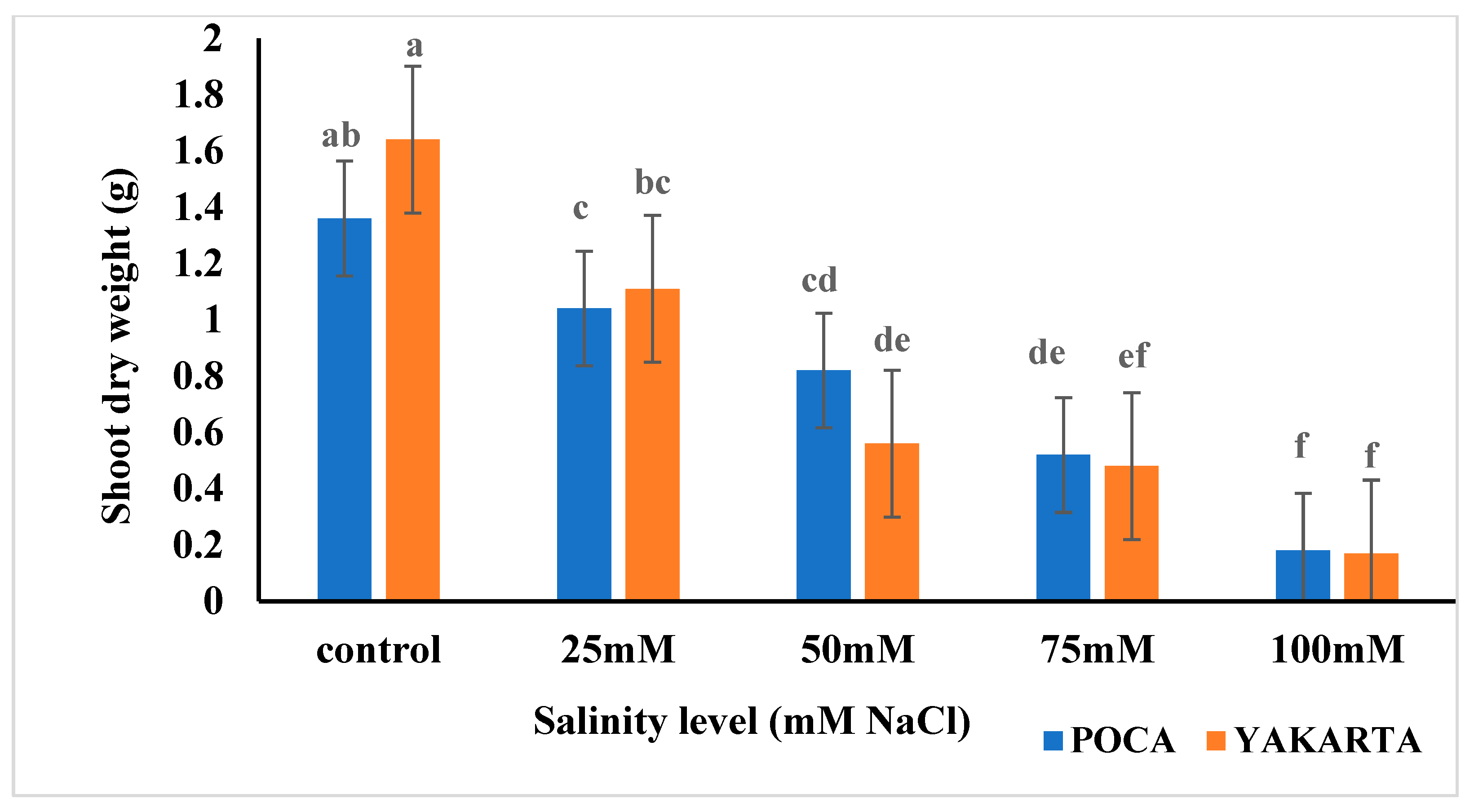
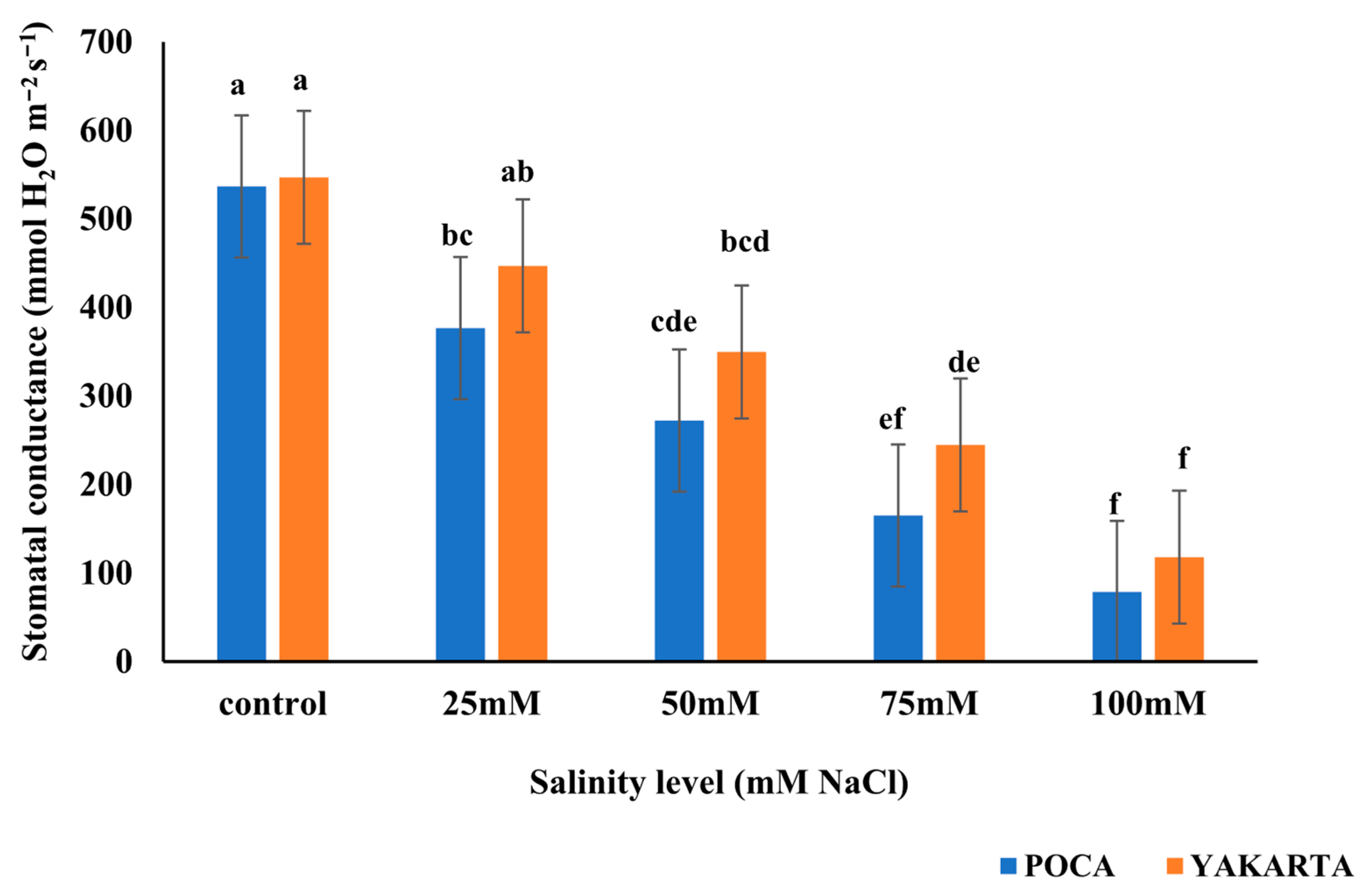
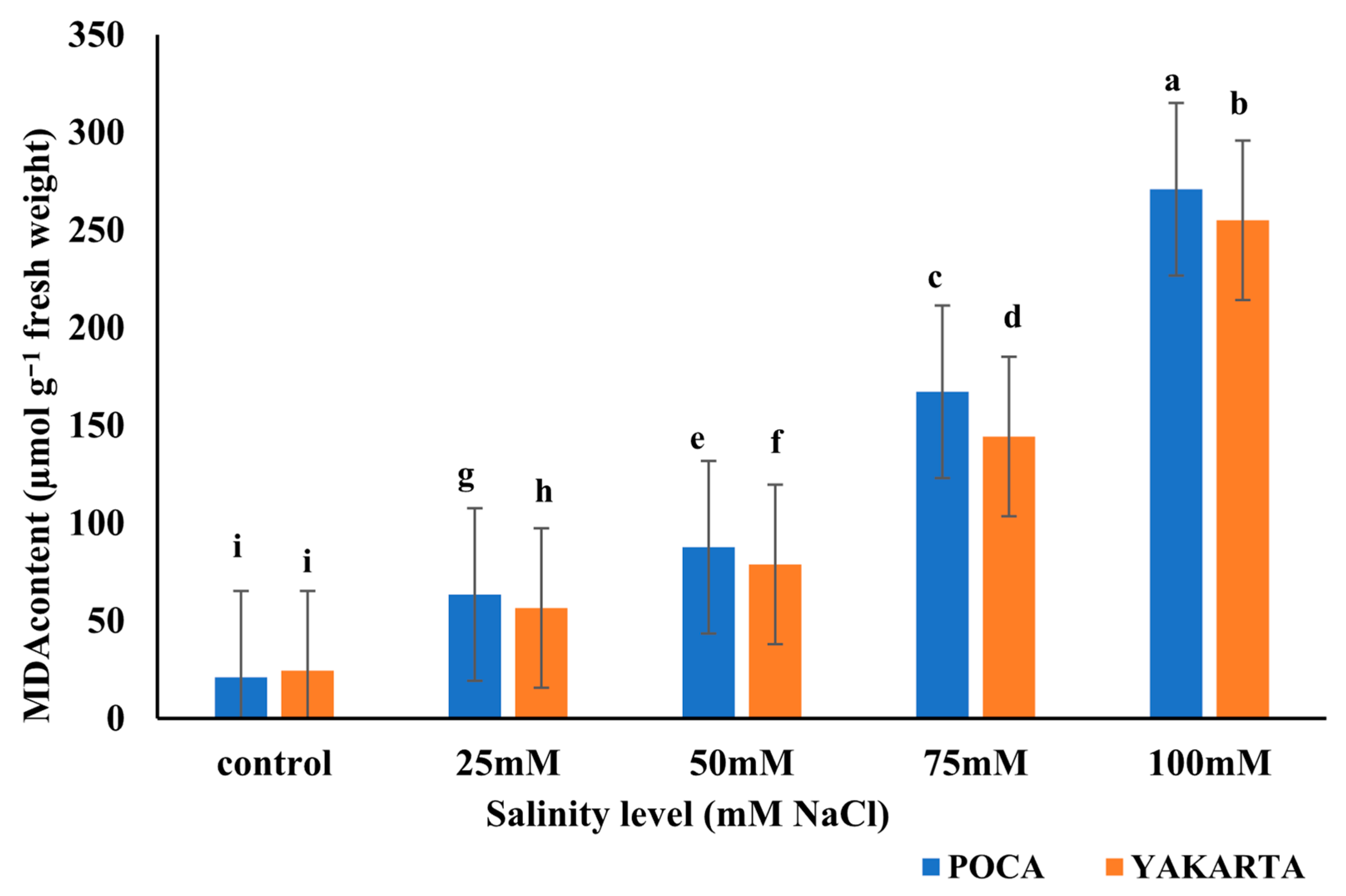
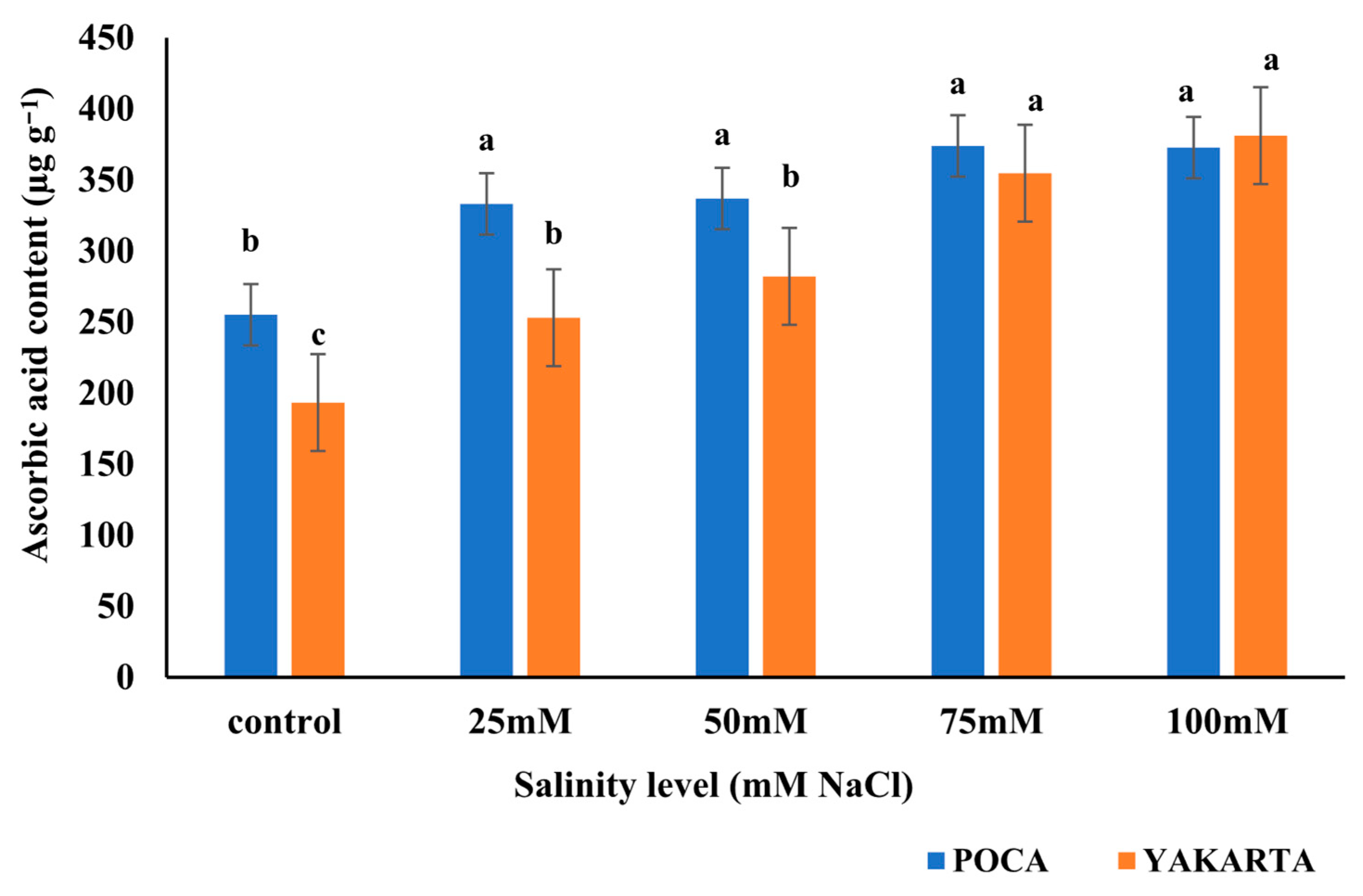
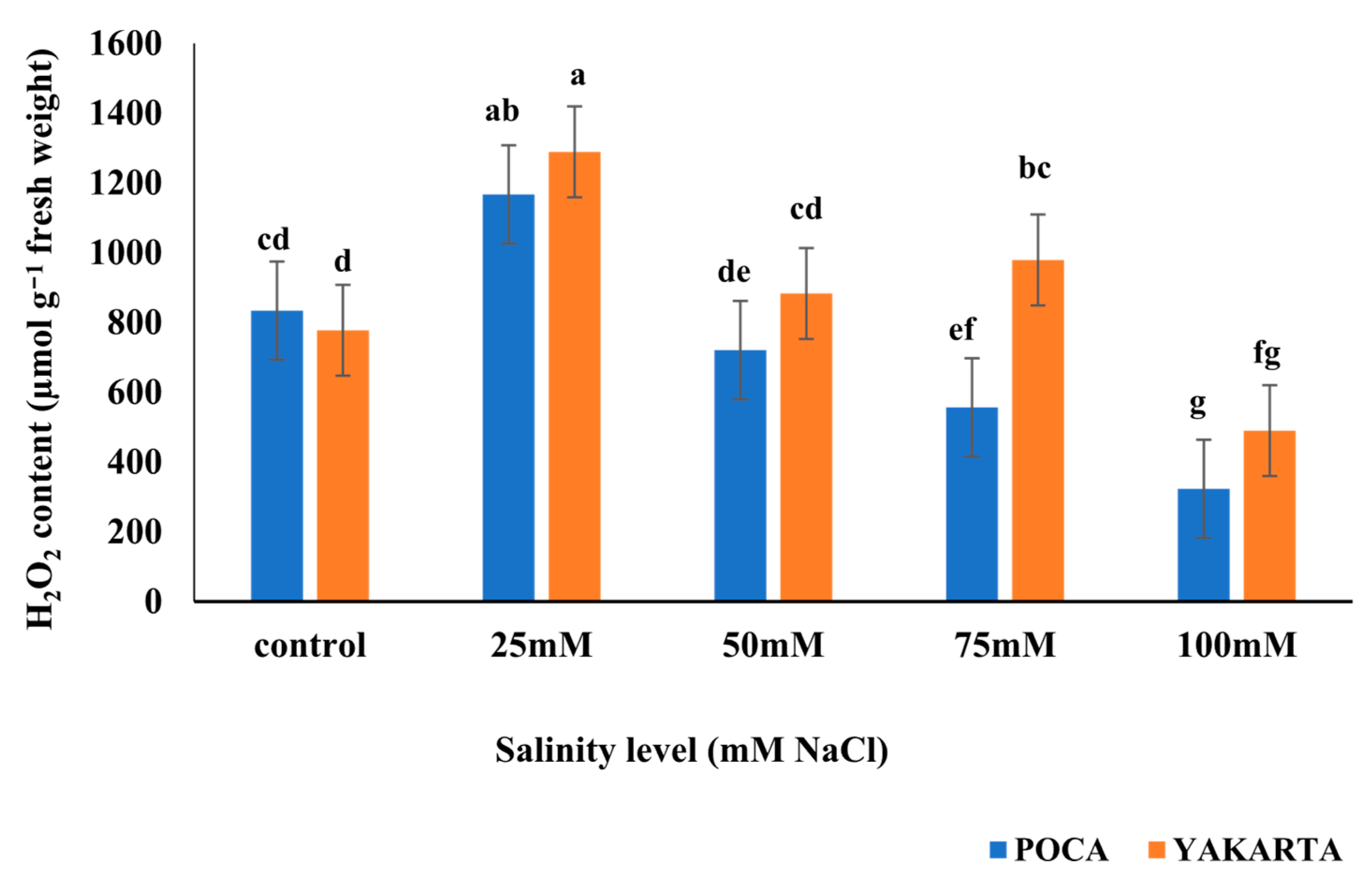
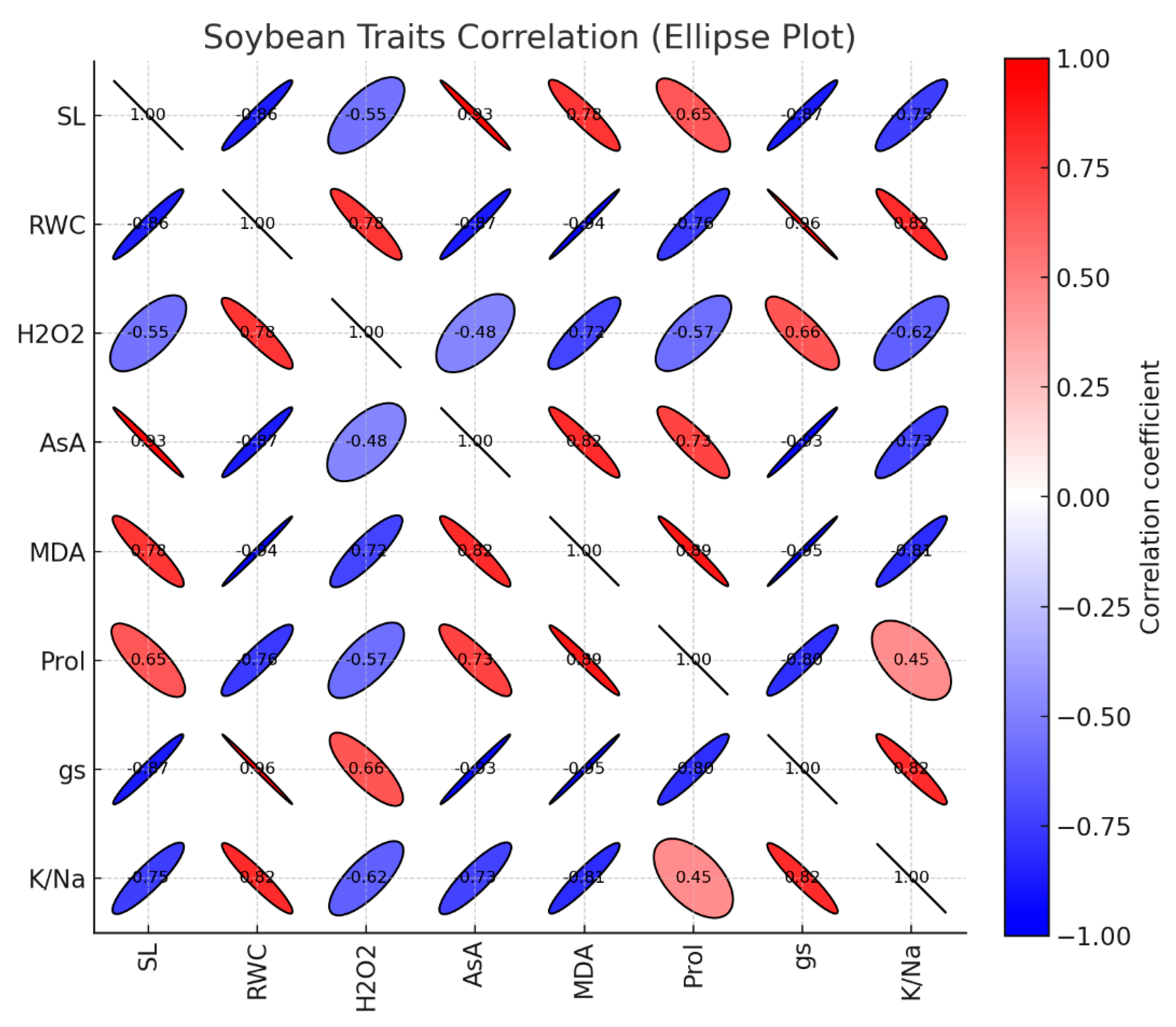
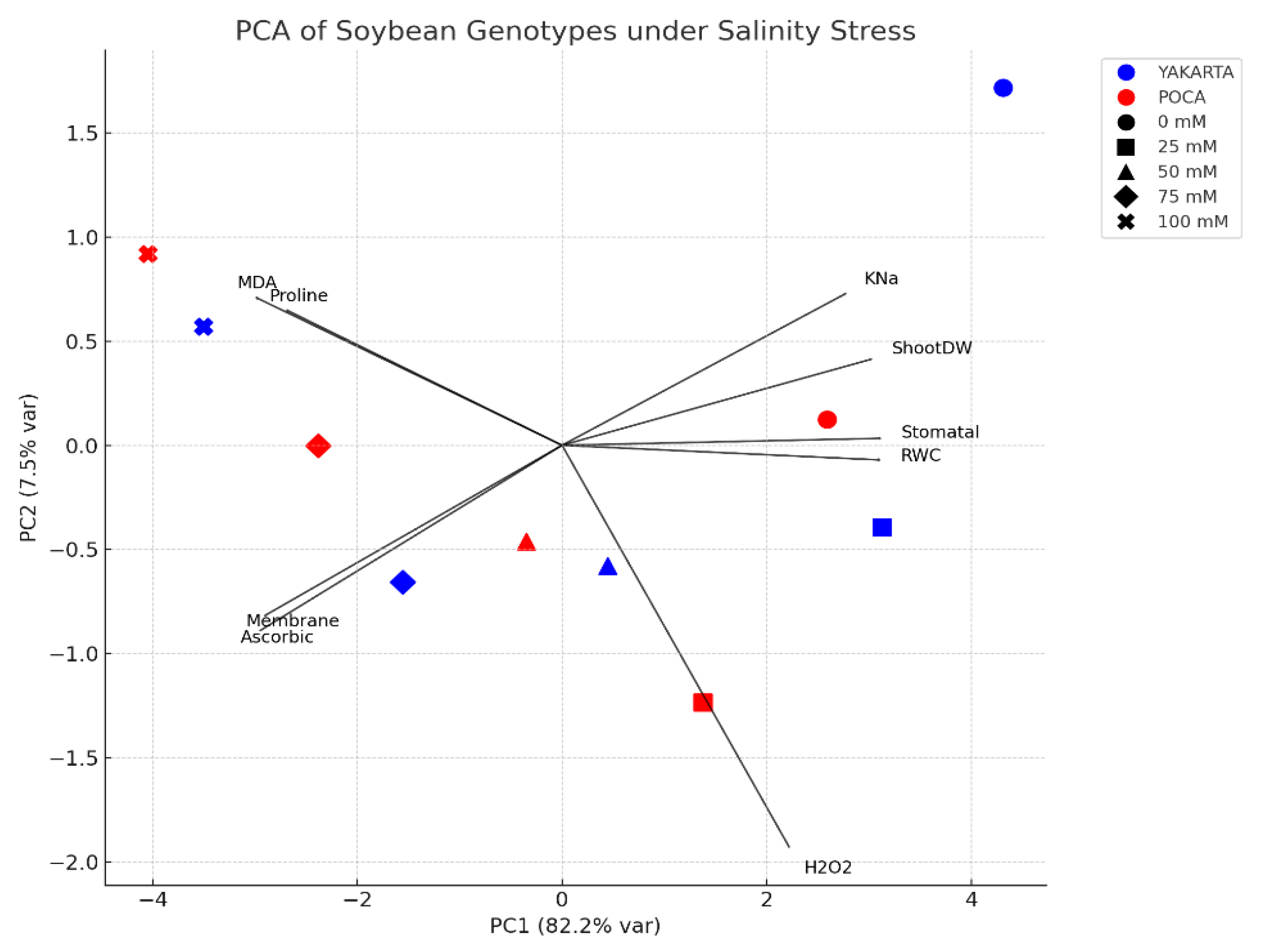
Salinity stress is a major abiotic constraint limiting soybean (Glycine max L.) productivity in saline–alkali soils; however, the physiological and biochemical mechanisms underlying genotypic tolerance remain poorly understood. This study aimed to identify key traits that underpin salinity tolerance and can inform breeding and agronomic strategies to enhance soybean performance under saline conditions. Two contrasting soybean genotypes, YAKARTA and POCA, were exposed to 25, 50, 75, and 100 mM NaCl from the first to the fourth trifoliate stage (V1–V4) under controlled conditions for 30 days. YAKARTA maintained higher relative water content (75.51% vs. 66.97%), stomatal conductance (342 vs. 286 mmol H2O m−2 s−1), proline (6.15 vs. 4.36 µmol g−1 fresh weight), K+/Na+ ratio (61.8 vs. 32.2), and H2O2 (833.8 vs. 720.2 µmol g−1 fresh weight) compared with POCA, whereas POCA exhibited elevated solute leakage (87.1% vs. 79.21%), malondialdehyde (122 vs. 112 µg g−1), and ascorbic acid (334 vs. 293 µg g−1), indicating greater sensitivity. At 100 mM NaCl, relative water content, stomatal conductance, K+/Na+ ratio, and H2O2 declined by 44.5%, 81.9%, 99.8%, and 49.5%, respectively, while proline, solute leakage, malondialdehyde, and ascorbic acid increased by 56-, 1.27-, 11.6-, and 1.68-fold, respectively. The contrasting physiological and biochemical responses between these genotypes highlight key traits, such as relative water content, stomatal conductance, proline accumulation, malondialdehyde content, and the K+/Na+ ratio, as promising potential markers associated with salinity tolerance in soybean. These findings provide a foundational understanding that can guide future research to validate these markers across a wider genetic pool and under field conditions.
Keywords: soybean; salinity tolerance; physiological traits; biochemical traits; ion homeostasis; hydroponics soybean; salinity tolerance; physiological traits; biochemical traits; ion homeostasis; hydroponics