Article

Effects of Cytoplasmic Sterility on Roots and Yield of Nitrogen Sources in Rice

1
College of Life Science and Engineering, Southwest University of Science and Technology, Mianyang 621010, China
2
Zigong Academy of Agricultural Sciences, Zigong 643000, China
*
Authors to whom correspondence should be addressed.
These authors contributed equally to this work.
Plants 2025, 14(5), 820; https://doi.org/10.3390/plants14050820

Submission received: 1 January 2025 / Revised: 18 February 2025 / Accepted: 21 February 2025 / Published: 6 March 2025
(This article belongs to the Section Plant Physiology and Metabolism)

Abstract

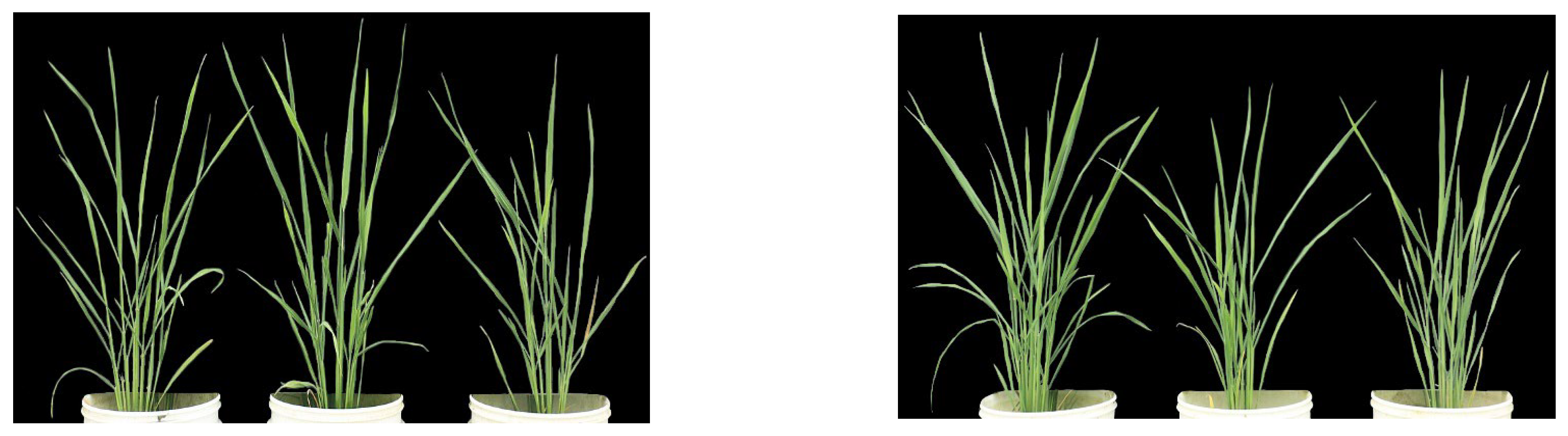
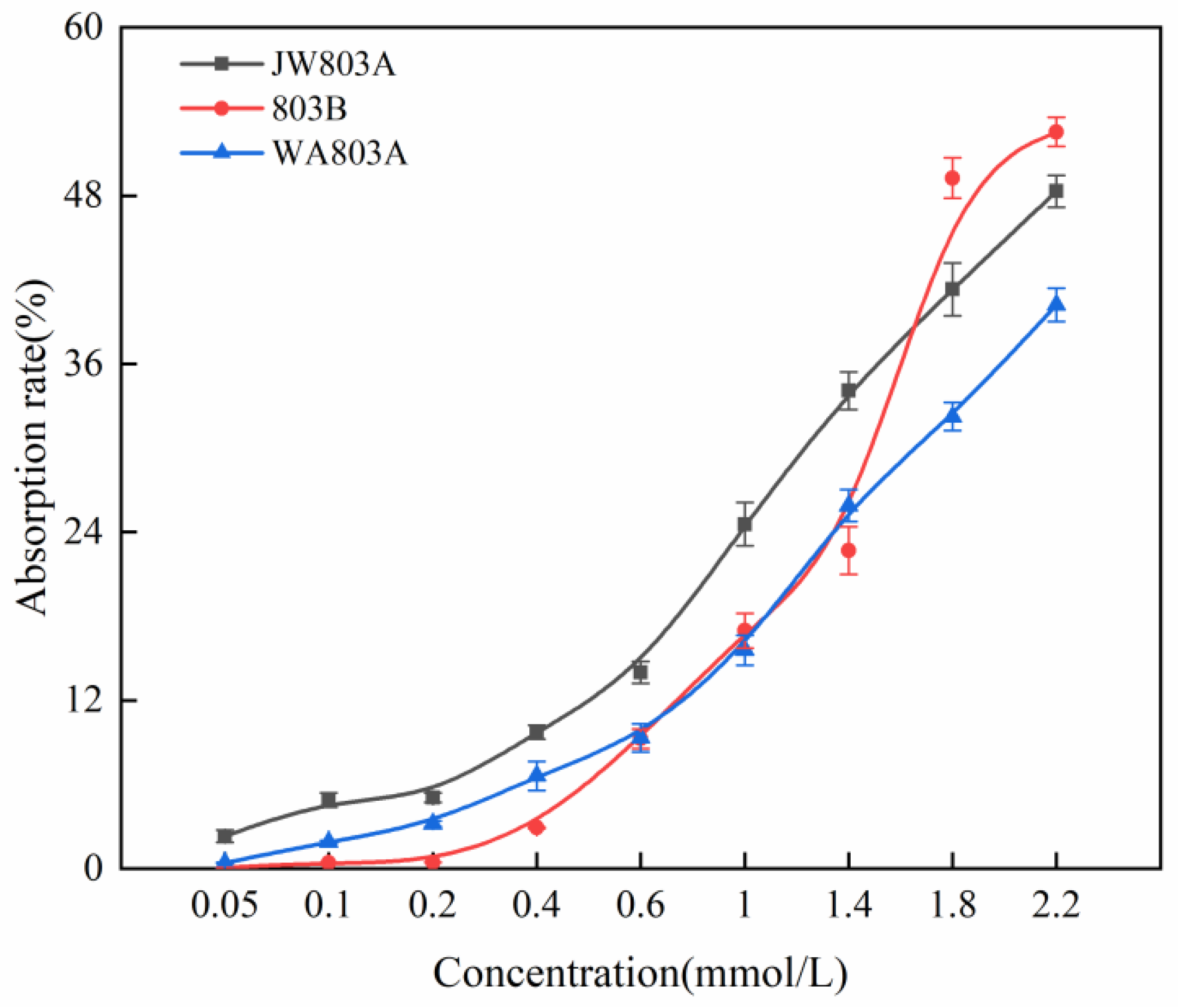
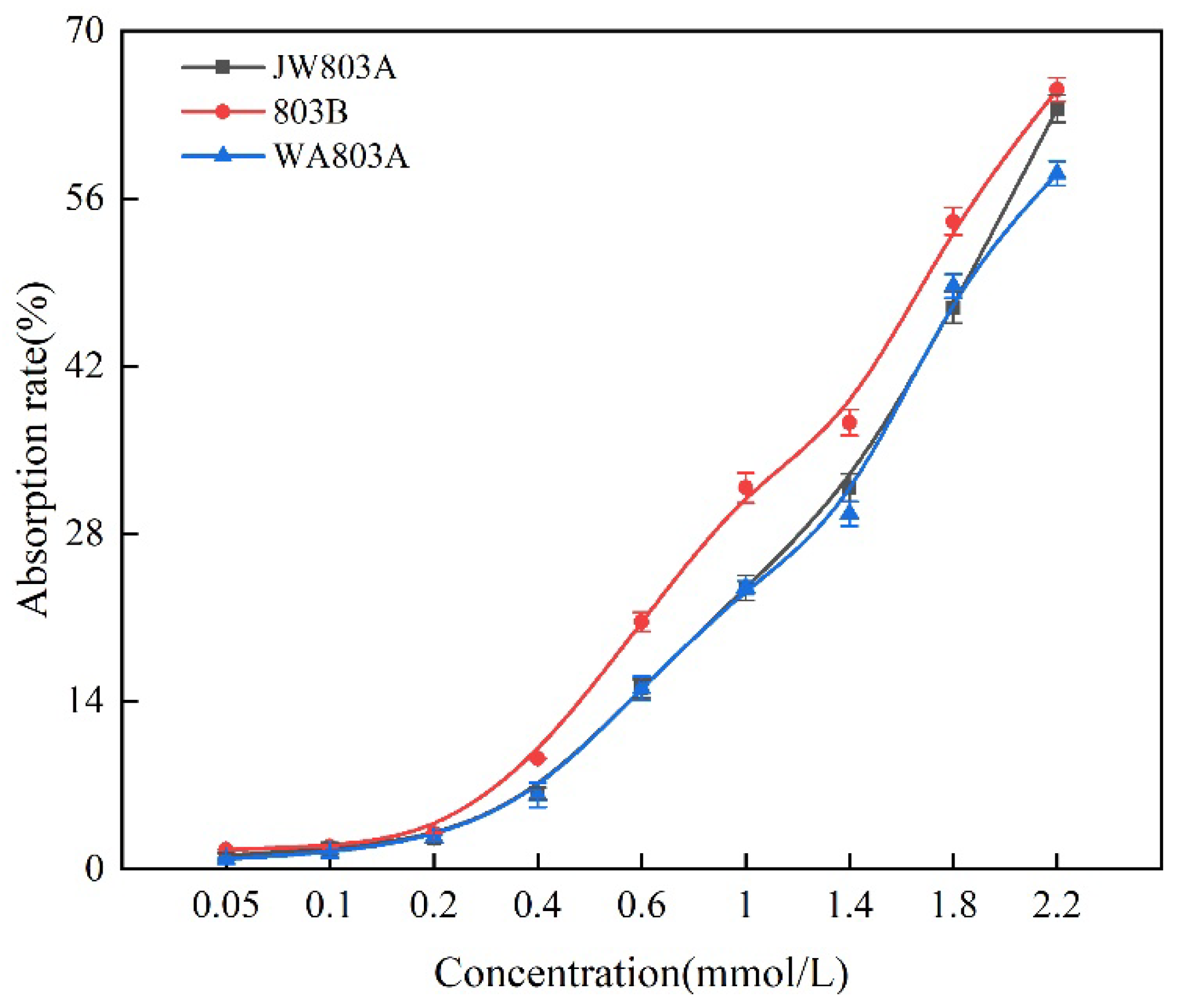
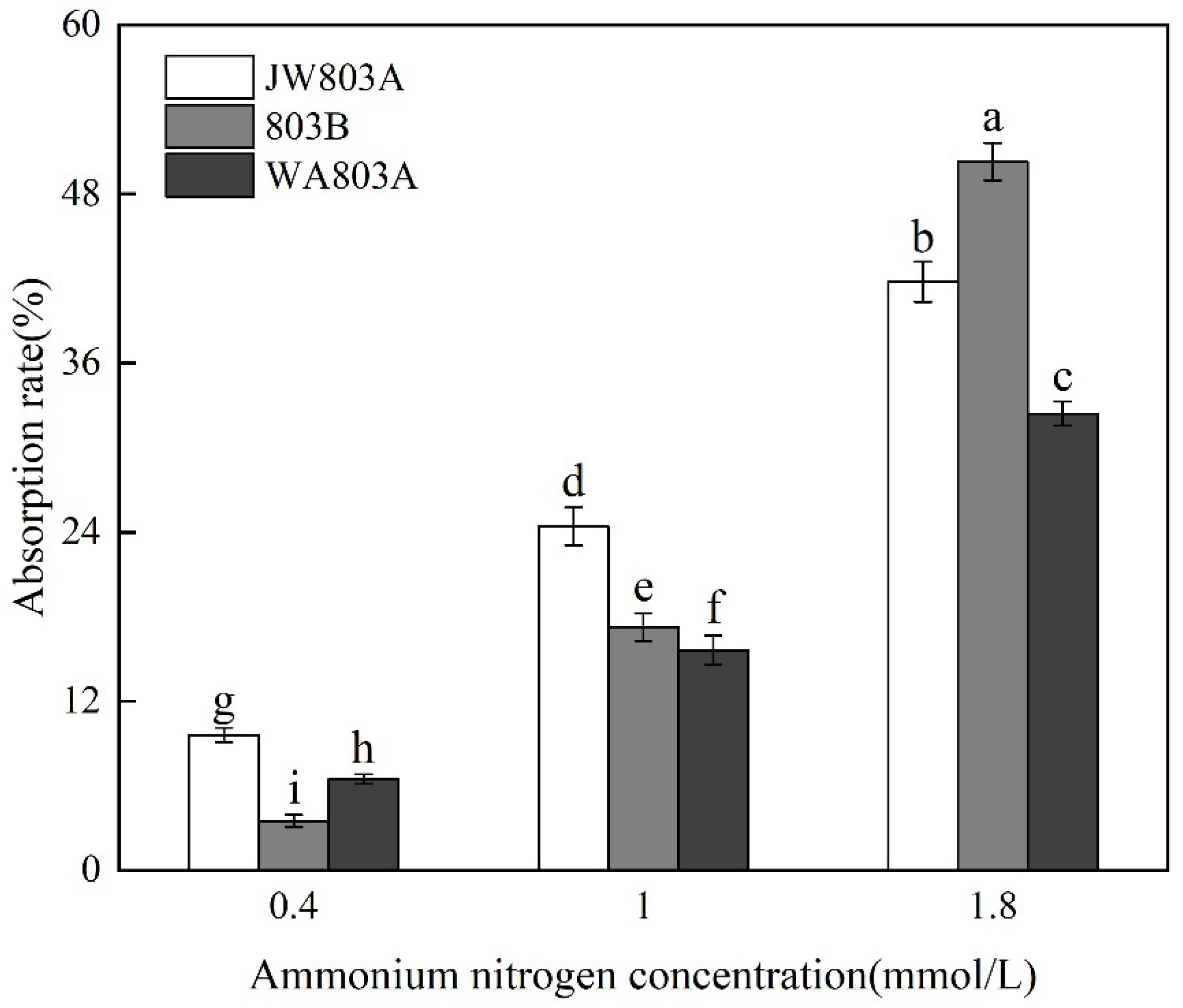
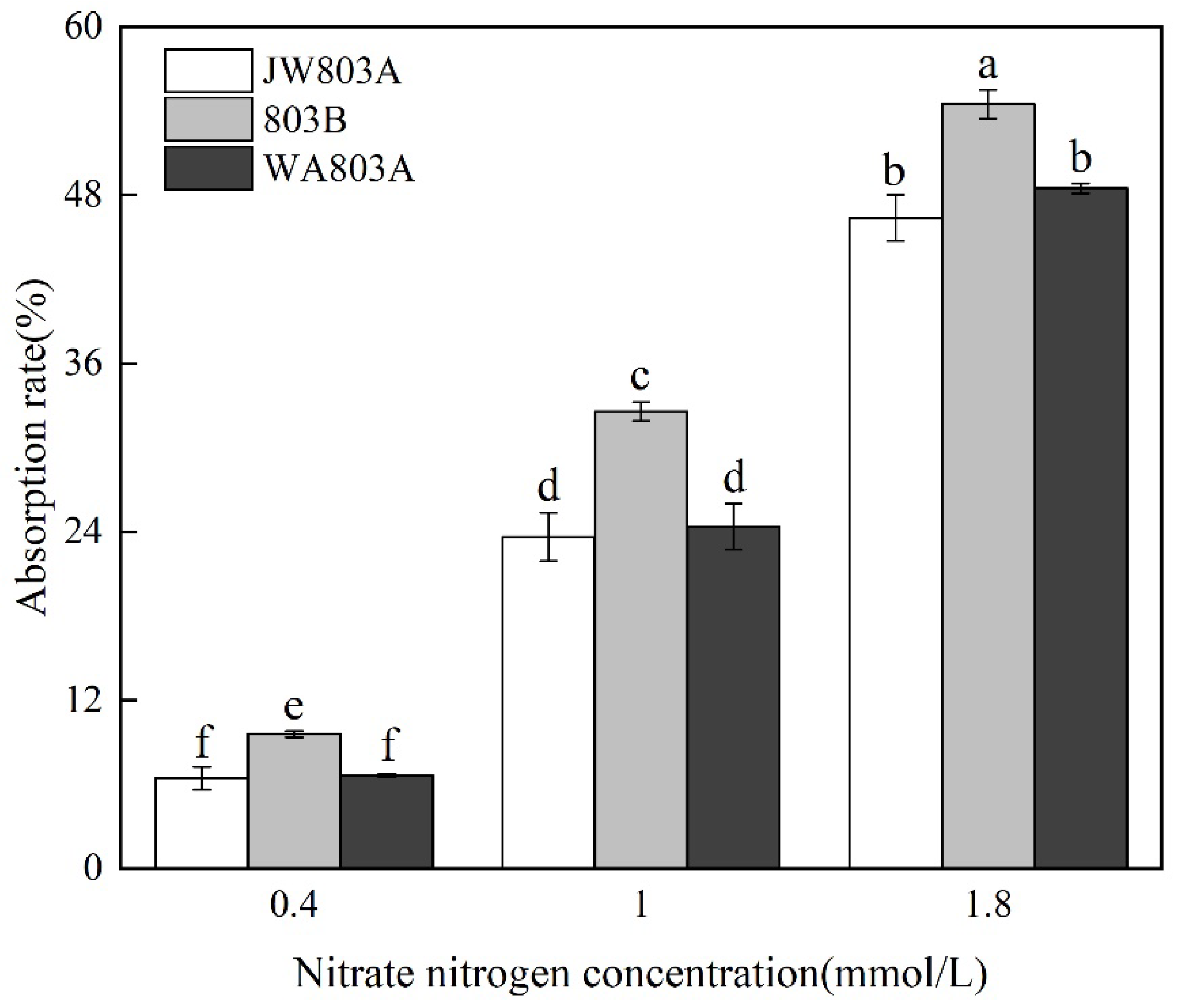
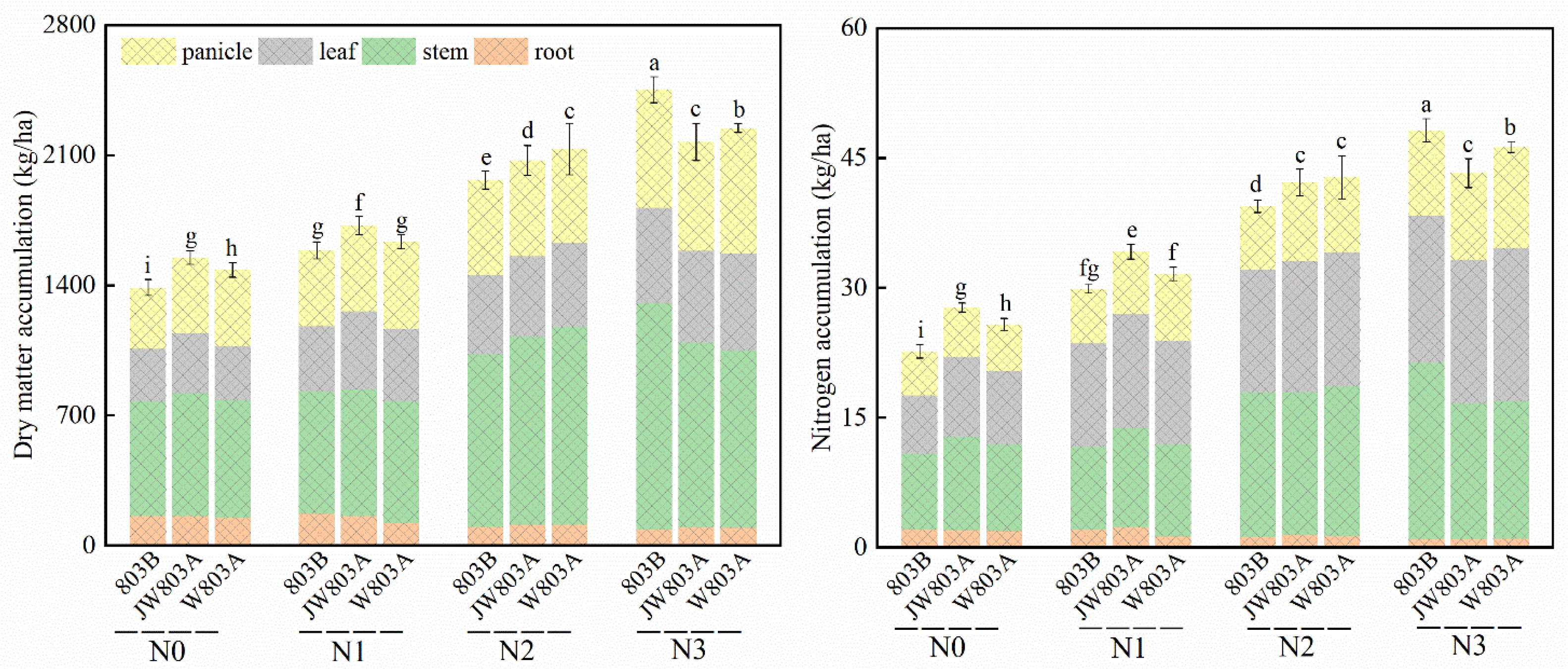
Rice is an important food crop, acting as the staple food for more than 50% of the global population. We selected seedlings (two sterile male lines: WA803A and JW803A) that had different cytoplasmic but the same nuclear composition and were heterogeneous. The maintainer line 803B was also used. We aimed to study their nitrogen uptake rate in different concentrations of NH4+ and NO3 and explore the differences in nitrogen uptake efficiency between different cytoplasmic genes. The results showed a significant difference in the nitrogen uptake rate for different seedlings. With ammonium nutrition, the nitrogen uptake efficiency of the JW cytoplasm was significantly higher than that of the WA cytoplasm. In low concentrations of ammonium nitrogen, the JW cytoplasm had an additive effect to the nuclear gene regulation of ammonium uptake. The JW cytoplasm’s ammonium nitrogen absorption effect on nuclear gene regulation was higher than that of the WA cytoplasm. The effect of the WA and JW cytoplasms on the nitrate uptake rate was not significant, and the nuclear gene regulation of both cytoplasms was reduced by absorbing nitrate. Under nitrogen deficiency conditions, the material output and conversion rate of the JW-type cytoplasmic hybrid rice combination was relatively high, significantly higher than those of other cytoplasmic combinations. Under medium nitrogen conditions, the material output and conversion rate of the (N2) W-type hybrid rice combination were significantly higher than those of the other cytoplasmic combinations. The yield of JW-type rice first increased and then decreased with the increase in the nitrogen application rate and was highest, 8195.55 kg/hm2, under the N2 treatment.
Keywords: hybrid rice; WA cytoplasm; JW cytoplasm; nitrogen form; uptake rate hybrid rice; WA cytoplasm; JW cytoplasm; nitrogen form; uptake rate