Review

Genetic and Genomic Tools in Breeding for Resistance to Fusarium Stalk Rot in Maize (Zea mays L.)
by
Desmond Darko Asiedu
and
Thomas Miedaner
*
State Plant Breeding Institute, Universität Hohenheim, 70599 Stuttgart, Germany
*
Author to whom correspondence should be addressed.
Plants 2025, 14(5), 819; https://doi.org/10.3390/plants14050819

Submission received: 11 February 2025 / Revised: 3 March 2025 / Accepted: 4 March 2025 / Published: 5 March 2025
(This article belongs to the Special Issue Disease Resistance Breeding of Field Crops)

Abstract

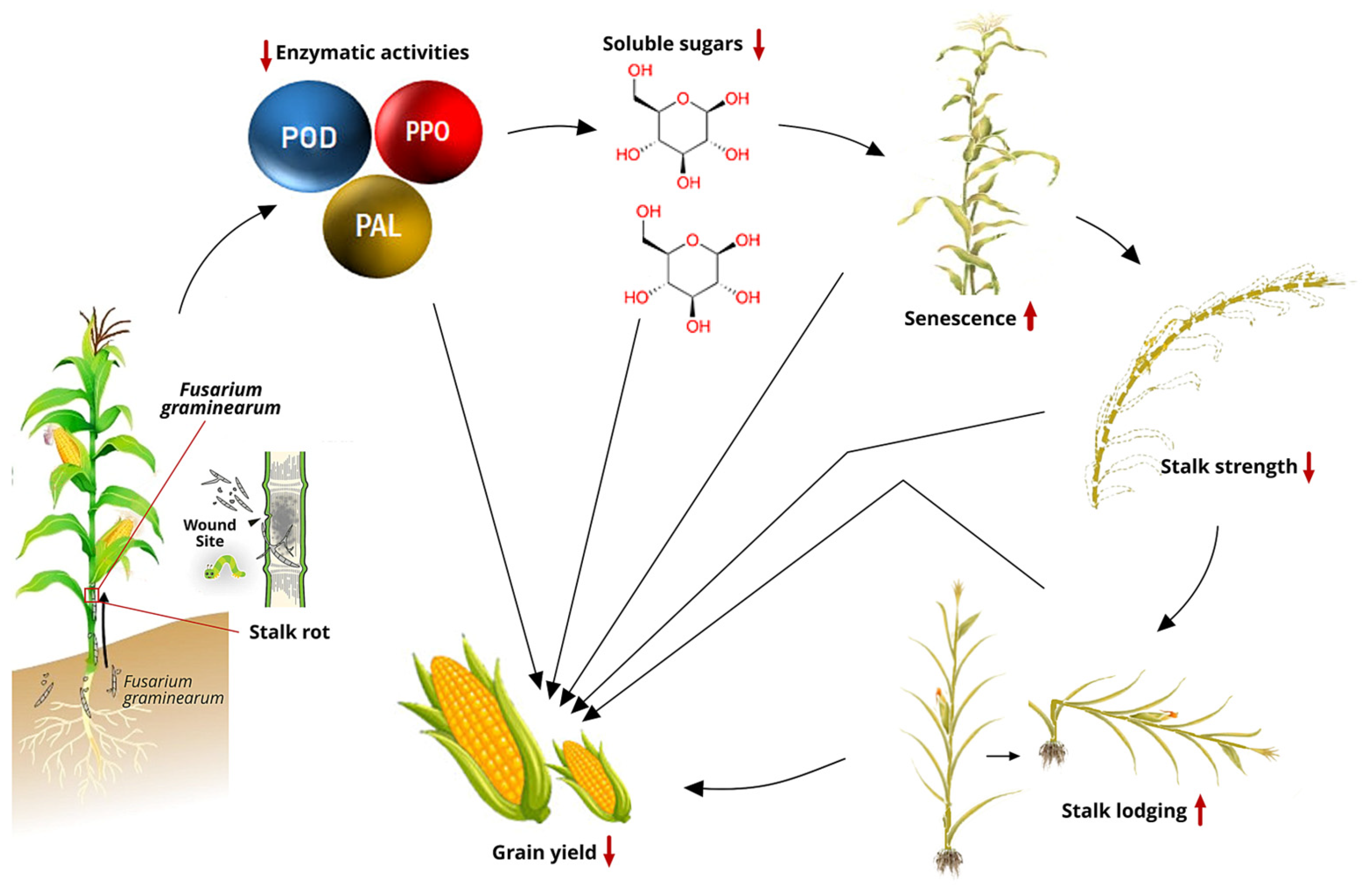
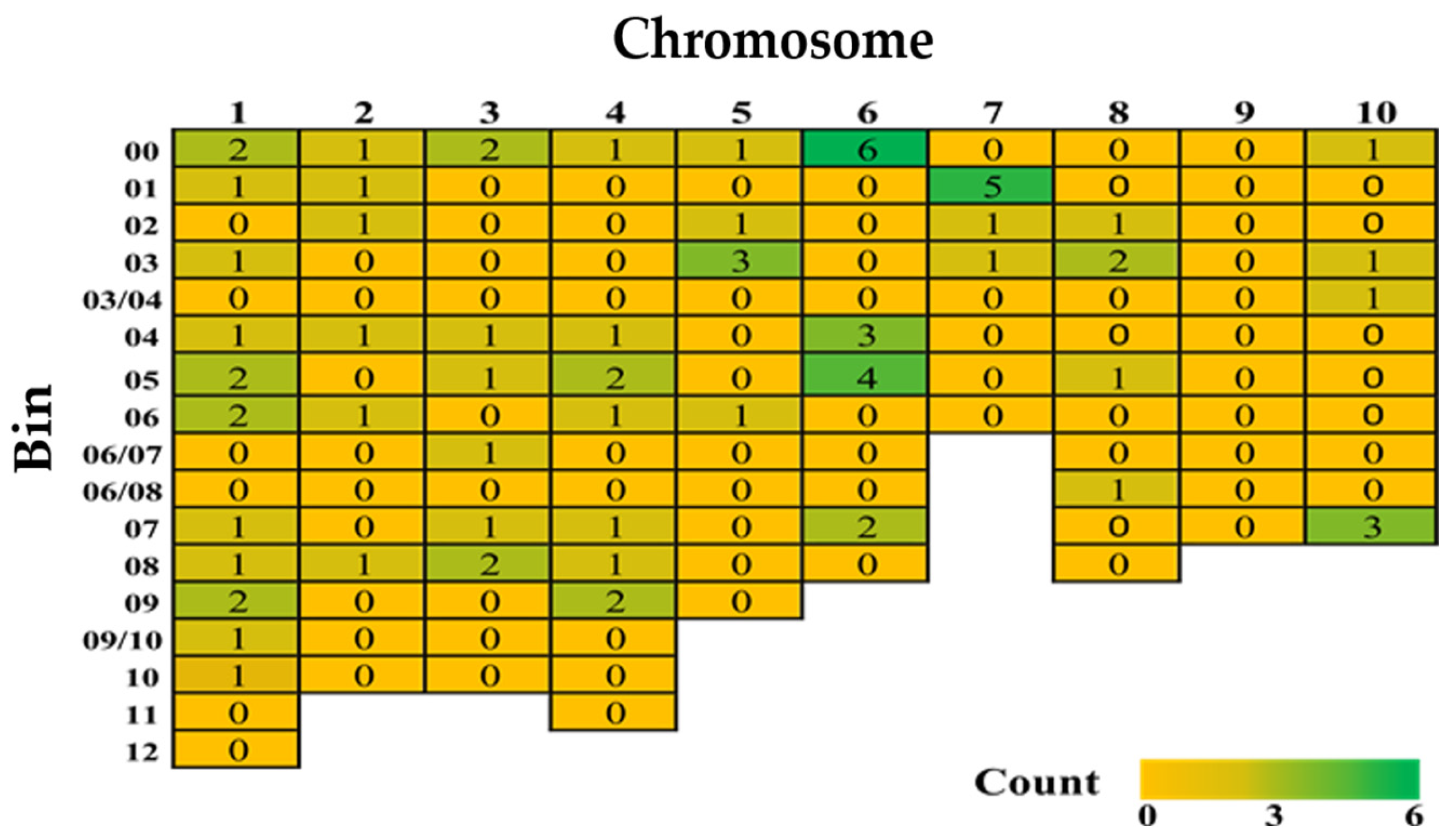
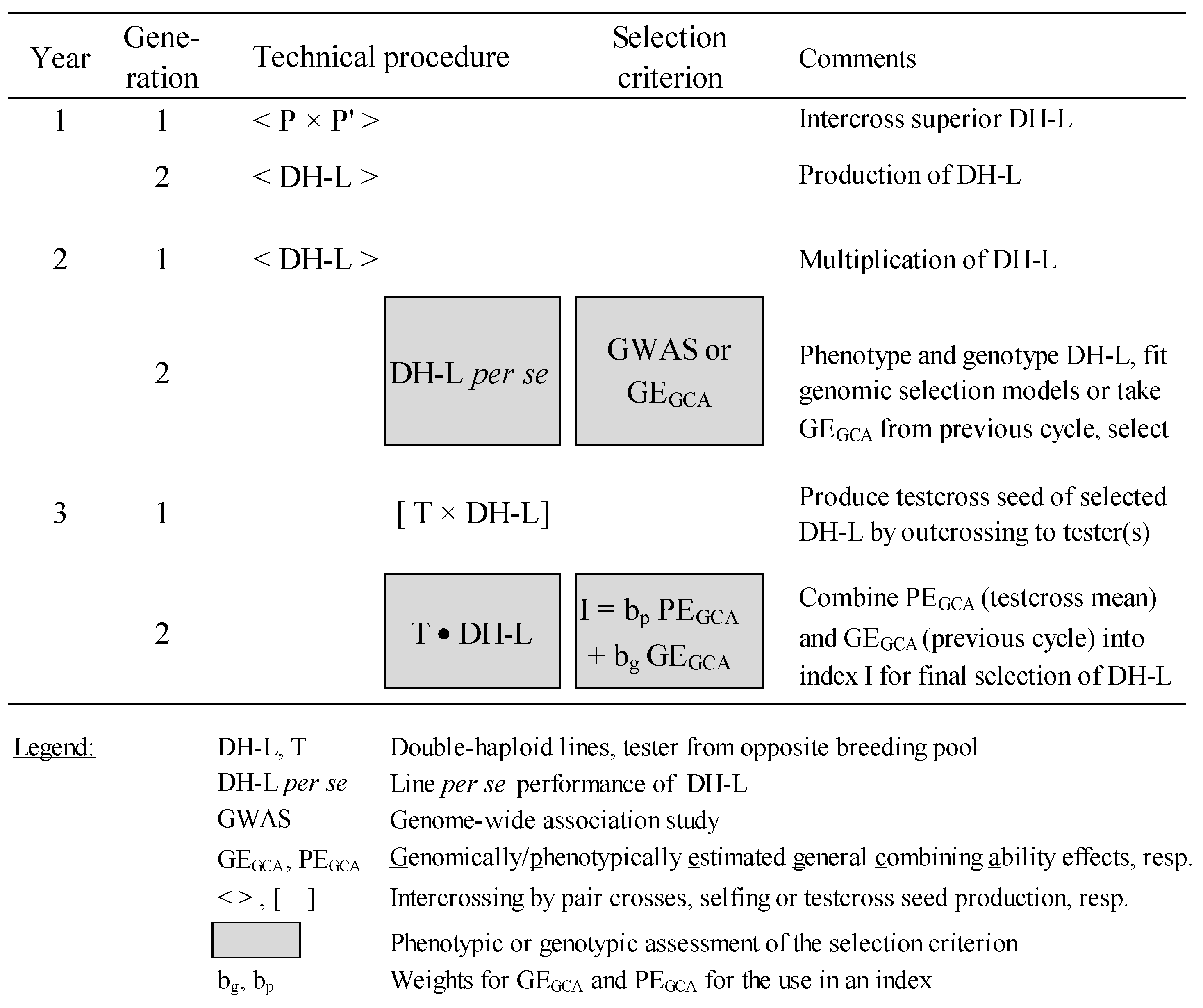
Maize (Zea mays L.) is the world’s most productive cereal crop, yet it is threatened by several diseases. Among them, Fusarium stalk rot (FSR) causes an average global yield loss of 4.5%. The mycotoxins deoxynivalenol, zearalenone, fumonisins, and moniliformin persist in grain and silage after harvest and pose a risk to human and animal health. This review describes the lifestyle of the fungal pathogens that cause FSR, studies how to optimize resistance evaluation, identifies quantitative trait loci (QTLs) and candidate genes (CGs), and, finally, considers the methods for selecting FSR resistance, especially through genomic selection. To screen maize genotypes for FSR resistance, several artificial inoculation methods have been employed in most studies, including toothpick insertion, ball-bearing pellets, root infection, and the oat kernel method. However, these methods have several limitations in effectively inducing FSR disease infection. Needle injection of inoculum into the stem is recommended, especially when combined with a quantitative or percentage scale because it effectively phenotypes maize populations for FSR resistance. Nine studies with larger populations (≥150 progenies) investigated the genetic architecture of FSR resistance. The inheritance is clearly quantitative. Four major QTLs and several minor QTLs are reported to confer resistance to FSR pathogens, and a few CGs have been identified. Genomic selection is recommended as an effective method for developing routinely FSR-resistant maize, but only two studies have explored this area. An omics analysis (proteomics, transcriptomics, and metabolomics) of the expression of candidate genes should validate their role in FSR resistance, and their use might accelerate selection.
Keywords: genomic selection; heritability; inoculation techniques; quantitative scale; quantitative trait loci genomic selection; heritability; inoculation techniques; quantitative scale; quantitative trait loci