Article

Interactions of Potassium Fertilization and Straw Return in Modulating Maize Yield and Lodging Resistance


1
College of Agronomy, Jilin Agricultural University, Changchun 130118, China
2
Institute of Crop Sciences, Chinese Academy of Agricultural Sciences, Beijing 100081, China
*
Authors to whom correspondence should be addressed.
Plants 2025, 14(23), 3665; https://doi.org/10.3390/plants14233665

Submission received: 3 November 2025 / Revised: 22 November 2025 / Accepted: 27 November 2025 / Published: 2 December 2025
(This article belongs to the Section Crop Physiology and Crop Production)

Abstract

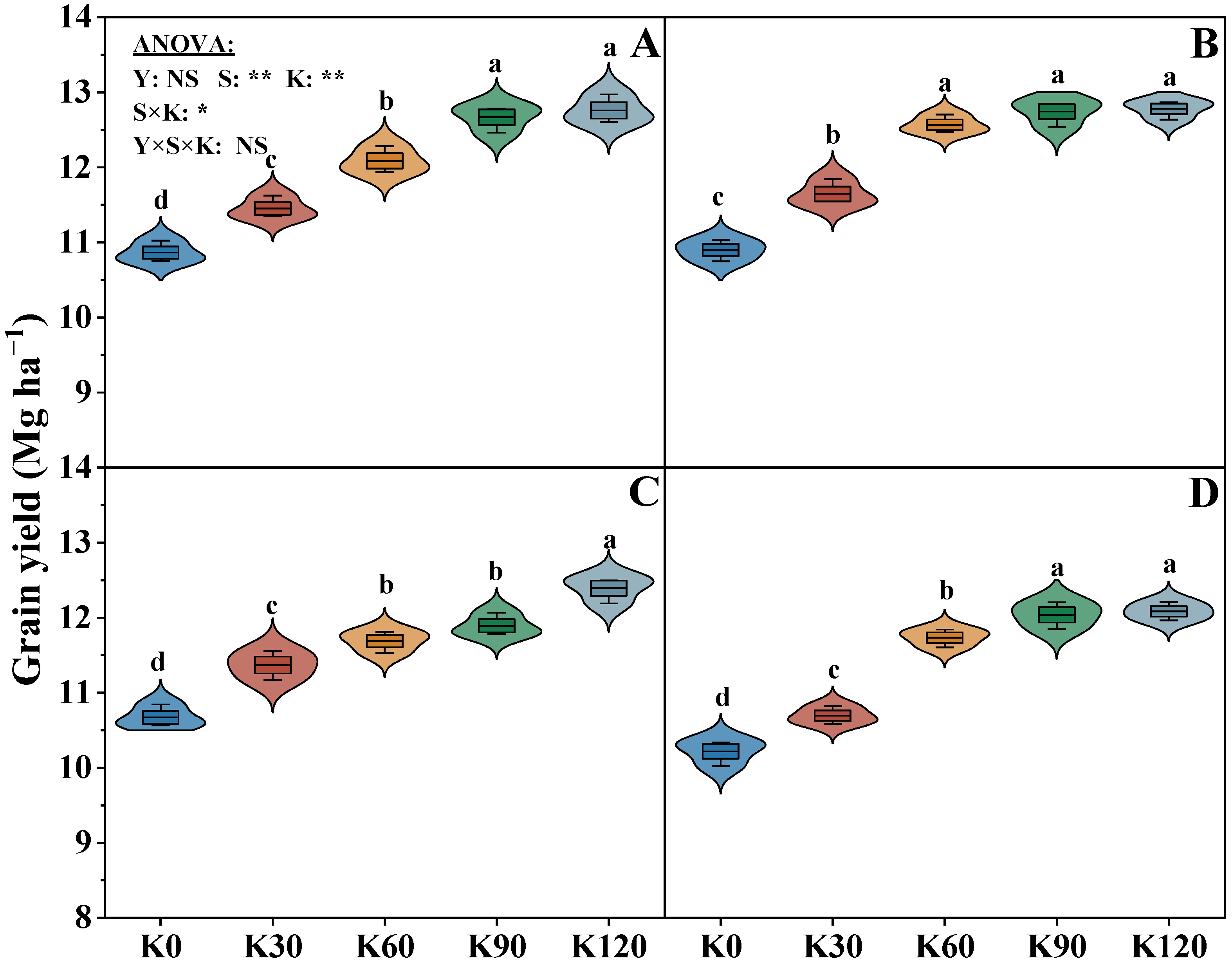
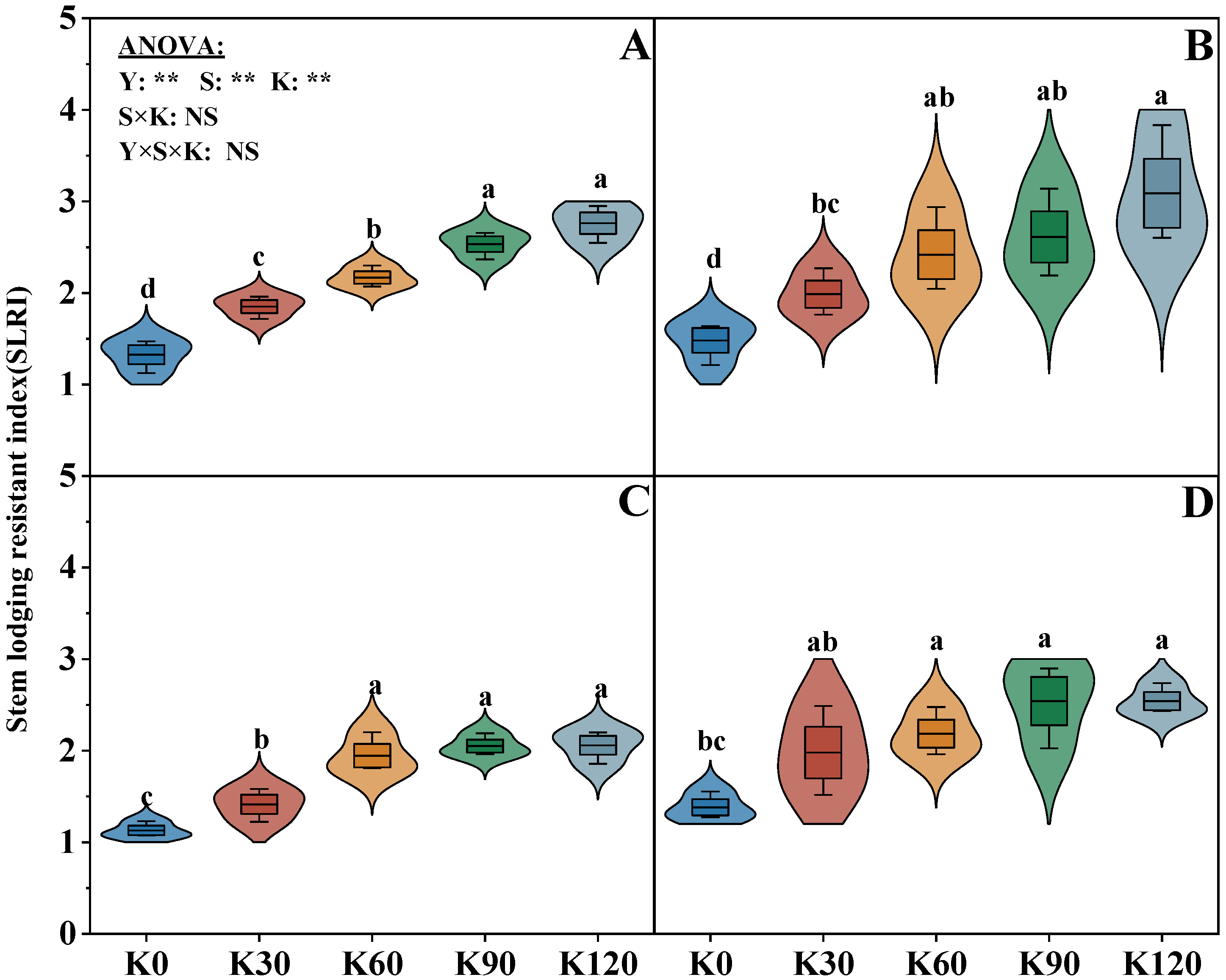
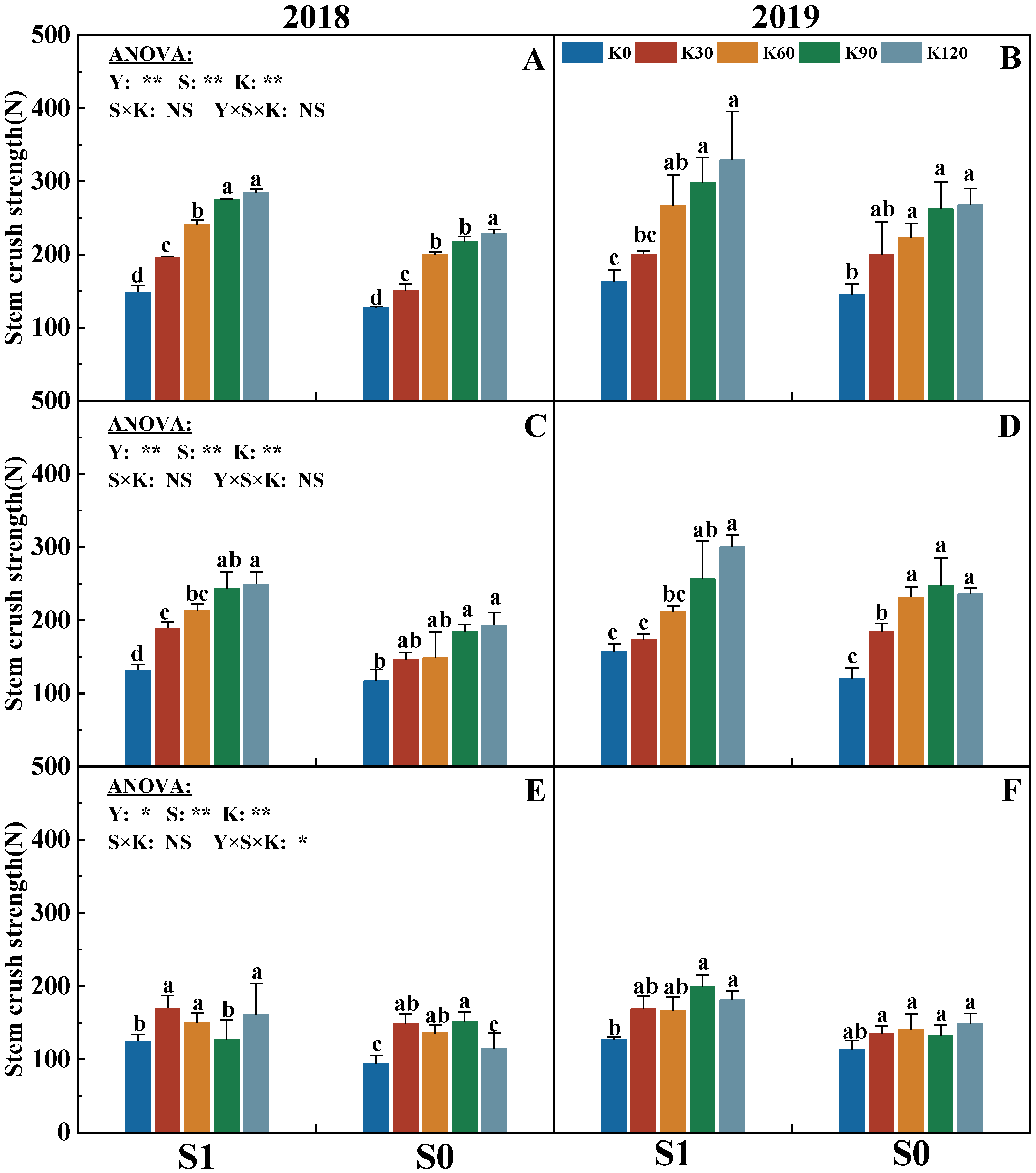
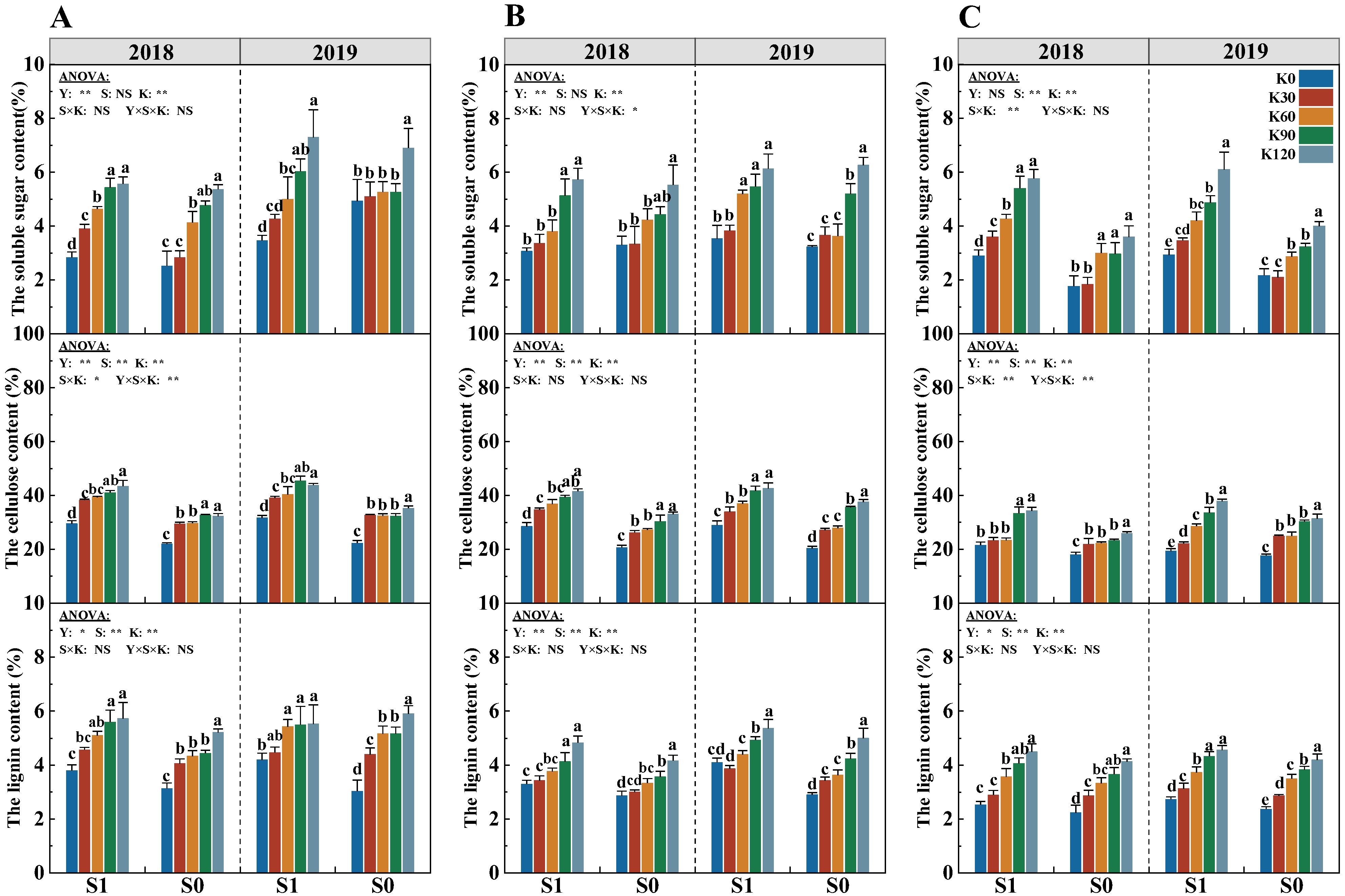
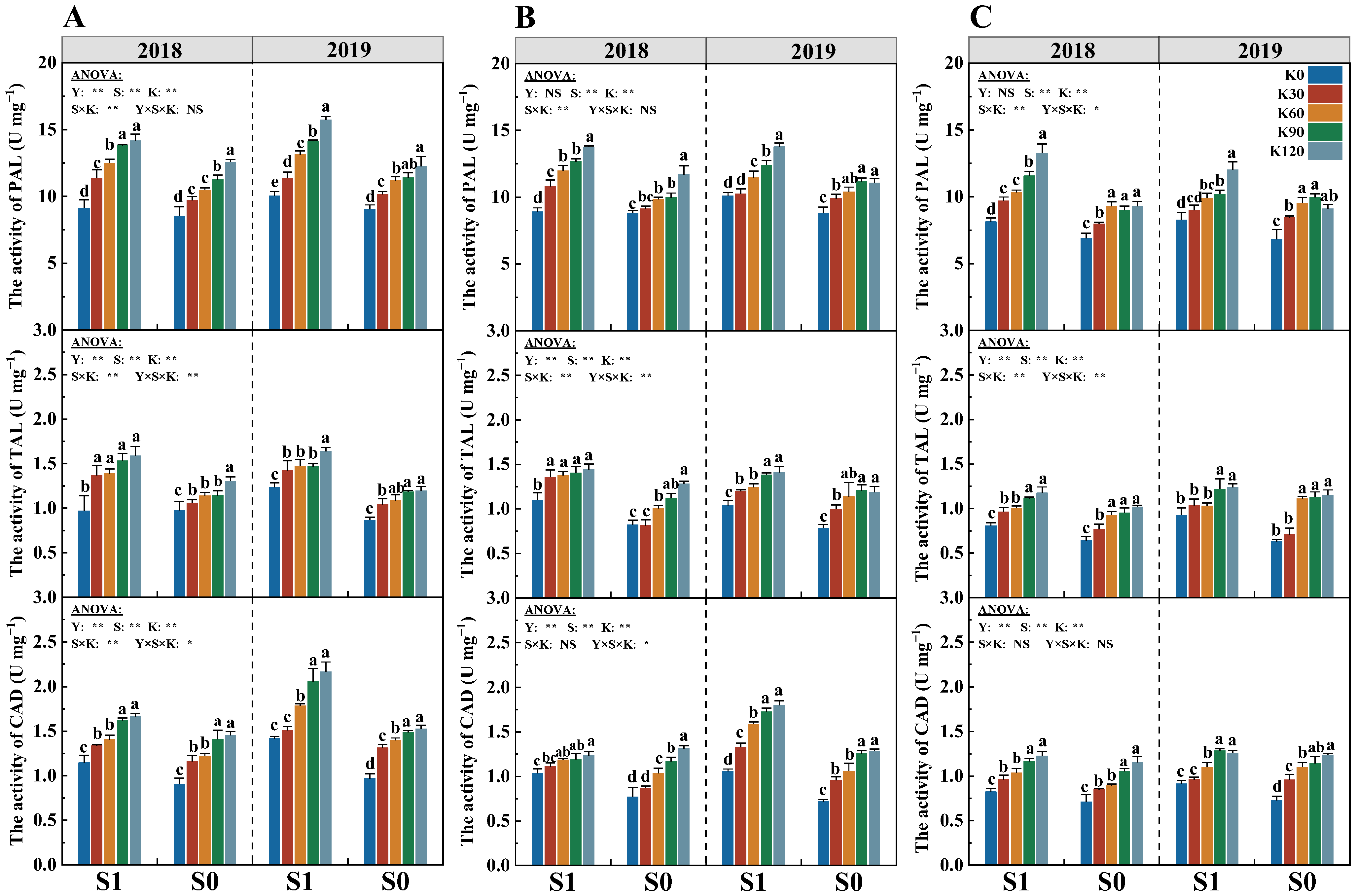
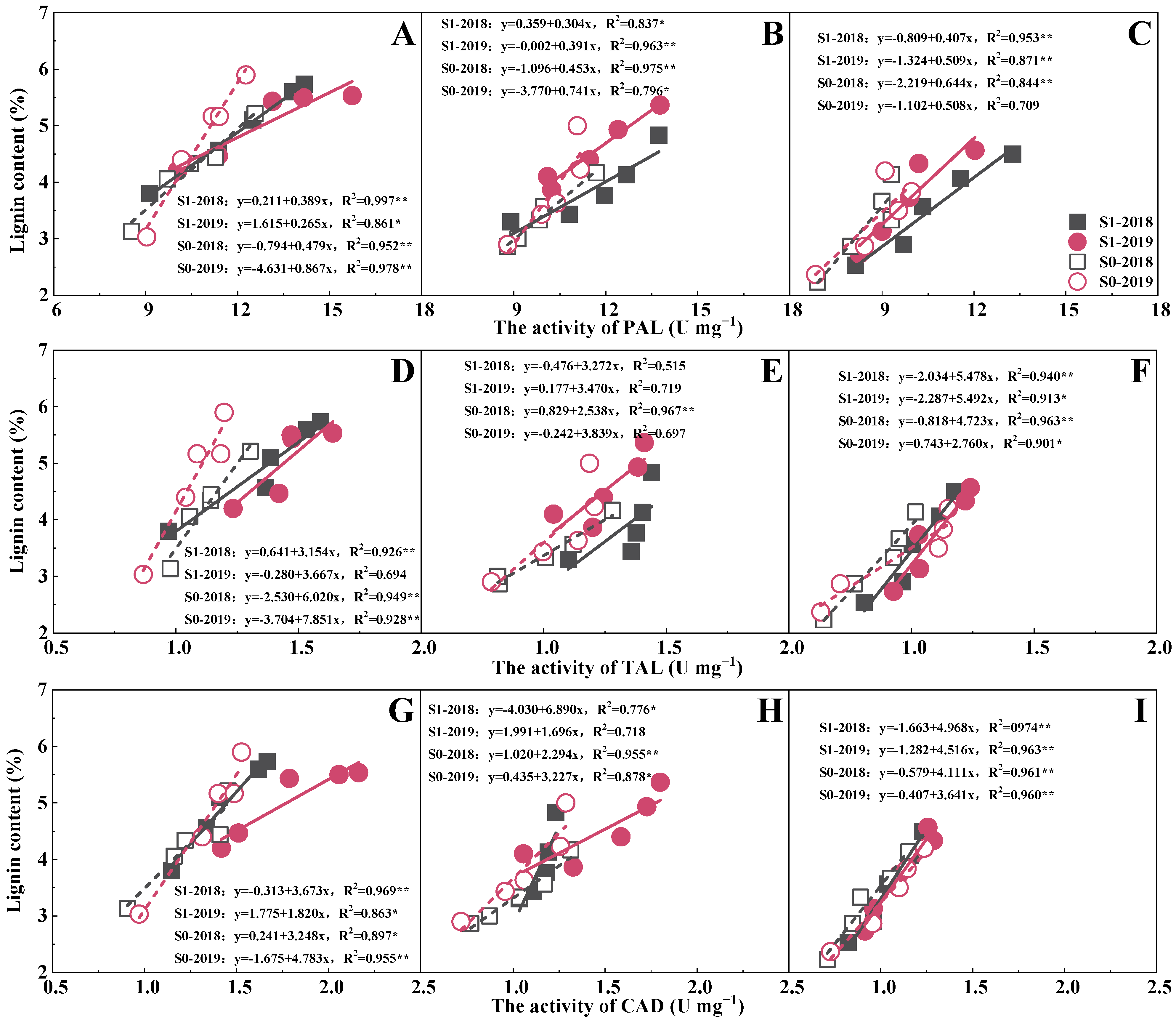
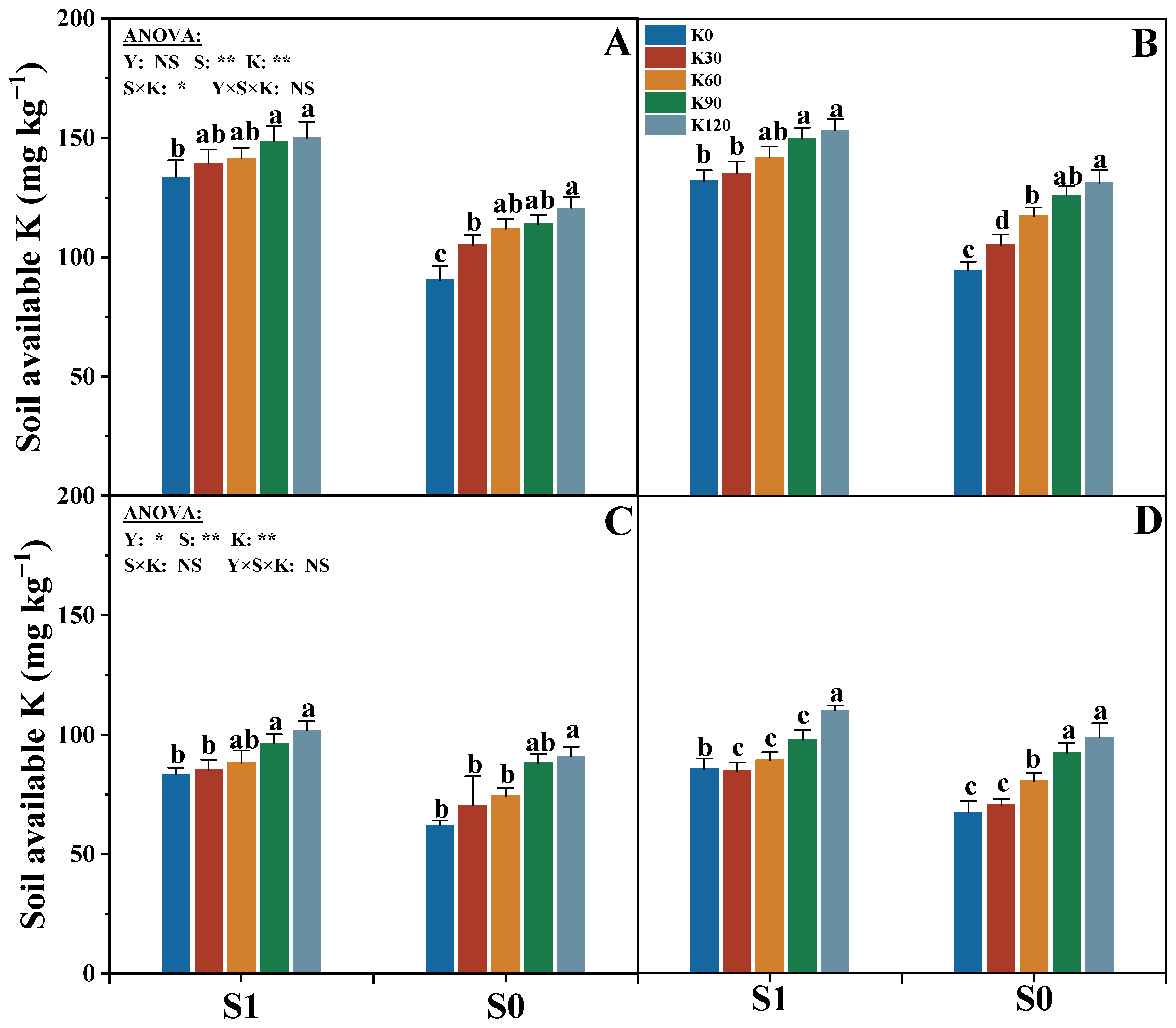
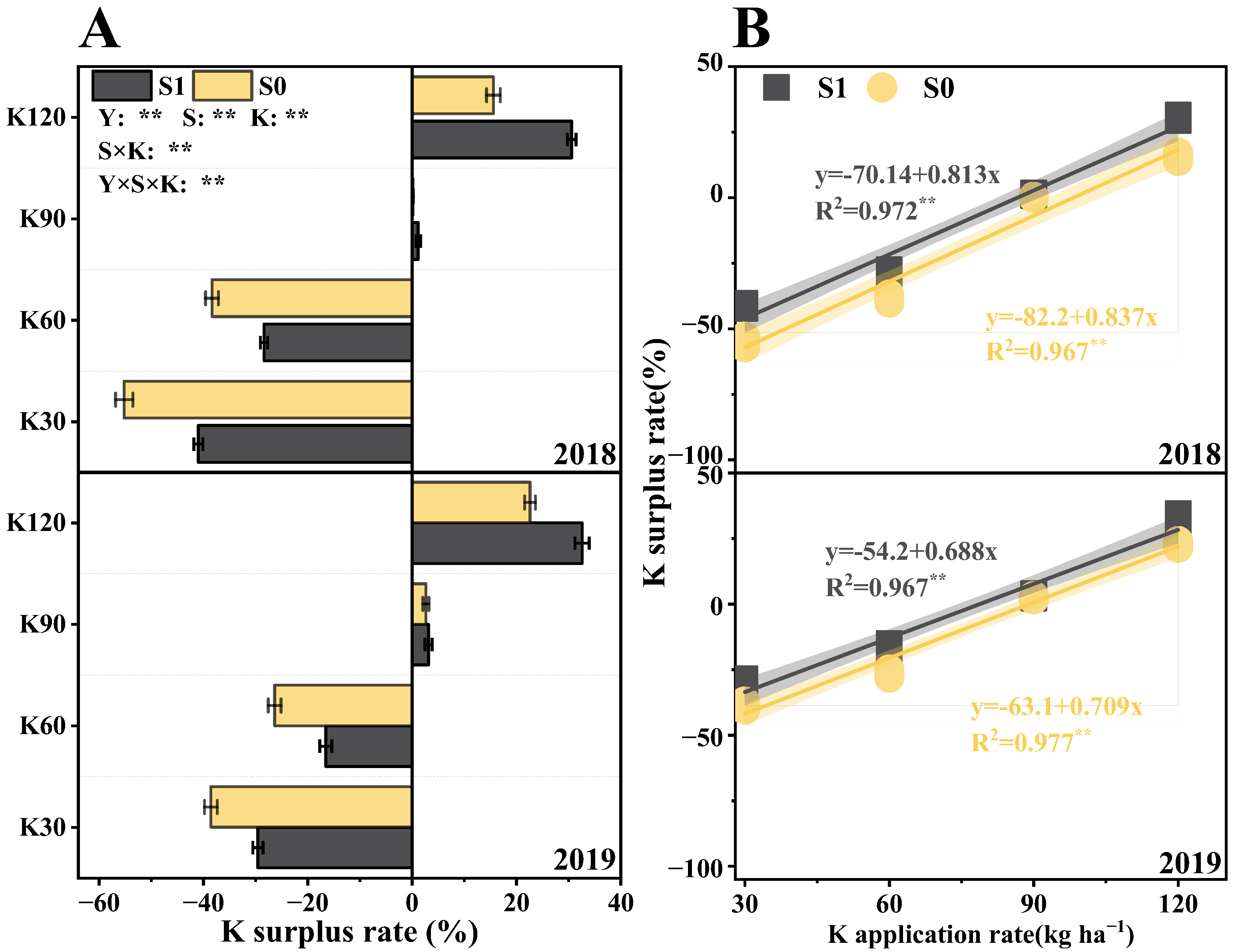
Maize lodging is a major factor limiting maize grain yield. Potassium (K) fertilization is known to reduce lodging, but the potential impact of straw return on lodging resistance remains unclear. A two-year field experiment was conducted with five K levels (0, 30, 60, 90, and 120 kg ha−1) under straw return (S1) and no straw return (S0). Maize yield, stem lodging resistance index (SLRI), crushing strength (CS), stem morphological and physicochemical characteristics, and soil nutrient levels were measured. Compared to S0, increased K application with S1 significantly enhanced the SLRI (16.0%) and CS (19.8%) across two years, which was due to the improvement of stem morphological (internode dry weight, length, and plumpness) and physiological characteristics (soluble sugar, cellulose, lignin, phenylalanine ammonia-lyase (PAL), tyrosine ammonia-lyase (TAL), and cinnamyl alcohol dehydrogenase (CAD)), especially the third internode. The highest SLRI and CS of each internode of the two straw treatments were obtained in K120, while no significant difference between K90 and K120 was observed for these indicators under the same straw treatment. Grain yield and soil available K content of S1 were higher by an average of 5.0% and 18.0% than S0, respectively. Compared to K0, K120 increased the yield and soil available K content by 17.3% and 18.8%, but there was no significant difference with K90. As a result, S0 and S1 both achieved a soil K balance when the surplus rate was close to zero at a K input of 90 kg ha−1. Fitting analysis indicated that, compared to S0, the K application rate of S1 was reduced by an average of 11.8% while maintaining a K surplus rate of 0, which means S1 could enhance soil potassium cycling and supply capacity but also reduce fertilizer input. In conclusion, straw return combined with K fertilizer (e.g., 90 kg ha−1) is an effective strategy to enhance lodging resistance and maintain maize yield by improving stem morphological and physicochemical characteristics.
Keywords: maize; straw return; potassium fertilizer; lodging resistance index; yield maize; straw return; potassium fertilizer; lodging resistance index; yield