Article

Silicon Nanoparticles Alter Soybean Physiology and Improve Nitrogen Fixation Potential Under Atmospheric Carbon Dioxide (CO2)
School of Water Conservancy and Civil Engineering, Northeast Agricultural University, Harbin 150038, China
Plants 2025, 14(13), 2009; https://doi.org/10.3390/plants14132009

Submission received: 10 April 2025 / Revised: 22 May 2025 / Accepted: 6 June 2025 / Published: 30 June 2025
(This article belongs to the Special Issue Silicon and Its Physiological Role in Plant Growth and Development)

Abstract

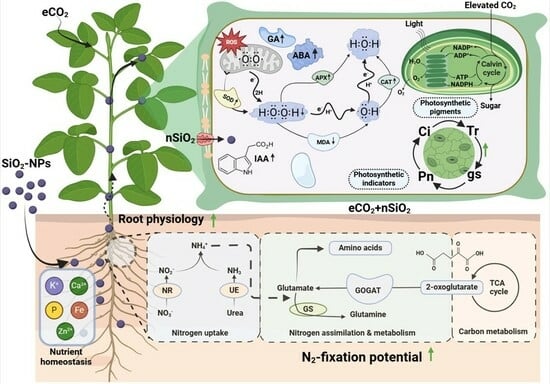
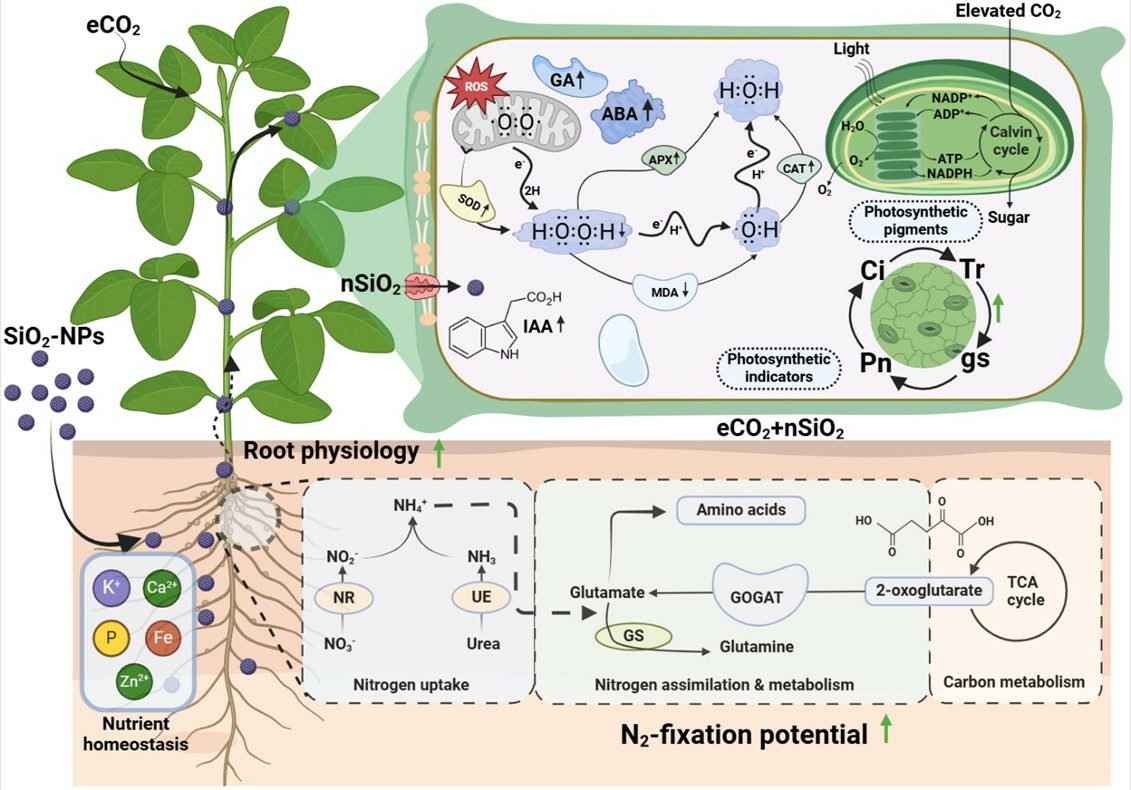
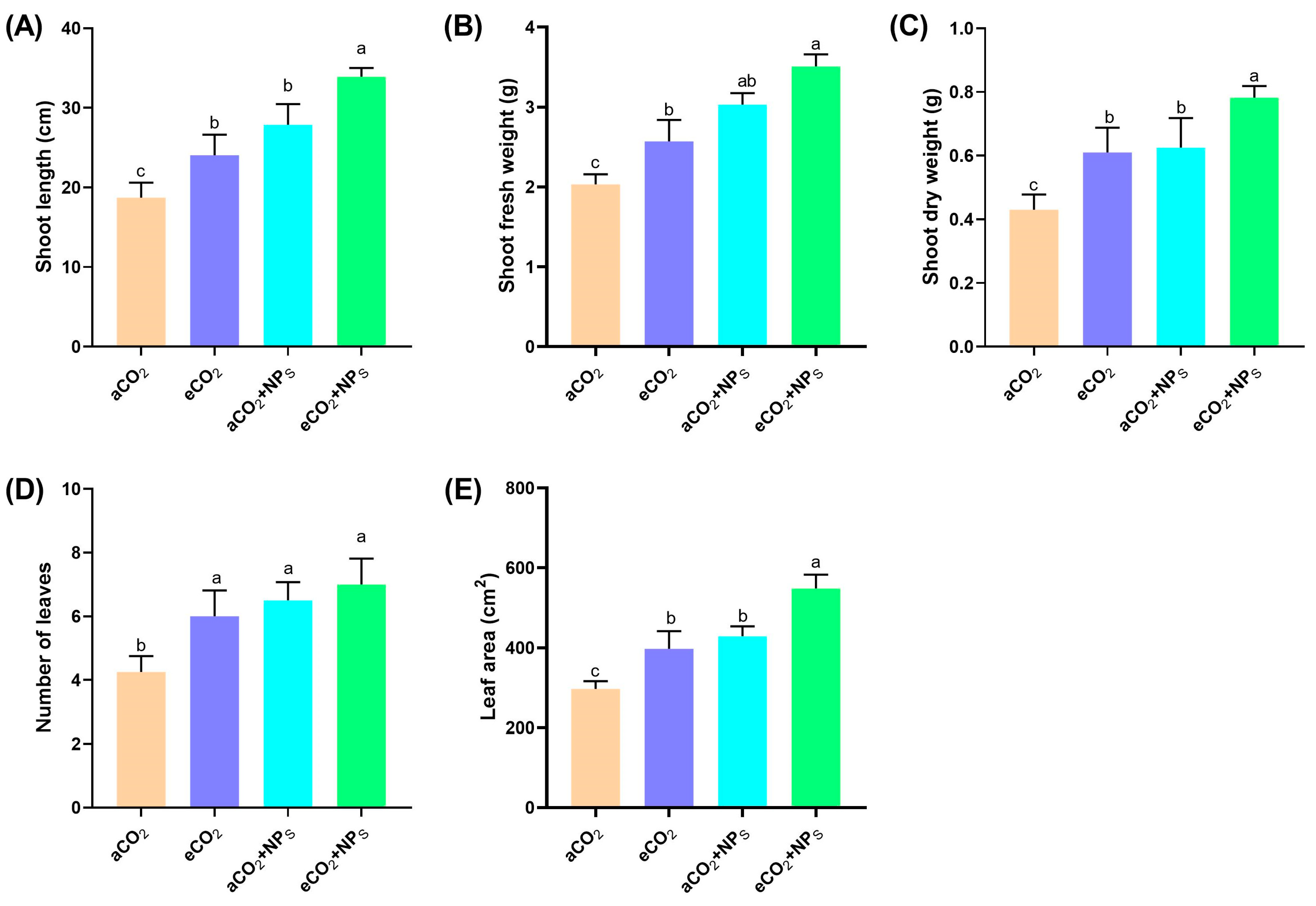
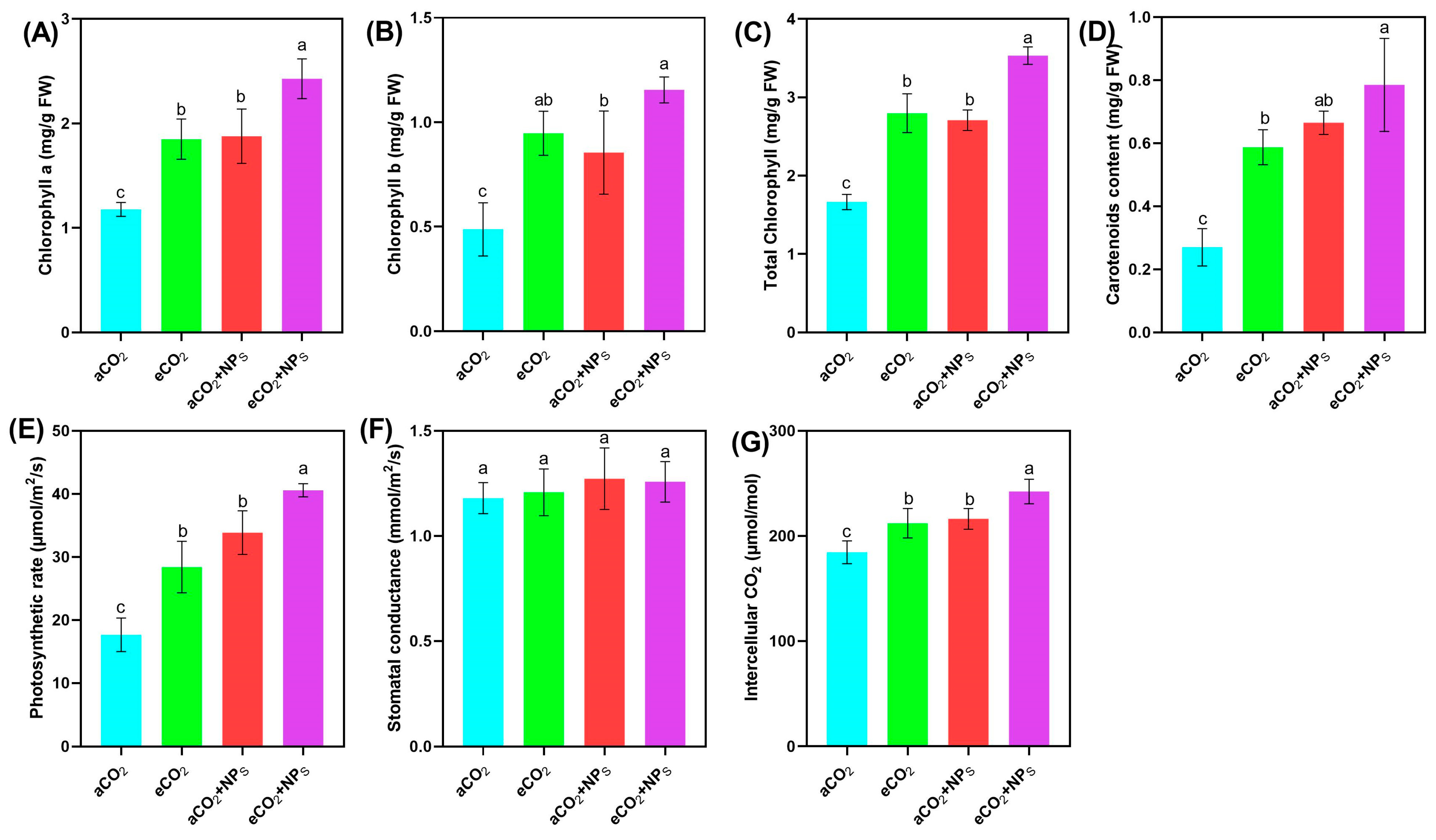
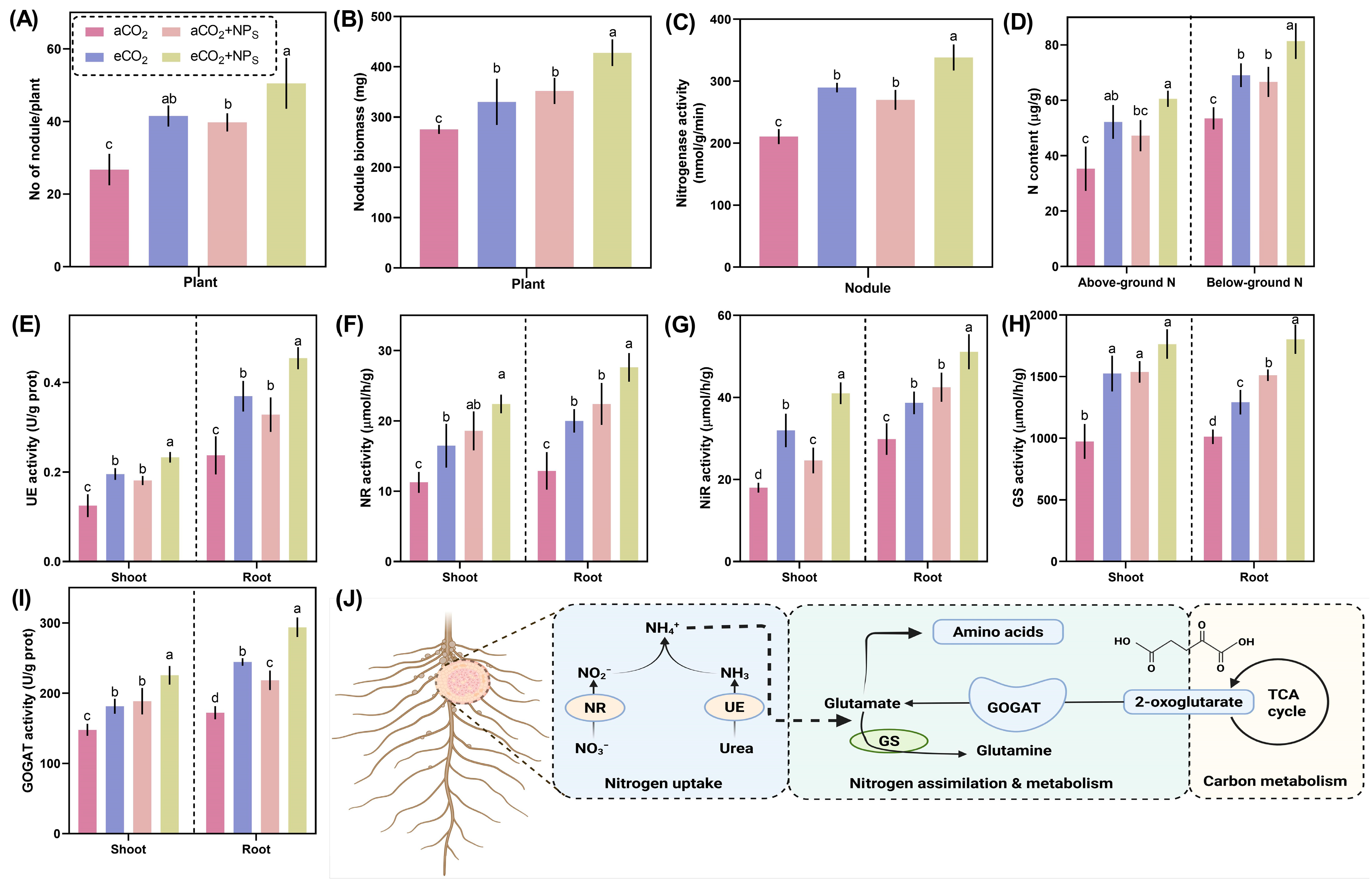
The interactive effects between nano-silicon dioxide (n-SiO2) and elevated CO2 (eCO2; 645 ppm) on soybean physiology, nitrogen fixation, and nutrient dynamics under climate stress remain underexplored. This study elucidates their combined effects under ambient (aCO2; 410 ppm) and eCO2 conditions. eCO2 + n-SiO2 synergistically enhanced shoot length (30%), total chlorophyll (112.15%), and photosynthetic rate (103.23%), alongside improved stomatal conductance and intercellular CO2 (17.19%), optimizing carbon assimilation. Nodulation efficiency increased, with nodule number and biomass rising by 48.3% and 53.6%, respectively, under eCO2 + n-SiO2 versus aCO2. N-assimilation enzymes (nitrate reductase, nitrite reductase, glutamine synthetase, glutamate synthase) surged by 38.5–52.1%, enhancing nitrogen metabolism. Concurrently, phytohormones (16–21%) and antioxidant activities (15–22%) increased, reducing oxidative markers (18–22%), and bolstering stress resilience. Nutrient homeostasis improved, with P, K, Mg, Cu, Fe, Zn, and Mn elevating in roots (13–41%) and shoots (13–17%), except shoot Fe and Zn. These findings demonstrate that n-SiO2 potentiates eCO2-driven benefits, amplifying photosynthetic efficiency, nitrogen fixation, and stress adaptation through enhanced biochemical and nutrient regulation. This synergy underscores n-SiO2 role in optimizing crop performance under future CO2-rich climates, advocating nano-fertilizers as sustainable tools for climate-resilient agriculture.
Keywords: elevated CO2; soybean; photosynthesis; nitrogen fixing potential elevated CO2; soybean; photosynthesis; nitrogen fixing potential
Graphical Abstract