Article

Analysis of Main Components of Five Mulberry Varieties in Tropics

1
National Key Laboratory for Tropical Crop Breeding, Sanya 572024, China
2
Key Laboratory of Integrated Pest Management on Tropical Crops Ministry of Agriculture and Rural, Hainan Key Laboratory for Monitoring and Control of Tropical Agricultural Pests, Institute of Environment and Plant Protection, Chinese Academy of Tropical Agricultural Sciences, Haikou 571101, China
3
College of Tropical Crops, Hainan University, Haikou 570228, China
*
Author to whom correspondence should be addressed.
These authors contributed equally to this work.
Plants 2024, 13(19), 2763; https://doi.org/10.3390/plants13192763

Submission received: 5 July 2024 / Revised: 25 September 2024 / Accepted: 25 September 2024 / Published: 1 October 2024
(This article belongs to the Section Phytochemistry)

Abstract

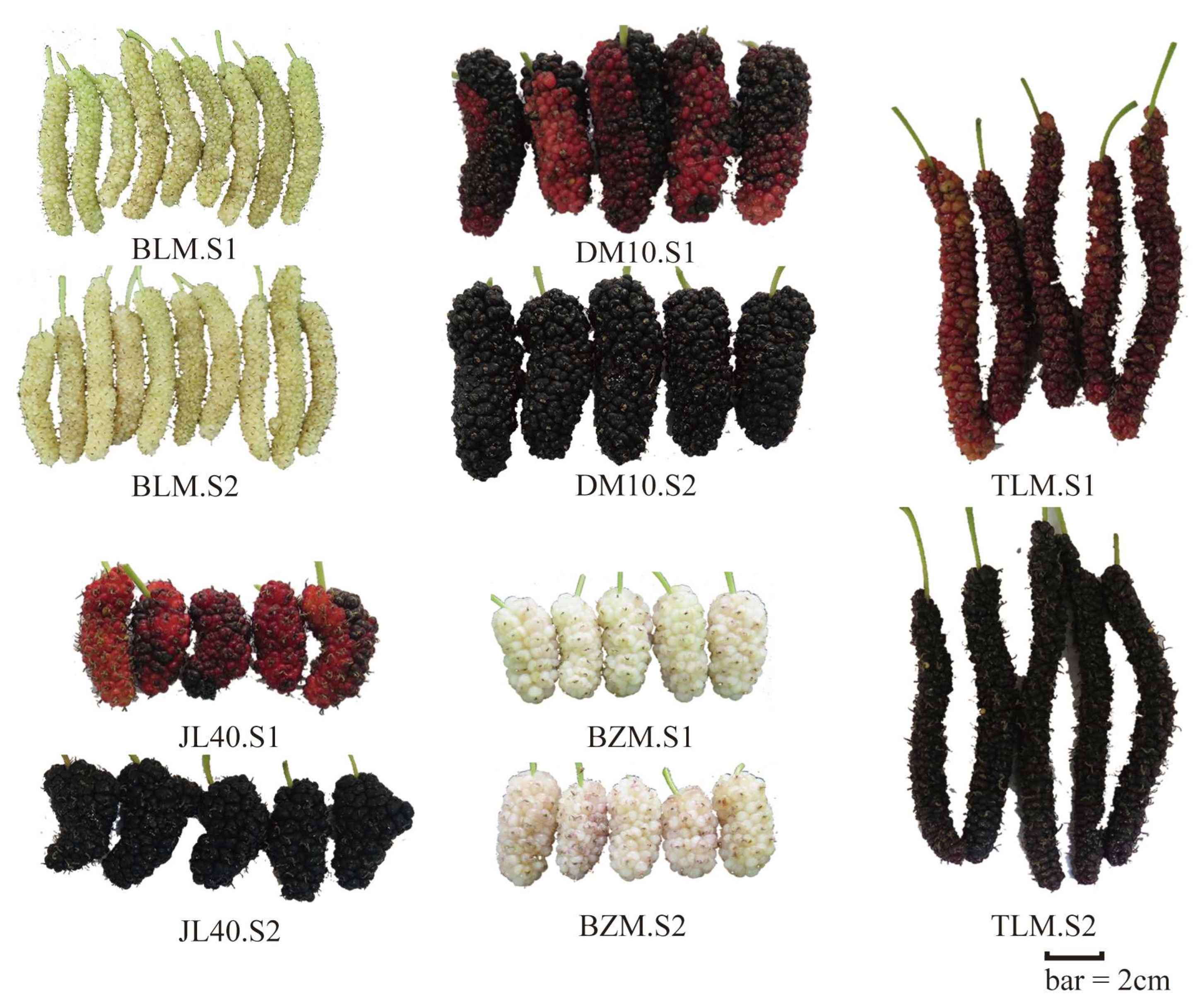
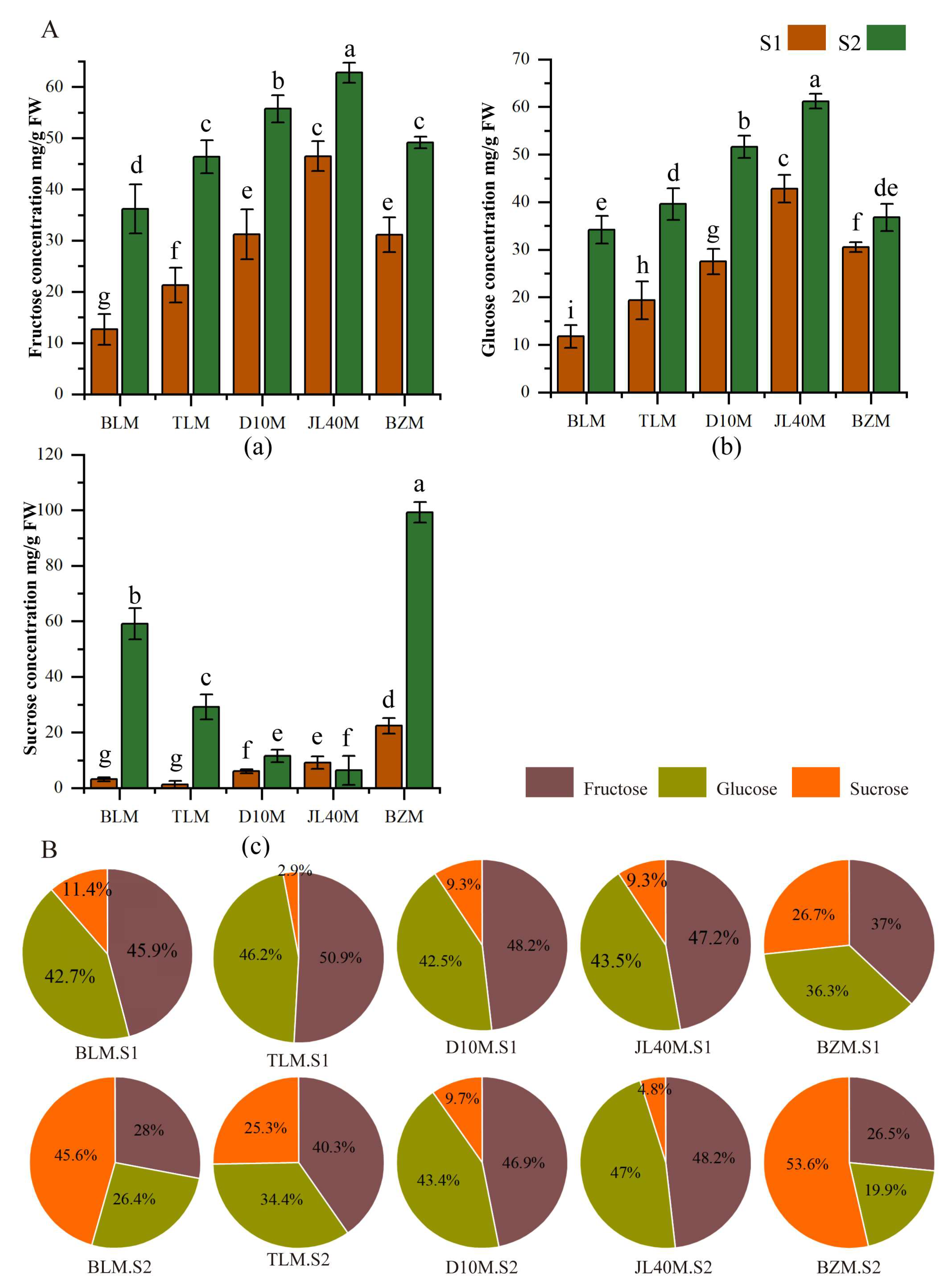
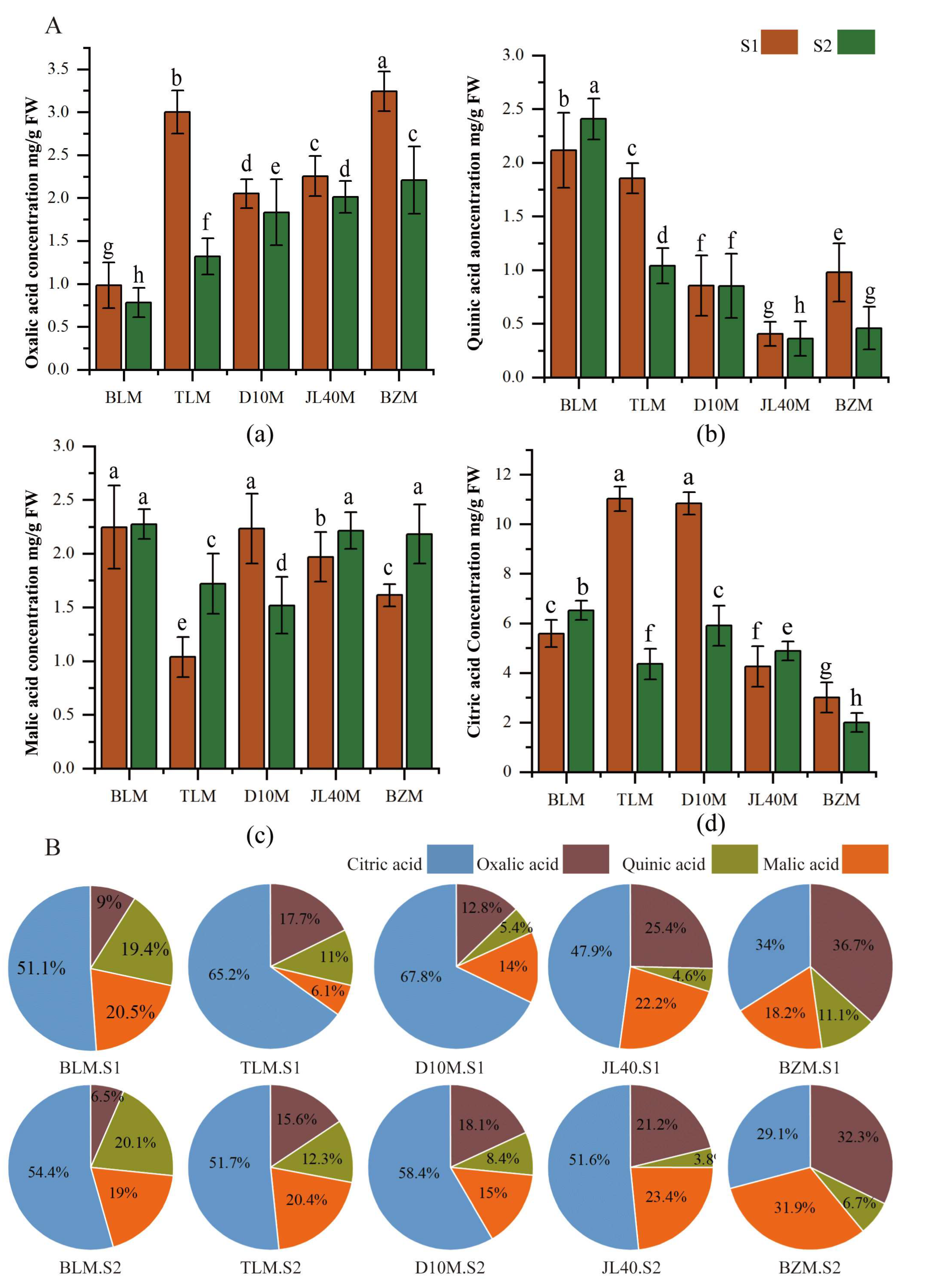
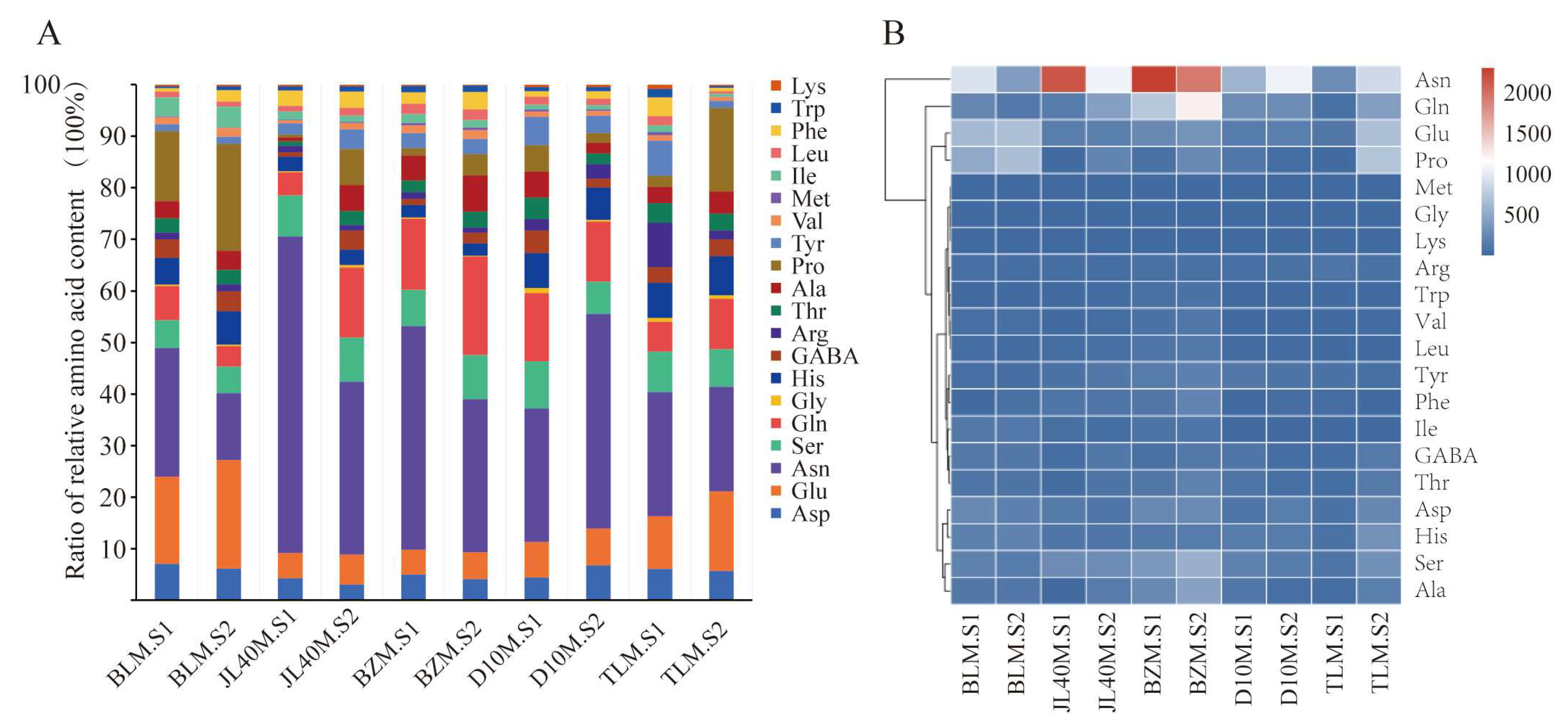
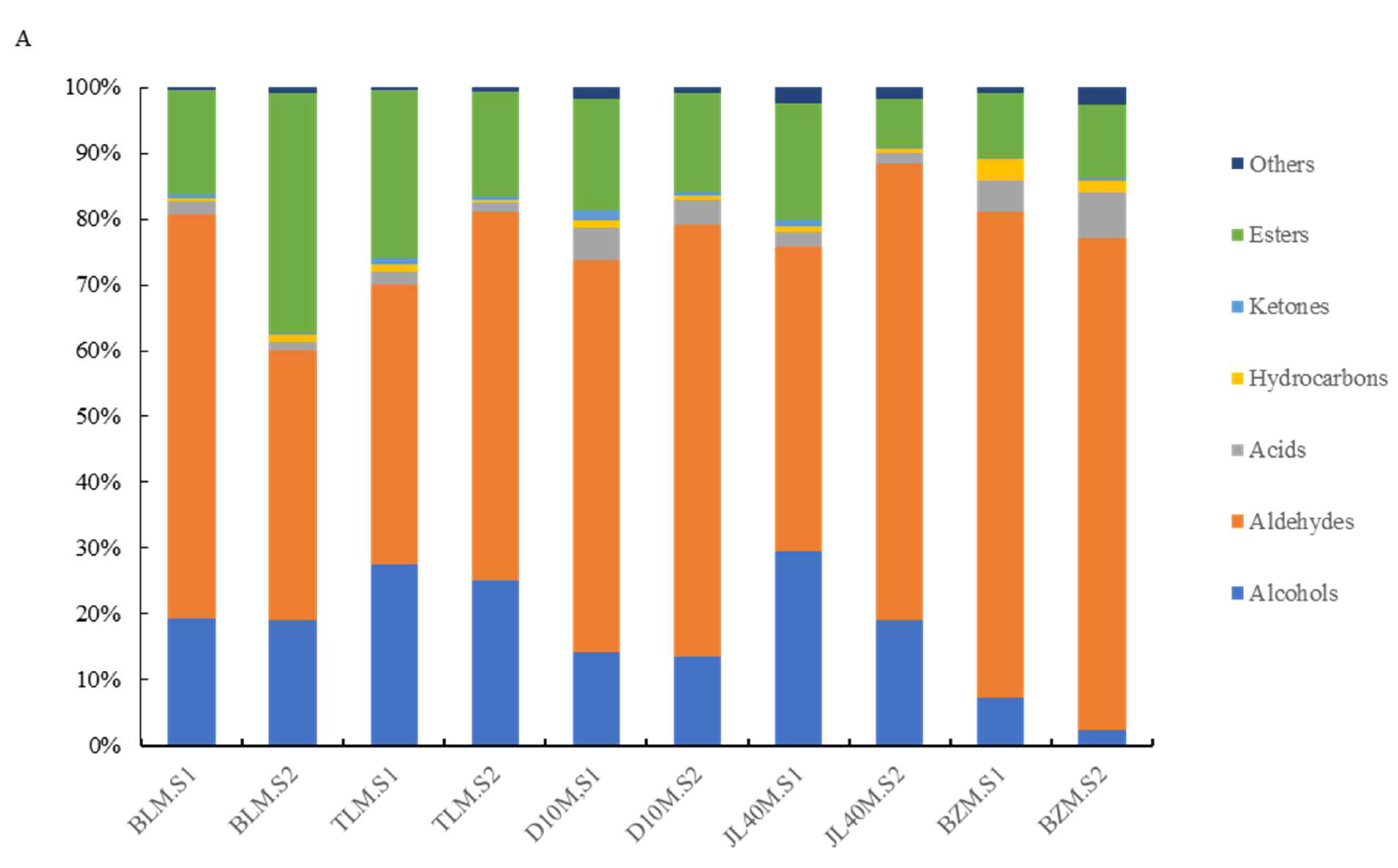
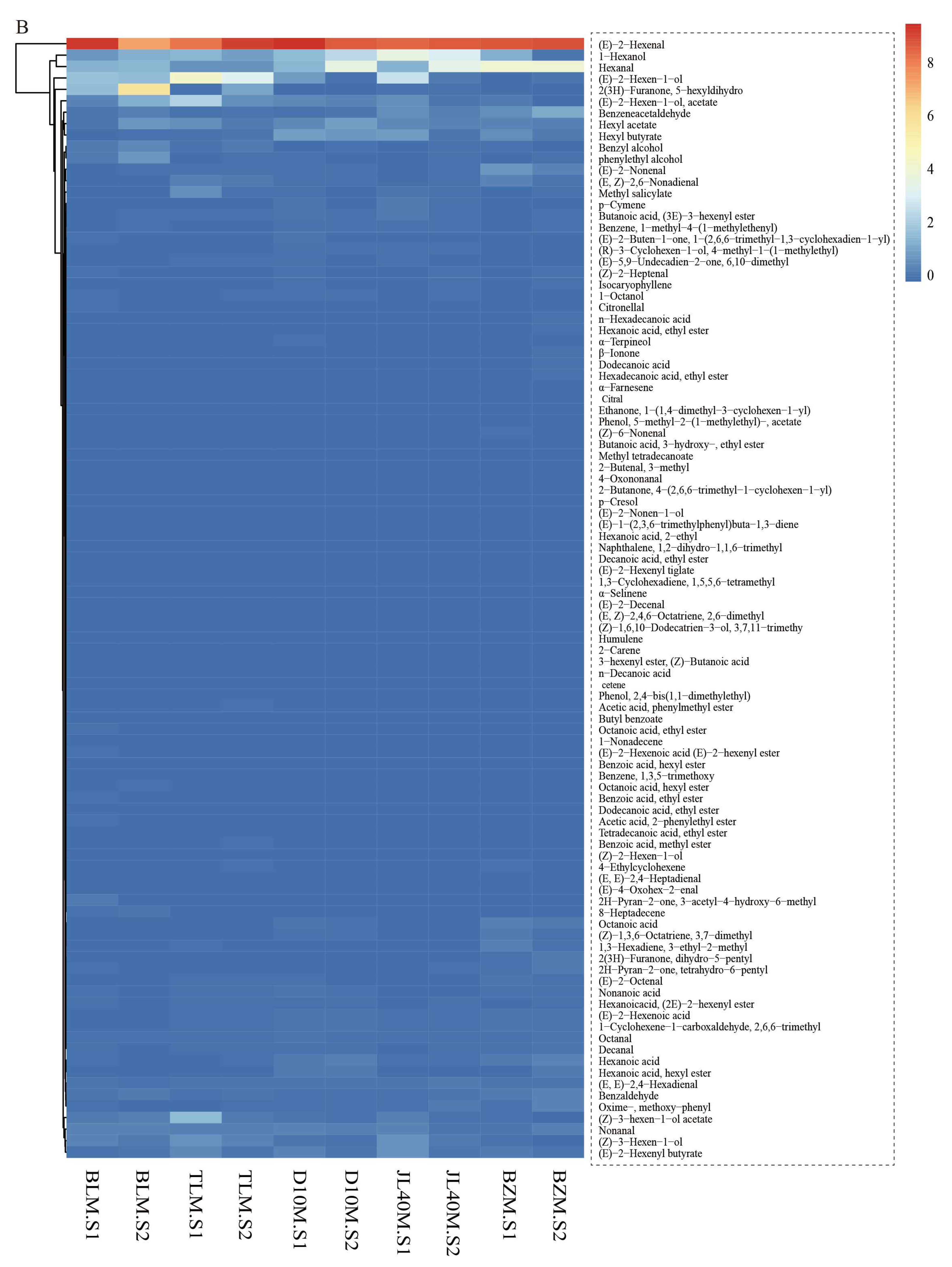
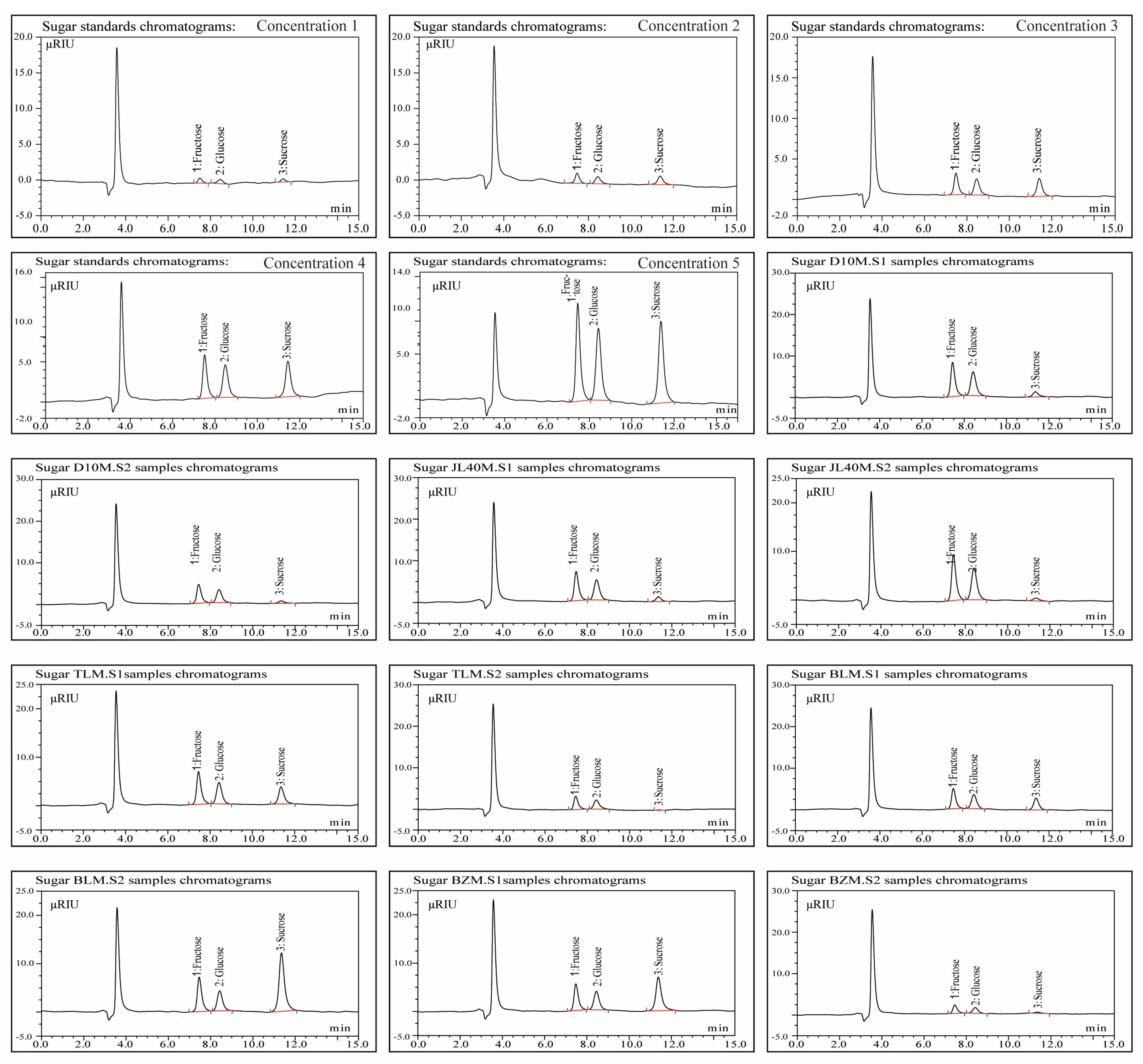
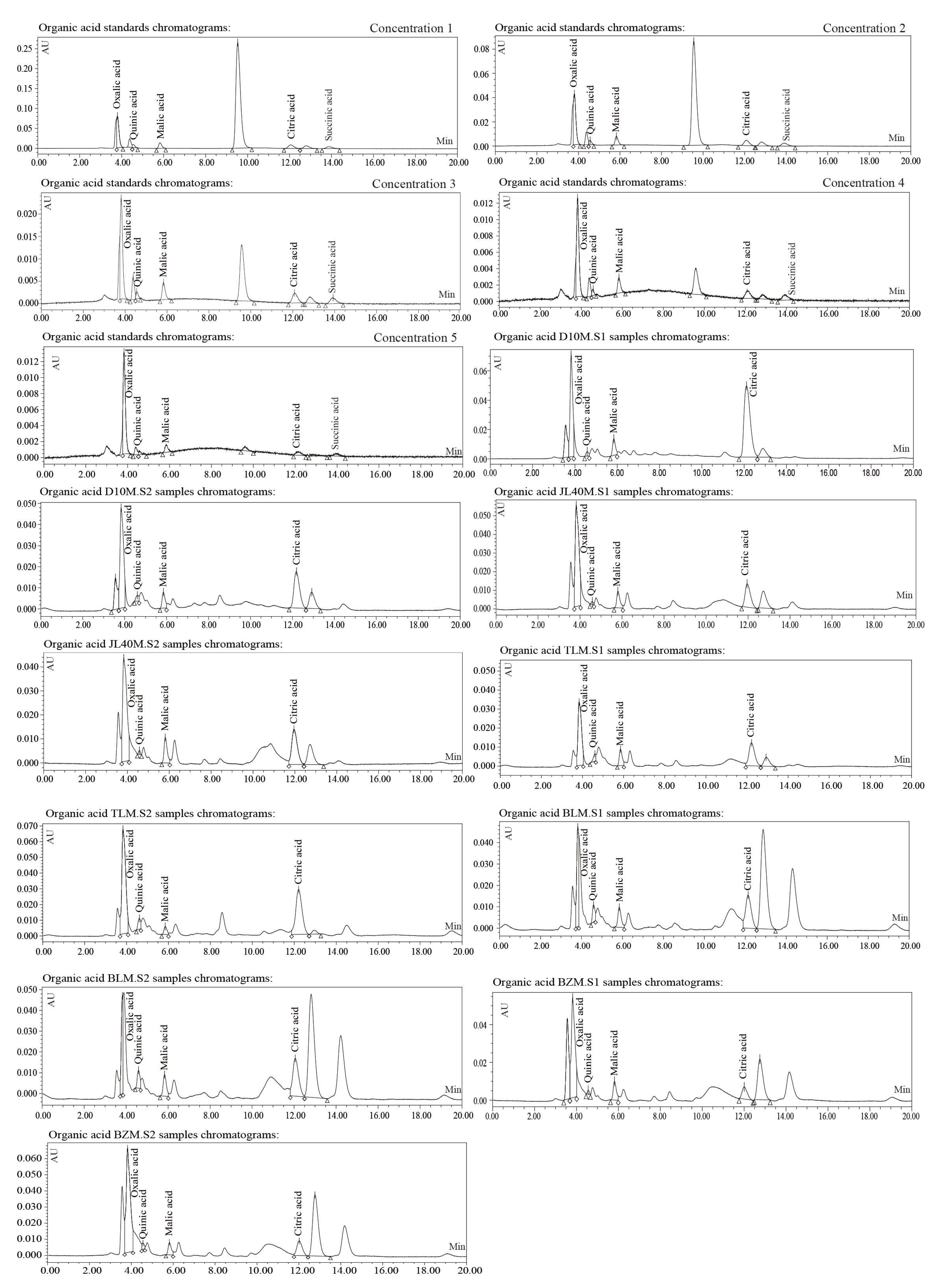
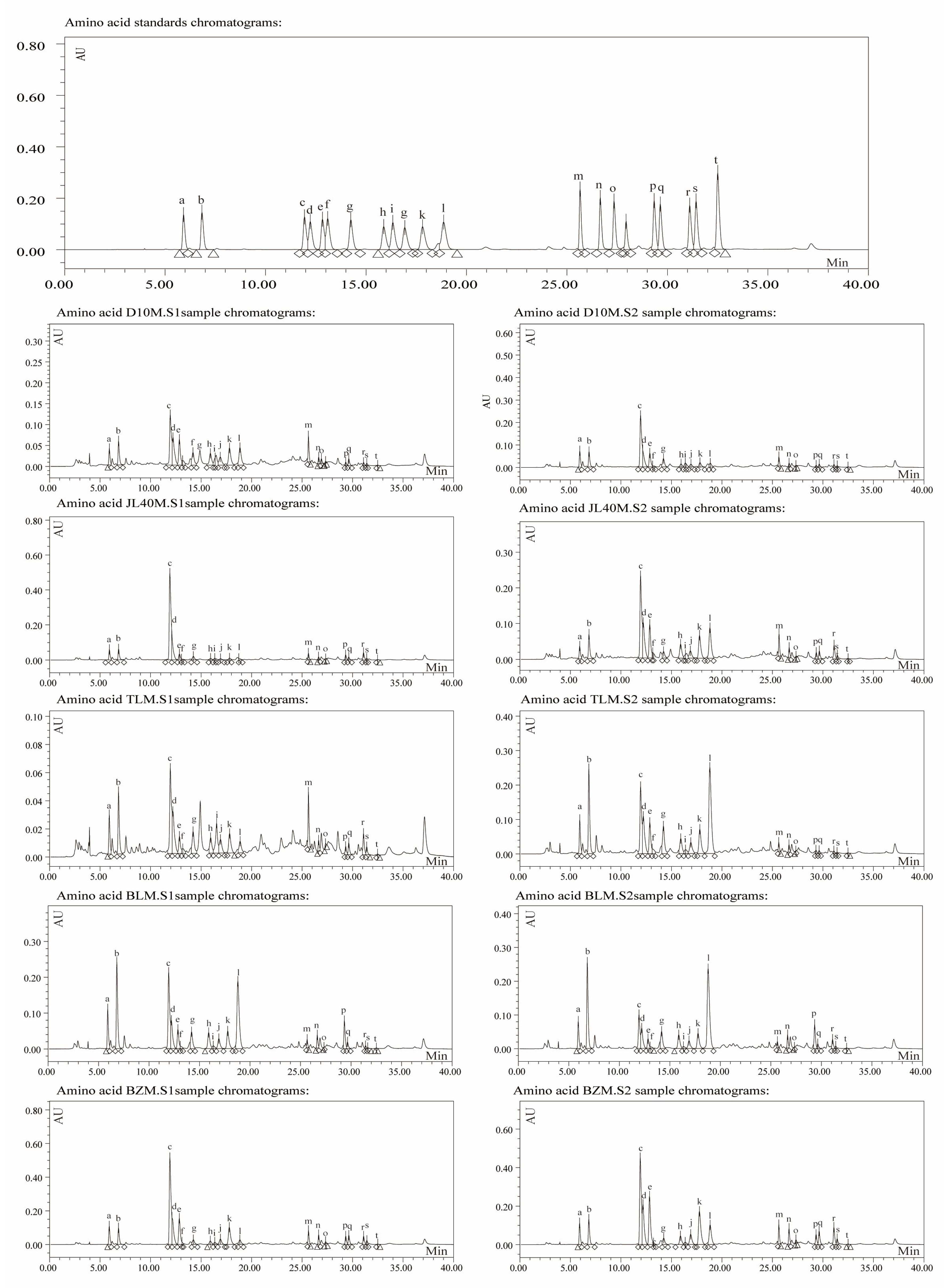
Mulberries (Morus alba L.) contain rich and beneficial nutrients for human health. However, as a temperate adaptive species, high-temperature and high-humidity climate conditions may alter the main nutritional value of mulberries after their intended arrival in tropical regions, which has not yet been reported on. In this study, we analyzed the differences in morphology, sugars, organic acids, free amino acids, and aroma contents of five mulberry varieties in the tropics between two harvesting periods. The results show that the full-ripe fruits of M. laevigata W (TLM) have the longest fruit length (83.67 mm) and highest brix (25.90); meanwhile, full-ripe fruits of M. atropurpurea R (D10M) have the longest fruit transverse stem (20.00 ± 0.577 mm) and single-fruit weight (9.63 ± 0.033 g). Fructose, glucose, and sucrose were the main sugars, and oxalic acid, quinic acid, malic acid, and citric acid were the main organic acids in all varieties; in addition, the sucrose content in mature fruits of M. laevigata W. (BLM) and M. alba L. BZZ (BZM) was significantly higher than other sugars. Twenty free amino acids were detected in all five varieties and asparagine was the main free amino acid. A total of 100 volatile compounds were identified, including 31 esters, 20 aldehydes, 14 hydrocarbons, 11 alcohols, 10 acids, 6 ketones, and 8 others. Although the main components of five mulberry full-ripe fruits were significantly higher than the green-ripe fruits, gamma-amino butyric acid and a few other components were otherwise. The research results show that the tropical climate conditions could increase the main nutritional components of mulberries, but the specific molecular regulatory mechanisms need to be further analyzed.
Keywords: morphology; sugar; organic acid; amino acid; aroma contents morphology; sugar; organic acid; amino acid; aroma contents