Article

Molecular and Morphometric Update on Italian Salicornia (Chenopodiaceae), with a Focus on the Species S. procumbens s. l.


1
Department of Chemical, Pharmaceutical and Agricultural Sciences, University of Ferrara, Via Luigi Borsari 46, 44121 Ferrara, Italy
2
Department of Environmental Sciences, Informatics and Statistics, Ca’Foscari University of Venice, Via Torino 155, 30172 Mestre, Italy
3
Department of Environment and Prevention Sciences, University of Ferrara, C.so Ercole I D’Este 32, 44121 Ferrara, Italy
4
Department of Environmental Biology, Sapienza University of Rome, P.le A. Moro 5, 00185 Roma, Italy
5
Ce.R.S.I.Te.S., Sapienza University of Rome, Via XXIV Maggio 7, 04100 Latina, Italy
*
Author to whom correspondence should be addressed.
Plants 2023, 12(2), 375; https://doi.org/10.3390/plants12020375

Submission received: 4 December 2022 / Revised: 9 January 2023 / Accepted: 10 January 2023 / Published: 13 January 2023

Abstract

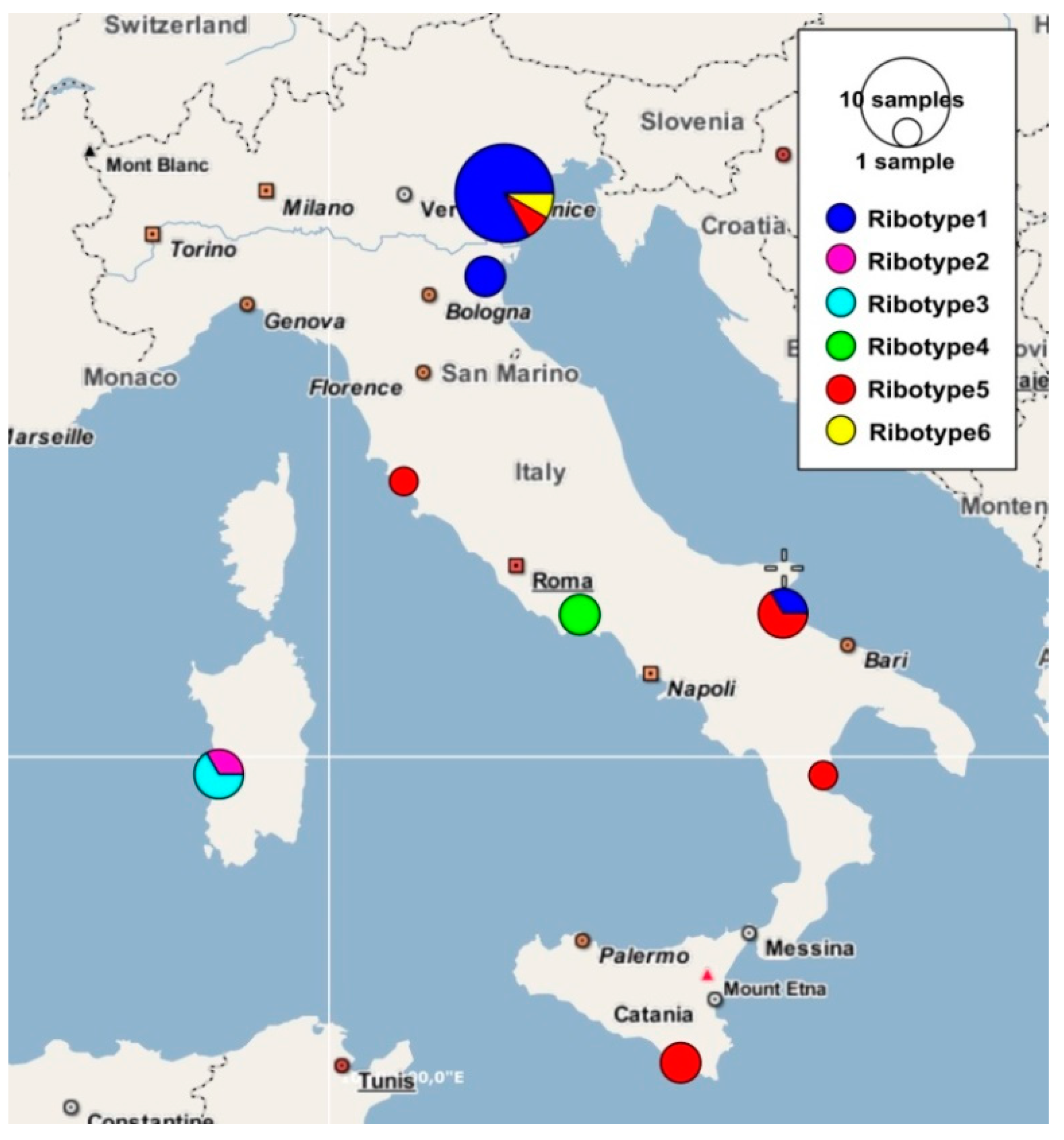
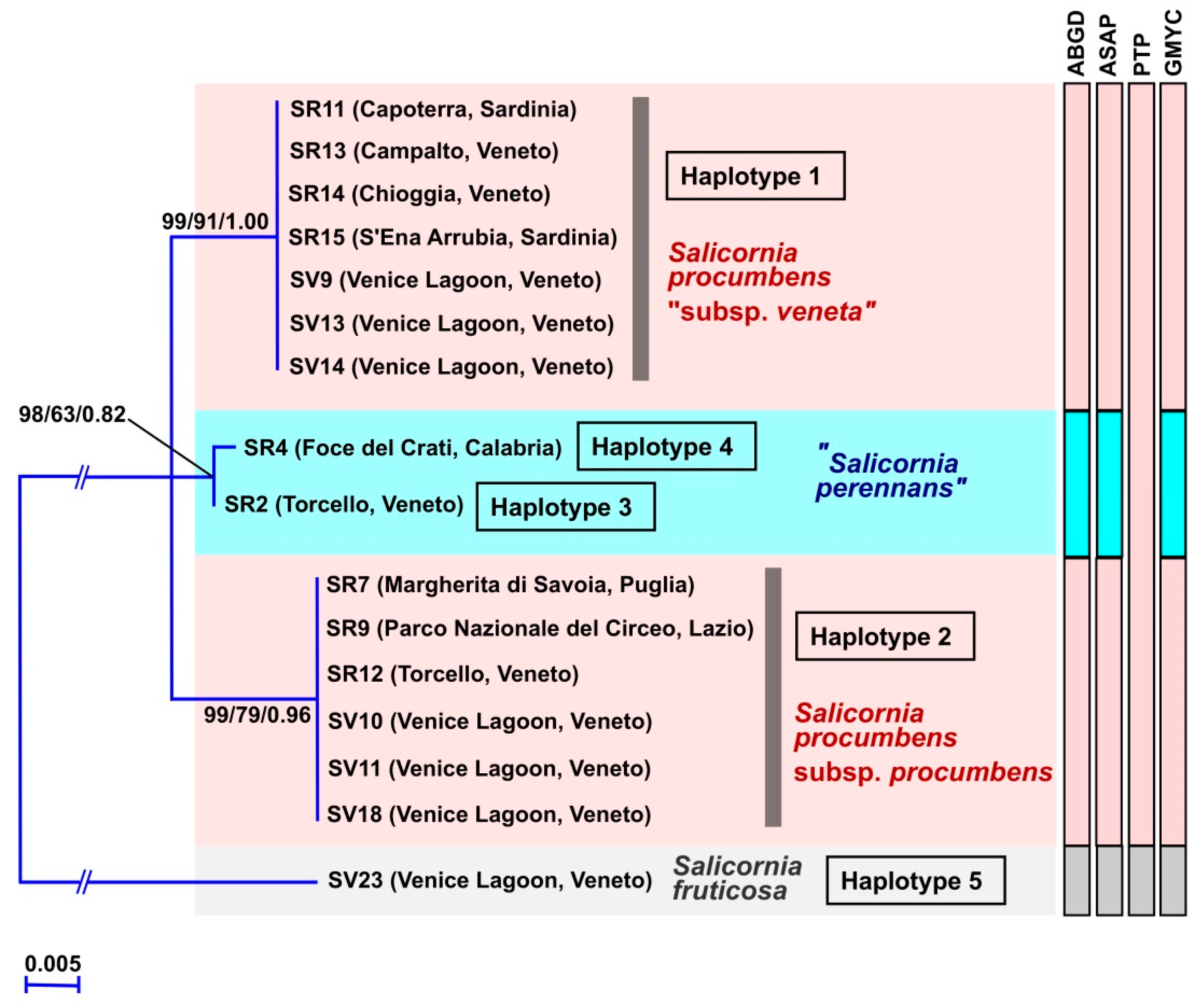
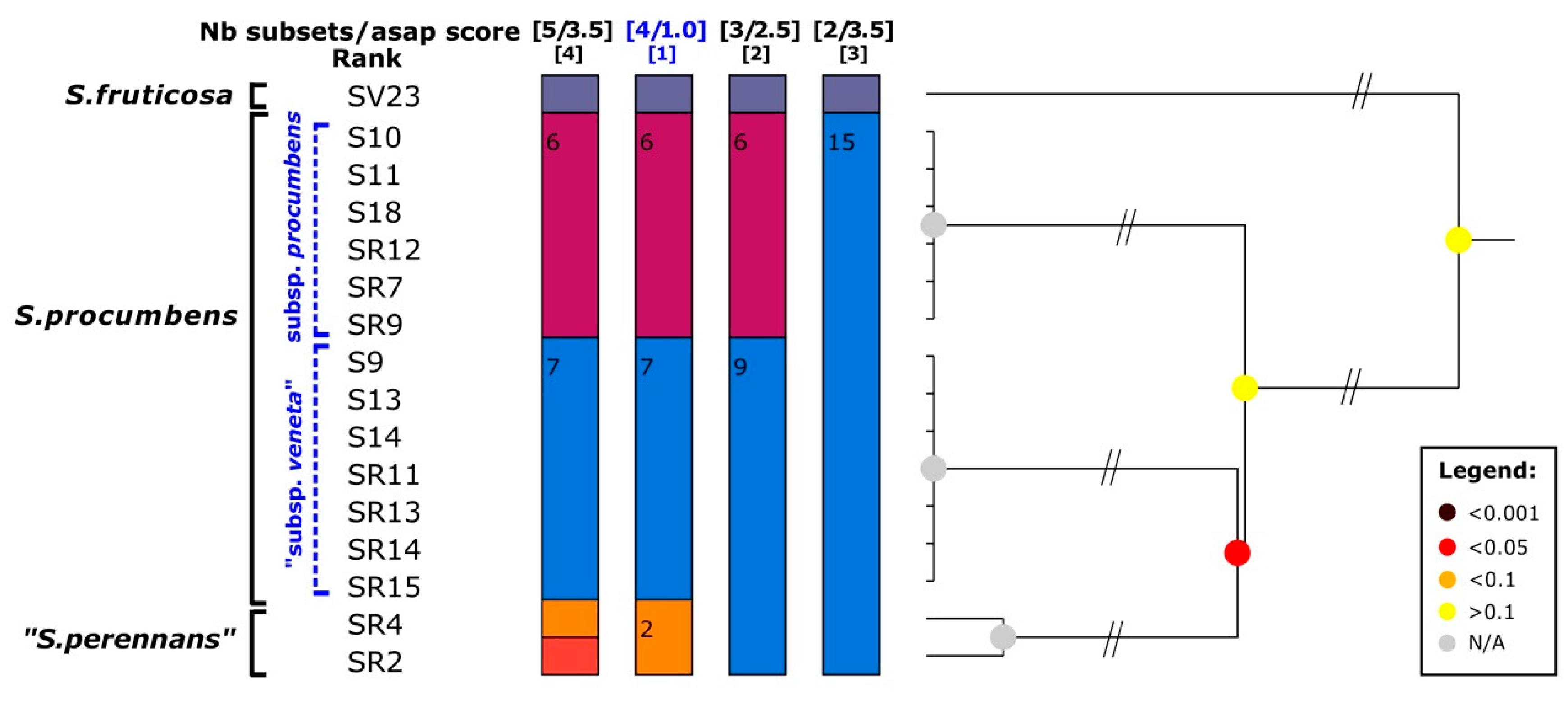
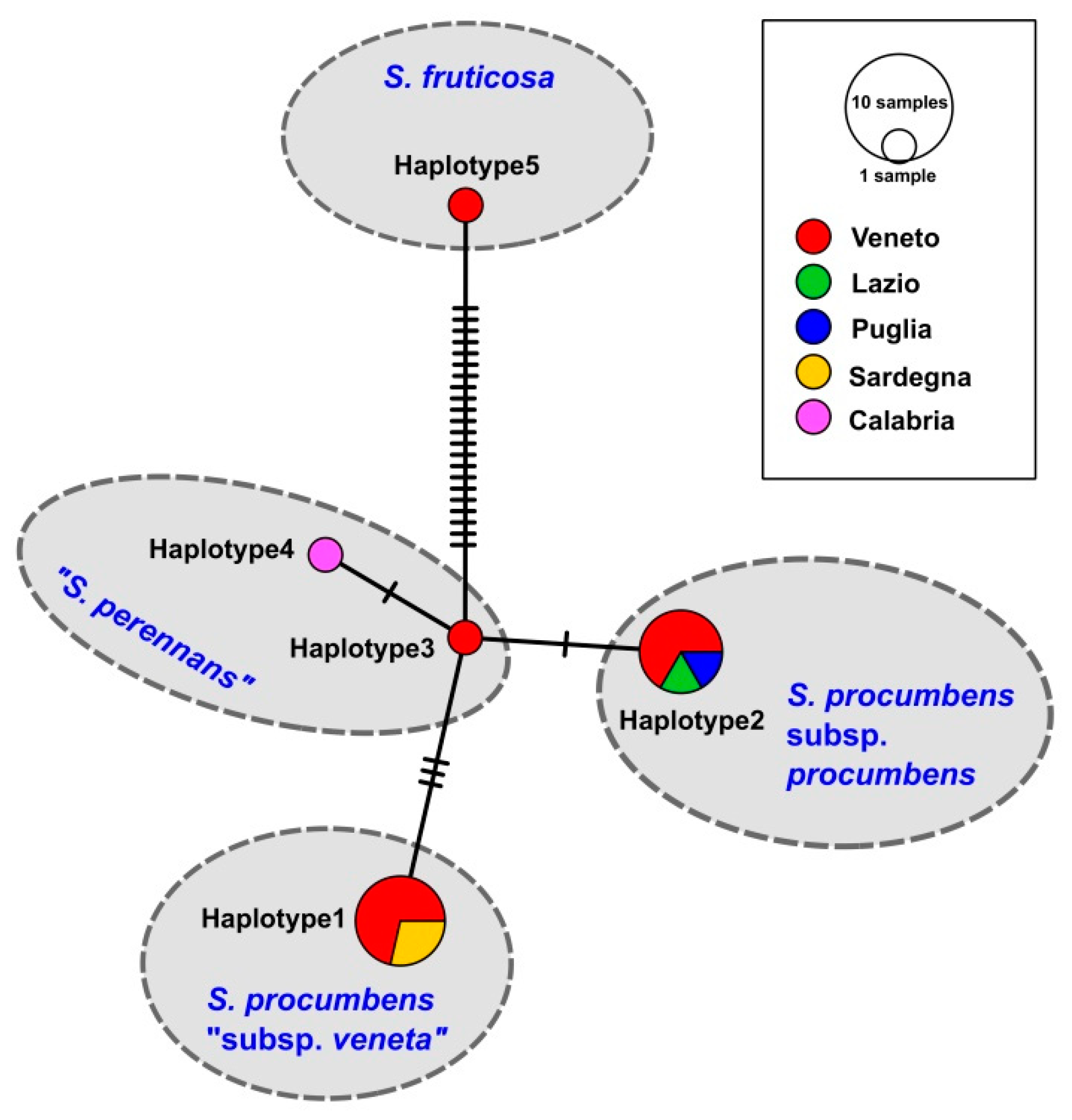
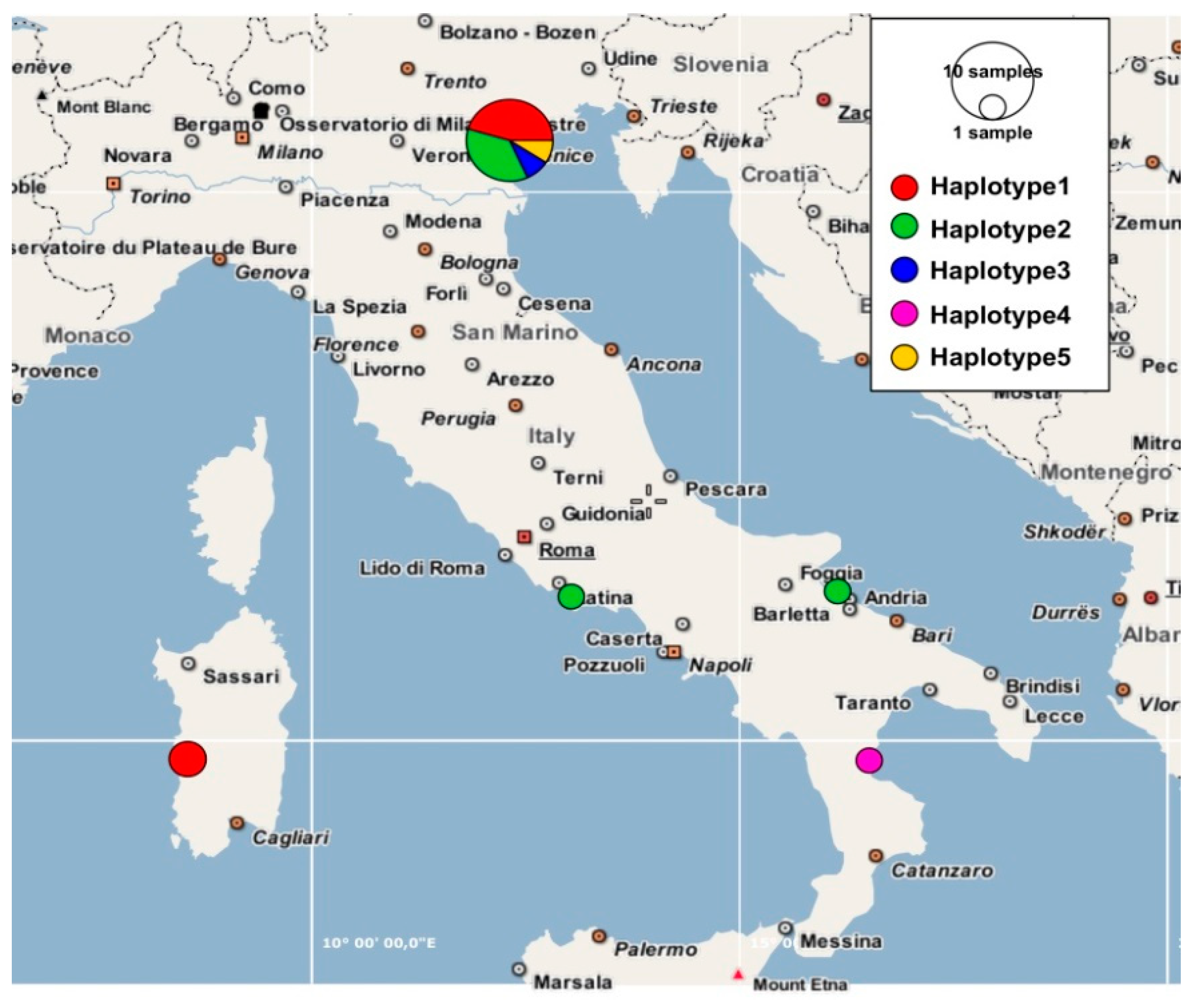
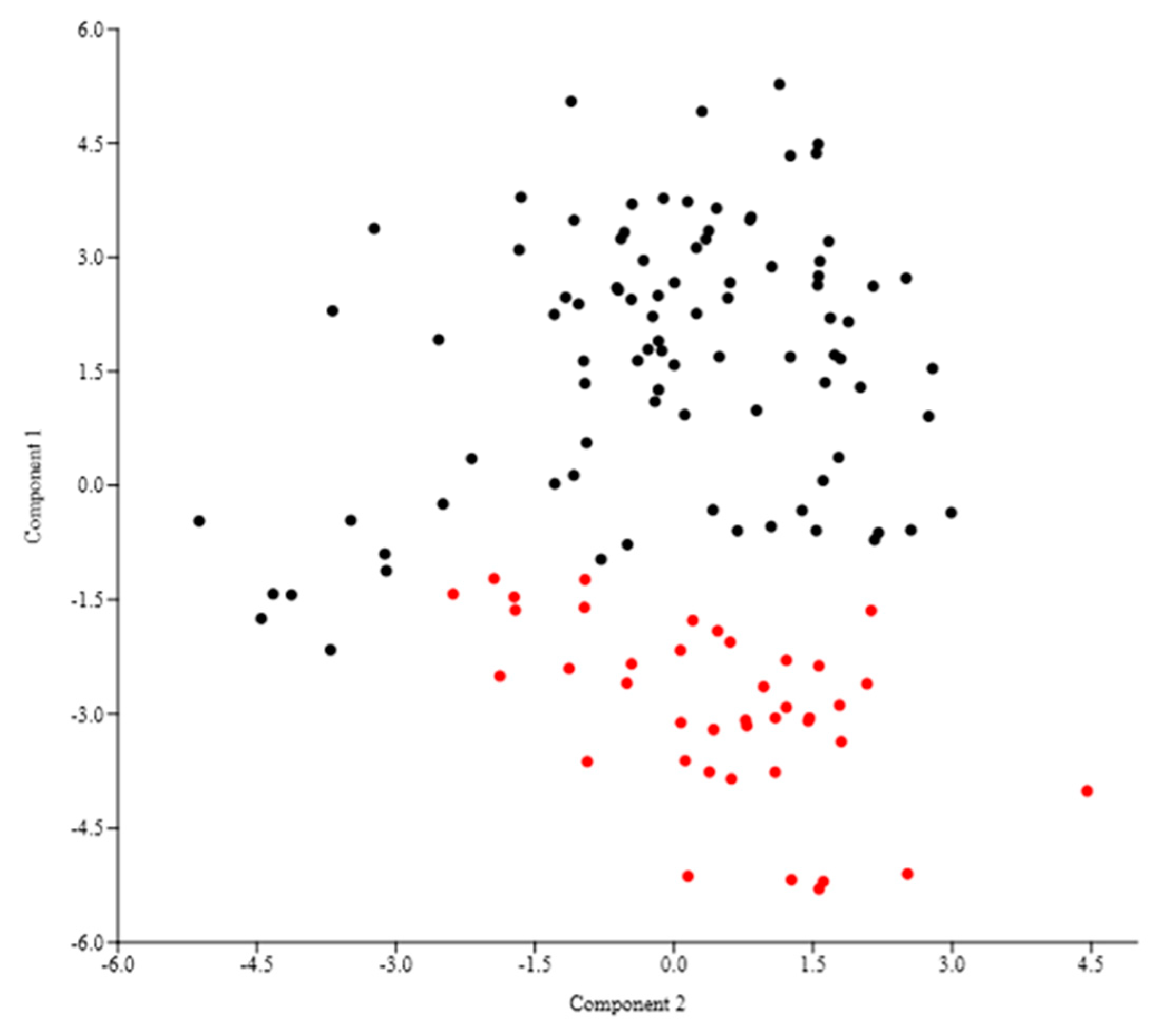
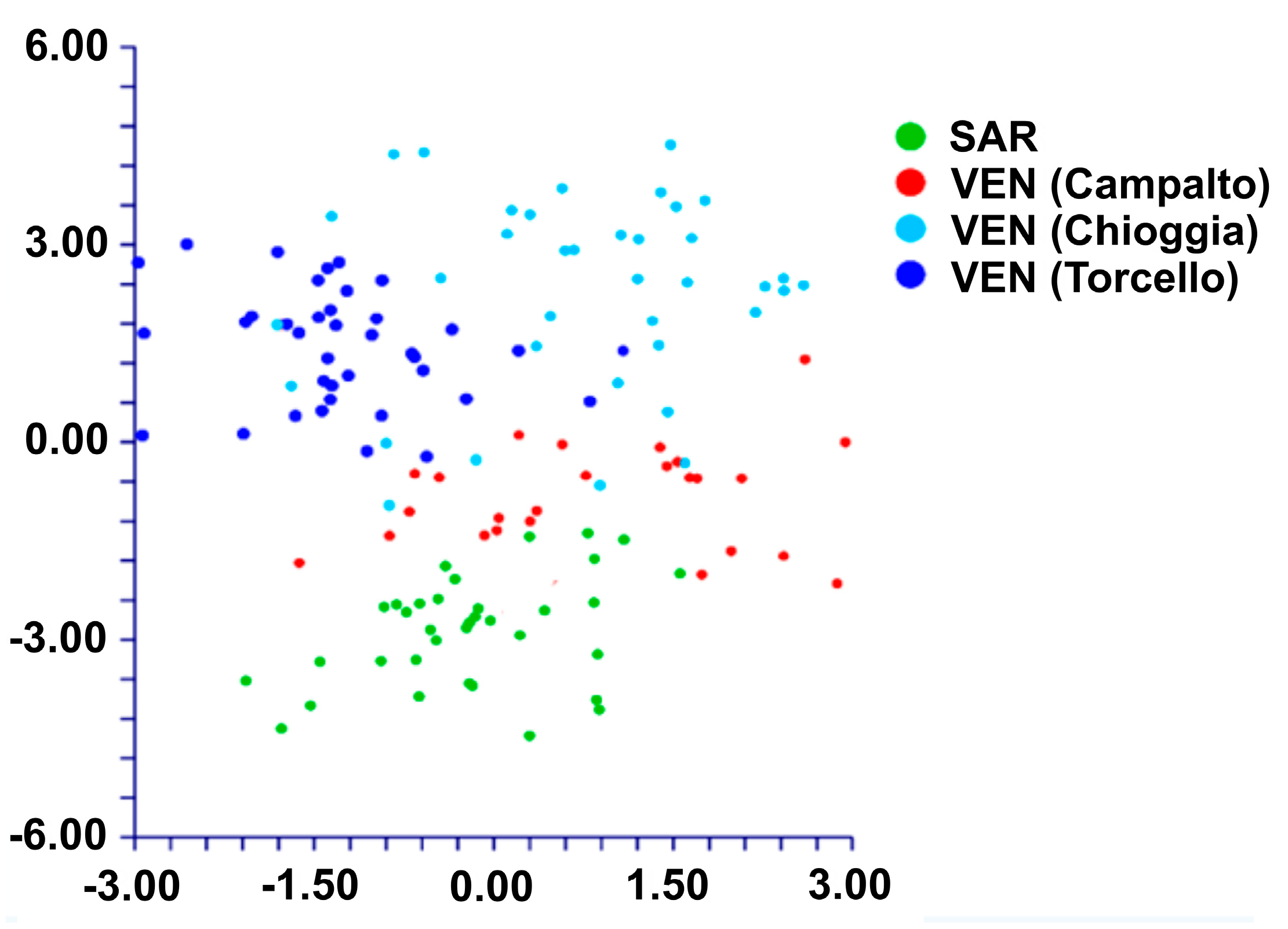
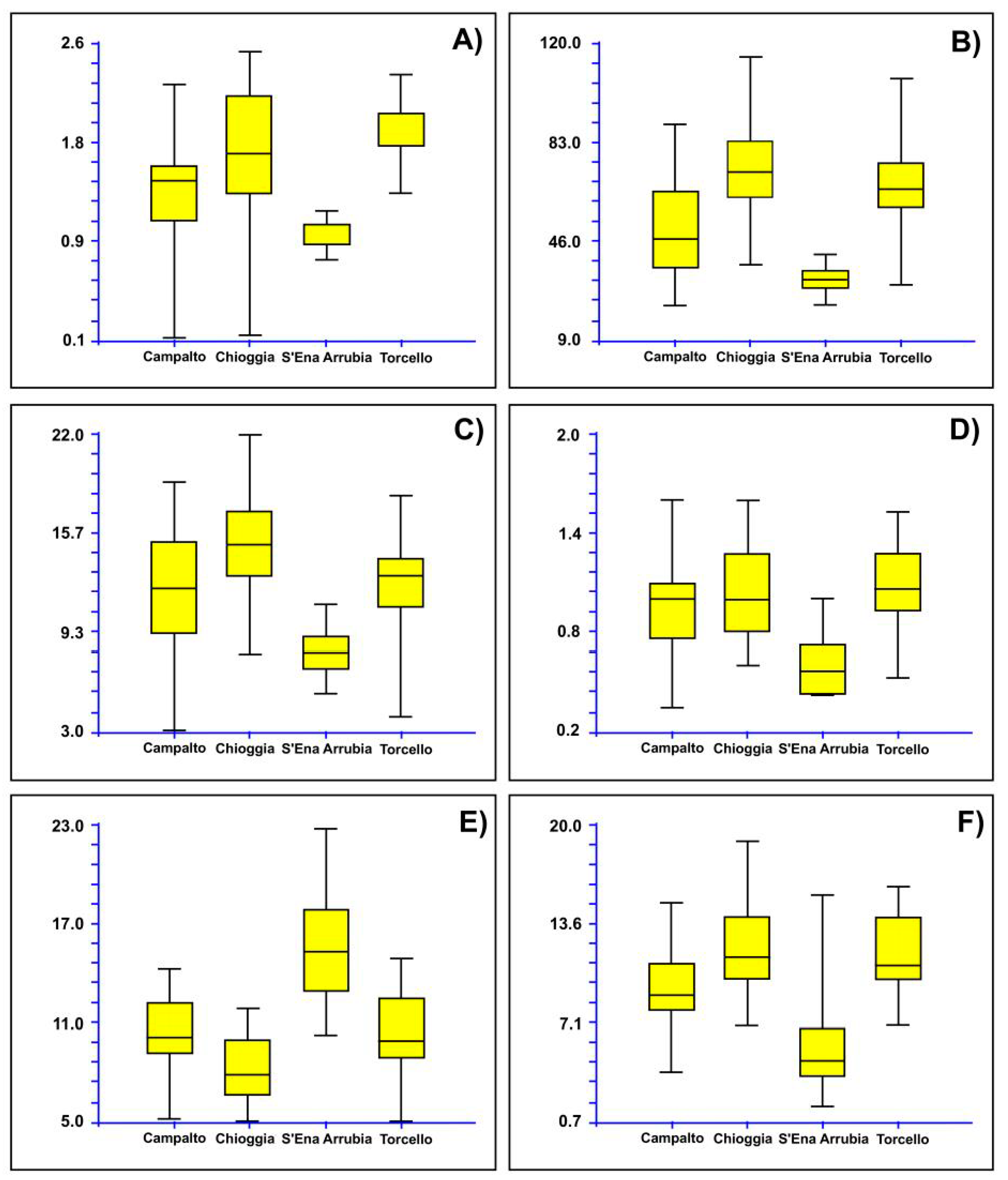
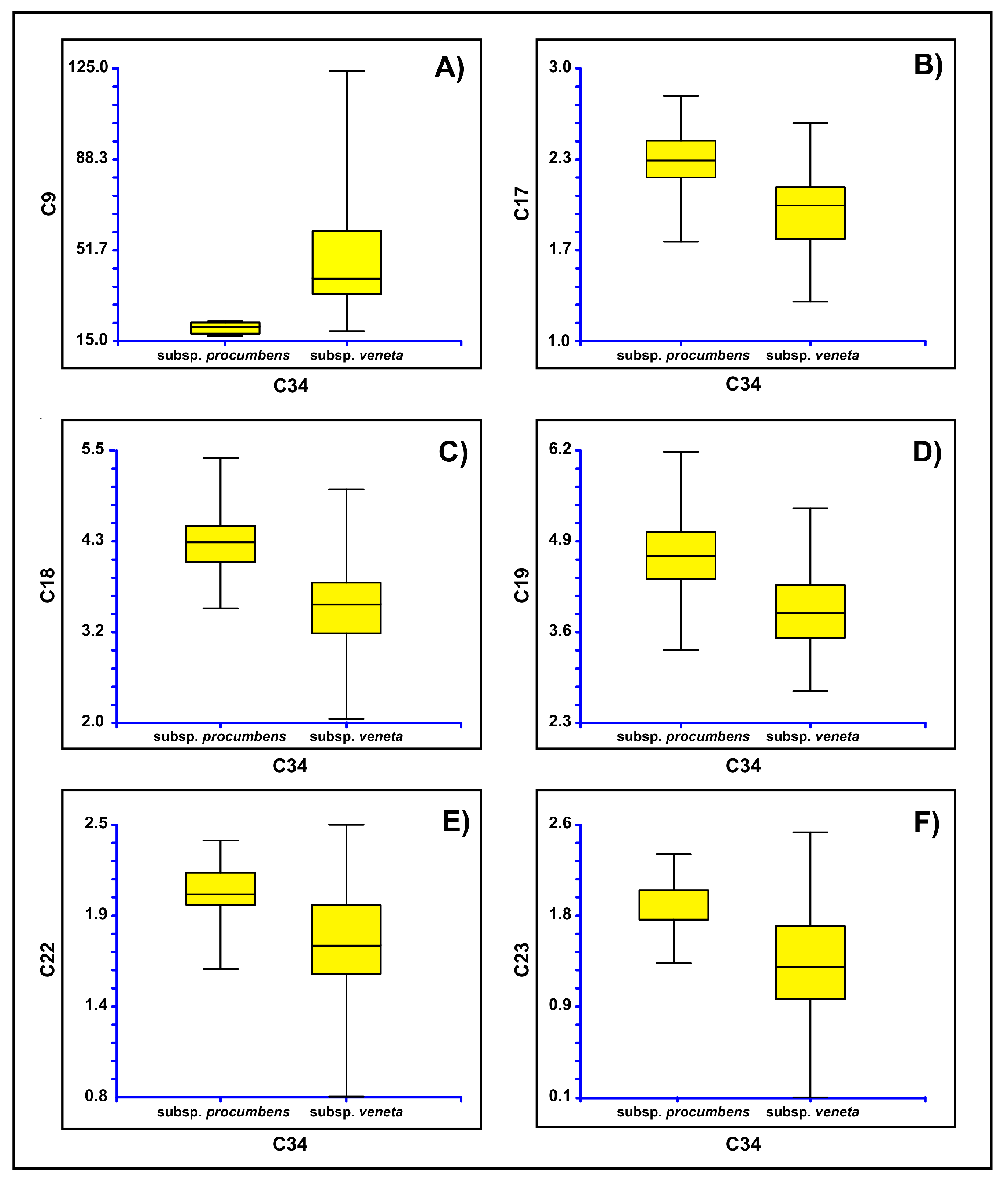
Salicornia is a highly taxonomically problematic genus due to the reduced morphological observable characters. Ten Eurasian species are currently recognized: S. alpini, S. europaea, S. fruticosa, S. hispanica, S. lagascae, S. perennans, S. perennis, S. persica, S. procumbens, and S. pruinosa. In addition, eleven subspecies are accepted, mainly based on their distribution areas. Along the Venetian coasts and in Sardinia, in the past, an endemic species called S. veneta was recognized, but this name was later synonymized with S. procumbens subsp. procumbens. The aim of the present research is investigating different Italian Salicornia populations by a molecular point of view, using the nuclear ribosomal external transcribed spacer ETS and the plastid psbA-trnH intergenic spacer. A particular focus is on the comparison between Venetian (including those occurring in locus classicus of S. veneta) and Sardinian S. procumbens and other Italian populations of this species. The molecular analyses based on the plastid marker highlight that the Italian S. procumbens populations form two well distinct groups. In particular, some of the Venetian (Locus classicus of S. veneta) and all the Sardinian specimens are genetically distinct (=plastid haplotype 1) from the other investigated populations (=plastid haplotype 2). This indicates that the psbA-trnH haplotype 1 glassworts represent a distinct entity, which we suppose to coincide with the former S. veneta. Therefore, we suggest to recognize this taxonomic entity at the subspecies rank, as S. procumbens subsp. veneta comb. and stat. nov. However, contrary to the results found with the plastid psbA-trnH intergenic spacer, the ETS locus does not show a separation into two distinct clades for S. procumbens, probably due to a different evolution of the two loci. Nevertheless, in the ETS phylogenetic reconstruction, the Sardinian specimens (=ribotypes 2 and 3) are placed, together with a Moroccan sample, in a subclade separated from all the other S. procumbens. These results suggest that the Sardinian populations can represent a subspecies/incipient speciation process, probably due to geographic isolation. In the light of this, morphometric analyses (k-means, MANOVA, PCA, DA, and Box-Plot) have been carried out on the Sardinian and Venetian populations to verify if this distinction is detectable also by a morphological point of view. The morphometric analyses highlight the existence of two groups, concerning both the nuclear and plastid trees. Six characters were found to be diagnostic.
Keywords: biometry; endemism; ETS; Salicornia L.; psbA-trnH biometry; endemism; ETS; Salicornia L.; psbA-trnH