Article

Genebanks at Risk: Hazard Assessment and Risk Management of National and International Genebanks

by
Theresa Herbold
1,* and
Johannes M. M. Engels
2
1
Faculty of Agricultural Sciences, University of Hohenheim, 70599 Stuttgart, Germany
2
Alliance of Bioversity International and CIAT, 00153 Rome, Italy
*
Author to whom correspondence should be addressed.
Plants 2023, 12(15), 2874; https://doi.org/10.3390/plants12152874

Submission received: 29 June 2023 / Revised: 30 July 2023 / Accepted: 1 August 2023 / Published: 4 August 2023

Abstract

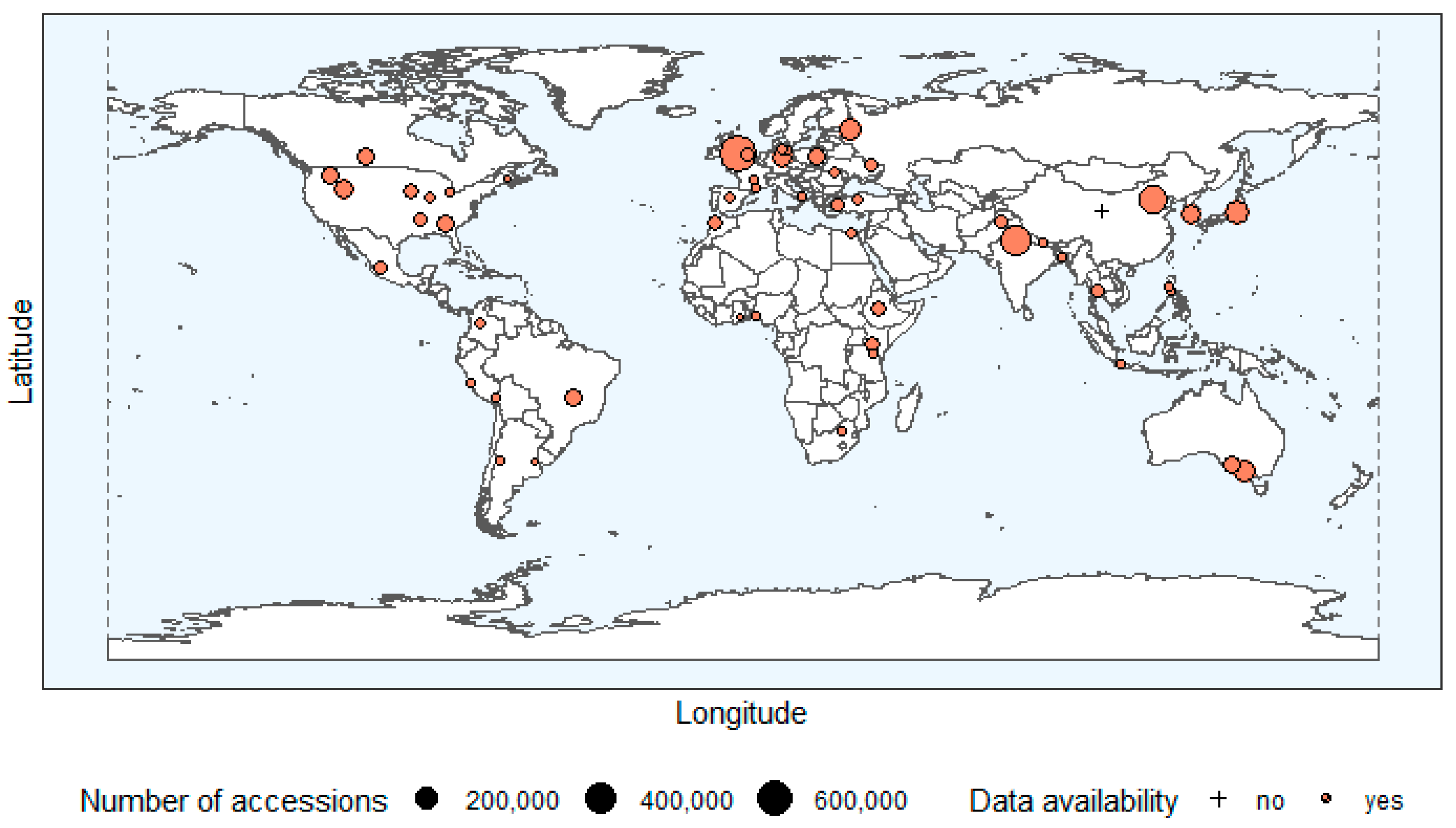
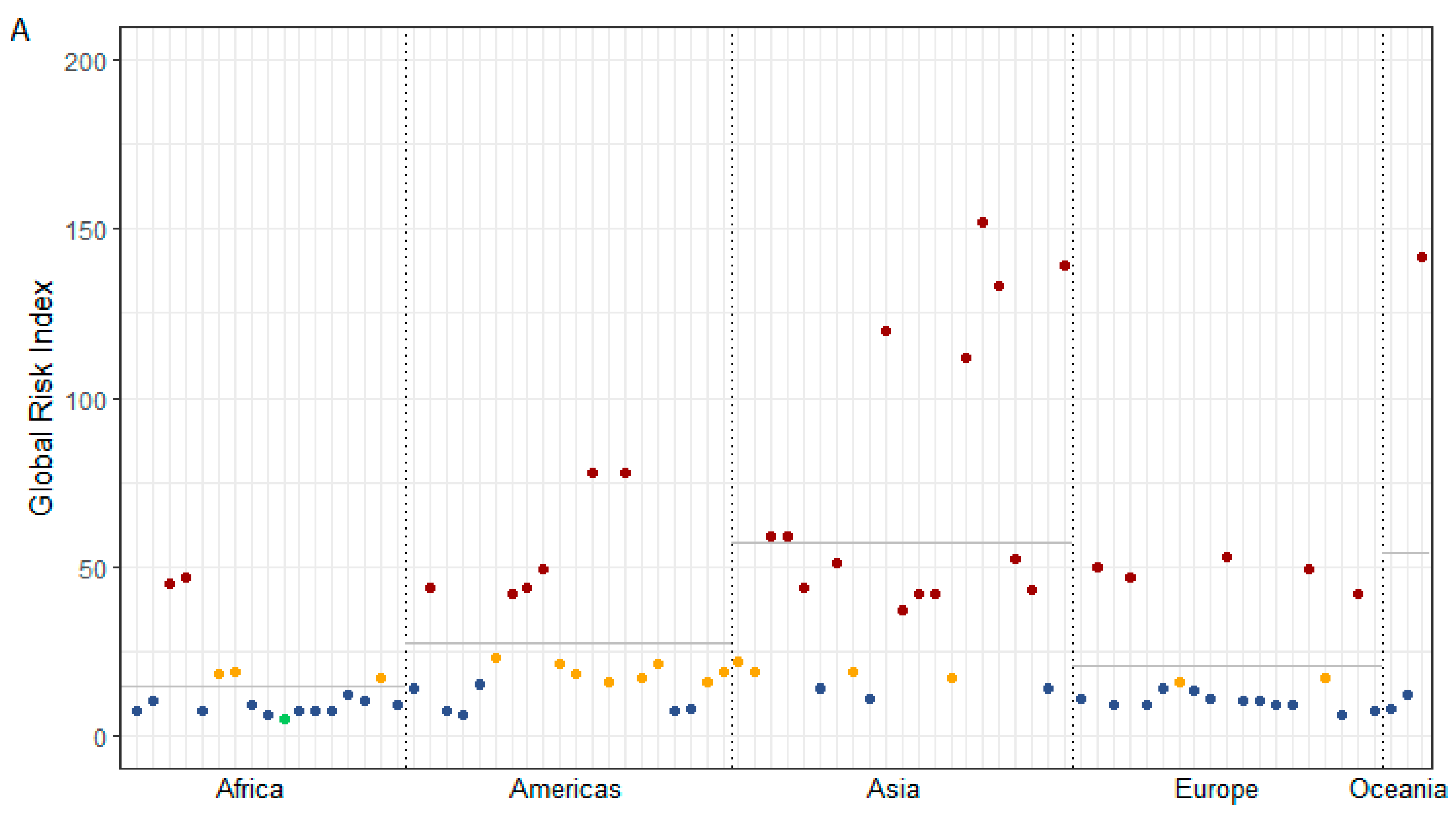
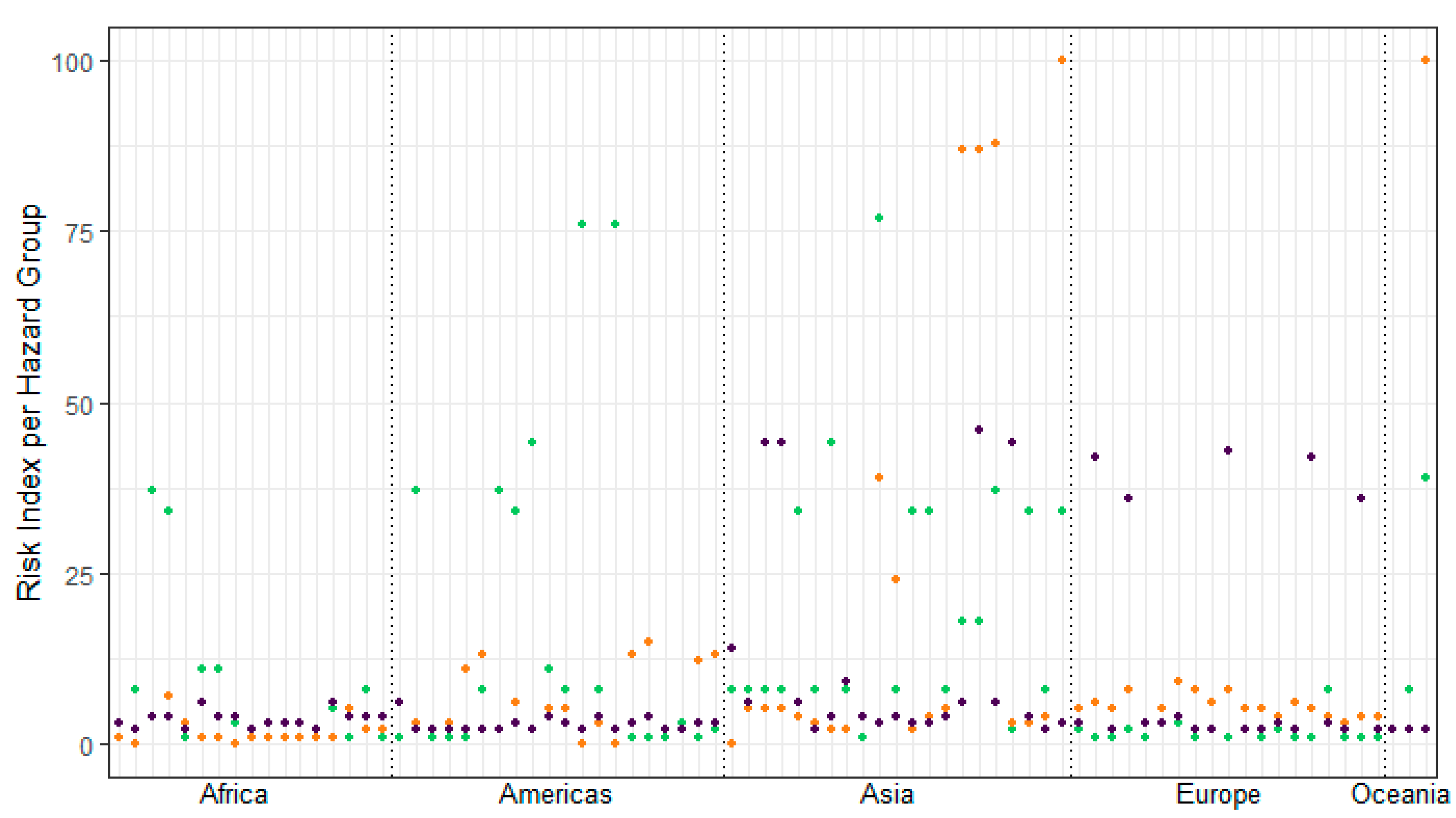
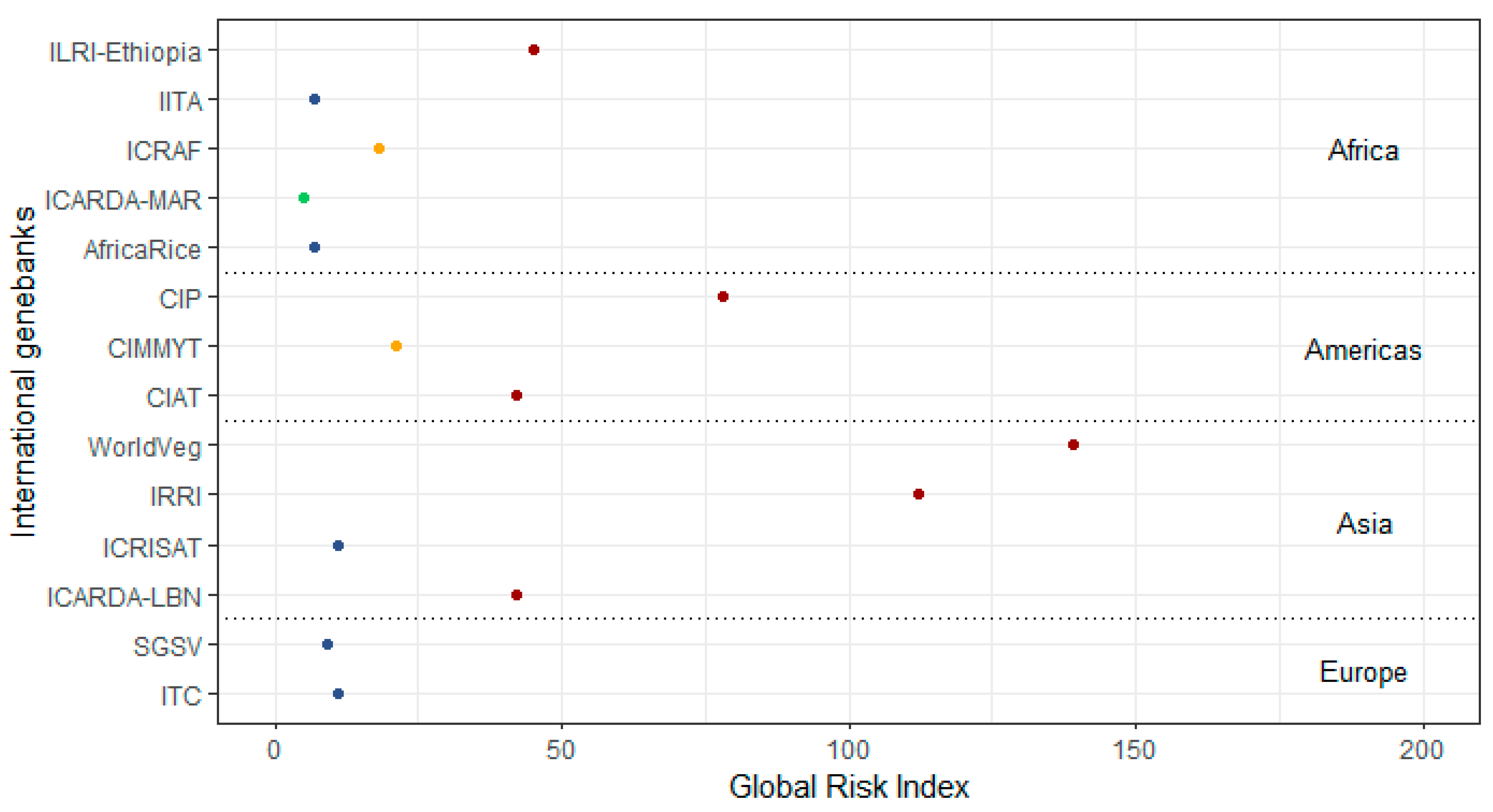
Genebanks are crucial for safeguarding global crop diversity but are themselves exposed to several risks. However, a scientific basis for identifying, assessing, and managing risks is still lacking. Addressing these research gaps, this study provides risk analysis for three key risk groups: natural hazards, political risks, and financial risks, carried out on a sample of 80 important national and international genebanks, comprising at least 4.78 million accessions or roughly 65% of the reported total of ex situ conserved accessions worldwide. The assessment tool of Munich Re “Natural Hazards Edition” allowed a location-specific comparison of the natural hazard exposure. Results showed that genebanks in the Asia-Pacific region are most exposed to natural hazards, while institutions in African and some Asian countries are rather vulnerable to political risks. Financing is a major problem for national genebanks in developing countries, whereas the Global Crop Diversity Trust achieved considerable financial security for international genebanks. Large differences in the risk exposure of genebanks exist, making a location- and institution-specific risk assessment indispensable. Moreover, there is significant room for improvement with respect to quality and risk management at genebanks. Transferring risks of genebanks to third parties is underdeveloped and should be used more widely.
Keywords: genebanks; plant genetic resources; hazard assessment; natural hazards; political risks; risk management; risk prevention; risk mitigation; risk transfer; insurance genebanks; plant genetic resources; hazard assessment; natural hazards; political risks; risk management; risk prevention; risk mitigation; risk transfer; insurance