Article

Nutrients Uptake and Accumulation in Plant Parts of Fragrant Rosa Species Irrigated with Treated and Untreated Wastewater


1
Department of Horticultural Sciences, The Islamia University of Bahawalpur, Bahawalpur 63100, Pakistan
2
Department of Agronomy, MNS, University of Agriculture, Multan 66000, Pakistan
3
Department of Botany, Division of Science and Technology, University of Education, Lahore 54000, Pakistan
4
Department of Horticultural Sciences, Bahauddin Zakaria University, Multan 60800, Pakistan
5
Centre for Biodiversity Genomics, University of Guelph, Guelph, ON N1G 2W1, Canada
6
Department of Food Industries, Faculty of Agriculture, Damietta University, Damietta 34511, Egypt
7
Department of Applied Entomology and Zoology, Faculty of Agriculture (EL-Shatby), Alexandria University, Alexandria 21545, Egypt
8
Plant Production Department, College of Food & Agriculture Sciences, King Saud University, Riyadh 11451, Saudi Arabia
*
Authors to whom correspondence should be addressed.
Plants 2022, 11(9), 1260; https://doi.org/10.3390/plants11091260

Submission received: 18 March 2022 / Revised: 2 May 2022 / Accepted: 2 May 2022 / Published: 6 May 2022

Abstract

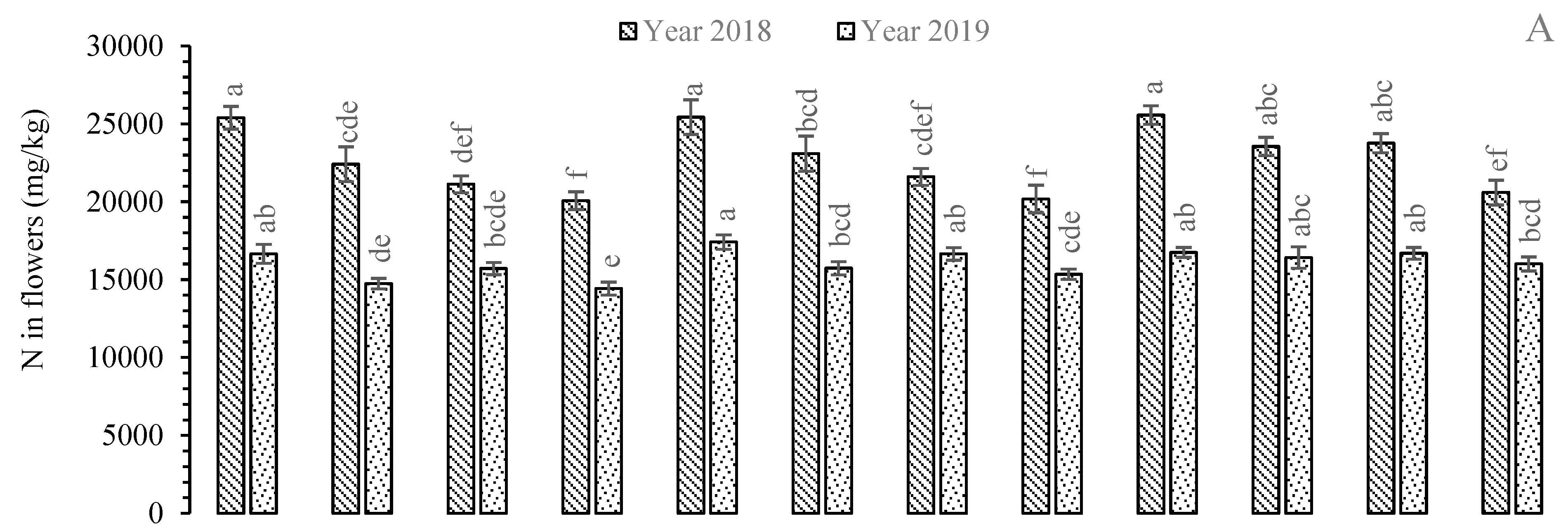
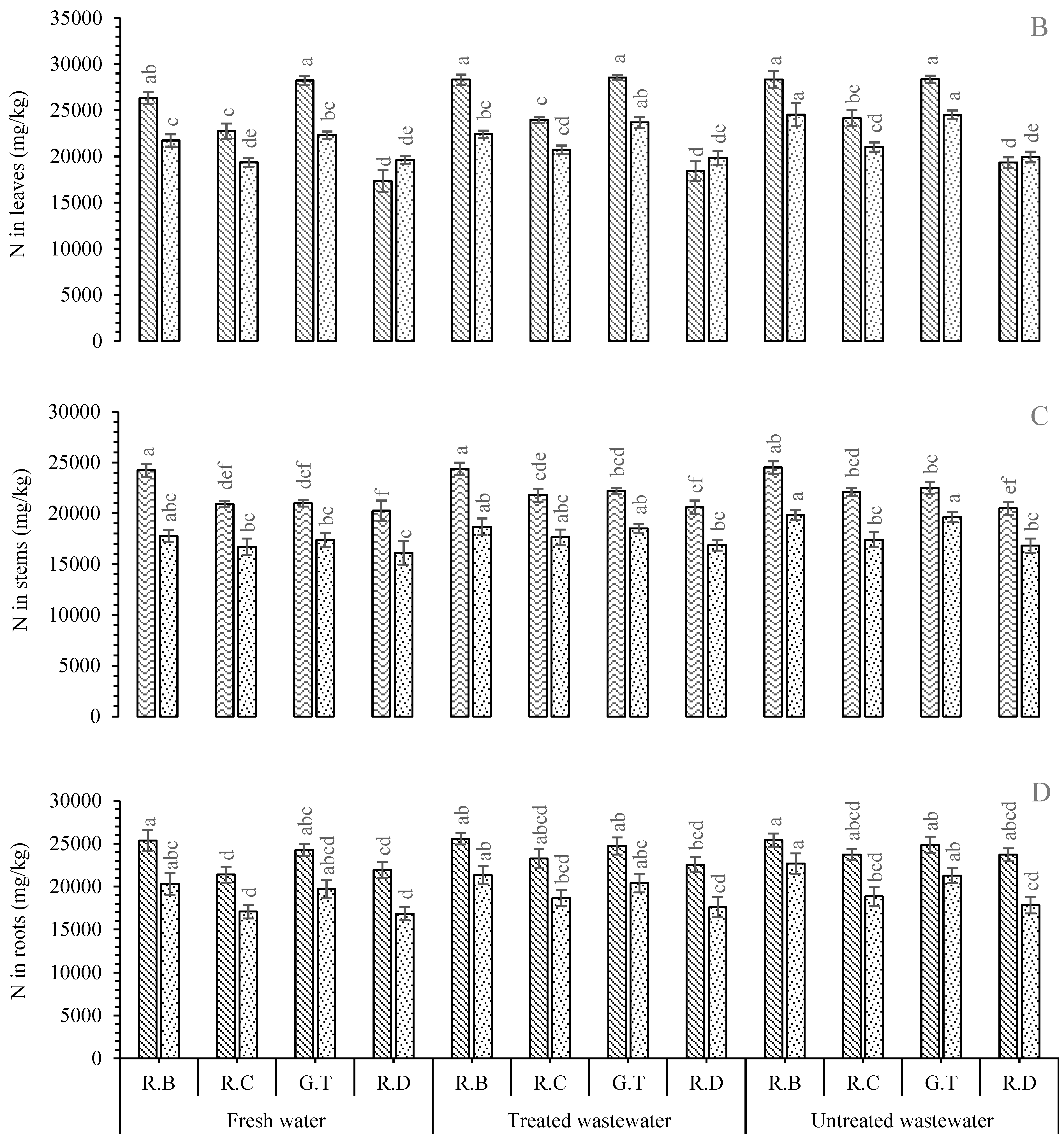
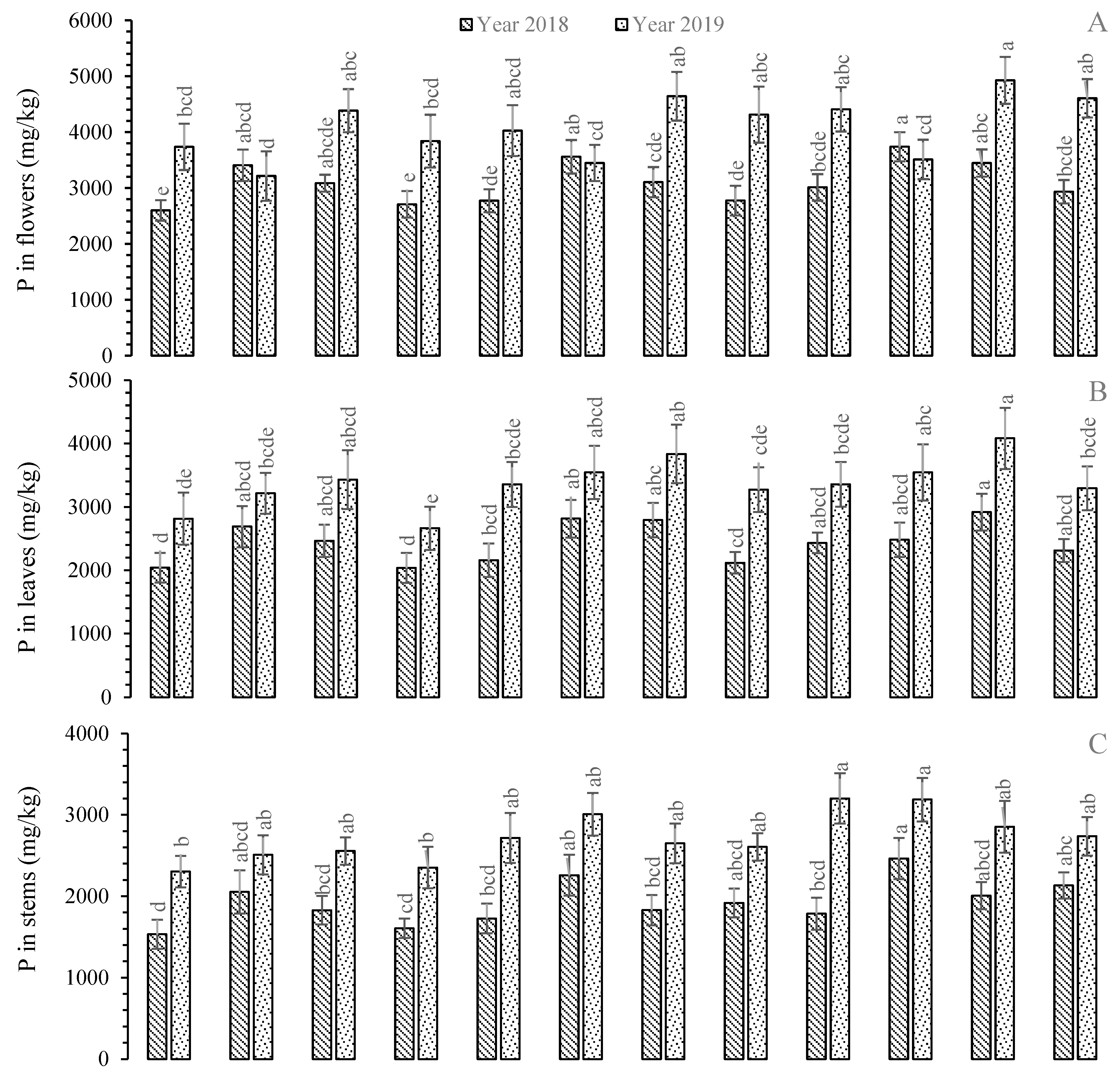
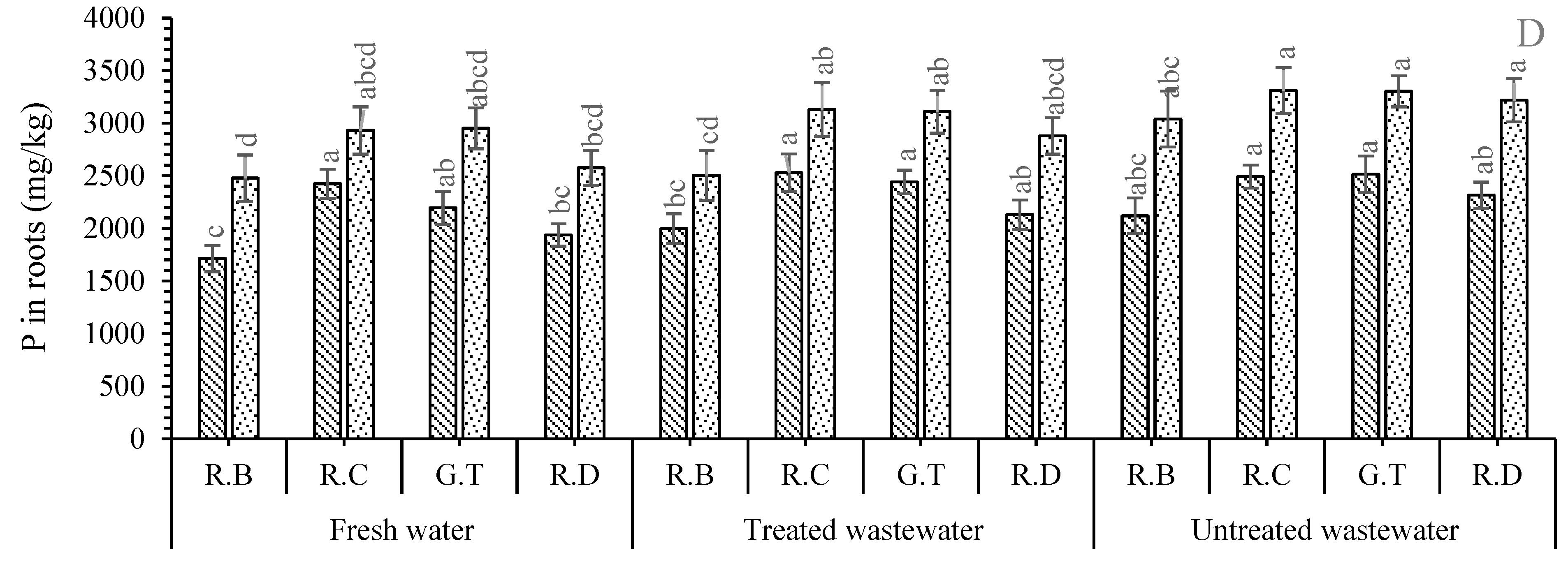
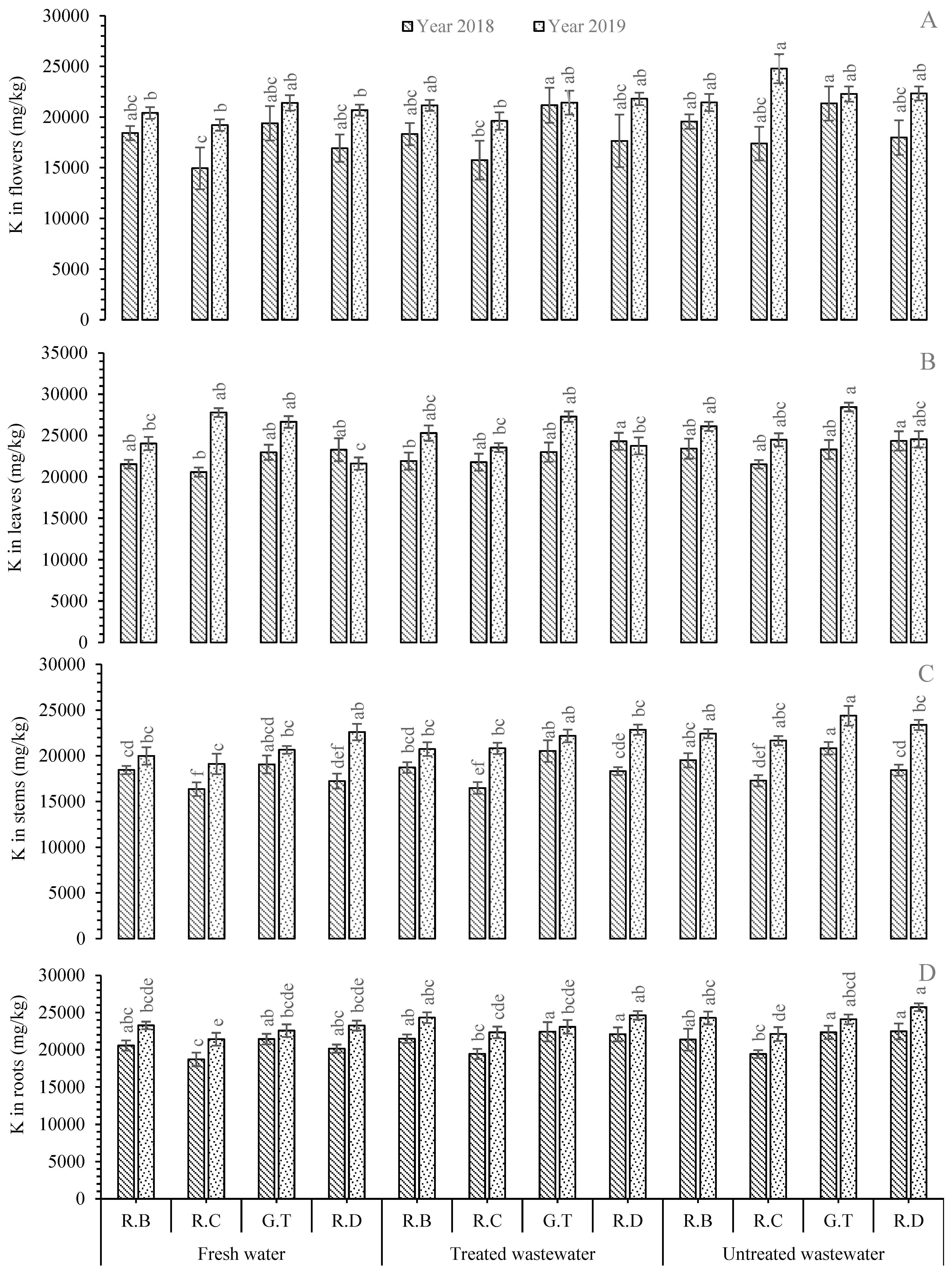
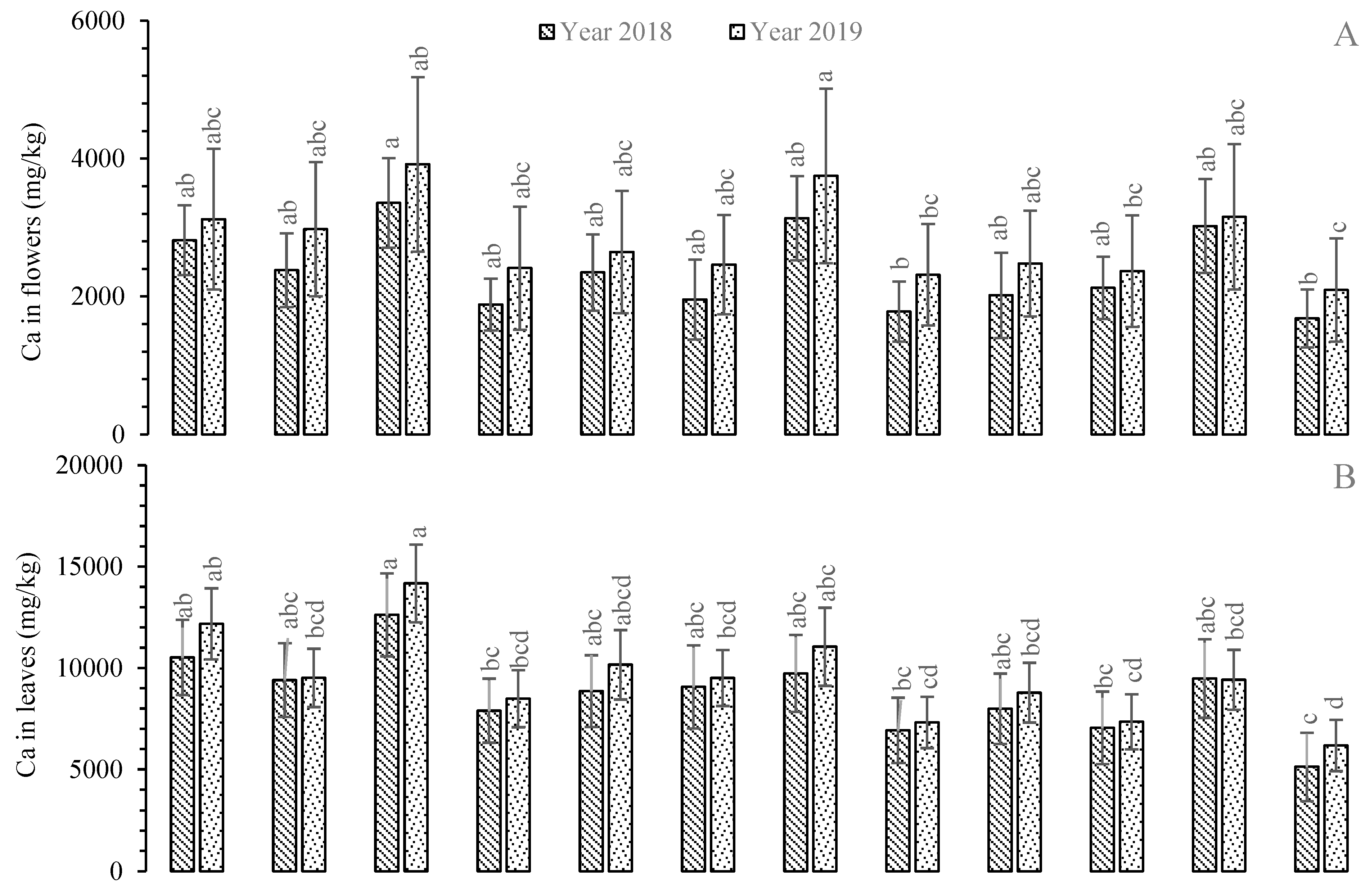
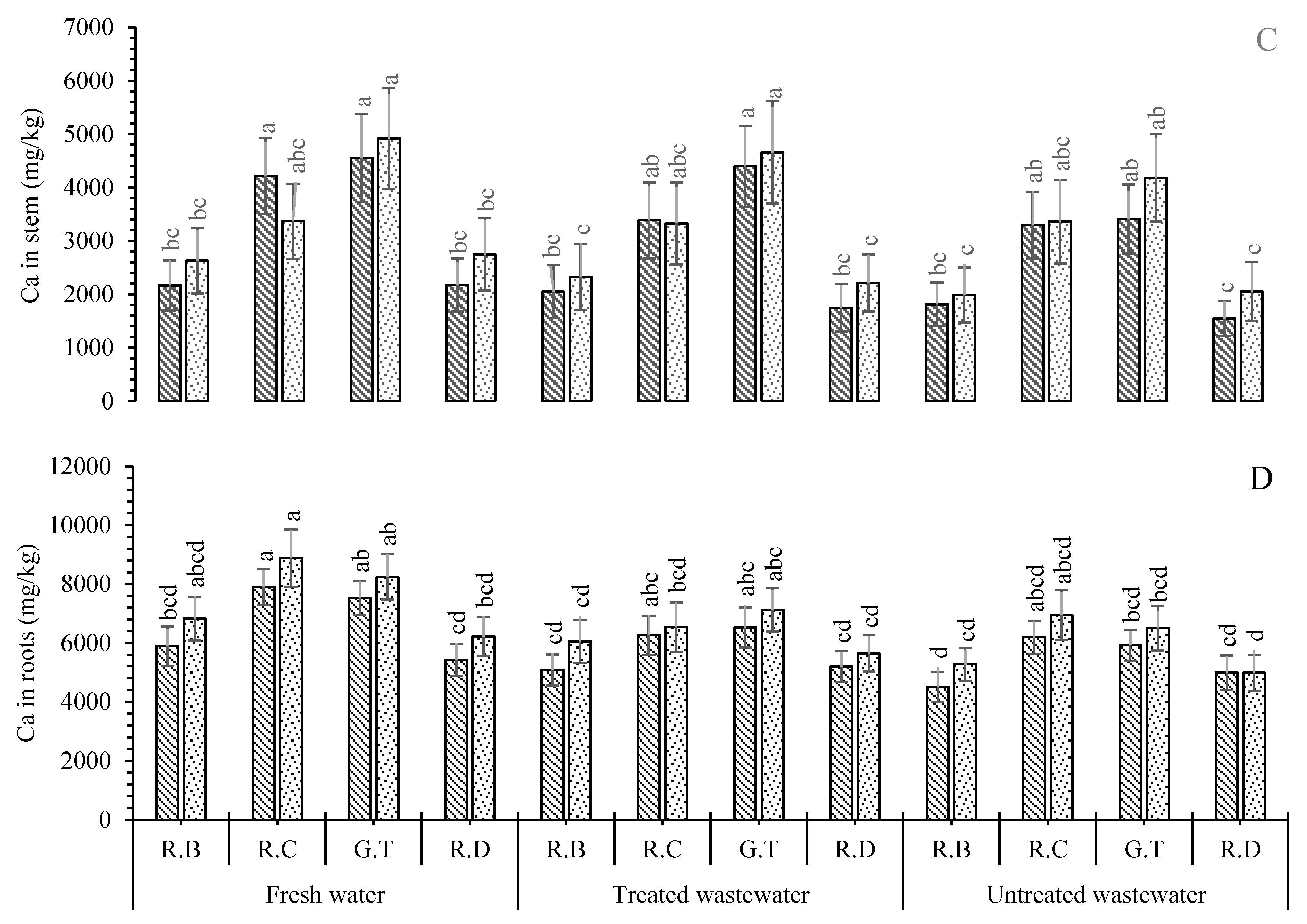
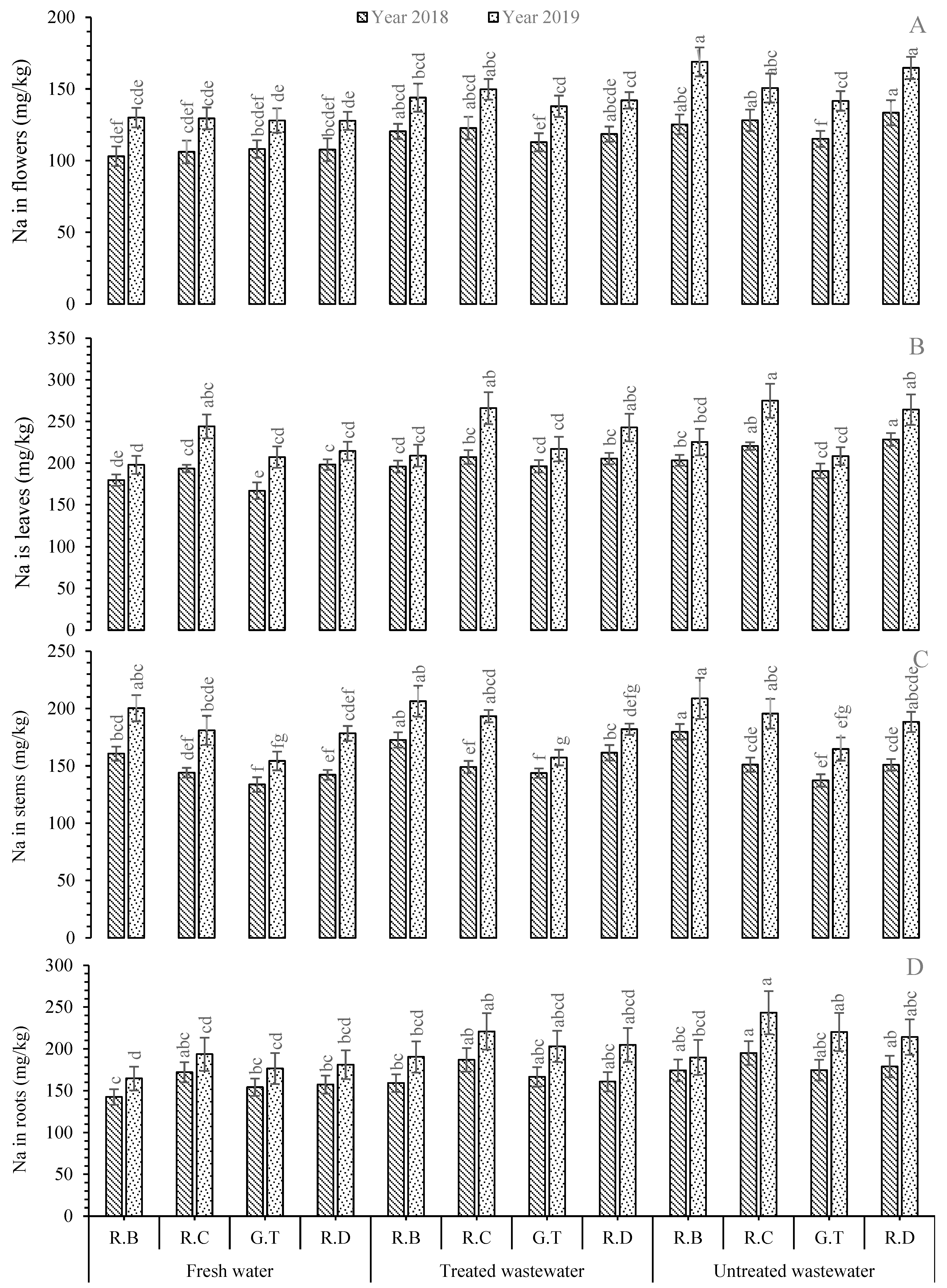
Water scarcity has critically augmented the need for the exploration of alternative irrigation sources mainly in water-scarce regions. This water scarcity has put tremendous pressure on the agri-based economy of countries such as Pakistan. The reuse of sewage wastewater has been appearing as the only alternative water source, which can lessen our dependence upon freshwater (FW). The current study aimed to scrutinize the influence of treated wastewater (TWW) and untreated wastewater (UTWW) irrigation on the nutrient (N, P, K, Ca, and Na) concentration in different plant parts, i.e., roots, stems, leaves, and flowers, of four scented Rosa species (R. bourboniana, R. centifolia, R. Gruss-an-telpitz, and R. damascena) during the first week of 2018 to the last week of 2019. The experiment was arranged according to the two-factor factorial arrangement i.e., factor I was the irrigation source, while factor II was the Rosa species. The experimental water analysis showed that mineral and chemical concentrations in FW and TWW were within permissible limits of national environmental quality standards (NEQSs) for wastewater. The UTWW of this study possessed a higher electrical conductivity (EC), chemical oxygen demand (COD), biological oxygen demand (BOD), total nitrogen (TN), and metals (Cd, Co, and Pb) than recommended levels. The results revealed that P, K, Ca, and Na contents significantly increased in all studied plant parts of Rosa species as the duration of irrigation with TWW and UTWW increased and vice versa in the case of N contents, while the ratio of N content elevation by applying TWW and UTWW were also not increased compared to other studied nutrients. The nutrients (except Ca) were found as maximum in all plant parts with UTWW compared to FW and TWW irrigation in roses. These stimulations were accredited to the presence of higher essential nutrients and some metals in UTWW. This experiment confirmed the disparities in nutrient contents of scented Rosa species due to the different absorbability of each element in every plant part. Regarding the nutrient accumulation in rose plant tissues, the results of the present study confirm that untreated wastewater must be treated to some extent to grow scented roses where water is scarce.
Keywords: environmental pollution; macronutrients; ornamental crop; water purification environmental pollution; macronutrients; ornamental crop; water purification