Article

Lanthanum Promotes Bahiagrass (Paspalum notatum) Roots Growth by Improving Root Activity, Photosynthesis and Respiration
1
Qinghai Provincial Key Laboratory of Adaptive Management on Alpine Grassland/Key Laboratory of Superior Forage Germplasm in the Qinghai-Tibetan Plateau, Qinghai Academy of Animal and Veterinary Sciences, Qinghai University, Xining 810016, China
2
Guangdong Engineering Research Center for Grassland Science, College of Forestry and Landscape Architecture, South China Agricultural University, Guangzhou 510642, China
*
Author to whom correspondence should be addressed.
Plants 2022, 11(3), 382; https://doi.org/10.3390/plants11030382

Submission received: 31 December 2021 / Revised: 22 January 2022 / Accepted: 27 January 2022 / Published: 30 January 2022
(This article belongs to the Special Issue Stress Biology of Turfgrass)

Abstract

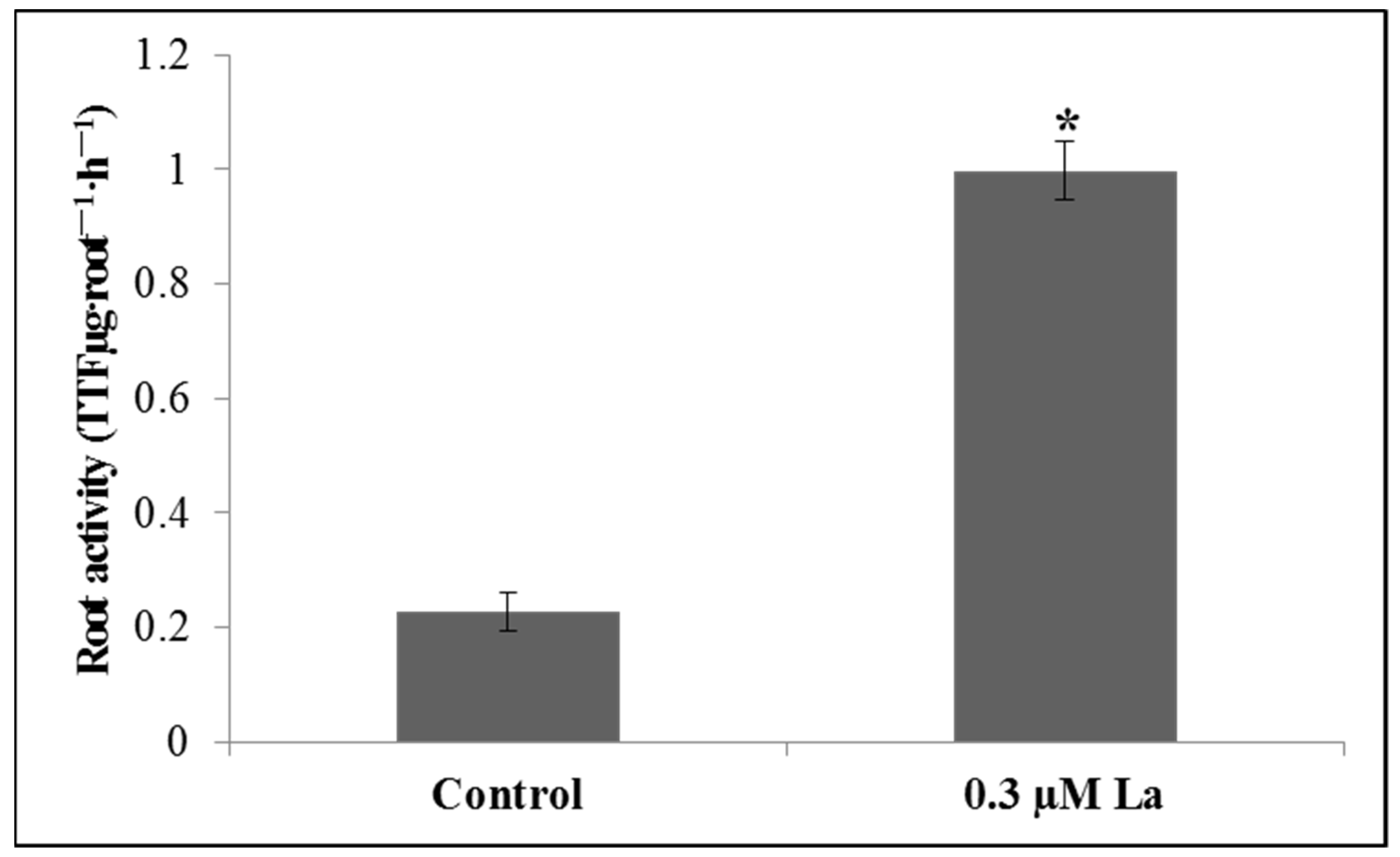
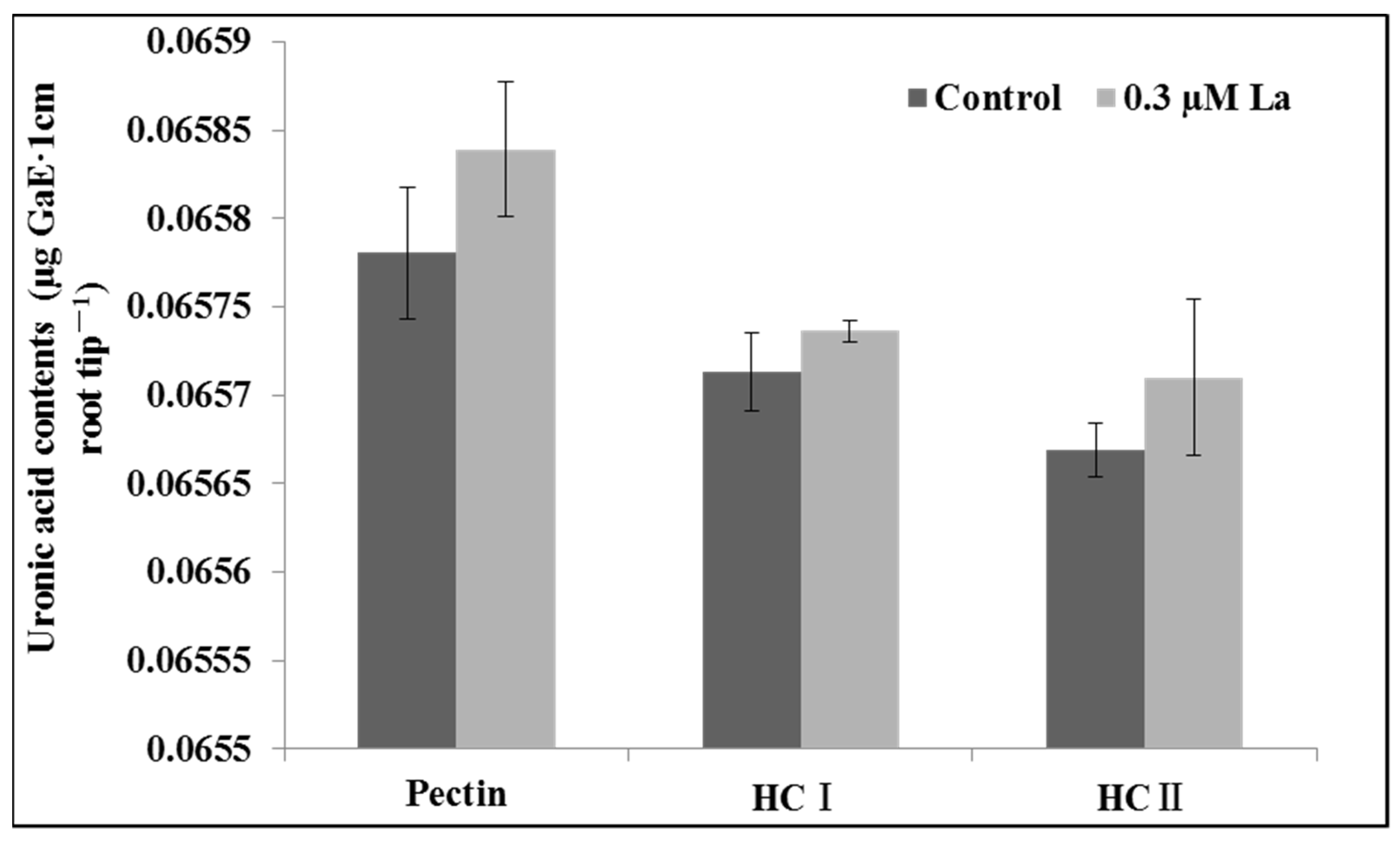
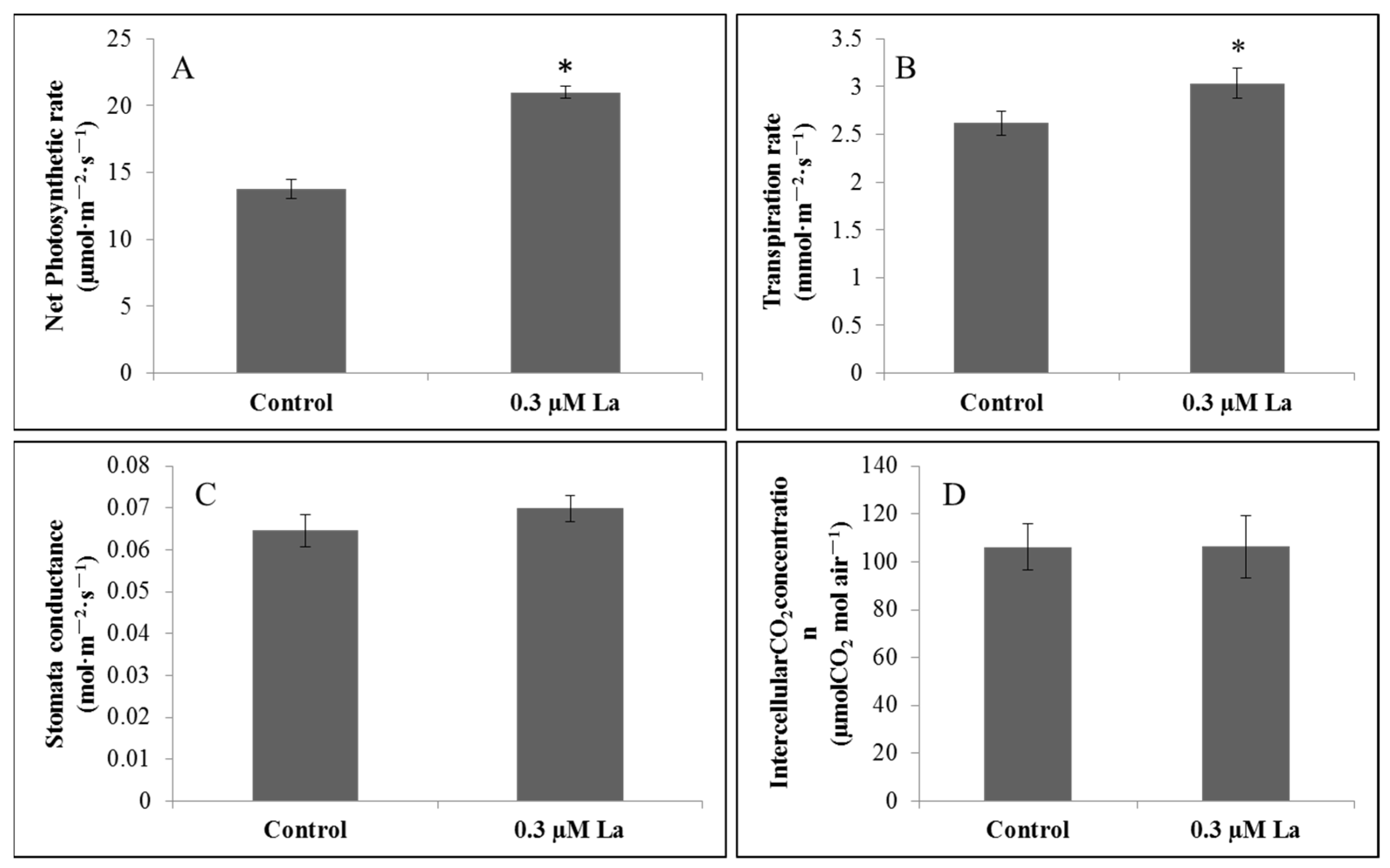
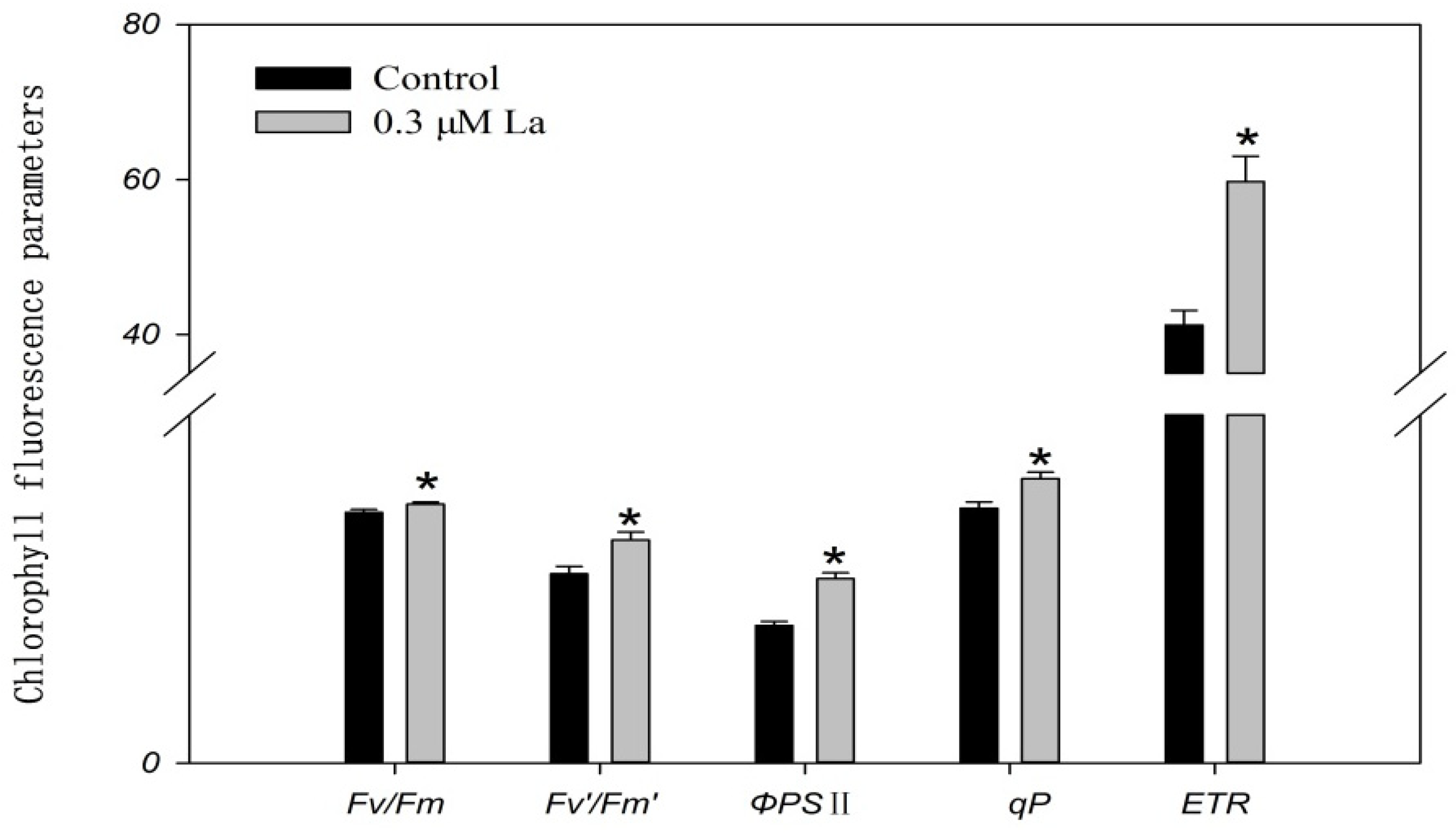
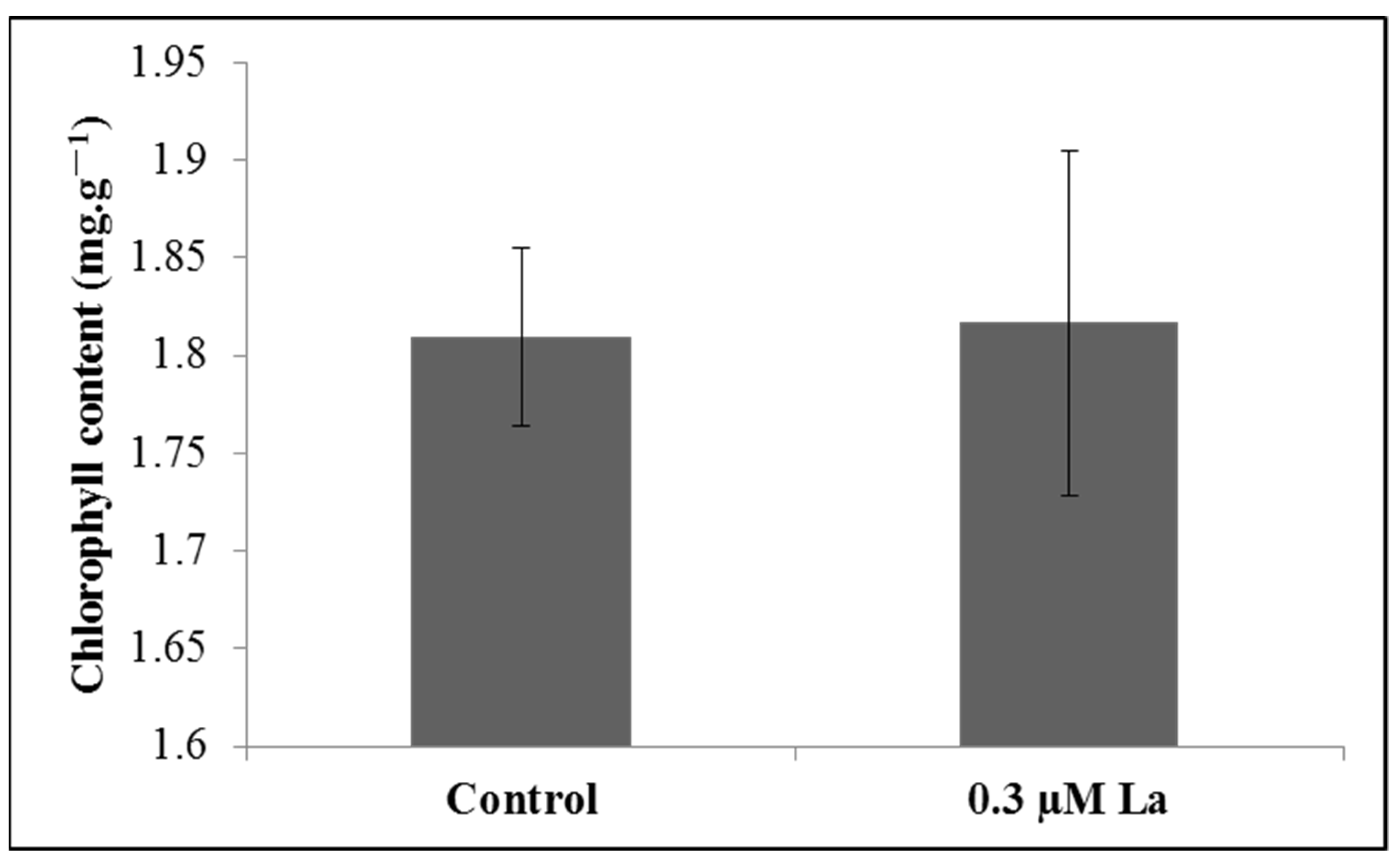
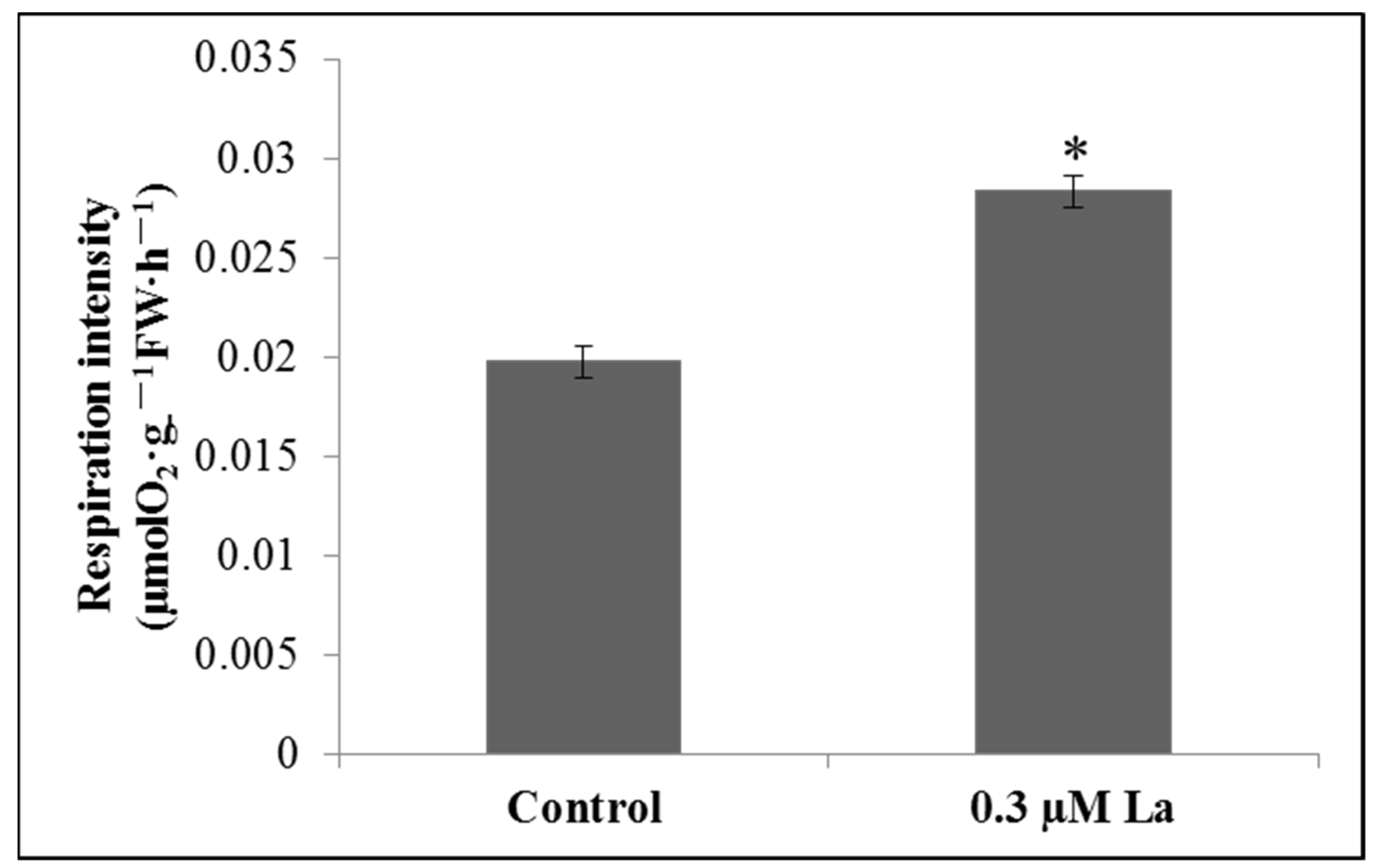
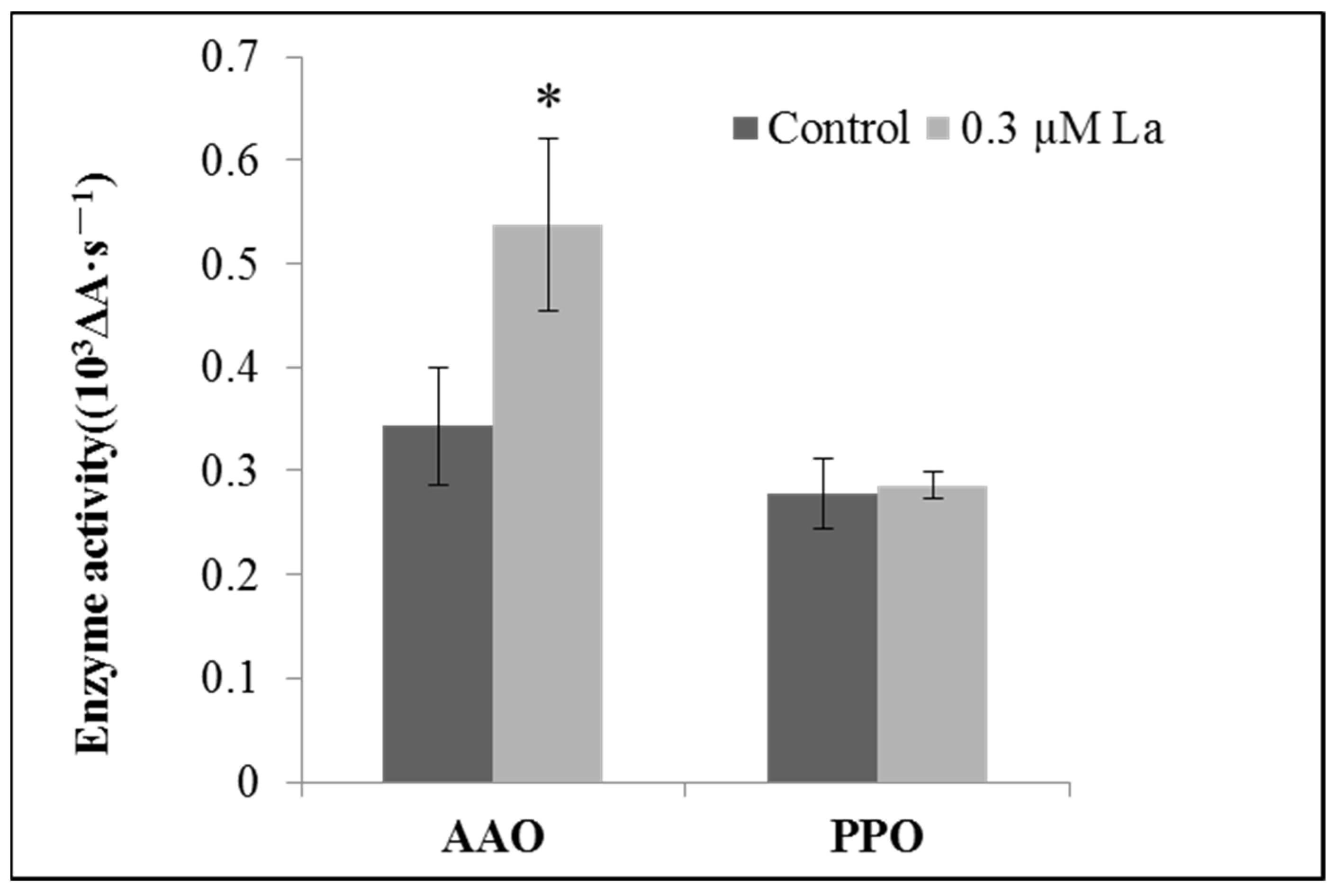
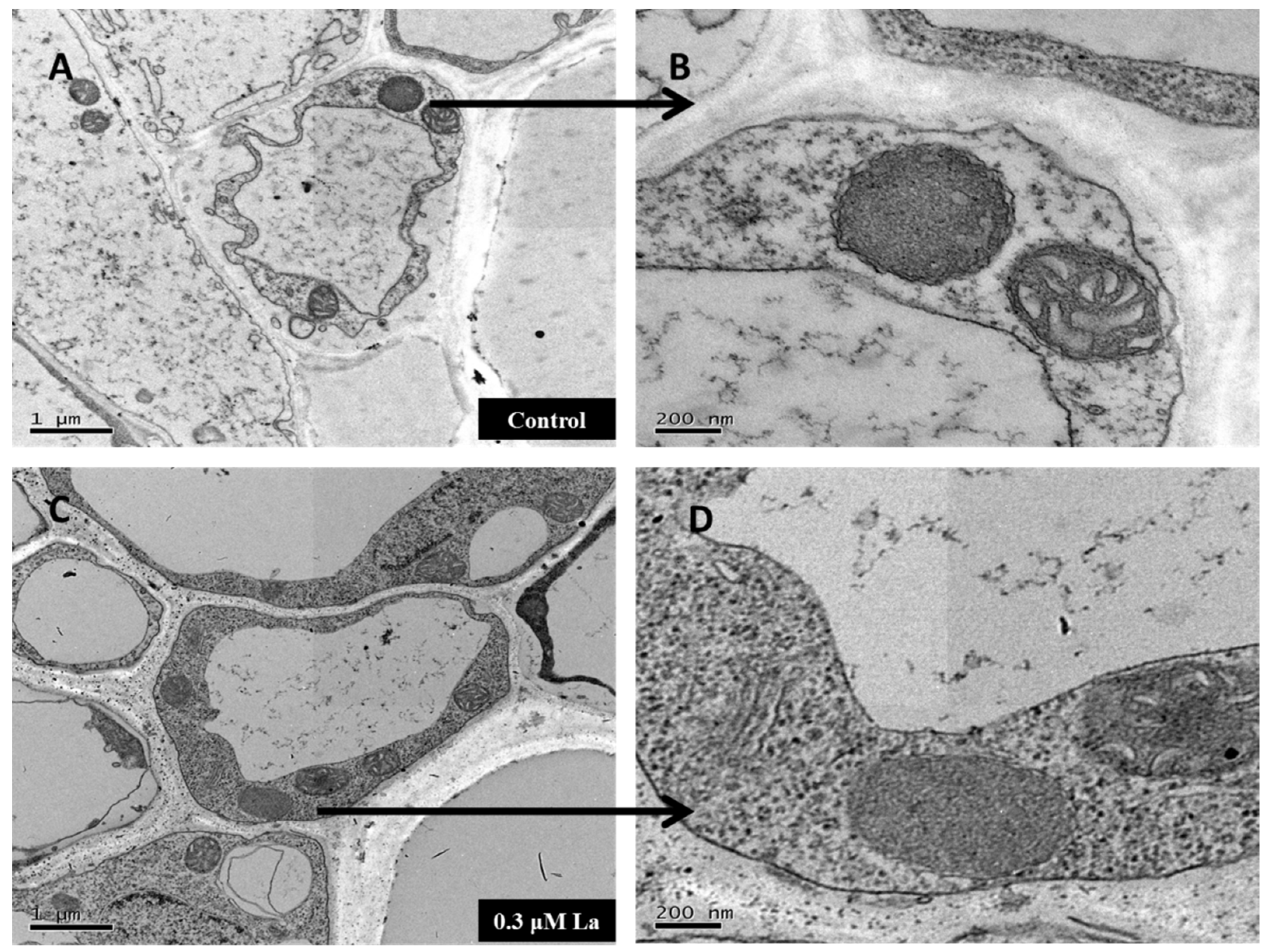
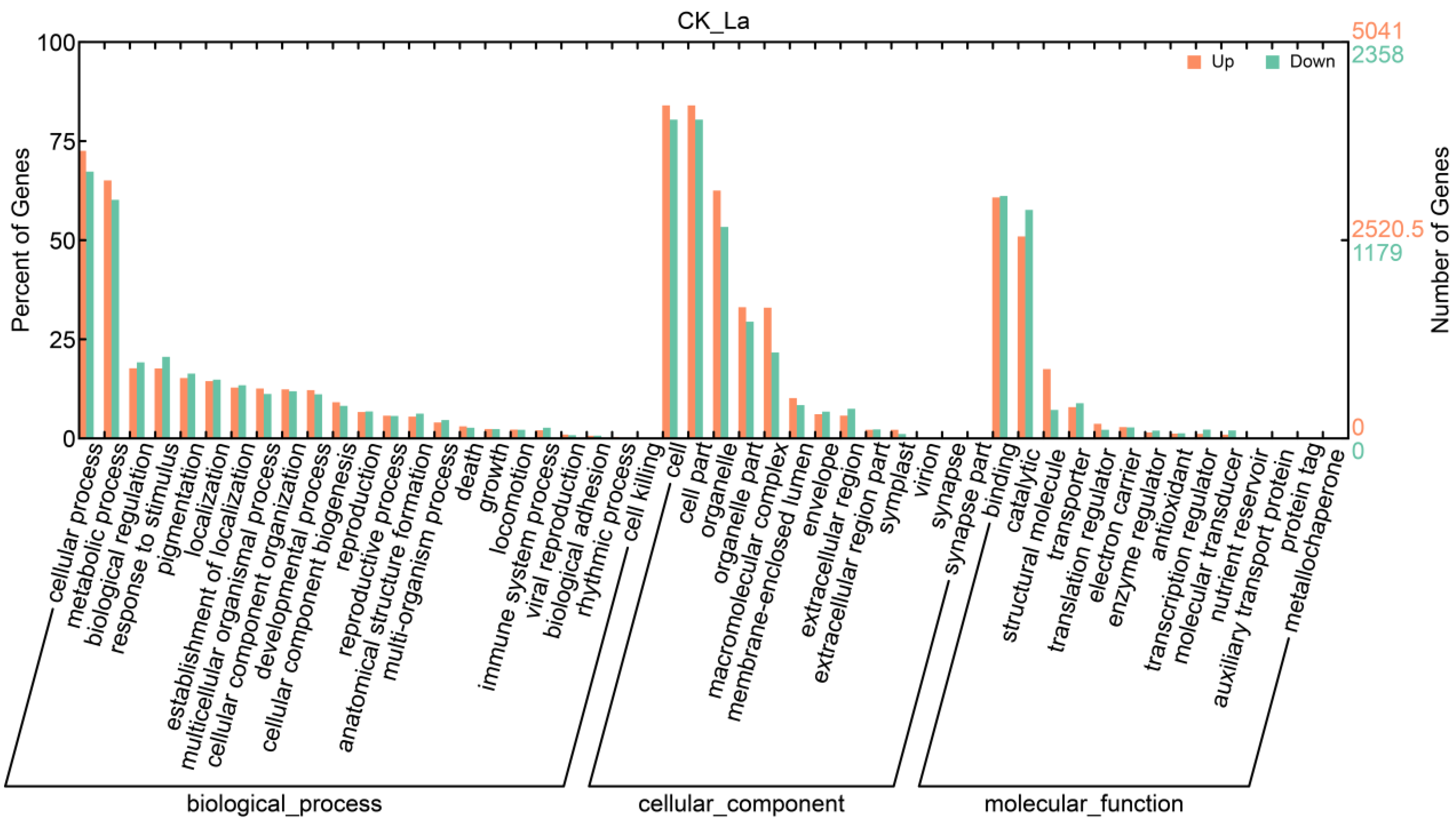
Lanthanum (La), one of the most active rare earth elements, promotes the growth of turfgrass roots. In this study, the mechanisms by which La influences bahiagrass (Paspalum notatum) growth were evaluated by the analyses of root growth, root activity, cell wall polysaccharide content, respiration intensity, ascorbic acid oxidase (AAO) and polyphenol oxidase (PPO) activity, the subcellular distribution of mitochondria, transcription in roots, photosynthetic properties, chlorophyll fluorescence parameters, and chlorophyll content. The application of 0.3 mM La3+ increased root activity, respiration intensity, AAO activity, and the number of mitochondria in the mature cells of bahiagrass roots. La could significantly improve the net photosynthetic rate, transpiration rate, and chlorophyll fluorescence of bahiagrass. Differentially expressed genes identified by high-throughput transcriptome sequencing were enriched for GO (Gene Ontology) terms related to energy metabolism and were involved in various KEGG (Kyoto Encyclopedia of Genes and Genomes) pathways, including oxidative phosphorylation, TCA (Tricarboxylic Acid) cycle, and sucrose metabolism. These findings indicate that La promotes bahiagrass root growth by improving root activity, photosynthesis, and respiration, which clarifies the mechanisms underlying the beneficial effects of La and provides a theoretical basis for its use in artificial grassland construction and ecological management projects.
Keywords: lanthanum; bahiagrass; root growth; photosynthesis; respiration lanthanum; bahiagrass; root growth; photosynthesis; respiration