Abstract
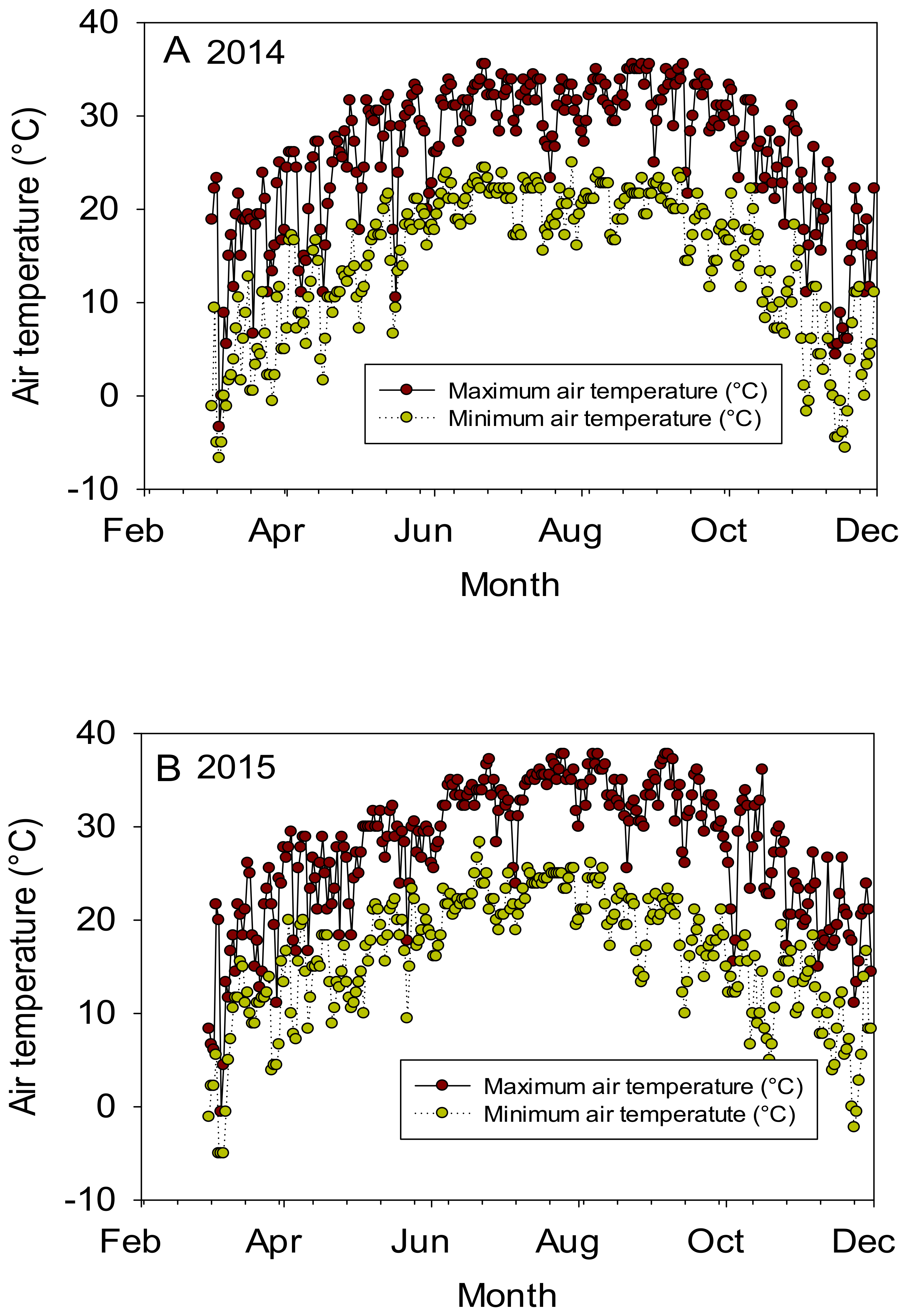
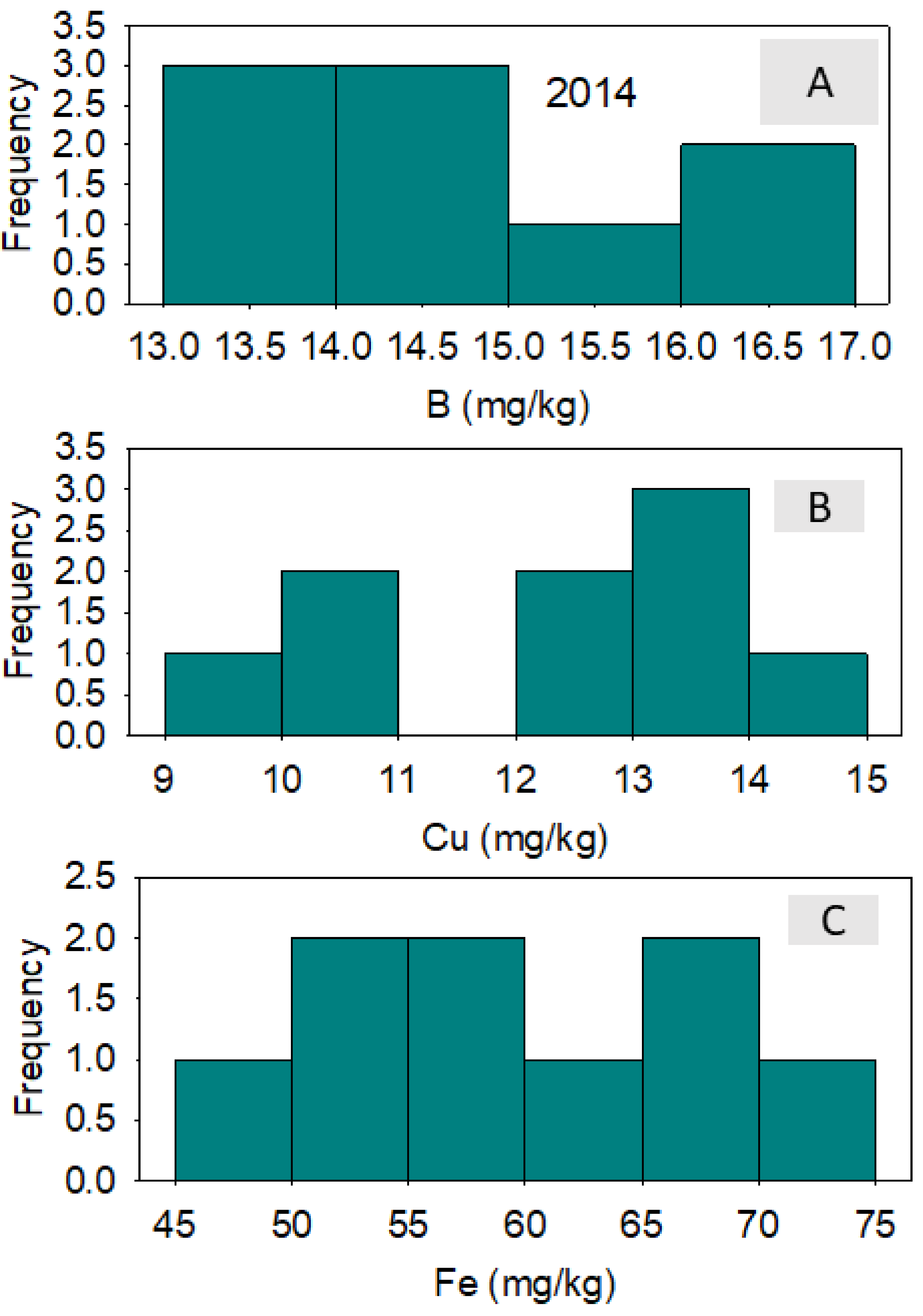
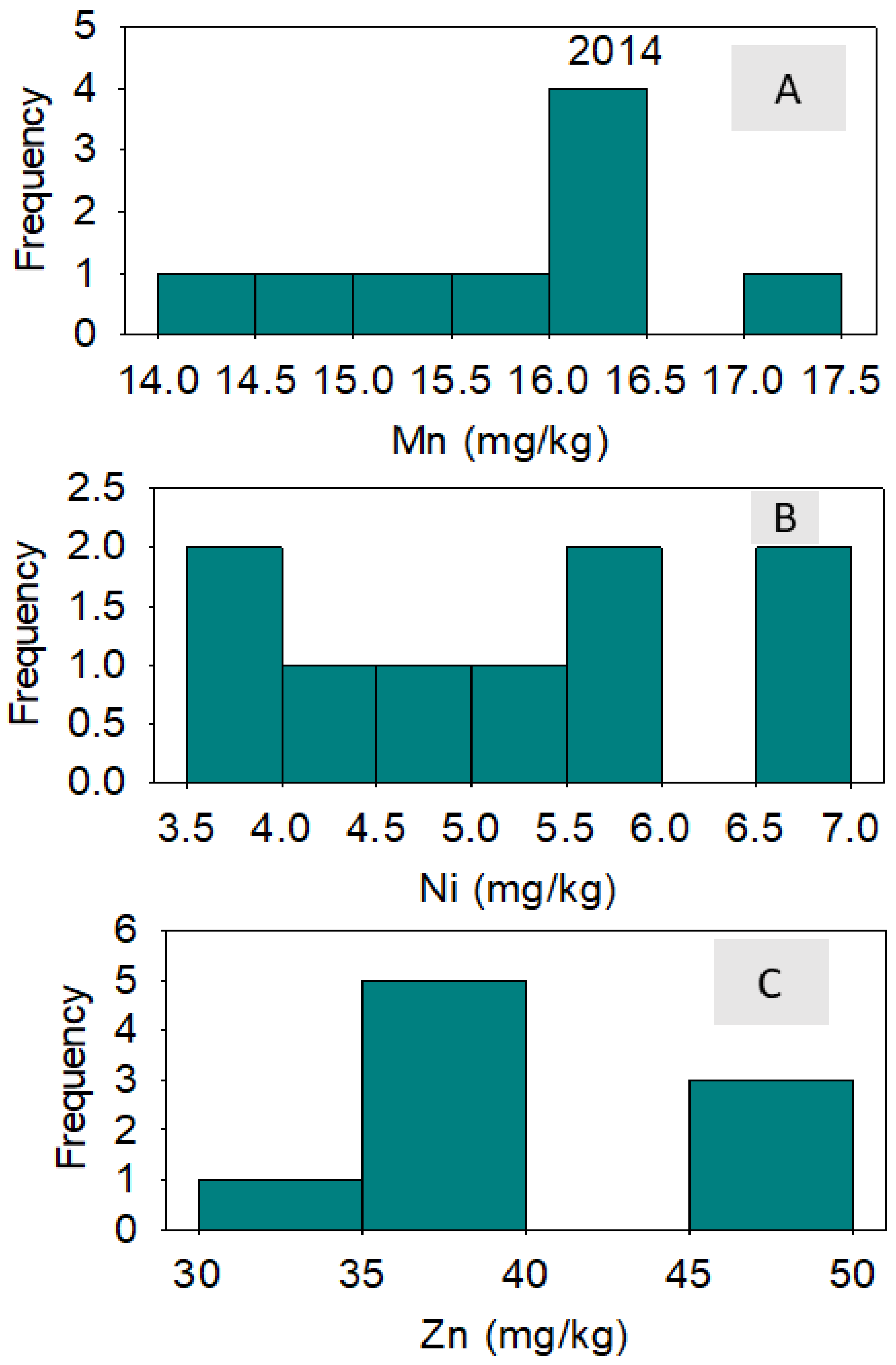
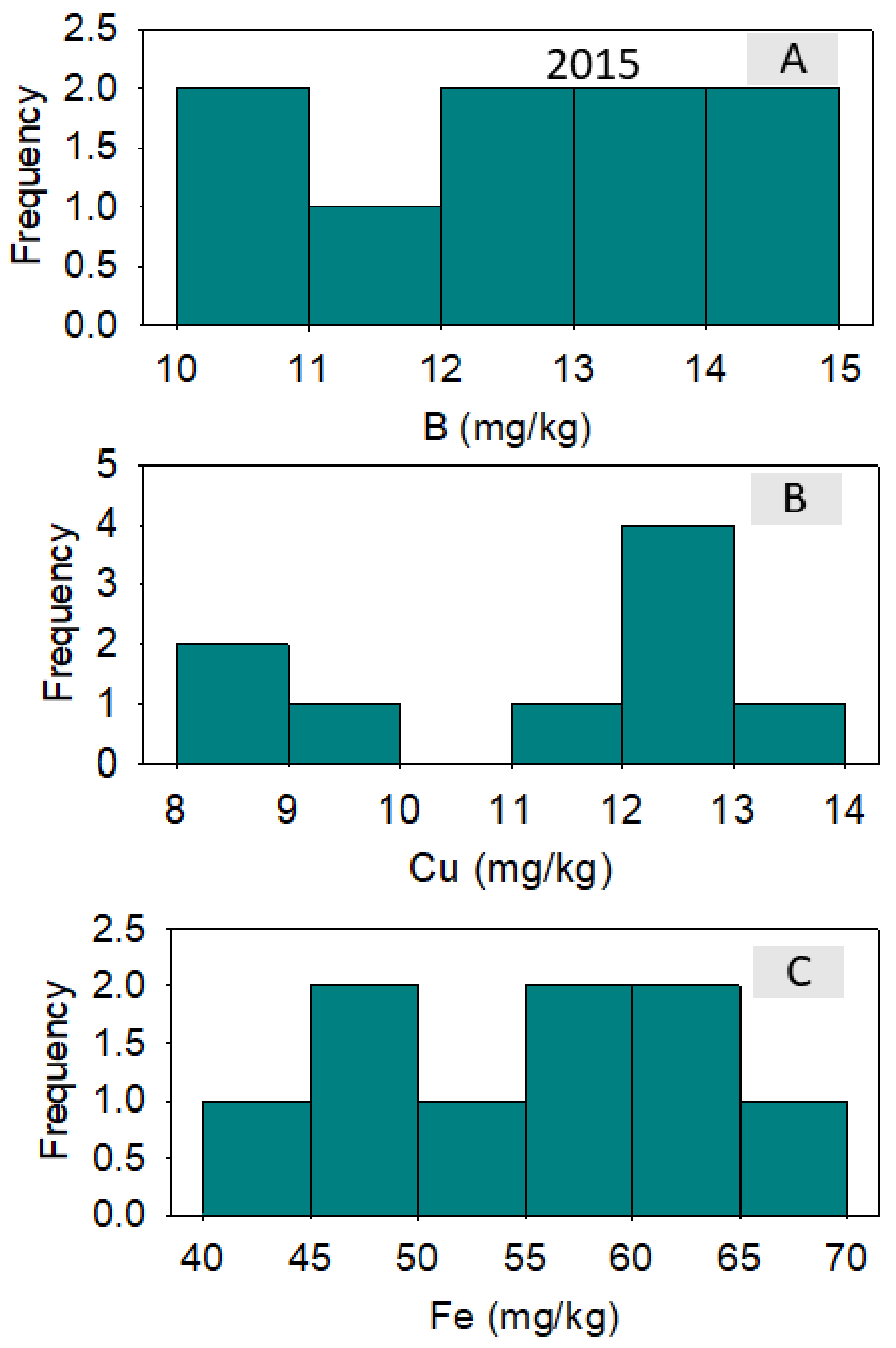
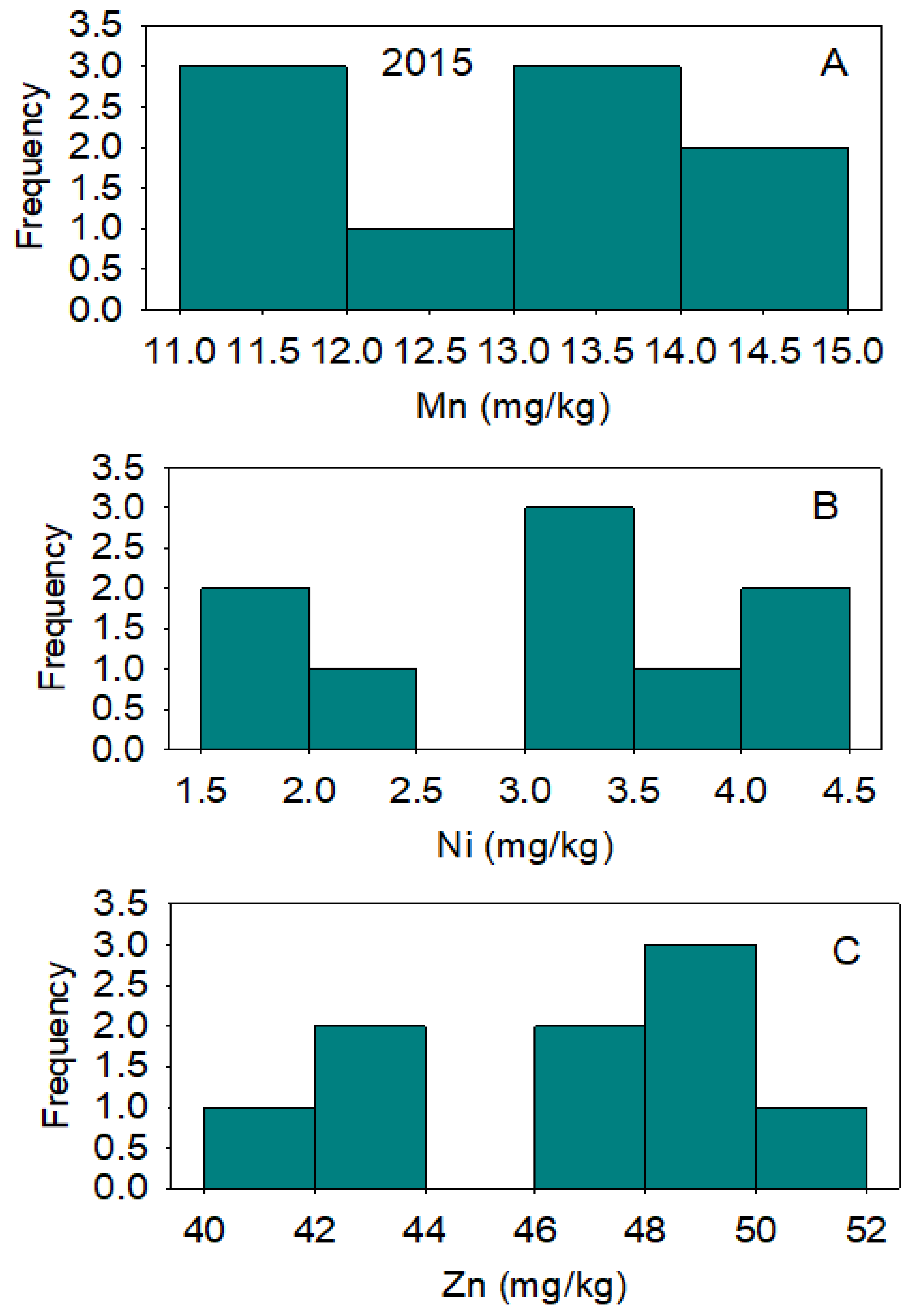
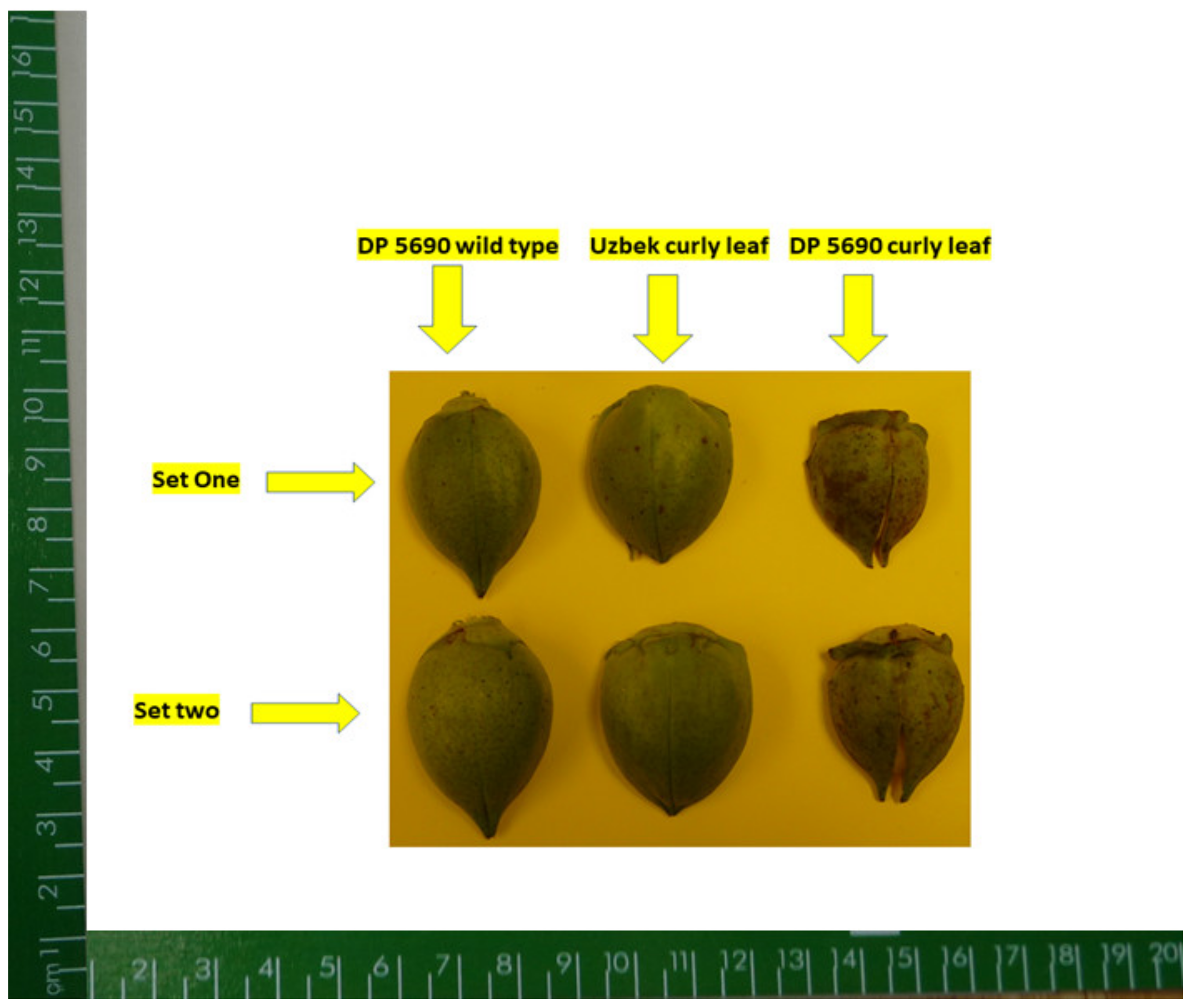
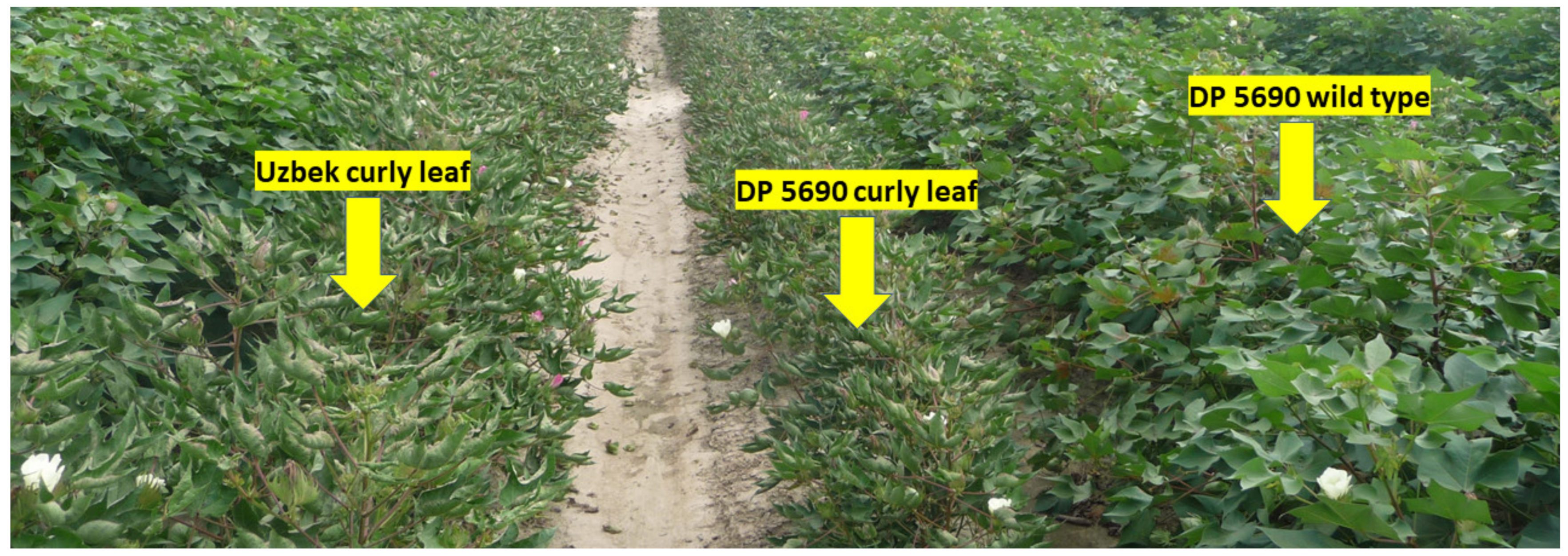
Cottonseed is a source of nutrients, including protein, oil, and macro- and micro-nutrients. Micro-nutrients such as boron (B), copper (Cu), iron (Fe), manganese (Mn), and zinc (Zn) are essential for plant and human health. Deficiencies of these micro-nutrients in soil lead to poor crop production and poor seed quality. Micro-nutrient deficiencies in the human diet lead to malnutrition and serious health issues. Therefore, identifying new cotton lines containing high nutritional qualities such as micro-nutrients, and understanding plant traits influencing micro-nutrients are essential. The objective of this research was to investigate the effects of leaf shape (curly leaf: CRL) on cottonseed B, Cu, Fe, Mn, Ni (nickel), and Zn in two near-isogenic cotton lines differing in leaf shape (DP 5690 wild-type with normal leaves and DP 5690 CRL). We also used Uzbek CRL, the source of the curly leaf trait, for comparison. A field experiment was conducted in 2014 and 2015 in Stoneville, MS, USA. The experiment was a randomized complete block design with three replicates. The results showed that, in 2014, both DP 5690 wild-type and Uzbek CRL had higher seed B, Cu, Fe, and Ni than in DP 5690 CRL. The accumulation of Mn and Zn in seeds of DP 5690 CRL was higher than in DP 5690 wild-type and Uzbek CRL. However, in 2015, the concentrations of B, Cu, Fe, and Ni, including Mn and Zn, were higher in both DP 5690 wild-type and Uzbek CRL than in DP 5690 CRL. Positive and negative correlations existed in 2014; however, only positive correlations existed between all nutrients in 2015. This research demonstrated that leaf shape can alter cottonseed micro-nutrients status. As Uzbek CRL behaved similar to wild-type, both leaf shape and other factors contributed to the alteration in seed micronutrients, affecting seed nutritional qualities. Therefore, leaf-shape partially contributed to the changes in micro-nutrients in cottonseed. The negative and positive correlations in 2014, and only positive correlations in 2015, were likely due to the heat difference between 2014 and 2015 as 2015 was warmer than 2014. Significant levels of seed micro-nutrients were shown between these lines, providing opportunities for breeders to select for high seed micro-nutrients in cotton. Additionally, the current research provides researchers with physiological information on the impact of leaf shape on seed nutritional quality. The leaf shape trait can also be used as a tool to study leaf development, physiological, biochemical, and morphological processes.