
Article

A Novel Rock Mass Discontinuity Detection Approach with CNNs and Multi-View Image Augmentation

1
Graduate School of Science and Engineering, Hacettepe University, 06800 Beytepe Ankara, Türkiye
2
Başkent OSB Technical Sciences Vocational School, Hacettepe University, 06909 Sincan Ankara, Türkiye
3
Department of Geological Engineering, Hacettepe University, 06800 Beytepe Ankara, Türkiye
4
Department of Geomatics Engineering, Hacettepe University, 06800 Beytepe Ankara, Türkiye
*
Author to whom correspondence should be addressed.
ISPRS Int. J. Geo-Inf. 2024, 13(6), 185; https://doi.org/10.3390/ijgi13060185
Submission received: 7 April 2024 / Revised: 24 May 2024 / Accepted: 28 May 2024 / Published: 31 May 2024

Abstract

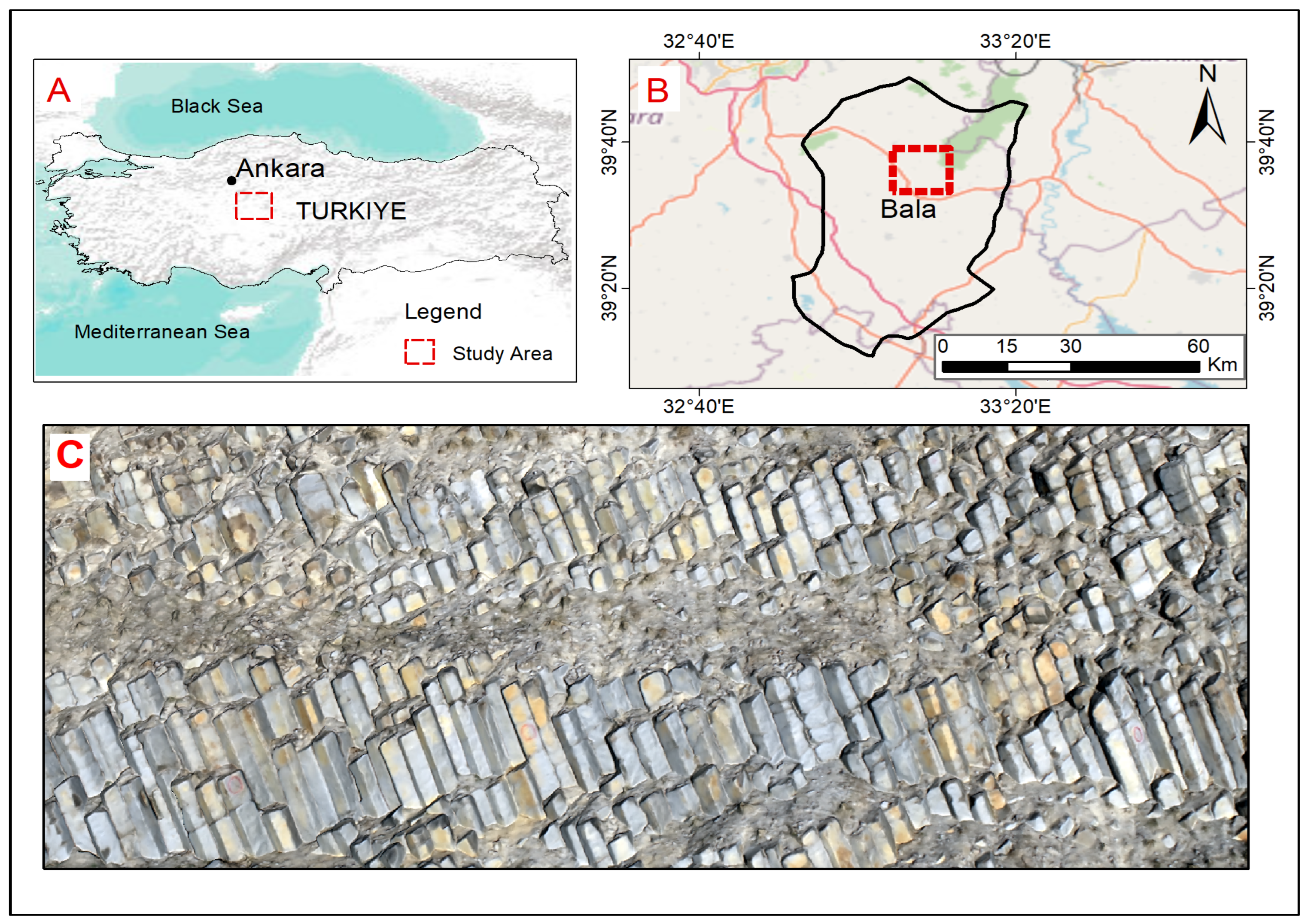
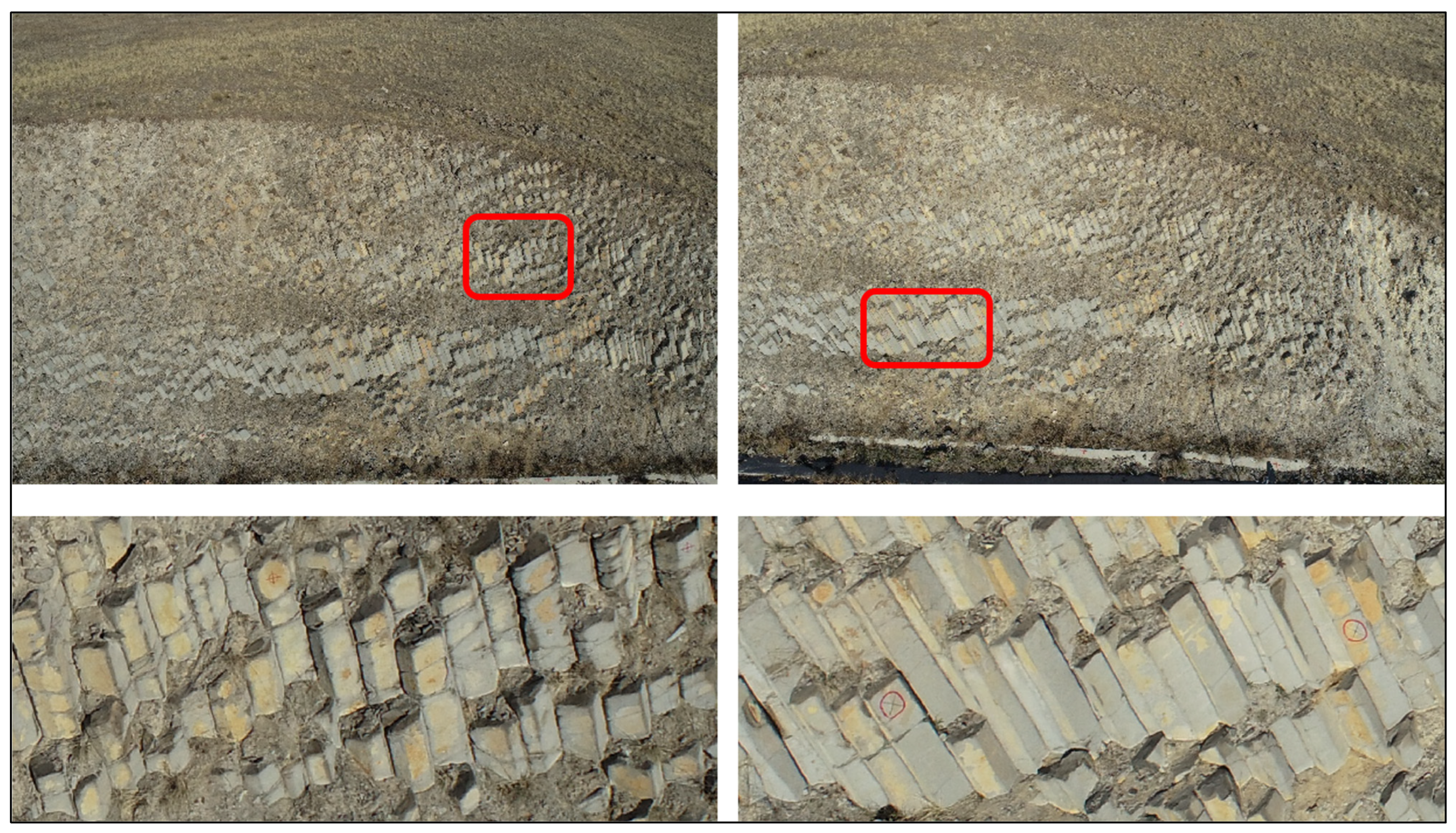
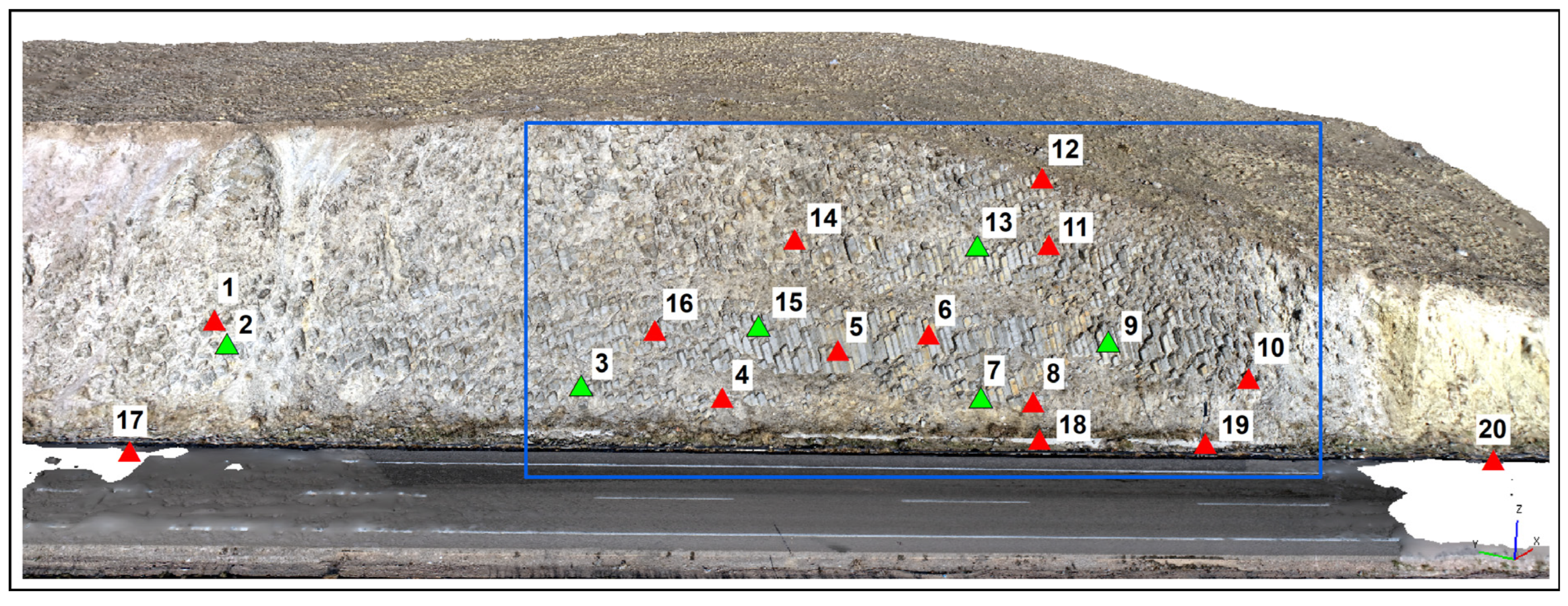
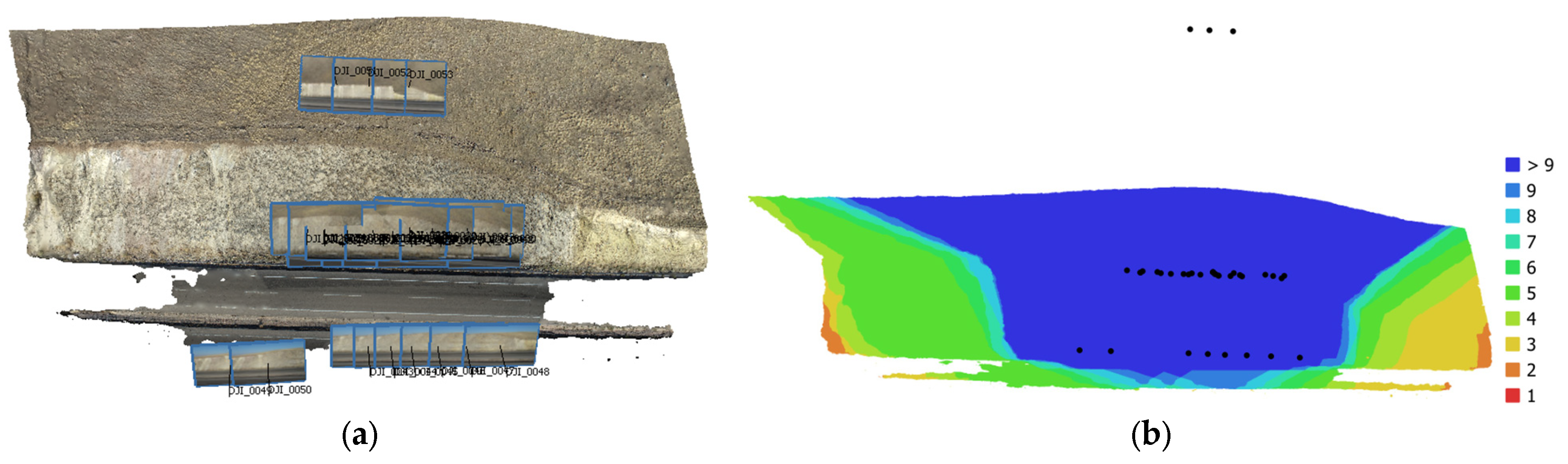
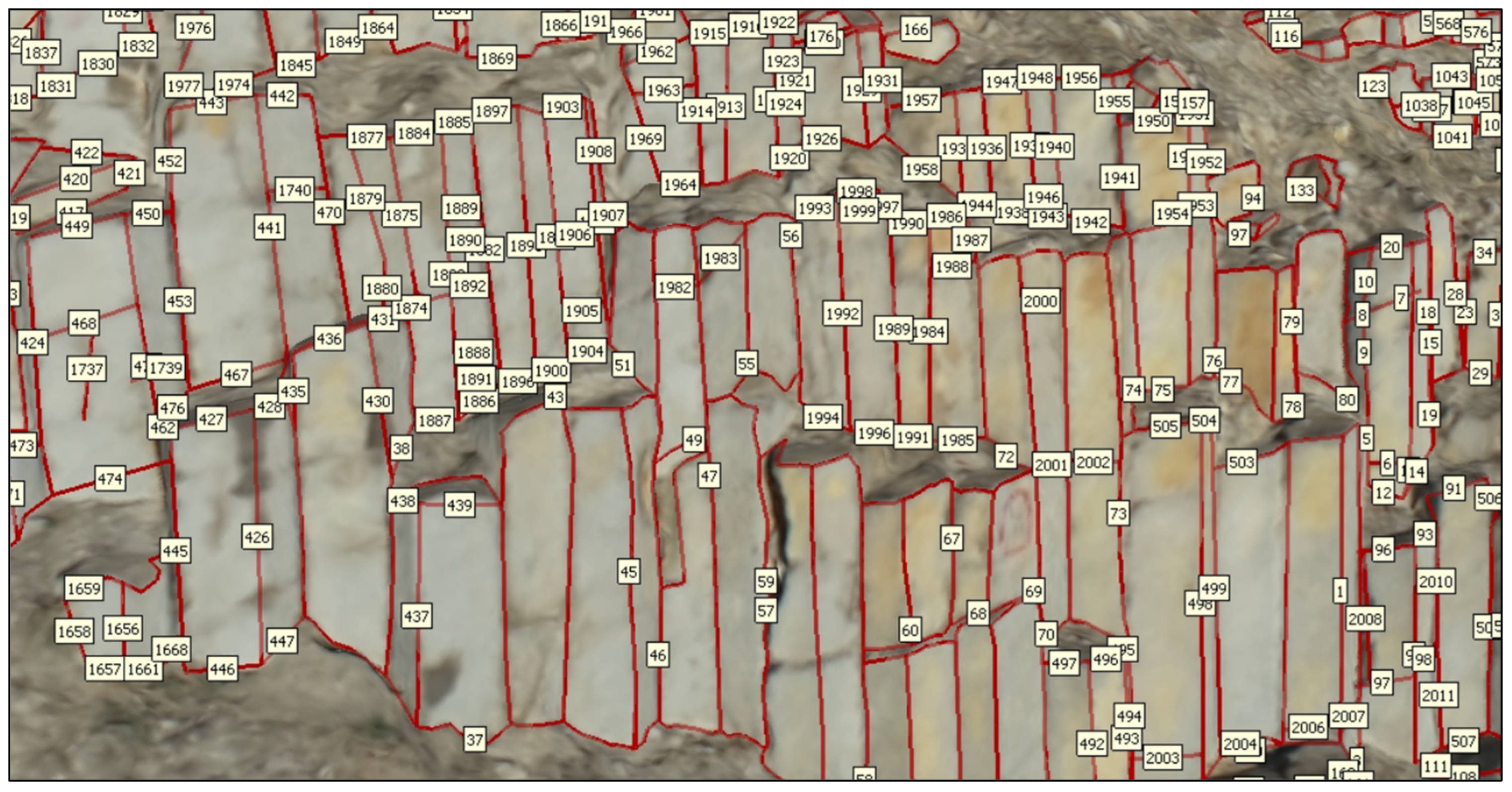
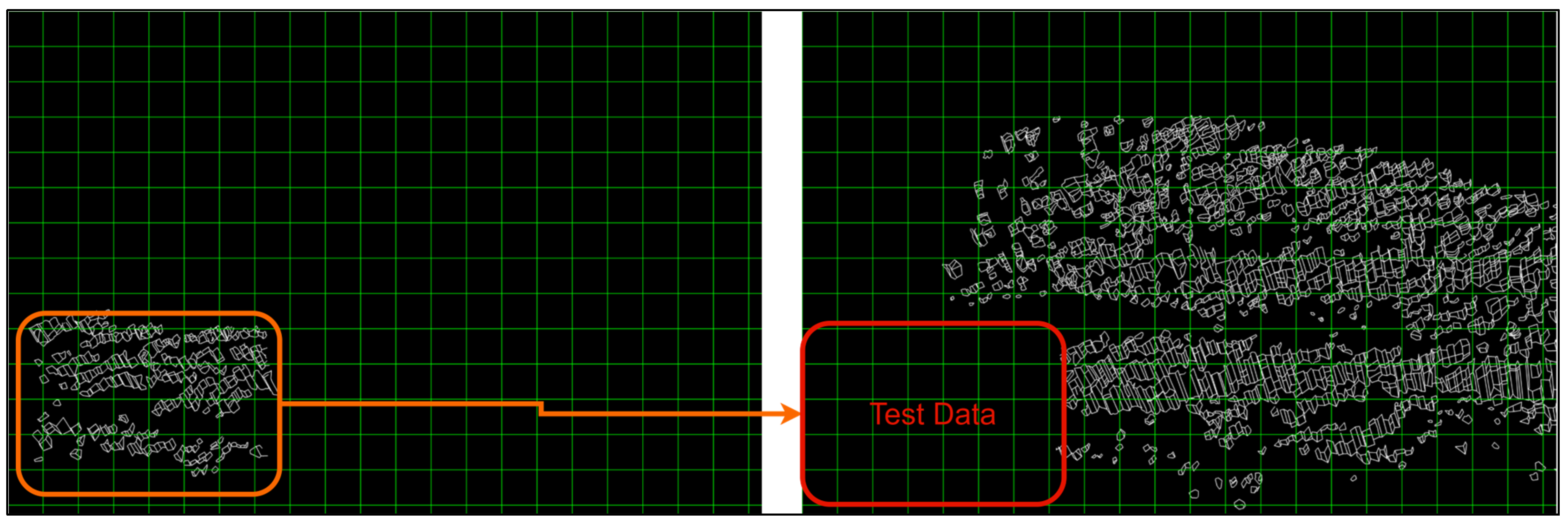
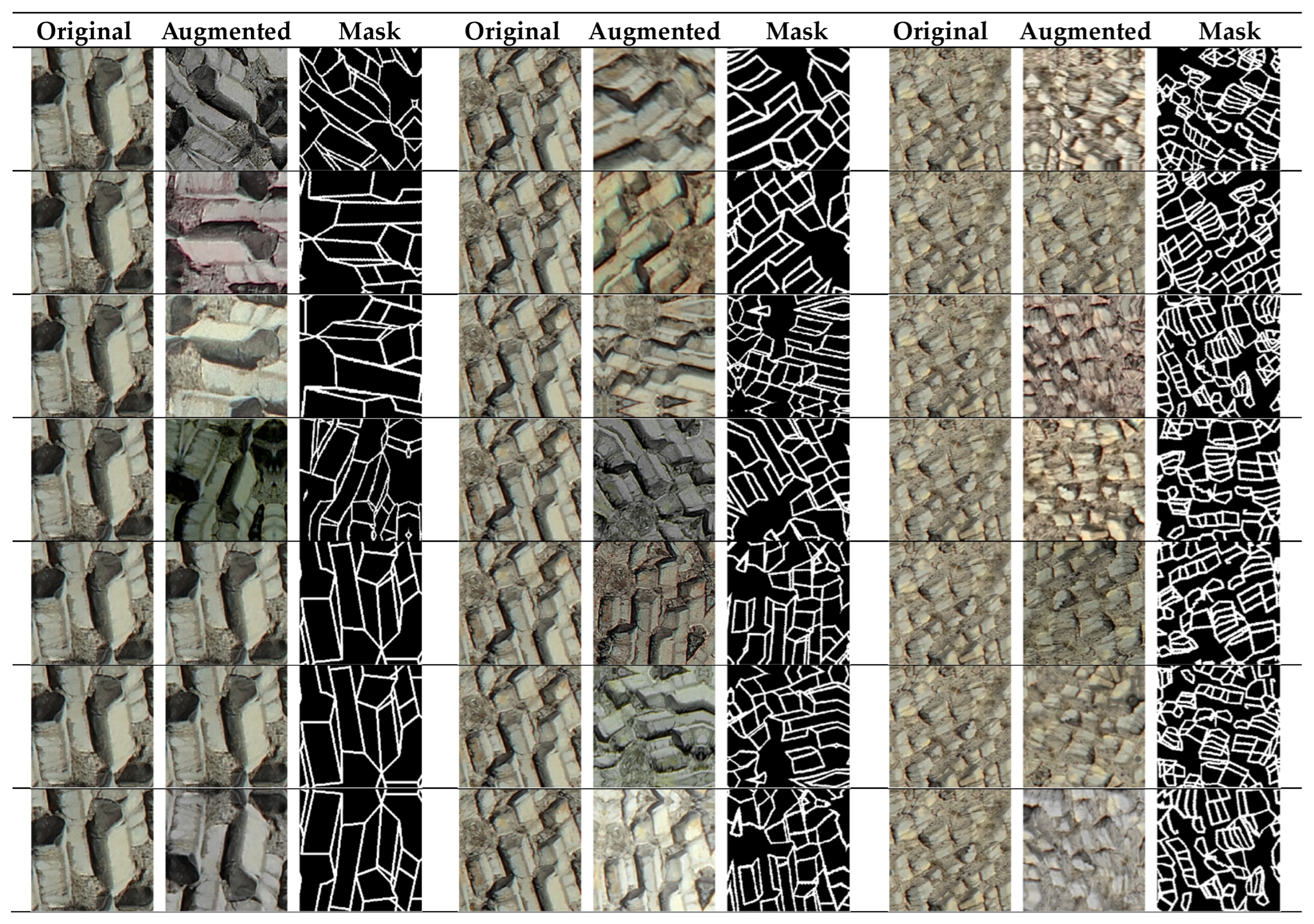
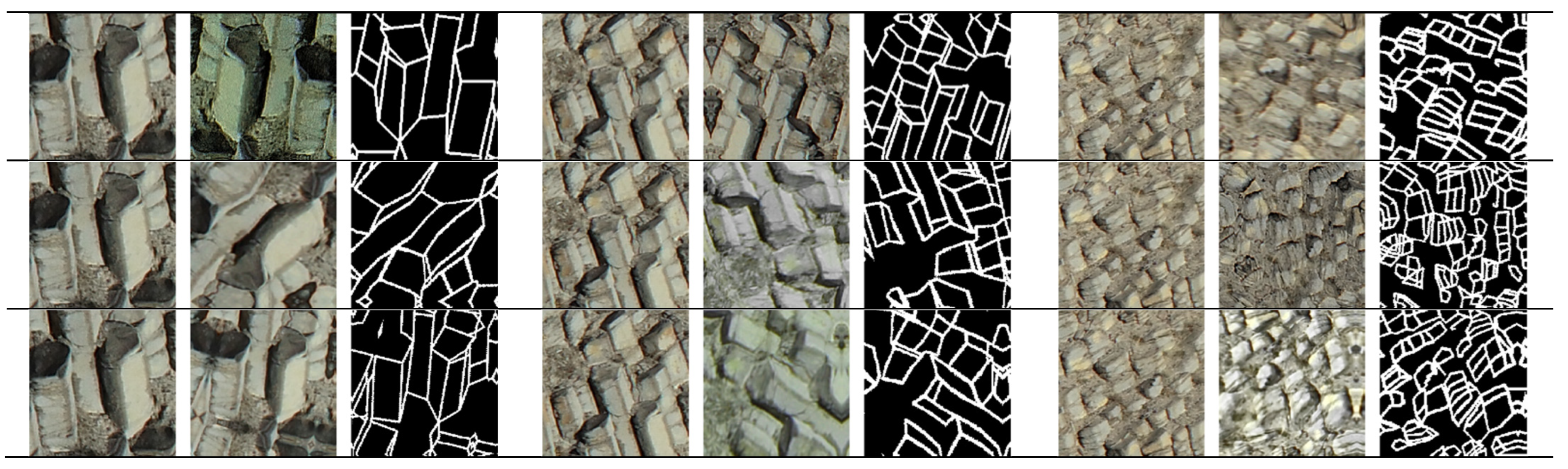
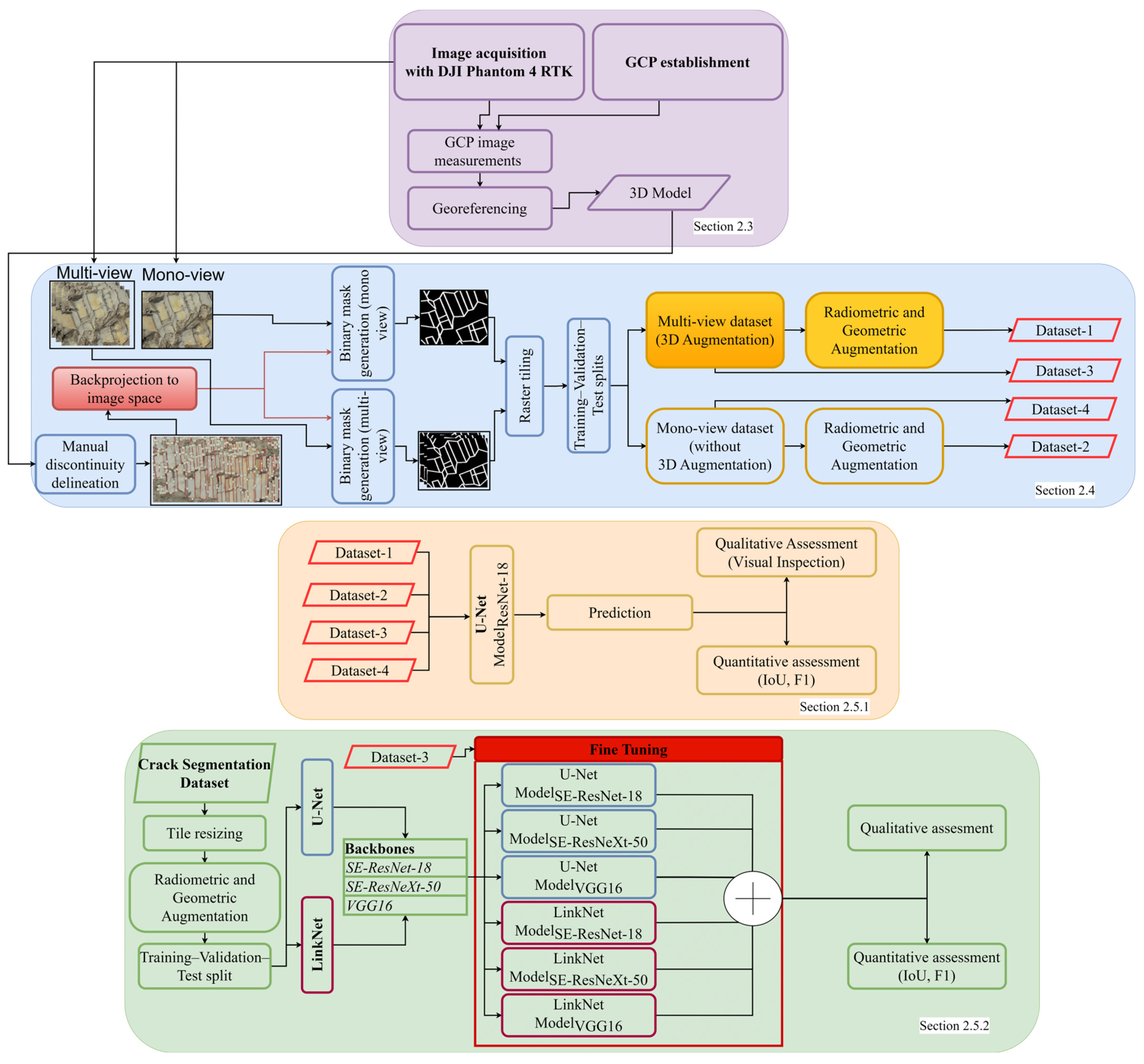
Discontinuity is a key element used by geoscientists and civil engineers to characterize rock masses. The traditional approach to detecting and measuring rock discontinuity relies on fieldwork, which poses dangers to human life. Photogrammetric pattern recognition and 3D measurement techniques offer new possibilities without direct contact with rock masses. This study proposes a new approach to detect discontinuities using close-range photogrammetric techniques and convolutional neural networks (CNNs) trained on a small amount of data. Investigations were conducted on basalts in Bala, Ankara, Türkiye. A total of 34 multi-view images were collected with a remotely piloted aircraft system (RPAS), and discontinuity lines were manually delineated on a point cloud generated from these images. The lines were back-projected onto the raw images to increase the amount of data, a process we call multi-view (3D) augmentation. We further evaluated radiometric and geometric augmentation methods, the contribution of multi-view augmentation to the proposed model, and the transfer learning performance of six different CNN architectures. The highest performance was achieved with U-Net + SE-ResNeXt-50 with an F1-score of 90.6%. The CNN model trained from scratch with local features also yielded a similar F1-score (91.7%), which is the highest performance reported in the literature.
Keywords: rock mass classification systems; close-range photogrammetry; deep learning; transfer learning; domain adaptation; data augmentation rock mass classification systems; close-range photogrammetry; deep learning; transfer learning; domain adaptation; data augmentation