
Article

The Spatiotemporal Pattern Evolution and Driving Force of Tourism Information Flow in the Chengdu–Chongqing City Cluster

School of Geoscience and Technology, Southwest Petroleum University, Chengdu 610500, China
*
Author to whom correspondence should be addressed.
ISPRS Int. J. Geo-Inf. 2023, 12(10), 414; https://doi.org/10.3390/ijgi12100414
Submission received: 9 August 2023 / Revised: 15 September 2023 / Accepted: 25 September 2023 / Published: 10 October 2023

Abstract

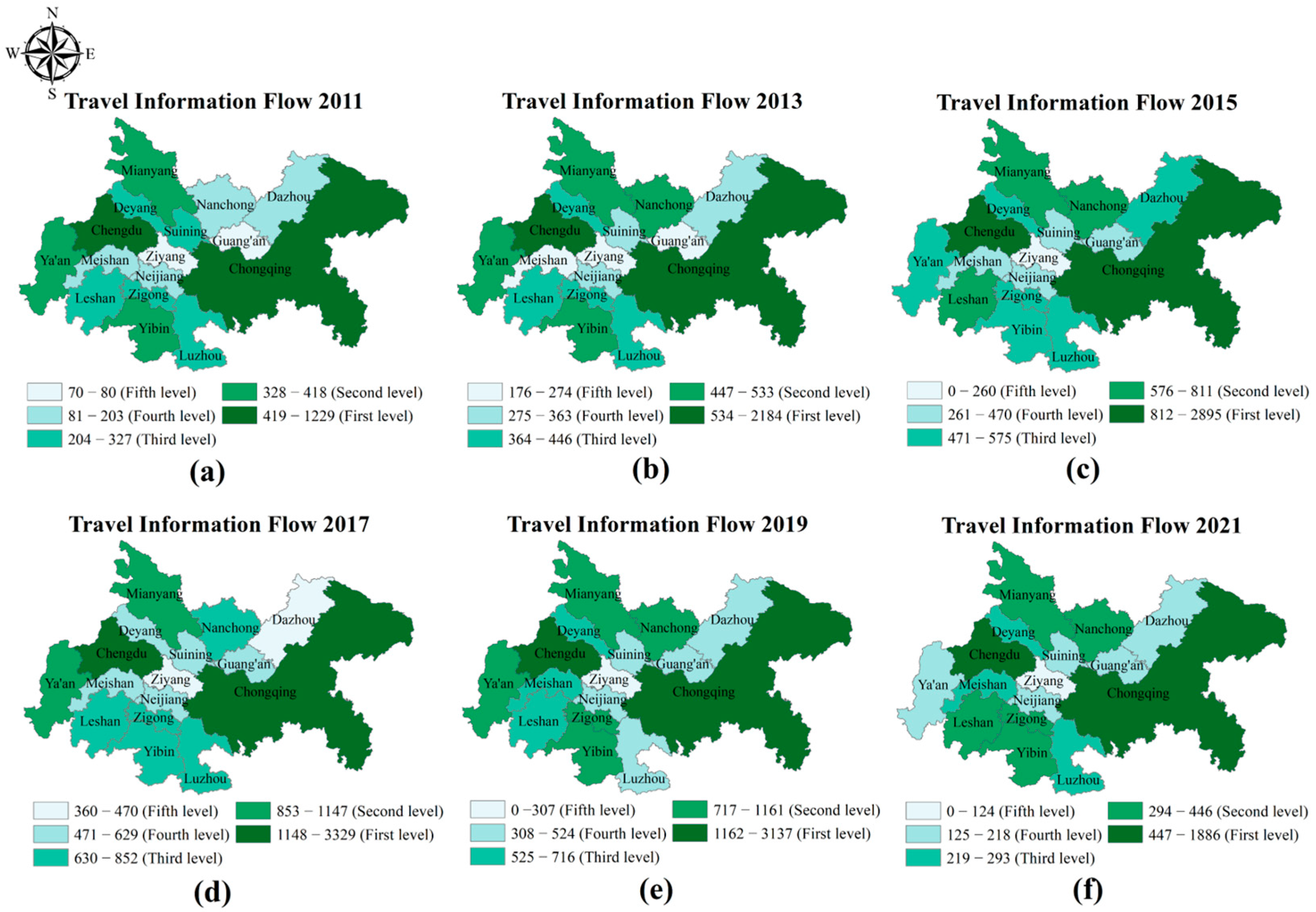
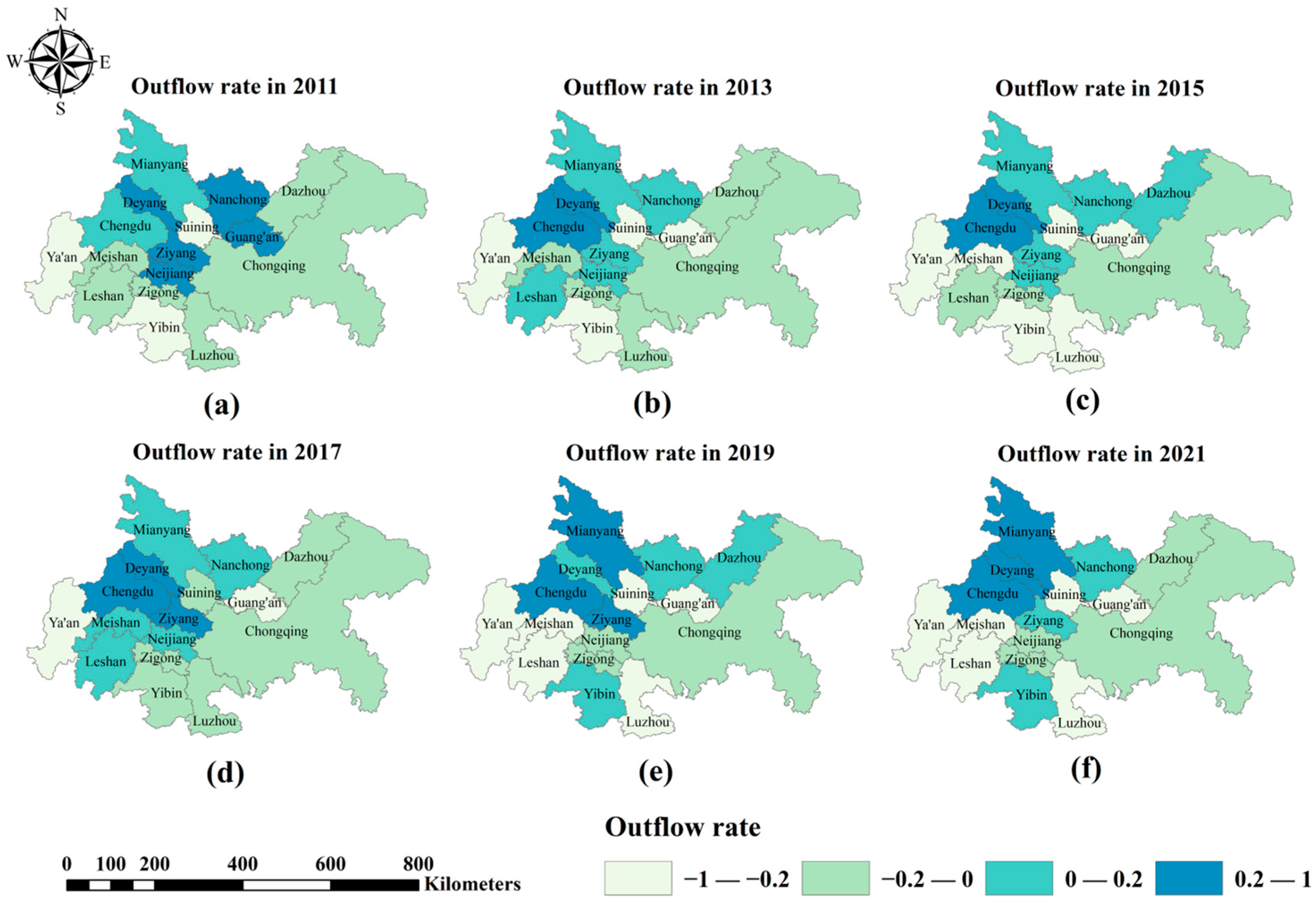
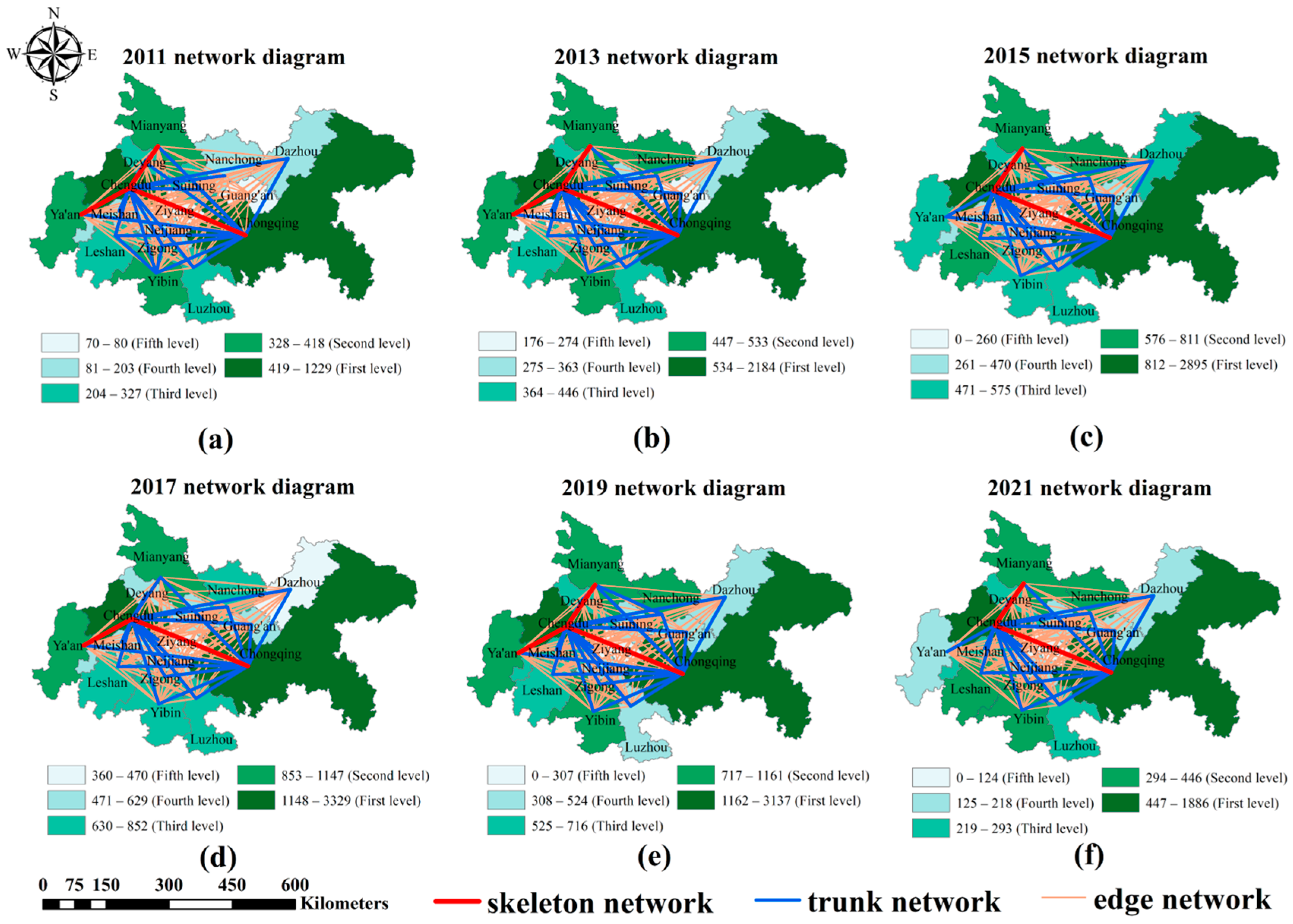
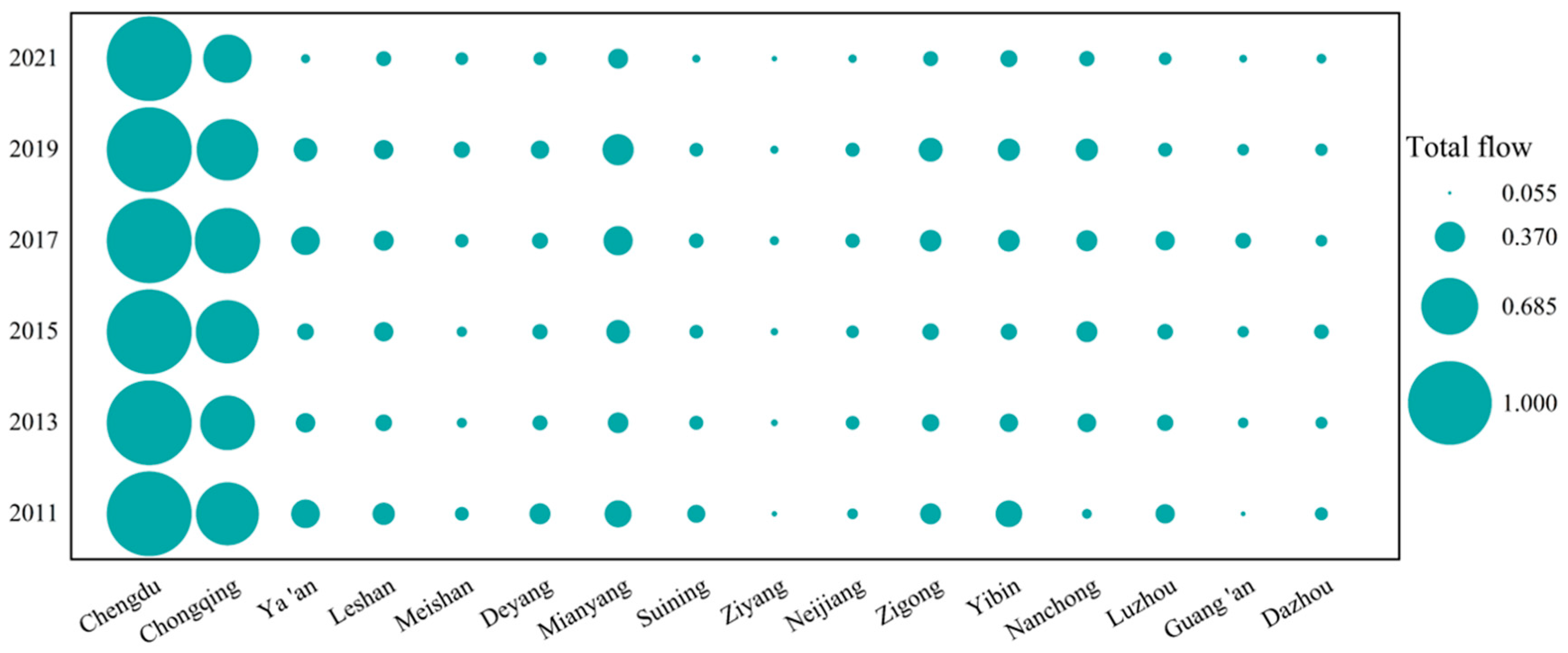
In recent years, the tourism industry has developed rapidly. However, traditional tourism information has the disadvantages of slow response speed and limited information content, which cannot reflect the evolution trend of spatial and temporal patterns of tourism information in time. Here, based on the Baidu Index, we construct an evaluation framework to analyse the spatial and temporal flow of tourism information in the Chengdu–Chongqing urban cluster from 2011 to 2021. Then, we analyse the urban links between different network levels from the evolution pattern. Finally, we use the geodetector model to analyse its driving mechanism. The results show that Chengdu and Chongqing are the most active cities in the study area in terms of tourism information. The unbalanced development of tourism information between Chengdu and Chongqing and other cities in the region gradually deepens during the period 2011–2019 (polarization effect), but the unbalanced development moderates after 2019. On the other hand, cities in the middle of the Chengdu–Chongqing cluster always have weak agglomeration effects of tourism information. Cities with high tourism information outflow rates in the Chengdu–Chongqing city cluster are mainly concentrated around Chengdu. The average outflow rate of Deyang is the highest, at 27.8%. Cities with low tourist information outflow rates are primarily located in the west, central and south. Ya’an is the city with the lowest outflow rate, with an average of −62.2%. Specifically, Chengdu is the dominant and most radiantly influential city. The tourism information of the Chengdu–Chongqing urban cluster shows a radial network with Chengdu and Chongqing as the core. The driving force analysis shows that the push factor of tourist source, such as the number of people buying pension insurance, is the core driving mechanism, while the pull factor of destination, such as the park green area, and resistance factors such as psychological distance, are in the secondary position. In general, this paper uses Internet tourism data to expand the traditional tourism information research of the Chengdu–Chongqing urban cluster, which can better respond to the changes and needs of the tourism market and provide reference for the spatial optimization of tourism destinations.
Keywords: tourism information flow; spatial and temporal pattern evolution; influencing factors tourism information flow; spatial and temporal pattern evolution; influencing factors