
Article

Can Live Streaming Save the Tourism Industry from a Pandemic? A Study of Social Media

1
Faculty of Human Geography and Planning, Adam Mickiewicz University, 61-680 Poznan, Poland
2
School of Management, Jinan University, Guangzhou 510632, China
3
Shenzhen Tourism College, Jinan University, Shenzhen 518053, China
*
Author to whom correspondence should be addressed.
ISPRS Int. J. Geo-Inf. 2021, 10(9), 595; https://doi.org/10.3390/ijgi10090595
Submission received: 1 July 2021 / Revised: 1 September 2021 / Accepted: 8 September 2021 / Published: 9 September 2021
(This article belongs to the Special Issue Geovisualization and Social Media)

Abstract

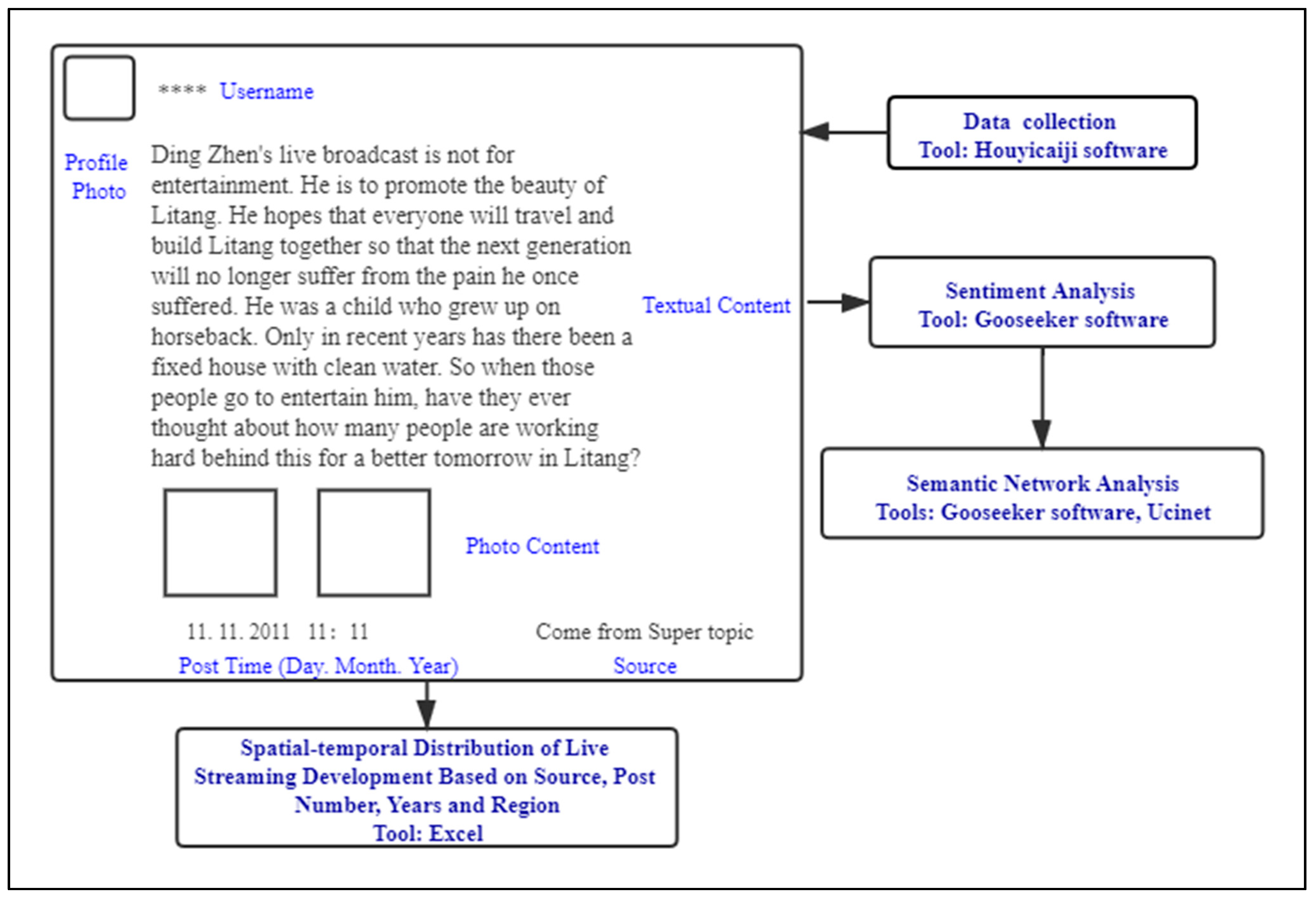
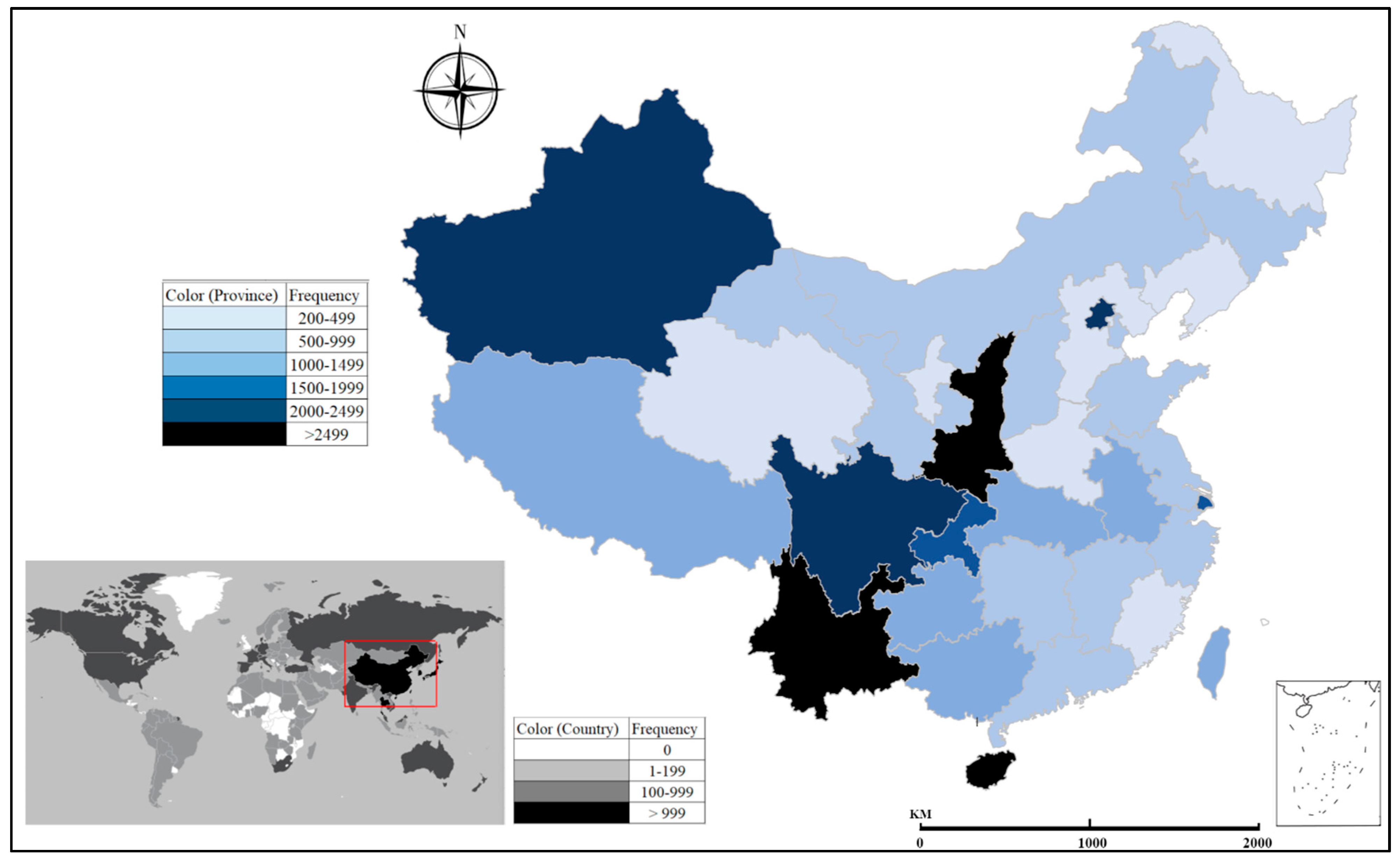
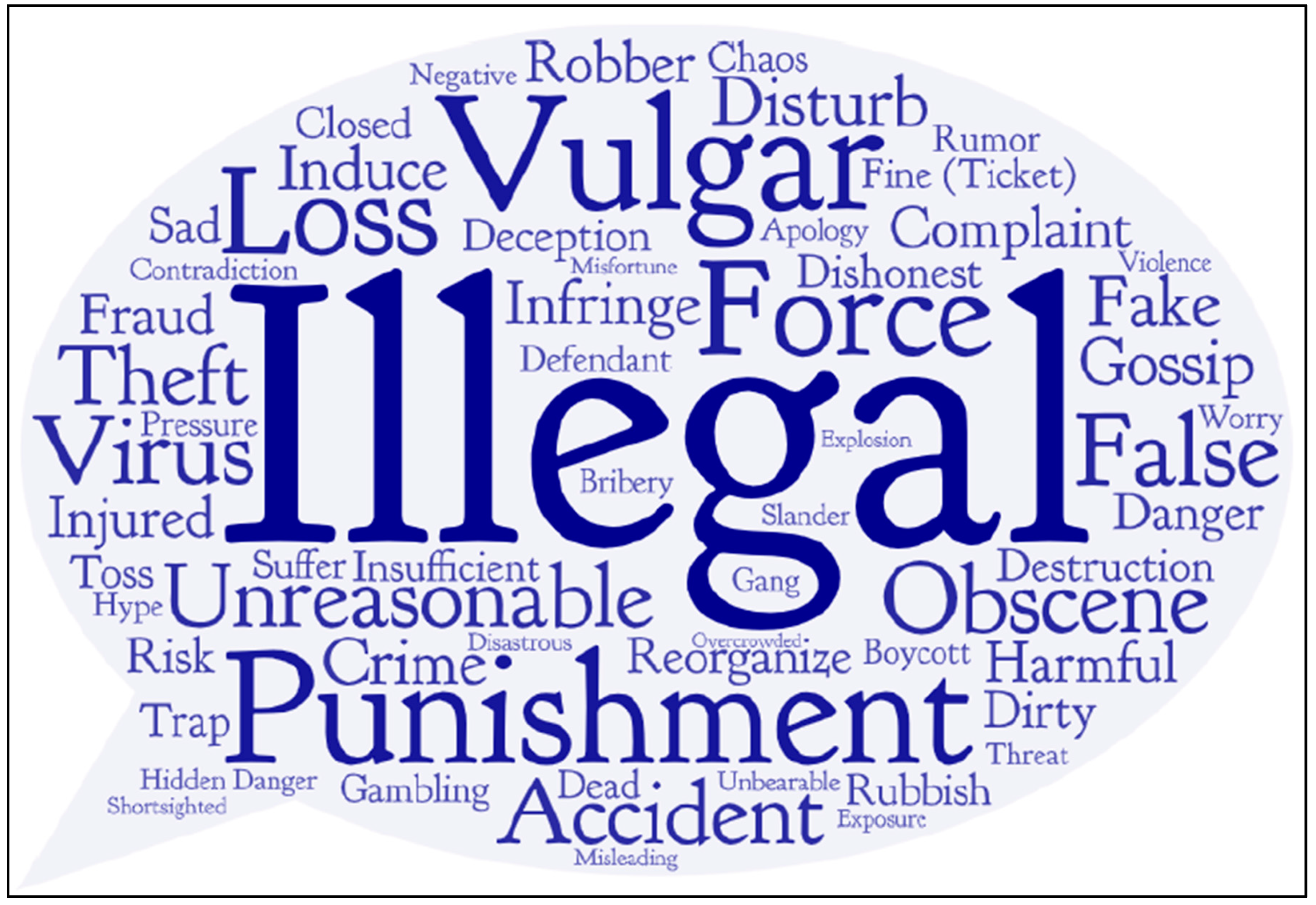
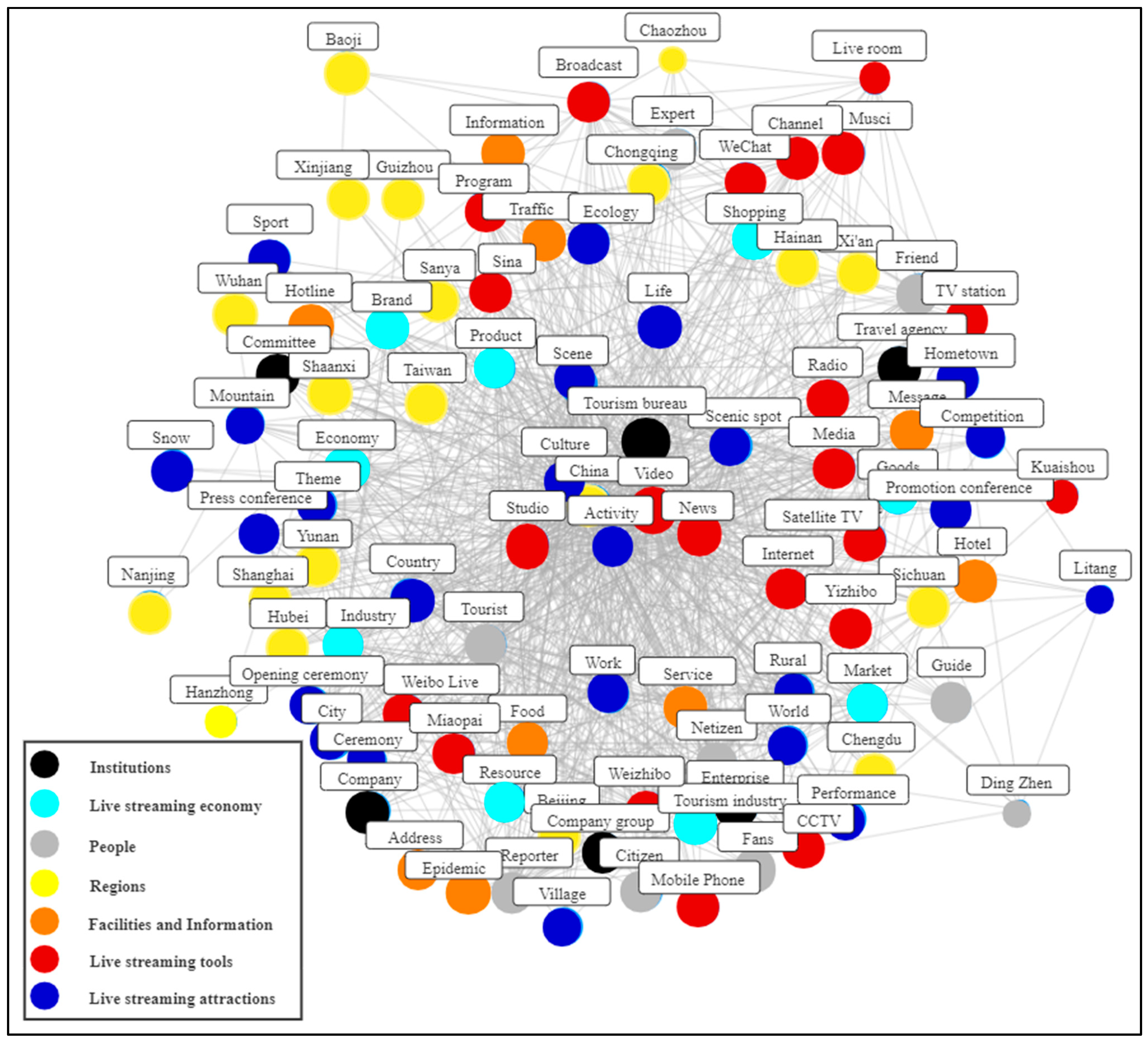
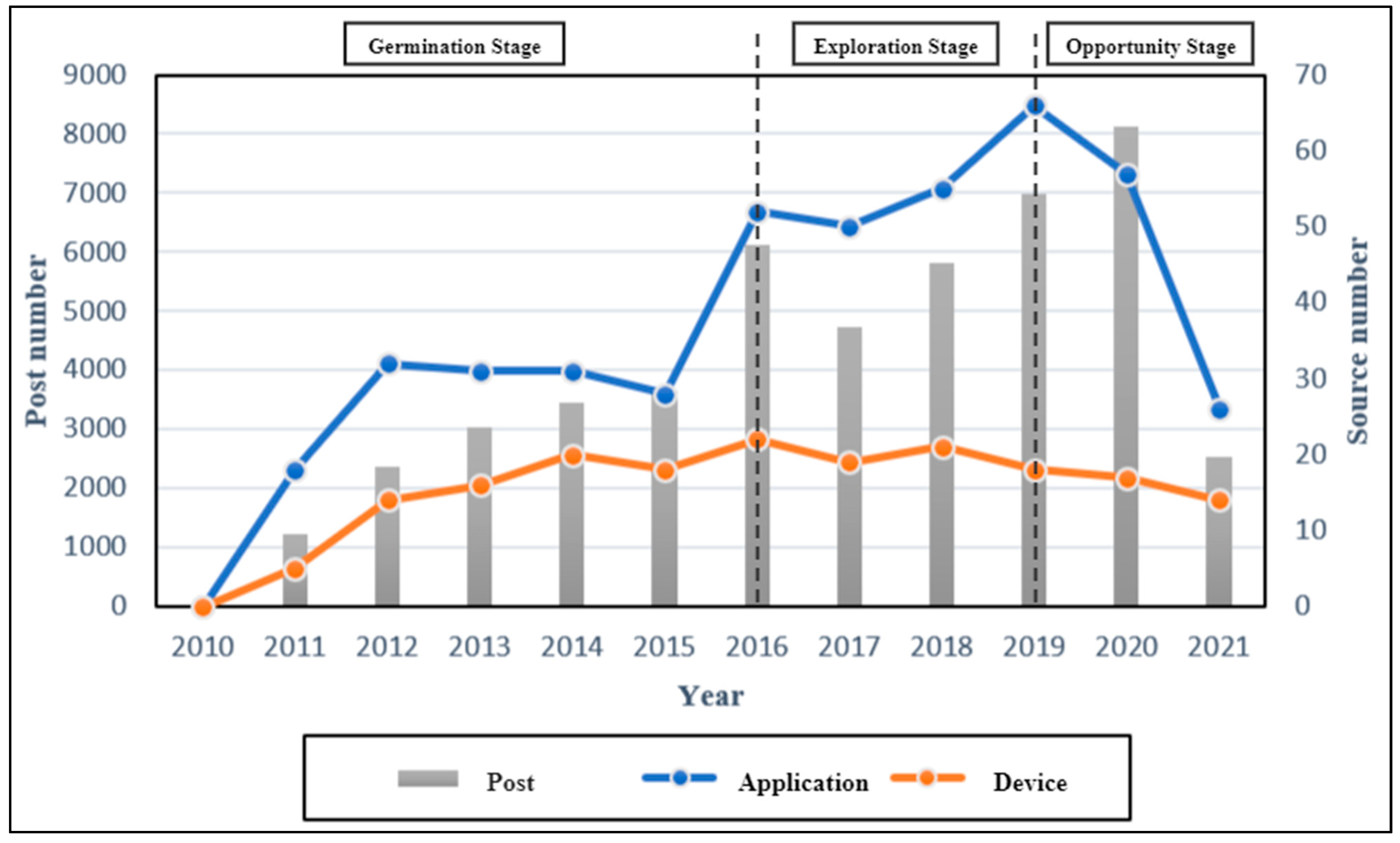
As a reflection of shifting and fluid experiences in time and space, live streaming can reduce losses in the tourism industry associated with travel restrictions during the COVID-19 pandemic. Compared with the use of live streaming activities in entertainment, shopping, sport, e-sport, religious, educational, and academic settings, the tourism context has yet to be explored. This study takes China as a case to examine tourism practices related to live streaming. Specifically, 48,114 social media posts were subjected to systematic content analysis. The dataset contained live streaming content related to 147 countries and 34 Chinese provincial administrative regions between 2010 and 2021. Findings revealed the following: (1) the development of tourism live streaming in China can be classified into germination, exploration, and opportunity stages; (2) live content mainly evoked positive emotions, whereas negative sentiment resulted from illegal or boring content; (3) users’ perceptions of tourism live streaming content involved institutions, live streaming tools, live streaming attractions, the live streaming economy, people, facilities and information, time, and regions; and (4) live streaming tools and attractions constituted the core of the identified semantic network and had the strongest regulation capabilities in tourism live streaming activities. Findings shed light on latent cultural meanings in social media communications, where tourism live streaming features high-frequency linguistic signs.
Keywords: live streaming; tourism; social media; big data; content analysis; semantic network analysis live streaming; tourism; social media; big data; content analysis; semantic network analysis