Article

Remodeling Membrane Binding by Mono-Ubiquitylation


1
School of Neurobiology, Biochemistry and Biophysics, The George S. Wise Faculty of Life Sciences, Tel Aviv University, Tel Aviv 69978, Israel
2
Faculty of Biology, Technion—Israel Institute of Technology, Haifa 32000, Israel
3
Sagol School of Neuroscience, Tel Aviv University, Tel Aviv 69978, Israel
*
Author to whom correspondence should be addressed.
Biomolecules 2019, 9(8), 325; https://doi.org/10.3390/biom9080325
Submission received: 16 June 2019 / Revised: 22 July 2019 / Accepted: 29 July 2019 / Published: 31 July 2019
(This article belongs to the Special Issue The Broader Cellular Impact of Proteasome-CSN-eIf3 (PCI) Complexes)

Abstract

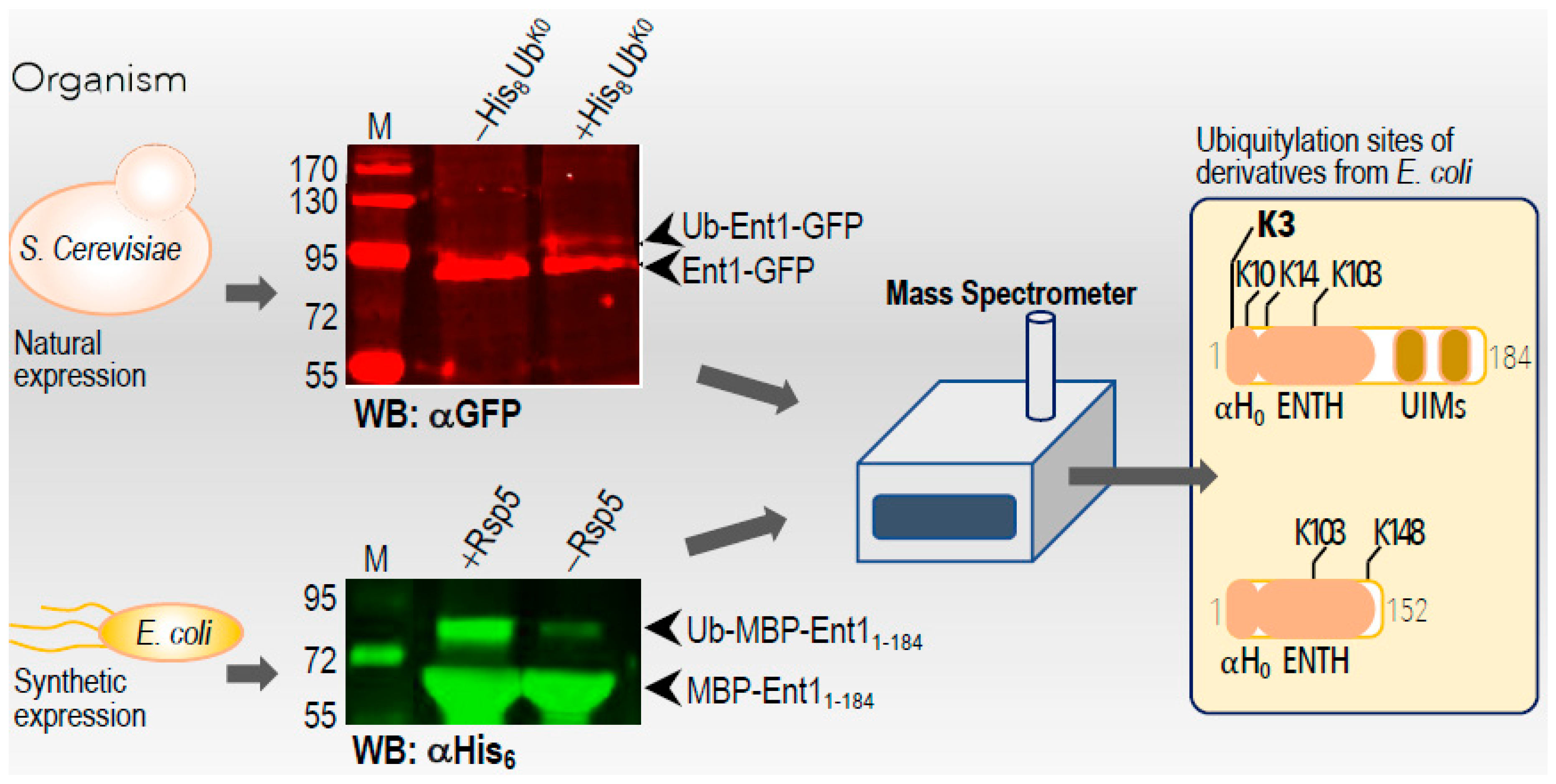
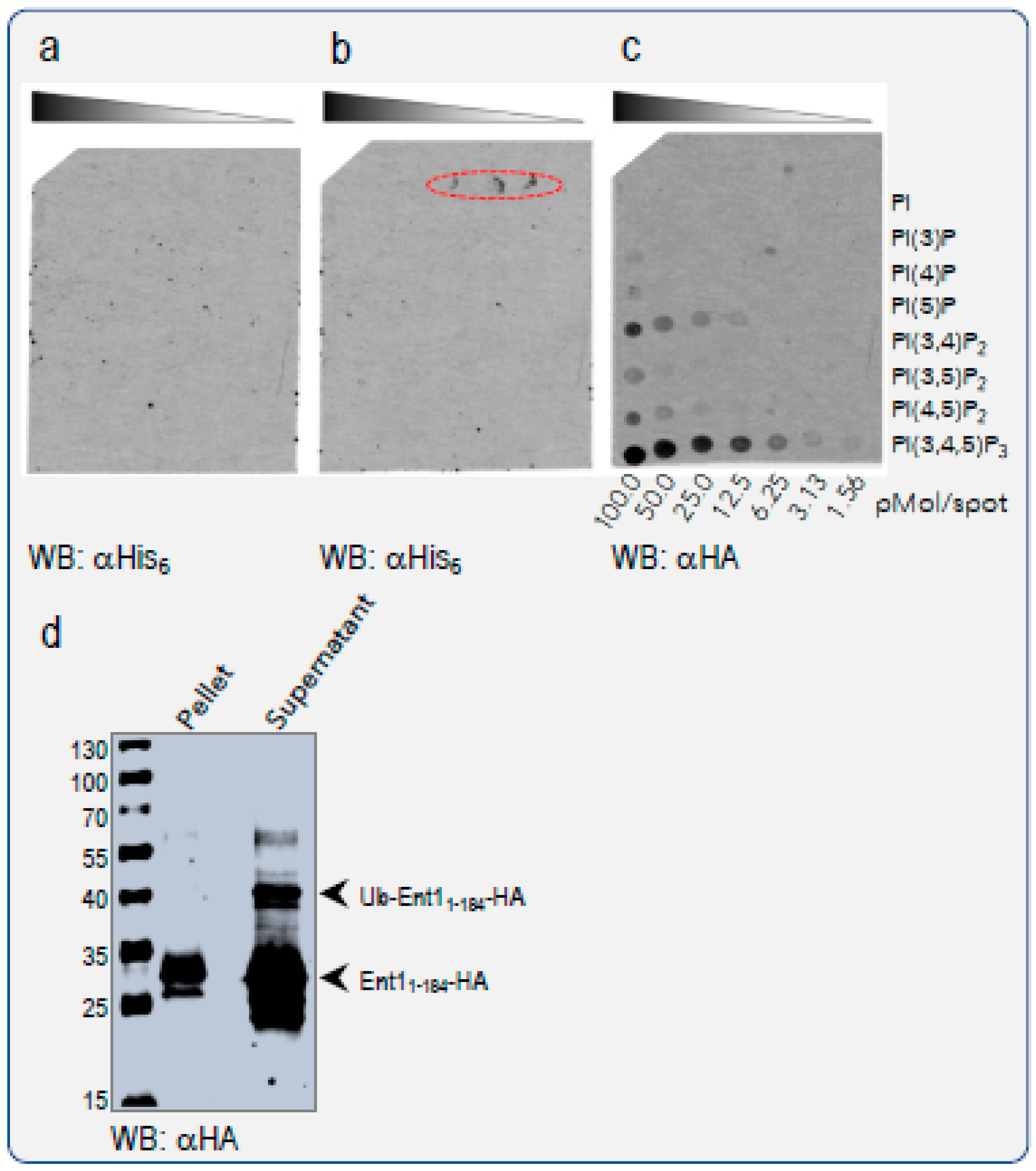
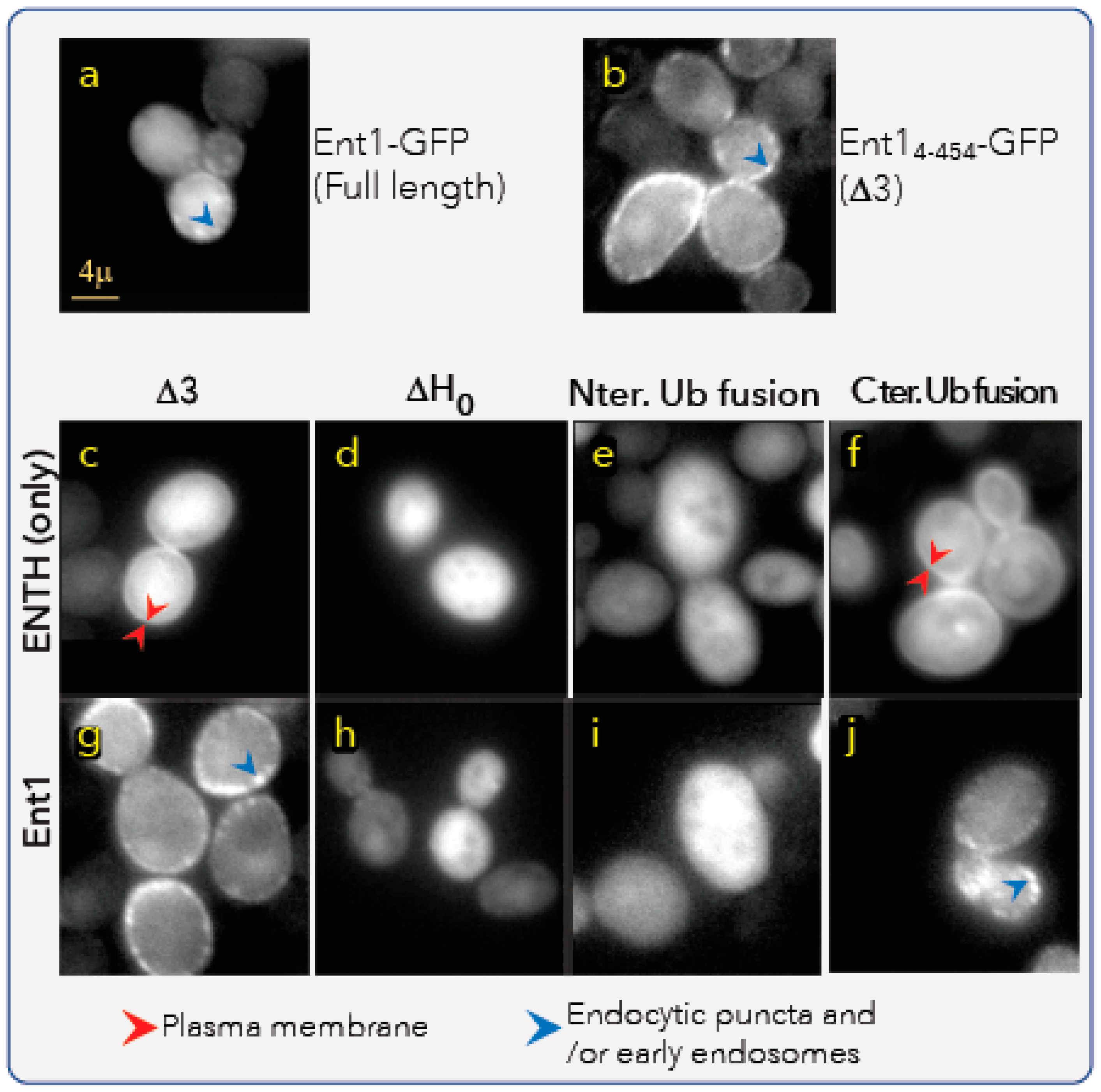
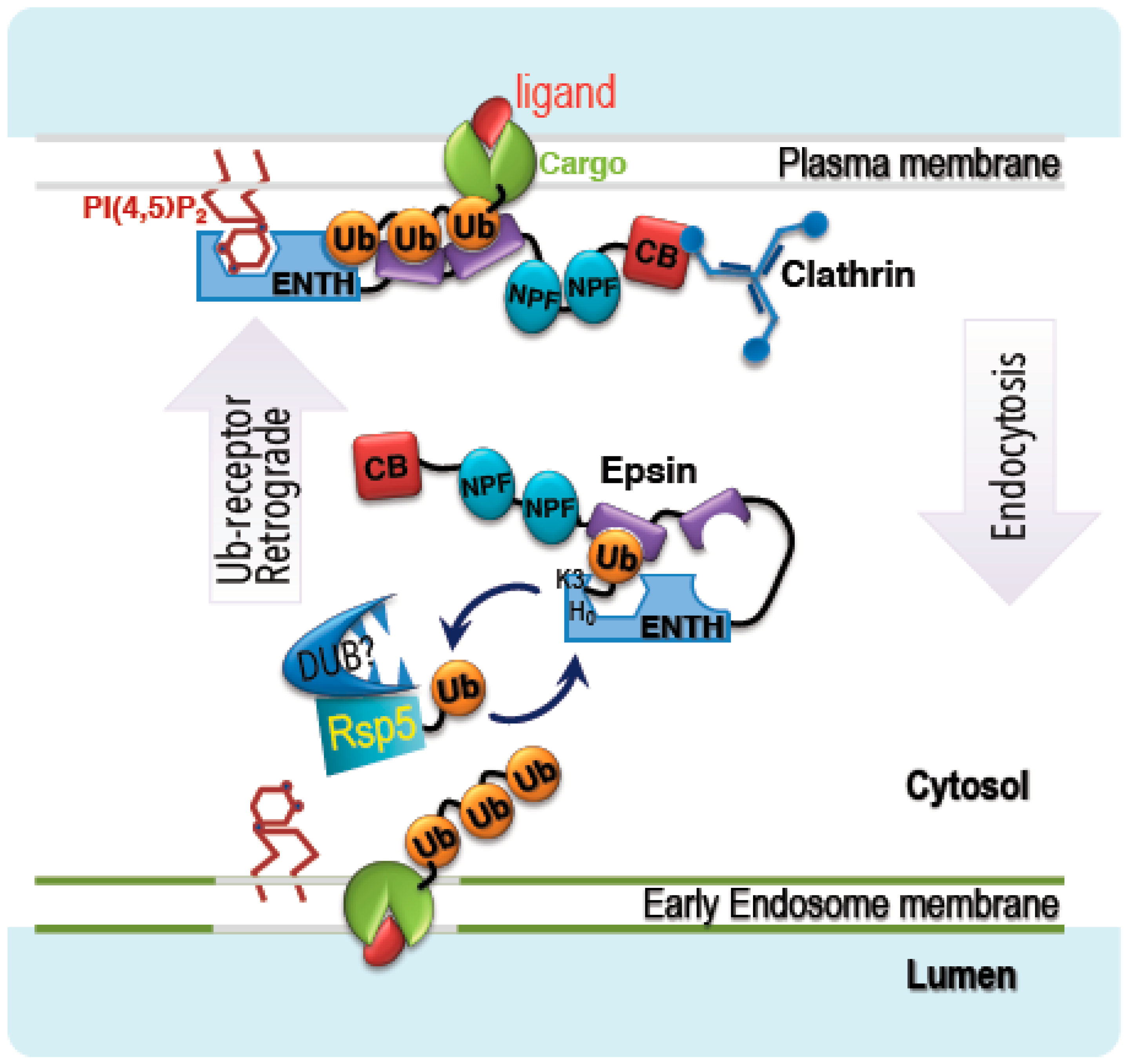
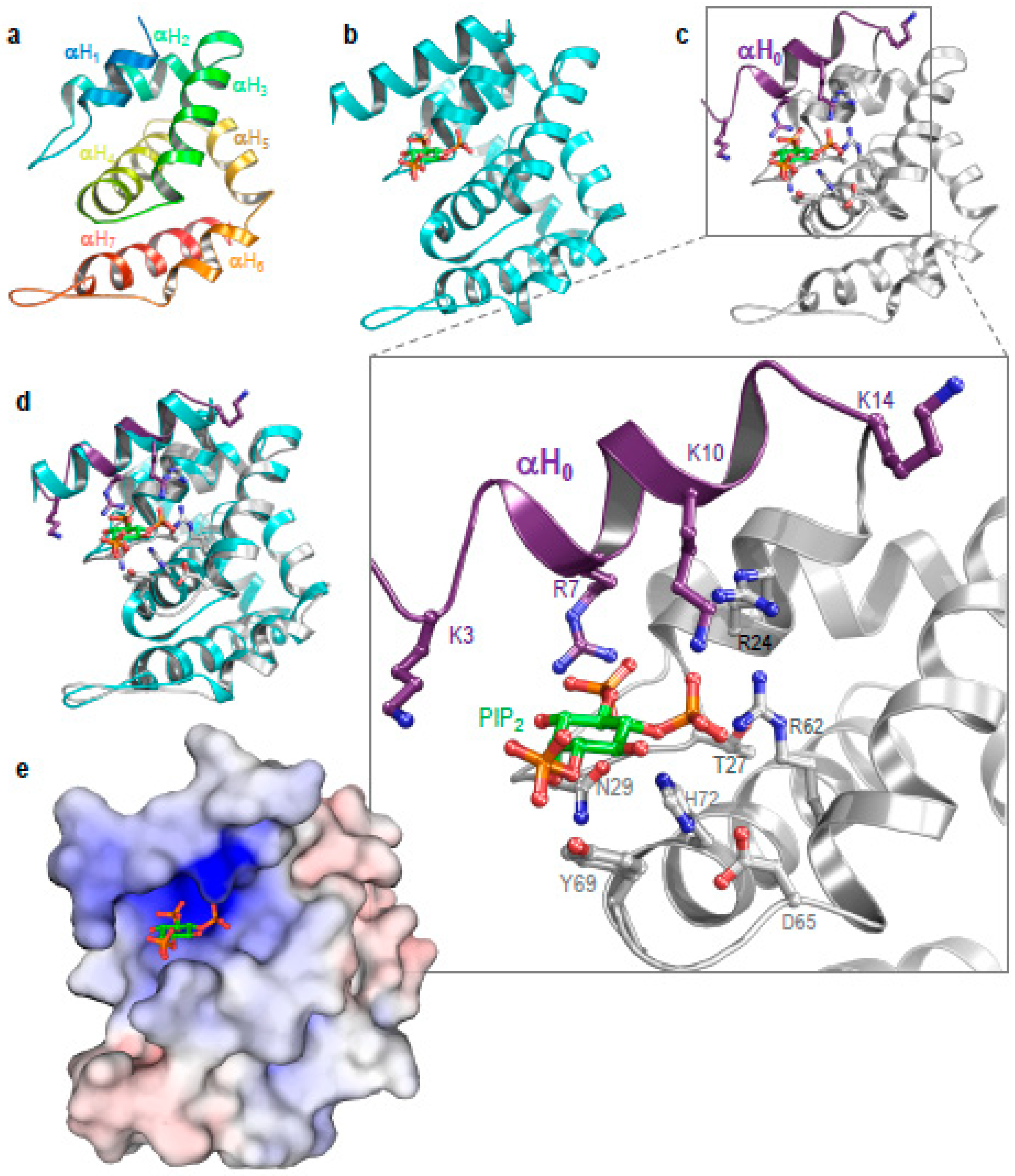
Ubiquitin (Ub) receptors respond to ubiquitylation signals. They bind ubiquitylated substrates and exert their activity in situ. Intriguingly, Ub receptors themselves undergo rapid ubiquitylation and deubiquitylation. Here we asked what is the function of ubiquitylation of Ub receptors? We focused on yeast epsin, a Ub receptor that decodes the ubiquitylation signal of plasma membrane proteins into an endocytosis response. Using mass spectrometry, we identified lysine-3 as the major ubiquitylation site in the epsin plasma membrane binding domain. By projecting this ubiquitylation site onto our crystal structure, we hypothesized that this modification would compete with phosphatidylinositol-4,5-bisphosphate (PIP2) binding and dissociate epsin from the membrane. Using an E. coli-based expression of an authentic ubiquitylation apparatus, we purified ubiquitylated epsin. We demonstrated in vitro that in contrast to apo epsin, the ubiquitylated epsin does not bind to either immobilized PIPs or PIP2-enriched liposomes. To test this hypothesis in vivo, we mimicked ubiquitylation by the fusion of Ub at the ubiquitylation site. Live cell imaging demonstrated that the mimicked ubiquitylated epsin dissociates from the membrane. Our findings suggest that ubiquitylation of the Ub receptors dissociates them from their products to allow binding to a new ubiquitylated substrates, consequently promoting cyclic activity of the Ub receptors.
Keywords: ubiquitylation; Ub receptor; phosphatidylinositol phosphate ubiquitylation; Ub receptor; phosphatidylinositol phosphate