Article

STY12, a Novel NQO1/HDAC Dual-Targeting Agent, Exhibits Potent Anti-Pancreatic Cancer Activity by ROS-Mediated DNA Damage


1
School of Pharmacy, Henan Medical University, Xinxiang 453003, China
2
School of Pharmacy, Xinxiang University, Xinxiang 453003, China
3
West China School of Medicine, Sichuan University, Chengdu 610041, China
*
Author to whom correspondence should be addressed.
Biomolecules 2026, 16(6), 812; https://doi.org/10.3390/biom16060812
Submission received: 26 March 2026 / Revised: 25 May 2026 / Accepted: 28 May 2026 / Published: 30 May 2026

Abstract

Pancreatic cancer (PC) usually results in poor survival with limited treatment options. Reactive oxygen species (ROS) play a key role in the action of HDAC inhibitors. In combination with a ROS generator, it can increase sensitivity to HDAC inhibitors and also overcome resistance to HDAC inhibitors. NQO1-bioactivatable drugs are efficient ROS generators. Therefore, to reduce HDAC inhibitor resistance and enhance its anti-pancreatic cancer activity, in this study, we reported a novel NQO1/HDAC dual-targeting agent, STY12, which exhibited potent anti-pancreatic cancer activity through ROS-mediated DNA damage. STY12 strongly inhibited HDAC1 and HDAC6 activity (IC50 = 29 nM and 10 nM, respectively) and exhibited excellent reduction rates by NQO1 (kcat/Km = 5.59 × 10⁶ M−1s−1). STY12 showed good anti-proliferative effects on PC MIA PaCa-2, SW1990, and Capan-2 cells, with IC50 values of 0.23 ± 0.01, 0.25 ± 0.01 and 0.14 ± 0.02 μM, respectively, and lower anti-proliferative effects against normal hTERT-HPNE and BEAS-2B cells. Mechanistic analysis revealed that STY12 suppressed the proliferation of MIA PaCa-2 cells by increasing the acetylation of histone 3 (H3) and α-tubulin, and increasing ROS-mediated DNA damage. Moreover, STY12 arrested the cell cycle at the S phase, inhibited the metastasis of MIA PaCa-2 cells, and promoted their apoptosis. Moreover, compared to SAHA and β-Lap, STY12 exhibited prominent in vivo antitumor activity with negligible toxic effects. Therefore, STY12 can serve as an effective NQO1/HDAC dual-targeting agent for the treatment of PC.

1. Introduction

Pancreatic cancer (PC) is among the most lethal malignancies globally and is characterized by a five-year survival rate of less than 10% and a steadily increasing incidence, thereby constituting a significant global health burden [1,2]. Currently, effective treatment options for PC are quite limited [3,4]. Combination chemotherapy can increase the overall survival rate of patients, but adverse reactions to this treatment can negatively affect the quality of life of patients [5]. Therefore, new and efficient treatment strategies need to be developed to manage PC [6,7].
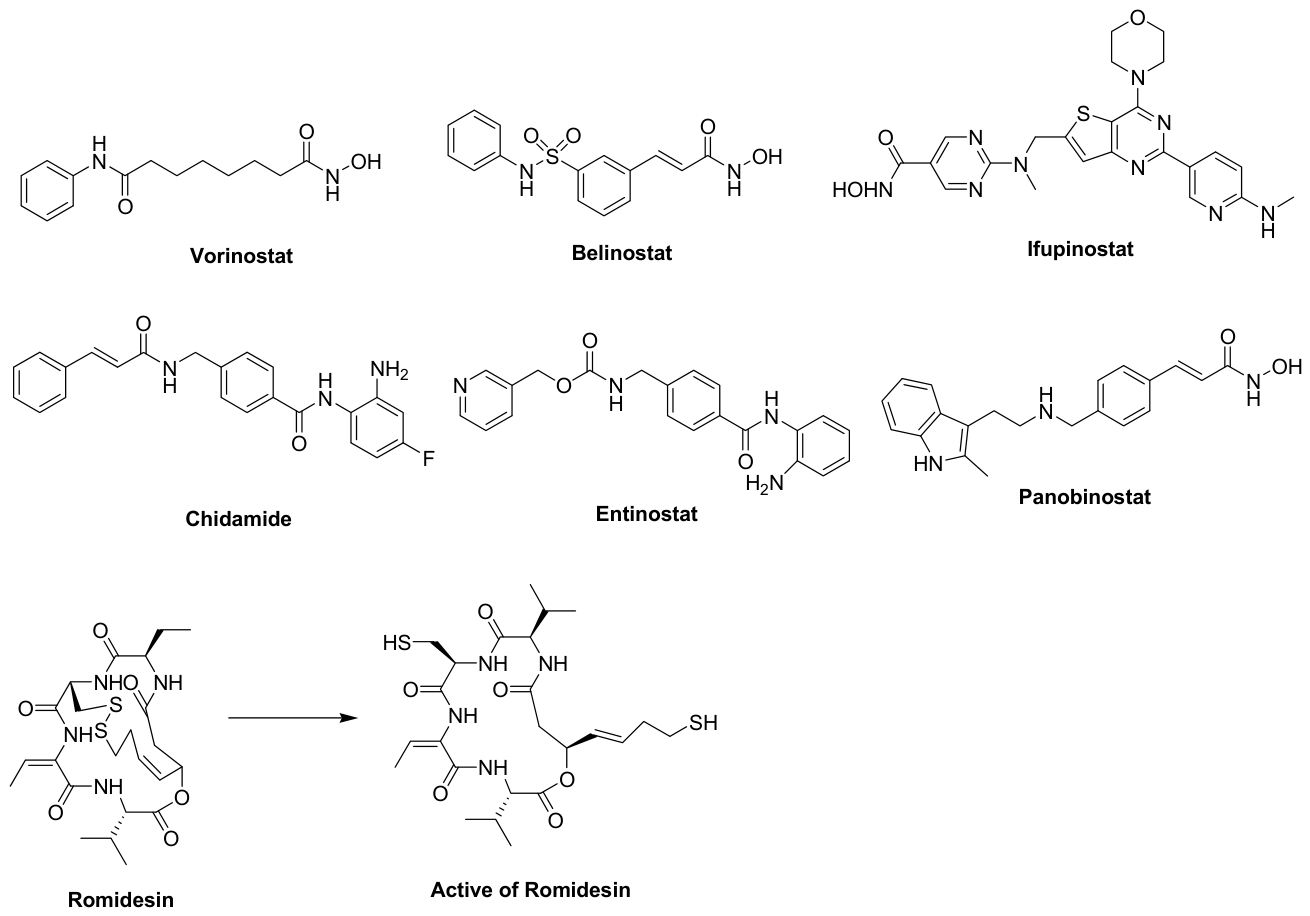
Histone deacetylases (HDACs) are critical epigenetic enzymes. They can remove acetyl groups from histones and lead to chromatin condensation, which is closely associated with cell growth, metastasis, angiogenesis, and gene transcription [8,9]. Researchers have identified 11 zinc-dependent human HDAC isoforms, which are classified as class I (HDAC1, 2, 3, 8), class IIa (HDAC4, 5, 7, 9), class IIb (HDAC6, 10), and class IV (HDAC11) [10,11,12]. HDACs are overexpressed in PC [13] and other human malignancies [14], and they promote the growth and development of tumors. Therefore, HDACs represent optimal antitumor therapeutic targets, and many HDAC inhibitors (HDACis) have been developed [15]. Seven HDACis, including vorinostat, belinostat, romidepsin, panobinostat, chidamide, entinostat, and ifupinostat, have been approved for clinical application (Figure 1) [16,17,18,19,20,21,22]. However, their clinical application as single agents is limited and often associated with various adverse reactions [23,24,25]. Consequently, new HDACis with broad applications and diverse mechanisms need to be developed urgently.
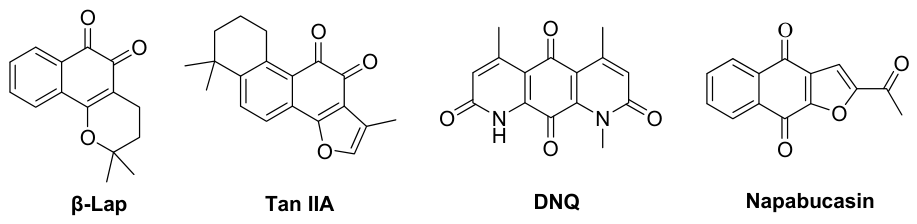
Tumor cells are characterized by a high content of reactive oxygen species (ROS), increasing the susceptibility to oxidative stress [26]. Pharmacologically increasing the intracellular ROS content via small molecules can serve as an efficient antitumor treatment strategy effective also in certain types of drug-resistant cancer [27,28,29,30]. The cytoplasmic flavoenzyme NAD(P)H quinone oxidoreductase 1 (NQO1) catalyzes the two-electron reduction of quinone compounds to hydroquinones, with the reduced pyridine nucleotide NADPH or NADH serving as the cofactor [31]. Many efficient NQO1 substrates, such as β-lapachone (β-Lap) [32], tanshinone IIA (Tan IIA) [33], deoxynyboquinone (DNQ) [34], and napabucasin [35] (Figure 2), can rapidly generate large amounts of toxic ROS via redox cycling of hydroquinones with the corresponding quinone substrates in NQO1-overexpressing cells. Thus, they may be effective ROS generators for treating cancers [36]. The expression of NQO1 is 5–12 times greater in PC cells than in matched non-carcinoma samples; therefore, NQO1 is a candidate anti-PC therapeutic target [37].
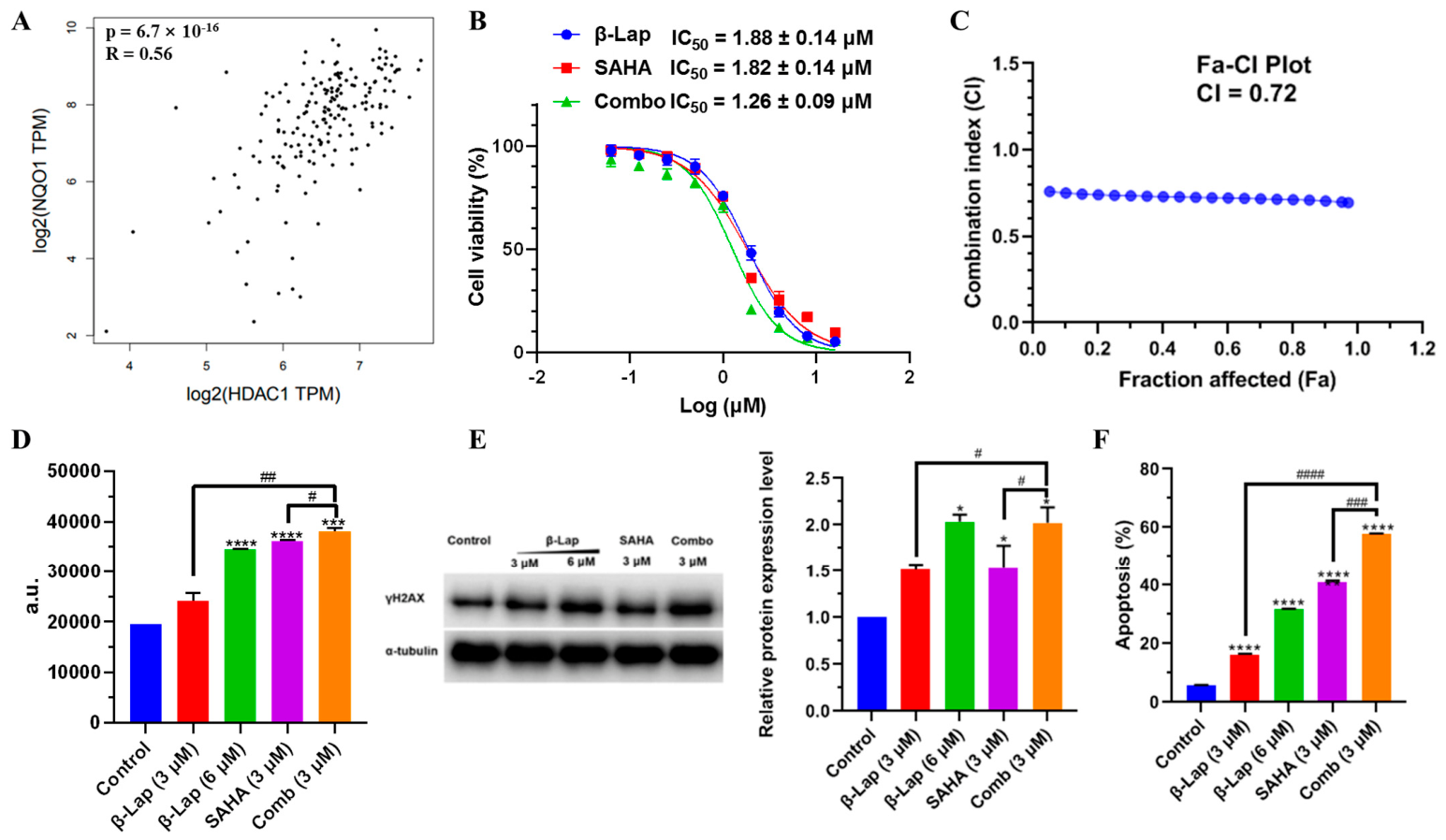
Many researchers have suggested that ROS play important roles in the action of HDACis [38], and that the combination of ROS with a redox-modulating compound can increase their sensitivity to HDACis and overcome resistance to HDACis [39,40,41,42]. Therefore, in the study, we hypothesized that, compared with monotherapeutic regimens, NQO1 bioactivatable drugs combined with HDACis can amplify oxidative stress and have increased antitumor effects. The results of bioinformatic analyses revealed that the expression of NQO1 was strongly correlated with the expression of HDAC1 in PC patients (Figure 3A). In this study, we subsequently analyzed how the HDACi SAHA, the NQO1 substrate β-Lap, and their combination affect the viability of MIA PaCa-2 cells. Compared with the respective monotherapies, SAHA combined with β-Lap had better anti-proliferative effects, with a combination index (CI) of 0.72, which suggested that the synergistic effects were moderate (Figure 3B,C). Additionally, compared with the corresponding monotherapies, SAHA combined with β-Lap slightly increased ROS production (Figure 3D) and potently induced DNA damage-related apoptosis (Figure 3E,F). These findings suggest that targeting HDACs and NQO1 together is advantageous for treating PC. Based on these findings, we proposed the preparation of an NQO1/HDAC dual-targeting agent to reduce HDACi resistance and enhance its anti-pancreatic cancer activity.

2. Materials and Methods

2.1. Chemistry

2.1.1. General

All reactions were conducted using commercially available reagents without further purification. 1H NMR and 13C NMR spectra were recorded on a Bruker AV-400 (Bruker, Rheinstetten, Germany) with tetramethylsilane (TMS) used as the internal standard. Chemical shifts were reported in ppm (δ). High–resolution mass spectra were obtained on a Bruker micrOTOF-QIII mass spectrometer (Bruker, Rheinstetten, Germany) using electron spray ionization (ESI) as the ion source. Melting points were determined on an X-4 melting point apparatus (Shanghai Precision Scientific Instruments Co., Ltd, Shanghai, China) without correction.

2.1.2. Synthesis of 3-Methylnaphtho[1,2-b]furan-4,5-dione (2)

To a solution of 2-hydroxy-1,4-naphthoquinone (174 mg, 1 mmol) in dry chlorobenzene (5 mL), chloroacetone (463 mg, 5 mmol) and NH4OAc (77 mg, 1 mmol) were added, and the resulting mixture was heated at 120 °C for 10 h in the dark. After completing the reaction, the mixture was poured into 10 mL of water and extracted with ethyl acetate (3 × 20 mL). The combined organic extracts were washed with brine, dried over Na2SO4, filtered, and concentrated under reduced pressure. The resulting crude product was purified by silica gel column chromatography to afford compound 2 (38 mg, 18%) as a dark red solid, m.p. 162–164 °C. 1H NMR (400 MHz, CDCl3) δ 8.06–8.04 (m, 2H), 7.68–7.61 (m, 2H), 7.46–7.42 (m, 1H), 7.26 (d, 1H, J = 1.2 Hz), 2.28 (d, 1H, J = 1.2 Hz). HRMS-ESI (m/z): calcd for C13H8NaO3 [M+Na]+ 235.0366, found: 235.0365.

2.1.3. Synthesis of 4,5-Dihydro-3-methyl-4,5-dioxonaphtho[1,2-b]furan-2-carbaldehyde (3)

DMF (0.37 mL, 4.72 mmol) was added dropwise to POCl3 (0.43 mL, 4.72 mmol) at 0 °C. Then, compound 2 (100 mg, 0.47 mmol) in DMF was added, and the resulting mixture was heated at 65 °C for 4 h. After completing the reaction, the mixture was poured into ice water, and the saturated Na2CO3 solution was used to adjust the pH to 9. The pH is finally adjusted to neutral with the addition of HCl. The precipitate was filtered and was purified by silica gel column chromatography to afford compound 3 (36 mg, 15%) as an orange solid, m.p. 196–198 °C. 1H NMR (400 MHz, CDCl3) δ 9.91 (s, 1H), 8.16 (dd, 1H, J = 7.6, 1.2 Hz), 7.95 (dd, 1H, J = 8.0, 1.2 Hz), 7.81–7.14 (m, 1H), 7.64–7.60 (m, 1H), 2.69 (s, 3H). HRMS-ESI (m/z): calcd for C14H8NaO4 [M+Na]+ 263.0315, found: 263.0303.

2.1.4. Synthesis of 4,5-Dihydro-3-methyl-4,5-dioxonaphtho[1,2-b]furan-2-carboxylic Acid (4)

A mixture of compound 3 (40.8 mg, 0.17 mmol), 30% H2O2 (0.07 mL, 0.68 mmol), NaH2PO4 (82 mg, 0.68 mmol) in 2 mL H2O, and NaClO2 (15 mg, 0.17 mmol) in CH3CN (10 mL) was stirred at room temperature for 8 h. Then the solvent was partly distilled, and the precipitate was filtered. The obtained compound was used in the next step without further purification.

2.1.5. Syntheis of (9H-Fluoren-9-yl)methyl 6-(Tetrahydro-2H-pyran-2-yloxycarbamoyl) Hexylcarbamate (6)

To a stirred solution of Fmoc-7-Ahp-OH compound 5 (367 mg, 1 mmol,) and O-(tetrahydro-2H-pyran-2-yl)hydroxylamine (328 mg, 2.8 mmol) in 20 mL of dry CH2Cl2, DIPEA (3 mmol, 387 mg), EDCI (1.3 mmol, 248 mg) and HOBt (1.3 mmol, 176 mg) were added at 0 °C. Then the reaction mixture was stirred for 12 h at room temperature. After completing the reaction, the mixture was poured into 20 mL water and extracted with CH2Cl2 (3 × 20 mL). The combined organic layer was washed with brine, dried over anhydrous Na2SO4, filtered, and then evaporated under reduced pressure. The resulting crude product was purified by silica gel column chromatography to afford compound 6 (345 mg, 77%) as a white solid, m.p. 103–105 °C. 1H NMR (400 MHz, DMSO-d6) δ 10.92 (s, 1H), 7.89 (d, 2H, J = 7.6 Hz), 7.69 (d, 2H, J = 7.6 Hz), 7.43–7.26 (m, 5H), 4.80 (S, 1H), 4.41–4.19 (m, 3H), 3.94–3.89 (m, 1H), 3.51–3.47 (m, 1H), 2.98–2.93 (m, 2H), 1.97 (t, 2H, J = 7.2 Hz), 1.67–1.21 (m, 14H). HRMS-ESI (m/z): calcd for C27H34N2NaO5 [M+Na]+ 489.2360, found: 489.2362.

2.1.6. Synthesis of 7-Amino-N-(tetrahydro-2H-pyran-2-yloxy)heptanamide (7)

To a stirred solution of compound 6 (1 mmol, 466 mg) in 20 mL of CH2Cl2 at room temperature, 10 mL of diethylamine was added, and the reaction mixture was stirred for 2 h. After completing the reaction, the volatiles were evaporated under reduced pressure to yield the crude product, which was purified by flash column chromatography to afford the desired amine compound 7 (13 mg, 5.3%) as a clear liquid. 1H NMR (400 MHz, DMSO-d6) δ 7.75–7.73 (m, 1H), 4.89–4.71 (m, 1H), 3.94–3.89 (m, 1H), 3.50–3.47 (m, 1H), 3.02–2.97 (m, 1H), 2.04–1.94 (m, 3H), 1.67–1.23 (m, 16H). HRMS-ESI (m/z): calcd for C12H25N2O3 [M+H]+ 245.1860, found: 245.1854.

2.1.7. Synthesis of N-(6-(Tetrahydro-2H-pyran-2-yloxycarbamoyl)hexyl)-4,5-dihydro-3-methyl-4,5-dioxonaphtho[1,2-b]furan-2-carboxamide (8)

To a stirred solution of compound 4 (1 mmol, 256 mg) in CH2Cl2 (10 mL), compound 7 (1 mmol, 245 mg), DIPEA (3 mmol, 387 mg), EDCl (1.3 mmol, 248 mg), and HOBt (1.3 mmol, 176 mg) were added, and the reaction mixture was stirred for 12 h at room temperature. After completing the reaction, the mixture was poured into 20 mL water and extracted with CH2Cl2 (3 × 20 mL). The combined organic layers were washed with saturated NaHCO3 and brine, dried over anhydrous Na2SO4, filtered, and concentrated under reduced pressure. The crude product was purified by silica column chromatography to give compound 8 (68 mg, 14%) as an orange-red solid, m.p. 98–100 °C. 1H NMR (400 MHz, DMSO-d6) δ 10.90 (s, 1H), 8.61 (t, 1H, J = 6.0 Hz), 8.06 (dd, 1H, J = 7.6, 1.2 Hz), 7.96 (dd, 1H, J = 7.6, 1.2 Hz), 7.84–7.80 (m, 1H), 7.63–7.58 (m, 1H), 4.80 (s, 1H), 3.94–3.88 (m, 1H), 3.51–3.46 (m, 1H), 3.28–3.23 (m, 2H), 2.50–2.49 (m, 2H), 2.01–1.95 (m, 2H), 1.67–1.23 (m, 15H). 13C NMR (100 MHz, DMSO-d6) δ 179.60, 175.64, 169.59, 158.58, 143.68, 135.23, 131.21, 130.46, 129.64, 127.68, 125.99, 123.38, 122.16, 101.27, 93.97, 63.18, 38.81, 32.76, 29.62, 28.24, 26.67, 25.60, 25.15, 20.88, 18.75, 10.09. HRMS-ESI (m/z): calcd for C26H30N2NaO7 [M+Na]+ 505.1945, found: 505.1960.

2.1.8. Synthesis of N-(6-(Tetrahydro-2H-pyran-2-yloxycarbamoyl)hexyl)-4,5-dihydro-3-methyl-4,5-dioxonaphtho[1,2-b]furan-2-carboxamide (STY12)

A mixture of compound 8 and 4 M HCl in 1,4-dioxane (10 mL) was stirred for 8 h at room temperature. After completing the reaction, the volatiles were evaporated under reduced pressure to yield the crude product, which was washed with CH2Cl2 (3 × 20 mL) to give STY12 (191 mg, 48%) as a red solid, m.p. 132–134 °C. 1H NMR (400 MHz, DMSO-d6) δ 10.39 (s, 1H), 8.71–8.65 (m, 2H), 8.07 (d, 1H, J = 7.6 Hz), 7.96 (d, 1H, J = 7.6 Hz), 7.82 (t, 1H, J = 7.2 Hz), 7.61 (t, 1H, J = 7.6 Hz), 3.26 (d, 2H, J = 6.8 Hz), 1.96 (t, 2H, J = 7.2 Hz) 1.57–1.23 (m, 11H). 13C NMR (101 MHz, DMSO-d6) δ 179.58, 175.60, 169.59, 158.54, 158.46, 143.68, 135.22, 131.18, 130.43, 129.61, 127.67, 125.93, 123.42, 122.14, 38.81, 32.69, 29.65, 28.83, 26.71, 25.56, 10.09. HRMS-ESI (m/z): calcd for C21H22N2NaO6 [M+Na]+ 421.1370, found: 421.1362. Purity: 99.54% (HPLC, tR = 8.024 min).

2.2. Cell Culture

MIA PaCa-2 (Cat#: KGG3357-1), SW199 (Cat#: KGG3223-1), Capan-2 (Cat#: KGG3359-1), and HTERT-HPNE (Cat#: KGG3111-1) cells were obtained from Jiangsu KeyGEN BioTECH Corp., Ltd. (Nanjing, China). BEAS-2B cells (Cat#: STCC10202P-1) were acquired from the Wuhan Zishan Biotech Corp., Ltd. (Wuhan, China). MIA PaCa-2, HTERT-HPNE, and BEAS-2B cells were cultured in DMEM medium supplemented with 10% fetal bovine serum (FBS) and 1% penicillin–streptomycin, while SW199 and Capan-2 were cultured in RPMI-1640 medium supplemented with 10% FBS and 1% penicillin–streptomycin. Take cells with good growth status to be tested, and when they reach convergence, add 1 mL of 0.25% trypsin solution to the culture bottle. Digest in a 37 °C incubator until the cells are close to detachment from the bottle wall. Suck out the digestion solution, add new culture medium, gently blow to prepare a cell suspension, and count. All the cells were kept in a humidified incubator with 5% CO2 at 37 °C.

2.3. Cell Viability

Initially, MIA PaCa-2, SW1990, Capan-2, BEAS-2B and HTERT-HPNE cells at a density of 3.5 × 10⁴, 5 × 10⁴, 3.5 × 10⁴, 3.5 × 10⁴ and 3.5 × 10⁴ cells/mL, respectively, were seeded in 96-well plates overnight for culture. Then, they underwent compound treatment at the concentration gradient (0.01–33 µM, using DMSO as a control) for 72 h. Subsequently, cells were treated with MTT solution (50 μL/well) for 4 h at 37 °C. Cell viability was analyzed by measuring OD using a multimode microplate reader at 490 nm. Cell viability was calculated as the following equation: [OD(compound) − OD(blank)]/[OD(control) − OD(blank)] × 100%.

2.4. In Vitro HDAC Inhibition Assay

Enzymatic inhibitory activities were identified for HDAC1, HDAC4, HDAC6, HDAC8, HDAC11 (Signalchem, Richmond, BC, Canada), Ac-Leu-GlyLys(Ac)-AMC, and Ac-Leu-Gly-Lys (Tfa)-AMC (Acmec, Shanghai, China). Every enzymatic reaction lasted for 30 min at 37 °C and used DMSO as a control. The reaction system (50 µL) consisted of 25 mM Tris (pH 8.0), 137 mM NaCl, 2.7 mM KCl, 1 mM MgCl2, 0.1 mg/mL BSA, and HDAC, along with the enzyme substrate. After dilution with 10% DMSO, the compound (5 µL) was introduced into the reaction mixture (50 µL) to ensure that the final DMSO concentration was 1% and the compound concentration was 0.1 nM–10 µM during every reaction. To conduct this assay, the fluorescent product level was quantified in the solution after the enzymatic reaction. Next, fluorescence was examined using a SpectraMax M5 microtiter plate reader (Molecular Devices, San Jose, CA, USA) at excitation and emission wavelengths of 350–360 nm and 450–460 nm, respectively.

2.5. In Vitro NQO1 Assay

Compounds were monitored as NQO1 substrates using an NADPH recycling assay and recombinant NQO1 (Cat#: D1315, Sigma, Darmstadt, Germany), in which NADPH oxidation to NADP+ was monitored by absorbance (A340 nm) on a UV-Vis spectrophotometer (Edinburgh Instruments, Livingston, UK, using DMSO as a control). After the compounds were dissolved in DMSO (final concentration was 1.25–40 µM during every reaction), 400 μM NADPH or 1.4 μg/mL NQO1 in phosphate-buffered saline (PBS) buffer (10 mM, pH 7.4) was added to each well. To initiate the enzymatic reaction, NADPH solution was automatically dispensed into each well, and the changes in absorbance were recorded every 5 s within a period of 5 min at ambient temperature. The linear curve of absorbance vs. time (initial 20 s to 1 min) was plotted; next, the velocity was determined.

2.6. Molecular Docking

Molecular docking studies were conducted using the AutoDock Vina 1.2.3 software. The HDAC1 (PDB: 4BKX), HDAC6 (PDB: 5EEI), and NQO1 (PDB ID: 2F1O) crystal structures were obtained from the RCSB Protein Data Bank. The prepared STY12 was docked into the binding sites of HDAC1 (PDB: 4BKX), HDAC6 (PDB: 5EEI), and NQO1 (PDB ID: 2F1O), and the binding modes were analyzed using PyMOL2.5.

2.7. Western Blotting

Initially, MIA PaCa-2 cells (1 × 10⁷ cells/mL)were seeded in 12-well plates and treated with STY12 (0.2, 1 μM), STY12 (1 μM) + NAC (3 mM), SAHA (1 μM) or β-Lap (1 μM) for 48 h. Then, the cells were collected and rinsed with PBS. Next, the lysis solution was added for 15 min, and the sample was centrifuged to obtain the protein mixture. Proteins were separated through 10–15% SDS-PAGE, followed by transfer to polyvinylidene difluoride (PVDF) membranes. After the membranes were blocked for 1 h with 5% non-fat milk, they were incubated with primary antibodies overnight. After being washed with PBS buffer for 1 h, the membranes were probed with secondary antibodies. Finally, an ECL reagent was used to visualize the signal. Antibodies, including Acetyl-Histone H3 (Lys9) Rabbit pAb (Cat#: 340016), Acetyl-α-Tubulin (Lys40) Monse mAb (Cat#: 250236), and Phospho-Histone H2AX (Ser139) Rabbit mAb (Cat#: R381558) and α-Tubulin Rabbit mAb (Cat#: R23452), were obtained from Chengdu Zen Bioscience Co., Ltd. (Chengdu, China). Rabbit Anti-GAPDH pAb (Cat#: 3KGC6102-1) was obtained from Jiangsu KeyGEN BioTECH Corp., Ltd. (Nanjing, China).

2.8. Measurement of Intracellular ROS Levels

Measurements of intracellular ROS levels were determined using a reactive oxygen species assay kit (Cat#: KGA7308-100, KeyGEN BioTECH, China). Briefly, MIA PaCa-2 cells (3 × 10⁵ cells/mL) were seeded in 6-well plates and incubated with STY12 (0.2, 1 μM), STY12 (1 μM) + DIC (50 μM), SAHA (1 μM) or β-Lap (1 μM) for 48 h. After drug treatment, the cells were incubated with 10 μM DCFH-DA for 30 min at 37 °C, washed with PBS twice, and immediately visualized via laser scanning microscopy and analyzed via flow cytometry (FACScan flow cytometer, Becton Dickinson, Franklin Lakes, NJ, USA).

2.9. Apoptosis Assay

Apoptosis was determined using the Annexin V-FITC/7-AAD Apoptosis Kit (Cat#: KGA1106-50, KeyGEN BioTECH, Nanjing, China). Initially, MIA PaCa-2 cells (3 × 10⁵ cells/mL) were seeded in 6-well plates and incubated with STY12 (0.2, 1 μM), SAHA (1 μM), β-Lap (1 μM) or SAHA (1 μM)+ β-Lap (1 μM) for 48 h. Then, the cells were collected and rinsed with PBS. Next, 500 μL of binding solution, 5 μL of Annexin V-APC staining solution, and 5 μL of 7-AAD staining solution were added to the samples, which were incubated for 15 min in the dark. Finally, the samples were analyzed via flow cytometry.

2.10. Cell Cycle Assay

Cell cycle assay was performed by PI/RNase reagent (Cat#: KGA9101-50, KeyGEN BioTECH, Nanjing, China). First, MIA PaCa-2 cells (3 × 10⁵ cells/mL) were seeded in 6-well plates and incubated with STY12 (0.2, 1 μM), SAHA (1 μM), β-Lap (1 μM) or SAHA (1 μM)+ β-Lap (1 μM) for 48 h. Then, the cells were washed once with PBS and incubated overnight in prechilled 70% ethanol at 4 °C. Later, the cells were rinsed with PBS to eliminate ethanol, followed by 30 min of incubation with 50 μL of RNase A and 450 μL of PI at 4 °C. Finally, the samples were analyzed via flow cytometry.

2.11. Transwell Assay

The invasive ability of cells was assessed using Transwell chambers (Cat#: 3422, Corning Incorporated, Corning, NY, USA), pre-coated with Matrigel. First, MIA PaCa-2 cells (1 × 10⁵ cells/mL) were seeded in 24-well plates and incubated with STY12 (0.2, 1 μM), SAHA (1 μM) or β-Lap (1 μM) for 48 h. Then, the cells were washed once with PBS and inoculated in the upper Transwell chamber. The bottom chamber was filled with a medium containing 20% FBS. After being incubated for 48 h at 37 °C, the cells were stained with crystal violet. Three randomly captured fields were photographed, and the cell numbers were quantified using the ImageJ1.35a.

2.12. In Vivo Anti-Cancer Activity

Animals were treated according to the protocols established by the ethics committee of Xinxiang University. BalB/c nude mice (female, 5–6 weeks) were purchased from Sibeifu (Suzhou) Biotechnology Co., Ltd. (Suzhou, China), with an animal license number SYXK(Su)2023-0001. The mice were anesthetized with 3% isoflurane using a rodent anesthesia system (PerkinElmer Instruments Co., Ltd., Shanghai, China). Afterward, the mice were s.c. injected with 5 × 10⁷ MIA PaCa-2 cells in the right flank. When the mean tumor volume reached about 150 mm3, the animals were randomly classified into four groups (n = 4 in each group) and intraperitoneally administered control solvent, 20 mg/kg napabucasin, 20 mg/kg β-Lap, or 20 mg/kg STY12 every other day for 18 days. The body weights and tumor sizes were recorded every three days. After 18 days, the mice were dissected, and the tissues were weighed.

2.13. In Silico Physicochemical, Pharmacokinetic, and Toxicological Assessments

Physicochemical properties and pharmacokinetic parameters of STY12 were predicted using the SwissADME web server “https://www.swissadme.ch/ (accessed on 21 April 2026)”.

2.14. Stability Study

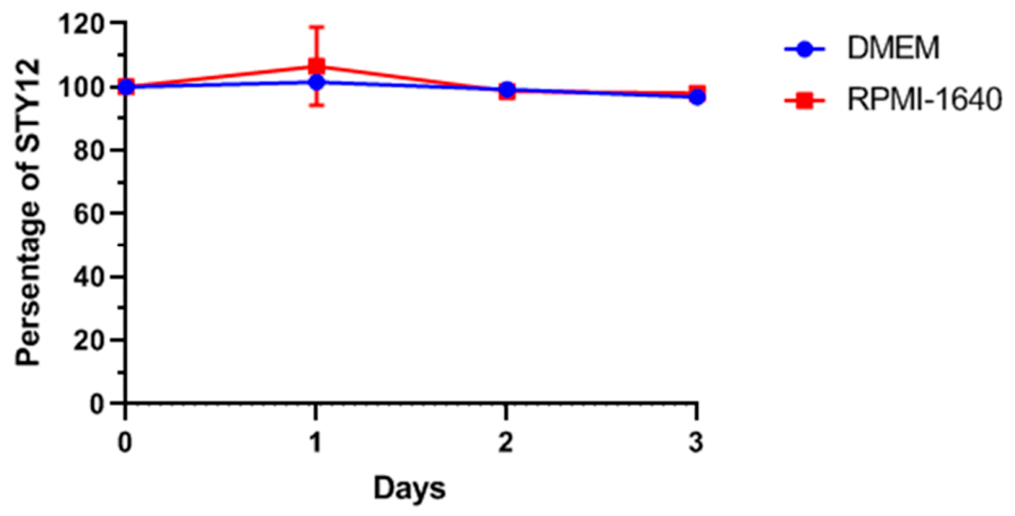
STY12 (20 μM) was co-incubated with cell culture media (DMEM or RPMI-1640) at 37 °C for different times. Following centrifugation, the supernatant was analyzed by HPLC to determine the percentage of remaining STY12.

2.15. Statistical Analysis

Results are shown as means ± standard deviations for the indicated number of independently performed experiments. The statistical significance of the differences in mean values was determined by Student’s t-test or ANOVA. * p < 0.05, ** p < 0.01, *** p < 0.001 and **** p < 0.0001 represented statistical significance.

3. Results

3.1. Rational Design of STY12

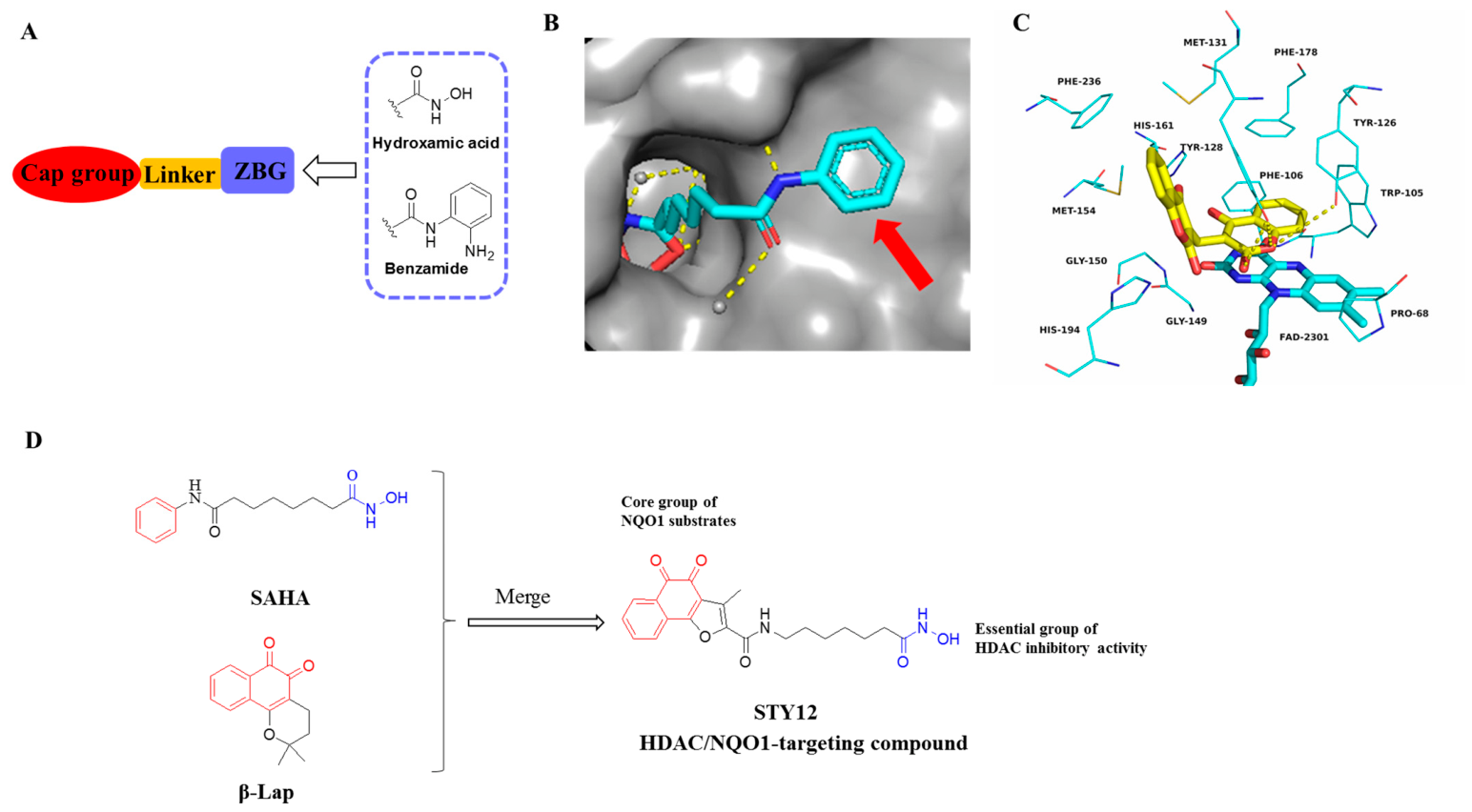
Generally, HDACis involve three common pharmacophores: (1) one zinc-binding group (ZBG) chelated with a zinc ion at the bottom portion of the active site of the enzyme; (2) one hydrophobic linker that binds within a narrow tunnel; and (3) one enzyme surface recognition region (Cap) that interacts with the amino acids around the rim of the active site (Figure 4A). Hydroxamic acid and anilinobenzamide are commonly used in ZBG because of their strong chelating effect, whereas the cap region can accommodate structurally diverse groups because of its exposure to the solvent for modulating selectivity among distinct isoforms, enhancing anti-cancer activity or producing multi-target molecules (Figure 4B). By analyzing the crystal structure of NQO1 with dicoumarol (DIC) (PDB ID code: 2F1O), it is found that the binding site for NQO1 substrates is an L-shaped pocket. Notably, the bound ligand DIC also has an L-type molecular shape that fits well with the L-shaped binding pocket of NQO1. β-Lap, an efficient NQO1 substrate, exerts strong antitumor effects via NQO1-induced ROS generation. The 1,2-naphthoquinone moiety in β-Lap is essential for its cytotoxicity. However, β-Lap only occupied the bottom of the pocket parallel to FAD, but missed the side binding pocket. Therefore, using the pharmacophore fusion strategy, we introduced 1,2-naphthoquinone from β-Lap in SAHA as a cap group and designed a novel L-shaped NQO1/HDAC dual-targeting agent, STY12 (Figure 4C), which increased ROS generation and showed potent anti-PC effects.

3.2. Chemistry

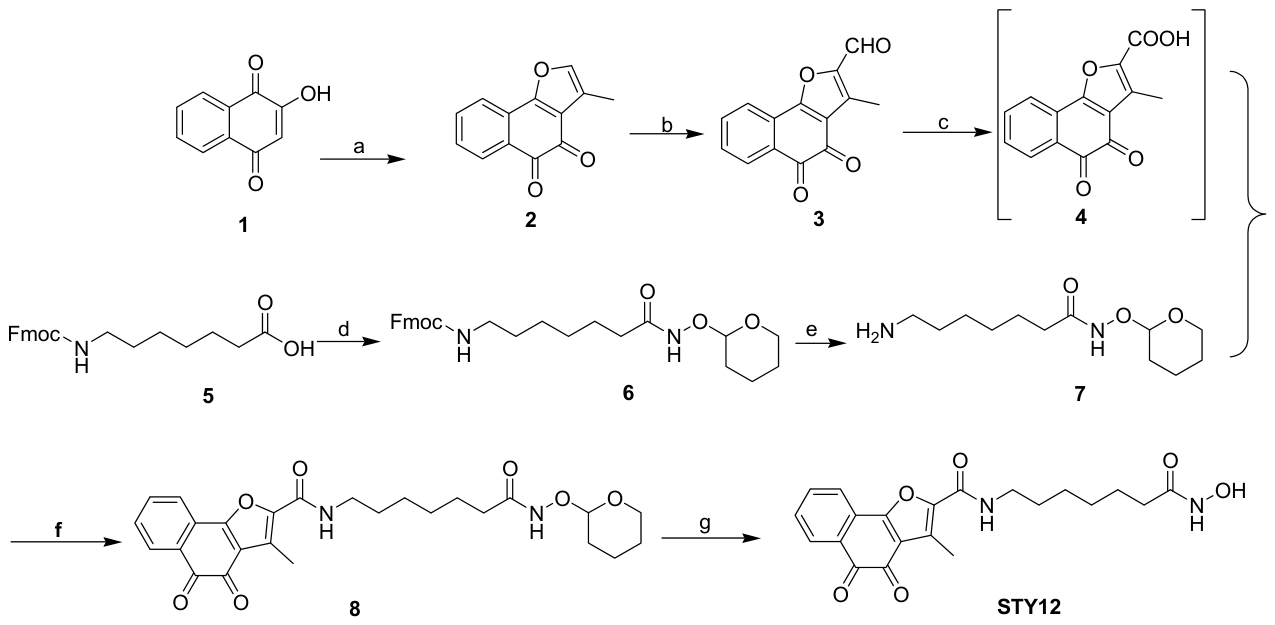
The STY12 preparation process is shown in Scheme 1. First, compound 2 was prepared via a Feist-Bénary reaction after treatment with 2-hydroxy-1,4-naphthoquinone and chloroacetone in the presence of ammonium acetate. The Vilsmeier reaction between compound 2 and DMF, as well as POCl3, subsequently yielded compound 3. When sodium chloride and hydrogen peroxide were present, compound 3 was subsequently oxidized to produce compound 4 (carboxylic acid). Second, commercially available fmoc-7-aminoheptanoic acid and O-(tetrahydro-2H-pyran-2-yl)hydroxylamine (THP-O-NH2) were used to produce compound 6 with EDCl. Next, the Fmoc protecting group was removed using a 30% solution of diethylamine in CH2Cl2 to produce compound 7. Finally, compounds 4 and 7 were subjected to a coupling reaction with EDCI/HOBt in CH2Cl2 to obtain intermediate 8, which was subsequently deprotected with 4 M HCl in dioxane to produce STY12.

3.3. In Vitro Anti-Proliferation Assay

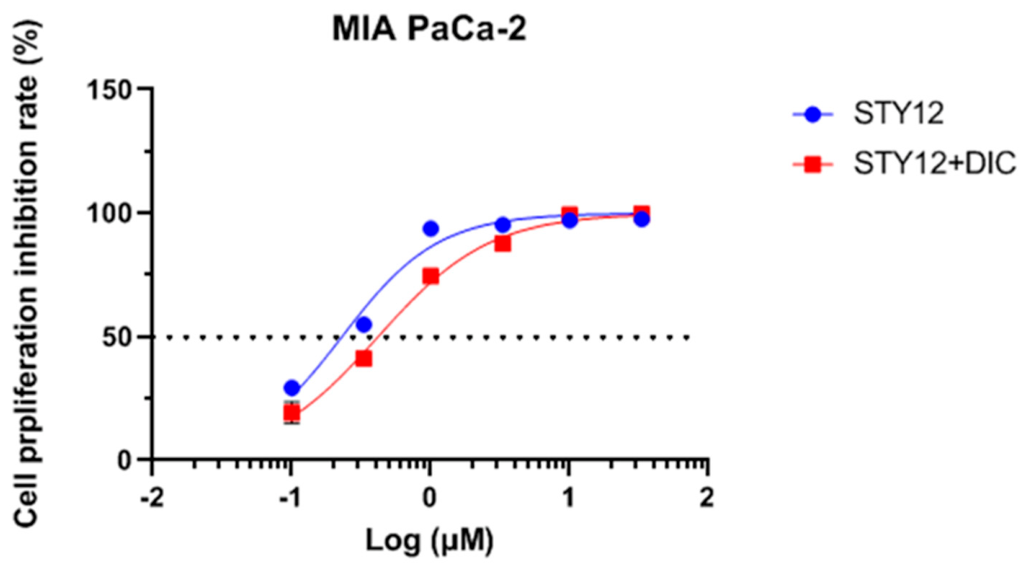
The NQO1/HDAC dual-targeting agent STY12 is a new compound whose ability to resist the proliferation of PC cells (MIA PaCa-2, SW1990, and Capan-2) was first analyzed by the MTT assay. SAHA (HDACi) and β-Lap (NQO1 bioactivatable drug), two potent single-target compounds, together with their combination, were used as control drugs. As shown in Table 1, compared with SAHA, β-Lap, and their combination, STY12 strongly inhibited MIA PaCa-2, SW1990, and Capan-2 cells, with IC50 values of 0.23 ± 0.01, 0.25 ± 0.01 and 0.14 ± 0.02 μM, respectively. Given that STY12 has strong anti-proliferative effects on PC cells, we subsequently evaluated the cytotoxicity of the compound to normal hTERT-HPNE and BEAS-2B cells. Unfortunately, STY12 exhibited submicromolar activity against the two normal cell lines, indicating a lower safety profile. Moreover, after the NQO1 inhibitor DIC was added, STY12 weakened the cytotoxic effects on MIA PaCa-2 cells (IC50 = 0.49 ± 0.02) (Figure 5), which indicated that NQO1 partially mediated the anti-PC effects of STY12.

3.4. Compound STY12 Inhibited HDAC Activity

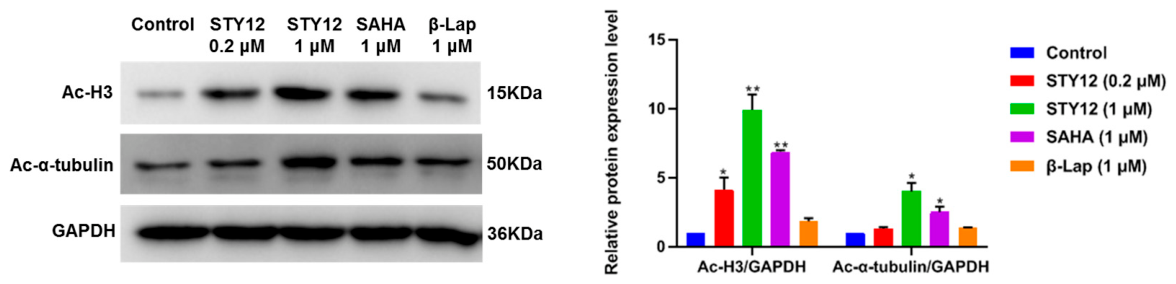
After evaluating the ability of STY12 to prevent the proliferation of PC cells, we first evaluated its ability to inhibit diverse HDAC classes, such as HDAC1, HDAC4, HDAC6, HDAC8, and HDAC11. Compared with SAHA, STY12 had similar inhibitory activity on HDACs (1 and 6), with IC50 values of 29 and 10 nM, respectively (Table 2). Additionally, compared with HDAC4, HDAC7, HDAC8, and HDAC11, STY12 had more potent inhibitory effects on HDAC1 and HDAC6. Therefore, it is a pan-HDAC inhibitor. We also conducted Western blotting to analyze the functions of STY12 in histone 3 (H3, HDAC 1/2/3/8 substrate) and the acetylation of α-tubulin (HDAC 6 substrate) in MIA PaCa-2 cells. As shown in Figure 6, compared with SAHA at an identical dose, STY12 enhanced H3 and α-tubulin acetylation in a dose-dependent manner, with a considerably greater effect on acetylation-induced capacity. Therefore, STY12 suppresses cellular class I HDACs and HDAC6, confirming the results of the enzyme analysis.

3.5. Compound STY12 Exhibited Excellent Reduction Rates by NQO1

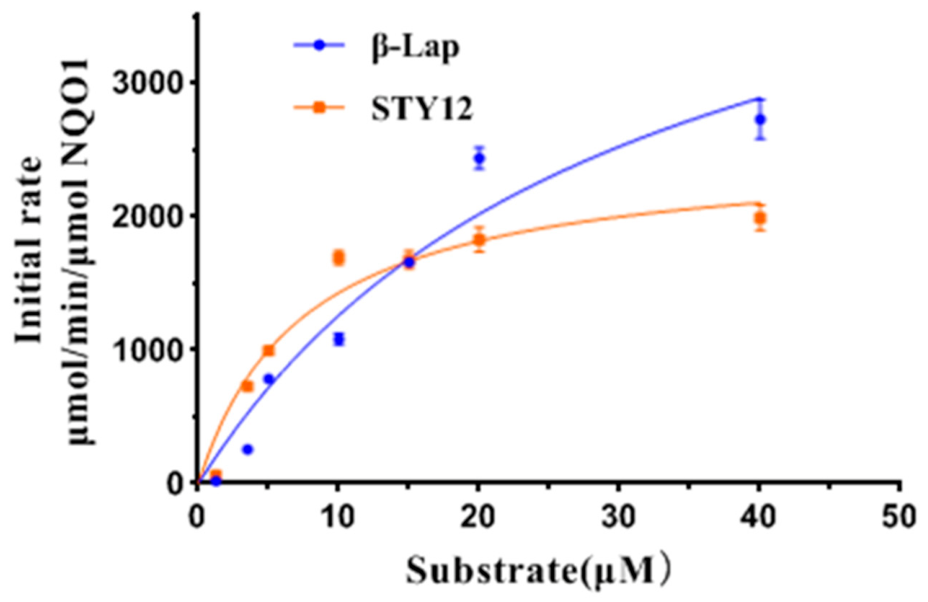
As a cytosolic flavoenzyme, NQO1 is considerably upregulated in PC cells. Quinones have been evaluated as candidate NQO1 substrates that are associated with redox cycling for generating ROS. To assess its role as an NQO1 substrate, the enzymatic conversion rates of NQO1 at different concentrations (0–40 μM) were analyzed. Next, the relevant Michaelis–Menten curves were plotted for STY12. As shown in Figure 7, compared with SAHA, STY12 exhibited enhanced catalytic performance (kcat/Km = 5.59 × 10⁶ M−1s−1 and 2.79 × 10⁶ M−1s−1, respectively), which indicated that STY12 has excellent reduction rates via NQO1 and is a potent substrate of NQO1.

3.6. Molecular Docking

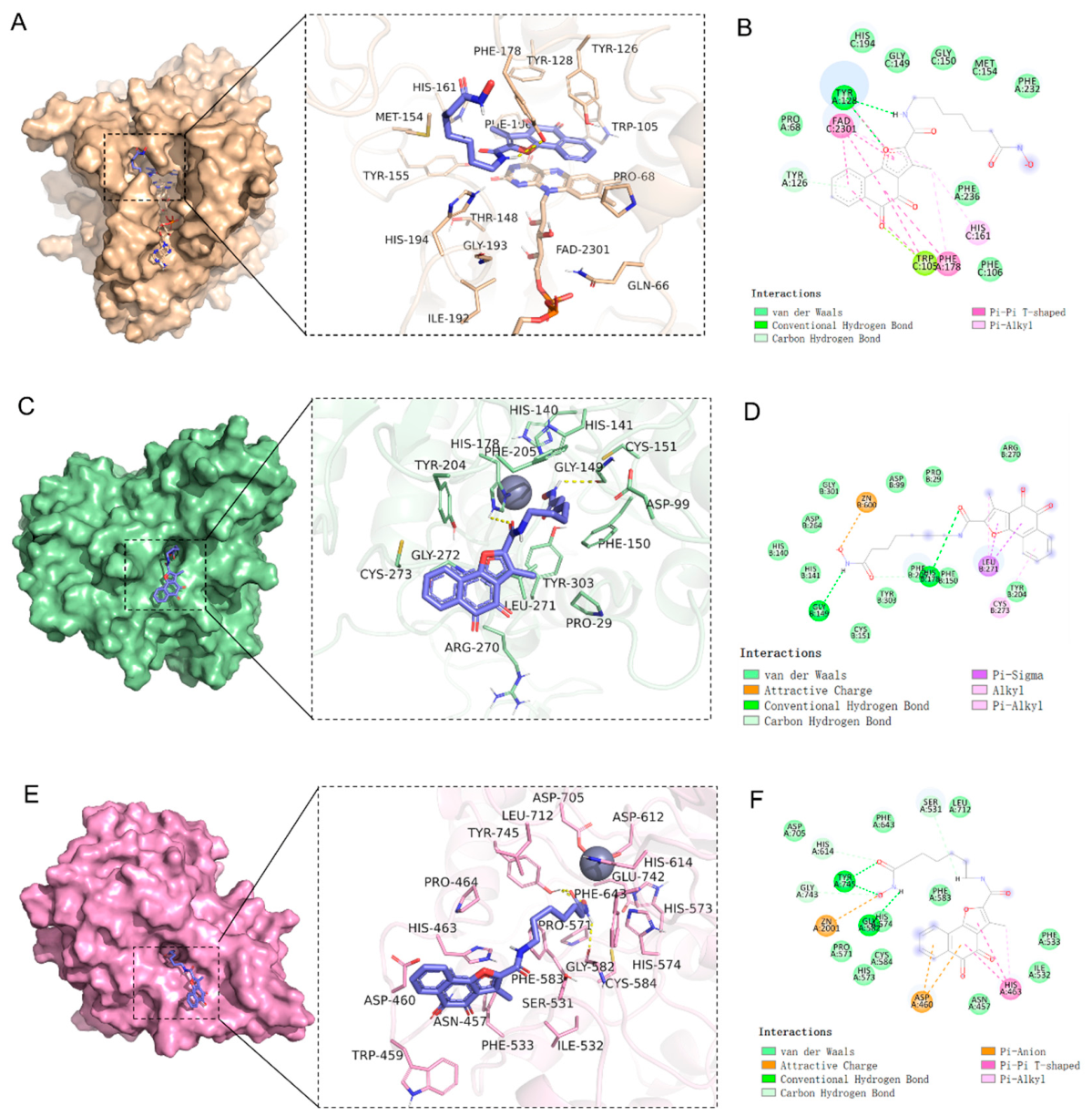
Molecular docking enables the convenient and efficient investigation of interactions between target proteins and small molecules. In this study, AutoDock Vina 1.2.3 software was used to conduct docking studies on STY12 with the proteins NQO1, HDAC1, and HDAC6. As shown in Figure 8A,B, STY12 formed π-stacking interactions with the FAD isoalloxazine ring and a hydrogen bond with the Tyr128 residue. The C-2 substituent was found to fit well into the side hydrophobic pocket formed by Try128, Met154, His161, and Tyr155. Additionally, the docking score was −9.467 kcal/mol, which indicated that the binding potential of the small molecule with the protein was favorable.
As shown in Figure 8C,D, STY12 formed hydrogen bonds with Gly149 and His-178 of the HDAC1 protein, confirming its tight binding. Additionally, Zn2+ of the HDAC1 protein was chelated by the ZBG of STY12. Moreover, small molecules also form hydrophobic interactions with several residues, such as Cys273 and Leu271, providing strong van der Waals forces that further stabilize the complex. The docking score was −6.933 kcal/mol, which indicated that the small molecule had a favorable binding potential with HDAC1.
As shown in Figure 8E,F, STY12 formed hydrogen bonds with Tyr745 and Gly582 of the HDAC6 protein, improving the tight binding. Additionally, Zn2+ of the HDAC6 protein was chelated by the ZBG of STY12. Moreover, the small molecule engaged in hydrophobic interactions with several residues, such as His463 and Phe583, providing strong van der Waals forces that stabilized the complex. The docking score of −7.324 kcal/mol suggested that the small molecule had a favorable binding affinity toward HDAC6.
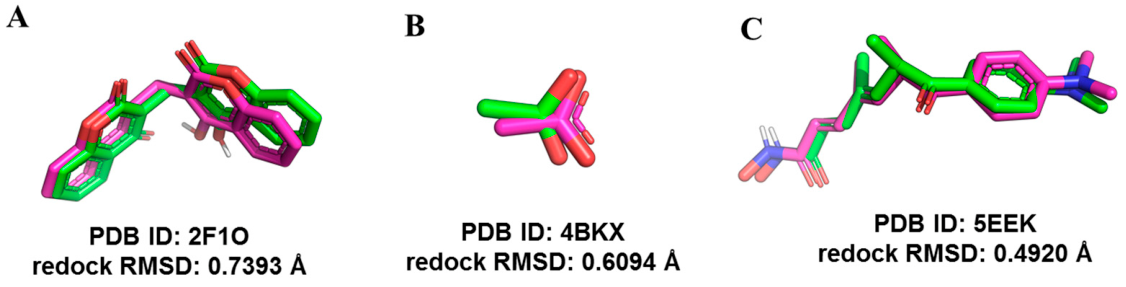
To validate the docking results, we performed a re-docking study using the crystal structure with HDAC1 (PDB: 4BKX), HDAC6 (PDB: 5EEI), and NQO1 (PDB ID: 2F1O), respectively, in which the co-crystallized ligand was re-docked into the protein binding pocket. The resulting docking conformation was then superimposed with the original crystal ligand conformation (Figure 9). The calculated RMSD was 0.6094 Å, 0.4920 Å and 0.7393 Å, respectively, indicating a high docking accuracy and suggesting that our docking method is reliable and the results are trustworthy.

3.7. STY12 Exerted Its Anti-Cancer Effect Through ROS Production, Resulting in Cell Death

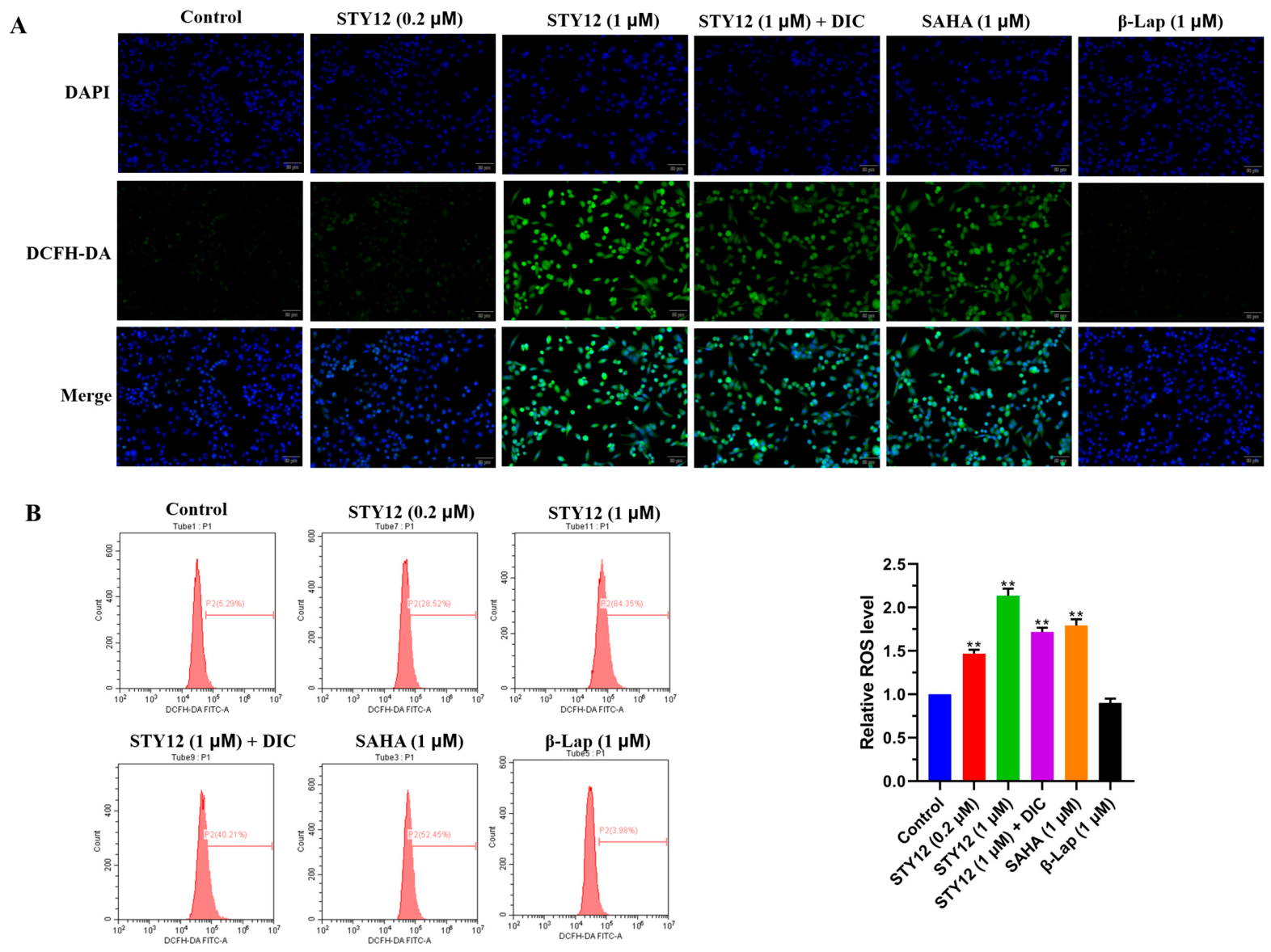
STY12 has high reduction rates via NQO1 and HDAC-inhibiting activity and is hypothesized to exert its antitumor effects via NQO1-mediated redox cycling and HDAC inhibition, thereby producing ROS while inducing cell death. Therefore, we first assessed ROS production in MIA PaCa-2 cells following exposure to STY12. The ROS contents were measured using a 2′,7′-dichlorfluorescein diacetate (DCFH-DA) redox-sensitive fluorescent probe and observed via fluorescence microscopy and flow cytometry. Exposure to STY12 considerably increased the ROS content in MIA PaCa-2 cells in a dose-dependent manner (Figure 10). However, the STY12-induced increase in the ROS content was partially reduced by DIC (an NQO1 inhibitor), which suggested that this process was partially mediated by NQO1.
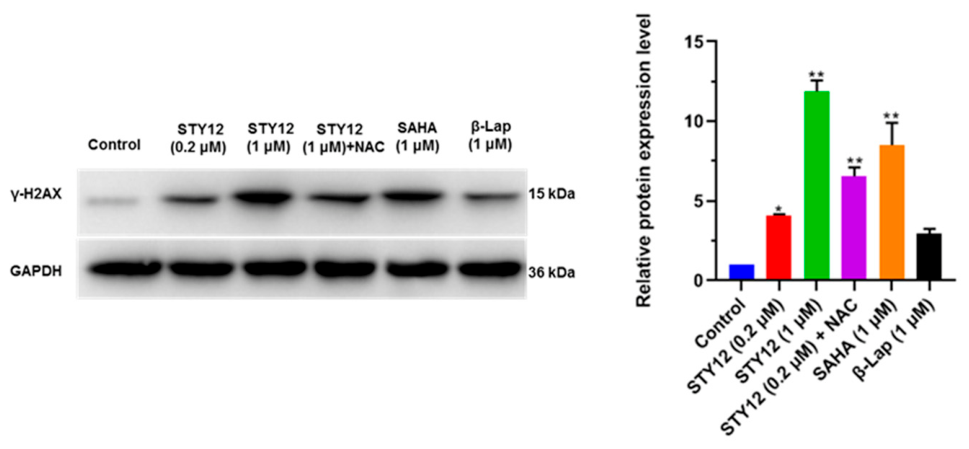
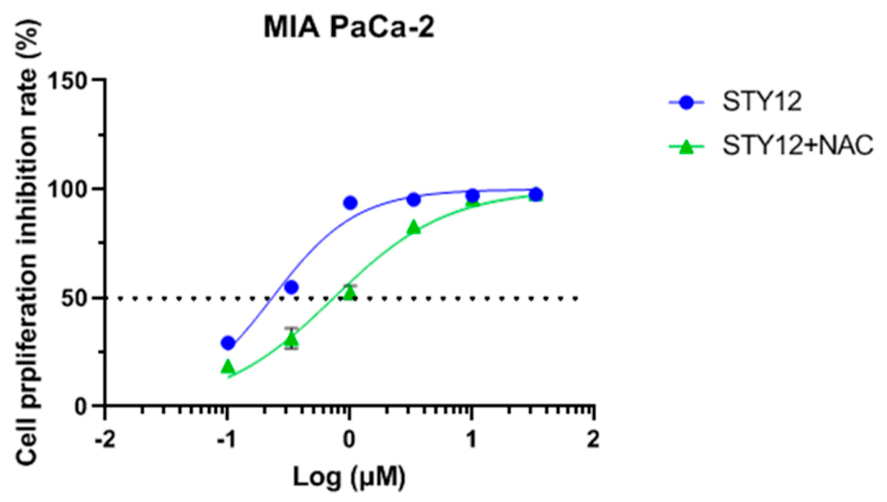
The accumulation of high levels of ROS irreversibly damages DNA and ultimately leads to cell death. Therefore, we measured DNA damage by evaluating histone H2AX phosphorylation (γ-H2AX, a DNA damage marker) in STY12-treated MIA PaCa-2 cells. STY12 treatment induced severe DNA damage, which was substantially alleviated in N-acetylcysteine (NAC)-pretreated MIA PaCa-2 cells (Figure 11). Additionally, after the MIA PaCa-2 cells were pretreated with 3 mM NAC before they were treated with STY12, STY12 also exerted weaker cytotoxic effects (IC50 = 0.73 ± 0.02) (Figure 12). These results indicate that STY12 exerts its antitumor effects via NQO1-mediated redox cycling and HDAC inhibition, leading to ROS generation and cell death.

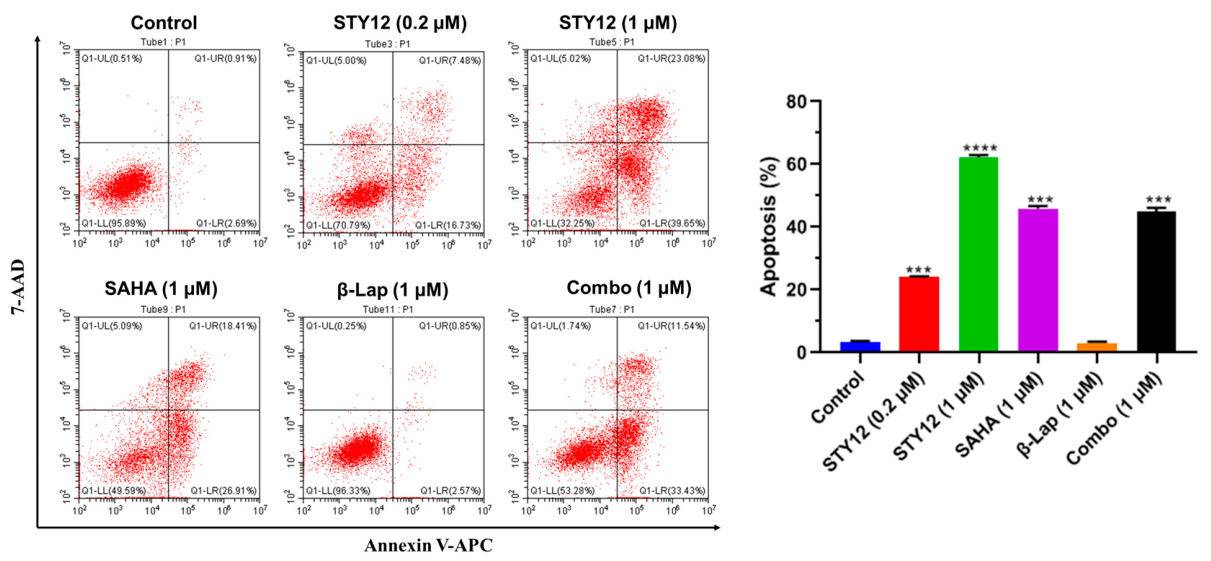
3.8. STY12 Induced Cell Apoptosis in MIA PaCa-2 Cells

Constitutive DNA damage induces apoptosis; therefore, Annexin V-FITC/7-AAD double-staining was conducted to analyze how STY12 affects apoptosis. MIA PaCa-2 cells were subjected to 48 h of STY12 treatment before flow cytometry assays were conducted. STY12 strongly promoted PC apoptosis in a dose-dependent manner (Figure 13). Treatment with 1 μM STY12 at a concentration of 62.73% dramatically accelerated the apoptosis of MIA PaCa-2 cells.

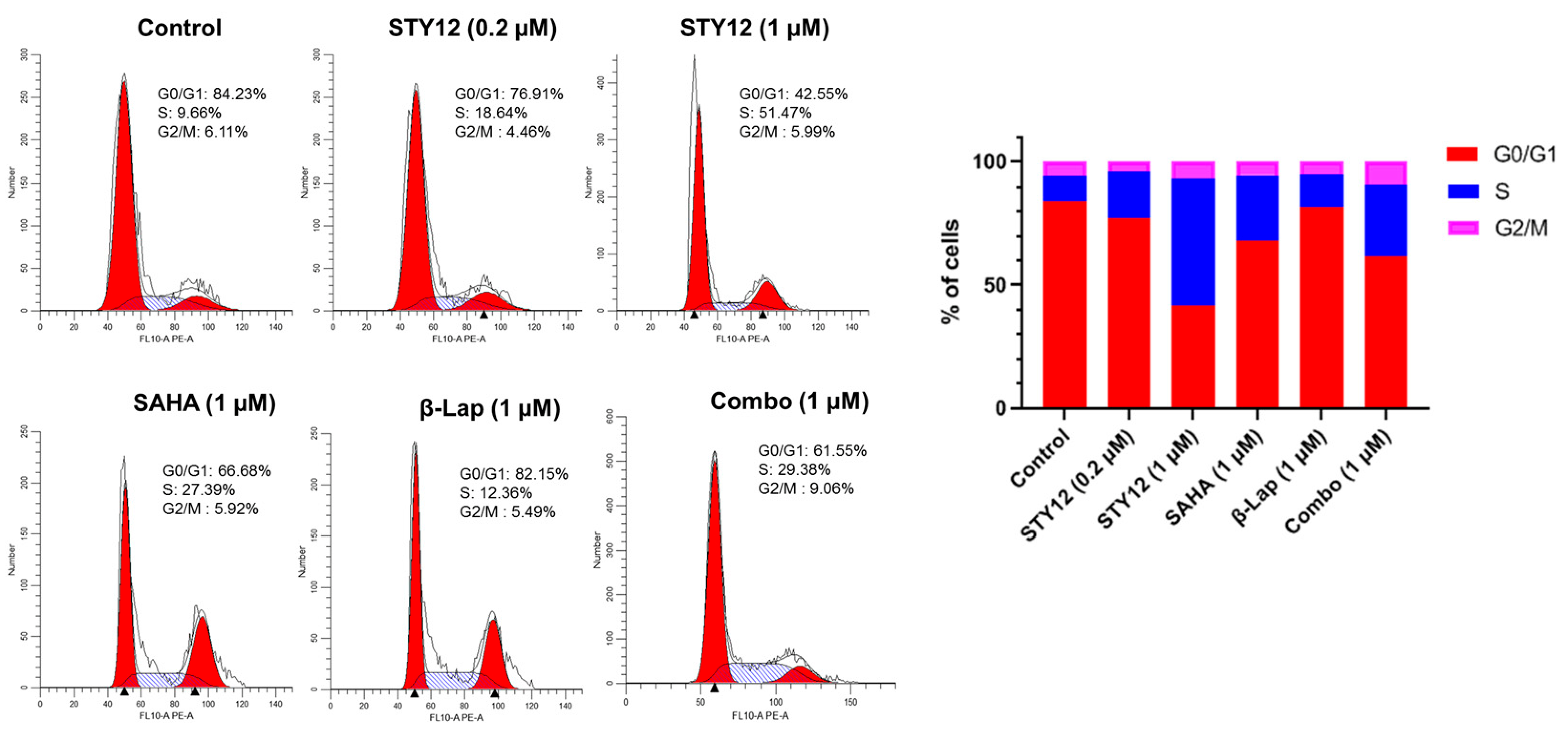
3.9. STY12 Induced Cell Cycle Arrest in MIA PaCa-2 Cells

Disturbances in the cell cycle are common during the occurrence of several tumors. Flow cytometry assays were performed to evaluate how STY12 affects the progression of the cell cycle in MIA PaCa-2 cells (Figure 14). After MIA PaCa-2 cells were treated for 48 h with 0, 0.2, and 5 μM STY12, the proportion of cells in the S phase increased from 9.66% to 51.47%, whereas the proportion of cells in the G0/G1-phase decreased. Therefore, compared with SAHA and β-Lap, STY12 strongly arrested MIA PaCa-2 cells in the S phase in a dose-dependent manner and was more effective at inducing cell cycle arrest at the S phase.

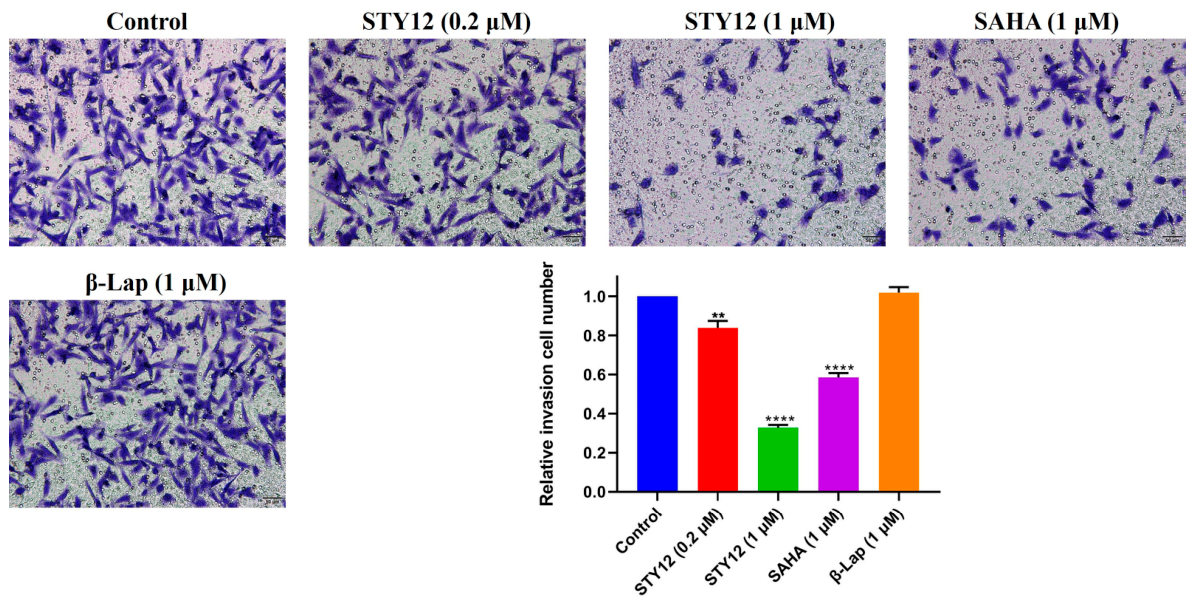
3.10. STY12 Inhibited the Invasion of MIA PaCa-2 Cells

PC has a potent metastatic capacity, resulting in an unfavorable prognostic outcome. Therefore, the ability of STY12 to resist the metastasis of MIA PaCa-2 cells was analyzed by performing a Transwell assay. After MIA PaCa-2 cells were treated with STY12 at the indicated concentrations, invasion was blocked in a dose-dependent manner (Figure 15). Moreover, compared with SAHA and β-Lap, STY12 also showed greater antimetastatic activity.

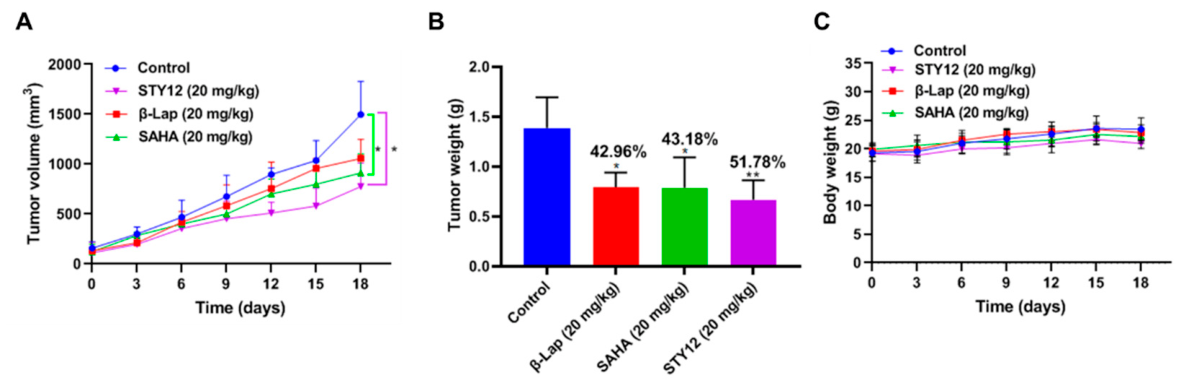
3.11. In Vivo Antitumor Efficacy of STY12

To determine the in vivo antitumor effects of STY12, a MIA PaCa-2 xenograft nude mouse model was constructed. When the mean tumor volume reached about 150 mm3, the animals were randomly classified into four groups and intraperitoneally administered control solvent, 20 mg/kg β-Lap, or 20 mg/kg STY12 every other day for 18 days. After 18 days, treatment with 20 mg/kg STY12 significantly reduced the growth of the MIA PaCa-2 tumors (TGI = 51.78%), outperforming the positive controls (Figure 16). Moreover, body weight did not decrease significantly after exposure to STY12. Overall, STY12 had strong in vivo antitumor effects on MIA PaCa-2 cells without any prominent toxic effects.

4. Discussion

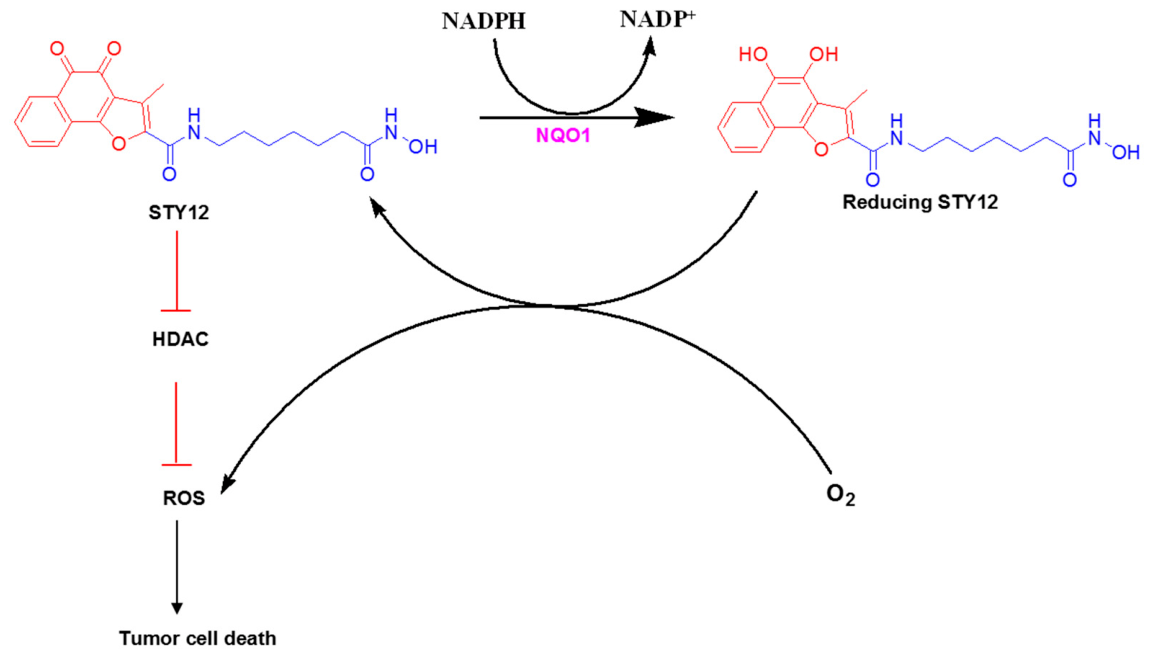
Cancer is a complex disease, and a single treatment cannot meet the clinical needs. In addition, long-term excessive activation or inhibition of a specific target can lead to drug resistance and even toxic adverse effects. In recent years, multi-target drugs have garnered significant attention in the development of anti-cancer therapeutics. Compared with drug combinations and single-target drugs, multi-target drugs may offer advantages such as improved patient compliance, reduced drug–drug interactions and drug resistance, and simplified pharmacokinetics [43], based on the synergistic effect of β-Lap and SAHA on PC. In the study, we developed a novel NQO1/HDAC dual-targeting agent using a pharmacophore fusion strategy. STY12 exhibited excellent reduction rates by NQO1 and can rapidly generate large amounts of toxic ROS via redox cycling of hydroquinones with the corresponding quinone substrates in NQO1-overexpressing cells. Moreover, the compound strongly inhibited HDAC1 and HDAC6. Mechanistic studies revealed that STY12 promoted H3 and α-tubulin acetylation and ROS production to exert antitumor effects (Figure 17). Moreover, STY12 showed good anti-proliferative effects against PC MIA PaCa-2, SW1990, and Capan-2 cells. However, similar to many quinone drugs, compound STY12 also showed submicromolar activity against normal cell lines, indicating a lower safety profile. Thus, enhancing its safety through structural modifications is essential.
Through a comprehensive in silico physicochemical analysis (Table 3), it was found that STY12 exhibits good gastrointestinal (GI) absorption and desirable drug-likeness criteria. However, the compound also showed poor aqueous solubility and blood–brain barrier permeability (BBB). Moreover, compound STY12 also possessed good stability in cell culture media. After incubation with cell culture media for 3 days, the content of STY12 did not significantly decrease (Figure 18).
Despite the promising efficacy, two challenges continue to hinder the translation of STY12 into clinical practice. One of the most significant obstacles is the issue of safety and toxicity. STY12 is not only an effective NQO1 substrate, but can also be triggered by cytochrome p450 reductase (CPR), and induce hepatotoxicity. Pharmacokinetic complexity presents yet another hurdle. STY12 showed poor aqueous solubility and BBB. Future studies will focus on structural optimization of STY12 to improve safety and solubility.

5. Conclusions

In this study, we report a novel NQO1/HDAC dual-targeting agent, STY12, which exhibited potent anti-pancreatic cancer activity through ROS-mediated DNA damage. STY12 strongly affected the PC cell lines MIA PaCa-2, SW1990, and Capan-2 in vitro, with IC50 values of 0.23 ± 0.01, 0.25 ± 0.01 and 0.14 ± 0.02 μM, respectively. STY12 also strongly inhibited HDAC1 and HDAC6 activity (IC50 = 29 and 10 nM, respectively) and exhibited excellent reduction rates by NQO1 (kcat/Km = 5.59 × 10⁶ M−1s−1). Mechanistic studies revealed that STY12 promoted H3 and α-tubulin acetylation and ROS production to exert antitumor effects. Additionally, STY12 arrested the cell cycle at the S phase, suppressed invasion, and increased apoptosis in MIA PaCa-2 cells. Additionally, compared with SAHA and β-Lap, STY12 exhibited strong in vivo antitumor effects, with negligible toxic effects. Considering the advantages of STY12, the dual-targeting agent may be used as an anti-PC agent.

Supplementary Materials

The following supporting information can be downloaded at: https://www.mdpi.com/article/10.3390/biom16060812/s1. Figure S1. Full-length unprocessed blots for Figure 3. Figure S2. Full-length unprocessed blots for Figure 6. Figure S3. Full-length unprocessed blots for Figure 11. Figure S4. 1H NMR of 2. Figure S5. HRMS of 2. Figure S6. 1H NMR of 3. Figure S7. HRMS of 3. Figure S8. 1H NMR of 6. Figure S9. HRMS of 6. Figure S10. 1H NMR of 7. Figure S11. HRMS of 7. Figure S12. 1H NMR of 8. Figure S13. 13CNMR of 8. Figure S14. HRMS of 8. Figure S15. 1H NMR of STY12. Figure S16. 13CNMR of STY12. Figure S17. HRMS of STY12. Figure S18. HPLC of STY12.

Author Contributions

Conceptualization, L.W. and X.Y.; methodology, T.S., X.Y. and Z.H.; software, L.W.; validation, L.W. and X.Y.; formal analysis, T.S., X.Y. and Z.H.; investigation, T.S., X.Y. and Z.H.; resources, L.W.; data curation, T.S., X.Y. and Z.H.; writing—original draft preparation, L.W. and Y.D.; writing—review and editing, L.W., T.S. and Y.D.; visualization, X.Y.; supervision, L.W.; project administration, L.W.; funding acquisition, L.W. and X.Y. All authors have read and agreed to the published version of the manuscript.

Funding

This research was funded by the Natural Science Foundation of Henan (No: 252300420144), and the Talent (Doctor) Support Program of Xinxiang Medical University (No: XYBSKYZZ202185).

Institutional Review Board Statement

The animal study protocol was approved by the ethics committee of the Xinxiang University (protocol code: XYLL-25-011 and date of approval: 3 March 2025).

Informed Consent Statement

Not applicable.

Data Availability Statement

The original contributions presented in this study are included in the article/Supplementary Materials. Further inquiries can be directed to the corresponding author.

Conflicts of Interest

The authors declare no conflicts of interest.

References

  1. Bray, F.; Laversanne, M.; Sung, H.; Ferlay, J.; Siegel, R.L.; Soerjomataram, I.; Jemal, A. Global cancer statistics 2022: GLOBOCAN estimates of incidence and mortality worldwide for 36 cancers in 185 countries. CA Cancer J. Clin. 2024, 74, 229–263. [Google Scholar] [CrossRef] [PubMed]
  2. Archasappawat, S.; Al-Musawi, F.; Liu, P.; Lee, E.; Hwang, C.I. Familial pancreatic cancer research: Bridging gaps in basic research and clinical application. Biomolecules 2024, 14, 1381. [Google Scholar] [CrossRef] [PubMed]
  3. Schlick, K.; Kiem, D.; Greil, R. Recent advances in pancreatic cancer: Novel prognostic biomarkers and targeted therapy—A review of the literature. Biomolecules 2021, 11, 1469. [Google Scholar] [CrossRef]
  4. Haggstrom, L.; Chan, W.Y.; Nagrial, A.; Chantrill, L.A.; Sim, H.W.; Yip, D.; Chin, V. Chemotherapy and radiotherapy for advanced pancreatic cancer. Cochrane Database Syst. Rev. 2024, 12, CD011044. [Google Scholar] [CrossRef]
  5. Hu, Z.I.; O’Reilly, E.M. Therapeutic developments in pancreatic cancer. Nat. Rev. Gastroenterol. Hepatol. 2024, 21, 7–24. [Google Scholar] [CrossRef]
  6. Wang, H.; Huangfu, S.; Wei, D.; Sun, Z.; Wu, Y.; Yu, X.; Jiang, B.; Chen, H. Triptolide-based cleavable antibody-drug conjugates for pancreatic cancer. Eur. J. Med. Chem. 2025, 295, 117798. [Google Scholar] [CrossRef]
  7. Zhang, P.; Kong, L.; Meng, X.; Chen, Y.; Jiao, Y.; Su, Z.; Song, X.; Ding, K.; Xia, G. Active fragment assembly strategy enabling fast discovery of KRAS inhibitors against pancreatic cancer cells. Eur. J. Med. Chem. 2026, 310, 118807. [Google Scholar] [CrossRef] [PubMed]
  8. Shvedunova, M.; Akhtar, A. Modulation of cellular processes by histone and non-histone protein acetylation. Nat. Rev. Mol. Cell Biol. 2022, 23, 329–349. [Google Scholar] [CrossRef]
  9. Barneda-Zahonero, B.; Parra, M. Histone deacetylases and cancer. Mol. Oncol. 2012, 6, 579–589. [Google Scholar] [CrossRef]
  10. Yoshida, M.; Kudo, N.; Kosono, S.; Ito, A. Chemical and structural biology of protein lysine deacetylases. Proc. Jpn. Acad. Ser. B Phys. Biol. Sci. 2017, 93, 297–321. [Google Scholar] [CrossRef]
  11. Witt, O.; Deubzer, H.E.; Milde, T.; Oehme, I. HDAC family: What are the cancer relevant targets? Cancer Lett. 2009, 277, 8–21. [Google Scholar] [CrossRef]
  12. Bertrand, P. Inside HDAC with HDAC inhibitors. Eur. J. Med. Chem. 2010, 45, 2095–2116. [Google Scholar] [CrossRef]
  13. Damaskos, C.; Garmpis, N.; Karatzas, T.; Nikolidakis, L.; Kostakis, I.D.; Garmpi, A.; Karamaroudis, S.; Boutsikos, G.; Damaskou, Z.; Kostakis, A.; et al. Histone deacetylase (HDAC) inhibitors: Current evidence for therapeutic activities in pancreatic cancer. Anticancer Res. 2015, 35, 3129–3135. [Google Scholar] [PubMed]
  14. Li, Y.; Seto, E. HDACs and HDAC inhibitors in cancer development and therapy. Cold Spring Harb. Perspect. Med. 2016, 6, a026831. [Google Scholar] [CrossRef]
  15. Tian, J.; Han, M.; Song, F.; Liu, Y.; Shen, Y.; Zhong, J. Advances of HDAC inhibitors in tumor therapy: Potential applications through immune modulation. Front. Oncol. 2025, 15, 1576781. [Google Scholar] [CrossRef] [PubMed]
  16. Bots, M.; Verbrugge, I.; Martin, B.P.; Salmon, J.M.; Ghisi, M.; Baker, A.; Stanley, K.; Shortt, J.; Ossenkoppele, G.J.; Zuber, J.; et al. Differentiation therapy for the treatment of t(8;21) acute myeloid leukemia using histone deacetylase inhibitors. Blood 2014, 123, 1341–1352. [Google Scholar] [CrossRef]
  17. Ceccacci, E.; Minucci, S. Inhibition of histone deacetylases in cancer therapy: Lessons from leukaemia. Br. J. Cancer 2016, 114, 605–611. [Google Scholar] [CrossRef]
  18. Matthews, G.M.; Mehdipour, P.; Cluse, L.A.; Falkenberg, K.J.; Wang, E.; Roth, M.; Santoro, F.; Vidacs, E.; Stanley, K.; House, C.M.; et al. Functional-genetic dissection of HDAC dependencies in mouse lymphoid and myeloid malignancies. Blood 2015, 126, 2392–2403. [Google Scholar] [CrossRef]
  19. Saygin, C.; Carraway, H.E. Emerging therapies for acute myeloid leukemia. J. Hematol. Oncol. 2017, 10, 93. [Google Scholar] [CrossRef]
  20. Stenzel, K.; Hamacher, A.; Hansen, F.K.; Gertzen, C.G.W.; Senger, J.; Marquardt, V.; Marek, L.; Marek, M.; Romier, C.; Remke, M.; et al. Alkoxyurea-based histone deacetylase inhibitors increase cisplatin potency in chemoresistant cancer cell lines. J. Med. Chem. 2017, 60, 5334–5348. [Google Scholar] [CrossRef] [PubMed]
  21. Mustafa, N.M.; Mustafa, M.T.; Abushanab, A.K.; Alakhras, H.M.; Abed, A.S.; Bani-Said, S.A.; Othman, L.S.; Shdaifat, A. Efficacy and safety of entinostat plus exemestane in hormone receptor-positive breast cancer: A systematic review meta-analysis of randomized controlled trials. Breast Cancer Res. Treat. 2025, 212, 417–426. [Google Scholar] [CrossRef]
  22. Fung, S. Ifupinostat: First approval. Drugs 2025, 85, 1629–1633. [Google Scholar] [CrossRef]
  23. Bass, A.K.A.; El-Zoghbi, M.S.; Nageeb, E.M.; Mohamed, M.F.A.; Badr, M.; Abuo-Rahma, G.E.A. Comprehensive review for anticancer hybridized multitargeting HDAC inhibitors. Eur. J. Med. Chem. 2021, 209, 112904. [Google Scholar] [CrossRef] [PubMed]
  24. Qin, H.T.; Li, H.Q.; Liu, F. Selective histone deacetylase small molecule inhibitors: Recent progress and perspectives. Expert Opin. Ther. Pat. 2017, 27, 621–636. [Google Scholar] [CrossRef] [PubMed]
  25. Jenke, R.; Reßing, N.; Hansen, F.K.; Aigner, A.; Büch, T. Anticancer therapy with HDAC inhibitors: Mechanism-based combination strategies and future perspectives. Cancers 2021, 13, 634. [Google Scholar] [CrossRef]
  26. Wu, W.S. The signaling mechanism of ROS in tumor progression. Cancer Metastasis Rev. 2006, 25, 695–705. [Google Scholar] [CrossRef]
  27. Gorrini, C.; Harris, I.S.; Mak, T.W. Modulation of oxidative stress as an anticancer strategy. Nat. Rev. Drug Discov. 2013, 12, 931–947. [Google Scholar] [CrossRef]
  28. Pelicano, H.; Carney, D.; Huang, P. ROS stress in cancer cells and therapeutic implications. Drug Resist. Updates 2004, 7, 97–110. [Google Scholar] [CrossRef]
  29. Wang, N.; Wu, Y.; Bian, J.; Qian, X.; Lin, H.; Sun, H.; You, Q.; Zhang, X. Current development of ROS-modulating agents as novel antitumor therapy. Curr. Cancer Drug Targets 2017, 17, 122–136. [Google Scholar] [CrossRef]
  30. Barraja, P.; Diana, P.; Montalbano, A.; Carbone, A.; Viola, G.; Basso, G.; Salvador, A.; Vedaldi, D.; Dall’Acqua, F.; Cirrincione, G. Pyrrolo[3,4-h]quinolinones a new class of photochemotherapeutic agents. Bioorg. Med. Chem. 2011, 19, 2326–2341. [Google Scholar] [CrossRef] [PubMed]
  31. Siegel, D.; Gustafson, D.L.; Dehn, D.L.; Han, J.Y.; Boonchoong, P.; Berliner, L.J.; Ross, D. NAD(P)H:quinone oxidoreductase 1: Role as a superoxide scavenger. Mol. Pharmacol. 2004, 65, 1238–1247. [Google Scholar] [CrossRef]
  32. Pink, J.J.; Planchon, S.M.; Tagliarino, C.; Varnes, M.E.; Siegel, D.; Boothman, D.A. NAD(P)H:Quinone oxidoreductase activity is the principal determinant of beta-lapachone cytotoxicity. J. Biol. Chem. 2000, 275, 5416–5424. [Google Scholar] [CrossRef]
  33. Liu, F.; Hao, H.P.; Wang, G.J. NQO1-mediated biotransformation determines the cytotoxicity of tanshinone IIA. Chin. J. Nat. Med. 2012, 10, 353–357. [Google Scholar] [CrossRef]
  34. Parkinson, E.I.; Hergenrother, P.J. Deoxynyboquinones as NQO1-activated cancer therapeutics. Acc. Chem. Res. 2015, 48, 2715–2723. [Google Scholar] [CrossRef]
  35. Froeling, F.E.M.; Swamynathan, M.M.; Deschênes, A.; Chio, I.I.C.; Brosnan, E.; Yao, M.A.; Alagesan, P.; Lucito, M.; Li, J.; Chang, A.Y.; et al. Bioactivation of napabucasin triggers reactive oxygen species-mediated cancer cell death. Clin. Cancer Res. 2019, 25, 7162–7174. [Google Scholar] [CrossRef] [PubMed]
  36. Zhang, K.; Chen, D.; Ma, K.; Wu, X.; Hao, H.; Jiang, S. NAD(P)H:Quinone oxidoreductase 1 (NQO1) as a therapeutic and diagnostic target in cancer. J. Med. Chem. 2018, 61, 6983–7003. [Google Scholar] [CrossRef]
  37. Ji, M.; Jin, A.; Sun, J.; Cui, X.; Yang, Y.; Chen, L.; Lin, Z. Clinicopathological implications of NQO1 overexpression in the prognosis of pancreatic adenocarcinoma. Oncol. Lett. 2017, 13, 2996–3002. [Google Scholar] [CrossRef][Green Version]
  38. Robert, C.; Rassool, F.V. HDAC inhibitors: Roles of DNA damage and repair. Adv. Cancer Res. 2012, 116, 87–129. [Google Scholar] [CrossRef] [PubMed]
  39. Ungerstedt, J.S.; Sowa, Y.; Xu, W.S.; Shao, Y.; Dokmanovic, M.; Perez, G.; Ngo, L.; Holmgren, A.; Jiang, X.; Marks, P. Role of thioredoxin in the response of normal and transformed cells to histone deacetylase inhibitors. Proc. Natl. Acad. Sci. USA 2005, 102, 673–678. [Google Scholar] [CrossRef]
  40. Miyamoto, K.; Watanabe, M.; Boku, S.; Sukeno, M.; Morita, M.; Kondo, H.; Sakaguchi, K.; Taguchi, T.; Sakai, T. xCT inhibition increases sensitivity to vorinostat in a ROS-dependent manner. Cancers 2020, 12, 827. [Google Scholar] [CrossRef]
  41. Hu, Y.; Lu, W.; Chen, G.; Zhang, H.; Jia, Y.; Wei, Y.; Yang, H.; Zhang, W.; Fiskus, W.; Bhalla, K.; et al. Overcoming resistance to histone deacetylase inhibitors in human leukemia with the redox modulating compound β-phenylethyl isothiocyanate. Blood 2010, 116, 2732–2741. [Google Scholar] [CrossRef] [PubMed]
  42. Liu, J.; Wu, M.; Lyu, Q.; Yang, C.; Fan, N.; Chen, K.; Wang, W. IR783-Stabilized nanodrugs enhance anticancer immune response by synergizing oxidation therapy and epigenetic modulation. Adv. Sci. 2025, 12, e2415684. [Google Scholar] [CrossRef] [PubMed]
  43. Raghavendra, N.M.; Pingili, D.; Kadasi, S.; Mettu, A.; Prasad, S. Dual or multi-targeting inhibitors: The next generation anticancer agents. Eur. J. Med. Chem. 2018, 143, 1277–1300. [Google Scholar] [CrossRef] [PubMed]
Figure 1. Clinically approved HDACis.
Biomolecules 16 00812 g001
Figure 2. Structures of representative NQO1 substrates.
Biomolecules 16 00812 g002
Figure 3. Synergistic effects of β-Lap and SAHA. (A) Bioinformatics analysis was carried out using Gene Expression Profiling Interactive Analysis “http://gepia2.cancer-pku.cn/#index (accessed on 21 April 2026)”. Correlation between HDAC1 and NQO1 gene expression in PC patients from The Cancer Genome Atlas (TCGA) database. (B) Synergistic effects of β-Lap and SAHA on MIA PaCa-2 cells. The IC50 values were calculated after MIA PaCa-2 cells were incubated with the tested compounds (0.625–16 μM) for 72 h. (C) Drug combination index of β-Lap and SAHA. (D) ROS production capacity after 2 h of treatment with 3 μM and 6 μM β-Lap, 3 μM SAHA, or 3 μM β-Lap + 3 μM SAHA (Combo) in MIA PaCa-2 cells. a.u.: Absorbance Unit. (E) Changes in DNA damage marker γH2AX and α-tubulin after 2 h of treatment with 3 μM and 6 μM β-Lap, 3 μM SAHA, or 3 μM β-Lap + 3 μM SAHA (Combo) in MIA PaCa-2 cells. (F) Apoptosis induction capacity after 24 h of treatment with 3 μM and 6 μM β-Lap, 3 μM SAHA, or 3 μM β-Lap + 3 μM SAHA (Combo) in MIA PaCa-2 cells. Data were analyzed using GraphPad Prism 8.0, and results are expressed as the means ± SD. * p < 0.05, *** p < 0.001 and **** p < 0.001 vs. the control group. # p < 0.05, ## p < 0.01, ### p < 0.001 and #### p < 0.0001 vs. the combo group. Original western blots can be found at Supplementary Materials.
Biomolecules 16 00812 g003
Figure 4. Design strategy for the compound STY12. (A) The pharmacological structure of HDACi. (B) Cocrystal structure of HDAC2-SAHA (PDB ID: 4LXZ). The solvent-exposed regions are highlighted with red arrows. (C) DIC (yellow) in the crystal structure (2F1O). (D) Design strategy for the compound STY12.
Biomolecules 16 00812 g004
Scheme 1. Synthesis of STY12. Reagents and conditions: (a) Chloroacetone, NH4OAc, PhCl, 120 °C, 18%; (b) DMF, POCl3, 65 °C, 15%; (c) H2O2, NaClO2; (d) THP-O-NH2, EDCl, HOBt, DIPEA, 77%; (e) 30% diethylamine in CH2Cl2, 5.3%; (f) EDCl, HOBt, DIPEA; (g) 4 M HCl in 1,4-dioxone, 48%.
Biomolecules 16 00812 sch001
Figure 5. In vitro anti-proliferative activities of compounds STY12 and STY12+DIC against MIA PaCa-2 cells. MIA PaCa-2 cells were treated with STY12 (0.01–33 μM) and STY12 (0.01–33 μM) + DIC (50 μM) for 72 h. Data were analyzed using GraphPad Prism 8.0, and results are expressed as the means ± SD of at least two separate determinations.
Biomolecules 16 00812 g005
Figure 6. Effects of compounds STY12 (0.2, 1 μM), SAHA (1 μM) and β-Lap (1 μM) on the levels of Ac-H3 and Ac- a-tubulin in MIA PaCa-2 cells. Cells were treated for 48 h. The results are expressed as the means ± SD. * p < 0.05, ** p < 0.01 vs. the control group. Original western blots can be found at Supplementary Materials.
Biomolecules 16 00812 g006
Figure 7. Michaelis–Menten curves for STY12 and β-Lap with NQO1.
Biomolecules 16 00812 g007
Figure 8. Binding mode of STY12 with NQO1 (A,B), HDAC1 (C,D) and HDAC6 (E,F), respectively. (A,C,E) The left panel shows the overall view, and the right panel presents the local binding pocket. (B,D,F) Schematic 2D interaction.
Biomolecules 16 00812 g008
Figure 9. Superimposition of docking conformation and crystal conformation. (A) NQO1. (B) HDAC1. (C) HDAC6. Magenta for docking conformation, green for crystal conformation.
Biomolecules 16 00812 g009
Figure 10. Compounds STY12 (0.2, 1 μM), STY12 (1 μM) + DIC (50 μM), SAHA (1 μM), and β-Lap (1 μM) increased the ROS levels in MIA PaCa-2 cells. (A) Fluorescence microscope, scale: 200/1. (B) Flow cytometry. Cells were treated for 48 h. The results are expressed as means ± SD. ** p < 0.01 vs. the control group.
Biomolecules 16 00812 g010
Figure 11. Compound STY12 induced the upregulation of γ-H2AX in MIA PaCa-2 cells. Cells were treated with STY12 (0.2, 1 μM), STY12 (1 μM) + NAC (3 mM), SAHA (1 μM) and β-Lap (1 μM) for 48 h. GADPH: Glyceraldehyde-3-phosphatedehydrogenase; the results are expressed as the means ± SD. * p < 0.05, ** p < 0.01 vs. the control group. Original western blots can be found at Supplementary Materials.
Biomolecules 16 00812 g011
Figure 12. In vitro anti-proliferative activities of compounds STY12 and STY12+NAC against MIA PaCa-2 cells. MIA PaCa-2 cells were treated with STY12 (0.01–33 μM) and STY12 (0.01–33 μM) + NAC (3 mM) for 72 h. Data were analyzed using GraphPad Prism 8.0, and results are expressed as the means ± SD of at least two separate determinations.
Biomolecules 16 00812 g012
Figure 13. Compound STY12 induced cell apoptosis in MIA PaCa-2 cells. Cells were treated with STY12 (0.2, 1 μM), SAHA (1 μM), β-Lap and SAHA (1 μM) + β-Lap (1 μM) (Combo) for 48 h. The results are expressed as means ± SD. *** p < 0.001 and **** p < 0.0001 vs. control.
Biomolecules 16 00812 g013
Figure 14. Compound STY12 induced cell cycle arrest in MIA PaCa-2 cells. Cells were treated with STY12 (0.2, 1 μM), SAHA (1 μM), β-Lap and SAHA (1 μM) + β-Lap (1 μM) (Combo) for 48 h. The results are expressed as the means.
Biomolecules 16 00812 g014
Figure 15. STY12 suppressed the invasion of MIA PaCa-2 cells. Cells were treated with STY12 (0.2, 1 μM), SAHA (1 μM) and β-Lap (1 μM) for 48 h. Scale: 200/1. The results are expressed as means ± SD. ** p < 0.01 and **** p < 0.001 vs. control.
Biomolecules 16 00812 g015
Figure 16. In vivo antitumor efficacy of compound STY12 in the MIA PaCa-2 tumor xenograft model. (A) Tumor volume changes during treatment with STY12. (B) Tumor weight after treatment with STY12. (C) Body weight changes during treatment with STY12. All the data are expressed as the means ± SD (n = 4). * p < 0.05, ** p < 0.01 vs. the control group.
Biomolecules 16 00812 g016
Figure 17. Proposed mechanism of action of STY12.
Biomolecules 16 00812 g017
Figure 18. Stability of STY12 in cell culture media.
Biomolecules 16 00812 g018
Table 1. In vitro anti-proliferative activities of compound STY12.
Compd.IC50 (μM) a
MIA PaCa-2SW1990Capan-2hTERT-HPNEBEAS-2B
STY120.23 ± 0.010.25 ± 0.010.14 ± 0.020.83 ± 0.081.78 ± 0.26
SAHA1.03 ± 0.078.47 ± 4.241.53 ± 0.033.62 ± 0.481.09 ± 0.08
β-Lap2.48 ± 0.560.29 ± 0.091.26 ± 0.061.35 ± 0.064.74 ± 0.44
Combo0.77 ± 0.160.96 ± 0.191.21 ± 0.061.17 ± 0.061.30 ± 0.02
a The IC50 values were calculated after cell incubation with the tested compounds (0.01–33 μM) for 72 h. Data were analyzed using GraphPad Prism 8.0, and results are expressed as the means ± SD of at least two separate determinations.
Table 2. Inhibitory effect of STY12 toward different HDAC isoforms a.
HDAC ClassHDAC IsoformSTY12 (IC50, nM)SAHA (IC50, nM)
IHDAC129 ± 835 ± 4
HDAC81672 ± 5783303 ± 359
IIAHDAC419,461 ± 488266,646 ± 1269
IIBHDAC610 ± 311 ± 1
IVHDAC115383 ± 166734,386 ± 5162
a The IC50 values were determined with nonlinear regression through a normalized dose–response fit using the GraphPad Prism 8, and results are expressed as the means ± SD of at least two separate determinations.
Table 3. ADME pharmacokinetics and drug-likeness parameters of STY12.
Physicochemical PropertiesPharmacokineticsDruglikeness
Formula: C21H21NO7GI absorption: HighLipinski Yes; 0 violation
Molecular weight: 399.39 g/molBBB permeant: NoGhose: Yes
Num. heavy atoms: 29P-gp substrate: YesVeber: Yes
Num. arom. heavy atoms: 11CYP1A2 inhibitor: NoEgan: Yes
Fraction Csp3: 0.33CYP2C19 inhibitor: NoMuegge: Yes
Num. rotatable bonds: 10CYP2C9 inhibitor: YesBioavailability Score: 0.55
Num. H-bond acceptors: 7CYP2D6 inhibitor: No
Num. H-bond donors: 2CYP3A4 inhibitor: No
Molar Refractivity: 101.62Log Kp: −6.86 cm/s
TPSA: 122.91 Å2
Solubility: 1.96 × 10⁻⁴ mg/mL; 4.90 × 10⁻⁷ mol/L
Disclaimer/Publisher’s Note: The statements, opinions and data contained in all publications are solely those of the individual author(s) and contributor(s) and not of MDPI and/or the editor(s). MDPI and/or the editor(s) disclaim responsibility for any injury to people or property resulting from any ideas, methods, instructions or products referred to in the content.