The Production and Purification of Therapeutic Antibodies: A Comprehensive Analysis of Process- and Product-Related Contaminants



Abstract
1. Introduction
2. Product- and Process-Related Impurities
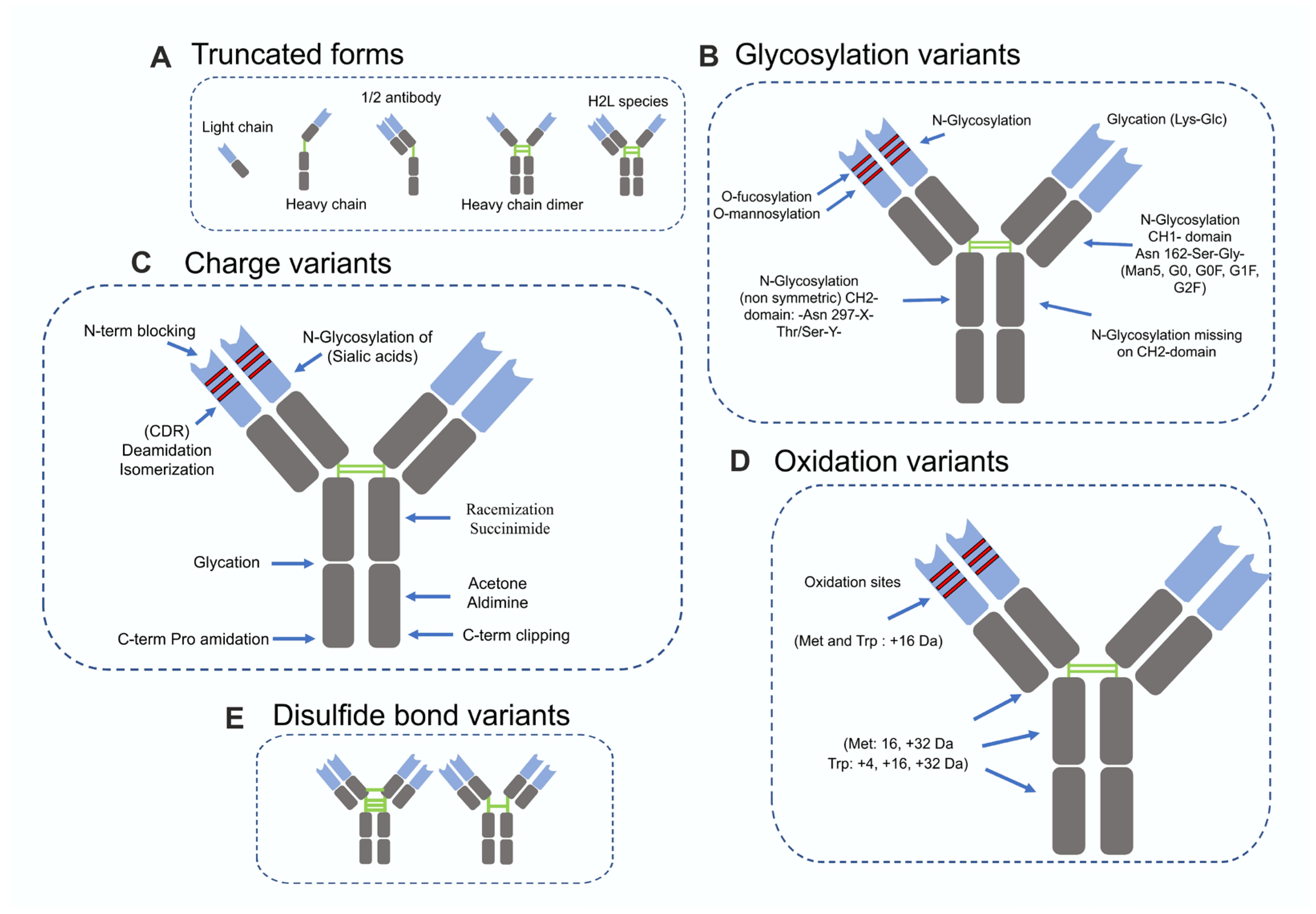
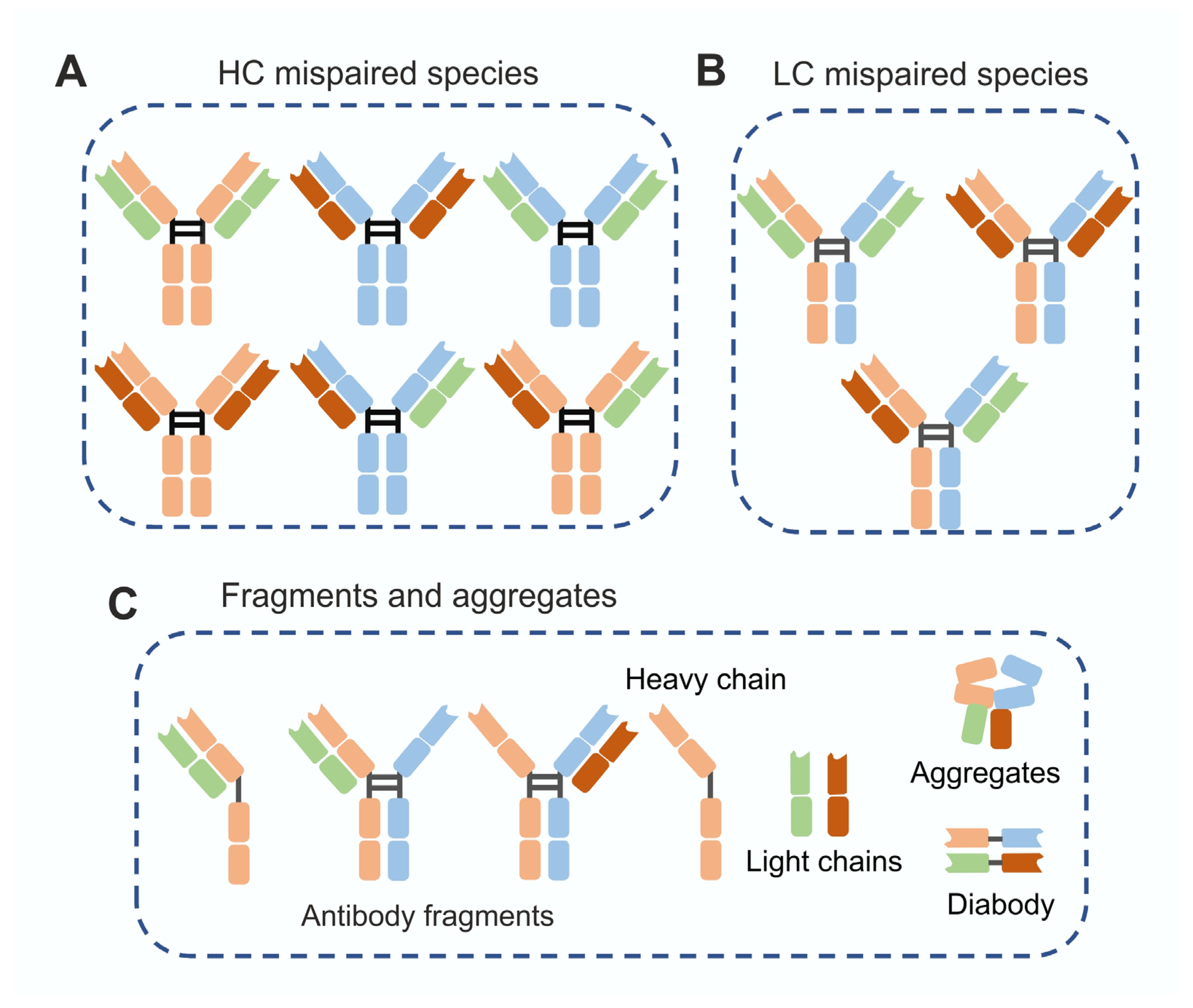
2.1. Product-Related Impurities


2.2. Process-Related Impurities
3. Expression Systems for the Production of Therapeutic Proteins
3.1. Chinese Hamster Ovary (CHO) Cells
3.2. Human Embryonic Kidney (HEK) Cells
3.3. Human Embryonic Retinal Cells
3.4. Cell-Free Expression
4. Monitoring of HCPs
4.1. Affinity Chromatography for Antibody Purification
4.2. Size-Exclusion Chromatography (SEC)
4.3. Hydrophobic Interaction Chromatography (HIC)
4.4. Ion Exchange Chromatography (IEX)
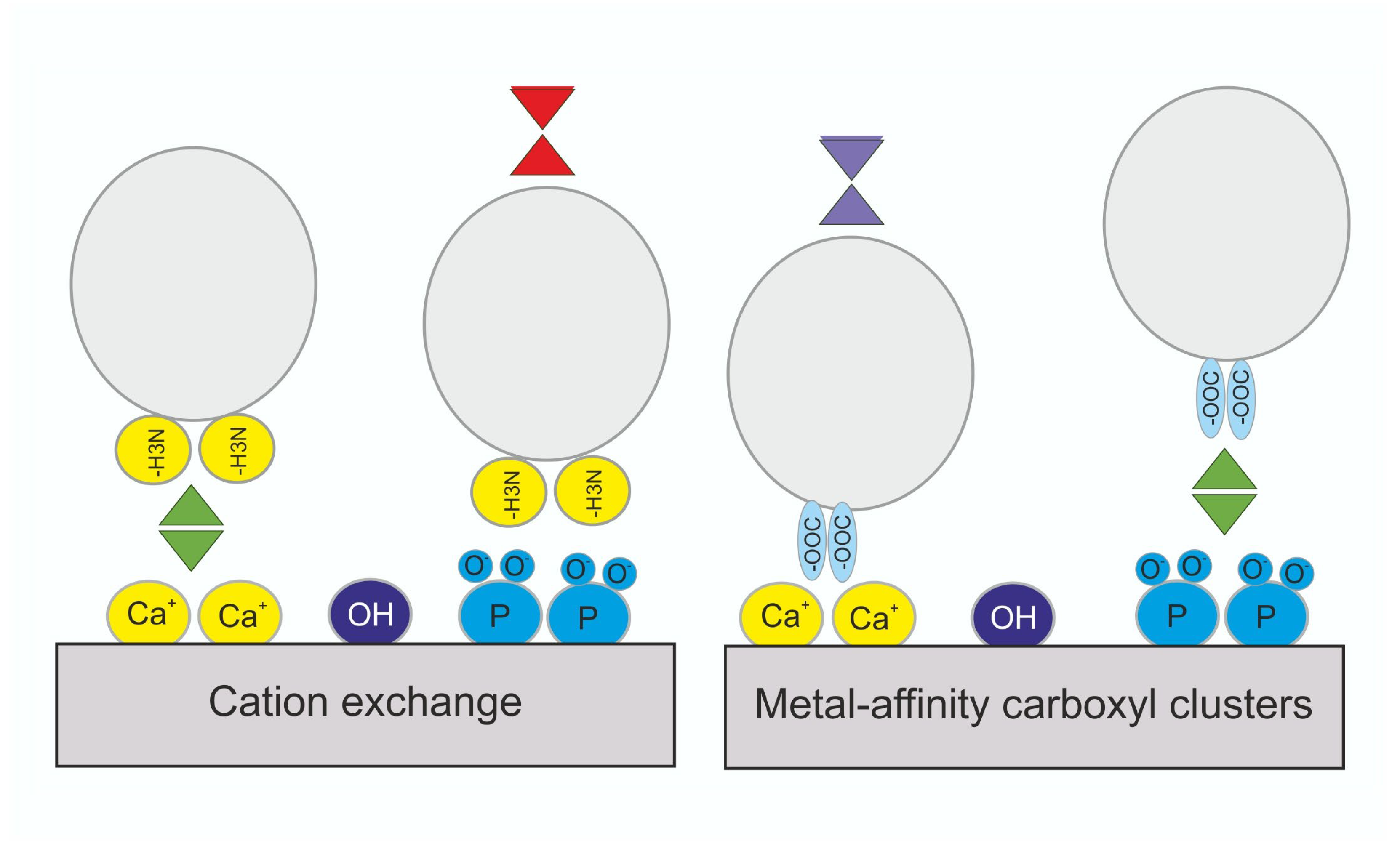
4.5. Mixed-Mode Chromatography

5. Alternative Approaches for Polishing Techniques for Large-Scale Production
5.1. Conventional Batch Chromatography
5.2. Continuous Chromatography
5.3. Multicolumn Chromatography (MCC)
5.4. Multicolumn Counter Current Solvent Gradient Purification (MCSGP)
5.5. Periodic Counter-Current Chromatography (PCCC)
5.6. Tangential Flow Filtration (TFF)
5.7. High-Performance Tangential Flow Filtration (HP-TFF)
5.8. Charged Ultrafiltration (UF) Membranes
6. Innovations in the Purification of Therapeutic Proteins
7. Limitations, Challenges and Future of Antibody-Based Therapy
8. Conclusions
Author Contributions
Funding
Institutional Review Board Statement
Informed Consent Statement
Data Availability Statement
Conflicts of Interest
Abbreviations
| AEX | Anion Exchange Chromatography |
| bsAbs | Bispecific Antibodies |
| CEX | Cation Exchange Chromatography |
| HC | Heavy Chain |
| CHO | Chinese Hamster Ovary |
| CHT | Ceramic Hydroxyapatite |
| DBC | Dynamic Binding Capacity |
| DHFR | Dihydrofolate Reductase |
| ELISA | Enzyme-Linked Immunosorbent Assay |
| EpCAM | Epithelial Cell Adhesion Molecule |
| Fab | Fragment Antigen-Binding |
| Fc | Fragment Crystallizable |
| HCP/HCC | Host Cell Proteins/Contaminants |
| HEK | Human Embryonic Kidney |
| HIC | Hydrophobic Interaction Chromatography |
| HP-TFF | High-Performance Tangential Flow Filtration |
| IEX | Ion Exchange Chromatography |
| KiH | Knob-Into-Hole |
| LC-MS | Liquid Chromatography–Mass Spectrometry |
| mAbs | Monoclonal Antibodies |
| MCC | Multicolumn Chromatography |
| MCSGP | Multicolumn Counter-Current Solvent Gradient Purification |
| MMC | Mixed-Mode Chromatography |
| mS/cm | MilliSiemens per Centimeter |
| PCC | Periodic Counter-Current Chromatography |
| PTM | Post-Translational Modifications |
| scFv | Single-Chain Variable Fragment |
| SEC | Size-Exclusion Chromatography |
| SMB | Simulated Moving Bed |
| SP-TFF | Single-Pass Tangential Flow Filtration |
| TFF | Tangential Flow Filtration |
| VH | Variable Heavy Chain |
| VL | Variable Light Chain |
| WPC | Weak Partitioning Chromatography |
References
- Wang, S.; Zhang, W.; Yang, B.; Zhang, X.; Fang, J.; Rui, H.; Chen, Z.; Gu, J.; Chen, Z.; Xu, J. A Case Study of a Bispecific Antibody Manufacturability Assessment and Optimization during Discovery Stage and Its Implications. Antib. Ther. 2024, 7, 189–198. [Google Scholar] [CrossRef]
- Sadek, M.; Mantha, N.; Lippold, S.; Li, D.; Spitler, K.; Li, R.; Spinosa, P.; Liu, B.; Luu, S.; Woon, N.; et al. Characterization of Free Light Chain Impurity in a Bispecific Antibody. mAbs 2025, 17, 2527689. [Google Scholar] [CrossRef]
- Nowak, C.; Cheung, J.K.; Dellatore, S.M.; Katiyar, A.; Bhat, R.; Sun, J.; Ponniah, G.; Neill, A.; Mason, B.; Beck, A.; et al. Forced Degradation of Recombinant Monoclonal Antibodies: A Practical Guide. mAbs 2017, 9, 1217–1230. [Google Scholar] [CrossRef]
- Gronemeyer, P.; Ditz, R.; Strube, J. Trends in Upstream and Downstream Process Development for Antibody Manufacturing. Bioengineering 2014, 1, 188–212. [Google Scholar] [CrossRef]
- Tripathi, N.K.; Shrivastava, A. Recent Developments in Bioprocessing of Recombinant Proteins: Expression Hosts and Process Development. Front. Bioeng. Biotechnol. 2019, 7, 420. [Google Scholar] [CrossRef] [PubMed]
- Fratz-Berilla, E.J.; Angart, P.; Graham, R.J.; Powers, D.N.; Mohammad, A.; Kohnhorst, C.; Faison, T.; Velugula-Yellela, S.R.; Trunfio, N.; Agarabi, C. Impacts on product quality attributes of monoclonal antibodies produced in CHO cell bioreactor cultures during intentional mycoplasma contamination events. Biotechnol. Bioeng. 2020, 117, 2802–2815. [Google Scholar] [CrossRef] [PubMed]
- Shukla, A.A.; Wolfe, L.S.; Mostafa, S.S.; Norman, C. Evolving trends in mAb production processes. Bioeng. Transl. Med. 2017, 2, 58–69. [Google Scholar] [CrossRef] [PubMed]
- Brämer, C.; Tünnermann, L.; Gonzalez Salcedo, A.; Reif, O.-W.; Solle, D.; Scheper, T.; Beutel, S. Membrane Adsorber for the Fast Purification of a Monoclonal Antibody Using Protein A Chromatography. Membranes 2019, 9, 159. [Google Scholar] [CrossRef]
- Wada, R.; Matsui, M.; Kawasaki, N. Influence of N-Glycosylation on Effector Functions and Thermal Stability of Glycoengineered IgG1 Monoclonal Antibody with Homogeneous Glycoforms. mAbs 2018, 11, 350–372. [Google Scholar] [CrossRef]
- Boune, S.; Hu, P.; Epstein, A.L.; Khawli, L.A. Principles of N-Linked Glycosylation Variations of IgG-Based Therapeutics: Pharmacokinetic and Functional Considerations. Antibodies 2020, 9, 22. [Google Scholar] [CrossRef] [PubMed]
- Saporiti, S.; Bianchi, D.; Ben Mariem, O.; Rossi, M.; Guerrini, U.; Eberini, I.; Centola, F. In Silico Evaluation of the Role of Fab Glycosylation in Cetuximab Antibody Dynamics. Front. Immunol. 2024, 15, 1429600. [Google Scholar] [CrossRef]
- Gupta, S.; Jiskoot, W.; Schöneich, C.; Rathore, A.S. Oxidation and Deamidation of Monoclonal Antibody Products: Potential Impact on Stability, Biological Activity, and Efficacy. J. Pharm. Sci. 2022, 111, 903–918. [Google Scholar] [CrossRef]
- Spanov, B.; Govorukhina, N.; van de Merbel, N.C.; Bischoff, R. Analytical Tools for the Characterization of Deamidation in Monoclonal Antibodies. J. Chromatogr. Open 2022, 2, 100025. [Google Scholar] [CrossRef]
- Wei, B.; Berning, K.; Quan, C.; Zhang, Y.T. Glycation of Antibodies: Modification, Methods and Potential Effects on Biological Functions. mAbs 2017, 9, 586–594. [Google Scholar] [CrossRef]
- Beck, A.; Nowak, C.; Meshulam, D.; Reynolds, K.; Chen, D.; Pacardo, D.B.; Nicholls, S.B.; Carven, G.J.; Gu, Z.; Fang, J.; et al. Risk-Based Control Strategies of Recombinant Monoclonal Antibody Charge Variants. Antibodies 2022, 11, 73. [Google Scholar] [CrossRef]
- Folzer, E.; Diepold, K.; Bomans, K.; Finkler, C.; Schmidt, R.; Bulau, P.; Huwyler, J.; Mahler, H.; Koulov, A.V. Selective Oxidation of Methionine and Tryptophan Residues in a Therapeutic IgG1 Molecule. J. Pharm. Sci. 2015, 104, 2824–2831. [Google Scholar] [CrossRef]
- Prade, E.; Zeck, A.; Stiefel, F.; Unsoeld, A.; Mentrup, D.; Arango Gutierrez, E.; Gorr, I.H. Cysteine in Cell Culture Media Induces Acidic IgG1 Species by Disrupting the Disulfide Bond Network. Biotechnol. Bioeng. 2021, 118, 1091–1104. [Google Scholar] [CrossRef]
- Amash, A.; Volkers, G.; Farber, P.; Griffin, D.; Davison, K.S.; Goodman, A.; Tonikian, R.; Yamniuk, A.; Barnhart, B.; Jacobs, T. Developability Considerations for Bispecific and Multispecific Antibodies. mAbs 2024, 16, 2394229. [Google Scholar] [CrossRef]
- Chen, S.W.; Zhang, W. Current Trends and Challenges in the Downstream Purification of Bispecific Antibodies. Antib. Ther. 2021, 4, 73–88. [Google Scholar] [CrossRef] [PubMed]
- Gadamasetti, K. Bioprocessing, Bioengineering and Process Chemistry in the Biopharmaceutical Industry: Using Chemistry and Bioengineering to Improve the Performance of Biologics, 1st ed.; Chemistry and Materials Science Series; Springer: Cham, Switzerland, 2024; pp. 3–21. [Google Scholar]
- Chen, S.W.; Tan, D.; Yang, Y.S.; Zhang, W. Investigation of the Effect of Salt Additives in Protein L Affinity Chromatography for the Purification of Tandem Single-Chain Variable Fragment Bispecific Antibodies. mAbs 2020, 12, 1718440. [Google Scholar] [CrossRef] [PubMed]
- Beck, A.; Wagner-Rousset, E.; Ayoub, D.; Van Dorsselaer, A.; Sanglier-Cianférani, S. Characterization of Therapeutic Antibodies and Related Products. Anal. Chem. 2013, 85, 715–736. [Google Scholar] [CrossRef]
- WHO Guideline for the Safe Production and Quality Control of Monoclonal Antibodies for Use in Humans. Available online: https://www.who.int/publications/m/item/guideline-for-the-safe-production-and-quality-control-of-monoclonal-antibodies (accessed on 11 May 2026).
- Yang, H. Establishing Acceptable Limits of Residual DNA. PDA J. Pharm. Sci. Technol. 2013, 67, 155–163. [Google Scholar] [CrossRef] [PubMed]
- Bacterial Endotoxins/Pyrogens. Available online: https://www.fda.gov/inspections-compliance-enforcement-and-criminal-investigations/inspection-technical-guides/bacterial-endotoxinspyrogens (accessed on 11 May 2026).
- Jaber, T.; Tessarz, A. Viral Clearance Studies: Challenges and Beyond. BioPharm Int. 2022, 35, 18–21,33. [Google Scholar]
- Levy, N.E.; Valente, K.N.; Choe, L.H.; Lee, K.H.; Lenhoff, A.M. Identification and Characterization of Host Cell Protein Product-associated Impurities in Monoclonal Antibody Bioprocessing. Biotechnol. Bioeng. 2014, 111, 904–912. [Google Scholar] [CrossRef]
- Levy, N.E.; Valente, K.N.; Lee, K.H.; Lenhoff, A.M. Host Cell Protein Impurities in Chromatographic Polishing Steps for Monoclonal Antibody Purification. Biotechnol. Bioeng. 2016, 113, 1260–1272. [Google Scholar] [CrossRef]
- Hu, L.; Liu, S.; Xia, L.; Cong, X.; Xu, C.; Wang, L.; Li, Y. CHO Cathepsin B Identified as the Protease Responsible for a Target Bispecific Antibody Fragmentation. Protein Expr. Purif. 2022, 199, 106144. [Google Scholar] [CrossRef]
- Valente, K.N.; Levy, N.E.; Lee, K.H.; Lenhoff, A.M. Applications of Proteomic Methods for CHO Host Cell Protein Characterization in Biopharmaceutical Manufacturing. Curr. Opin. Biotechnol. 2018, 53, 144–150. [Google Scholar] [CrossRef] [PubMed]
- Jones, M.; Palackal, N.; Wang, F.; Gaza-Bulseco, G.; Hurkmans, K.; Zhao, Y.; Chitikila, C.; Clavier, S.; Liu, S.; Menesale, E.; et al. “High-risk” Host Cell Proteins (HCPs): A Multi-company Collaborative View. Biotechnol. Bioeng. 2021, 118, 2870–2885. [Google Scholar] [CrossRef]
- Liu, X.; Chen, Y.; Zhao, Y.; Liu-Compton, V.; Chen, W.; Payne, G.; Lazar, A.C. Identification and characterization of co-purifying CHO host cell proteins in monoclonal antibody purification process. J. Pharm. Biomed. Anal. 2019, 174, 500–508. [Google Scholar] [CrossRef] [PubMed]
- Vanderlaan, M.; Zhu-Shimoni, J.; Lin, S.; Gunawan, F.; Waerner, T.; Van Cott, K.E. Experience with Host Cell Protein Impurities in Biopharmaceuticals. Biotechnol. Prog. 2018, 34, 828–837. [Google Scholar] [CrossRef]
- Zhang, Q.; Goetze, A.M.; Cui, H.; Wylie, J.; Tillotson, B.; Hewig, A.; Hall, M.P.; Flynn, G.C. Characterization of the Co-elution of Host Cell Proteins with Monoclonal Antibodies during Protein A Purification. Biotechnol. Prog. 2016, 32, 708–717. [Google Scholar] [CrossRef]
- Gilgunn, S.; Bones, J. Challenges to Industrial mAb Bioprocessing—Removal of Host Cell Proteins in CHO Cell Bioprocesses. Curr. Opin. Chem. Eng. 2018, 22, 98–106. [Google Scholar] [CrossRef]
- Park, J.H.; Jin, J.H.; Lim, M.S.; An, H.J.; Kim, J.W.; Lee, G.M. Proteomic Analysis of Host Cell Protein Dynamics in the Culture Supernatants of Antibody-Producing CHO Cells. Sci. Rep. 2017, 7, 44246. [Google Scholar] [CrossRef] [PubMed]
- Chiu, J.; Valente, K.N.; Levy, N.E.; Min, L.; Lenhoff, A.M.; Lee, K.H. Knockout of a Difficult-to-remove CHO Host Cell Protein, Lipoprotein Lipase, for Improved Polysorbate Stability in Monoclonal Antibody Formulations. Biotechnol. Bioeng. 2017, 114, 1006–1015. [Google Scholar] [CrossRef] [PubMed]
- McShan, A.C.; Kei, P.; Ji, J.A.; Kim, D.C.; Wang, Y.J. Hydrolysis of Polysorbate 20 and 80 by a Range of Carboxylester Hydrolases. PDA J. Pharm. Sci. Technol. 2016, 70, 332–345. [Google Scholar] [CrossRef] [PubMed]
- Fukuda, N.; Senga, Y.; Honda, S. Anxa2- and Ctsd-knockout CHO Cell Lines to Diminish the Risk of Contamination with Host Cell Proteins. Biotechnol. Prog. 2019, 35, e2820. [Google Scholar] [CrossRef]
- Spens, E.; Häggström, L. Defined Protein and Animal Component-Free NS0 Fed-Batch Culture. Biotechnol. Bioeng. 2007, 98, 1183–1194. [Google Scholar] [CrossRef]
- Valente, K.N.; Lenhoff, A.M.; Lee, K.H. Expression of Difficult-to-remove Host Cell Protein Impurities during Extended Chinese Hamster Ovary Cell Culture and Their Impact on Continuous Bioprocessing. Biotechnol. Bioeng. 2015, 112, 1232–1242. [Google Scholar] [CrossRef]
- Iskra, T.; Sacramo, A.; Scarcelli, J.J. Process Development and Manufacturing Considerations for Multispecific (Bispecific and Trispecific) Antibodies: Case Study. In Bioprocessing, Bioengineering and Process Chemistry in the Biopharmaceutical Industry: Using Chemistry and Bioengineering to Improve the Performance of Biologics; Gadamasetti, K., Kolodziej, S.A., Eds.; Springer Nature: Cham, Switzerland, 2024; pp. 105–131. [Google Scholar]
- Masuda, K.; Kubota, M.; Nakazawa, Y.; Iwama, C.; Watanabe, K.; Ishikawa, N.; Tanabe, Y.; Kono, S.; Tanemura, H.; Takahashi, S.; et al. Establishment of a Novel Cell Line, CHO-MK, Derived from Chinese Hamster Ovary Tissues for Biologics Manufacturing. J. Biosci. Bioeng. 2024, 137, 471–479. [Google Scholar] [CrossRef]
- Li, W.; Fan, Z.; Lin, Y.; Wang, T.-Y. Serum-Free Medium for Recombinant Protein Expression in Chinese Hamster Ovary Cells. Front. Bioeng. Biotechnol. 2021, 9, 646363. [Google Scholar] [CrossRef]
- Yeo, J.H.M.; Ho, S.C.L.; Mariati, M.; Koh, E.; Tay, S.J.; Woen, S.; Zhang, P.; Yang, Y. Optimized Selection Marker and CHO Host Cell Combinations for Generating High Monoclonal Antibody Producing Cell Lines. Biotechnol. J. 2017, 12, 1700175. [Google Scholar] [CrossRef]
- Zhang, J.-H.; Shan, L.-L.; Liang, F.; Du, C.-Y.; Li, J.-J. Strategies and Considerations for Improving Recombinant Antibody Production and Quality in Chinese Hamster Ovary Cells. Front. Bioeng. Biotechnol. 2022, 10, 856049. [Google Scholar] [CrossRef]
- Misorin, A.K.; Chernyshova, D.O.; Karbyshev, M.S. State-of-the-Art Approaches to Heterologous Expression of Bispecific Antibodies Targeting Solid Tumors. Biochemistry 2023, 88, 1215–1231. [Google Scholar] [CrossRef] [PubMed]
- Baycin-Hizal, D.; Tabb, D.L.; Chaerkady, R.; Chen, L.; Lewis, N.E.; Nagarajan, H.; Sarkaria, V.; Kumar, A.; Wolozny, D.; Colao, J.; et al. Proteomic Analysis of Chinese Hamster Ovary Cells. J. Proteome Res. 2012, 11, 5265–5276. [Google Scholar] [CrossRef] [PubMed]
- Doneanu, C.; Xenopoulos, A.; Fadgen, K.; Murphy, J.; Skilton, S.J.; Prentice, H.; Stapels, M.; Chen, W. Analysis of Host-Cell Proteins in Biotherapeutic Proteins by Comprehensive Online Two-Dimensional Liquid Chromatography/Mass Spectrometry. mAbs 2012, 4, 24–44. [Google Scholar] [CrossRef]
- Aboulaich, N.; Chung, W.K.; Thompson, J.H.; Larkin, C.; Robbins, D.; Zhu, M. A Novel Approach to Monitor Clearance of Host Cell Proteins Associated with Monoclonal Antibodies. Biotechnol. Prog. 2014, 30, 1114–1124. [Google Scholar] [CrossRef]
- Laux, H.; Romand, S.; Nuciforo, S.; Farady, C.J.; Tapparel, J.; Buechmann-Moeller, S.; Sommer, B.; Oakeley, E.J.; Bodendorf, U. Degradation of Recombinant Proteins by Chinese Hamster Ovary Host Cell Proteases Is Prevented by Matriptase-1 Knockout. Biotechnol. Bioeng. 2018, 115, 2530–2540. [Google Scholar] [CrossRef]
- Kol, S.; Ley, D.; Wulff, T.; Decker, M.; Arnsdorf, J.; Schoffelen, S.; Hansen, A.H.; Jensen, T.L.; Gutierrez, J.M.; Chiang, A.W.T.; et al. Multiplex Secretome Engineering Enhances Recombinant Protein Production and Purity. Nat. Commun. 2020, 11, 1908. [Google Scholar] [CrossRef] [PubMed]
- Abaandou, L.; Quan, D.; Shiloach, J. Affecting HEK293 Cell Growth and Production Performance by Modifying the Expression of Specific Genes. Cells 2021, 10, 1667. [Google Scholar] [CrossRef]
- Nigi, I.; Fairall, L.; Schwabe, J.W.R. Expression and Purification of Protein Complexes Suitable for Structural Studies Using Mammalian HEK 293F Cells. Curr. Protoc. Protein Sci. 2017, 90, 5.28.1–5.28.16. [Google Scholar] [CrossRef]
- Vazquez-Lombardi, R.; Nevoltris, D.; Luthra, A.; Schofield, P.; Zimmermann, C.; Christ, D. Transient Expression of Human Antibodies in Mammalian Cells. Nat. Protoc. 2018, 13, 99–117. [Google Scholar] [CrossRef]
- Jones, D.; Kroos, N.; Anema, R.; Van Montfort, B.; Vooys, A.; Kraats, S.V.D.; Helm, E.V.D.; Smits, S.; Schouten, J.; Brouwer, K.; et al. High-Level Expression of Recombinant IgG in the Human Cell Line PER.C6. Biotechnol. Prog. 2003, 19, 163–168. [Google Scholar] [CrossRef]
- Xu, Y.; Lee, J.; Tran, C.; Heibeck, T.H.; Wang, W.D.; Yang, J.; Stafford, R.L.; Steiner, A.R.; Sato, A.K.; Hallam, T.J.; et al. Production of Bispecific Antibodies in “Knobs-into-Holes” Using a Cell-Free Expression System. mAbs 2015, 7, 231–242. [Google Scholar] [CrossRef]
- Albrecht, S.; Kaisermayer, C.; Gallagher, C.; Farrell, A.; Lindeberg, A.; Bones, J. Proteomics in Biomanufacturing Control: Protein Dynamics of CHO-K1 Cells and Conditioned Media during Apoptosis and Necrosis. Biotechnol. Bioeng. 2018, 115, 1509–1520. [Google Scholar] [CrossRef]
- Niazi, S.K.; Magoola, M. Advances in Escherichia coli-Based Therapeutic Protein Expression: Mammalian Conversion, Continuous Manufacturing, and Cell-Free Production. Biologics 2023, 3, 380–401. [Google Scholar] [CrossRef]
- Xu, T.; Zhang, J.; Wang, T.; Wang, X. Recombinant Antibodies Aggregation and Overcoming Strategies in CHO Cells. Appl. Microbiol. Biotechnol. 2022, 106, 3913–3922. [Google Scholar] [CrossRef]
- Jones, M.B.; Tomiya, N.; Betenbaugh, M.J.; Krag, S.S. Analysis and metabolic engineering of lipid-linked oligosaccharides in glycosylation-deficient CHO cells. Biochem. Biophys. Res. Commun. 2010, 395, 36–41. [Google Scholar] [CrossRef][Green Version]
- Zhang, J.; Robinson, D. Development of Animal-Free, Protein-Free and Chemically-Defined Media for NS0 Cell Culture. Cytotechnology 2005, 48, 59–74. [Google Scholar] [CrossRef]
- Yagi, Y.; Kakehi, K.; Hayakawa, T.; Ohyama, Y.; Suzuki, S. Specific Detection of N-Glycolylneuraminic Acid and Galα1–3Gal Epitopes of Therapeutic Antibodies by Partial-Filling Capillary Electrophoresis. Anal. Biochem. 2012, 431, 120–126. [Google Scholar] [CrossRef]
- Rezaei, N. Monoclonal Antibodies; IntechOpen: London, UK, 2021; Available online: https://directory.doabooks.org/handle/20.500.12854/131133 (accessed on 11 May 2026).
- Green, E.A.; Fu, Q.; Ndahiro, N.; Leibiger, T.M.; Wang, Y.; Lee, Y.; Lee, K.H.; Betenbaugh, M.; Yoon, S.; McNally, D.J. Development of an HEK293 Suspension Cell Culture Medium, Transient Transfection Optimization Workflow, and Analytics for Batch rAAV Manufacturing. Biotechnol. Bioeng. 2025, 122, 1640–1655. [Google Scholar] [CrossRef]
- Göritzer, K.; Maresch, D.; Altmann, F.; Obinger, C.; Strasser, R. Exploring Site-Specific N-Glycosylation of HEK293 and Plant-Produced Human IgA Isotypes. J. Proteome Res. 2017, 16, 2560–2570. [Google Scholar] [CrossRef]
- Guglielmi, L.; Martineau, P. Expression of Single-Chain Fv Fragments in E. coli Cytoplasm. In Antibody Phage Display: Methods and Protocols; Aitken, R., Ed.; Humana Press: Totowa, NJ, USA, 2009; pp. 215–224. [Google Scholar]
- Rashid, M.H. Full-Length Recombinant Antibodies from Escherichia coli: Production, Characterization, Effector Function (Fc) Engineering, and Clinical Evaluation. mAbs 2022, 14, 2111748. [Google Scholar] [CrossRef]
- de Marco, A. Strategies for Successful Recombinant Expression of Disulfide Bond-Dependent Proteins in Escherichia coli. Microb. Cell Fact. 2009, 8, 26. [Google Scholar] [CrossRef]
- Baker, K.; Eastwood, T.A.; Garcia, E.; Lennon, C.; Mulvihill, D.P. Simple Recombinant Monoclonal Antibody Production from Escherichia coli. Open Biol. 2025, 15, 240229. [Google Scholar] [CrossRef]
- Mustafa, M.I.; Alzebair, A.A.; Mohammed, A. Development of Recombinant Antibody by Yeast Surface Display Technology. Curr. Res. Pharmacol. Drug Discov. 2024, 6, 100174. [Google Scholar] [CrossRef]
- Shenoy, A. Antibody Expression and Engineering Using Saccharomyces cerevisiae—ProQuest. Available online: https://www.proquest.com/openview/84066fd4afe130f71d953d23ccc70a14/1?pq-origsite=gscholar&cbl=18750&diss=y (accessed on 20 April 2026).
- Haueis, L.; Stech, M.; Kubick, S. A Cell-Free Expression Pipeline for the Generation and Functional Characterization of Nanobodies. Front. Bioeng. Biotechnol. 2022, 10, 896763. [Google Scholar] [CrossRef]
- White, E. Sutro Biopharma and Boehringer Ingelheim BioXcellenceTM Collaboration: Established First-in-Class Cell-Free Capabilities at Commercial Scale; Sutro Biopharma, Inc.: South San Francisco, CA, USA, 2025. [Google Scholar]
- Hunt, A.C.; Vögeli, B.; Hassan, A.O.; Guerrero, L.; Kightlinger, W.; Yoesep, D.J.; Krüger, A.; DeWinter, M.; Diamond, M.S.; Karim, A.S.; et al. A Rapid Cell-Free Expression and Screening Platform for Antibody Discovery. Nat. Commun. 2023, 14, 3897. [Google Scholar] [CrossRef]
- Waldera-Lupa, D.M.; Jasper, Y.; Köhne, P.; Schwichtenhövel, R.; Falkenberg, H.; Flad, T.; Happersberger, P.; Reisinger, B.; Dehghani, A.; Moussa, R.; et al. Host Cell Protein Detection Gap Risk Mitigation: Quantitative IAC-MS for ELISA Antibody Reagent Coverage Determination. mAbs 2021, 13, 1955432. [Google Scholar] [CrossRef]
- Kiyonami, R.; Melani, R.; Chen, Y.; Leon, A.D.; Du, M. Applying UHPLC-HRAM MS/MS Method to Assess Host Cell Protein Clearance during the Purification Process Development of Therapeutic mAbs. Int. J. Mol. Sci. 2024, 25, 9687. [Google Scholar] [CrossRef]
- Meleady, P. (Ed.) Heterologous Protein Production in CHO Cells: Methods and Protocols, 2nd ed.; Methods in Molecular Biology; Springer: New York, NY, USA, 2025. [Google Scholar]
- Bracewell, D.G.; Smith, V.; Delahaye, M.; Smales, C.M. Analytics of Host Cell Proteins (HCPs): Lessons from Biopharmaceutical mAb Analysis for Gene Therapy Products. Curr. Opin. Biotechnol. 2021, 71, 98–104. [Google Scholar] [CrossRef]
- Pilely, K.; Nielsen, S.B.; Draborg, A.; Henriksen, M.L.; Hansen, S.W.K.; Skriver, L.; Mørtz, E.; Lund, R.R. A Novel Approach to Evaluate ELISA Antibody Coverage of Host Cell Proteins—Combining ELISA-based Immunocapture and Mass Spectrometry. Biotechnol. Prog. 2020, 36, e2983. [Google Scholar] [CrossRef]
- Kumar, R.; Shah, R.L.; Rathore, A.S. Harnessing the Power of Electrophoresis and Chromatography: Offline Coupling of Reverse Phase Liquid Chromatography-Capillary Zone Electrophoresis-Tandem Mass Spectrometry for Peptide Mapping for Monoclonal Antibodies. J. Chromatogr. A 2020, 1620, 460954. [Google Scholar] [CrossRef]
- Host Cell Protein Analysis in Biologics: Orbitrap Astral MS Benefits. Available online: https://www.omnicuris.com/medshots/daily_updates/host-cell-protein-analysis-orbitrap-astral-ms-biologics-safety (accessed on 18 April 2026).
- Guo, J.; Kufer, R.; Li, D.; Wohlrab, S.; Greenwood-Goodwin, M.; Yang, F. Technical Advancement and Practical Considerations of LC-MS/MS-Based Methods for Host Cell Protein Identification and Quantitation to Support Process Development. mAbs 2023, 15, 2213365. [Google Scholar] [CrossRef]
- LeBarre, J.; Bhandari, D.; Barbieri, E.; Shu, Q.; Li, X.; Chandra, D.; Xu, X.; Phillips, M.; Bill, J.; Williams, T.; et al. Modernizing the Platform Process of Antibody Purification for Enhanced Impurity Clearance. Sep. Purif. Technol. 2026, 382, 136113. [Google Scholar] [CrossRef]
- Li, Y. General Strategies for IgG-like Bispecific Antibody Purification. Biotechnol. Prog. 2025, 41, e3515. [Google Scholar] [CrossRef]
- Kuwahara, A.; Nazuka, M.; Kuroki, Y.; Ito, K.; Watanabe, S.; Kumagai, I.; Asano, R. Functional Integration of Protein A Binding Ability to Antibody Fragments for Convenient and Tag-Free Purification. Bioengineered 2023, 14, 2259093. [Google Scholar] [CrossRef]
- Linhult, M.; Gülich, S.; Gräslund, T.; Simon, A.; Karlsson, M.; Sjöberg, A.; Nord, K.; Hober, S. Improving the Tolerance of a Protein a Analogue to Repeated Alkaline Exposures Using a Bypass Mutagenesis Approach. Proteins 2004, 55, 407–416. [Google Scholar] [CrossRef]
- Brinkmann, U.; Kontermann, R.E. The Making of Bispecific Antibodies. mAbs 2017, 9, 182–212. [Google Scholar] [CrossRef]
- Chen, S.W.; Hoi, K.M.; Mahfut, F.B.; Yang, Y.; Zhang, W. Effective Flow-through Polishing Strategies for Knob-into-Hole Bispecific Antibodies. Bioresour. Bioprocess. 2022, 9, 98. [Google Scholar] [CrossRef]
- Tustian, A.D.; Endicott, C.; Adams, B.; Mattila, J.; Bak, H. Development of Purification Processes for Fully Human Bispecific Antibodies Based upon Modification of Protein A Binding Avidity. mAbs 2016, 8, 828–838. [Google Scholar] [CrossRef]
- Zhang, T.; Wan, Y.; Wang, Y.; Li, Y. Removing a Single-Arm Species by Fibro PrismA in Purifying an Asymmetric IgG-like Bispecific Antibody. Protein Expr. Purif. 2021, 182, 105847. [Google Scholar] [CrossRef]
- Napoleone, A.; Laurén, I.; Linkgreim, T.; Dahllund, L.; Persson, H.; Andersson, O.; Olsson, A.; Hultqvist, G.; Frank, P.; Hall, M.; et al. Fed-Batch Production Assessment of a Tetravalent Bispecific Antibody: A Case Study on piggyBac Stably Transfected HEK293 Cells. New Biotechnol. 2021, 65, 9–19. [Google Scholar] [CrossRef] [PubMed]
- Ramos-de-la-Peña, A.M.; González-Valdez, J.; Aguilar, O. Protein A Chromatography: Challenges and Progress in the Purification of Monoclonal Antibodies. J. Sep. Sci. 2019, 42, 1816–1827. [Google Scholar] [CrossRef] [PubMed]
- Tatli, O.; Oz, Y.; Dingiloglu, B.; Yalcinkaya, D.; Basturk, E.; Korkmaz, M.; Akbulut, L.; Hatipoglu, D.; Kirmacoglu, C.; Akgun, B.; et al. A Two-Step Purification Platform for Efficient Removal of Fab-Related Impurities: A Case Study for Ranibizumab. Heliyon 2023, 9, e21001. [Google Scholar] [CrossRef] [PubMed]
- Li, Y. A Brief Introduction of IgG-like Bispecific Antibody Purification: Methods for Removing Product-Related Impurities. Protein Expr. Purif. 2019, 155, 112–119. [Google Scholar] [CrossRef]
- Qin, T.; Wang, Y.; Li, Y. Separating Antibody Species Containing One and Two Kappa Light Chain Constant Region by KappaSelect Affinity Chromatography. Protein Expr. Purif. 2020, 171, 105618. [Google Scholar] [CrossRef]
- Burgess, R.R. A Brief Practical Review of Size Exclusion Chromatography: Rules of Thumb, Limitations, and Troubleshooting. Protein Expr. Purif. 2018, 150, 81–85. [Google Scholar] [CrossRef]
- Fekete, S.; Goyon, A.; Veuthey, J.L.; Guillarme, D. Size exclusion chromatography of protein biopharmaceuticals: Past, present and future. Am. Pharm. Rev. 2018, 21, 1–4. [Google Scholar]
- Goyon, A.; Beck, A.; Veuthey, J.-L.; Guillarme, D.; Fekete, S. Comprehensive Study on the Effects of Sodium and Potassium Additives in Size Exclusion Chromatographic Separations of Protein Biopharmaceuticals. J. Pharm. Biomed. Anal. 2017, 144, 242–251. [Google Scholar] [CrossRef]
- Tian, M.; Li, D.; Hu, L.; Dong, W.; Wang, T.; Li, Y. Monitoring of the Disulfide Scrambled Species by Mixed-Mode SEC-HPLC during the Purification of a Bispecific Antibody. Protein Expr. Purif. 2024, 223, 106544. [Google Scholar] [CrossRef]
- Yang, X.; Zhang, Y.; Wang, F.; Wang, L.J.; Richardson, D.; Shameem, M.; Ambrogelly, A. Analysis and Purification of IgG4 Bispecific Antibodies by a Mixed-Mode Chromatography. Anal. Biochem. 2015, 484, 173–179. [Google Scholar] [CrossRef]
- Cao, M.; Wang, C.; Chung, W.K.; Motabar, D.; Wang, J.; Christian, E.; Lin, S.; Hunter, A.; Wang, X.; Liu, D. Characterization and Analysis of scFv-IgG Bispecific Antibody Size Variants. mAbs 2018, 10, 1236–1247. [Google Scholar] [CrossRef] [PubMed]
- Yan, Y.; Xing, T.; Wang, S.; Daly, T.J.; Li, N. Coupling Mixed-Mode Size Exclusion Chromatography with Native Mass Spectrometry for Sensitive Detection and Quantitation of Homodimer Impurities in Bispecific IgG. Anal. Chem. 2019, 91, 11417–11424. [Google Scholar] [CrossRef]
- Estep, P.; Caffry, I.; Yu, Y.; Sun, T.; Cao, Y.; Lynaugh, H.; Jain, T.; Vásquez, M.; Tessier, P.M.; Xu, Y. An Alternative Assay to Hydrophobic Interaction Chromatography for High-Throughput Characterization of Monoclonal Antibodies. mAbs 2015, 7, 553–561. [Google Scholar] [CrossRef] [PubMed]
- Manzke, O.; Tesch, H.; Diehl, V.; Bohlen, H. Single-Step Purification of Bispecific Monoclonal Antibodies for Immunotherapeutic Use by Hydrophobic Interaction Chromatography. J. Immunol. Methods 1997, 208, 65–73. [Google Scholar] [CrossRef] [PubMed]
- BestChrom. The Application of HIC Resin in bsAbs Purification. Available online: https://www.bestchrom.com/the-application-of-hic-resin-in-bsabs-purification/#:~:text=HIC%2C%20as%20the%20key%20step,scale%2Dup%20of%20bsAb%20production (accessed on 17 October 2025).
- Ewonde, R.E.; Böttinger, K.; De Vos, J.; Lingg, N.; Jungbauer, A.; Pohl, C.A.; Huber, C.G.; Desmet, G.; Eeltink, S. Selectivity and Resolving Power of Hydrophobic Interaction Chromatography Targeting the Separation of Monoclonal Antibody Variants. Anal. Chem. 2024, 96, 1121–1128. [Google Scholar] [CrossRef]
- Hall, T.; Kelly, G.M.; Emery, W.R. Use of Mobile Phase Additives for the Elution of Bispecific and Monoclonal Antibodies from Phenyl Based Hydrophobic Interaction Chromatography Resins. J. Chromatogr. B 2018, 1096, 20–30. [Google Scholar] [CrossRef]
- Kimerer, L.K.; Pabst, T.M.; Hunter, A.K.; Carta, G. Chromatographic Behavior of Bivalent Bispecific Antibodies on Hydrophobic Interaction Chromatography Columns. J. Chromatogr. A 2020, 1617, 460836. [Google Scholar] [CrossRef]
- Liang, X.; He, Q.; Qin, G.; Li, G.; Li, Q.; Tan, H.; Wang, Z.; Fan, M.; Xu, D. Effectively Removing the Homodimer in Bispecific Antibodies by Weak Partitioning Mode of Anion Exchange Chromatography. J. Chromatogr. B 2023, 1225, 123767. [Google Scholar] [CrossRef]
- Li, Q.; Zhao, H.; Liang, X.; He, Q.; Wang, Z.; Qin, G.; Li, G.; Xu, D. The Downstream Purification of Bispecific Antibodies. Anal. Biochem. 2025, 696, 115692. [Google Scholar] [CrossRef]
- Sharkey, B.; Pudi, S.; Wallace Moyer, I.; Zhong, L.; Prinz, B.; Baruah, H.; Lynaugh, H.; Kumar, S.; Wittrup, K.D.; Nett, J.H. Purification of Common Light Chain IgG-like Bispecific Antibodies Using Highly Linear pH Gradients. mAbs 2017, 9, 257–268. [Google Scholar] [CrossRef]
- Hall, T.; Wilson, J.J.; Brownlee, T.J.; Swartling, J.R.; Langan, S.E.; Lambooy, P.K. Alkaline Cation-Exchange Chromatography for the Reduction of Aggregate and a Mis-Formed Disulfide Variant in a Bispecific Antibody Purification Process. J. Chromatogr. B 2015, 975, 1–8. [Google Scholar] [CrossRef] [PubMed]
- Luo, H.; Macapagal, N.; Newell, K.; Man, A.; Parupudi, A.; Li, Y.; Li, Y. Effects of Salt-Induced Reversible Self-Association on the Elution Behavior of a Monoclonal Antibody in Cation Exchange Chromatography. J. Chromatogr. A 2014, 1362, 186–193. [Google Scholar] [CrossRef]
- Kimerer, L.K.; Pabst, T.M.; Hunter, A.K.; Carta, G. Chromatographic Behavior of Bivalent Bispecific Antibodies on Cation Exchange Columns. II. Biomolecular Perspectives. J. Chromatogr. A 2019, 1601, 133–144. [Google Scholar] [CrossRef] [PubMed]
- Gillespie, R.; Nguyen, T.; Macneil, S.; Jones, L.; Crampton, S.; Vunnum, S. Cation Exchange Surface-Mediated Denaturation of an Aglycosylated Immunoglobulin (IgG1). J. Chromatogr. A 2012, 1251, 101–110. [Google Scholar] [CrossRef]
- Duivelshof, B.L.; Bouvarel, T.; Pirner, S.; Larraillet, V.; Knaupp, A.; Koll, H.; D’Atri, V.; Guillarme, D. Enhancing Selectivity of Protein Biopharmaceuticals in Ion Exchange Chromatography through Addition of Organic Modifiers. Int. J. Mol. Sci. 2023, 24, 16623. [Google Scholar] [CrossRef]
- Morawska, A.; Milek, P.; Urbaniak, M. Ion-Exchange Chromatography in Monoclonal Antibodies Purification. Available online: https://www.mabion.eu/wp-content/uploads/2024/11/Ion-exchange-chromatography-in-monoclonal-antibodies-purification.pdf (accessed on 11 May 2026).
- Zhang, T.; Wan, Y.; Duan, J.; Li, Y. Removing a Light-Chain Missing Byproduct by MMC ImpRes Mixed-Mode Chromatography under Weak Partitioning Mode in Purifying a WuXiBody-Based Bispecific Antibody. Protein Expr. Purif. 2021, 186, 105927. [Google Scholar] [CrossRef]
- Wang, X.; Li, M.; Li, M.; Hong, H.; Gao, K.; Zhao, P. Non-Affinity Platform for Processing Knob-into-Hole Bispecific Antibody. Bioresour. Bioprocess. 2024, 11, 110. [Google Scholar] [CrossRef]
- Guo, G.; Han, J.; Wang, Y.; Li, Y. A Potential Downstream Platform Approach for WuXiBody-Based IgG-like Bispecific Antibodies. Protein Expr. Purif. 2020, 173, 105647. [Google Scholar] [CrossRef]
- Ingavat, N.; Dzulkiflie, N.; Liew, J.M.; Wang, X.; Leong, E.; Loh, H.P.; Ng, S.K.; Yang, Y.; Zhang, W. Investigation on Environmental Factors Contributing to Bispecific Antibody Stability and the Reversal of Self-Associated Aggregates. Bioresour. Bioprocess. 2024, 11, 82. [Google Scholar] [CrossRef] [PubMed]
- Chen, S.W.; Hoi, K.M.; Mahfut, F.B.; Yang, Y.; Zhang, W. Excellent Removal of Knob-into-Hole Bispecific Antibody Byproducts and Impurities in a Single-Capture Chromatography. Bioresour. Bioprocess. 2022, 9, 72. [Google Scholar] [CrossRef] [PubMed]
- Karbyshev, M.S.; Kalashnikova, I.V.; Dubrovskaya, V.V.; Baskakova, K.O.; Kuzmichev, P.K.; Sandig, V. Trends and Challenges in Bispecific Antibody Production. J. Chromatogr. A 2025, 1744, 465722. [Google Scholar] [CrossRef]
- Hilbrig, F.; Freitag, R. Isolation and Purification of Recombinant Proteins, Antibodies and Plasmid DNA with Hydroxyapatite Chromatography. Biotechnol. J. 2012, 7, 90–102. [Google Scholar] [CrossRef] [PubMed]
- Waller, J.A.; Zheng, J.; Dyer, R.; Slaney, T.; Wu, W.; Tao, L.; Ghose, S. Ceramic Hydroxyapatite Chromatography Plays a Critical Role in Bispecific Antibody Purification Process for Impurity Removal. Antib. Ther. 2023, 6, 30–37. [Google Scholar] [CrossRef]
- Ingavat, N.; Wang, X.; Liew, J.M.; Mahfut, F.B.; But, K.P.; Kok, Y.J.; Bi, X.; Yang, Y.; Shintaro, K.; Tsoumpra, M.; et al. Harnessing Ceramic Hydroxyapatite as an Effective Polishing Strategy to Remove Product- and Process-Related Impurities in Bispecific Antibody Purification. Bioresour. Bioprocess. 2023, 10, 93. [Google Scholar] [CrossRef]
- Song, M.; Yang, H.; Cao, W.; Liu, Q. Separation of Bispecific Antibody Related Impurities with Mixed-Mode Chromatography. Process Biochem. 2023, 132, 110–120. [Google Scholar] [CrossRef]
- Jones, H. Enhancing Biotherapeutic Purification Workflows with Mixed-Mode Chromatography. Available online: https://www.bioradiations.com/biotherapeutic-purification-with-mixed-mode-chromatography-824 (accessed on 11 May 2026).
- Zhang, S.; Wan, Y.; Duan, J.; Li, Y. Evaluating a New Mixed-Mode Resin Diamond MMC Mustang Using Capto MMC ImpRes as a Benchmark. Protein Expr. Purif. 2021, 186, 105930. [Google Scholar] [CrossRef]
- Koehnlein, W.; Holzgreve, A.; Schwendner, K.; Skudas, R.; Schelter, F. Purification of Hydrophobic Complex Antibody Formats Using a Moderately Hydrophobic Mixed Mode Cation Exchange Resin. J. Chromatogr. A 2023, 1687, 463696. [Google Scholar] [CrossRef] [PubMed]
- Wan, Y.; Zhang, T.; Wang, Y.; Wang, Y.; Li, Y. Removing Light Chain-Missing Byproducts and Aggregates by Capto MMC ImpRes Mixed-Mode Chromatography during the Purification of Two WuXiBody-Based Bispecific Antibodies. Protein Expr. Purif. 2020, 175, 105712. [Google Scholar] [CrossRef]
- Wan, Y.; Wang, Y.; Zhang, T.; Zhang, S.; Wang, Y.; Li, Y. Application of pH-Salt Dual Gradient Elution in Purifying a WuXiBody-Based Bispecific Antibody by MMC ImpRes Mixed-Mode Chromatography. Protein Expr. Purif. 2021, 181, 105822. [Google Scholar] [CrossRef] [PubMed]
- Dong, W.; Zhang, P.; Wu, D.; Wan, Y.; Li, Y. A Two-Column Process for Bispecific Antibody Purification Based on MabSelect VL Resin’s Strong Byproduct Removal Capability. J. Biol. Methods 2025, 12, e99010045. [Google Scholar] [CrossRef] [PubMed]
- Ram, J.; Snyder, M.; Belisle, C.; Koley, S.; Vecchiarello, N. Defining Operating Regimes for Partition Coefficient Measurements in Protein Chromatography. J. Chromatogr. A 2025, 1745, 465730. [Google Scholar] [CrossRef]
- Chen, W.; Zhang, T.; Wang, P.K.; Liao, C.-C.; Li, Y.; Wan, Y. Partition Coefficient Screening—An Effective Approach for Finding the Best Conditions for Byproduct Removal as Demonstrated by a Bispecific Antibody Purification Case. Protein Expr. Purif. 2025, 225, 106583. [Google Scholar] [CrossRef]
- Giese, G.; Williams, A.; Rodriguez, M.; Persson, J. Bispecific Antibody Process Development: Assembly and Purification of Knob and Hole Bispecific Antibodies. Biotechnol. Prog. 2018, 34, 397–404. [Google Scholar] [CrossRef]
- Jafarzadehchehraghi, E.A.; Akbarzadehlaleh, P.; Shamsasenjan, K. Purification Technologies of Monoclonal Antibodies: Chromatographic Methods. Adv. Pharm. Bull. 2025, 15, 27–45. [Google Scholar] [CrossRef]
- Ghose, S.; Zhang, J.; Conley, L.; Caple, R.; Williams, K.P.; Cecchini, D. Maximizing Binding Capacity for Protein A Chromatography. Biotechnol. Prog. 2014, 30, 1335–1340. [Google Scholar] [CrossRef]
- Cytiva Purifying Bispecific Antibodies in a Single Step. Available online: https://www.cytivalifesciences.com/en/us/insights/purifying-bispecific-antibodies-in-a-single-step (accessed on 11 May 2026).
- Jett Appel, D.H. Advanced Affinity Chromatography Tools for Bispecific Antibody Purification. Available online: https://documents.thermofisher.com/TFS-Assets/BPD/posters/affinity-chromatography-tools-bispecific-poster.pdf (accessed on 11 May 2026).
- MabSelect PrismATM Protein A Chromatography Resin. Available online: https://www.cytivalifesciences.com/en/us/products/items/mabselect-prisma-protein-a-chromatography-resin-p-09659 (accessed on 11 May 2026).
- Yoshikawa, D.M. Overcoming Challenges in Bispecific Antibody Production with Chromatography & Purification Solutions. Available online: https://www.iptonline.com/articles/overcoming-challenges-in-bispecific-antibody-production-with-mixed-mode-chromatography-and-scalable-purification-solutions-spring-2025 (accessed on 11 May 2026).
- Yuan, G.; Qu, M.; Geng, Q.; Dong, W.; Zhang, X.; Li, Y. Antibody Aggregation Can Lead to Reduced Protein A Binding Capacity and Low Step Yield. Protein Expr. Purif. 2023, 210, 106315. [Google Scholar] [CrossRef]
- Li, Y.; Wang, Y.; Shen, P.; Zhou, W. A Roadmap for IgG-like Bispecific Antibody Purification. In Approaches to the Purification, Analysis and Characterization of Antibody-Based Therapeutics; Matte, A., Ed.; Elsevier: Amsterdam, The Netherlands, 2020; pp. 167–179. [Google Scholar]
- Antibody Purification–3 Methods Explained. Available online: https://www.evitria.com/journal/antibodies/antibody-purification/ (accessed on 11 May 2026).
- Too, G.T.; Hill, J.B. Hypertensive Crisis during Pregnancy and Postpartum Period. Semin. Perinatol. 2013, 37, 280–287. [Google Scholar] [CrossRef]
- Suh, D.; Kim, M.; Lee, C.; Baek, Y. Virus Filtration in Biopharmaceutical Downstream Processes: Key Factors and Current Limitations. Sep. Purif. Rev. 2024, 53, 26–39. [Google Scholar] [CrossRef]
- Ghose, S.; Tao, Y.; Conley, L.; Cecchini, D. Purification of Monoclonal Antibodies by Hydrophobic Interaction Chromatography under No-Salt Conditions. mAbs 2013, 5, 795–800. [Google Scholar] [CrossRef]
- Challenger, C. Determining and Optimizing Dynamic Binding Capacity. BioPharm Int. 2023, 36, 10–14+34. [Google Scholar]
- O’Farrell, P.A. Hydrophobic Interaction Chromatography. In Protein Purification Protocols, 2nd ed.; Cutler, P., Ed.; Humana Press: Totowa, NJ, USA, 2004; Volume 244, pp. 133–138. [Google Scholar]
- Liu, H.F.; Ma, J.; Winter, C.; Bayer, R. Recovery and Purification Process Development for Monoclonal Antibody Production. mAbs 2010, 2, 480–499. [Google Scholar] [CrossRef] [PubMed]
- Khandelwal, P.; Snyder, M. A Non-Affinity Chromatography Resin Alternative for Capture Purification of Antibodies. Available online: https://www.bio-rad.com/sites/default/files/2021-09/Bulletin_7134.pdf (accessed on 11 May 2026).
- Fan, J.; Boi, C.; Lemma, S.M.; Lavoie, J.; Carbonell, R.G. Iminodiacetic Acid (IDA) Cation-Exchange Nonwoven Membranes for Efficient Capture of Antibodies and Antibody Fragments. Membranes 2021, 11, 530. [Google Scholar] [CrossRef]
- Fekete, S.; Beck, A.; Veuthey, J.-L.; Guillarme, D. Ion-Exchange Chromatography for the Characterization of Biopharmaceuticals. J. Pharm. Biomed. Anal. 2015, 113, 43–55. [Google Scholar] [CrossRef]
- Zhao, P.; Qi, Y.; Gao, K. Removal of Aggregates During Bispecific Antibody Purification Using Hydrophobic Interaction Chromatography. Membranes 2025, 15, 299. [Google Scholar] [CrossRef]
- Maria, S.; Joucla, G.; Garbay, B.; Dieryck, W.; Lomenech, A.-M.; Santarelli, X.; Cabanne, C. Purification Process of Recombinant Monoclonal Antibodies with Mixed Mode Chromatography. J. Chromatogr. A 2015, 1393, 57–64. [Google Scholar] [CrossRef]
- Capto TM MMC ImpRes Resin. Available online: https://cdn.cytivalifesciences.com.cn/api/public/content/digi-16468-pdf#:~:text=Bead%20size%20optimized%20for%20high,cation%20exchanger%2C%20Capto%20MMC%20resin (accessed on 3 May 2026).
- Pollock, J.; Bolton, G.; Coffman, J.; Ho, S.V.; Bracewell, D.G.; Farid, S.S. Optimising the Design and Operation of Semi-Continuous Affinity Chromatography for Clinical and Commercial Manufacture. J. Chromatogr. A 2013, 1284, 17–27. [Google Scholar] [CrossRef]
- Steinebach, F. Multi-Column Chromatography for Continuous Integrated Biomanufacturing. Ph.D. Thesis, ETH Zurich, Zurich, Switzerland, 2017. [Google Scholar]
- John, B. Multi Column Chromatography System. U.S. Patent 7790026-B2, 7 September 2010. Available online: https://pubchem.ncbi.nlm.nih.gov/patent/US-7790026-B2 (accessed on 19 April 2026).
- Angarita, M.; Müller-Späth, T.; Baur, D.; Lievrouw, R.; Lissens, G.; Morbidelli, M. Twin-Column CaptureSMB: A Novel Cyclic Process for Protein A Affinity Chromatography. J. Chromatogr. A 2015, 1389, 85–95. [Google Scholar] [CrossRef] [PubMed]
- Gjoka, X.; Gantier, R.; Schofield, M. Transfer of a Three Step mAb Chromatography Process from Batch to Continuous: Optimizing Productivity to Minimize Consumable Requirements. J. Biotechnol. 2017, 242, 11–18. [Google Scholar] [CrossRef]
- Martínez Cristancho, C.A.; Seidel-Morgenstern, A. Purification of Single-Chain Antibody Fragments Exploiting pH-Gradients in Simulated Moving Bed Chromatography. J. Chromatogr. A 2016, 1434, 29–38. [Google Scholar] [CrossRef]
- Müller-Späth, T.; Krättli, M.; Aumann, L.; Ströhlein, G.; Morbidelli, M. Increasing the Activity of Monoclonal Antibody Therapeutics by Continuous Chromatography (MCSGP). Biotechnol. Bioeng. 2010, 107, 652–662. [Google Scholar] [CrossRef]
- Purifying Common Light-Chain Bispecific Antibodies. BioProcess Int. 2013, 11, 36–45.
- Steinebach, F.; Müller-Späth, T.; Morbidelli, M. Continuous Counter-current Chromatography for Capture and Polishing Steps in Biopharmaceutical Production. Biotechnol. J. 2016, 11, 1126–1141. [Google Scholar] [CrossRef]
- Mahajan, E.; George, A.; Wolk, B. Improving Affinity Chromatography Resin Efficiency Using Semi-Continuous Chromatography. J. Chromatogr. A 2012, 1227, 154–162. [Google Scholar] [CrossRef]
- Tustian, A.D.; Laurin, L.; Ihre, H.; Tran, T.; Stairs, R.; Bak, H. Development of a Novel Affinity Chromatography Resin for Platform Purification of Bispecific Antibodies with Modified Protein a Binding Avidity. Biotechnol. Prog. 2018, 34, 650–658. [Google Scholar] [CrossRef]
- Fernandez-Cerezo, L.; Rayat, A.C.M.E.; Chatel, A.; Pollard, J.M.; Lye, G.J.; Hoare, M. An Ultra Scale-down Method to Investigate Monoclonal Antibody Processing during Tangential Flow Filtration Using Ultrafiltration Membranes. Biotechnol. Bioeng. 2019, 116, 581–590. [Google Scholar] [CrossRef]
- Dizon-Maspat, J.; Bourret, J.; D’Agostini, A.; Li, F. Single Pass Tangential Flow Filtration to Debottleneck Downstream Processing for Therapeutic Antibody Production. Biotechnol. Bioeng. 2012, 109, 962–970. [Google Scholar] [CrossRef] [PubMed]
- Malladi, S.; Coolbaugh, M.J.; Thomas, C.; Krishnan, S.; Varner, C.T.; Walther, J.; Brower, K.P. Design of a Process Development Workflow and Control Strategy for Single-Pass Tangential Flow Filtration and Implementation for Integrated and Continuous Biomanufacturing. J. Membr. Sci. 2023, 677, 121633. [Google Scholar] [CrossRef]
- Brinkmann, A.; Elouafiq, S.; Pieracci, J.; Westoby, M. Leveraging Single-pass Tangential Flow Filtration to Enable Decoupling of Upstream and Downstream Monoclonal Antibody Processing. Biotechnol. Prog. 2018, 34, 405–411. [Google Scholar] [CrossRef] [PubMed]
- Jesubalan, N.G.; Thakur, G.; Rathore, A.S. Deep Neural Network for Prediction and Control of Permeability Decline in Single Pass Tangential Flow Ultrafiltration in Continuous Processing of Monoclonal Antibodies. Front. Chem. Eng. 2023, 5, 1182817. [Google Scholar] [CrossRef]
- Lebreton, B.; Brown, A.; Van Reis, R. Application of High-performance Tangential Flow Filtration (HPTFF) to the Purification of a Human Pharmaceutical Antibody Fragment Expressed in Escherichia coli. Biotechnol. Bioeng. 2008, 100, 964–974. [Google Scholar] [CrossRef]
- Andrade, C.; Arnold, L.; Motabar, D.; Aspelund, M.; Tang, A.; Hunter, A.; Chung, W.K. An Integrated Approach to Aggregate Control for Therapeutic Bispecific Antibodies Using an Improved Three Column Mab Platform-Like Purification Process. Biotechnol. Prog. 2019, 35, e2720. [Google Scholar] [CrossRef]
- Van Reis, R.; Gadam, S.; Frautschy, L.N.; Orlando, S.; Goodrich, E.M.; Saksena, S.; Kuriyel, R.; Simpson, C.M.; Pearl, S.; Zydney, A.L. High Performance Tangential Flow Filtration. Biotechnol. Bioeng. 1997, 56, 71–82. [Google Scholar] [CrossRef]
- Etzel, M.R.; Arunkumar, A. Charged ultrafiltration and microfiltration membranes for antibody purification. In Process Scale Purification of Antibodies; Gottschalk, U., Ed.; Wiley: Hoboken, NJ, USA, 2017; pp. 247–267. [Google Scholar]
- Mehta, A.; Zydney, A.L. Effect of Membrane Charge on Flow and Protein Transport during Ultrafiltration. Biotechnol. Prog. 2006, 22, 484–492. [Google Scholar] [CrossRef]
- Arunkumar, A.; Jang, D. Interfacial Stresses During Drug Substance Purification Processes. In Protein Instability at Interfaces During Drug Product Development: Fundamental Understanding, Evaluation, and Mitigation; Li, J., Krause, M.E., Tu, R., Eds.; Springer International Publishing: Cham, Switzerland, 2021; pp. 115–130. [Google Scholar]
- De Souza, M.C.M.; Bresolin, I.T.L.; Bueno, S.M.A. Purification of Human IgG by Negative Chromatography on ω-Aminohexyl-Agarose. J. Chromatogr. B 2010, 878, 557–566. [Google Scholar] [CrossRef]
- Yamada, T.; Yamamoto, K.; Ishihara, T.; Ohta, S. Purification of Monoclonal Antibodies Entirely in Flow-through Mode. J. Chromatogr. B 2017, 1061–1062, 110–116. [Google Scholar] [CrossRef]
- Lorek, J.K.; Karkov, H.S.; Matthiesen, F.; Dainiak, M. High Throughput Screening for Rapid and Reliable Prediction of Monovalent Antibody Binding Behavior in Flowthrough Mode. Biotechnol. Bioeng. 2024, 121, 2332–2346. [Google Scholar] [CrossRef]
- Mahmoudi Gomari, M.; Saraygord-Afshari, N.; Farsimadan, M.; Rostami, N.; Aghamiri, S.; Farajollahi, M.M. Opportunities and Challenges of the Tag-Assisted Protein Purification Techniques: Applications in the Pharmaceutical Industry. Biotechnol. Adv. 2020, 45, 107653. [Google Scholar] [CrossRef]
- Wood, D.W.; Camarero, J.A. Intein Applications: From Protein Purification and Labeling to Metabolic Control Methods. J. Biol. Chem. 2014, 289, 14512–14519. [Google Scholar] [CrossRef]
- Wu, W.-Y.; Miller, K.D.; Coolbaugh, M.; Wood, D.W. Intein-Mediated One-Step Purification of Escherichia coli Secreted Human Antibody Fragments. Protein Expr. Purif. 2011, 76, 221–228. [Google Scholar] [CrossRef]
- Hofmann, T.; Schmidt, J.; Ciesielski, E.; Becker, S.; Rysiok, T.; Schütte, M.; Toleikis, L.; Kolmar, H.; Doerner, A. Intein Mediated High Throughput Screening for Bispecific Antibodies. mAbs 2020, 12, 1731938. [Google Scholar] [CrossRef]
- Ranbhor, R. Advancing Monoclonal Antibody Manufacturing: Process Optimization, Cost Reduction Strategies, and Emerging Technologies. Biologics 2025, 19, 177–187. [Google Scholar] [CrossRef]
- Silva, T.C.; Isaksson, M.; Nilsson, B.; Eppink, M.; Ottens, M. Optimization of Multi-column Chromatography for Capture and Polishing at High Protein Load. Biotechnol. Prog. 2025, 41, e70047. [Google Scholar] [CrossRef]
- De Luca, C.; Felletti, S.; Lievore, G.; Chenet, T.; Morbidelli, M.; Sponchioni, M.; Cavazzini, A.; Catani, M. Modern Trends in Downstream Processing of Biotherapeutics through Continuous Chromatography: The Potential of Multicolumn Countercurrent Solvent Gradient Purification. TrAC Trends Anal. Chem. 2020, 132, 116051. [Google Scholar] [CrossRef]
- Jing, S.-Y.; Shi, C.; Gao, D.; Wang, H.-B.; Yao, S.-J.; Lin, D.-Q. Improved Process Design for Monoclonal Antibody Charge Variants Separation with Multicolumn Counter-Current Solvent Gradient Purification. J. Chromatogr. A 2023, 1707, 464292. [Google Scholar] [CrossRef]
- Kim, T.K.; Botti, C.; Angelo, J.; Xu, X.; Ghose, S.; Li, Z.J.; Morbidelli, M.; Sponchioni, M. Experimental Design of the Multicolumn Countercurrent Solvent Gradient Purification (MCSGP) Unit for the Separation of PEGylated Proteins. Ind. Eng. Chem. Res. 2021, 60, 10764–10776. [Google Scholar] [CrossRef]
- Konoike, F.; Taniguchi, M.; Yamamoto, S. Integrated Continuous Downstream Process of Monoclonal Antibody Developed by Converting the Batch Platform Process Based on the Process Characterization. Biotechnol. Bioeng. 2024, 121, 2269–2277. [Google Scholar] [CrossRef]
- Gomis-Fons, J.; Andersson, N.; Nilsson, B. Optimization Study on Periodic Counter-Current Chromatography Integrated in a Monoclonal Antibody Downstream Process. J. Chromatogr. A 2020, 1621, 461055. [Google Scholar] [CrossRef]
- Christy, C.; Adams, G.; Kuriyel, R.; Bolton, G.; Seilly, A. High-Performance Tangential Flow Filtration: A Highly Selective Membrane Separation Process. Desalination 2002, 144, 133–136. [Google Scholar] [CrossRef]
- Mohammadzadehmarandi, A.; Determan, A.; Krumm, C.; McIntosh, L.D.; Zydney, A.L. High-performance Countercurrent Membrane Purification for Host Cell Protein Removal from Monoclonal Antibody Products. Biotechnol. Bioeng. 2023, 120, 3585–3591. [Google Scholar] [CrossRef]
- Minervini, M.; Behboudi, A.; Marzella, J.R.; Zydney, A.L. Optimizing Particle Morphology during Antibody Precipitation for Enhanced Tangential Flow Filtration Performance. Sep. Purif. Technol. 2024, 338, 126574. [Google Scholar] [CrossRef]
- Wagner, A.; Ferraria, A.M.; Do Rego, A.M.; Mateus, M.; Azevedo, A.M. Purification of Monoclonal Antibodies in a Stirred Cell with Polyethyleneimine-modified Polyethersulfone Ultrafiltration Membrane. J. Chem. Technol. Biotechnol. 2019, 94, 3548–3558. [Google Scholar] [CrossRef]
- Ratnaningsih, E.; Reynard, R.; Khoiruddin, K.; Wenten, I.G.; Boopathy, R. Recent Advancements of UF-Based Separation for Selective Enrichment of Proteins and Bioactive Peptides—A Review. Appl. Sci. 2021, 11, 1078. [Google Scholar] [CrossRef]
- Yamada, R.; Nakahara, I.; Kumagai, I.; Asano, R.; Nakanishi, T.; Makabe, K. Construction of IgG–Fab2 Bispecific Antibody via Intein-Mediated Protein Trans-Splicing Reaction. Sci. Rep. 2023, 13, 15961. [Google Scholar] [CrossRef]
- Han, L.; Chen, J.; Ding, K.; Zong, H.; Xie, Y.; Jiang, H.; Zhang, B.; Lu, H.; Yin, W.; Gilly, J.; et al. Efficient Generation of Bispecific IgG Antibodies by Split Intein Mediated Protein Trans-Splicing System. Sci. Rep. 2017, 7, 8360. [Google Scholar] [CrossRef]
- Prabhala, S.V.; Marshall, B.; Galiardi, J.; Fan, Y.; Creamer, E.; Wood, D.W. Highly Selective Split Intein Method for Efficient Separation and Purification of Recombinant Therapeutic Proteins from Mammalian Cell Culture Fluid. J. Chromatogr. A 2024, 1736, 465430. [Google Scholar] [CrossRef]
- Conti, M.; Boland, D.; Heeran, C.; Symington, J.A.; Pullen, J.R.; Dimartino, S. Purification of monoclonal antibodies using novel 3D printed ordered stationary phases. J. Chromatogr. A. 2024, 1722, 464873. [Google Scholar] [CrossRef]
- Azevedo, A.M.; Rosa, P.A.J.; Ferreira, I.F.; Pisco, A.M.M.O.; De Vries, J.; Korporaal, R.; Visser, T.J.; Aires-Barros, M.R. Affinity-Enhanced Purification of Human Antibodies by Aqueous Two-Phase Extraction. Sep. Purif. Technol. 2009, 65, 31–39. [Google Scholar] [CrossRef]
- Rosa, P.A.J.; Azevedo, A.M.; Sommerfeld, S.; Mutter, M.; Bäcker, W.; Aires-Barros, M.R. Continuous Purification of Antibodies from Cell Culture Supernatant with Aqueous Two-phase Systems: From Concept to Process. Biotechnol. J. 2013, 8, 352–362. [Google Scholar] [CrossRef]
- Asenjo, J.A.; Andrews, B.A. Aqueous Two-Phase Systems for Protein Separation: Phase Separation and Applications. J. Chromatogr. A 2012, 1238, 1–10. [Google Scholar] [CrossRef]
- Anupa, A.; Metya, S.; Mihooliya, K.N.; Rathore, A.S. Development of Continuous Processing Platform Utilizing Aqueous Two-Phase Extraction for Purification of Monoclonal Antibodies. J. Chromatogr. A 2024, 1715, 464605. [Google Scholar] [CrossRef]
- Kołodziej, M.; Poplewska, I.; Antos, D. From Harvest to Crystalline Product Form: A Combination of Crystallization with Non-Chromatography Pre-Purification Steps for Monoclonal Antibody Capture, Purification, and Formulation. Sep. Purif. Technol. 2025, 372, 133478. [Google Scholar] [CrossRef]
- Rumanek, T.; Kołodziej, M.; Piątkowski, W.; Antos, D. Isolation and Purification of a Monoclonal Antibody from a Cell Culture Supernatant by Multistage Precipitation and Solid-Liquid Extraction. Food Bioprod. Process. 2024, 147, 34–41. [Google Scholar] [CrossRef]
- Dutra, G.; Komuczki, D.; Jungbauer, A.; Satzer, P. Continuous Capture of Recombinant Antibodies by ZnCl2 Precipitation without Polyethylene Glycol. Eng. Life Sci. 2020, 20, 265–274. [Google Scholar] [CrossRef]
- Zhang, D.; Liu, H.; Zhong, Y. Monoclonal Antibodies Production in Microbial Systems: Current Status, Challenges and Perspectives. New Biotechnol. 2025, 90, 163–173. [Google Scholar] [CrossRef]
- Howard, E.L.; Goens, M.M.; Susta, L.; Patel, A.; Wootton, S.K. Anti-Drug Antibody Response to Therapeutic Antibodies and Potential Mitigation Strategies. Biomedicines 2025, 13, 299. [Google Scholar] [CrossRef]
- Motta-Santos, A.S.; Noronha, K.V.M.d.S.; Ribeiro, L.C.; Gow, J.; Alam, K.; Andrade, M.V. The Market for Monoclonal Antibodies: Trends, Challenges, and Opportunities. BioDrugs 2026. [Google Scholar] [CrossRef]
- Cervera, L.; Gutiérrez, S.; Gòdia, F.; Segura, M.M. Optimization of HEK 293 Cell Growth by Addition of Non-Animal Derived Components Using Design of Experiments. BMC Proc. 2011, 5, P126. [Google Scholar] [CrossRef]
- Lipkens, B.; Masi, L.; Kowalski, S., III; Presz, W.M., Jr.; Dionne, J.; Dutra, B.; Mercado, A.; Kennedy, T.J., III; Martin, A. Bioreactor Using Acoustic Standing Waves. U.S. Patent 9,416,344, 16 August 2017. [Google Scholar]
- Shukla, A.; Kandula, J.R. Harvest and Recovery of Monoclonal Antibodies from Large-Scale Mammalian Cell Culture. BioPharm Int. 2008, 21, 18–25. [Google Scholar]
- Gröner, A. Integration of Planova Filters in Manufacturing Processes of Biologicals Improve the Virus Safety Effectively: A Review of Publicly Available Data. Biotechnol. Prog. 2024, 40, e3398. [Google Scholar] [CrossRef]

| Process | Outcome |
|---|---|
| Harvesting | Clarify the cell culture by removing cells, debris, and insoluble particulates. |
| Capture chromatography | Isolate the target protein, remove bulk impurities, and concentrate the product. |
| Viral inactivation | Inactivate or remove potential viral contaminants. |
| Polishing | Reduce critical impurities to very low levels. |
| Ultrafiltration/diafiltration | Concentrate the target, exchange buffers, remove residual impurities, and finalize formulation. |
| Process | Equipment | Function | Advantages | Limitations | |
|---|---|---|---|---|---|
| Upstream | Media preparation | Mixing tanks/single-use mixers | Preparation of media and buffers under sterile conditions | Automated workflow ensures nutrient distribution and mixing | High maintenance requirements; pumps and sensors require frequent calibration |
| Seed train | CO2 incubators /Wave bioreactors | Expansion of cell populations | Gentle rocking motion preserves cell viability; easy to handle for seed expansion | Limited oxygen transfer (kLa) compared to stirred tanks; scalability typically < 50 L | |
| Cultivation | Stirred-tank bioreactors (STR) | Maintains pH, dissolved oxygen (DO), and temperature | Highly scalable (>20,000 L); lower operating cost at high batch frequency; long equipment lifespan | High capital investment; time-consuming cleaning and sterilization between batches; risk of contamination | |
| Monitoring | Process analytical technology (PAT) | Inline monitoring (e.g., Raman spectroscopy, pH, DO) | High specificity and accuracy for process control | High capital cost; requires method standardization for different bsAb formats | |
| Harvest | Clarification | Disk-stack centrifuge | Rapid separation of bulk cell mass from mAb-containing supernatant | Handles high cell densities (>50 million cells/mL); cost-effective for large batches (>2000 L) with low consumable usage | High rotational forces may cause shear stress to cells; major step for release of process-related impurities; expensive and requires intensive maintenance |
| Depth Filters | Removal of fine cell debris, HCPs, and residual DNA | Gentle processing preserves protein integrity; effective removal of DNA and endotoxins | Clogging due to high debris load can cause fouling of systems | ||
| Downstream | Capture | Protein A chromatography column | Primary capture step using industry-standard affinity chromatography | Gold standard for mAb purification; high binding capacity (60–80 g/L) | High cost of Protein A resin |
| Viral inactivation | Low pH hold tanks | Inactivation of enveloped viruses at pH 3.0–3.6 | Simple process with strong regulatory acceptance | Requires long hold times; extended low-pH exposure may cause antibody aggregation | |
| Polishing | Anion/Cation exchange columns | Removal of aggregates, residual HCPs, and DNA | High load capacity of >100 g/L | Relatively slow; often a rate-limiting step | |
| Concentration | Ultrafiltration/ diafiltration (UF/DF) | Buffer exchange and concentration of proteins into final formulation | Precise and reliable; easily scalable by adding additional filter cassettes | High recirculation rates may cause shear stress and damage bsAbs; requires rigorous cleaning | |
| Sterilization | 0.22 µm sterile filters | Final filtration prior to storage | Maintains product integrity; compatible with formulation buffers | Single-use nanofilters are expensive; high-concentration mAbs may cause filter clogging |
| Impact on Product | Host Cell Protein | References |
|---|---|---|
| Aggregation | 78 kDa glucose-regulated protein | [31,32] |
| Protein disulfide isomerase (PDI) | [30,33] | |
| Peptidyl-prolyl cis-trans isomerase A (PPIA) | [31,34] | |
| Inflammatory response | Monocyte chemoattractant Protein-1 (MCP-1) | [31,35] |
| Transforming growth factor-β1 (TGF-β1) | [33] | |
| Degradative enzymes | Matrix metalloproteinase (MMP) | [31] |
| Protein disulphide-isomerase A6 (PDIA-6) | [31,36] | |
| Degradation of polysorbates | Carboxyesterase (CEB) | [37] |
| Lipoprotein lipase (LPL) | [38] | |
| Lysosomal acid lipase (LAL) | [31,39] | |
| Lysosomal phospholipase A2 (LPLA2) | [34,40] | |
| Sialate o-acetylesterase (SIAE) | [31] | |
| Fragmentation of drug | Cathepsins (B, L, Z) | [30,31] |
| Cathepsin (D, E) | [30] | |
| Immunogenic response | Annexin A5 (ANXA5) | [31,41] |
| C-X-C motif chemokine 3 (CXCL3) | [31] | |
| Glutathione-S-transferase (GST) | [31] | |
| Clusterin (CLU) | [31,33] | |
| Peroxiredoxin (PRDX) | [40] | |
| Phospholipase B-like 2 (PLBL2) | [31,33] | |
| Procollagen-lysine 2-oxoglutarate 5-deoxygenase_1 (PLOD1) | [31] | |
| Protein S100 | [36] | |
| Pyruvate kinase (PK) | [31] | |
| Modification of drug | Alpha-enolase | [31,40] |
| Carboxypeptidase D (Cpd) | [31] | |
| Serine protease (HTRA1) | [31] |
| Expression System | Cell Types | Advantages | Disadvantages | References |
|---|---|---|---|---|
| Mammalian | CHO | Human-like glycosylation and high production yields. Resistant to human viruses. Ideal for production of full IgG mAbs and bsAbs. Gold standard, ~80% of commercial therapeutic proteins are produced in CHO cells. | Can produce non-human glycosylation patterns, leading to potential immunogenic effects. Time-consuming with high production and purification costs. Genetic instability and incorrect assembly, especially in bsAbs. | [60,61] |
| Murine (NSO) | Myeloma-derived cells with high secretion capacity. Lack glutamine synthetase (GS), enabling efficient positive selection systems. | Can produce galactose-α-1,3-galactose, which may trigger alpha-gal syndrome (AGS). Requires lipid-supplemented media. | [62,63] | |
| Human embryonic retinal cells | Provide folding patterns closely resembling native human proteins compared to yeast and murine systems Human-like glycosylation and PTMs, considered safer. Scalable up to ~500 mg/L. | No FDA-approved products yet; requires extensive validation and pilot studies for mAbs and complex bsAbs. | [64] | |
| HEK | Human glycosylation is beneficial for therapeutic antibodies. Suitable for complex bsAb structures. Fast production with high transfection efficiency. Considered one of the safest systems for antibody production. | Susceptible to human viruses (e.g., hepatitis B, minute virus of mice). Higher risk of aggregation in suspension culture. Increased N-glycan branching in Fc region, potentially reducing ADCC activity. Lower yields compared to CHO cells. | [65,66] | |
| Bacterial | E. coli | High yield, fast production, and cost-effective compared to mammalian systems. Suitable for scFvs and nanobodies. No risk of human viral contamination. Several antibody therapeutics are in FDA phase III trials. | Lacks human glycosylation, leading to inclusion body formation. Endotoxin contamination is a major limitation. Cannot form correct disulfide bonds. Proteins are not secreted and accumulate as inclusion bodies in the cytoplasm. Requires complex refolding steps | [67,68,69,70] |
| Yeast | P. pastoris. S. cerevisiae | Proteins are secreted into extracellular medium, simplifying purification. Generally correct folding. Endotoxin-free system. Faster expression than mammalian systems. Suitable for BiTEs and Fab production. | Lacks human-like glycosylation and other PTMs. Produces high-mannose N-glycans, reducing serum half-life. Prone to misfolding and proteolytic degradation. | [71,72] |
| Cell free systems | Low cost and minimal infrastructure requirements. Eliminates contamination from genomic DNA. Rapid expression. Used in ADC production. | Lower yields compared to mammalian systems. Sensitive and fragile systems. High maintenance cost. Mainly used for screening studies; not standardized for large-scale production. | [73,74,75] |
| Affinity chromatography | Advantages: Industry standard for mAbs; high purity (>95%); scalable up to 20,000 L; high dynamic binding capacity (65–80 mg/mL) for mAbs and IgG-based bsAbs; specialized ligands (Protein L, CaptureSelect) enable >98% purity with 85–90% yield. | [85,90,93,134,138,139,140,141,142,143,144,145] |
| Limitations: Reduced binding for asymmetric bsAbs; harsh conditions (low pH, acids, ligand leaching) may affect stability; high resin cost (>$23,000); low-pH elution can induce aggregation; lower dynamic binding capacity (DBC) for aggregation-prone bsAbs reduces yield. | ||
| Applicable for: mAbs, antibody fragments (e.g., scFvs, half-antibodies), and bsAbs with Fc/Fab regions; homodimers, mono- and bivalent bsAbs, symmetric formats; engineered systems (KappaSelect, Fc-specific ligands) | ||
| Size-exclusion chromatography | Advantages: Uses mild/native buffer conditions, minimizing structural instability; effective for removal of high- and low-molecular-weight impurities; relatively lower cost compared to affinity chromatography. | [2,97,100,146,147,148] |
| Limitations: Lower selectivity compared to advanced affinity methods and hydrophobic interaction chromatography; slow flow rates and time-consuming; typically requires combination with other techniques for optimal yield; and highly concentrated samples. | ||
| Applicable for: mAbs and bsAbs prone to forming HMW and LMW impurities; final polishing steps, including removal of virus-sized particles (18–26 nm) | ||
| Hydrophobic interaction chromatography | Advantages: Preserves tertiary structure and biological activity of mAbs and bsAbs; effective for aggregate removal; operates under non-denaturing conditions, supports higher sample loading compared to SEC; effective for hydrophobic HCP clearance. | [104,107,109,120,149,150,151,152] |
| Limitations: Lower selectivity compared to affinity chromatography; high-salt elution may cause irreversible interactions with resins; potential conformational changes reported in bsAb; lower dynamic binding capacity (20–60 mg/mL) compared to affinity chromatography; typical yields range from 80 to 90%. | ||
| Applicable for: Removal of product-related isoforms and aggregates in bsAbs; purification of mispaired knob-into-hole bsAbs; separation of structural variants such as oxidized and misfolded mAbs. | ||
| Ion exchange chromatography | Advantages: Highly scalable and widely used in large-scale manufacturing; low resin cost with improved HCP clearance; CEX resins provide high dynamic binding capacities (>90 mg/mL) for IgGs and scFvs; enables moderate to high purity for bsAb purification. | [112,113,152,153,154,155,156] |
| Limitations: Requires significant isoelectric point differences for bsAb separation; sensitive to pH and conductivity fluctuations; method optimization is time-consuming; low efficiency for symmetric bsAbs or balanced charge-distributed formats. | ||
| Applicable for: bsAbs with charge variants, including homodimers, knob-into-hole (KiH) constructs, and aggregated species; final polishing steps in purification. | ||
| Mixed-mode chromatography | Advantages: Highly effective in HCP clearance (up to 99% for mAbs); calcium hydroxyapatite enables high purity separation of HMW, LMW, and problematic impurities (e.g., PS-80) in bsAbs; high dynamic binding capacity for mAbs (up to 97 mg/mL) and >100 mg/mL for asymmetric bsAbs; lower resin cost. | [126,130,145,157,158] |
| Limitations: Requires complex optimization due to multiple interaction modes, making the process time-consuming and moderately scalable; hydrophobic interactions in MMC may promote aggregation. | ||
| Applicable for: mAbs across formats for both capture and polishing; asymmetric IgG-based bsAbs, including separation of half-antibodies, hole–hole homodimers, and light chain mispairs. |
| Multicolumn (MCC) vs. Batch | Advantages: 40–80% higher resin utilization compared to batch processes. Reduced buffer consumption. Lower recurring costs compared to batch processes. Approximately 30% increase in productivity. Short residence times in buffers, which can help reduce denaturation of bsAb structures. Continuous processing enables increased productivity. Cost reduction of up to 35% has been estimated when switching from batch to continuous processing. | [121,138,188,189] |
| Limitations: It requires high capital investment, carries an increased risk of contamination, cannot process sample concentrations above 20 g/L, and demands intensive maintenance. | ||
| Multicolumn counter current solvent gradient purification (MCSGP) | Advantages: High yield (up to 90%) and purity (~95%) can be achieved for mAbs and bsAbs due to internal recycling. Buffer consumption can be reduced by up to 90%. Reduced resin requirements and smaller column sizes with lower stationary phase volumes enable scalable production. Less labor-intensive workflow, with continuous processing enabling improved process monitoring and time efficiency. Gradient-based elution reduces the risk of contamination. | [165,166,190,191,192] |
| Limitations: High initial investment, skilled personnel, and well-established process planning are required. Continuous workflows offer limited flexibility and must be carefully designed in advance. This approach is most suitable for intermediate and polishing steps. | ||
| Periodic counter-current chromatography | Advantages: Well-suited for capture steps using Protein A columns, achieving up to 98% mAb purity. BsAbs can be obtained with yields exceeding 83% and purity levels of up to 98%. Exhibits higher resin utilization compared to MCSGP. Employs step elution, making it more suitable for large-scale purification. Simpler in operation compared to MCSGP. | [168,178,193,194] |
| Limitations: Reduction in HCPs is lower compared to traditional batch chromatography. Further optimization is required to achieve higher yields and accommodate larger feed volumes, e.g., 20–30 L/day. | ||
| High-performance tangential flow filtration (HP-TFF) | Advantages: Separation is based on protein size and charge, making it suitable for single-step purification models. mAb yields of ≥95% have been reported. Absence of recirculation reduces the risk of contamination and shear stress. Membranes can be reused for up to seven cycles. | [177,195,196,197] |
| Limitations: Large-scale implementation requires extensive membrane surface area, buffers, and processing time. Membrane fouling remains a key issue that needs to be addressed. Single-pass TFF systems have demonstrated low HCP clearance efficiency. Scale-up is challenging due to the limited availability of suitable membranes. Scaling up the purification process is challenging due to the limited availability of suitable membranes. | ||
| Charged ultrafiltration (UF) membranes | Advantages: Relatively new in mAb purification applications but has demonstrated purity levels of up to 96%. Efficient in separating antibodies with similar molecular weights. Suitable for concentration and final polishing steps. | [198,199] |
| Limitations: Not suitable for capture stages, as impurities may be co-transported. Limitations include membrane fouling, concentration polarization, and reduced process efficiency. | ||
| Split inteins | Advantages: Has shown promising results in addressing chain mispairing. Maintains the structural integrity of complex molecules such as bsAbs after splicing. Employs mild reducing agents that do not damage, alter the final product. Suitable for high-throughput screening of bsAbs. | [187,200,201,202] |
| Limitations: Sensitive to extein sequences; therefore, detailed knowledge of the sequence is essential. Industrial-scale manufacturing potential has not yet been fully explored. The two-step process required to produce separate precursor fragments leads to increased production costs. Premature cleavage can result in the formation of process-related impurities. |
| Step | Limitations | Mitigation |
|---|---|---|
| Upstream expression | Accumulation of metabolic by-products | Timely monitoring of by-product accumulation; media optimization by adding supplements such as L-glutamine and trace minerals; control of process parameters such as humidity and agitation speed [214]. |
| High media requirements for high-producing cell lines. | Media optimization and cost-efficient feed strategies. | |
| Limited oxygen transfer rates in large bioreactors, leading to non-uniform distribution. | Improved bioreactor design and enhanced aeration strategies. | |
| Harvesting | Shear stress caused by mixing tanks leading to increased release of HCPs. | Identification of shear stress limits for specific cell lines and use of alternative technologies such as acoustic wave separation [215]. |
| High-producing cells generate dense slurries that may lyse during centrifugation, releasing HCPs. | Optimization of operating conditions and use of microfiltration systems to reduce cell damage [216]. | |
| Thick slurries can clog reactors, pipes, and filters. | Regular maintenance and cleaning of equipment after each cycle to ensure efficient performance. | |
| Downstream purification | High production yields require large Protein A columns. | Use of multimodal and continuous processing to improve binding efficiency and reduce column size requirements. |
| High buffer consumption. | Buffer recycling and process intensification strategies. | |
| Membrane fouling | Regular cleaning and replacement of membranes, although associated with high cost. | |
| Limited sensitivity in HCP detection between process steps. | Improvement of analytical detection kits and monitoring methods. | |
| Polishing step | Aggregates of mAbs and bsAbs may remain bound after polishing. | Use of mixed-mode chromatography or combination of multiple chromatographic techniques. |
| Viral clearance challenges due to small virus size relative to antibodies, allowing possible passage through polishing steps. | Although polishing limits are reached, Planova 15N and 20N filters have demonstrated up to 4-log reduction in parvovirus [217]. |
Disclaimer/Publisher’s Note: The statements, opinions and data contained in all publications are solely those of the individual author(s) and contributor(s) and not of MDPI and/or the editor(s). MDPI and/or the editor(s) disclaim responsibility for any injury to people or property resulting from any ideas, methods, instructions or products referred to in the content. |
© 2026 by the authors. Licensee MDPI, Basel, Switzerland. This article is an open access article distributed under the terms and conditions of the Creative Commons Attribution (CC BY) license.
Share and Cite
James, K.; Kovac, A.; Majerova, P. The Production and Purification of Therapeutic Antibodies: A Comprehensive Analysis of Process- and Product-Related Contaminants. Biomolecules 2026, 16, 738. https://doi.org/10.3390/biom16050738
James K, Kovac A, Majerova P. The Production and Purification of Therapeutic Antibodies: A Comprehensive Analysis of Process- and Product-Related Contaminants. Biomolecules. 2026; 16(5):738. https://doi.org/10.3390/biom16050738
Chicago/Turabian StyleJames, Kevin, Andrej Kovac, and Petra Majerova. 2026. "The Production and Purification of Therapeutic Antibodies: A Comprehensive Analysis of Process- and Product-Related Contaminants" Biomolecules 16, no. 5: 738. https://doi.org/10.3390/biom16050738
APA StyleJames, K., Kovac, A., & Majerova, P. (2026). The Production and Purification of Therapeutic Antibodies: A Comprehensive Analysis of Process- and Product-Related Contaminants. Biomolecules, 16(5), 738. https://doi.org/10.3390/biom16050738