1. Introduction
Cell-penetrating peptides (CPPs) exhibit diversity in size, amino acid sequences, and charge profile; however, they are typically short peptides comprising 5 to 30 amino acids. A common characteristic among all CPPs is their capability to traverse the plasma membrane, specifically or non-specifically, thereby facilitating the delivery of diverse molecular cargoes, including various bioactive substances, either to the cytoplasm or specific organelles. Cell-penetrating peptides can enhance the cellular absorption and uptake of a diverse range of molecules, extending from nanoscale particles to minor chemical entities and large DNA segments. The association of this “cargo” with the peptides occurs either through covalent bond-based chemical linkages or via non-covalent interactions [
1,
2,
3,
4]. The numerous applications of CPPs in medicine include roles as drug delivery agents for treating various diseases, such as cancer and viral infections, and as contrast agents for cell labelling. Important examples of the latter include the fact that they serve as carriers for Green Fluorescent Protein (GFP), MRI contrast agents, and quantum dots [
5]. CPPs are categorized as polycationic, amphipathic and hydrophobic peptides based on their structural variations, which are characterized by an amino acid composition that predominantly includes positively charged amino acids like lysine or arginine, or they may present sequences featuring an alternating arrangement of polar, charged amino acids and non-polar, hydrophobic amino acids [
6,
7,
8].
Cationic cell-penetrating peptides predominantly consist of a rich composition of arginine or lysine residues, each regularly bearing a minimum of five positive charges. The potent capacity of CPPs to deliver substances that inherently lack membrane penetration capabilities has been empirically validated. Among these, the TAT peptide, derived from the transactivator of transcription (TAT) protein of human immunodeficiency virus type 1 (HIV-1), is a well-known CPP [
2,
9]. The TAT sequence was identified and denoted as YGRKKRRQRRR, and its remarkable ability to transport substances into cells was demonstrated. This is attributed to its R/K-rich core sequence (RKKRRQRRR), with membrane interactions primarily governed by electrostatic charge [
10,
11,
12]. Subsequently, a range of cationic CPPs sharing structural similarities with TAT, such as the presence of polyarginine, low-molecular-weight protamine, and penetrating capacities, have been extensively employed in research. These peptides have found wide application not only in studies related to inflammatory conditions but also in investigations into cancer therapy [
3,
13,
14,
15].
Protease inhibitors (PIs) are recognized for their crucial functions in both the development and therapy of human diseases like cancer, inflammation, and hemorrhage. This is attributed to their ability to suppress the catalytic activity of proteolytic enzymes [
16]. Bowman–Birk-like trypsin inhibitors (BBIs) are a subgroup within the Serine protease inhibitors (Serpins) family. The structure of BBI peptides derived from amphibian skin secretions is characterized by a conserved disulfide-bridged loop comprising eleven amino acid residues (CWTP1SXPPXPC). Serpins are prevalent in nature and exert an effect on sustaining homeostasis across almost all organisms. They act as regulators in immune responses and have been identified as having clinically important roles in a range of diseases, including inflammation, thrombosis, and cancer [
17,
18,
19]. Anticancer properties in the family of amphibian skin-derived BBIs have been reported [
20]. Every stage in the cancer process is considered to be associated with abnormal expression of proteases, including proliferation, migration and invasion [
21,
22,
23,
24]. Proteasome inhibition, particularly of the 20S proteasome, promotes ROS accumulation, resulting in mitochondrial dysfunction and apoptosis in breast cancer cells. The black-eyed pea trypsin/chymotrypsin inhibitor (BTCI) exerts anticancer effects through this proteasome inhibition-dependent apoptotic pathway [
25].
In contrast to major antimicrobial peptides (AMPs), BBIs are considered to be safe for oral administration, and their therapeutic effects in the oral treatment of multiple sclerosis have been verified in animal experiments [
26]. Moreover, BBI peptides showed a low degree of cytotoxicity on normal cell lines [
27]. However, BBI peptides exhibit limited membrane permeability. Like other peptides, BBIs also encounter challenges such as low bioavailability, rapid clearance, and sometimes poor solubility. These factors collectively are drawbacks for BBI peptides in their development as clinical drugs. To address these limitations, previous studies have explored structural modification of BBI peptides through conjugation with cell-penetrating peptides (CPPs) to enhance membrane permeability and improve biological activity [
20,
28]. However, these approaches have primarily focused on general CPP conjugation strategies, while the effects of linker design and the underlying membrane interaction mechanisms have not been systematically investigated. In the present study, we specifically examine the conjugation of TAT with a BBI-derived trypsin inhibitory loop (TIL) and further investigate the role of glycine linkers in modulating peptide conformation, membrane interaction, and biological activity.
Peptide conjugation has emerged as a promising strategy for peptide modification and therapeutic development in recent decades. This approach proves effective in enhancing the functional properties of peptides, improving drug stability, extending half-life, and achieving targeted delivery. Peptide-based drug conjugation involves linking peptides with chemical drugs, nanoparticles, polymers, and other peptides, offering a versatile strategy for the development of advanced therapeutic agents [
29,
30,
31,
32]. The proportion of peptide conjugates and the diversity of conjugated moieties have increased over time. Since 2010, conjugated peptides have accounted for approximately 30% of peptides entering clinical development [
33]. Cell-penetrating peptides (CPPs) are concise peptide sequences without obvious antimicrobial activity, which exhibit the potential to transport therapeutic agents to diverse cells and tissues. This suggests that CPPs could potentially integrate into pharmaceutical formulations as essential components in the future [
34,
35,
36]. CPPs are used as the targeted delivery of antibiotics for combating bacterial infections, which is a viable approach for eradicating intracellular bacteria, or to develop chimeric peptides with antimicrobial activity [
37,
38,
39].
In previous research, a BBI peptide, OSTI-1872, from
Odorrana schmackeri (Genbank accession number: OR902190) was identified and displayed potent trypsin inhibitory activity and weak antimicrobial activity [
40]. Three analogues were then designed by conjugating TAT to the TIL, thereby improving membrane permeability, and all the analogues exhibited significantly enhanced biological activities compared with the parent peptide. Interestingly, preliminary results suggested that the introduction of a glycine linker (-GG-) may further modulate peptide activity, particularly in relation to cancer cell proliferation. Based on these observations, the present study aims to systematically investigate the effects of CPP conjugation and linker design on the structure, membrane interaction, and biological activity of BBI-derived peptides. Specifically, we focus on TAT-TIL conjugates and examine the role of glycine linkers in modulating peptide conformation and membrane interaction behaviour. In addition, molecular dynamics simulations are employed to provide mechanistic insights into peptide–membrane interactions. This study, therefore, aims to elucidate how CPP conjugation and linker engineering collectively influence peptide function, rather than simply applying an established modification strategy.
2. Materials and Methods
2.1. Peptides Design and Solid Phase Peptides Synthesis (SPPS)
Three peptide analogues were rationally designed by conjugating the trypsin inhibitory loop (TIL) with the TAT peptide. One analogue was specifically designed to evaluate the effect of a short glycine linker (-GG-) on the biological activity of the conjugates. The parent peptide and its analogues were synthesized using an automated solid-phase peptide synthesizer (Protein Technologies, Tucson, AZ, USA). Each amino acid (0.3 mmol × 2.5 equivalents) was coupled using 2-(1H-benzotriazole-1-yl)-1,1,3,3-tetramethyluronium hexafluorophosphate (HBTU) as the coupling reagent. The synthesized peptides were cleaved from the resin using a cleavage mixture containing 94% trifluoroacetic acid (TFA), 2% double-distilled water (ddH2O), 2% thioanisole (TIS), and 2% 1,2-ethanedithiol (EDT). Peptides were synthesized using standard Fmoc-based solid-phase peptide synthesis (SPPS) on resins with a loading of ~0.3 mmol/g: MBHA resin for peptides with C-terminal amidation, or Wang resin for peptides with a free C-terminal carboxyl group. The filtrate was extracted with ether and centrifuged, followed by removal of the ether layer. The resulting product was air-dried, lyophilized, and stored at −20 °C.
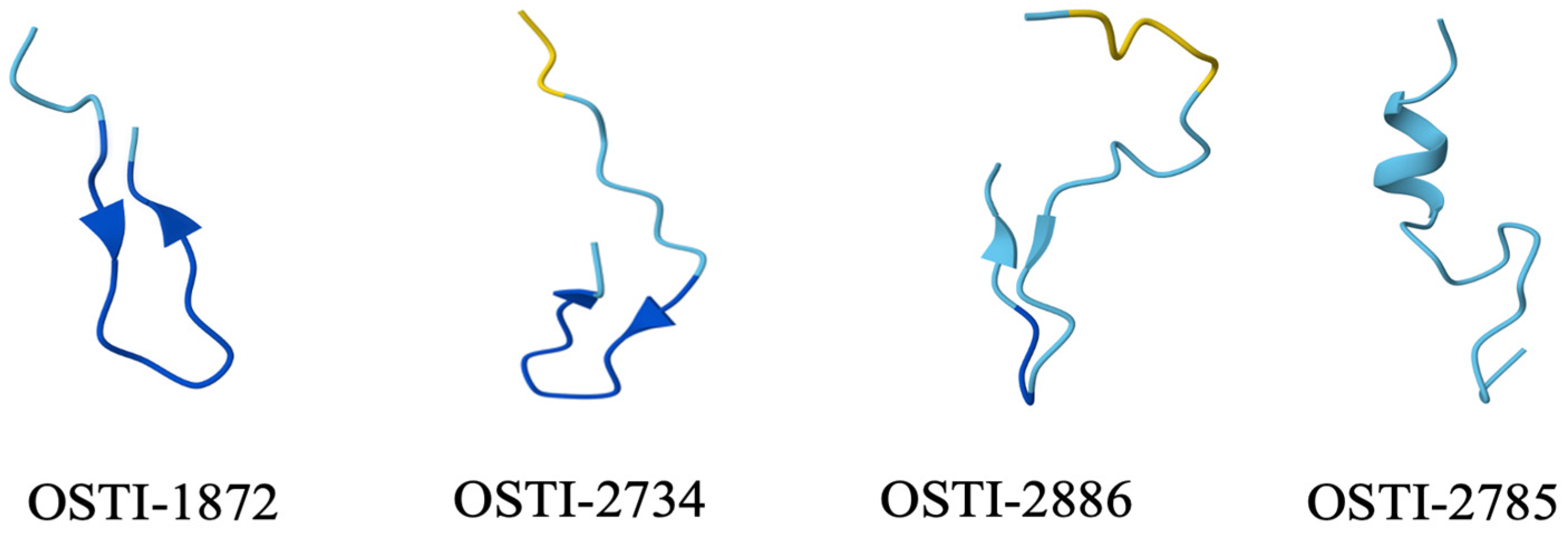
2.2. Prediction of Physicochemical Properties and Secondary Structure
2.3. Purification and Identification of Peptides
Crude peptides were purified by reverse-phase high-performance liquid chromatography (RP-HPLC) using a LUNA C-5 preparative column (250 × 10 mm, Phenomenex, Macclesfield, UK). The mobile phase consisted of solvent A (ddH2O containing 0.5% TFA) and solvent B (80% acetonitrile, 19.5% ddH2O, 0.5% TFA). Elution was performed using a linear gradient from 38% to 48% solvent B (corresponding to 62% to 52% solvent A) over 80 min at a flow rate of 5 mL/min, with UV detection at 214 nm. The target peptides were collected at retention times of 23–31 min.
Peptide identity was confirmed by matrix-assisted laser desorption–ionization time-of-flight mass spectrometry (MALDI-TOF MS) (Voyager DE, Perseptive Biosystems, Framingham, MA, USA). The matrix solution contained α-cyano-4-hydroxycinnamic acid (CHCA, 10 mg/mL) dissolved in 70% acetonitrile and 30% water with 0.1% TFA. HPLC fractions (2 μL) were mixed with 1 μL matrix solution, air-dried on the target plate, and analyzed to obtain mass-to-charge ratios (m/z).
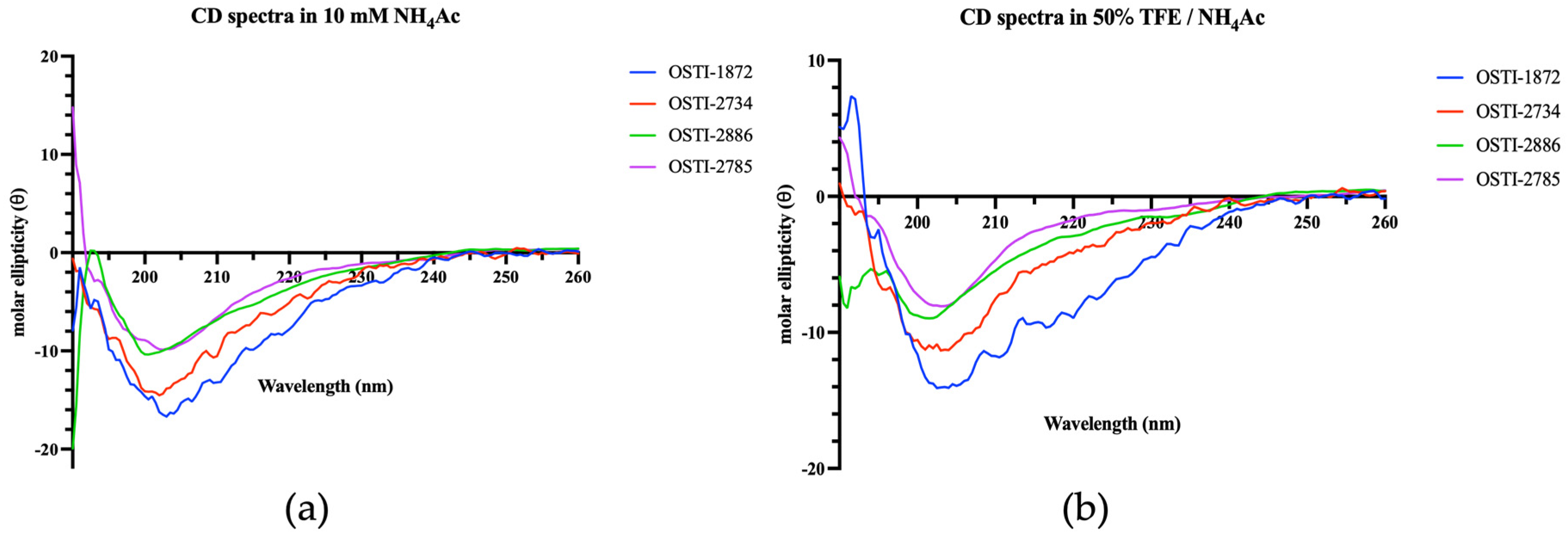
2.4. Peptide Secondary Structural Analysis
The secondary structures were analyzed using a JASCO J815 circular dichroism (CD) spectrometer (Jasco, Essex, UK). Peptides were dissolved to a concentration of 100 μM with ammonium acetate (NH4Ac) solution (20 mM), acting as a stock solution. Then, the stock solution was mixed with an equal volume of ddH2O and TFE, respectively, to generate working solutions, which were used to mimic the aqueous environment and the membrane environment. The peptide working solutions were scanned at wavelengths ranging from 190 to 260 nm in a quartz cuvette with a thickness of 1 mm. The scanning speed was set at 200 nm/min, and the bandwidth and data pitch were 1 nm and 0.5 nm, respectively.
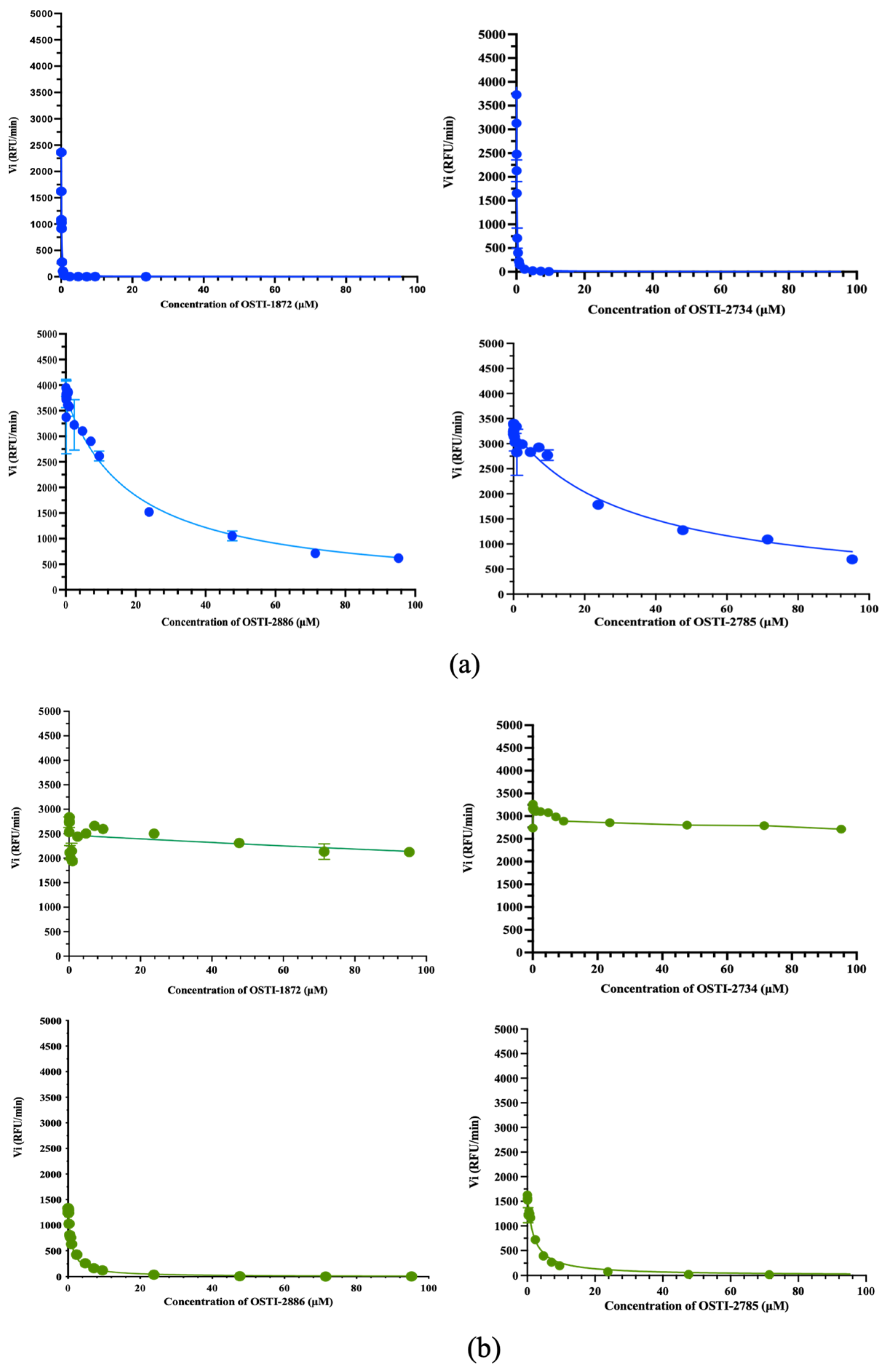
2.5. Trypsin/Chymotrypsin Inhibition Determinations
Trypsin/chymotrypsin inhibitory activity was evaluated [
28] using Phe-Pro-Arg-AMC (Bachem, Saint Helens, UK) and Succinyl-Ala-Ala-Pro-Phe-AMC (Bachem, UK) as the substrate, respectively. AMC is the abbreviation of 7-amino-4-methylcoumarin. Peptides (1–1000 μM) were prepared in phosphate-buffered saline (PBS) and added to black 96-well plates containing 180 μL of substrate (50 μM) and 10 μL of trypsin working solution, yielding a final volume of 210 μL per well. The trypsin/chymotrypsin stock solution (1 mg/mL) was first diluted to 1:1000 with 1 mM HCl to prepare a working solution before use in the inhibition assay.
Fluorescence was measured immediately using a FLUOstar OPTIMA plate reader (BMG Labtech, Ortenberg, Germany) at 37 °C, with excitation and emission wavelengths of 395 nm and 460 nm, respectively. Measurements were recorded every 30 s for 30 min. Inhibition curves were analyzed using the Morrison equation in Prism 9.
Working conditions were trypsin substrate concentration [S] = 42.86 μM; enzyme concentration Et = 0.0020 μM; Km = 41.07 μM. For chymotrypsin, [S] = 42.86 μM, Et = 0.0020 μM, and Km = 17.15 μM.
2.6. Antimicrobial Assays
Antimicrobial activity was evaluated by determining the minimum inhibitory concentration (MIC) and minimum bactericidal concentration (MBC). Ten microorganisms were selected for use in this assay including Escherichia coli (E. coli, ATCC CRM 8739) (E. coli, BAA 2340) (E. coli, NCTC 13846), Pseudomonas aeruginosa (P. aeruginosa, ATCC CRM 9027), Staphylococcus aureus (S. aureus, ATCC CRM 6538), Enterococcus faecium (E. faecium, NCTC 12697), Methicillin-resistant Staphylococcus aureus (MRSA, NCTC 12493), Klebsiella pneumonia (K. pneumonia, ATCC CRM 43861), Acinetobacter baumannii (A. baumannii, BAA 747), and Candida albicans (C. albicans, ATCC 10231).
Bacteria were cultured in tryptic soy broth or nutrient broth at 37 °C, while fungi were cultured in a yeast extract peptone dextrose medium at 26 °C in an Orbital Shaker for 16–20 h at 120 rpm/min. Cultures were diluted to approximately 5 × 10⁵ CFU/mL. Peptides were dissolved in dimethyl sulfoxide (DMSO) (100–51,200 μM). Each well contained 99 μL bacterial suspension and 1 μL peptide solution. Norfloxacin (20 μg/mL, 62.6 μM) and amphotericin B (10 μg/mL, 10.8 μM) served as positive controls for bacteria and fungi, respectively. Plates were incubated for 20–24 h, and optical density was measured at 550 nm using a Synergy HT plate reader (Bio-Tek, Minneapolis, MN, USA), operating in endpoint measurement mode.
MIC was defined as the lowest concentration without visible growth. For MBC determination, samples from MIC assays were plated on solid media and incubated; the MBC values were determined by visual inspection of colony growth on agar plates after incubation and defined as the lowest peptide concentration showing no visible bacterial colonies.
2.7. Time-Killing Kinetic Assays
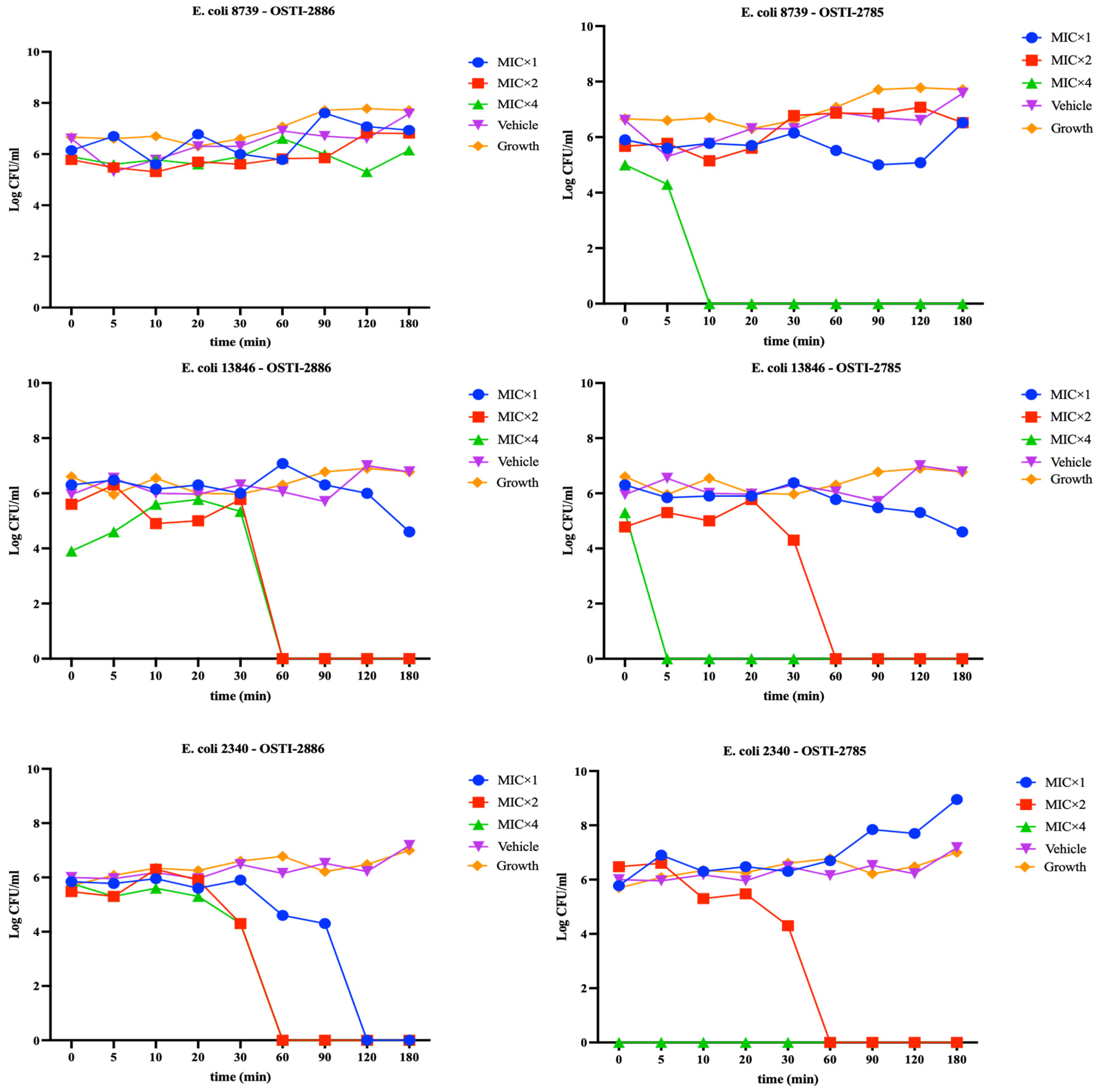
Time-killing kinetic assays were executed to explore the killing efficiency of peptides against bacteria. The concentrations of tested peptides were at values of 1× MIC, 2× MIC and 4× MIC, and the three strains tested in this assay were Escherichia coli (ATCC CRM 8739) and two drug-resistant strains of Escherichia coli (E. coli, NCTC 13846) (E. coli, BAA 2340). The bacteria were cultured using the same method as that employed in the antimicrobial activity determination assay. The bacterial culture was diluted to ×105 CFU/mL after reaching the logarithmic growth phase. In total, 198 μL of the bacterial suspension and 2 μL of peptide solutions with concentrations at 1× MIC, 2× MIC and 4× MIC were added to separate sterile tubes, respectively. The bacterial-peptide mixture medium was diluted 10, 100 and 1000 times, and then 10 μL of the mixture medium at four different bacterial densities was inoculated onto plates with solid culture medium (NA) at the time points of 0, 5, 10, 15, 30, 60, 90, 120 and 180 min. All colonies were counted and recorded after the seeded plates were incubated at 37 °C for 24 h. The vehicle control was 198 μL bacteria medium treated with 2 μL DMSO, and the growth control was just 200 μL bacteria medium without any peptide solution treatments.
2.8. SYTOXTM Green Permeability Assays
Membrane permeabilization was assessed using SYTOX™ green nucleic acid stain (Thermo Fisher Scientific, Waltham, MA, USA), which selectively penetrates cells with compromised membranes.
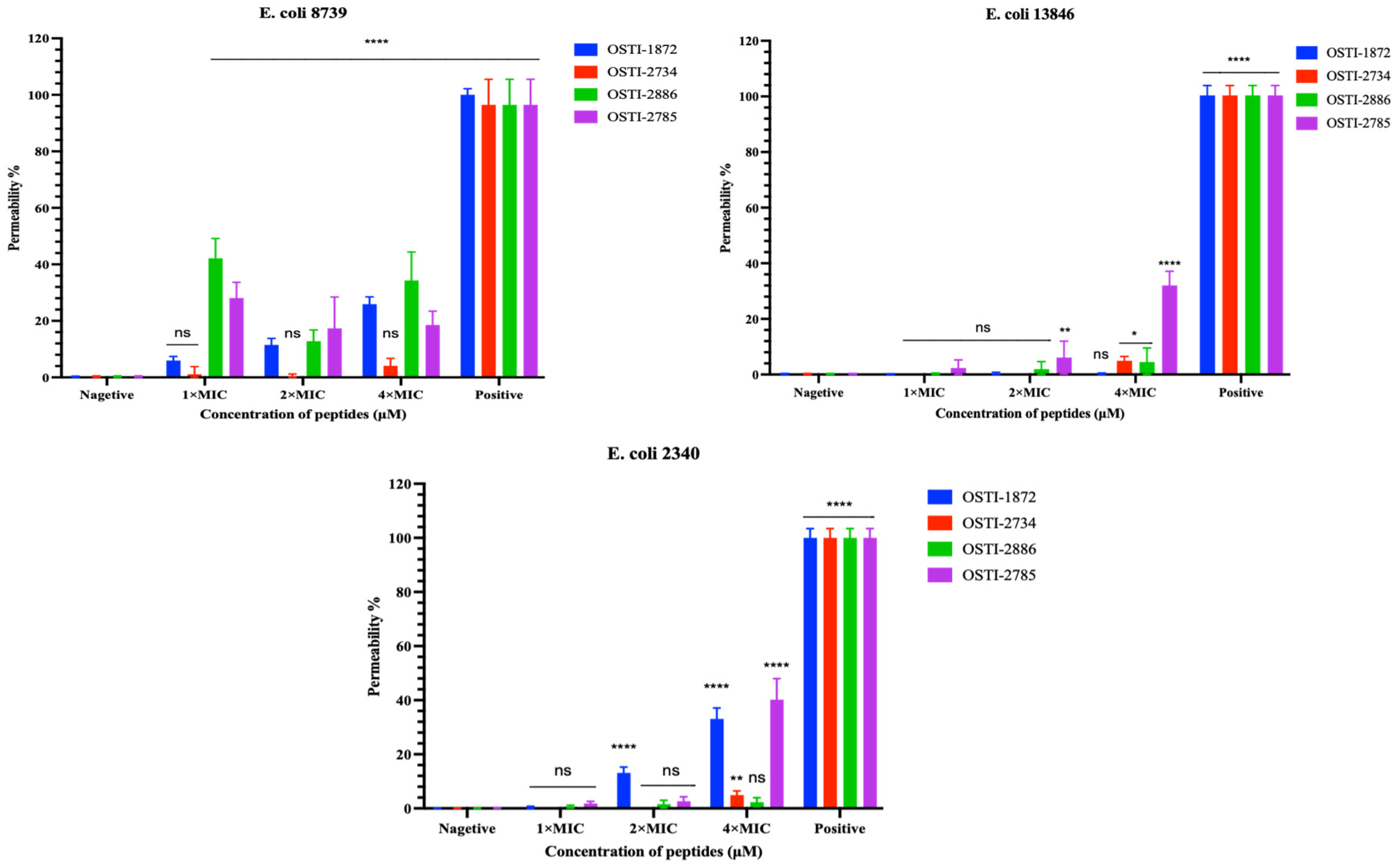
At first, E. coli (NCTC 13846/BAA 2340) was cultured in TSB medium in an Orbital Shaker at 37 °C overnight. After being subcultured for 2 h, the bacterial culture was centrifuged at 1000× g for 10 min, 4 °C, and then the culture medium was discarded. The bacteria at the bottom of the tube were washed gently twice with 5% TSB (in 0.85% NaCl). For the third time, the bacterial suspension was diluted with the same solution until its density reached the logarithmic growth phase, in which the OD value reached 0.70 at the detected wavelength of 590 nm. Subsequently, 40 μL peptide solutions at concentrations of 2.5× MIC, 5× MIC, and 10× MIC and 50 μL of bacterial suspension were loaded into a black 96-well plate, respectively, and then incubated for 2 h at 37 °C. Finally, 10 μL of SYTOXTM green nucleic acid stain (5 μM) was added to the plate, and the mixture was incubated at 37 °C under dark conditions for another 5 min. The total reaction volume was 100 μL, resulting in final peptide concentrations of MIC, 2× MIC, and 4× MIC, respectively. The intensity of fluorescence was detected by Synergy HT (BioTech, Winooski, VT, USA) and wavelengths of excitation and emission were set at 485 and 528 nm, respectively. A bacterial medium was added with 5% TSB and acted as the negative control; the bacterial medium treated with Melittin peptide solution (8 μM) was set as the positive control; and 5% TSB alone was the blank control.
2.9. MD Simulations of Peptide–Anionic Lipid Membrane Interactions
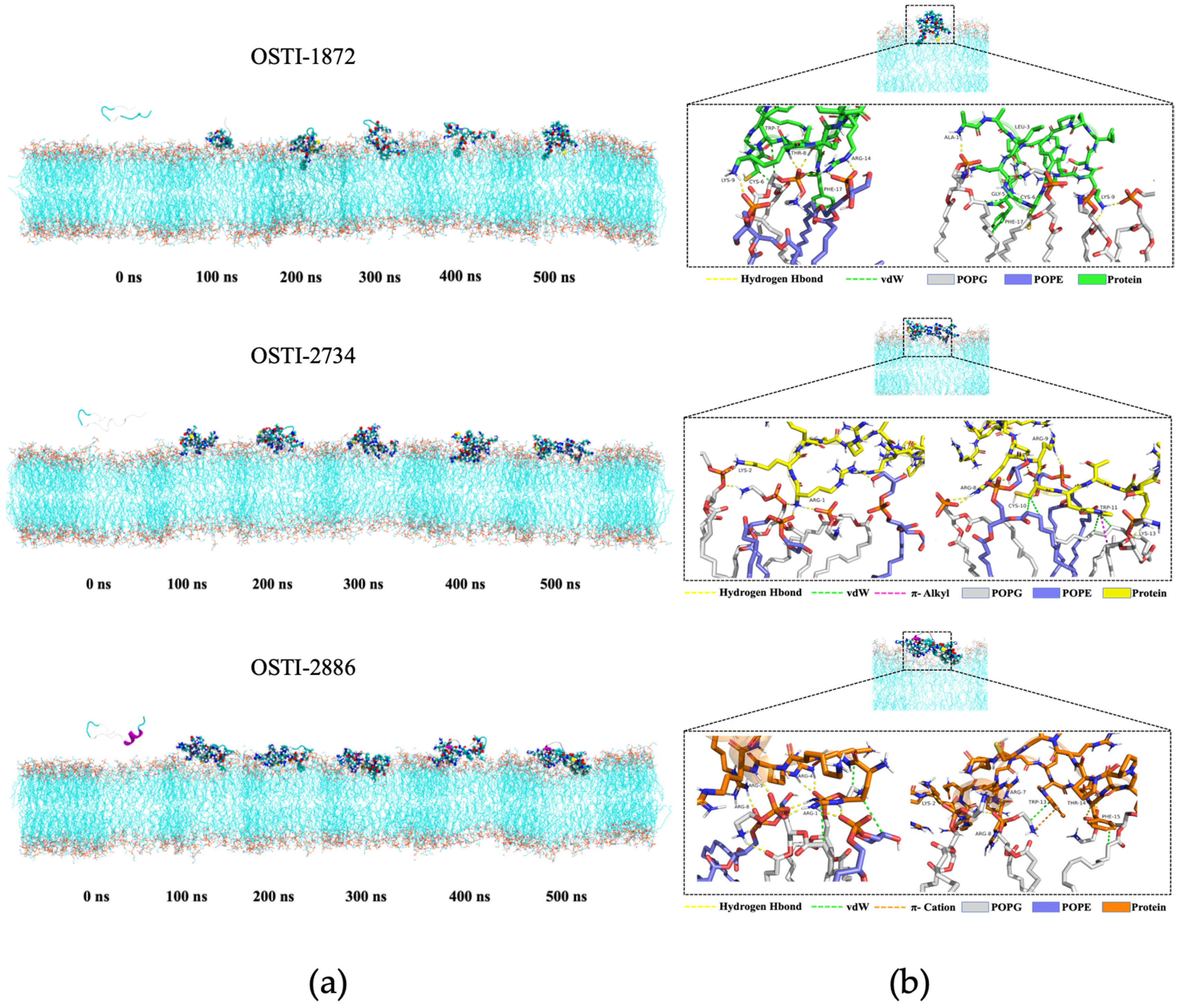
Molecular dynamics (MD) simulations were performed for the parent peptide and its analogues to investigate their interactions with a model bacterial membrane. The membrane system was constructed using CHARMM-GUI and consisted of phosphatidylethanolamine (POPE) and phosphatidylglycerol (POPG) lipids at a molar ratio of 3:1. The membrane patch measured approximately 10.0 × 10.0 nm2 and contained 252 POPE and 84 POPG molecules. All peptide C-termini were amidated.
Predicted peptide structures were visualized and inspected using PyMOL 2.5.5, and the highest-scoring model for each peptide was selected for simulation. Each peptide was initially positioned above the membrane surface. The systems were solvated with water molecules, and Na+ and Cl− ions were added to neutralize the net charge and achieve a physiological ionic strength of 0.15 M. The final systems contained 121,928, 126,056, and 127,391 atoms, respectively.
The CHARMM36 force field was used to parameterize both peptides and lipid components, while the TIP3P model was applied for water molecules. Force-field parameters were generated using the pdb2gmx module in GROMACS 2023.3. Following energy minimization, systems were equilibrated under NVT and NPT ensembles prior to 500 ns production MD simulations. Electrostatic interactions were calculated using the particle mesh Ewald method. Simulations were performed with a 2 fs time step, and coordinates were recorded every 10 ps. Periodic boundary conditions were applied throughout the simulations. Trajectory analysis and visualization were conducted using VMD 1.9.4.
2.10. Salt Ions and Serum Sensitivity
The sensitivity of the peptides to salt ions and serum was examined in the antimicrobial activity determination assay under salt ion and serum conditions. E. coli (ATCC CRM 8739) was the tested bacterium. Different concentrations of salts (150 mM NaCl, 4.5 mM KCl, 6 µM NH4Cl, 1 mM MgCl2, 2.5 mM CaCl2, and 4 mM FeCl3) were used to determine the influence of cationic substances in the bacterial culture on the antimicrobial activities of the peptides.
2.11. Haemolysis Assays
The purpose of the hemolysis assay is to evaluate the cytotoxicity of peptides against horse red blood cells in vitro. Erythrocytes were obtained from defibrinated horse blood and then washed with PBS to reach 4% suspension in PBS as a working solution. The peptide was dissolved in DMSO to prepare a stock solution, and then it was diluted in PBS to working concentrations ranging from 32 μM to 512 μM (DMSO was less than 1% in total volume). Then, 100 μL of different peptide concentration solutions and 100 μL of 4% erythrocyte suspension were mixed in tubes, respectively, and the tubes were placed in an incubator at 37 °C for 2 h. Afterwards, the erythrocyte suspensions were centrifuged for 10 min at 930× g, and the supernatant in each tube was carefully transferred into a 96-well plate. The absorbance associated with erythrocyte lysis was measured at 470 nm using the reader Synergy HT plate reader (BioTek, Shoreline, WA, USA). The positive control was 4% erythrocyte suspension treated with 1% Triton X-100 (Sigma-Aldrich, St. Louis, MO, USA), and the negative control contained 4% erythrocyte suspension and 1% DMSO solution (diluted by PBS).
2.12. Antiproliferation Assays
The antiproliferative activity of peptides against human cell lines was evaluated using the MTT assay, which is based on the conversion of MTT into water-insoluble formazan crystals using metabolically active cells. The tested cell lines included human breast cancer cells (MCF-7), human lung carcinoma cells (H838), human colorectal carcinoma cells (HCT116), and human glioblastoma astrocytoma cells (U251MG). Cells were treated with peptides at concentrations ranging from 10−9 to 10−4 M to assess anticancer activity. A human skin keratinocyte cell line (HaCaT) was used to evaluate cytotoxicity toward normal cells. All cell lines were obtained from the American Type Culture Collection (ATCC, Manassas, VA, USA).
Cells were cultured in 75 mL flasks containing 10 mL of the appropriate growth medium at 37 °C for 3–5 days. After removing the culture medium, cells were washed twice with PBS and detached using 3–4 mL trypsin for 2–3 min. The digestion was terminated by adding 8–10 mL fetal bovine serum (FBS). The cell suspension was centrifuged, the supernatant was discarded, and the pellet was resuspended in 4 mL complete growth medium to prepare a stock suspension. Cell density was determined using trypan blue staining and adjusted with FBS to the required densities (H838 and MCF-7: 8 × 10⁴ cells/mL; U251MG: 5 × 10⁴ cells/mL; HCT116 and HaCaT: 2 × 10⁵ cells/mL). Cells were seeded into 96-well plates at 100 μL per well.
After incubation for 20–24 h, the medium was replaced with serum-free medium for 4 h to induce cell starvation. Peptides were dissolved in DMSO (10−2 M stock) and diluted with serum-free medium to final concentrations of 10−9–10−4 M. Cells were then treated with 100 μL peptide solutions. The vehicle control consisted of 1 μL DMSO in 99 μL serum-free medium, while blank and growth controls contained serum-free medium only. After 24 h of treatment, a 10 μL MTT solution was added to each well and incubated for 2 h. The medium was removed, and formazan crystals were dissolved in 100 μL DMSO. After shaking for 10 min, absorbance was measured at 570 nm using a microplate reader (BioTek, Shoreline, WA, USA).
2.13. Apoptosis Detection Assays
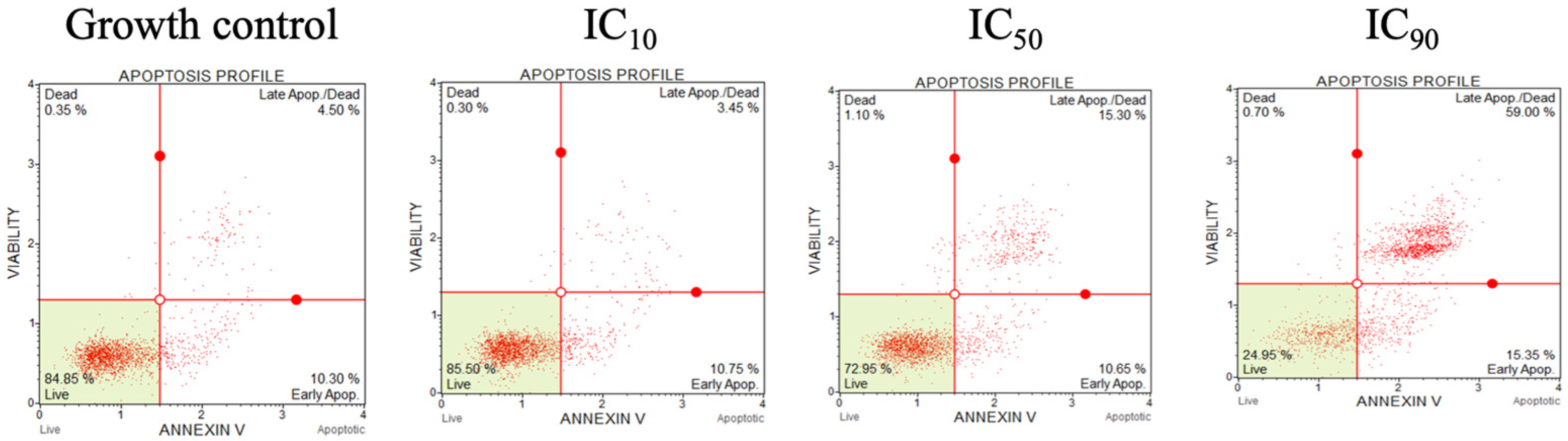
Cell apoptosis was evaluated using Annexin V and propidium iodide (PI) dual staining, which distinguishes apoptotic and necrotic cells, followed by flow cytometry analysis. Human lung carcinoma H838 cells were used in this assay. Apoptosis was assessed using the Muse™ Annexin V and Dead Cell Reagent (EMD Millipore, Billerica, MA, USA) according to the manufacturer’s instructions.
H838 cells were cultured in 15 mL flasks, as described in the antiproliferation assay. When cell confluence reached approximately 80%, the culture medium was removed, and cells were washed twice with PBS. Cells were detached using 3 mL of EBSS/trypsin solution for 3 min, and digestion was terminated by adding fetal bovine serum (FBS). The cell suspension was centrifuged at 300× g for 7 min at 4 °C, and the pellet was resuspended in complete growth medium. Cells were then seeded into 24-well plates at an approximate density of 1 × 10⁶ cells/mL (1 mL per well) and incubated at 37 °C under 5% CO2 for 24 h.
After incubation, the medium was replaced with serum-free medium for 12 h to induce cell starvation. Cells were subsequently treated with peptide solutions at IC
10, IC
50, and IC
90 concentrations for 6 h. IC
10 and IC
90 values were calculated from IC
50 values using an online calculator GraphPad QuickCalcs (
https://www.graphpad.com/quickcalcs/Ecanything1/, (accessed 15 March 2024)). Cells treated with 200 μM cisplatin, which served as the positive control.
Following treatment, cells were detached using EBSS/trypsin, collected into 1.5 mL tubes, and centrifuged at 300× g for 7 min. The cell pellet was resuspended in PBS to a final concentration of 1 × 10⁶ cells/mL. Subsequently, 100 μL of cell suspension was stained with 100 μL Muse Annexin V and Dead Cell Reagent and incubated for at least 20 min at room temperature in the dark. Samples were analyzed using a Muse Cell Analyzer (EMD Millipore, Billerica, MA, USA).
2.14. Statistical Analysis
Statistical analysis of biological activity determination assays was conducted using software Prism 9 (GraphPad Software, Boston, MA, USA). One-way/two-way ANOVA was used to analyze the statistical significance of the difference. The data points are the mean of the independent experiments, and the error bar represents the standard error of the mean (SEM). Ns represents a non-significant difference; * is p < 0.5; ** is 0.001 < p < 0.01; *** is 0.0001 < p < 0.001; and **** is p < 0.0001.
4. Discussion
Peptide conjugation has emerged as an effective strategy for improving peptide bioactivity, stability, and pharmacological performance. In the present study, TAT-TIL conjugates were rationally designed to enhance the biological functions of amphibian skin-derived Bowman–Birk-like trypsin inhibitor peptides. Our results demonstrate that conjugation with the cell-penetrating peptide TAT markedly enhances antimicrobial activity and modulates antiproliferative effects, while the introduction of a glycine linker further improves biological performance. These findings suggest that CPP-mediated modification, rather than protease inhibitory activity itself, plays a dominant role in enhancing peptide bioactivity.
The amphibian skin-derived peptides are named Bowman–Birk-like trypsin inhibitors (BBLTIs), and they exhibit a conserved precursor structure consisting of 65–70 amino acids. This structure includes a signal peptide at the N-terminus, which is highly conserved, then an acidic spacer, and a mature peptide domain, concluding with the C-terminus [
41,
42,
43,
44]. They share a highly conserved disulphide-bridged loop consisting of eleven residues (CWTP1SXPPXPC), which plays a pivotal role in their trypsin inhibitory activity [
45,
46]. Natural BBLTI peptides not only have a potent anti-trypsin ability but also possess multiple biological functions, including slight antimicrobial activity, weak anticancer activity, and the ability to reduce inflammation, interfere with the absorption of nutrients, and regulate the immune system [
47,
48,
49]. However, their relatively modest biological potency restricts their therapeutic application. Therefore, conjugation with CPPs represents a promising approach to enhance peptide functional properties.
In this study, analogues were constructed by conjugating TAT with a trypsin inhibitory loop (TIL). OSTI-2734 was generated by directly fusing TAT with the TIL of OSTI-1872. In OSTI-2886, a diglycine (-GG-) linker was introduced between TAT and TIL to facilitate conjugation and improve structural flexibility. The final analogue, OSTI-2785, is derived from OSTI-2886 by disrupting the disulfide bridge, which is accomplished through the elimination of the last cysteine residue. The majority of reported protease inhibitor peptides typically demonstrate a singular inhibitory activity, targeting either trypsin or chymotrypsin [
27,
28], whereas there are still a limited number of peptides that have demonstrated dual inhibitory activity [
26]. OSTI-1872 exhibits dual inhibitory activity, including potent inhibition of trypsin and a modest inhibitory effect on chymotrypsin, and this dual activity is preserved in all analogues. Notably, the enhanced chymotrypsin-inhibiting specificity observed in OSTI-2886 and OSTI-2785 is attributable to the substitution of the P1 lysine residue in the TIL with phenylalanine.
Regarding antimicrobial effectiveness, all TAT-conjugated analogues exhibited significantly enhanced antimicrobial activity against both Gram-negative bacteria and MRSA compared with the parent peptide OSTI-1872. This improvement is likely driven by increased electrostatic interactions between the positively charged TAT moiety and negatively charged bacterial membranes. Gram-negative bacterial membranes, particularly those of
E. coli, possess a higher density of negatively charged phospholipids than Gram-positive bacteria; enhanced electrostatic attraction likely facilitates peptide binding and membrane association [
50]. Notably, OSTI-2785, which lacks intact protease inhibitory activity due to disruption of the disulfide bridge, showed antimicrobial activity comparable to OSTI-2886. This observation indicates that protease inhibitory function is not essential for antimicrobial activity enhancement following TAT conjugation, suggesting that CPP-mediated membrane interaction or intracellular targeting may represent the primary mechanism of action.
All peptides exhibited low membrane permeabilization against three E. coli strains at the tested concentrations. OSTI-2734 showed negligible membrane permeability to the tested E. coli strains across all concentrations. Membrane permeability assays revealed that TAT-conjugated peptides induced minimal membrane disruption in Gram-negative bacteria, suggesting that their antimicrobial activity is unlikely to rely on direct membrane lysis. Instead, these peptides may exert antibacterial effects through non-lytic mechanisms, potentially involving intracellular targets following CPP-mediated translocation. Meanwhile, these peptides vary in their degrees of membrane-disruptive activity to different tested Gram-negative bacteria strains, but they were positively correlated with the concentration of peptides.
Consistent with this hypothesis, time-kill kinetic assays demonstrated relatively slow bactericidal activity at MICs but more rapid bacterial killing at higher peptide concentrations. These findings suggest a concentration-dependent mode of action that may involve progressive intracellular accumulation rather than immediate membrane destruction. The distinct bactericidal kinetics observed among different analogues further indicate that structural features such as linker incorporation may influence cellular uptake efficiency or intracellular activity.
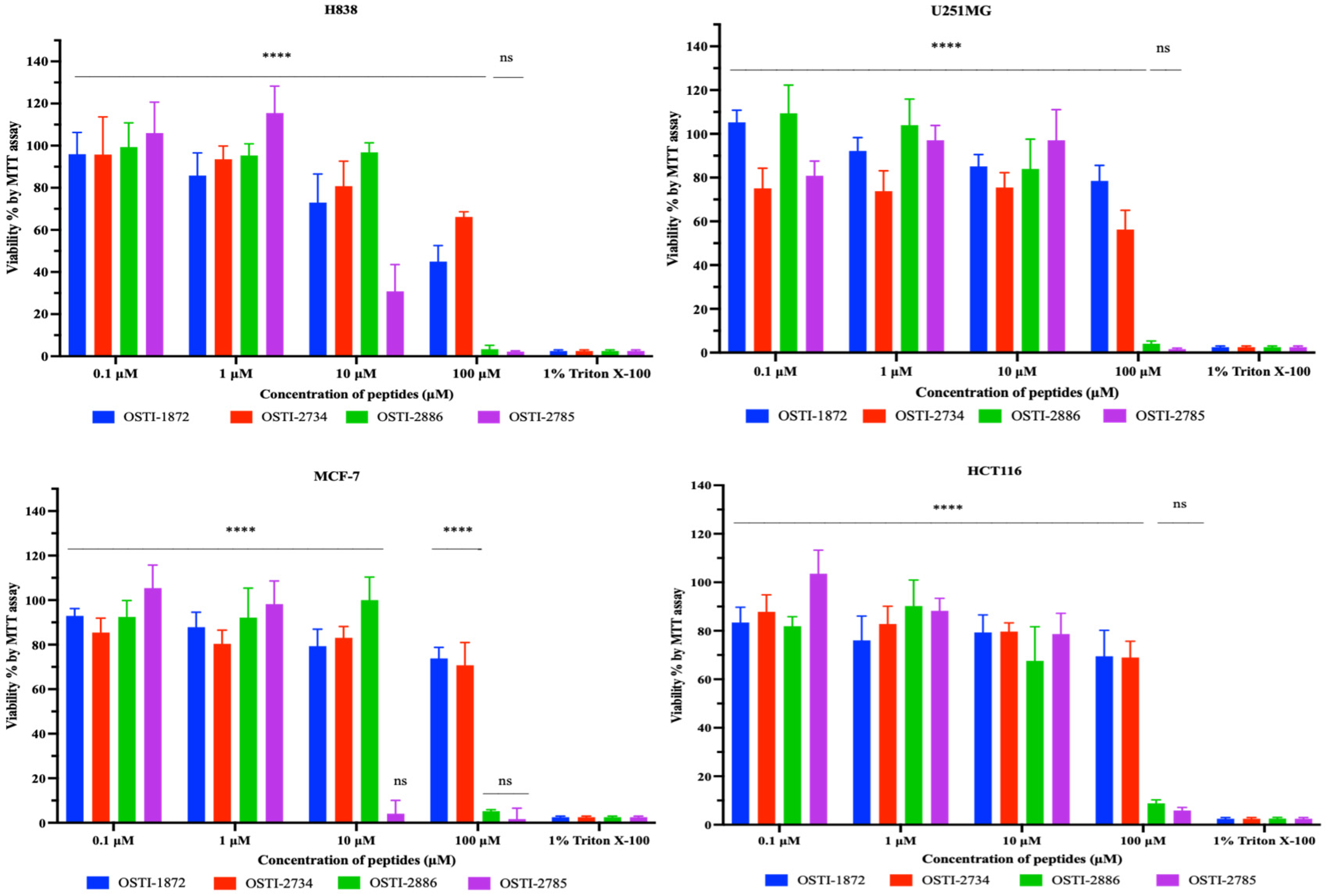
Despite the substantial improvement in antimicrobial activity observed across all analogues, it is noteworthy that OSTI-2734 did not exhibit a detectable enhancement in antiproliferative activity, which aligns with findings from previous studies [
28]. However, OSTI-2886 featuring the linker (“-GG-”), in particular, displayed both potent antimicrobial and significantly enhanced antiproliferative activity compared to OSTI-2734 and the parent peptide OSTI-1872, which strongly indicates the significance of the linker in improving the biological activity of modified peptides. The enhanced activity is likely attributable to the structural flexibility introduced by peptide linkers. Such flexibility can influence the overall peptide conformation, which affects binding affinity, receptor recognition, and cellular uptake, while enabling the linked segments to adopt favourable conformations for optimal interaction with biological targets. In addition, flexible linkers may facilitate adaptation to the target environment. By spatially separating functional domains within a peptide or peptide conjugate, linkers can reduce steric hindrance and interference, allowing each domain to function more effectively [
51,
52,
53].
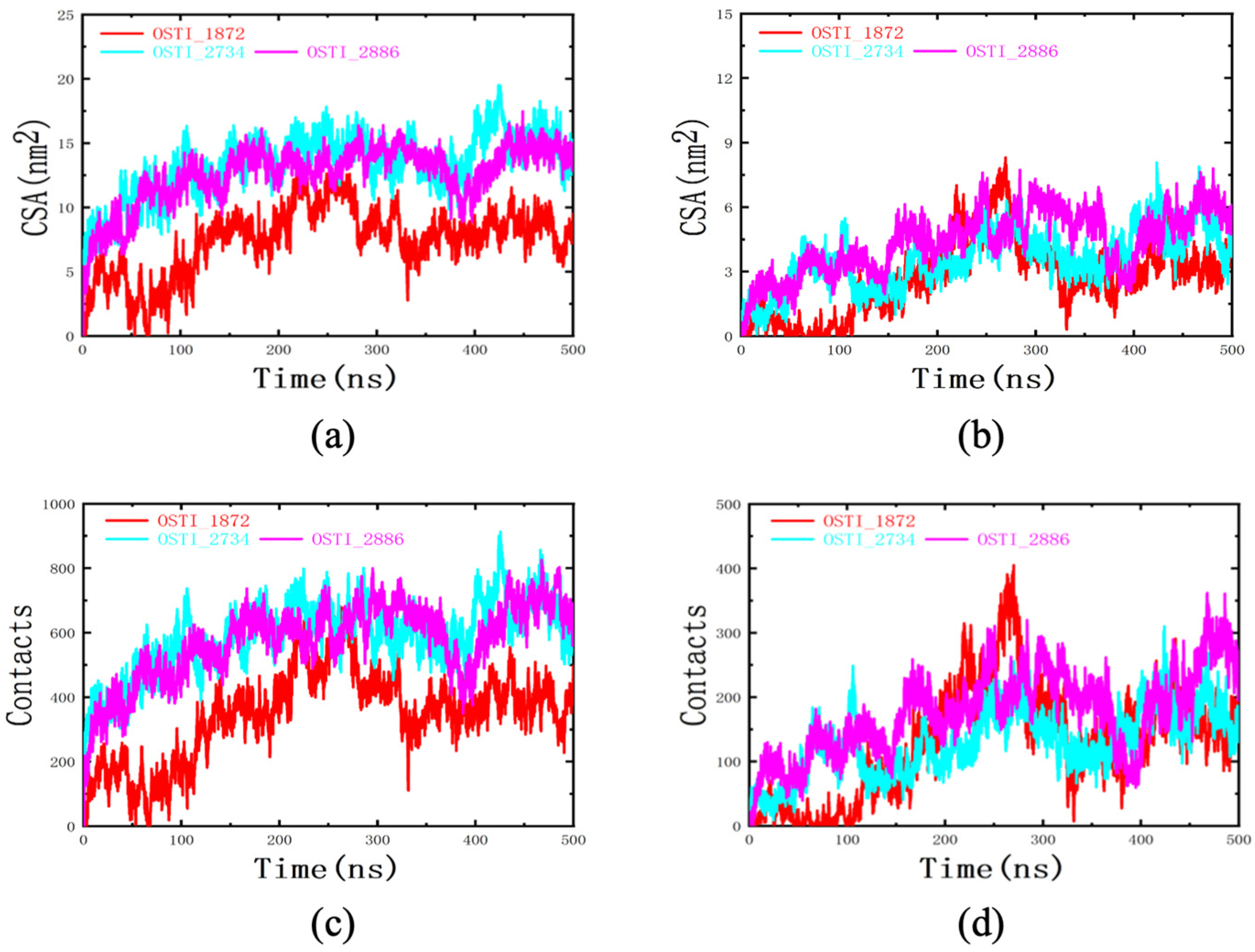
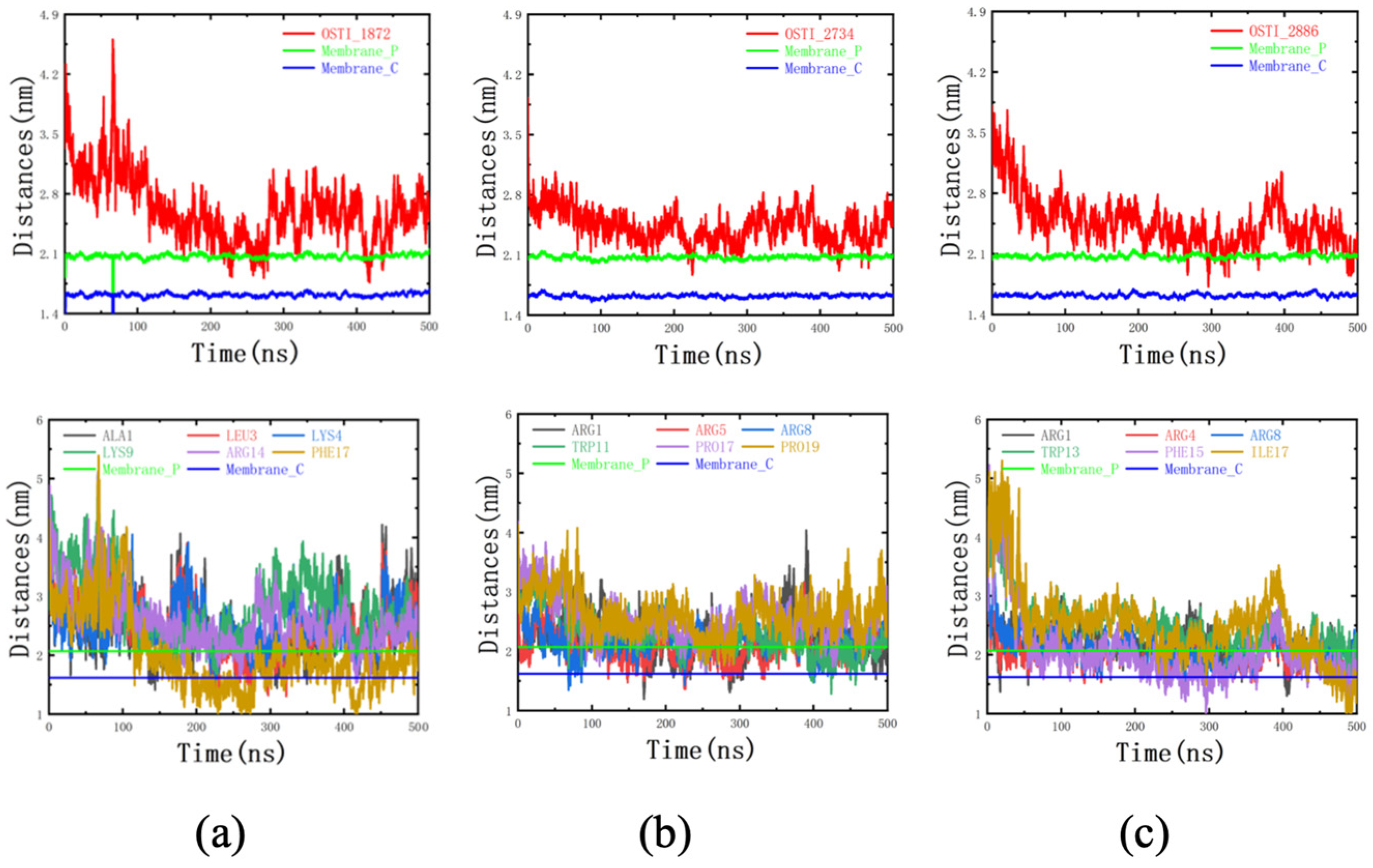
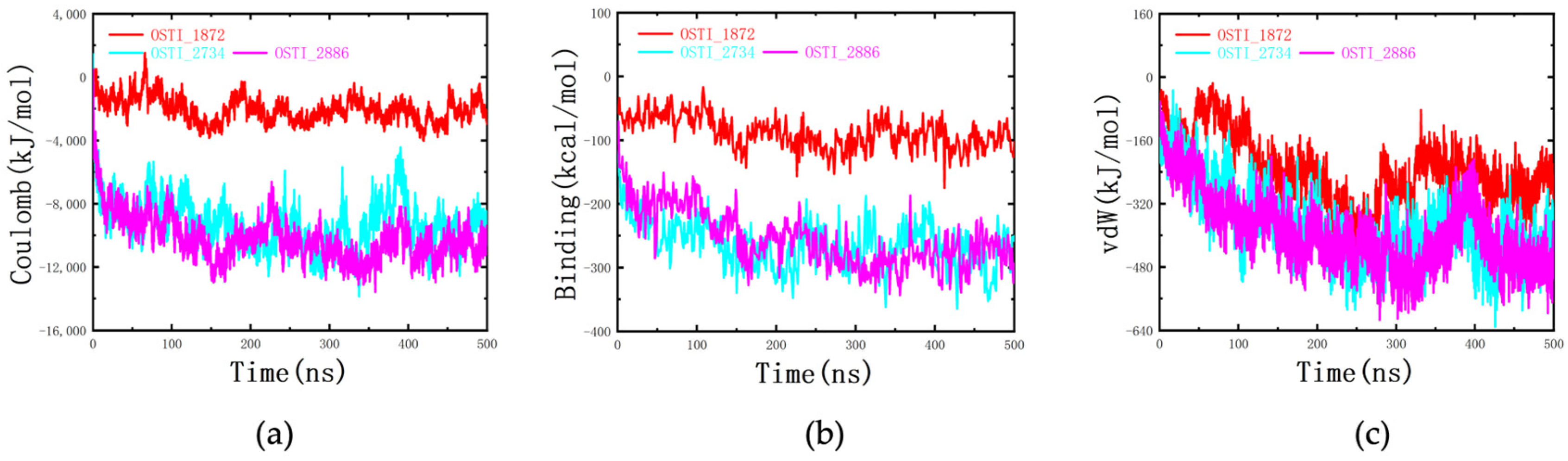
Among the designed analogues, OSTI-2886, which contains a di-glycine (-GG-) linker, exhibited the most pronounced enhancement in both antimicrobial and antiproliferative activities. The improved activity can be attributed to the structural flexibility introduced by the glycine linker, which can reduce steric hindrance between functional domains and facilitate more favourable conformational adaptation for target interaction. Flexible linkers may also spatially separate functional regions, thereby enabling independent activity of the CPP and inhibitory loop. Importantly, molecular dynamics simulation results support this interpretation. OSTI-2886 demonstrated increased membrane contact surface area and occasional deeper insertion of non-polar residues into the hydrophobic membrane region compared with other analogues. These findings suggest that linker-mediated structural flexibility may facilitate membrane interaction and cellular uptake, thereby contributing to enhanced biological activity. In addition to antimicrobial effects, TAT-TIL conjugates displayed differential antiproliferative activity against cancer cells. Notably, OSTI-2886 and OSTI-2785 exhibited significantly enhanced antiproliferative effects, whereas OSTI-2734 showed limited activity, further underscoring the importance of linker incorporation in activity optimization.
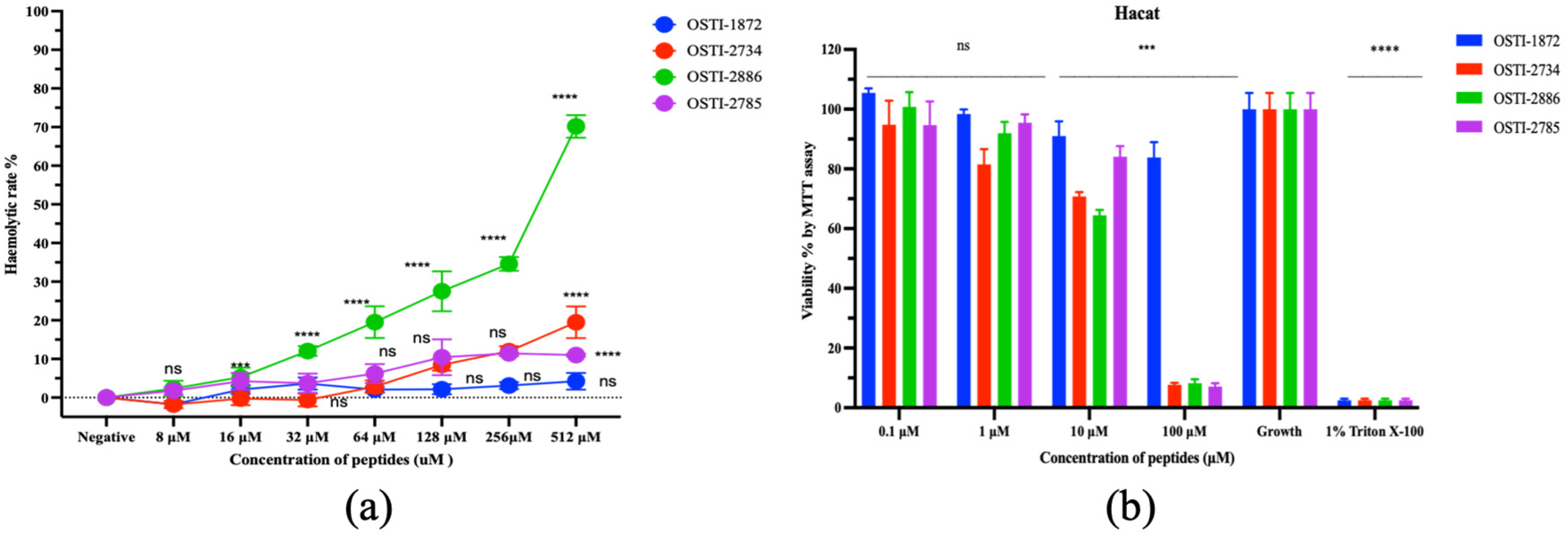
However, enhanced anticancer activity was accompanied by increased cytotoxicity toward normal HaCaT cells, as well as dose-dependent hemolytic effects, particularly for OSTI-2886. These findings indicate limited cellular selectivity, suggesting that TAT-mediated cellular uptake may occur in both normal and cancer cells. Such non-selective cytotoxicity represents a potential limitation for therapeutic application and highlights the need for further structural optimization to improve target specificity.
Apoptosis assays revealed that OSTI-2886 did not induce apoptosis in cancer cells, indicating that its antiproliferative effects may involve alternative mechanisms such as cell cycle arrest or metabolic disruption. Further studies are, therefore, warranted to elucidate the underlying intracellular pathways.
Molecular dynamics simulations revealed that the peptide–membrane association was predominantly driven by electrostatic interactions, as evidenced by substantially higher electrostatic interaction energies compared with van der Waals interactions. TAT-conjugated peptides exhibited increased contact surface area and more rapid equilibrium binding with the membrane, supporting their enhanced membrane affinity. Furthermore, centroid distance analysis indicated distinct membrane insertion behaviours among the analogues. OSTI-2734 is primarily associated with membrane headgroups, whereas OSTI-2886 occasionally penetrates into the hydrophobic membrane core. These differences in membrane interaction behaviour correlate with their respective biological activities, providing mechanistic insight into the enhanced efficacy of linker-containing conjugates.
Collectively, these findings demonstrate that CPP conjugation represents an effective strategy for enhancing the biological activity of protease inhibitor peptides. The results further highlight the importance of linker design in modulating peptide structure, membrane interaction, and biological function. This study provides a rational framework for the development of multifunctional peptide conjugates and supports further investigation of CPP-modified peptides as potential antimicrobial and anticancer agents.




 ,
,