_Kwok.png)
Serine Protease HtrA2 from Halophilic Archeon Haloarcula sp. TG1: Heterologous Expression, Characterization and Immobilization

 , , , , and
Abstract
1. Introduction
2. Materials and Methods
2.1. Bacterial Strains, Plasmids and Culture Media
2.2. Molecular Cloning
2.3. Phylogenetic Analysis and In Silico Protein Characterization
2.4. Production and Purification of HtrA2 Protein
2.5. Zymogram Analysis
2.6. Analysis of Protease Activity
2.7. Effects of Substrate, Temperature, pH, NaCl, Organic Solvent and Metal Ions on HtrA2 Activity
2.8. Thermal and pH Stabilities of HtrA2
2.9. PHB Extraction
2.10. Immobilization of Recombinant HtrA2 with PHB
2.11. Removing Bloodstains from Cotton Fabric
2.12. Statistical Analyses
3. Results
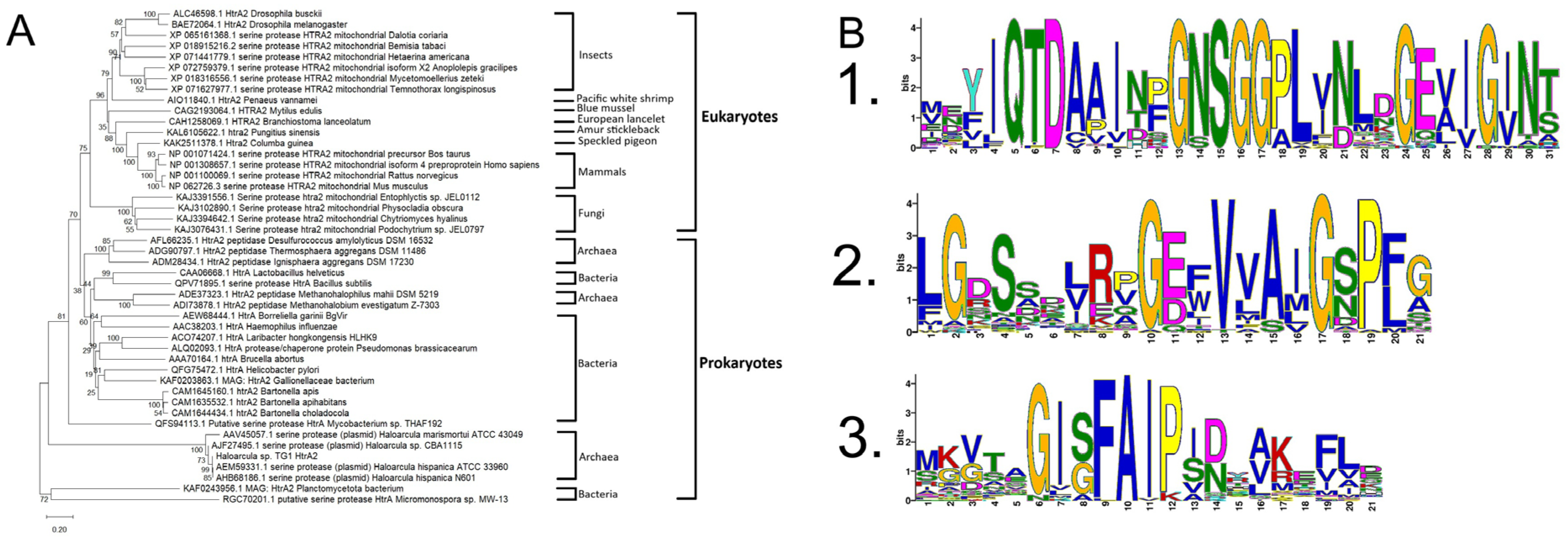
3.1. Cloning, Sequencing and In Silico Analyses of the Serine Protease
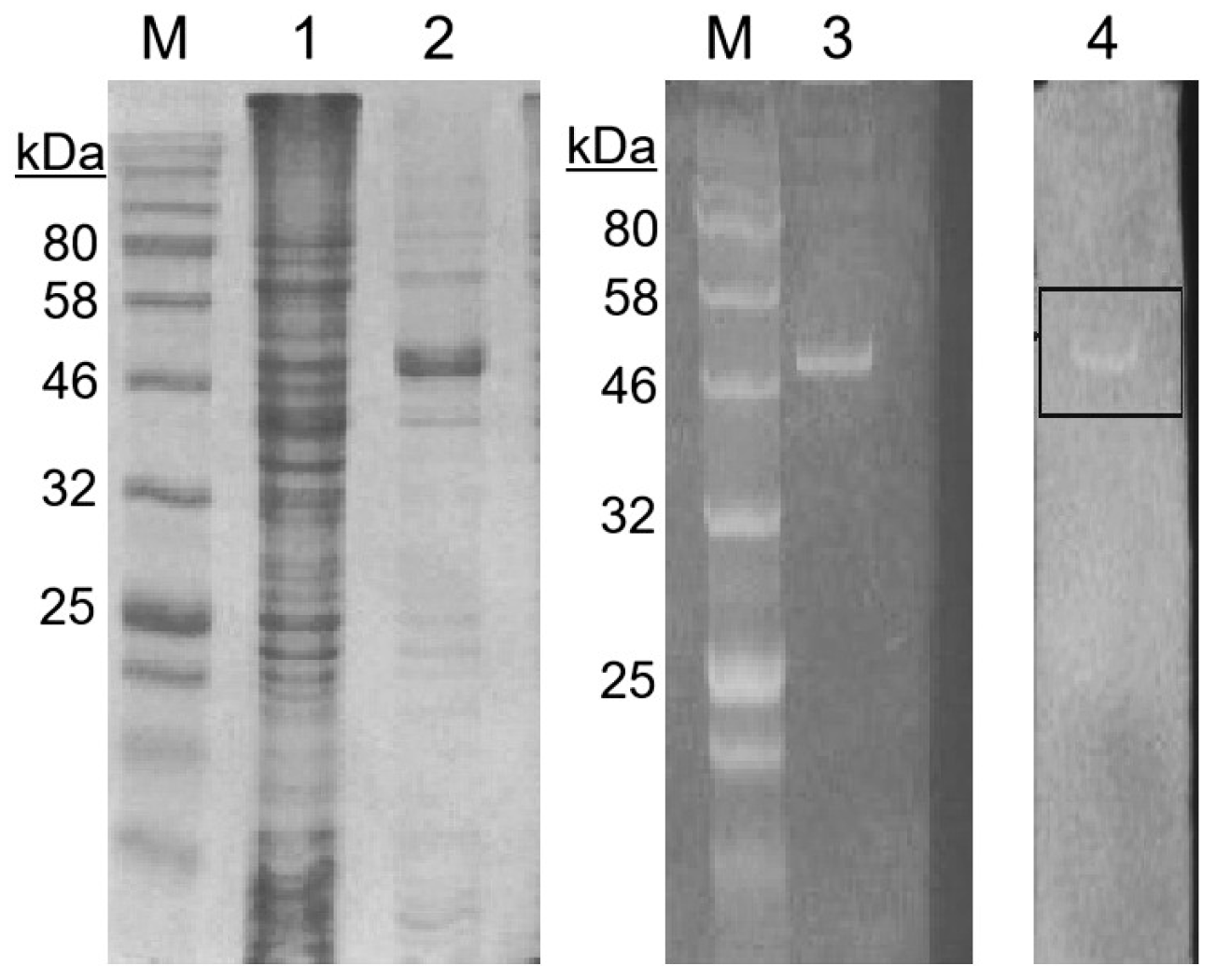
3.2. Purification of Recombinant HtrA2 Protein and Zymogram Analysis
3.3. Effect of Various Factors on the Protease Activity of HtrA2
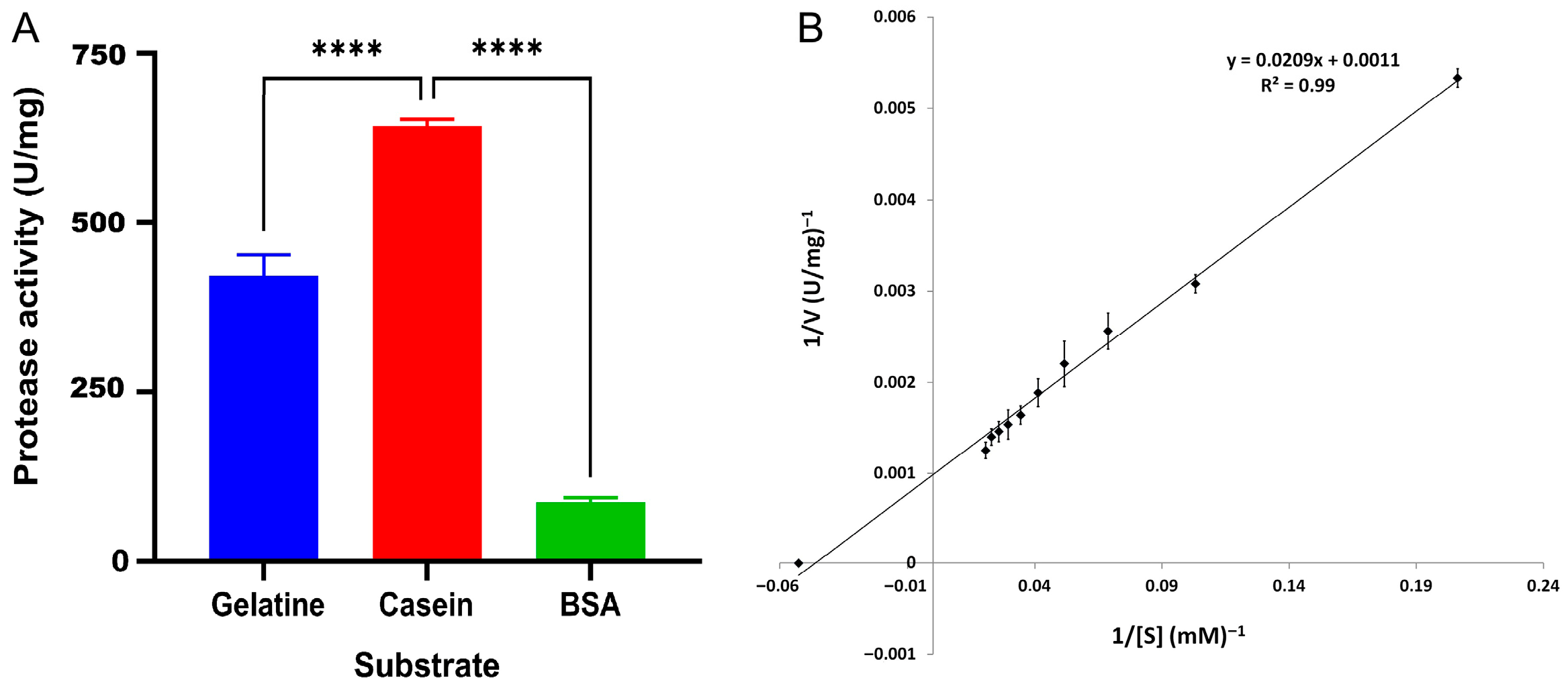
3.3.1. Substrate Effect
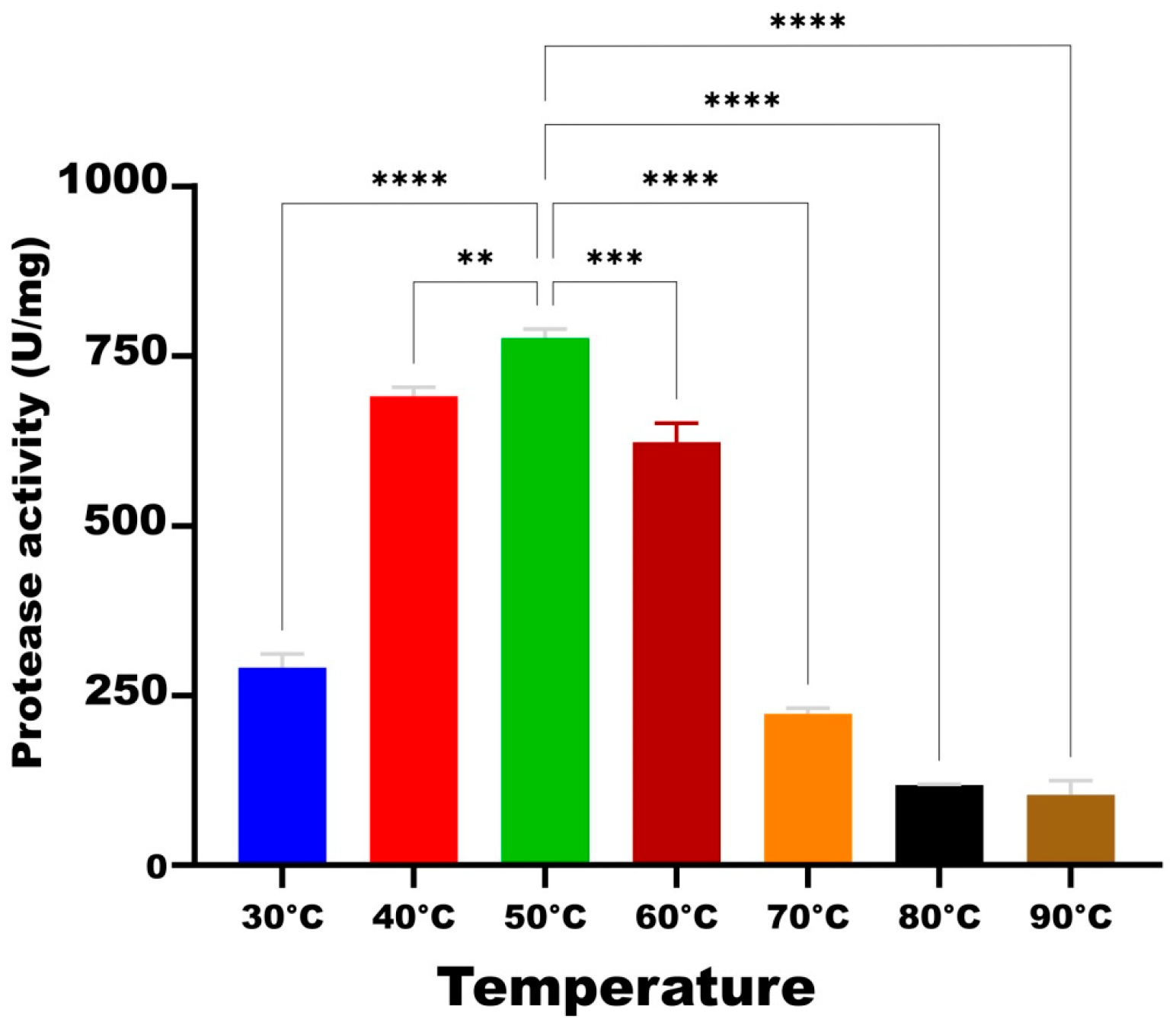
3.3.2. Temperature Effect
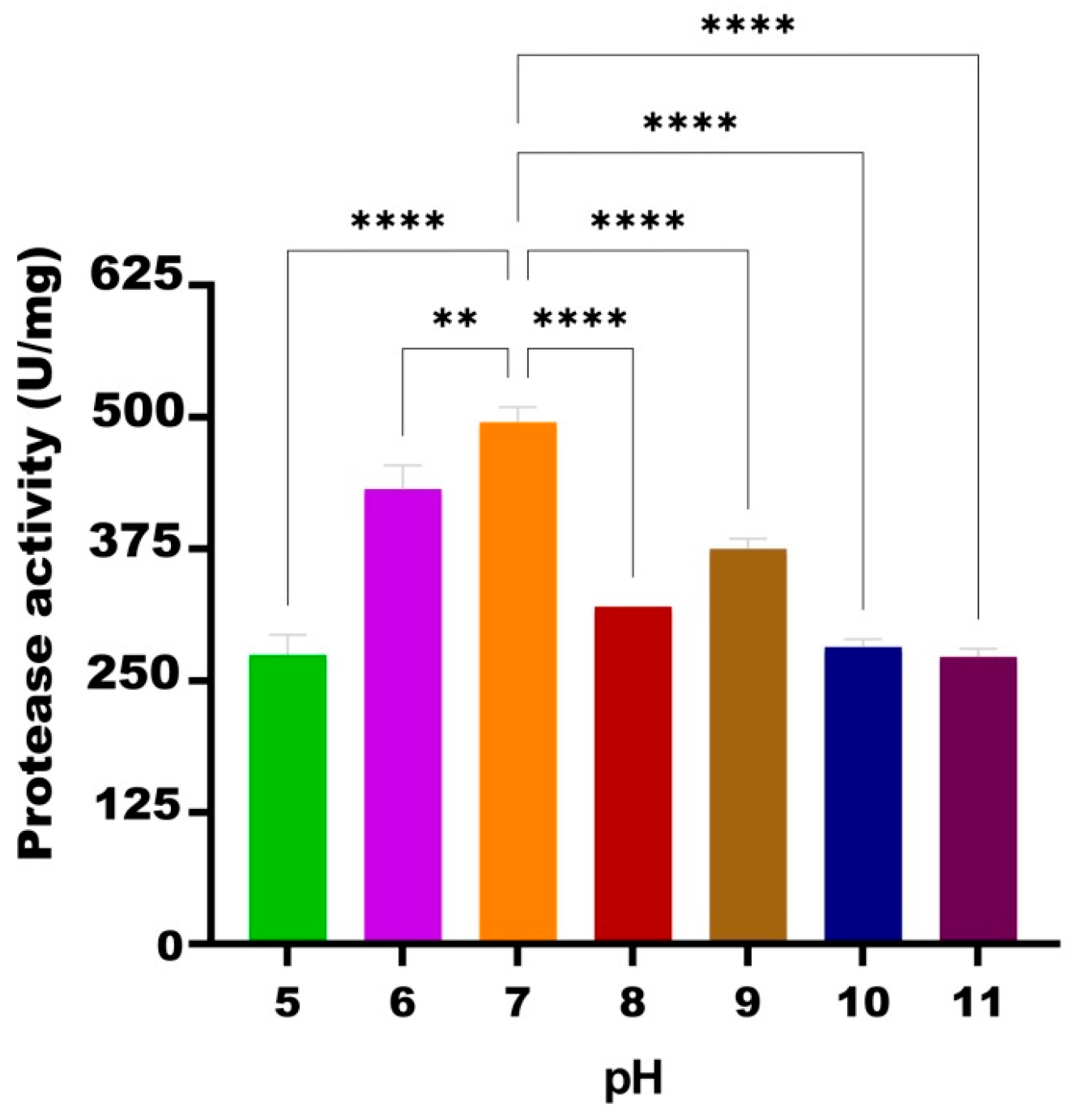
3.3.3. pH Effect
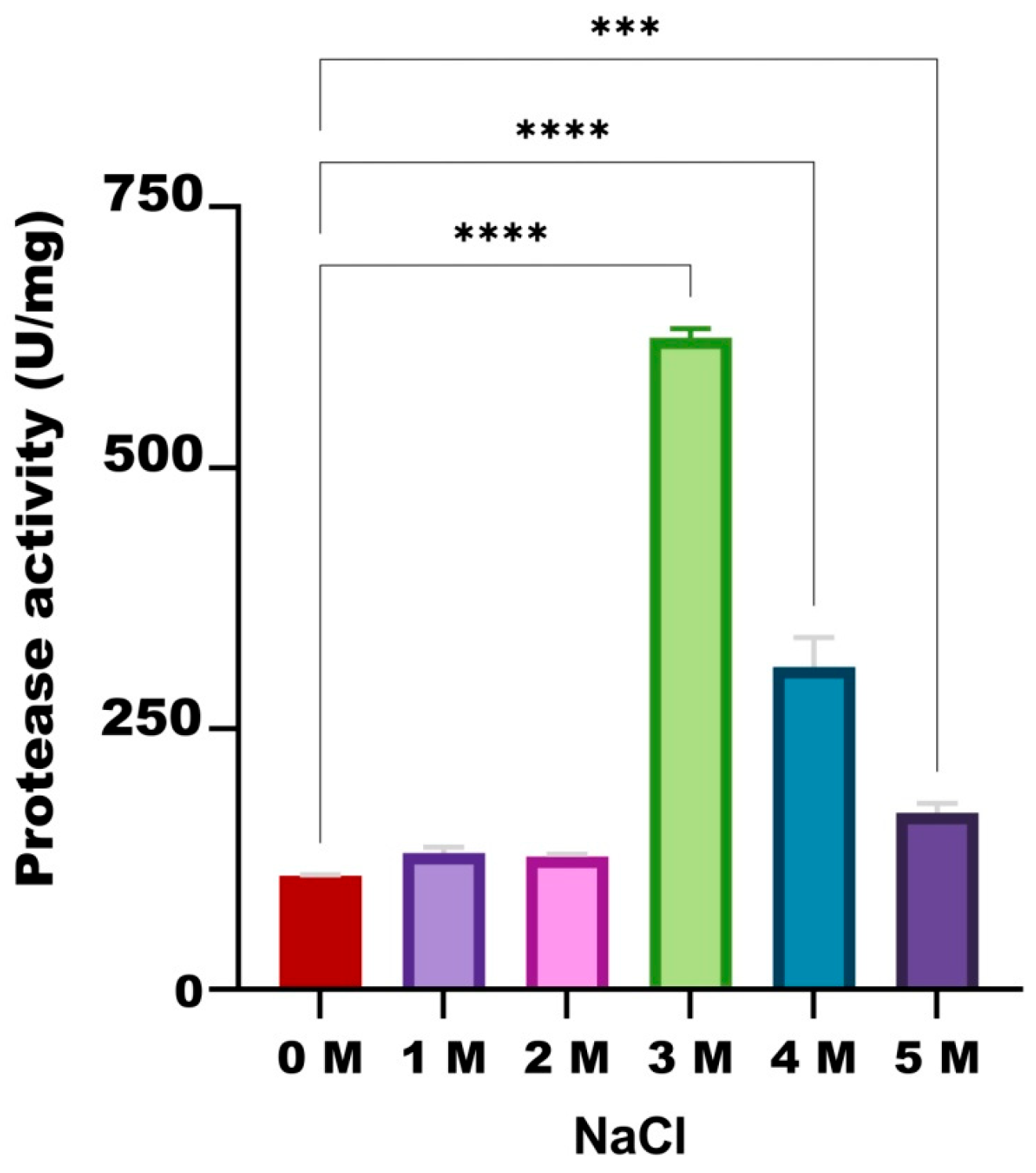
3.3.4. NaCl Effect
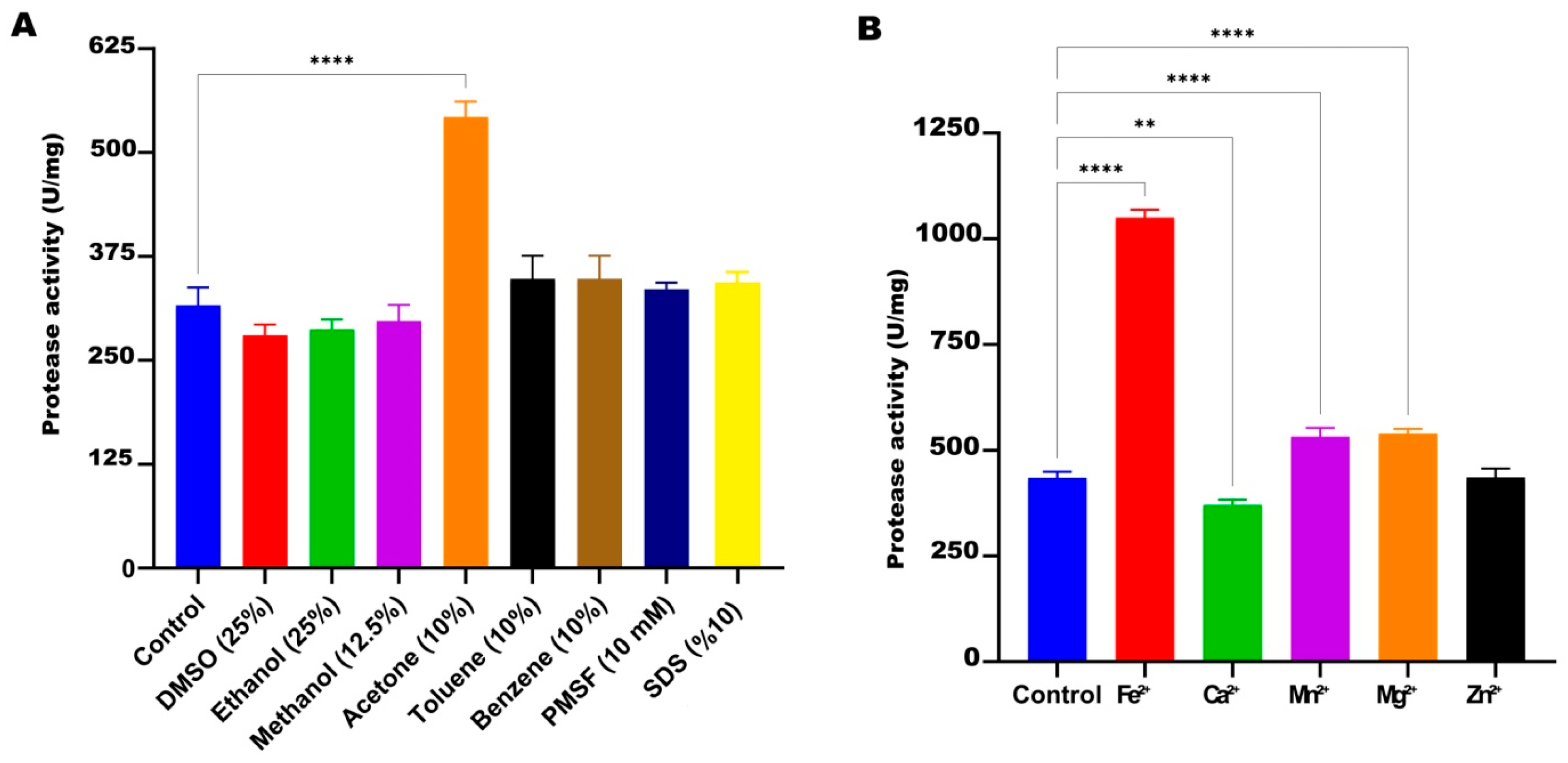
3.3.5. Effect of Organic Solvents, Inhibitors, and Metal Ions
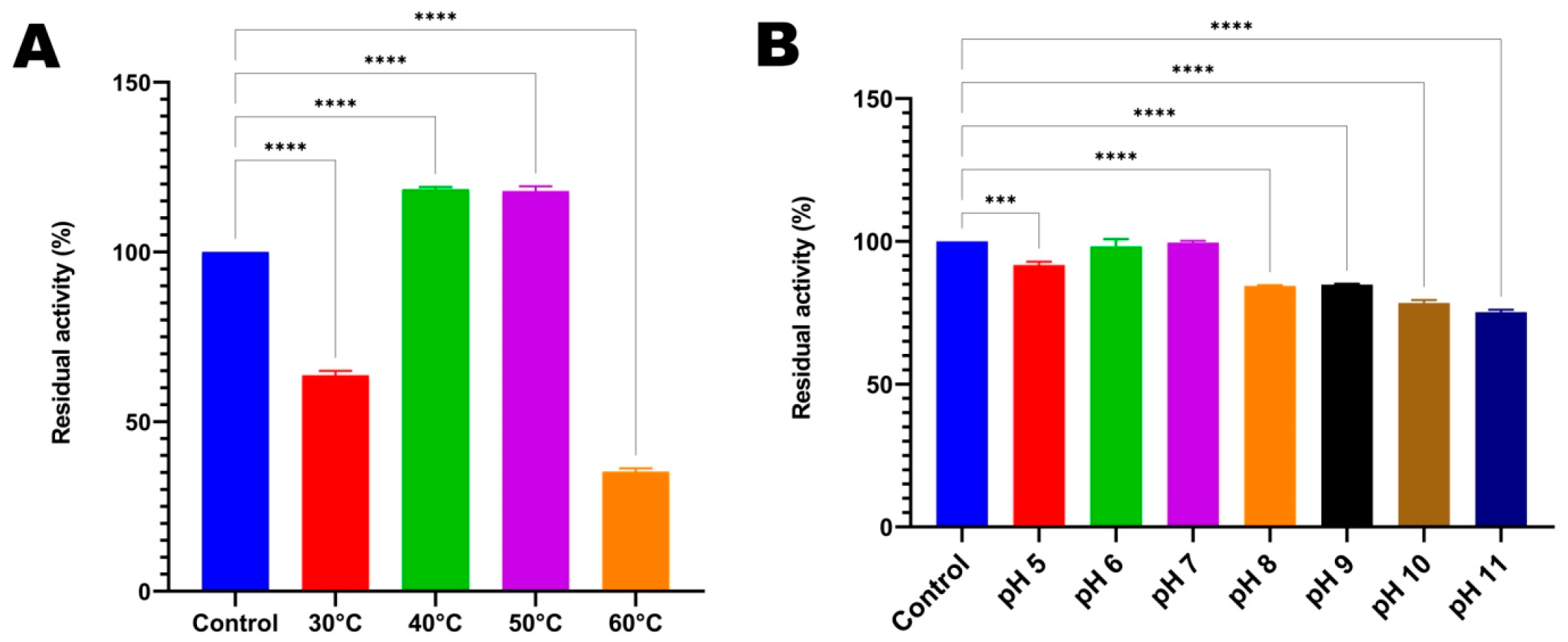
3.3.6. Temperature and pH Stability of HtrA2 Protease
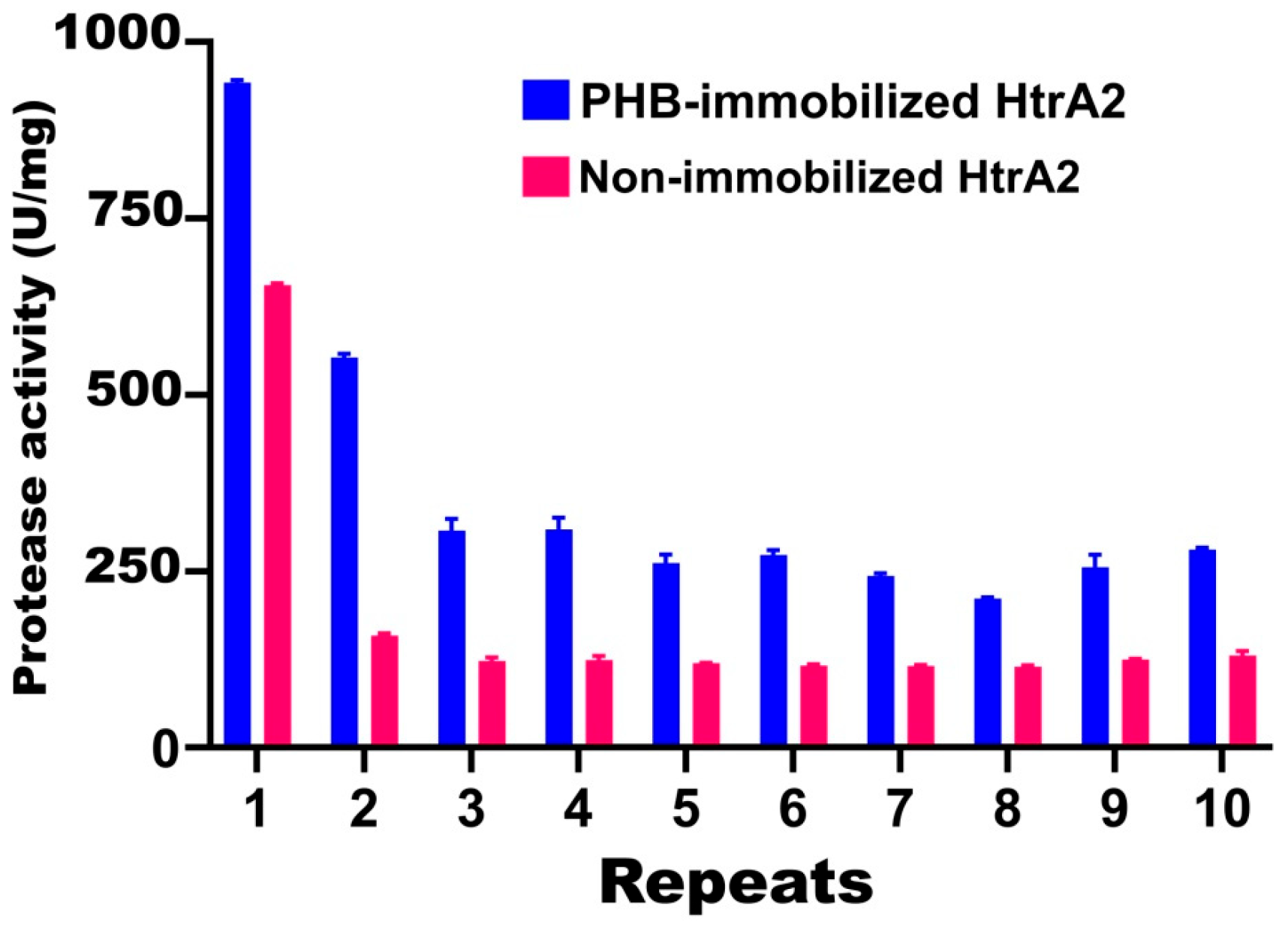
3.4. Immobilization of HtrA2 Protease
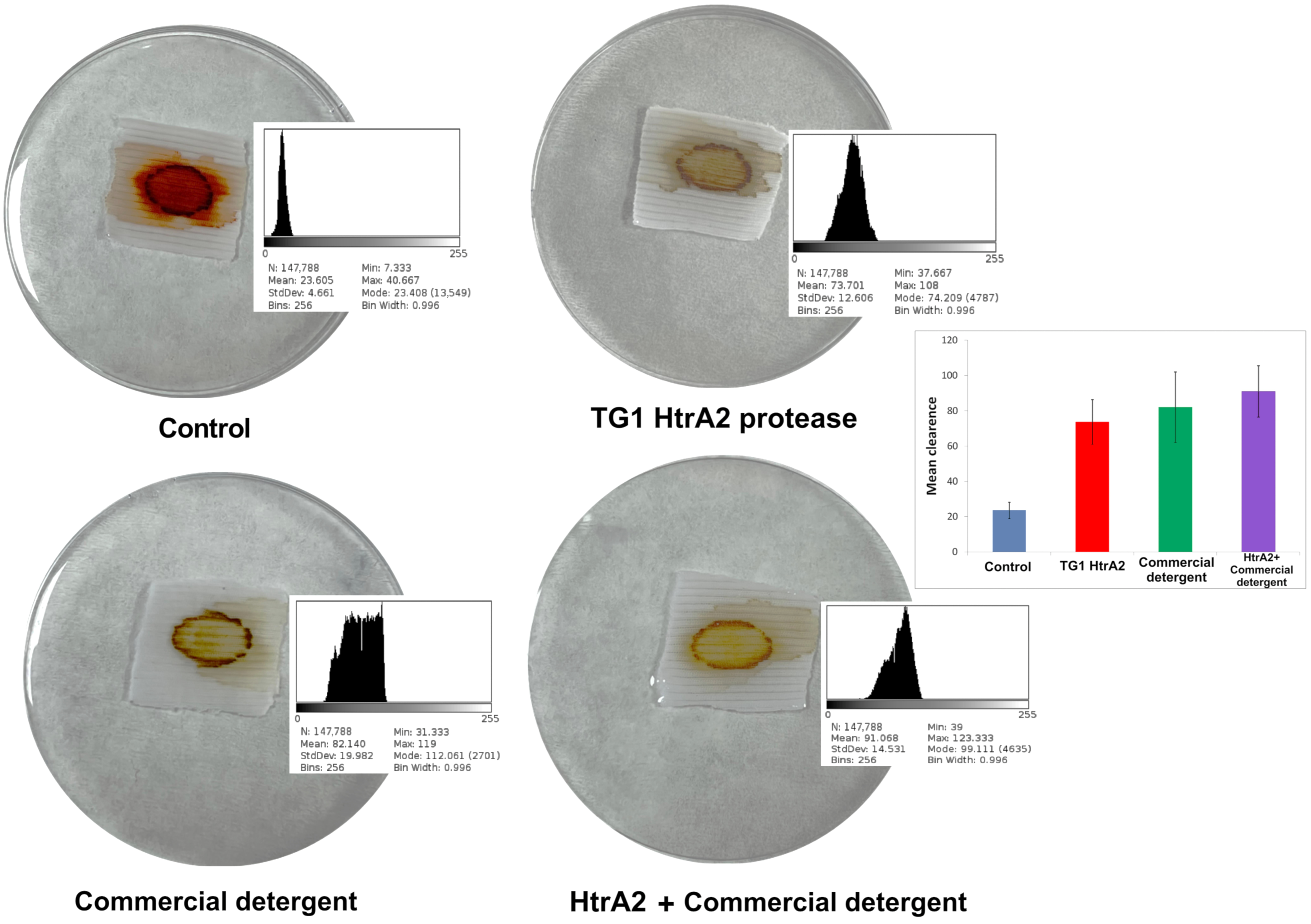
3.5. Removal of Bloodstains from Cotton Fabric
4. Discussion
5. Conclusions
Supplementary Materials
Author Contributions
Funding
Institutional Review Board Statement
Informed Consent Statement
Data Availability Statement
Acknowledgments
Conflicts of Interest
Abbreviations
| BSA | Bovine serum albumin |
| DMSO | Dimethyl sulfoxide |
| HtrA | High-temperature requirement factor A |
| Km | Michaelis–Menten constant |
| PAGE | Polyacrylamide gel electrophoresis |
| PHB | Polyhydroxybutyrate |
| PMSF | Phenylmethanesulfonyl fluoride |
| SDS | Sodium dodecyl sulfate |
| U | Unit |
| Vmax | Maximum activity rate |
References
- Hou, J.; Han, D.; Zhou, Y.; Li, Y.; Cui, H.L. Identification and characterization of the gene encoding an extracellular protease from haloarchaeon Halococcus salifodinae. Microbiol. Res. 2020, 236, 126468. [Google Scholar] [CrossRef] [Scilit]
- Hou, J.; Yin, X.M.; Li, Y.; Han, D.; Lü, B.; Zhang, J.Y.; Cui, H.L. Biochemical characterization of a low salt-adapted extracellular protease from the extremely halophilic archaeon Halococcus salifodinae. Int. J. Biol. Macromol. 2021, 176, 253–259. [Google Scholar] [CrossRef] [Scilit]
- Desai, C.; Patel, P.; Markande, A.R.; Kamala, K.; Sivaperumal, P. Exploration of haloarchaea for their potential applications in food industry. Int. J. Environ. Sci. Technol. 2020, 17, 4455–4464. [Google Scholar] [CrossRef] [Scilit]
- Chapman, J.; Ismail, A.E.; Dinu, C.Z. Industrial applications of enzymes: Recent advances, techniques, and outlooks. Catalysts 2018, 8, 238. [Google Scholar] [CrossRef] [Scilit]
- Timpson, L.M.; Liliensiek, A.K.; Alsafadi, D.; Cassidy, J.; Sharkey, M.A.; Liddell, S.; Allers, T.; Paradisi, F. A comparison of two novel alcohol dehydrogenase enzymes (ADH1 and ADH2) from the extreme halophile Haloferax volcanii. Appl. Microbiol. Biotechnol. 2013, 97, 195–203. [Google Scholar] [CrossRef] [Scilit] [PubMed]
- Okay, S.; Adem, Ş.; Kurt-Kızıldoğan, A. Characterization of highly stable extracellular lipase from the extremely halophilic archaeon Halolamina sp. Biosci. J. 2022, 38, e38039. [Google Scholar] [CrossRef] [Scilit]
- Amoozegar, M.A.; Safarpour, A.; Noghabi, K.A.; Bakhtiary, T.; Ventosa, A. Halophiles and their vast potential in biofuel production. Front. Microbiol. 2019, 10, 1895. [Google Scholar] [CrossRef] [Scilit]
- Cai, Z.W.; Ge, H.H.; Yi, Z.W.; Zeng, R.Y.; Zhang, G.Y. Characterization of a novel psychrophilic and halophilic β-1, 3-xylanase from deep-sea bacterium, Flammeovirga pacifica strain WPAGA1. Int. J. Biol. Macromol. 2018, 118, 2176–2184. [Google Scholar] [CrossRef] [Scilit]
- Le Borgne, S.; Paniagua, D.; Vazquez-Duhalt, R. Biodegradation of organic pollutants by halophilic bacteria and archaea. J. Mol. Microbiol. Biotechnol. 2008, 15, 74–92. [Google Scholar] [CrossRef] [Scilit]
- Fathepure, B.Z. Recent studies in microbial degradation of petroleum hydrocarbons in hypersaline environments. Front. Microbiol. 2014, 5, 173. [Google Scholar] [CrossRef] [Scilit] [PubMed]
- Choi, J.H.; Choi, J.W. Metal-enhanced fluorescence by bifunctional Au nanoparticles for highly sensitive and simple detection of proteolytic enzyme. Nano Lett. 2020, 20, 7100–7107. [Google Scholar] [CrossRef] [Scilit]
- Akolkar, A.; Bharambe, N.; Trivedi, S.; Desai, A. Statistical optimization of medium components for extracellular protease production by an extreme haloarchaeon, Halobacterium sp. SP1(1). Lett. Appl. Microbiol. 2009, 48, 77–83. [Google Scholar] [CrossRef] [Scilit] [PubMed]
- Gaonkar, S.K.; Furtado, I.J. Characterization of extracellular protease from the haloarcheon Halococcus sp. strain GUGFAWS-3 (MF425611). Curr. Microbiol. 2020, 77, 1024–1034. [Google Scholar] [CrossRef] [Scilit] [PubMed]
- Dammak, D.F.; Smaoui, S.M.; Ghanmi, F.; Boujelben, I.; Maalej, S. Characterization of halo-alkaline and thermostable protease from Halorubrum ezzemoulense strain ETR14 isolated from Sfax solar saltern in Tunisia. J. Basic Microbiol. 2016, 56, 337–346. [Google Scholar] [CrossRef] [Scilit]
- Ghafoori, H.; Askari, M.; Sarikhan, S. Purification and characterization of an extracellular haloalkaline serine protease from the moderately halophilic bacterium, Bacillus iranensis (X5B). Extremophiles 2016, 20, 115–123. [Google Scholar] [CrossRef] [Scilit]
- Zhang, S.; Chen, F.; Ke, J.; Hao, Y.; Pan, R.; Hong, T.; Dai, Y.; Chen, S. Hly176B, a low-salt tolerant halolysin from the haloarchaeon Haloarchaeobius sp. FL176. World J. Microbiol. Biotechnol. 2023, 39, 189. [Google Scholar] [CrossRef] [Scilit]
- Clausen, T.; Kaiser, M.; Huber, R.; Ehrmann, M. HTRA proteases: Regulated proteolysis in protein quality control. Nat. Rev. Mol. Cell Biol. 2011, 12, 152–162. [Google Scholar] [CrossRef] [Scilit]
- Xu, R.; Hu, Q.; Ma, Q.; Liu, C.; Wang, G. The protease Omi regulates mitochondrial biogenesis through the GSK3β/PGC-1α pathway. Cell Death Dis. 2014, 5, e1373. [Google Scholar] [CrossRef] [Scilit]
- Koonin, E.V.; Aravind, L. Origin and evolution of eukaryotic apoptosis: The bacterial connection. Cell Death Differ. 2002, 9, 394–404. [Google Scholar] [CrossRef] [Scilit]
- Abanoz, B.; Okay, S.; Kurt-Kızıldoğan, A. Highly active and stable protease production by an extreme halophilic archaeon Haloarcula sp. TG1 isolated from Lake Tuz, Turkey. Turk. J. Biochem. 2017, 42, 307–315. [Google Scholar] [CrossRef] [Scilit]
- Kurt-Kızıldoğan, A.; Türe, E.; Okay, S.; Otur, Ç. Improved production of poly(3-hydroxybutyrate) by extremely halophilic archaeon Haloarcula sp. TG1 by utilization of rCKT3eng-treated sugar beet pulp. Biomass Conv. Biorefin. 2023, 13, 10911–10921. [Google Scholar] [CrossRef] [Scilit]
- Sehgal, S.N.; Gibbons, N.E. Effect of some metal ions on the growth of Halobacterium cutirubrum. Can. J. Microbiol. 1960, 6, 165–169. [Google Scholar] [CrossRef] [Scilit]
- Green, M.R.; Sambrook, J. Molecular Cloning: A Laboratory Manual, 4th ed.; Cold Spring Harbor Laboratory Press: New York, NY, USA, 2012. [Google Scholar]
- Kumar, S.; Stecher, G.; Suleski, M.; Sanderford, M.; Sharma, S.; Tamura, K. MEGA12: Molecular evolutionary genetic analysis version 12 for adaptive and green computing. Mol. Biol. Evol. 2024, 41, msae263. [Google Scholar] [CrossRef] [Scilit]
- Şafak, H.; Otur, Ç.; Kurt-Kızıldoğan, A. Molecular and biochemical characterization of a recombinant endoglucanase rCKT3eng from an extreme halophilic Haloarcula sp. strain CKT3. Int. J. Biol. Macromol. 2020, 151, 1173–1180. [Google Scholar] [CrossRef] [Scilit]
- Bradford, M.M. A rapid and sensitive method for the quantitation of microgram quantities of protein utilizing the principle of protein-dye binding. Anal. Biochem. 1976, 72, 248–254. [Google Scholar] [CrossRef]
- Wechselberger, C.; Doppler, C.; Bernhard, D. An inexpensive staining alternative for gelatin zymography gels. Methods Protoc. 2019, 2, 61. [Google Scholar] [CrossRef] [Scilit]
- Pathak, A.P.; Sardar, A.G. Isolation and characterization of salt stable protease producing archaea from marine solar saltern of Mulund, Mumbai. Indian J. Geo-Mar. Sci. 2014, 43, 412–417. [Google Scholar]
- Manikandan, M.; Pašić, L.; Kannan, V. Purification and biological characterization of a halophilic thermostable protease from Haloferax lucentensis VKMM 007. World J. Microbiol. Biotechnol. 2009, 25, 2247–2256. [Google Scholar] [CrossRef] [Scilit]
- Mohamadi, S.; Mehrabi, M.; Sajadimajd, S. Purification and characterization of an extracellular alkaline solvent-stable metalloprotease secreted from newly isolated Bacillus sp. DEM05: Optimization of protease production. Iran. J. Biotechnol. 2021, 19, e2866. [Google Scholar] [CrossRef] [Scilit] [PubMed]
- Taran, M. Utilization of petrochemical wastewater for the production of poly(3-hydroxybutyrate) by Haloarcula sp. IRU1. J. Hazard. Mater. 2011, 188, 26–28. [Google Scholar] [CrossRef] [Scilit]
- Fessi, H.; Puisieux, F.; Devissaguet, J.P.; Ammoury, N.; Benita, S. Nanocapsule formation by interfacial polymer deposition following solvent displacement. Int. J. Pharm. 1989, 55, R1–R4. [Google Scholar] [CrossRef] [Scilit]
- Binhayeeding, N.; Yunu, T.; Pichid, N.; Klomklao, S.; Sangkharak, K. Immobilisation of Candida rugosa lipase on polyhydroxybutyrate via a combination of adsorption and cross-linking agents to enhance acylglycerol production. Process Biochem. 2020, 95, 174–185. [Google Scholar] [CrossRef] [Scilit]
- Majithiya, V.R.; Ghoghari, A.M.; Gohel, S.D. Purification, characterization, structural elucidation, and industrial applications of thermostable alkaline protease produced by seaweed-associated Nocardiopsis dassonvillei strain VCs-4. Int. J. Biol. Macromol. 2025, 305, 141147. [Google Scholar] [CrossRef] [Scilit] [PubMed]
- Yavari-Bafghi, M.; Amoozegar, M.A. Pharmaceutical applications of halophilic enzymes. Heliyon 2025, 11, e42754. [Google Scholar] [CrossRef] [Scilit]
- Promchai, R.; Boonchalearn, A.; Visessanguan, W.; Luxananil, P. Rapid production of extracellular thermostable alkaline halophilic protease originating from an extreme haloarchaeon, Halobacterium salinarum by recombinant Bacillus subtilis. Biocatal. Agric. Biotechnol. 2018, 15, 192–198. [Google Scholar] [CrossRef] [Scilit]
- Johnson, J.; Yang, Y.H.; Lee, D.G.; Yoon, J.J.; Choi, K.Y. Expression, purification and characterization of halophilic protease Pph_Pro1 cloned from Pseudoalteromonas phenolica. Protein Expr. Purif. 2018, 152, 46–55. [Google Scholar] [CrossRef] [Scilit]
- Noskova, Y.; Son, O.; Tekutyeva, L.; Balabanova, L. Purification and characterization of a DegP-Type protease from the marine bacterium Cobetia amphilecti KMM 296. Microorganisms 2023, 11, 1852. [Google Scholar] [CrossRef] [Scilit] [PubMed]
- Noskova, Y.; Nedashkovskaya, O.; Balabanova, L. Production, purification, and biochemical characterization of a novel ATP-dependent caseinolytic protease from the marine bacterium Cobetia amphilecti KMM 296. Microorganisms 2025, 13, 307. [Google Scholar] [CrossRef] [Scilit] [PubMed]
- Masilamani, R.; Natarajan, S. Molecular cloning, overexpression and characterization of a new thiol-dependent, alkaline serine protease with destaining function and fibrinolytic potential from Marinobacter aquaeolei MS2-1. Biologia 2015, 70, 1143–1149. [Google Scholar] [CrossRef] [Scilit]
- Purohit, M.K.; Singh, S.P. Cloning, over expression and functional attributes of serine proteases from Oceanobacillus iheyensis OMA18 and Haloalkaliphilic bacterium OME12. Process Biochem. 2014, 49, 61–68. [Google Scholar] [CrossRef] [Scilit]
- Bhatt, H.B.; Singh, S.P. Cloning, expression, and structural elucidation of a biotechnologically potential alkaline serine protease from a newly isolated haloalkaliphilic Bacillus lehensis JO-26. Front. Microbiol. 2020, 11, 941. [Google Scholar] [CrossRef] [Scilit]
- Khan, H.; Ul Haq, I.; Khan, Z.; Nughman, M.; Rehman, Z.U.; Khan, T.A.; Khan, S.; Allahyani, M.; Alsiwiehri, N.; Alshamrani, M.A.; et al. Enhanced stability and reusability of subtilisin Carlsberg through immobilization on magnetic nanoparticles. Nanotechnol. Sci. Appl. 2025, 18, 71–91. [Google Scholar] [CrossRef] [Scilit]




Disclaimer/Publisher’s Note: The statements, opinions and data contained in all publications are solely those of the individual author(s) and contributor(s) and not of MDPI and/or the editor(s). MDPI and/or the editor(s) disclaim responsibility for any injury to people or property resulting from any ideas, methods, instructions or products referred to in the content. |
© 2026 by the authors. Licensee MDPI, Basel, Switzerland. This article is an open access article distributed under the terms and conditions of the Creative Commons Attribution (CC BY) license.
Share and Cite
Kurt-Kızıldoğan, A.; Konuksever, Ö.; Yavuz, Ö.; Otur, Ç.; Abanoz-Seçgin, B.; Okay, S. Serine Protease HtrA2 from Halophilic Archeon Haloarcula sp. TG1: Heterologous Expression, Characterization and Immobilization. Biomolecules 2026, 16, 424. https://doi.org/10.3390/biom16030424
Kurt-Kızıldoğan A, Konuksever Ö, Yavuz Ö, Otur Ç, Abanoz-Seçgin B, Okay S. Serine Protease HtrA2 from Halophilic Archeon Haloarcula sp. TG1: Heterologous Expression, Characterization and Immobilization. Biomolecules. 2026; 16(3):424. https://doi.org/10.3390/biom16030424
Chicago/Turabian StyleKurt-Kızıldoğan, Aslıhan, Ömer Konuksever, Özlem Yavuz, Çiğdem Otur, Büşra Abanoz-Seçgin, and Sezer Okay. 2026. "Serine Protease HtrA2 from Halophilic Archeon Haloarcula sp. TG1: Heterologous Expression, Characterization and Immobilization" Biomolecules 16, no. 3: 424. https://doi.org/10.3390/biom16030424
APA StyleKurt-Kızıldoğan, A., Konuksever, Ö., Yavuz, Ö., Otur, Ç., Abanoz-Seçgin, B., & Okay, S. (2026). Serine Protease HtrA2 from Halophilic Archeon Haloarcula sp. TG1: Heterologous Expression, Characterization and Immobilization. Biomolecules, 16(3), 424. https://doi.org/10.3390/biom16030424