Lipid Deterioration Mitigation in Brown Rice Milled from Long-Term Stored Paddy by Microwave: A Lipidomic Perspective


Abstract
1. Introduction
2. Materials and Methods
2.1. Materials
2.2. Microwave Treatment
2.3. Determination of Free Fatty Acid Value (FAV)
2.4. Fourier Transform Infrared (FT-IR) Spectroscopic Analysis
2.5. Lipidomics Analysis
2.6. Statistical Analysis
3. Results and Discussion
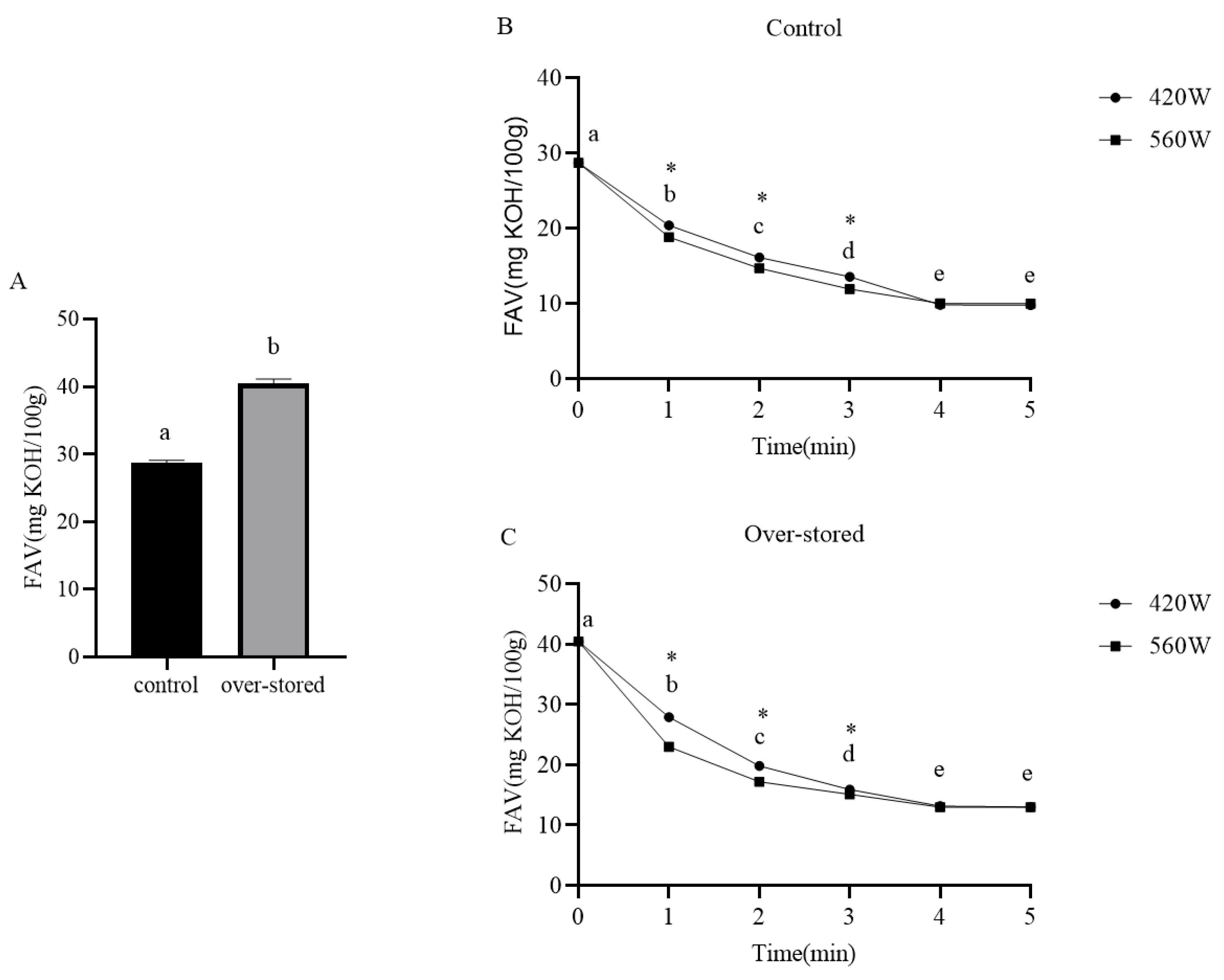
3.1. Optimization of Microwave Parameters for FAV Reduction
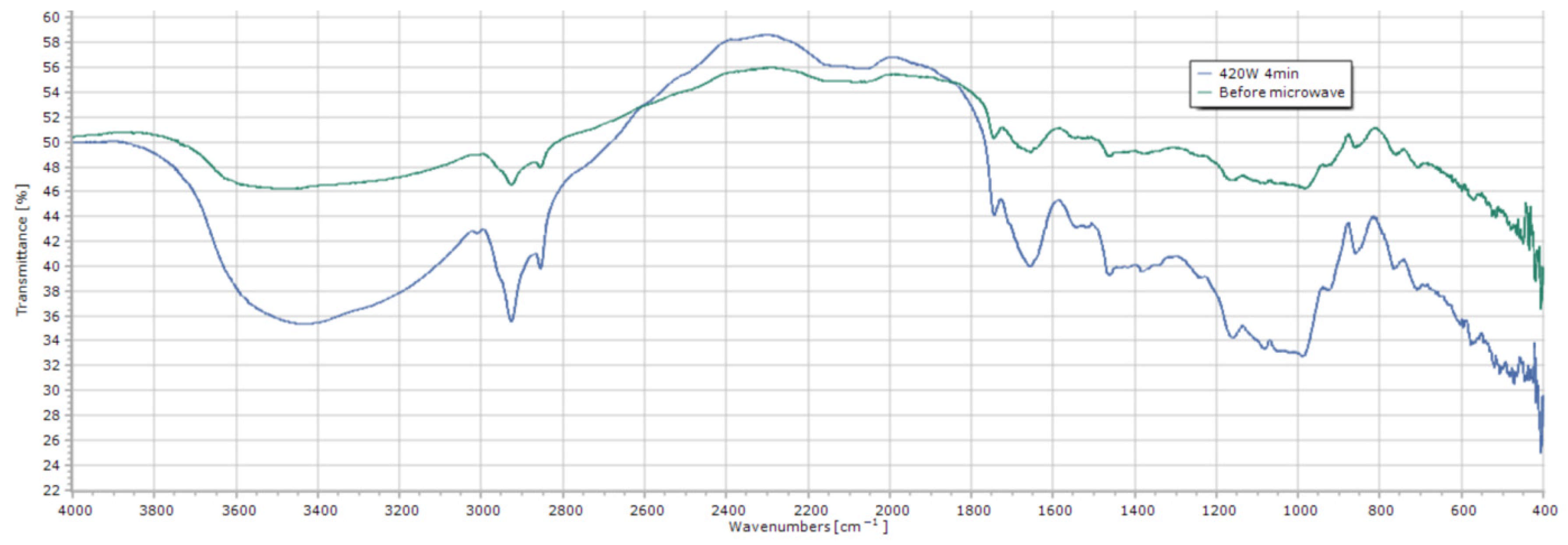
3.2. Molecular-Level Evidence from FT-IR Spectroscopy
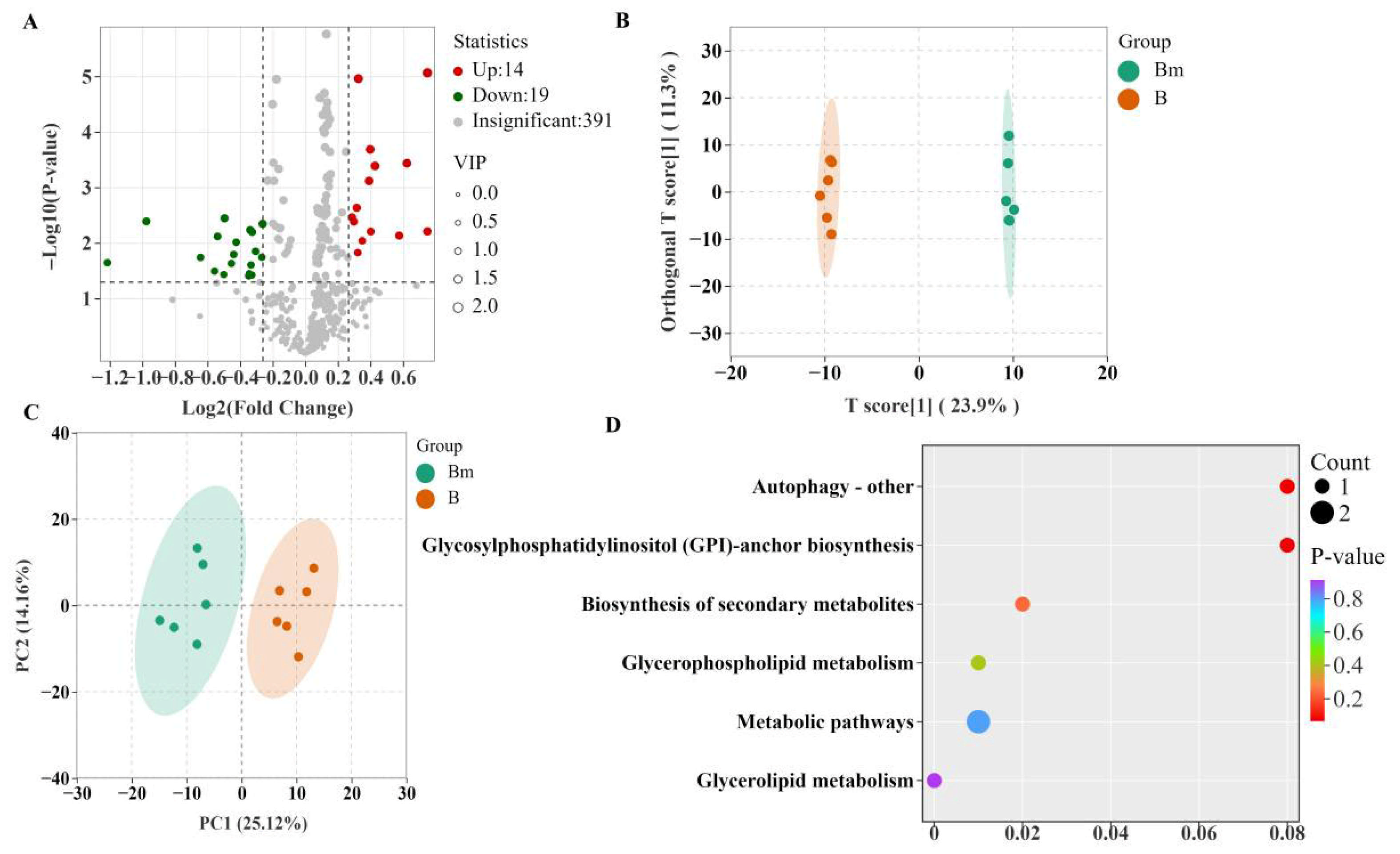
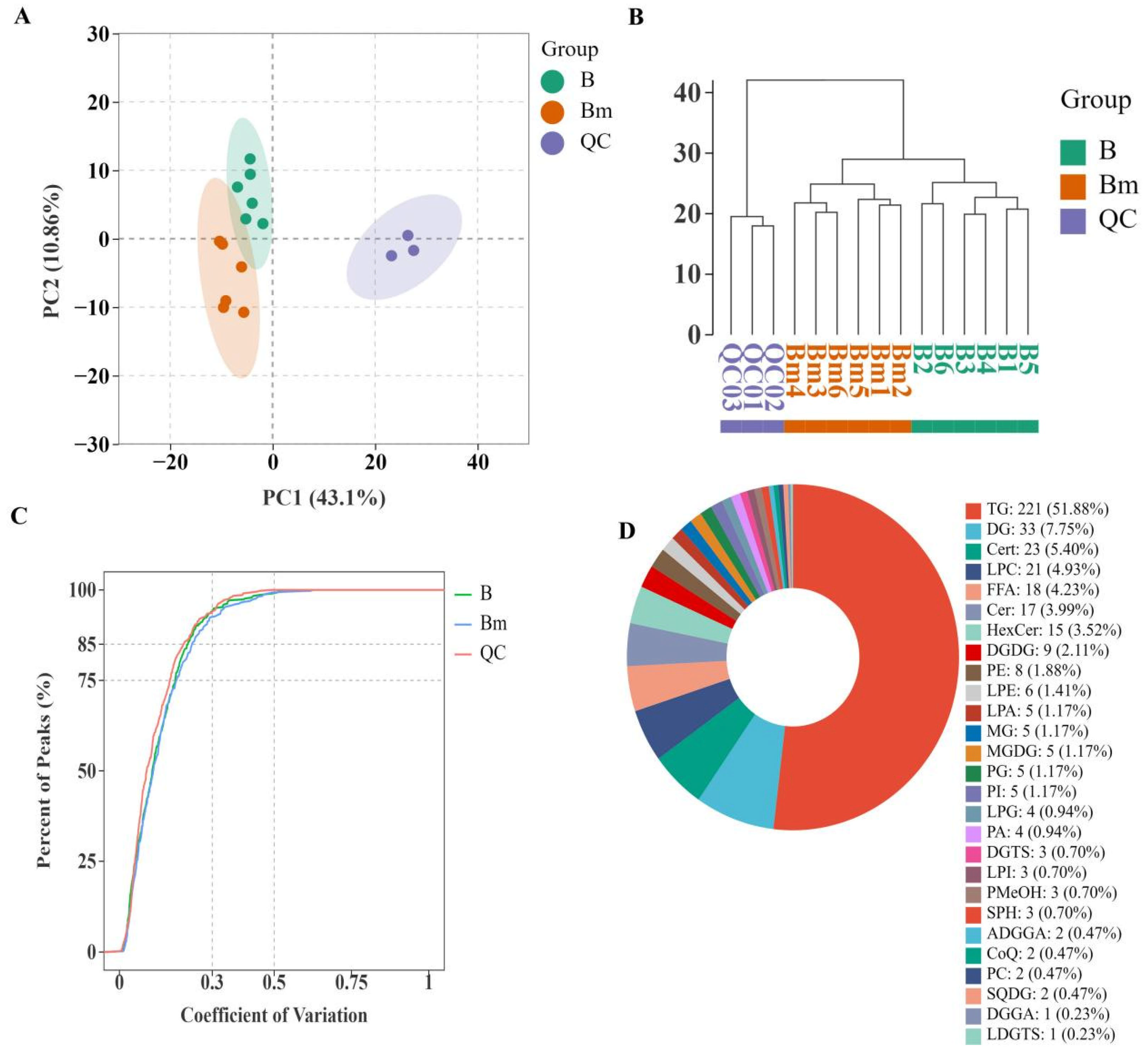
3.3. Comprehensive Lipidomic Profiling and Pathway Analysis
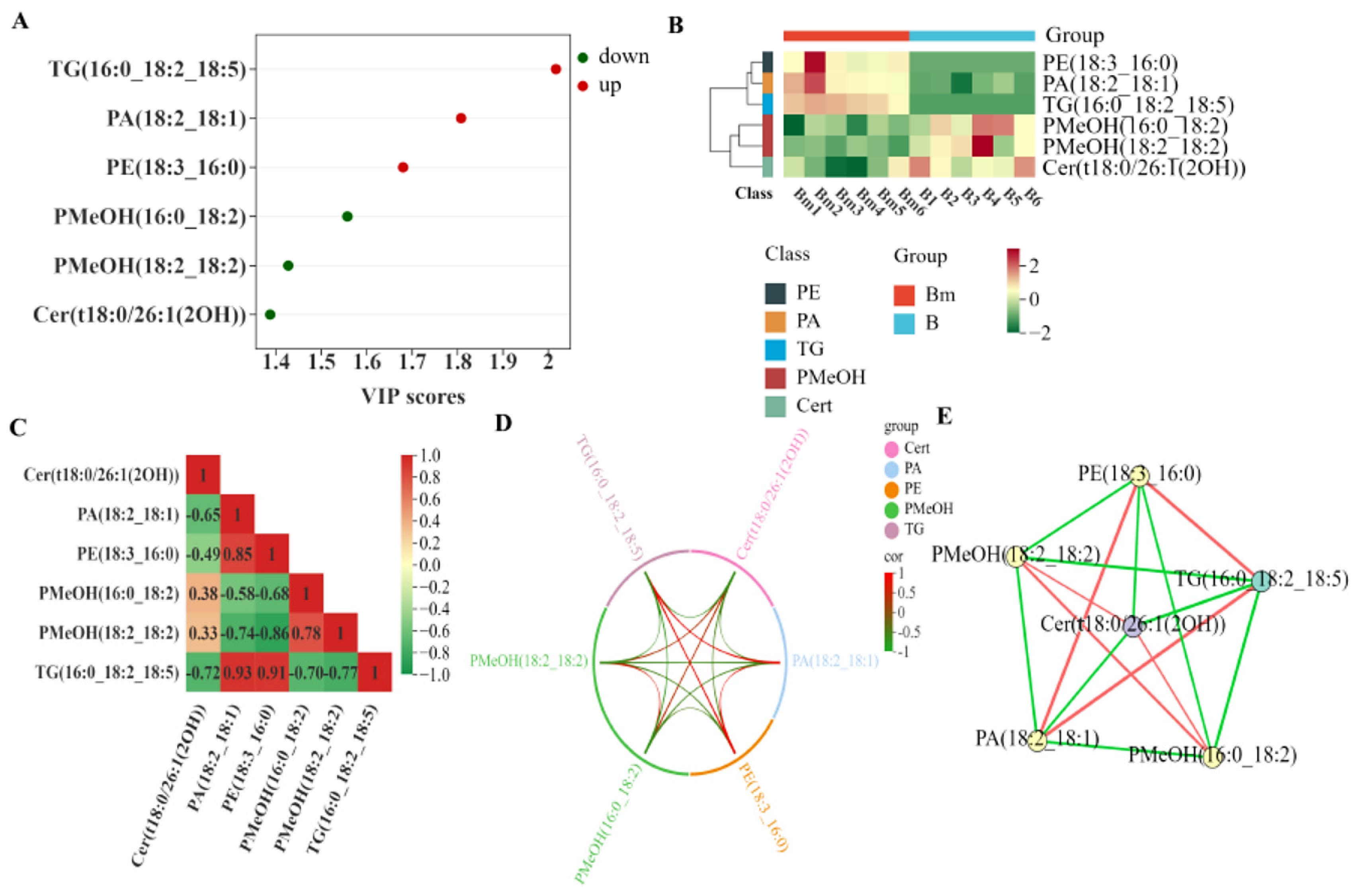
4. Identification of Key Regulatory Lipids and Synergistic Mechanism
5. Conclusions
Author Contributions
Funding
Institutional Review Board Statement
Informed Consent Statement
Data Availability Statement
Acknowledgments
Conflicts of Interest
References
- Food and Agriculture Organization of the United Nations (FAO). The State of Food and Agriculture 2023: Revealing the True Cost of Food to Transform Agrifood Systems; Food and Agriculture Organization of the United Nations: Rome, Italy, 2023. [Google Scholar]
- Liu, L.; Guo, J.; Zhang, R.; Wei, Z.; Deng, Y.; Guo, J.; Zhang, M. Effect of degree of milling on phenolic profiles and cellular antioxidant activity of whole brown rice. Food Chem. 2015, 185, 318–325. [Google Scholar] [CrossRef] [Scilit] [PubMed]
- Pascual, C.; Massaretto, I.L.; Kawassaki, F.; Barros, R.; Noldin, J.A.; Marquez, U. Effects of parboiling, storage and cooking on the levels of tocopherols, tocotrienols and γ-oryzanol in brown rice. Food Res. Int. 2013, 50, 676–681. [Google Scholar] [CrossRef] [Scilit]
- Palomar, M.; Garcés-Narro, C.; Piquer, O.; Sala, R.; Tres, A.; García-Bautista, J.A.; Soler, M.D. Influence of free fatty acid content and degree of fat saturation on production performance, nutrient digestibility, and intestinal morphology of laying hens. Anim. Nutr. 2023, 13, 313–323. [Google Scholar] [CrossRef] [Scilit] [PubMed]
- Qu, C.; Wang, H.; Liu, S.; Wang, F.; Liu, C. Effects of microwave heating of wheat on its functional properties and accelerated storage. J. Food Sci. Technol. 2017, 54, 3699–3706. [Google Scholar] [CrossRef] [Scilit]
- Ilowefah, M.; Bakar, J.; Ghazali, H.M.; Muhammad, K. Enhancement of nutritional and antioxidant properties of brown rice flour through solid-state yeast fermentation. Cereal Chem. 2017, 94, 519–523. [Google Scholar] [CrossRef] [Scilit]
- Dong, X.; Dong, J.; Chen, M.; Maker, G.; Tang, P. Dormancy-induced inhibition of lipid degradation enhances rice storage stability. Food Chem. 2025, 495, 146547. [Google Scholar] [CrossRef] [Scilit]
- Liu, X.; Wang, W.; Li, Z.; Xu, L.; Lan, D.; Wang, Y. Lipidomics analysis unveils the dynamic alterations of lipid degradation in rice bran during storage. Food Res. Int. 2024, 184, 114243. [Google Scholar] [CrossRef] [Scilit]
- Chen, H.; Wei, F.; Dong, X.Y.; Xiang, J.Q.; Quek, S.Y.; Wang, X. Lipidomics in food science. Curr. Opin. Food Sci. 2017, 16, 80–87. [Google Scholar] [CrossRef] [Scilit]
- Dong, X.; Shao, J.; Wu, X.; Dong, J.; Tang, P. Lipidomic profiling reveals the protective mechanism of nitrogen-controlled atmosphere on brown rice quality during storage. Food Chem. 2025, 473, 143081. [Google Scholar] [CrossRef] [Scilit]
- Bouhallel, S. Fat acidity as a deterioration sign during pearl millet flour storage. Cereal Res. Commun. 2024, 52, 255–265. [Google Scholar] [CrossRef] [Scilit]
- Paśko, P.; Galanty, A.; Ramos-Zambrano, E.; Ferreira, I.C.F.R. Molecular Profiling and FTIR Characterization of Wheat Germ Oil, Supported by the Screening of Its Anti-Inflammatory and Cytotoxic Properties. Antioxidants 2025, 15, 464. [Google Scholar] [CrossRef] [Scilit] [PubMed]
- Qu, L.; Zhao, Y.; Xu, X.; Li, Y.; Lv, H. Untargeted Lipidomics Reveal Quality Changes in High-Moisture Japonica Brown Rice at Different Storage Temperatures. Foods 2023, 12, 4218. [Google Scholar] [CrossRef] [Scilit] [PubMed]
- Lu, D.; Xue, L.; Feng, C.; Jin, Y.; Wu, C.; Xie, C.; Gonzalez, F.J.; Wang, G.; Zhou, Z. A systemic workflow for profiling metabolome and lipidome in tissue. J. Chromatogr. A 2019, 1589, 105–115. [Google Scholar] [CrossRef] [Scilit] [PubMed]
- Jurowski, K.; Kochan, K.; Walczak, J.; Barańska, M.; Piekoszewski, W.; Buszewski, B. Analytical techniques in lipidomics: State of the art. Crit. Rev. Anal. Chem. 2017, 47, 418–437. [Google Scholar] [CrossRef] [Scilit]
- Zhang, D.; Huang, S.S.; Wang, Q.; Shang, B.; Liu, J.L.; Xing, X.T.; Hong, Y.; Liu, H.; Duan, X.L.; Sun, H. Lipidomics and volatilomics reveal the changes in lipids and their volatile oxidative degradation products of brown rice during accelerated aging. Food Chem. 2023, 421, 136157. [Google Scholar] [CrossRef] [Scilit]
- Broadhurst, D.; Goodacre, R.; Reinke, S.N.; Kuligowski, J.; Wilson, I.D.; Lewis, M.R.; Dunn, W.B. Guidelines and considerations for the use of system suitability and quality control samples in mass spectrometry assays applied in untargeted clinical metabolomic studies. Metabolomics 2018, 14, 72. [Google Scholar] [CrossRef] [Scilit]
- Liu, X.; Li, Z.; OuYang, B.; Wang, W.; Lan, D.; Wang, Y. Lipidomics analysis of rice bran during storage unveils mechanisms behind dynamic changes in functional lipid molecular species. Food Chem. 2024, 447, 138946. [Google Scholar] [CrossRef] [Scilit]
- Wang, T.; Wu, H.; Hang, Q.; Zhao, S.; Pan, L.; Ding, C.; Liu, Q. Revealing the inhibitory mechanism of ferulic acid on rice lipase via structural and kinetic analyses under cold plasma treatment during storage. Food Chem. X 2026, 34, 103555. [Google Scholar] [CrossRef] [Scilit]
- Yu, C.; Zhu, L.; Zhang, H.; Bi, S.; Zhou, L. Effect of cooking pressure on phenolic compounds, gamma-aminobutyric acid, antioxidant activity and volatile compounds of brown rice. J. Cereal Sci. 2020, 97, 103127. [Google Scholar] [CrossRef] [Scilit]
- Zhang, Y.; Li, X.; Wang, H. Enzyme inactivation induced by thermal stabilization in highland barley and impact on lipid oxidation and aroma profiles. Front. Nutr. 2023, 10, 1097775. [Google Scholar] [CrossRef] [Scilit]
- Genkawa, T.; Ahamed, T.; Noguchi, R.; Takigawa, T.; Ozaki, Y. Simple and rapid determination of free fatty acids in brown rice by FTIR spectroscopy in conjunction with a second-derivative treatment. Food Chem. 2016, 191, 7–11. [Google Scholar] [CrossRef] [Scilit]
- Satou, K.; Takahashi, Y.; Yoshii, Y. Effect of superheated steam treatment on enzymes related to lipid oxidation of brown rice. Food Sci. Technol. Res. 2010, 16, 93–97. [Google Scholar] [CrossRef] [Scilit]
- Lavanya, M.N.; Saikiran, K.C.S.; Venkatachalapathy, N. Stabilization of rice bran milling fractions using microwave heating and its effect on storage. J. Food Sci. Technol. 2019, 56, 889–895. [Google Scholar] [CrossRef] [Scilit] [PubMed]
- Köfeler, H.C.; Ahrends, R.; Baker, E.S.; Ekroos, K.; Han, X.; Hoffmann, N.; Holcapek, M.; Wenk, M.R.; Liebisch, G. Recommendations for good practice in MS-based lipidomics. J. Lipid Res. 2021, 62, 100138. [Google Scholar] [CrossRef] [Scilit] [PubMed]
- Geng, P.; Harnly, J.M.; Chen, P. Differentiation of whole grain from refined wheat (T. aestivum) flour using lipid profile of wheat bran, germ, and endosperm with UHPLC-HRAM mass spectrometry. J. Agric. Food Chem. 2015, 63, 6259–6267. [Google Scholar] [CrossRef] [Scilit]
- Zhang, D.; Duan, X.; Shang, B.; Hong, Y.; Sun, H. Analysis of lipidomics profile of rice and changes during storage by UPLC-Q-extractive orbitrap mass spectrometry. Food Res. Int. 2021, 142, 110214. [Google Scholar] [CrossRef] [Scilit]
- Qu, L.; Zhao, Y.; Li, Y.; Lv, H. Effect of storage temperature on the quality of brown rice revealed by integrated GC-MS and lipidomics analysis. Food Chem. 2025, 465, 142107. [Google Scholar] [CrossRef] [Scilit]
- Filomeni, G.; De Zio, D.; Cecconi, F. Oxidative stress and autophagy: The clash between damage and metabolic needs. Cell Death Differ. 2015, 22, 377–388. [Google Scholar] [CrossRef] [Scilit]
- Sergi, D.; Zauli, E.; Celeghini, C.; Previati, M.; Zauli, G. Ceramides as the molecular link between impaired lipid metabolism, saturated fatty acid intake and insulin resistance: Are all saturated fatty acids to be blamed for ceramide-mediated lipotoxicity? Nutr. Res. Rev. 2025, 38, 256–266. [Google Scholar] [CrossRef] [Scilit]





| Time | Treatment Methods | Treatment Time (min) | Moisture Content (%) | FAV (mg KOH/100 g) | |
|---|---|---|---|---|---|
| long-term stored | Before microwave | 10.76 ± 0.77 a | 40.45 ± 0.69 a | ||
| 420 W | 1 | 10.12 ± 0.10 b | 27.88 ± 0.36 c | ||
| 2 | 9.34 ± 0.11 cd | 19.80 ± 0.02 f | |||
| 3 | 8.18 ± 0.14 e | 15.89 ± 0.02 i | |||
| 4 | 7.44 ± 0.37 f | 13.13 ± 0.30 l | |||
| 5 | 6.6 ± 0.33 g | 13.01 ± 0.30 l | |||
| 560 W | 1 | 9.62 ± 0.11 c | 22.97 ± 0.03 d | ||
| 2 | 8.60 ± 0.13 e | 17.19 ± 0.03 h | |||
| 3 | 7.26 ± 0.07 f | 15.12 ± 0.02 j | |||
| 4 | 6.32 ± 0.12 g | 12.97 ± 0.36 l | |||
| 5 | 6.25 ± 0.17 g | 12.97 ± 0.33 l | |||
| control | Before microwave | 9.37 ± 0.61 cd | 28.68 ± 0.42 b | ||
| 420 W | 1 | 9.12 ± 0.09 d | 20.37 ± 0.02 e | ||
| 2 | 8.31 ± 0.12 e | 16.11 ± 0.33 i | |||
| 3 | 7.51 ± 0.10 f | 13.55 ± 0.34 k | |||
| 4 | 6.61 ± 0.45 g | 9.81 ± 0.30 n | |||
| 5 | 6.43 ± 0.36 g | 9.80 ± 0.31 n | |||
| 560 W | 1 | 8.57 ± 0.15 e | 18.82 ± 0.36 g | ||
| 2 | 8.28 ± 0.25 e | 14.68 ± 0.04 j | |||
| 3 | 7.39 ± 0.11 f | 11.91 ± 0.36 m | |||
| 4 | 6.59 ± 0.18 g | 10.01 ± 0.33 n | |||
| 5 | 6.30 ± 0.07 g | 9.98 ± 0.34 n | |||
| p | p time | <0.01 | |||
| p treatment methods | <0.01 | ||||
| p time × treatment methods | <0.01 | ||||
| Material | Classification | FC | p-Value | Type |
|---|---|---|---|---|
| Ceramide_Cer(d18:1/22:0) | Sphingolipids(SP) | 0.8 | 0.01 | down |
| Ceramide_Cer(t17:0/24:0) | Sphingolipids(SP) | 0.74 | 0.01 | down |
| Ceramide_Cer(t18:0/20:0(2OH)) | Sphingolipids(SP) | 0.83 | 0.02 | down |
| Ceramide_Cer(t18:0/26:1(2OH)) | Sphingolipids(SP) | 0.64 | 0.02 | down |
| Ceramide_Cer(t18:1/26:0) | Sphingolipids(SP) | 0.74 | 0.02 | down |
| Coenzyme Q10(oxidizing type) | Isoprenol lipids(PR) | 0.79 | 0.01 | down |
| Diacylglycerol_DG(18:2_18:3) | Glycerides(GL) | 1.32 | 0 | up |
| Diacylglycerol_DG(18:2_20:1) | Glycerides(GL) | 1.23 | 0 | up |
| Diacylglycerol_DG(18:1_18:2) | Glycerides(GL) | 1.34 | 0 | up |
| Diacylglycerol_DG(16:0_18:3) | Glycerides(GL) | 1.22 | 0 | up |
| Diacylglycerol_DG(18:1_18:1) | Glycerides(GL) | 1.25 | 0 | up |
| Diacylglycerol_DG(16:0_18:2) | Glycerides(GL) | 1.24 | 0 | up |
| Diacylglycerol_DG(18:1_24:0) | Glycerides(GL) | 1.49 | 0.01 | up |
| Diacylglycerol_DG(18:1_20:0) | Glycerides(GL) | 1.25 | 0.01 | up |
| Diacylglycerol_DG(16:0_18:1) | Glycerides(GL) | 1.31 | 0 | up |
| Octadecanoic acid | Fatty acyl groups(FA) | 0.79 | 0.02 | down |
| Octadecanoic acid | Fatty acyl groups(FA) | 0.81 | 0.01 | down |
| Stearic acid | Fatty acyl groups(FA) | 0.73 | 0.02 | down |
| Heptadecanoic acid | Fatty acyl groups(FA) | 0.68 | 0.03 | down |
| Erucic acid | Fatty acyl groups(FA) | 0.79 | 0.04 | down |
| Lysophosphatidylethanolamine_LPE(18:0) | Glycerophosphatides(GP) | 0.83 | 0 | down |
| Lysophosphatidylethanolamine_LPE(18:3) | Glycerophosphatides(GP) | 0.8 | 0.04 | down |
| Phosphatidylic acid_PA(18:2_18:1) | Glycerophosphatides(GP) | 1.54 | 0 | up |
| Phosphatidylic acid_PA(18:2_18:2) | Glycerophosphatides(GP) | 1.32 | 0.01 | up |
| Phosphatidylethanolamine_PE(18:2_16:0) | Glycerophosphatides(GP) | 0.71 | 0 | down |
| Phosphatidylethanolamine_PE(18:3_16:0) | Glycerophosphatides(GP) | / | 0.01 | up |
| Phosphatidylethanolamine_PE(18:1_18:2) | Glycerophosphatides(GP) | 0.71 | 0.04 | down |
| Phosphatidylethanolamine_PE(18:2_18:2) | Glycerophosphatides(GP) | 0.69 | 0.01 | down |
| Phosphatidyl methanol_PMeOH(16:0_18:2) | Glycerophosphatides(GP) | 0.51 | 0 | down |
| Phosphatidyl methanol_PMeOH(18:2_18:2) | Glycerophosphatides(GP) | 0.43 | 0.02 | down |
| Triglyceride_TG(20:1_20:1_18:2) | Glycerides(GL) | 0.78 | 0.04 | down |
| Triglyceride_TG(16:0_18:2_18:5) | Glycerides(GL) | / | 0 | up |
| Triglyceride_TG(18:1_18:3_22:1) | Glycerides(GL) | 1.27 | 0.01 | up |
Disclaimer/Publisher’s Note: The statements, opinions and data contained in all publications are solely those of the individual author(s) and contributor(s) and not of MDPI and/or the editor(s). MDPI and/or the editor(s) disclaim responsibility for any injury to people or property resulting from any ideas, methods, instructions or products referred to in the content. |
© 2026 by the authors. Licensee MDPI, Basel, Switzerland. This article is an open access article distributed under the terms and conditions of the Creative Commons Attribution (CC BY) license.
Share and Cite
Luo, S.; He, B.; Wang, L.; Zhao, L.; Wang, W. Lipid Deterioration Mitigation in Brown Rice Milled from Long-Term Stored Paddy by Microwave: A Lipidomic Perspective. Biomolecules 2026, 16, 419. https://doi.org/10.3390/biom16030419
Luo S, He B, Wang L, Zhao L, Wang W. Lipid Deterioration Mitigation in Brown Rice Milled from Long-Term Stored Paddy by Microwave: A Lipidomic Perspective. Biomolecules. 2026; 16(3):419. https://doi.org/10.3390/biom16030419
Chicago/Turabian StyleLuo, Senfan, Beibei He, Li Wang, Luyao Zhao, and Weiwei Wang. 2026. "Lipid Deterioration Mitigation in Brown Rice Milled from Long-Term Stored Paddy by Microwave: A Lipidomic Perspective" Biomolecules 16, no. 3: 419. https://doi.org/10.3390/biom16030419
APA StyleLuo, S., He, B., Wang, L., Zhao, L., & Wang, W. (2026). Lipid Deterioration Mitigation in Brown Rice Milled from Long-Term Stored Paddy by Microwave: A Lipidomic Perspective. Biomolecules, 16(3), 419. https://doi.org/10.3390/biom16030419