Article

Anti-Inflammatory Effects of GM1 Ganglioside on Endotoxin-Induced Uveitis in Rats
1
Department of Ophthalmology, Tri-Service General Hospital, School of Medicine, National Defense Medical Center, Taipei 11490, Taiwan
2
Graduate Institute of Medical Sciences, National Defense Medical Center, Taipei 11490, Taiwan
3
Graduate Institute of Aerospace and Undersea Medicine, National Defense Medical Center, Taipei 11490, Taiwan
4
Department of Biology and Anatomy, National Defense Medical Center, Taipei 11490, Taiwan
*
Author to whom correspondence should be addressed.
Biomolecules 2022, 12(5), 727; https://doi.org/10.3390/biom12050727
Submission received: 23 February 2022 / Revised: 5 May 2022 / Accepted: 19 May 2022 / Published: 21 May 2022
(This article belongs to the Topic Compounds with Medicinal Value)

Abstract

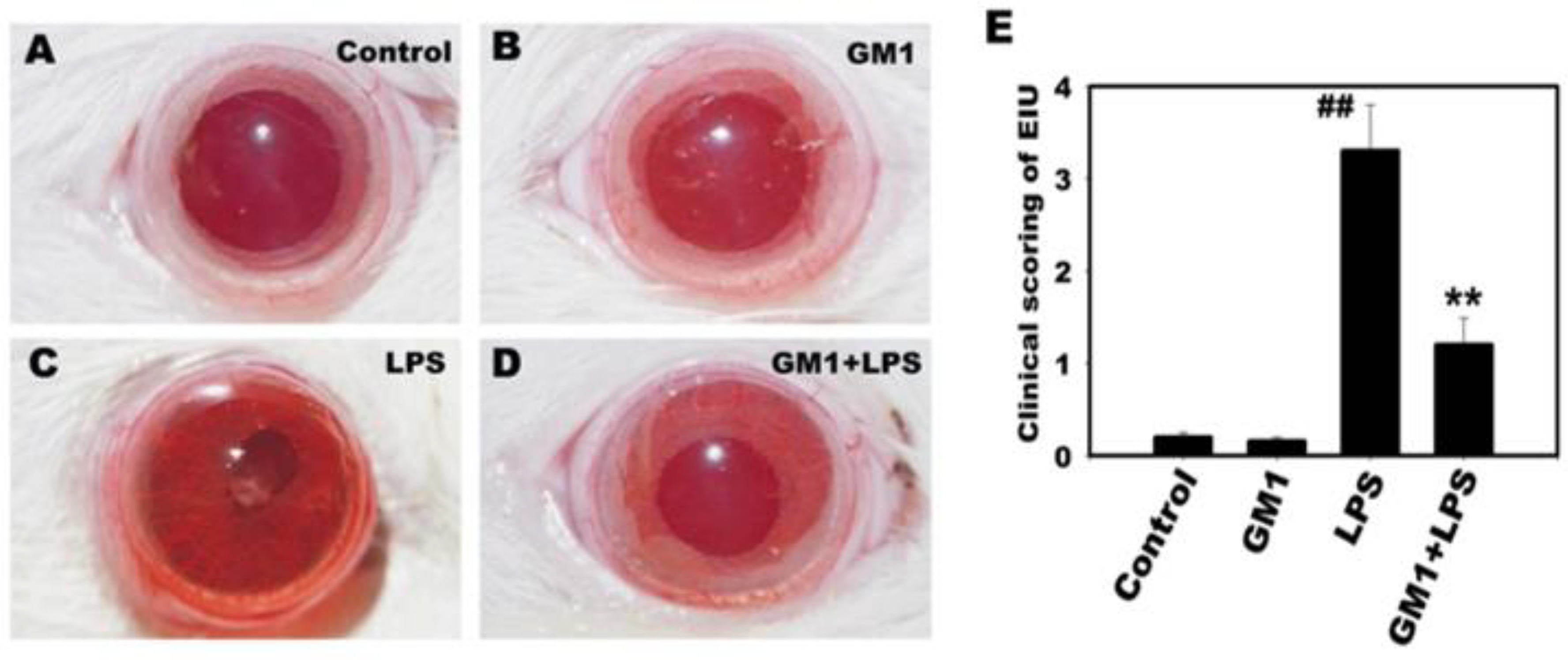
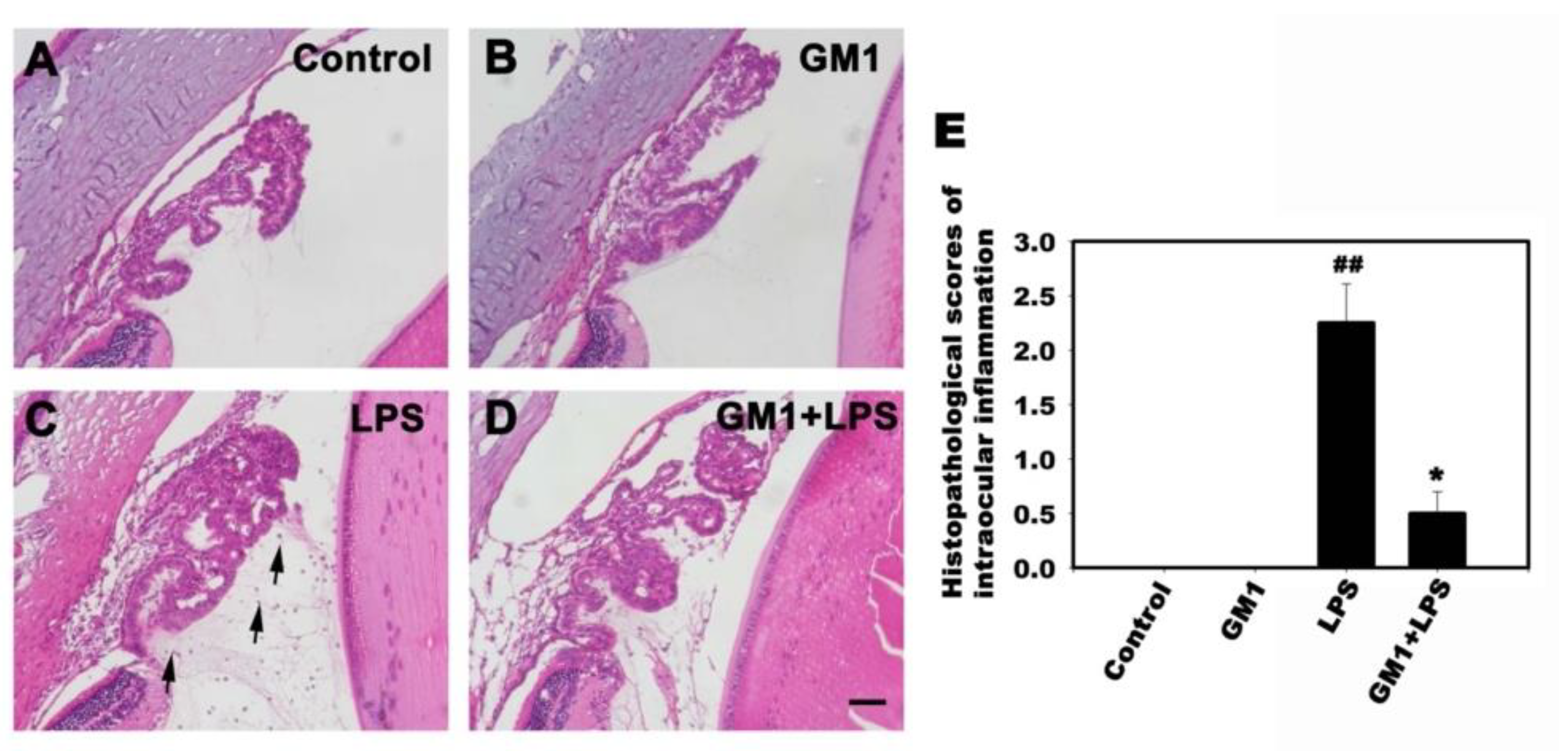
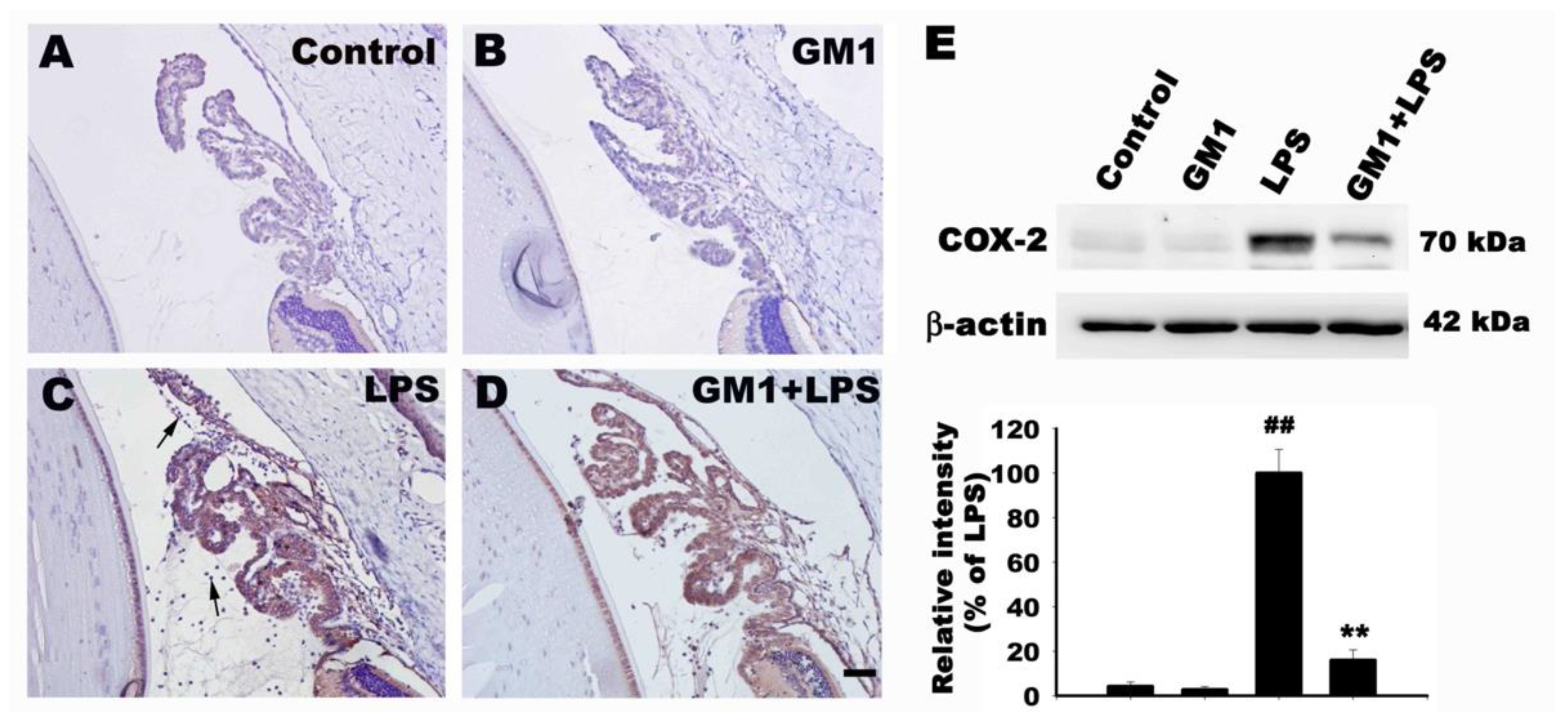
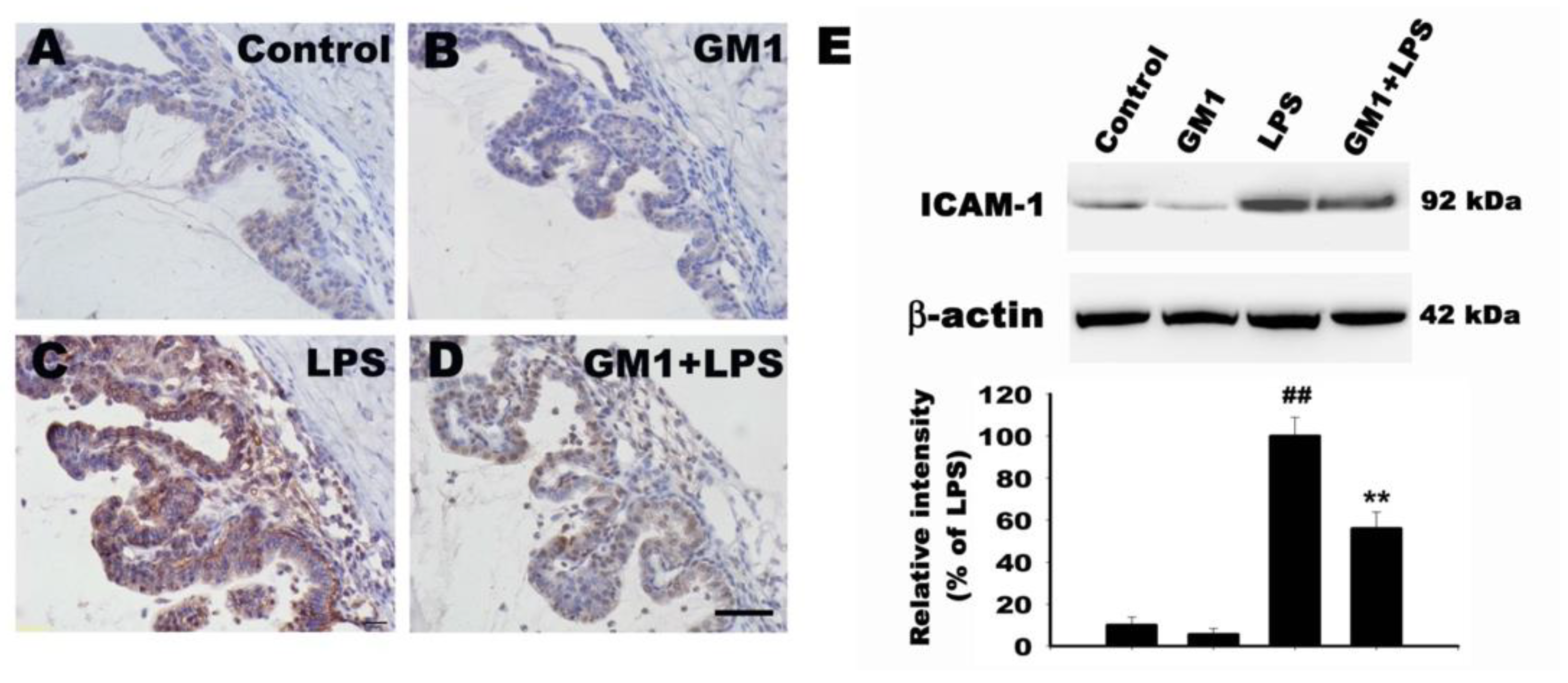
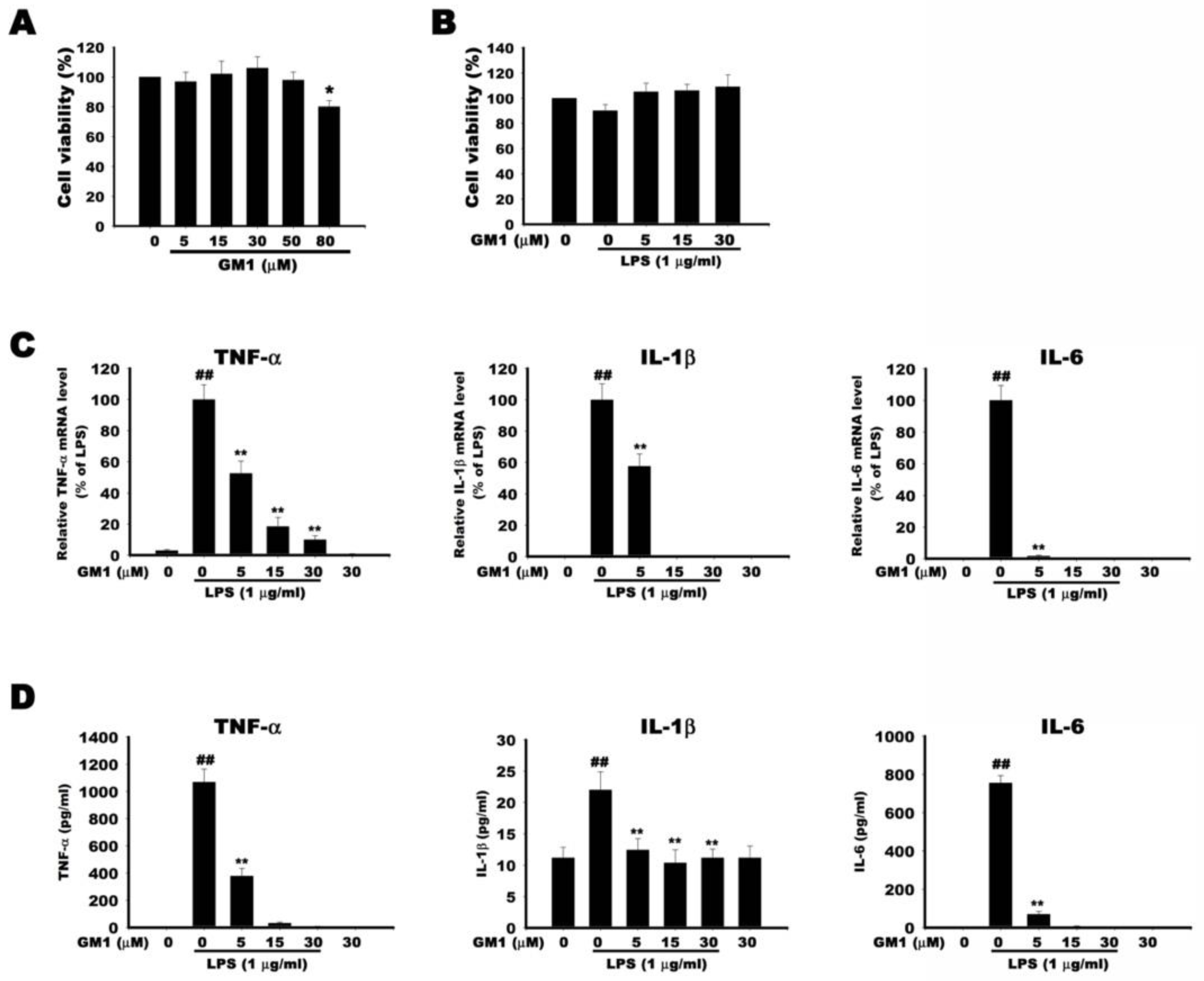
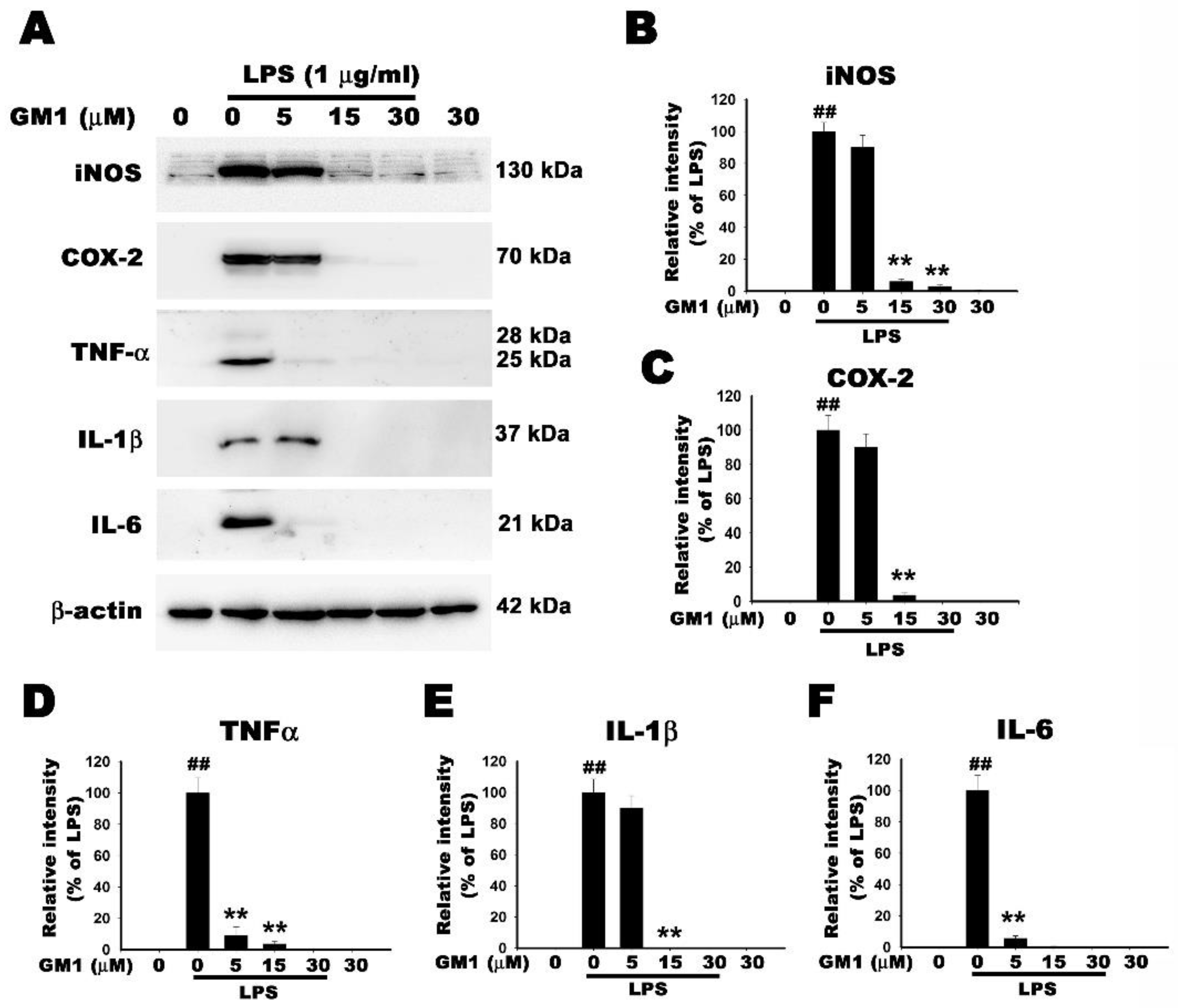
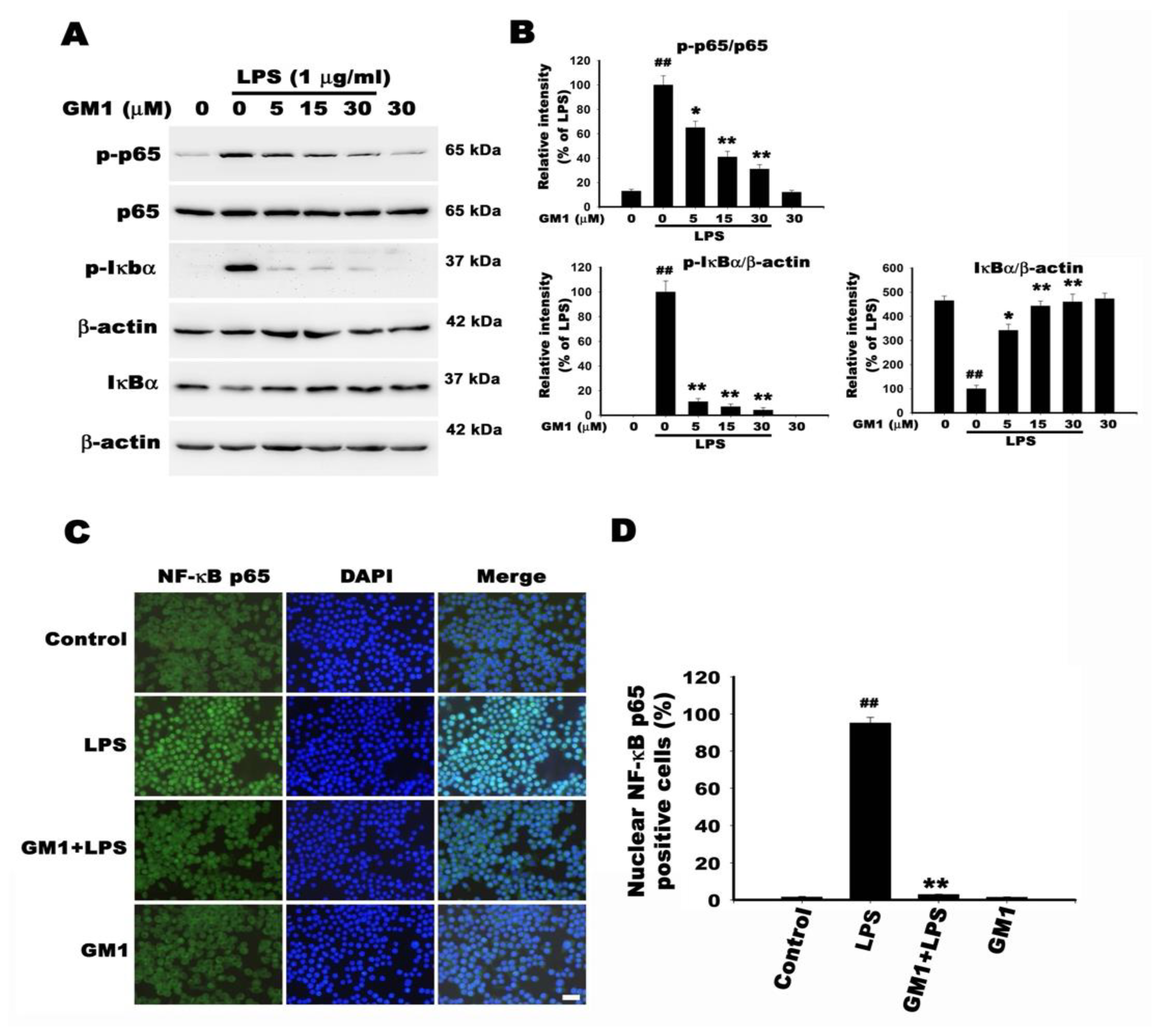
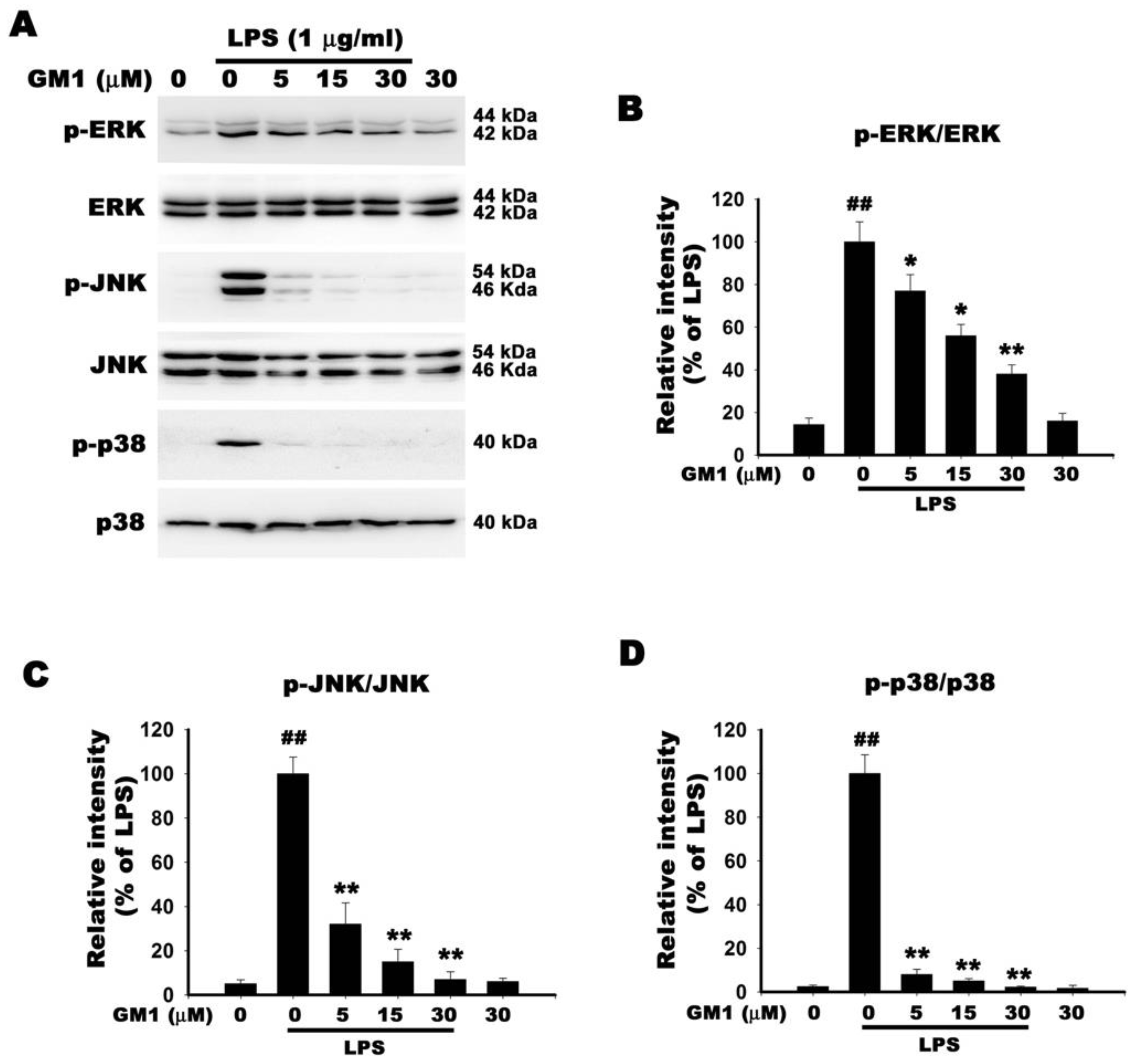
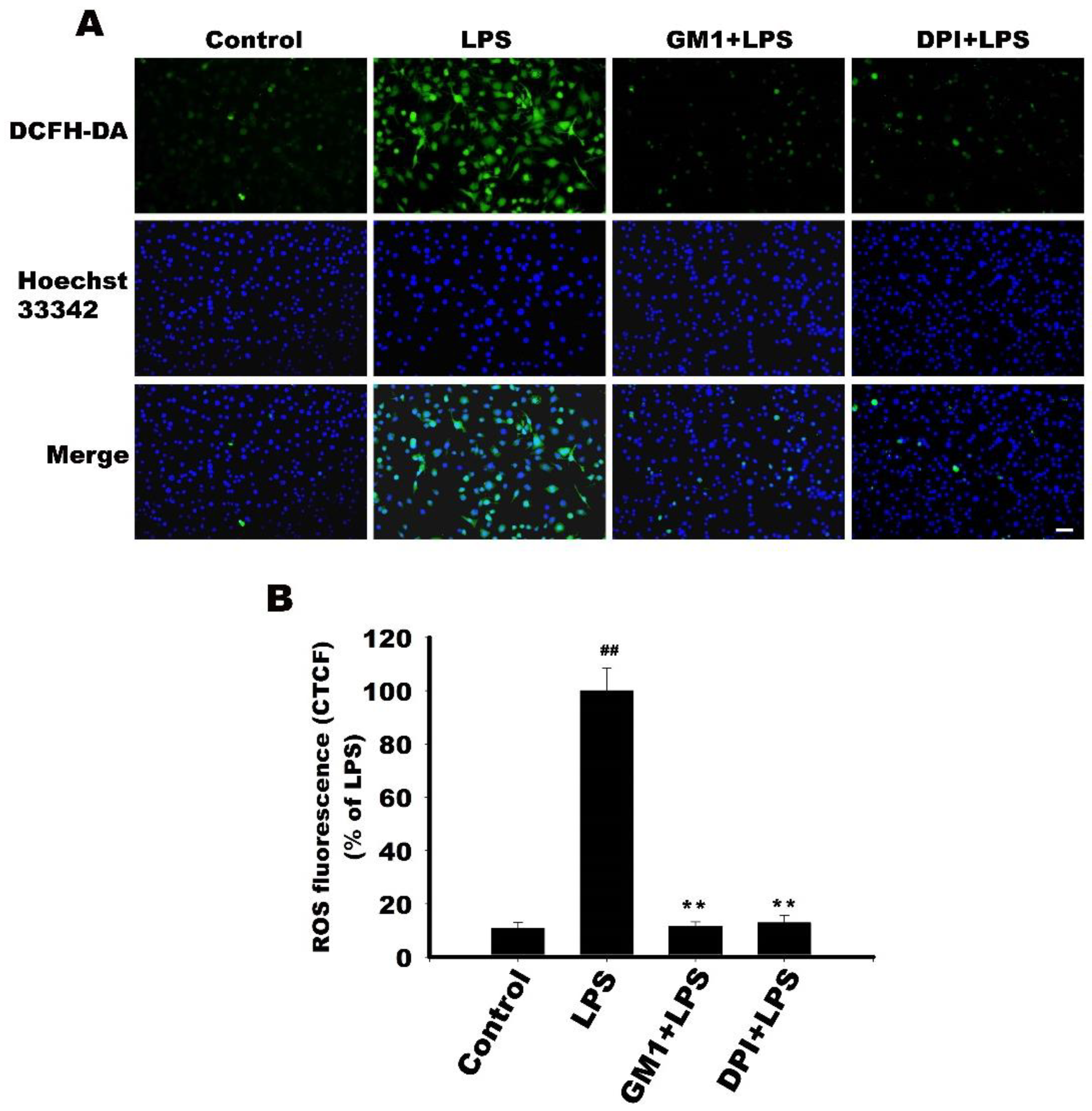
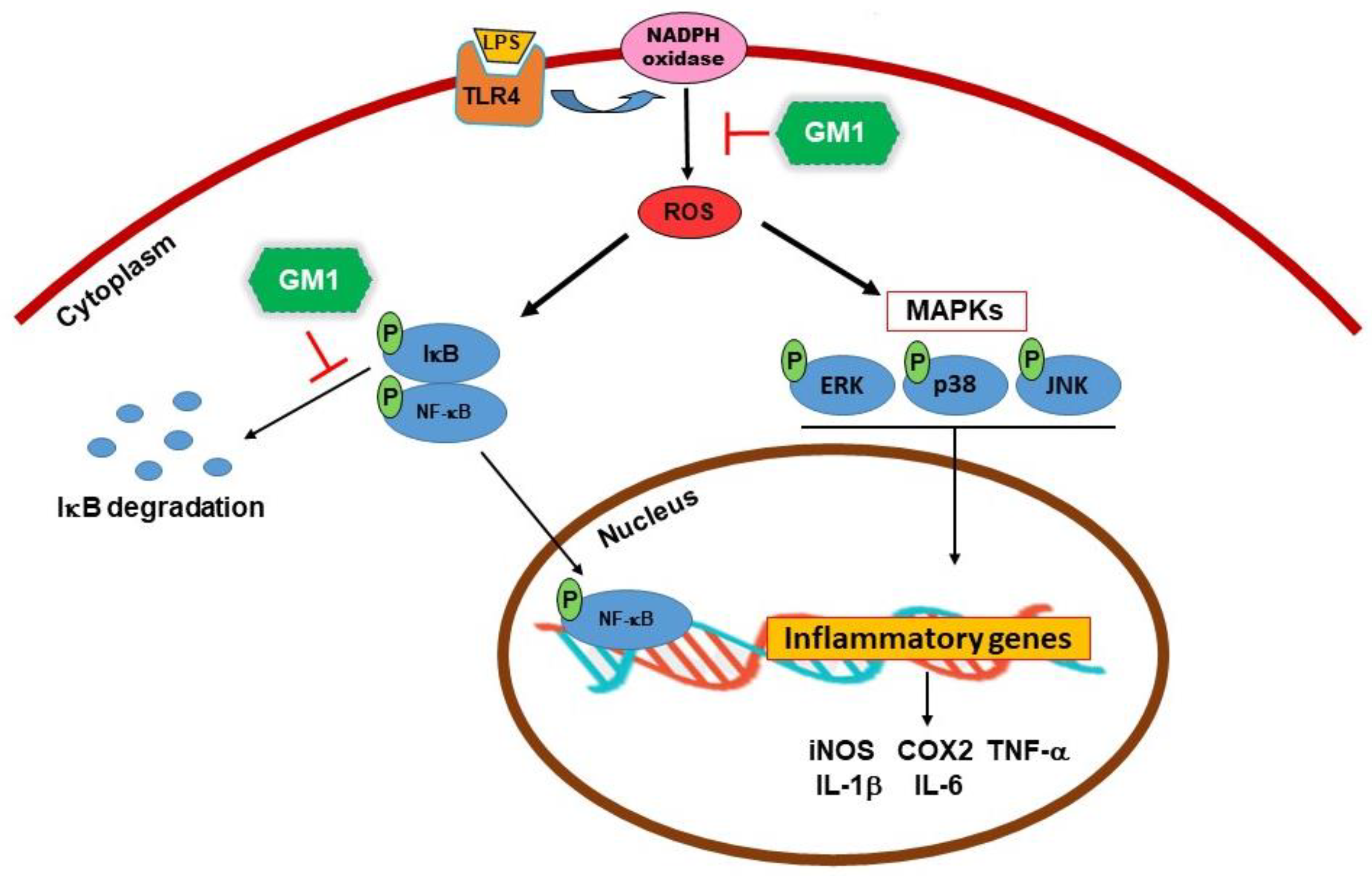
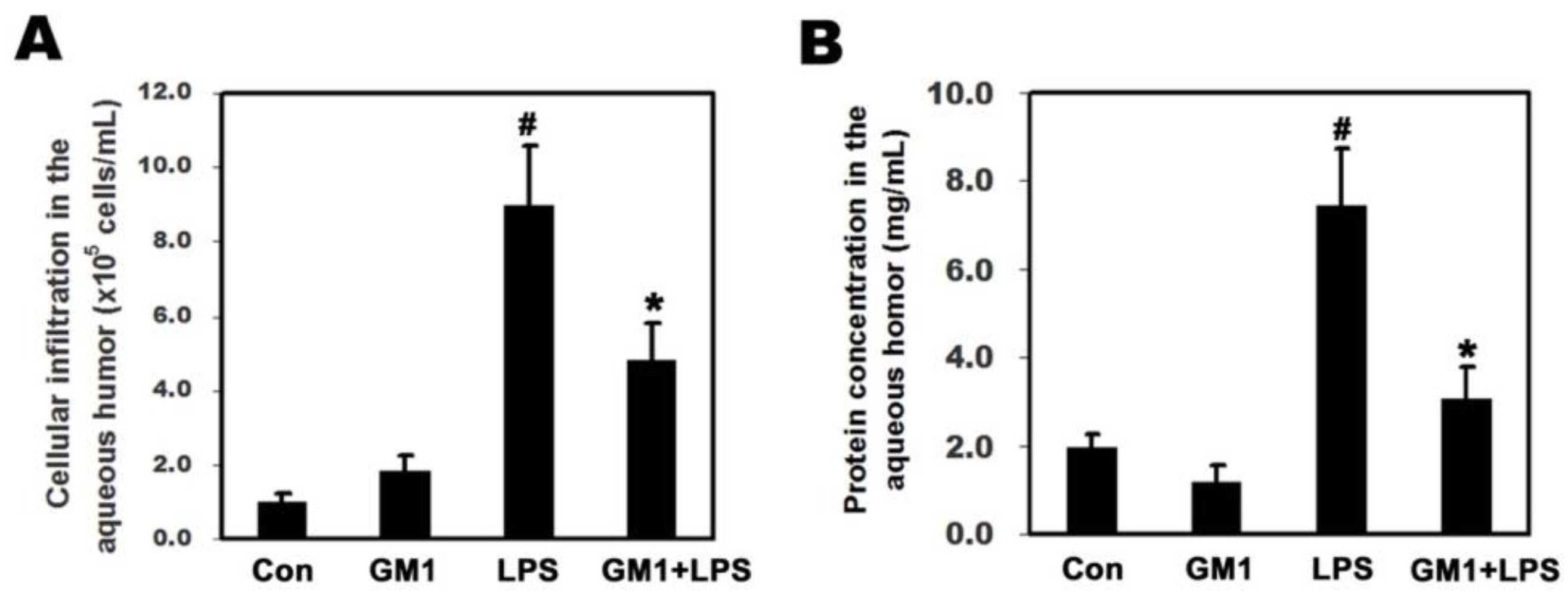
Exogenous ganglioside GM1 has been reported to exert an immunomodulatory effect. We investigated the anti-inflammatory effect of GM1 ganglioside on endotoxin-induced uveitis (EIU) in rats and RAW 264.7 macrophages. Methods: EIU was induced in Lewis rats by administering a subcutaneous injection of lipopolysaccharide (LPS). GM1 was injected intraperitoneally for three consecutive days prior to the LPS injection. Twenty-four hours after the LPS injection, the integrity of the blood-aqueous barrier was evaluated by determining the protein concentration and number of infiltrating cells in the aqueous humor (AqH). Immunohistochemical and Western blot analyses of the iris-ciliary body (ICB) were performed to evaluate the effect of GM1 on the LPS-induced expression of cyclooxygenase-2 (COX-2) and intercellular adhesion molecule-1 (ICAM-1). The effect of GM1 on proinflammatory mediators and signaling cascades was examined in LPS-stimulated RAW 264.7 cells using Western blotting and immunofluorescence staining to further clarify the underlying anti-inflammatory mechanism. Results: GM1 significantly reduced the protein concentration and number of infiltrating cells in the AqH of rats with EIU. GM1 also decreased the LPS-induced expression of the ICAM-1 and COX-2 proteins in the ICB. In RAW 264.7 cells, GM1 inhibited the proinflammatory mediators induced by LPS, including inducible nitric oxide synthase (iNOS), COX-2, tumor necrosis factor-α (TNF-α), interleukin-1β (IL-1β) and interleukin-6 (IL-6), and this inhibitory effect was potentially mediated by suppressing reactive oxygen species (ROS)-mediated activation of nuclear factor-κB (NF-κB) and mitogen-activated protein kinases (MAPKs). Conclusions: Based on this study, GM1 may be a potential anti-inflammatory agent for ocular inflammatory diseases.
Keywords: GM1 ganglioside; endotoxin-induced uveitis; iris-ciliary body; anti-inflammation; RAW 264.7 cells GM1 ganglioside; endotoxin-induced uveitis; iris-ciliary body; anti-inflammation; RAW 264.7 cells