Article

Combinational Growth Factor and Gas Delivery for Thrombosis Prevention

1
Department of Cardiology, the Affiliated Suzhou Hospital of Nanjing Medical University, Suzhou Municipal Hospital, Gusu School, Nanjing Medical University, Suzhou 215008, China
2
Department of Cardiology, Changshu Hospital Affiliated to Nanjing University of Chinese Medicine, Changshu 215500, China
3
Department of Cardiology, the First Affiliated Hospital of Nanjing Medical University, Nanjing 210029, China
*
Author to whom correspondence should be addressed.
These authors contributed equally to this work.
Biomolecules 2022, 12(11), 1715; https://doi.org/10.3390/biom12111715
Submission received: 2 September 2022 / Revised: 9 November 2022 / Accepted: 17 November 2022 / Published: 19 November 2022

Abstract

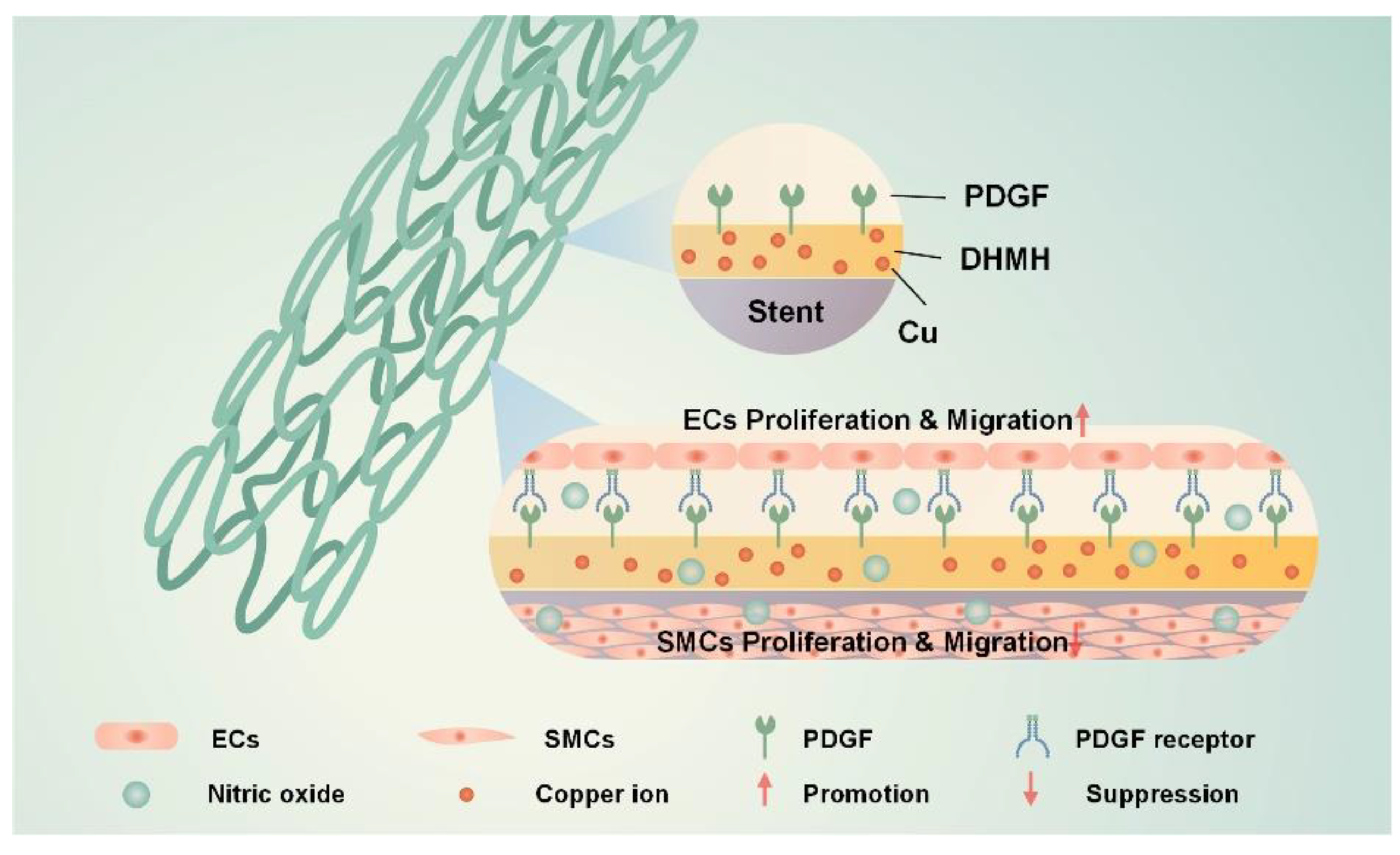
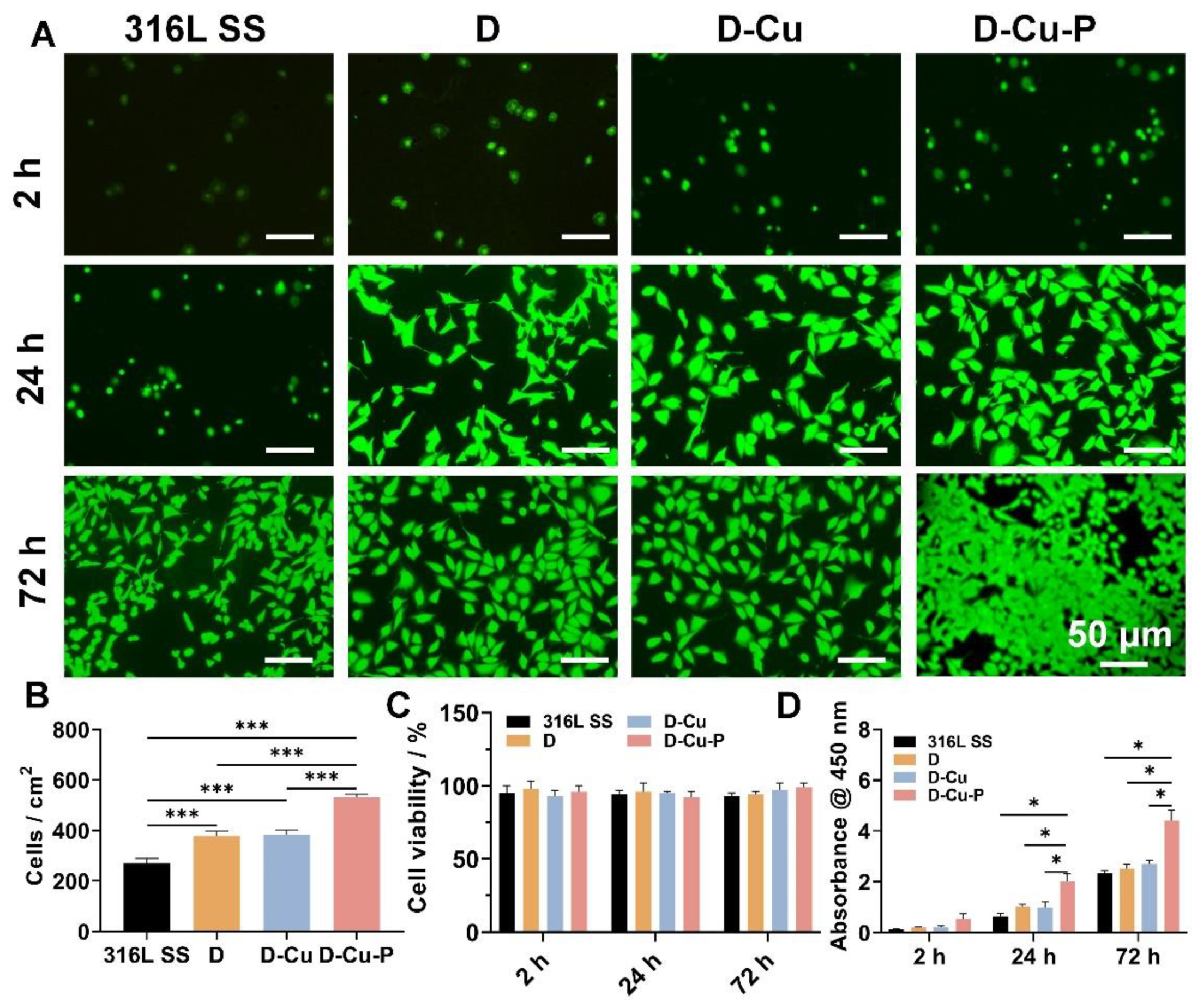
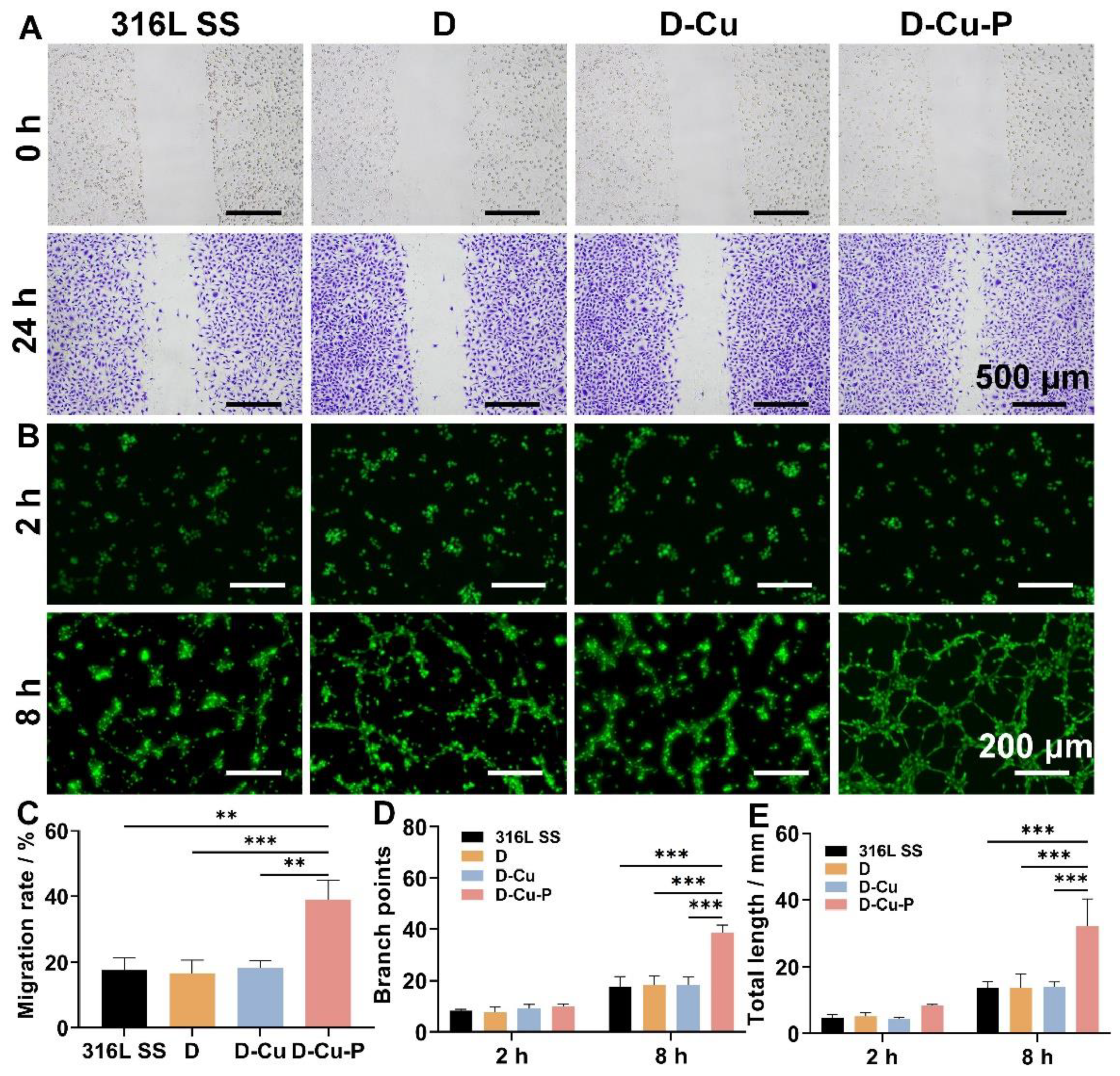
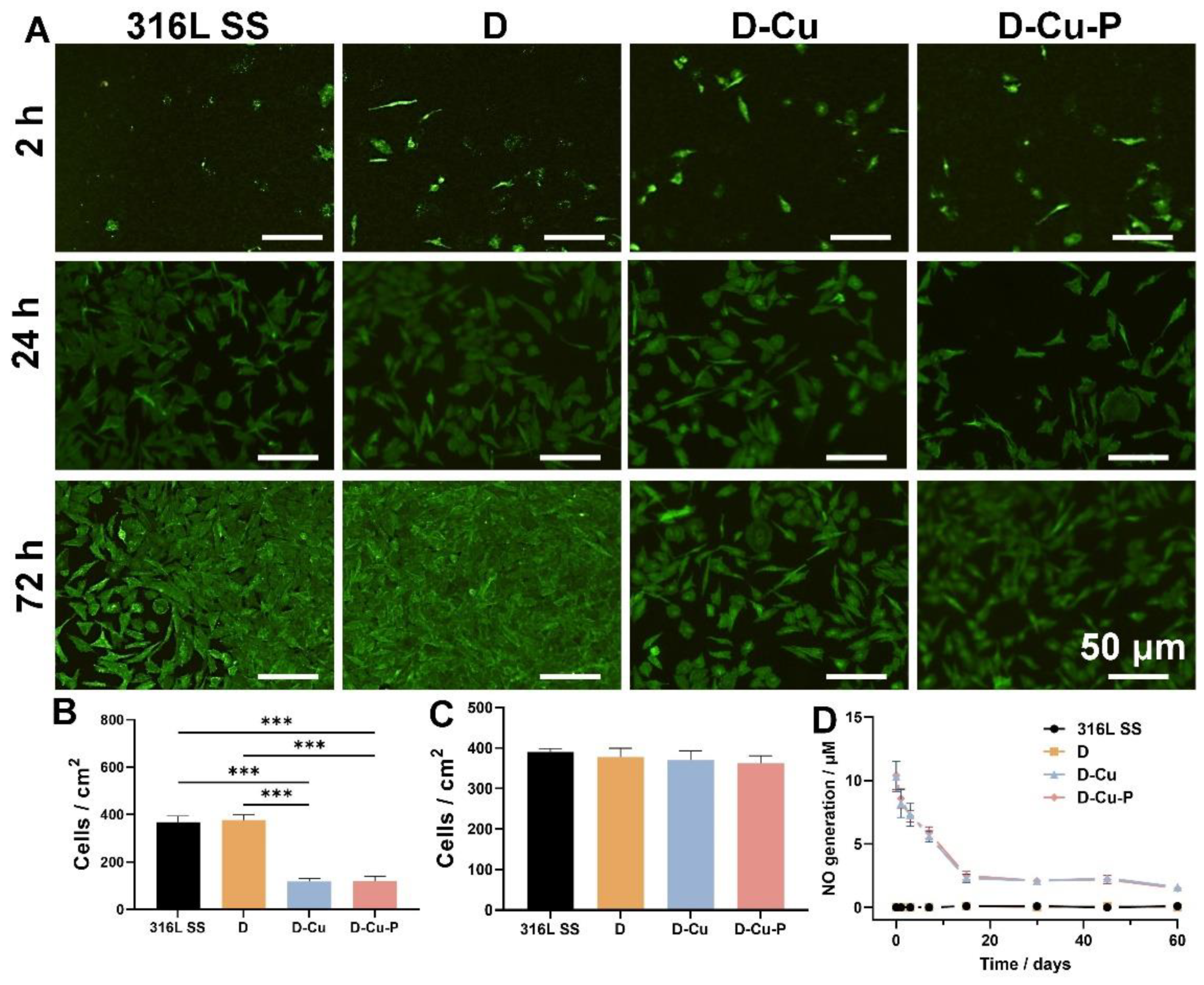
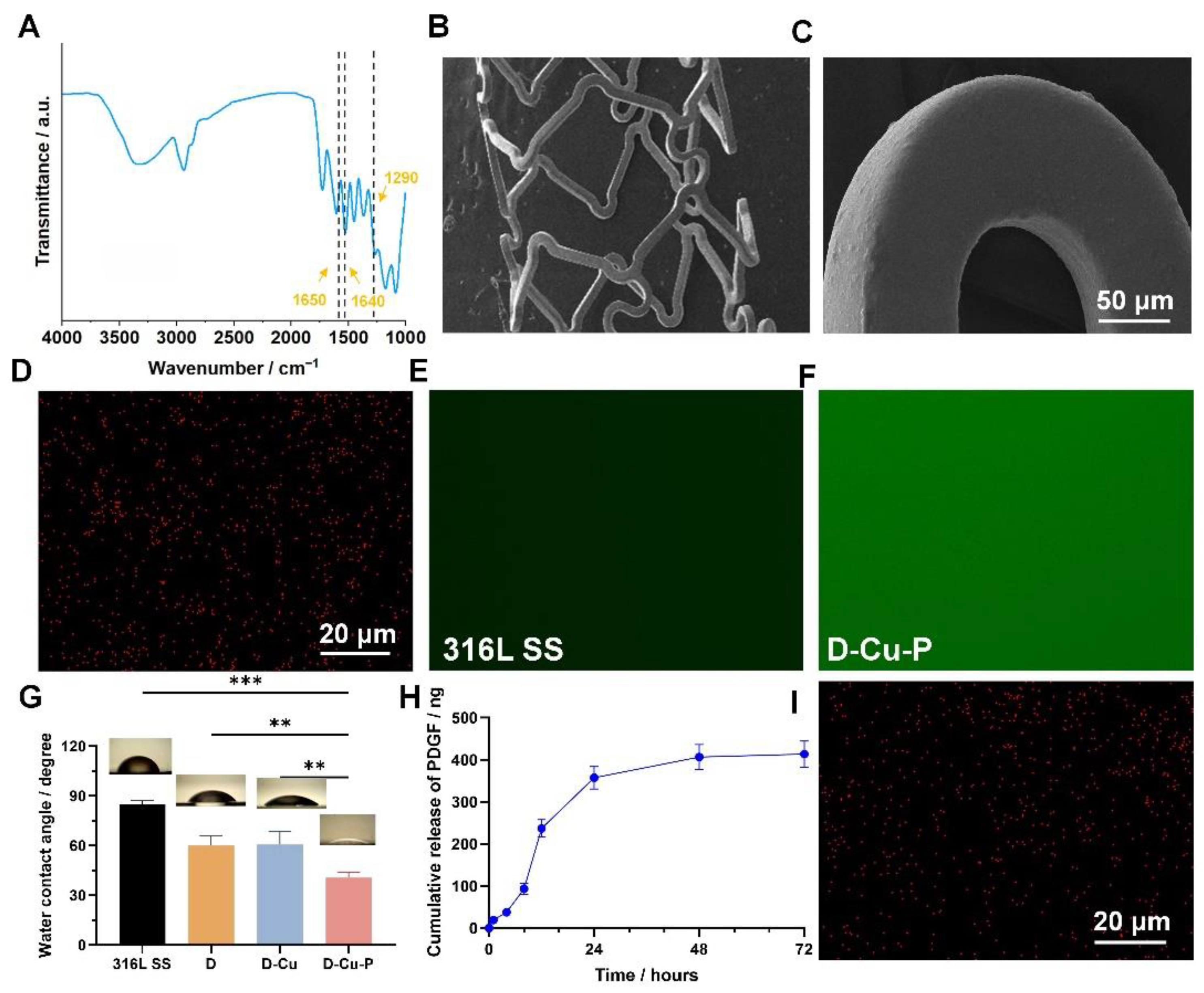
Cardiovascular stents enable the rapid re-endothelialization of endothelial cells (ECs), and the constant suppression of smooth muscle cell (SMC) proliferation has been proved to effectively prevent thrombosis. However, the development and application of such stents are still insufficient due the delayed re-endothelialization progress, as well as the poor durability of the SMC inhibition. In this paper, we developed a mussel-inspired coating with the ability for the dual delivery of both growth factor (e.g., platelet-derived growth factor, PDGF) and therapeutic gas (e.g., nitric oxide, NO) for thrombosis prevention. We firstly synthesized the mussel-inspired co-polymer (DMHM) of dopamine methacrylamide (DMA) and hydroxyethyl methacrylate (HEMA) and then coated the DMHM on 316L SS stents combined with CuII. Afterwards, we immobilized the PDGF on the DMHM-coated stent and found that the PDGF could be released in the first 3 days to enhance the recruitment, proliferation, and migration of human umbilical vein endothelial cells (HUVECs) to promote re-endothelialization. The CuII could be “sealed” in the DMHM coating, with extended durability (2 months), with the capacity for catalyzed NO generation for up to 2 months to suppress the proliferation of SMCs. Such a stent surface modification strategy could enhance the development of the cardiovascular stents for thrombosis prevention.
Keywords: dual delivery; cell recruitment; re-endothelialization; NO generation dual delivery; cell recruitment; re-endothelialization; NO generation