Article

Synaptic Plasticity Is Predicted by Spatiotemporal Firing Rate Patterns and Robust to In Vivo-like Variability


by
Daniel B. Dorman
1,† and
Kim T. Blackwell
1,2,*
1
Interdisciplinary Program in Neuroscience, George Mason University, Fairfax, VA 22030, USA
2
Department of Bioengineering, Volgenau School of Engineering, George Mason University, Fairfax, VA 22030, USA
*
Author to whom correspondence should be addressed.
Current address: Institute for Computational Medicine, Department of Biomedical Engineering, Johns Hopkins University, Baltimore, MD 21218, USA.
Biomolecules 2022, 12(10), 1402; https://doi.org/10.3390/biom12101402
Submission received: 11 August 2022 / Revised: 13 September 2022 / Accepted: 28 September 2022 / Published: 1 October 2022
(This article belongs to the Special Issue Computational Insights into Calcium Signaling)

Abstract

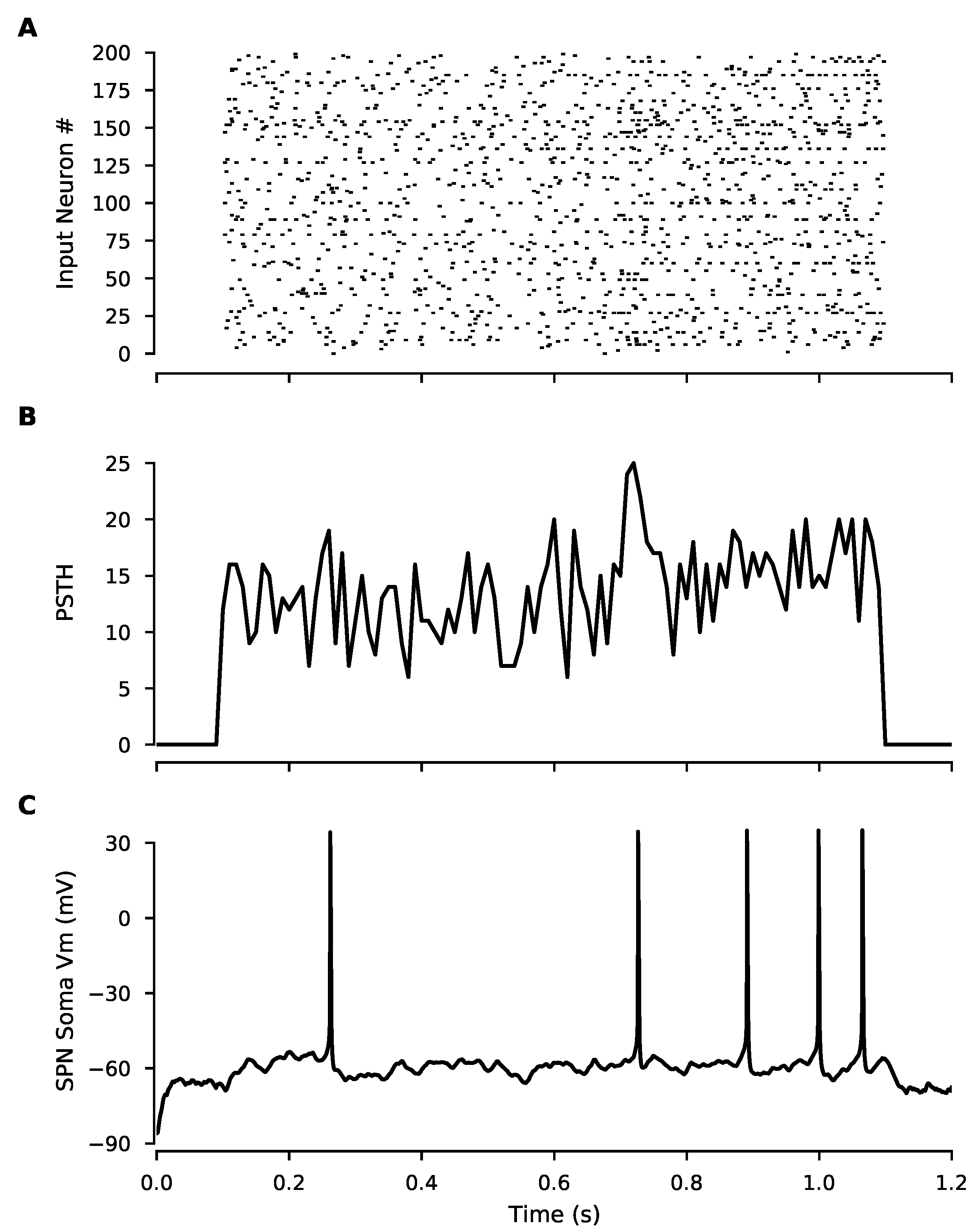
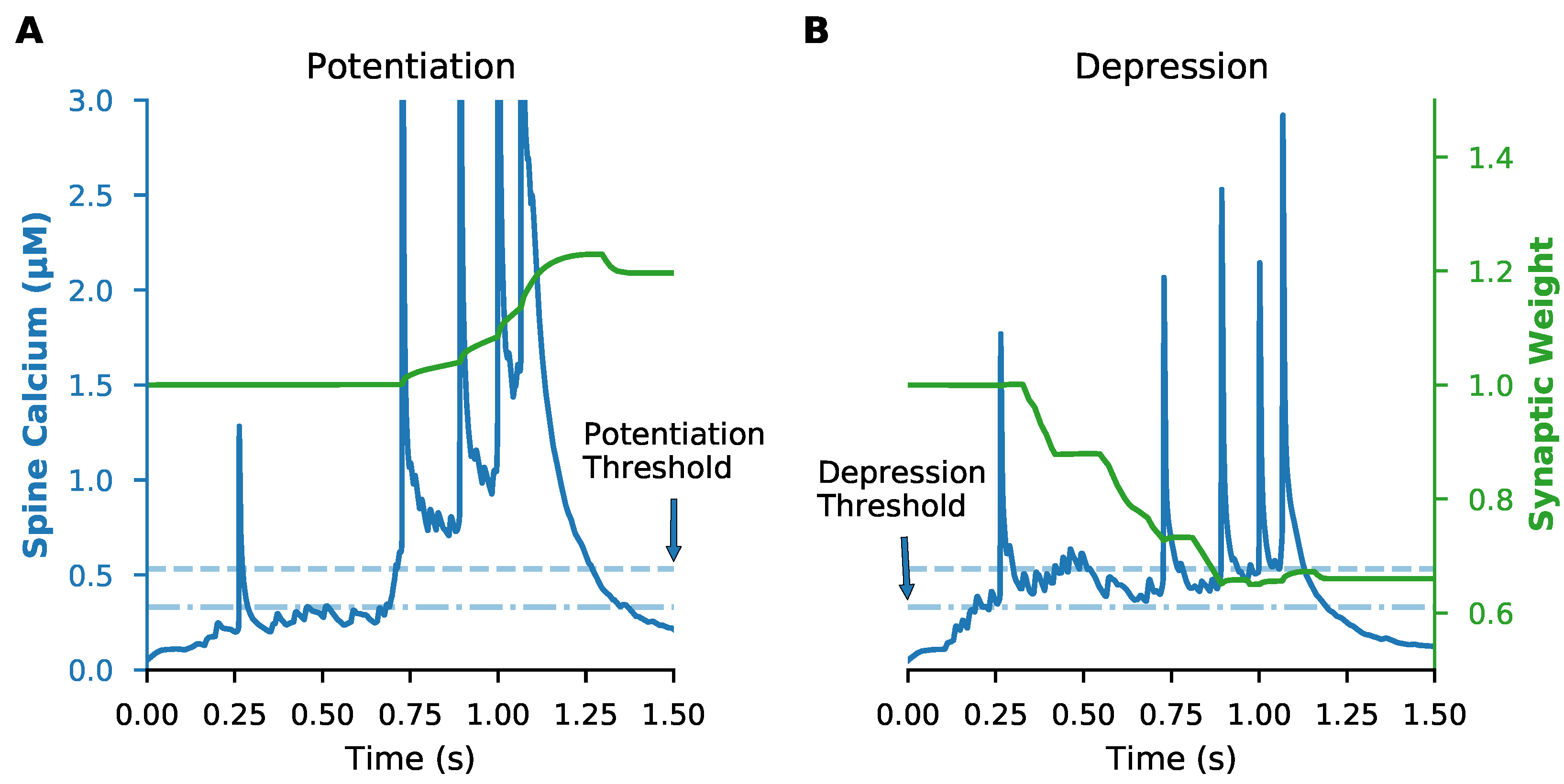
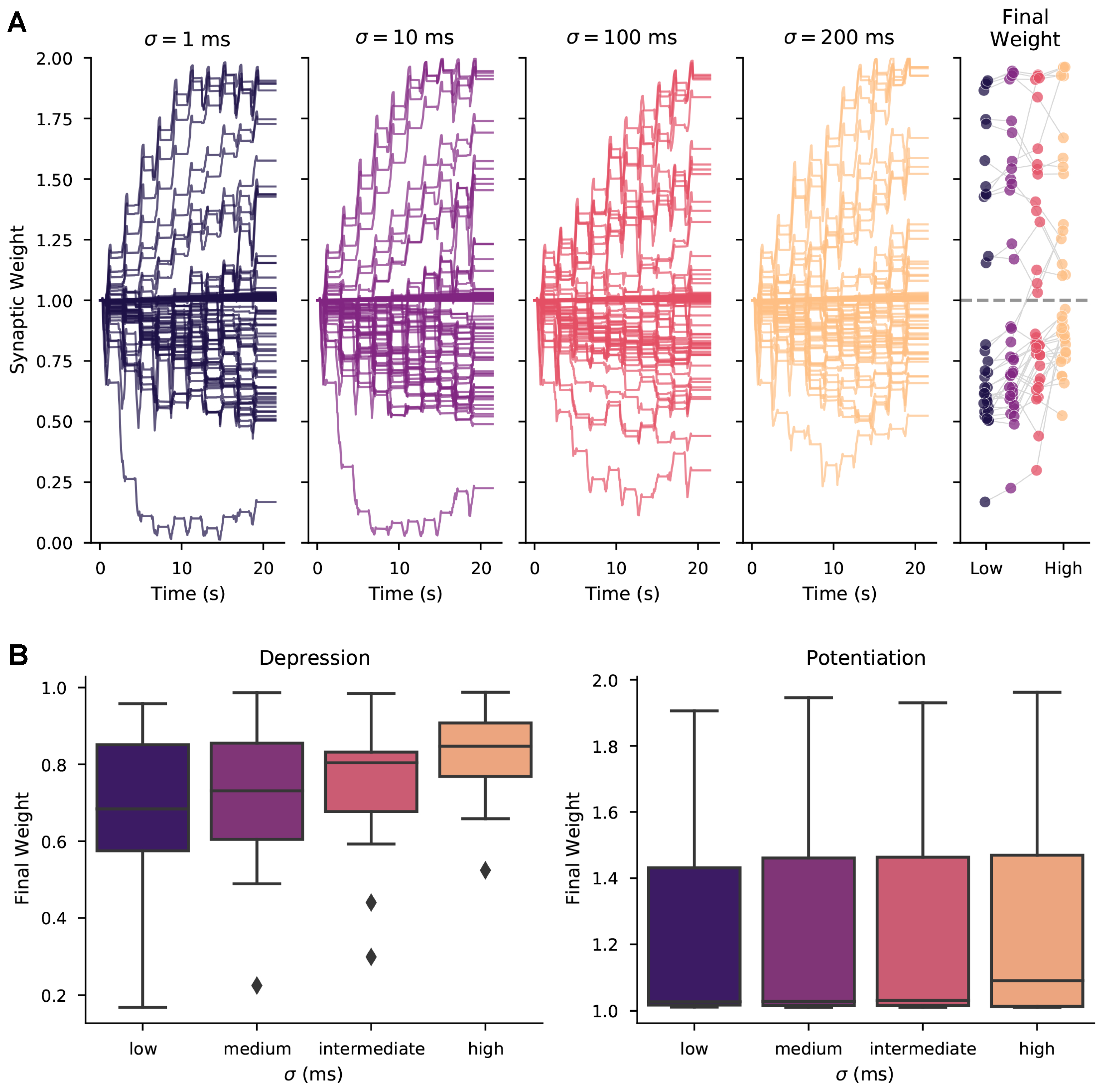
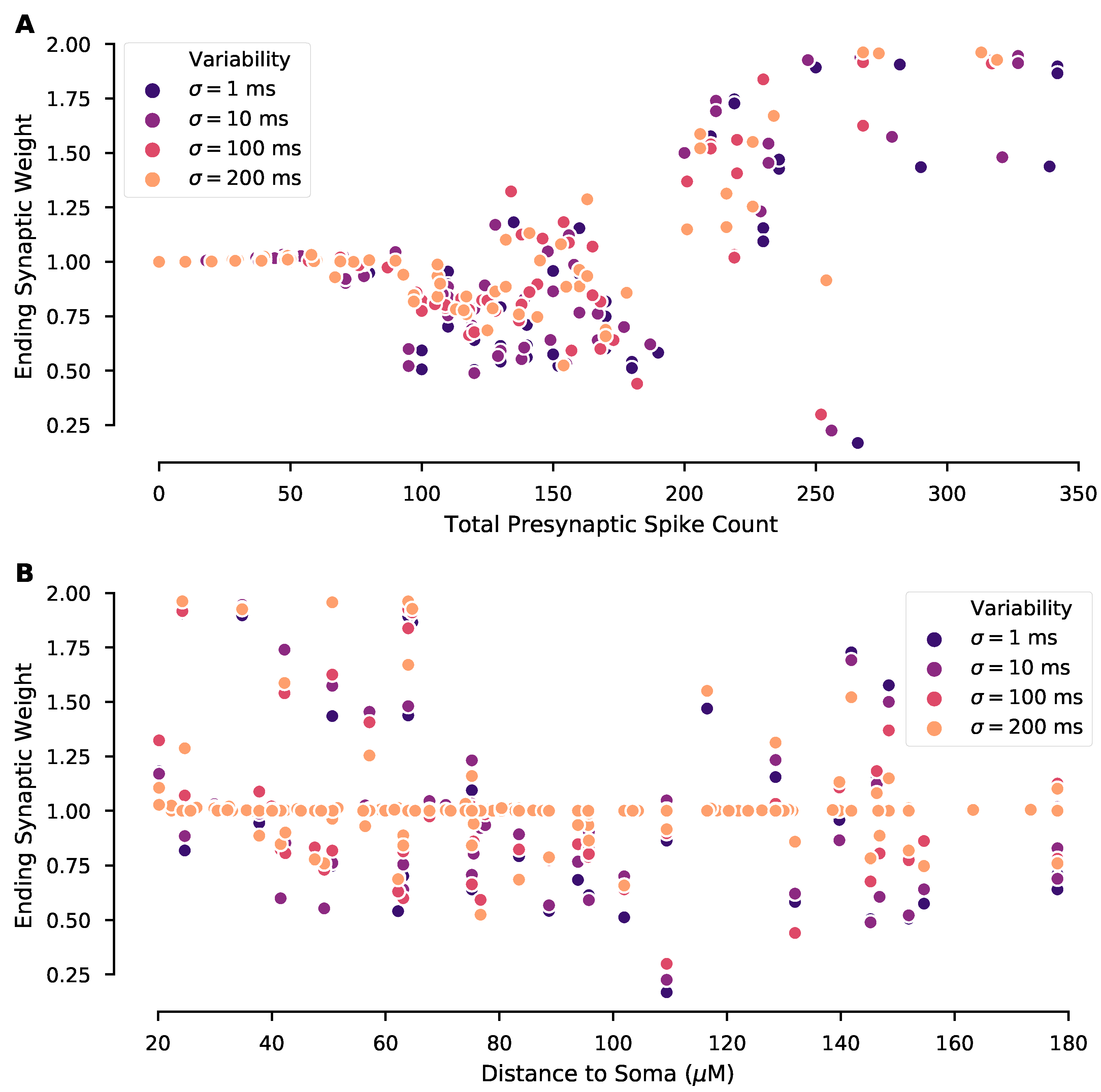
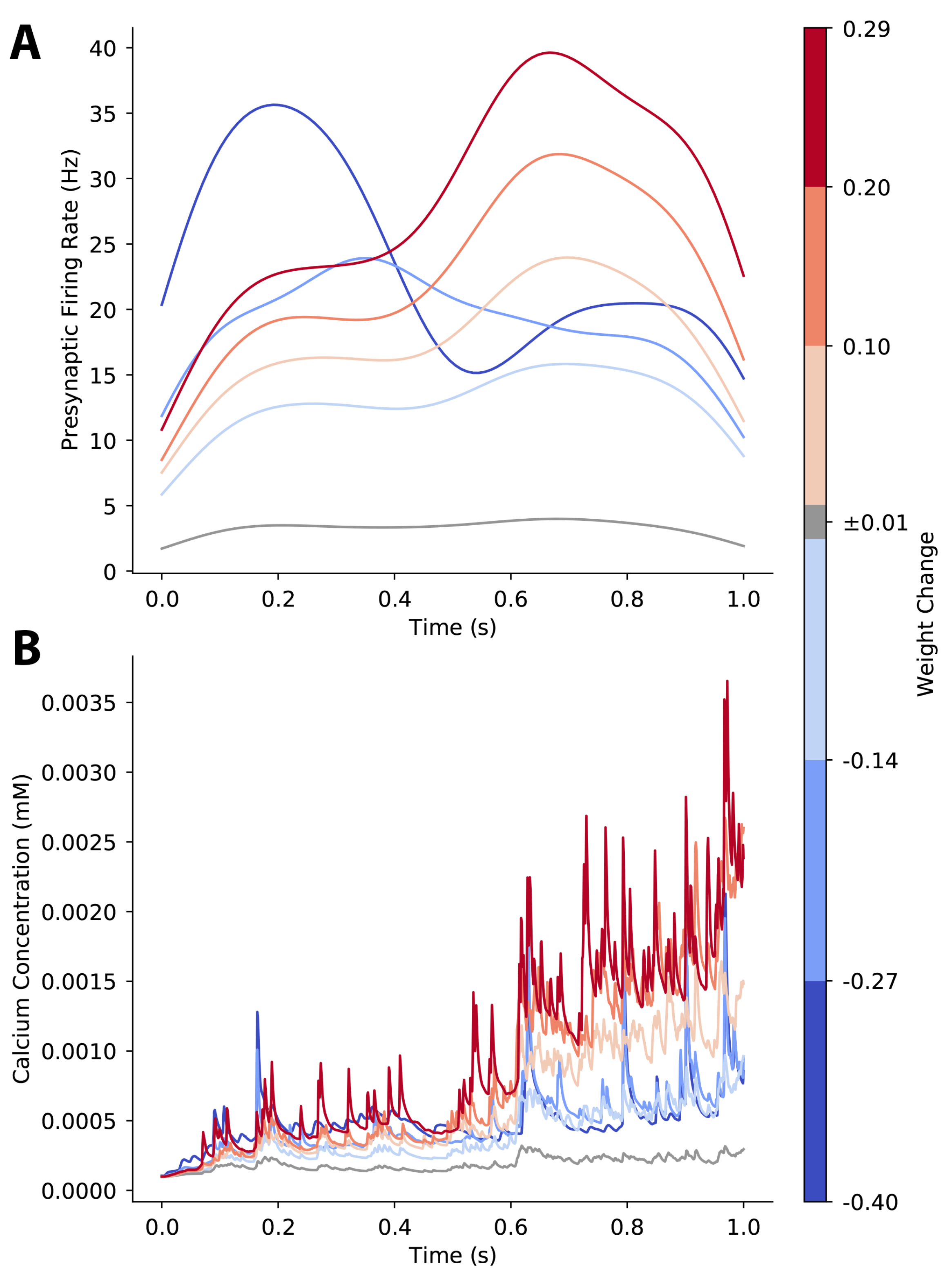
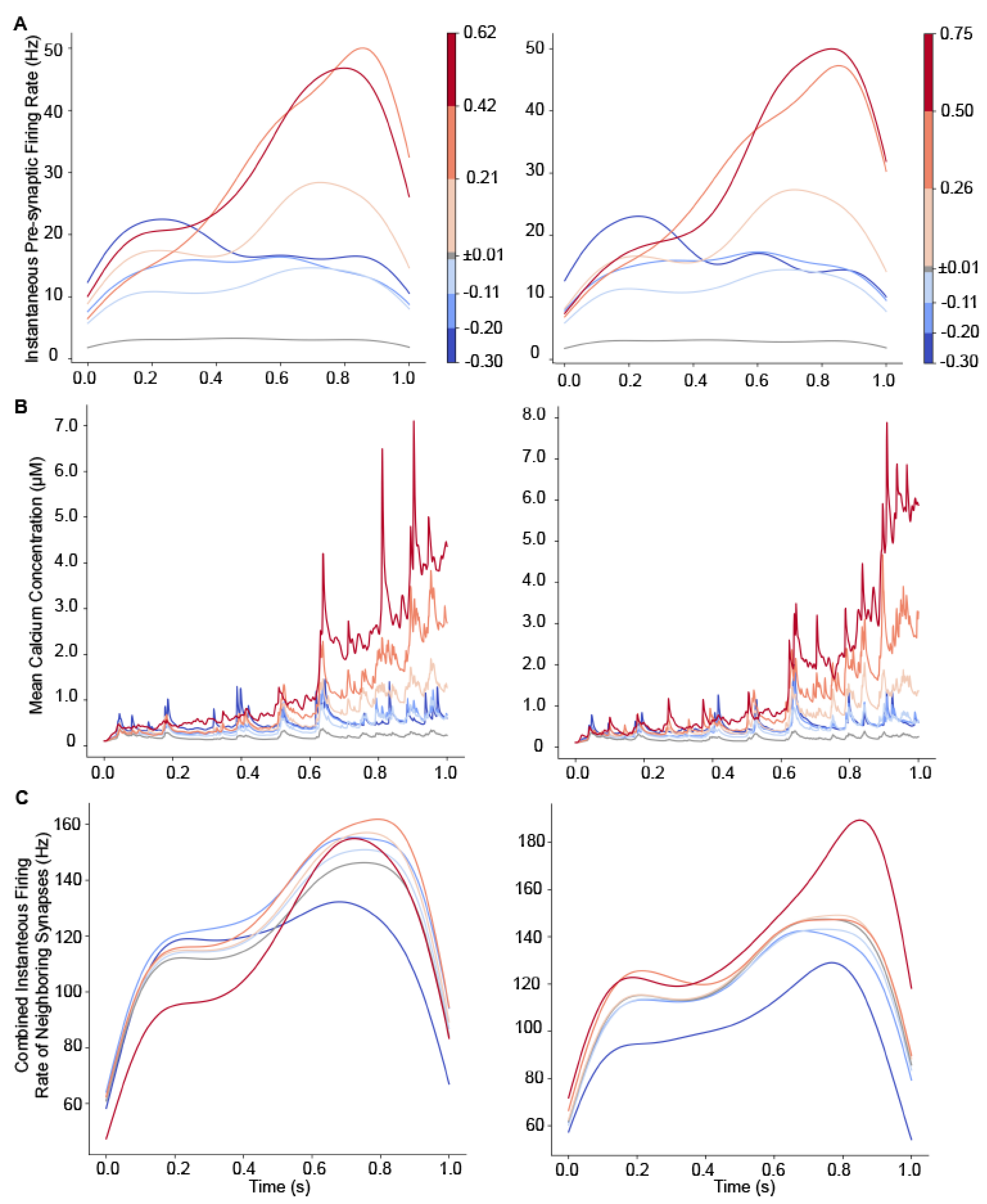
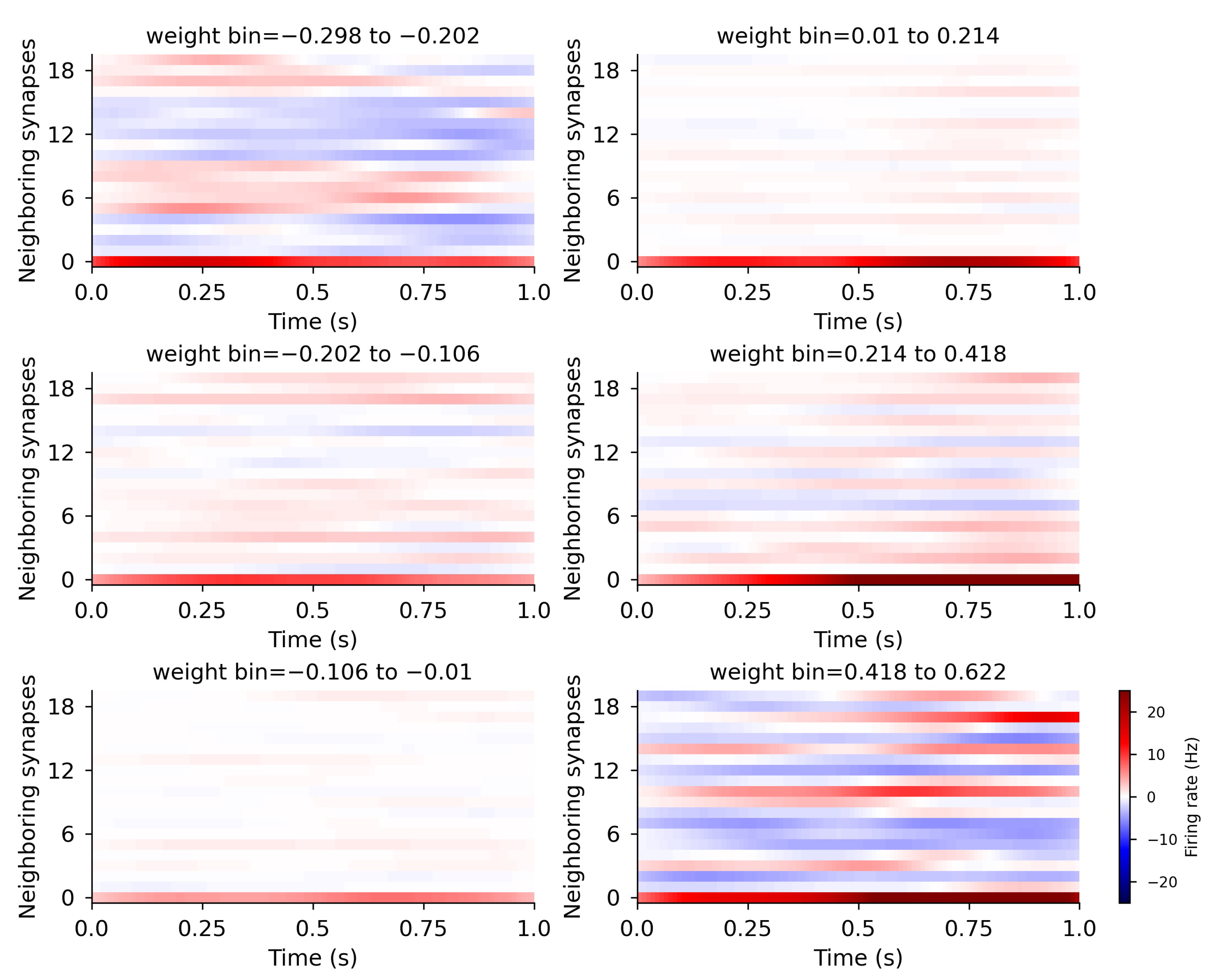
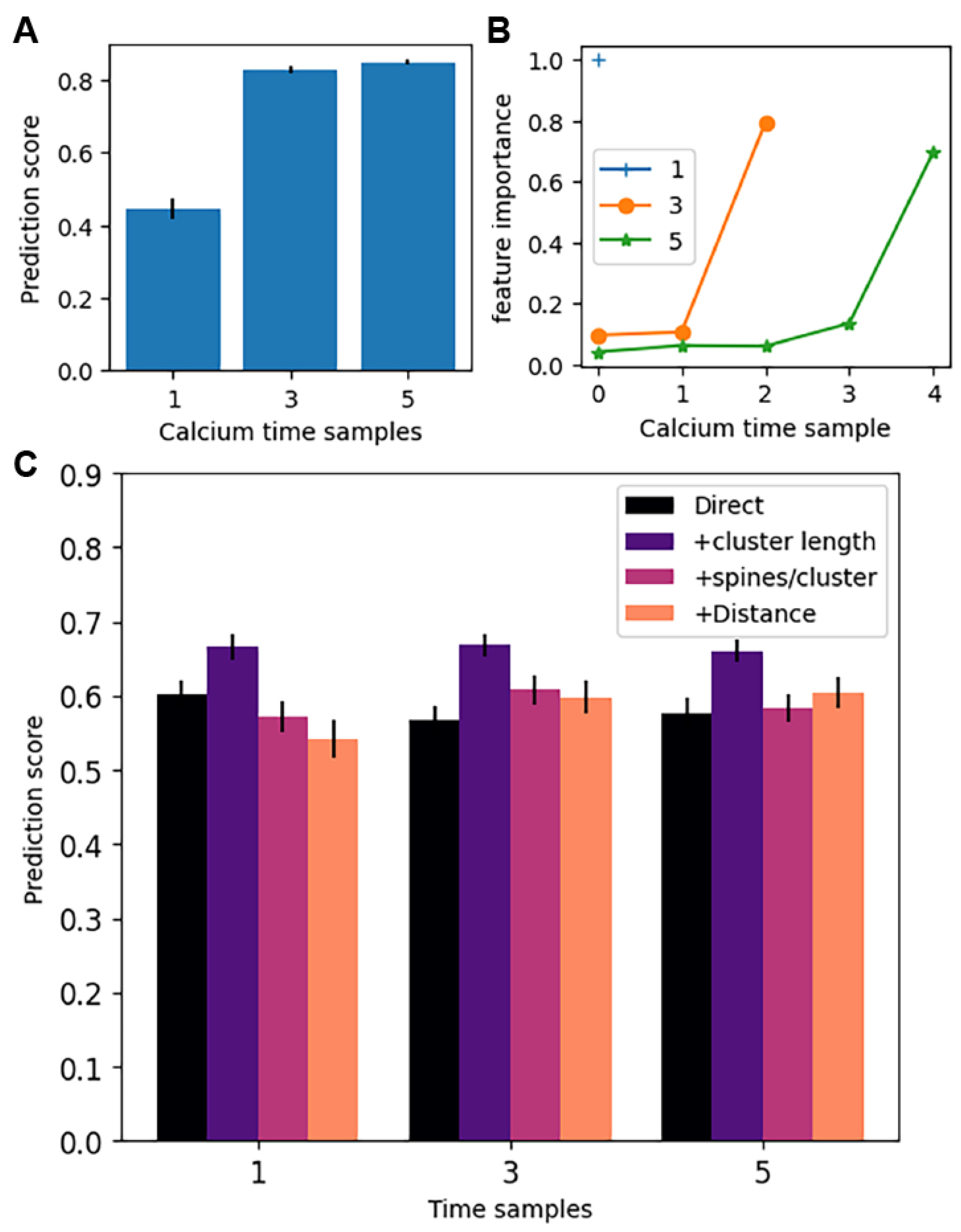
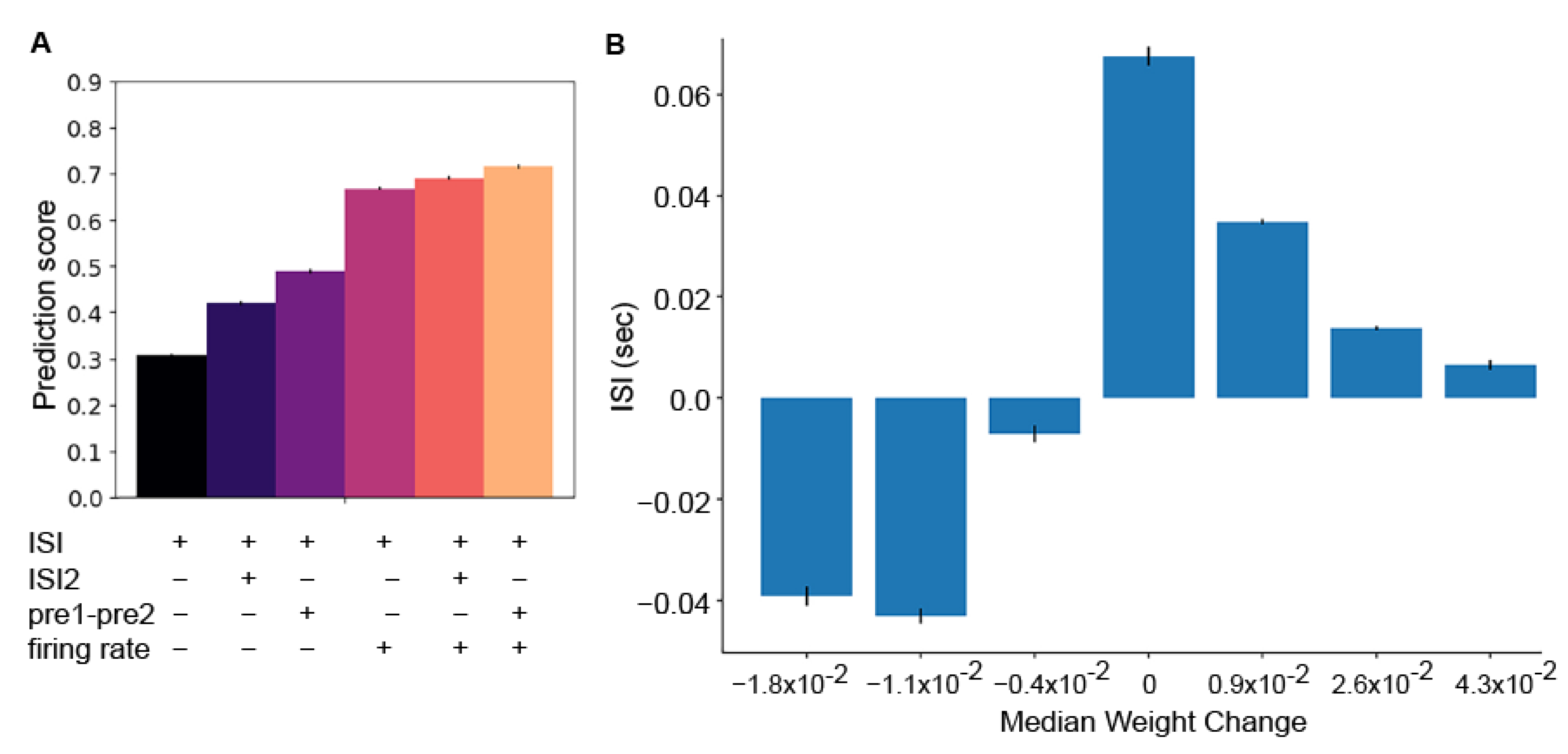
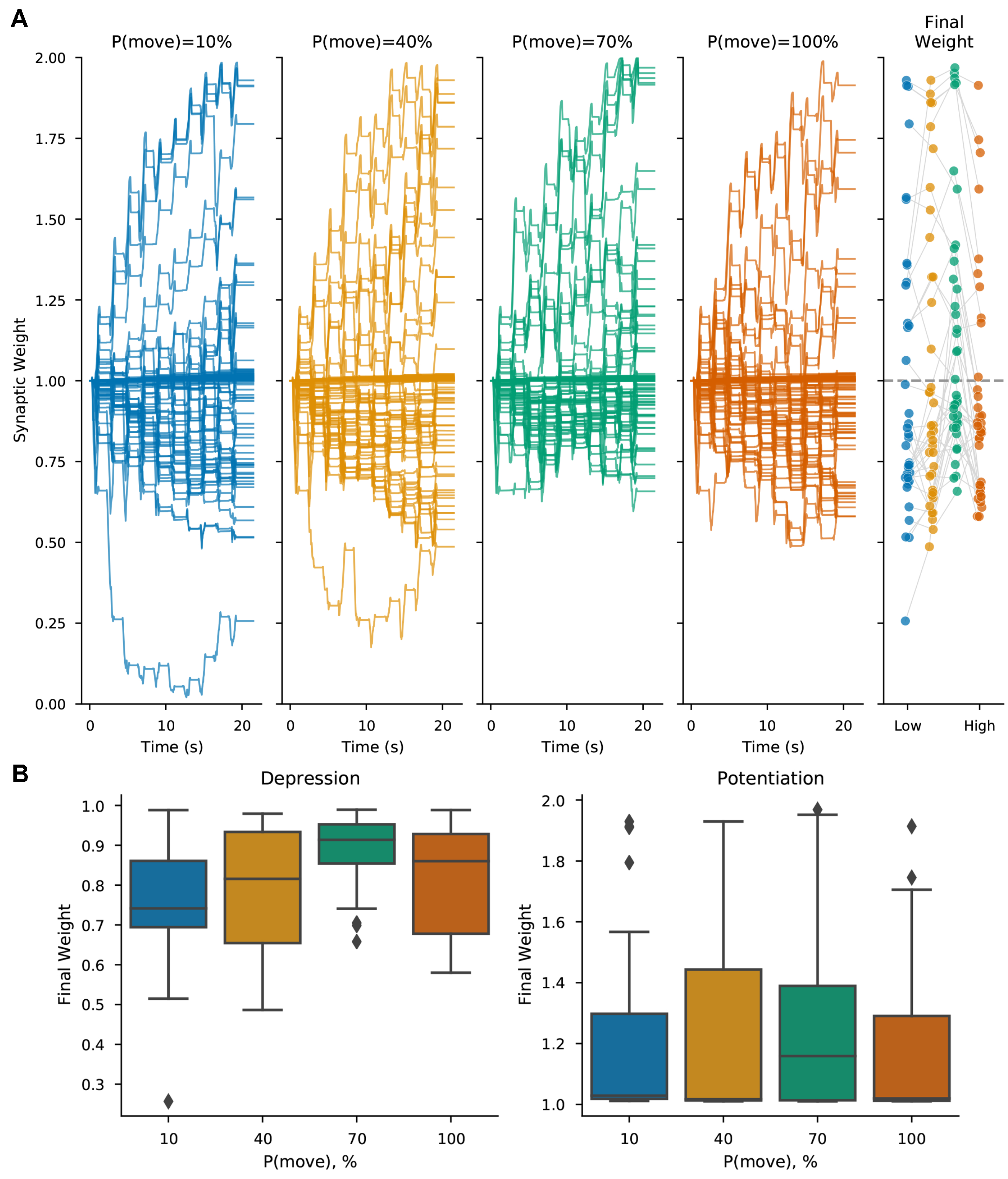
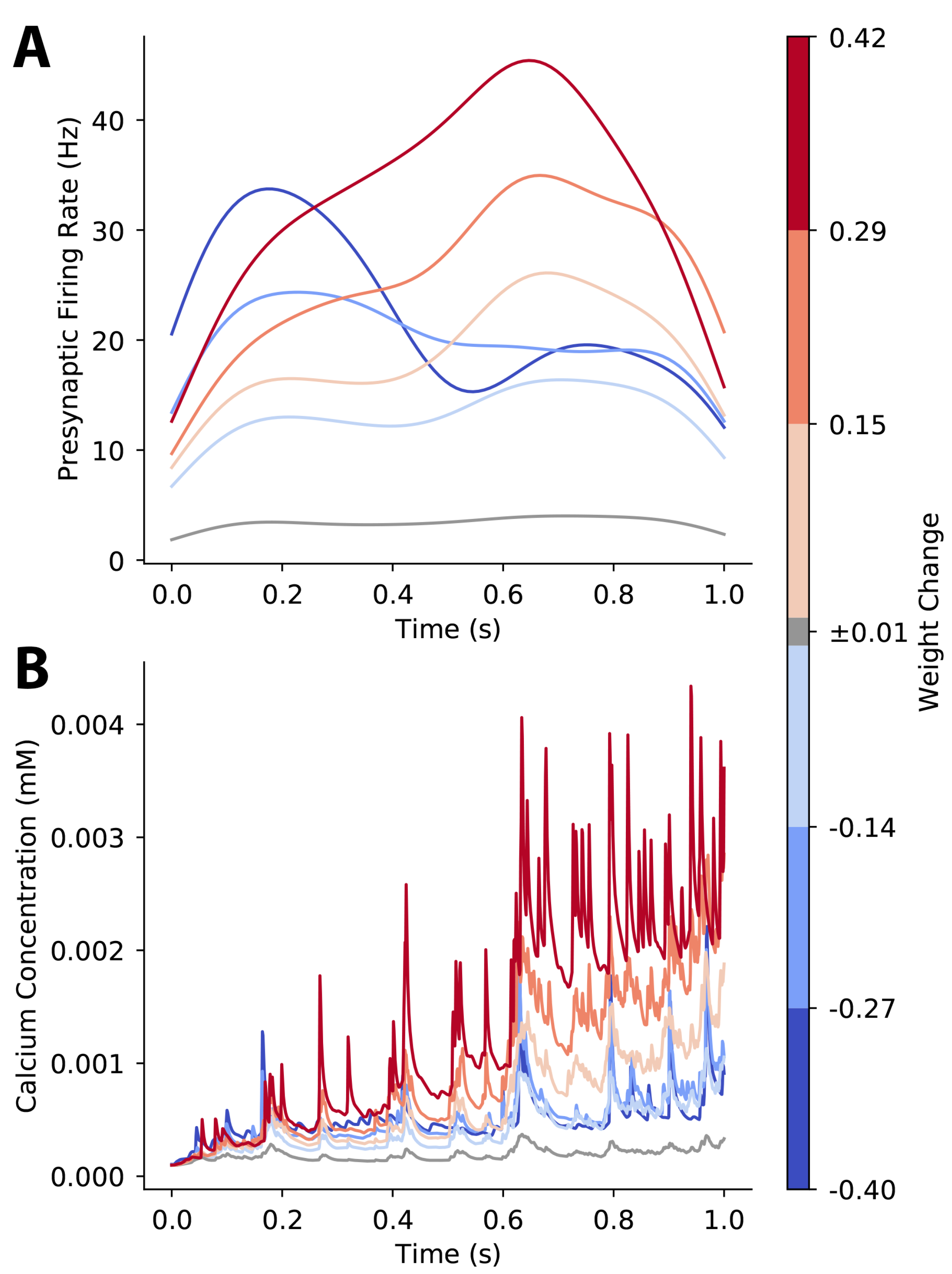
Synaptic plasticity, the experience-induced change in connections between neurons, underlies learning and memory in the brain. Most of our understanding of synaptic plasticity derives from in vitro experiments with precisely repeated stimulus patterns; however, neurons exhibit significant variability in vivo during repeated experiences. Further, the spatial pattern of synaptic inputs to the dendritic tree influences synaptic plasticity, yet is not considered in most synaptic plasticity rules. Here, we investigate how spatiotemporal synaptic input patterns produce plasticity with in vivo-like conditions using a data-driven computational model with a plasticity rule based on calcium dynamics. Using in vivo spike train recordings as inputs to different size clusters of spines, we show that plasticity is strongly robust to trial-to-trial variability of spike timing. In addition, we derive general synaptic plasticity rules describing how spatiotemporal patterns of synaptic inputs control the magnitude and direction of plasticity. Synapses that strongly potentiated have greater firing rates and calcium concentration later in the trial, whereas strongly depressing synapses have hiring firing rates early in the trial. The neighboring synaptic activity influences the direction and magnitude of synaptic plasticity, with small clusters of spines producing the greatest increase in synaptic strength. Together, our results reveal that calcium dynamics can unify diverse plasticity rules and reveal how spatiotemporal firing rate patterns control synaptic plasticity.
Keywords: calcium; LTP; synaptic plasticity; striatum; learning calcium; LTP; synaptic plasticity; striatum; learning