Article

Earth-Lens Telescope for Distant Axion-like Particle Sources with Stimulated Backward Reflection

1
Graduate School of Advanced Science and Engineering, Hiroshima University, Kagamiyama, Higashi-Hiroshima 739-8526, Hiroshima, Japan
2
International Center for Quantum-Field Measurement Systems for Studies of the Universe and Particles (QUP), KEK, Tsukuba 305-0801, Ibaraki, Japan
*
Author to whom correspondence should be addressed.
Universe 2025, 11(9), 287; https://doi.org/10.3390/universe11090287

Submission received: 28 June 2025 / Revised: 29 July 2025 / Accepted: 11 August 2025 / Published: 25 August 2025

Abstract

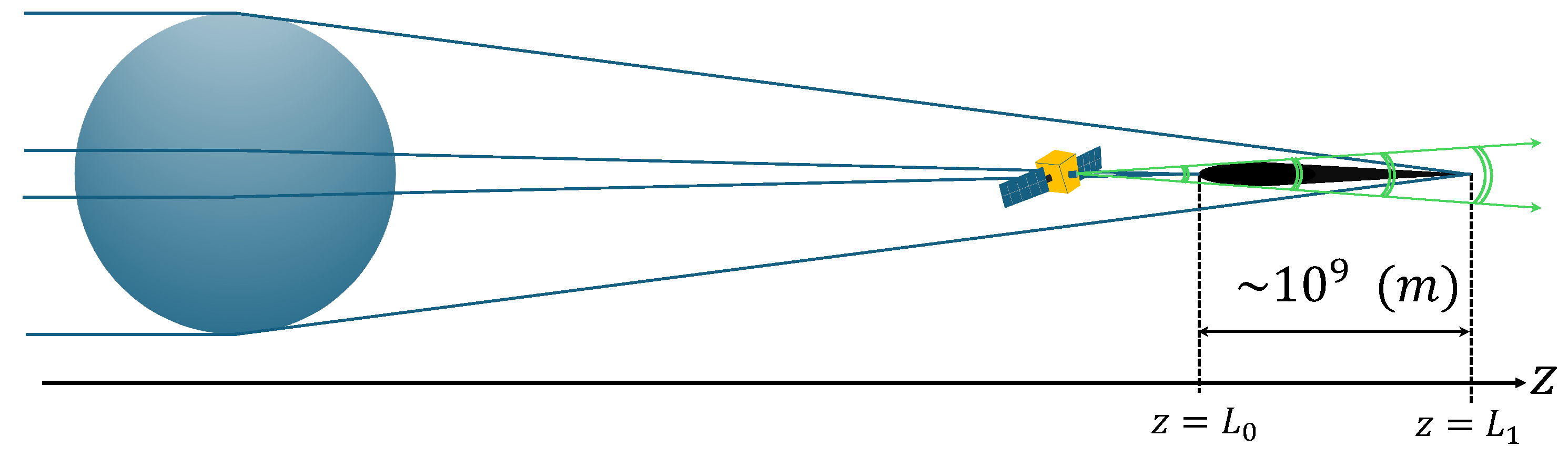
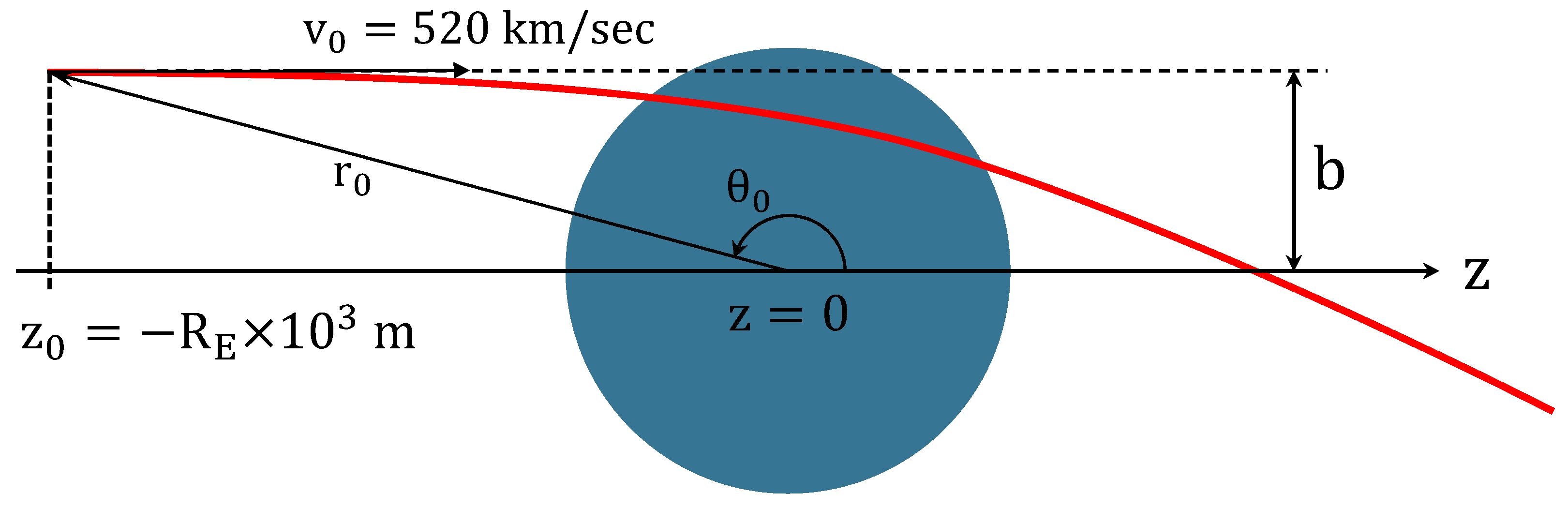
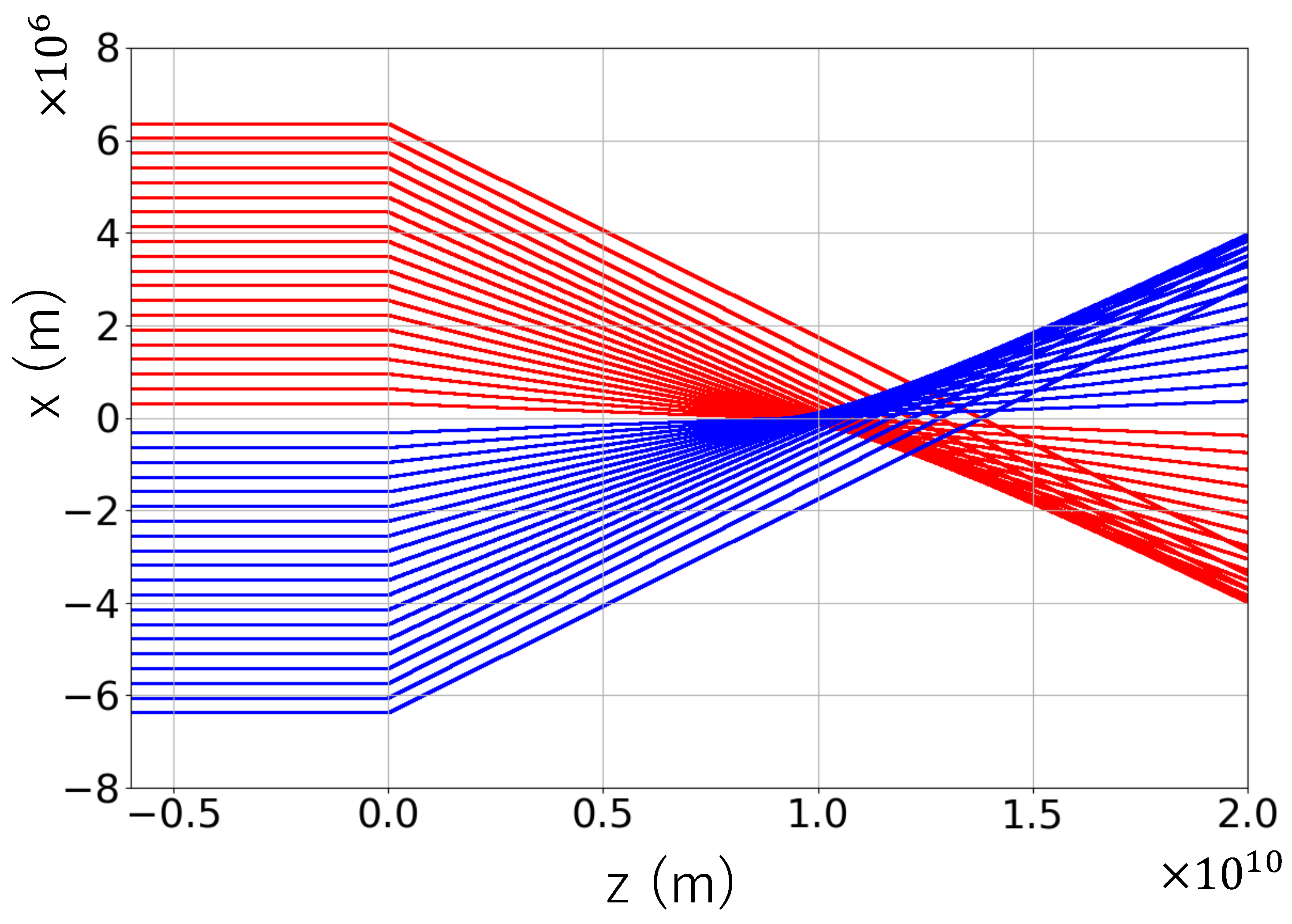
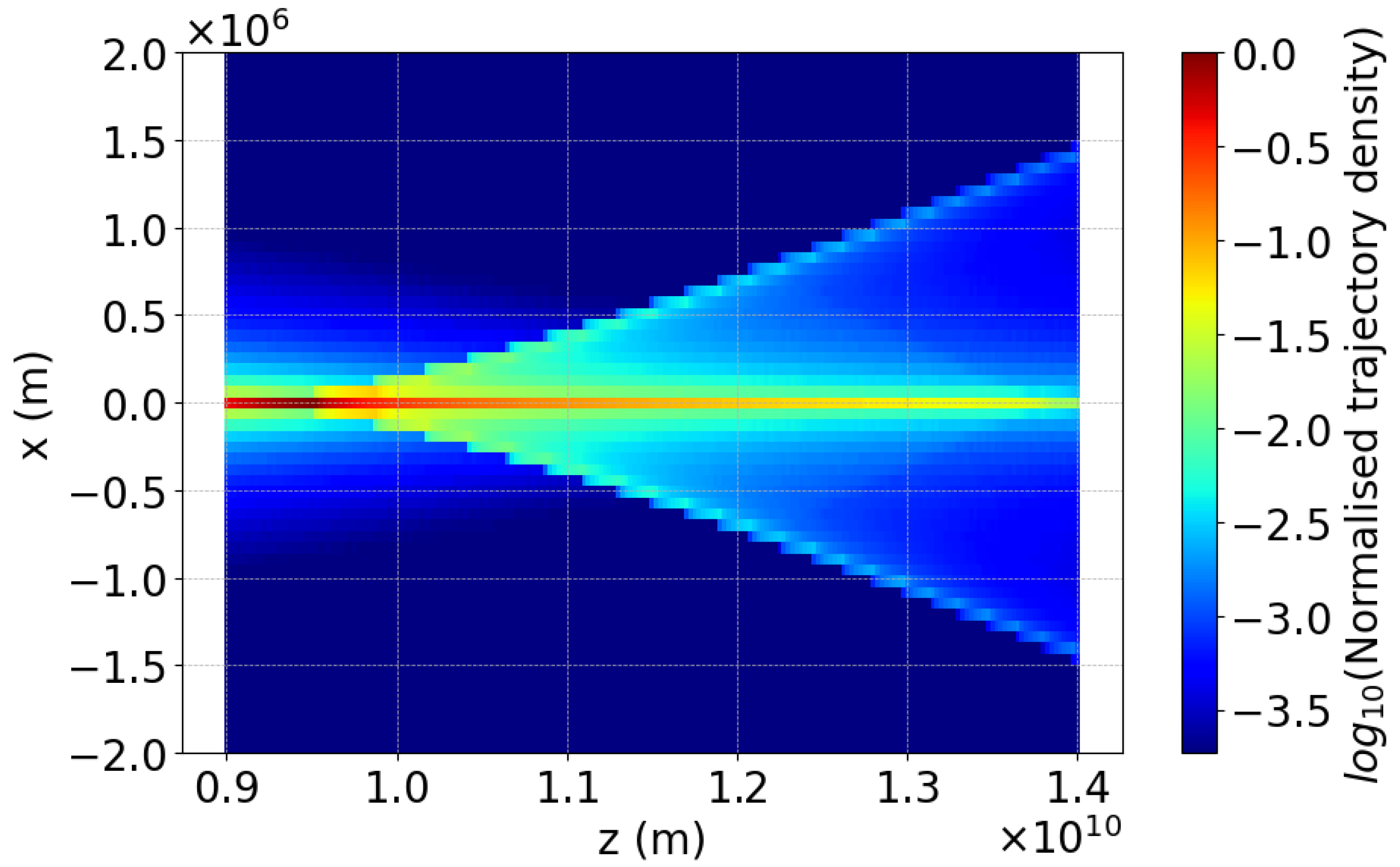
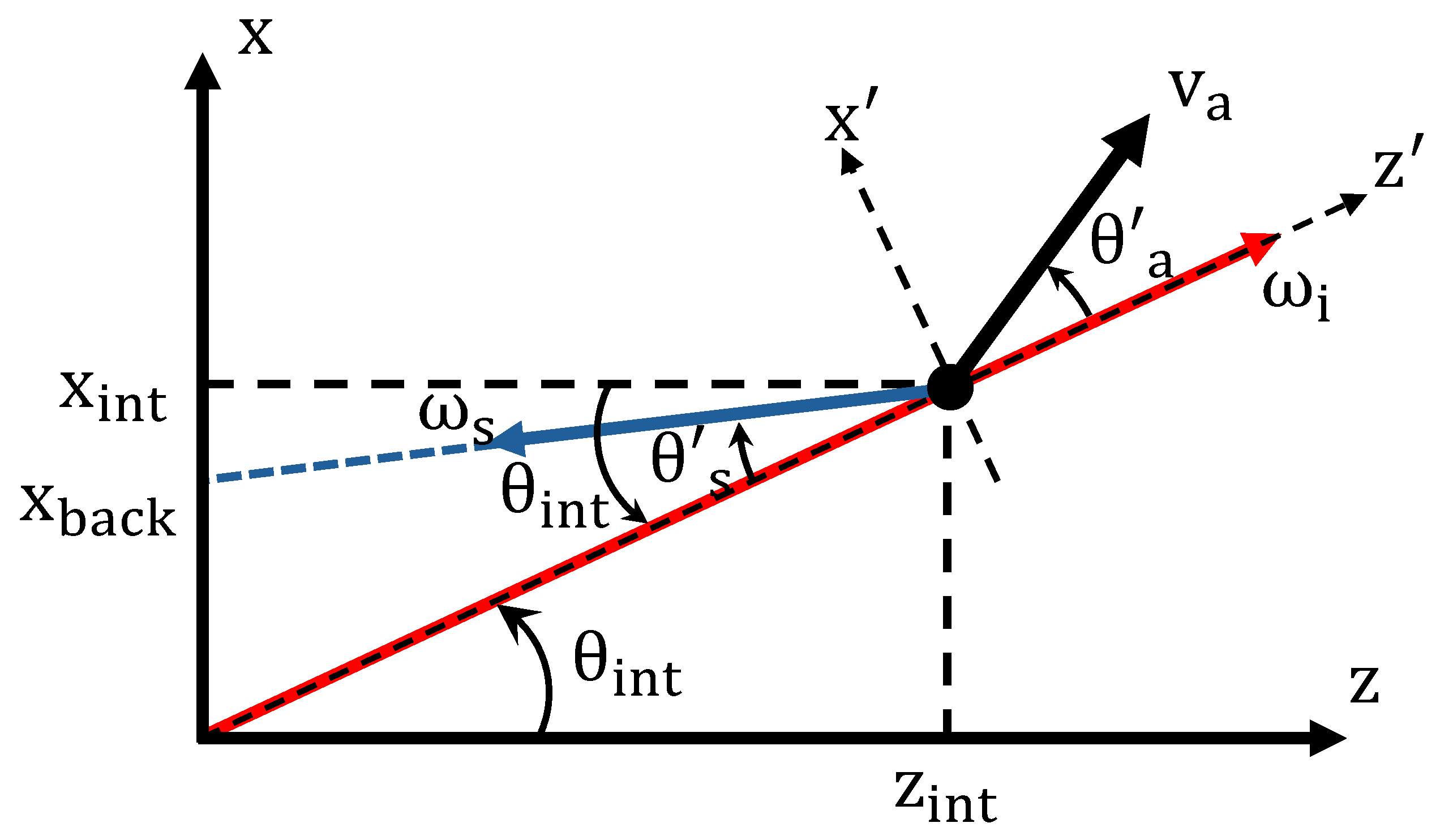
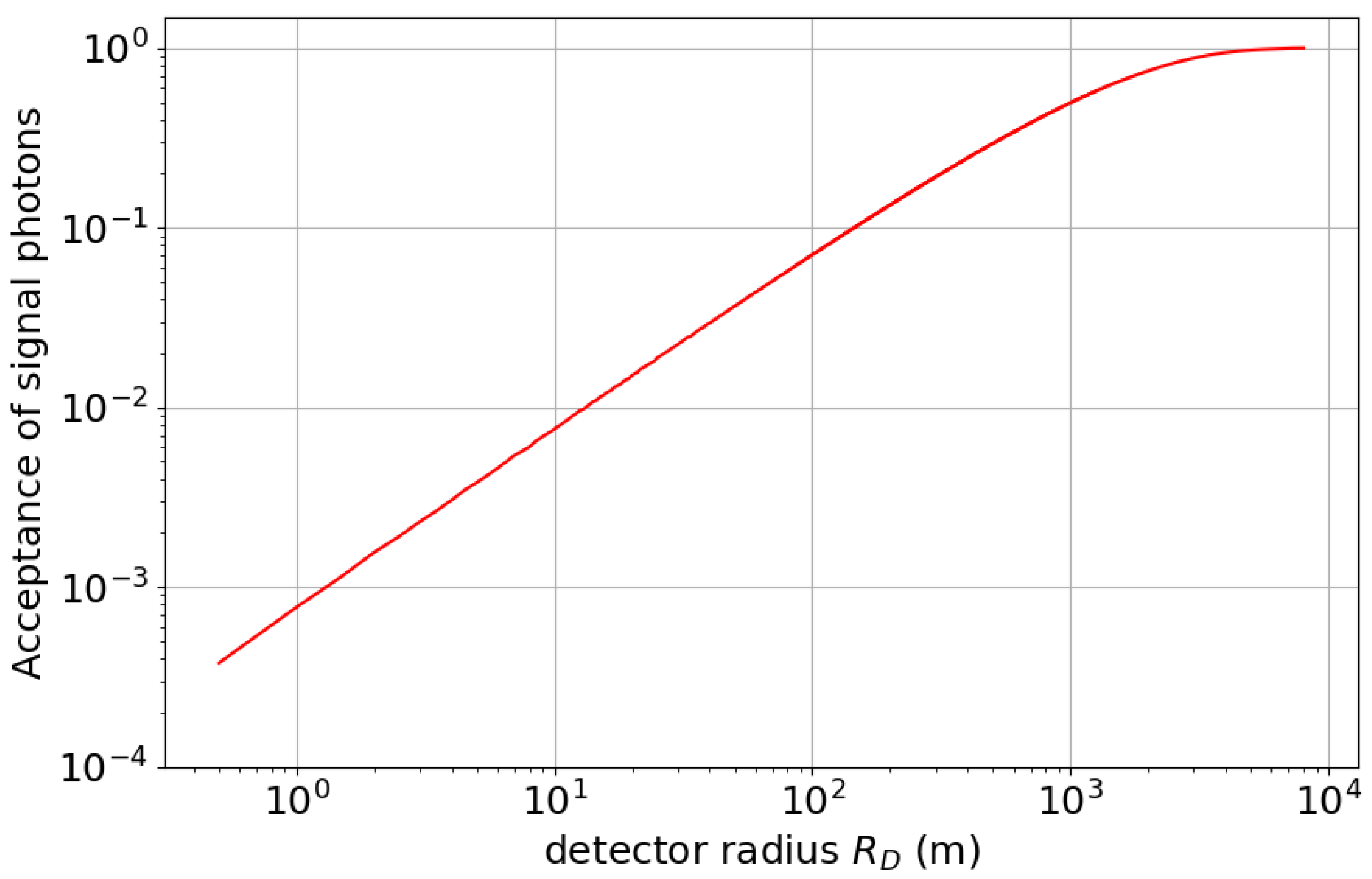
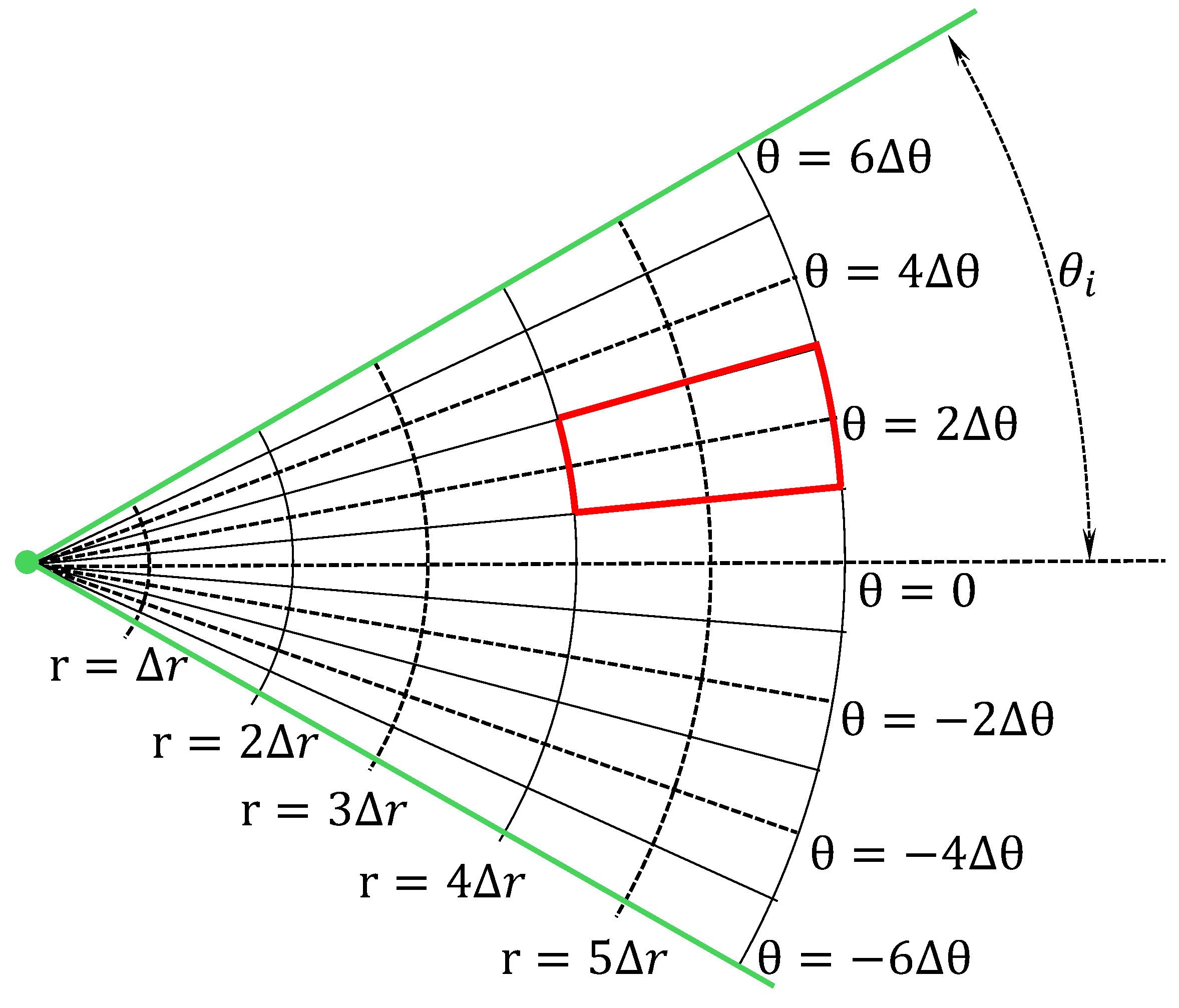
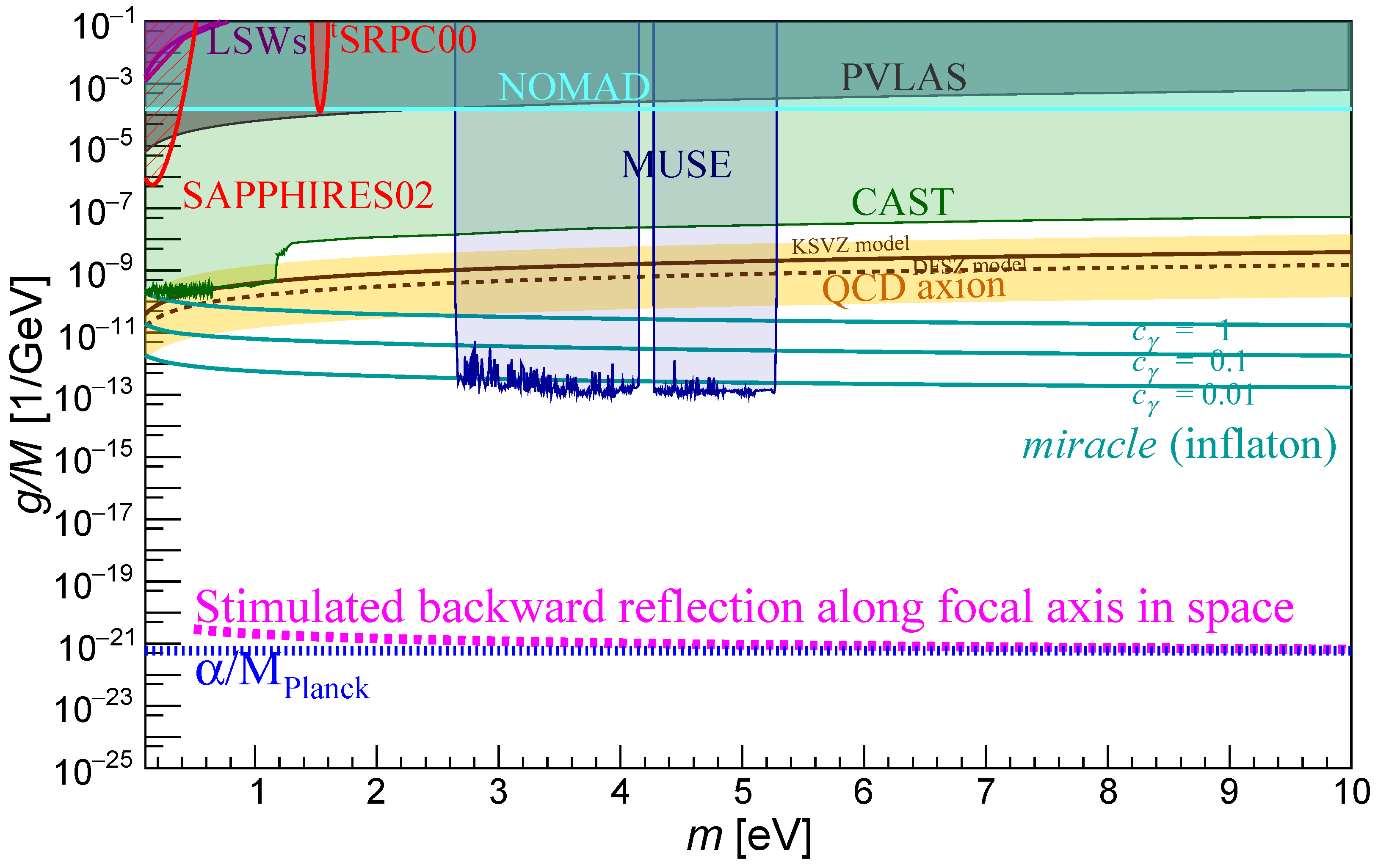
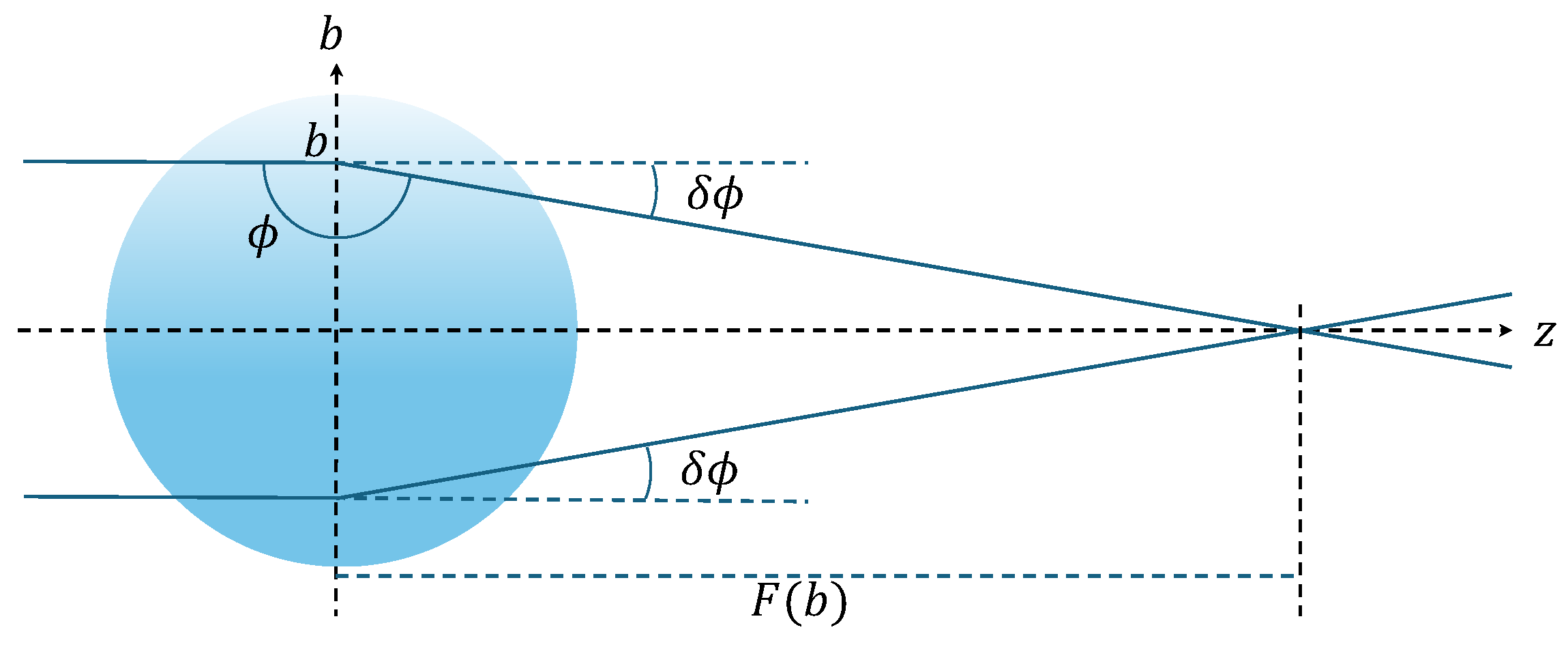
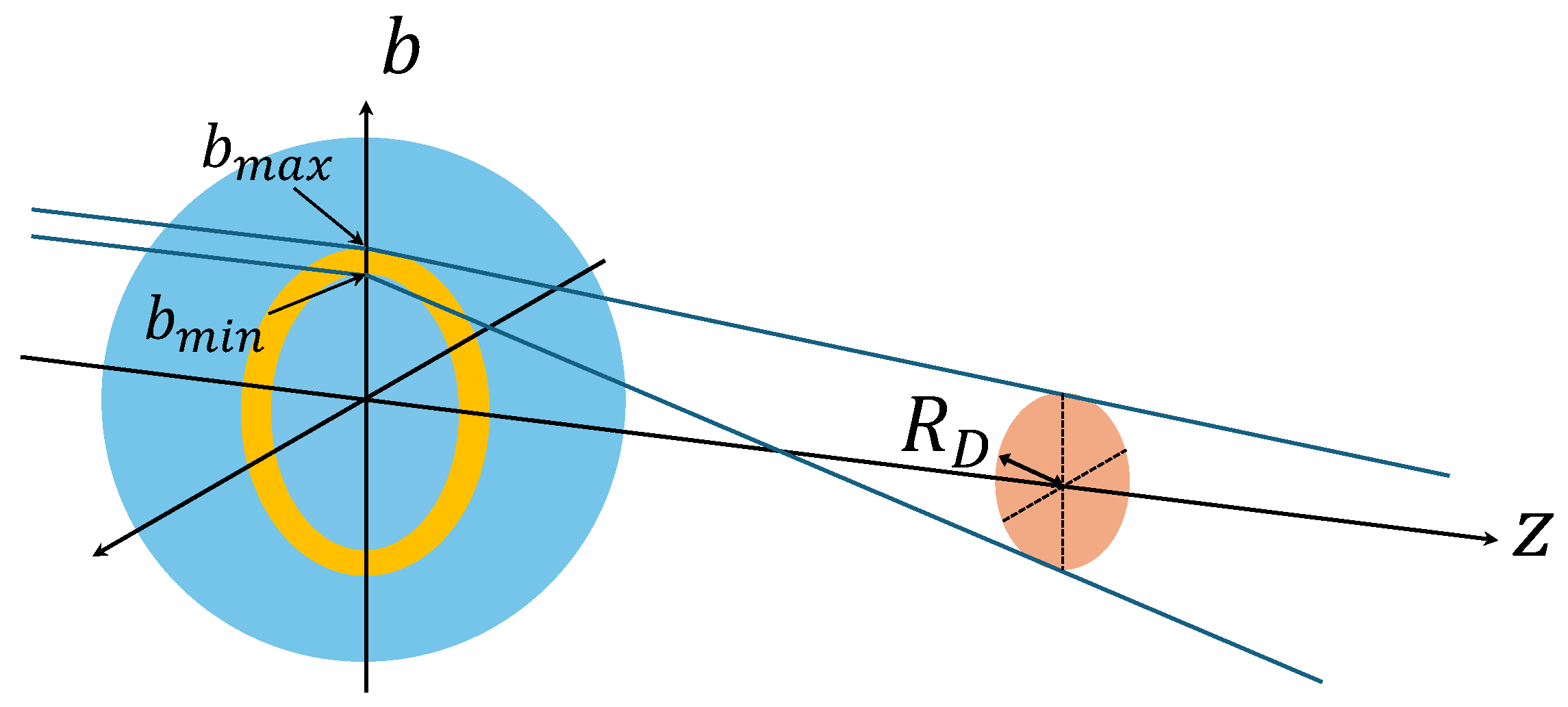
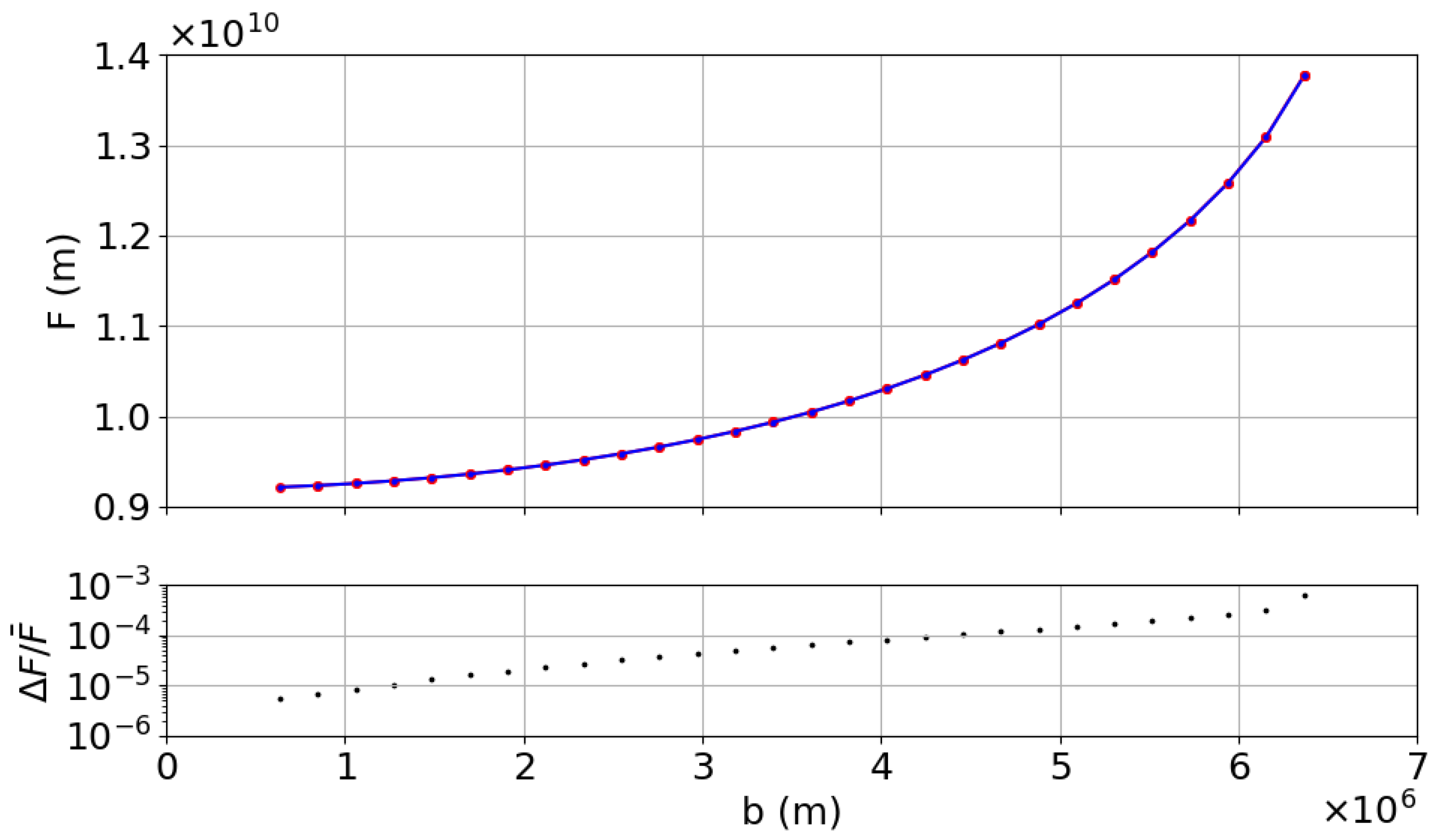
We propose a novel telescope concept based on Earth’s gravitational lensing effect, optimized for the detection of distant dark matter sources, particularly axion-like particles (ALPs). When a unidirectional flux of dark matter passes through Earth at sufficiently high velocity, gravitational lensing can concentrate the flux at a distant focal region in space. Our method combines this lensing effect with stimulated backward reflection (SBR), arising from ALP decays that are induced by directing a coherent electromagnetic beam toward the focal point. The aim of this work is to numerically analyze the structure of the focal region and to develop a framework for estimating the sensitivity to ALP–photon coupling via this mechanism. Numerical calculations show that, assuming an average ALP velocity of 520 km/s—as suggested by the observed stellar stream S1—the focal region extends from 9×10⁹ m to 1.4×10¹⁰ m, with peak density near 9.6×10⁹ m. For a conservative point-like ALP source located approximately 8 kpc from the solar system, based on the S1 stream, the estimated sensitivity in the eV mass range reaches g/M=O(1022)GeV1. This concept thus opens a path toward a general-purpose, space-based ALP observatory that could, in principle, detect more distant sources—well beyond O(10)kpc—provided that ALP–photon coupling is sufficiently strong, that is, MMPlanck.
Keywords: dark matter; axion; ALP; stimulated backward reflection; laser dark matter; axion; ALP; stimulated backward reflection; laser