
Metabolomic Evidence for Bee-Driven Detoxification, Nutritional Remodeling, and Geographic Homogenization in Rapeseed Floral Products

Highlights
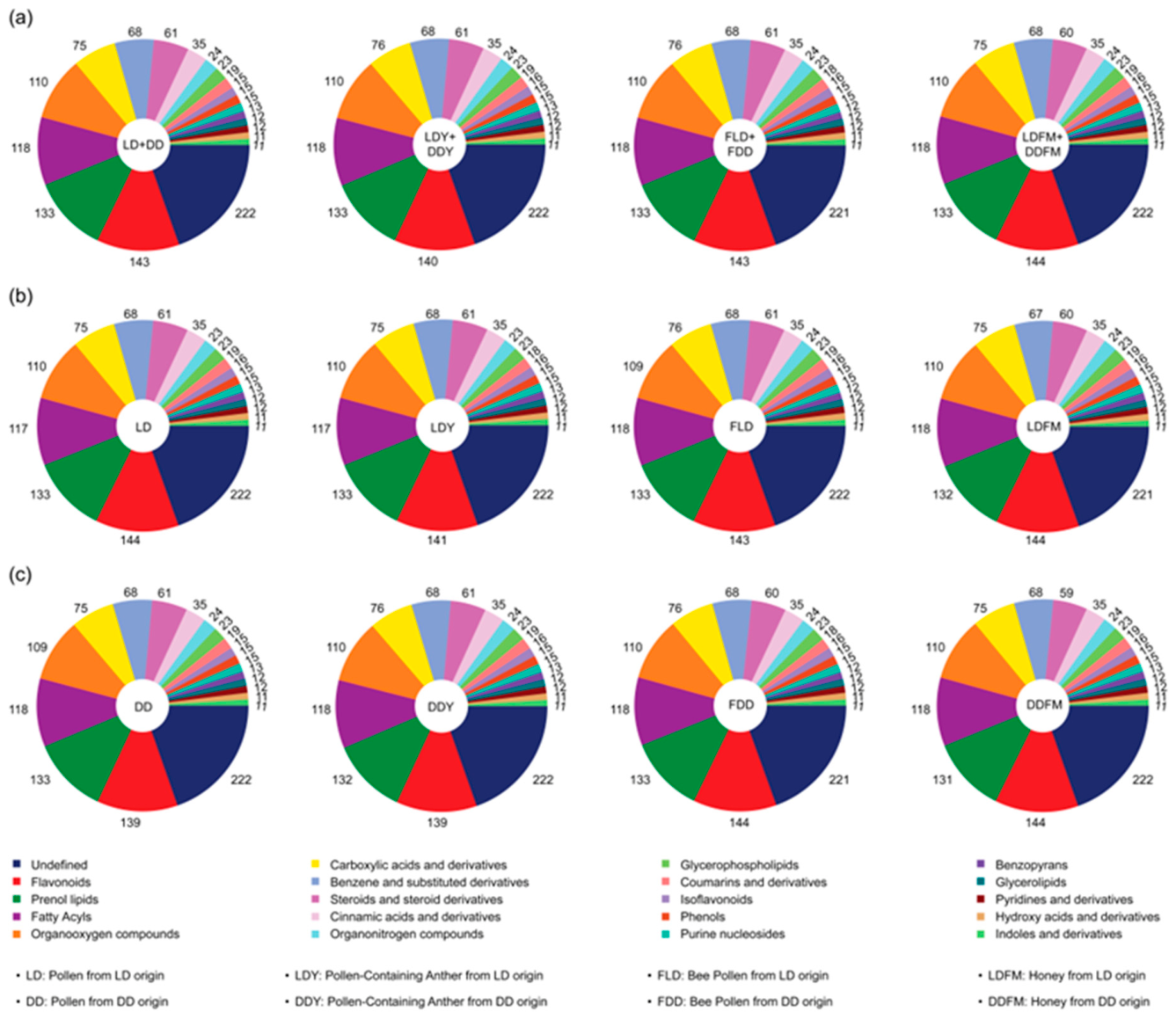
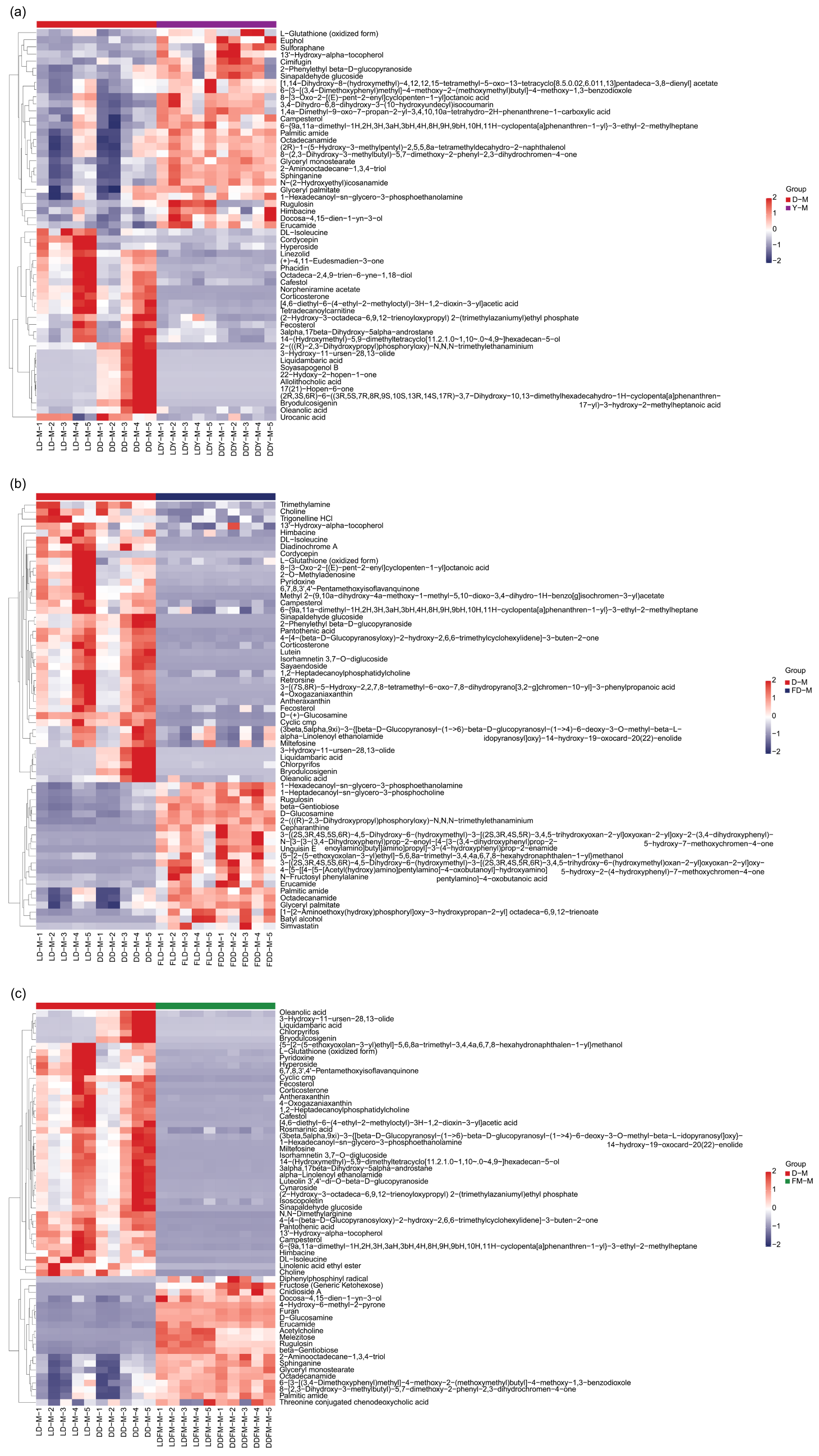
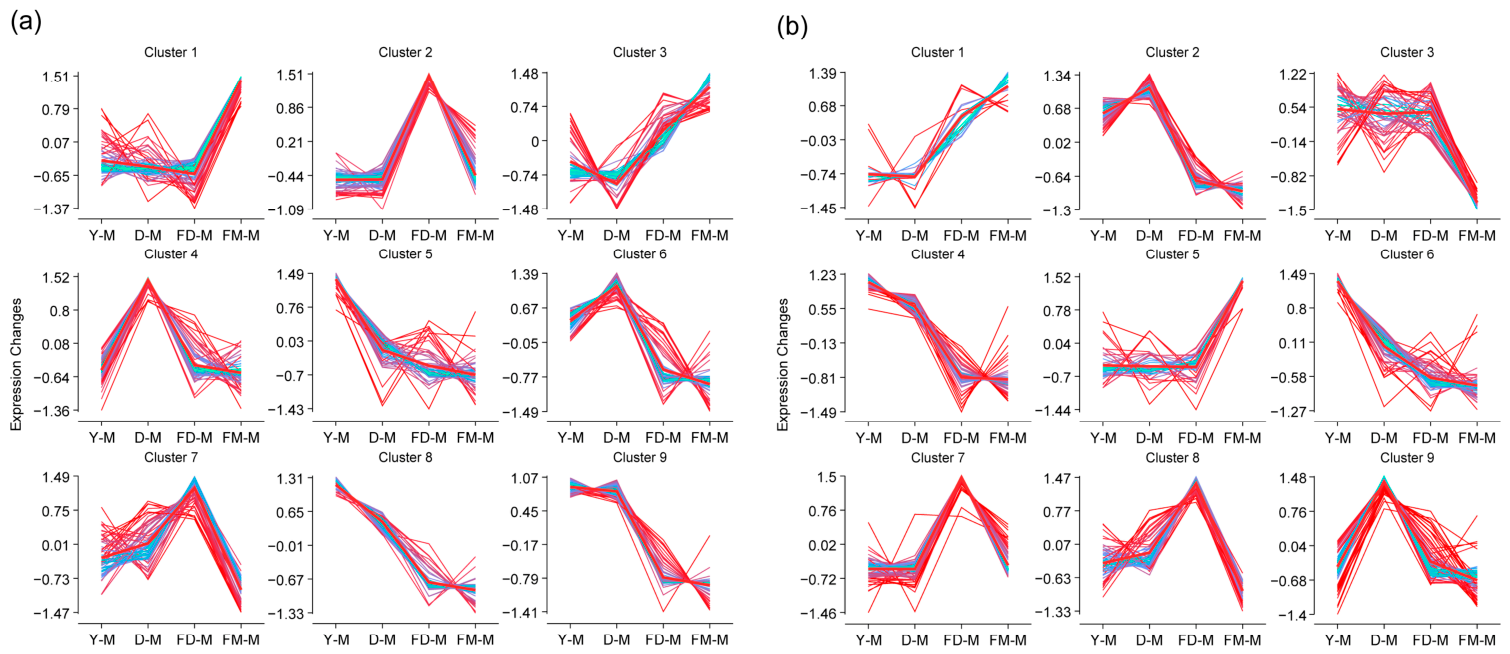
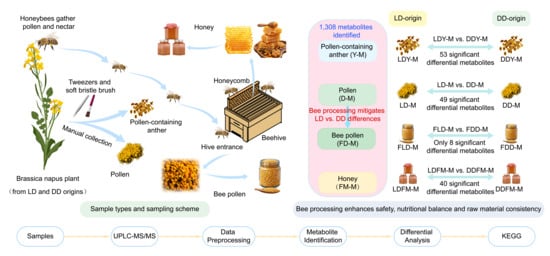
- Untargeted metabolomics profiled 1308 metabolites across rapeseed raw pollen, pollen-containing anther, bee pollen and honey; bee bioprocessing remodels pollen metabolome via biotransformation, eliminating toxic alkaloids/pesticides and accumulating beneficial phospholipids and carbohydrates.
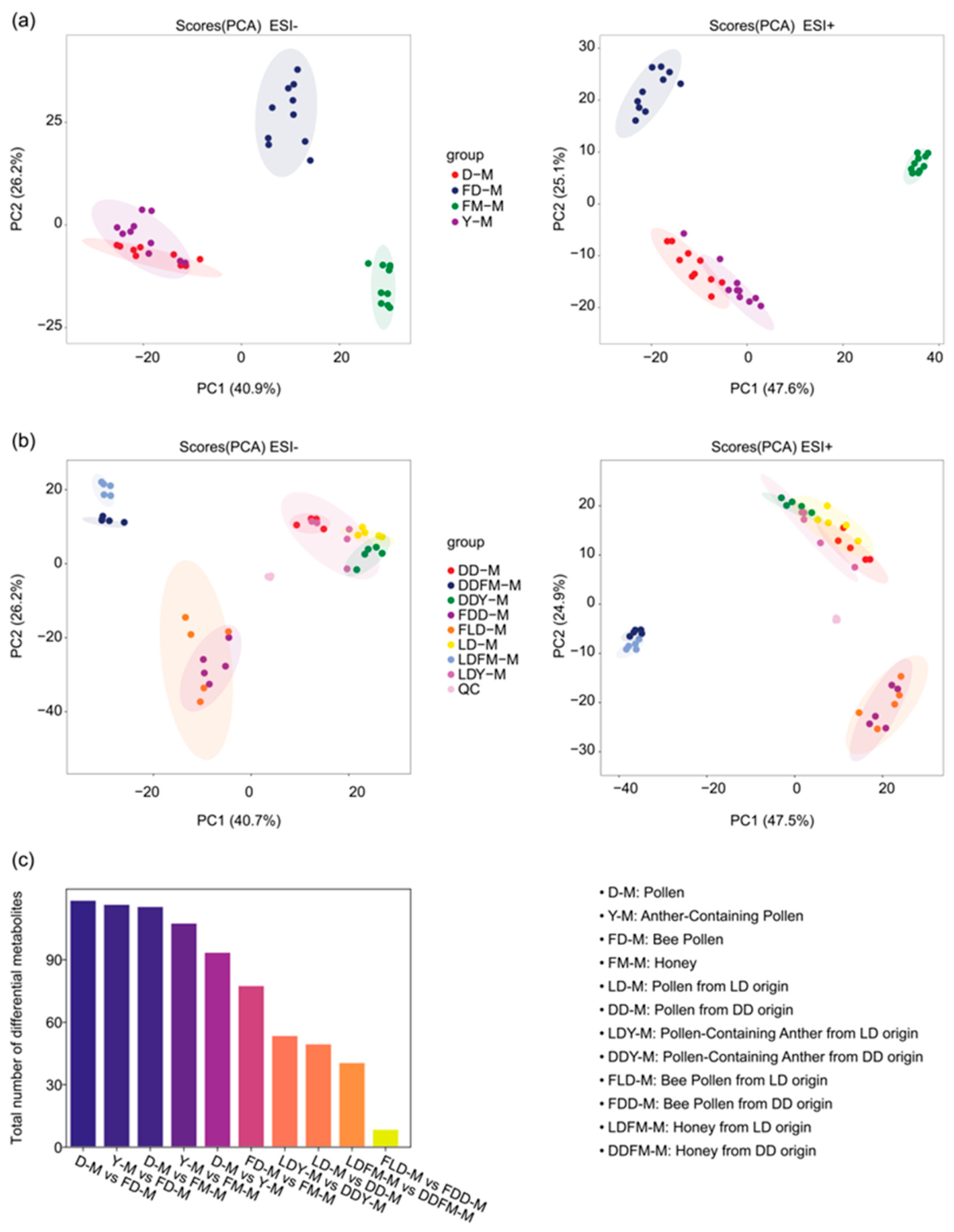
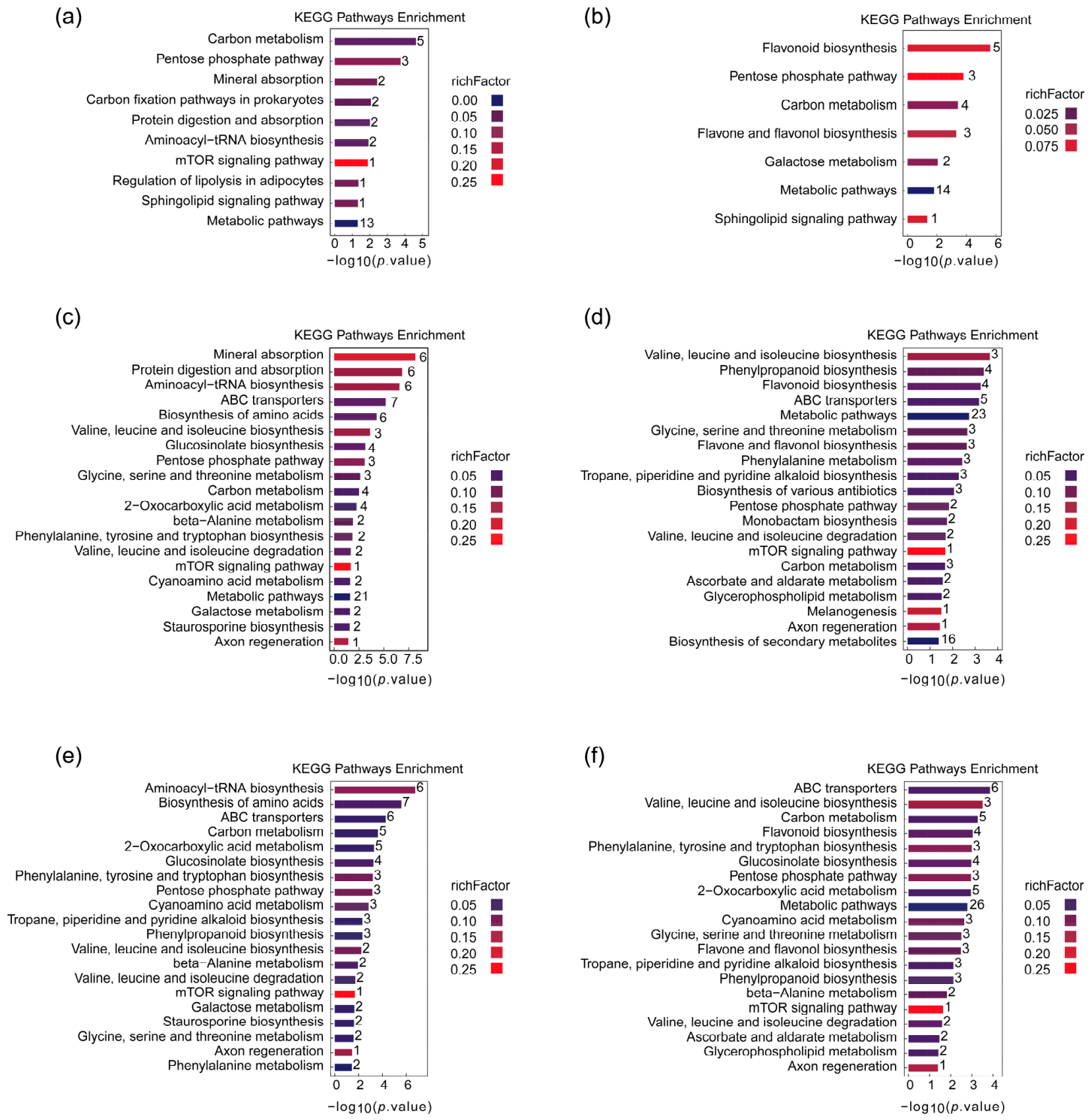
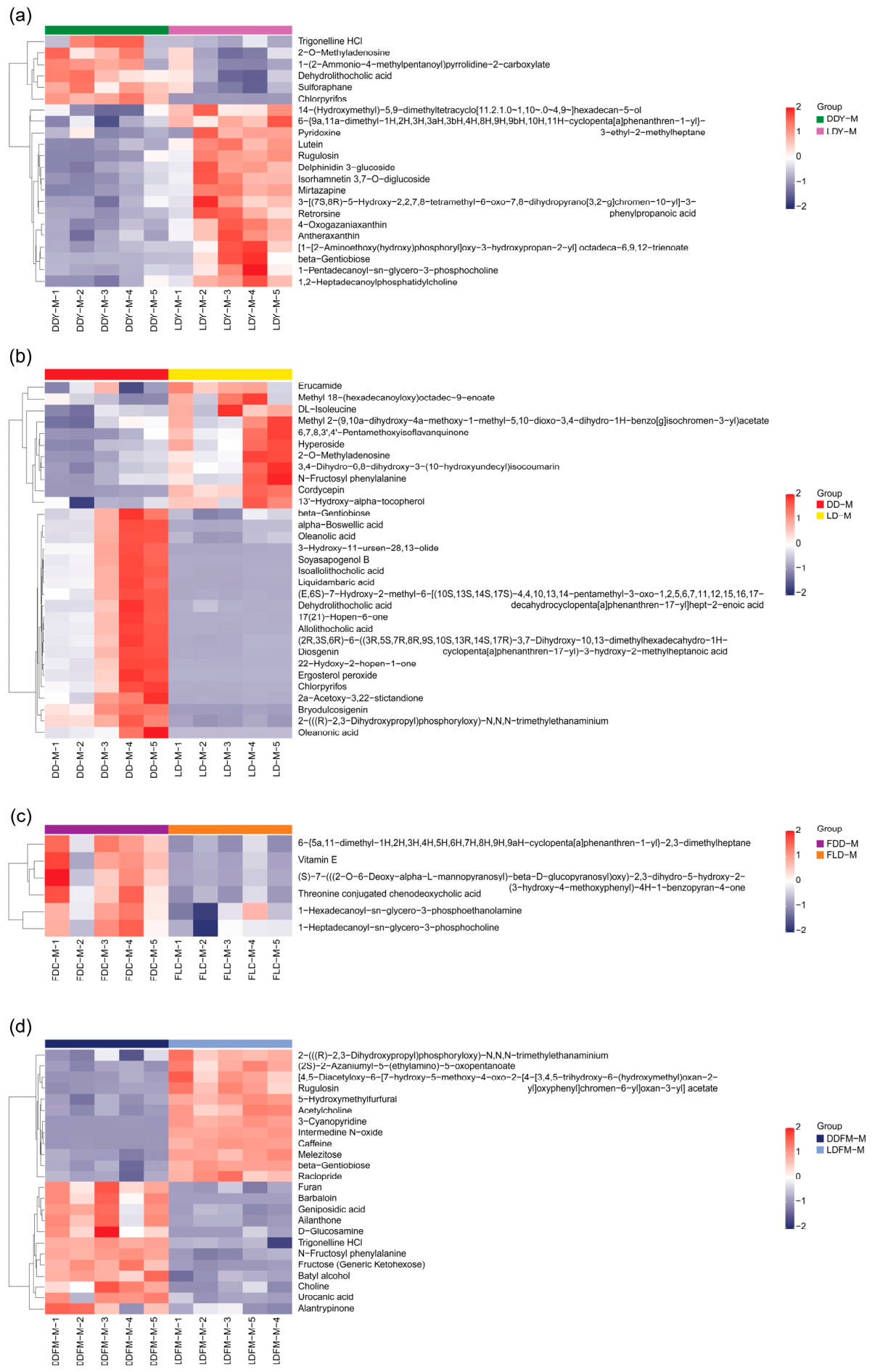
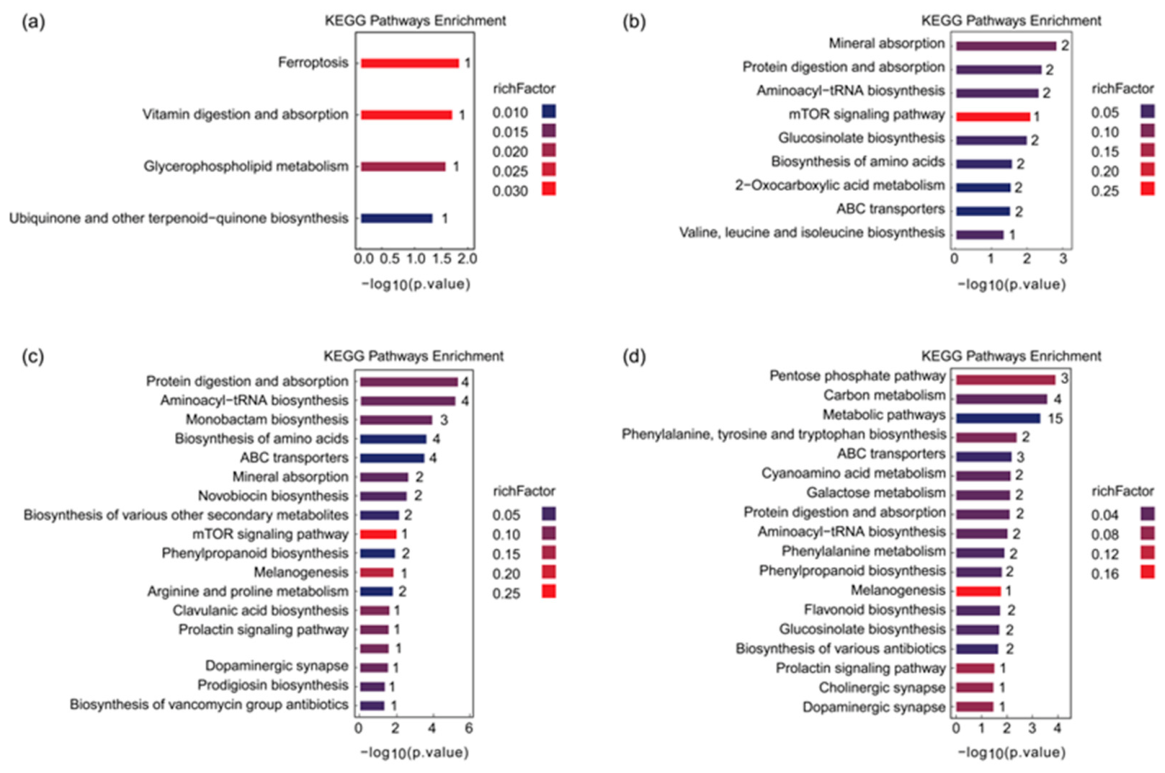
- Geographical metabolite discrepancies largely disappear after bee transformation: differential metabolites decrease from 49–53 in raw pollen to only eight in bee pollen, with distinct functional pathway enrichment among four matrices.
- Bee processing realizes natural detoxification and nutritional optimization of plant pollen, scientifically validating the superior safety and nutrient balance of commercially available bee pollen.
- This metabolic evidence differentiates application positioning: raw pollen for characteristic bioactive extraction, bee pollen as balanced nutritional supplement, honey as energy-supplying functional food.
Abstract
1. Introduction
2. Materials and Methods
2.1. Sample Collection
2.2. Sample Preparation and Metabolomics Data Acquisition
2.3. Chromatography–Mass Spectrometry Analysis
2.3.1. Chromatographic Conditions
2.3.2. Q-TOF Mass Spectrometry Conditions
2.4. Experimental Data Quality Assessment
2.5. Metabolite Identification
2.6. Statistical Analyses
3. Results
3.1. Abundant Shared Metabolites Across Different Product Types
3.2. Statistical and KEGG Analyses Among Four Product Types
3.3. Analyses Among Different Product Types of Different Geographical Origins
3.3.1. Identification of Metabolites in Different Product Types
3.3.2. Statistical and KEGG Analyses Among Four Product Types of Different Origins
4. Discussion
4.1. Key Metabolites Determine Differences Between the Sample Types
4.2. Attenuation Effect of Bee Processing on Origin-Related Differences
4.3. Detoxification Effect of Bee Processing
5. Conclusions
Supplementary Materials
Author Contributions
Funding
Institutional Review Board Statement
Informed Consent Statement
Data Availability Statement
Acknowledgments
Conflicts of Interest
Abbreviations
| ABTS | 2,2’-Azinobis-(3-ethylbenzthiazoline-6-sulphonate) |
| CAGR | Compound Annual Growth Rate |
| CCS | Collision Cross-Section |
| CE | Collision Energy |
| CUR | Curtain Gas |
| DP | Declustering Potential |
| DPPH | 2,2-Diphenyl-1-picrylhydrazyl |
| ESI | Electrospray Ionization |
| FDR | False Discovery Rate |
| IDA | Information-Dependent Acquisition |
| KEGG | Kyoto Encyclopedia of Genes and Genomes |
| MS | Mass Spectrometry |
| OPLS-DA | Orthogonal Partial Least Squares Discriminant Analysis |
| PCA | Principal Component Analysis |
| QC | Quality Control |
| Q-TOF | Quadrupole Time-of-Flight |
| RT | Retention Time |
| RSD | Relative Standard Deviation |
| TIC | Total Ion Current |
| UHPLC | Ultra-High-Performance Liquid Chromatography |
| UPLC-MS/MS | Ultra-High-Performance Liquid Chromatography–Tandem Mass Spectrometry |
| VIP | Variable Importance in Projection |
References
- Giampieri, F.; Quiles, J.L.; Cianciosi, D.; Forbes-Hernández, T.Y.; Orantes-Bermejo, F.J.; Alvarez-Suarez, J.M.; Battino, M. Bee Products: An Emblematic Example of Underutilized Sources of Bioactive Compounds. J. Agric. Food Chem. 2022, 70, 6833–6848. [Google Scholar] [CrossRef] [PubMed]
- Qiao, J.; Feng, Z.; Zhang, Y.; Xiao, X.; Dong, J.; Haubruge, E.; Zhang, H. Phenolamide and Flavonoid Glycoside Profiles of 20 Types of Monofloral Bee Pollen. Food Chem. 2023, 405, 134800. [Google Scholar] [CrossRef]
- Liu, L.; Sun, Z.; Liang, A.; Zhang, R.; He, S.; He, Y.; Zhang, M.; Li, X.; Wu, X. Screening of Characteristic Metabolites in Bee Pollen from Different Floral Sources Based on High-Resolution Mass Spectrometry. Foods 2025, 14, 4305. [Google Scholar] [CrossRef]
- Pogoda, E.; Kuś, P.M. Application of Liquid Chromatography–Mass Spectrometry-Based Untargeted Metabolomics to Reveal Metabolites Related to Antioxidant Activity in Buckwheat Honey. Molecules 2025, 30, 2198. [Google Scholar] [CrossRef]
- Liu, R.; Zhang, X.; Liu, H.; Huang, Y.; Zhang, Y.; Wu, Y.; Nie, J. Revealing the Key Antioxidant Compounds and Potential Action Mechanisms of Bauhinina championii Honey Based on Non-Targeted Metabolomics, Mineralogical Analysis and Physicochemical Characterization. Food Chem. 2025, 477, 143456. [Google Scholar] [CrossRef]
- Human, H.; Nicolson, S.W. Nutritional Content of Fresh, Bee-Collected and Stored Pollen of Aloe greatheadii var. davyana (Asphodelaceae). Phytochemistry 2006, 67, 1486–1492. [Google Scholar] [CrossRef]
- Alcalá-Orozco, M.; Lobo-Farfan, I.; Tirado, D.F.; Mantilla-Escalante, D.C. Enhancing the Nutritional and Bioactive Properties of Bee Pollen: A Comprehensive Review of Processing Techniques. Foods 2024, 13, 3437. [Google Scholar] [CrossRef]
- Aylanc, V.; Falcão, S.I.; Ertosun, S.; Vilas-Boas, M. From the Hive to the Table: Nutrition Value, Digestibility and Bioavailability of the Dietary Phytochemicals Present in the Bee Pollen and Bee Bread. Trends Food Sci. Technol. 2021, 109, 464–481. [Google Scholar] [CrossRef]
- Qi, D.; Lu, M.; Li, J.; Ma, C. Metabolomics Reveals Distinctive Metabolic Profiles and Marker Compounds of Camellia (Camellia sinensis L.) Bee Pollen. Foods 2023, 12, 2661. [Google Scholar] [CrossRef] [PubMed]
- Zhang, X.; Yu, M.; Zhu, X.; Liu, R.; Lu, Q. Metabolomics Reveals That Phenolamides Are the Main Chemical Components Contributing to the Anti-Tyrosinase Activity of Bee Pollen. Food Chem. 2022, 389, 133071. [Google Scholar] [CrossRef]
- Baky, M.H.; Abouelela, M.B.; Wang, K.; Farag, M.A. Bee Pollen and Bread as a Super-Food: A Comparative Review of Their Metabolome Composition and Quality Assessment in the Context of Best Recovery Conditions. Molecules 2023, 28, 715. [Google Scholar] [CrossRef] [PubMed]
- Vidkjær, N.H.; Laursen, B.B.; Kryger, P. Phytochemical Profiles of Honey Bees (Apis mellifera) and Their Larvae Differ from the Composition of Their Pollen Diet. R. Soc. Open Sci. 2024, 11, 231654. [Google Scholar] [CrossRef]
- Chang, H.; Ding, G.; Jia, G.; Feng, M.; Huang, J. Hemolymph Metabolism Analysis of Honey Bee (Apis mellifera L.) Response to Different Bee Pollens. Insects 2022, 14, 37. [Google Scholar] [CrossRef] [PubMed]
- Krejčí, P.; Žingor, Z.; Balarynová, J.; Čevelová, A.; Tesárek, M.; Smýkal, P.; Bednář, P. Modern Comprehensive Metabolomic Profiling of Pollen Using Various Analytical Techniques. Molecules 2025, 30, 1172. [Google Scholar] [CrossRef]
- Yokota, S.C.; Broeckling, C.; Arathi, H.S. Pollen Foraging Preferences in Honey Bees and the Nutrient Profiles of the Pollen. Sci. Rep. 2024, 14, 15028. [Google Scholar] [CrossRef] [PubMed]
- Sharma, A.; Thakur, A.; Nanda, V. Optimizing Enzyme-Assisted Hydrolysis for Enhanced Phytochemical, Functional, and Nutritional Properties of Rapeseed (Brassica napus) Bee Pollen Using Response Surface Methodology (RSM). Food Biophys. 2025, 20, 69. [Google Scholar] [CrossRef]
- Grand View Research. Bee Pollen Market Size, Share & Trends. Analysis Report By Type (2024–2030). 2025. Available online: https://www.grandviewresearch.com/industry-analysis/bee-pollen-market-report (accessed on 9 January 2026).
- Niu, D.F.; Wang, B.; Ling, Y.; Chen, Y.Y.; Wang, Y.F. Study on Volatile Components of Rapeseed Bee Pollen and Its Beebread. Jiangsu Agric. Sci. 2019, 47, 164–169. [Google Scholar] [CrossRef]
- Zhang, H.; Liu, R.; Lu, Q. Separation and Characterization of Phenolamines and Flavonoids from Rape Bee Pollen, and Comparison of Their Antioxidant Activities and Protective Effects Against Oxidative Stress. Molecules 2020, 25, 1264. [Google Scholar] [CrossRef]
- Gardana, C.; Del Bo’, C.; Quicazán, M.C.; Corrrea, A.R.; Simonetti, P. Nutrients, Phytochemicals and Botanical Origin of Commercial Bee Pollen from Different Geographical Areas. J. Food Compos. Anal. 2018, 73, 29–38. [Google Scholar] [CrossRef]
- Mayda, N.; Özkök, A.; Ecem Bayram, N.; Gerçek, Y.C.; Sorkun, K. Bee Bread and Bee Pollen of Different Plant Sources: Determination of Phenolic Content, Antioxidant Activity, Fatty Acid and Element Profiles. J. Food Meas. Charact. 2020, 14, 1795–1809. [Google Scholar] [CrossRef]
- Nagai, T.; Nagashima, T.; Suzuki, N.; Inoue, R. Antioxidant Activity and Angiotensin I-Converting Enzyme Inhibition by Enzymatic Hydrolysates from Bee Bread. Z. Naturforschung C 2005, 60, 133–138. [Google Scholar] [CrossRef]
- Wan, X.; Wu, J.; Wang, X.; Cui, L.; Xiao, Q. Accumulation Patterns of Flavonoids and Phenolic Acids in Different Colored Sweet Potato Flesh Revealed Based on Untargeted Metabolomics. Food Chem. X 2024, 23, 101551. [Google Scholar] [CrossRef]
- Zhang, H.; Zhu, X.; Huang, Q.; Zhang, L.; Liu, X.; Liu, R.; Lu, Q. Antioxidant and Anti-Inflammatory Activities of Rape Bee Pollen after Fermentation and Their Correlation with Chemical Components by Ultra-Performance Liquid Chromatography-Quadrupole Time of Flight Mass Spectrometry-Based Untargeted Metabolomics. Food Chem. 2023, 409, 135342. [Google Scholar] [CrossRef]
- He, Q.; Wang, J.; Li, J.; Yang, W. Polyphenol Profile and Antioxidant, Antityrosinase, and Anti-Melanogenesis Activities of Ethanol Extract of Bee Pollen. Pharmaceuticals 2024, 17, 1634. [Google Scholar] [CrossRef]
- Bayram, N.E.; Gercek, Y.C.; Çelik, S.; Mayda, N.; Kostić, A.Ž.; Dramićanin, A.M.; Özkök, A. Phenolic and Free Amino Acid Profiles of Bee Bread and Bee Pollen with the Same Botanical Origin—Similarities and Differences. Arab. J. Chem. 2021, 14, 103004. [Google Scholar] [CrossRef]
- Tomás-Barberán, F.A.; Tomás-Lorente, F.; Ferreres, F.; Garcia-Viguera, C. Flavonoids as Biochemical Markers of the Plant Origin of Bee Pollen. J. Sci. Food Agric. 1989, 47, 337–340. [Google Scholar] [CrossRef]
- Oelschlaegel, S.; Gruner, M.; Wang, P.-N.; Boettcher, A.; Koelling-Speer, I.; Speer, K. Classification and Characterization of Manuka Honeys Based on Phenolic Compounds and Methylglyoxal. J. Agric. Food Chem. 2012, 60, 7229–7237. [Google Scholar] [CrossRef] [PubMed]
- Al-Sherif, A.A.; Mazeed, A.M.; Ewis, M.A.; Nafea, E.A.; Hagag, E.E.; Kamel, A.A. Activity of Salivary Glands in Secreting Honey-elaborating Enzymes in Two Subspecies of Honeybee (Apis mellifera L.). Physiol. Entomol. 2017, 42, 397–403. [Google Scholar] [CrossRef]
- Akiki, P.; Delamotte, P.; Montagne, J. Lipid Metabolism in Relation to Carbohydrate Metabolism. In Advances in Experimental Medicine and Biology; Springer: Cham, Switzerland, 2024; pp. 1–21. [Google Scholar]
- Mohammad, S.M.; Mahmud-Ab-Rashid, N.-K.; Zawawi, N. Stingless Bee-Collected Pollen (Bee Bread): Chemical and Microbiology Properties and Health Benefits. Molecules 2021, 26, 957. [Google Scholar] [CrossRef] [PubMed]
- Saavedra, C.K.I.; Rojas, I.C.; Delgado, P.G.E. Características polínicas y composición química del polen apícola colectado en Cayaltí (Lambayeque—Perú). Rev. Chil. Nutr. 2013, 40, 71–78. [Google Scholar] [CrossRef]
- Corby-Harris, V.; Maes, P.; Anderson, K.E. The Bacterial Communities Associated with Honey Bee (Apis mellifera) Foragers. PLoS ONE 2014, 9, e95056. [Google Scholar] [CrossRef]
- Kasiotis, K.M.; Baira, E.; Iosifidou, S.; Manea-Karga, E.; Tsipi, D.; Gounari, S.; Theologidis, I.; Barmpouni, T.; Danieli, P.P.; Lazzari, F.; et al. Fingerprinting Chemical Markers in the Mediterranean Orange Blossom Honey: UHPLC-HRMS Metabolomics Study Integrating Melissopalynological Analysis, GC-MS and HPLC-PDA-ESI/MS. Molecules 2023, 28, 3967. [Google Scholar] [CrossRef]
- Bogdanov, S.; Jurendic, T.; Sieber, R.; Gallmann, P. Honey for Nutrition and Health: A Review. J. Am. Coll. Nutr. 2008, 27, 677–689. [Google Scholar] [CrossRef]
- Da Silva, P.M.; Gauche, C.; Gonzaga, L.V.; Costa, A.C.O.; Fett, R. Honey: Chemical Composition, Stability and Authenticity. Food Chem. 2016, 196, 309–323. [Google Scholar] [CrossRef] [PubMed]
- García-Tenesaca, M.; Navarrete, E.S.; Iturralde, G.A.; Villacrés Granda, I.M.; Tejera, E.; Beltrán-Ayala, P.; Giampieri, F.; Battino, M.; Alvarez-Suarez, J.M. Influence of Botanical Origin and Chemical Composition on the Protective Effect against Oxidative Damage and the Capacity to Reduce In Vitro Bacterial Biofilms of Monofloral Honeys from the Andean Region of Ecuador. Int. J. Mol. Sci. 2017, 19, 45. [Google Scholar] [CrossRef]
- Wang, J.; Li, Q.X. Chapter 3—Chemical Composition, Characterization, and Differentiation of Honey Botanical and Geographical Origins. In Advances in Food and Nutrition Research; Academic Press: Waltham, MA, USA, 2011; Volume 62, pp. 89–137. [Google Scholar]
- Bravo, L. Polyphenols: Chemistry, Dietary Sources, Metabolism, and Nutritional Significance. Nutr. Rev. 2009, 56, 317–333. [Google Scholar] [CrossRef]
- Zeng, L.; Fu, Y.-Q.; Liu, Y.-Y.; Huang, J.-S.; Chen, J.-X.; Yin, J.-F.; Jin, S.; Sun, W.-J.; Xu, Y.-Q. Comparative Analysis of Different Grades of Tieguanyin Oolong Tea Based on Metabolomics and Sensory Evaluation. LWT 2023, 174, 114423. [Google Scholar] [CrossRef]
- Harwood, G.P.; Dolezal, A.G. Pesticide–Virus Interactions in Honey Bees: Challenges and Opportunities for Understanding Drivers of Bee Declines. Viruses 2020, 12, 566. [Google Scholar] [CrossRef] [PubMed]
- Haque, S.; Gamage, H.K.A.H.; Kardum Hjort, C.; Ponton, F.; Encinas-Viso, F.; Paulsen, I.T.; Dudaniec, R.Y. Landscape-Wide Metabarcoding Shows Interactions Among the Gut Microbiome and Pollen Diversity in the Invasive Bumblebee, Bombus terrestris. Ecol. Evol. 2025, 15, e71717. [Google Scholar] [CrossRef]
- European Commission. Commission Regulation (EU) 2023/915 of 25 April 2023 on Maximum Levels for Certain Contaminants in Food and Repealing Regulation (EC) No 1881/2006 (Annex I, Point 2.4.11). Off. J. Eur. Union 2023, L119, 103. [Google Scholar]


Disclaimer/Publisher’s Note: The statements, opinions and data contained in all publications are solely those of the individual author(s) and contributor(s) and not of MDPI and/or the editor(s). MDPI and/or the editor(s) disclaim responsibility for any injury to people or property resulting from any ideas, methods, instructions or products referred to in the content. |
© 2026 by the authors. Licensee MDPI, Basel, Switzerland. This article is an open access article distributed under the terms and conditions of the Creative Commons Attribution (CC BY) license.
Share and Cite
Gao, W.-M.; Xiong, C.-M.; Li, J.-J.; Lu, L. Metabolomic Evidence for Bee-Driven Detoxification, Nutritional Remodeling, and Geographic Homogenization in Rapeseed Floral Products. Metabolites 2026, 16, 403. https://doi.org/10.3390/metabo16060403
Gao W-M, Xiong C-M, Li J-J, Lu L. Metabolomic Evidence for Bee-Driven Detoxification, Nutritional Remodeling, and Geographic Homogenization in Rapeseed Floral Products. Metabolites. 2026; 16(6):403. https://doi.org/10.3390/metabo16060403
Chicago/Turabian StyleGao, Wei-Min, Chun-Mei Xiong, Jing-Juan Li, and Lu Lu. 2026. "Metabolomic Evidence for Bee-Driven Detoxification, Nutritional Remodeling, and Geographic Homogenization in Rapeseed Floral Products" Metabolites 16, no. 6: 403. https://doi.org/10.3390/metabo16060403
APA StyleGao, W.-M., Xiong, C.-M., Li, J.-J., & Lu, L. (2026). Metabolomic Evidence for Bee-Driven Detoxification, Nutritional Remodeling, and Geographic Homogenization in Rapeseed Floral Products. Metabolites, 16(6), 403. https://doi.org/10.3390/metabo16060403