
Article

Toxic Effects of Exposure to Phthalates on Cardiac Injury Biomarkers: Evidence from NHANES 1999–2004
1
School of Civil Engineering, Southeast University, Nanjing 210096, China
2
Nanjing Institute of Environmental Science, Ministry of Ecology and Environment of China, Nanjing 210042, China
*
Author to whom correspondence should be addressed.
Metabolites 2025, 15(2), 114; https://doi.org/10.3390/metabo15020114

Submission received: 15 January 2025 / Revised: 5 February 2025 / Accepted: 7 February 2025 / Published: 10 February 2025
(This article belongs to the Section Environmental Metabolomics)

Abstract

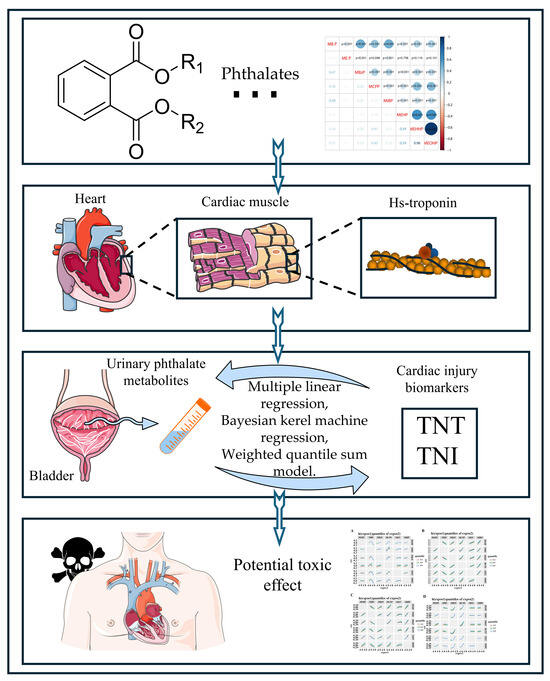
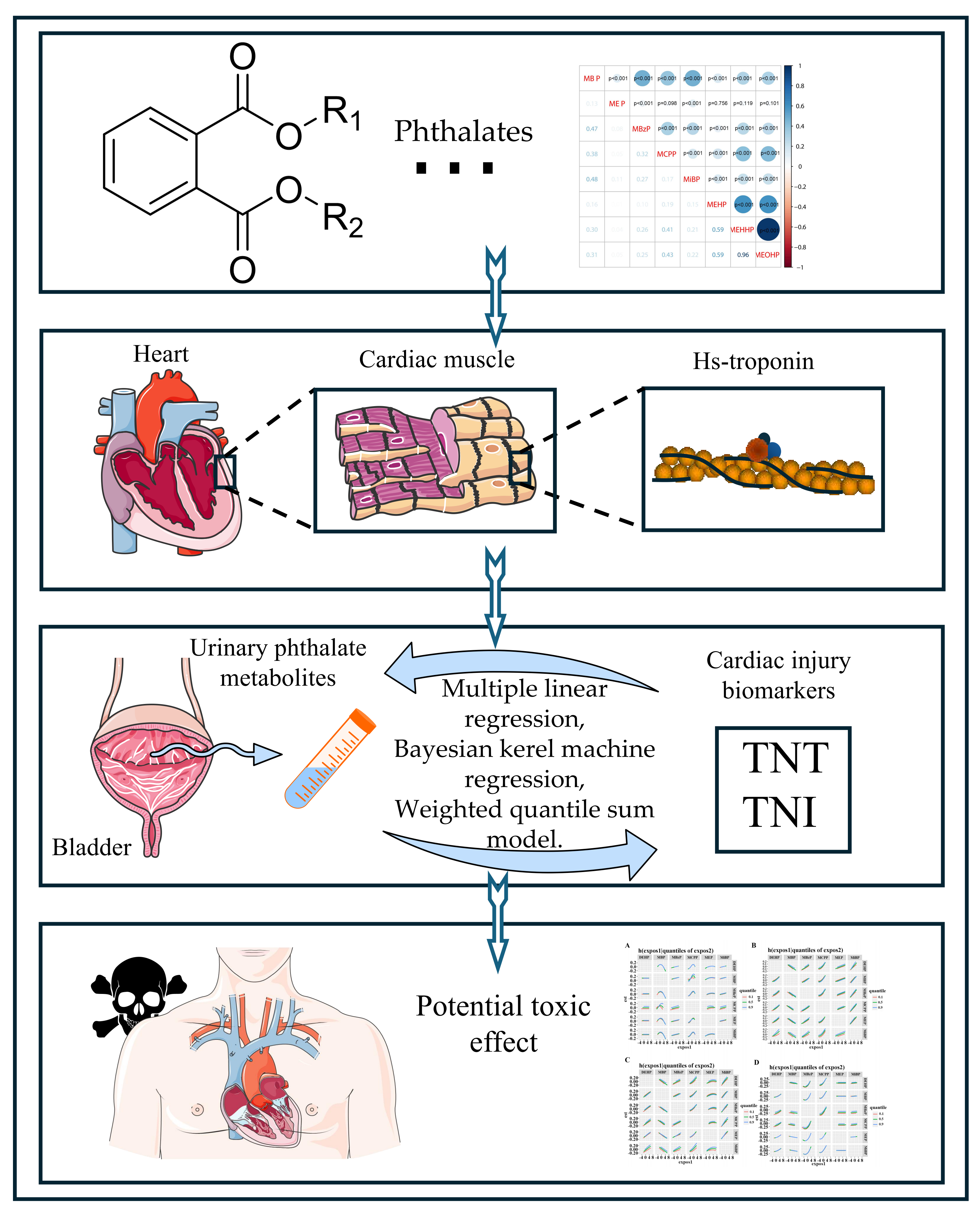
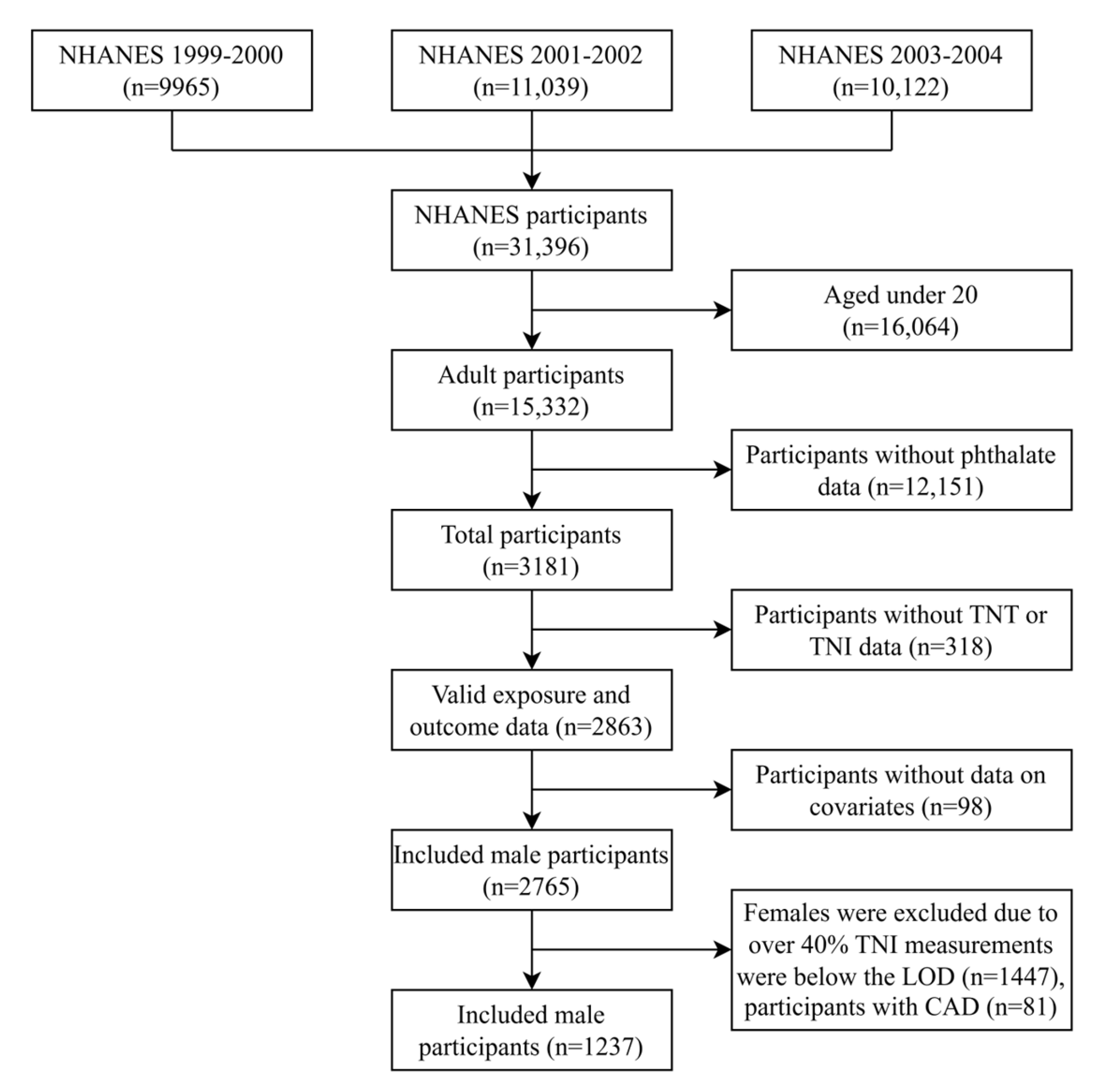
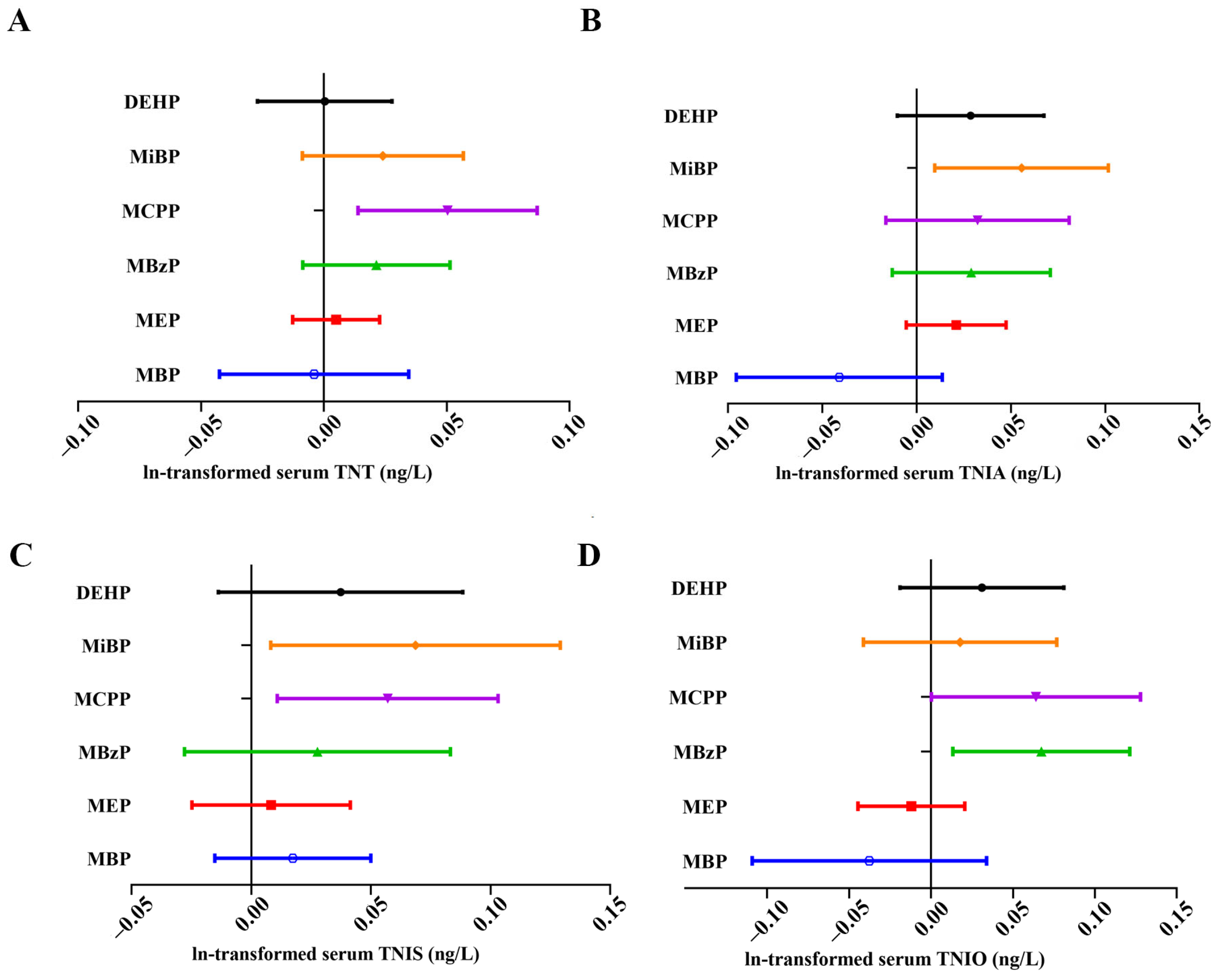
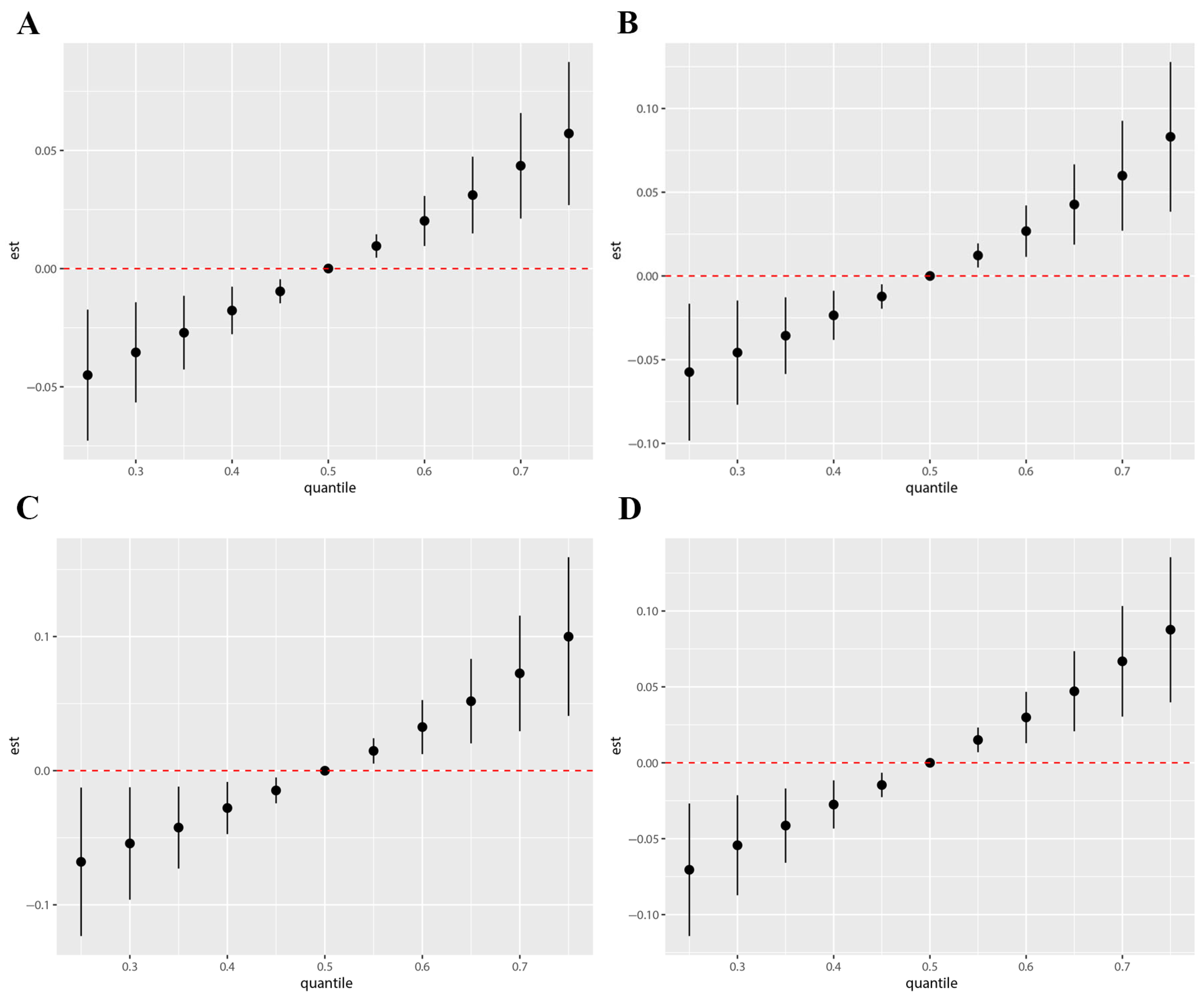
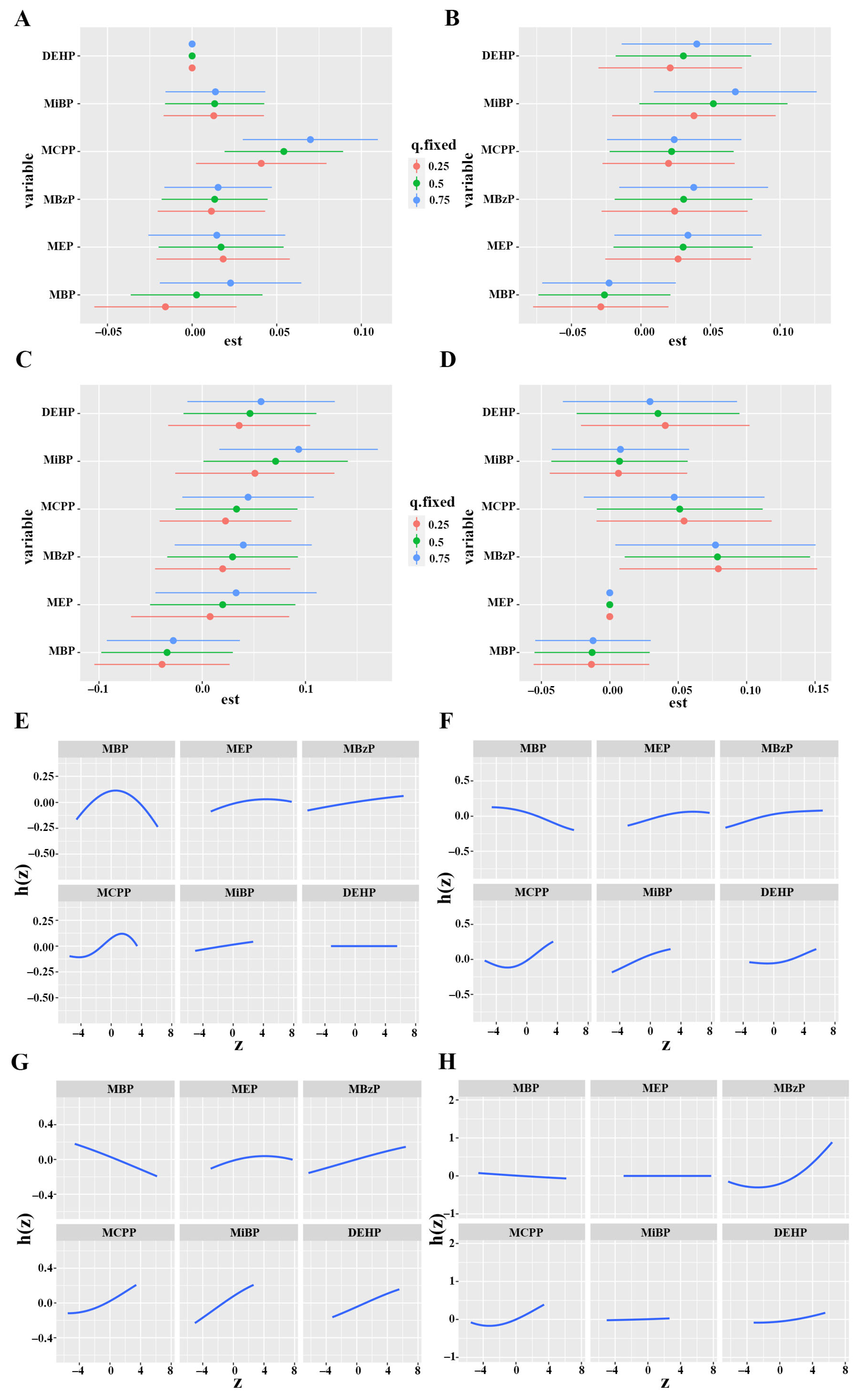
Background: Humans are consistently and increasingly exposed to phthalate products, but the effect of the combined exposure to phthalates on myocardial injury remains largely unexplored. The present study aimed to explore the effect of the combined exposure to phthalates on myocardial injury. Methods: A total of 1237 male adults (aged ≥20) without coronary artery disease (CAD) from the National Health and Nutrition Examination Survey (NHANES) in 1999–2004 were included in the current study. Multiple linear regression, Bayesian kernel machine regression (BKMR), and a weighted quantile sum (WQS) model were employed to examine the associations of urinary phthalate metabolites with two cardiac injury biomarkers, including troponin T (TNT) and troponin I, using four highly sensitive assays (Abbott, Chicago, IL, USA; Siemens, Erlangen, Germany; and Ortho, Raritan, NJ, USA) (TNIA, TNIS, TNIO). Results: According to the linear regression analysis, mono-(3-carboxypropyl) phthalate (MCPP, a metabolite of di-n-octyl phthalate) was found to be positively associated with serum TNT; a positive association was found between mono-isobutyl phthalate (MiBP, a metabolite of di-isobutyl phthalate) and TNIA, as well as MiBP and TNIS. Mono-benzyl phthalate (MBzP, a metabolite of butyl benzyl phthalate) and MCPP were positively associated with serum TNIO. The BKMR analyses showed a positive overall relationship of serum TNT, TNIA, TNIS, and TNIO with increased concentrations of phthalate metabolites. The WQS model showed MCPP and MBzP were the top two contributors to being an increased risk for elevated TNT levels. MCPP and mono-ethyl phthalate (MEP, a metabolite of diethyl phthalate) were identified as the leading contributors to increased TNIA and TNIS. MCPP and MBzP were the dominant contributors to elevated TNIO. Conclusions: As a combined mixture, phthalate metabolites were positively associated with serum TNT and TNI among adults without CAD, indicating the potential toxic effect of phthalate exposure on cardiac injury.
Keywords: phthalates; troponin; cardiac injury; NHANES; BKMR phthalates; troponin; cardiac injury; NHANES; BKMR
Graphical Abstract